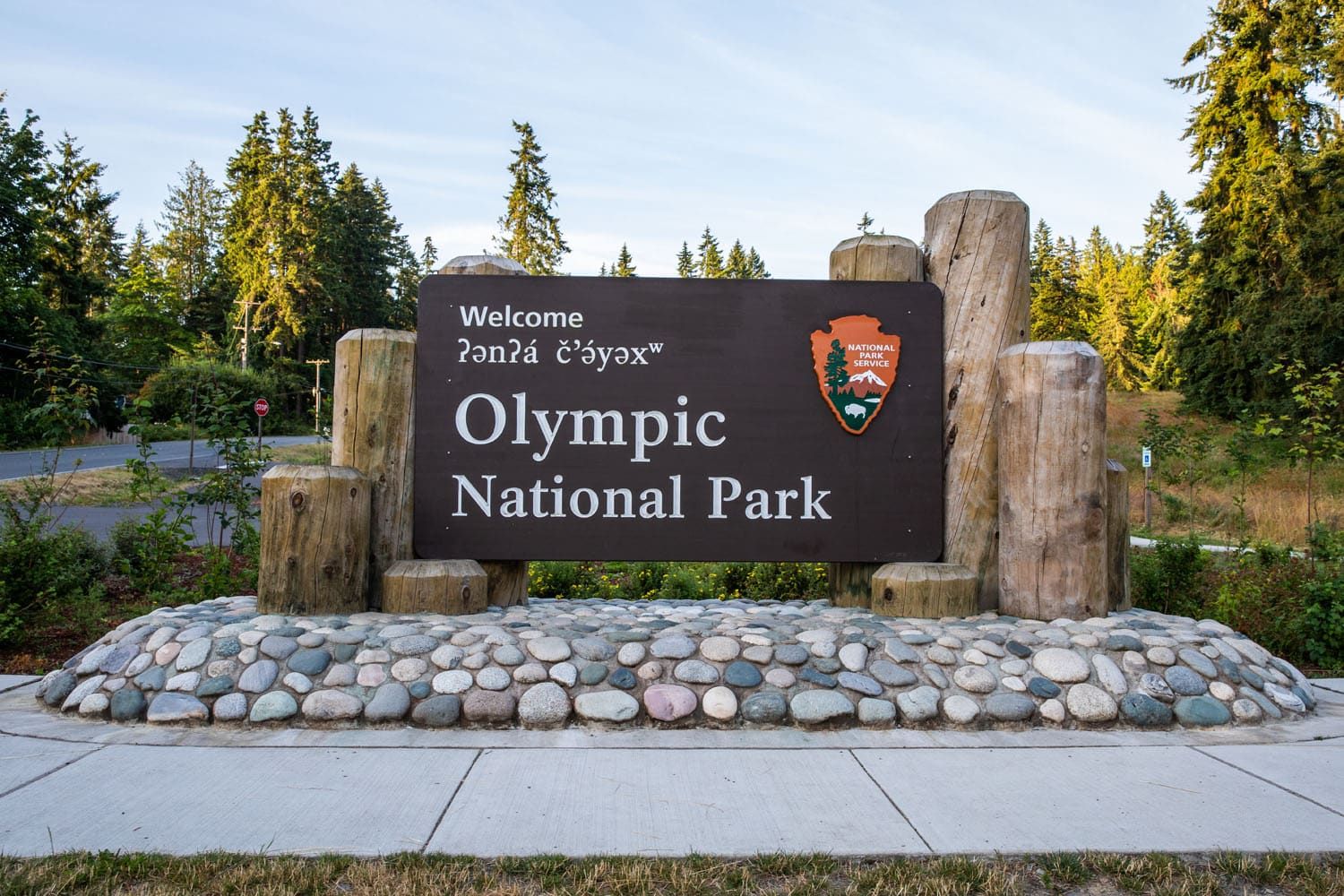
Olympic National Park
With glacier-capped mountains, lush temperate rainforests, and rugged coastlines, Olympic National Park features one of the most diverse landscapes of the United States’ national parks.
In a single day, you can hike past towering evergreens, watch the waves crash against the beach, and summit alpine peaks for panoramic views of the Olympic Mountains. It’s a place to slow down, breathe the fresh air, and enjoy the wild beauty of the Pacific Northwest.
Whether you’re an avid hiker, a road tripper, or simply someone who loves exploring wild places, Olympic has a lot to offer. The park wraps around the Olympic Peninsula, which means its different regions feel like entirely separate worlds. In this guide, we’ll give you the information you need to plan your visit.
Start Here: Planning Your Trip to Olympic National Park
- Want an overview on what to do? → Here are the Best Things to Do in Olympic National Park
- For a complete day-by-day plan → Read our Olympic National Park Itinerary
- Want to get out on the trails? → Here are the Best Hikes in Olympic National Park
Olympic National Park Stats
Founded: June 29, 1938
Annual Visitors: 3.6 million in 2025
Size: 922,000 acres
Location: Washington
Entrance Fee: $30 per vehicle, valid for 7 days
Cool Fact: Olympic is one of only a few parks in the world that contains three distinct ecosystems: alpine, rainforest, and coastline.
Olympic National Park: Geography 101
Olympic National Park is divided into several distinct regions spread across the Olympic Peninsula. Unlike most national parks, the different areas of Olympic are not connected by a single road and getting from one region to another requires driving around the peninsula. Most first-time visitors focus on Hurricane Ridge, the Hoh Rainforest, and the Pacific Coast, but there is much more to explore if you have extra time.
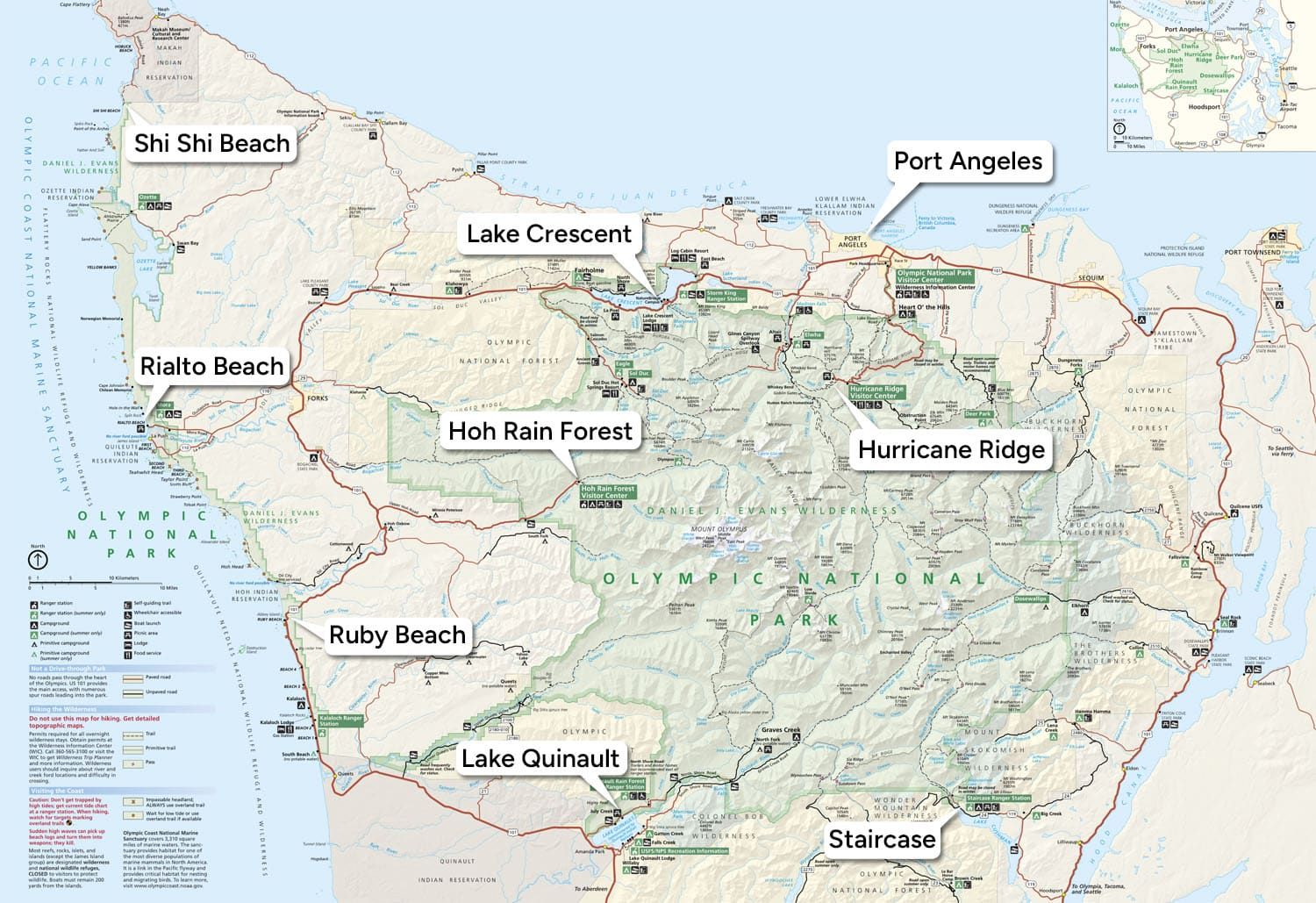
Map of Olympic National Park showing the different regions
Hurricane Ridge
Hurricane Ridge is the most popular area of Olympic National Park and the easiest place to get sweeping views of the Olympic Mountains. From Port Angeles, it’s an 18-mile drive up to the ridge, where you’ll find panoramic views of snow-capped peaks, alpine meadows, and on a clear day, Vancouver Island across the Strait of Juan de Fuca.
Several excellent hikes start at Hurricane Ridge, ranging from easy paved walks to more challenging ridge hikes like the Klahhane Ridge Trail to Mount Angeles. This was our favorite part of the park, since we loved the views over the mountains and out to the coast.
Hoh Rainforest
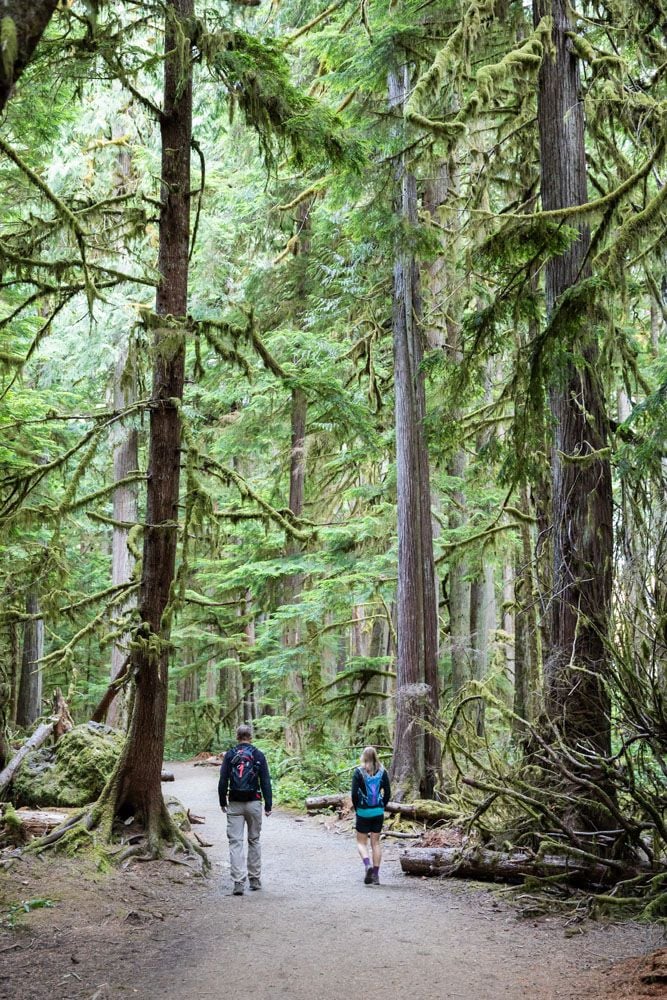
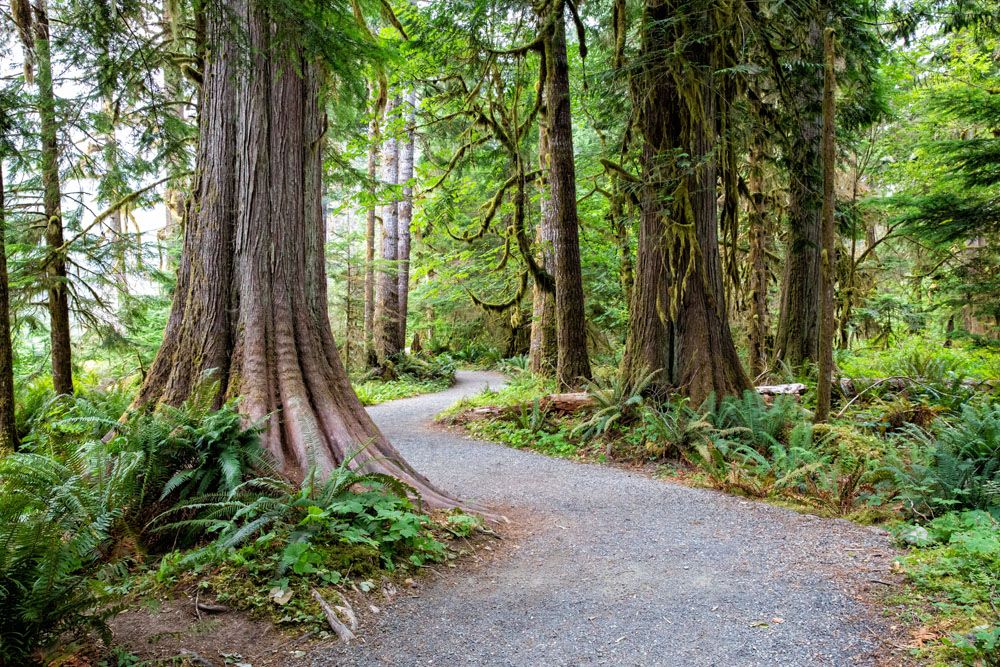
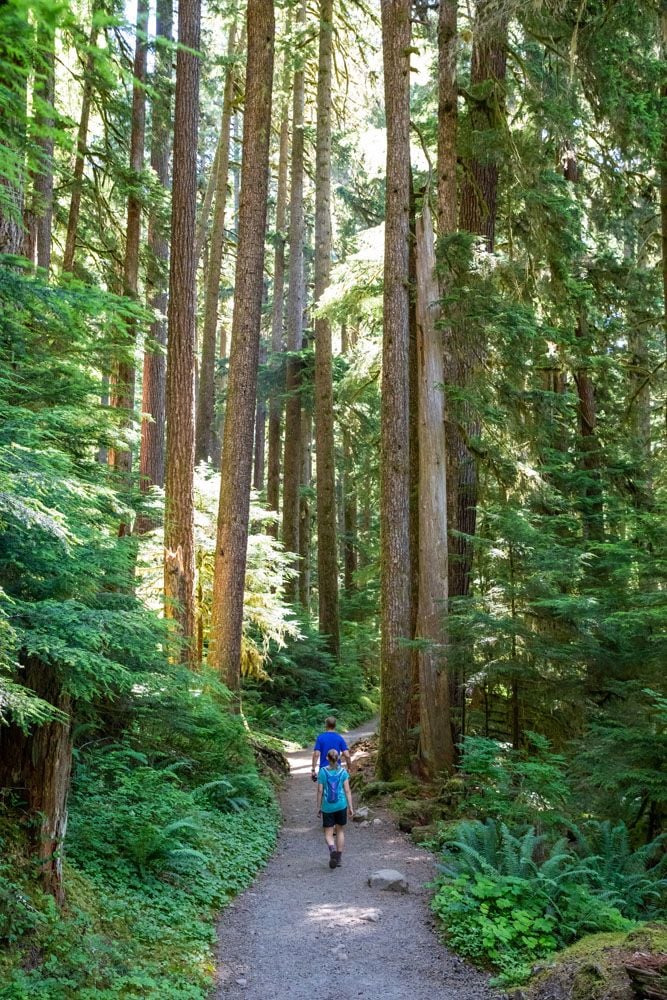
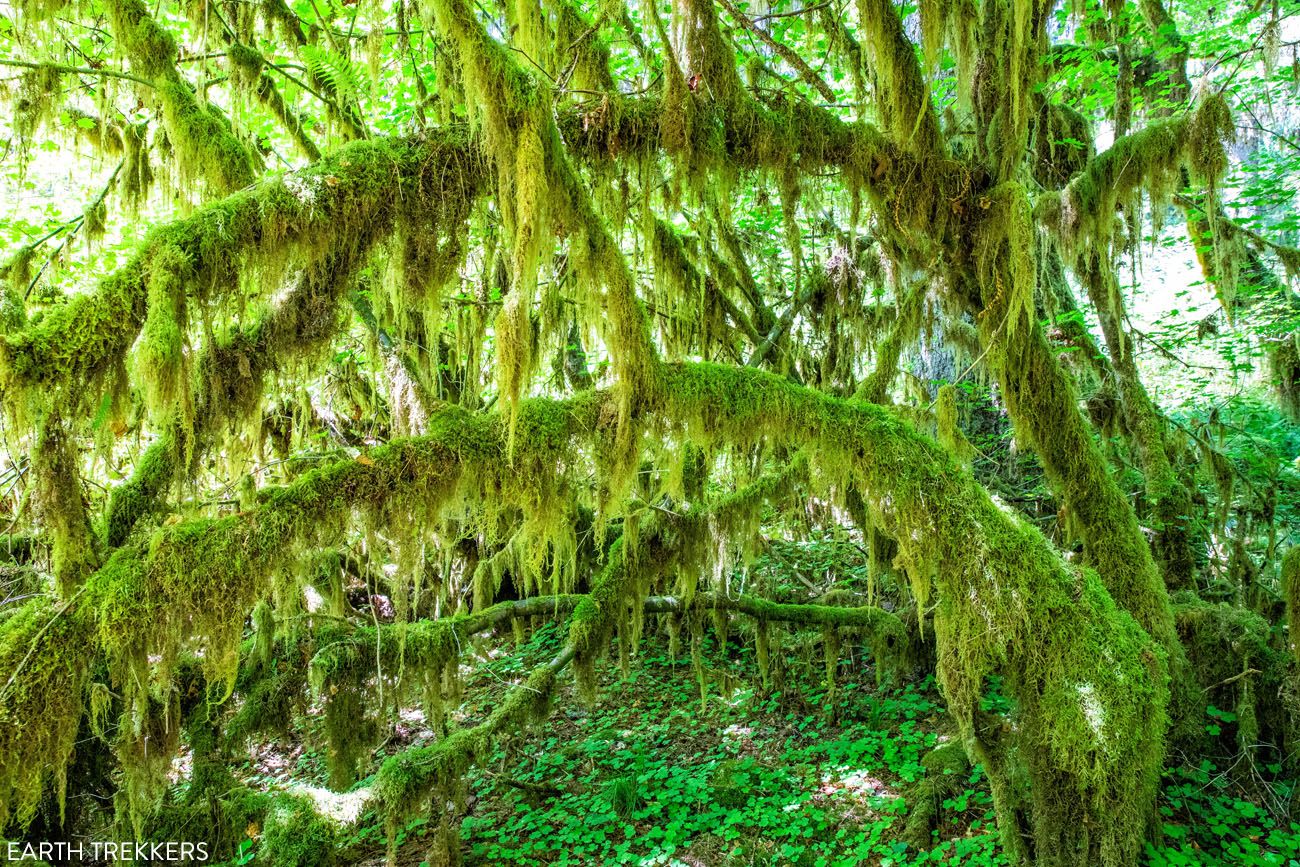
The Hoh Rainforest is one of the most unique places in Olympic National Park, and in the entire United States. This temperate rainforest receives up to 14 feet of rainfall per year, creating an otherworldly landscape of moss-draped maple trees, towering Sitka spruce, and fern-covered forest floors.
The most popular walk here is the Hall of Mosses Trail, a short and easy 0.8-mile loop through some of the most iconic scenery in the park. The Hoh Rainforest is a must-visit for any first-time visitor to Olympic.
Pacific Coast
Olympic National Park protects over 70 miles of wild Pacific coastline, and it is one of the most rugged and beautiful stretches of coast in the United States. The coastal section of the park is not connected to the interior. You access different beaches from Highway 101 as you drive around the peninsula.
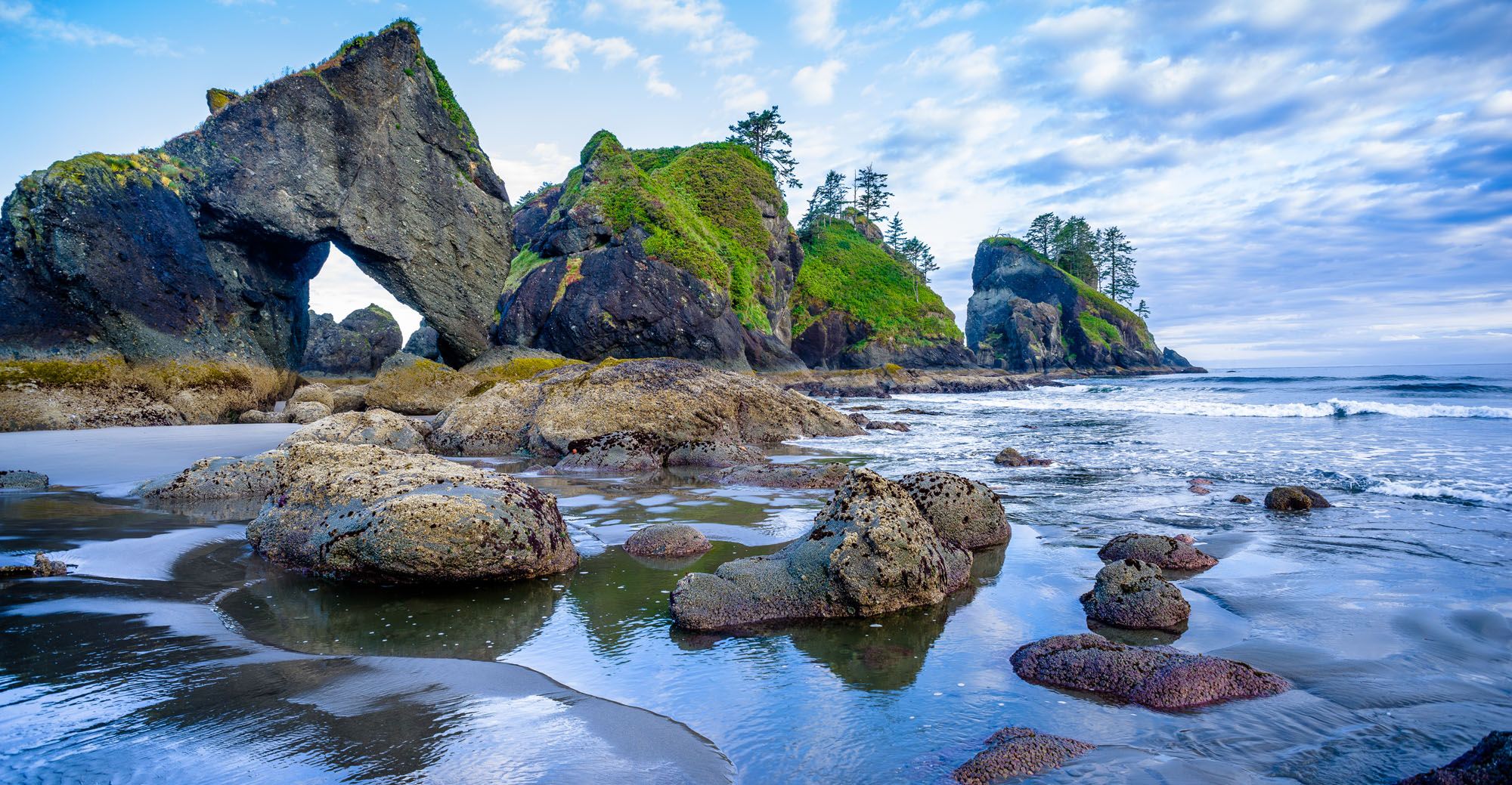
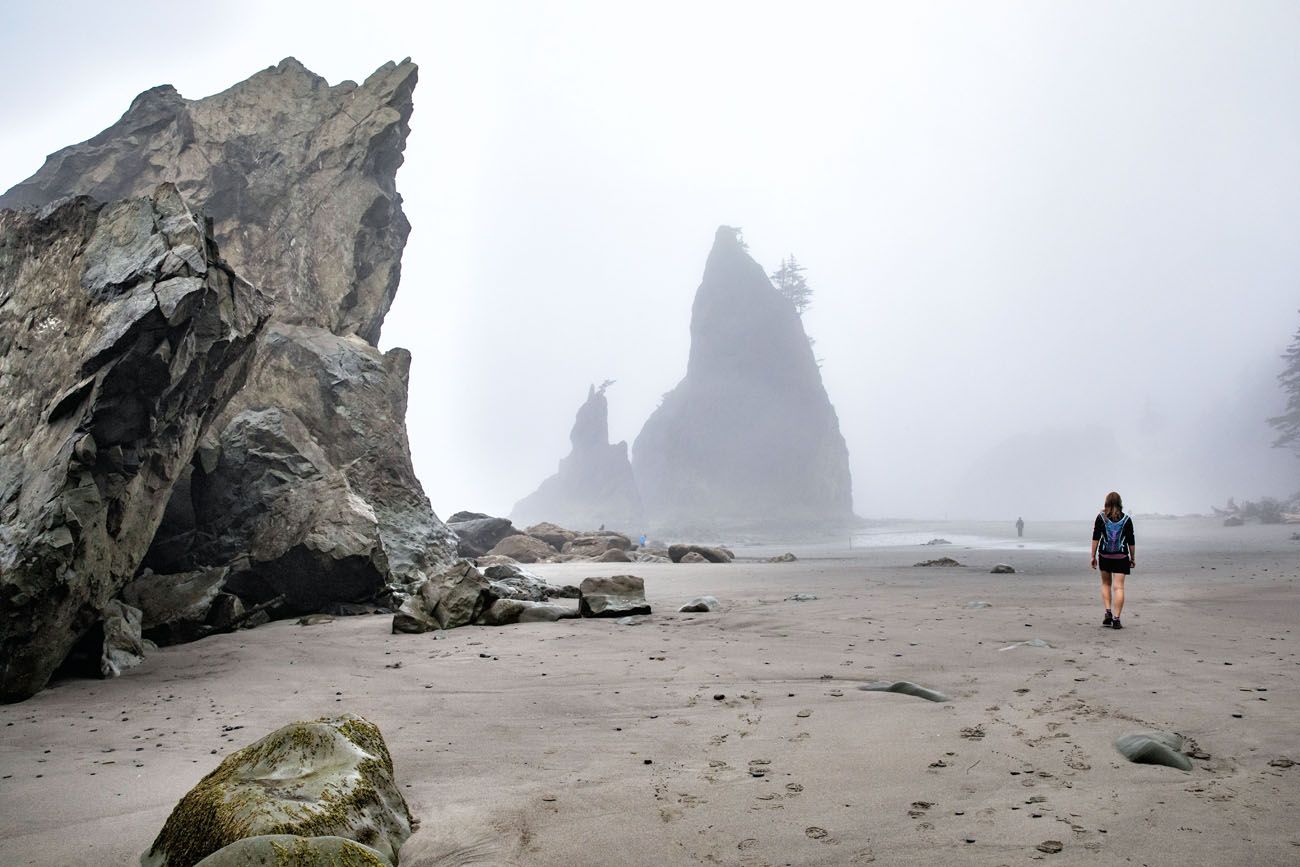
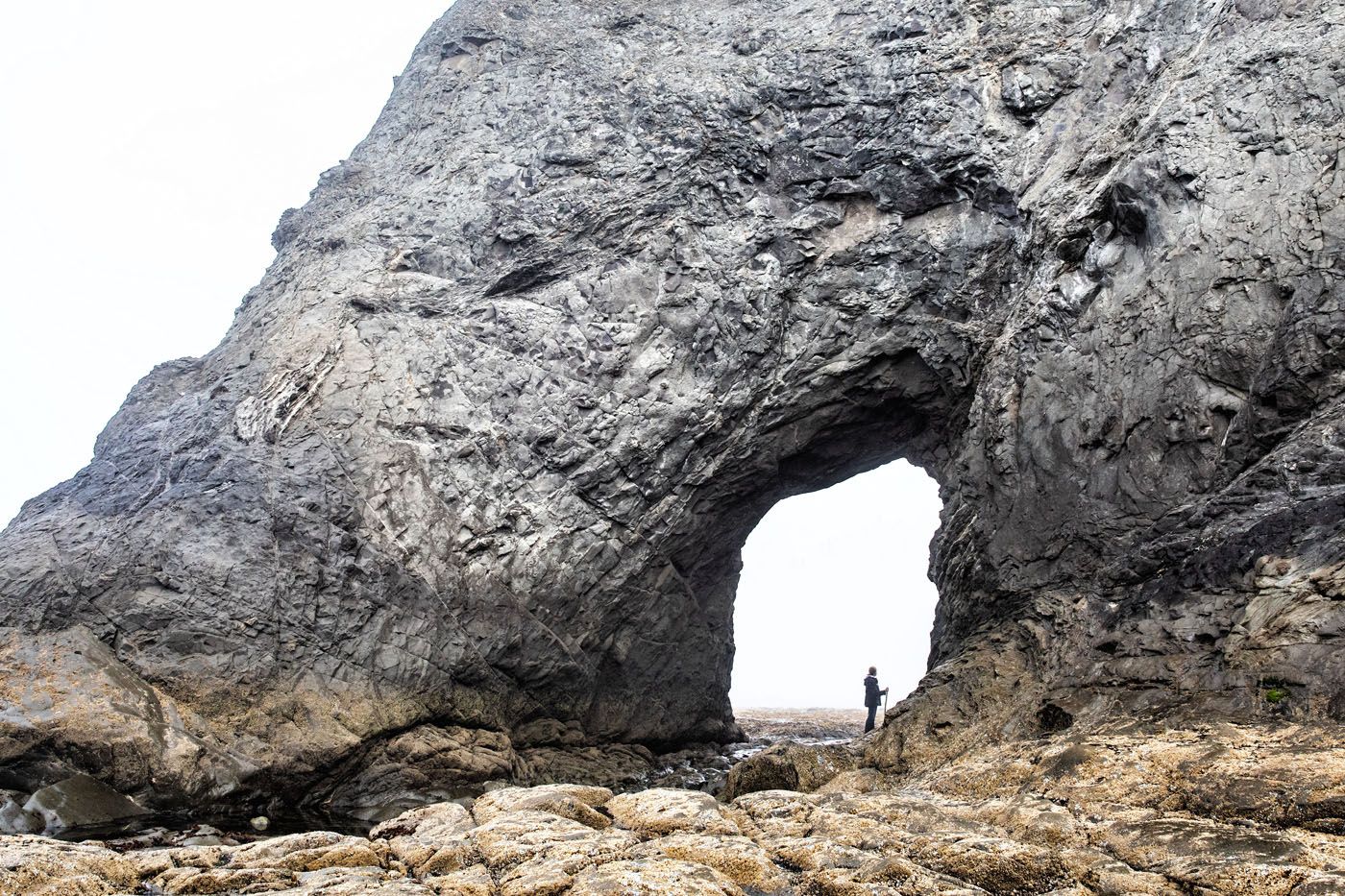
Some of the most popular beaches include Ruby Beach, known for its dramatic sea stacks and easy access right off the highway, Rialto Beach, where you can walk north to the famous Hole-in-the-Wall rock arch, and Shi Shi Beach, a more remote stretch with tide pools and stunning pinnacles that requires a short hike to reach.
Sol Duc Valley
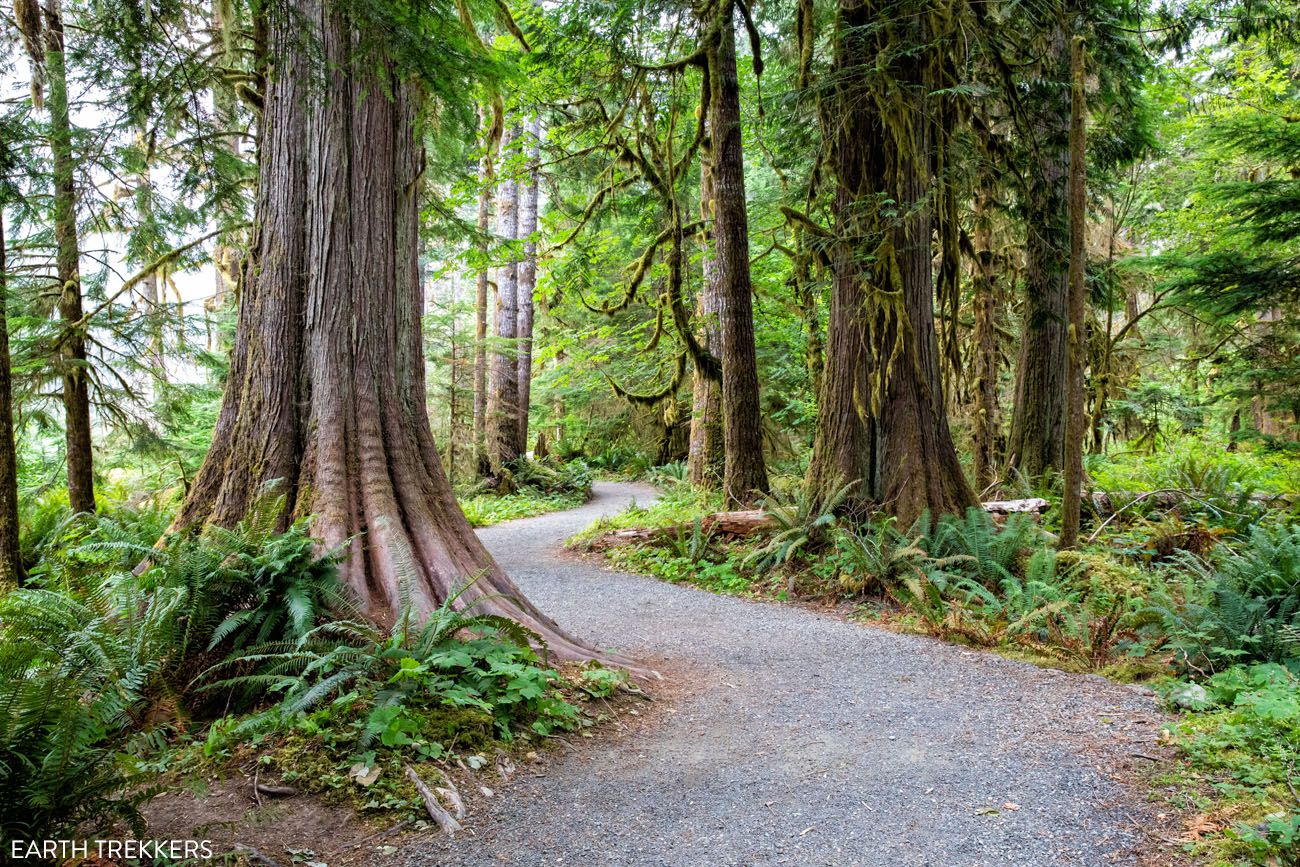
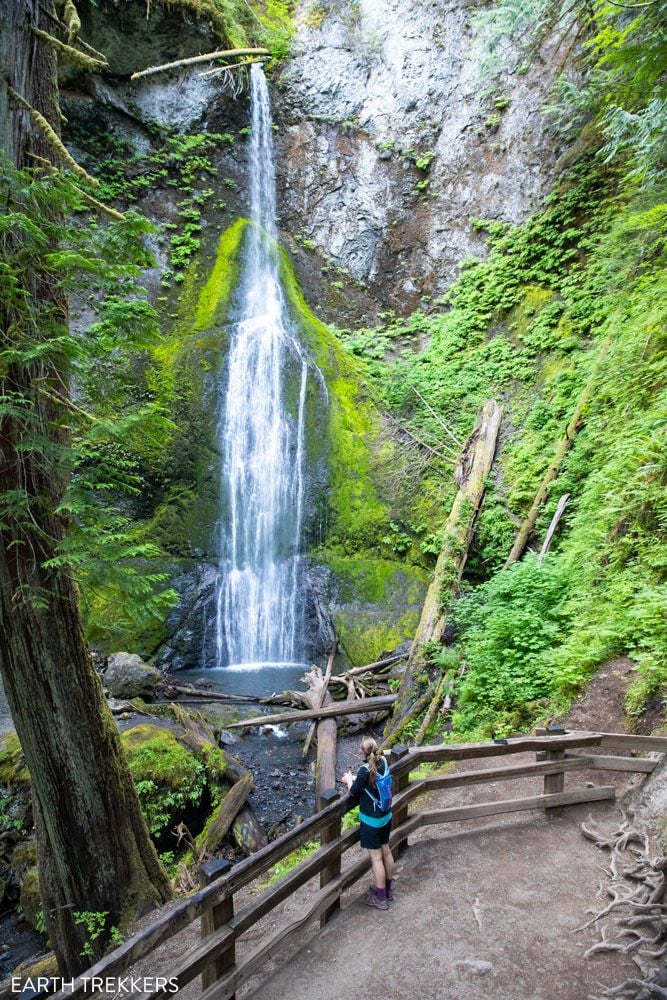
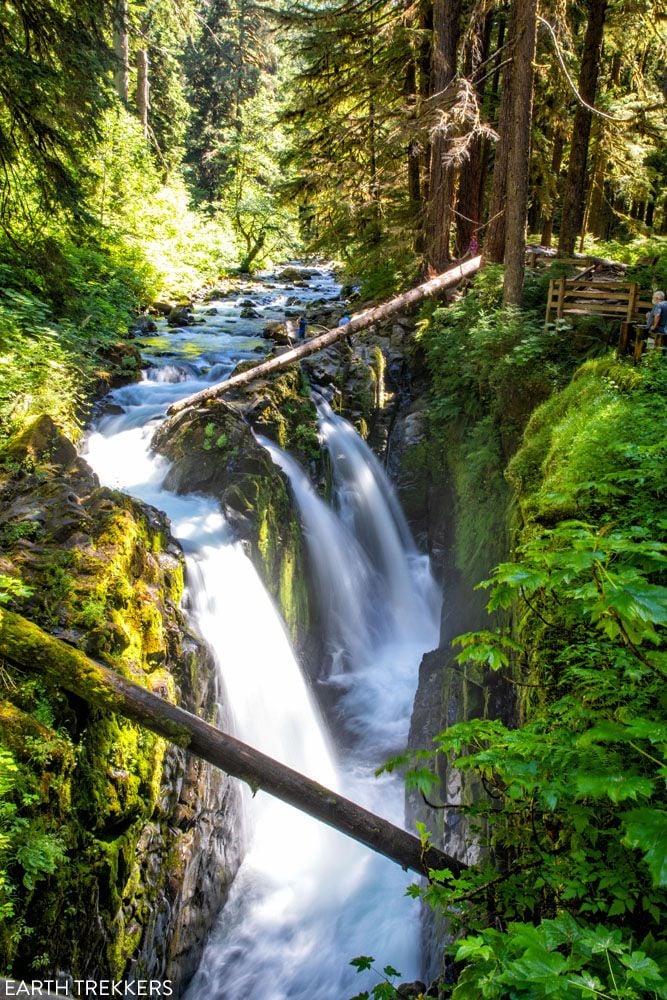
The Sol Duc Valley sits in the northwestern part of the park and is known for its hot springs, old-growth forest, and one of the most visited waterfalls in the park, Sol Duc Falls. The falls are reached via an easy 1.6-mile round-trip walk through beautiful rainforest.
Lake Crescent
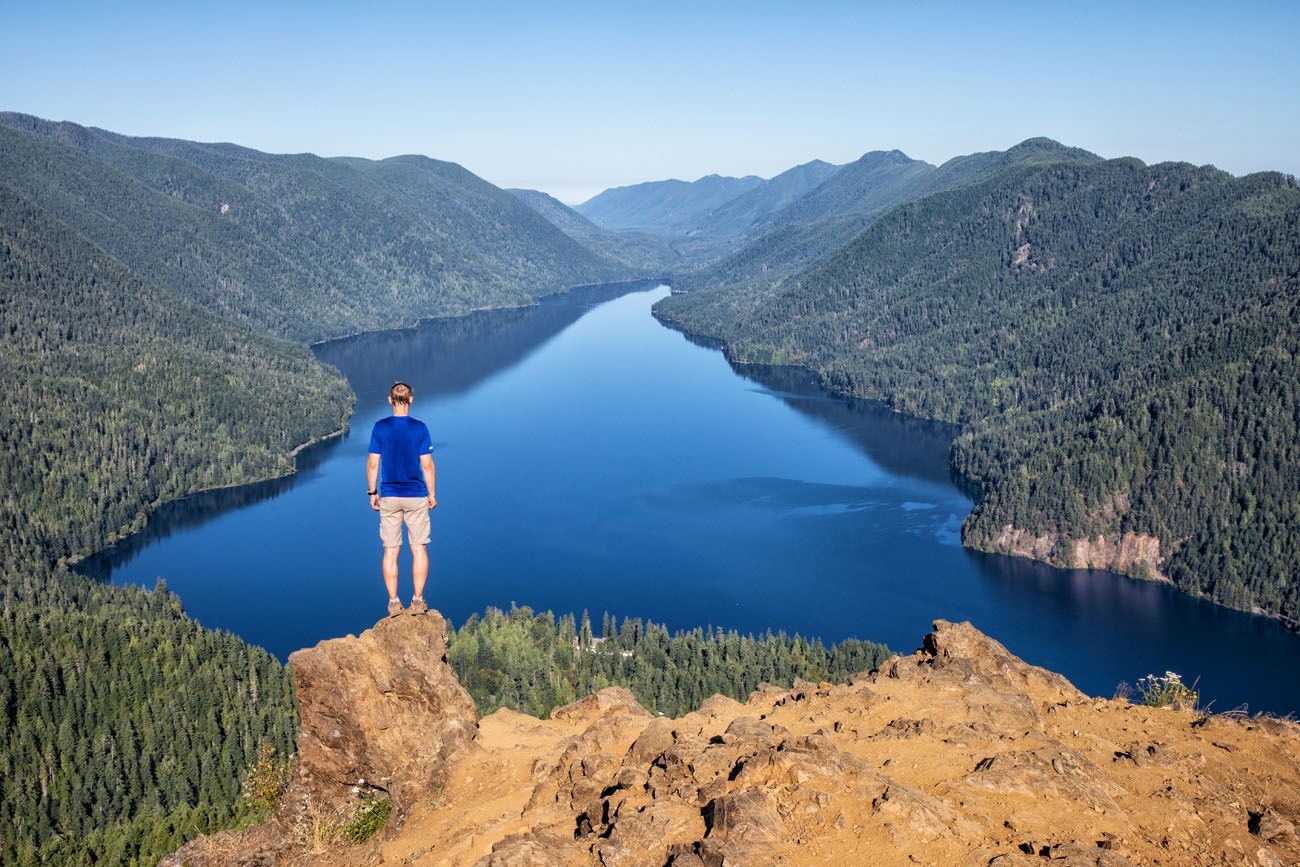
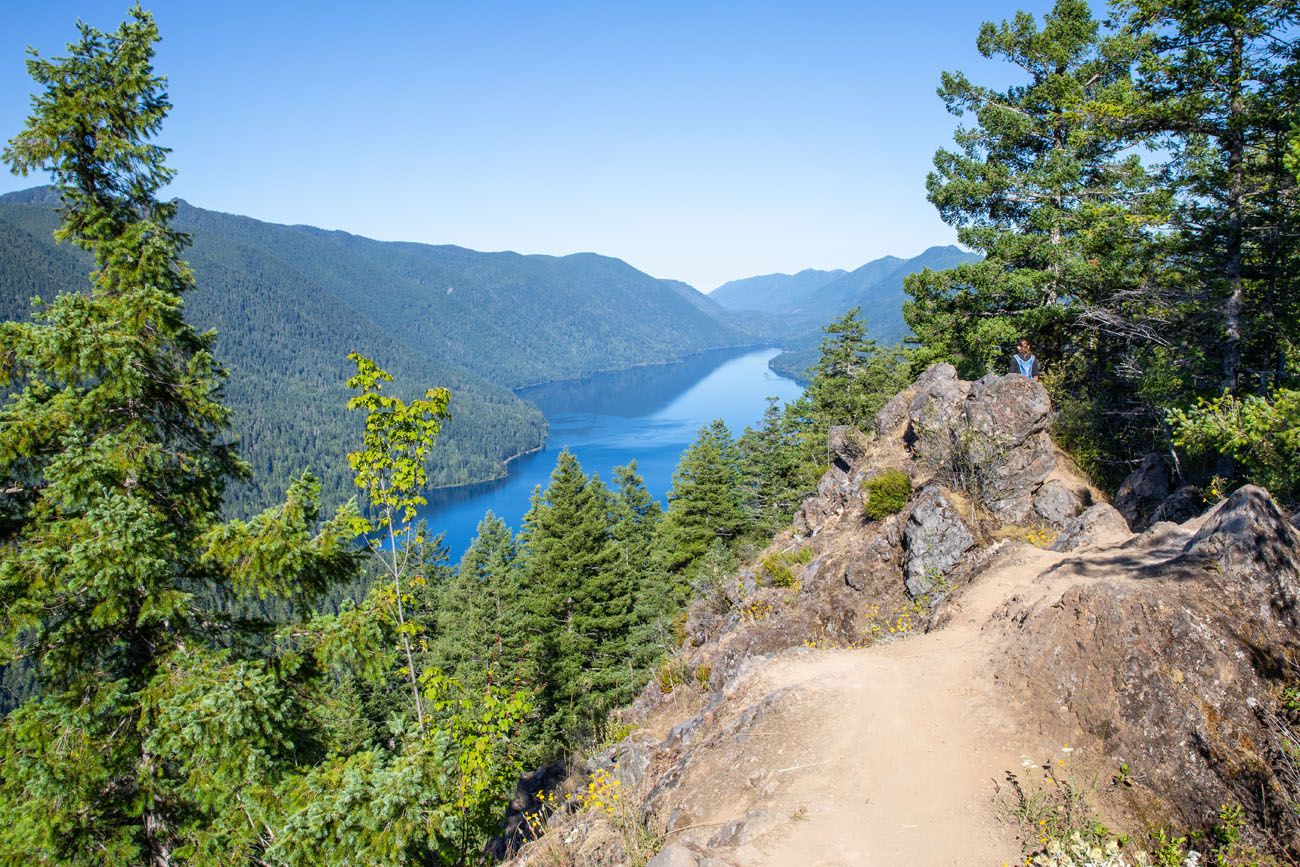
Lake Crescent is a stunning glacially carved lake in the northern part of the park, just west of Port Angeles along Highway 101. The water is an impossibly deep blue-green color, and the lake is surrounded by forested mountains that drop steeply to the shoreline.
This is a great area for kayaking, canoeing, and swimming, and several excellent hikes start here, including the steep but rewarding climb up Mount Storm King. Lake Crescent Lodge, one of the most historic lodges in the national park system, sits right on the water and is a wonderful place to stay.
Staircase / Hood Canal
Staircase is the most remote and least visited of Olympic’s main regions, tucked into the southeastern corner of the park along the North Fork of the Skokomish River. It has a very different feel from the rest of the park — quieter, with dense old-growth forest and a beautiful river canyon.
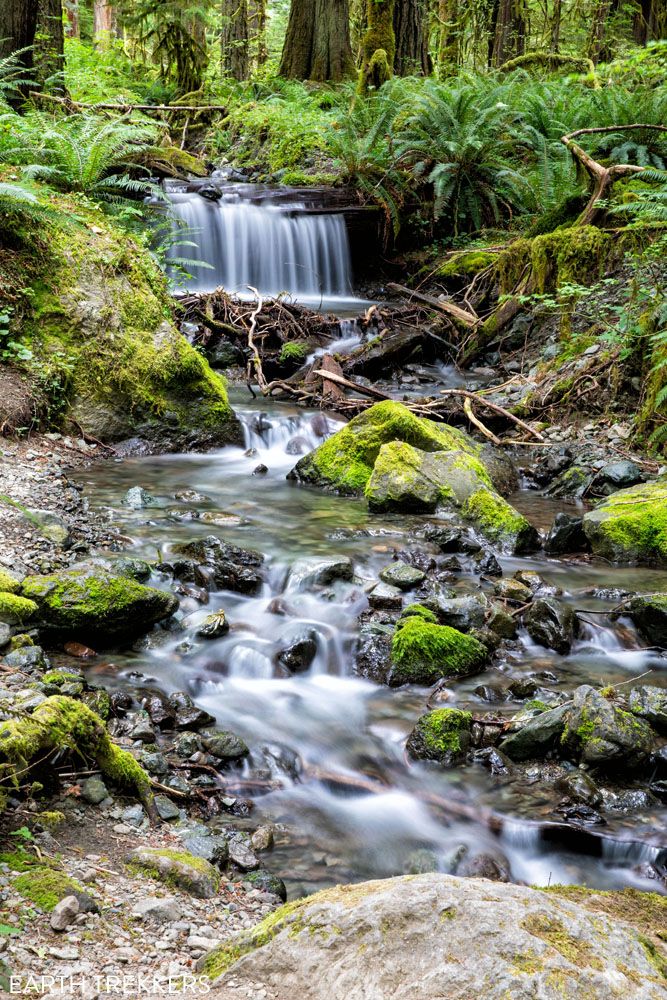
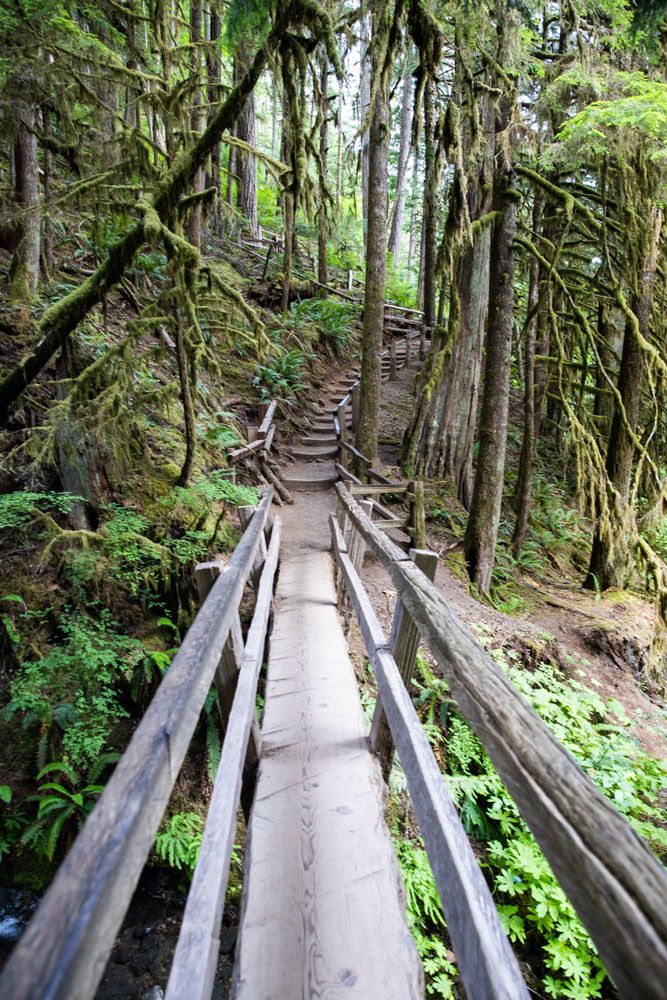
The Staircase Rapids Loop is the main trail here, a short and easy hike through a forest with views of waterfalls and rapids. This hike was one of our favorite surprises in the park.
Top Experiences in Olympic National Park
Looking for highlights? These are the must-see experiences:
- Drive up to Hurricane Ridge for panoramic views of the Olympic Mountains
- Walk the Hall of Mosses Trail in the Hoh Rainforest
- Watch the sunset at Ruby Beach
- Hike to Sol Duc Falls through old-growth forest
- Explore the tide pools at Shi Shi Beach
- Kayak or canoe on Lake Crescent
- Hike to the Hole-in-the-Wall rock arch at Rialto Beach
- Drive Obstruction Point Road for alpine views and solitude
- Hike the Klahhane Ridge Trail to Mount Angeles
- Summit Mount Olympus on a multi-day trek
For full details, read our complete guide to the Best Things to Do in Olympic National Park.
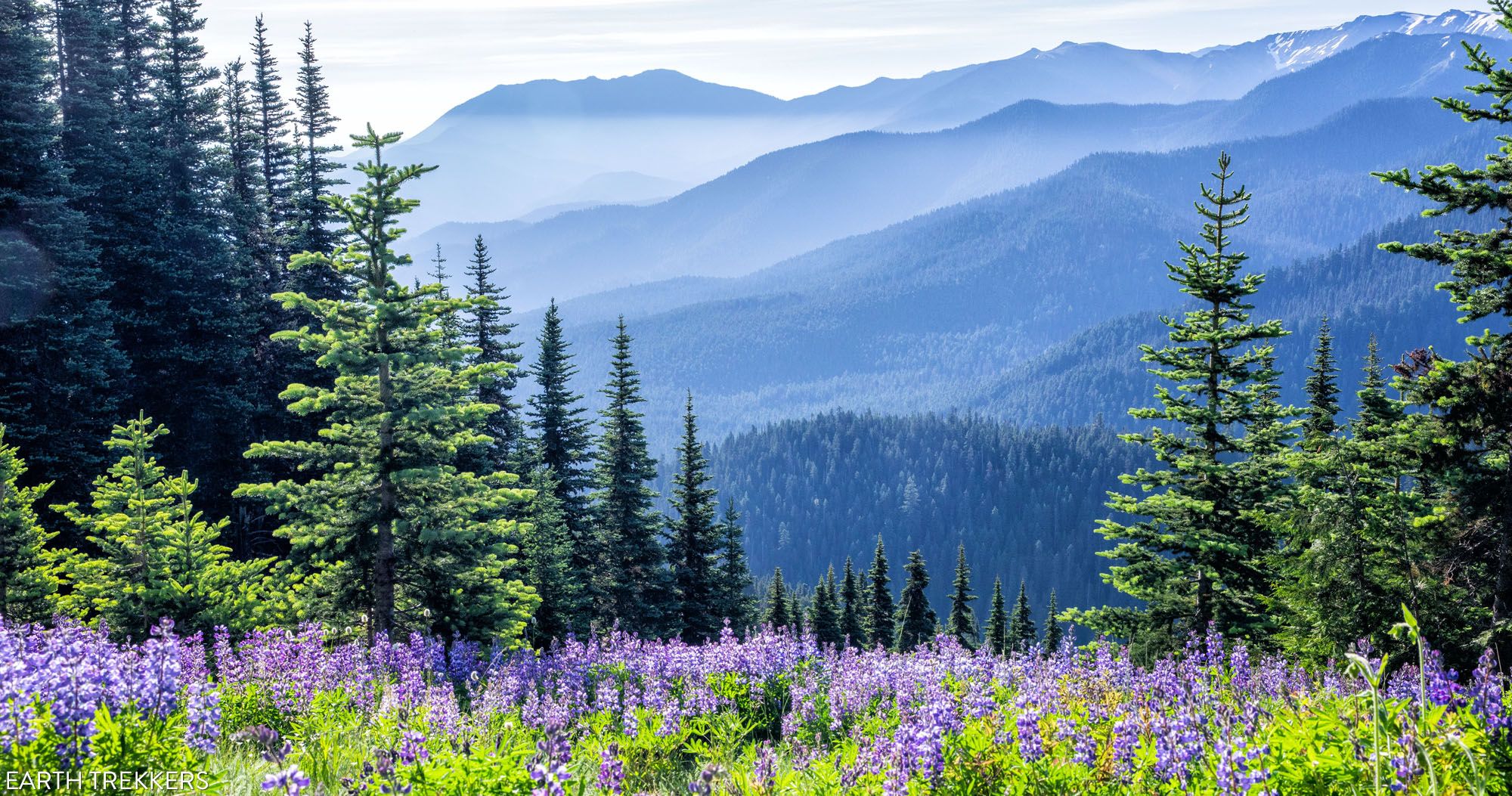
Best Things to Do in Olympic National Park (2026 Guide)
In this guide, we cover the best things to do in Olympic National Park plus essential things to know to have the best experience.
Did You Know?
Olympic National Park consists of three distinct ecosystems: temperate rainforest, rocky coastlines, and glacial mountains.
Olympic National Park is home to towering Douglas Fir and other old-growth trees, some of which are estimated to be over 1,000 years old. These same trees are also over 300 feet tall!
Mount Olympus is one of the most prominent peaks in Washington state, with a peak height of 7,980 feet (2,430 meters). You can summit Mount Olympus on a multi-day trek, which usually takes 3 to 4 days.
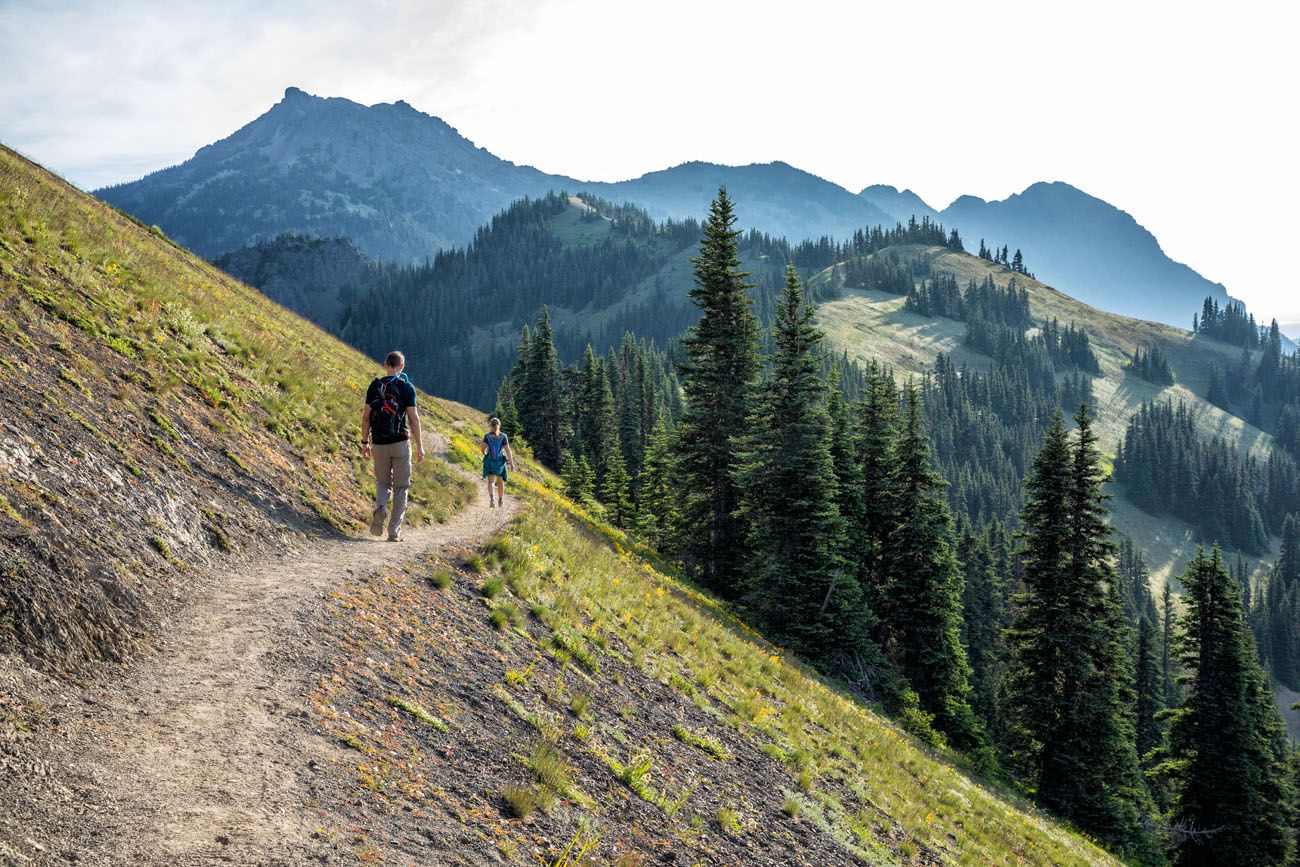
Hiking in Olympic National Park
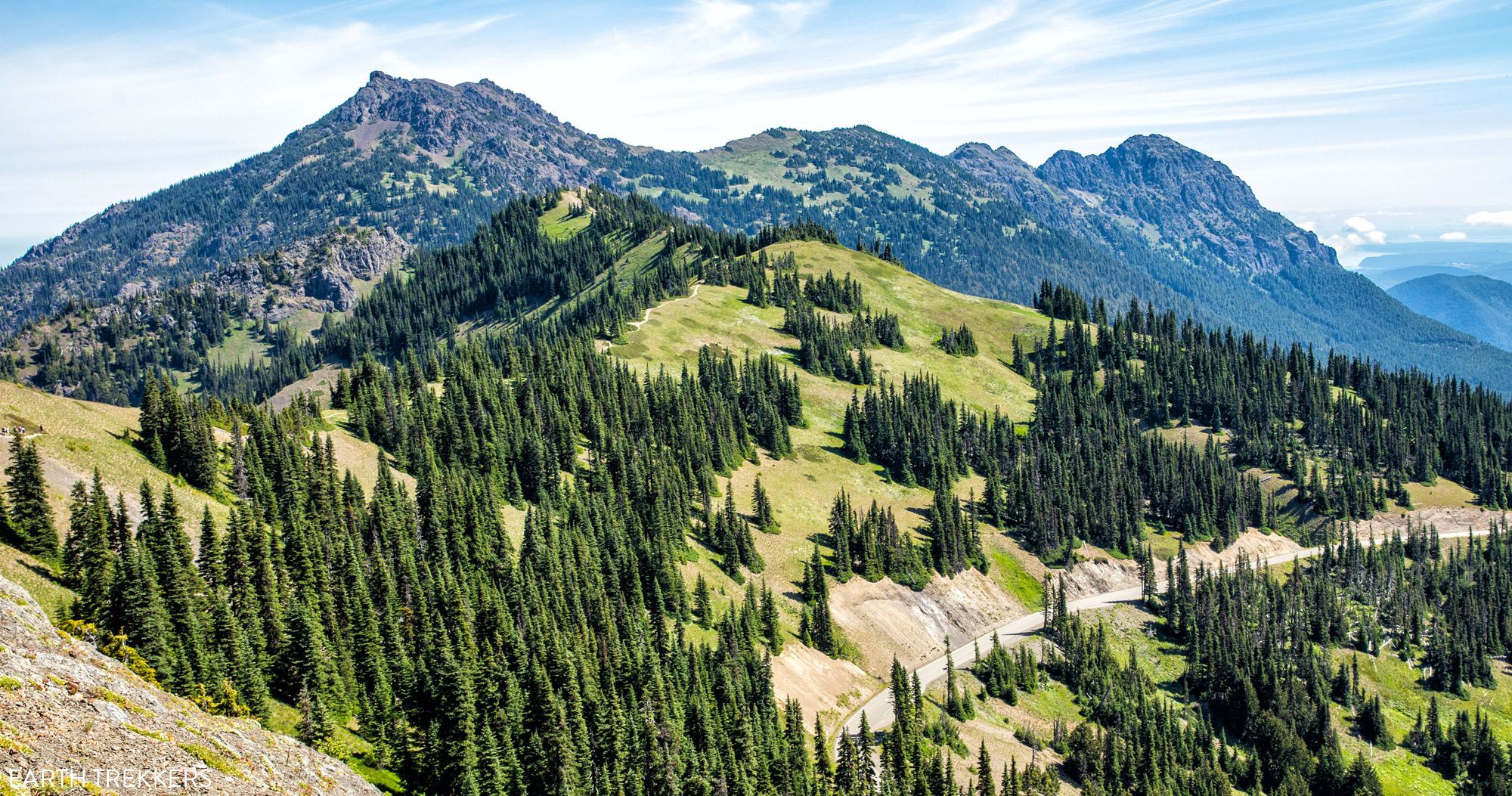
Best Hikes in Olympic National Park: Ranked by Area and Difficulty
One of the best ways to experience Olympic National Park is on foot. With three completely different ecosystems to explore, the hiking here is unlike anywhere else in the country, from mossy rainforest trails to exposed alpine ridges and wild coastal walks.
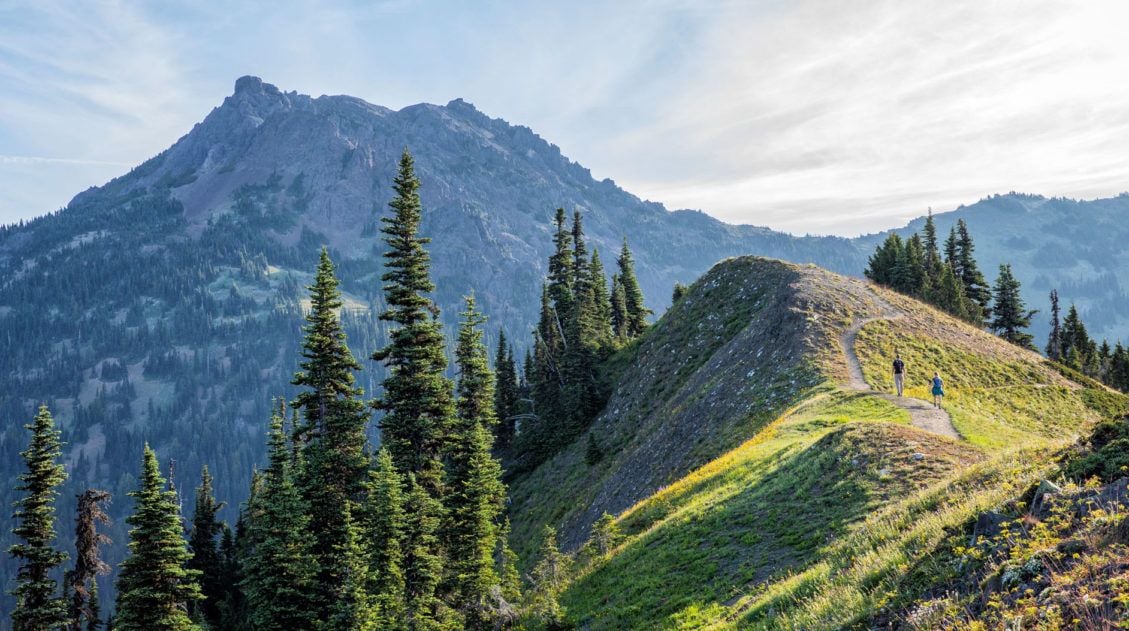
Klahhane Ridge Trail to Mount Angeles: A Complete Hiking Guide
Not every hike makes you work for the view, but the ones that do are always the most memorable. The Klahhane Ridge Trail to Mount Angeles is that kind of hike. The Klahhane Ridge Trail to Mount Angeles was the very first hike we did in Olympic National Park, and it ended up being our […]
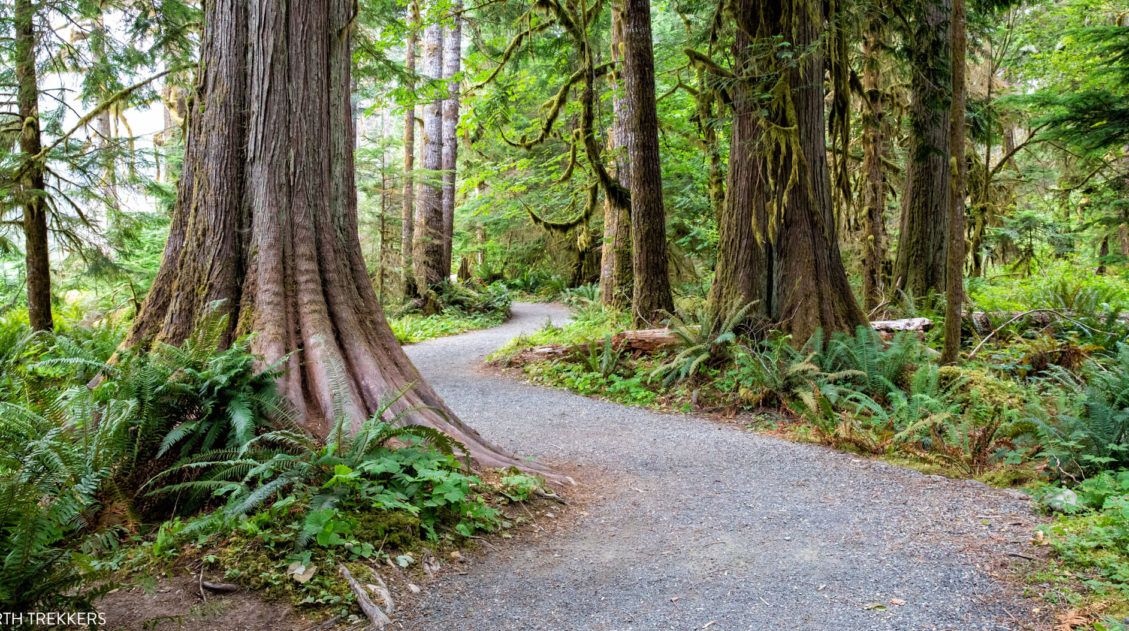
Staircase Rapids Loop: A Hidden Gem Hike in Olympic National Park
The Staircase Rapids Loop is an underrated trail in Olympic National Park. On this short, easy hike, you will walk along the North Fork of the Skokomish River, through a temperate rainforest, with views of waterfalls and rapids. Just under 3 miles long, this trail loops up and around Staircase Rapids. With waterfalls, dense forests, […]
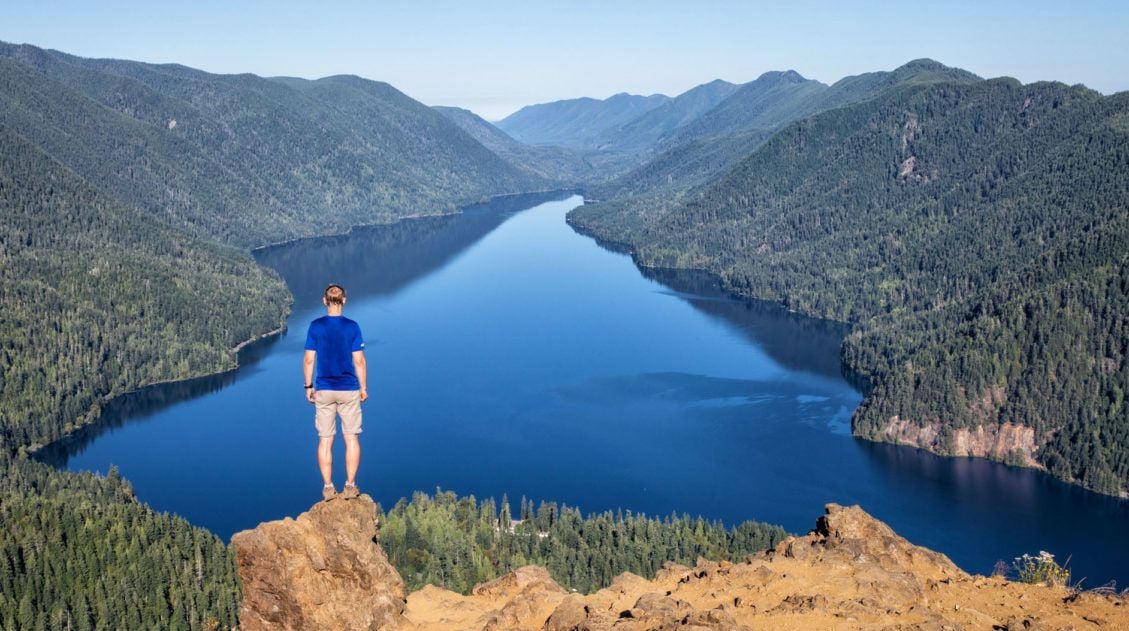
Mount Storm King Hike: Is It Worth the Brutal Climb?
Mount Storm King earns its dramatic name. This short but relentlessly steep trail in Olympic National Park climbs over 2,000 feet in just over two miles, ending with a rope-assisted scramble to a rocky outcropping with sweeping views over the impossibly blue waters of Lake Crescent. We hiked this in July on a clear summer […]
How Many Days Should You Spend in Olympic?
With one day, focus on Port Angeles: drive up to Hurricane Ridge in the morning and visit Lake Crescent.
Two days gives you enough time to add the Hoh Rainforest and/or the Pacific Coast to your visit.
With three or more days, you can road trip around the peninsula, hopping from Port Angeles to Aberdeen to Olympia.
Three Days in Olympic
We recommend spending at least three days in Olympic National Park. Three days allows you to experience the mountains, the rainforest, and the coastline, the three ecosystems that make this park truly unique. Extra days give you more time for hiking and contingency time in case of poor weather, which is always a possibility in the Pacific Northwest.
For a complete day-by-day plan, see our Olympic National Park Itinerary.
When is the Best Time to Visit Olympic National Park?
The summer months — June through September — are the best time to visit Olympic National Park. This is when the weather is driest, all roads are open, and hiking conditions are at their best across all three ecosystems.
Spring is a wonderful time to visit, particularly for wildlife. Bears and elk become active in the river valleys, and the rainforest is lush and green. Rain is still common through May, especially on the western side of the park, so come prepared.
Fall brings quieter crowds and good wildlife viewing. September is elk mating season and a great time to spot them in the valleys. Wetter weather typically arrives in October, and some roads and campgrounds begin to close.
Winter is the wet season. The western side of the park sees enormous amounts of rainfall, and snow blankets the higher elevations. Hurricane Ridge typically receives around 30 feet of snow per year but is often open for snowshoeing, cross-country skiing, and tubing, making it one of the more accessible winter destinations in the national park system.
Olympic National Park appears in our Best US National Parks Month-By-Month series as a great park to visit in June, July, and August.
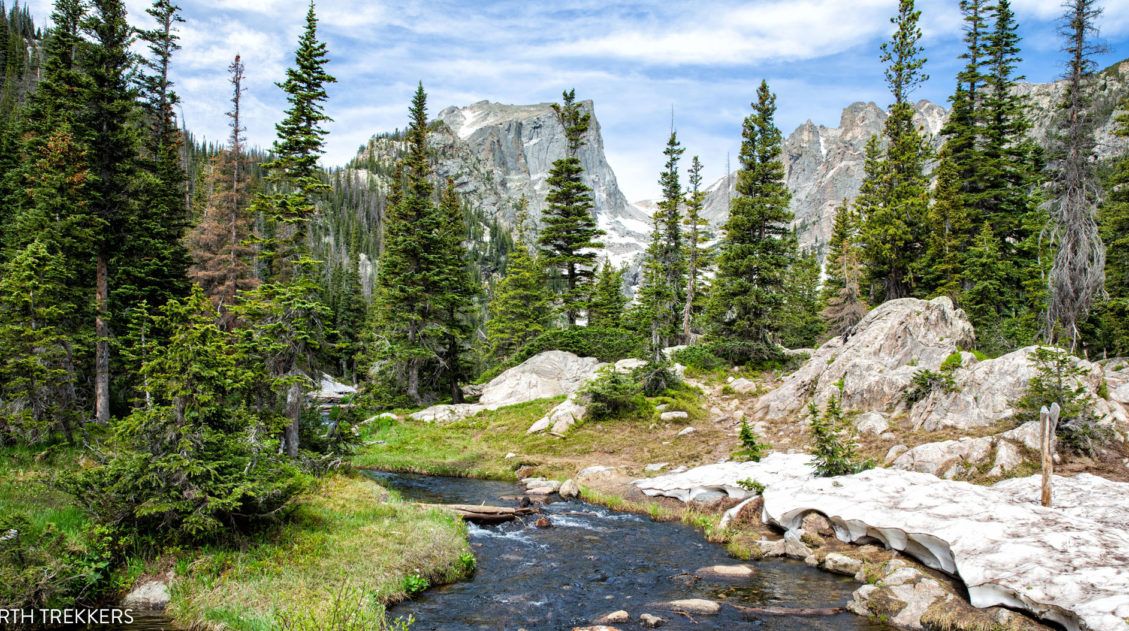
15 Best US National Parks to Visit in June
The list of US national parks to visit in June is wonderfully long and diverse. Visit the North Rim of the Grand Canyon, go hiking in the Rocky Mountains, spend some time in the tranquil forests in Olympic and Sequoia National Parks, and explore one of the most underrated US national parks, Wrangell-St. Elias. About […]
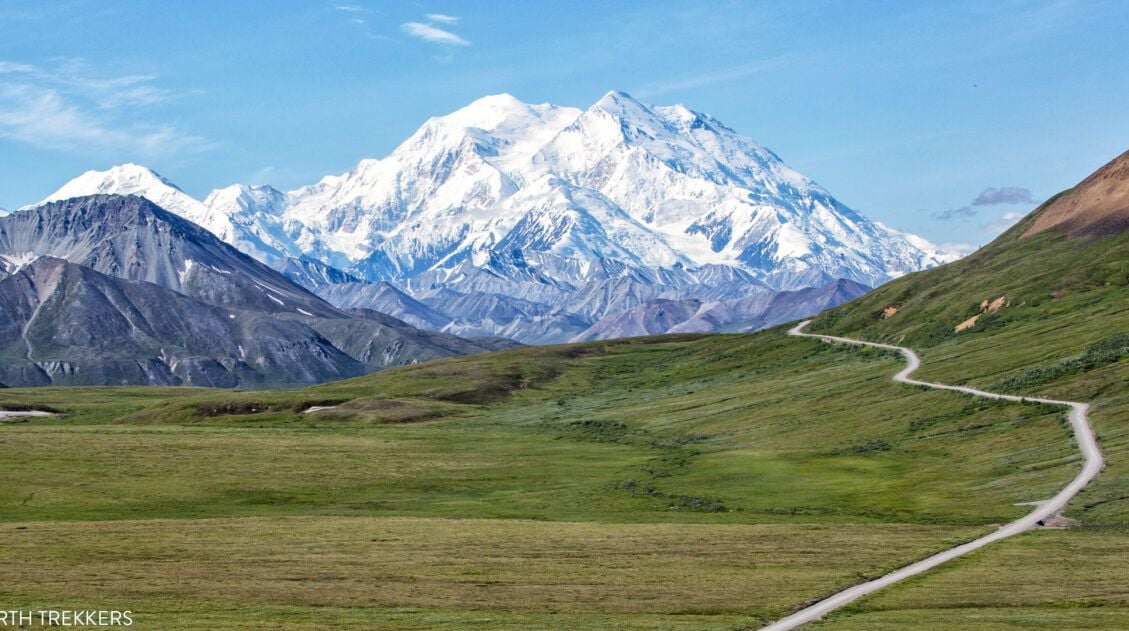
15 Best US National Parks to Visit in July
Which are the best national parks to visit in July? In this guide, we list 15 great parks to visit in the USA. Go hiking in Mount Rainier and Glacier National Parks, go whale watching in the Channel Islands, and venture into Alaska for some amazing adventures. About this National Park Series This article is […]
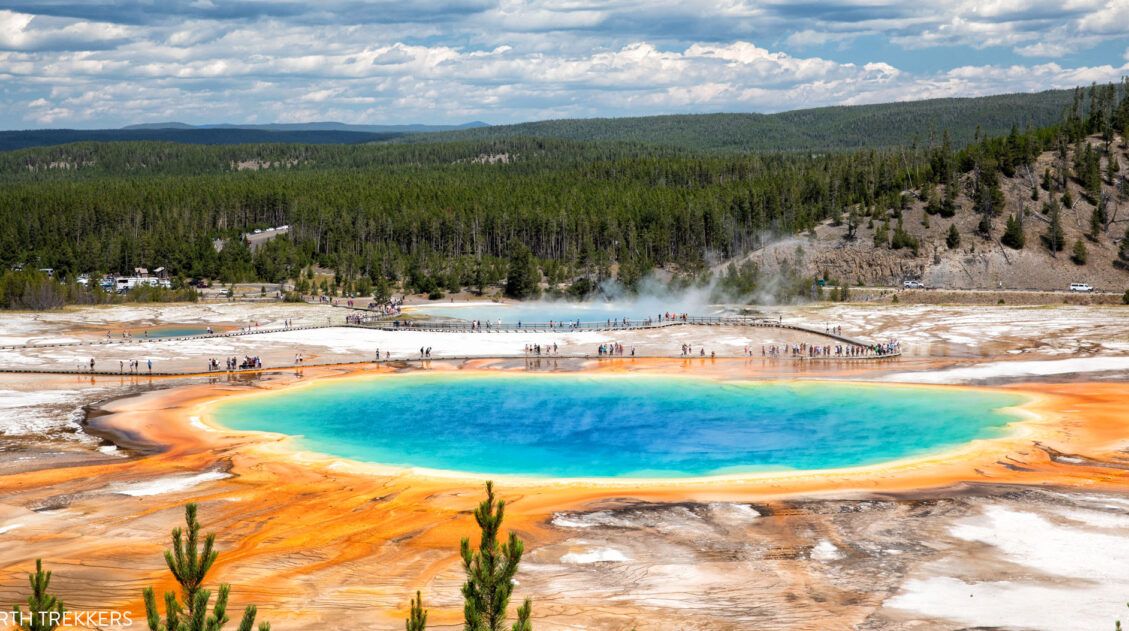
15 Best US National Parks to Visit in August
Planning a trip to the US national parks in August and don’t know which ones to visit? August is a busy time to visit the national parks, but crowd levels aren’t quite at their peak (that typically happens in July for many parks). In this guide, we list some popular summertime parks to visit plus […]
How to Plan Your Olympic National Park Trip
Planning a trip to Olympic National Park can feel overwhelming, especially since the park wraps around the entire Olympic Peninsula and its main areas are not connected by a single road. The steps below will help you decide when to visit, how long to stay, and what to prioritize during your trip.
Step 1: Decide When to Visit
The best time to visit Olympic National Park is June through September, when the weather is driest and all roads are open. If you want the best hiking conditions across all three ecosystems — mountains, rainforest, and coast — aim for July or August.
Step 2: Choose How Many Days to Spend
Olympic is a large and geographically spread-out park, and it takes time to drive between its different regions. We recommend spending at least three days in the park.
- 1 day: Focus on Port Angeles — drive up to Hurricane Ridge and stop at Lake Crescent
- 2 days: Add the Hoh Rainforest or the Pacific Coast
- 3 days: Experience all three ecosystems — mountains, rainforest, and coastline
Step 3: Pick the Areas You Want to Visit
Olympic National Park is divided into several distinct regions, and travel times between them can be longer than expected. Most visitors focus on Hurricane Ridge, the Hoh Rainforest, and the Pacific Coast, but areas like Sol Duc, Lake Crescent, and Staircase are worth visiting if you have extra time.
Step 4: Choose Your Hikes
Hiking is one of the best ways to experience Olympic National Park. Trails range from short rainforest walks to challenging alpine ridge hikes with sweeping views of the Olympic Mountains.
For suggestions, read our guide to the Best Hikes in Olympic National Park.
Step 5: Build Your Itinerary
Once you know when you’re visiting and which areas you want to see, it’s time to build your daily plan. Because driving times between regions are significant, good route planning makes a big difference. We outline the best way to organize your visit in our Olympic National Park Itinerary, including a suggested three-day route around the peninsula.
Washington Inspiration & Road Trips
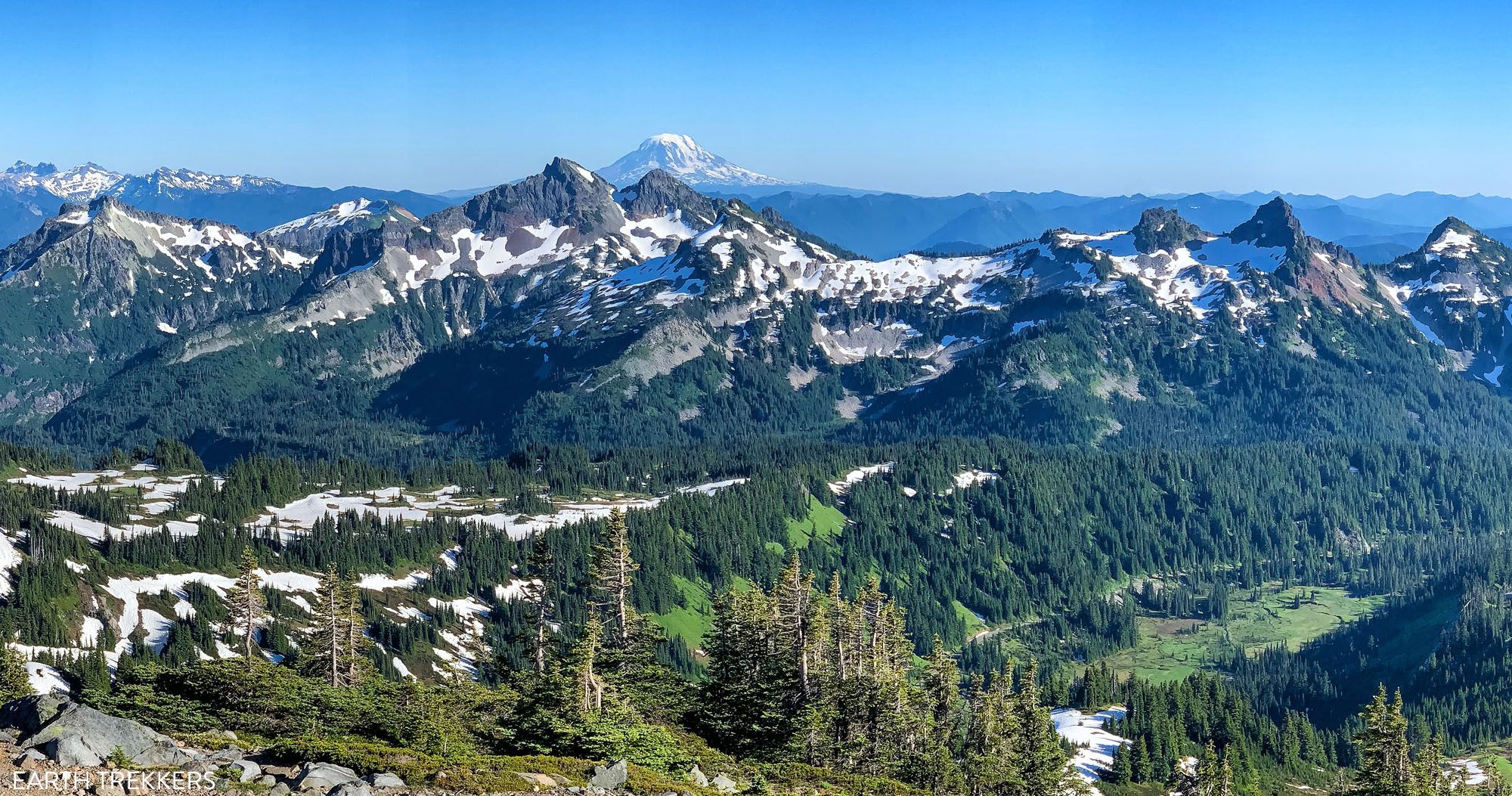
Washington Road Trip Itinerary: Olympic, Rainier & North Cascades (7–14 Days)
This Washington itinerary is geared towards visiting Olympic, Mount Rainier, and North Cascades National Parks. This article is written as a 10-day itinerary, but also features a 7-day and 14-day itinerary.
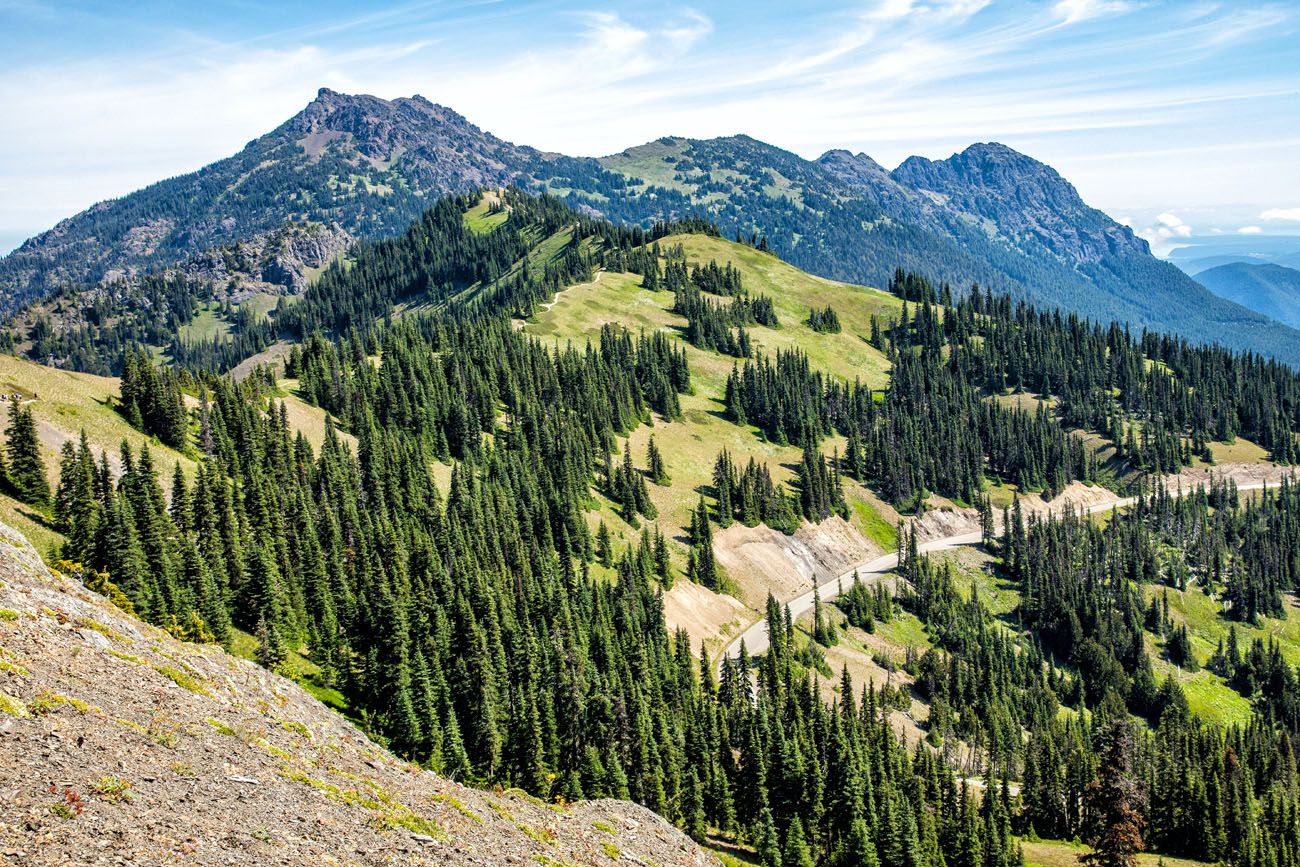
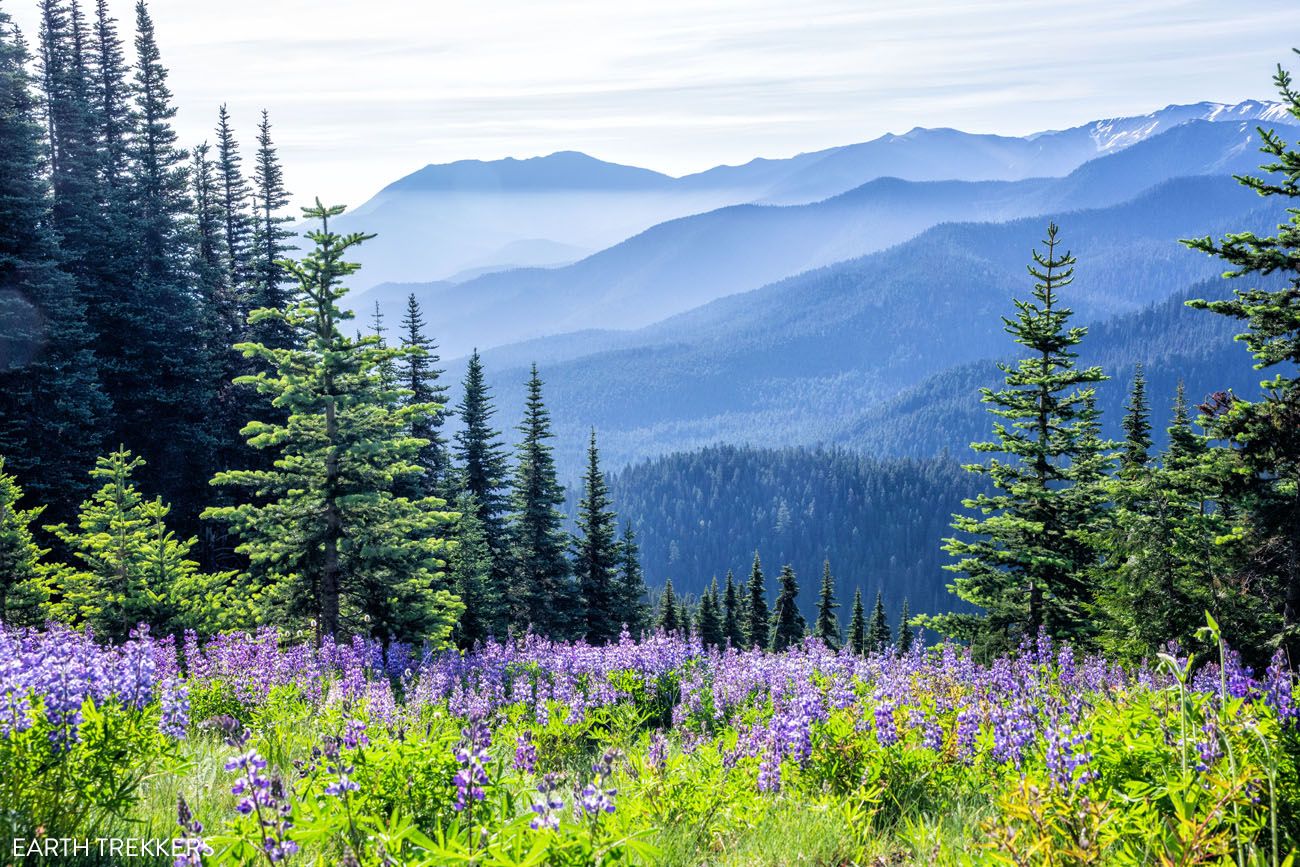
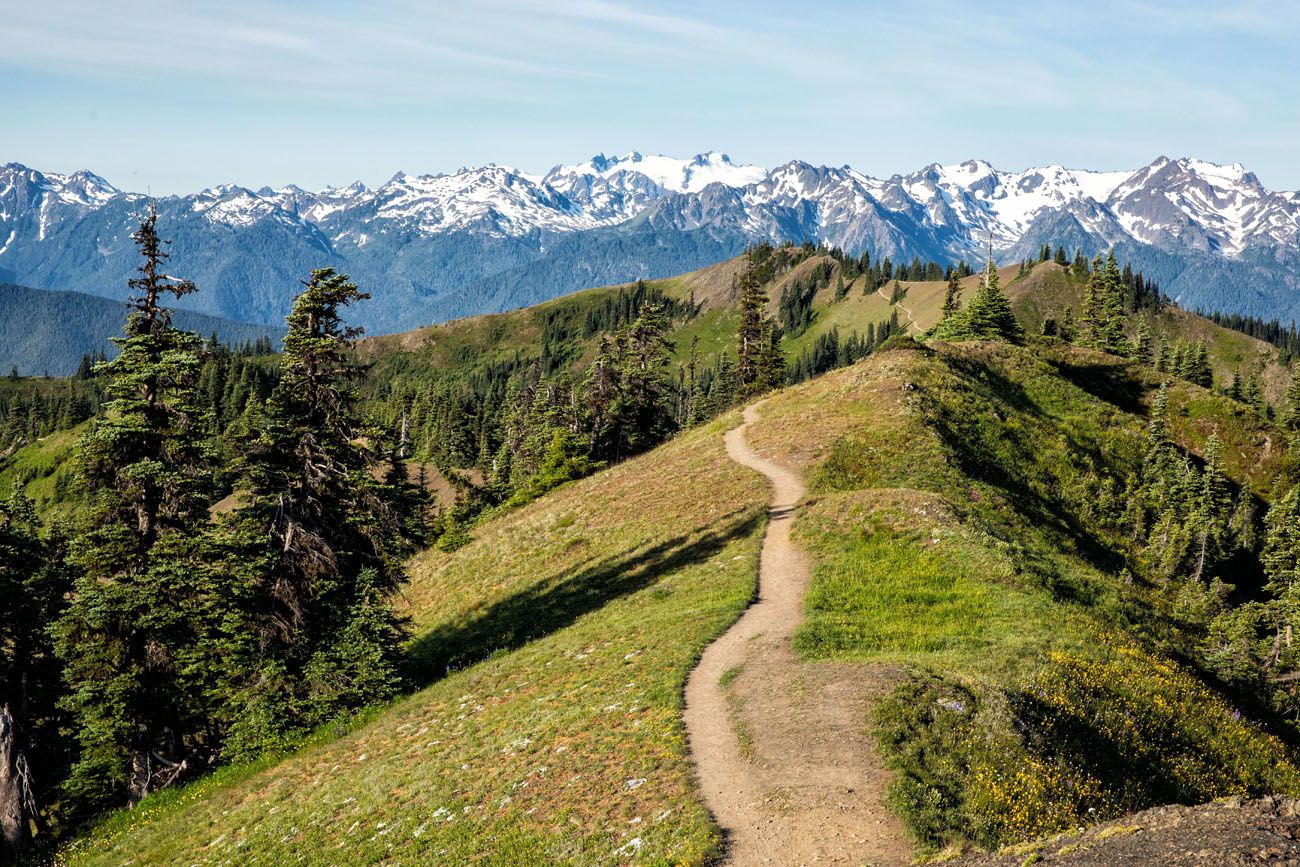
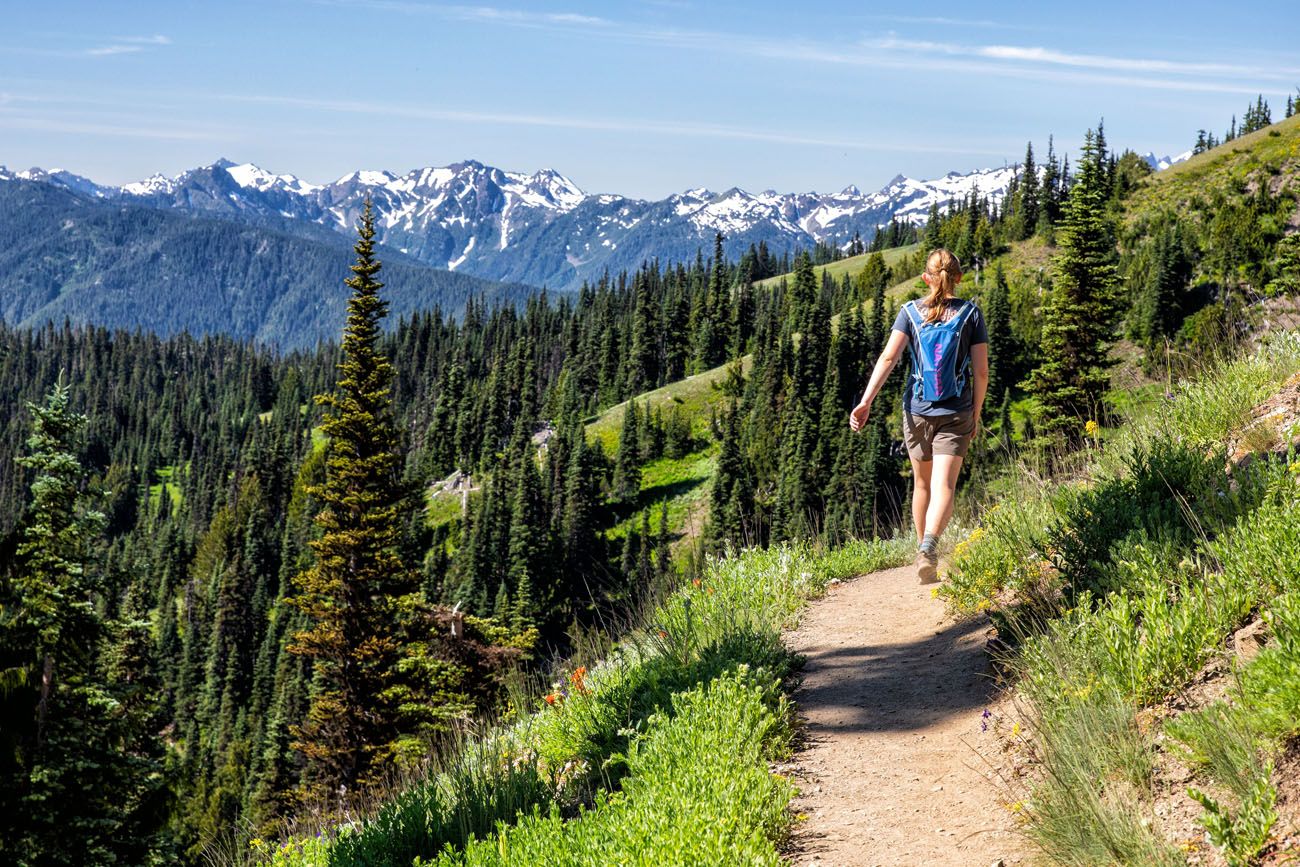
Olympic National Park Photos
US National Parks List
In our US National Parks List, get information on all of the US national parks, including interesting facts, the most and least visited national parks, and a FREE printable national parks checklist with map.
US National Parks List: All 63 Parks, Map & Free Printable Checklist
Places to Visit Near Olympic National Park
The Perfect Mount Rainier National Park Itinerary (2 to 6 Days)
Planning a trip to Mount Rainier National Park and not sure how to structure your time? We’ve got you covered, and we’re speaking from experience. We’ve visited Mount Rainier twice: once on a six-day trip where we hiked extensively through every corner of the park, from Paradise and Sunrise to the quieter trails of the […]
15 Best Hikes in Mount Rainier (Ranked by Difficulty & Area)
Mount Rainier is one of the most spectacular hiking destinations in the United States. From wildflower-covered alpine meadows to glacier viewpoints and fire lookout summits, the variety here is incredible. We’ve hiked in more than 50 U.S. national parks and on trails around the world, from Everest Base Camp in Nepal to the Dolomites, and […]
The Enchantments Thru Hike: Complete Planning Guide
The Enchantments are a slice of hiking paradise. Located in the Alpine Lakes Wilderness of Washington state, this is a wonderland of alpine lakes, jagged mountains, and waterfalls. If you’ve done any research on the Enchantments, you already know it’s one of the best day hikes in the United States. What you might not know yet is […]
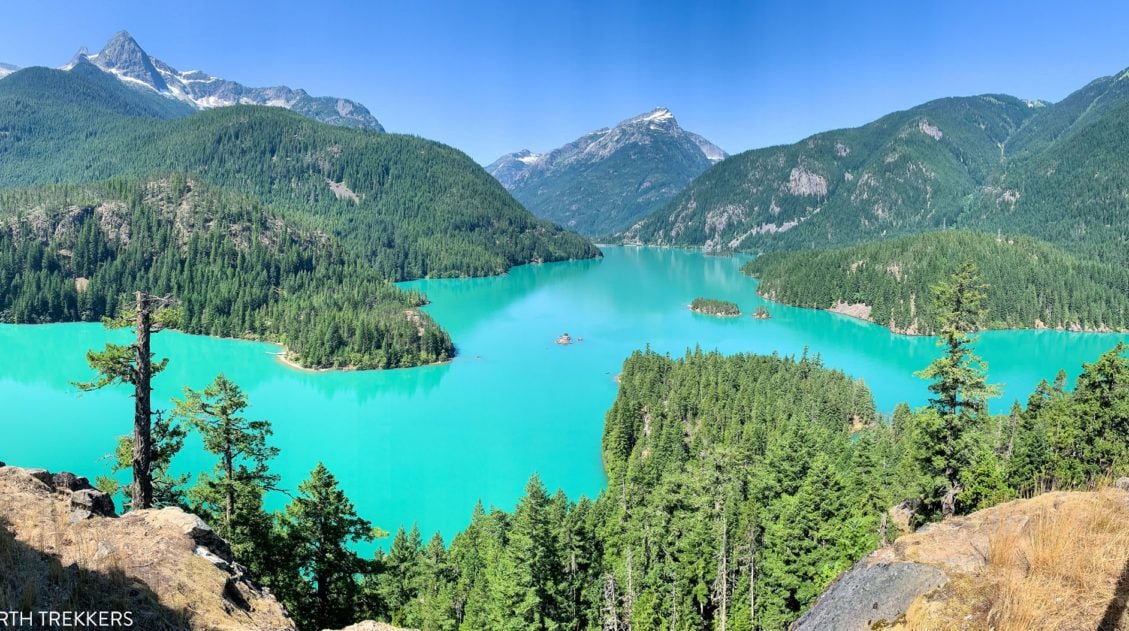
9 Amazing Things to Do in North Cascades National Park
Discover the best things to do in North Cascades National Park, from the stunning drive along Highway 20 to Diablo Lake, Washington Pass Overlook, and world-class hiking trails. North Cascades National Park gets a fraction of the visitors that flock to Olympic and Mount Rainier, and that’s exactly what makes it so good. We visited […]
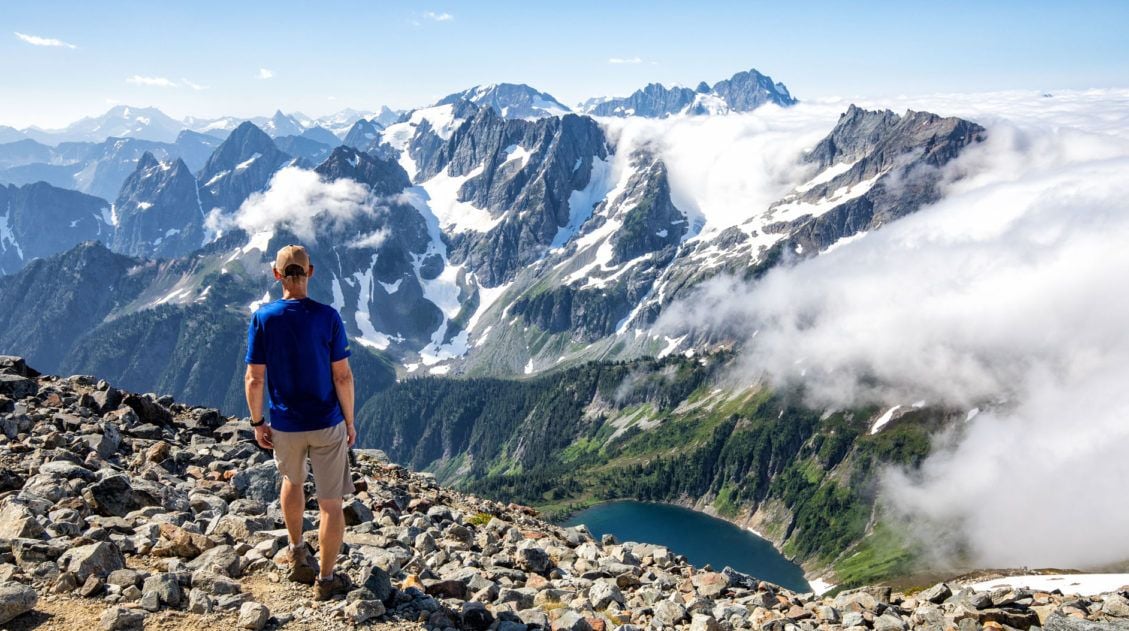
Cascade Pass and Sahale Arm: The Best Day Hike in North Cascades
We’ve hiked in more than 50 national parks across the United States, and the Cascade Pass and Sahale Arm hike is one that still stands out. We did this hike as part of a six-week road trip through the national parks of Colorado and Washington, and it was the perfect way to end the trip. […]
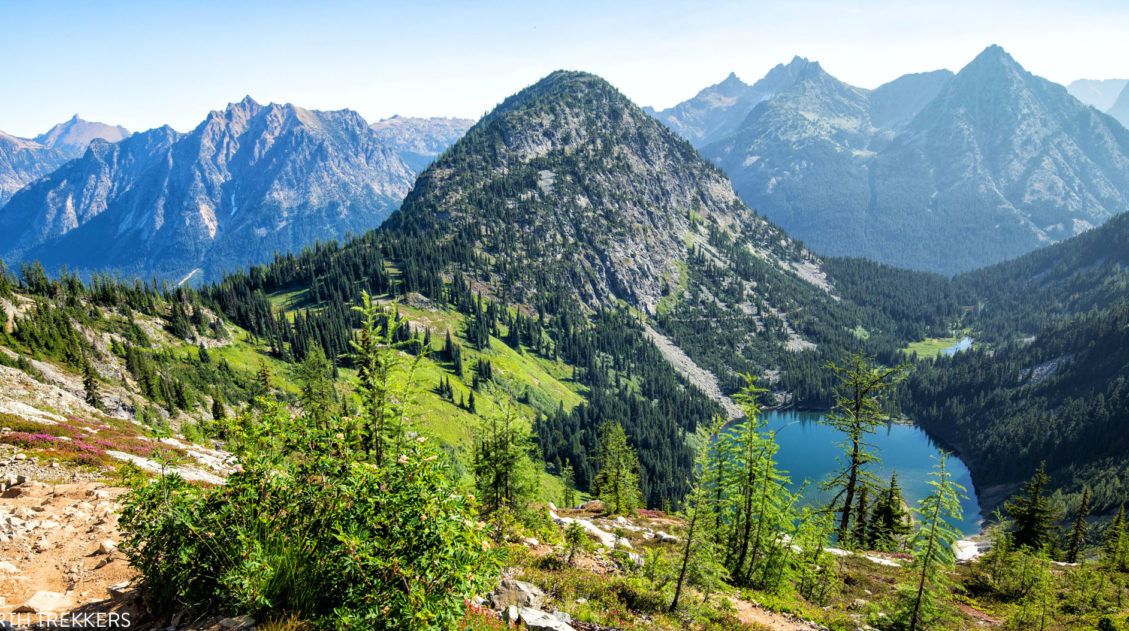
Maple Pass Loop Hiking Guide 2026 | North Cascades, WA
The Maple Pass Loop, also known as the Heather-Maple Pass Loop, is one of the best day hikes in the North Cascades, and one that’s surprisingly accessible for the views it delivers. In early August, Tim, Kara, and I completed this hike and came away genuinely impressed. It’s not our favorite hike in the area […]