
The Alsace Wine Route is one of our favorite road trips in France, with colorful villages, vineyard-covered hills, medieval castles, excellent food, and plenty of opportunities for wine tasting.
With 3 days in Alsace, you have enough time to explore Colmar, visit several of the prettiest towns along the Wine Route, tour Haut-Koenigsbourg Castle, and spend time in Strasbourg without racing from place to place.
We spent three full days exploring the Alsace Wine Route, using Colmar as our base. On that trip, we visited more towns than we would recommend for most travelers, sometimes fitting four into one day. It was a great way for us to see the region, but it also taught us that Alsace is better enjoyed at a slower pace.
This 3-day Alsace itinerary is the route we would recommend now, based on everything we learned from that trip.
Our Experiences in the Alsace: We spent three full days exploring the Alsace Wine Route as a family of four, using Colmar as our base. On that trip, we visited many of the towns and villages in this itinerary, toured Haut-Koenigsbourg Castle, and stopped for wine tastings along the way.
We packed a lot into those three days, more than we would recommend now, and that experience helped shape this itinerary into a slower, more enjoyable route. Years later, Kara and I returned to Colmar and Strasbourg in December for the Christmas markets, giving us the chance to experience Alsace in a completely different season.
3 Days in the Alsace: The Essentials
DAY 1 | Colmar + Eguisheim
DAY 2 | Kaysersberg + Riquewihr + Ribeauvillé
DAY 3 | Haut-Koenigsbourg Castle + Bergheim + Strasbourg
BEST BASE | Colmar
GETTING AROUND | Rental car
TIME NEEDED | 3 full days
BEST FOR | Fairytale towns, wine tasting, food & scenic drives
What You’ll See on This 3-Day Alsace Itinerary
This itinerary focuses on the highlights of the Alsace Wine Route without trying to visit every town along the way.
Over three days, you’ll explore Colmar, visit some of our favorite Wine Route towns including Eguisheim, Kaysersberg, Riquewihr, Ribeauvillé, and Bergheim, tour Haut-Koenigsbourg Castle, and spend time in Strasbourg.
You’ll also have time for wine tasting, leisurely meals, and wandering through the historic centers rather than simply driving from town to town.
If you want to compare more villages before deciding which ones to include, see our guide to the Best Towns on the Alsace Wine Route. For more detail on Colmar, our One Day in Colmar Itinerary covers its top sights, restaurants, and practical tips.
Colmar
Why Doesn’t This Itinerary Include a Full Day in Strasbourg?
Many 3-day Alsace itineraries dedicate one full day to Strasbourg. We’ve visited Strasbourg twice, and while we enjoy its beautiful historic center, cathedral, and La Petite France, we personally prefer the smaller towns along the Alsace Wine Route.
On our first trip, all four of us loved the atmosphere of places like Colmar, Kaysersberg, Riquewihr, and Ribeauvillé more than Strasbourg. The smaller towns, vineyards, wine tastings, and slower pace are what made Alsace stand out for us.
For that reason, this itinerary gives more time to the Wine Route and about half a day to Strasbourg. We think that is a great balance for travelers whose main reason for visiting Alsace is its villages and wine country.
If Strasbourg is high on your list, it is easy to modify this itinerary: skip Bergheim and/or the Haut-Koenigsbourg Castle on Day 3 and head directly to Strasbourg, giving you most of the day in the city.
3 Days in the Alsace Itinerary
Day 1: Colmar & Eguisheim
Spend your first day in Colmar and Eguisheim, two of our favorite towns in the Alsace. Colmar deserves the most time, so we recommend starting here and saving the smaller village of Eguisheim for later in the day.
Morning: Explore Colmar
Begin in Little Venice (La Petite Venise), where colorful half-timbered houses line the canals. From here, walk along Quai de la Poissonnerie and continue into the Old Town.
As you wander through Colmar, look for some of its most recognizable landmarks, including the Pfister House, Koïfhus (Old Customs House), St. Martin’s Church, and the House of Heads. We also recommend stopping at the Covered Market Hall, one of our favorite places in Colmar and somewhere we shopped on both of our visits.
Much of Colmar’s appeal comes from simply wandering. The historic center is compact, and some of the prettiest streets are the ones you discover between the major sights.
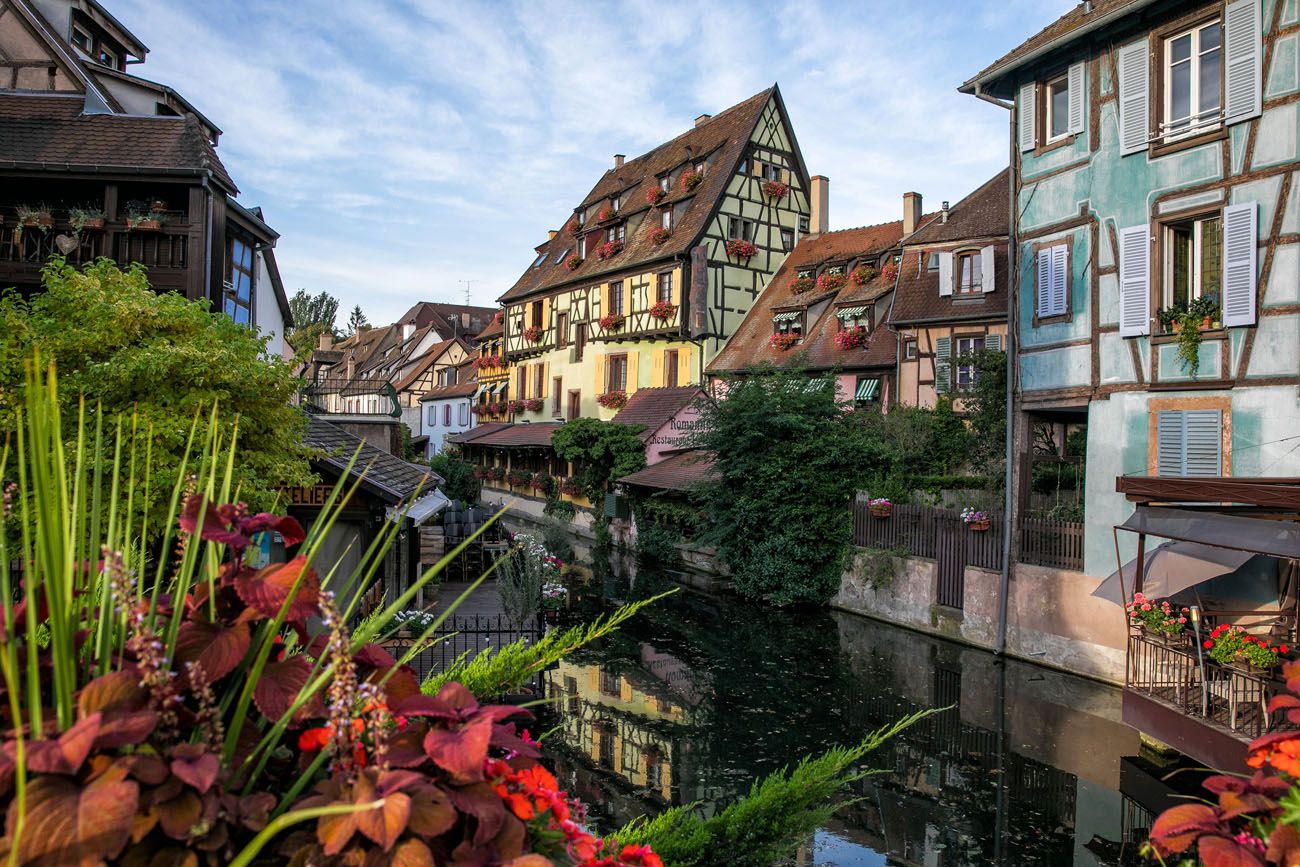
Little Venice, Colmar
Lunch in Colmar
Stay in Colmar for lunch and try an Alsatian specialty such as tarte flambée (flammekueche). You’ll find plenty of restaurants in and around the Old Town, or you can pick up something casual from the Covered Market.
If you are interested in wine, this is also a good opportunity to sample a glass of Riesling, Gewürztraminer, or Pinot Gris before continuing to Eguisheim.
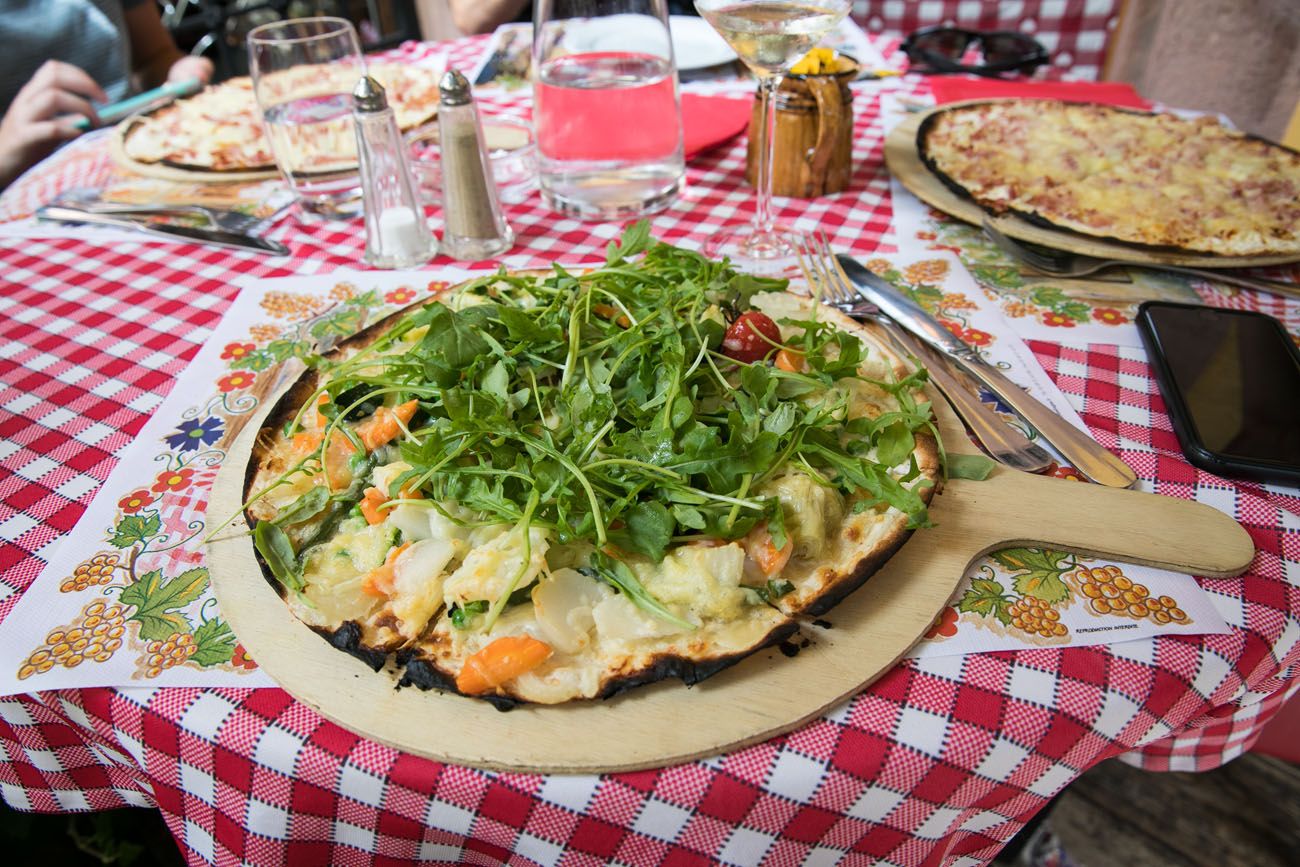
Tarte Flambée
Afternoon: Eguisheim
After lunch, drive to Eguisheim, one of the most charming villages on the Alsace Wine Route.
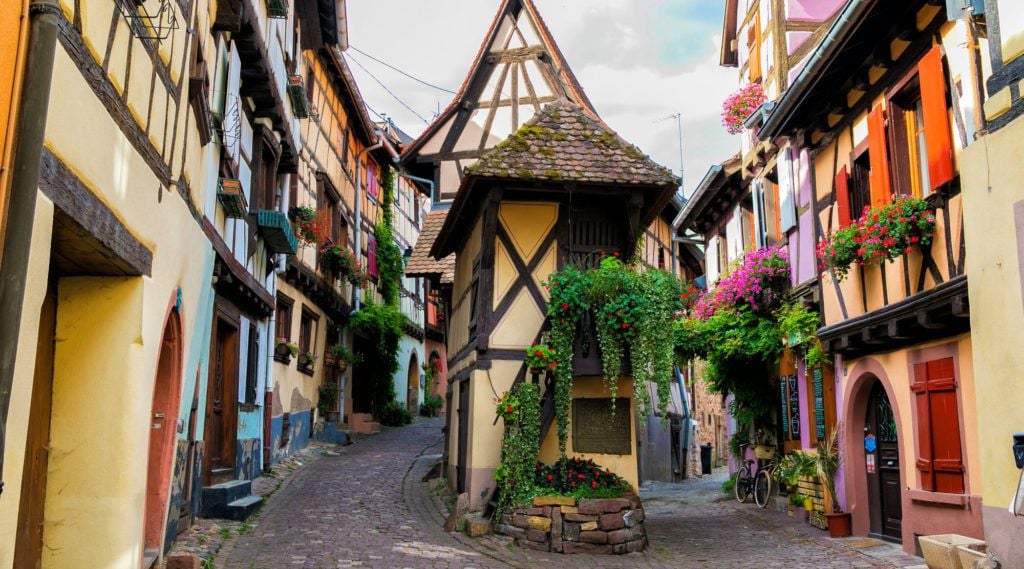
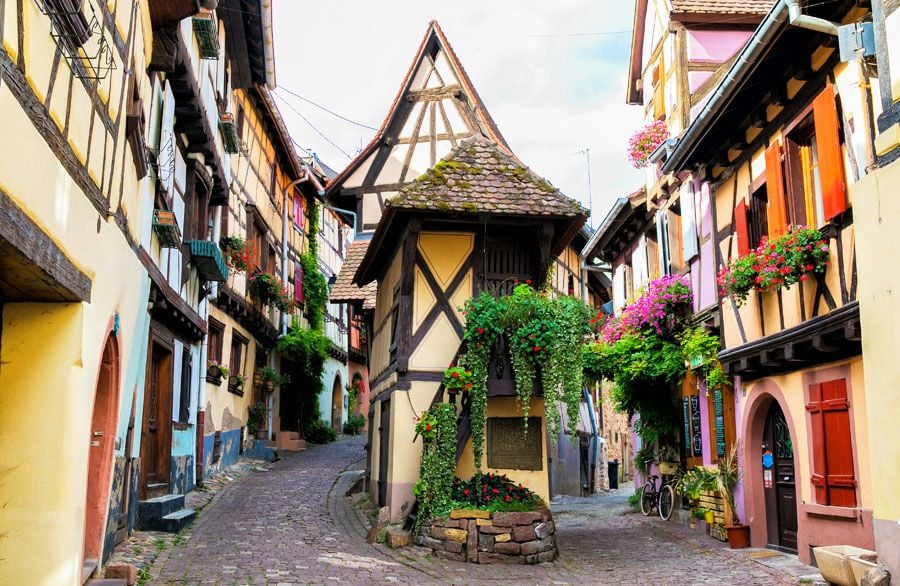
Eguisheim is small and easy to explore on foot. Its historic center is arranged around narrow, curving streets lined with colorful half-timbered houses, flower boxes, small courtyards, and wine cellars.
Walk the circular streets around the center, visit the main square, and take your time exploring the quieter lanes. Unlike Colmar, there is not a long list of must-see attractions here. The experience is really about wandering through the village and enjoying the architecture and atmosphere.
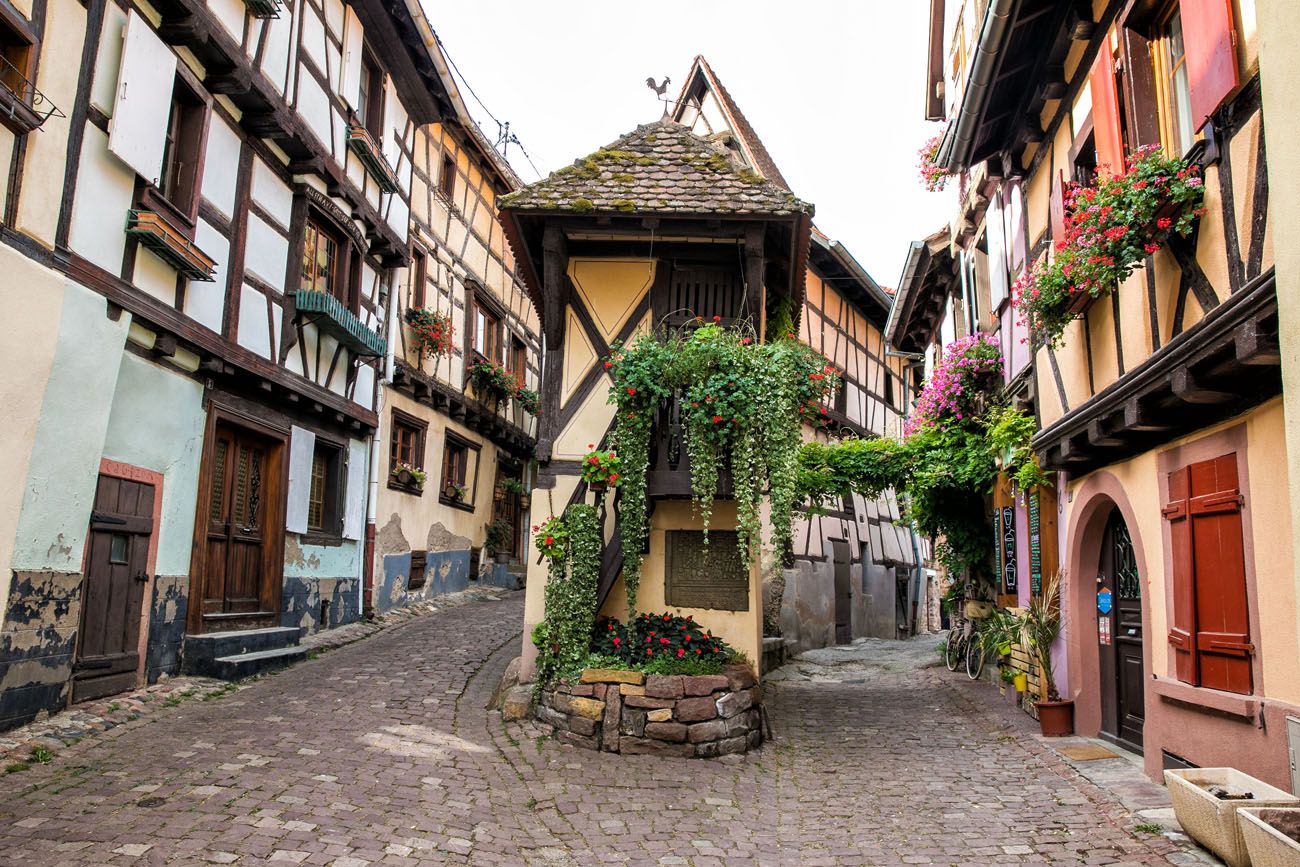
Eguisheim
Evening: Return to Colmar
Return to Colmar for dinner and an evening walk through the Old Town.
If you are staying overnight in Colmar, this is one of the best times to enjoy the historic center. The streets are quieter after many of the day-trippers have left, and Little Venice is especially pretty in the evening.
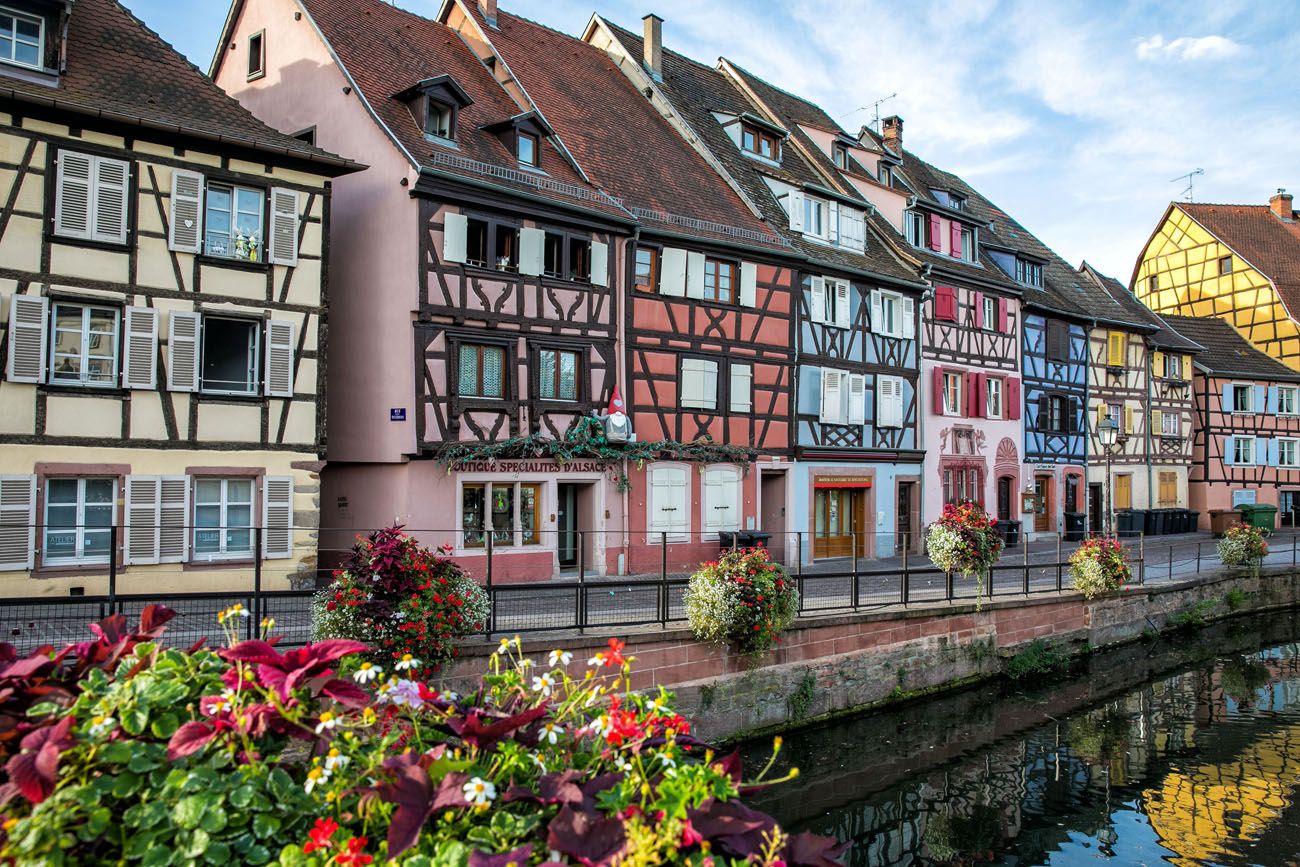
Colmar
Day 2: Kaysersberg, Riquewihr & Ribeauvillé
Today is your classic Alsace Wine Route day, visiting three fairytale towns north of Colmar. All three are close together, so you can spend plenty of time exploring without spending much of the day in the car.
We recommend visiting them in this order: Kaysersberg → Riquewihr → Ribeauvillé.
Morning: Kaysersberg
Start your day in Kaysersberg, one of our favorite towns along the Wine Route. Colorful half-timbered houses line the streets, the Weiss River runs through the center, and vineyards climb the hills just beyond town.
Walk through the historic center and cross the old stone bridge for one of the prettiest views in Kaysersberg. If you are up for a short climb, walk up to the ruins of Kaysersberg Castle, where you get panoramic views over the rooftops, vineyards, and surrounding hills.
Allow about 1.5 to 2 hours for Kaysersberg, a little longer if you stop for coffee, shopping, or wine tasting.
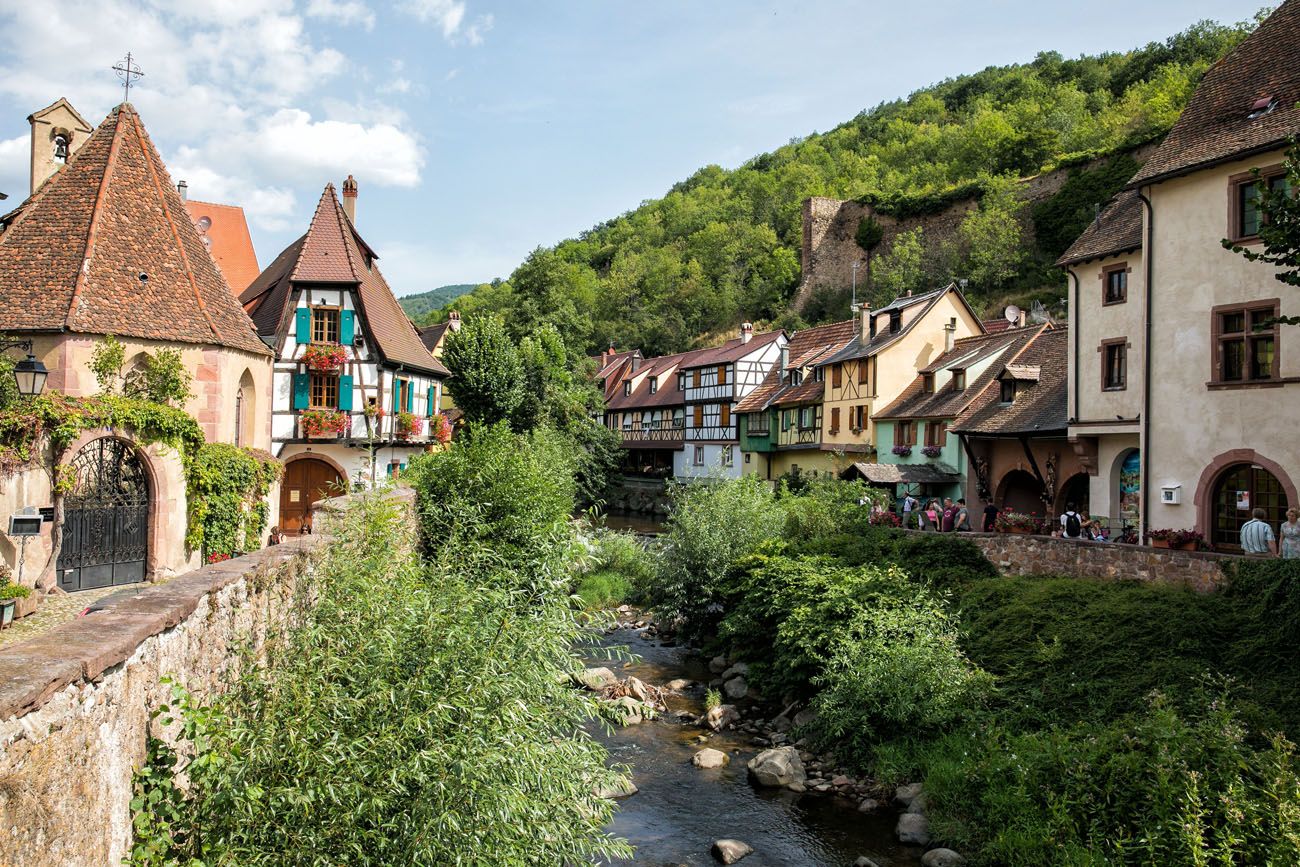
Kaysersberg
Late Morning & Lunch: Riquewihr
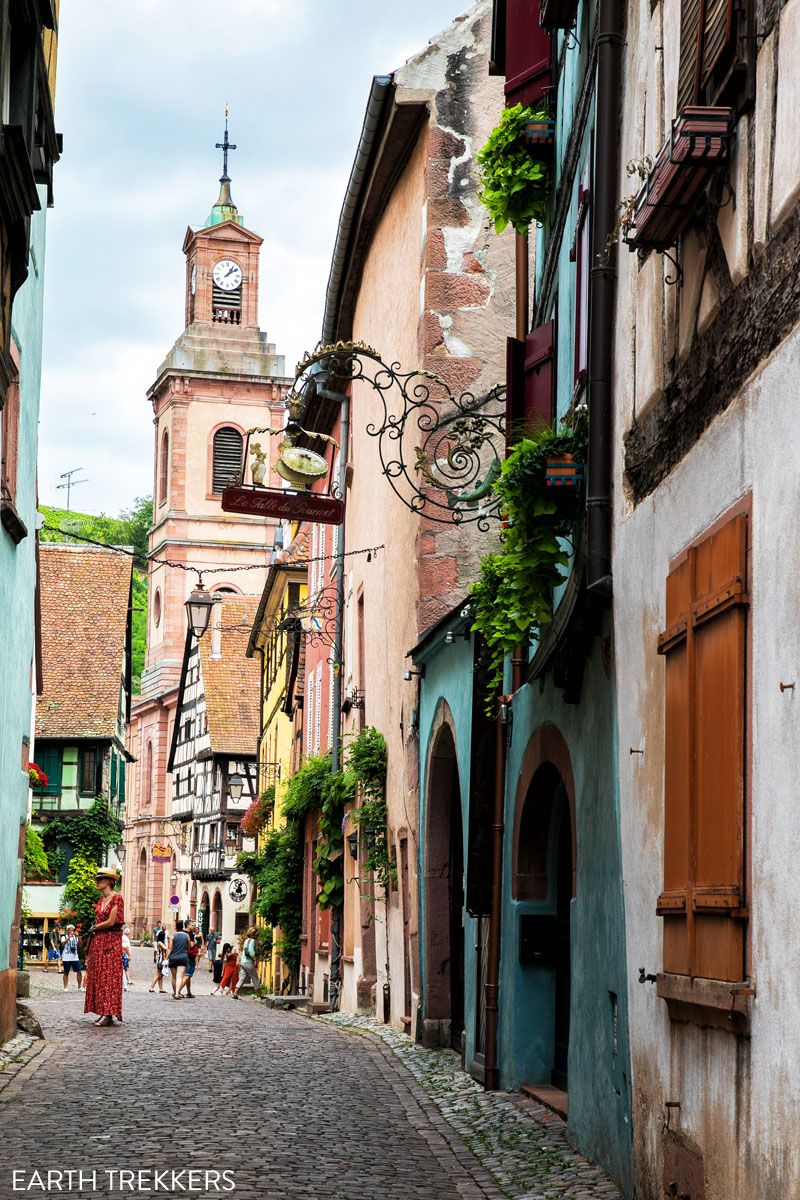
Continue to Riquewihr, another beautifully preserved medieval town surrounded by vineyards. This was one of my favorite places to photograph in Alsace, with colorful houses, flower-filled windows, fountains, stone archways, and narrow side streets.
Walk along Rue du Général de Gaulle, the main street through town, toward the Dolder, Riquewihr’s 13th-century defensive gate and tower. Be sure to wander away from the main street as well; some of the prettiest corners are hidden along the quieter lanes.
Riquewihr is also an excellent place for wine tasting, with numerous wineries and tasting rooms in and around the historic center.
This is a good place to stop for lunch before continuing to Ribeauvillé. We had lunch at Restaurant L’Ecurie, dining on tarte flambee on their outdoor terrace.
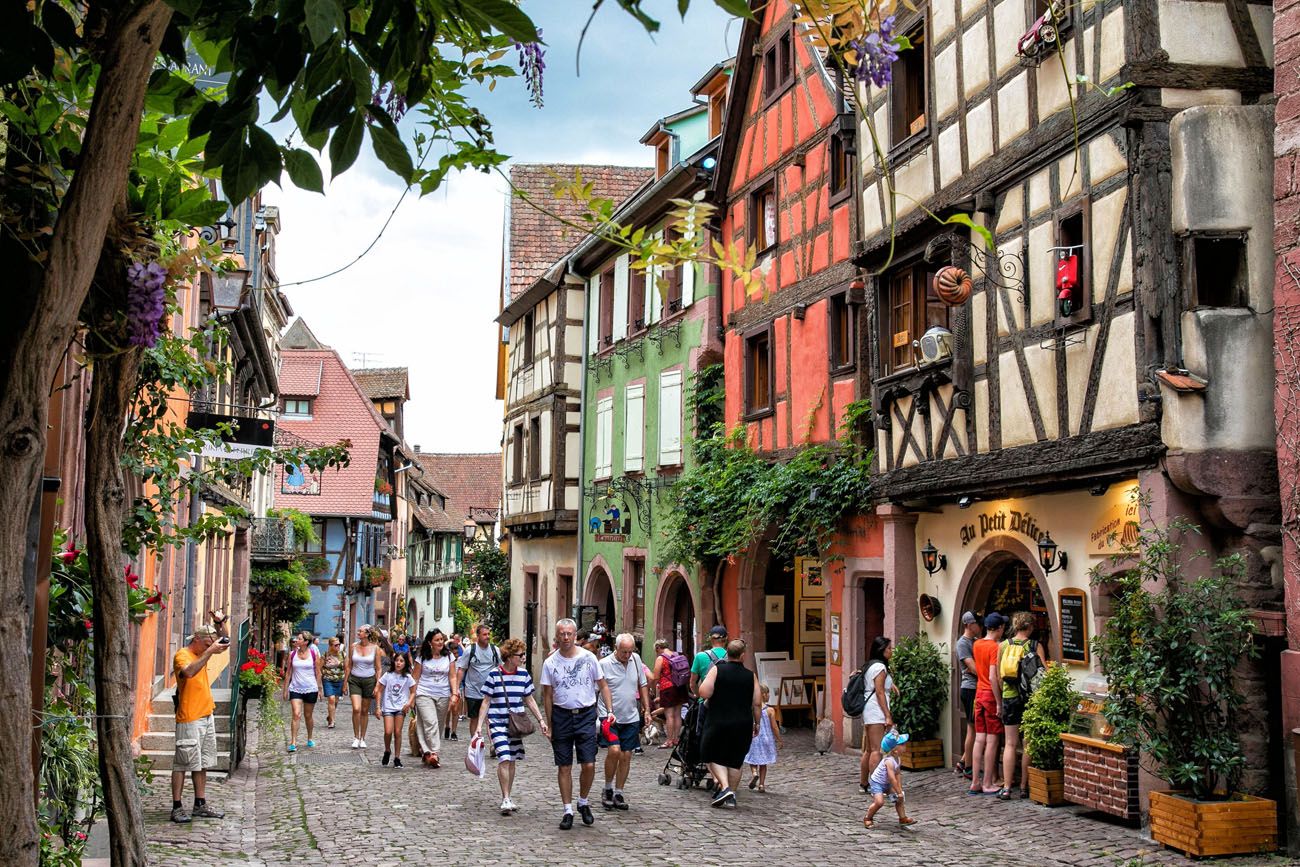
Riquewihr
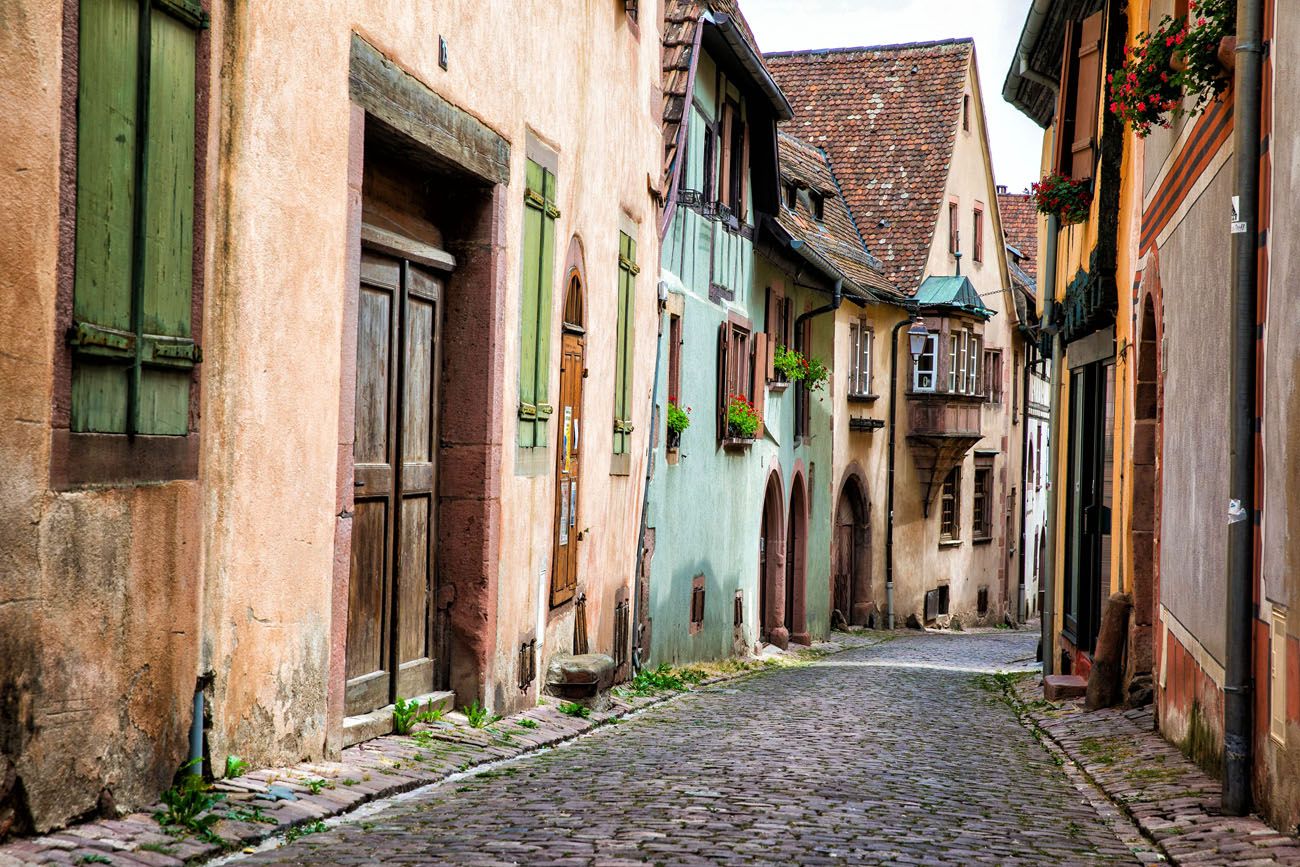
Riquewihr
Afternoon: Ribeauvillé
Spend the afternoon in Ribeauvillé, which feels a little larger and livelier than Kaysersberg and Riquewihr. Its main street is lined with colorful buildings, fountains, restaurants, shops, and wine tasting rooms.
As you explore, look toward the hills above town. The ruins of three medieval castles overlook Ribeauvillé and the surrounding vineyards. If you have extra time and want to add a hike to your day, trails lead from town toward the castles, but for this itinerary we recommend enjoying the views from below and saving your time for the town itself.
Ribeauvillé is another good place for wine tasting, so if you skipped a tasting earlier in the day, consider stopping here.
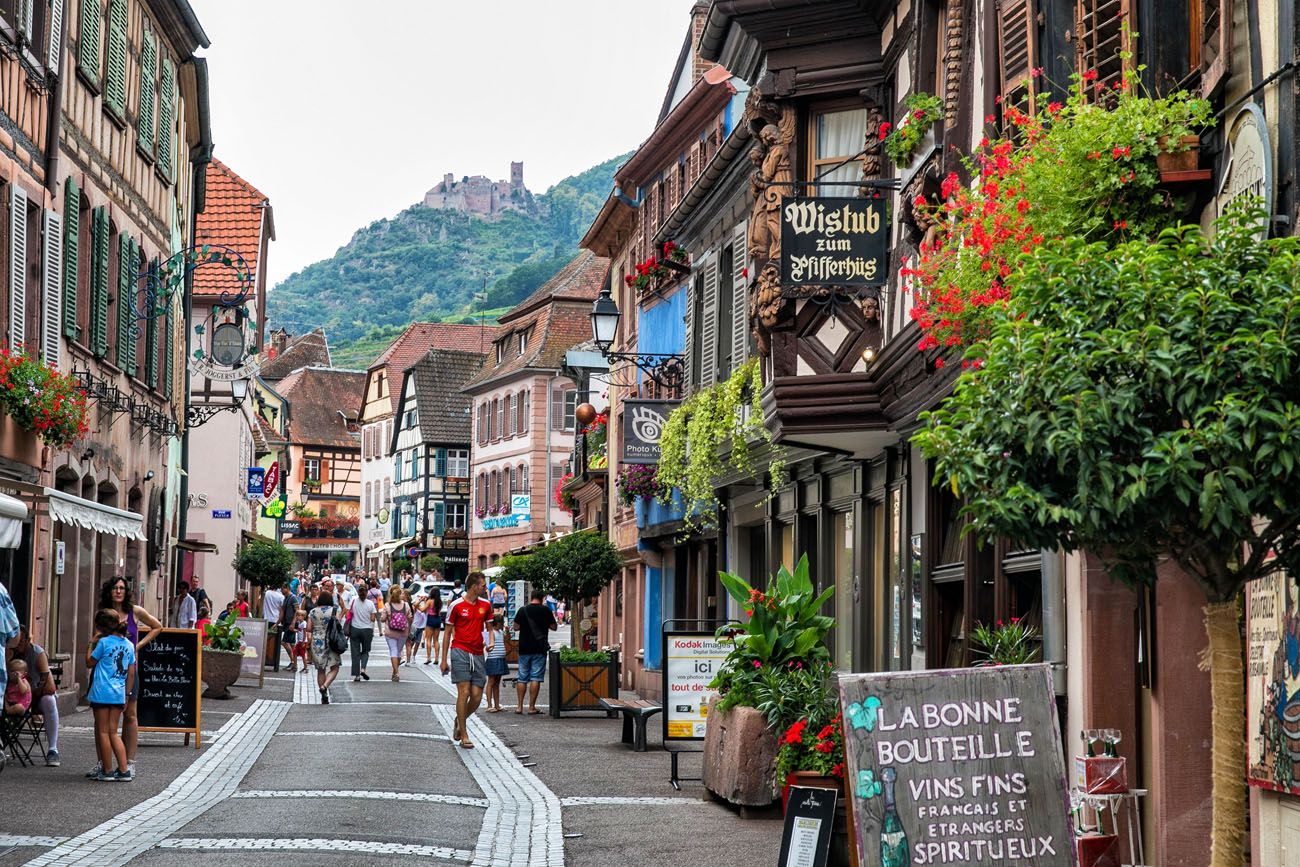
Ribeauville
Evening: Return to Colmar
Return to Colmar for dinner and another night in town.
This is intentionally a slower day than trying to squeeze four or five villages into one route. Kaysersberg, Riquewihr, and Ribeauvillé each have a slightly different character, and allowing time to wander, eat, photograph the streets, and stop for wine is what makes the Alsace Wine Route so enjoyable.
Day 3: Haut-Koenigsbourg Castle, Bergheim & Strasbourg
On your final day, combine one of Alsace’s most impressive castles with a quieter Wine Route town and an afternoon in Strasbourg. Strasbourg is well worth seeing, but for this itinerary we give it less time than the Wine Route towns because those were the places we enjoyed most in Alsace.
We recommend visiting them in this order: Haut-Koenigsbourg Castle → Bergheim → Strasbourg.
Morning: Haut-Koenigsbourg Castle
Start your day at Haut-Koenigsbourg Castle, perched high above the Alsace plain in the Vosges Mountains.
Our favorite thing about visiting this castle is its location. The castle has a dramatic setting, with views over vineyards, villages, and the countryside below. Inside, you can walk through courtyards, towers, defensive walls, furnished rooms, and passageways while learning about the castle’s medieval history and later restoration.
Plan on spending about 1.5 to 2 hours here. Get here early, ideally around opening time. On our visit, we arrived midday and had a tough time finding a parking spot. Arriving early is a good idea, both for lighter crowds and because you still have two more stops ahead.
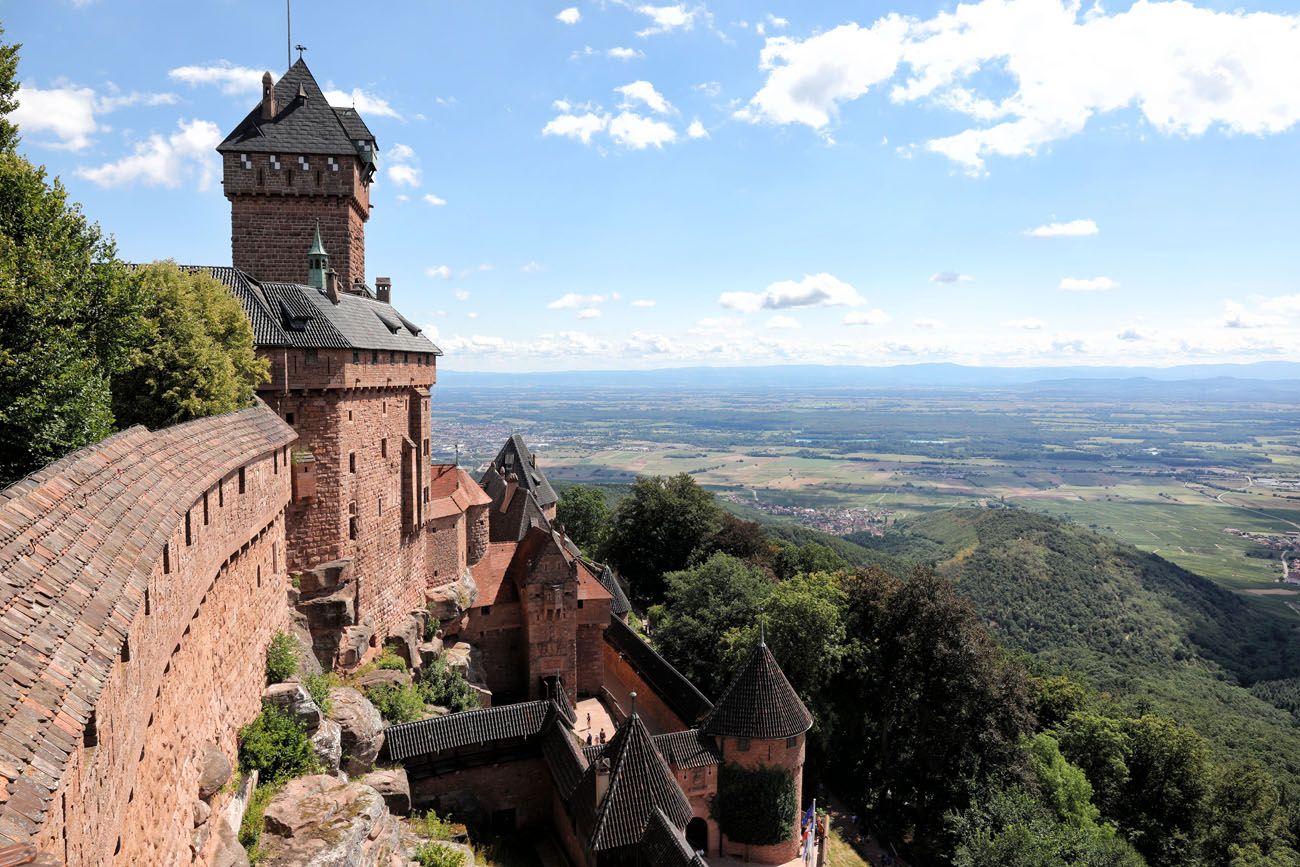
Chateau du Haut-Koenigsburg
Late Morning or Lunch: Bergheim
From the castle, continue to Bergheim, a town we visited at the advice of a local we met in Colmar. Bergheim wasn’t originally on our list of places to visit, but it became one of our favorite stops along the Alsace Wine Route.
Bergheim is quieter than many of the better-known villages along the Wine Route, with preserved medieval walls, colorful houses, vineyards, and far fewer crowds. Walk through the historic center and along sections of the old ramparts for views over the town and surrounding countryside.
This is a good place to slow down for lunch before continuing north to Strasbourg. We ate at Auberge des Lavandieres, an outdoor restaurant located right on the main street.
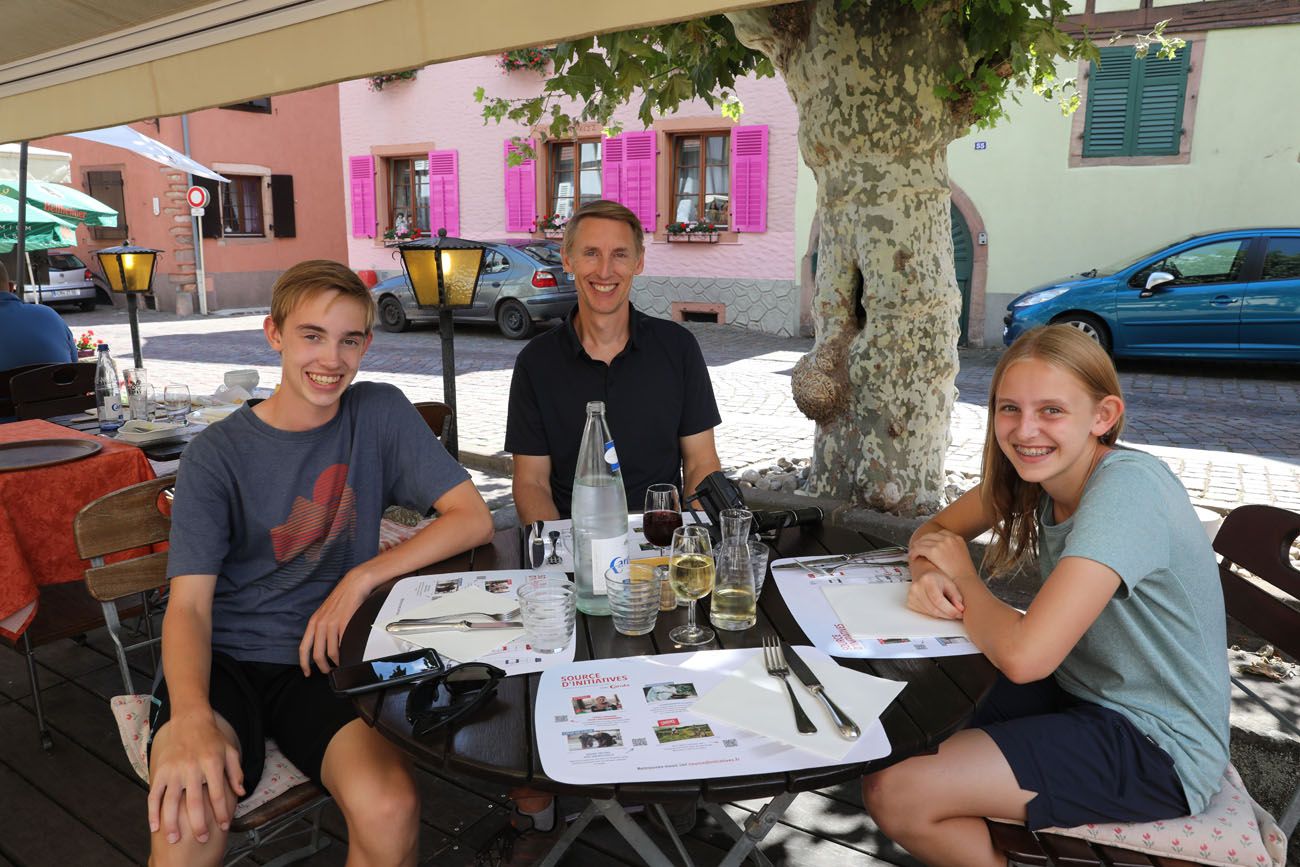
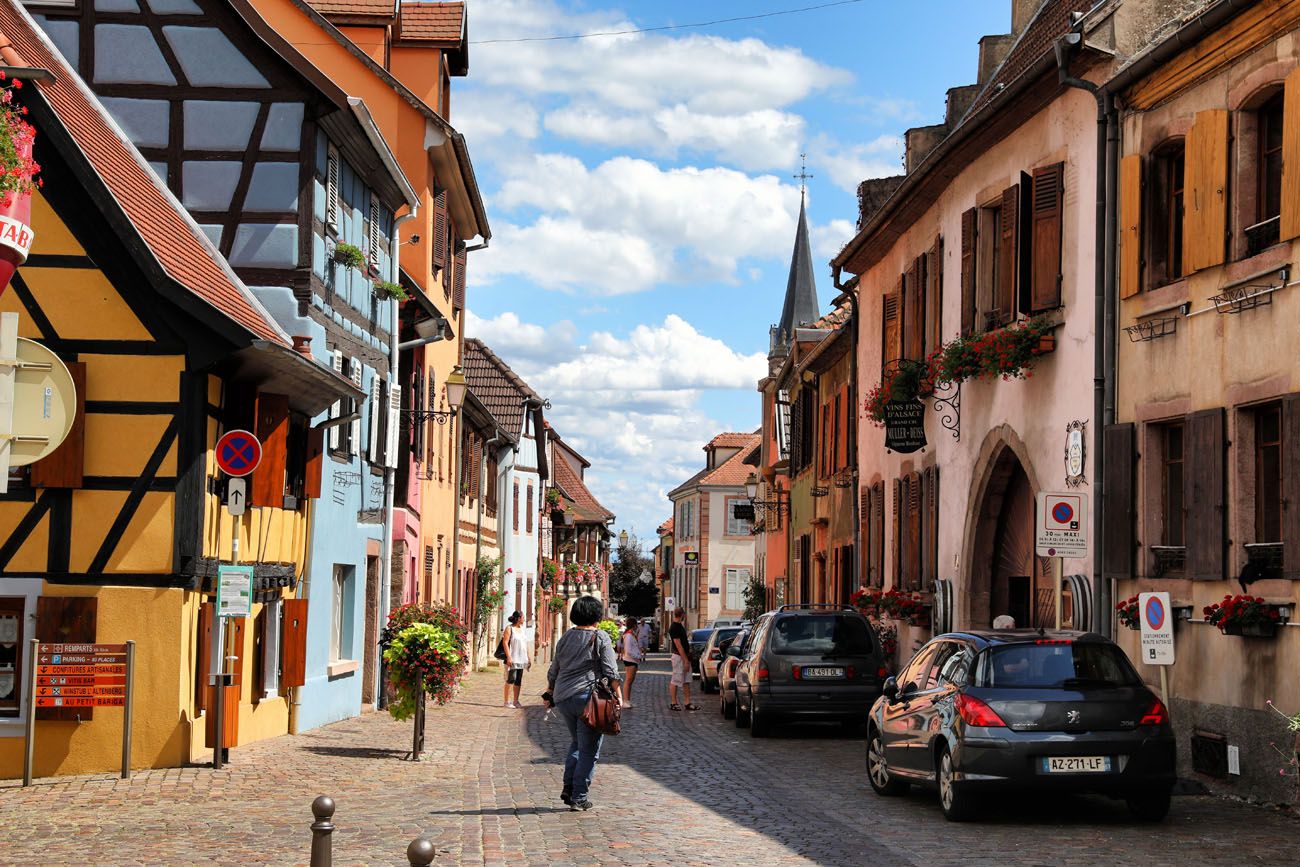
Bergheim
Afternoon & Evening: Strasbourg
Finish your 3 days in Alsace in Strasbourg, the largest city in the region and a very different experience from the small Wine Route villages.
Spend the afternoon exploring the historic center. The Strasbourg Cathedral is not to be missed. On our first visit to Strasbourg, we climbed its tower (a hefty climb with 330+ steps) and the views are worth it. From the top of the tower, we were treated to panoramic views over Strasbourg and the Alsace Wine Region.
Stroll the streets of La Petite France, with its canals, bridges, and half-timbered houses. Wander through the old town, stop at one of the squares for a drink or snack, and enjoy the livelier atmosphere after several days in the smaller villages.
If you have time, stay into the evening for dinner before returning to Colmar, or consider spending your final night in Strasbourg if it works better with your onward travel plans.
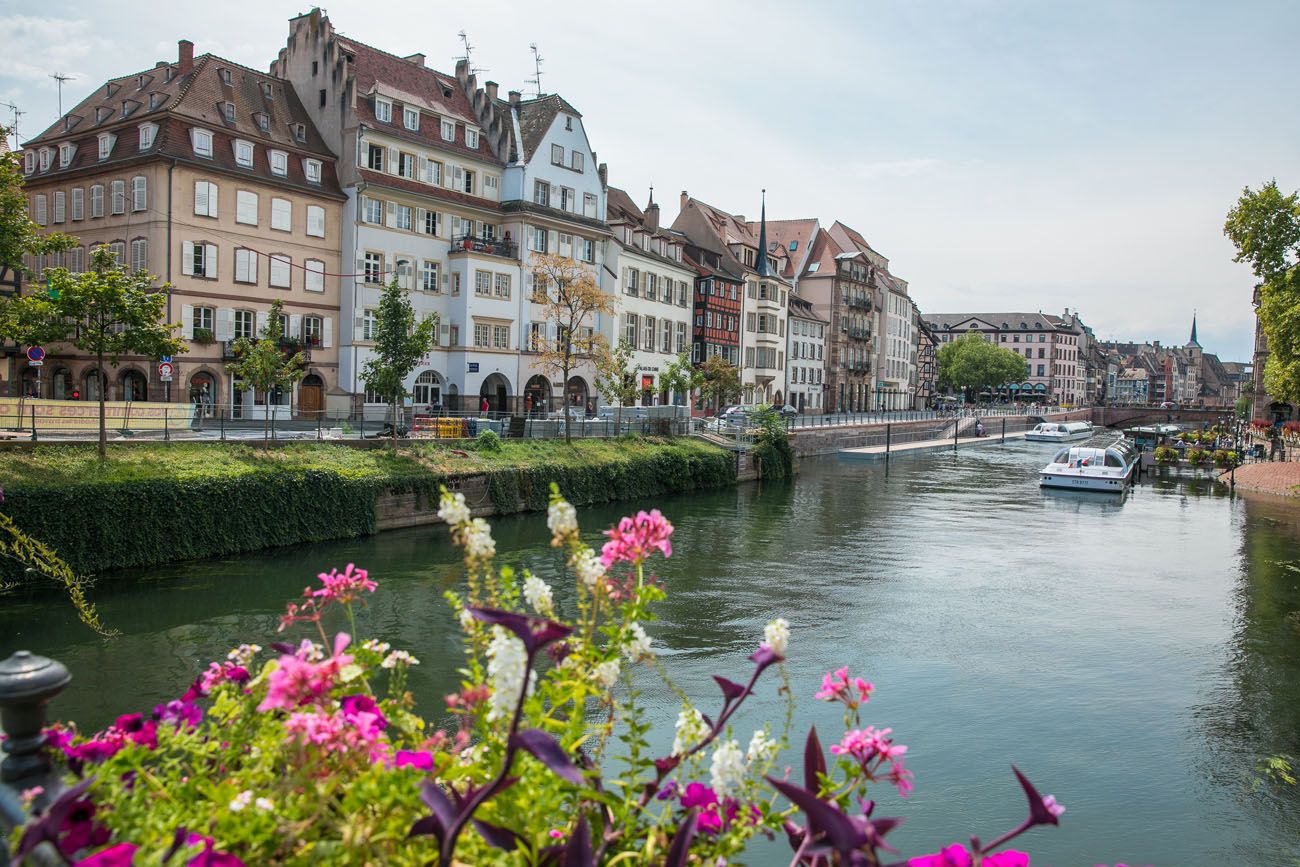
Strasbourg
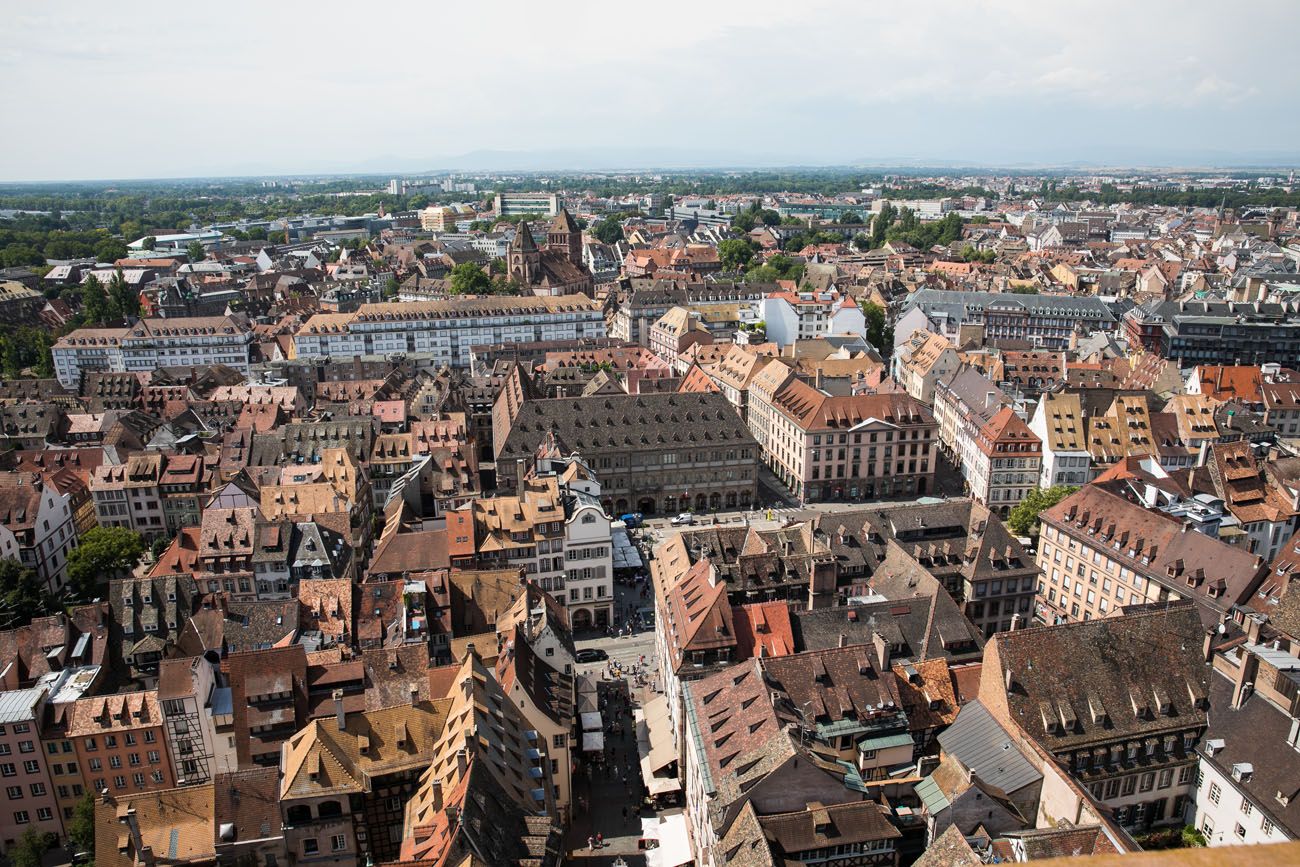
Overlooking Strasbourg from the cathedral
Where to Stay
Since the wine route spans 170 km, with Strasbourg in the north and Colmar in the south, if you stay in one of these towns, you will do more driving than if you base yourself in the center of the route. Even so, Strasbourg and Colmar offer some advantages.
Since Strasbourg has an airport and a train station, it is easy to get here, and once you are finished visiting the Alsace region, it is easy to move on to your next destination. It is the largest town on the Alsace wine route, and really, it’s more like a small city. Parking can be a challenge and this city lacks the charm of the other towns on the Alsace wine route (in my opinion).
It is also very easy to get to Colmar by train. From Colmar, it is just a short drive to some of the best towns on the Alsace wine route. And Colmar itself is a great little town filled with lots of great restaurants. Sure, it will be a longer drive to get to the northern towns, but that may be worth it.
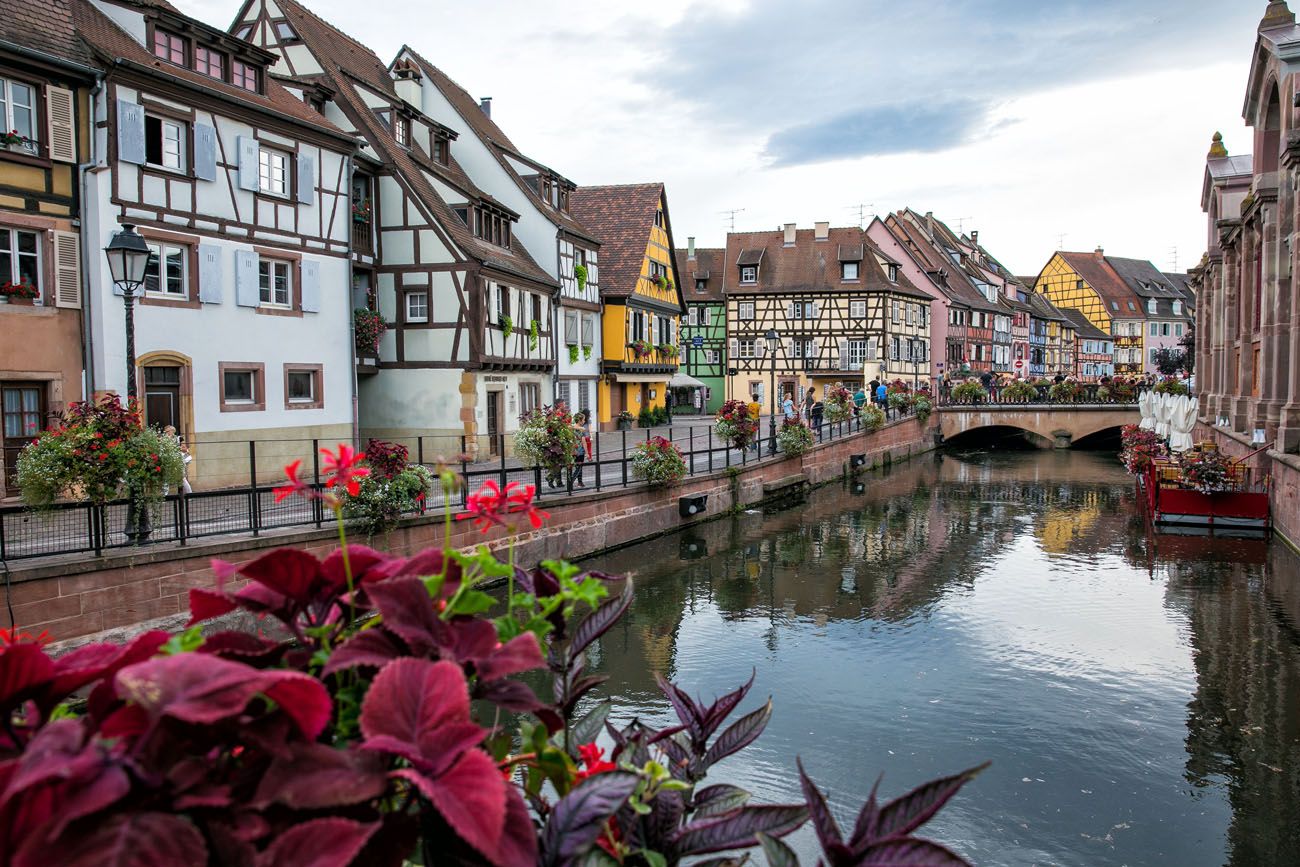
Colmar
We stayed in Colmar and loved it. In the mornings Colmar was very quiet and I loved walking the streets and going to the bakeries for fresh pastries and coffee. There was plenty of parking in town so having a rental car was not a hassle.
To find out where we stayed and to get hotel recommendations in Colmar, read our article One Perfect Day in Colmar.
Colmar is a very popular spot on the Alsace wine route so it will be crowded midday and accommodations can sell out during the peak seasons. If you like the idea of staying in a town that is quieter and “less busy,” take your pick from towns like Kaysersberg, Bergheim, Dambach-la-Ville, or Ribeauville.
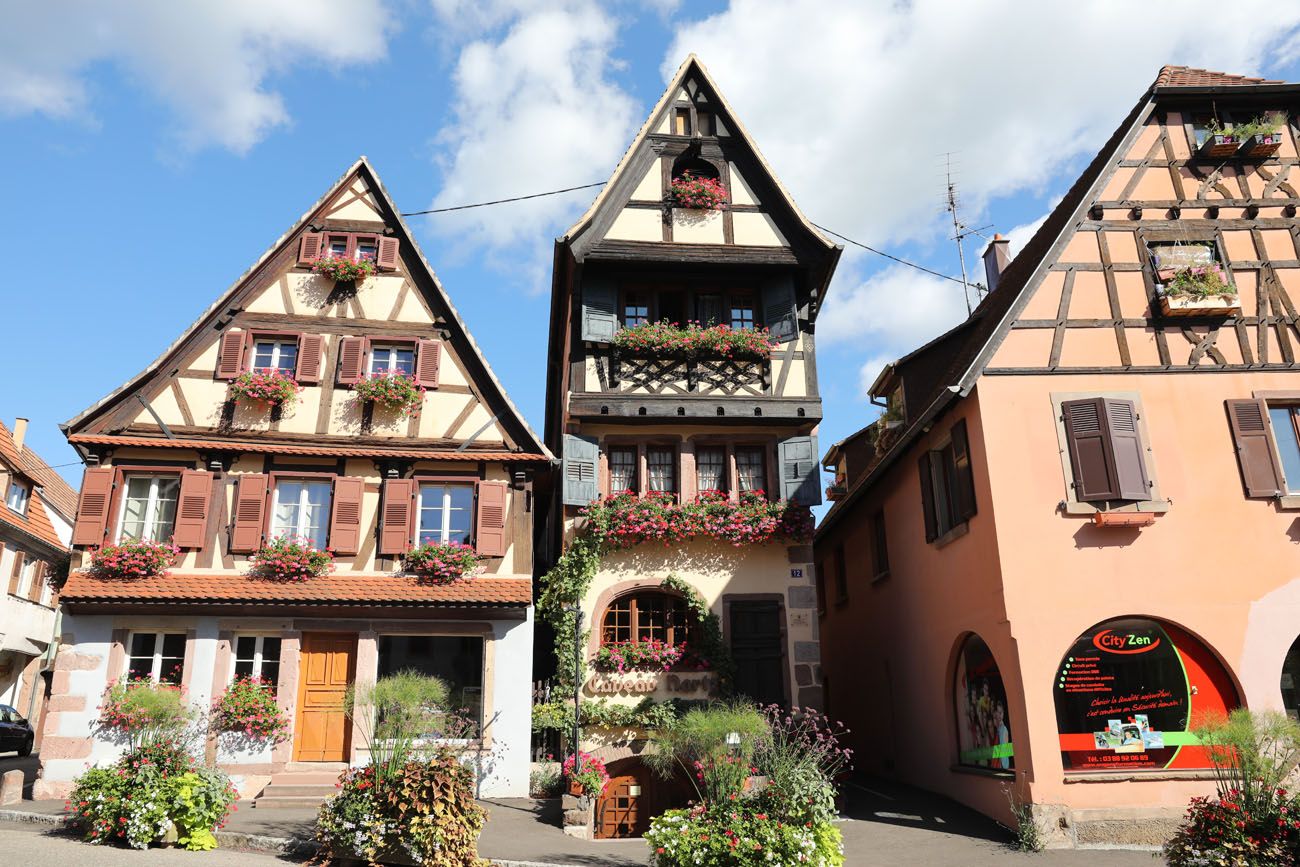
Dambach-la-Ville
How to Get to the Alsace Wine Region
Strasbourg, Basel, and Paris are the main gateway cities to the Alsace Wine Route.
For international travelers, EuroAirport Basel-Mulhouse-Freiburg is one of the most convenient airports for reaching southern Alsace and Colmar. Strasbourg also has its own airport, although it generally has fewer international connections.
If you are arriving from elsewhere in France or Europe, Strasbourg is well connected by train. High-speed TGV trains link Strasbourg with Paris, and regional trains connect Strasbourg with Colmar and other towns in Alsace.
If you are following this 3-day itinerary, we recommend arriving in Colmar and using it as your base for the first two nights. From there, you can easily reach the Wine Route towns by car.
Getting Around Alsace, France
The best way to get around the Alsace wine region is by car. This gives you the most freedom and flexibility to day trip to the small towns and wineries. The cheapest way to do this is to arrive in Strasbourg or Colmar and then rent a car for the time that you will spend in the wine region. Return the car to same place to avoid paying a drop fee.
If you prefer not to drive, you can still visit Colmar and Strasbourg easily by train, and some Wine Route towns can be reached by bus or tour. However, for the full 3-day itinerary in this guide, a car makes the trip much simpler.
It’s also possible to cycle through the wine region. Bike trails connect many of the towns, so if you like the idea of getting around by bicycle, it’s relatively easy to do here. Learn more on the Cycling in Alsace website.
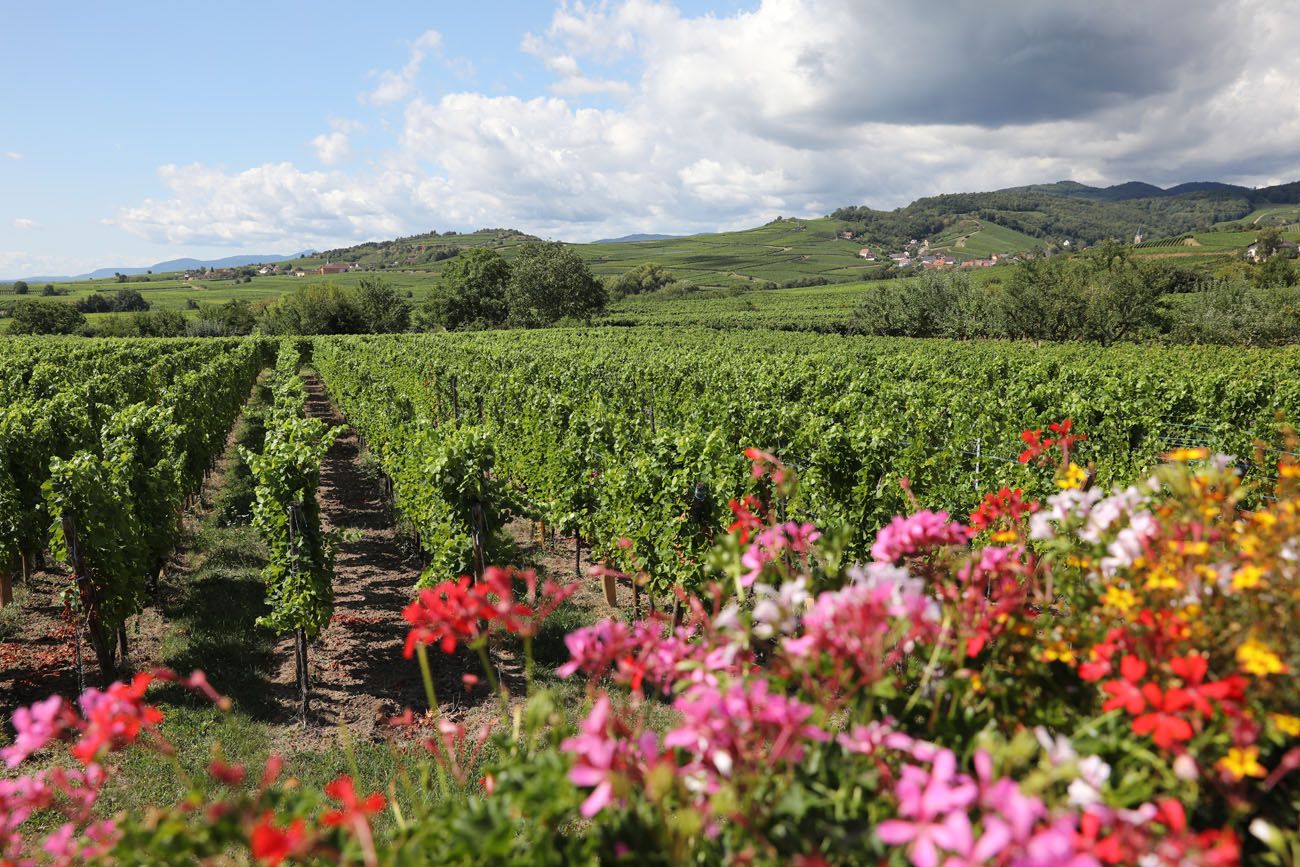
Tips for Visiting the Alsace Wine Route
Don’t try to visit too many towns in one day. Two or three towns is a comfortable pace. We packed more into our original trip and would slow things down if we did it again.
Start early. The most popular towns, especially Colmar, Riquewihr, and Eguisheim, are much quieter in the morning before the day-trippers arrive.
Some towns feel like ghost towns before noon. During our visit, the quieter, “more local” towns like Rosheim, Kintzheim, and Dambach-la-Ville felt like this. They’re still nice to visit in the morning, but these quieter towns may be better in the afternoon, when other towns like Colmar, Riquewihr, and Eguisheim are packed with visitors.
Leave time for wine tasting. One of the best parts of traveling through Alsace is stopping at wineries and tasting rooms along the way. You do not need to schedule every stop in advance.
Most towns have parking lots located just outside of the city center. There will be signs for parking as you approach the town. Many parking lots have automated pay booths where you pay a few euros and then enter in the license plate number of your rental car. So, make sure you have spare change for these pay booths.
Make restaurant reservations when possible. This is especially helpful for dinner in Colmar and Strasbourg and during busy summer weekends or the Christmas market season. We made this mistake. We didn’t make dinner reservations in Colmar in advance and had a tough time getting a table in the evenings.
Build some flexibility into your itinerary. Weather, crowds, a long lunch, or an unexpectedly good wine tasting can easily change your timing. Alsace is much more enjoyable when you are not rushing from stop to stop.
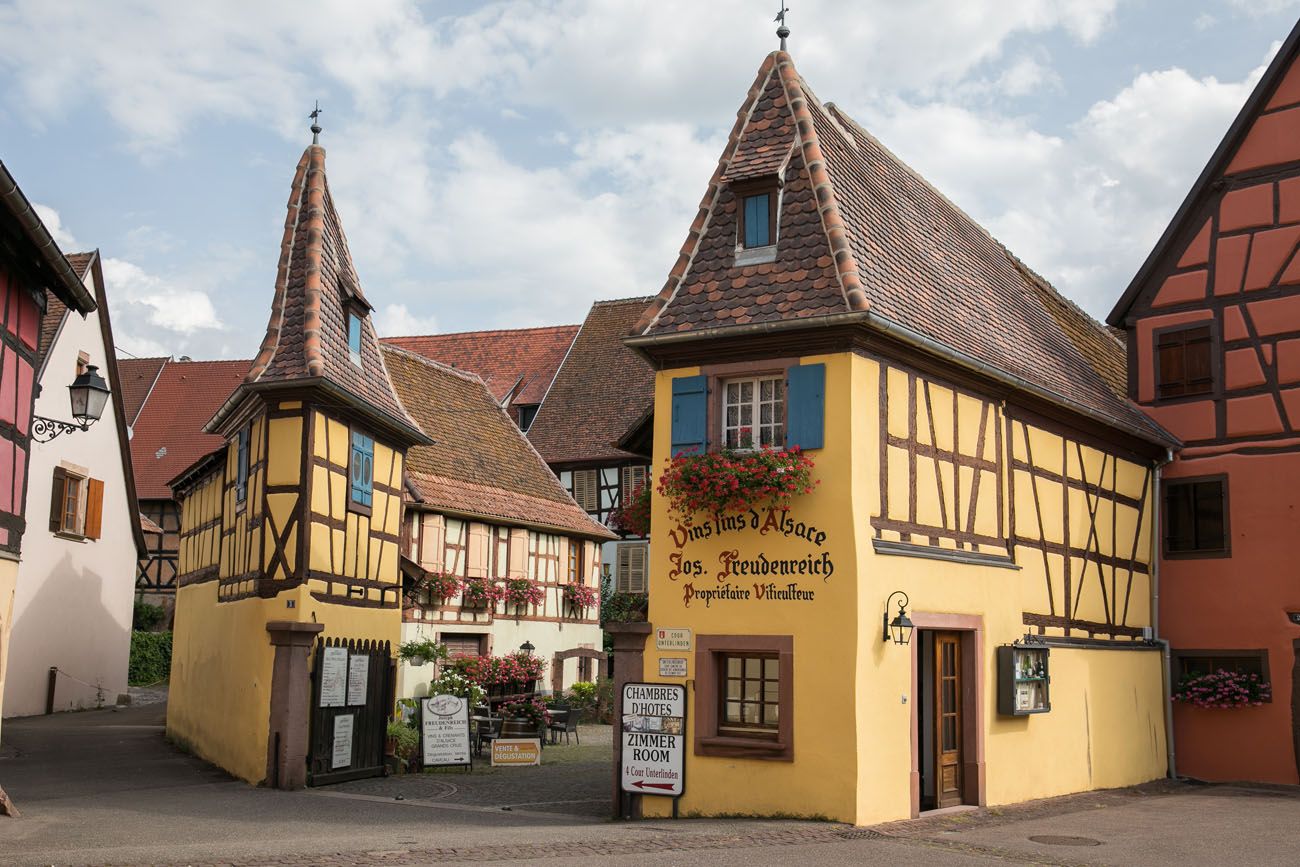
Eguisheim
Best Time to Visit the Alsace Wine Region
The Alsace Wine Region can be visited year-round. However, if you get your timing right, you can visit the Alsace during one of its many festive seasons.
From late March through early April, Colmar is decorated for Easter and you can go shopping at the Easter markets. In early July, classical musical artists perform at the Colmar International Festival. At the end of July into early August, Colmar hosts the Alsace Wine Fair. And finally, the streets in Colmar fill with smalls shops and decorations during the Christmas market season.
The busiest times to visit the Alsace are during the summer months and from late November through December, when it is the Christmas market season. If you want to avoid the crowds, visit the Alsace Wine Route in late winter and early spring, in between New Year’s and Easter.
Late spring and early fall are also nice times to visit. This is the shoulder season so crowds and hotels prices are lower.
We have visited the Alsace wine region in the summer and in December. It is wonderful both times but if you like the idea of taking a European Christmas market trip, Colmar is a great city to add to your itinerary.
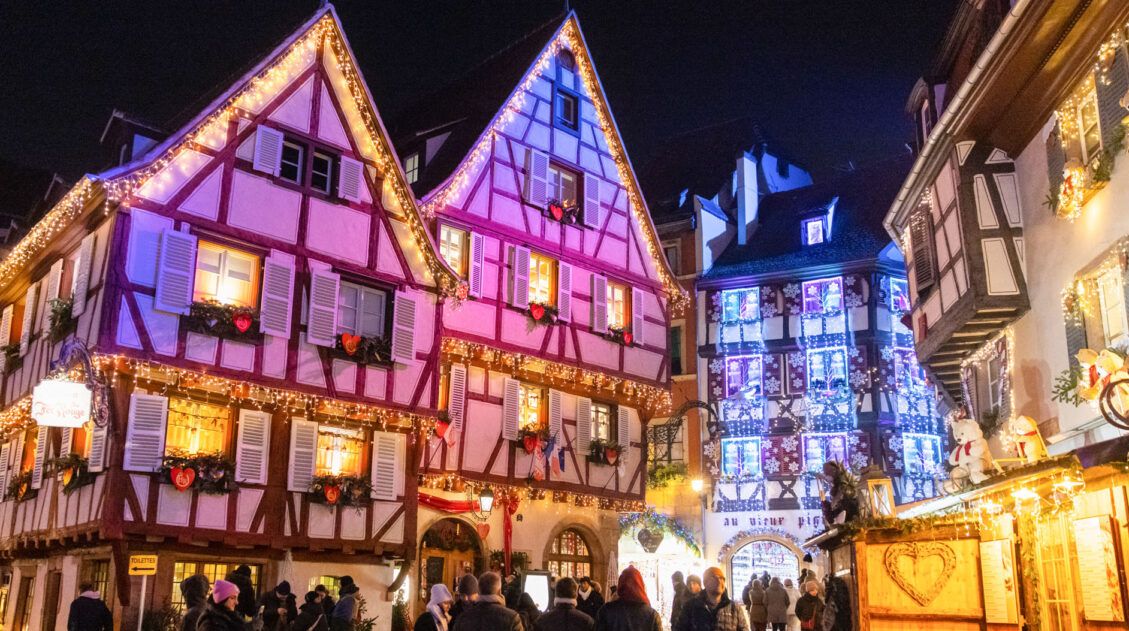
Strasbourg & Colmar Christmas Markets in Photos
See Colmar and Strasbourg at Christmas and learn how to plan your trip.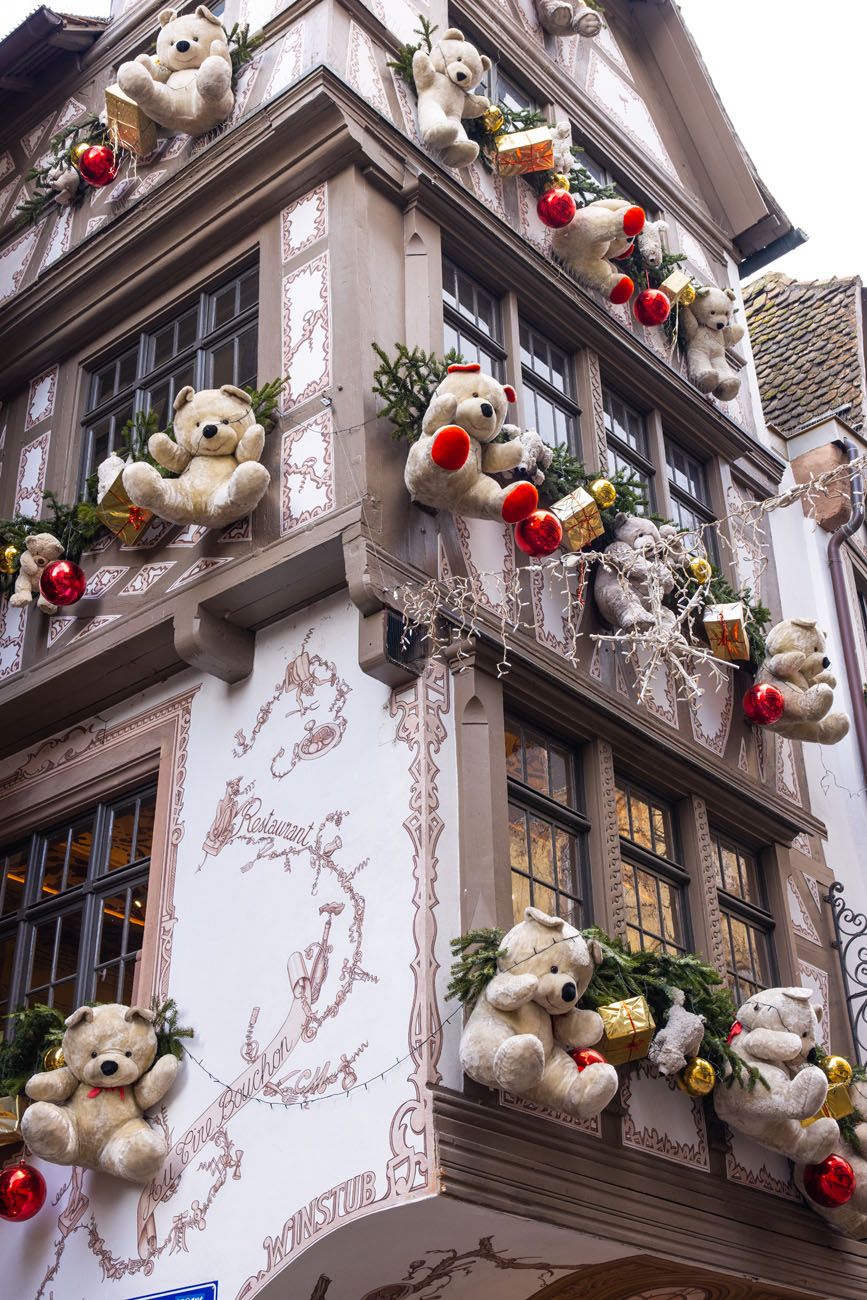
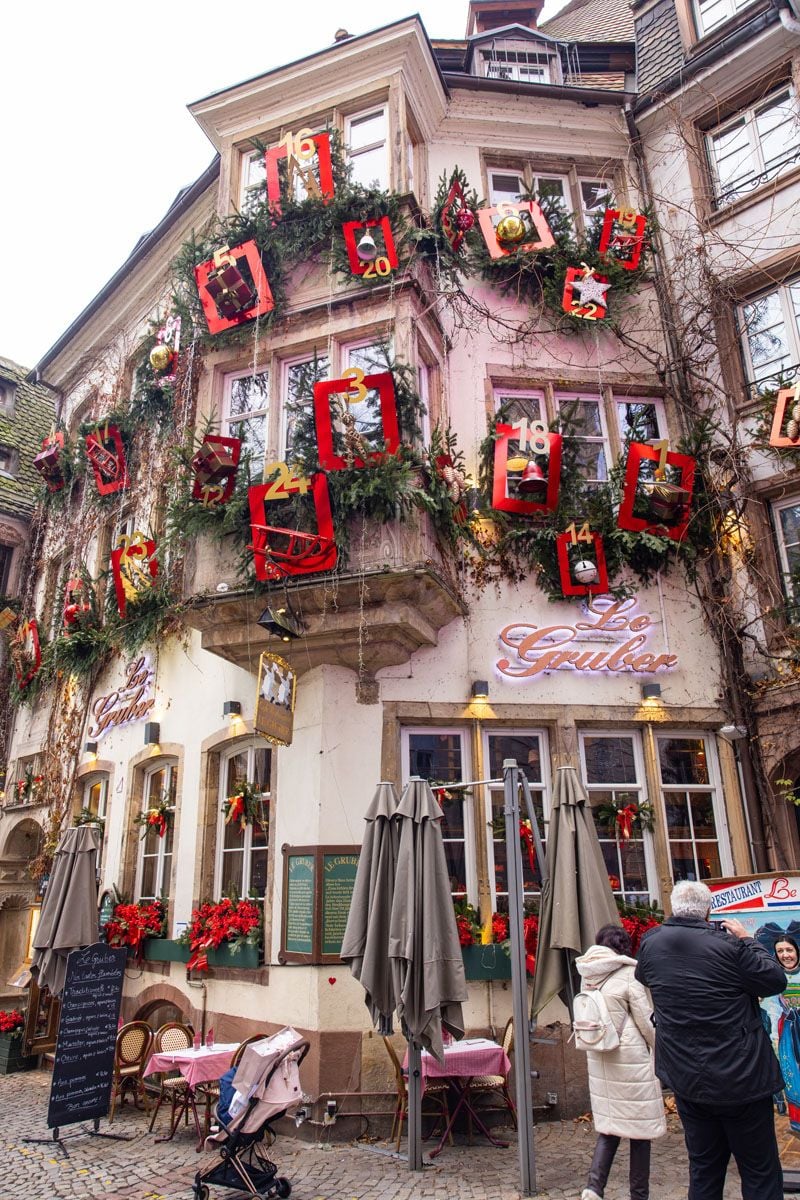
Strasbourg in December
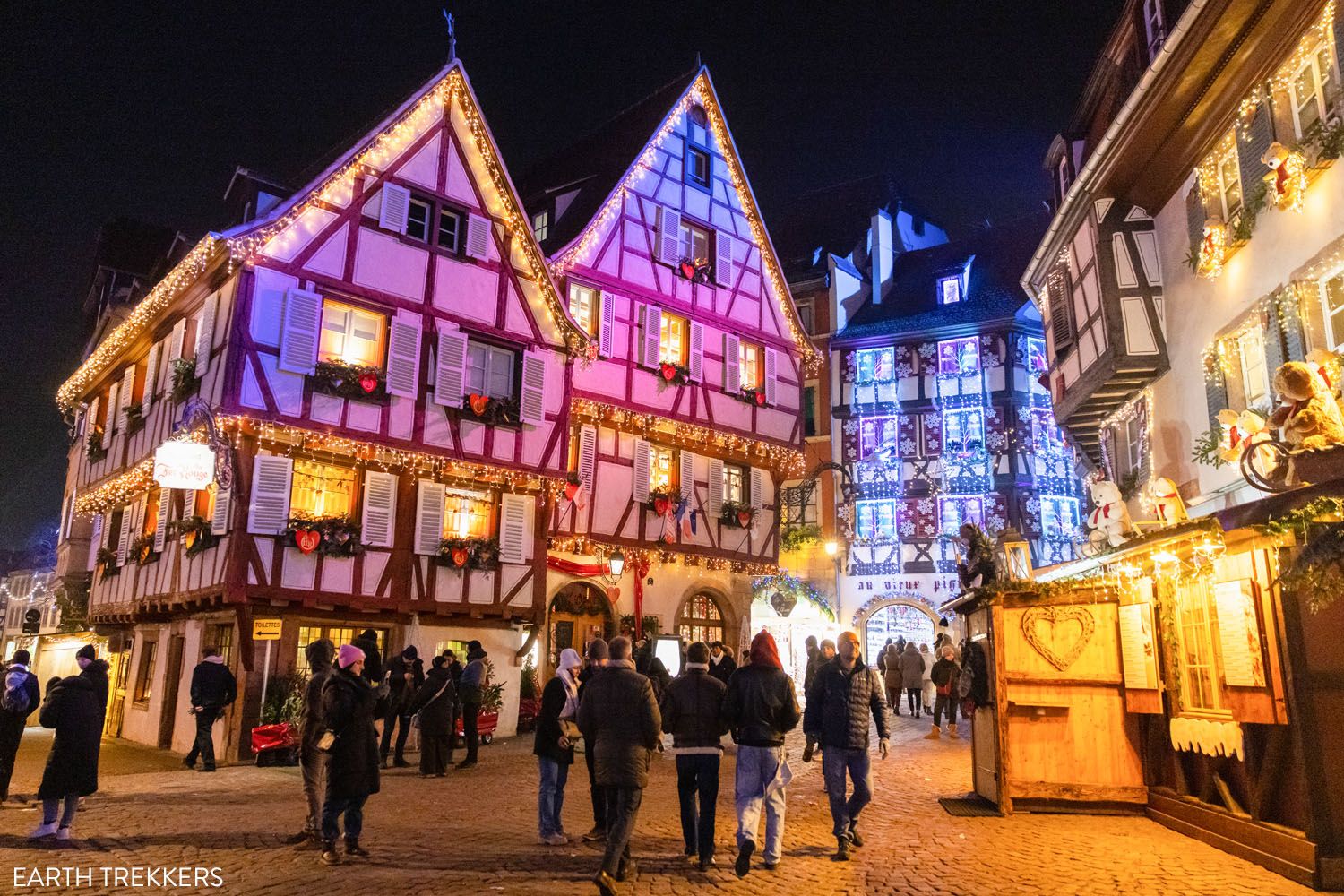
Colmar in December
Day Tours of the Alsace Wine Route
Here are day tours of the Alsace Wine Region…go wine tasting or visit several small villages with a guide.
Tours of the Alsace
Plan Your Trip to Alsace & France
If you have 7 to 10 days available and are looking for a nice vacation idea, consider spending 3 days in Paris and 3 days in the Alsace wine region. Travel from Paris to Colmar by train in under 3 hours. Once in town, rent a car for a few days and road trip through the region. Return to Paris by train (or continue on to somewhere new…Zurich and Lucerne, Switzerland are another quick train ride away) and fly home from Paris.
- Choosing which towns to visit? → Our Best Towns on the Alsace Wine Route guide compares Colmar, Eguisheim, Kaysersberg, Riquewihr, Ribeauvillé, Bergheim, and several quieter stops.
- Spending more time in Colmar? → Our One Day in Colmar Itinerary covers the top sights, where to eat, and how to plan your time in town.
- Planning more of your trip through France? → Our France Travel Guide brings together our itineraries, destination guides, and practical travel tips from across the country.
- Love planning trips around wine? → We’ve visited wine regions around the world, including regions in Australia, New Zealand, Spain, Portugal, Chile, and Argentina. Our Best Wine Regions in the World guide highlights some of our favorite places for wine tasting and vineyard trips.
If you are planning a trip to the Alsace Wine Region and have any questions, comment below.
Explore More of France & Europe
Strasbourg & Colmar Christmas Markets in Photos
Pinterest Facebook Flipboard Colmar is one of the most festive places to visit in Europe during the Christmas season. This small city is stunning year-round, with its colorful half-timbered houses, decorated storefronts, and cobblestoned streets. Add in twinkling lights, Christmas trees, garlands, and stalls selling mulled wine and holiday gifts, and you have one of […]
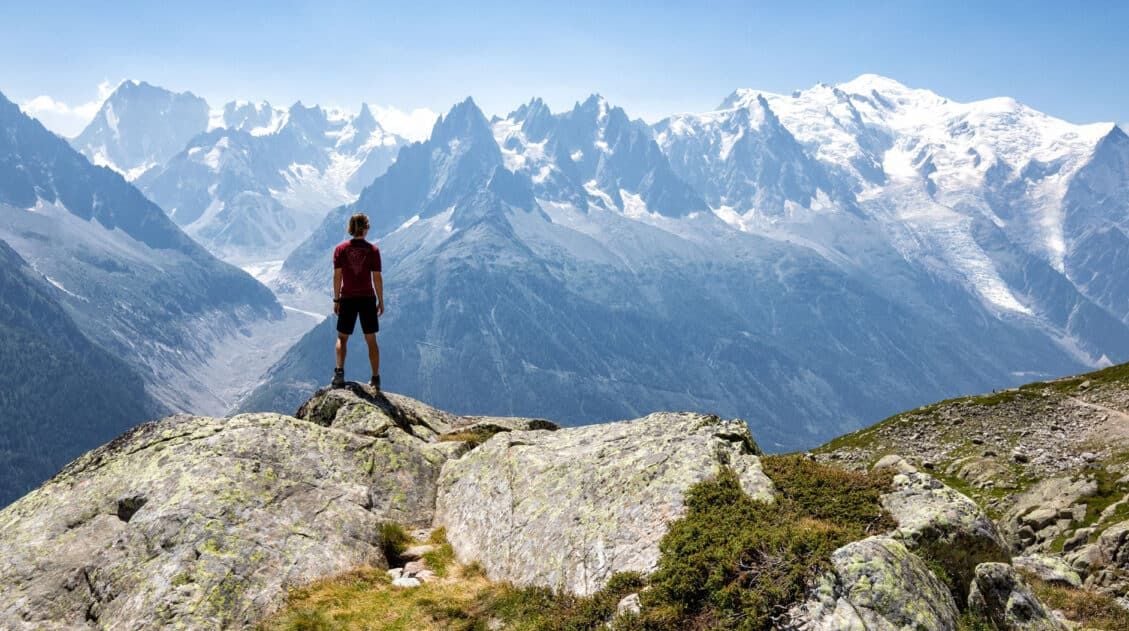
24 Best Things to Do in Chamonix, France in the Summer
Discover the best things to do in Chamonix, France in the summer. This guide covers the top cable cars, hiking trails, glaciers, and adventures in Chamonix, based on our firsthand experience hiking and exploring the area. Chamonix is one of the most spectacular mountain destinations in Europe, and in the summer, it’s an outdoor playground […]
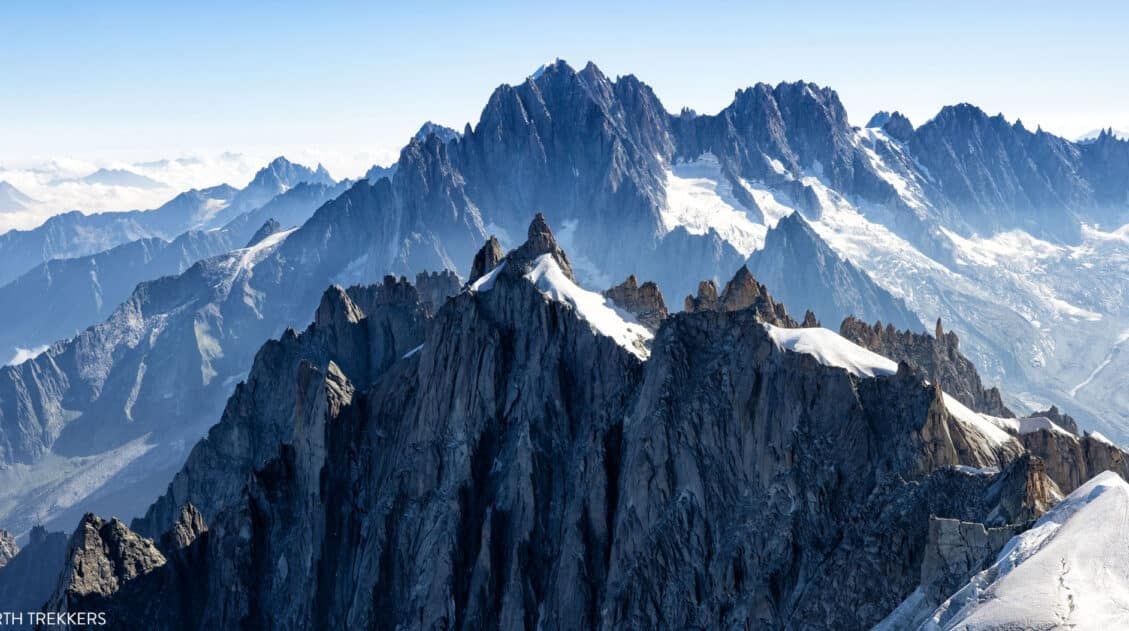
Aiguille du Midi + Panoramic Mont-Blanc: The Ultimate Guide
At 3,842 meters (12,605 feet), Aiguille du Midi is one of the highest places you can reach by cable car in the world and the closest most people will ever get to the summit of Mont Blanc without a rope and crampons. We’ve ridden cable cars across Europe from the Dolomites to Zermatt, and this […]
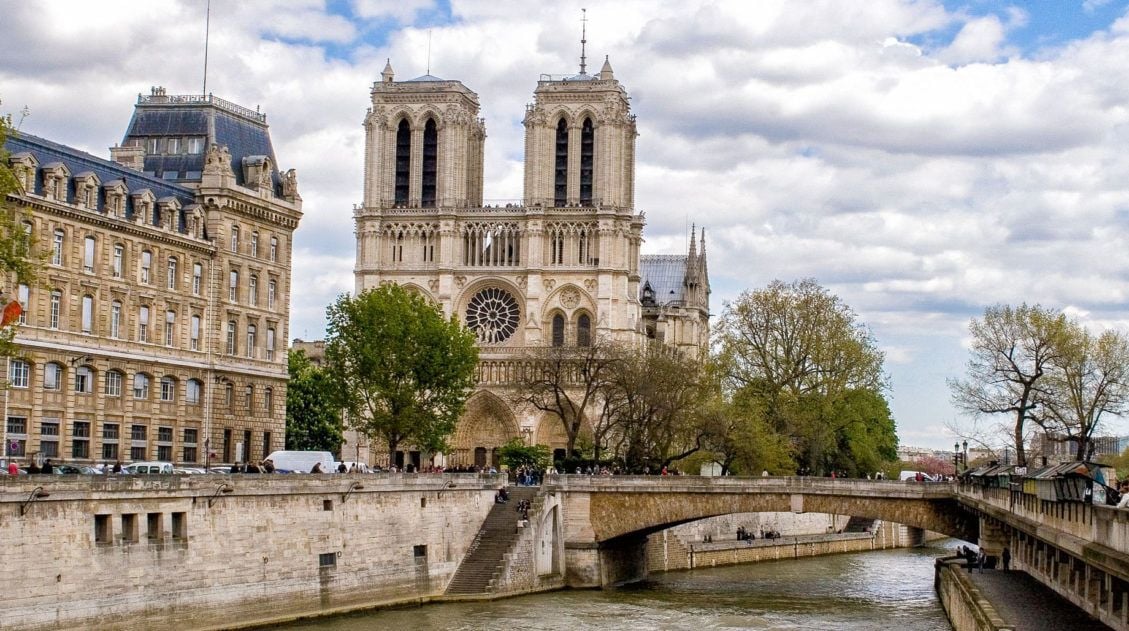
3 Days in Paris: The Perfect Paris Itinerary for First-Timers
Three days in Paris is just enough time to see the city’s biggest sights, explore a few of its most beautiful neighborhoods, and even squeeze in a trip to Versailles. In this 3-day Paris itinerary, you’ll visit the Eiffel Tower, Louvre, Notre-Dame, Sainte-Chapelle, Musée d’Orsay, Montmartre, and Arc de Triomphe, with a half-day visit to […]
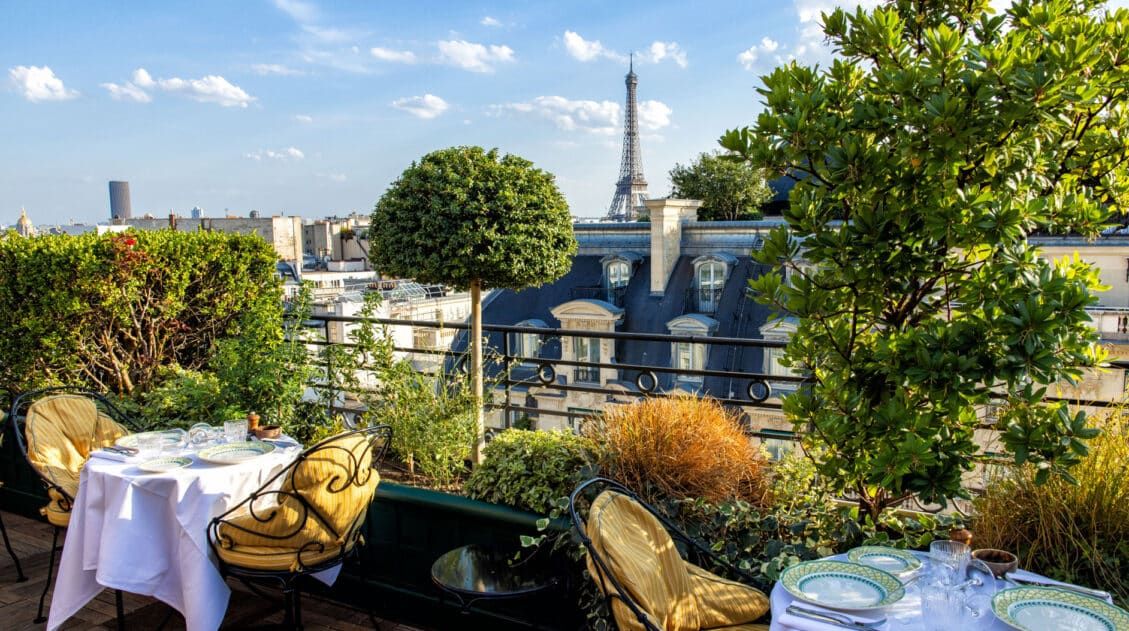
Rooftop Bars & Restaurants in Paris: Where to Dine with a View
There’s something special about watching the sun set over Paris with a cocktail in hand, the city’s rooftops spreading out below and the skyline glowing gold. As you’re planning your trip to Paris, rooftop bars are one of the best ways to combine three of the city’s biggest draws — food, views, and atmosphere — […]
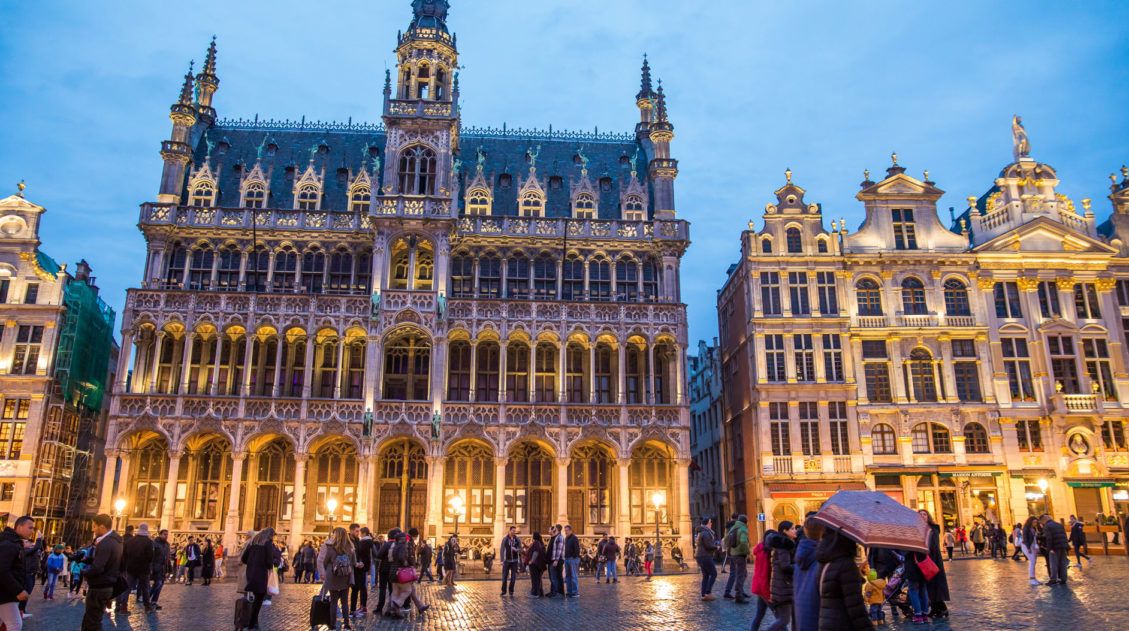
The Perfect 10 Day Amsterdam Brussels Paris Itinerary
Planning an Amsterdam, Brussels, and Paris itinerary? This 10-day route connects three of Western Europe’s most iconic cities entirely by train, making it one of the easiest and most rewarding first trips to Europe you can take. Start with three days in Amsterdam exploring the canals, world-class museums, and charming Jordaan neighborhood. Move on to […]
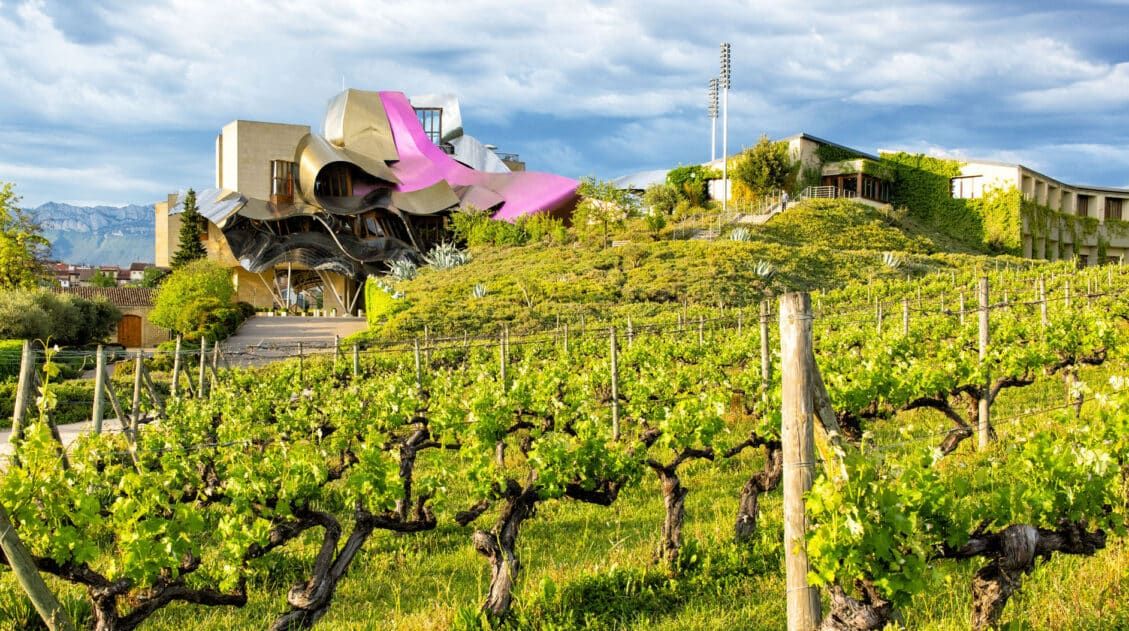
15 Wineries to Visit in the Rioja Wine Region of Spain
We spent one week in La Rioja, and here are 15 of the best wineries to visit in the Rioja wine region, from the best underground cellars to the most creative vineyards. La Rioja is one of Spain’s most famous wine regions. Tucked away in northeastern Spain, tempranillo and Garnacha grapes grow on the rolling […]
30 Beautiful Places to Visit in Europe (+ Our Favorites)
It is no secret that Europe is home to some of the world’s most beautiful destinations. From grand historic cities and charming fairytale towns to soaring mountain ranges and sun-soaked beaches, there is a seemingly endless list of gorgeous places to explore. Whether you are planning your next trip to Europe, or just trying to […]
15 Things You Should Know about Renting a Car in Europe
Some of the best moments of a European road trip happen spontaneously: a hilltop village you pulled over for on a whim, a coastal viewpoint you would have blown past on a train. Having your own car makes that possible. But before you hit the road, there are a few things about renting a car […]
10 Days in Europe: 10 Amazing Itineraries for Your Next Trip
Europe is a joy to explore. With world-class cities, medieval towns, historical sites, the snowcapped Alps, gorgeous beaches, and some of the world’s most delicious food, you have the perfect ingredients for your next vacation. If you want to spend 10 days in Europe, we have ten amazing itineraries to share with you. In this […]
Switzerland Itinerary Ideas: 7 to 21 Days of Alpine Adventures
If you are planning a trip to Switzerland, this is a great place to start. There are many different ways to plan your “perfect Switzerland itinerary,” depending on your interests and how much time you have. In this article, we list five sample itineraries for Switzerland. These range from 7 to 21 days, with suggestions […]
One Week in Europe: 25 Epic Itineraries
With one week in Europe, you have an infinite number of possibilities for coming up with your “perfect” itinerary. Do you dream of visiting world-class cities like Paris, Barcelona, or Venice? Or would you rather hike the Alps, go on a scenic train ride, explore the beautiful beaches and coastal towns in southern Europe, visit […]


Comments 13