
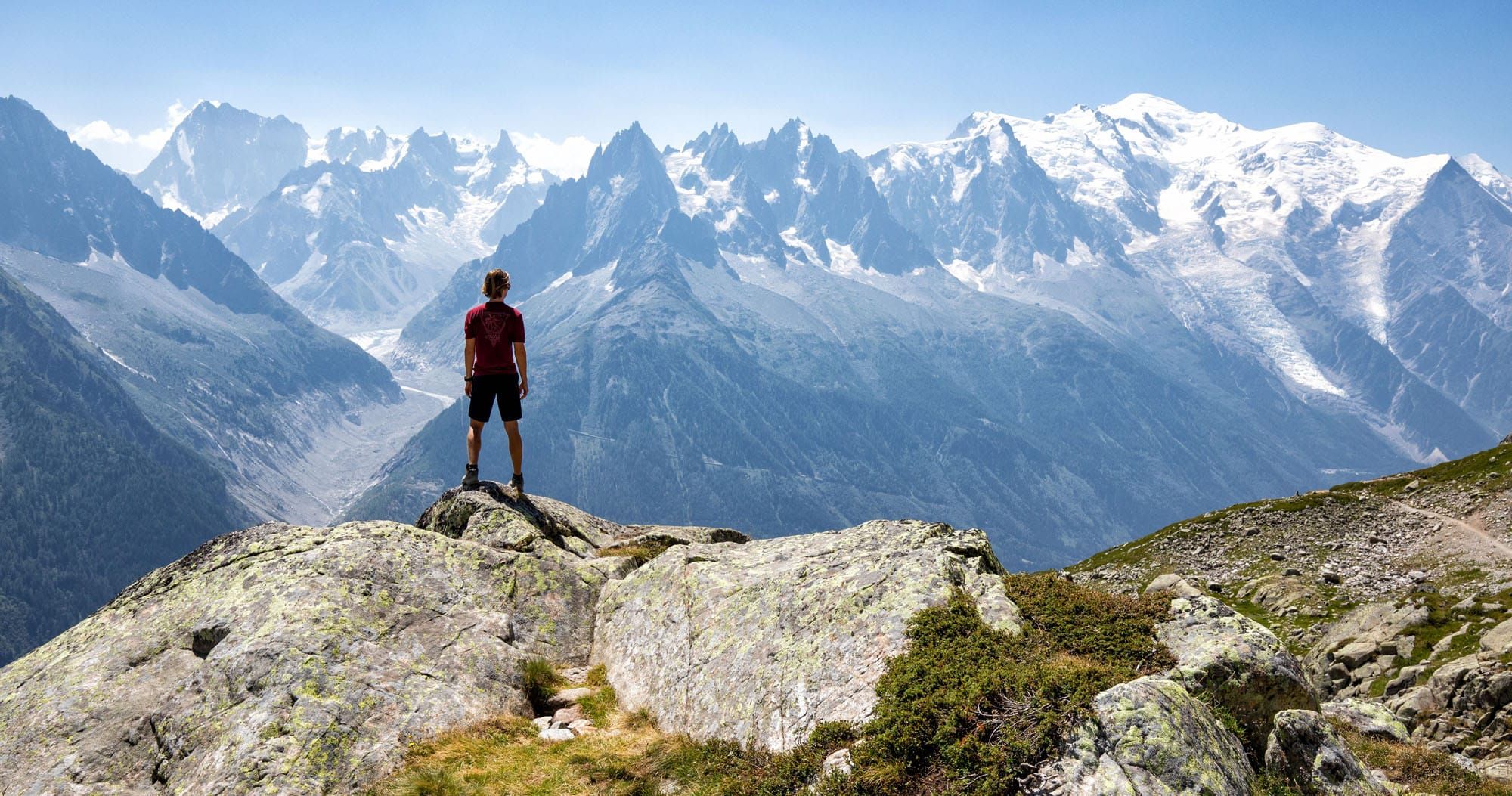
Discover the best things to do in Chamonix, France in the summer. This guide covers the top cable cars, hiking trails, glaciers, and adventures in Chamonix, based on our firsthand experience hiking and exploring the area.
Chamonix is one of the most spectacular mountain destinations in Europe, and in the summer, it’s an outdoor playground set beneath the towering peaks of Mont Blanc. From high-alpine hikes and panoramic cable car rides to glacier views and charming streets in town, there is a surprising variety of things to do in Chamonix that go far beyond just hiking.
We spent five days in Chamonix in July, arriving after nine days of hiking in the Dolomites and using Chamonix to both explore the area and prepare for the Walker’s Haute Route. That time gave us a real feel for what’s worth doing, what’s overrated, and how to make the most of a summer visit.
One of the things we loved most is how accessible the mountains are. Cable cars and scenic trains whisk you to viewpoints, glaciers, and trailheads high above the valley — no technical skills required. You can hike among rugged peaks, stand face-to-face with Mont Blanc, and step inside an ice cave carved into a living glacier, all in the same day.
Whether you are here to hike, sightsee, or simply soak in the alpine scenery, these are the best things to do in Chamonix in the summer.
The Essentials
📍 LOCATION | Chamonix-Mont-Blanc, Haute-Savoie, France; on the border of France, Italy, and Switzerland
🥾 TOP EXPERIENCES | Aiguille du Midi, Mer de Glace, Lac Blanc hike, Grand Balcon Nord hike, Brévent cable car
🗓️ BEST TIME TO VISIT | July and August for hiking and full lift access; June and September are less crowded with most lifts still running
⏱️ HOW MANY DAYS | 3 to 5 days to cover the highlights
👨👩👧👦 GOOD FOR | Hikers, families, adventure seekers, multi-day trekkers
🎫 MONEY SAVING PASS | The Mont Blanc Multipass covers almost all cable cars, trains, and gondolas; worth it for any visit of 2+ days
October 2026 Update: Reviewed cable car schedules, seasonal closures, lift pass information, and access to major attractions, including Mer de Glace and Argentière Glacier.
What Makes Chamonix Special?
Chamonix sits at the bottom of a deep Alpine valley in eastern France, right on the border of Italy and Switzerland.
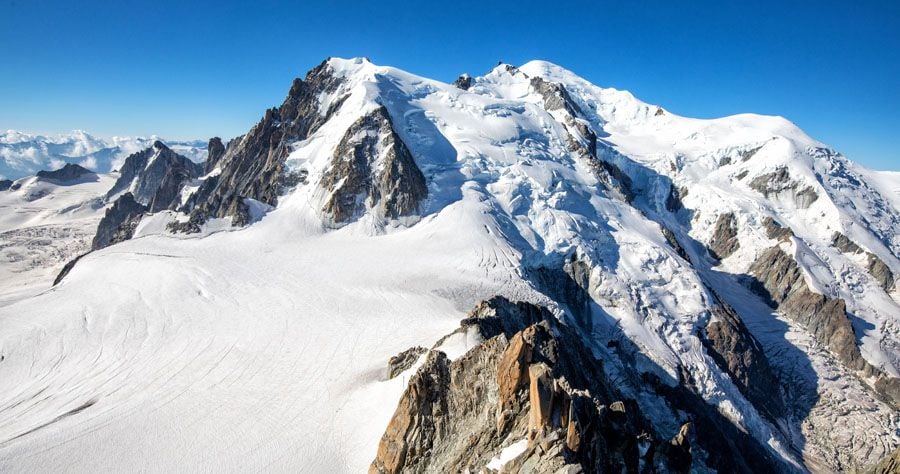
On one side of the valley rises the Mont Blanc massif, the highest mountain range in the Alps, topped by Mont Blanc at 4,808 meters (15,774 feet). On the other side sit the Aiguilles Rouges, a rugged ridge of granite peaks. The town of Chamonix sits in the middle, with cable cars, gondolas, and cogwheel trains climbing both sides of the valley to viewpoints, glaciers, and trailheads high above.
Chamonix hosted the first Winter Olympics in 1924 and has been a mountaineering mecca ever since. The lift network is what makes Chamonix truly special. In Chamonix, a cable car can put you at nearly 4,000 meters in under 20 minutes. The result is a destination where world-class mountain experiences are accessible to almost anyone, regardless of fitness level or experience.
Chamonix is the main town in the valley, but it’s surrounded by a string of smaller villages worth knowing about. To the northeast, Argentière is a quieter, more traditional alpine village with its own lift system and access to the Argentière Glacier. Further up the valley, Le Tour sits near the Swiss border and is a good base for less-crowded hiking. In the other direction, Les Houches anchors the southwestern end of the valley and is the official starting point of the Tour du Mont Blanc.
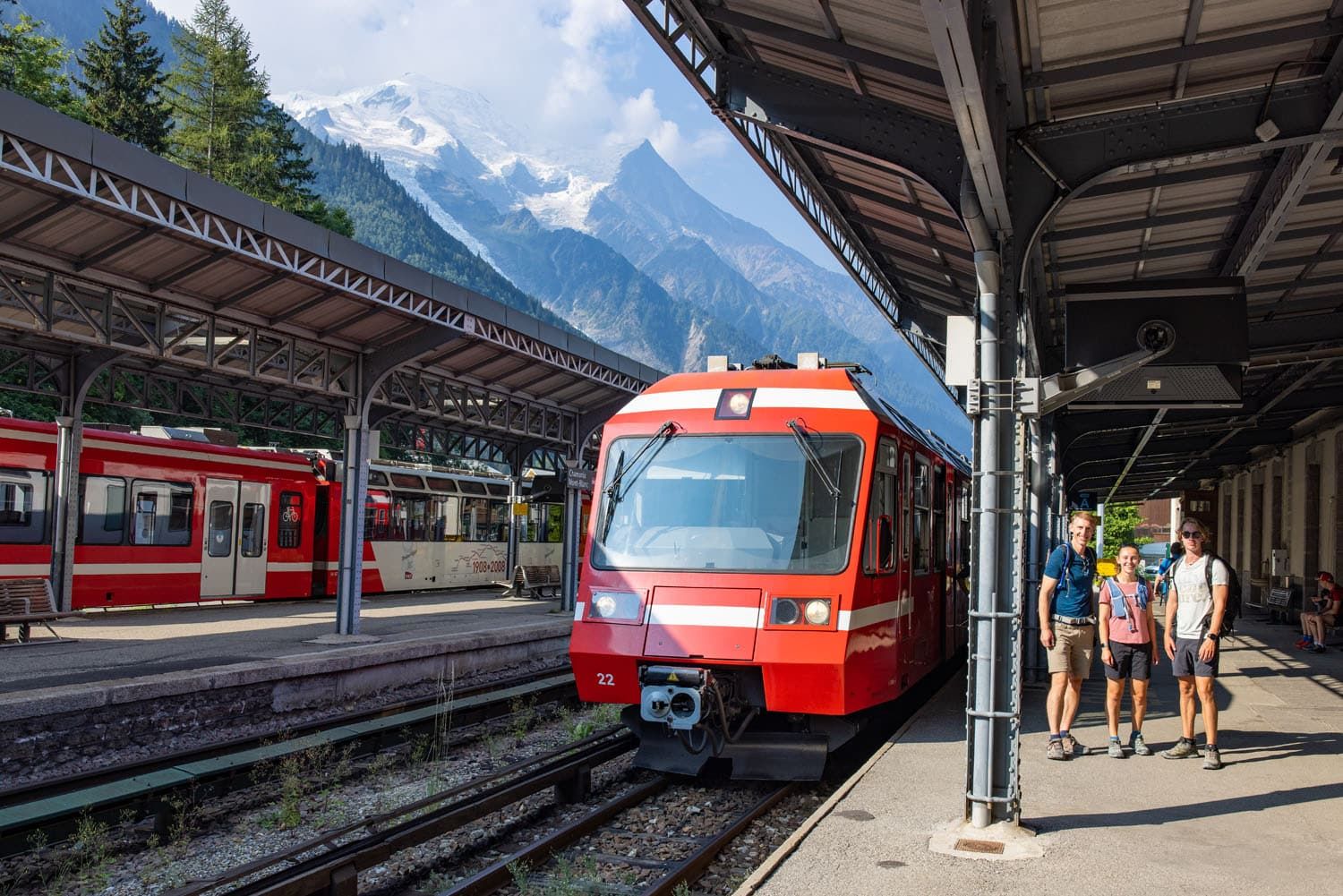
All of these villages are connected by the Mont Blanc Express, a regional train that runs the length of the valley with frequent departures. It’s free with the Mont Blanc Multipass and makes it easy to base yourself in Chamonix and explore the entire valley without a car.
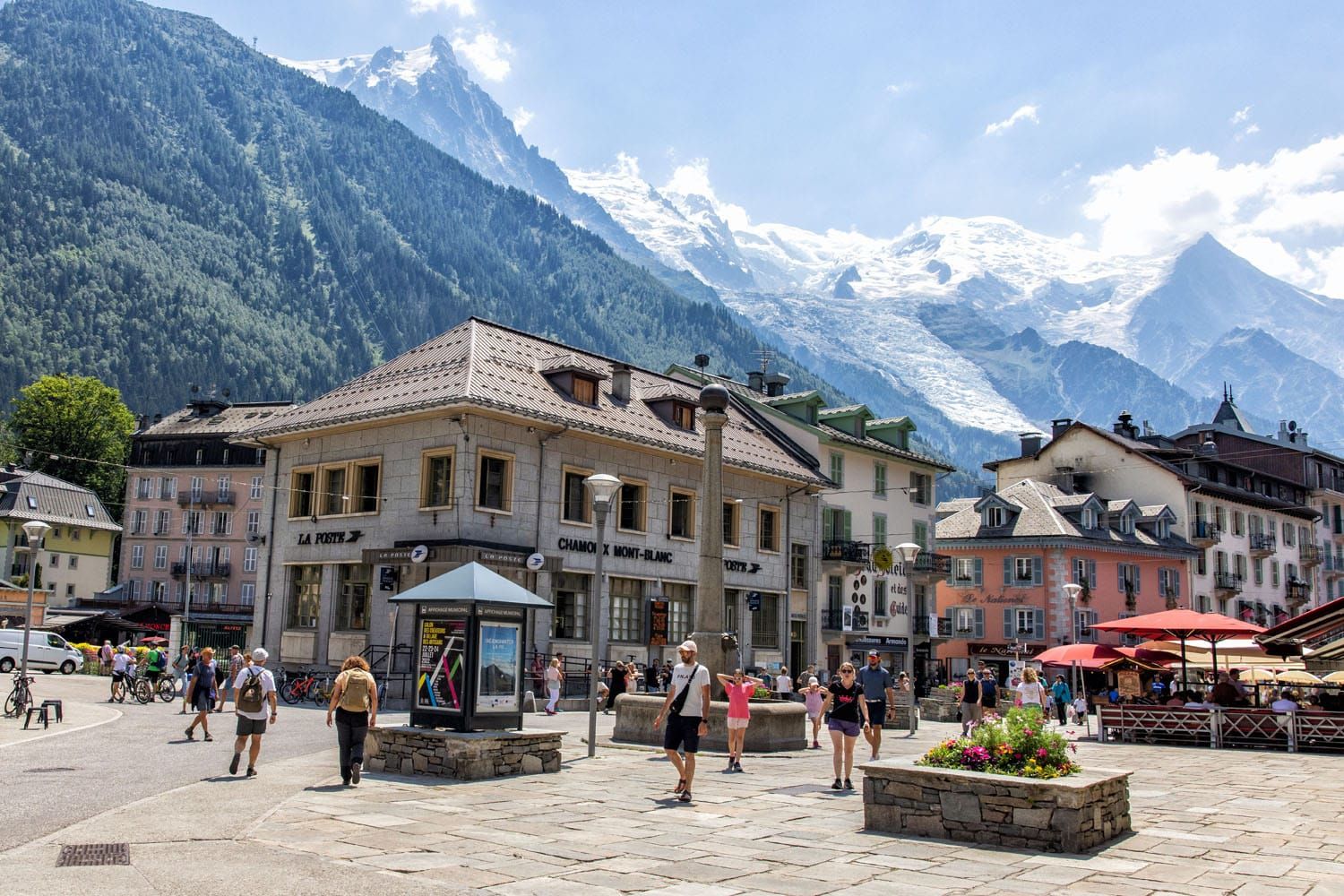
Chamonix, France with Mont Blanc in the background
Best of the Best: Top 5 Things to Do in Chamonix
If you’re short on time, start here — these are the best things to do in Chamonix, based on our own visits.
1. Aiguille du Midi: The must-do Chamonix experience. A cable car whisks you to 3,842 meters (12,605 feet) for close-up views of Mont Blanc and a sea of glaciers. From here, you can add on the Panoramic Mont-Blanc gondola ride to Pointe Helbronner, Italy, one of the most spectacular cable car journeys we have ever taken.
2. Mer de Glace & the Ice Cave: France’s largest glacier is accessible by cogwheel train from Chamonix town. Walk into the ice cave carved into the glacier itself, and take the new gondola lift that now brings visitors directly to the terminus.
3. Hiking: Lac Blanc & Grand Balcon Nord: Chamonix has one of the best lift-served trail networks in the Alps. Our two favorites: the hike to Lac Blanc, where you get a perfect reflection of Mont Blanc in an alpine lake, and the Grand Balcon Nord, a point-to-point trail with non-stop views of the glacier and the Mont Blanc massif. Both are doable for most fitness levels thanks to cable cars that handle the bulk of the elevation gain.
4. Stroll through Chamonix Town: Don’t underestimate this one. Rue du Dr Paccard, the main pedestrian street, is lined with restaurants, gear shops, and cafés, all with Mont Blanc forming a spectacular backdrop. Stop at the Statue of Dr. Michel Paccard, the first person to summit Mont Blanc, and dine on fondue at one of the town’s many excellent restaurants.
5. Brévent Cable Car: The best panoramic view of Mont Blanc in the valley. Take the gondola to Plan Praz, transfer to the cable car, and you’re standing at 2,525 meters looking straight across at the entire Mont Blanc massif. The view here stopped us in our tracks. Dine at La Panoramic if you want to eat with one of the most dramatic backdrops in the Alps.
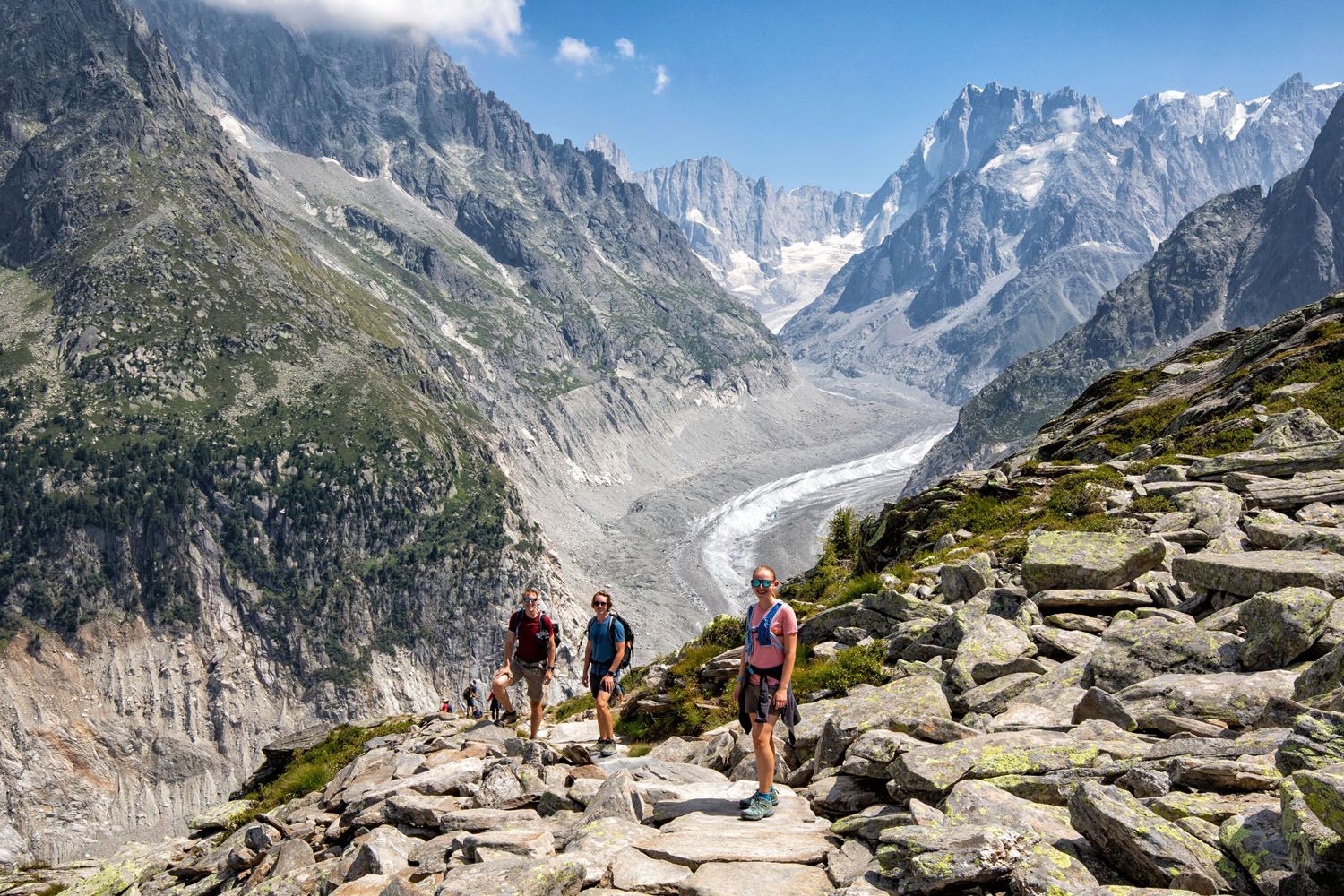
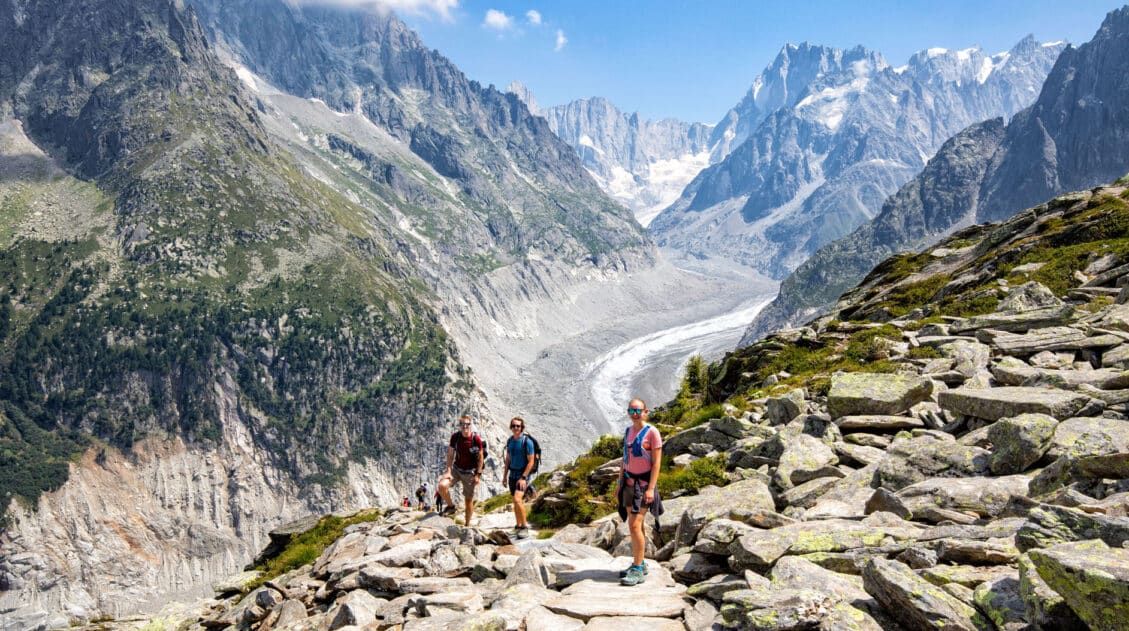
Mer de Glace and the Grand Balcon Nord trail
Best Things to Do in Chamonix
1. Ride the Cable Car to Aiguille du Midi
Best for: Everyone — this is the single must-do experience in Chamonix
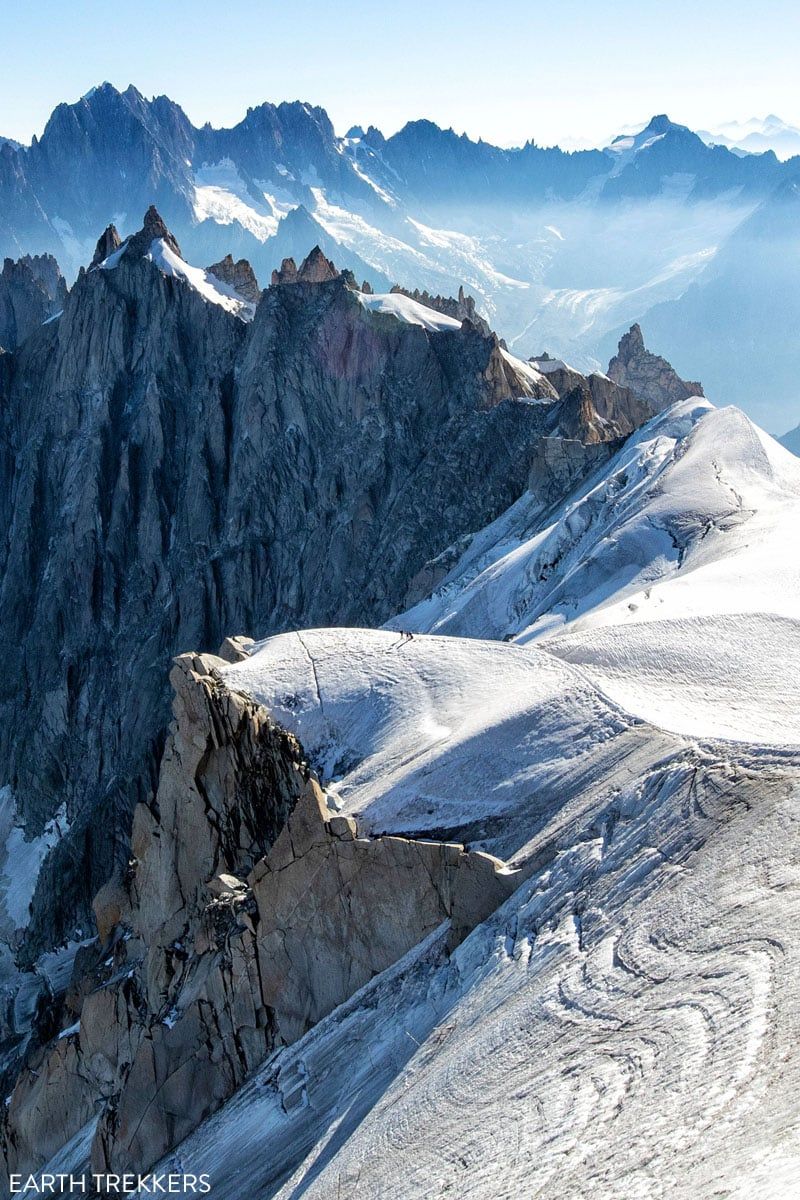
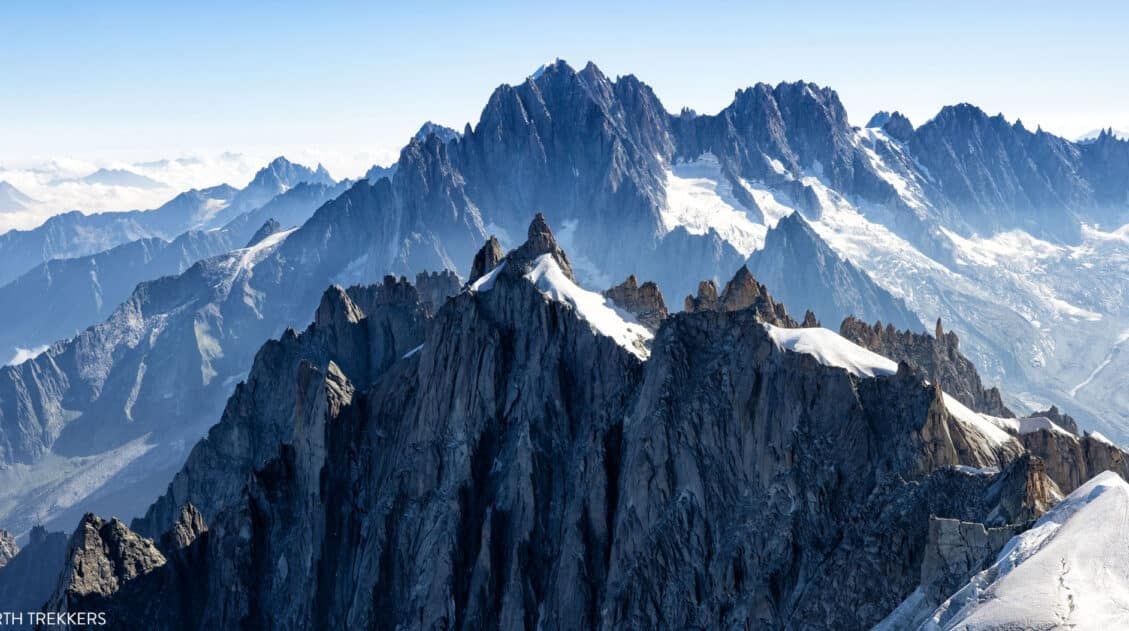
Aiguille du Midi is a mountain peak in the Mont Blanc massif. It is 3,842 meters (12,605 feet) tall.
Riding the cable car to Aiguille du Midi is the best thing to do in Chamonix, full stop. The cable car climbs from the valley floor to 3,842 meters (12,605 feet), one of the highest vertical ascents of any cable car in the world, putting you face-to-face with Mont Blanc and above a vast sea of glaciers.
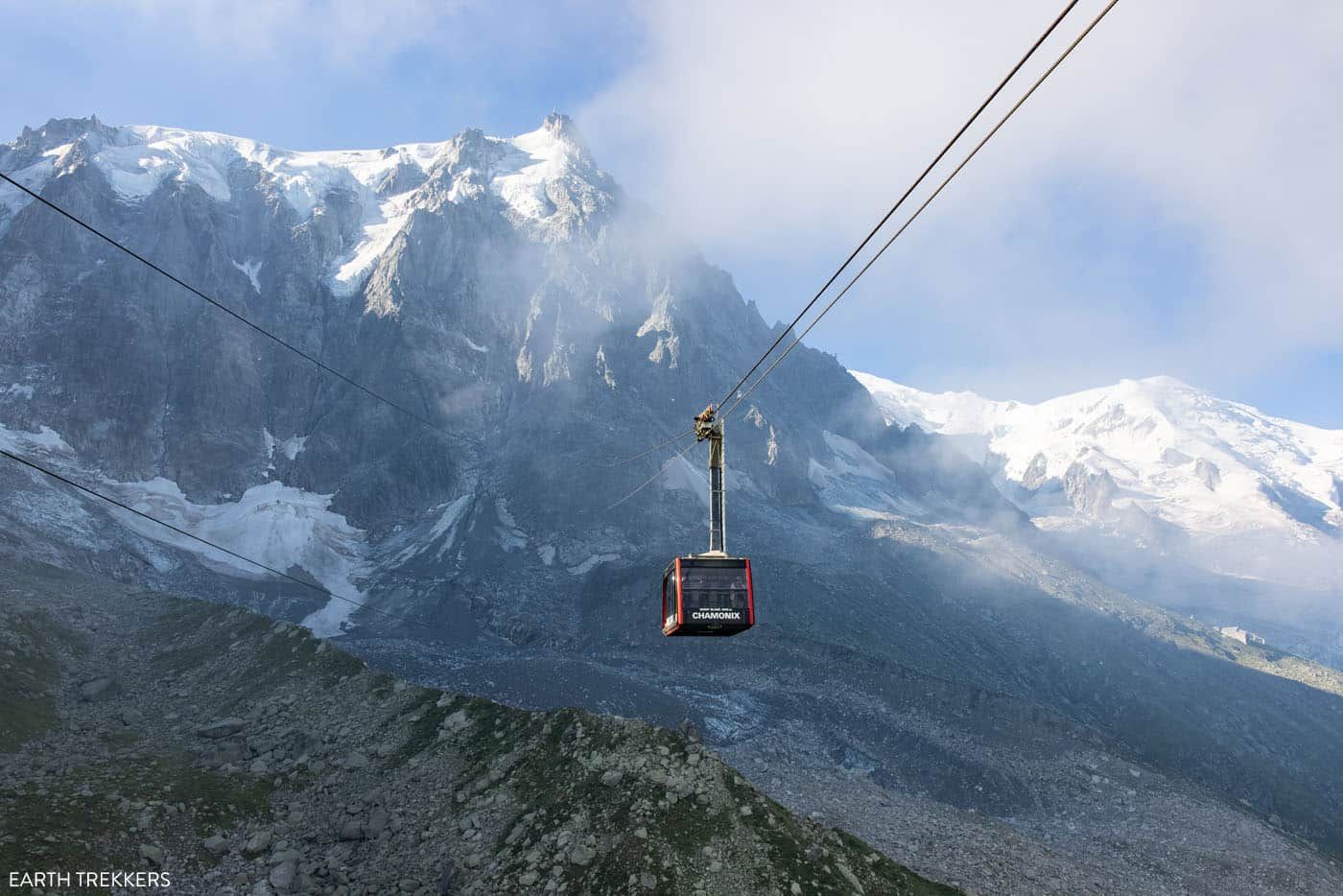
Cable car to Aiguille du Midi
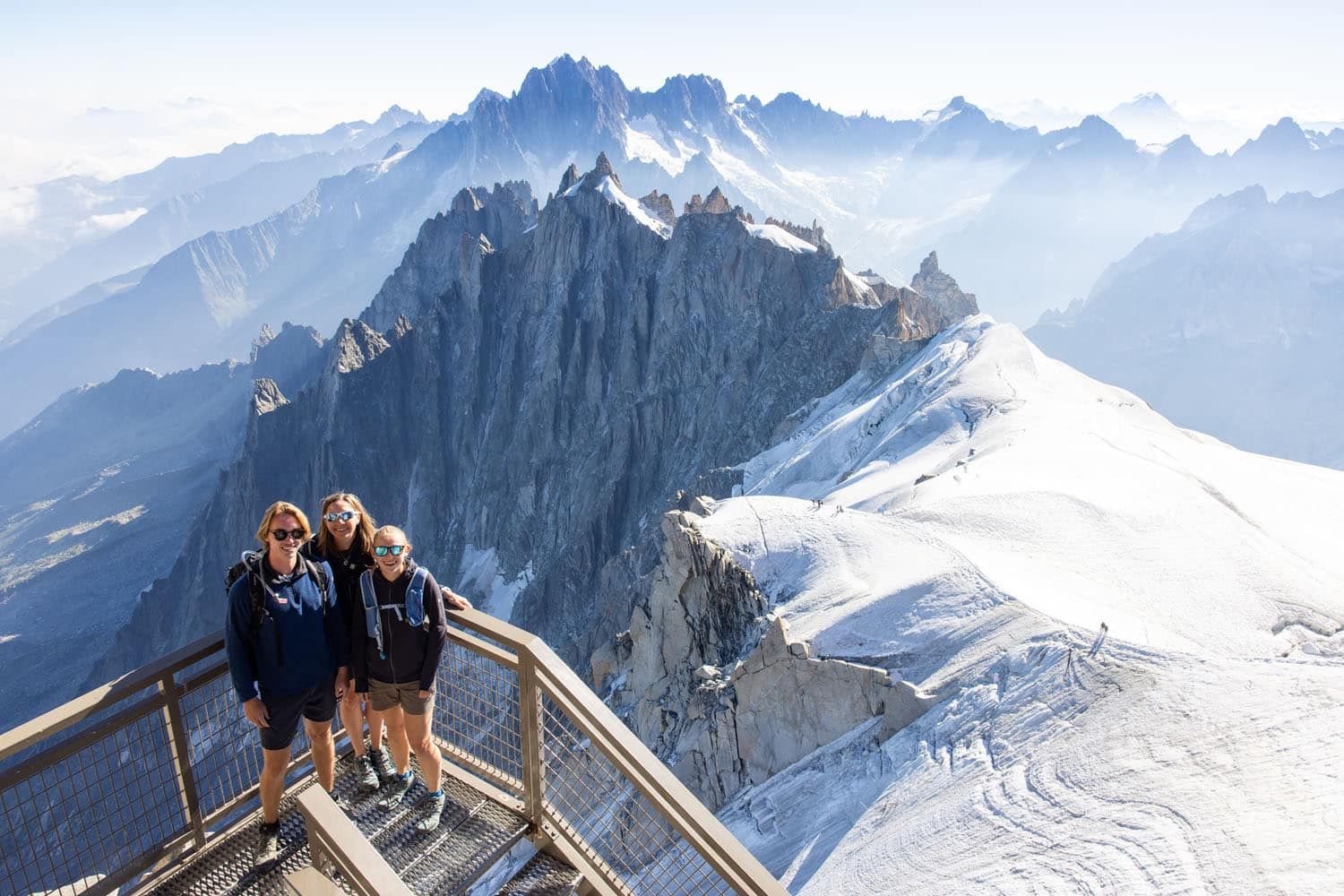
One of the viewpoints at Aiguille du Midi
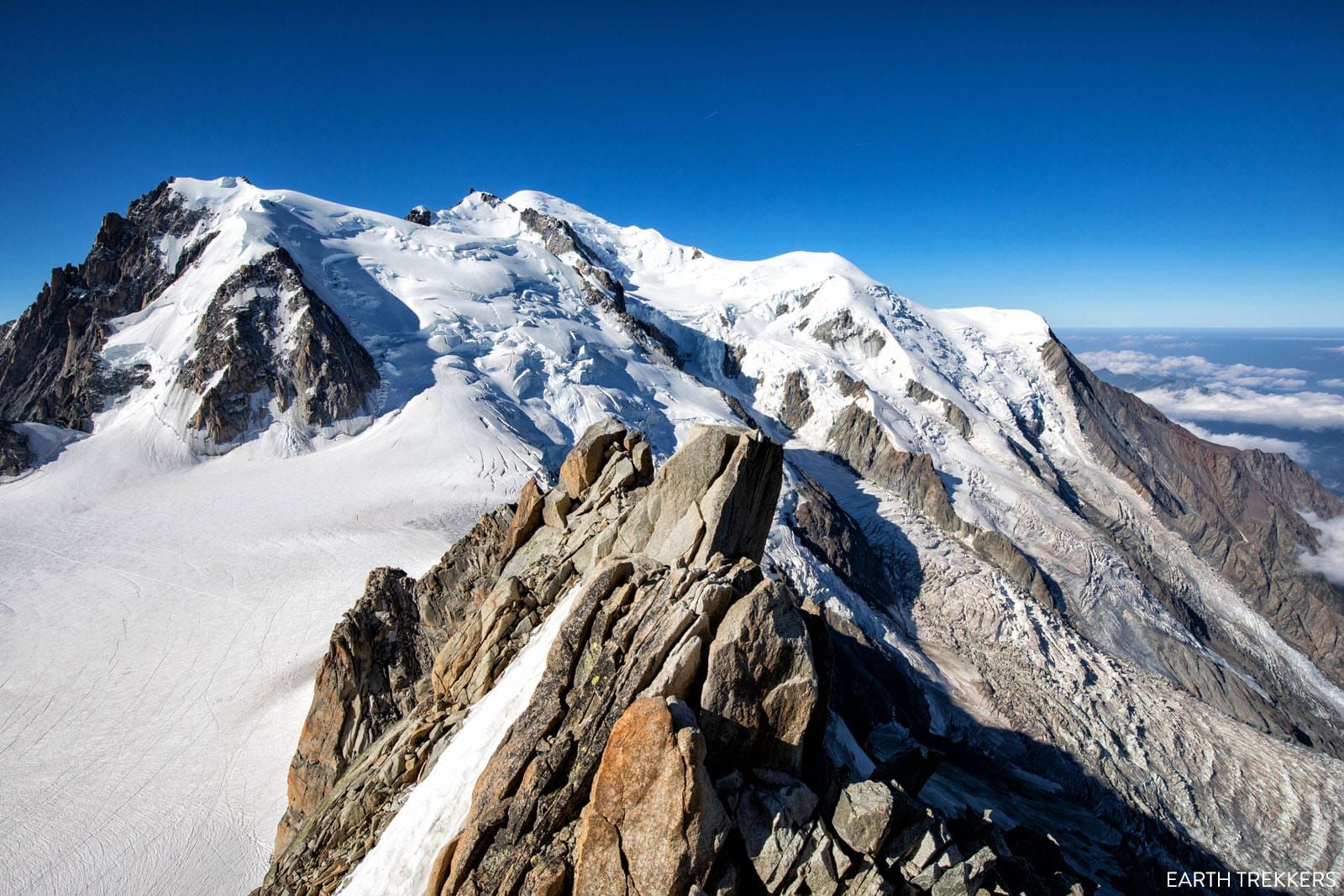
The view of Mont Blanc
We rode at 8:20 am, the earliest slot we could book two days in advance, and the timing was perfect, with clear skies and manageable crowds. Go early. Clouds build around the summit by midday and can obscure the views entirely.
You’ll see the Step Into the Void promoted heavily, a glass box that hovers over the mountain with a glass floor beneath your feet. Our honest take: skip the line (if there is one). We’ve done similar experiences elsewhere around the world and they’re more gimmick than thrill. The views from the open terraces are far more impressive. Plus, it’s best to save the time for the next entry on our list, the gondola ride to Pointe Hellbronner, Italy.
Plan Your Visit: Everything you need to know about visiting Aiguille du Midi: tickets, timing, what to expect, and whether the Panoramic Mont-Blanc is worth it ↓
How to Visit Aiguille du Midi & the Panoramic Mont Blanc
More information about things to do on Aiguille du Midi and how to plan your visit.PRO TRAVEL TIP: Many cable cars and trains in Chamonix close from early November into December and/or March into April for maintenance. If your visit will fall during this time period, check the official website for the exact dates of the closures for the various cable cars and trains.
2. Cross into Italy on the Panoramic Mont-Blanc
Best for: Anyone willing to splurge on one unforgettable experience
The Panoramic Mont-Blanc cable car runs from the Aiguille du Midi in France to Pointe Helbronner in Italy. This 5 km journey crosses over some of the most dramatic glacier terrain in the Alps. Small gondolas carrying just four people drift slowly over the ice, giving you unobstructed views of crevasses, seracs, and the flanks of Mont Blanc from angles you simply can’t get any other way.
Yes, it has a big price tag. In our opinion, it’s worth every euro. Of all the cable car rides we’ve taken in the Alps, and we’ve taken a lot, this one stands out as genuinely unique. The scale of the glaciers beneath you, the silence, and the slow crossing between two countries is an experience that stayed with us.
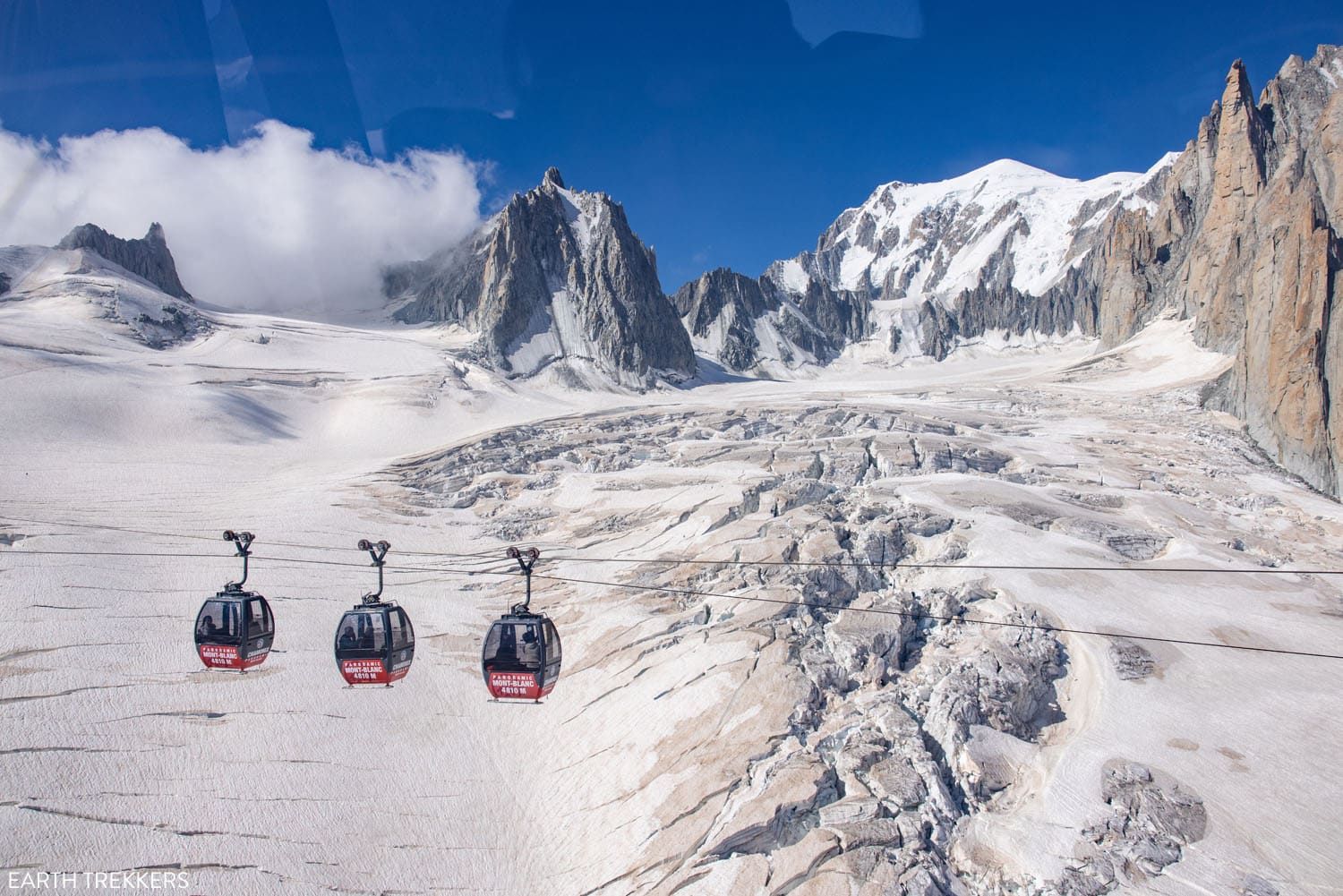
Panoramic Mont-Blanc
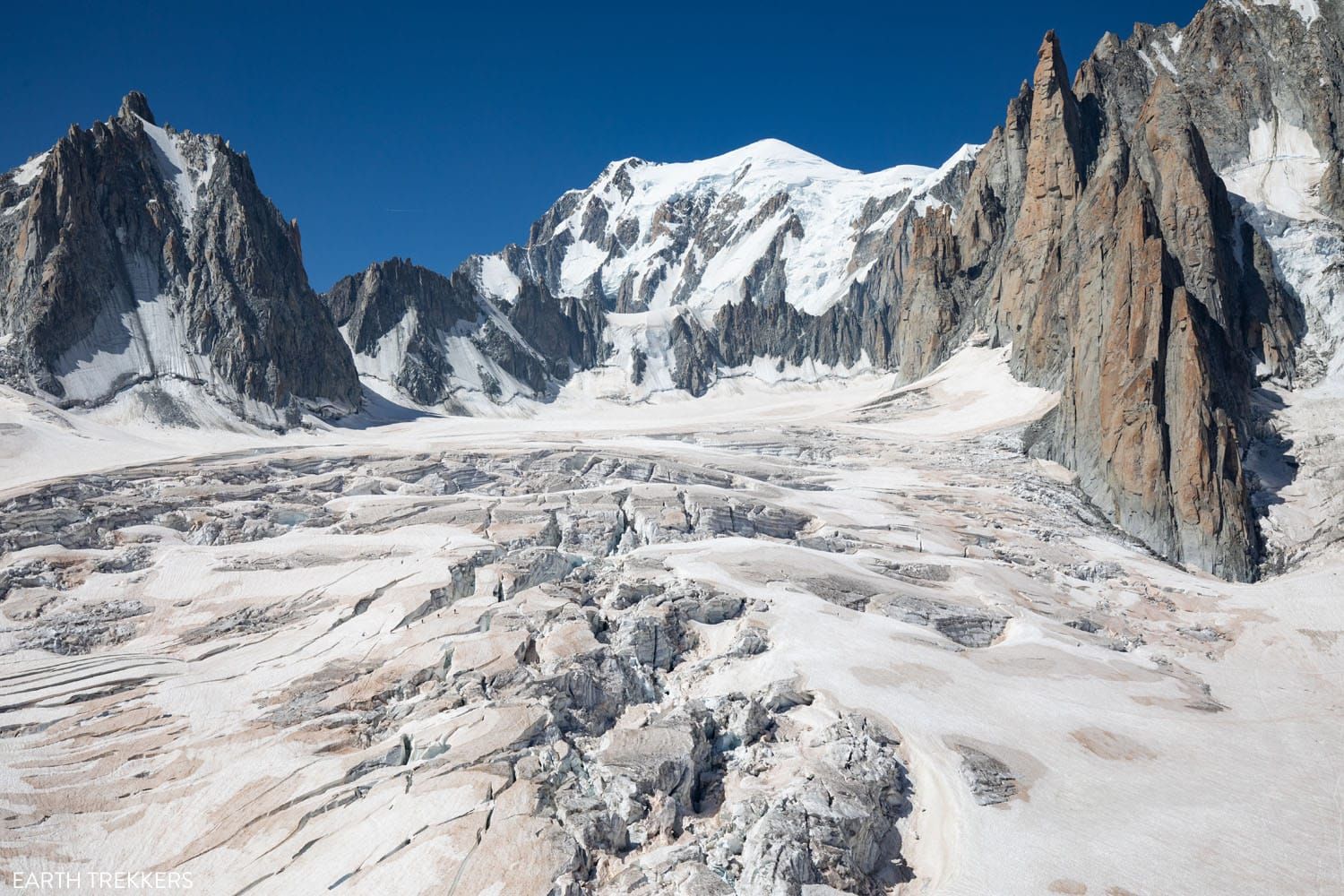
One of many amazing views during the cable car ride
Plan on 2 to 3 hours for the full experience, including time at Pointe Helbronner on the Italian side. The Panoramic Mont-Blanc runs from approximately June to September, so summer is the window to do it. It is not included in the Mont Blanc Multipass and must be booked separately. Learn more in our guide How to Visit Aiguille du Midi.
Important: The Panoramic Mont-Blanc operates seasonally, generally during the summer months. Its opening and closing dates vary from year to year, and the gondolas may temporarily close because of wind or other weather conditions. Check the official operating schedule before planning your visit.
3. Hike the Grand Balcon Nord Trail
Distance: 6.8 km (4.2 miles) point-to-point | Difficulty: Easy to moderate | Time: 2.5 to 4 hours
Best for: Hikers of most fitness levels looking for the best views in Chamonix
The Grand Balcon Nord is one of our favorite hikes in Chamonix.
Running point-to-point from Plan de l’Aiguille to Montenvers, the trail delivers non-stop views of Mer de Glace, the Mont Blanc massif, and the valley below for its entire length. It pairs perfectly with a morning visit to Aiguille du Midi, since you’re already at the middle station, and the two together make for one of the best days you can have in Chamonix.
Here’s how to do it ↓
How to Hike the Grand Balcon Nord Trail
Everything you need to know to hike the Grand Balcon Nord Trail.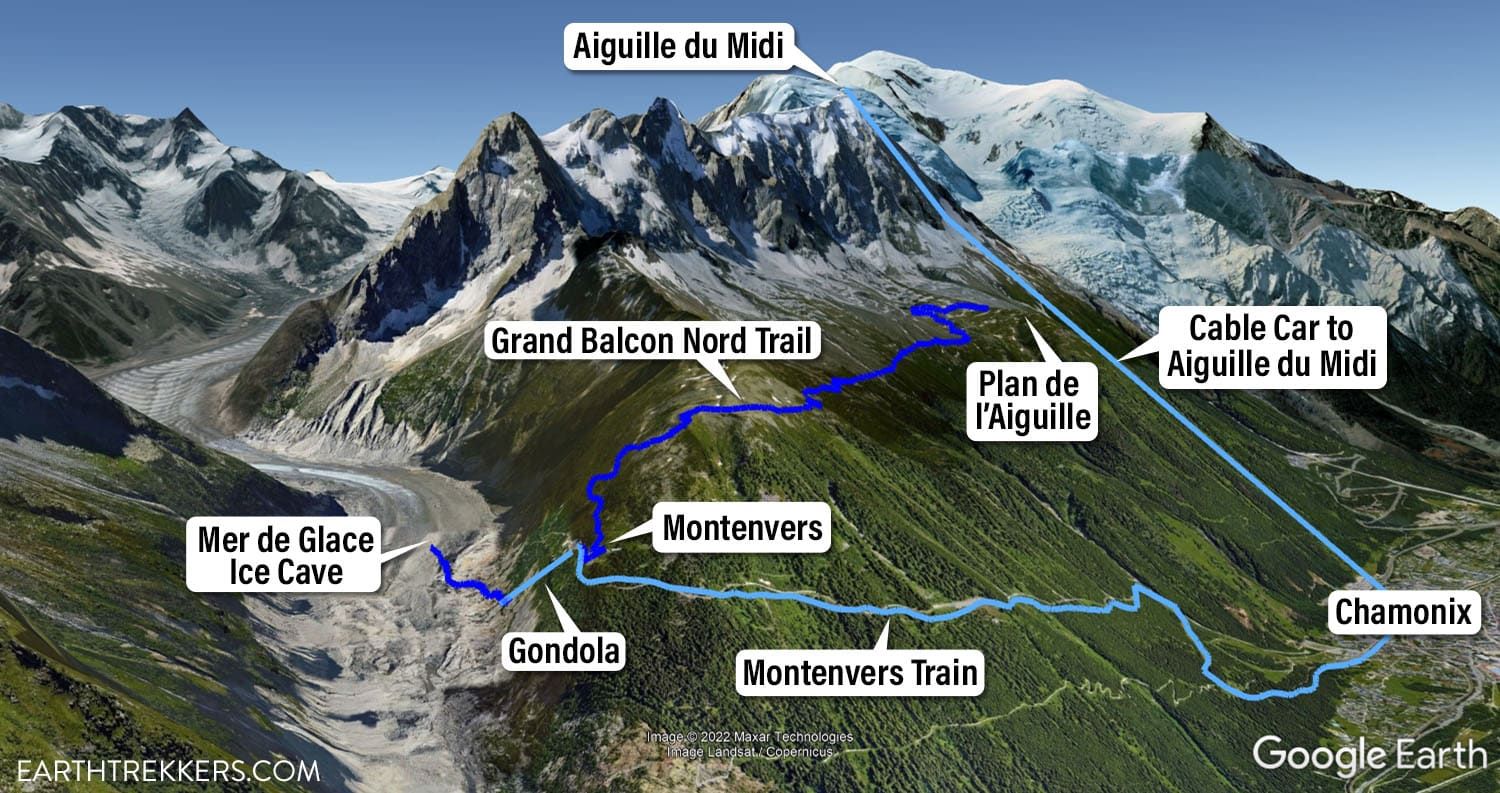
Map of the Grand Balcon Nord Trail, plus Aiguille du Midi, Montenvers, and Mer de Glace
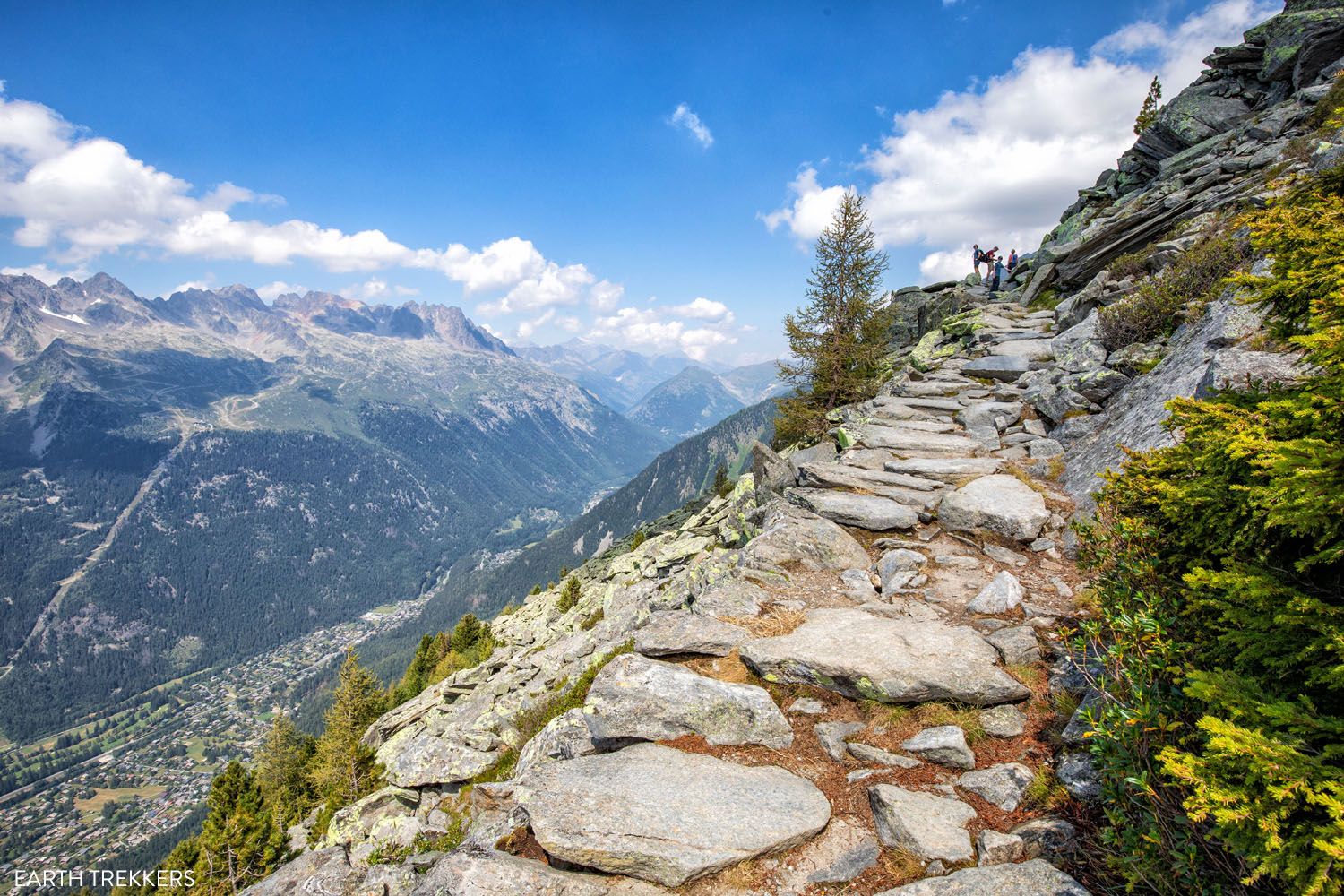
Grand Balcon Nord Hike
4. Ride the Train to Montenvers
Best for: Everyone: it’s the gateway to Mer de Glace and the Grand Balcon Nord trail
Montenvers is a mountain station above Chamonix, reached by a scenic cogwheel train from the town center. The ride itself is a highlight, with 20 minutes of climbing through the forest with views opening up over Chamonix and the Mont Blanc range as you ascend.
At the top, the Grand Hotel du Montenvers has a restaurant for a meal with a view, and the Glaciorum museum covers the history of the glacier and the effects of climate change. But honestly, most people are here for one reason: Mer de Glace and the ice cave, covered next.
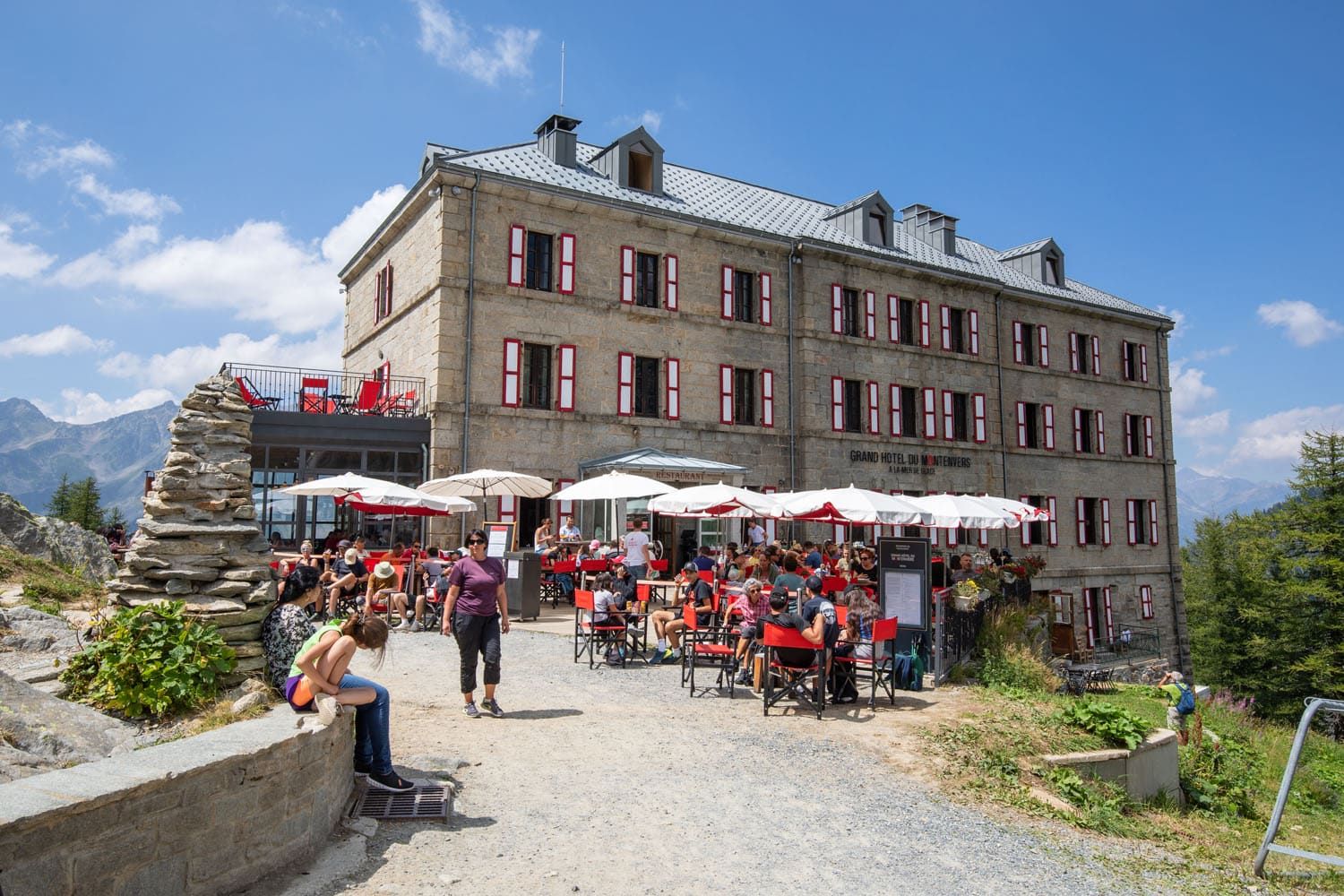
Grand Hotel du Montenvers
📖 Tickets & Timetables: Get pricing and departure times on the official website. The Montenvers train is included on the Mont Blanc Multipass.
5. Walk Inside the Mer de Glace Ice Cave
Best for: First-time ice cave visitors; anyone who hasn’t seen a glacier up close
Mer de Glace is the largest glacier in France, and the ice cave carved into it each year is one of the more memorable experiences in Chamonix. The walls shimmer in deep shades of blue and walking inside a living glacier is genuinely striking. There’s nothing quite like it.
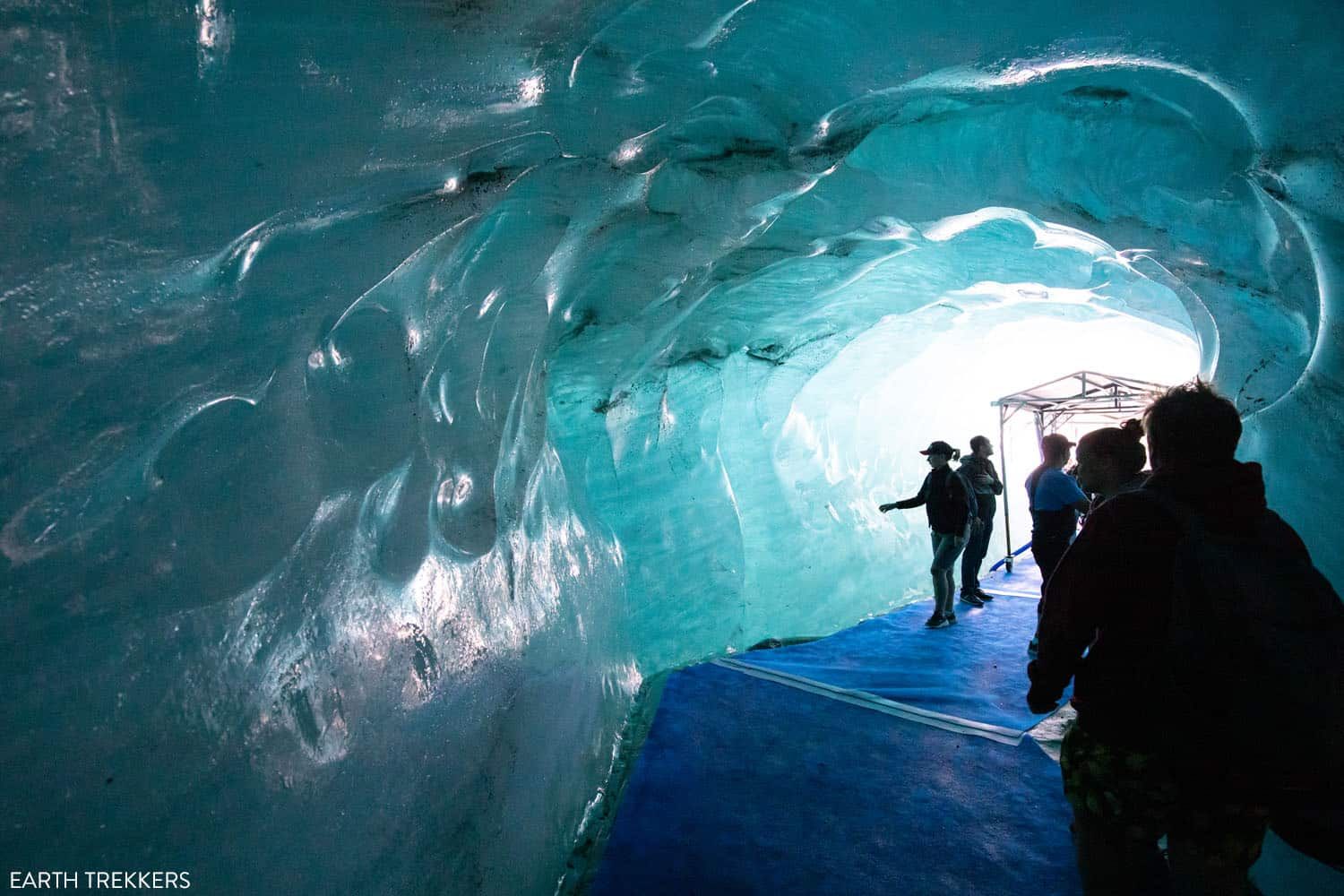
Mer de Glace Ice Cave
Access has changed significantly since our visit. In December 2024, a new gondola opened that takes you directly from Montenvers down to the glacier level, replacing what used to be a brutal staircase descent. From the bottom of the gondola, there are still 170 steps each way to the cave entrance, but the overall experience is far more manageable than it used to be. Plan on roughly 1 to 1.5 hours from Montenvers.
Planning Tip: The Montenvers train and Mer de Glace Ice Cave do not always have the same operating schedule. The ice cave and gondola may close for maintenance or seasonal operations even while the train continues running. Before your visit, check the official Montenvers timetable, particularly if you are traveling outside July and August.
Our take: If you’ve never been inside an ice cave, don’t skip this. If you have, it’s still worth doing but we’d prioritize other experiences in Chamonix first.
6. Ride the Tramway du Mont Blanc
Best for: Non-hikers and families: stunning mountain views with no hiking required
The Tramway du Mont Blanc is the highest cogwheel train in France and the fourth highest in Europe (the highest cogwheel train in Europe is the Jungfraubahn, which takes you to Jungfraujoch).
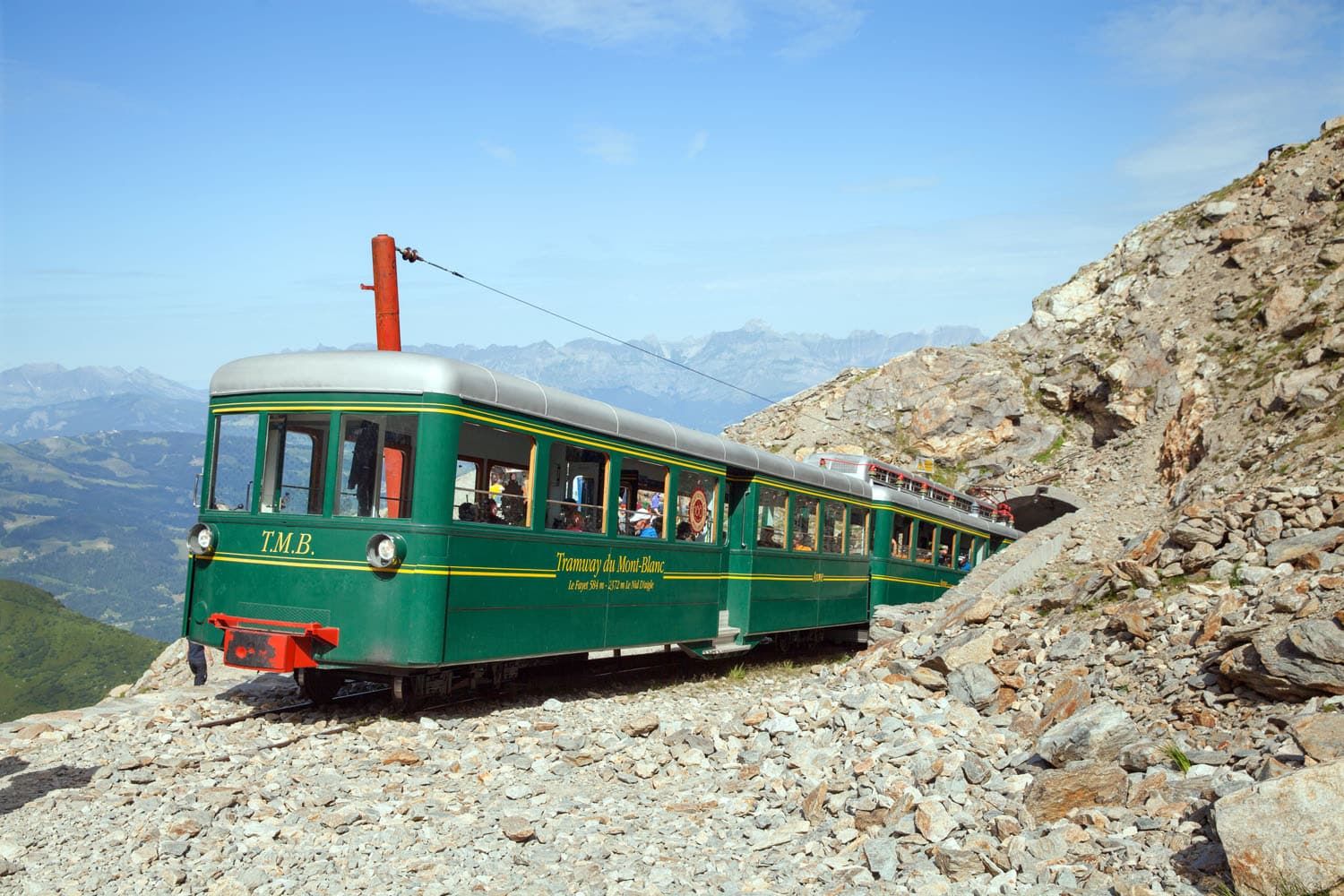
Tramway du Mont Blanc | Julia Kuznetsova/shutterstock.com
Board the train at Le Fayet or Saint-Gervais (which both sit to the west of Chamonix-Mont-Blanc) and ride the train to the Nid d’Aigle (the Eagle’s Nest) station near the base of the Bionnassay Glacier.
The train makes several stops along the one hour trip, to mountain huts, hiking trails, and viewpoints. From the Bellevue Plateau and Nid d’Aigle, you get exceptional views of the Bionnassay Glacier.
The entire experience takes 3 to 4 hours. Get pricing and timetables here. The tramway is included on the Mont Blanc Multipass.
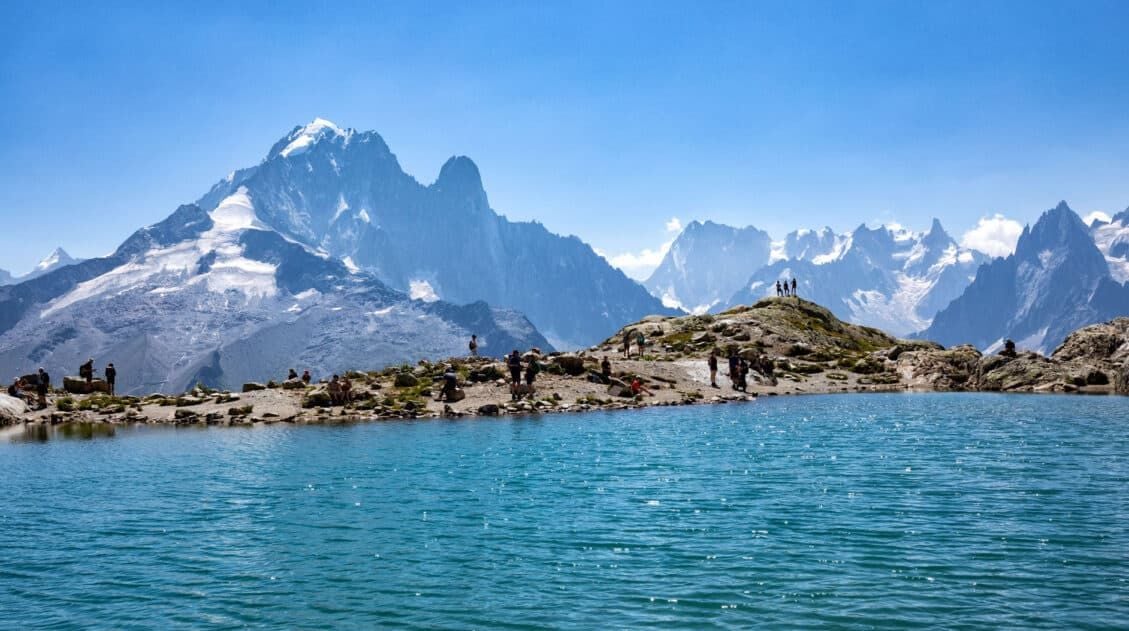
7. Capture the Reflection of Mont Blanc at Lac Blanc
Distance: 6.1 km (3.8 miles) out-and-back | Difficulty: Easy to moderate | Time: 2 to 4 hours
Best for: Hikers of all levels; photographers; anyone who wants the single best view of Mont Blanc
Of all the hikes we did in Chamonix, Lac Blanc was my favorite. The trail sits on the opposite side of the valley from Mont Blanc, which means you have that iconic mountain in front of you for almost the entire hike.
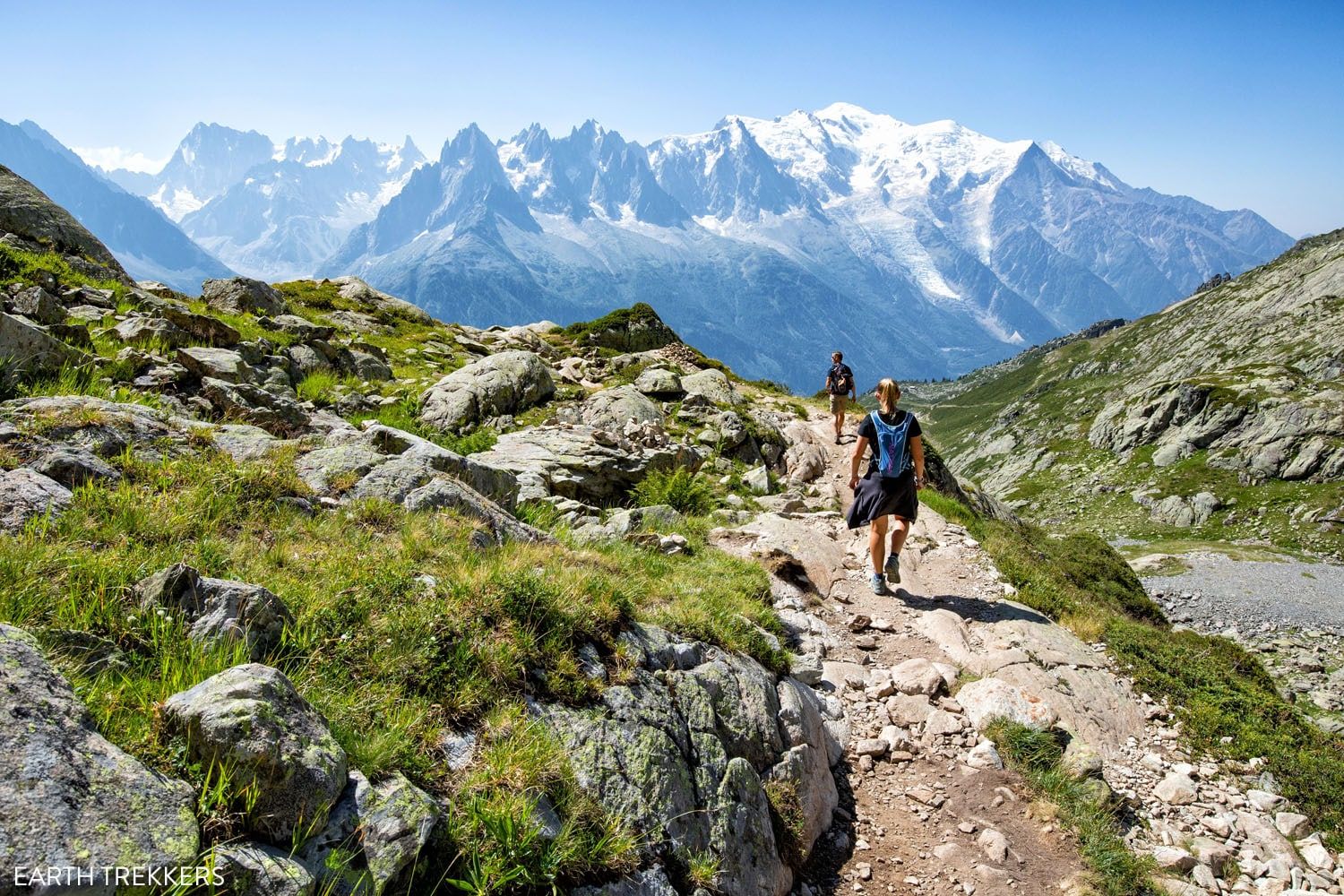
Trail to Lac Blanc
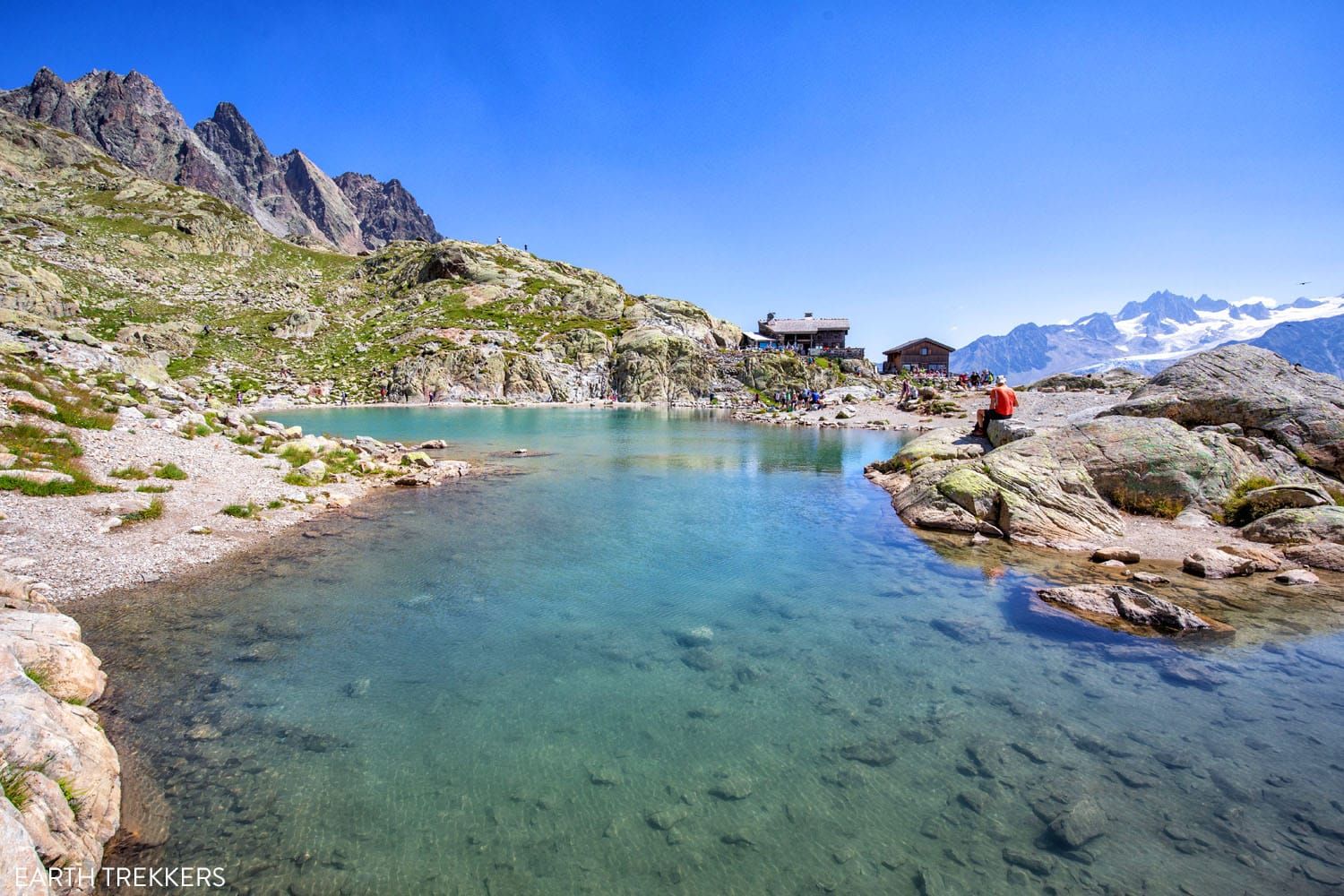
Lac Blanc
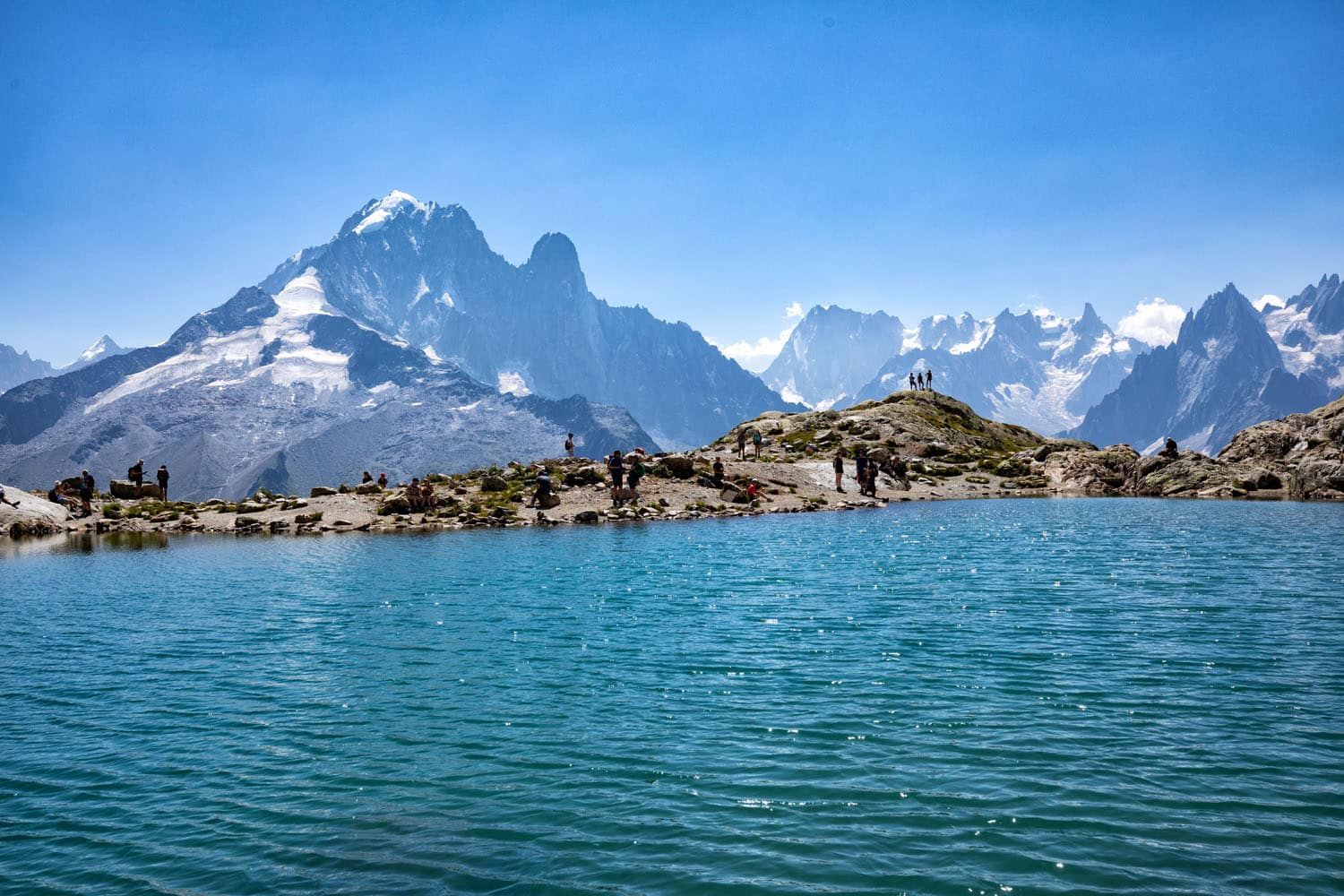
Lac Blanc
At the lake itself, on a calm day, Mont Blanc reflects perfectly in the water. It’s one of the most photographed views in the Alps, and it earns every photo.
What makes this hike accessible is the lift system. A gondola from Les Praz gets you to La Flégère, then a chairlift carries you up to L’Index. From there it’s a relatively gentle out-and-back walk to the lake. The gondola and chairlift handle the hard climbing, leaving you free to focus on the views. We did the gondola and chairlift combo followed by an out-and-back to the lake, and we’d recommend the same.
At the lake, there are mountain huts where you can stop for lunch before heading back.
8. Ride the L’Index Chair Lift
Best for: Anyone riding the La Flégère gondola; it’s a worthwhile add-on for the views alone, and the starting point for the Lac Blanc hike
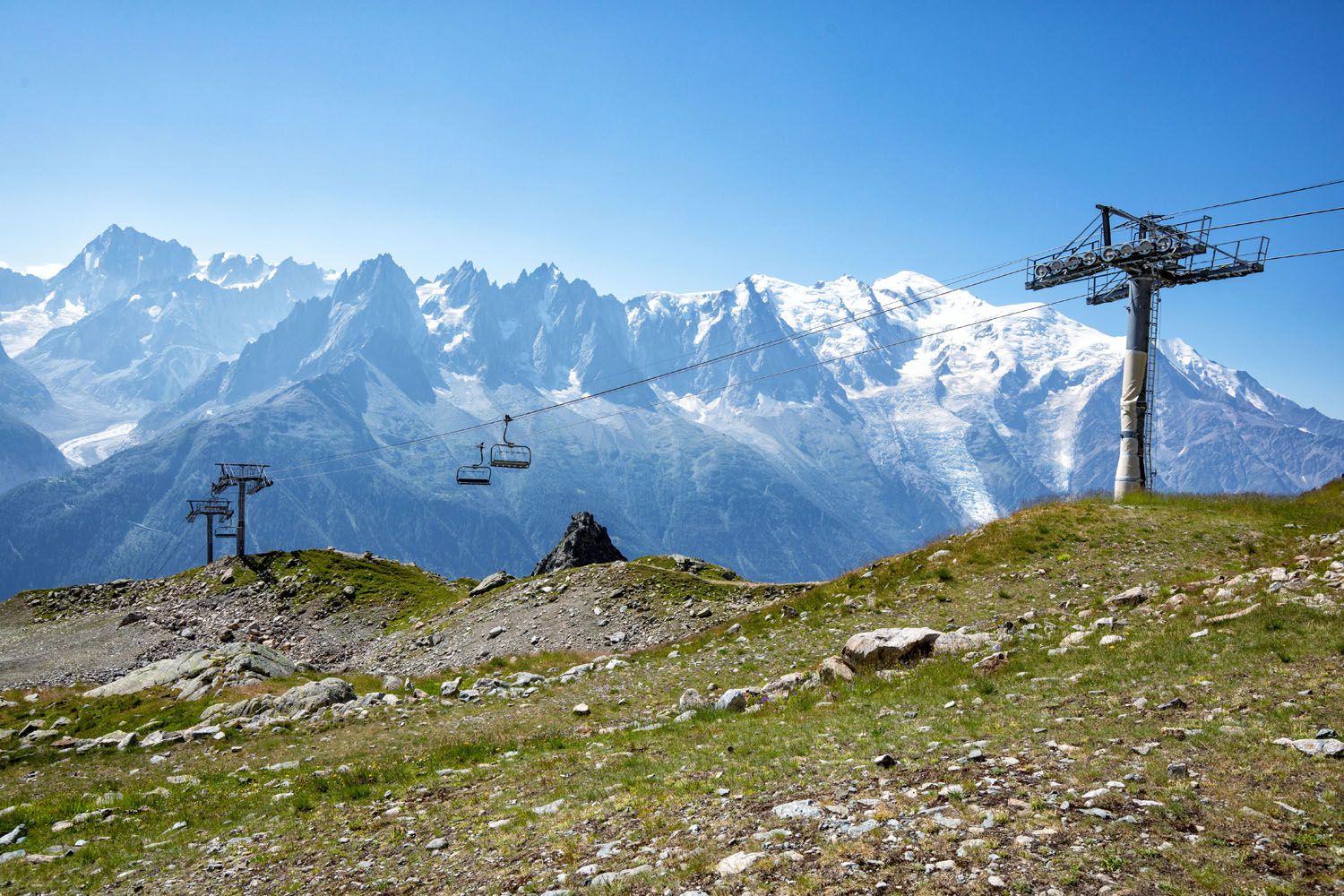
This is one of the most underrated experiences in Chamonix.
The L’Index chairlift
The L’Index chair lift connects La Flégère with L’Index, which both sit high in the mountains above Chamonix.
To get here, ride the La Flégère gondola from Les Praz to La Flégère. The L’Index chair lift starts at La Flégère and takes you even higher into the mountains.
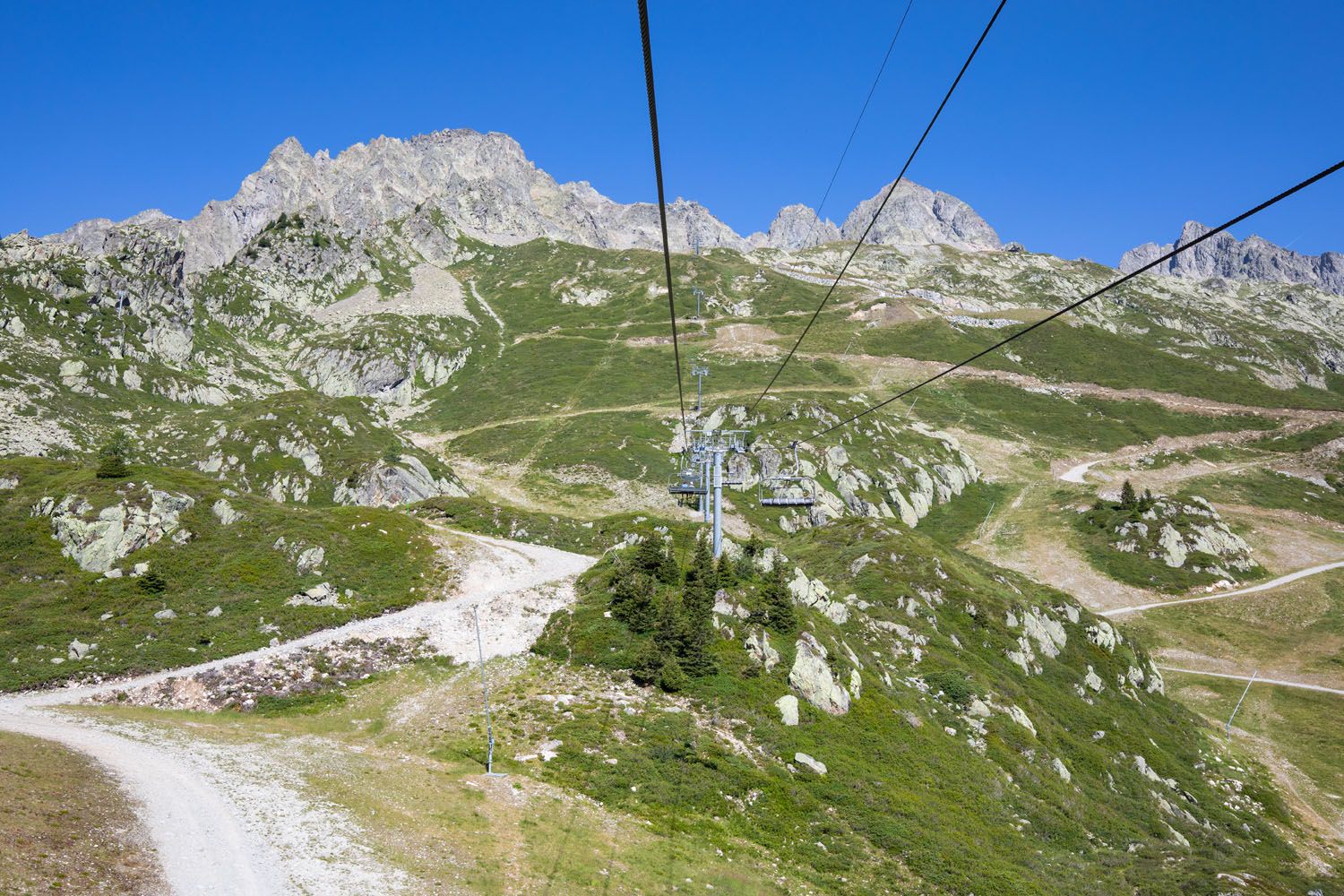
The view heading on the chairlift on the way to L’Index
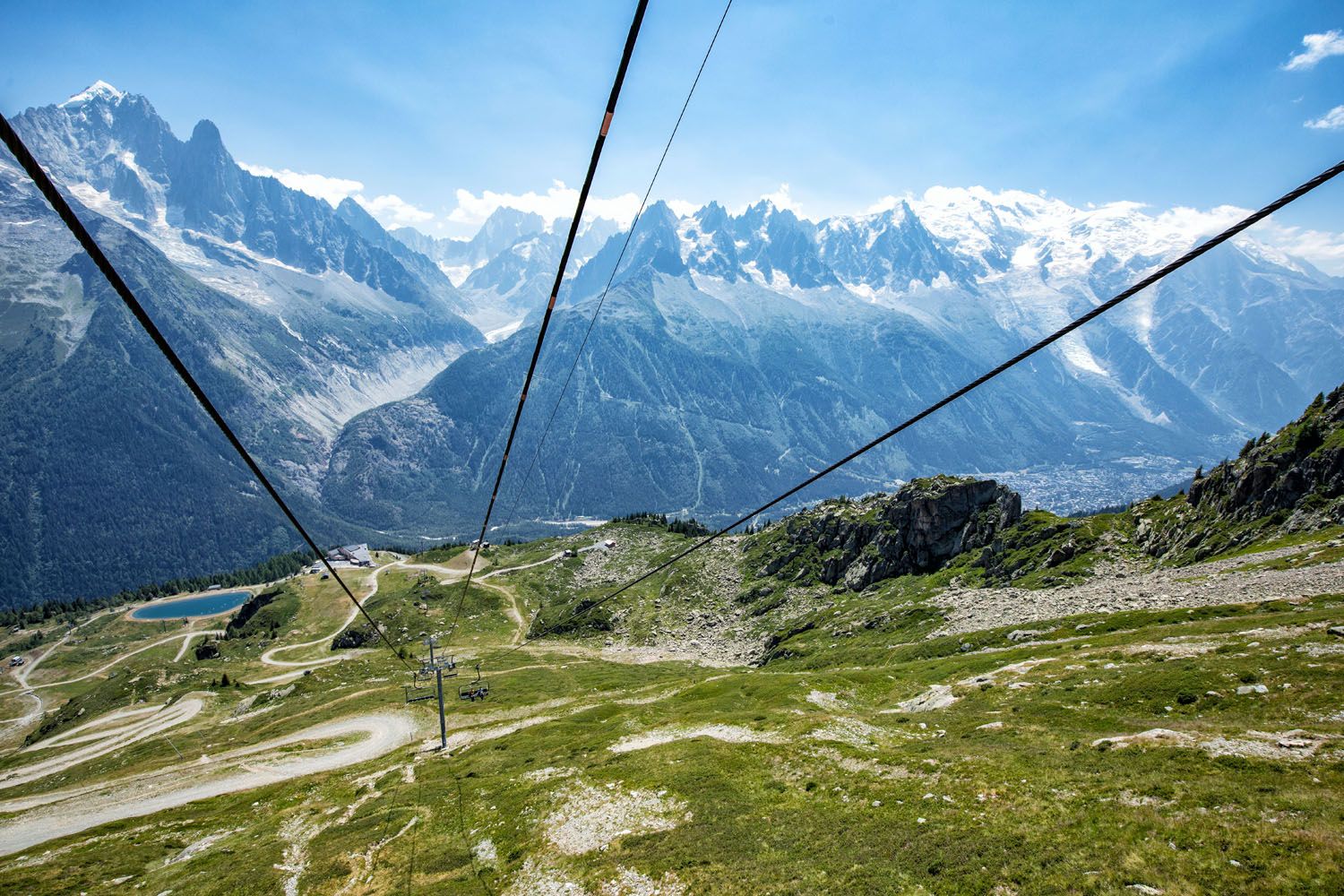
The view on the downhill journey
On the uphill journey, the views are nice, but it’s the return journey that is really something special. Now you are gazing across the valley to Mont Blanc. It’s a quiet, peaceful journey, and since you are on a chair lift, not a gondola, you aren’t shooting photos through glass or crowded in a small, hot car with a bunch of people.
You can simply ride the gondola + chair lift combo for the views, or do this as part of the hike to Lac Blanc, mentioned earlier.
Get pricing and timetables here. The gondola and chairlift are included on the Mont Blanc Multipass.

9. Lac Cornu and Lacs Noirs Hike
Best for: Experienced hikers looking for a more challenging, off-the-beaten-path alternative to Lac Blanc
This is a hike that we learned about while in Chamonix but unfortunately did not have time for.
This hike is much less popular than Lac Blanc and the Grand Balcon Nord. It’s also longer and more strenuous.
Starting at the Plan Praz cable car station, you will hike high into the mountains to two alpine lakes, Lac Cornu and Lacs Noir. From Lacs Noir, you can retrace your steps back to Plan Praz, or make this a point-to-point hike, ending at L’Index.
This trail runs parallel to the Grand Balcon Sud trail, but it sits much higher in the mountains. The views of Mont Blanc look incredible and if you like the idea of hiking a rugged, low traffic trail, this is one to look into. We plan to do this hike on our next visit to Chamonix.
Learn more here.
10. Ride the Brévent Cable Car for the Best Panoramic View of Mont Blanc
Best for: Non-hikers and anyone wanting the best panoramic view of Mont Blanc and the Chamonix valley
The Brévent cable car delivers one of the finest views in Chamonix and you don’t need to hike a single step to get it.
Ride the gondola from Chamonix to Plan Praz, transfer to the cable car, and you’re standing at 2,525 meters looking straight across the valley at the entire Mont Blanc massif. From here, the view of Mont Blanc is breathtaking.
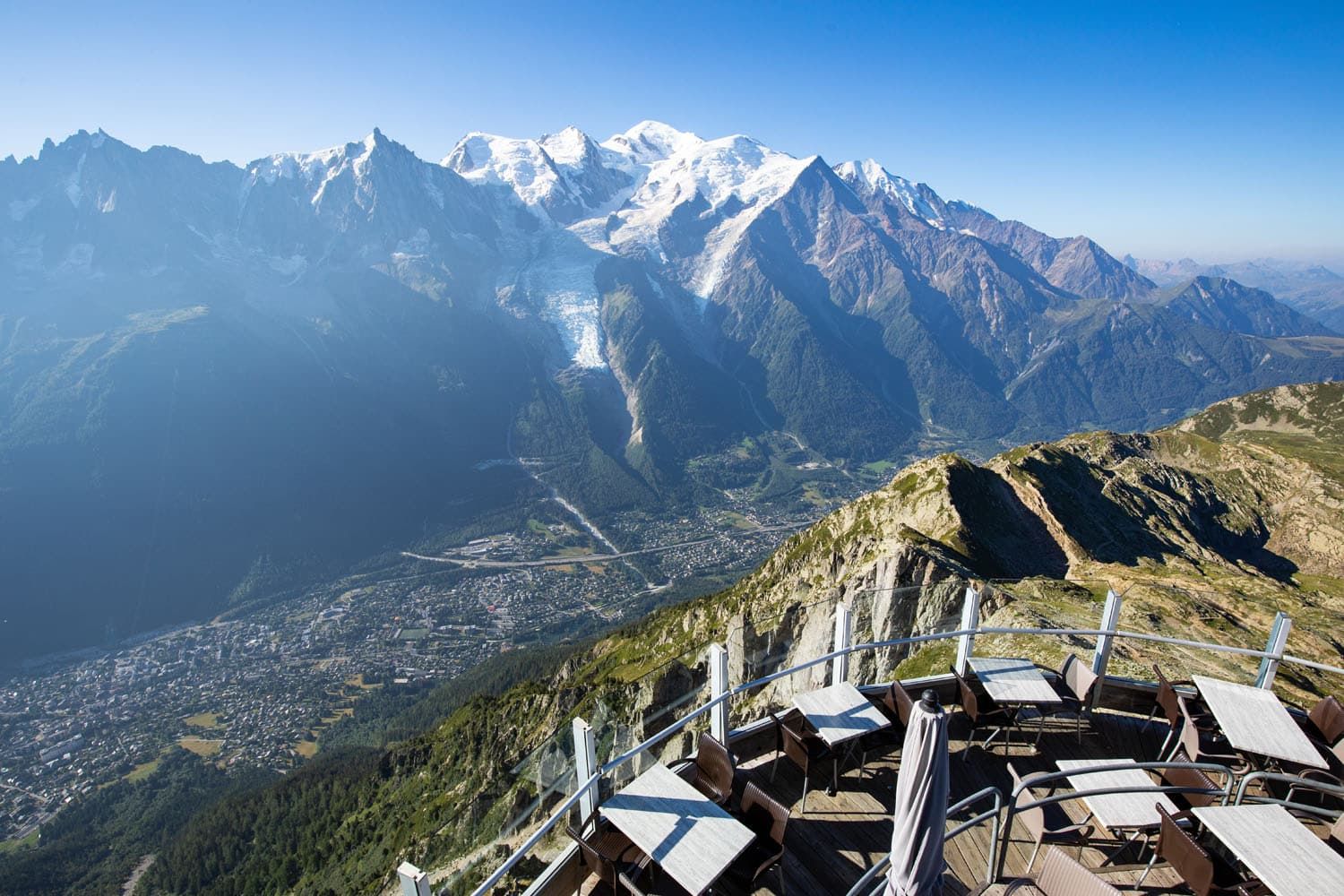
The view from Le Brévent
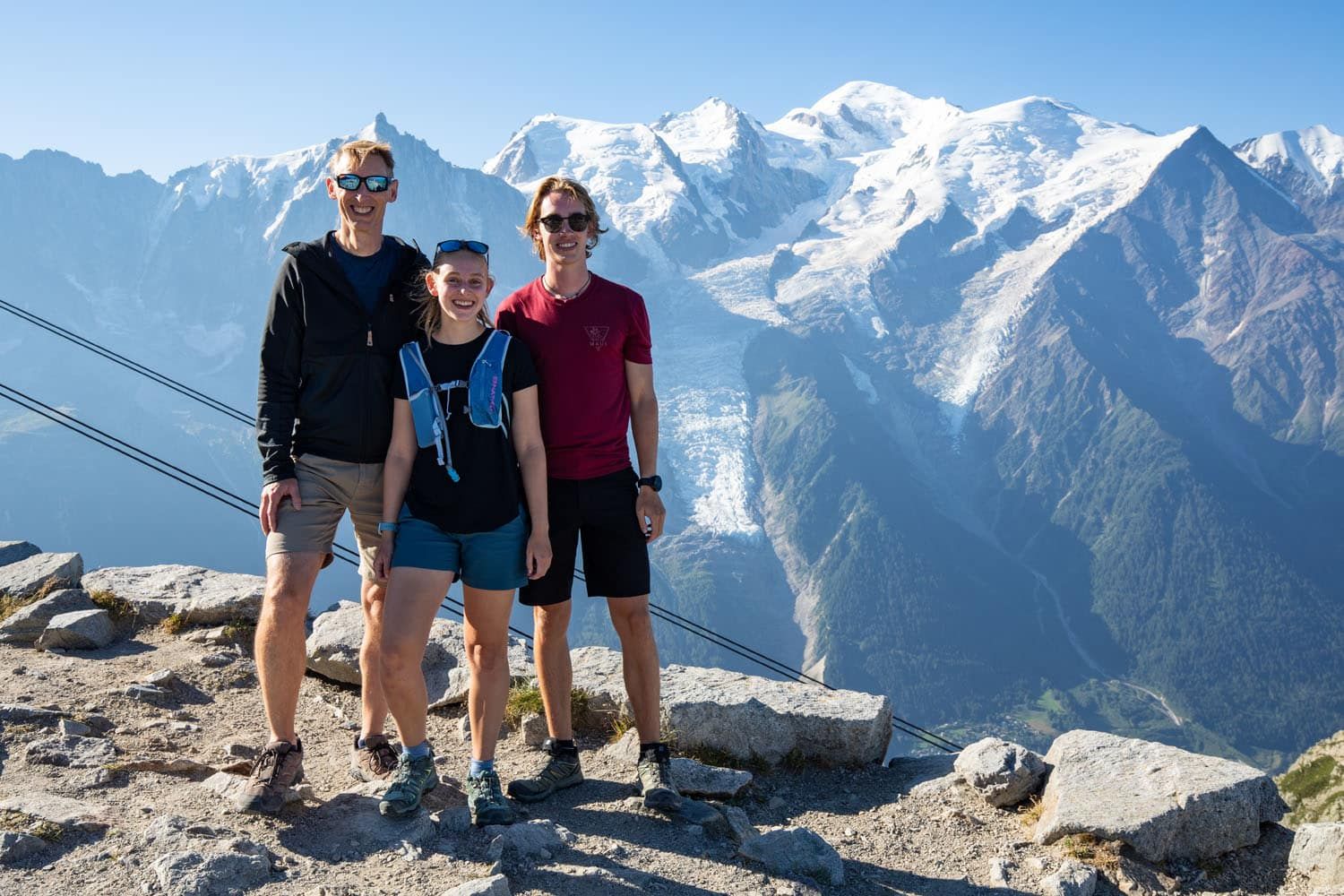
At the top, La Panoramic restaurant is a great spot for lunch or a drink with one of the most dramatic backdrops in the Alps. If you do want to hike, trails from Le Brévent connect to Lac Cornu and the Grand Balcon Sud.
The Brévent cable car is included on the Mont Blanc Multipass. Get pricing and timetables here.
11. Go Paragliding over the Chamonix Valley
Best for: Thrill-seekers and anyone wanting a truly unique perspective of the valley and Mont Blanc
Paragliding is one of the most thrilling things to do in Chamonix and the setting makes it exceptional. Imagine launching from the mountainside and soaring over the valley with Mont Blanc filling the horizon in front of you. The skies above Chamonix are full of paragliders on clear summer days, and watching them from town gives you a sense of just how spectacular the vantage point must be. We’ve gone paragliding in other places around the world and it is a truly memorable experience
Tandem flights with an experienced instructor are available for beginners, so no experience is required. Several companies in town offer flights, and lessons for those who want to learn to fly solo are also available. You can book a tandem flight here.
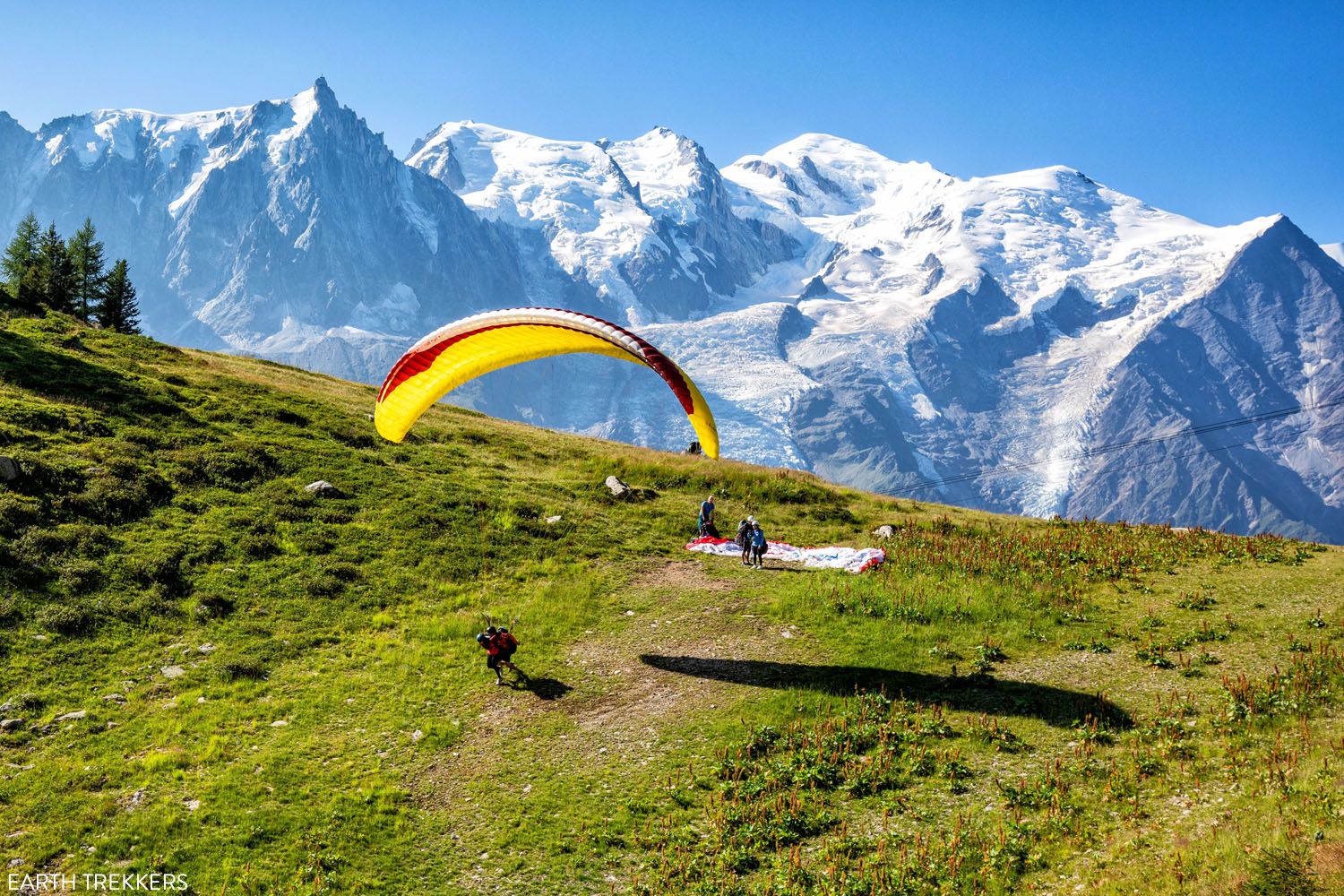
Paragliding
12. Visit the Merlet Animal Park
Best for: Families with kids
Ibex, chamois, Sika deer, marmots, roe deer, and fallow deer all call this park home.
In this animal park, the animals roam freely. Visitors walk the trails through the park and have the opportunity to approach the animals. During the day, there are also educational programs about the animals and the flora.
A visit here lasts 2 to 4 hours. Merlet Animal Park is located in Les Houches and you can get here by car, by mountain biking, and on hiking trails. You can also take the train to Les Houches and then take a shuttle to the park.
Reservations in advance are mandatory. Get hours, pricing, and learn more here.
13. Hike to the Argentière Glacier
Distance: 4.7 km (2.9 miles) out-and-back | Difficulty: Easy to moderate | Time: 1.5 to 3 hours
Best for: Hikers looking for a quieter, less-crowded alternative to the main Chamonix trails
⚠️ Important: Grands Montets Lift Closure: The Grands Montets gondola is closed for construction through at least summer 2026, and trail access on this route may also be affected. Before planning this hike, check the official Grands Montets page for the latest access information.
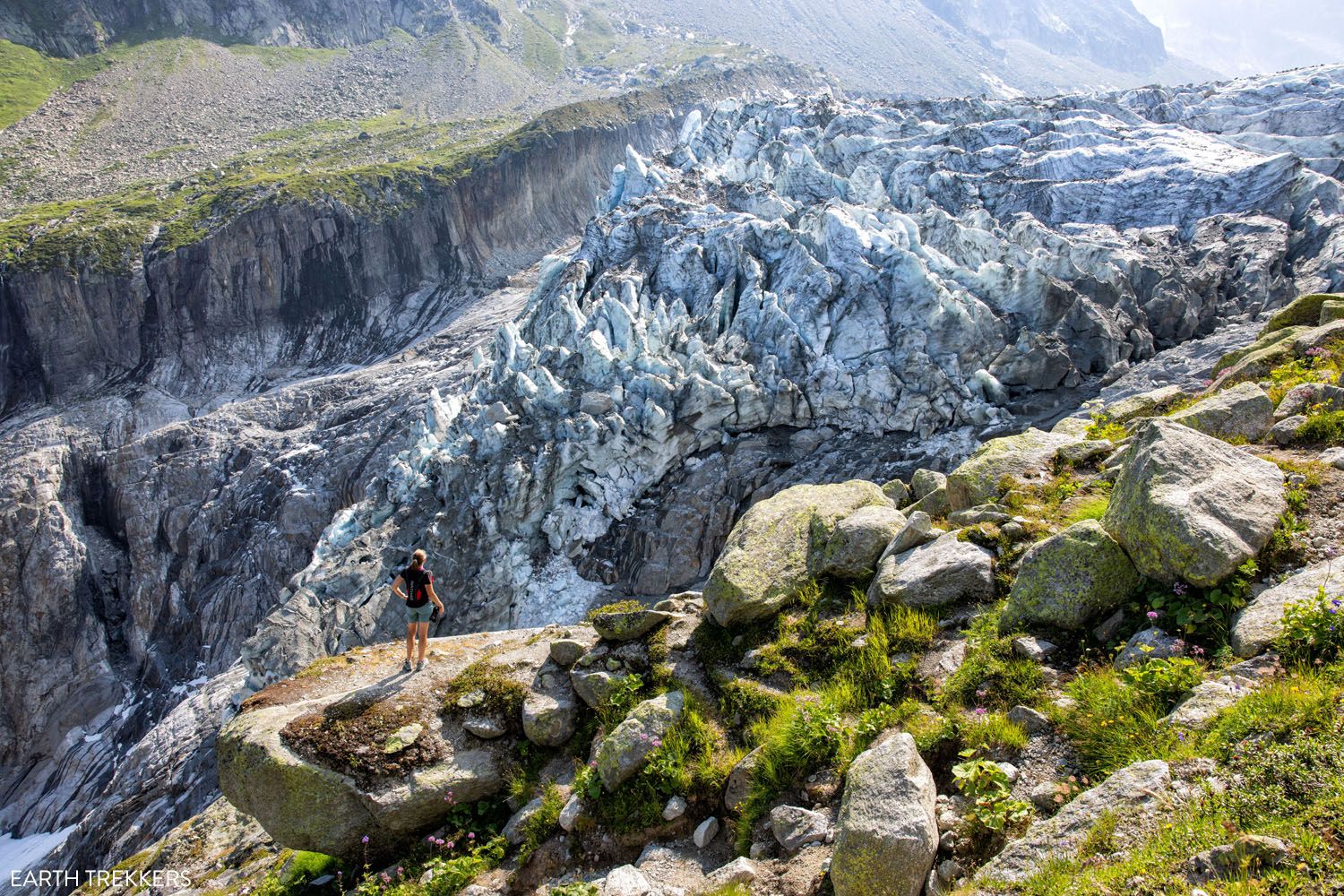
Argentière Glacier
When lift access is running, this is a rewarding and relatively easy hike from the village of Argentière, a short train ride from Chamonix. The trail leads to a front-row view of the Argentière Glacier, an active glacier where you can watch and listen for chunks of ice breaking off in the summer sun.
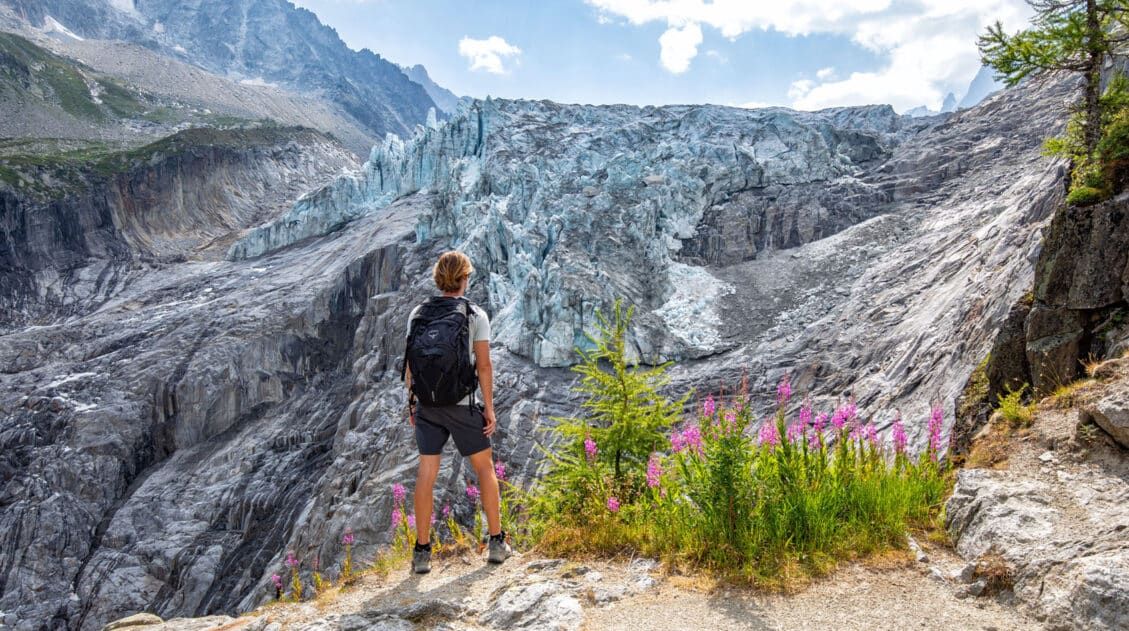
Argentière Glacier Hike: One of the Best Day Hikes Near Chamonix
Exactly how to hike to Argentière Glacier.14. Visit Glacier des Bossons
Best for: Non-hikers and families — a chairlift ride to a close-up glacier view with minimal effort
Glacier des Bossons is another large glacier that runs down from the Mont Blanc massif.
You can get a closer view of this glacier by riding a chairlift to a viewpoint of the glacier. The chairlift is located just outside of Chamonix. To get here, ride the train to Gare de Les Bossons and it is a 15-minute (1 km) walk to the chairlift station (Télésiège Glacier Des Bossons).
This was something we were really looking forward to, but unfortunately the chairlift was out of order on the day we tried to do this.
For the timetable and pricing of the chairlift, click here. You can purchase your ticket from the cashdesk at the chairlift. It is also included on the Mont Blanc Multipass.
15. Ride the Alpine Coaster
Best for: Families with kids, those looking for a fun, low-key break from the mountains
Located at the Chamonix Amusement Park, in the Planards area, is an alpine coaster. This small roller coaster in the mountains is 1300 meters long and has lots of twists and turns and is sure to delight people of all ages.
You pay per ride, but the more times you ride, the more money you save (it’s hard to go just one time). If you are here with kids, this is a must do on a visit to Chamonix.
Get pricing and more information here.
16. White Water Rafting and Hydrospeed
Best for: Thrill-seekers and adventure lovers looking for something different from the mountain activities
The Arve River runs through Chamonix, a river that is fed by the melting glaciers and snowmelt. Rafting this river is one of the best things to do in Chamonix.
Never heard of Hydrospeed? We hadn’t either, until we were here. Hydrospeed, also called riverboarding, is a cross between surfing and swimming in whitewater where you are aided by a small floating board and flippers. Since you will be swimming in a river fed by snowmelt, be prepared for cold temperatures. For this experience, you will also wear a wetsuit.
Learn more about Hydrospeed, riverboarding, and white water rafting in Chamonix here.
17. Stroll through Chamonix
Best for: Everyone. Don’t skip this even if your days are packed with mountain activities.
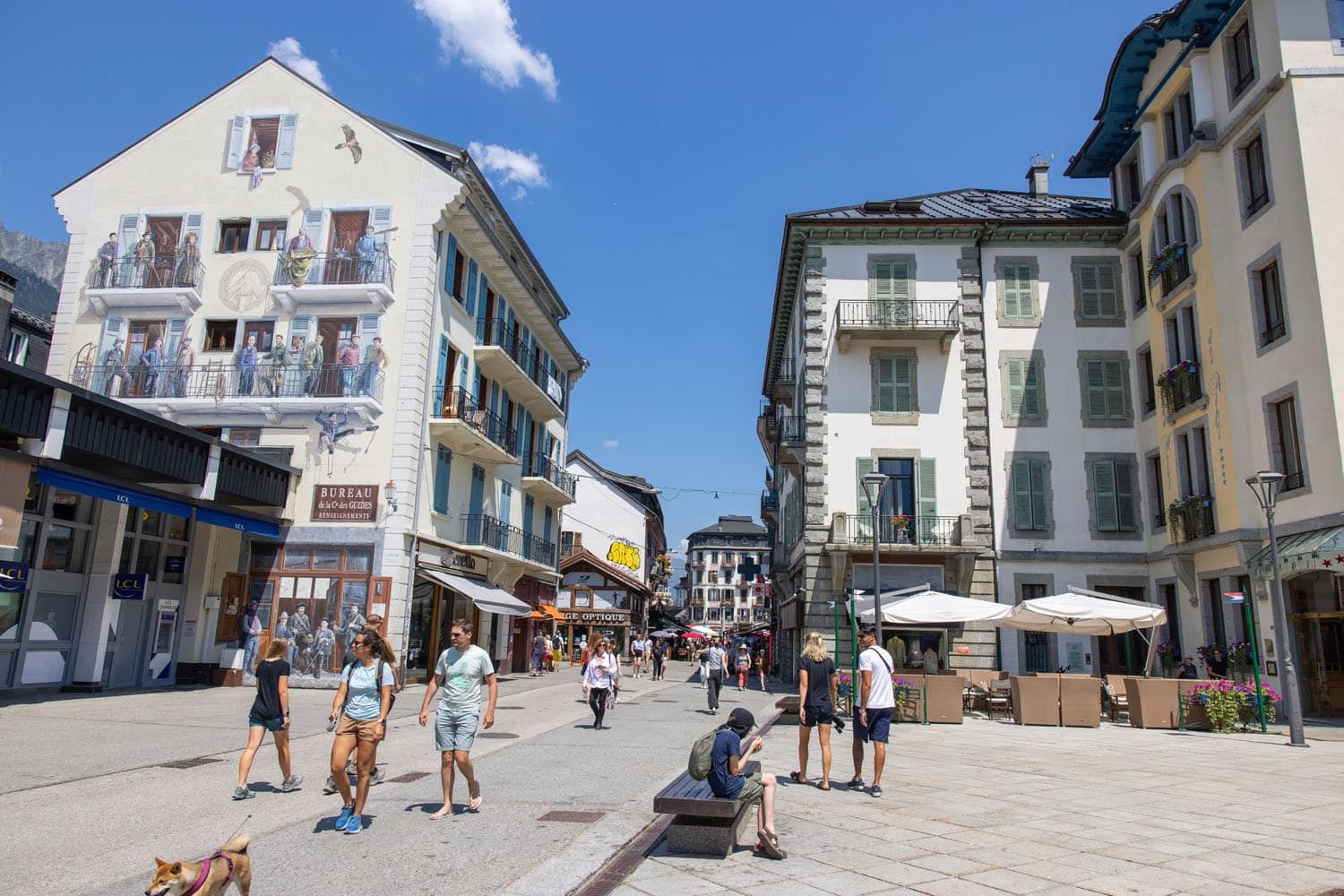
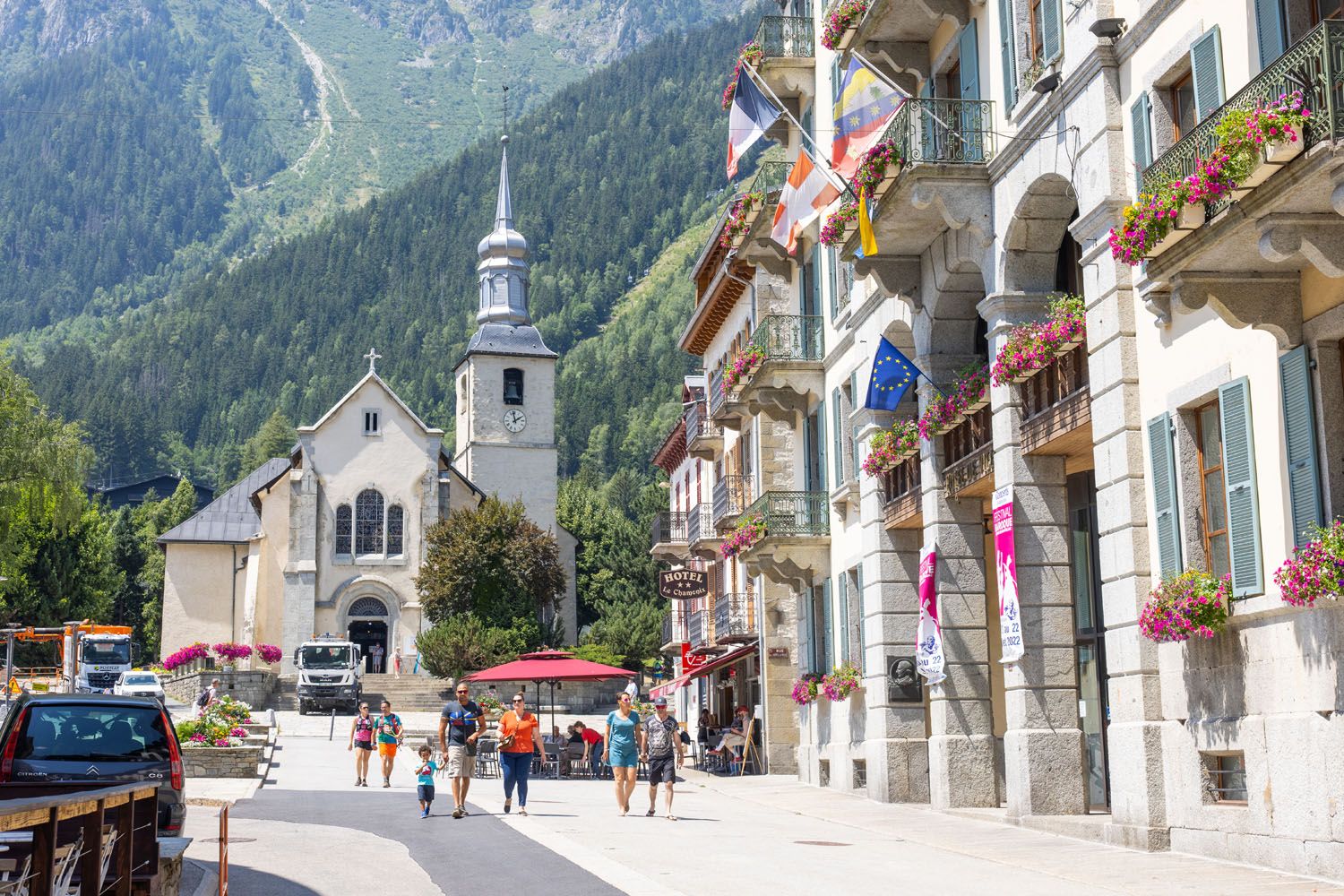
Strolling through the town of Chamonix is a must do while you are here. This small, picturesque town is filled with restaurants, clothing shops, stores to outfit you with hiking clothes and climbing equipment, and a few museums.
Always in view is Mont Blanc, and if the skies stay clear into the afternoon, you will get a great view of it from everywhere in town.
Rue du Dr Paccard is the main pedestrian street that runs through the center of town. This street runs northeast to a large square. Sitting in this square is the Statue of Dr. Michel Paccard, which honors the first person to climb Mont Blanc.
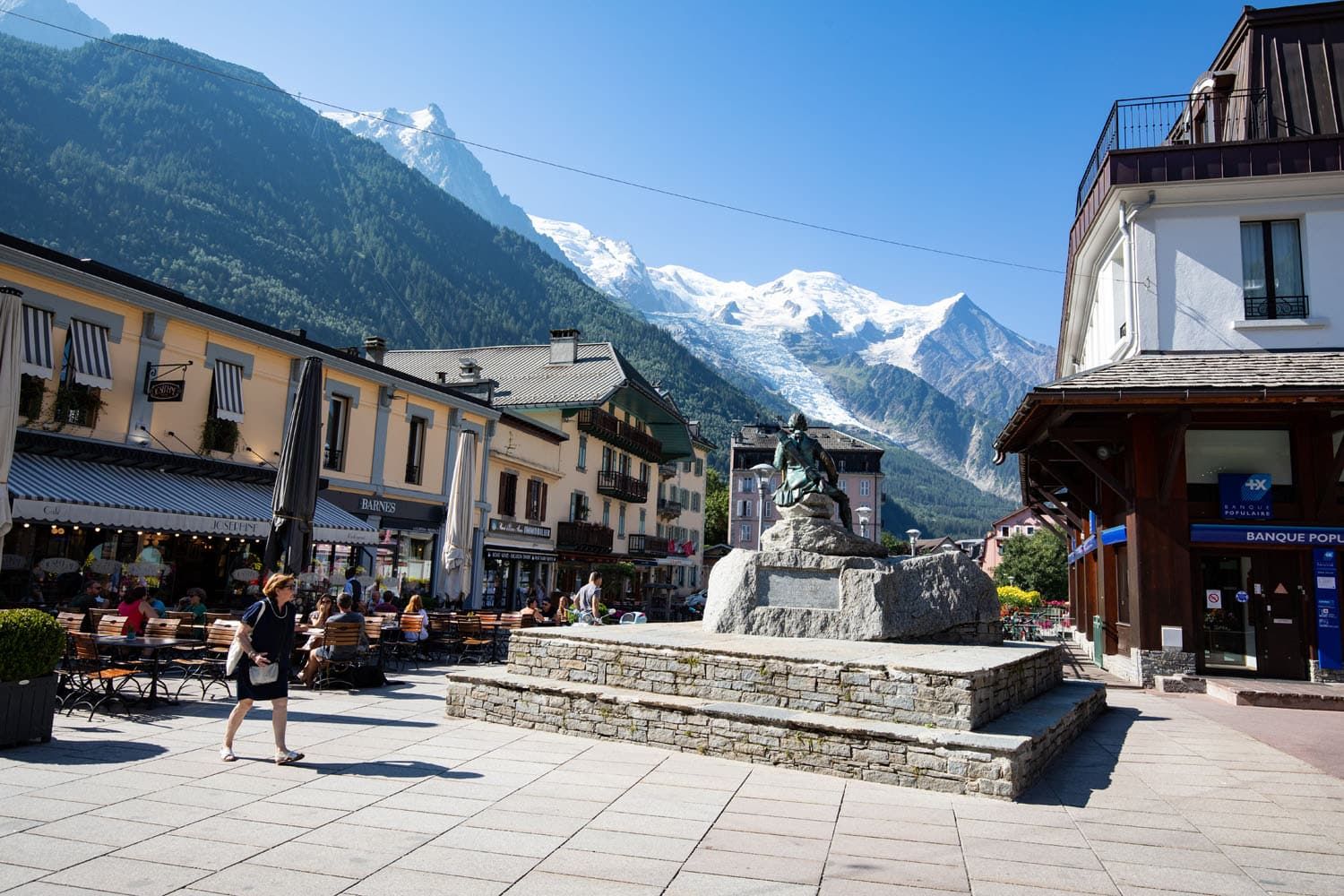
Chamonix and the statue of Dr. Michel Paccard
18. Visit a Museum or Two
Best for: History buffs and those with a rainy day to fill
There are several museums in Chamonix that are worthwhile, depending on your interests.
The Alpine Museum documents the history of the Chamonix region, the first summit attempt of Mont Blanc, and Chamonix’s rise as an important winter sport venue. It’s worth it for those interested in the history of Chamonix and the early days of mountaineering. Get hours and pricing here.
The Crystal Museum displays mineralogy of the Alps, France, Europe, and other places around the world. There are almost 2000 crystals on display. Learn more here.
19. Dine on Fondue and Raclette
Best for: Food lovers and anyone wanting an authentic taste of the Alps
Fondue and raclette are on menus throughout Chamonix, and eating gooey melted cheese with fresh bread and potatoes on a warm summer evening in the Alps is exactly as good as it sounds.
Our favorite spot is Chez Constant, where we ate twice during our stay, including on our last night in Chamonix before setting off on day one of the Walker’s Haute Route. Kara and I were huge fans. Tim and Tyler were less convinced, but they do serve plenty of other food if fondue isn’t your thing.
Chez Constant has a lovely outdoor terrace that’s perfect on a warm evening, as well as indoor seating. If the weather cooperates, grab a table outside. Visit Chez Constant’s website to see the menu, get their hours, and make a reservation in advance.

Cheese fondue
20. Set Off on an Amazing Journey
Best for: Serious hikers and trekkers looking for a multi-day adventure from Chamonix
Chamonix is the starting point for two multiday trekking adventures: the Tour du Mont Blanc and the Walker’s Haute Route.
The Tour du Mont Blanc is a multi-day trek that loops around Mont Blanc. It is typically done in 11 days, has a distance of 180 km (110 miles), and has roughly 10,700 meters (35,000 feet) of total ascent. It is shorter and easier than the Walker’s Haute Route.
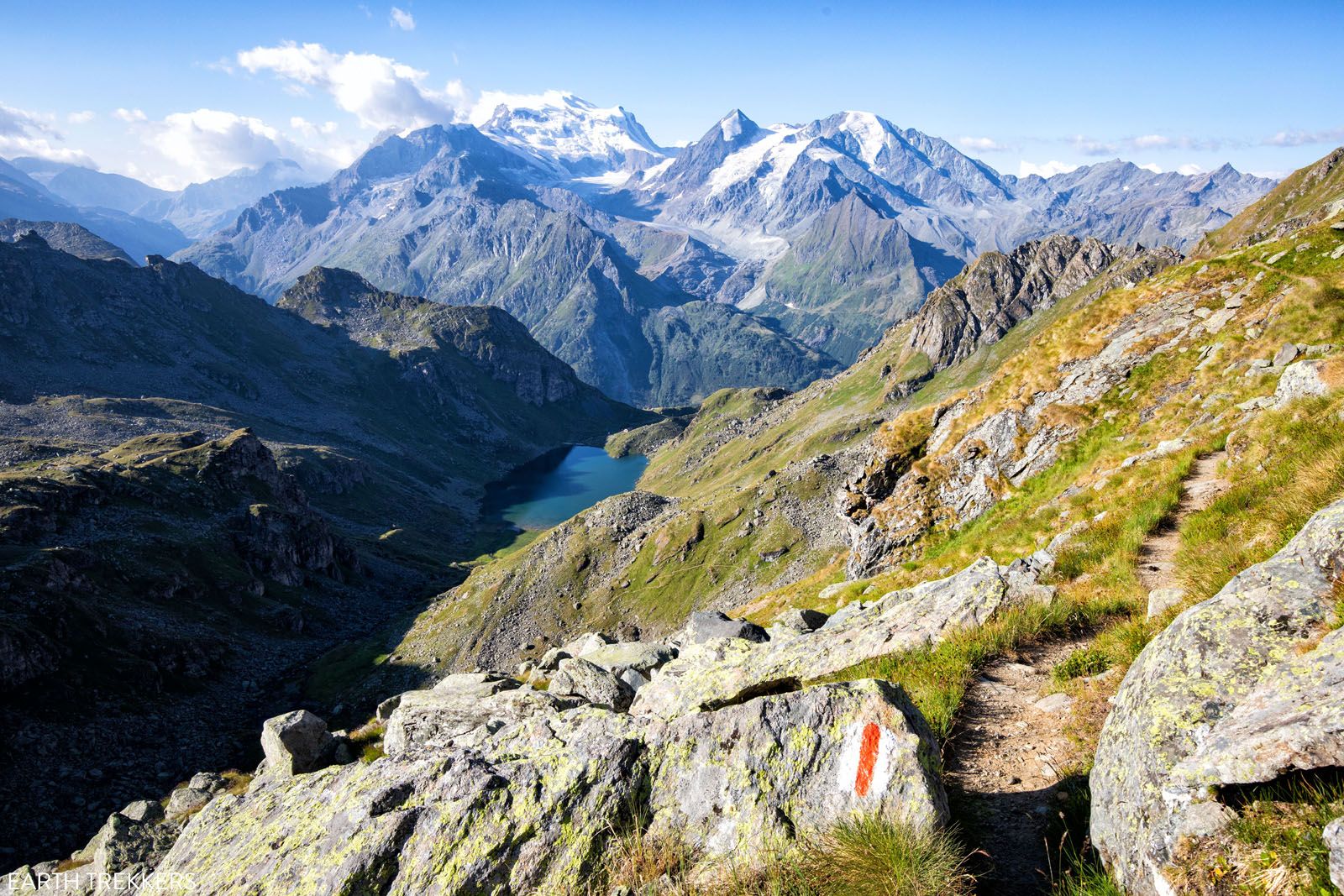
The Walker’s Haute Route is a point-to-point walk that starts in Chamonix, France and ends in Zermatt, Switzerland. It takes most people 13 to 14 days, covering a distance of 204 km (127 miles) with 14,300 meters (47,000 feet) of total ascent.
We hiked the Walker’s Haute Route in summer 2022 and it was an experience of a lifetime. Crossing the French and Swiss Alps on foot is an extraordinary journey and you can learn more in our Guide to the Walker’s Haute Route.
The Walker’s Haute Route
21. Climb a Via Ferrata
Best for: Adventure seekers and hikers wanting a more technical mountain experience
Via ferrata routes bring the thrill of climbing without requiring technical mountaineering skills. Clipped into a fixed cable system, you make your way along exposed rock faces with big views of the valley and Mont Blanc below.
The Chamonix area has several routes at different difficulty levels, making via ferrata accessible to beginners and rewarding for those with more experience. A popular option is the Via Ferrata des Evettes, starting from La Flégère.
We haven’t done via ferrata in Chamonix specifically, but we’ve done them elsewhere in the Alps, including the Mürren via ferrata in Switzerland and it is one of the most thrilling ways to experience the mountains. If you’ve never tried one, Chamonix is a great place to start.
22. Go Mountain Biking
Best for: Active visitors and families looking for a different way to explore the valley
Mountain biking is one of the most popular summer activities in the Chamonix valley, and the trail network caters to everyone from casual riders to experienced downhill racers.
Cable cars and gondolas can carry your bike up into the mountains, so you can enjoy the descent without earning every meter of it on the way up. The Les Planards area and the trails around Les Houches are good starting points for beginners and families. More experienced riders head to the lift-served trails above Chamonix and Argentière for technical singletrack and long descents.
Bikes can be rented from several shops in town. If you’re new to mountain biking or unfamiliar with the trails, guided tours are available and worth considering given the terrain.
23. Swim at Lac de Passy
Best for: Families, non-hikers, and anyone needing a relaxing break from the mountains
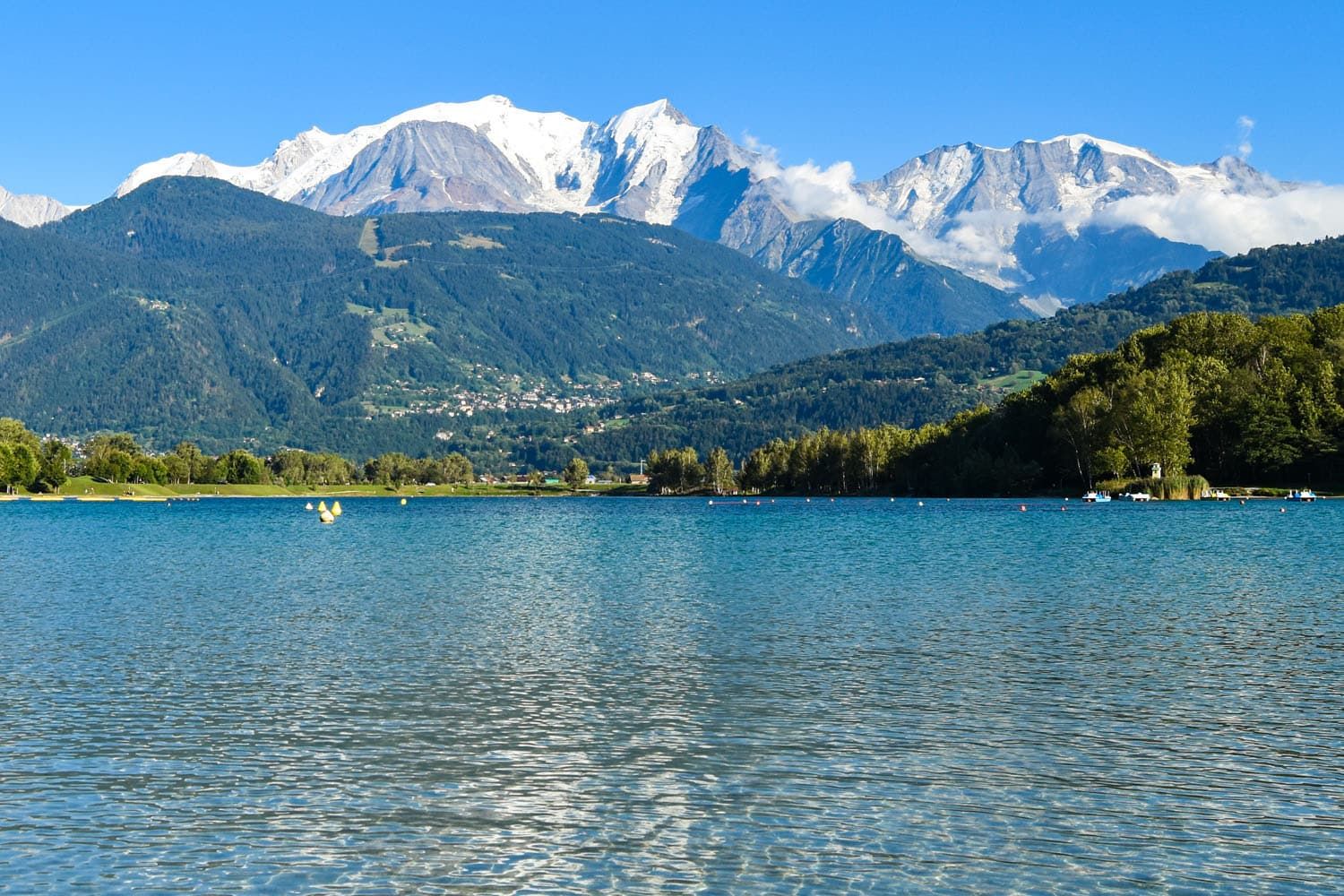
When you need a break from the mountains, Lac de Passy delivers. This large lake, located about 15 km down the valley from Chamonix in the town of Passy, is the biggest lake in the Mont Blanc valley and one of the best spots for a summer afternoon.
Swimming is supervised during the summer months, and the lake has a sandy beach, grassy areas to relax, and a backdrop of the surrounding Alps. Beyond swimming, you can paddleboard, windsurf, fish, or simply sit in the sun with Mont Blanc on the horizon.
Getting here requires a car or bus. It makes for a great half-day outing, especially if you have kids or want a quieter, lower-key day in between big mountain excursions.
24. Watch (or Run) the UTMB
Best for: Trail runners and anyone visiting Chamonix in late August; even spectating is an unforgettable experience
Every August, Chamonix becomes the center of the trail running world. The Ultra-Trail du Mont Blanc (UTMB) is one of the most prestigious ultramarathons on earth. This 170+ km loop loops around Mont Blanc and crosses through France, Italy, and Switzerland, with roughly 10,000 meters of elevation gain.
Even if you’re not running it, UTMB week is an incredible experience. The town fills with elite runners and thousands of spectators. Watching the start on Friday night, as thousands of headlamps stream out of Chamonix into the darkness, is genuinely electric. There are also shorter races throughout the week under the UTMB umbrella, including the OCC, CCC, and MCC, which cover different distances and difficulty levels.
If you’re a trail runner and have a trip to Chamonix on the horizon, it’s worth checking whether your dates overlap with race week. And if you want to run, entry is by lottery, so plan at least a year in advance.
Best of Chamonix: On a Map
How to Use This Map: Click the icons on the map to get more information about each point of interest. To take this map with you, click the star next to the title of the map which adds it to your Google account. Next, within your Google Maps app, select ‘Saved’ and then select ‘Maps’. This map title will now appear in your list.
Best Time to Visit Chamonix in the Summer
We visited Chamonix in July during an unusually hot week. Europe was in the middle of a heat wave, with temperatures hitting 32°C (90°F) in the valley and afternoon thunderstorms rolling in most days. Our hotel didn’t have air conditioning, which made for a few warm nights. It was a good reminder that summer in the Alps can surprise you in both directions.
A typical summer day in Chamonix runs around 21°C (70°F), which is ideal for hiking and sightseeing. Mornings at altitude can be cool even in July and August, so always bring a layer. Afternoon thunderstorms are common throughout the summer, so start hikes early and be off exposed ridges by early afternoon.
Here’s a quick breakdown of the summer months:
- June: Lifts begin reopening, trails are quieter, some high routes may still have snow. A good option if you want to avoid peak crowds.
- July: Peak season. All lifts running, long days, best hiking conditions. It’s the busiest month so book Aiguille du Midi tickets well in advance.
- August: Similar to July. UTMB race week at the end of the month brings a big energy boost to the town but also peak crowds.
- September: Crowds thin out, lifts are still running, weather remains good. One of the best months to visit if your schedule is flexible.
How to Get to Chamonix
By Train
The best way to get to Chamonix is by train. Chamonix is well connected to other cities in France and Europe by a high-speed rail network. And once you are in Chamonix, there is little need for a car, because it is very easy to get around by train, cable car, and gondola.
To check travel times, timetables, and pricing, visit the SNCF.com website or RailEurope.com.
By Plane
The closest airport is Geneva, Switzerland. From Geneva, take the train or a shared shuttle to Chamonix. It takes about an hour and a half to travel from Geneva to Chamonix.
By Car
If you have a rental car, you can drive to Chamonix.
We had a rental car since prior to our visit we were hiking in the Dolomites. It was faster for us to travel to Chamonix by car than transfer multiple times by train. Once in Chamonix, we never used the car, choosing to get around by train instead, which was faster and more environmentally friendly.
We drove through the Aosta Valley in Italy, a gorgeous drive, entering Chamonix by way of the Tunnel du Mont Blanc, which is almost 12 km (7.2 miles) long. In our direction, from Italy into France, we didn’t have any traffic. But on several days while in Chamonix, we saw huge backups from France into Italy, so keep that in mind if you have plans to travel with a car and later enter Italy.
Chamonix train station
How Much Time Do You Need in Chamonix?
Plan on spending three or more days in Chamonix. This gives you enough time to visit Aiguille du Midi, hike a few trails, and explore the town of Chamonix. It is a beautiful area with lots of fun activities for all ages, so it’s worth spending several days here.
If you plan to hike the Tour du Mont Blanc or Walker’s Haute Route, spend a few days on the trails to warm up your legs, then one rest day, followed by your amazing trek into the mountains.
Plan your trip to Chamonix, with suggestions on how to plan your time ↓
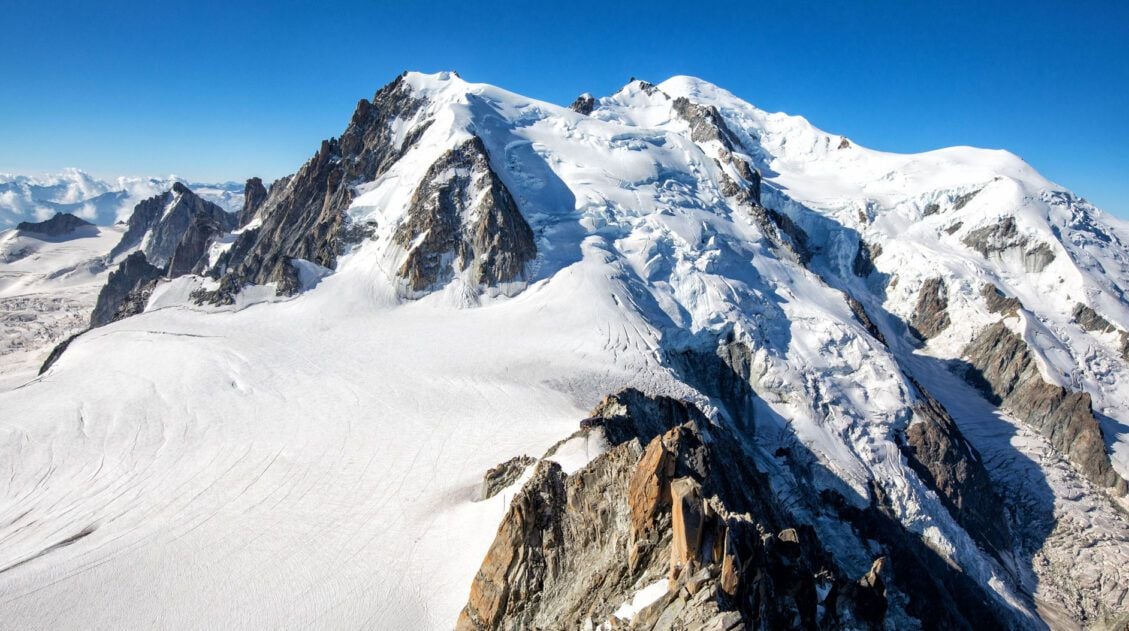
Chamonix Itinerary: How to Spend 1 to 5 Days in Chamonix
Suggestions on how to spend 1 to 5 days in Chamonix.Mont Blanc Multipass
The Mont Blanc Multipass is a money saving pass that includes almost everything listed above.
It includes Aiguille du Midi (but not the Panoramic Mont Blanc cable car to Pointe Helbronner), the Tramway du Mont Blanc, the train to Montenvers, the Brevent cable car, the La Flegere cable car and L’Index chairlift, and the Glacier des Bossons chairlift. You can see the full list here.
The Multipass is sold by the number of days of your visit. With the pass, you will still need to reserve your time slot for Aiguille du Midi and the Tramway du Mont Blanc in advance. At places like the Brevent cable car, you simply scan your card to enter and get on the next available car. Not only does the pass save you money, it also saves you a lot of visits to a lot of ticket booths.
Learn more on the official website.
Where to Eat & Stay in Chamonix
Some of our favorite restaurants in Chamonix are Chez Constant, Le Comptoir des Alpes, and La Fournil Chamoniard. We list more recommended restaurants and plus several top-rated hotels in Chamonix in our Chamonix Itinerary.
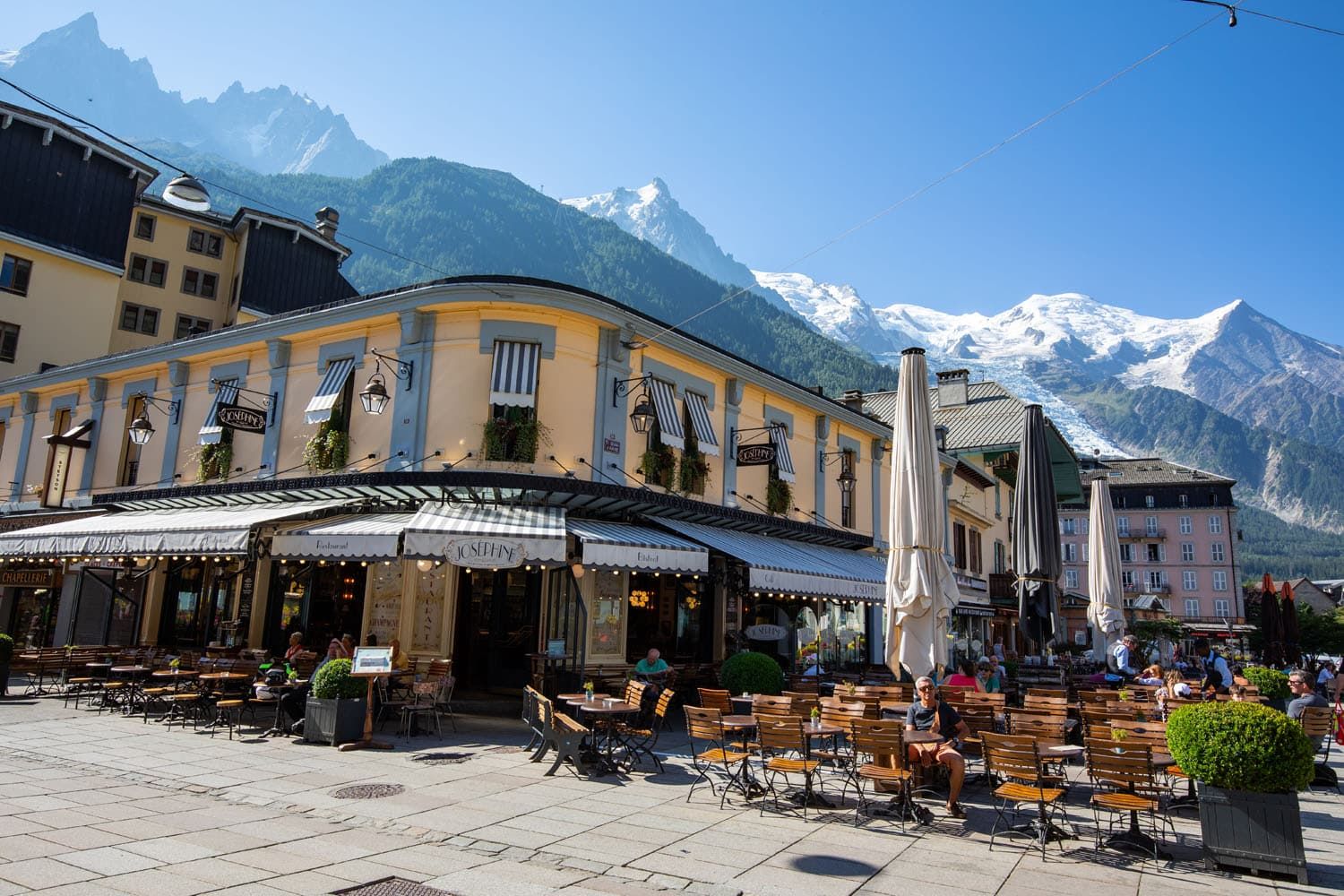
Josephine Restaurant
Frequently Asked Questions
Is Chamonix worth visiting?
Absolutely. Chamonix is one of the most spectacular mountain destinations in Europe, and in the summer it delivers an extraordinary combination of world-class hiking, dramatic glacier scenery, and cable car rides that put you face-to-face with Mont Blanc. We spent five days here and it was one of the highlights of a longer Alps trip.
What is Chamonix famous for?
Chamonix is famous for several things. It hosted the first Winter Olympics in 1924 and has been one of the premier ski destinations in Europe ever since. In the summer, it’s known for its exceptional hiking trails, the cable car to Aiguille du Midi, and its position at the base of Mont Blanc, which is the highest mountain in the Alps and Western Europe at 4,808 meters (15,774 feet). It is also the starting point for two of the most famous long-distance treks in the Alps: the Tour du Mont Blanc and the Walker’s Haute Route.
Is Chamonix worth it if you don’t ski or hike?
Yes, and this is one of the most underrated things about Chamonix. The cable cars, gondolas, and cogwheel trains can take you high into the mountains with no hiking required. Riding to Aiguille du Midi, taking the Panoramic Mont-Blanc gondola to Italy, or simply riding up to Brévent for a panoramic view of Mont Blanc are all extraordinary experiences that require nothing more than buying a ticket. Back in town, the streets are lined with excellent restaurants, shops, and cafés, all with Mont Blanc watching over you.
Do you need a car in Chamonix?
No. Chamonix is one of the most car-free-friendly destinations in the Alps. A regional train, the Mont Blanc Express, connects Chamonix with all the surrounding villages in the valley, and a comprehensive bus network covers the rest. The cable cars, gondolas, and trains handle mountain access. We had a rental car when we arrived but never used it once we were in Chamonix. If you’re flying into Geneva, a shared shuttle or train gets you there in about 1.5 hours.
Is Chamonix expensive?
Yes, Chamonix is one of the more expensive destinations in the French Alps. Accommodation, restaurants, and the lift passes all carry a premium, particularly in July and August. The Mont Blanc Multipass is genuinely good value given what it covers, but individual cable car tickets, especially Aiguille du Midi and the Panoramic Mont-Blanc, add up quickly. That said, the experience justifies the cost for most visitors.
Is the Mont Blanc Multipass worth it?
Yes, for most visitors. The Multipass covers almost all of the major cable cars, gondolas, and trains in the valley: Aiguille du Midi, the Montenvers train, the Brévent cable car, the La Flégère gondola and L’Index chairlift, the Tramway du Mont Blanc, and more. If you plan to do more than one or two of these in a day, the pass saves money. It’s sold by the number of days, so match it to your itinerary. Note that the Panoramic Mont-Blanc gondola to Italy is not included and must be booked separately.
Can you see Mont Blanc from Chamonix town?
Yes, on a clear day, Mont Blanc is visible from almost everywhere in town. It dominates the southern end of the valley and is hard to miss. That said, clouds frequently build around the summit by midday, so the clearest views tend to be in the morning. If you want to see Mont Blanc from town at its best, step outside early.
What is the best hike in Chamonix for beginners?
Lac Blanc is our top recommendation. A gondola from Les Praz gets you to La Flégère, then a chairlift carries you up to L’Index. From there it’s a relatively gentle out-and-back walk to the lake, with Mont Blanc in front of you the entire way. The lift system handles the bulk of the elevation gain, making it accessible to most fitness levels. The payoff, a perfect reflection of Mont Blanc in an alpine lake, is one of the best views in Chamonix. The Grand Balcon Nord is another excellent option for beginners, particularly in the Plan de l’Aiguille to Montenvers direction, which is predominantly downhill.
Plan Your Trip to Chamonix and France
If you’re still in the early stages of planning, our Chamonix Itinerary covers how to structure your days, where to stay, and where to eat.
For a deeper look at the best hikes in Chamonix, don’t miss our step-by-step trail guides for Lac Blanc, the Grand Balcon Nord, and the Argentière Glacier.
Chamonix is also the starting point for one of the greatest long-distance treks in the Alps. Our Walker’s Haute Route Guide covers everything you need to know to plan this extraordinary 14-day journey from Chamonix to Zermatt.
For everything else you need to plan a trip to France, start with our France Travel Guide.
If you have any questions about the best things to do in Chamonix in the summer, let us know in the comment section below.
Explore More of France & the Alps
Chamonix Itinerary: How to Spend 1 to 5 Days in Chamonix
Pinterest Facebook Flipboard Chamonix is one of the best places in the French Alps for a summer itinerary packed with cable car rides, glacier views, high alpine hikes, and jaw-dropping views of Mont Blanc. With 1 day, you can ride to Aiguille du Midi and see one of the most famous views in Europe; with […]
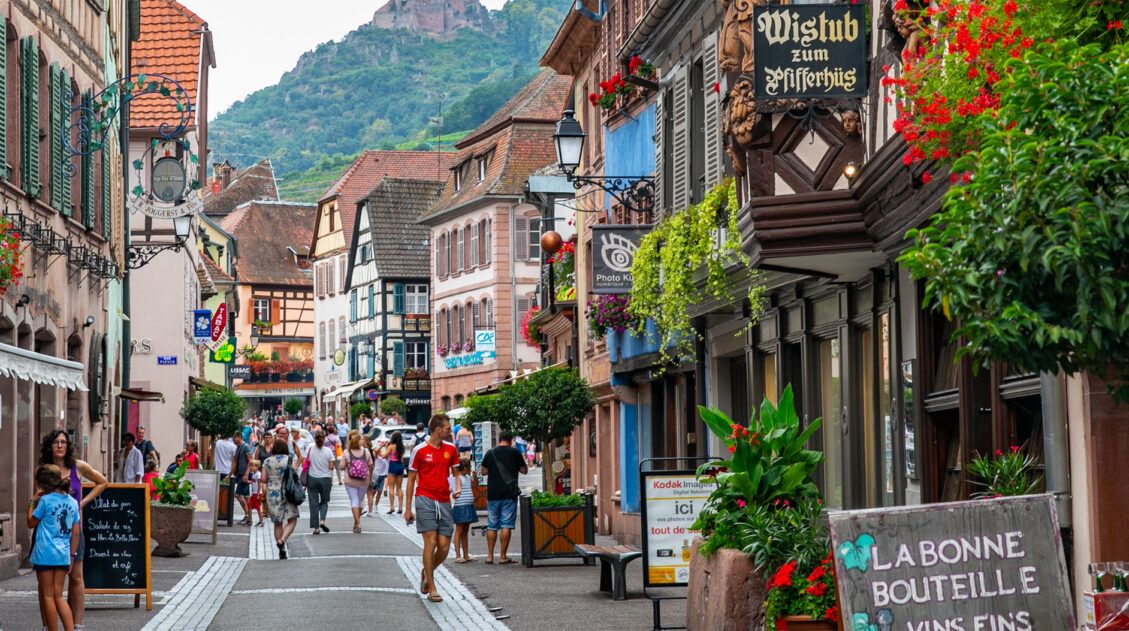
France Travel Guide: How to Plan a Trip to France
Travel information and advice for France. Best things to do in France with itineraries for Paris, the French Riviera, and the Alsace wine region.
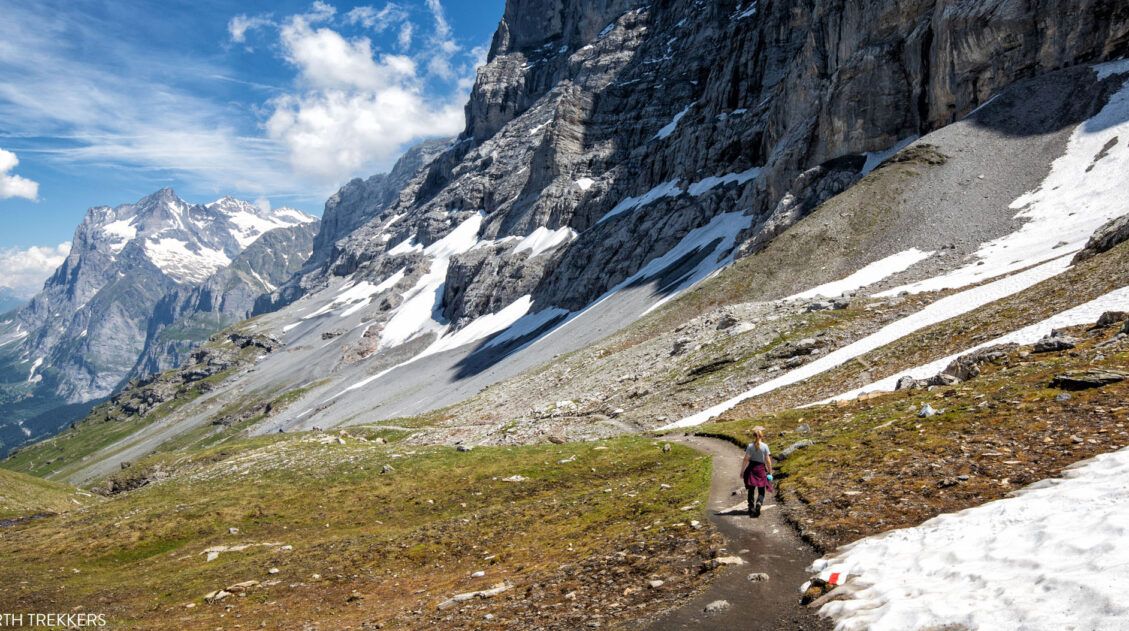
Best Hikes in Europe: 25 Incredible Hikes for Every Level
From the dramatic cliffs of Norway to the jagged peaks of the Dolomites and the volcanic landscapes of Iceland, Europe is packed with some of the most unforgettable hikes in the world. In this guide, we share our favorite hikes in Europe, trails that stand out for their scenery, uniqueness, and overall experience from start […]
Walker’s Haute Route Stages: An Overview of All 14 Stages
The Walker’s Haute Route is a multi-day trek from Chamonix, France to Zermatt, Switzerland. On this walk, hikers will cross 10 mountain passes, walk through small towns and through rugged, remote landscapes, and get to experience a less touristy side of the Swiss Alps. There are several routes that take hikers from Chamonix to Zermatt. […]
Dolomites Travel Guide: How to Plan a Trip to the Dolomites
Dolomites Travel Guide The Dolomites are one of the most breathtaking mountain destinations in Europe. Jagged pinnacles of rock soar into the sky, mountain huts and cabins dot the green, rolling hills, cable cars whisk hikers and skiers to the highest mountain peaks, and hiking trails connect small hamlets and towns. We’ve spent 12 days […]
40 Things to Do in Paris: Top Attractions & Hidden Gems
In this guide, we cover the top things to do in Paris, from iconic sights like the Eiffel Tower, Louvre Museum, and Notre‑Dame Cathedral, to charming neighborhoods such as Le Marais and Montmartre, as well as food and café culture, and a few hidden gems we’ve discovered during our trips to Paris. Paris rewards repeat […]
Aiguille du Midi + Panoramic Mont-Blanc: The Ultimate Guide
At 3,842 meters (12,605 feet), Aiguille du Midi is one of the highest places you can reach by cable car in the world and the closest most people will ever get to the summit of Mont Blanc without a rope and crampons. We’ve ridden cable cars across Europe from the Dolomites to Zermatt, and this […]
The Ultimate Zermatt Itinerary for 1 to 4 Days
How many days do you need in Zermatt? How do you plan the perfect Zermatt itinerary? The answer to these questions depends on several factors. How much time do you have? Do you want to get out and hike the trails or simply ride the cable cars to viewpoints of the Matterhorn? What time of […]
How to Hike to Lac Blanc, Chamonix (Photos, Stats & Map)
There are several reasons why the hike to Lac Blanc is one of the best in Chamonix. For one thing, this alpine lake is beautiful. A series of gondolas and chair lifts lop off the first big climb, making this hike doable for most ages and ability levels. But one of the best reasons to […]
Argentière Glacier Hike: One of the Best Day Hikes Near Chamonix
The hike to Argentière Glacier is one of the best day hikes near Chamonix, with trails leading to multiple viewpoints of the glacier at different elevations. Depending on how you access the mountain, this can be either a moderate out-and-back of about 4.7 km or a challenging full-day loop of 14 km with over 1,100 […]
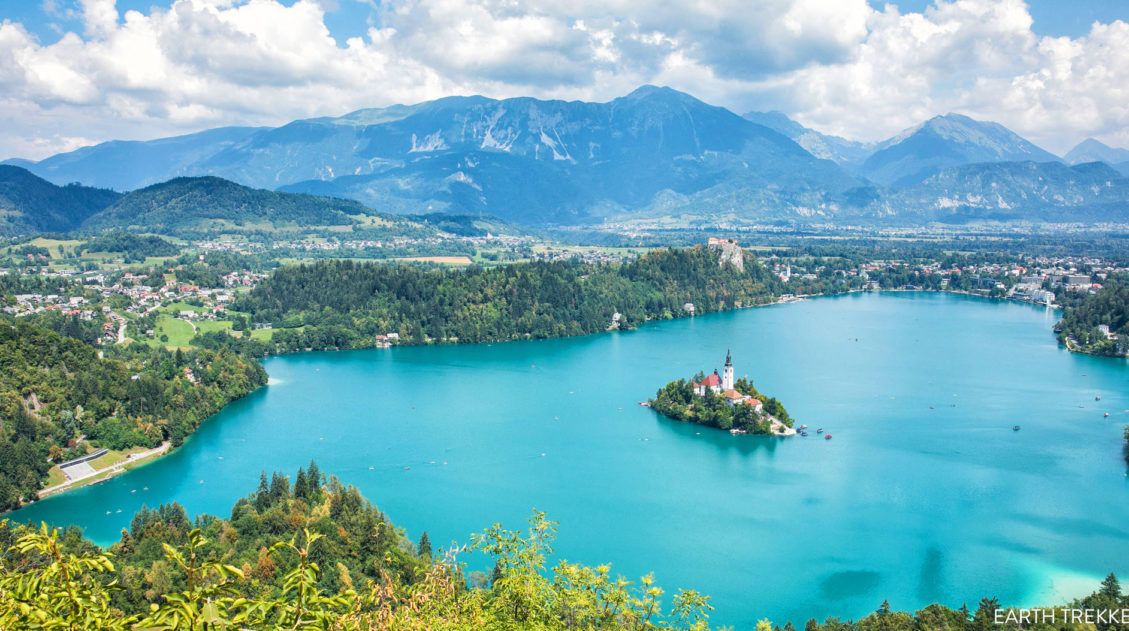
30 Beautiful Places to Visit in Europe (+ Our Favorites)
It is no secret that Europe is home to some of the world’s most beautiful destinations. From grand historic cities and charming fairytale towns to soaring mountain ranges and sun-soaked beaches, there is a seemingly endless list of gorgeous places to explore. Whether you are planning your next trip to Europe, or just trying to […]
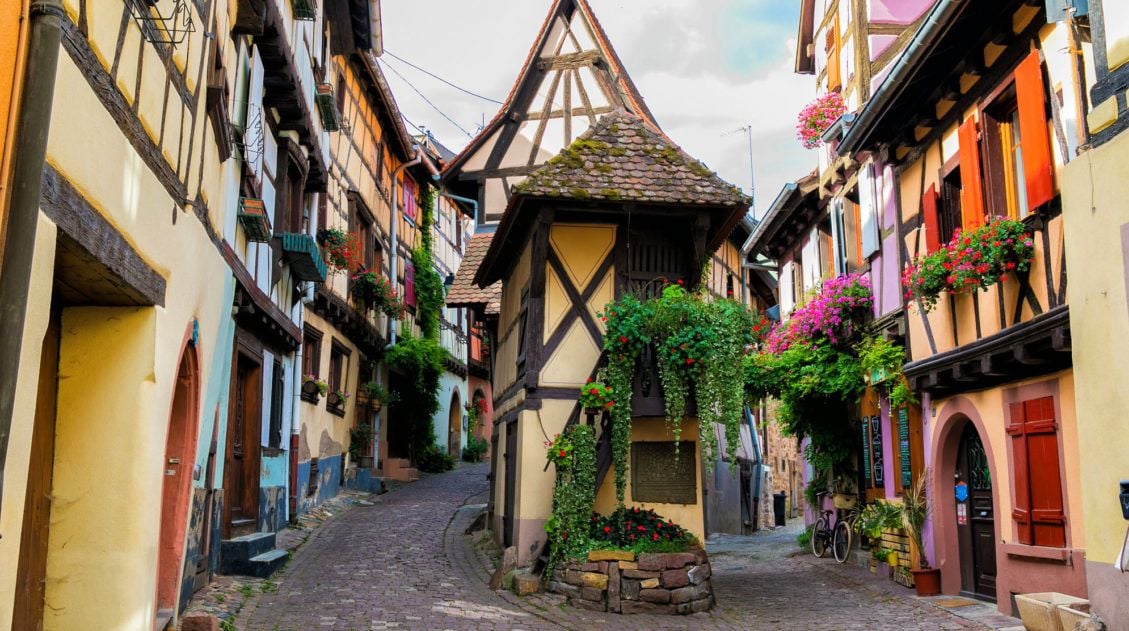
3-Day Alsace Itinerary: Colmar, Fairytale Villages & Strasbourg
The Alsace Wine Route is one of our favorite road trips in France, with colorful villages, vineyard-covered hills, medieval castles, excellent food, and plenty of opportunities for wine tasting. With 3 days in Alsace, you have enough time to explore Colmar, visit several of the prettiest towns along the Wine Route, tour Haut-Koenigsbourg Castle, and […]
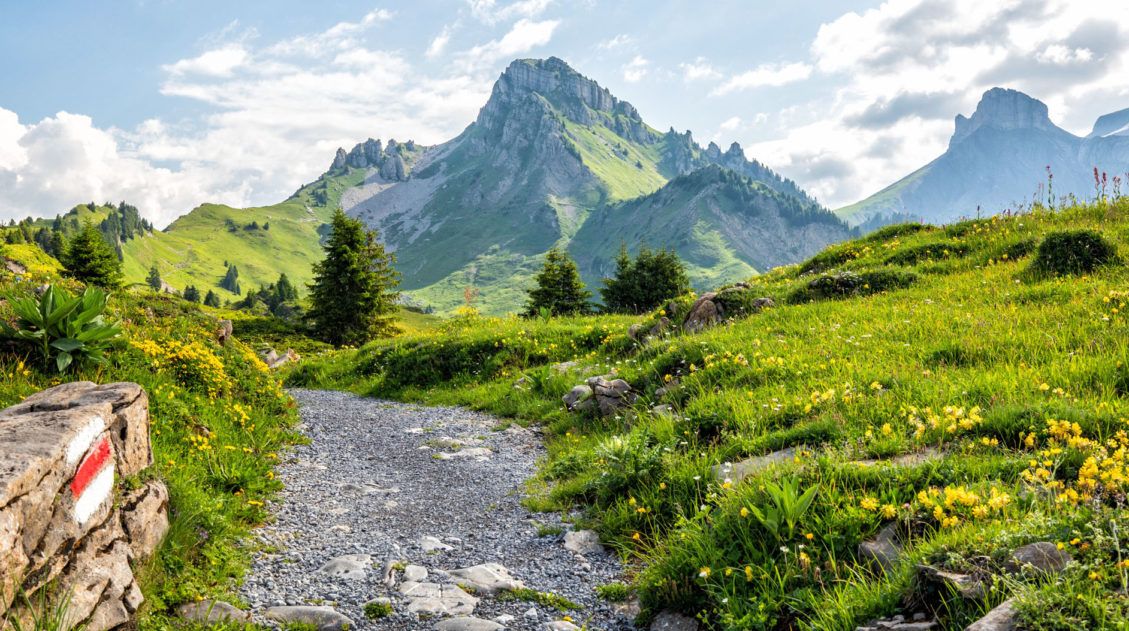
15 Great Hikes to Do in the Bernese Oberland, Switzerland
The Bernese Oberland is a hiker’s paradise. Alpine trails crisscross their way through the towns, valleys, and the mountain peaks of this gorgeous place. Take your pick from short, easy, family-friendly trails to cliff walks to thrilling trails. Here are 15 of the best hikes to do in the Bernese Oberland. All of the hikes […]
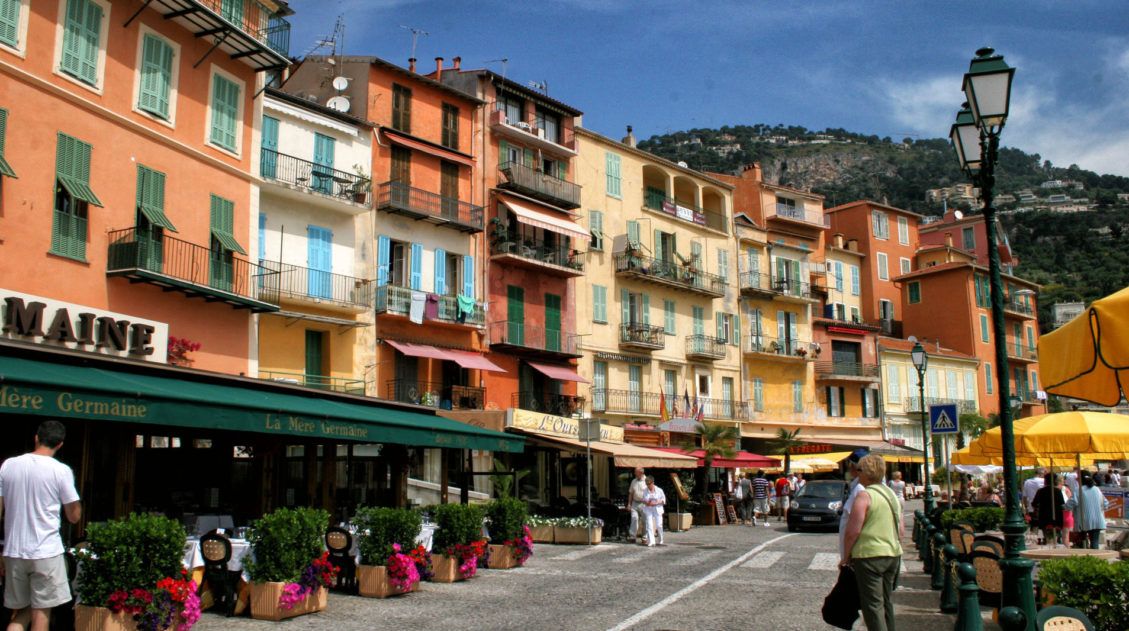
10 Day French Riviera and Provence Itinerary
The south of France…the land of beautiful coastal cities, glitzy beaches, vineyards, lavender, and one of the world’s best cuisines. This is where the rich and famous come to relax and party. It is a land of luxury, with yachts dotting the shorelines, fancy hotels in every city, and epic parties you read about in […]


Comments 16