
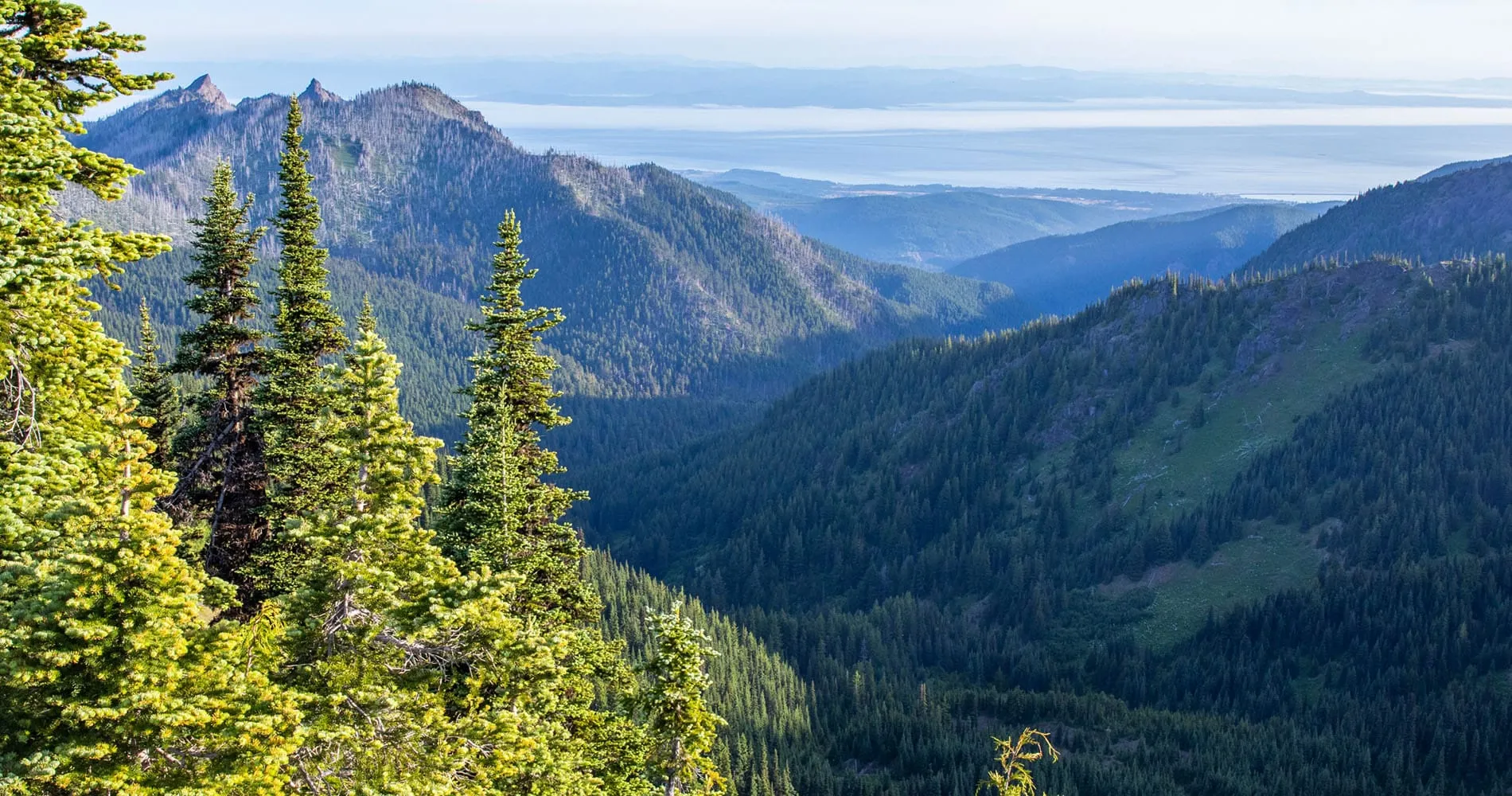

Olympic National Park is one of the most diverse and logistically complex national parks in the United States and figuring out how to structure your time here can feel overwhelming. This Olympic National Park itinerary combines the best of the park into one easy-to-plan trip, and we’re sharing it from experience.
We spent four days exploring Olympic in the summer, hiking along the ridges above Hurricane Ridge, walking through the moss-draped Hall of Mosses, climbing the brutal and beautiful Mount Storm King, and wandering the wild Pacific beaches. Those four days shaped everything in this guide. We’ve taken our favorite experiences and curated them into a three-day itinerary that hits the best of what this park has to offer.
Here’s what those four days taught us: Olympic is unlike any other national park in the United States. In a single trip, you move between completely different worlds — alpine meadows, ancient rainforest, and rugged coastline — and no single day feels like the last. The park has a way of surprising you at every turn.
This itinerary starts with two days in the park, which is the bare minimum we’d recommend for first-time visitors who want to experience all three ecosystems. We also extend the itinerary to three days, which gives you more time to add on another hike or explore a quieter corner of the park.
We’ve kept the itinerary to three days intentionally. Many visitors are balancing Olympic with other stops on a Washington road trip, or even continuing south into Oregon. Day 3 is flexible by design, with a few different options depending on your interests and where you’re headed next.
For a complete overview of everything the park has to offer, start with our Olympic National Park Travel Guide before diving into the itinerary below.
Olympic National Park Itinerary Overview
BEST FOR | First-time visitors
IDEAL TRIP LENGTH | 2 to 3 days
BEST MONTHS | July through September
TOP EXPERIENCES | Hurricane Ridge, Hoh Rain Forest, Rialto Beach, Lake Crescent, Mount Storm King, Sol Duc Falls, Ruby Beach
QUICK ITINERARY SUMMARY
- Day 1: Hurricane Ridge & Sol Duc Falls
- Day 2: Hoh Rain Forest & Pacific Coast beaches
- Day 3: Lake Crescent, Shi Shi Beach, or Staircase
How Many Days Do You Need in Olympic National Park?
With one day, take your pick between Hurricane Ridge or the Pacific Coast plus Hoh Rainforest. With two very busy, well-planned days, you can visit all three of these areas.
Three days is the minimum we recommend for first-time visitors who want to experience all three ecosystems, mountains, rainforest, and coastline, without feeling like you are in a race.
Four days takes the pressure off, gives you time for a longer hike, and opens up options like more time on the Pacific Coast or a longer hike like Mount Ellinor that don’t fit easily into three days. It also gives you a contingency day if the weather doesn’t cooperate, which is always a possibility in the Pacific Northwest.
Beyond four days, you can really slow down, revisit your favorite areas, tackle a backpacking trip, or explore quieter corners of the park like the Quinault Rain Forest on the south side of the peninsula.
We recommend spending at least two to three days in Olympic National Park. If you can swing four, take them.
First Time Visiting Olympic? Here’s a Quick Geography Lesson
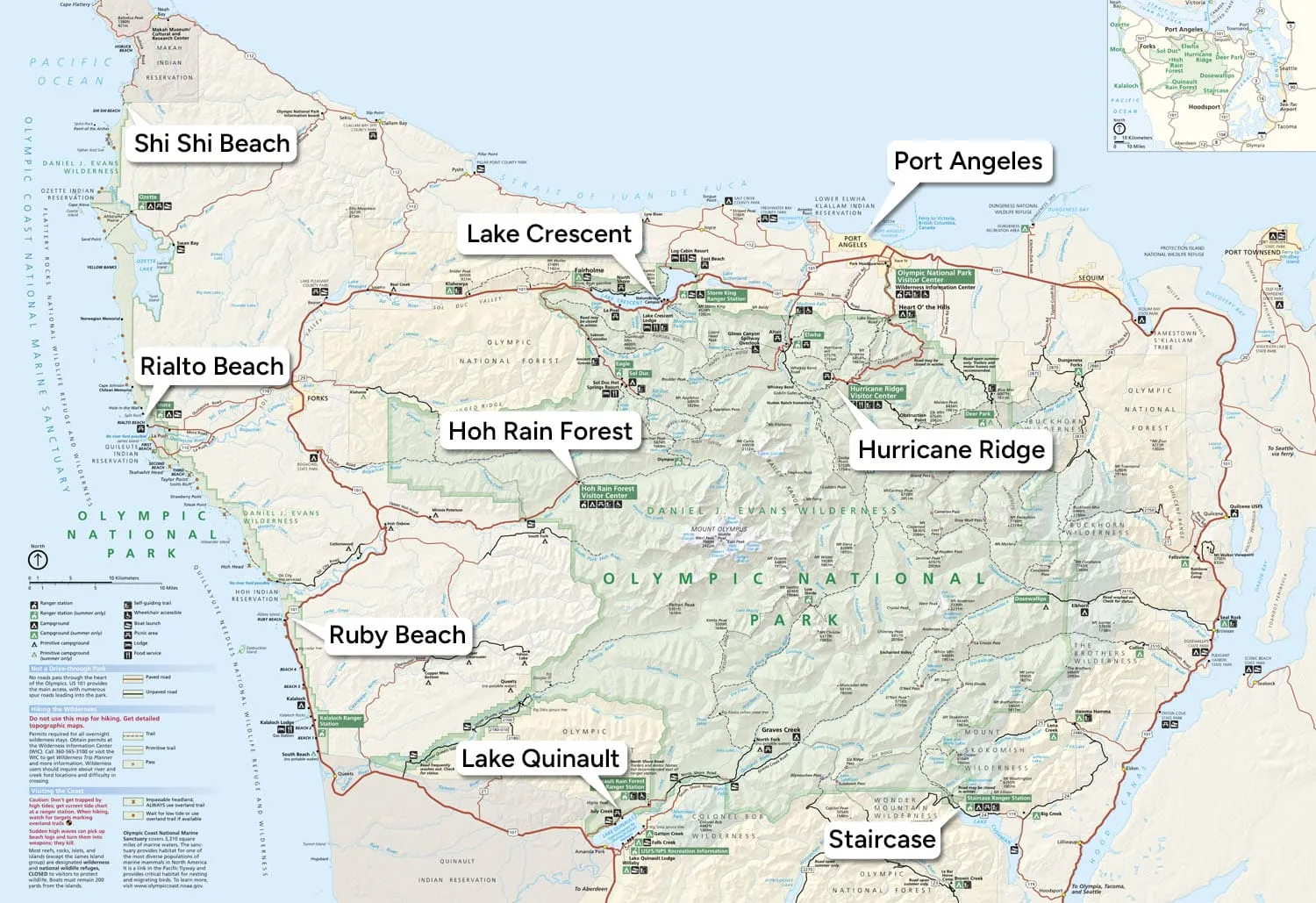
Olympic National Park is divided into several distinct regions spread across the Olympic Peninsula. Unlike most national parks, these areas are not connected by a single road and getting between them requires driving around the peninsula, which is part of what makes Olympic feel like multiple parks in one.
Hurricane Ridge is the most popular area, offering sweeping views of the Olympic Mountains from an alpine ridge just 18 miles above Port Angeles.
Lake Crescent is a stunning glacially carved lake along Highway 101, known for its deep blue-green water and the historic Lake Crescent Lodge on its shore.
Sol Duc Valley is home to old-growth forest, Sol Duc Falls, and a natural hot springs resort, which is a great base for exploring the northwest corner of the park.
Hoh Rainforest is one of the most unique places in the United States. This moss-draped temperate rainforest receives up to 14 feet of rain per year.
Pacific Coast stretches for over 70 miles of wild, rugged coastline with sea stacks, tide pools, and driftwood beaches. Ruby Beach, Rialto Beach, and Shi Shi Beach are the most visited spots.
Staircase sits in the quiet southeastern corner of the park, with dense old-growth forest and river canyon trails that see far fewer visitors than the rest of the park.
Here is a map of the park highlighting the main areas to visit.
Olympic National Park Itinerary Summary
| Day | Highlights | Base |
| Night before Day 1 | Arrive Port Angeles | Port Angeles |
| Day 1 | Hurricane Ridge and Sol Duc Falls | Port Angeles |
| Day 2 | Rialto Beach, Hoh Rain Forest, Ruby Beach (Mount Storm King is optional) | Port Angeles (or Forks or Kalaloch) |
| Day 3 | Mount Storm King, Staircase Rapids, or Shi Shi Beach | Port Angeles, Forks, or Olympia |
First, we will start with a 2-day Olympic National Park itinerary. It’s a bit of a whirlwind, but you’ll get to see the main highlights, including Hurricane Ridge, the Pacific coast, and Hoh Rain Forest.
This was originally written as a 3-day itinerary, with the third day spent in Staircase, but Staircase will be closed through at least October 2026, so that’s off the table, for now. With a third day in Olympic, add on Shi Shi Beach, more Pacific Coast sights, or hike Mount Storm King.
☀️Weather Tip: Olympic’s alpine areas can cloud in quickly, even in summer. Check the forecast before committing to your day order. If Day 2 looks clearer than Day 1, flip the days and do the coast and rainforest first. Hurricane Ridge is most spectacular with clear skies and views of the Olympic Mountains. It’s worth waiting for.
Before You Arrive: Sleep in Port Angeles
Port Angeles is the gateway to Olympic National Park and the perfect home base for at least the first night of this itinerary. It’s a practical, well-located town with good dining options and easy access to both Hurricane Ridge and the western side of the park.
We stayed at the Olympic Lodge and highly recommend it — centrally located, highly reviewed, and just minutes from the Hurricane Ridge entrance road. The Angeles Motel and Aircrest Motel are solid budget-friendly alternatives.
Driving to Port Angeles:
- From Seattle via Tacoma: 130 miles, about 2.5 hours
- From Seattle via Bainbridge Island ferry (35 minutes) + drive: about 1 hour 45 minutes from Bainbridge
- From Seattle via Edmonds–Kingston ferry (30 minutes) + drive: about 1 hour 30 minutes from Kingston
Another option is to stay at the Lake Crescent Lodge. This lodge is located on Lake Crescent and it is a US National Park lodge. To get a room here, you will have to make reservations far in advance. But it’s worth considering, if you want to stay inside the park with a good location for visiting both Hurricane Ridge and the west coast.
2 Day Olympic National Park Itinerary
This itinerary can be done from one home base. Port Angeles or Lake Crescent Lodge are the best places to stay.
Day 1: Hurricane Ridge & Sol Duc Valley
Driving today: Approximately 100 miles round trip
Today you’ll start with the most spectacular alpine scenery in the park, then drop back down into the valley for an afternoon in the old-growth forest of the Sol Duc Valley.
How to Use This Map: Click the icons on the map to get more information about each point of interest. To take this map with you, click the star next to the title of the map which adds it to your Google account. Next, within your Google Maps app, select ‘Saved’ and then select ‘Maps’. This map title will now appear in your list.
Morning: Go Hiking on Hurricane Ridge
From Port Angeles, it’s a 20-mile, 45-minute drive up Hurricane Ridge Road to the visitor center. The road climbs steadily through forest and opens up to sweeping views of the Olympic Mountains. It is a gorgeous drive, and the farther you go, the better the views. We stopped at a few pullouts along the drive. This is a great intro to the beauty of Olympic National Park.
Hurricane Ridge was our first experience in Olympic National Park, and it absolutely set the tone for the entire trip. The views from the ridge are panoramic and stunning, with wildflower meadows in summer and snow-capped peaks in every direction.
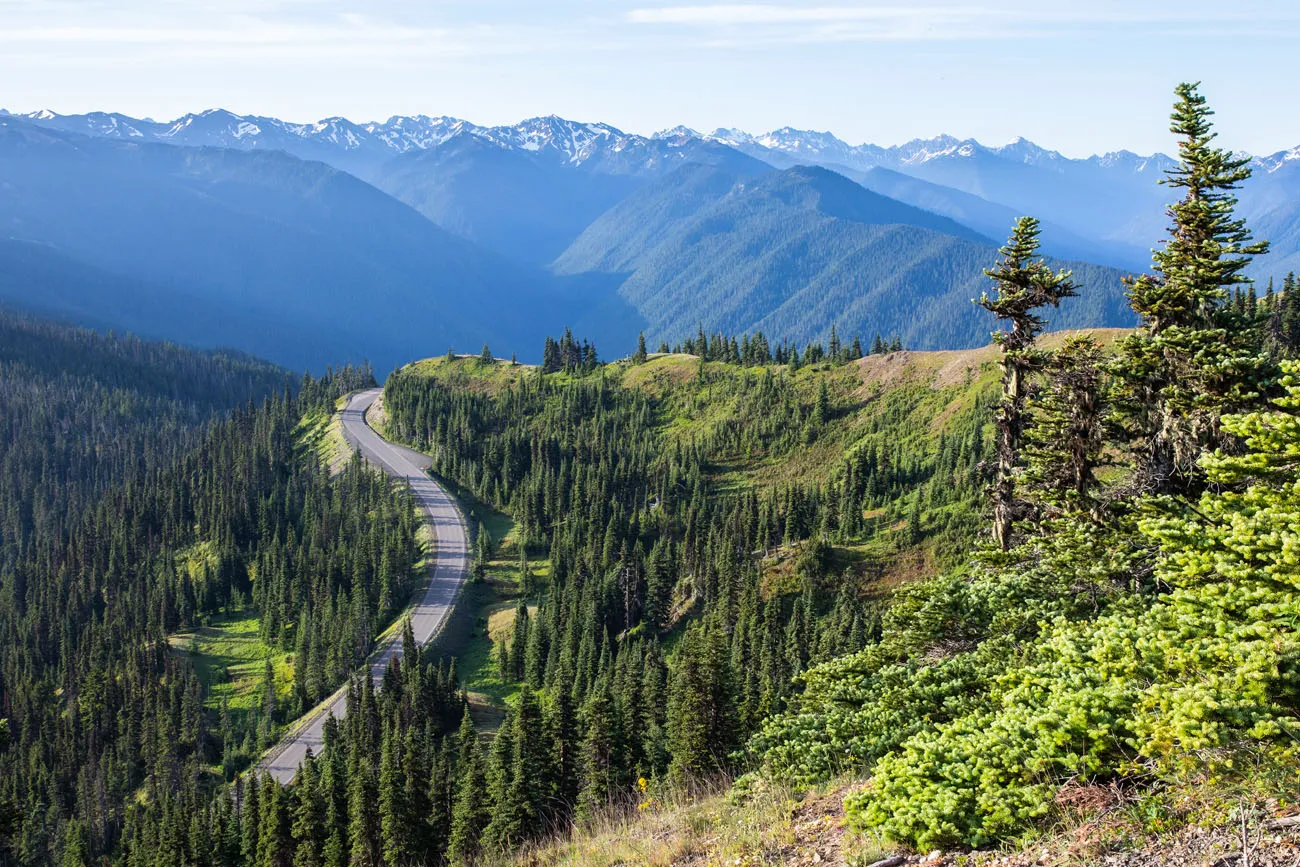
The view of Hurricane Ridge Road from Sunrise Point
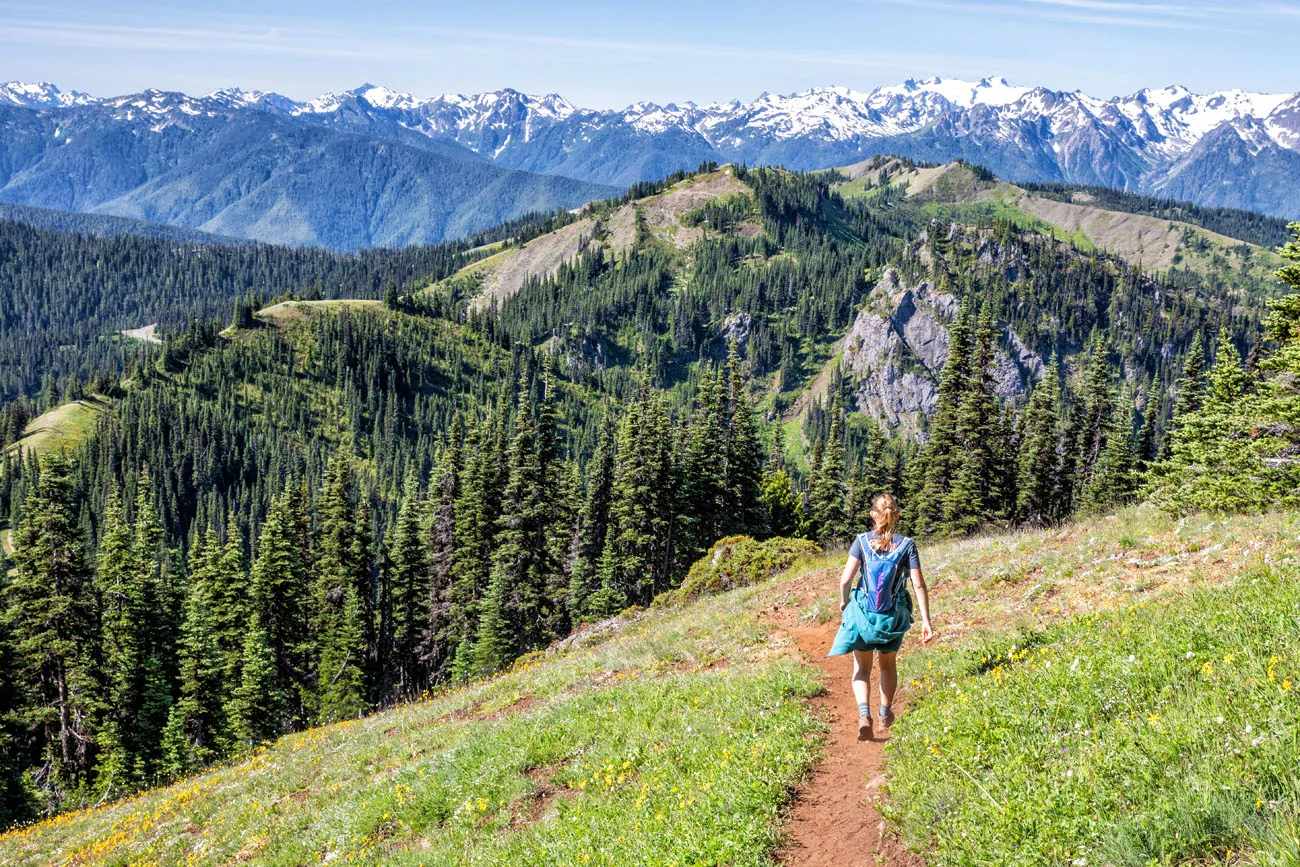
Hiking the Klahhane Ridge Trail
For hikers, we strongly recommend the Klahhane Ridge Trail to Mount Angeles. This hike is 6.5 miles, strenuous, with 4 to 6 hours of hiking time. This is our favorite hike in the park. The trail follows the ridge with near-constant 360-degree views, and the final scramble to the summit of Mount Angeles is exhilarating. If you’re not up for the full hike to the summit, the Klahhane Ridge section alone is stunning and well worth the effort.
For those who prefer easier walks, the Hurricane Hill Trail (3.2 miles, easy to moderate) and the Sunrise Ridge Trail (3 miles, easy to moderate) both offer beautiful ridge-top scenery and panoramic views.
Midday: Obstruction Point Road (Optional)
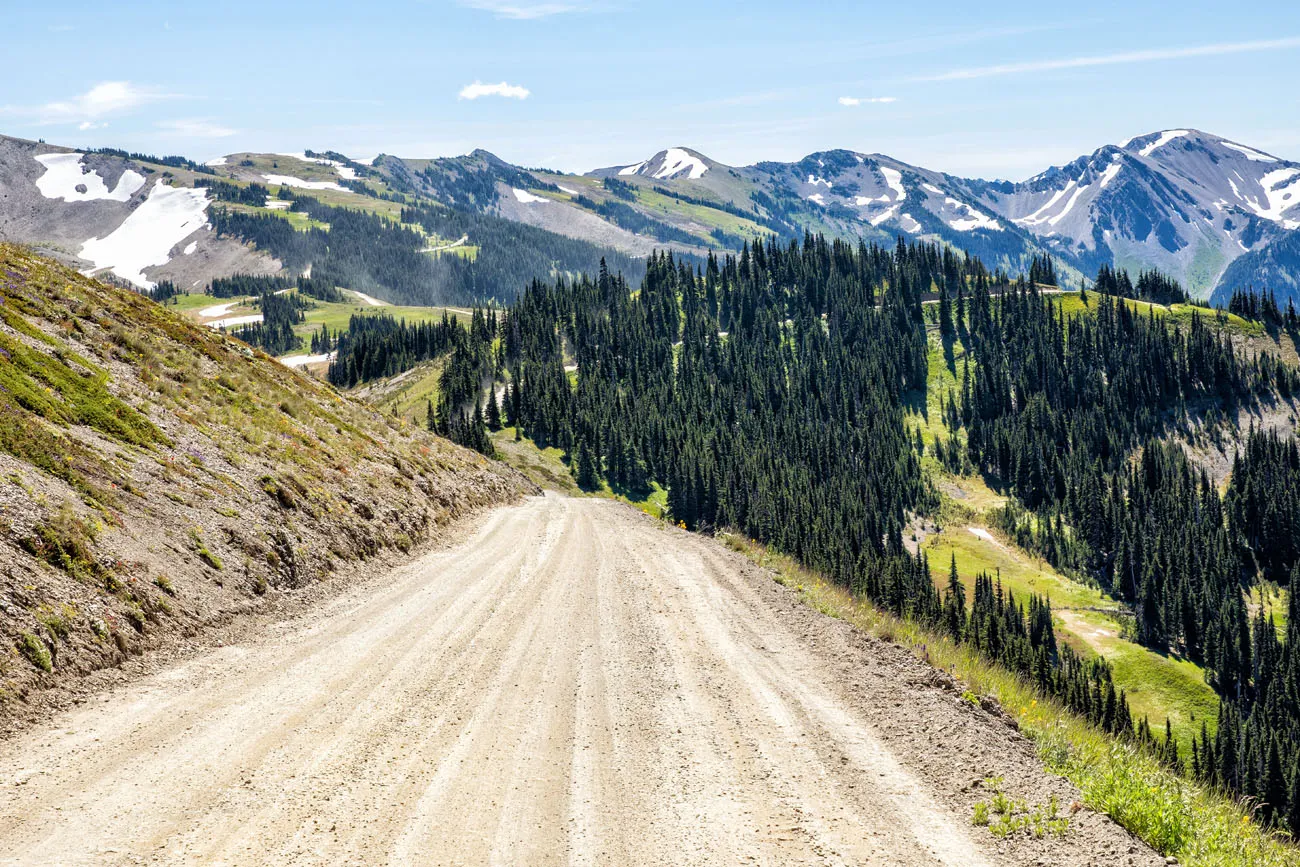
If you like the idea of adding a scenic drive to the day, Obstruction Point Road is a gravel road that starts at the Hurricane Ridge parking lot and ends at Obstruction Point at an elevation of 6,150 feet.
The road is narrow, has steep drop-offs in a few places, and there are some tight turns as it travels through the mountains. The views along the entire drive are phenomenal.
There are a few hiking trails at the end of the road, but many of them are tough full-day hikes. We got out of our car and walked a shorter trail, but we quickly learned that you have to hike far for the views to change.
On this itinerary, it’s worth adding on this drive if you like scenic drives and if driving a twisting dirt road isn’t a deterrent. It’s 8 miles one way. Budget an hour and a half to drive it out-and-back.
Obstruction Point Road is open from mid-July through October. A standard car is suitable for this drive, but RV’s and trailers are not permitted on this road.
Drive time back to Highway 101 from the Hurricane Ridge Parking Lot: 45 minutes. From the Hurricane Ridge junction, continue west on Highway 101 for about 30 minutes to the Sol Duc turnoff.
Afternoon: Sol Duc Falls + Optional Hot Springs
Turn off Highway 101 onto Sol Duc Hot Springs Road and follow it 14 scenic miles through old-growth forest to the trailhead.
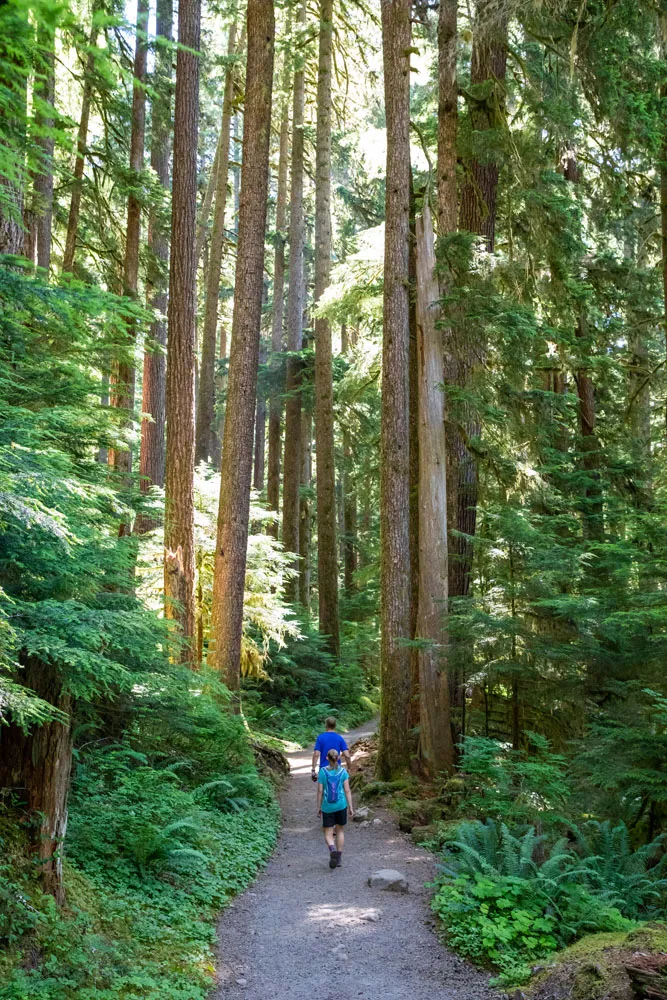
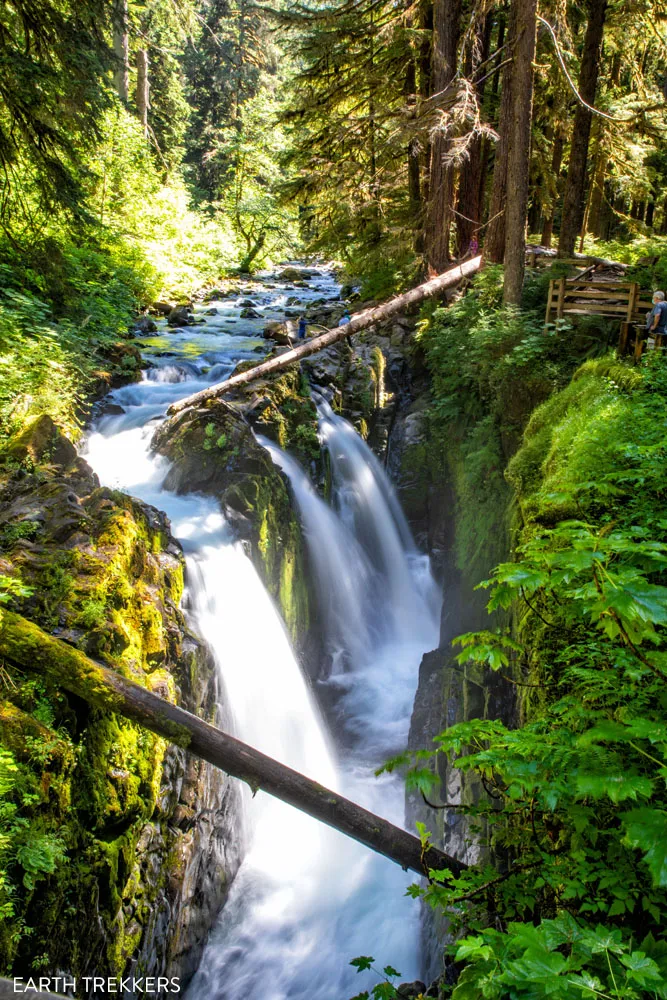
From the parking lot, it’s an easy 1.6-mile round-trip walk to Sol Duc Falls, which is one of the most beautiful waterfalls in the park. The trail passes through a gorgeous tunnel of ancient conifers before arriving at the falls, where the Sol Duc River splits dramatically into multiple channels before plunging into a narrow canyon. Even on a busy summer day, the walk through the forest feels peaceful.
If you have extra time and energy, the Sol Duc Hot Springs Resort is located just before the trailhead. A soak in the natural mineral pools is a wonderful way to end a day of hiking, especially after the climb up Mount Angeles. Day use passes are available if you’re not staying at the resort.
Drive time back to Port Angeles from Sol Duc: about 1 hour (40 miles).
End of Day
Return to Port Angeles for dinner and your second night in town. We recommend Sabai Thai and Next Door Gastro Pub for dinner.

Day 2: Pacific Coast & Hoh Rainforest
Driving today: Approximately 200 miles; this is a big day behind the wheel
Today is the longest driving day of the itinerary. You’ll drive southwest from Port Angeles, hitting Rialto Beach, the Hoh Rainforest, and Ruby Beach before returning to Port Angeles. An early start is important.
Morning: Rialto Beach & Hole-in-the-Wall
Driving Time and Distance: 1 hour 20 minutes, 70 miles
2026 Update: From July 8 to October 15, Rialto Beach will not be accessible on Mora Road because of a construction project. Get updates on the National Park Service website.
From Port Angeles and head west on Highway 101. You will drive past Lake Crescent along this drive, which is the location for one of the most popular hikes in the park, Mount Storm King. If you only have 2 days in Olympic National Park and this hike is on your to-do list, you can do it now, but be aware that it takes 3 to 5 hours, so it will take up a lot of your valuable time today. It’s best to save it tomorrow, if you can spend 3 days in Olympic National Park.
Once you make it to the coast, turn onto La Push Road just north of Forks and follow it out to Rialto Beach. Drive all the way to the parking lot; you can park right at the water’s edge.
Rialto Beach is one of the wildest and most photogenic stretches of coastline in the park, strewn with enormous driftwood logs and dramatic sea stacks rising out of the surf.
Walk north along the beach to Hole-in-the-Wall, a natural rock arch about 1.5 miles up the beach. If the tide is out, you can scramble through the arch and explore the tide pools on the other side.
We did this on a very cloudy, foggy day, as you will see in our photos. It does give the beach a mystical appearance.
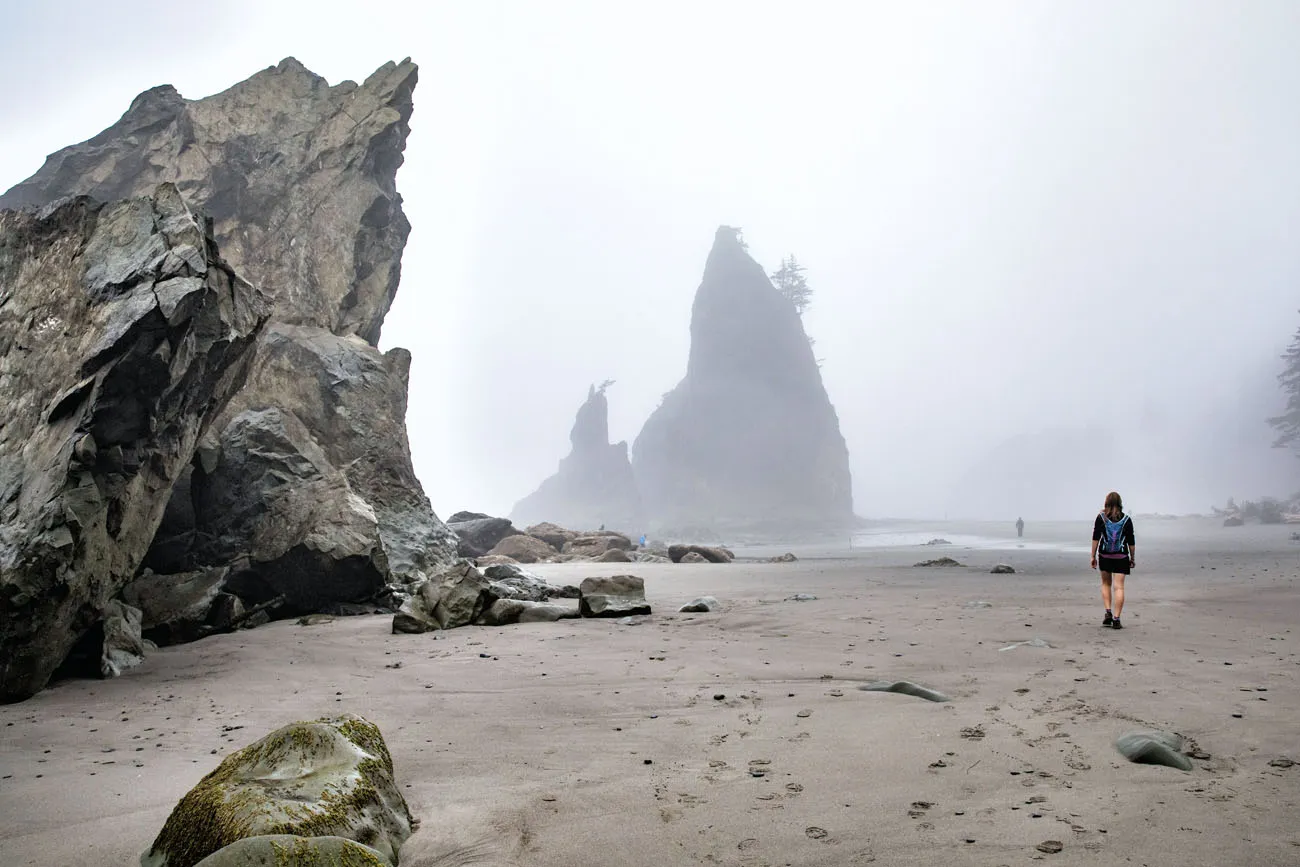
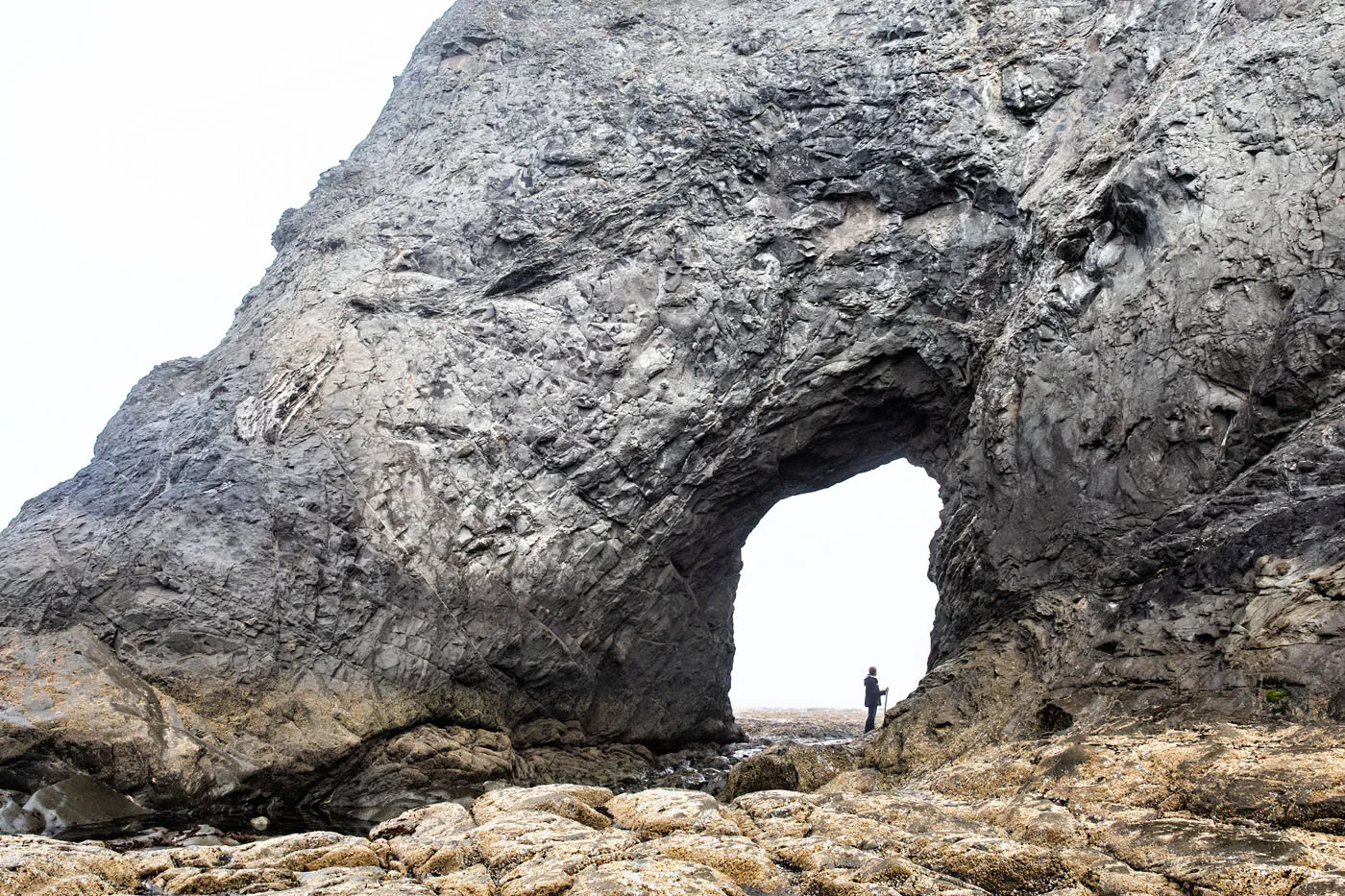
Hole-in-the-Wall
Check tide tables before you go. Low tide makes Hole-in-the-Wall fully accessible and the tide pooling much richer.
Drive time from Rialto Beach to Hoh Rain Forest: approximately 1 hour 15 minutes (about 46 miles).
Afternoon: Hoh Rain Forest
Turn off Highway 101 onto Upper Hoh Road and follow it 18 miles through increasingly dense forest to the Hoh Rain Forest Visitor Center. The drive itself is part of the experience. By the time you arrive, the trees are enormous and everything is draped in green.
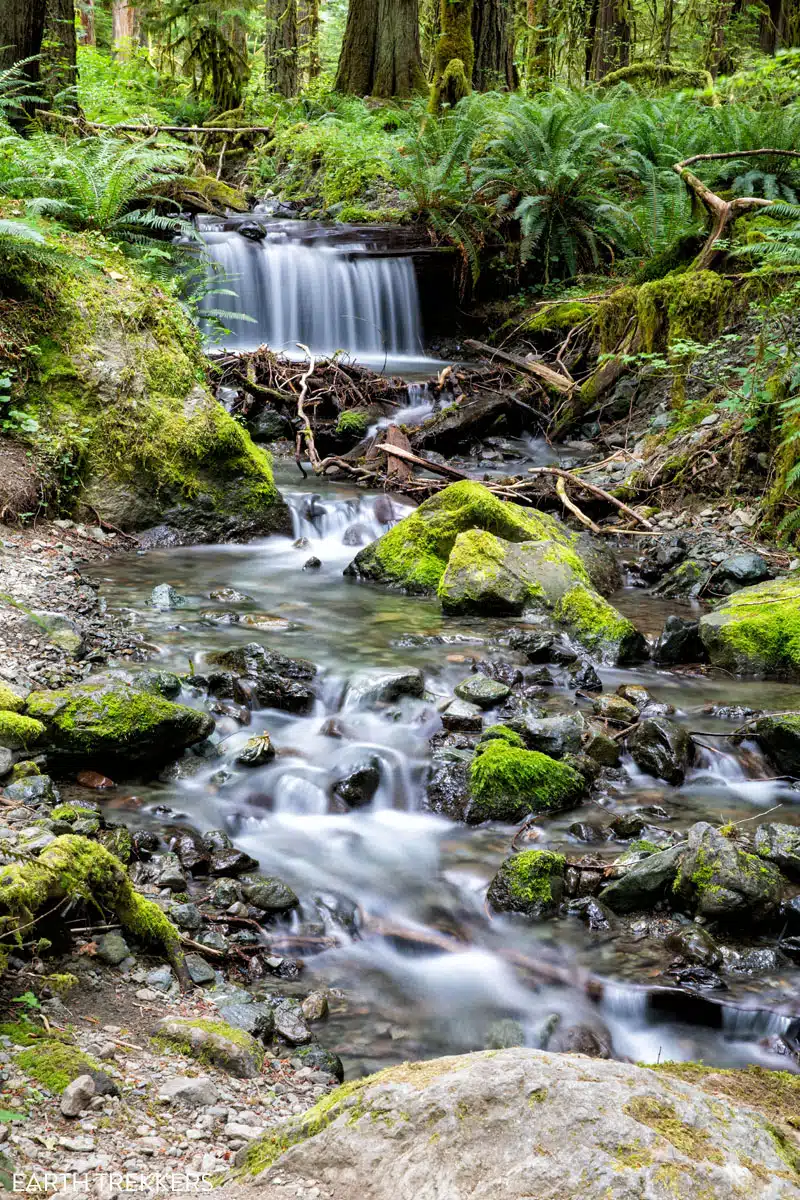
Walking through the Hoh Rainforest feels like stepping into another world. Towering Sitka spruce and big-leaf maple trees are blanketed in thick moss, ferns carpet the forest floor, and the air is cool and hushed. It’s one of the most unique landscapes in the United States.
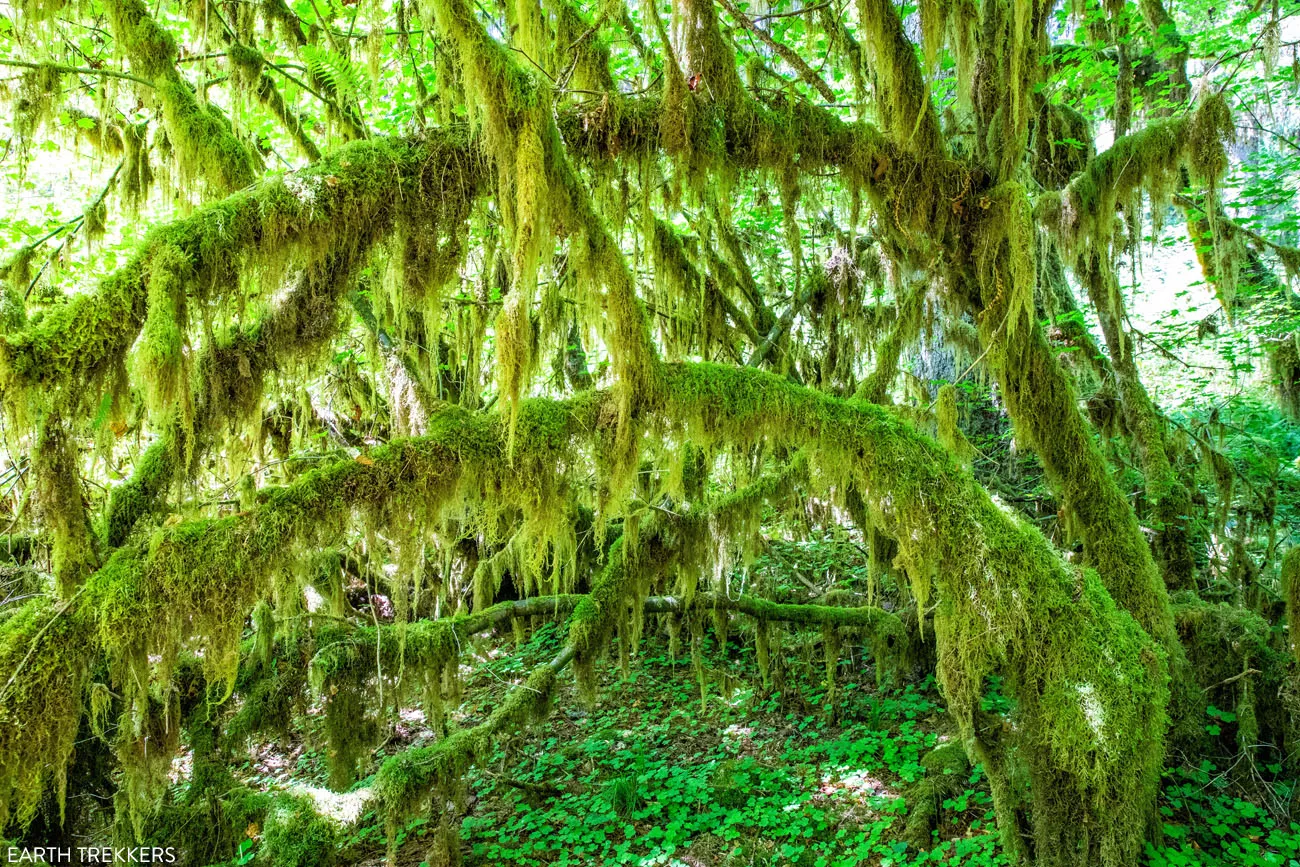
The Hall of Mosses Trail (0.8 miles, easy) is the signature walk. This is a short loop through some of the oldest and most spectacular trees in the forest. Don’t skip it even if you’re short on time.
The Spruce Nature Trail (1.2 miles, easy) runs along the Hoh River and tends to be less crowded, with equally beautiful forest scenery. If you have the energy and time, combining both trails makes for a wonderful 2-mile afternoon in the forest.
Drive time from Hoh Rainforest to Ruby Beach: approximately 30 minutes (about 20 miles).
Late Afternoon: Ruby Beach (Optional)
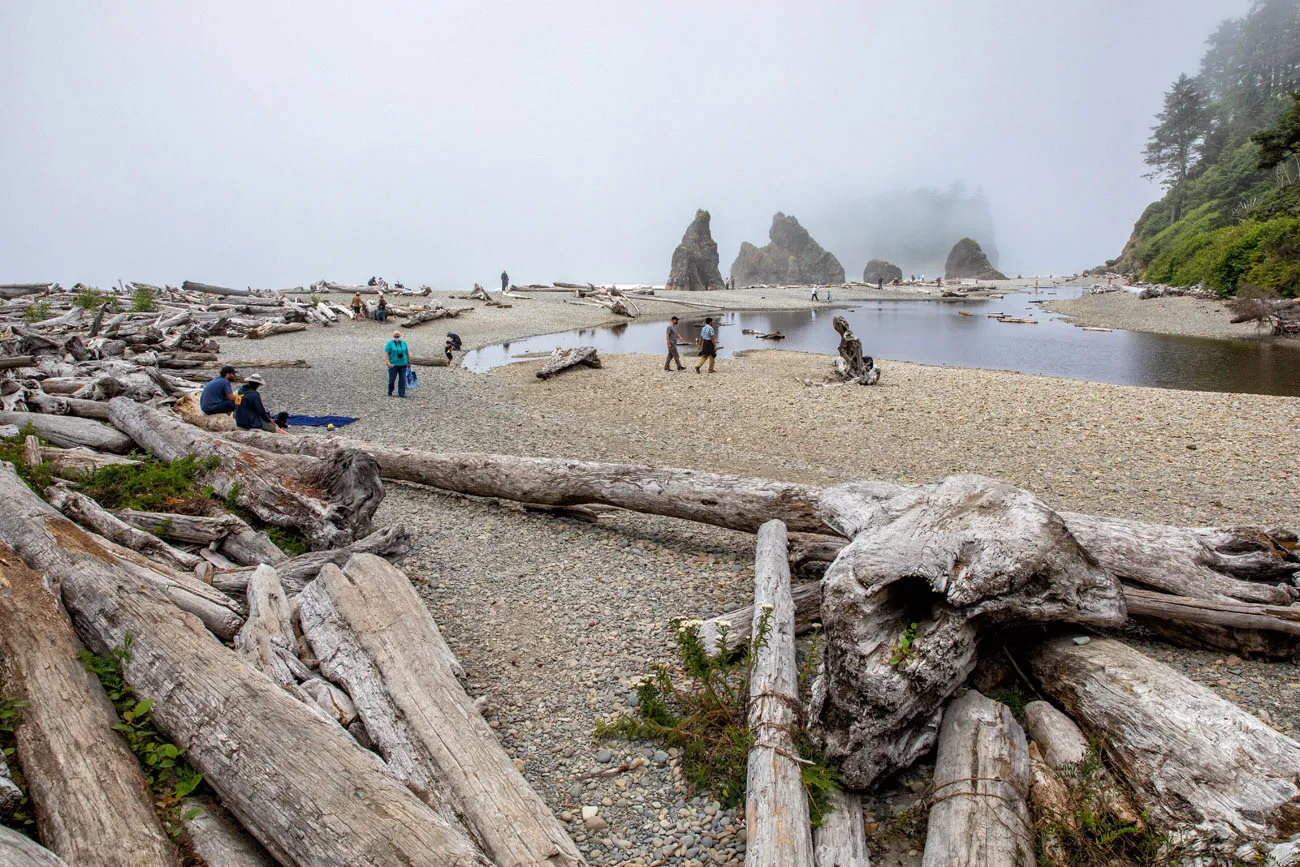
Ruby Beach sits right on Highway 101 and requires almost no effort to reach. The parking lot is steps from the beach access trail.
It’s a gorgeous stop for a late afternoon walk, with sea stacks scattered across the water and a wide expanse of driftwood-covered sand. The beach gets its name from the garnet crystals found in the sand. Spend 30 to 45 minutes here, walk down to the water, and watch the light shift before heading back north.
Drive time from Ruby Beach back to Port Angeles: approximately 2 hours.
Where to Stay
Where to spend the night really depends on where you are going next.
If you are spending a total of 2 days in Olympic, return to Port Angeles. This sets you up to continue your trip through Washington, whether your next destination is Seattle or Mount Rainier.
If you plan to spend a third day in Olympic National Park and hike Mount Storm King, stay in Port Angeles or Lake Crescent Lodge.
If you plan to hike Shi Shi Beach or spend more time on the west side of the park, staying on the west side of the park eliminates the long drive back to Port Angeles in the evening. Lodging on the west coast is limited and fills up fast. It is best to book months in advance if this is the plan. Most visitors, in our experience, find it easier to base in Port Angeles for both nights.
If you plan to drive back out to the west coast, you can stay in Port Angeles. It’s a little more driving than staying on the west coast, but it is a good option for those who prefer to stay in one location.
Here are a few options on the west coast:
- Kalaloch Lodge — an iconic oceanfront lodge inside the park, right on Highway 101; book many months in advance
- Quinault Lodge – another historic lodge with a beautiful setting on Lake Quinault; located on the southwest corner of Olympic National Park
- Forks – This is the largest town on the west side of the park. We recommend Woodland Inns, Hoh Valley Cabins, and Rainforest Tiny Home Rustic.
- Aberdeen
We spent one night in Aberdeen, staying at the Best Western Plus Aberdeen (we could not get lodging at Kalaloch, Quinault, or Forks). Aberdeen is located south of Olympic National Park. From Ruby Beach, it is an 80-mile drive that takes 1 hour 40 minutes. If you have plans to visit the Staircase section of the park tomorrow, or continue on to Mount Rainier National Park, staying in Aberdeen will save you some time on the road.
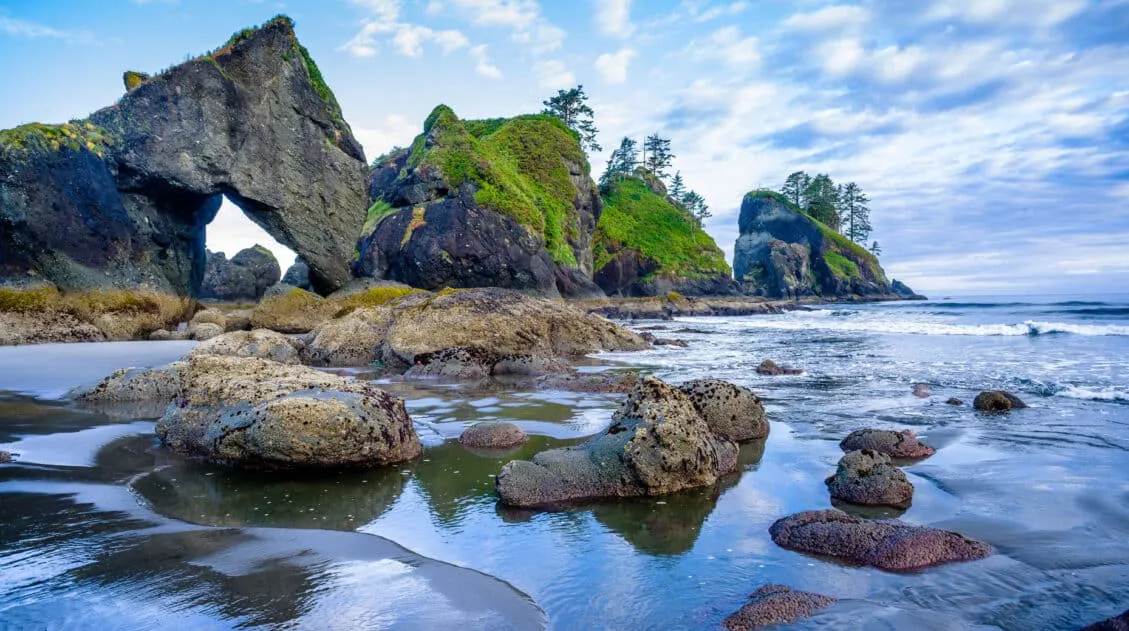
3 Day Olympic National Park Itinerary
On this itinerary, follow the two days outlined above. On the third day, take your pick between several different experiences in the park.
Day 3: Choose Your Adventure
Day 3 is flexible by design. Choose the option that best fits your interests, energy level, and where you’re heading next.
Weather tip: If the weather didn’t cooperate on Day 1, today is your chance to go back to Hurricane Ridge. Always prioritize the alpine areas on your clearest day.
Option A: Mount Storm King and/or Marymere Falls
Best For: Those who want to do one of Olympic’s most famous hikes
If day 2 was too busy to stop at Lake Crescent, today is your chance. Mount Storm King is a spectacular hike and one of the best in the park. Pair it with time at the lake or a paddle on the water afterward.
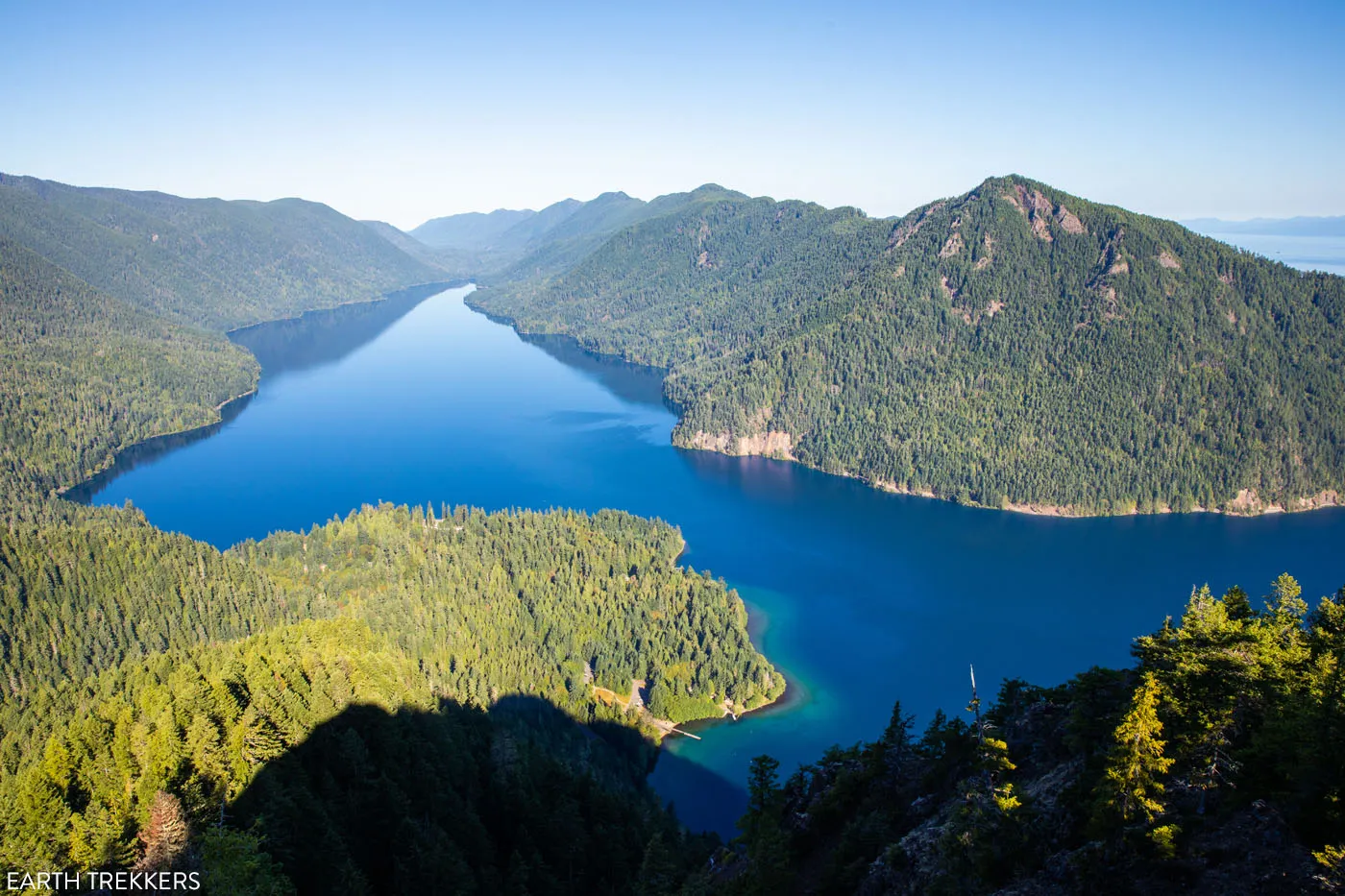
Lake Crescent
Mount Storm King (4.5 miles out-and-back, strenuous, 3 to 5 hours) is tough but popular hike. It is a relentlessly steep climb that ends with jaw-dropping views over Lake Crescent. We did this and enjoyed it, but it is a tough, steep hike and the ropes at the top can be challenging for some hikers.
Get the full details and find out if this hike is right for you in our Mount Storm King Trail Guide →
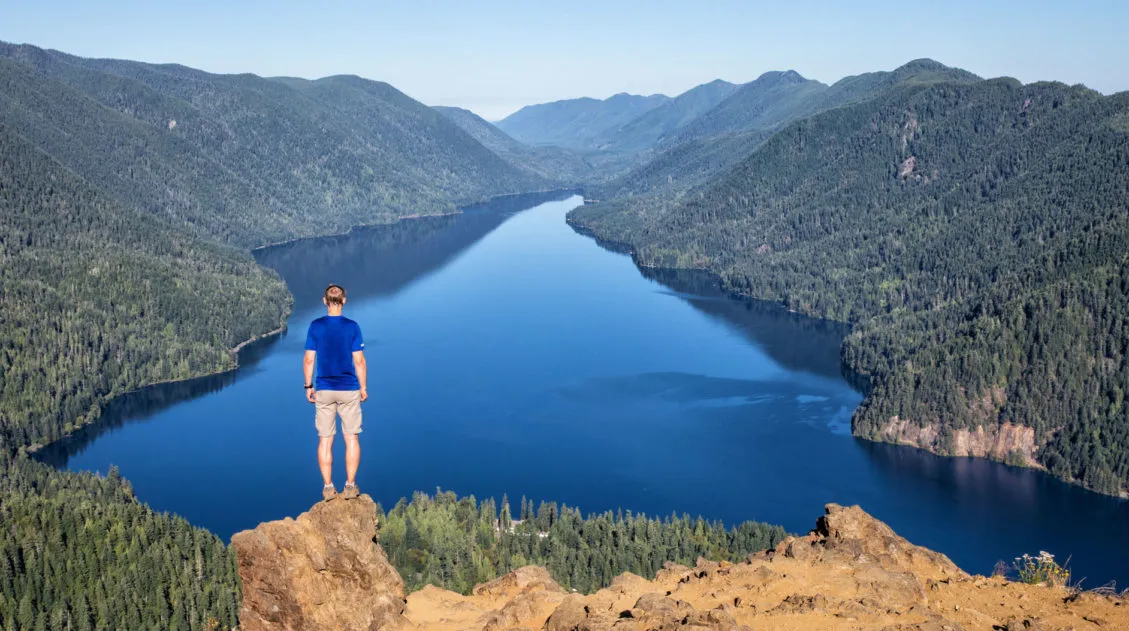
Mount Storm King Step-By-Step Trail Guide
Detailed trail guide, including photos of the ropes section, and how to add on Marymere Falls.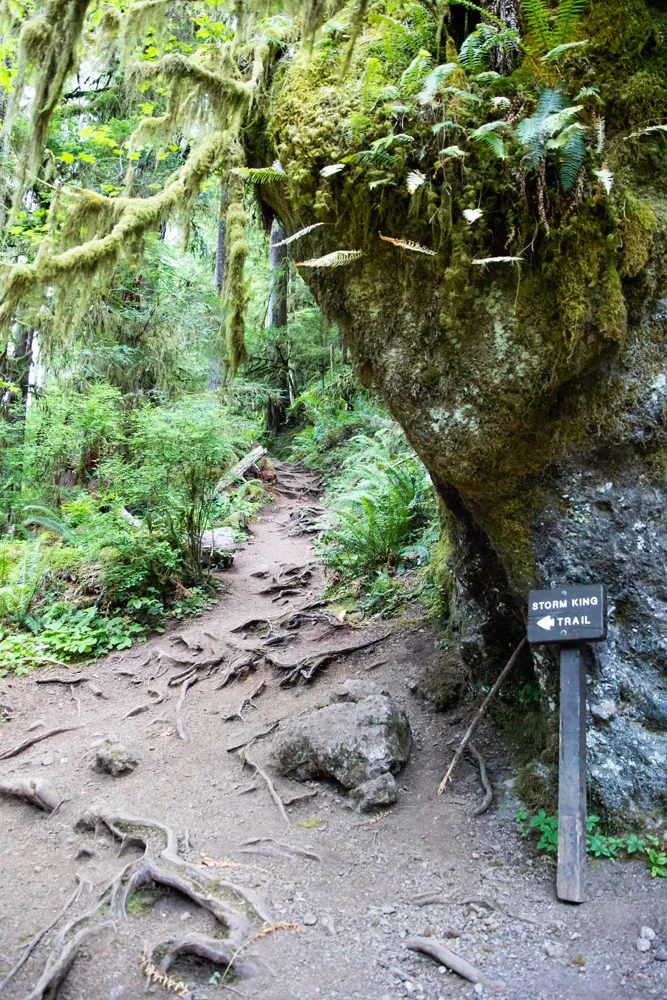
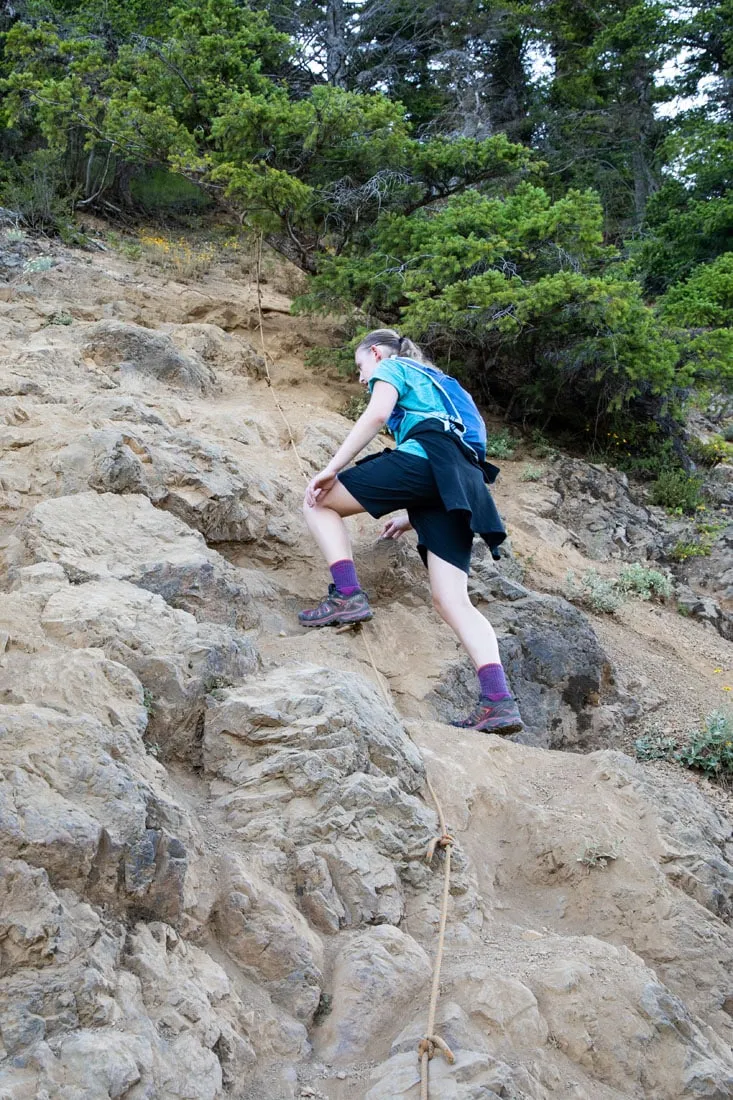
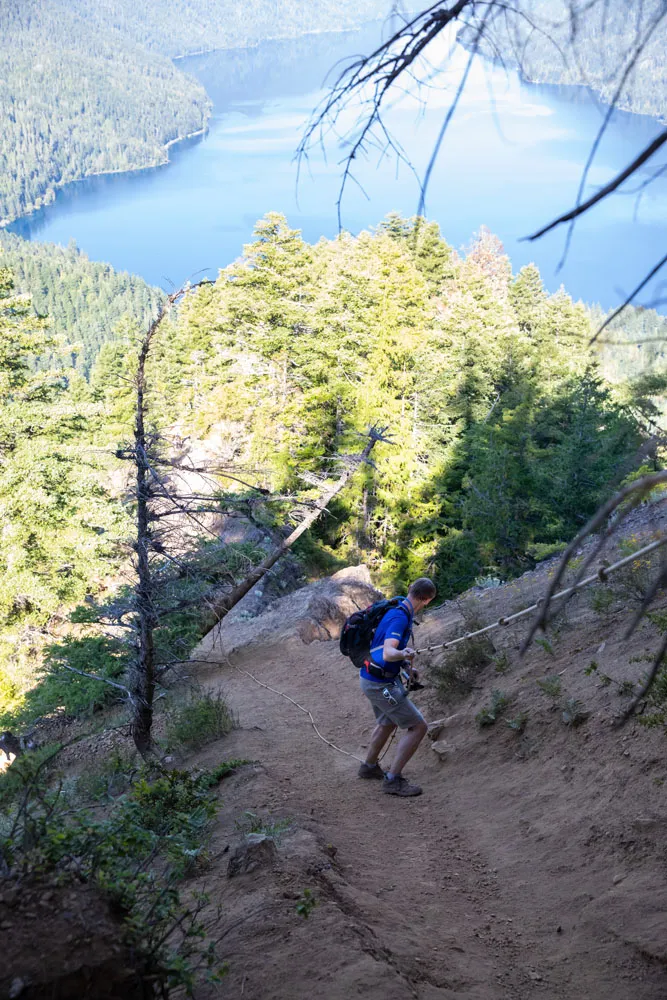
Photos of the Mount Storm King hiking trail
Marymere Falls (1.8 miles round-trip, easy, about 1 hour) is a beautiful and accessible waterfall walk that starts from the same trailhead. This is a great option if you want to stretch your legs without committing to the full Storm King climb. Marymere Falls can also be done as a warm-up before Storm King.
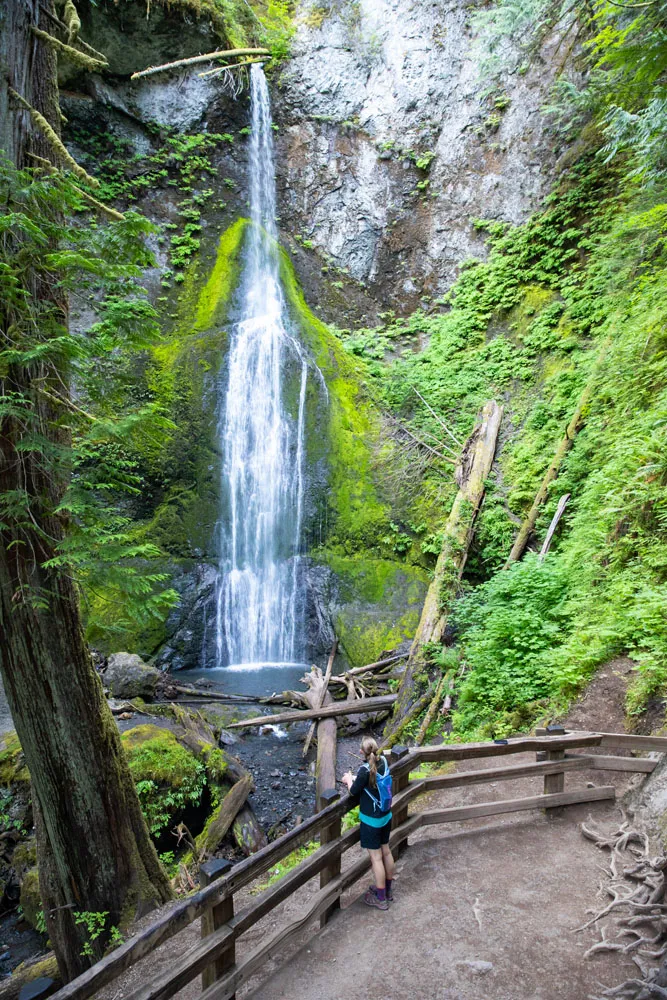
Marymere Falls
In the afternoon, spend a few hours on Lake Crescent, canoeing or kayaking. Or you could move on to your next destination, driving to Seattle or Mount Rainier.
Option B: Staircase
Best for: hikers, old-growth forest lovers, those heading to Mount Rainier next
Drive time from Port Angeles to Staircase: 100 miles, approximately 2 hours
Drive time from Aberdeen to Staircase: 76 miles, approximately 1 hour 45 minutes
BEFORE YOU GO: The Staircase area of Olympic National Park is currently closed due to the Bear Gulch Fire, a human-caused wildfire that ignited in July 2025. The fire ultimately burned over 20,000 acres, the largest wildfire on the Olympic Peninsula since 1951, and was declared 100% contained on November 12, 2025. As of October 2025, Forest Road NF-24 (the only access road to Staircase) and surrounding trailheads remain closed through at least October 1, 2026 due to ongoing hazards including rockfall, treefall, and landslides in the burn area. Before planning your visit, check the Olympic National Park conditions page and the Olympic National Forest alerts page for the latest status.
Staircase is the quietest and most under visited corner of Olympic National Park, tucked into the southeastern edge of the park along the North Fork of the Skokomish River. After the crowds at Hurricane Ridge and Hoh, the solitude here is striking.
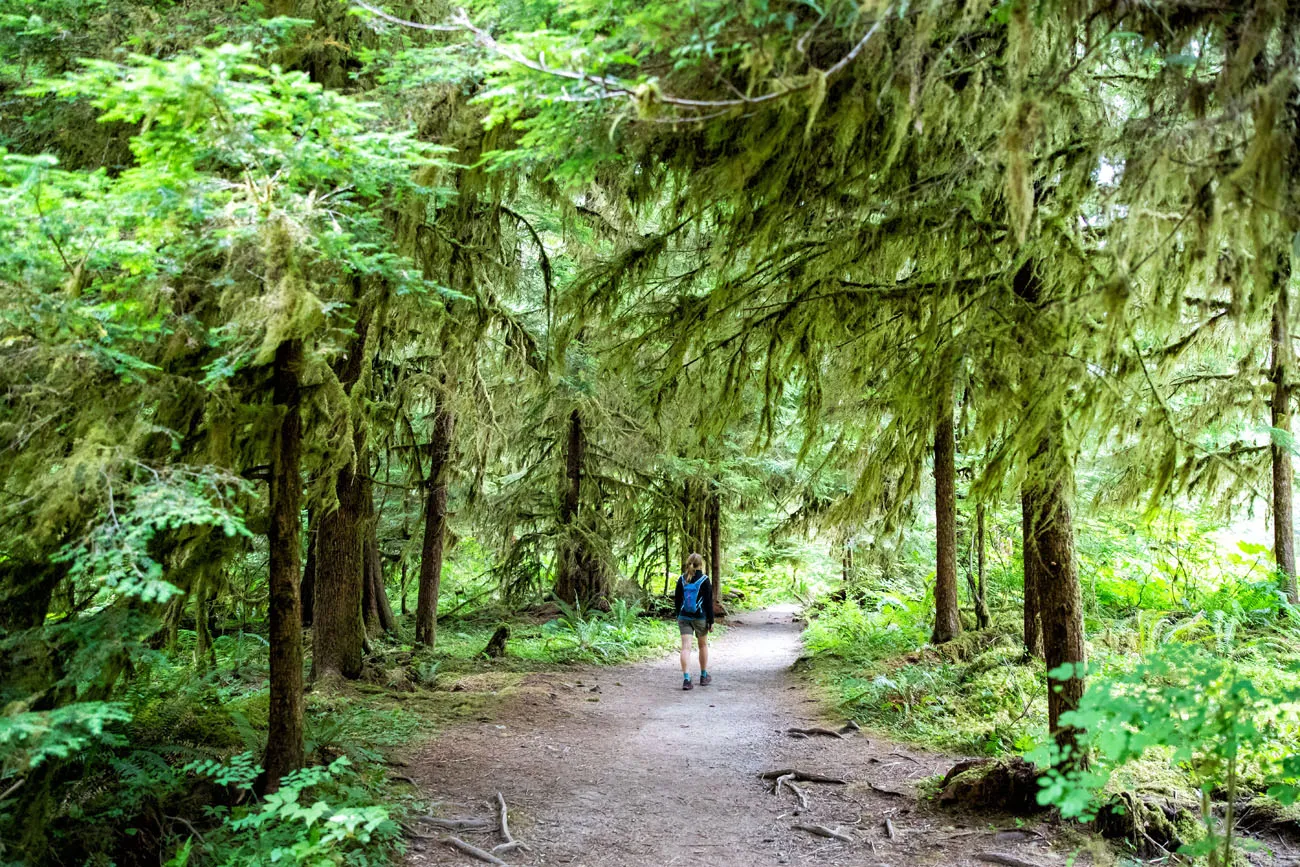
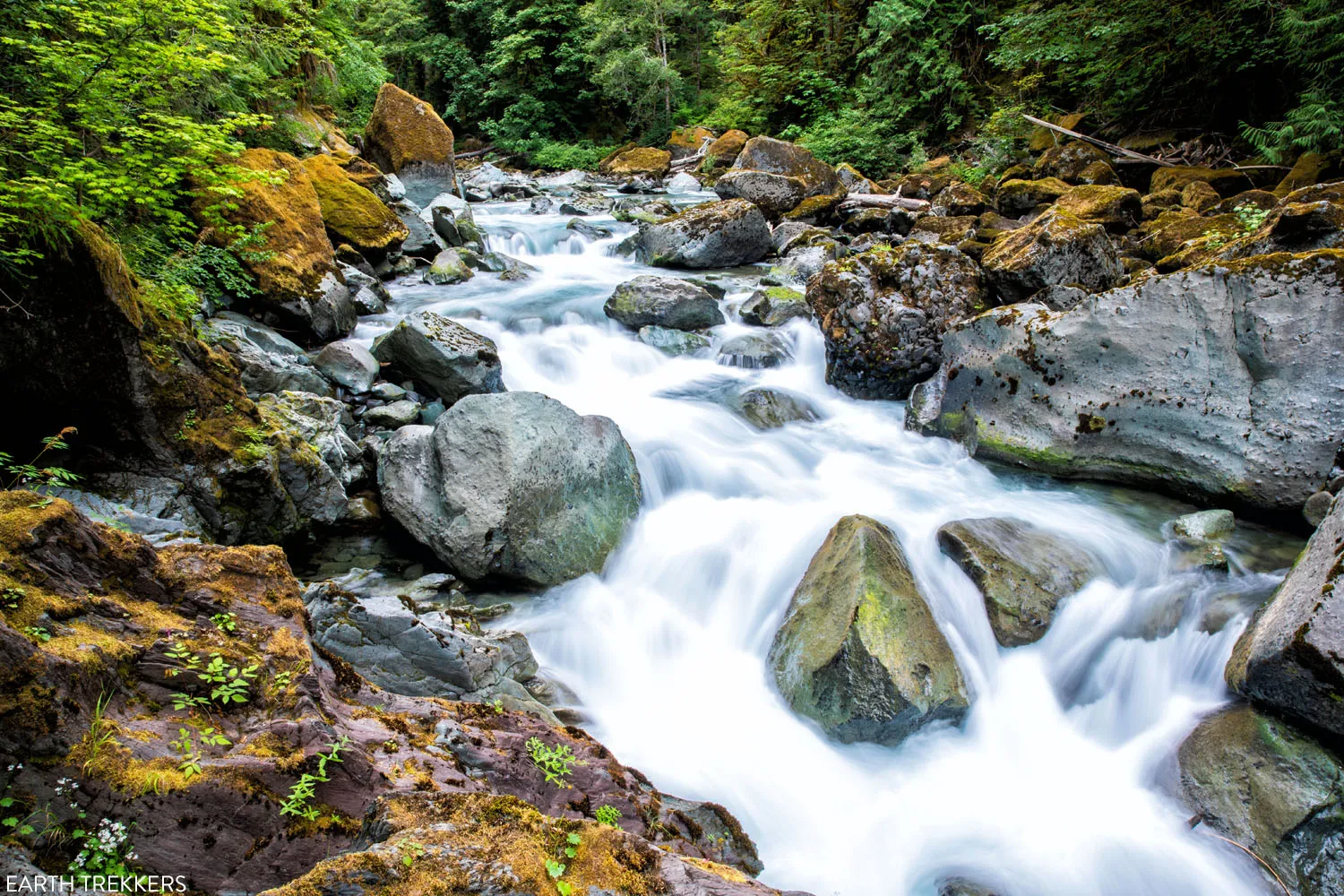
The Staircase Rapids Loop (2.1 miles, easy) is the main trail. This is a beautiful walk through dense old-growth forest alongside the rushing river, crossing a suspension bridge with views of the clear blue water below. We loved this hike, and one reason may be that we saw only two other hikers on the entire loop. The solitude of this trail makes it a worthwhile addition to your visit to Olympic, if you like the idea of getting away from the crowds.
For avid hikers and peak baggers: Mount Ellinor is a strenuous alternative worth considering. This challenging hike climbs to 5,944 feet with outstanding panoramic views over the Hood Canal and out toward Mount Rainier and Mount Baker on clear days. We had originally planned to do this hike but the summit was socked in during our visit. It’s high on our list for next time. Check conditions before committing.
From Staircase, it’s approximately 1 hour to Olympia and 2 to 3 hours to Mount Rainier National Park (depending on where you’re staying), making this a natural last stop before continuing your Washington road trip.
Where to Stay Tonight
- Olympia is the closest city and a convenient overnight stop, especially if you’re driving to Mount Rainier the next morning. We stayed at the Hampton Inn & Suites Olympia Lacey.
- Packwood and Ashford are the gateway towns to Mount Rainier if you’re pushing on. See our Mount Rainier itinerary for lodging recommendations there
Option C: Shi Shi Beach
Best for: those who want a wilder, more remote coastal experience
Note: We haven’t done this one yet because it was closed during our visit, but it’s been high on our list ever since. Everything below is based on research and planning we’ve done for a future trip.
Shi Shi Beach (pronounced “shy-shy”) is widely considered the most spectacular beach in Olympic National Park, with enormous sea stacks, dramatic tide pools, and the iconic Point of Arches rock formations. It’s more remote and more effort than Rialto or Ruby Beach, but the payoff is proportional.
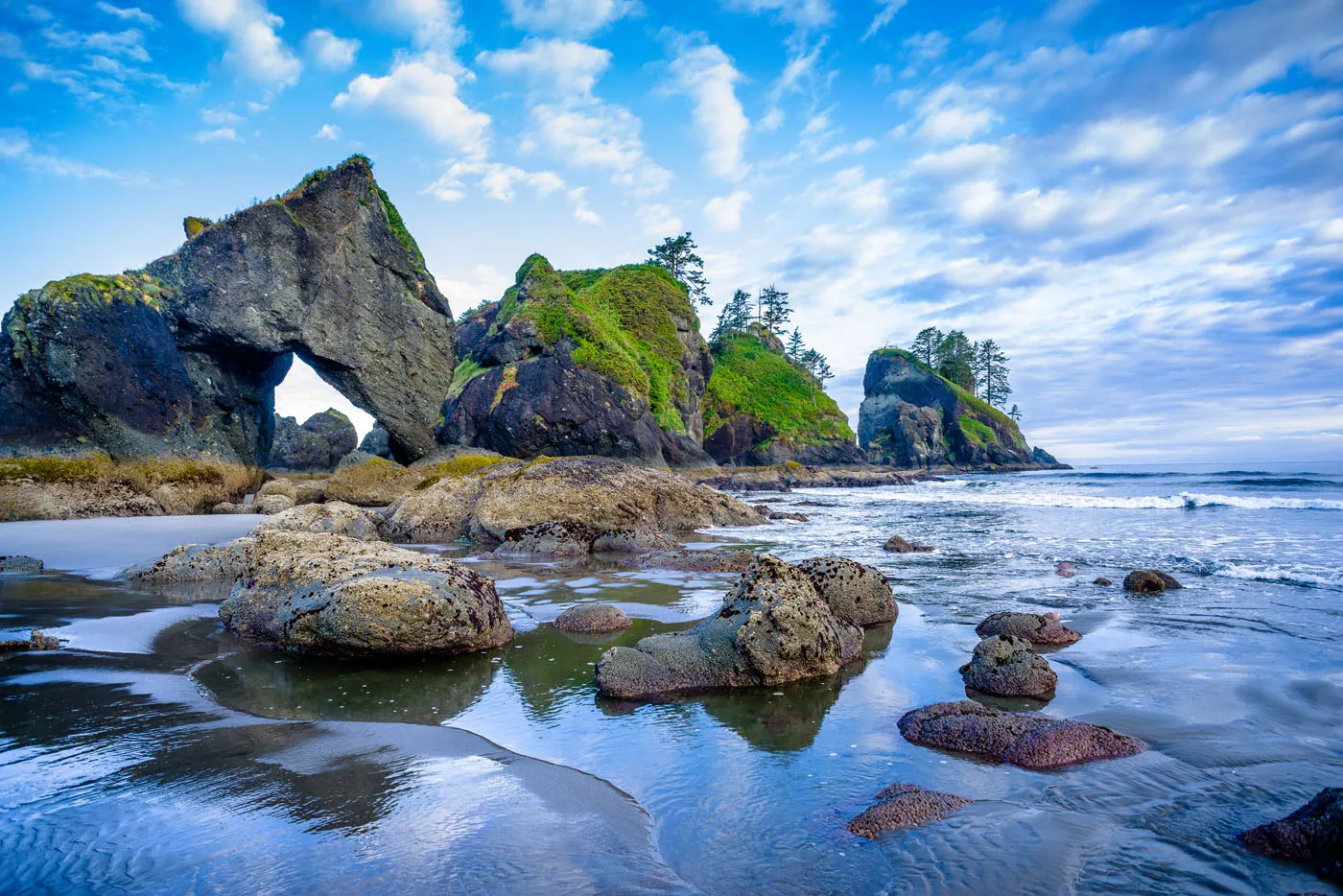
Shi Shi Beach | shutterstock.com
Permits required: Before heading to Shi Shi, you must purchase a Makah Recreation Pass ($20 per vehicle, valid for the calendar year) in the town of Neah Bay. It can be purchased in person at the Makah Mini Mart, Marina, or the Makah Cultural and Research Center Museum. You cannot buy it online, so plan accordingly. If you’re camping overnight, you’ll also need an Olympic National Park wilderness permit.
The trail is 8 miles round trip. The first section passes through coastal forest on Makah tribal land, including some boardwalks and bridges. The middle stretch is famously muddy — waterproof boots are not optional. The trail ends with a steep descent to the beach. Budget a full day.
Drive time from Port Angeles to Shi Shi Beach trailhead: approximately 1 hour 45 minutes via Highway 112 through Neah Bay.
Extending this Olympic National Park Itinerary to 4 Days
If you have a fourth day, the best use of it depends on what you chose on Day 3.
Adding a fourth day gives you plenty of time to visit both Staircase and Shi Shi Beach. Here’s how to plan your days:
Day 1: Hurricane Ridge and Sol Duc Falls, sleep in Port Angeles
Day 2: Shi Shi Beach, sleep in Port Angeles or Kalaloch Lodge (or camp at Shi Shi Beach)
Day 3: Hoh Rain Forest, Rialto Beach, Ruby Beach, optional Mount Storm King or Marymere Falls hike; stay in Port Angeles, Kalaloch or Lake Quinault Lodges, or Aberdeen
Day 4: Mount Storm King or Staircase (Staircase Falls Loop or Mt. Ellinor); stay in Olympia or continue to Mount Rainier
Best Time to Visit Olympic National Park
The best time to visit Olympic National Park is July through September. This is when all roads are open, the weather is at its driest, and hiking conditions are at their best across all three ecosystems. For this itinerary specifically, you want summer. Hurricane Ridge is at its best with snow-free trails and wildflower meadows, the Hoh Rainforest is lush and green, and the Pacific beaches are as good as they ever get.
July and August are peak season. Expect crowds at the most popular spots. Hurricane Ridge, the Hall of Mosses, and Rialto Beach all fill up early on summer mornings. Getting an early start each day makes a real difference.
September is a fantastic month to visit Olympic. The crowds thin out after Labor Day, the weather is often still excellent, and elk are active in the valleys during mating season. It’s a great month to visit if your schedule allows.
Spring visits are possible but come with trade-offs. Hurricane Ridge Road can still have snow closures into May or June, and many higher trails remain snow-covered into early summer. The rainforest and coast are accessible year-round, however, and spring is a wonderful time for wildlife viewing.
Winter brings heavy snow and rain. The west side of the park sees massive amounts of rainfall, and Hurricane Ridge can receive up to 30 feet of snow. That said, Hurricane Ridge is often open for snowshoeing and cross-country skiing, making it a surprisingly accessible winter destination.

Mount Angeles and Hurricane Ridge in July
Practical Information for Visiting Olympic National Park
Entrance Fees
The entrance fee for Olympic National Park is $30 per vehicle, valid for 7 days. If you’re visiting multiple national parks on your trip, which is likely if you’re combining Olympic with Mount Rainier and North Cascades, the America the Beautiful Annual Pass is well worth it at $80 per year. It covers entrance fees at all US national parks and federal recreation areas and pays for itself quickly on a Washington road trip.
Reservations
Lodging inside and near Olympic National Park fills up fast in summer, sometimes months in advance. Book your accommodations as early as possible, especially if you have your heart set on Lake Crescent Lodge or Kalaloch Lodge. Port Angeles has more options and is generally easier to book, but even hotels there fill up on summer weekends.
Parking
Parking at the most popular areas, including Hurricane Ridge, the Hoh Rain Forest, and Rialto Beach, fills up early on summer mornings. Plan to arrive by 8:00 – 9:00 am at the latest to secure a spot. If you arrive and the lot is full, your best option is to wait because spots turn over as visitors leave throughout the day.
Cell Service
Cell service is limited throughout most of Olympic National Park. Download offline maps before you leave. Google Maps and AllTrails both allow offline downloads. Also, save copies of your driving directions, as GPS can be unreliable on the remote roads leading to places like the Hoh Rain Forest and Staircase.
Gas and Food
There are no gas stations inside the park. Fill up in Port Angeles before heading out each day. On day 2, you can also fuel up in Forks, which sits roughly midway along the route.
Dining options are limited in and around the park. Pack a lunch and snacks for each day rather than counting on finding food along the way. Port Angeles has the best concentration of restaurants and grocery stores on the peninsula.
Please practice the seven principles of Leave No Trace: plan ahead, stay on the trail, pack out what you bring to the hiking trail, leave areas as you found them, minimize campfire impacts, be considerate of other hikers, and do not approach or feed wildlife.
More Resources for Planning Your Olympic National Park Trip
Before your visit, make sure to check out our other Olympic National Park guides:
- Olympic National Park Travel Guide — our complete hub for everything you need to plan your trip, including park areas explained, best time to visit, and how to get there
- Best Things to Do in Olympic National Park — a deep dive into the top experiences across all three ecosystems
- Best Hikes in Olympic National Park — 17 great trails ranked and described, from easy rainforest walks to strenuous alpine climbs
And if Olympic is part of a larger Washington road trip:
- Washington Road Trip Itinerary: Olympic, Rainier & North Cascades — our complete guide to visiting all three Washington national parks in 7 to 14 day
If you have any questions about this Olympic National Park Itinerary, let us know in the comment section below and we’d be happy to help!
Explore More of Washington
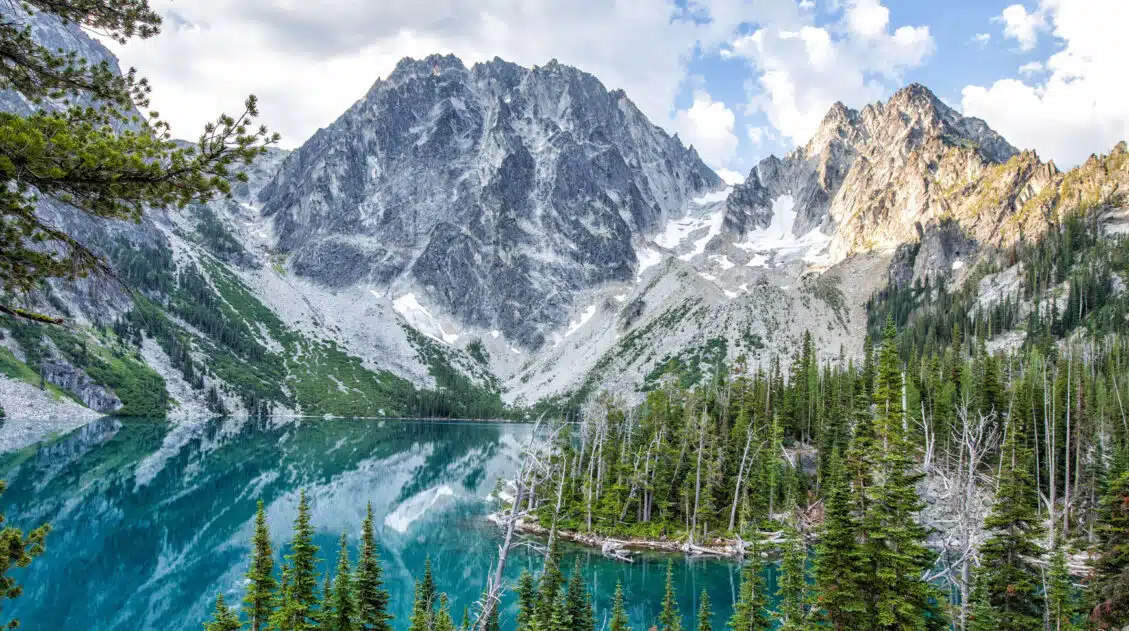
Washington Travel Guide: National Parks, Road Trips & Places to Visit
Pinterest Facebook Flipboard Washington Travel Guide Washington State packs an incredible range of landscapes into one destination, from glacier-covered volcanoes and alpine lakes to wild Pacific coastline and dense rainforests. If you love hiking, scenic drives, and national park adventures, Washington is one of the best outdoor destinations in the United States. We explored Washington […]
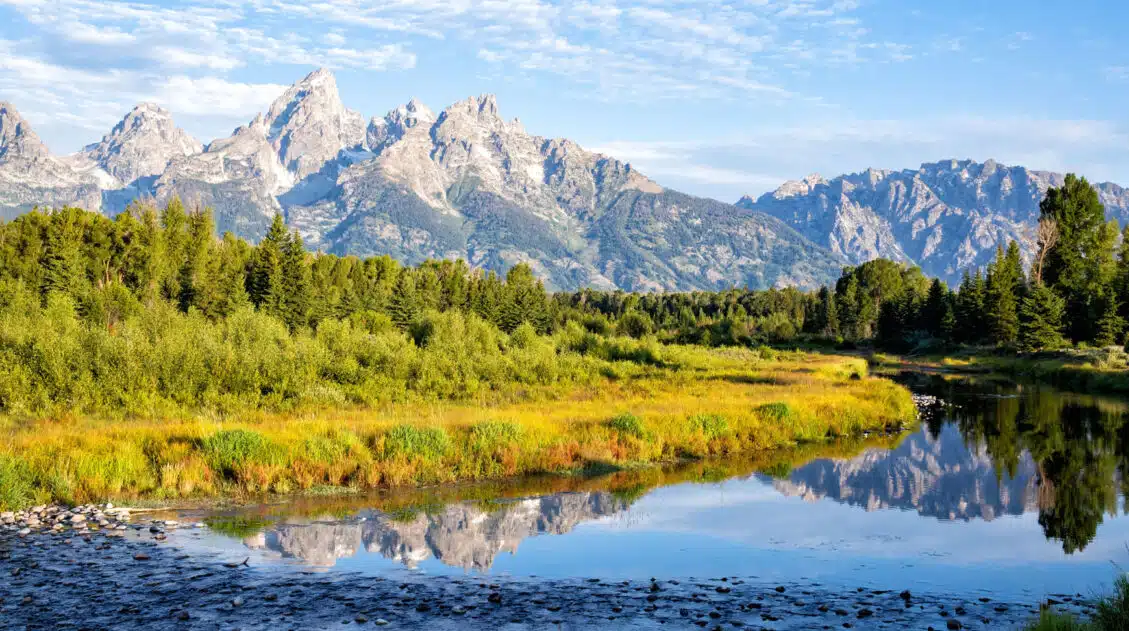
US National Park Itineraries & Road Trip Ideas
National Park Itineraries The national parks are best experienced as a road trip and with 56 parks visited between us, we’ve done a lot of them. Whether you’re dreaming of a two-week American Southwest loop, a classic Yellowstone and Grand Teton combo, or a deep dive into Utah’s Mighty 5, we’ve put together detailed itineraries […]
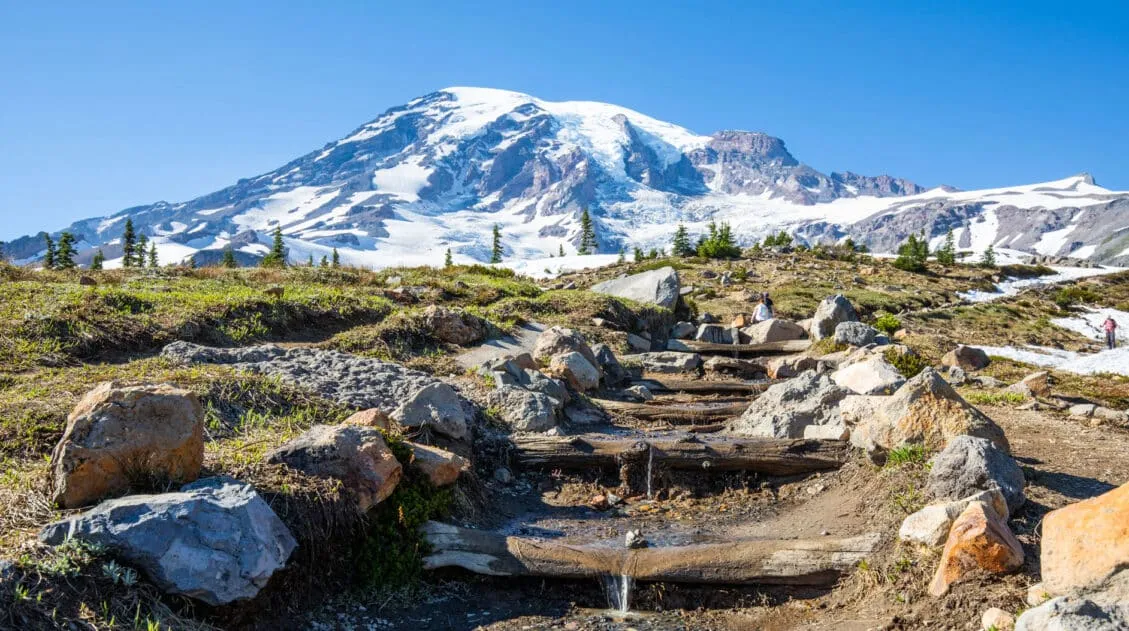
15 Best Hikes in Mount Rainier (Ranked by Difficulty & Area)
Mount Rainier is one of the most spectacular hiking destinations in the United States. From wildflower-covered alpine meadows to glacier viewpoints and fire lookout summits, the variety here is incredible. We’ve hiked in more than 50 U.S. national parks and on trails around the world, from Everest Base Camp in Nepal to the Dolomites, and […]
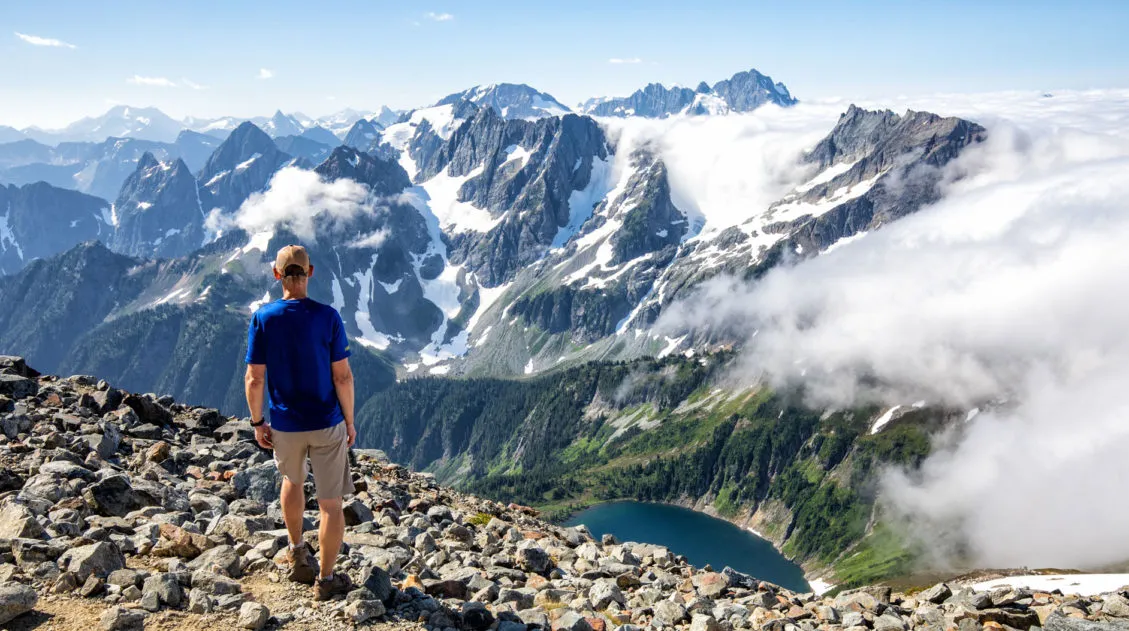
Cascade Pass and Sahale Arm: The Best Day Hike in North Cascades
We’ve hiked in more than 50 national parks across the United States, and the Cascade Pass and Sahale Arm hike is one that still stands out. We did this hike as part of a six-week road trip through the national parks of Colorado and Washington, and it was the perfect way to end the trip. […]
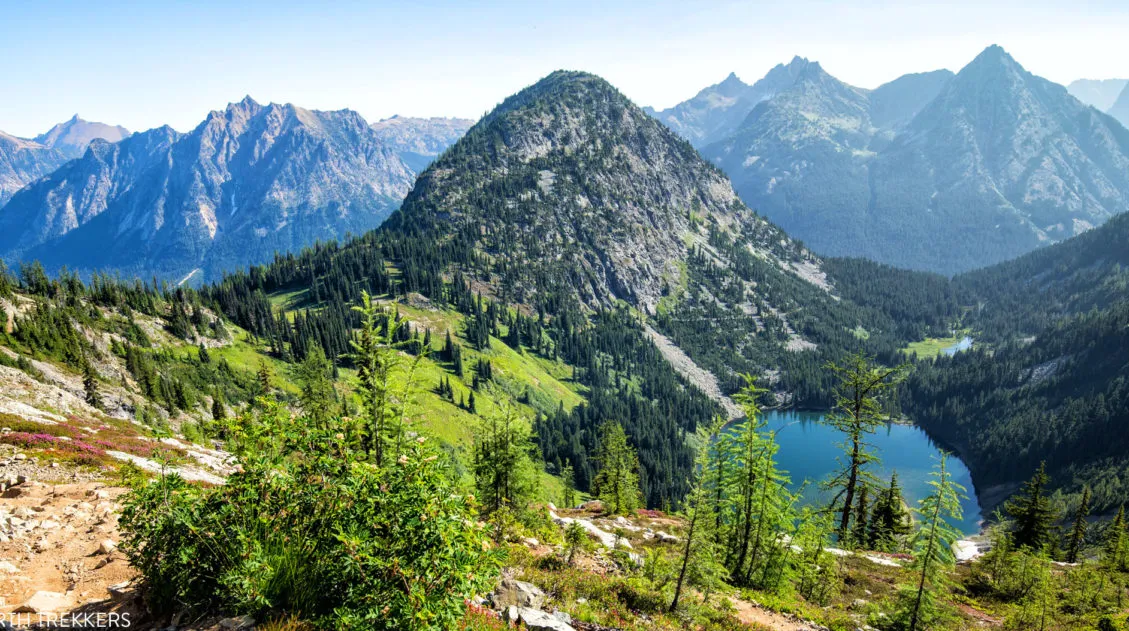
Maple Pass Loop Hiking Guide 2026 | North Cascades, WA
The Maple Pass Loop, also known as the Heather-Maple Pass Loop, is one of the best day hikes in the North Cascades, and one that’s surprisingly accessible for the views it delivers. In early August, Tim, Kara, and I completed this hike and came away genuinely impressed. It’s not our favorite hike in the area […]
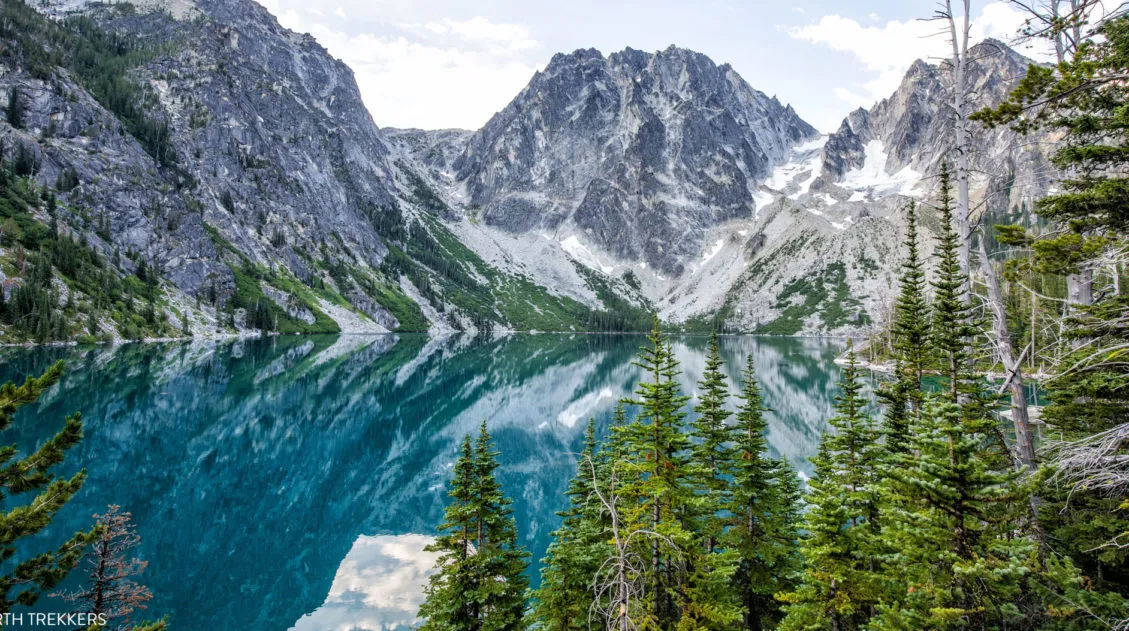
The Enchantments Thru Hike: Complete Planning Guide
The Enchantments are a slice of hiking paradise. Located in the Alpine Lakes Wilderness of Washington state, this is a wonderland of alpine lakes, jagged mountains, and waterfalls. If you’ve done any research on the Enchantments, you already know it’s one of the best day hikes in the United States. What you might not know yet is […]
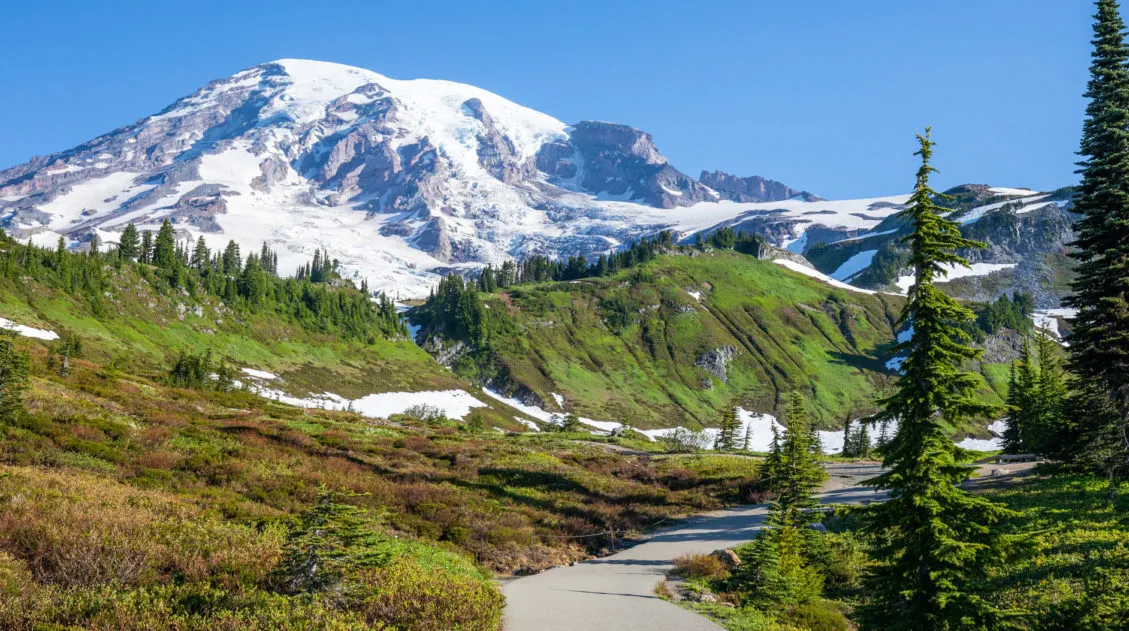
Skyline Trail Loop: A Step-by-Step Guide to Rainier’s Most Iconic Views
The Skyline Trail Loop is the most iconic hike in Mount Rainier National Park, and we’ve hiked it twice in both directions to figure out exactly which way is better. Here’s everything you need to know, from snow crossings and trail conditions to the best direction for views of Mount Rainier. For jaw-dropping alpine scenery, […]
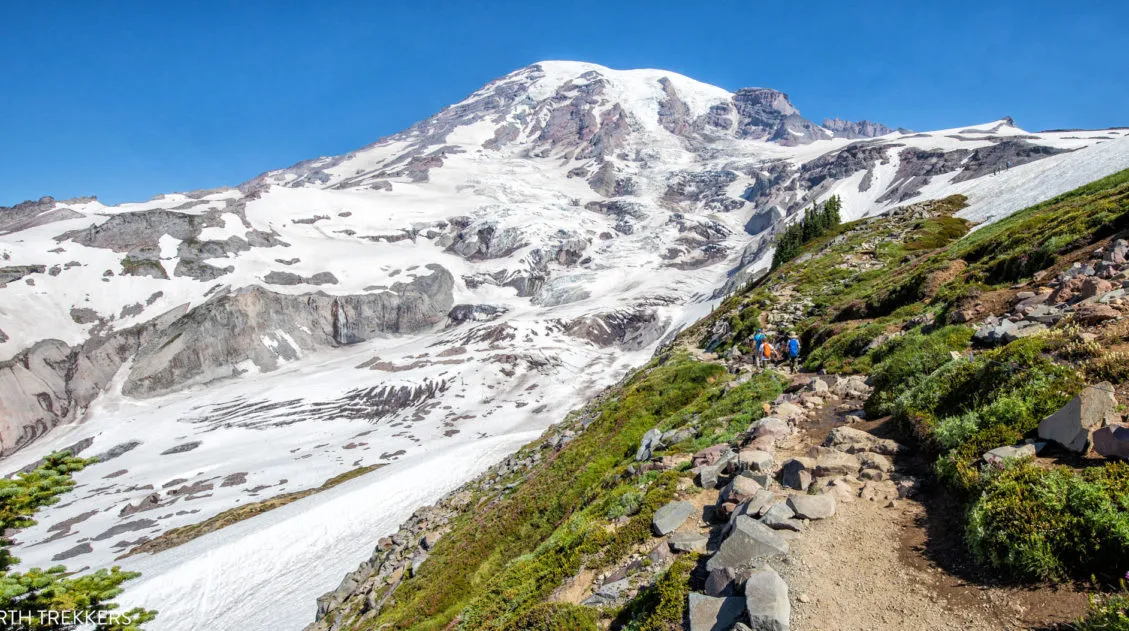
Best Things to Do in Mount Rainier National Park (2026 Guide)
Discover the best things to do in Mount Rainier National Park, from iconic hikes like the Skyline Trail and Mount Fremont Fire Lookout to scenic viewpoints, waterfalls, and easy walks that are perfect for first-time visitors. We’ve visited Mount Rainier National Park twice: once on a 6-day deep dive where we hiked trail after trail […]
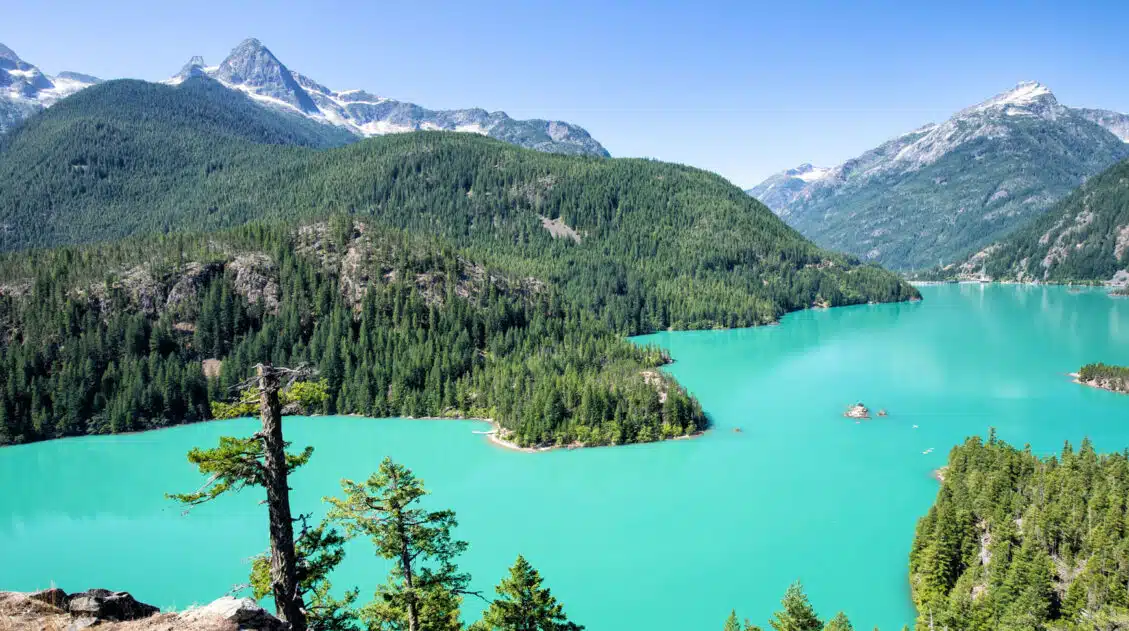
North Cascades National Park: How to Plan Your Visit
Plan your visit to North Cascades National Park. Learn about the best things to do, the best hikes and viewpoints, and get sample itineraries and travel tips.
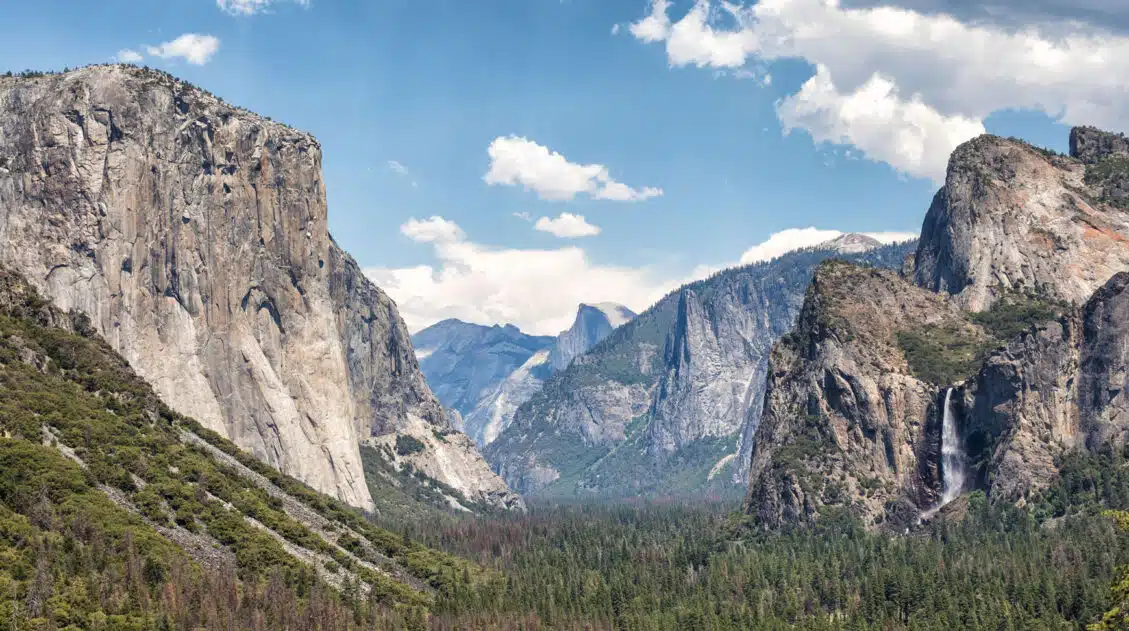
The Ultimate Guide to the 63 US National Parks
Stretching from the South Pacific, across the United States to the Caribbean, are 63 national parks. These national treasures preserve iconic landscapes, majestic mountains, primordial forests, arid deserts, misty coastlines, immense canyons, wildlife, and historic landmarks. We have visited 56 of the 63 US national parks, from the towering granite walls of Yosemite and the […]

United States Travel Guide: Places to Visit in the USA
Plan your visit to the United States. Learn about the best things to do, how to plan your time, road trip ideas, and sample itineraries.


Leave a Comment