


Budapest is one of Europe’s most beautiful cities, with grand architecture, spectacular views of the Danube River, historic thermal baths, and a lively food and nightlife scene. With 2 days in Budapest, you have enough time to visit the city’s most famous landmarks, explore both sides of the Danube, and enjoy a few experiences that make Budapest unique.
In this itinerary, you’ll explore Castle Hill and Fisherman’s Bastion, tour the magnificent Hungarian Parliament Building, stroll across the Széchenyi Chain Bridge, and relax in the thermal pools of Széchenyi Baths. Along the way, there are stops at historic cafés, lively markets, and some of the best viewpoints in the city.
We’ve organized this two-day Budapest itinerary geographically, so you can see the highlights without spending too much time traveling back and forth across the city. You’ll also find restaurant recommendations, transportation tips, and suggestions for customizing the itinerary to fit your interests.
Budapest Itinerary at a Glance
BEST TIME TO VISIT | April through May and September through October, when temperatures are generally pleasant for sightseeing.
GETTING AROUND | Walking, supplemented by Budapest’s excellent metro and tram network. A rental car is not necessary.
TOP EXPERIENCES | Fisherman’s Bastion, Hungarian Parliament, Széchenyi Chain Bridge, St. Stephen’s Basilica, Széchenyi Thermal Baths, and Budapest’s famous ruin bars.
BOOK IN ADVANCE | Parliament tour tickets are the top priority. Consider advance tickets for Széchenyi Baths, particularly during busy travel periods.
WHERE TO STAY | Central Pest is convenient for sightseeing, restaurants, and nightlife. Castle Hill offers a quieter setting with spectacular views.
ITINERARY PACE | Moderately busy, with plenty of walking. Expect approximately 6 miles (10 km) on Day 1 and 3 miles (5 km) on Day 2, based on the walking routes in this guide.
Updated November 2026: We refreshed this Budapest itinerary with current attraction information, transportation tips, restaurant recommendations, and additional suggestions for planning two days in Budapest.
An Overview of Budapest
Budapest is a combination of two cities, Buda and Pest, which were united with a much smaller third city, Obuda, in 1873.
Buda sits on the west side of the Danube River. In Buda, the popular places to visit are Fisherman’s Bastion, Matthias Church, and Castle Hill. It is from here that you get that legendary view of Parliament and the Danube River.
Pest sits on the east side of the Danube River. This is where you will spend most of your time. On the Pest side, take a tour of Parliament, visit St. Stephen’s Basilica, take a dip at the Szechenyi Baths, and go shopping in the Great Market Hall.
How to Spend 2 Days in Budapest
| Day 1 | Day 2 | |
| Morning | Fisherman’s Bastion, Matthias Church, Castle Hill | Shoes on the Danube, Parliament tour |
| Midday | Chain Bridge, Gresham Palace, St. Stephen’s Basilica | Andrássy Avenue, Opera House, New York Café |
| Afternoon | Pest, Great Market Hall, Gellért Hill | House of Terror, Heroes’ Square, City Park |
| Evening | Dinner and Budapest’s ruin bars | Széchenyi Baths and dinner at Gundel |
Day 1 focuses on Budapest’s iconic architecture, scenic viewpoints, and historic center. Day 2 combines the city’s fascinating history with a relaxing visit to its famous thermal baths.

Things to Know Before Visiting Budapest
Before starting this two-day Budapest itinerary, here are a few things to know that will help you plan your time and avoid any surprises.
Book Parliament Tickets in Advance
The Hungarian Parliament Building is one of Budapest’s most popular attractions, and guided tours can sell out, particularly during peak travel season. We recommend booking your tickets as soon as you know your travel dates.
Tours take approximately 45 minutes, and tickets can be purchased through the official ticketing website. Since Parliament is one of the highlights of Day 2, book this tour first and plan the rest of your day around your reserved time. Tickets can also be purchased through GetYourGuide, and the last we checked, can be canceled up to 24 hours for a full refund.
Check Opening Days and Hours
A few attractions on this itinerary have opening hours that could affect your plans.
The House of Terror Museum is closed on Mondays, so if your visit falls on a Monday, you will need to rearrange Day 2 or skip this museum.
The Great Market Hall is generally open Monday through Friday from 6 am to 6 pm, Saturday from 6 am to 4 pm, and Sunday from 10 am to 4 pm. However, many individual vendors are closed on Sundays, so we recommend visiting on a weekday or Saturday for the best experience.
It’s also worth double-checking opening hours for churches, museums, and other attractions, particularly around public holidays.
Be Prepared for a Lot of Walking
Budapest is a very walkable city, but this itinerary covers a lot of ground. Expect approximately 6 miles (10 km) of walking on Day 1 and 3 miles (5 km) on Day 2, depending on how much public transportation you use.
Day 1 is the more physically demanding day, with some uphill walking around Castle Hill and Gellért Hill. Wear comfortable walking shoes and take advantage of Budapest’s excellent tram and metro network when you need a break.
Our advice: Treat this itinerary as a guide rather than a rigid schedule. If you prefer a slower pace, skip the climb to the Citadella, shorten your museum visits, or spend extra time relaxing at a café. You’ll still experience the best of Budapest without feeling rushed.
Two Days in Budapest Itinerary
Day 1: Castle Hill, Central Pest & Gellért Hill
Walking distance: 6 miles (10 km)
How to Use This Map: Click the tab in the top left corner of the map to see a list of the points of interest and to turn layers on/off. Click the icons on the map to get more information about each point of interest.
To take this map with you, click the star next to the title of the map which adds it to your Google account. Next, within your Google Maps app, select ‘Saved’ and then select ‘Maps’. This map title will now appear in your list.
9 am: Enjoy the Views from Fisherman’s Bastion
With its views of Budapest, this is the perfect place to start your tour of the city.
Fisherman’s Bastion was built between 1895 and 1902. Its seven pointy towers represent the seven Magyar chieftains who led their tribes to this area and established the country of Hungary.
From Fisherman’s Bastion, you have one of the best views of Budapest.
Want to capture some memorable photos of your visit? This private photography session at Fisherman’s Bastion pairs you with a professional photographer who knows the best angles and photo spots, leaving you with beautiful, professionally edited photos of yourself with Budapest’s iconic architecture as the backdrop.


Nearby is the Statue of St. Stephen, the first Hungarian king.

9:45 am: Visit Matthias Church (Matyas-Templom)
Sitting next to Fisherman’s Bastion is Matthias Church. This church has been destroyed and rebuilt several times in the past 800 years. Today’s version dates back to 1970. For twenty years, between 1950 and 1970, it underwent a major renovation to repair the damage sustained during WWII.
This church is considered to be Budapest’s best. Colorful tile work adorns the roof and the interior of the church.

Get updated pricing and hours on the official website.
10:30 am: Explore Castle Hill & Buda Castle
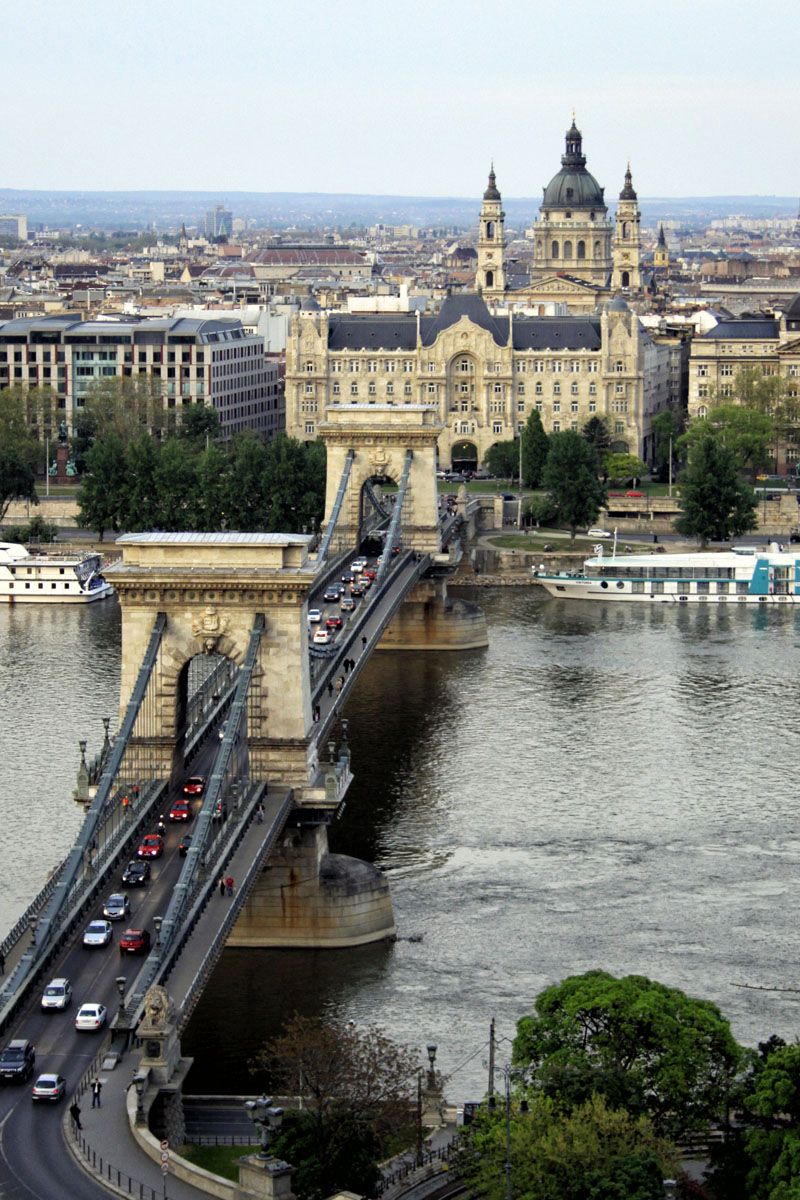
From Matthias Church, it’s a short stroll through the Royal Palace until you get to the top of the funicular (Budavari Siklo). Enjoy the view from the terrace. From here, you get another iconic Budapest view, the trio of the Szechenyi Chain Bridge, Gresham Palace, and St. Stephen’s Basilica all in a perfect line.

You can either walk down the trails to the river’s edge or take the pricey funicular to the bottom (get pricing on the official website).
11 am: Walk Across the Széchenyi Chain Bridge
Built in the 1800’s, this was the first bridge to unite Buda and Pest. It was completely destroyed by the Nazis in World War II but was quickly rebuilt. The stone lions that guard the entrance to the bridge are the original statues dating back to the 1800’s.
Take a stroll over this historic bridge, ending in Pest.

11:30 am: Admire Gresham Palace
Gresham Palace, which is also the Four Seasons Hotel, is a symbol of the opulence of older Budapest. This grand, Art Nouveau building was refurbished in 1999 and it is gorgeous on the inside. If you are not staying here, it’s worth at least a quick peek.

Noon: Lunch
From Gresham Palace, walk up Zrinyi Utca towards St. Stephen’s Basilica. Feel free to take your pick from restaurants in the area or choose from these three restaurants that get high reviews.
KOLLAZS – Brasserie & Bar. This upscale restaurant is located right around the corner from Gresham Palace. They serve Hungarian and Central European cuisine.
0,75 Bistro. This restaurant serves European and Hungarian dishes with a view of St. Stephen’s Basilica.
VakVarjú Restaurant. This bistro serves a mix of soups, salads, and Hungarian dishes and is a great spot for lunch or dinner. It is a 5-minute walk from St. Stephen’s Basilica.

Looking up Zrinyi Utca to St. Stephen’s Basilica
1 pm: Visit St. Stephen’s Basilica
St. Stephen’s Basilica is the largest Roman Catholic Church in Hungary. It was completed in 1905, after 54 years of construction. The long delay was due to the dome collapsing in 1868, requiring a complete demolition and rebuild of the dome.

If you want to see something unusual and somewhat morbid, check out St. Stephen’s mummified right hand that is preserved in a jeweled, glass case. Yes, this is a 1000-year old hand. Every August 20th, which is Saint Stephen’s Day, this famous right hand is taken out of the basilica and joins the parade in Budapest.
For the best view of Budapest from the Pest side, climb the 364 steps or take the lift to the top of the Panorama Tower.

Get updated hours and pricing on the official website.
2 pm: Explore Central Pest and the Danube Promenade
From St. Stephen’s Basilica, walk to Vorosmarty Ter. This square is the town center of Pest.
I know that it hasn’t been that long since lunch, but if you want to take a quick break, stop into Gerbeaud’s. This fancy coffee and pastry shop sells wonderful desserts and coffee if you need a little pick-me-up for an afternoon of sightseeing.

It’s just a short walk back to the Danube Promenade. From here, enjoy one of the best views of Buda. Stretched out in front of you are Castle Hill, Matthias Church, and the Fisherman’s Bastion, where our day began.
On your walk along the promenade, you may stumble upon this cute statue called “The Little Princess.” This statue has no real historical significance. It’s just a fun, lighthearted statue that attracts a lot of photographers and Instagrammers.

Continue the walk through Pest towards the Great Market Hall. Along the way, a notable spot to see is the McDonalds, of all places. Why McDonalds? This was the first McDonalds behind the Iron Curtain. In the 1980’s, people would line up around the block for burgers, fries, and a taste of “western” food.
Vaci Utca is Budapest’s tourism artery. Lined with mediocre Hungarian restaurants and souvenir shops, this is a very skippable road in Budapest.
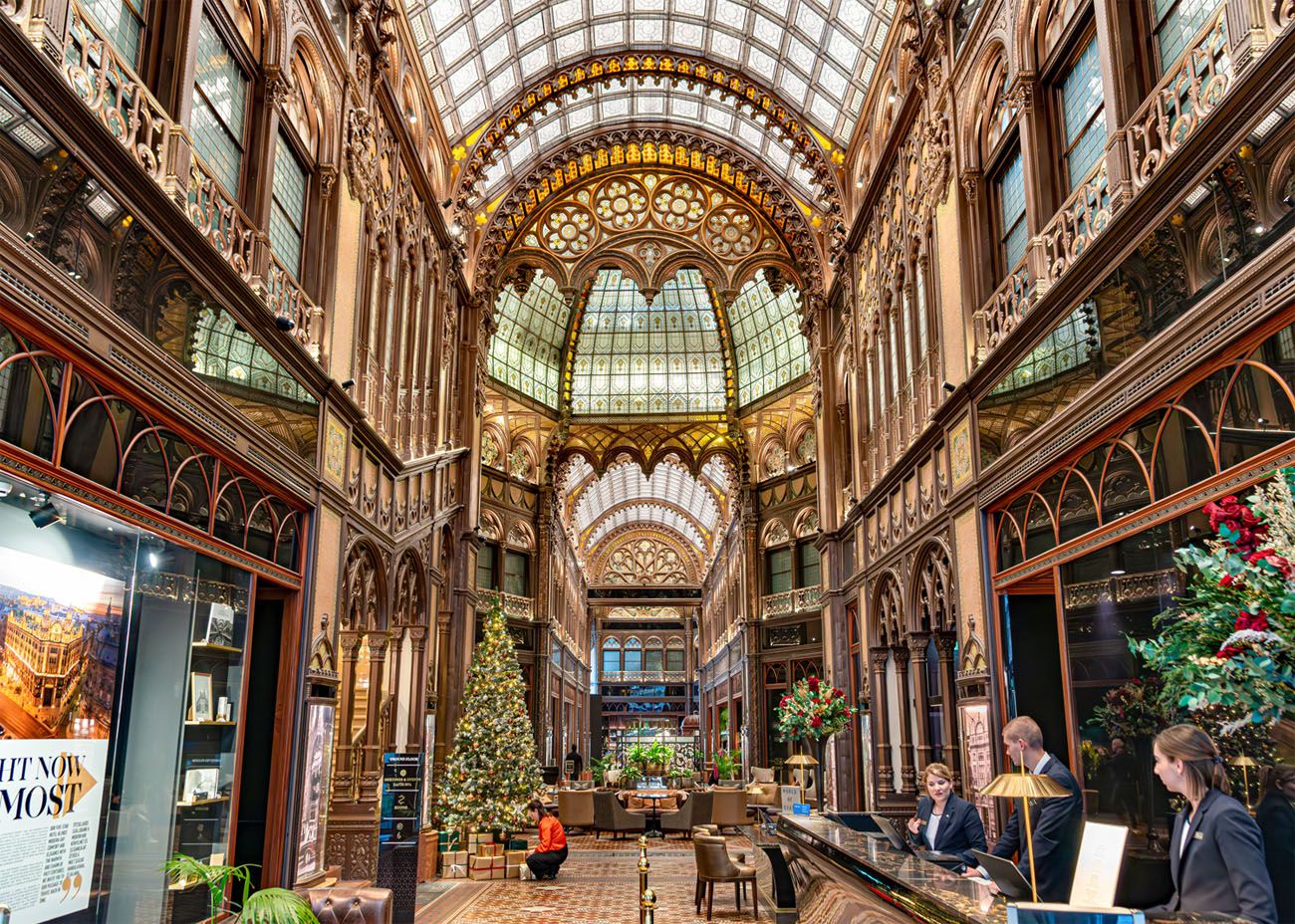
Párisi Udvar is one of Budapest’s most beautiful architectural landmarks. Originally built as a shopping arcade, this magnificent Art Nouveau building features an ornate glass ceiling, colorful mosaics, stained-glass windows, and a fascinating mix of Gothic and Moorish architectural details.
Following an extensive restoration, Párisi Udvar reopened in 2019 as a five-star luxury hotel, the Párisi Udvar Hotel Budapest. Even if you’re not staying here, it’s worth stopping by to admire the spectacular interior. You can also enjoy coffee, pastries, or a meal at the hotel’s elegant Párisi Passage Restaurant.
3 pm: Sample Hungarian Food at the Great Market Hall (Nagyvasarcsarnok)
Occupying a building that resembles a train station, both in size and grandeur, is Budapest’s largest market. Join the mix of tourists and locals and do a little shopping. Popular things to try (and buy), are paprika, painted eggs, Tokaji wine, and Palinka (Hungarian fruit brandy). You can also try Unicum, a Hungarian liquor that is stronger and harsher than Jaigermeister. Try some and you will find out just how tough these Hungarians are!
While in the market, try langos, fried flat bread that looks like an elephant’s ear and is covered with sweet or savory toppings. Yum!


4:30 pm: Take in the Views from Gellért Hill
From the Great Market Hall, cross the Liberty Bridge to the Buda side of the Danube. You can walk across the bridge or take a tram. From here, follow the walking paths up Gellért Hill to the Citadella.
Gellért Hill offers some of the best panoramic views of Budapest. From its viewpoints, you can look across the Danube River, admire the city’s historic bridges, and see many of Budapest’s most famous landmarks.
The Citadella, a historic fortress at the top of Gellért Hill, reopened in March 2026 following a major renovation. There are now landscaped gardens, new panoramic terraces, walking paths, and an exhibition about Hungary’s history.
The public park and many of the viewpoints are free to visit. Tickets are required for the Bastion of Liberty exhibition and certain elevated viewing terraces. For current admission information, visit the official Citadella website.
For this itinerary, we recommend focusing on the walk and panoramic views rather than spending time inside the exhibition. If you want to explore the Citadella in greater depth, allow additional time.
Good to know: The famous Gellért Thermal Baths, located at the base of the hill, are closed for renovation, with reopening currently planned for 2028.


After enjoying the view, walk along the top of Gellért Hill towards Elisabeth Bridge, the white bridge that crosses the Danube River. As you get closer to the bridge, you are treated to a wonderful view of the Széchenyi Chain Bridge spanning the Danube River.

Walk down the hill towards the Danube Promenade. From here, trams link you to the metro and to the rest of Budapest.
Optional Excursion: If the sun is getting low and photography is a hobby of yours, consider taking the tram along the Danube Promenade to Batthyany ter for sunset or evening views of Parliament.
Evening: Dinner and Budapest’s Famous Ruin Bars
End the day with dinner and drinks. Notable restaurants include Onyx (an exceptional fine dining restaurant), Hungarikum Bisztro (a very popular Hungarian restaurant), Comme Chez Soi (French), and Bors GasztroBar (budget Hungarian street food).
One of the most unique experiences in Budapest is visiting a ruin bar.
Ruin bars originated in the early 2000s, when abandoned buildings and courtyards in Budapest’s Jewish Quarter were transformed into quirky bars and gathering places. Filled with mismatched furniture, vintage decorations, graffiti, and eclectic artwork, these bars have become one of Budapest’s most recognizable attractions.
If you only visit one ruin bar, make it Szimpla Kert. Located in the Jewish Quarter, this is Budapest’s original and most famous ruin bar. It’s a maze of rooms, staircases, and courtyards decorated with everything from old furniture to unusual works of art. Even if nightlife isn’t your thing, it’s worth stopping by earlier in the evening to look around.
For a livelier night, Instant-Fogas is another popular option. This enormous nightlife complex has multiple bars and dance floors, with different styles of music.
Our tip: You don’t have to be interested in partying to enjoy Budapest’s ruin bars. Visit Szimpla Kert in the late afternoon or early evening for a more relaxed experience. On Sunday mornings, it also hosts a farmers’ market.
Most of Budapest’s famous ruin bars are located in or near the Jewish Quarter, making this an easy area to combine with dinner.
Day 2: Parliament, Andrássy Avenue & Thermal Baths
Walking distance: 3 miles (5 km)
9 am: Visit the Shoes on the Danube Memorial
Enjoy another stroll along the Danube promenade, but make sure you pay a visit to Shoes on the Danube.

Shoes on the Danube is a chilling memorial to the numerous Jews who were murdered in Budapest during Nazi occupation. Between 1944 and 1945, many murders took place along the Danube River. Victims were instructed to take off their shoes before being shot by the Arrow Cross militiamen, their bodies falling into the river. Take a moment to reflect on this tragic history.

10:00 am: Tour the Hungarian Parliament Building
Parliament is Budapest’s grandest building. The only way to see it is on a tour and tours sell out far in advance. Make sure you book your tickets well before you visit Budapest.
Tours last 45 minutes and cover the history of the building with a visit to the crown jewels and the House of Lords.


Hours and Pricing: Get updated hours and pricing on the official website.
Book your tickets in advance: jegymester.hu is the authorized website for purchasing your tickets in advance
Book your tickets same day: You can purchase your tickets the same day at the ticket office (if they are still available)
11 am: Walk Along Andrássy Avenue
Andrassy-Ut is Budapest’s answer to the Champs-Elysees in Paris. It may not be quite as grand as the Champs-Elysees, but it is still a beautiful place to go for a walk.
To get here from Parliament: From Kossuth Lajos Square, take the M2 line to Deak Ferenc Ter. You can transfer to the M1 line, taking it one stop to Bajcsy-Zsilinszky ut, or walk three minutes from Deak Ferenc ter to the start of Andrassy-Ut.

The most famous place to visit on Andrassy-Ut is the Budapest Opera House (Magyar Allami Operahaz). This opera house was built to compete with the State Opera House of Vienna. Though smaller on the outside, it is more ornately decorated than its Viennese counterpart. High quality performances are offered at discount prices, so many people in Vienna will actually travel here for a night at the opera.
Noon: Lunch at the New York Cafe
Stroll up Andrassy-Ut until you reach the Oktogon, the intersection of Andrassy-Ut and Terez krt. Take the tram to the New York Palace.
This is an over-the-top dining experience at one of Budapest’s most opulent restaurants. In 2011, it was awarded with the title of “Most Beautiful Café in the World.” Sounds like something you can’t miss, right?


The New York Café is one of Budapest’s most famous dining establishments, and it’s easy to see why. With its ornate ceilings, gilded columns, chandeliers, and grand interior, this café looks more like a palace than a restaurant.
Located inside the Anantara New York Palace Budapest Hotel, it serves Hungarian and international dishes, pastries, and coffee. Prices are high, but you’re paying just as much for the surroundings as for the food.
Important planning tip: The New York Café does not accept regular table reservations before 6 pm. During the day, seating is first come, first served, and waits can be lengthy. There is a separate, limited lunch reservation option in the hotel’s gallery area.
If the wait is too long, don’t let it derail your itinerary. You can skip this stop, have lunch elsewhere, or return in the evening.
Visit the official New York Café website for current information.
1:30 pm: Visit the House of Terror Museum
For the best history lesson on Budapest from World War II through the Soviet occupation, visit the House of Terror Museum. This is a very informative and sobering look at the atrocities that occurred during these times. The museum is located in the same building that the communist regime used to torture and imprison Hungarian dissidents.


Renting the audio guide is a must. You would be lost in the museum without the commentary and the history it provides. Visits here last approximately 2 to 3 hours. Lines to enter the museum can be long midday.
If you are here with kids, have no interest in WWII history, or the line is absurdly long, consider skipping this museum. However, this really is an eye-opening look into this important piece of Budapest history and Tim and I think a visit to Budapest would not be complete without a visit here.
Website: Get hours and pricing on the official website.
4:30 pm: Heroes Square and City Park
From the House of Terror Museum, take the M1 metro line 3 stops to Heroes Square (Vorosmarty utca to Hosok tere).
Heroes Square (Hosok tere) is the “who’s who” of Hungarian history. Standing in the colonnades are 14 important Hungarian leaders.

Beyond Heroes Square is the City Park (Varosliget). This is a pretty place to go for a stroll, depending upon how much energy you have left. I do recommend walking over to Vajdahunyad Castle, a castle that was built in 1896 to resemble the castles of Transylvania, Romania.

5 pm: Relax at Széchenyi Thermal Baths
Touristy? Yes. Worth it? We think so!
Budapest is built over thermal hot springs and all over the city these springs have been turned into thermal pools. Szechenyi is the most popular and most iconic in Budapest.
Join the crowds, relax in the healing, warm waters, and maybe even play a game of chess on the floating chess boards. Our favorite part was swimming in the circular whirlpool.

Tips for Visiting Széchenyi Thermal Baths
Széchenyi is one of Budapest’s most famous attractions, so it’s worth planning your visit in advance.
Bring your own swimsuit, towel, and slippers or flip-flops. Towel rentals are no longer available with standard admission, though you can buy towels and other essentials on-site. Slippers are mandatory, and a swim cap is required if you plan to use the lap pool.
You can purchase standard admission or a fast-track ticket, which provides priority entry. Fast-track tickets are available throughout the year, with prices varying by day and season.
Plan on spending approximately 1.5 to 2 hours here, although you can easily stay longer if you enjoy thermal bathing.
Visiting with children? Children under 14 are generally not permitted to enter Széchenyi Thermal Baths. A narrowly defined medical exception exists, but for families with younger children, consider one of Budapest’s family-friendly bathing complexes instead.
For current prices, opening hours, and tickets, visit the official Széchenyi Thermal Bath website.
7:00 pm: Dinner at Gundel
End the day with a gourmet dinner at Gundel, one of Budapest’s most famous restaurants. It is located just a short walk from the Szechenyi Baths.

How to Customize This Budapest Itinerary
If you love history: The House of Terror Museum is one of the most thought-provoking stops on this itinerary. Another excellent option is to take a walking tour of the Dohány Street Synagogue and Jewish Quarter, where you can learn more about Budapest’s Jewish history. Consider substituting this for another attraction if you want more time here.
If you want a more relaxed itinerary: Skip the climb to the Citadella on Day 1 or spend less time at the House of Terror Museum on Day 2. This will give you more time for cafés, shopping, and wandering through the city.
If you love photography: Make time to see Parliament illuminated after dark. Batthyány tér, across the Danube on the Buda side, is one of the best places to photograph this magnificent building.
If you want a romantic evening: Consider taking a sunset or nighttime cruise on the Danube. Seeing Budapest’s landmarks illuminated from the river is a memorable way to end the day.
If you have a third day: Spend more time exploring the Jewish Quarter, tour additional museums or galleries, visit Margaret Island, or enjoy a more leisurely afternoon at the thermal baths.
How to Get Around Budapest
Budapest has an excellent public transportation system, making it easy to explore the city without a car. The metro, trams, and buses connect all the major attractions, and many of the sights in this itinerary are within walking distance of one another.
For this two-day Budapest itinerary, we recommend a combination of walking and public transportation. Day 1 is primarily a walking tour, while on Day 2, you can use the metro and trams to travel between Parliament, Andrássy Avenue, Heroes’ Square, and Széchenyi Baths.
Budapest’s historic M1 metro line, which runs beneath Andrássy Avenue, is particularly useful for reaching Heroes’ Square and City Park. Tram 2, which runs along the Pest side of the Danube, is also worth riding for its beautiful views of the river and Buda Castle.
Public transportation tickets: A single ticket costs 500 HUF, while a 24-hour Budapest travelcard costs 2,750 HUF and provides unlimited travel on most public transportation within the city. If you plan to use the metro and trams frequently, the travelcard is a convenient option. Otherwise, individual tickets may be sufficient.
We recommend downloading the BudapestGO app before your trip. You can use it to plan routes, check real-time transportation schedules, and purchase digital tickets and travelcards.
Important: Single tickets must be validated before entering the metro or when boarding a tram or bus. Daily travelcards do not require individual trip validation. The 100E Airport Express requires a separate ticket.
For current transportation routes, schedules, and ticket prices, visit the official BKK website.

Is the Budapest Card Worth It for 2 days?
For this two-day Budapest itinerary, we recommend purchasing regular public transportation tickets rather than the Budapest Card.
The Budapest Card includes public transportation, free admission to selected attractions, and discounts on tours, museums, and other experiences. However, many of the main activities in this itinerary, including Parliament, Széchenyi Thermal Baths, and St. Stephen’s Basilica, still require separate admission tickets or offer only limited discounts.
A 24-hour Budapest travelcard costs 2,750 HUF, so two travelcards cost 5,500 HUF. This is significantly less expensive than the 48-hour Budapest Card.
If you plan to visit additional museums or attractions included with the Budapest Card, it may be worth comparing the benefits before making your decision.
For updated prices and available passes, visit the official Budapest transportation website.
When to Go to Budapest
The best time to visit Budapest is during the spring and fall months. The weather is pleasant with occasional rain showers and comfortable temperatures. The summer months are crowded and hot. It can get up to 100°F (35°C) in July and August. The winter months can be bitterly cold with snow but this season gets the fewest amount of tourists.
We visited Budapest at the end of April. Daytime temperatures were in the high 60’s to low 70’s and cooler at night.
Where to Stay
LUXURY: Four Seasons Hotel Gresham Palace. For the ultimate in luxury and service, book a room at Gresham Palace. It’s hard to beat the location since you will be within walking distance of most sites in Budapest. Ask for a room overlooking the Danube River.
MID-RANGE: The Hilton Budapest. This is where we stayed. We chose this hotel for its location on Castle Hill and its stunning view of Parliament. It was amazing beginning and ending each day with this view, our favorite in Budapest. The Hilton also has an important history in Budapest. It was built in the 1970’s, during Communist rule, and it was a symbol of western freedom during a very gloomy time for Hungary.
BUDGET: Flow Spaces. Located next to the Great Market Hall, this hostel gets rave reviews for its well-equipped kitchen, common areas, staff, and cleanliness.
Plan More of Your Trip to Central Europe
- Visiting Budapest, Vienna, and Prague? → Follow our 10 Day Central Europe Itinerary, which connects these three beautiful cities, with a day trip to Český Krumlov.
- Planning to visit Vienna? → Our How to Plan a Trip to Vienna guide covers the best things to do, where to stay, where to eat, and how to organize your time.
- Explore More of Central Europe → Bratislava, Slovakia, makes a great addition to a Central Europe itinerary. See our guide to the Best Things to Do in Bratislava.
- Planning your first European vacation? → Our How to Plan Your First Trip to Europe guide walks you through choosing destinations, building an itinerary, booking transportation, and more.
- Looking for more European itinerary ideas? → Explore our 10 Days in Europe: 10 Amazing Itineraries for trip ideas that include Italy, France, Greece, Iceland, Central Europe, and more.
If you have any questions about this Budapest itinerary, let us know in the comment section below.
Where Are You Going Next?
If you plan to continue your tour of Europe, check these out:

Two Weeks in Central Europe: Munich, Salzburg, Hallstatt, Vienna & Prague
This two-week (14-day) Central Europe itinerary visits Munich, Salzburg, Hallstatt, Vienna, and Prague, combining historic cities with alpine scenery. It’s perfect for travelers seeking convenient train travel and day-trip options to fully immerse themselves in the region. On this itinerary, you’ll travel from Bavaria, through the scenic landscapes of Austria, and end in the historic […]
2 Days in Vienna Itinerary: How to Plan a Trip to Vienna
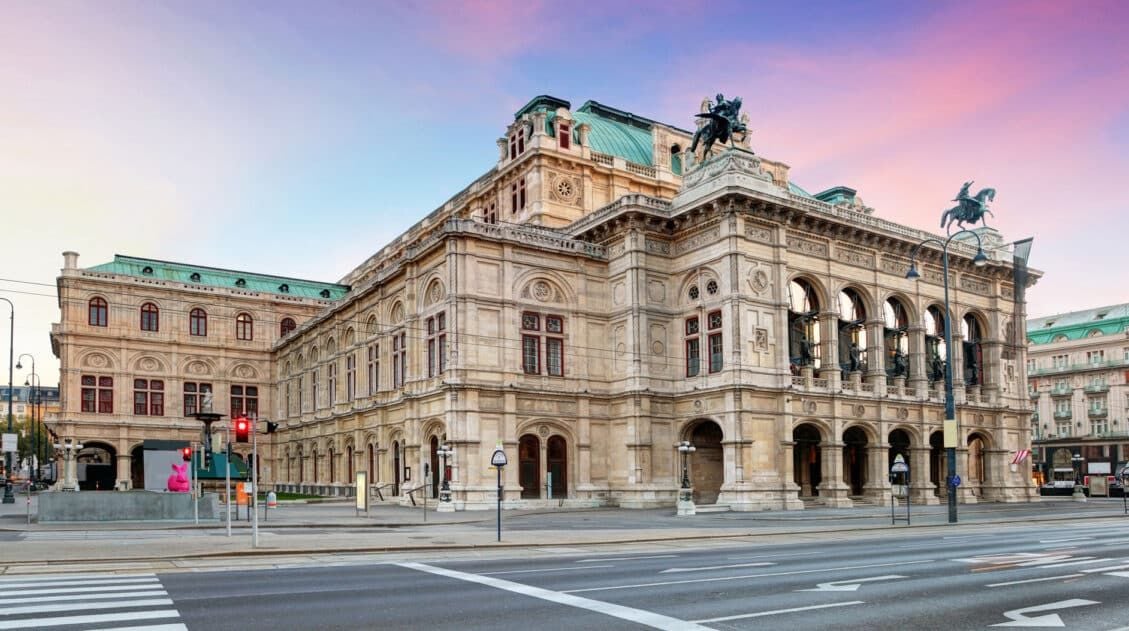
If you are planning your first trip to Vienna, this Vienna itinerary is perfect. With 2 days in Vienna, you have just enough time to see the highlights of this incredible city. Explore the historic heart of Vienna, tour Schönbrunn and Hofburg Palaces, dine in a Viennese café, and get a bird’s eye view of […]
24 Hours in Prague: How to Spend One Day in Prague
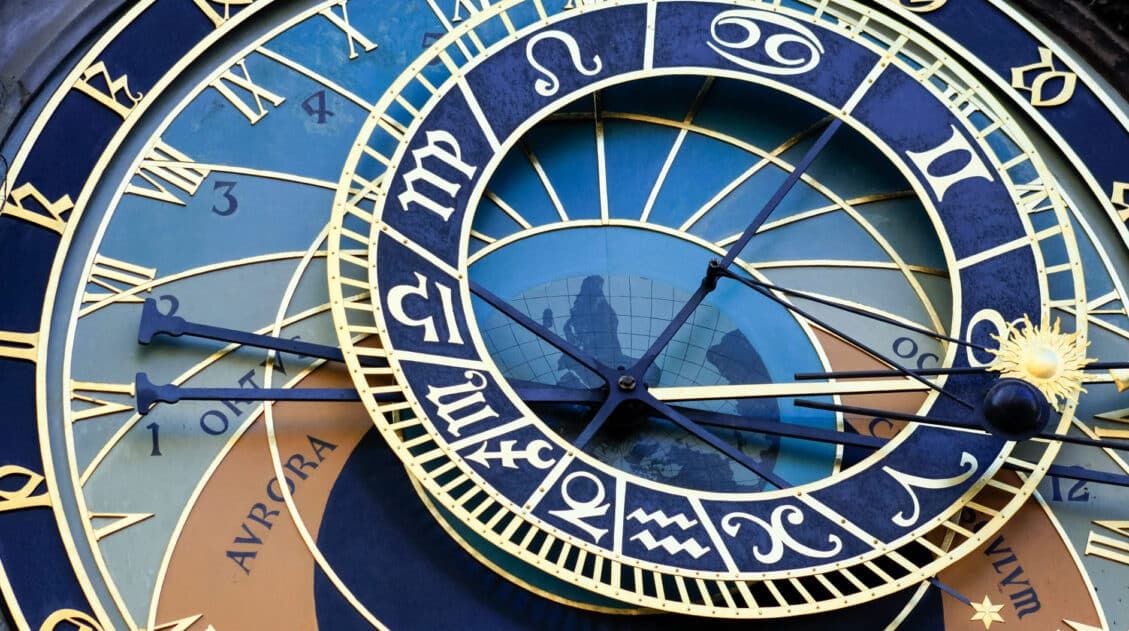
With one day in Prague, explore the historic old town, visit the largest castle in the world, stroll across Charles Bridge, and get a view of this magnificent city from one or more of its Gothic towers. We have visited Prague several times and this is one of our favorite cities in Europe. With its […]
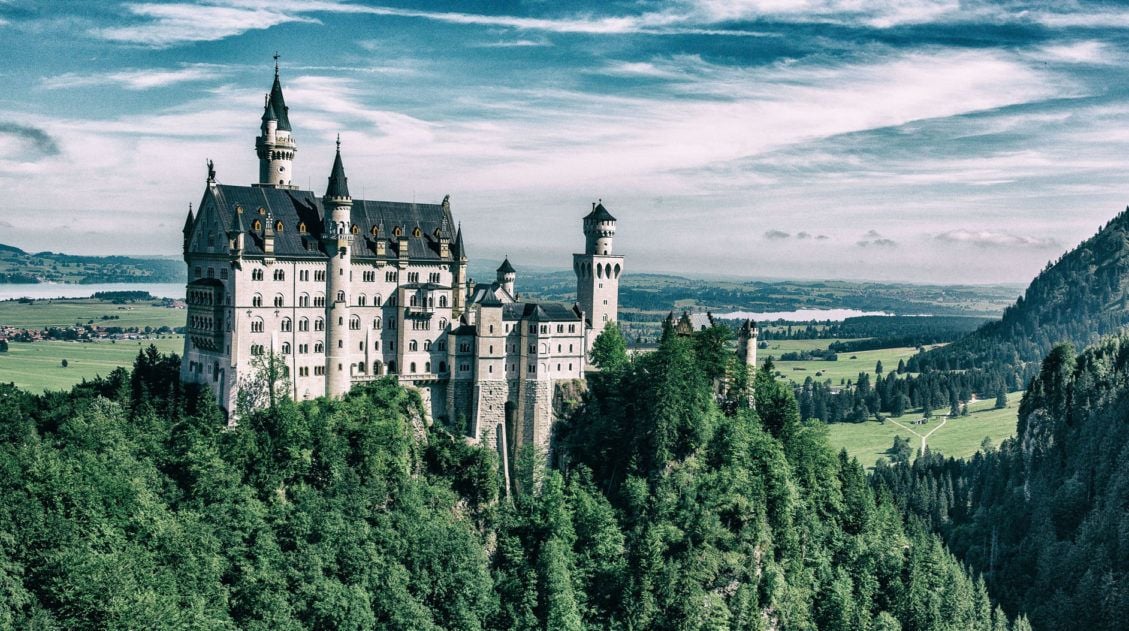
10 Day Bavaria Itinerary & Road Trip Guide
Bavaria is the southeast region of Germany, the land of fairytale castles, Oktoberfest, and lederhosen. With the Alps to the south and idyllic towns dotting its hillsides, Bavaria is a beautiful and romantic destination. View the Alps from Germany’s highest peak at Zugspitze, tour crazy King Ludwig II’s storybook castle Neuschwanstein, learn about WWII history […]
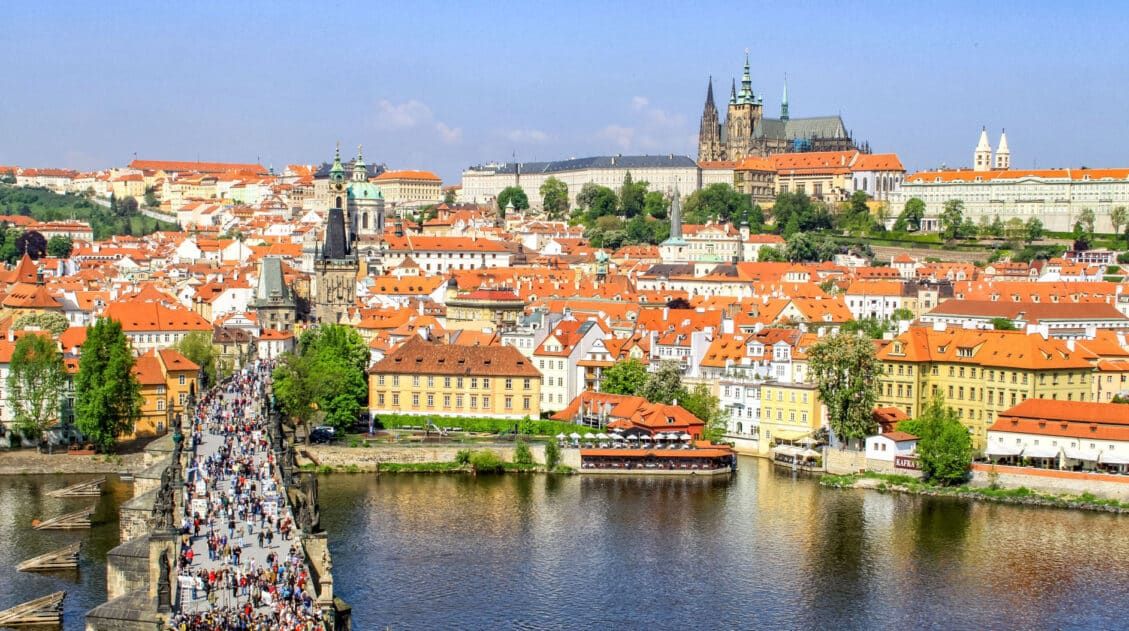
10 Things to Do in Prague (That are Totally Worth It)
Prague is renowned as being one of Europe’s most beautiful cities. Unlike many cities in Europe, Prague emerged from World War II unscathed, with its historic architecture and cultural treasures intact. Climbing its gothic towers, visiting its ancient cathedrals, and strolling the colorful streets all top the list of things to do in Prague. Prague […]
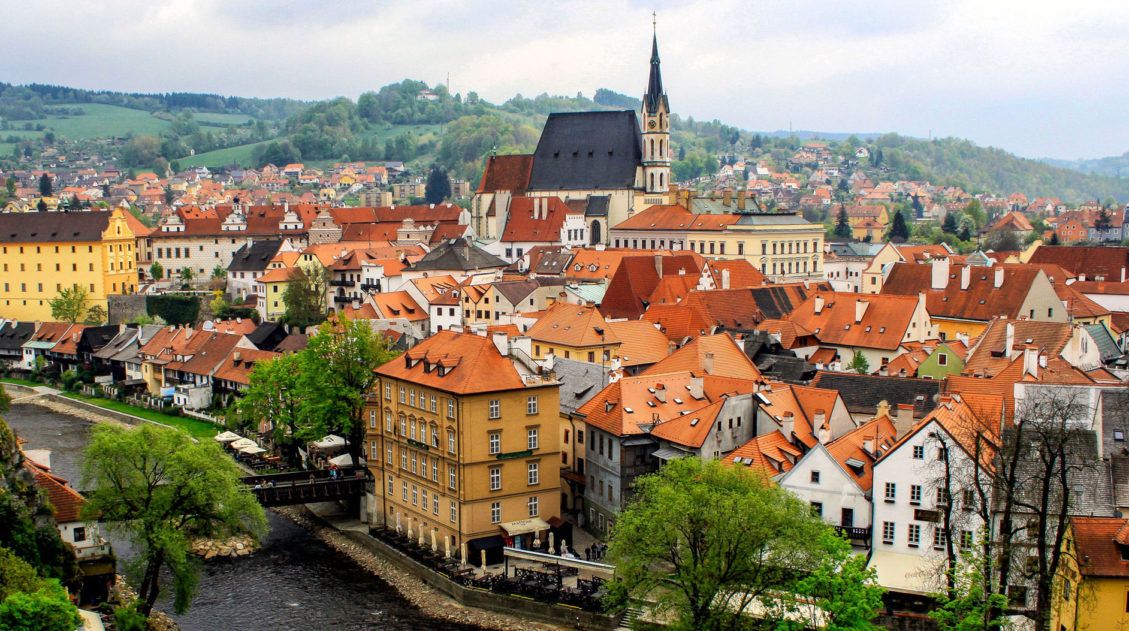
Exactly How to Plan a Český Krumlov Day Trip from Prague and Vienna
Český Krumlov is one of our favorite small towns in Europe. This charming, compact town is incredibly photogenic, with winding streets, riverside views, and a fairytale castle. It’s small enough to explore in just a few hours, making it a perfect stop on a quick itinerary. To tour the town, most people either plan a Český […]
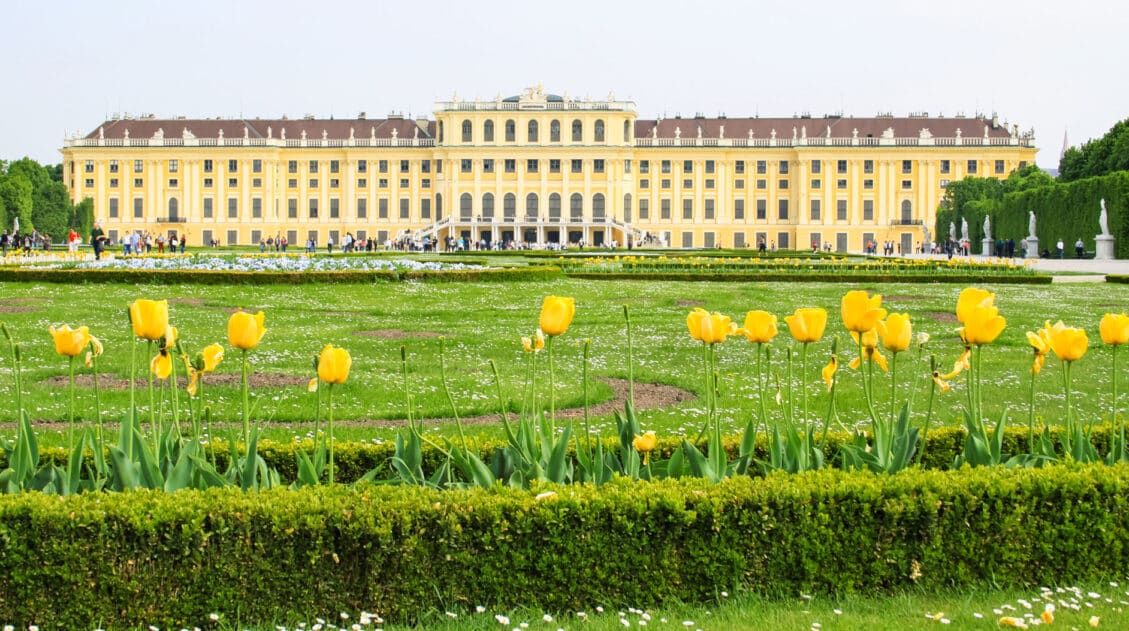
Vienna Bucket List: 25 Amazing Things to Do in Vienna
Dine at a Viennese café, visit the Hofburg Palace and Schönbrunn Palace, have a slice of Sacher Torte, stroll along Vienna’s bustling pedestrian streets, and ride the oldest Ferris wheel in the world…these top the list of things to do in Vienna. Vienna is the largest city and the capital of Austria. It sits on […]
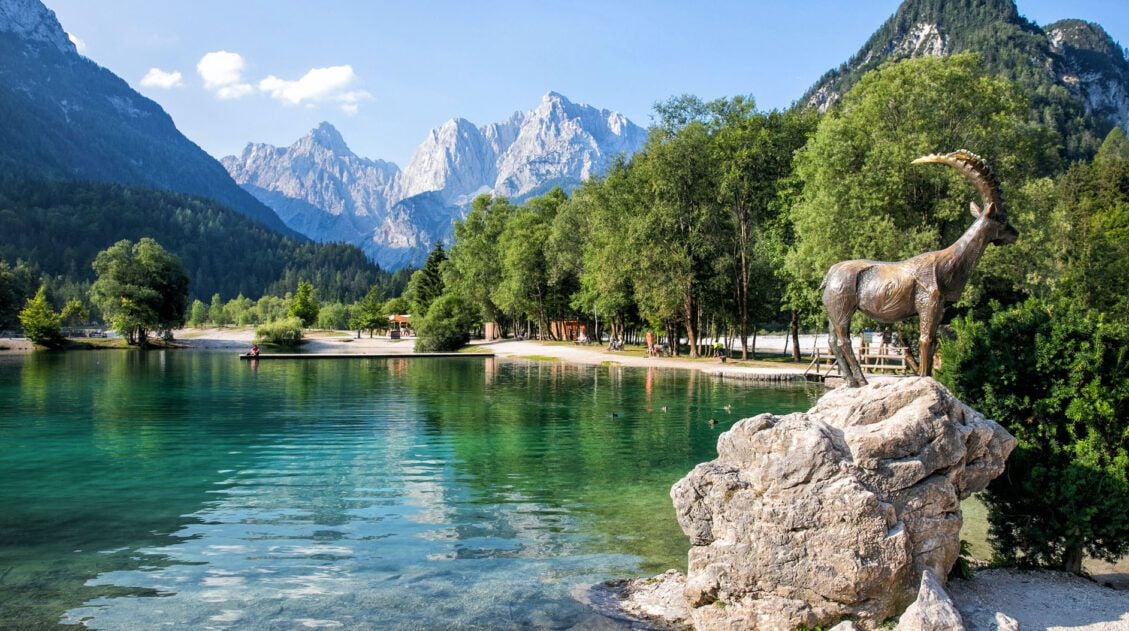
20 Epic Things to Do in Slovenia
Slovenia…this small, mountainous country is one of Europe’s best outdoor destinations. Hike the Julian Alps, explore the karst caves, raft the crystal clear aquamarine rivers, and paddle board on the lakes…these all make the list of the best things to do in Slovenia. When we visited Slovenia, we were blown away by how much this […]

Our 6 Favorite Things to Do in Mostar
In this guide, we cover the very best things to do in Mostar, how to get the best views and photos of Stari Most, plus where to stay and where to eat, plus a few wonderful day trips. The town of Mostar is one of Bosnia & Herzegovina’s most popular destinations. With cobblestoned streets, old […]
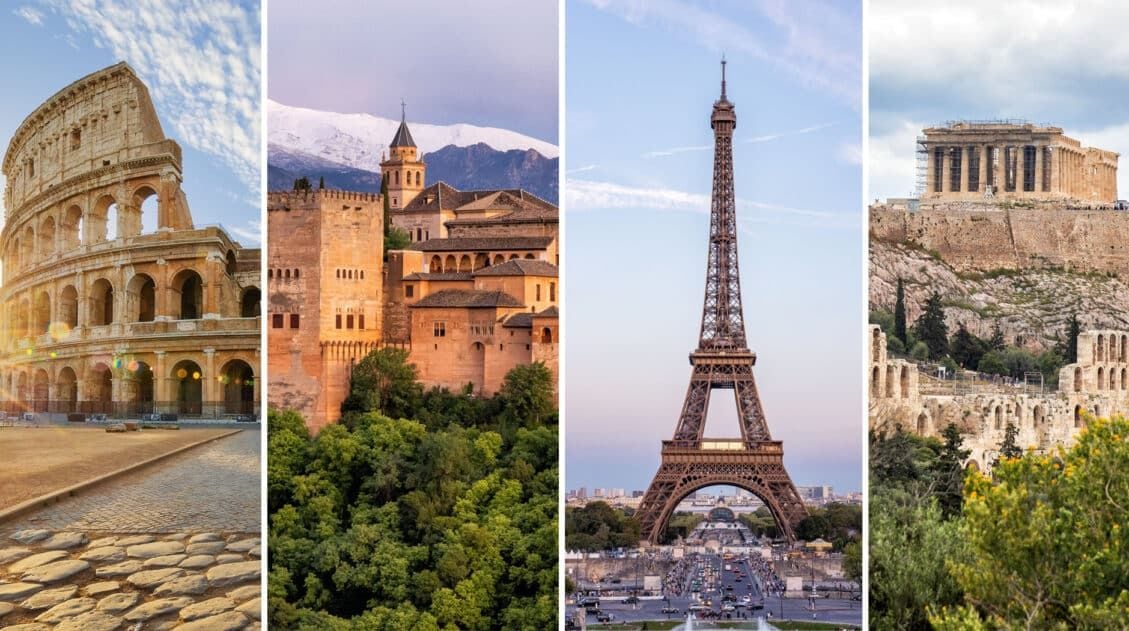
30 Popular Tourist Attractions in Europe & How to Visit Them
What’s on your European bucket list? From world class museums and ancient archaeological sites to stunning natural wonders, Europe boasts a diverse array of attractions that attract millions of visitors every year. The Colosseum, the Eiffel Tower, and the Acropolis top the list for many first time visitors to Europe, but you can also explore […]
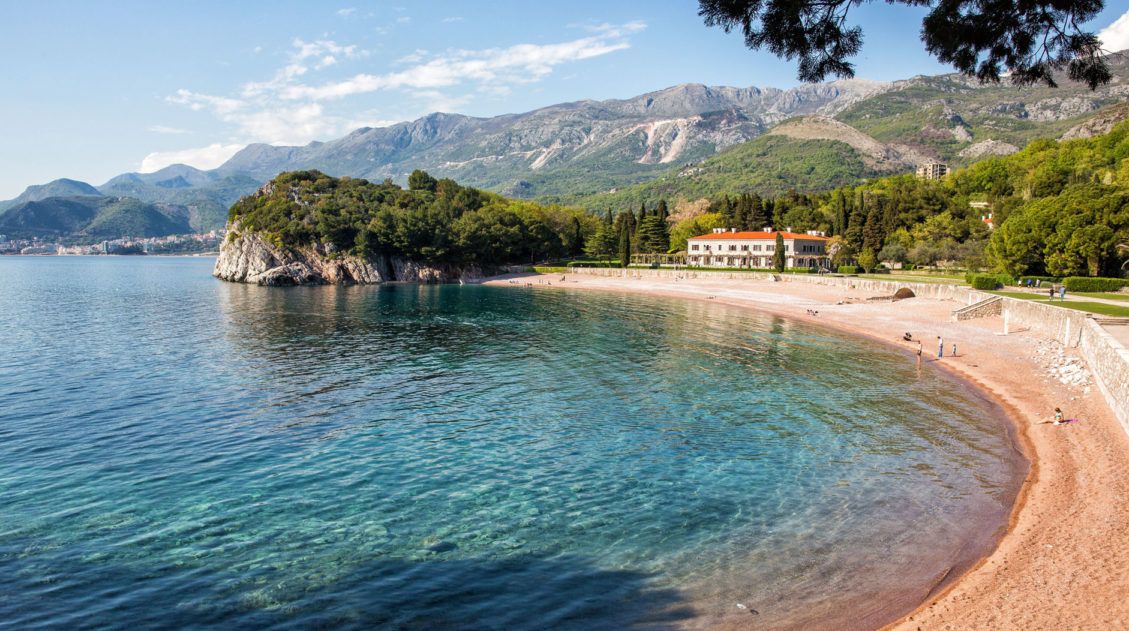
Balkan Peninsula Itinerary: Croatia, Montenegro, and Bosnia & Herzegovina
This 10-day Balkan Peninsula itinerary is perfect for those who want to explore this gorgeous corner of Europe. Tour three countries, visit coastal and medieval towns, cruise the Adriatic Sea, lounge on some of Europe’s most unique beaches, dine on fresh seafood, and climb the highest mountain in the Adriatic Sea, if you desire. Croatia […]

Hungary Travel Guide: How to Plan a Trip to Hungary
Hungary Travel Guide Hungary might not be as famous as some European destinations, but it’s a hidden gem with impressive architecture, intriguing history, and charming towns. Don’t miss the chance to try a bowl of goulash, relax in thermal baths, and wander through the delightful streets of Budapest, where you’ll find a blend of historic […]



Comments 54