
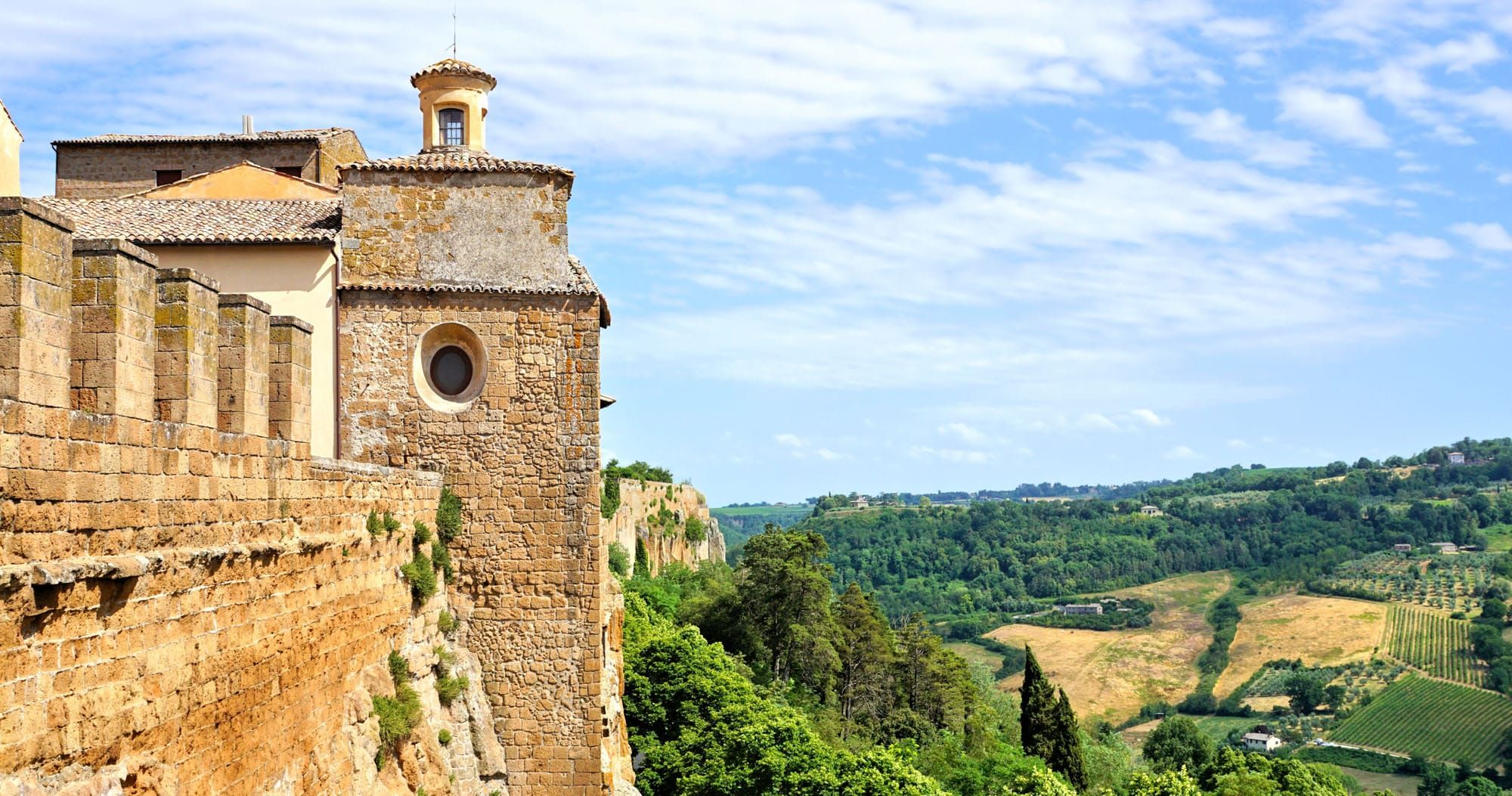

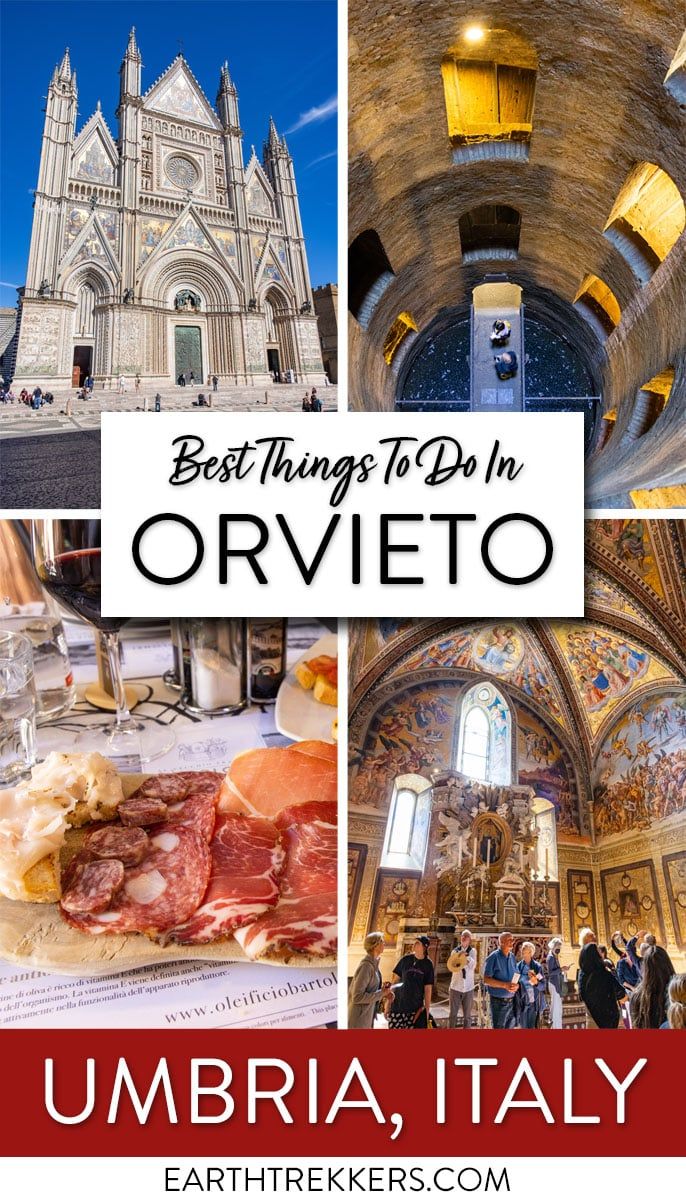
Visiting Orvieto, Italy? Here are the best things to do, including St. Patrick’s Well, the Orvieto Cathedral, Albornoz Fortress, and the famous Orvieto Classico wine.
Perched dramatically on a volcanic tufa cliff, Orvieto is one of those Italian hilltop towns that stops you in your tracks before you’ve even set foot inside.
Tim and I visited on a day trip from Tuscany in September, and what struck us most wasn’t just the views, it was how much this town rewards curiosity. Go underground into the double helix staircase of St. Patrick’s Well. Walk the ramparts of the Albornoz Fortress with sweeping views over Umbria stretched out below. Duck into the tunnels of Il Labirinto Di Adriano, our favorite unexpected experience of the day: equal parts restaurant and cave exploration, and far less touristy than it sounds.
Orvieto has the heavy hitters too: an extraordinary cathedral, Etruscan history around every corner, and a famous white wine that’s been produced here for centuries. But it’s the sense of adventure layered into an otherwise compact hilltop town that makes it memorable. One full day is enough to hit the highlights, and it’s an easy add to any Umbria or Tuscany itinerary.
In this guide, we cover the best things to do in Orvieto, how to get here, where to eat, and everything you need to plan a great visit.
The Essentials
LOCATION | Umbria, Italy
BEST FOR | History lovers, foodies, wine, day trippers
HOW TO GET THERE | By train from Rome (~1.5 hrs) or Florence (~2 hrs); by car with parking near Piazza Cahen
HOW MUCH TIME | One full day
BEST TIME TO VISIT | Spring and fall
DON’T MISS | St. Patrick’s Well, Albornoz Fortress ramparts, Il Labirinto Di Adriano, Orvieto Cathedral
June 2026 Update: Post updated with new sections, additional FAQs, and expanded attraction descriptions. Orvieto Card pricing confirmed and all links verified.
Is Orvieto Worth Visiting?
Yes, but with some context. Orvieto is a lovely hilltop town with genuine highlights: a stunning cathedral, fascinating underground sites, and some of the best views in Umbria. If you’re visiting for the first time, you’ll enjoy it.
That said, if you’ve already spent significant time in Italy, Orvieto will feel familiar. Tim and I came on this trip having already done ten days in Tuscany, and while we had a great day here, it has a lot in common with the other hilltop towns we love. It’s not a must-see on a first trip to Italy the way Rome, Florence, or the Amalfi Coast are.
Where Orvieto really shines is for the repeat Italy traveler, someone on their second, third, or fourth trip who wants to slow down, explore a quieter corner of the country, and venture into Umbria rather than sticking to better-known Tuscany. If that’s you, absolutely put it on the list.
Best Things to Do in Orvieto
1. St. Patrick’s Well: Orvieto’s Most Unique Attraction
St. Patrick’s Well was our first stop in Orvieto, and it set the tone for the day perfectly.
This enormous well was constructed between 1527 and 1537 at the request of Pope Clement VII, who took refuge in Orvieto after the sack of Rome and was concerned the town would run out of water. The engineering solution he got was remarkable, a double helix staircase (similar to the one in the Vatican Museums) descending 62 meters (203 feet), with two separate staircases so that those going down never crossed paths with those coming up.
Exterior of St. Patrick’s Well
We descended all 248 steps to the bottom. As you go down, the temperature drops noticeably and there’s a faint musty smell that makes the whole experience feel genuinely ancient. Vegetation grows along the walls, giving the stone a green tinge, and you can peer into the well itself through 70 windows along the way.
A visit takes about 30 minutes. We enjoyed every bit of it, but we’re not ones to shy away from a stair climb. If lots of steps aren’t your thing, this one is easy to skip. For everyone else, it’s one of the most unusual sights you’ll find in any Italian hill town.
Get hours and pricing here.
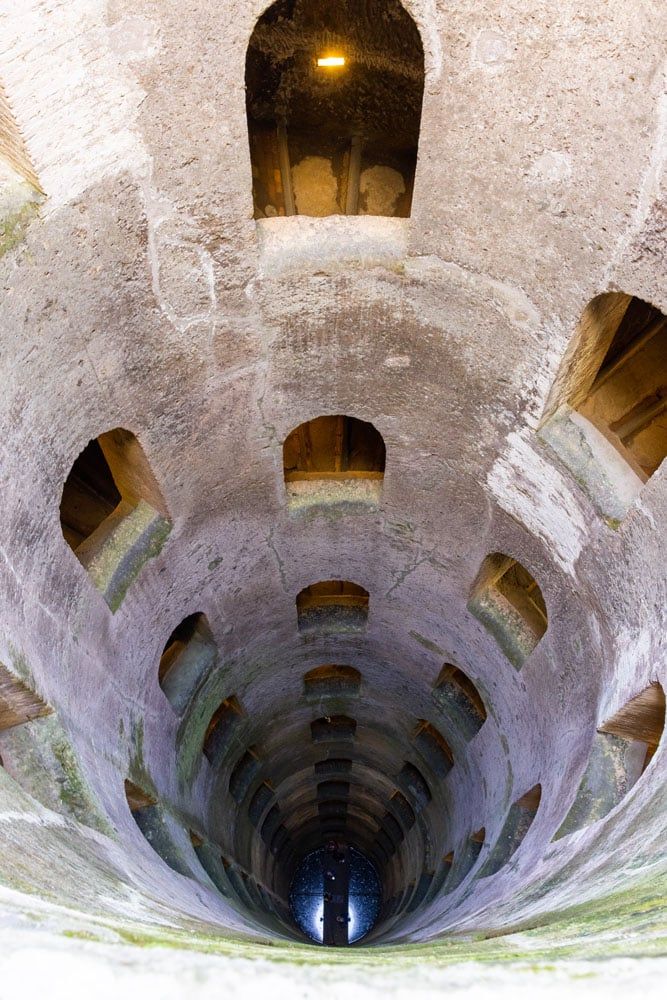
Inside of St. Patrick’s Well
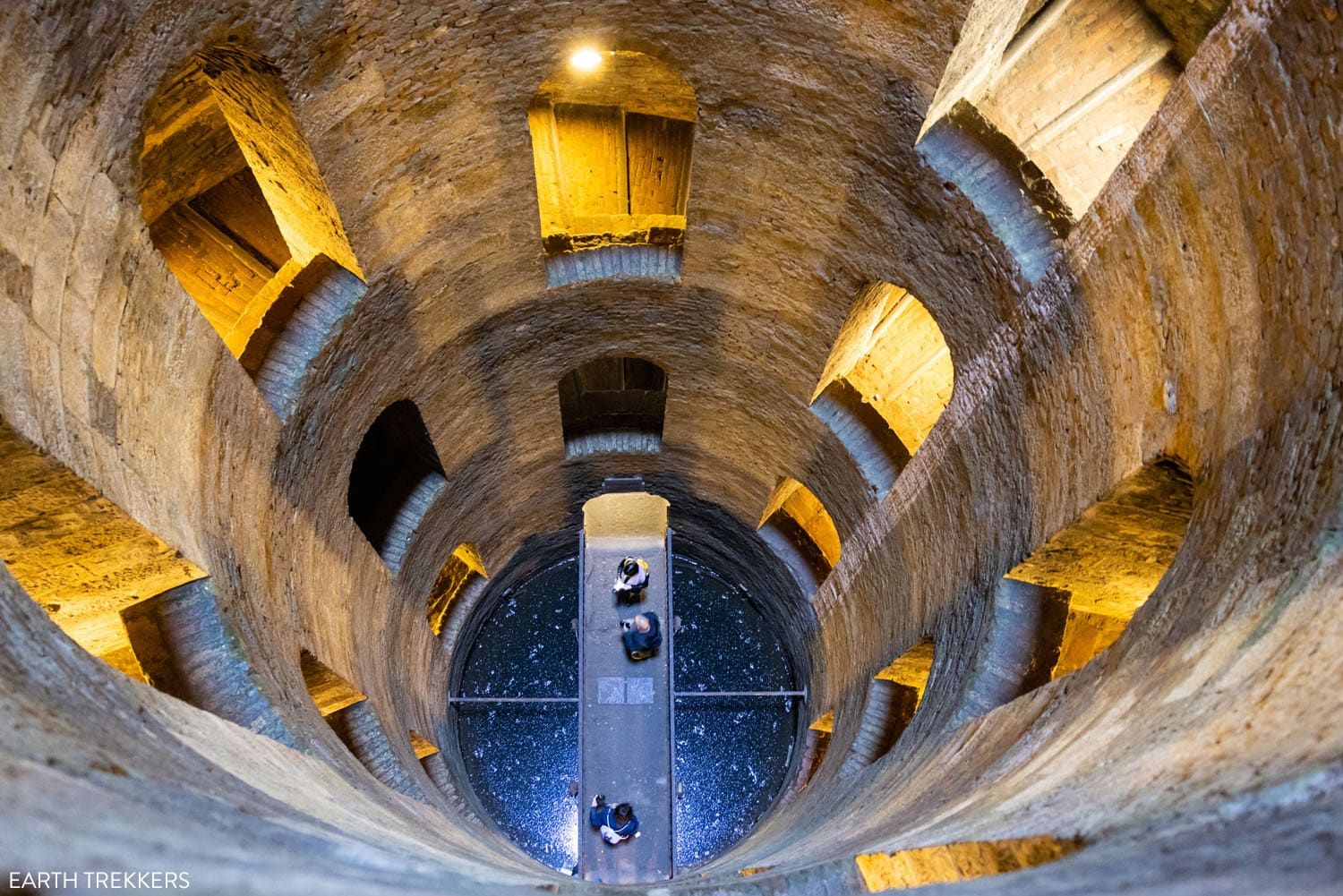
St. Patrick’s Well
2. Visit the Temple of Belvedere
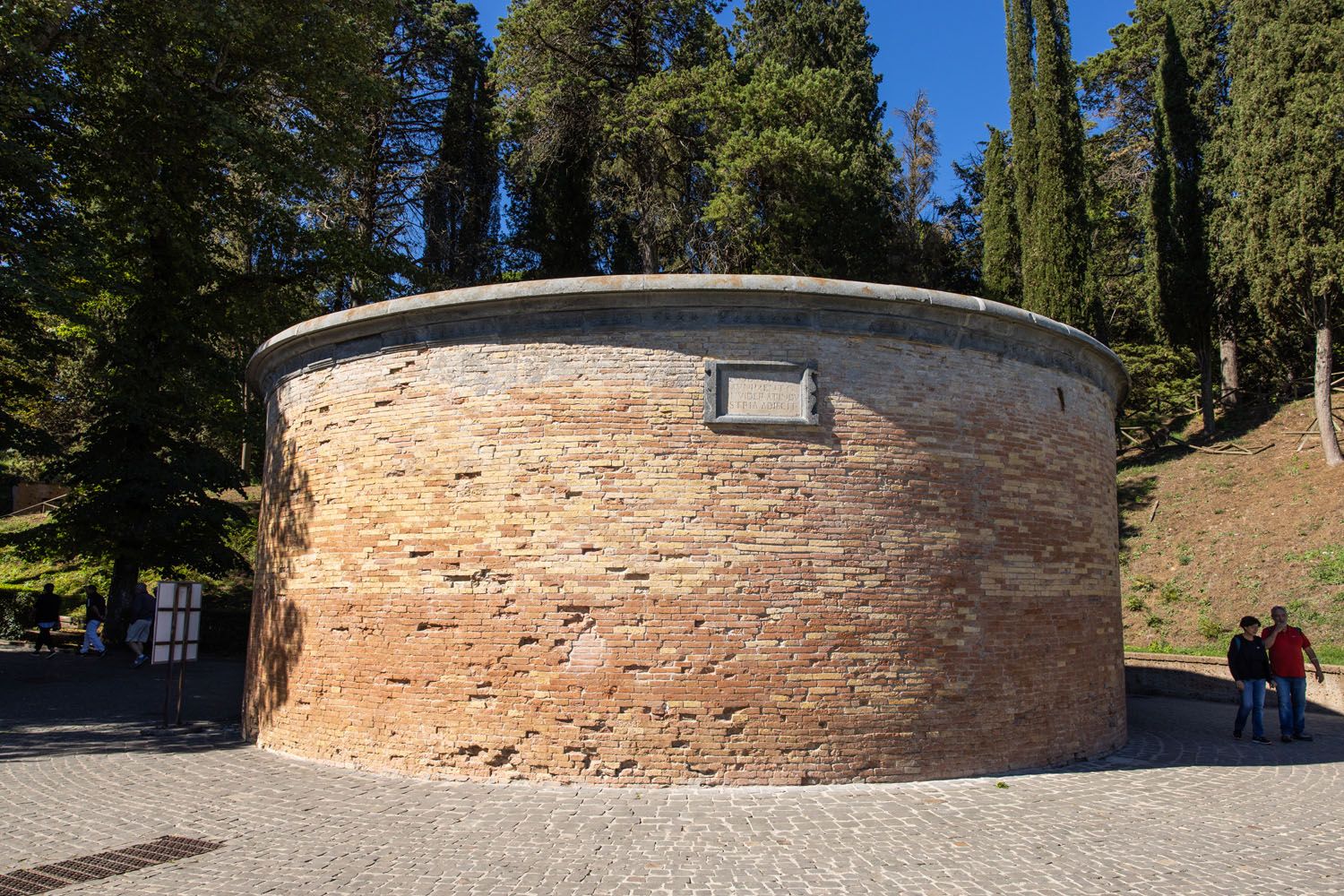
Sitting next to St. Patrick’s Well is the Temple of Belvedere. This is one of the last surviving Etruscan temples in Orvieto (most of the Etruscan temples and buildings were covered by Roman buildings and Christian churches).
It takes just a few minutes to see the temple and it is free to visit. There is also a nice viewpoint over Umbria from this spot.
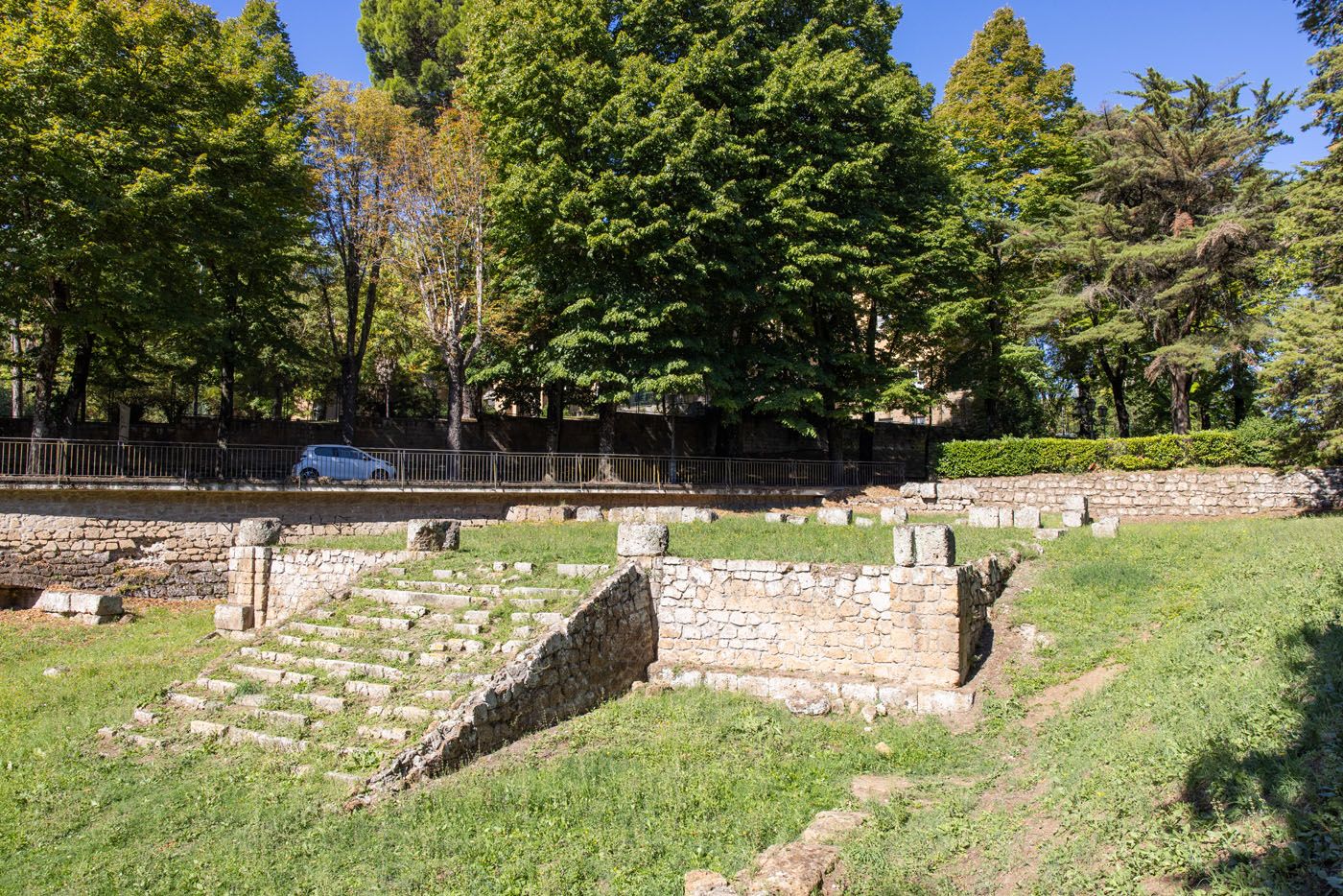
Temple of Belvedere
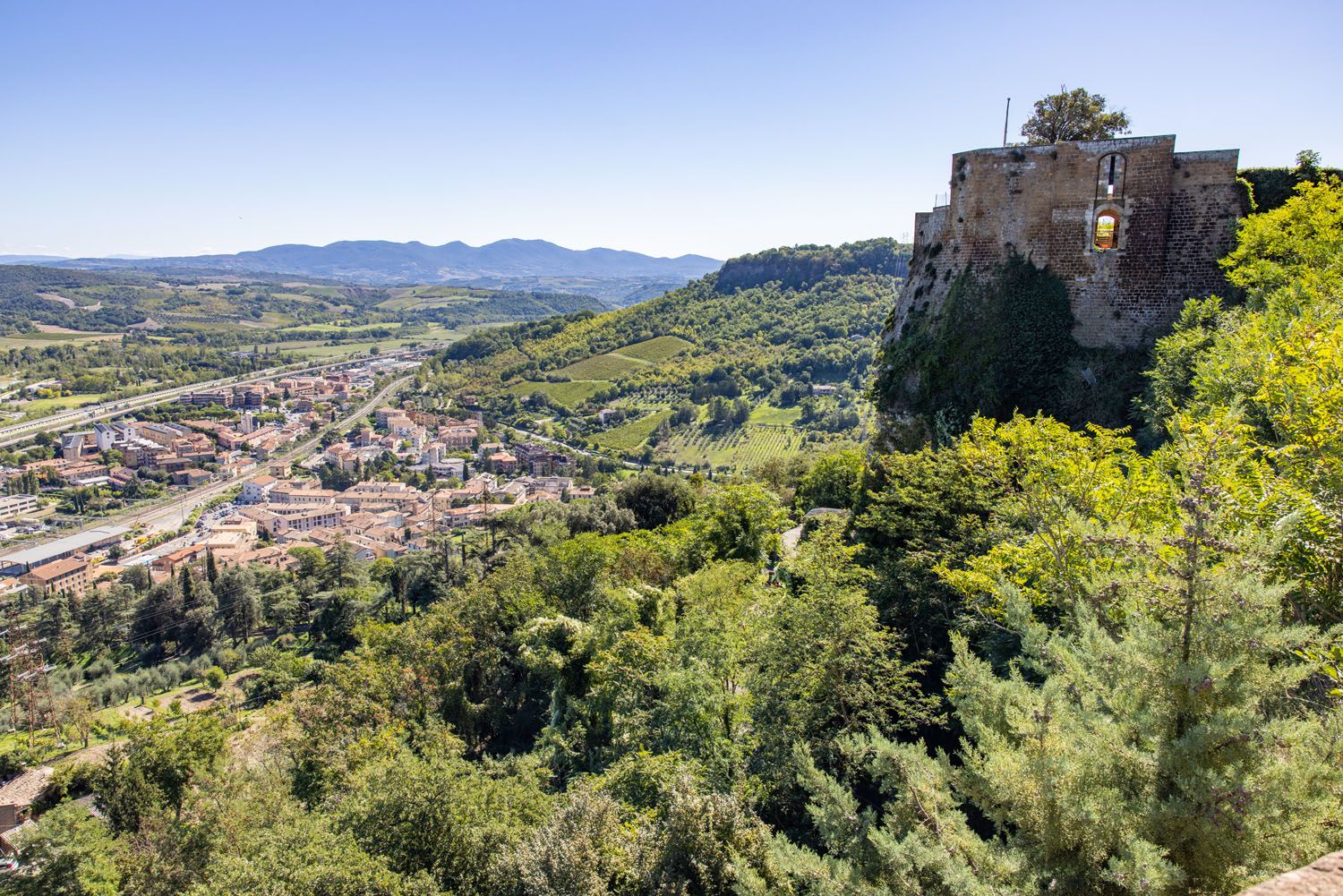
The view from the Temple of Belvedere
3. Walk the Ramparts at Albornoz Fortress (Fortezza Albornoz)
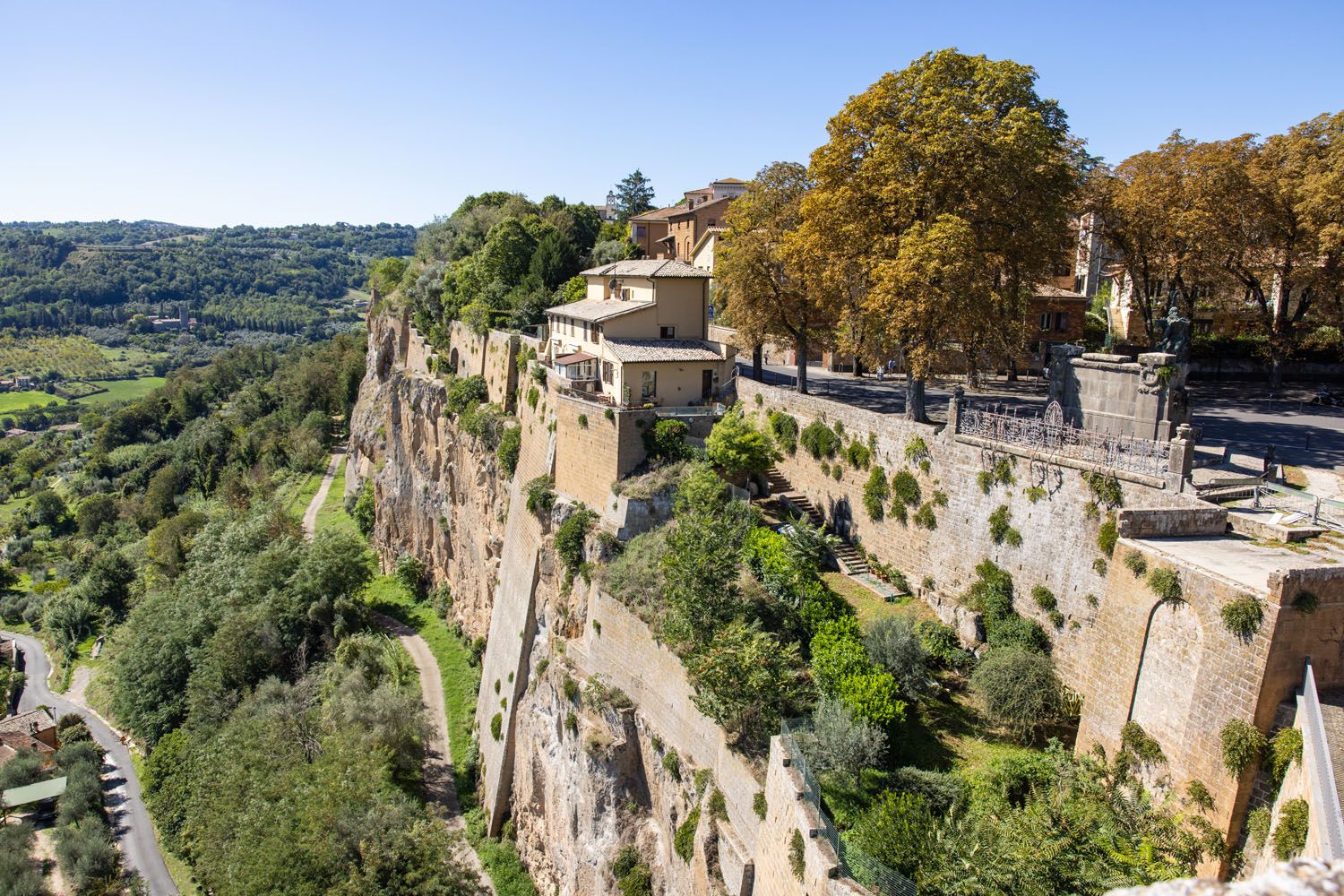
The Albornoz Fortress might be the most underrated stop in Orvieto, and it’s free.
Built in 1364 by Cardinal Egidio Albornoz at the request of Pope Innocent VI, the fortress has been partially converted into a park, but the real draw is walking the ramparts. On a clear September day, the views over the Umbrian countryside were stunning, with rolling hills stretching out in every direction.
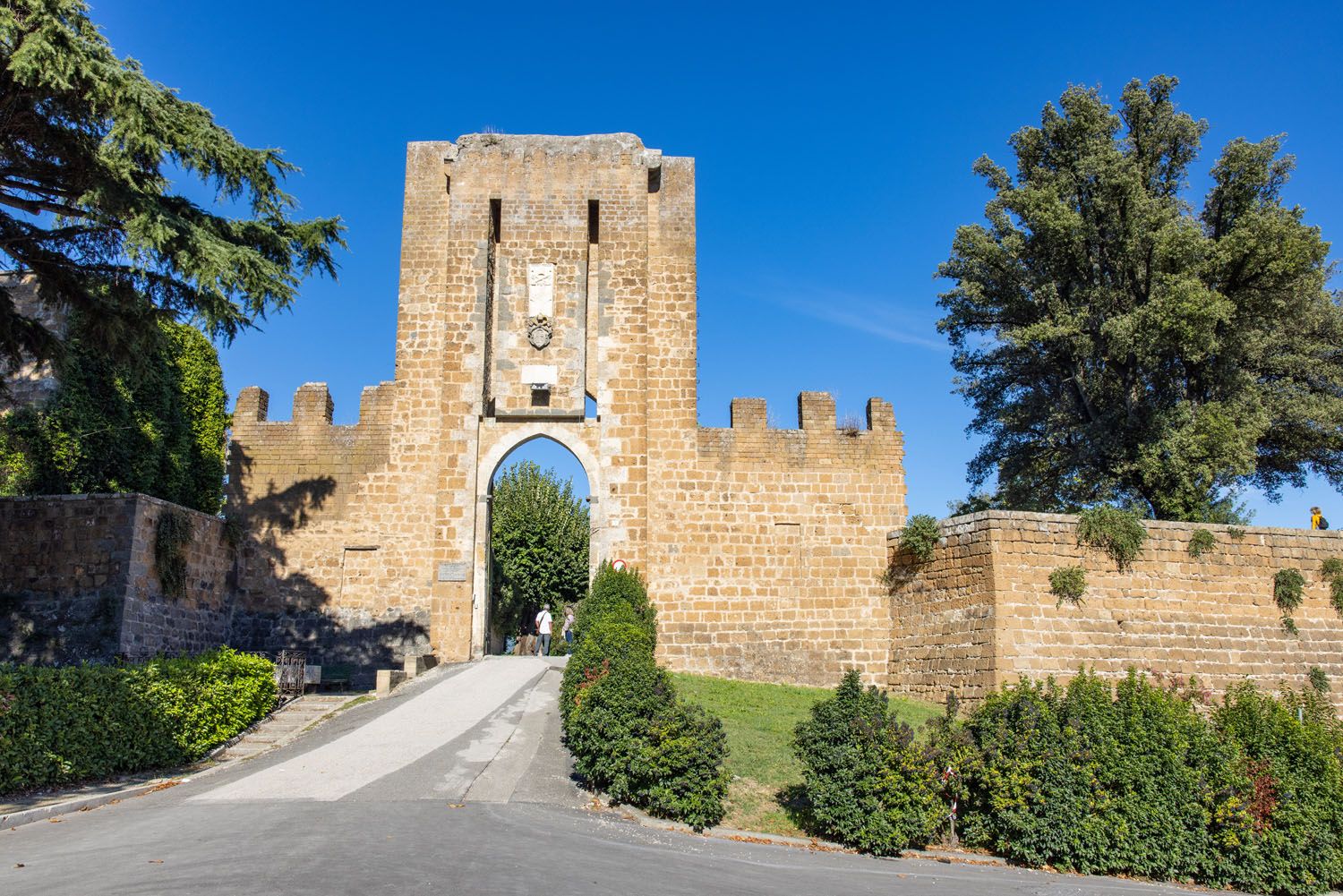
Albornoz Fortress
It only took us about 15 minutes, which felt just right. It’s not a museum, just open air, gorgeous scenery, and a moment to breathe between sights.
Since it sits right next to St. Patrick’s Well and the Temple of Belvedere at Piazza Cahen, it’s an easy addition to your first stop of the day. Don’t skip it just because it’s free.
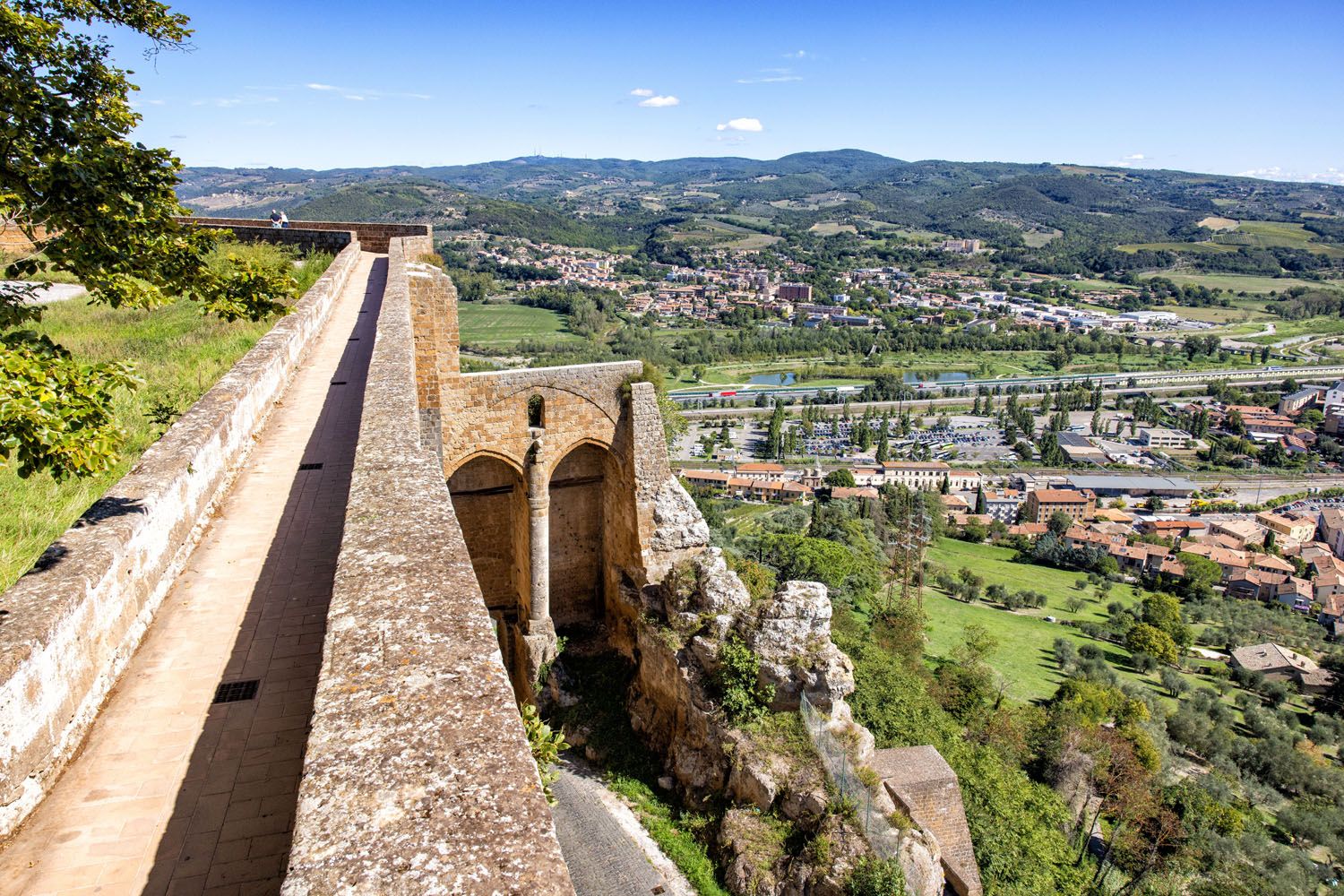
Albornoz Fortress
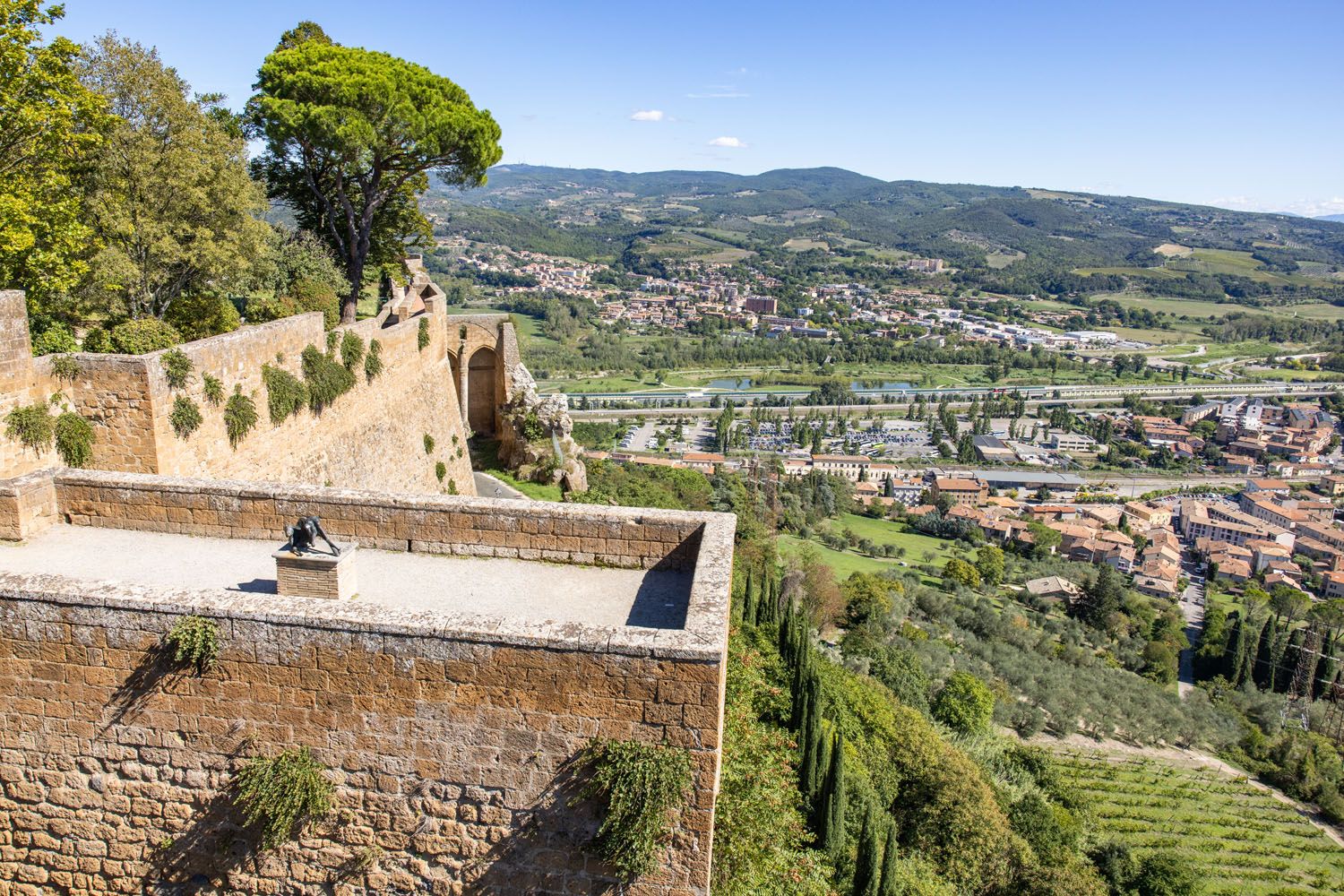
View from the Albornoz Fortress
4. The Orvieto Cathedral: One of Italy’s Most Beautiful Gothic Facades
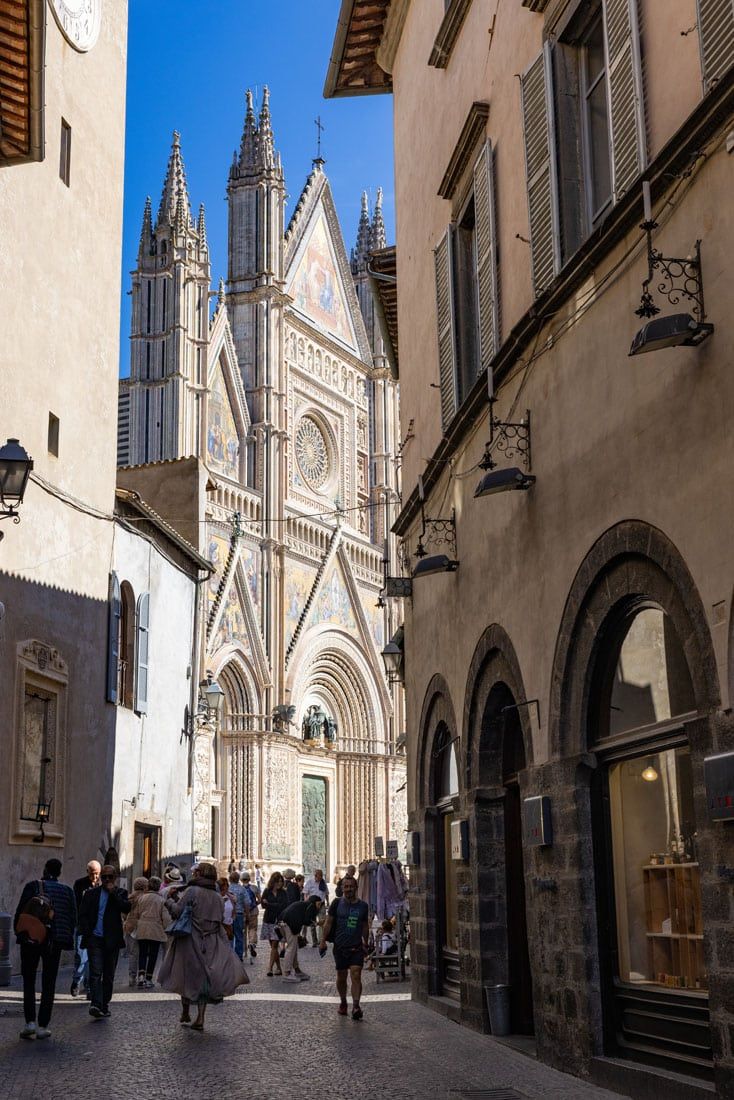
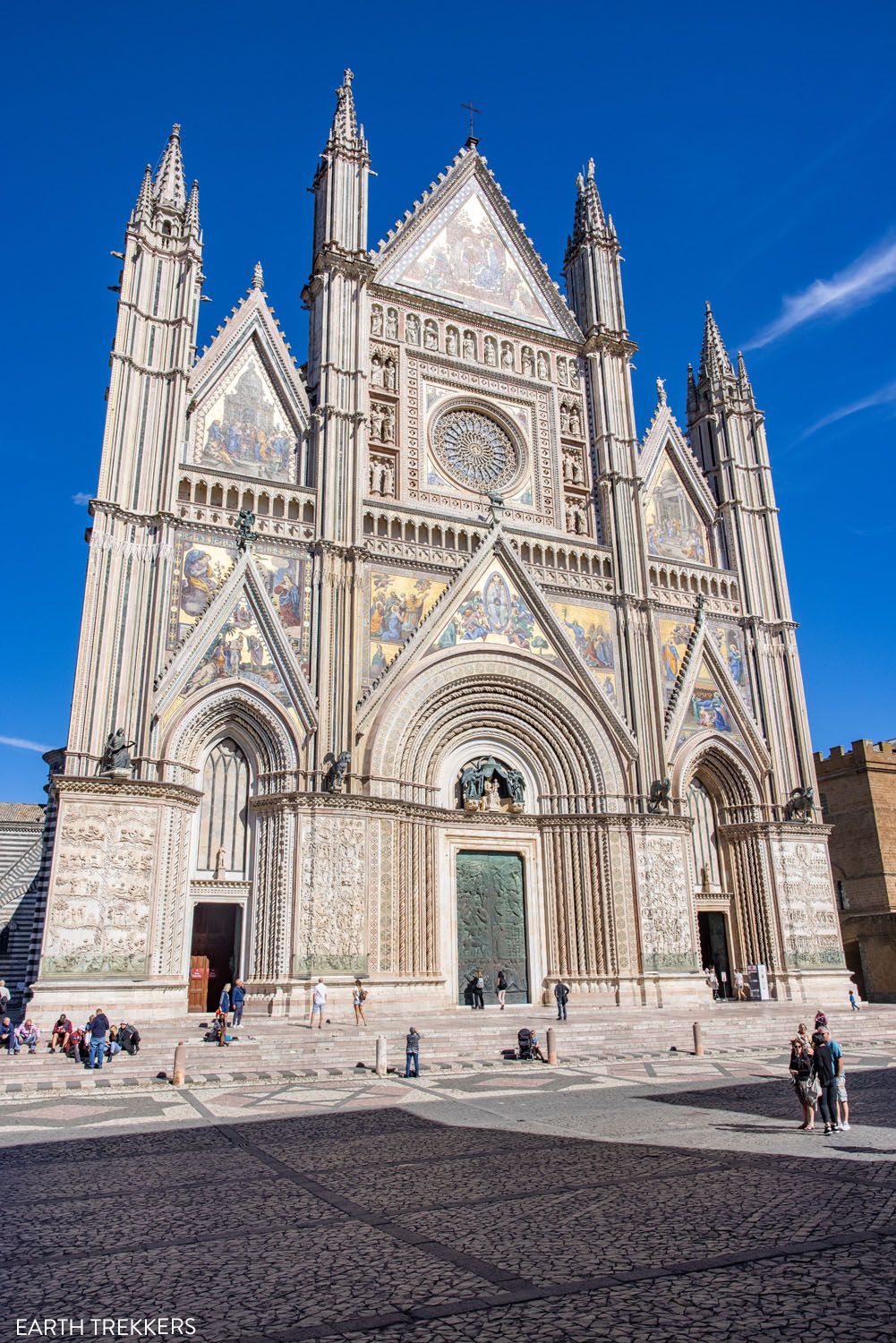
The Orvieto Cathedral is the undisputed centerpiece of the town, and the facade alone is worth the trip. As you approach it for the first time, you’re immediately struck by the elaborate detail of the gilded mosaic tilework.
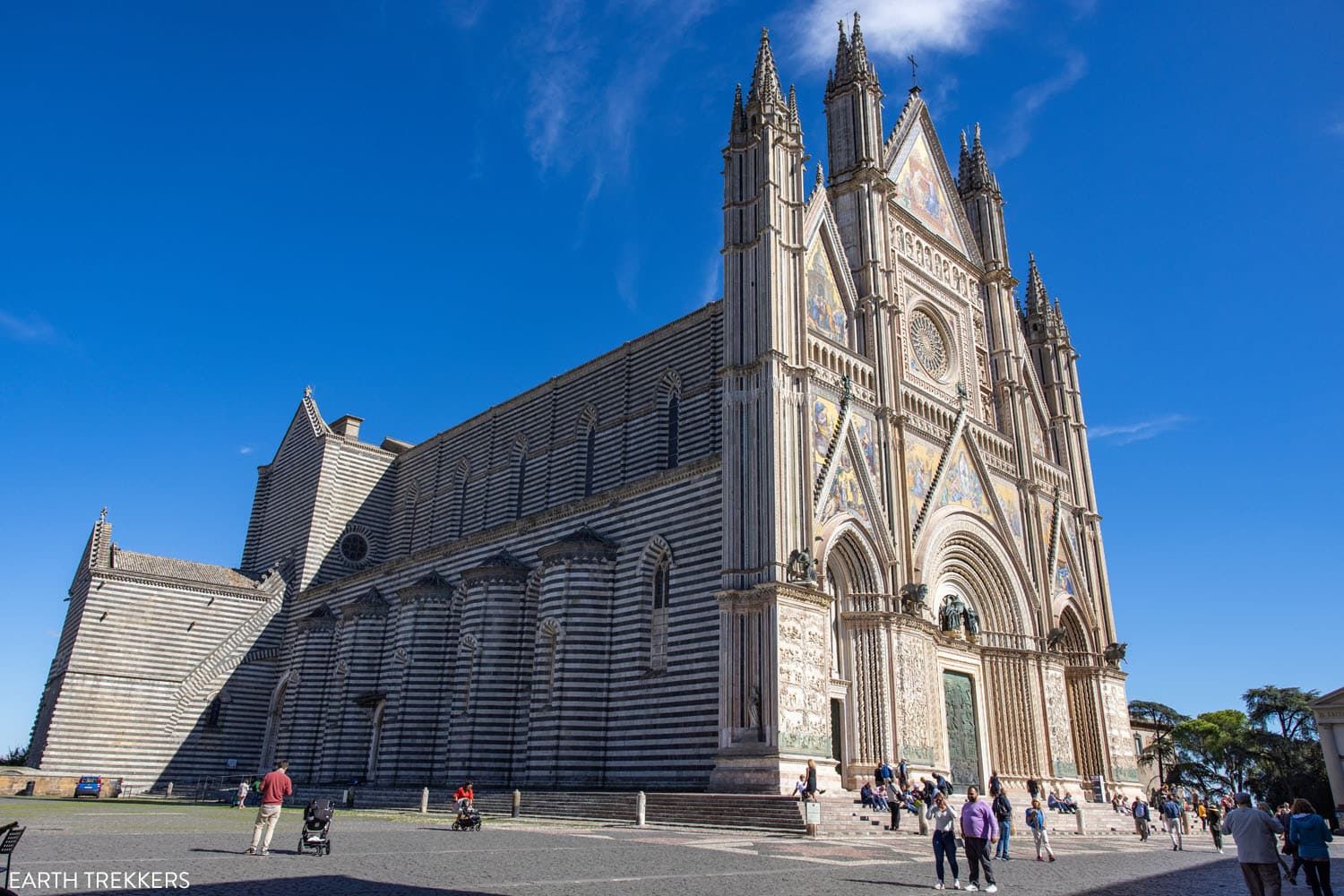
Orvieto Cathedral
Construction began in 1290 and took three centuries to complete, and it shows in the layered detail: gilded mosaics depicting the Marriage of the Virgin, the Baptism of Christ, and the Assumption of the Virgin, a Rose Window by Andrea Orcagna above the main entrance, and bas-reliefs spanning scenes from the Old Testament to the Last Judgement.
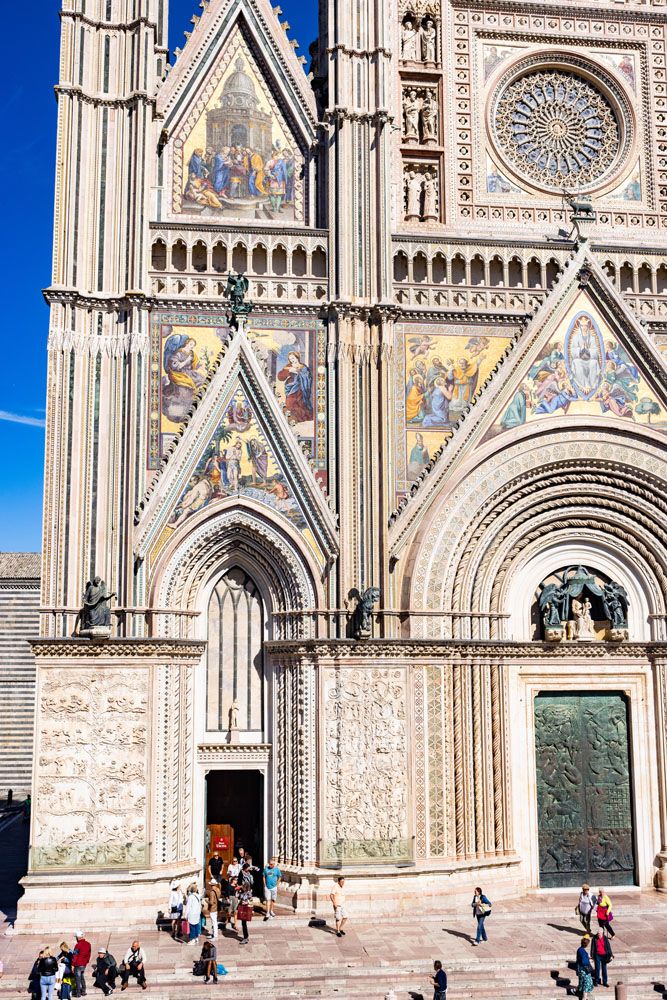
Façade of the Cathedral
Inside, the cathedral is equally impressive. Like the Siena Cathedral, the walls are striped in alternating white and green marble, giving the nave a bold, almost graphic quality. What struck us most were the crumbling frescoes along the side aisles, there’s a beautiful fragility to them, and the sweeping grandeur of the nave itself.
Don’t miss the Cappella Nuova (Chapel of the Madonna of San Brizio) and the Chapel of the Corporal, both worth a slow look.
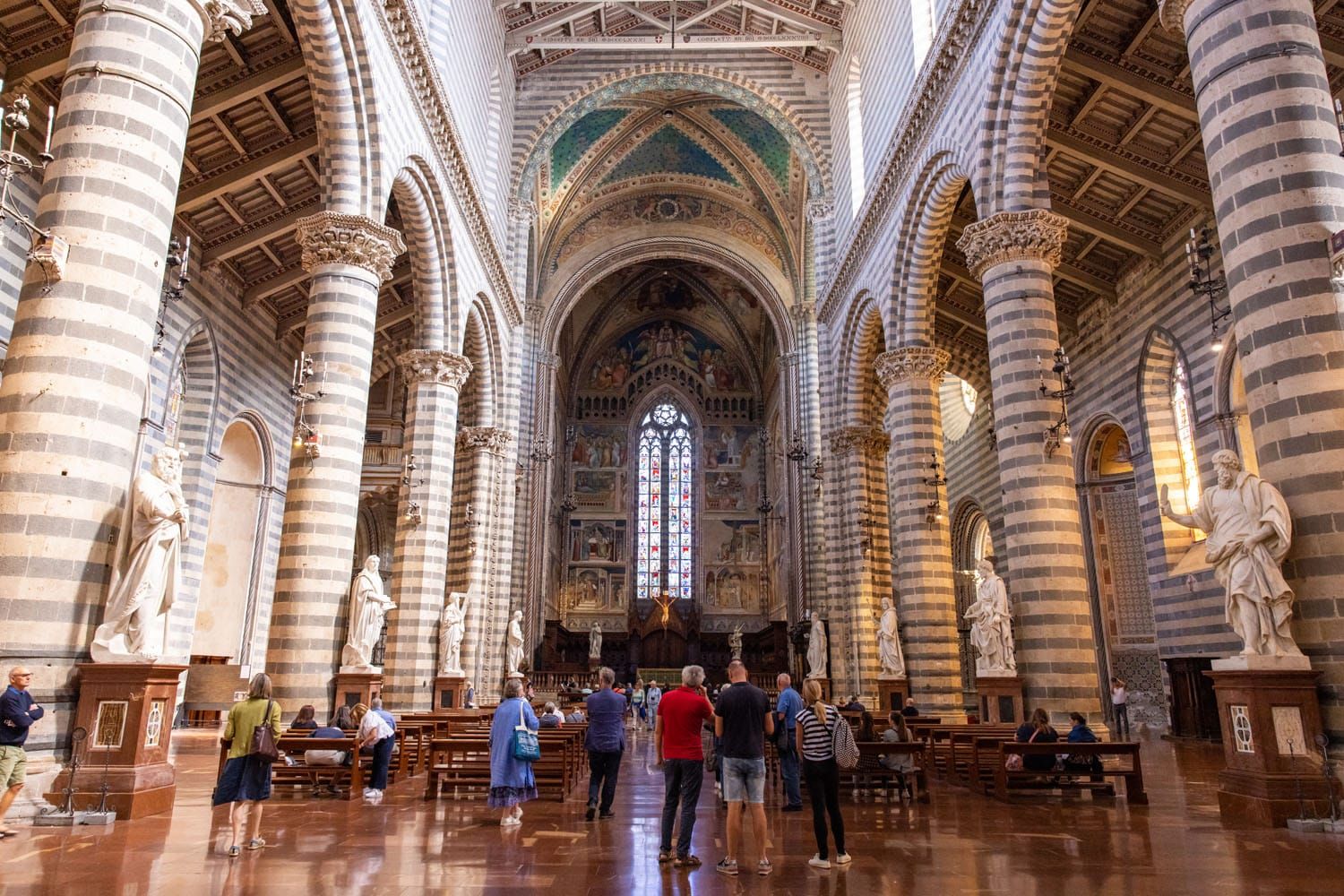
Interior of the Orvieto Cathedral
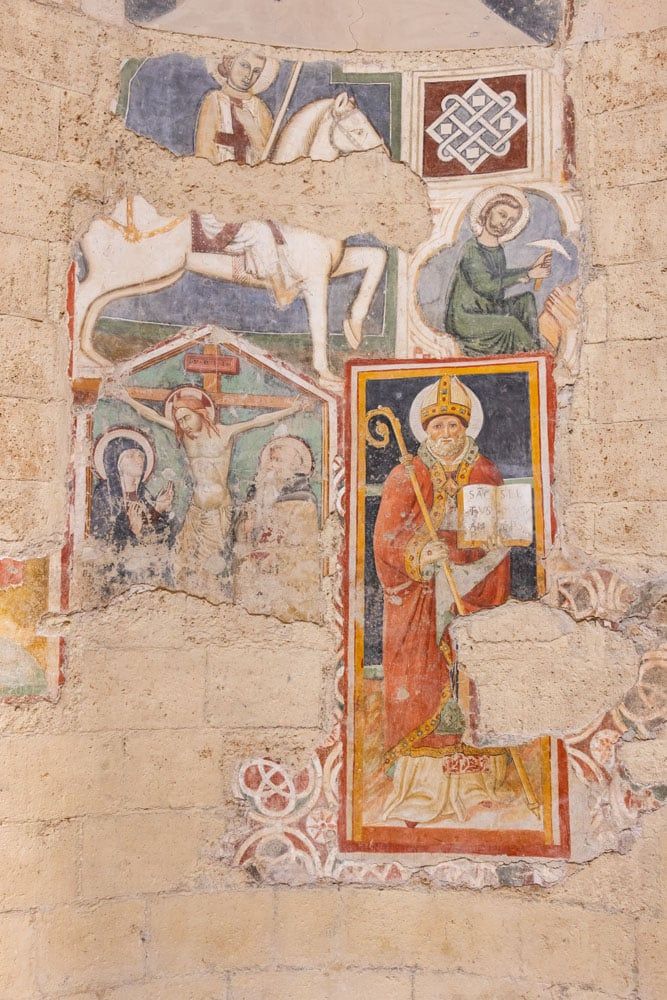
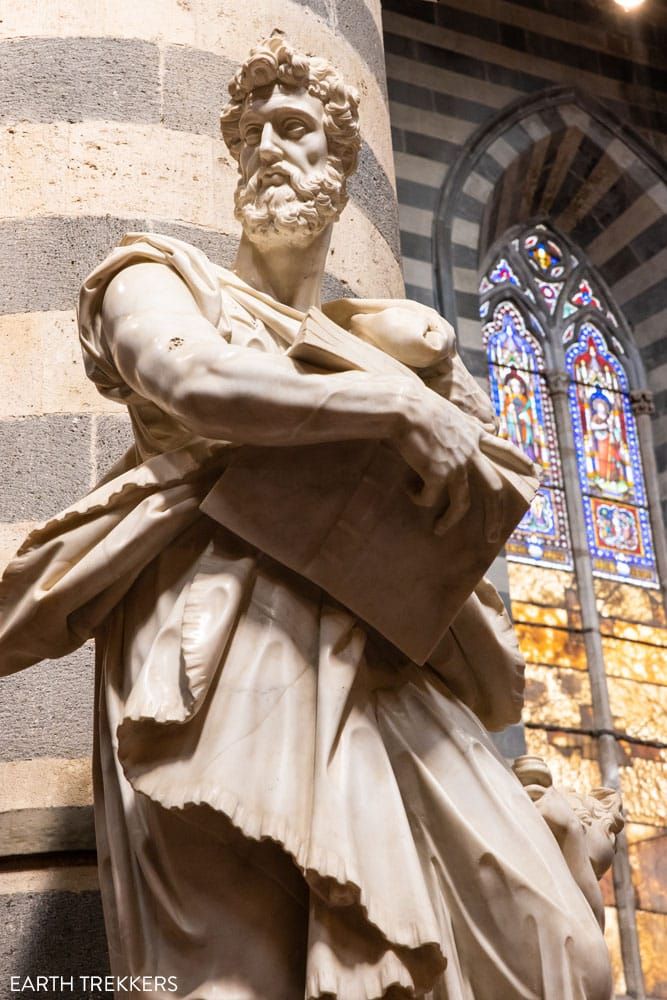
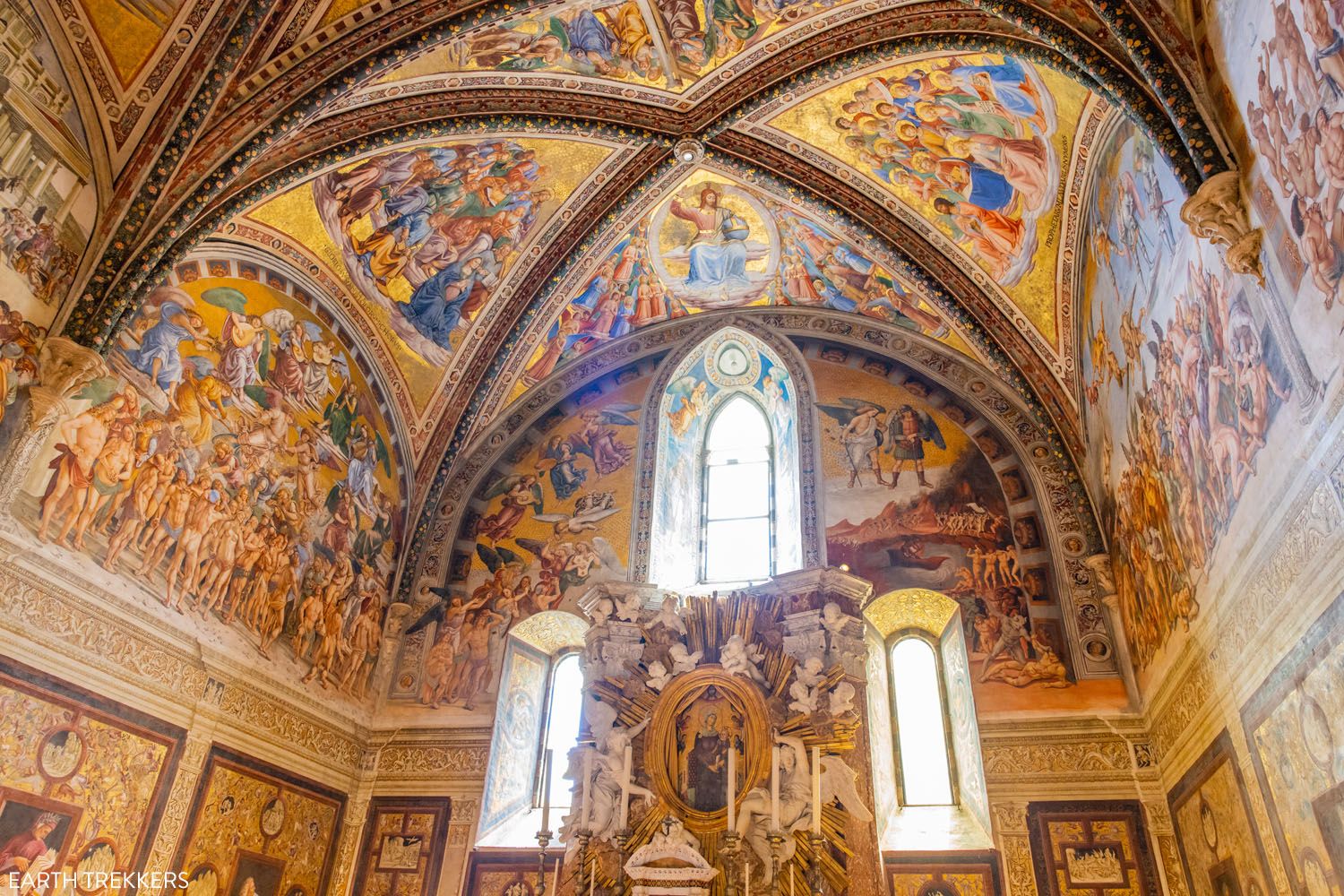
Cappella Nuova
There is a small fee to enter the cathedral. Get pricing and hours here.
5. Tour the Orvieto Underground
Descend into the underground world of Orvieto, touring the Etruscan caves, tunnels, and cisterns. Some of these tunnels and caves are over 3,000 years old, making this an important archaeological site in Italy.
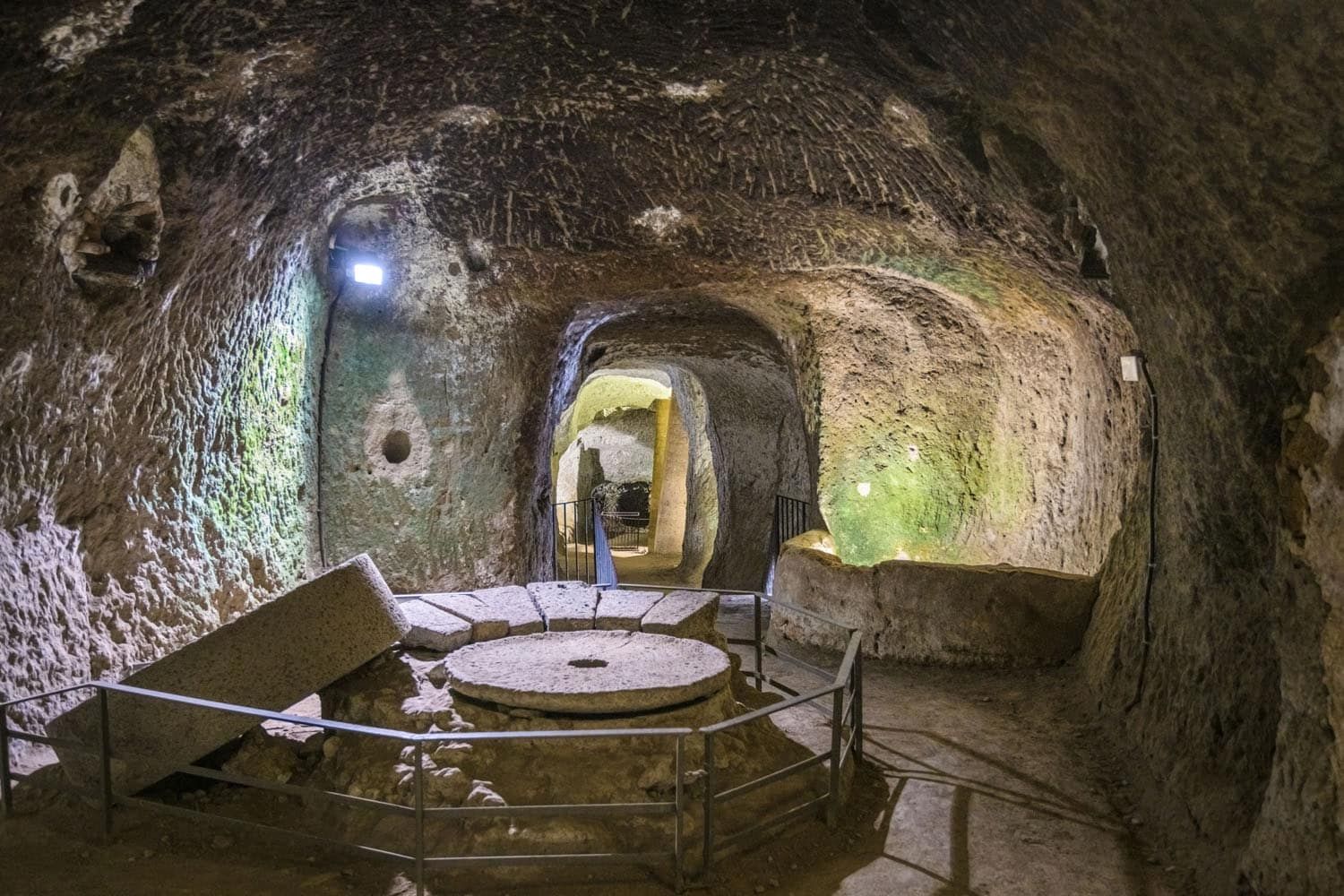
Orvieto Underground
The Orvieto Underground can only be visited on a tour. Book your tour in advance. Tours were sold out by mid-morning on our visit so you may not be able to show up and book your tour on the same day.
If you can’t get a spot on a tour, you can still visit Etruscan caves and tunnels by visiting Pozzo della Cava or at Il Labirinto Di Adriano.
Learn more about the Orvieto Underground and make your reservation on the official website.
6. Museo Claudio Faina: Etruscan Artifacts and Cathedral Views
Sitting directly across Piazza del Duomo from the Cathedral, Palazzo Faina houses two museums: Museo Claudio Faina, containing the private collection of Count Mauro Faina (Etruscan pottery, cremation urns, coins, and jewelry), and Museo Civico on the first floor, which displays artifacts from the necropolis of Cannicella alongside antiques collected by the City of Orvieto.
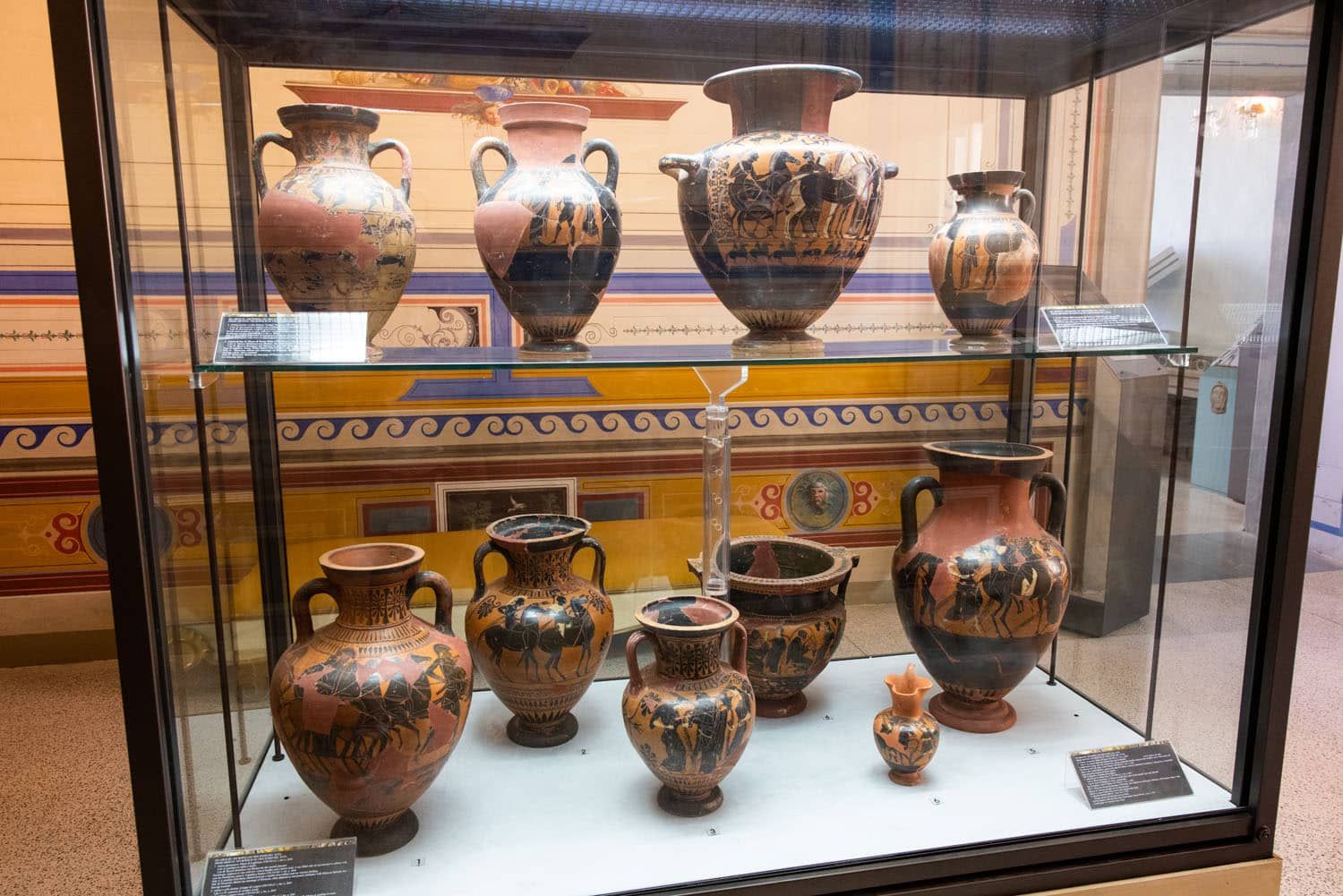
We visited but it’s best suited to those with a genuine interest in Etruscan archaeology. The highlight for us was the view of the Cathedral from the upper floors.
Get hours and pricing here.
7. Visit the Archaeological Museum
The Archaeological Museum (Museo Archeologico Nazionale di Orvieto) sits next to the Orvieto Cathedral. This museum contains artifacts from archaeological digs in the area around Orvieto. On display are a number of Etruscan and Greek vases and a full-sized reconstruction of the Golini I chamber in the Settecamini necropolis near Orvieto.
Get hours and pricing here.
8. Pozzo della Cava: Etruscan Wells and Underground Tunnels
Pozzo della Cava is another underground site worth knowing about, particularly if you have a full day in Orvieto.
Constructed in 1527 at the request of Pope Clement VII, it enlarged an existing Etruscan shaft and now includes a series of tunnels, tombs, and a cistern dating back to Etruscan times.
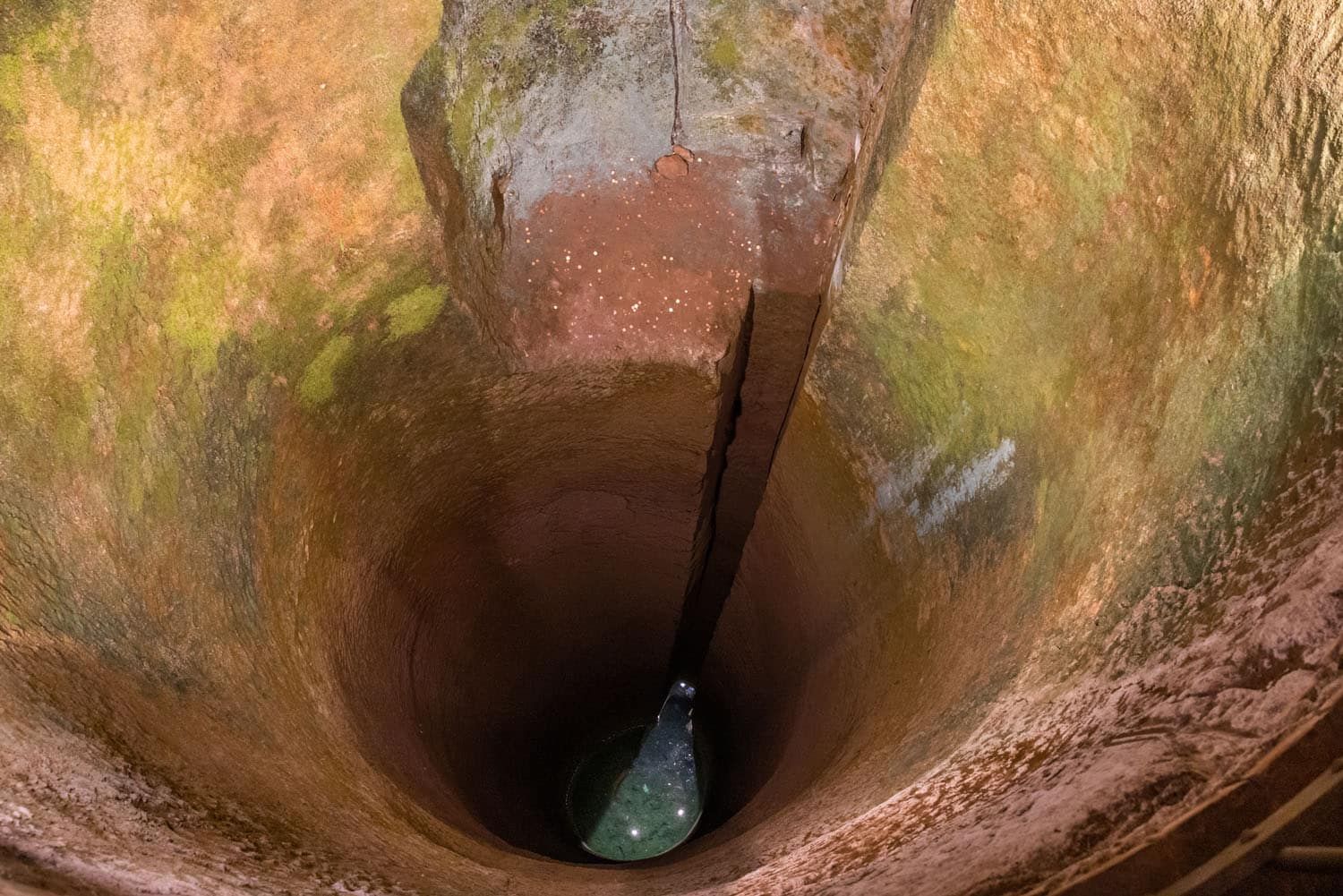
Pozzo della Cava
We visited and enjoyed it, though if we’re being honest, St. Patrick’s Well and Il Labirinto Di Adriano left a stronger impression. If underground Orvieto is your thing and you want to go deep on it, this is worth adding. If you’re short on time, prioritize the other two.
9. Torre del Moro: The Best Views Over Orvieto
Torre del Moro is the medieval clock tower you’ll spot along Corso Cavour, Orvieto’s main thoroughfare, and climbing it is one of our favorite things to do in town.
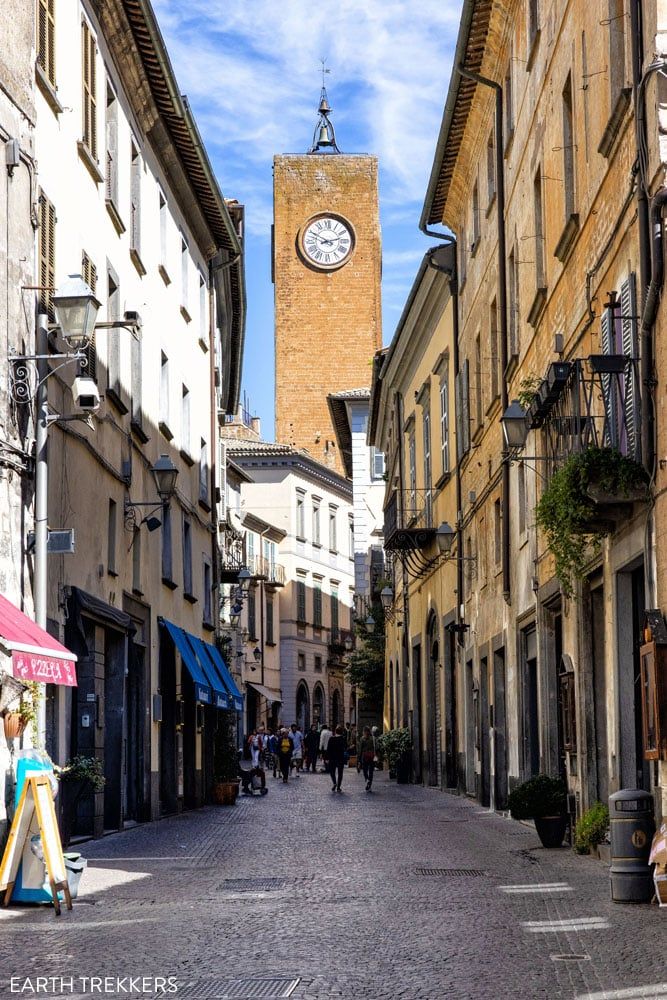
Torre del Moro
The 250-step climb rewards you with 360° views over the rooftops and surrounding Umbrian countryside, the kind of elevated perspective that completely reframes a place.
We love seeking out views like this wherever we travel, and Torre del Moro delivered. That said, if you’ve already climbed St. Patrick’s Well earlier in the day, factor in that this is another 250 steps. For us that’s never a deterrent, but it’s worth knowing going in.
Get hours and pricing here.
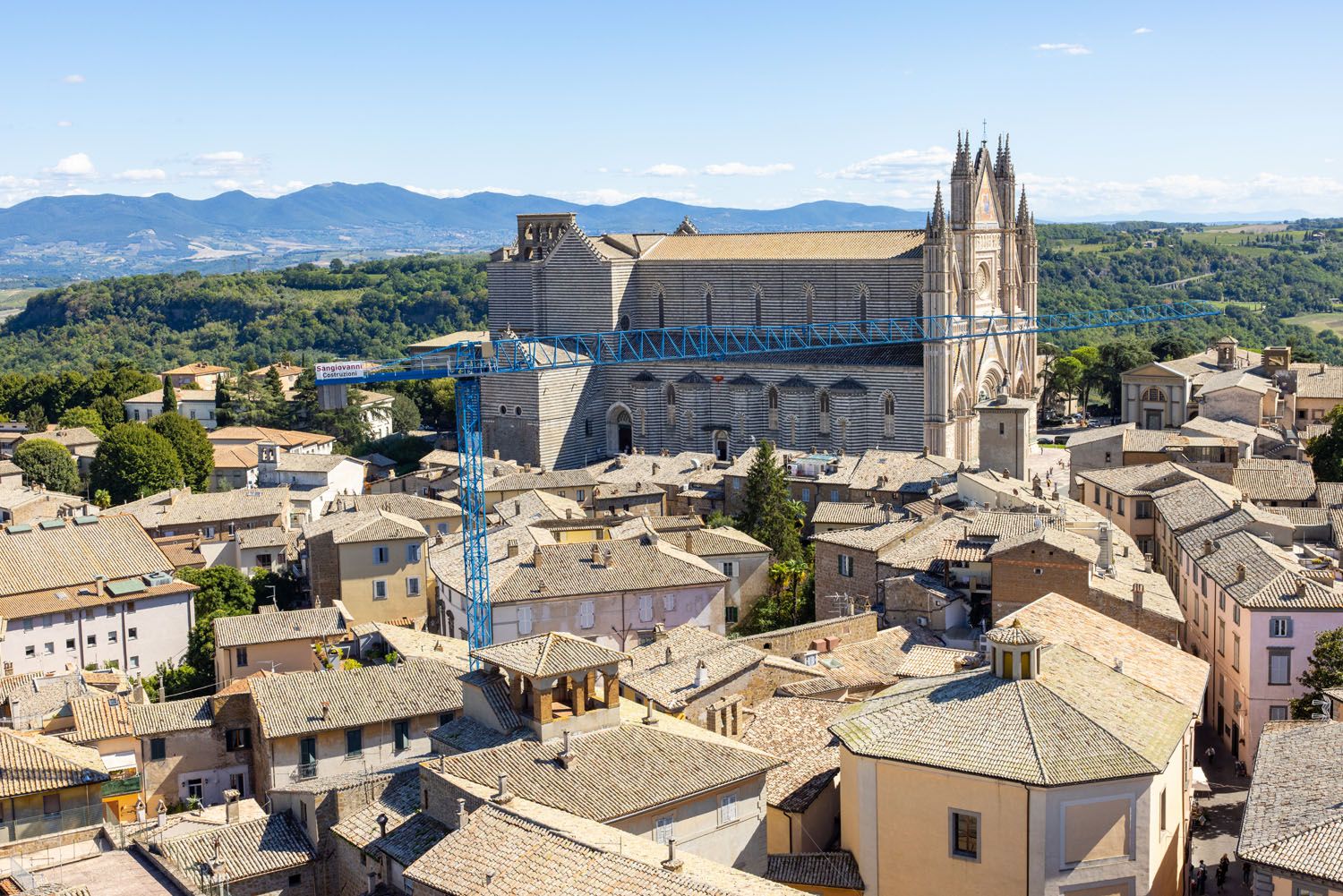
View from Torre del Moro
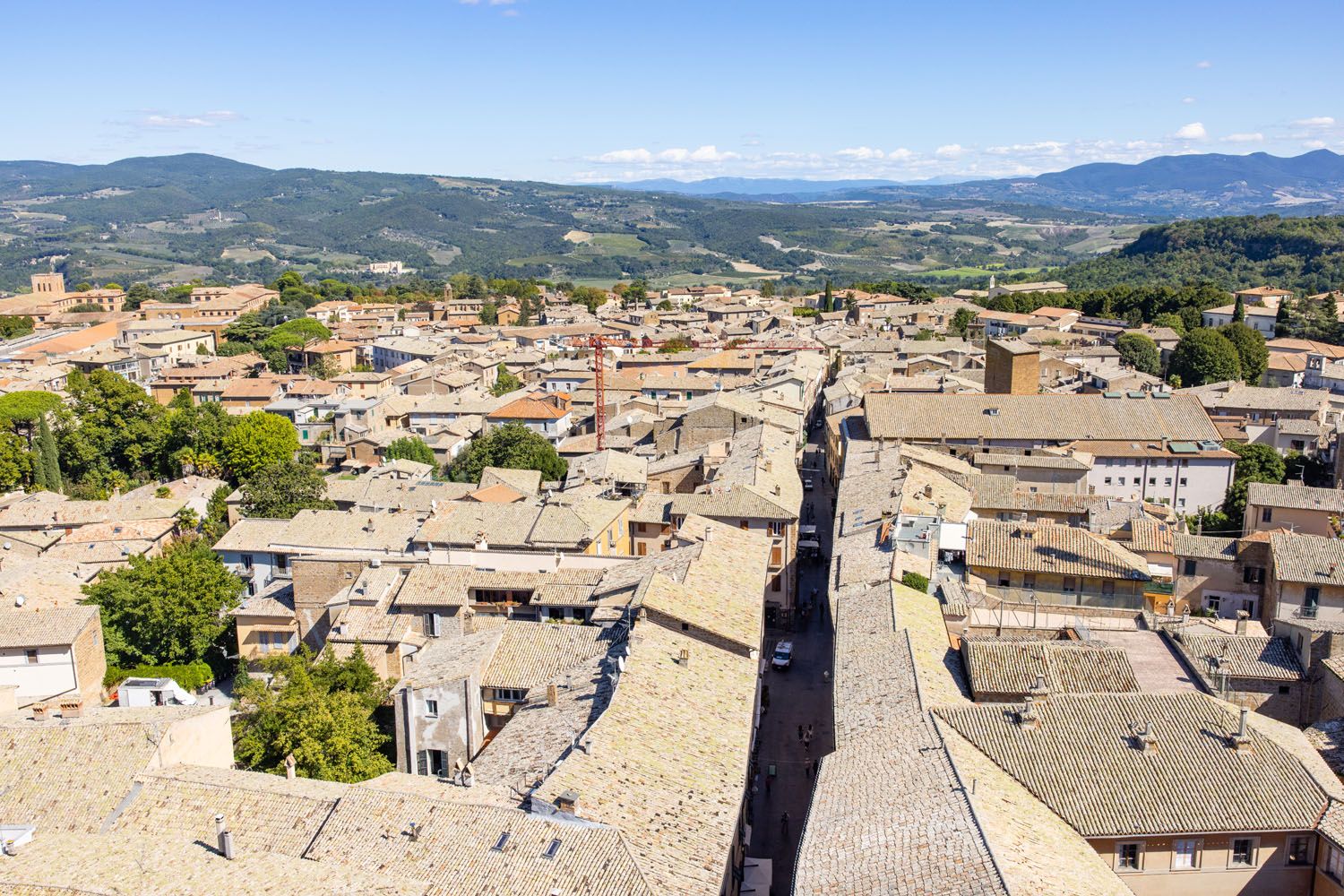
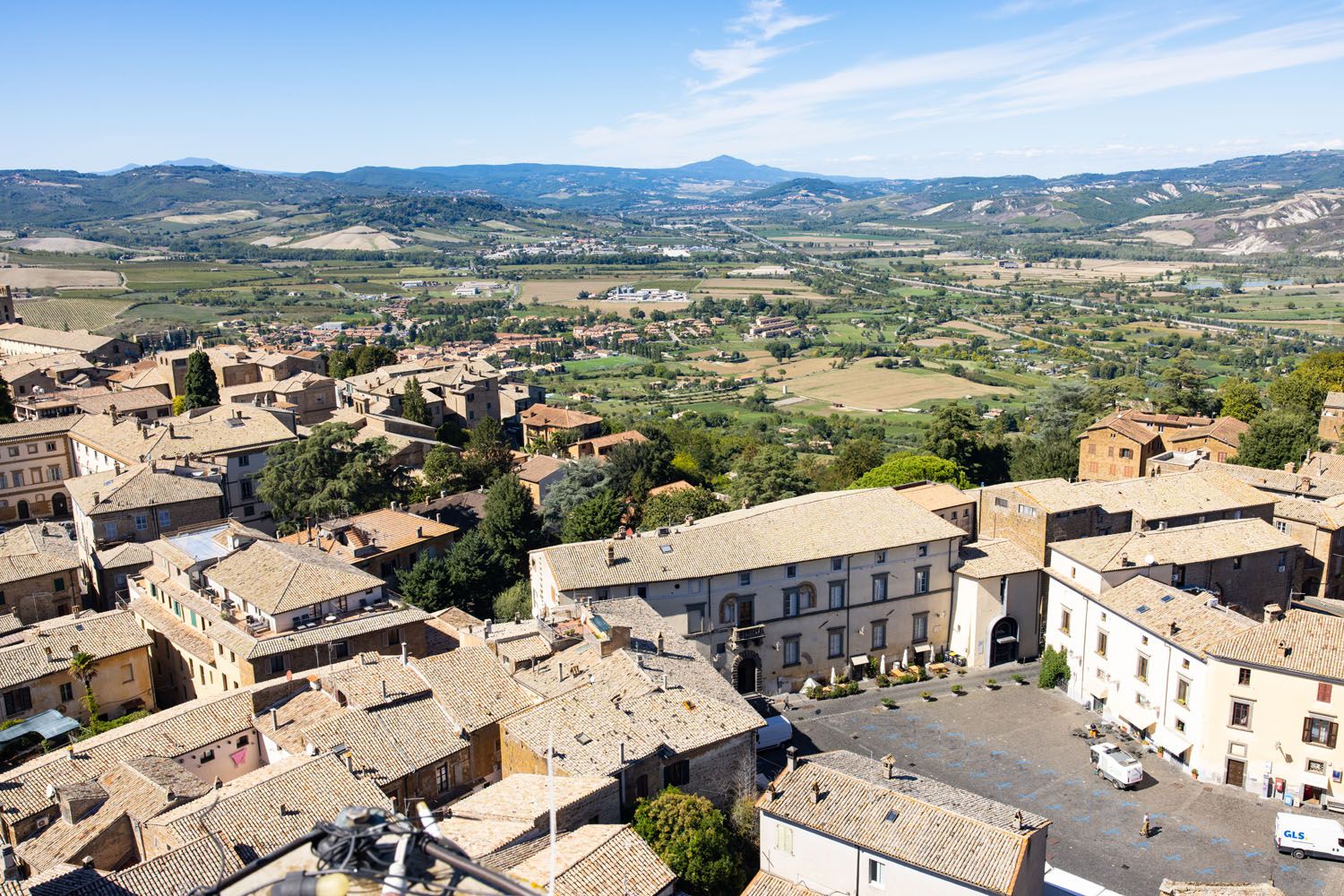
Another view from Torre del Moro
10. Spend Some Time in Piazza della Repubblica
Piazza della Repubblica is one of the main squares in Orvieto. It is believed that this is the site of the Etruscan and Roman forums. Today, this square is lined with several important buildings, including Palazzo Comunale and the Church of Sant’Andrea.
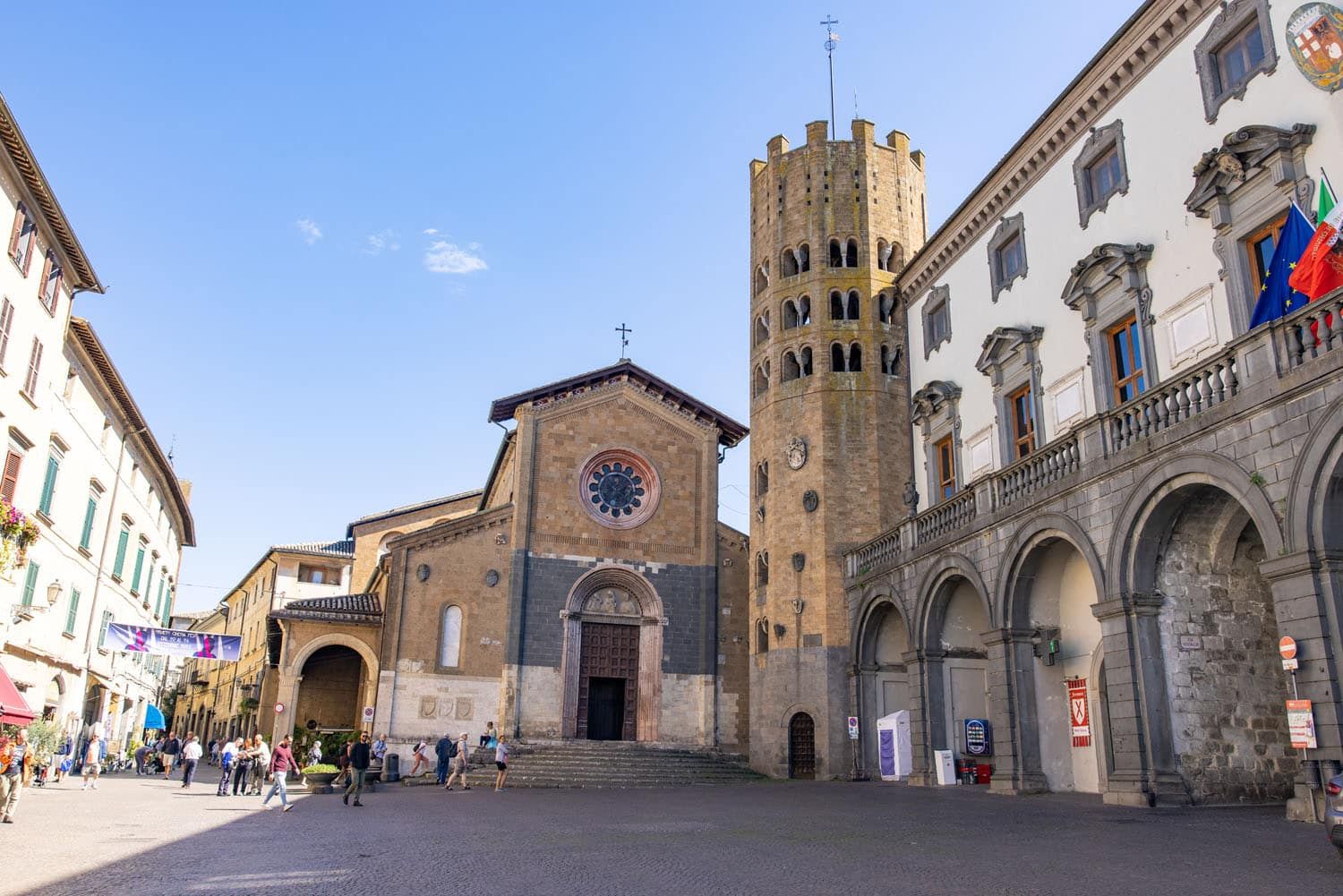
Piazza della Repubblica and the Church of Sant’Andrea
11. Church of Sant’Andrea: A 6th-Century Church Built on Etruscan Ruins
The Church of Sant’Andrea dates back to the 6th century, built on top of an Etruscan temple and part of the ancient forum. Remains of the original Etruscan temple are visible in the crypt below. The church has been enlarged several times over the centuries and is recognized by its distinctive twelve-sided bell tower. Worth a quick stop as you pass through the town center.
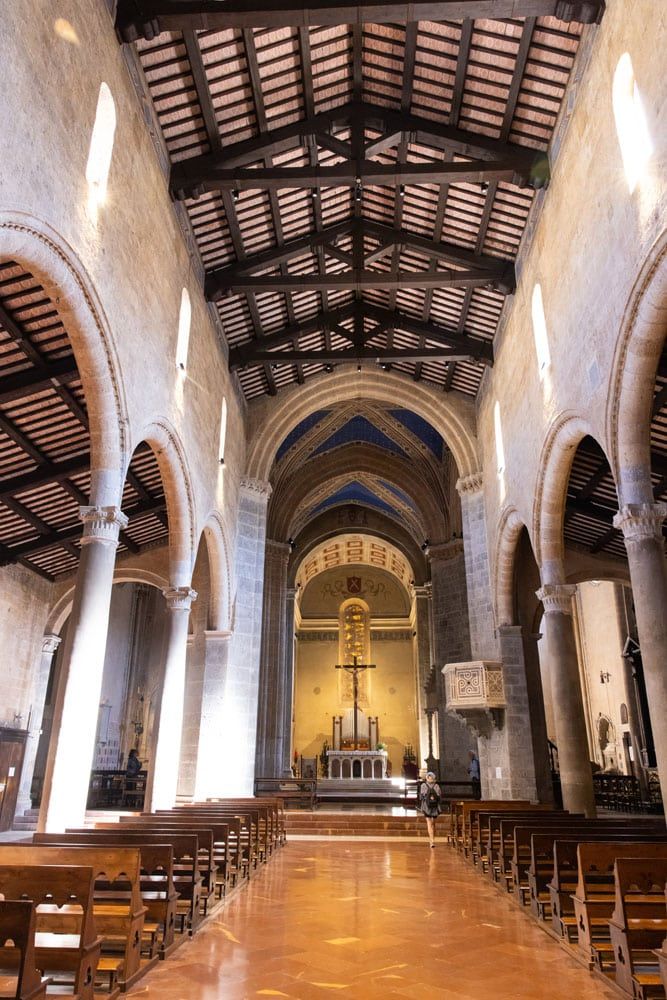
Inside of the Church of Sant’Andrea
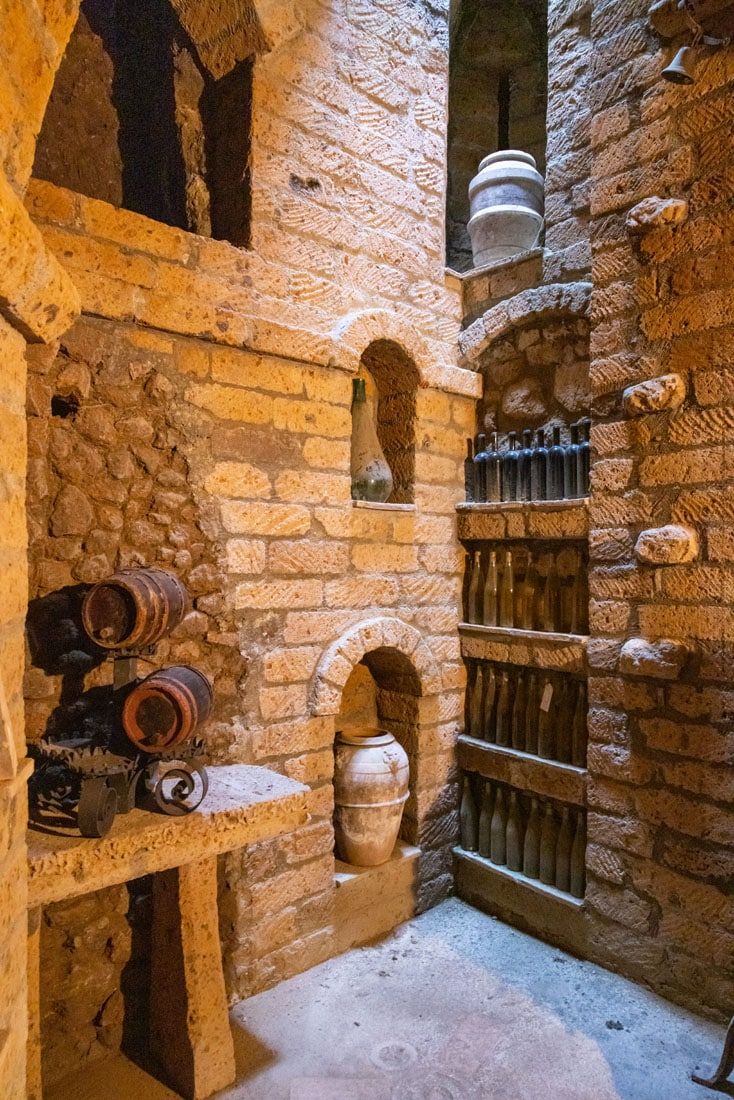
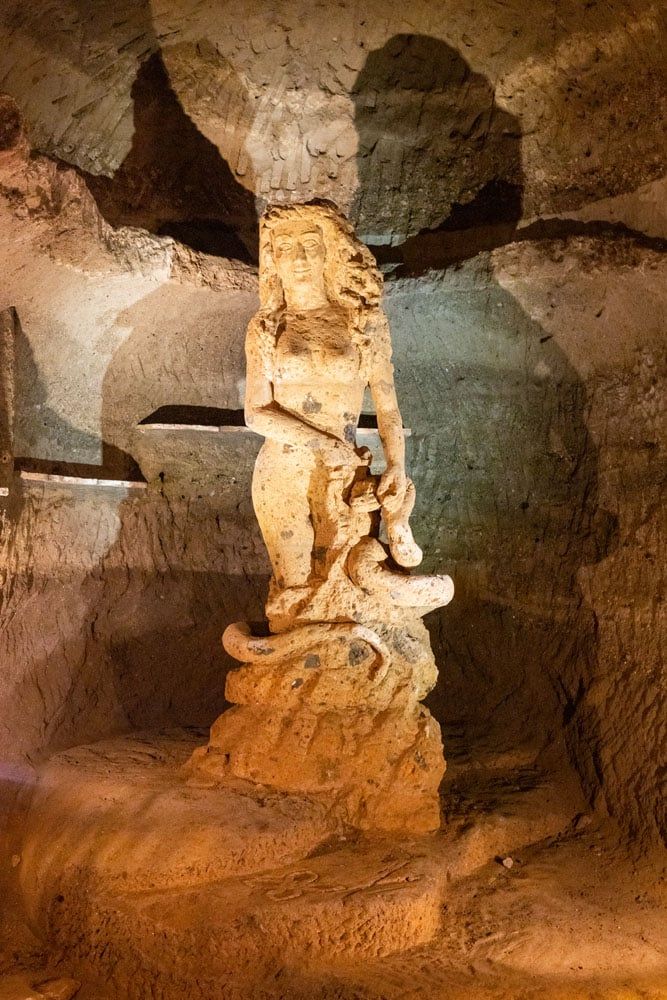
12. Il Labirinto Di Adriano: Our Most Unexpected Experience
This one was our favorite surprise of the day. Il Labirinto Di Adriano started as a pastry shop, until owners Rita and Adriano began renovating the floors and accidentally discovered a series of Etruscan tunnels beneath their feet. After 20 years of restoration work, the tunnels opened to visitors, and the space has since become both an archaeological site and one of Orvieto’s most highly rated restaurants.
The tunnel tour itself is short, just a few minutes, but the stone archways and statues give it an atmosphere that the more commercial underground sites lack. It felt genuinely personal and unhurried, which is rare in a town that sees its share of tour groups.
We weren’t able to eat here on our visit, but it’s high on our list for a return trip. With its fabulous reviews and a setting that combines stone walls with an intimate scale, it looks exactly like our kind of place. Make a reservation well in advance; seating is limited and it books up. You can also book a tunnel tour slot separately if dining doesn’t work out.
Learn more on the official website.
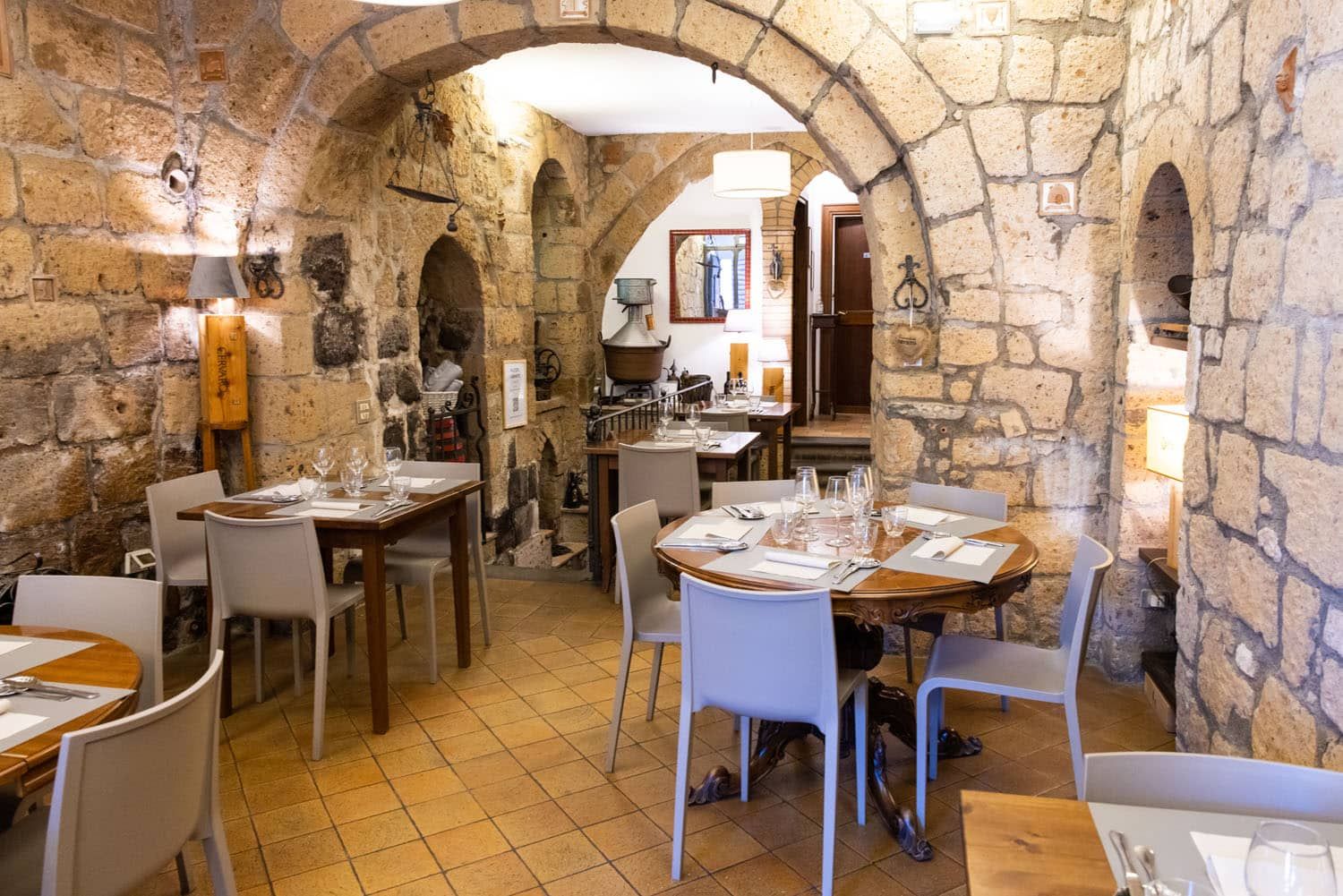
Il Labirinto Di Adriano Restaurant
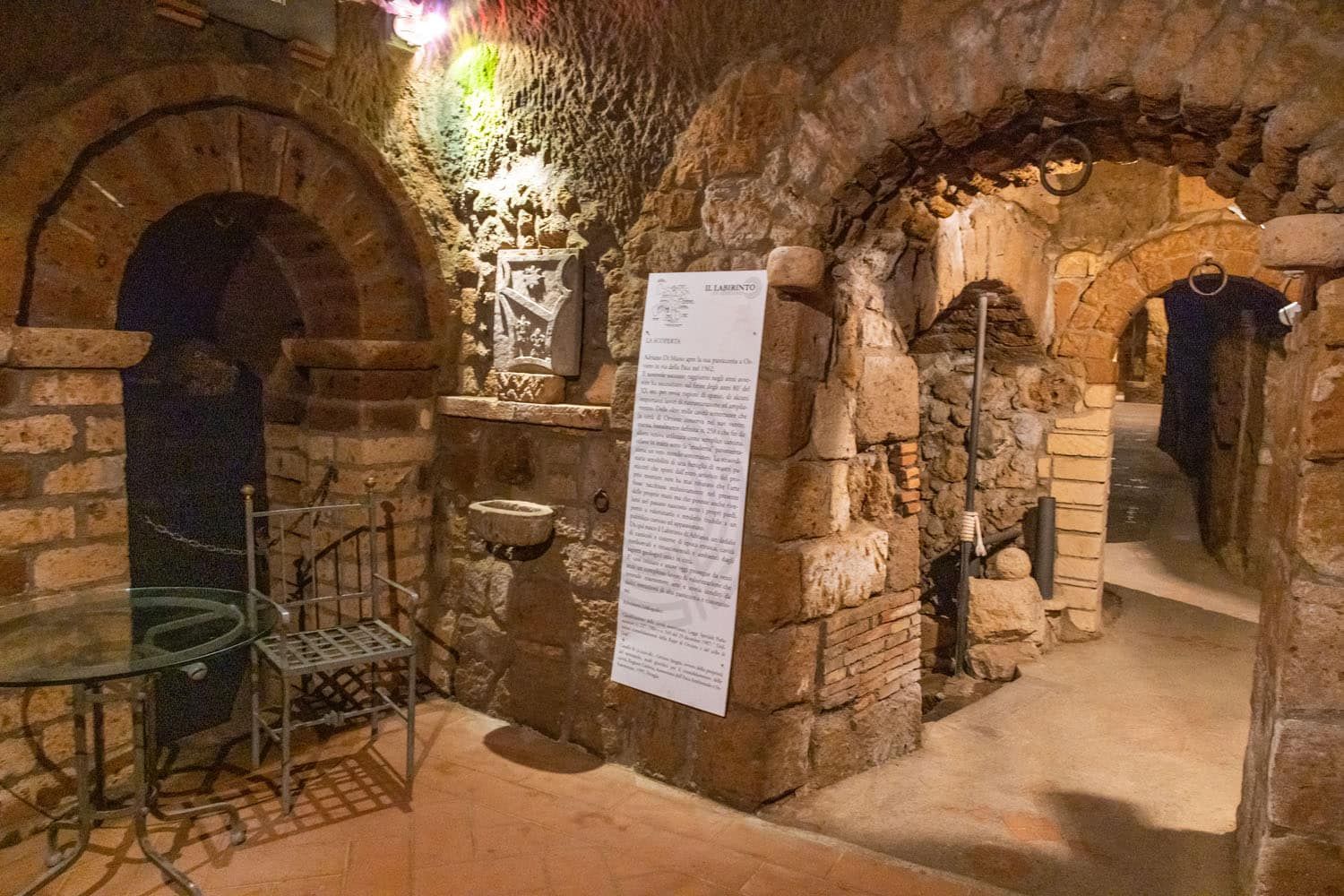
Il Labirinto Di Adriano
13. Explore the Side Streets of Orvieto
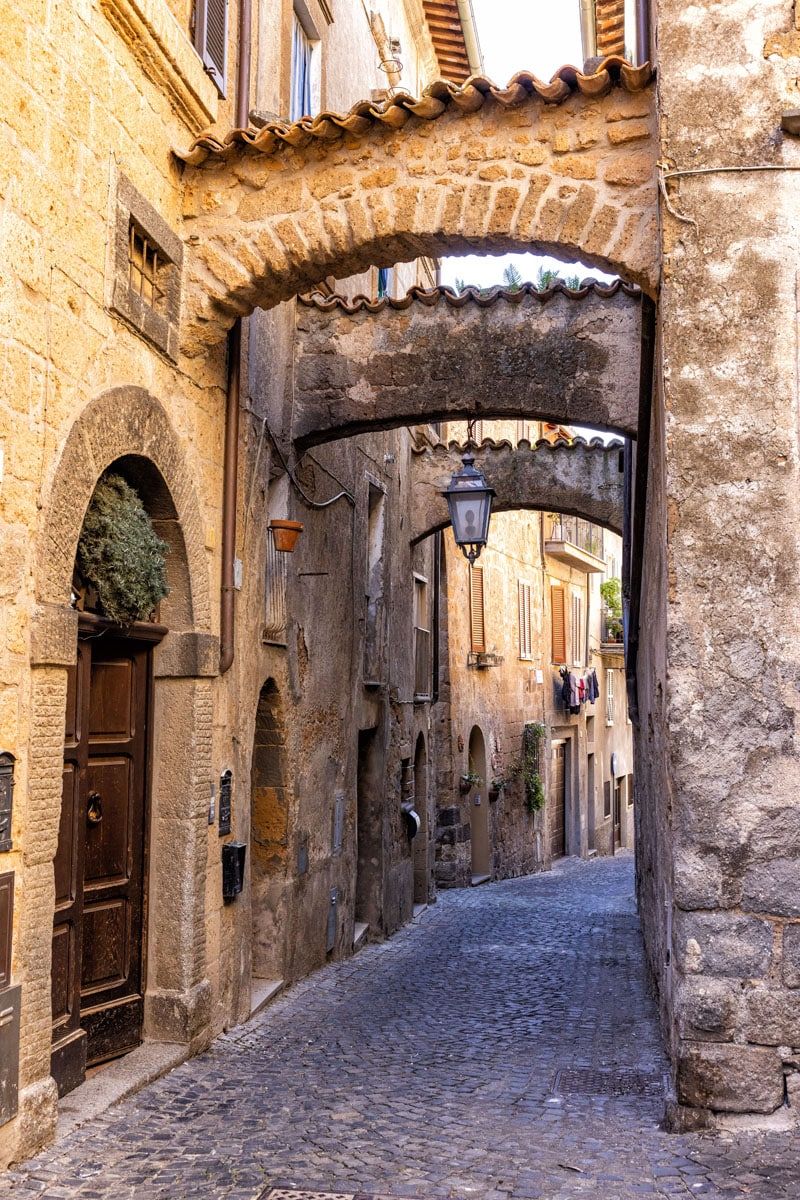
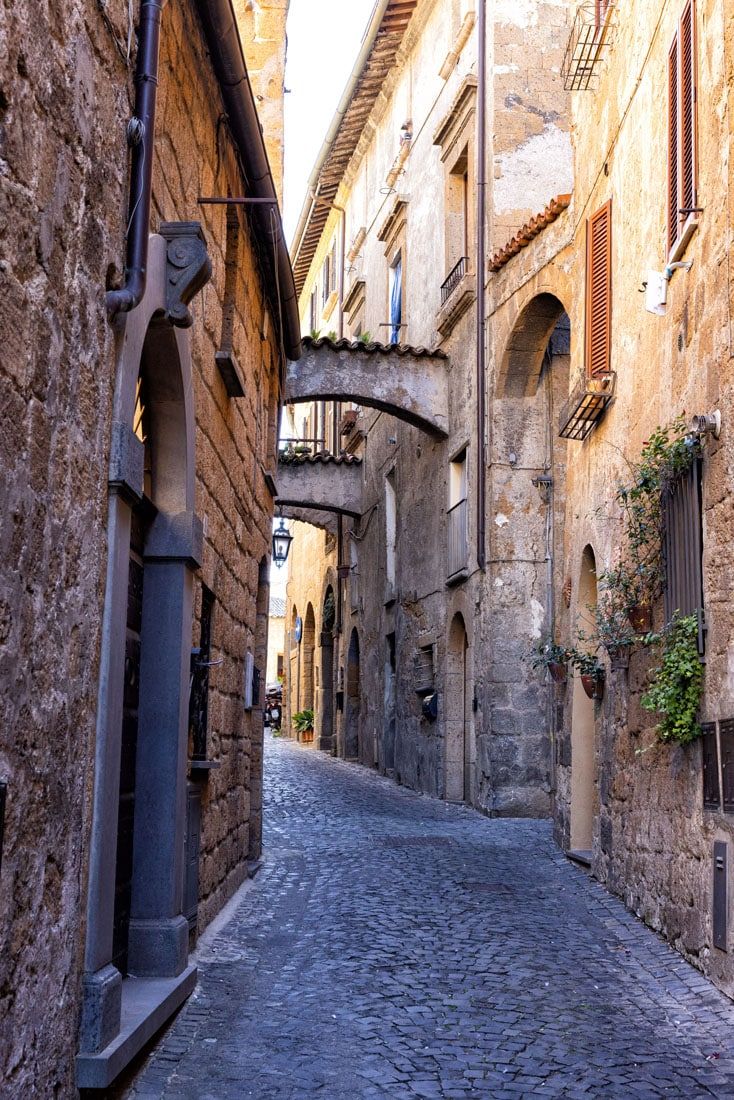
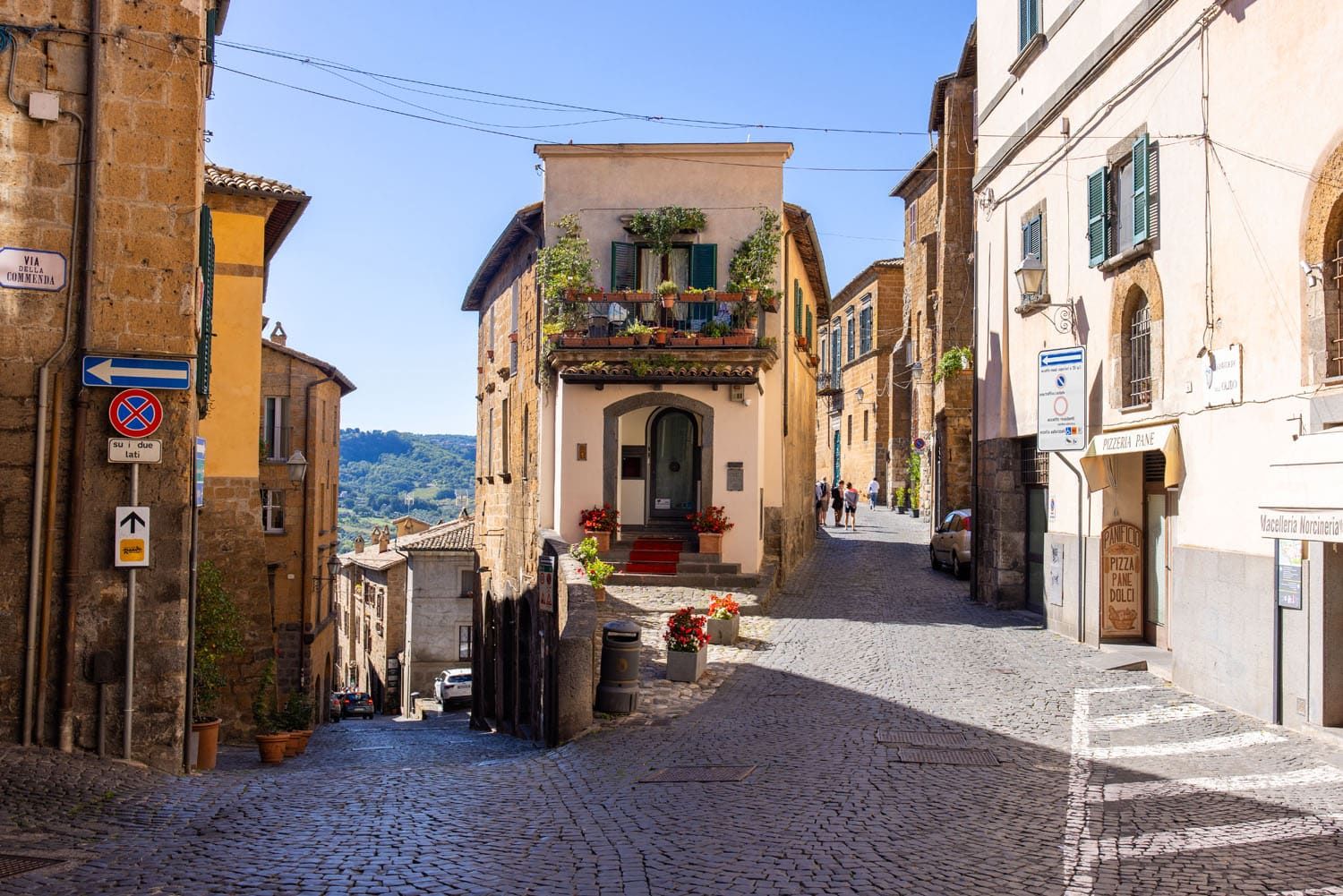
One of the best things to do in Orvieto is to stroll along the side streets. Wander off of Corso Cavour to explore narrow, winding lanes that lead to viewpoints over Umbria and the surrounding countryside.
14. Etruscan Necropolis (Crocifisso del Tufo): Ancient Tombs Outside the City Center
The Etruscan Necropolis, also known as Crocifisso del Tufo, is one of the most important archaeological sites in Umbria. The ancient Etruscan tombs here offer a fascinating glimpse into pre-Roman civilization, and for history enthusiasts it’s worth the extra effort to get here.
Note that it sits outside the city center. It’s a steep downhill walk from town, or a short drive if you have a car. Get hours and pricing here.
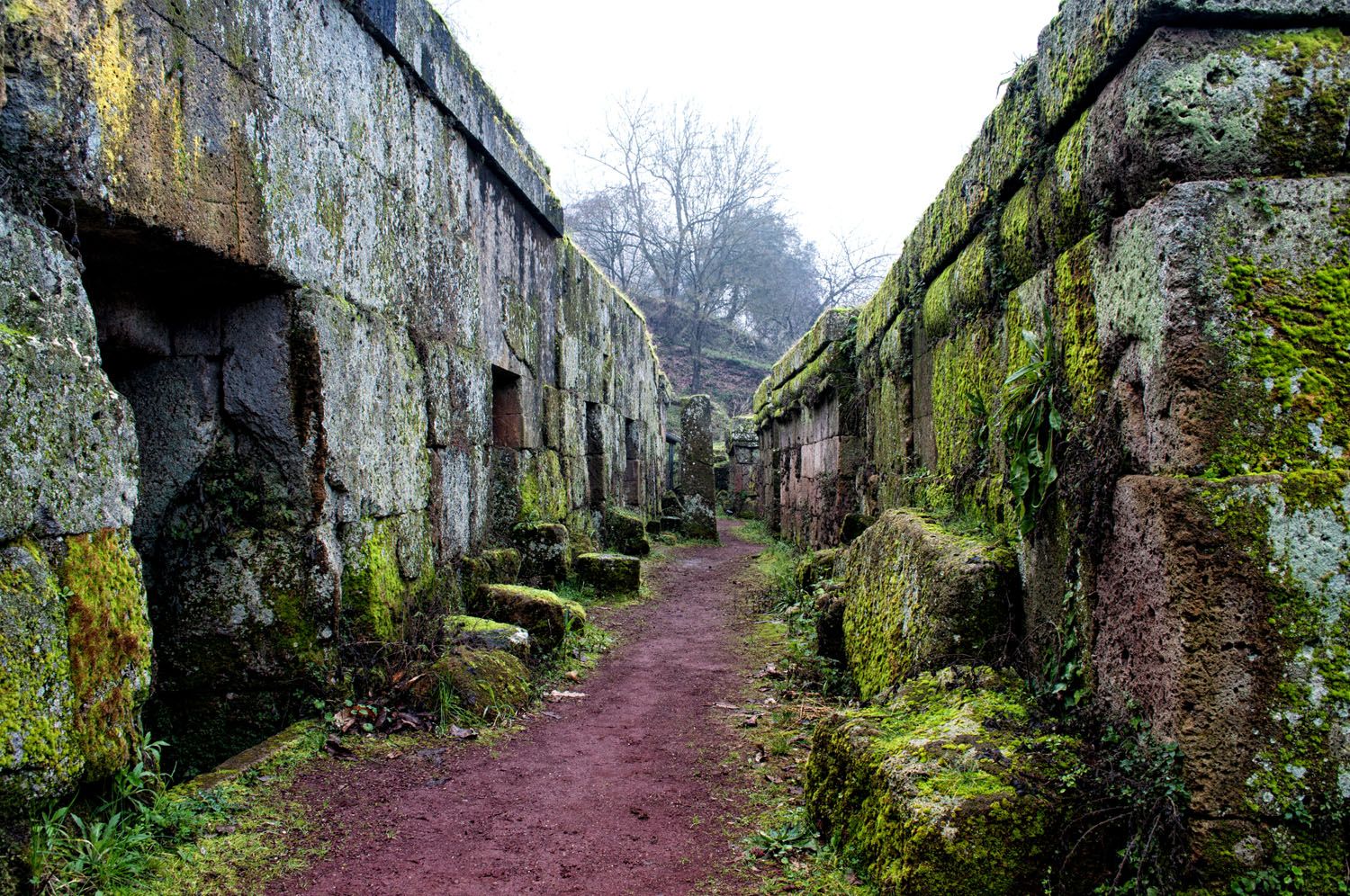
Etruscan Necropolis | Paolo Tralli/shutterstock.com
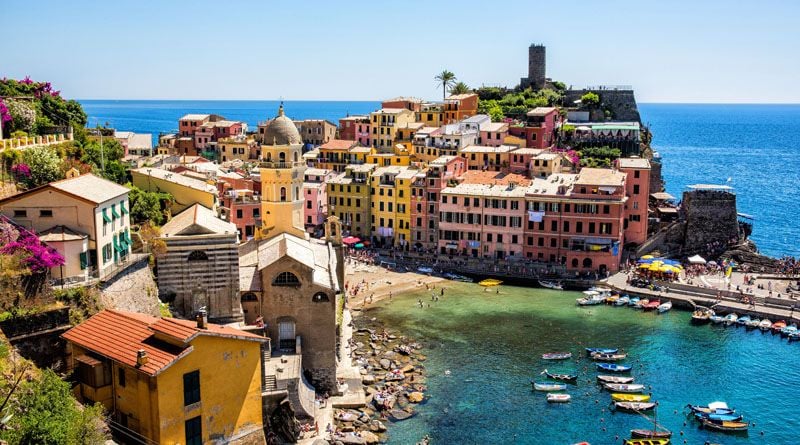
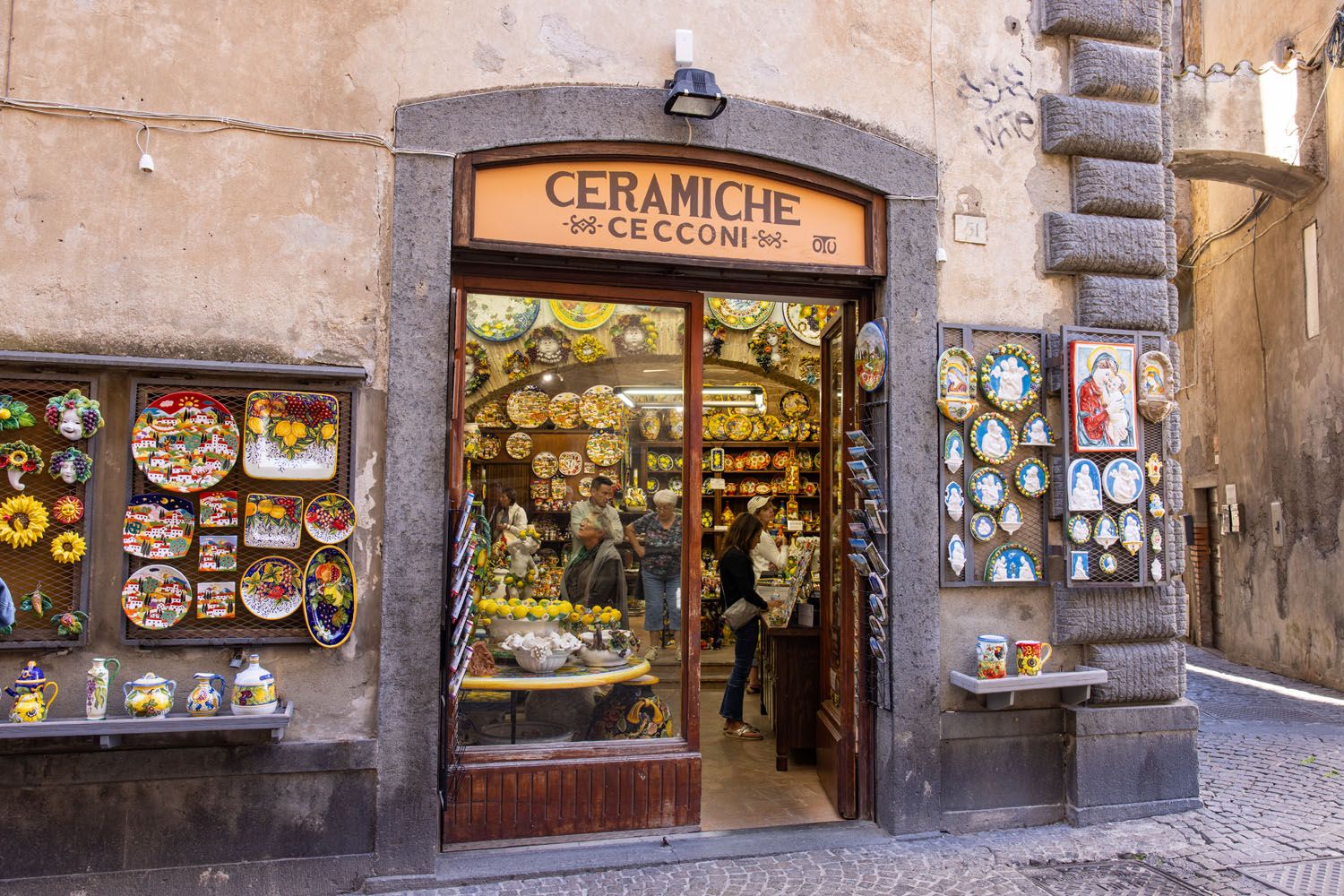
15. Go Shopping
Another wonderful thing to do in Orvieto is to go shopping. Ceramics are a popular item for sale, as are items carved from olive wood. You can also visit boutique clothing shops, or visit shops selling antiques, jewelry, and local foods.
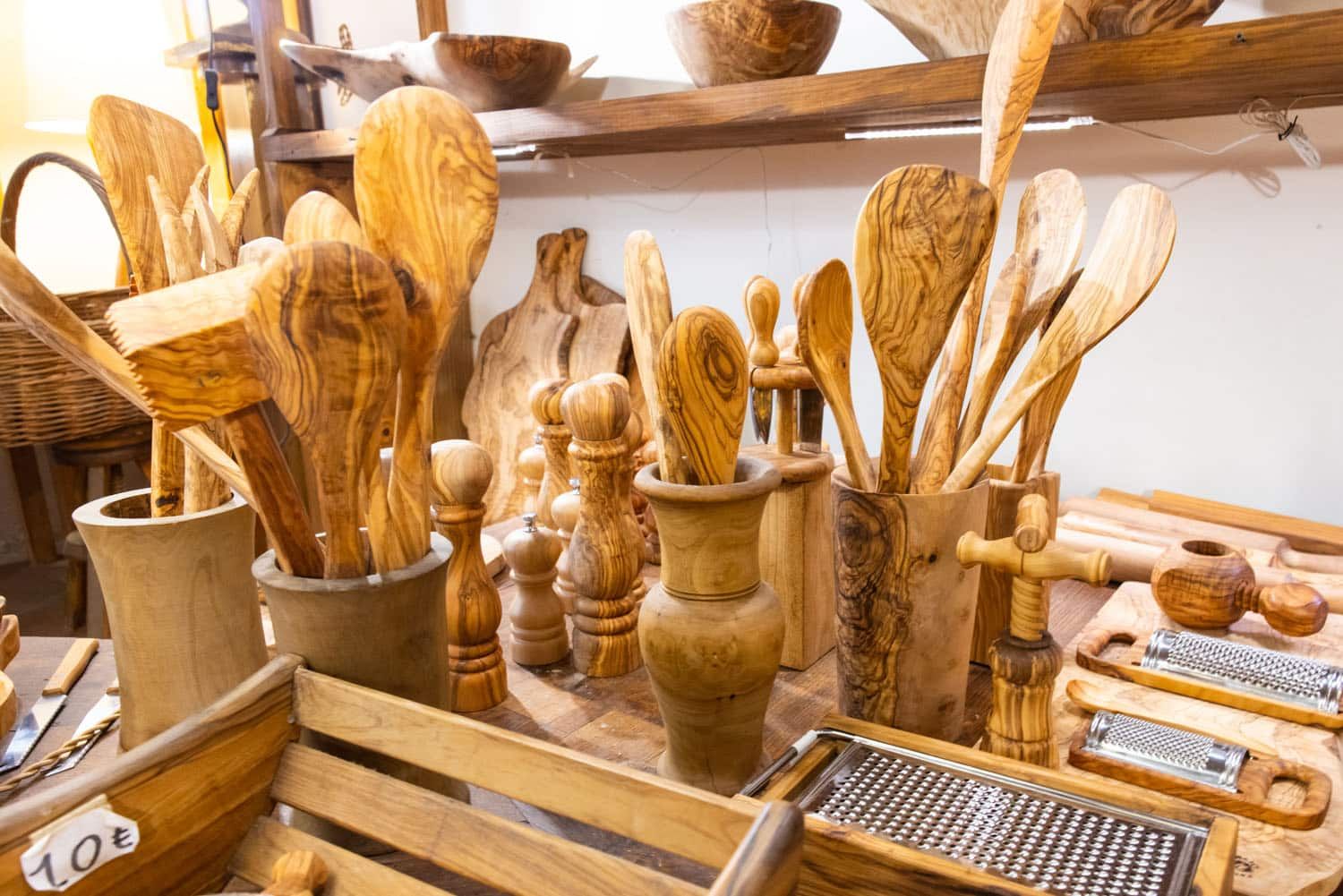
Olive wood spoons
Best of Orvieto: On a Map
How to Use This Map: Click the icons on the map to get more information about each point of interest. To take this map with you, click the star next to the title of the map which adds it to your Google account. Next, within your Google Maps app, select ‘Saved’ and then select ‘Maps’. This map title will now appear in your list.
The Orvieto Card
The Orvieto Card (Orvieto Carta Unica) is a card that covers your entrance fees into many sites in Orvieto. It includes the Duomo, Pozzo della Cava, St. Patrick’s Well, the Etruscan necropolis, Torre del Moro, the Orvieto Underground, and several museums. It costs €35 and is worth it if you plan to visit all of these sites.
There are also “Thematic Cards” which include a smaller list of sites, but also comes with a smaller price. This is a better deal for those who only plan to visit a few places in Orvieto.
For pricing, to get the full list of what is included, and to see the various Thematic Card options, visit the official website.
View from the Albornoz Fortress
How to Get to Orvieto
By Train
Orvieto is located along the Rome – Florence – Milan train line, so it is very easy to get here by train. The train station is located just outside of the historic city center. To get to the city center, ride the funicular (the bottom station is located next to the train station) to Piazza Cahen.
From Rome, travel times range from an hour and fifteen minutes (direct train with no transfers) to an hour and forty-five minutes.
From Florence, train times range from 1.5 hours (direct, high-speed train) to 3 hours.
By Car
If you will have a car, here are the driving distances and times from nearby towns.
Rome: 120 km, 1.5 hours
Florence: 165 km, 2 hours
Siena: 125 km, 1.5 hours
Perugia: 77 km, 1.25 hours
Assisi: 90 km, 1.5 hours
Montepulciano: 74 km, 1 hour
We parked at Parcheggio Piazza Cahen, which is located just outside of the city center, a short walk from the Well of St. Patrick, the funicular, and the Albornoz Fortress. There is also parking at Parcheggio Orvieto Campo della Fiera (on the west end of town) and at Parcheggio Funicolare (outside of town, ride the funicular to Piazza Cahen).
Where to Eat in Orvieto
Il Labirinto Di Adriano was mentioned earlier. In one visit, you can tour underground Etruscan tunnels and have lunch or dinner at one of the highest rated restaurants in Orvieto.
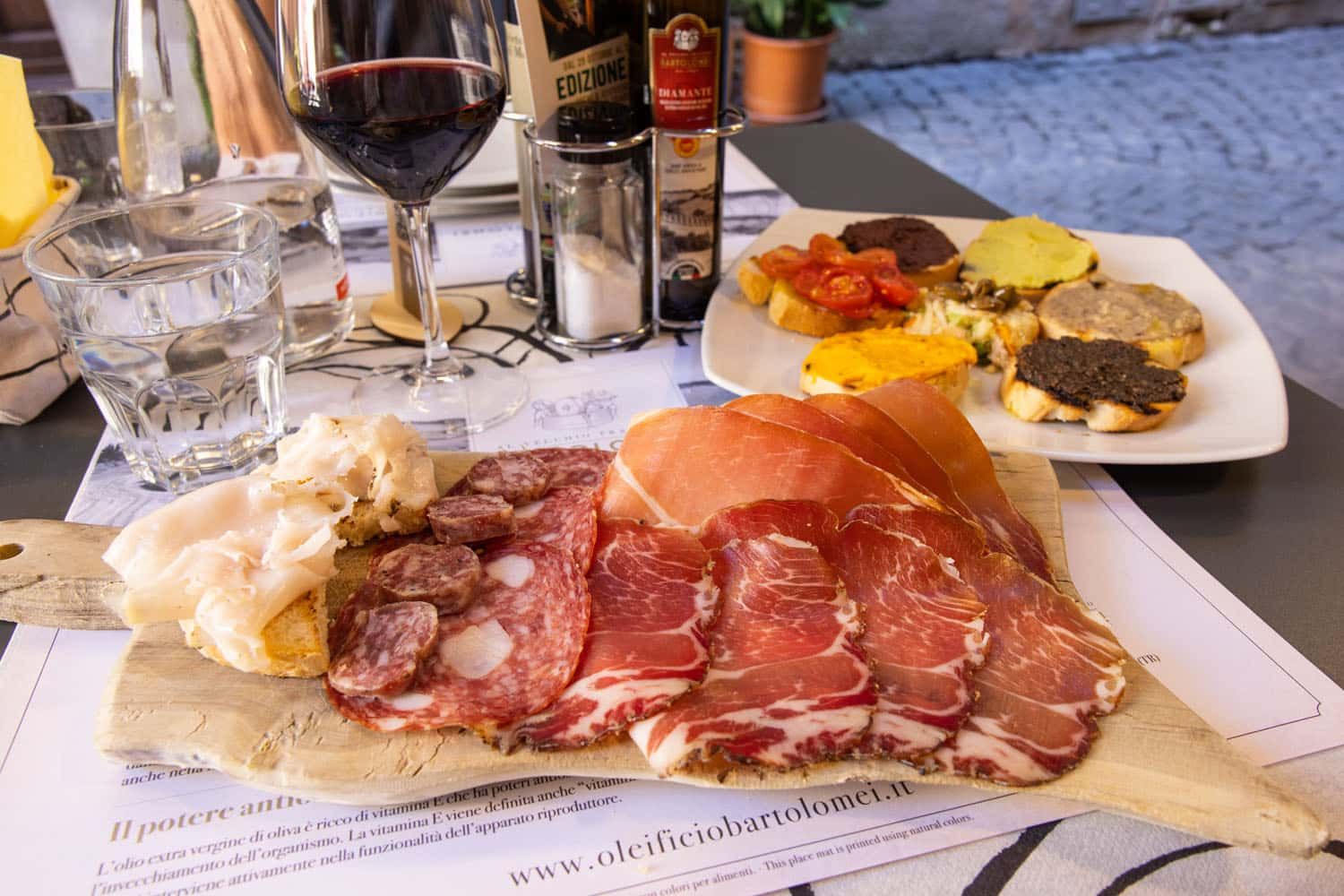
We had a wonderful lunch at Bartolomei Oleoteca & Cucina. This small restaurant is located on Corso Cavour. The menu is limited and focused on pairing foods with their olive oils and wine. We dined on bruschetta, local meats, and had an amazing homemade pasta dish. You can taste olive oils during your meal and then purchase some as a souvenir. We loved this entire experience from start to finish.
Lunch at Bartolomei Oleoteca & Cucina
Ristorante Il Giardino da Giovanni gets rave reviews, as does Trattoria La Palomba and Trattoria del Moro – Aronne.
Orvieto Wine
Orvieto Classico is a crisp, dry white wine produced from vineyards in the volcanic soils surrounding the town, and it’s been made here since Etruscan times. It’s worth seeking out a glass with lunch, or stopping into one of the enotecas in the town center to taste it properly.
If wine is a priority for you, Orvieto pairs well with the broader wine regions of Umbria and is an easy addition to any central Italy wine itinerary.
How Much Time Do You Need in Orvieto?
Orvieto is ideal as a day trip, and that’s exactly how we visited, coming in from Tuscany for the day. It’s well positioned between Rome and Florence, making it an easy stop whether you’re road tripping through central Italy or adding it onto an Umbria or Tuscany itinerary. The driving distances from nearby towns are short enough that you won’t feel rushed.
To do everything listed above, you will need one full day in Orvieto. With less time, you can pick out a few places to visit.
If you have a half day in Orvieto, we recommend visiting St. Patrick’s Well, the Albornoz Fortress, the Orvieto Cathedral, Torre del Moro, visiting an underground site (either Pozzo della Cava, the Orvieto Underground, or Il Labirinto Di Adriano), and strolling the side streets.
Orvieto Cathedral
Helpful Tips for Visiting Orvieto
To check the weather forecast, we used Meteo Italy and the forecast was relatively accurate. There is also an app that you can download onto your phone.
If you plan to visit the Orvieto Underground, make your reservation several days in advance.
If you plan to have dinner in Orvieto, make your reservation in advance. In our experience in Italy, you will need to have a reservation for dinner at the highly rated restaurants.
Frequently Asked Questions
Is Orvieto worth visiting?
Yes, especially for repeat Italy travelers. If you’ve already done the major cities and want a quieter hilltop town with genuine history, underground sites, and great wine, Orvieto delivers. It’s also an easy day trip from Rome, Florence, Siena, or anywhere in Tuscany.
How much time do you need in Orvieto?
Plan for one full day to visit the main sights comfortably. A half day is enough to hit the highlights: St. Patrick’s Well, the Cathedral, the Albornoz Fortress, and one underground site.
What is Orvieto known for?
Orvieto is known for its dramatic clifftop setting, its ornate Gothic cathedral, a fascinating network of Etruscan underground tunnels and wells, and Orvieto Classico, one of Italy’s most historic white wines.
What wine is Orvieto known for?
Orvieto is known for Orvieto Classico, a crisp dry white wine produced from vineyards in the volcanic soils surrounding the town. It’s been made here since Etruscan times and is widely available in local restaurants and enotecas.
More to Explore in Umbria and Beyond
Orvieto pairs naturally with Assisi, Umbria’s other essential hilltop town, known for its stunning Basilica of St. Francis and spiritual atmosphere. If you’re building out a longer Umbria trip, our one-day Assisi itinerary with walking tour is a good place to start planning.
Orvieto also makes an easy addition to a broader central Italy trip. It sits conveniently between Rome and Florence, and works well as a stop on any Tuscany itinerary that dips south toward Umbria. For the bigger picture, our Italy Travel Guide covers the country’s top destinations and helps you figure out where Orvieto fits into your overall trip.
If you have any questions about the best things to do in Orvieto, or if you would like to share your experience, let us know in the comment section below.
Explore More of Italy
We have TONS more information about Italy, including Rome, Florence, Venice, Tuscany, the Dolomites, the Amalfi Coast, the Cinque Terre, Basilicata, Sicily, and Puglia.
25 Best Places to Visit in Italy
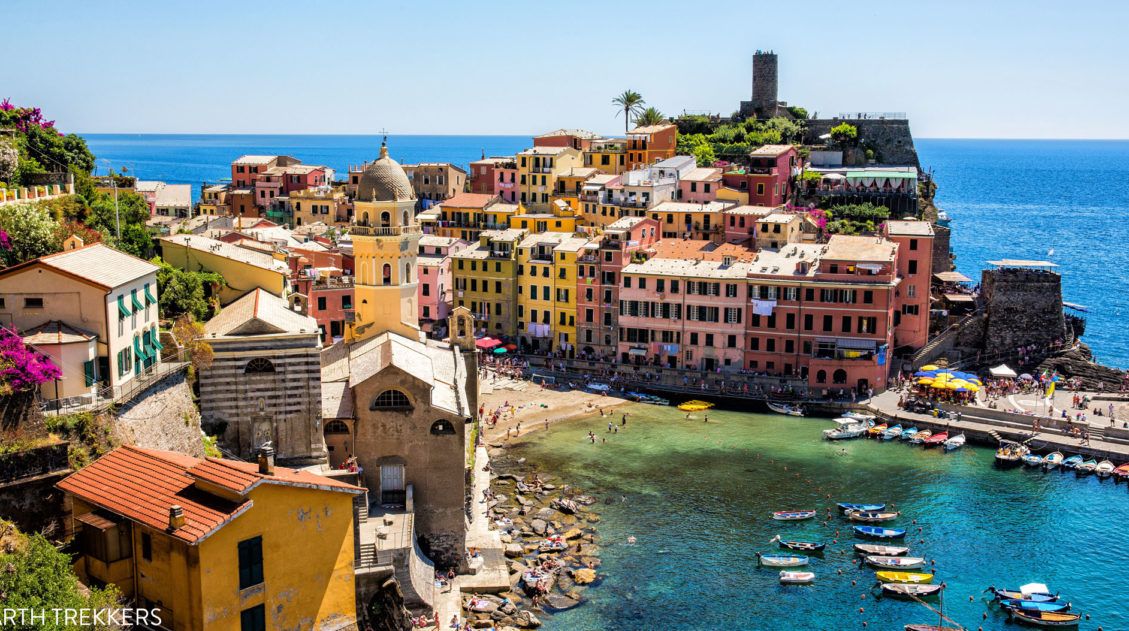
Pinterest Facebook Flipboard After six trips to Italy, these are the 25 places to visit in Italy we keep recommending — the ones that reward first-timers and repeat visitors alike, from the iconic cities of Rome and Florence to lesser-known gems like Matera and Puglia. We’ve been to Italy six times over the past ten […]
30 Things to Do in Rome | The Ultimate Rome Bucket List
Rome is the capital city of Italy and one of the largest cities in Europe. With its long, rich history, famous landmarks, museums and archaeological sites, the to-do list for visitors is enormous. 30 things to do in Rome sounds like a lot, and it is, but there are many more places we could have […]
10 Days in Italy: 5 Itineraries for Every Type of Traveler
With 10 days in Italy, you have enough time for an incredible trip, but not enough time to see everything. That’s the good news and the hard news at once. Italy is enormous, wildly varied, and deeply worth savoring. The biggest mistake most people make when planning a 10-day Italy itinerary is trying to fit […]
Volterra, Italy: Best Things to Do, Map & Tips
Volterra, Italy is one of the most rewarding Tuscan hill towns to visit and one of the most underrated. We climbed the tower of Palazzo dei Priori for a 360° view of the countryside, walked a Roman theater that dates back to the 1st century AD, climbed Torre del Maschio with a guide and just […]
2 Days in Florence: Detailed Day-by-Day Itinerary
Two days in Florence is the sweet spot for a first visit. It’s enough time to see everything that matters, without the feeling that you’re sprinting from one landmark to the next. With two days, you can climb the dome of the Florence Cathedral, stand in front of Michelangelo’s David, spend a proper morning in […]
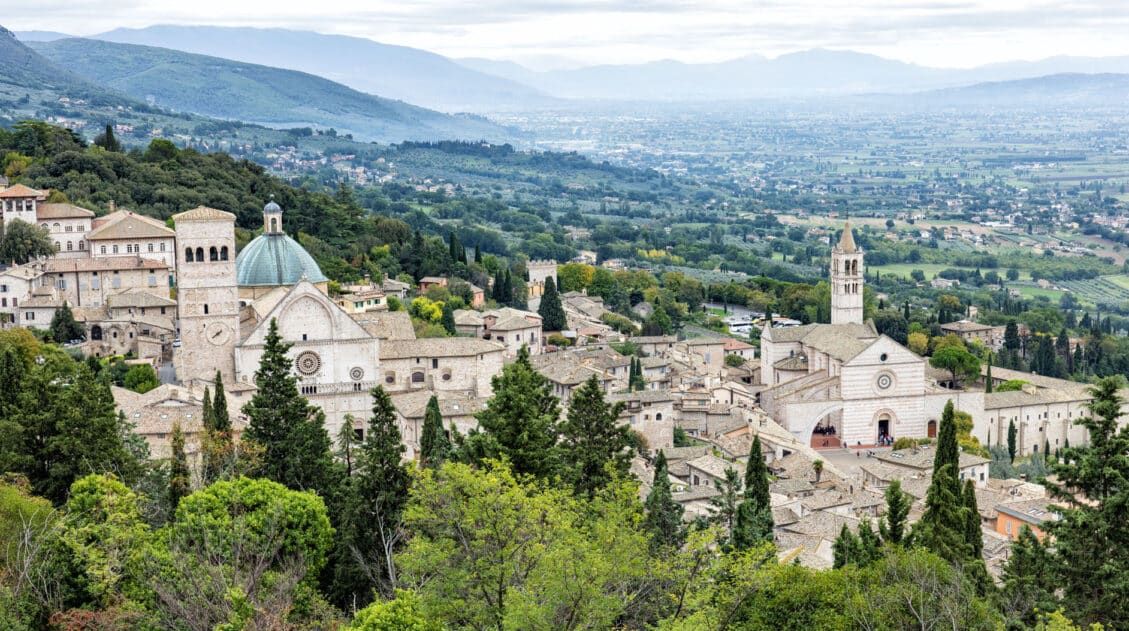
One Day in Assisi, Italy: Walking Tour & Itinerary
Discover the best of Assisi’s historic city center on this self-guided walking tour, covering the Basilica di San Francesco, Rocca Maggiore, and more in just five hours. Assisi is one of Italy’s most beautiful and undervisited cities. This UNESCO World Heritage Site is perched on the slopes of Monte Subasio, with a spiritual atmosphere, extraordinary […]
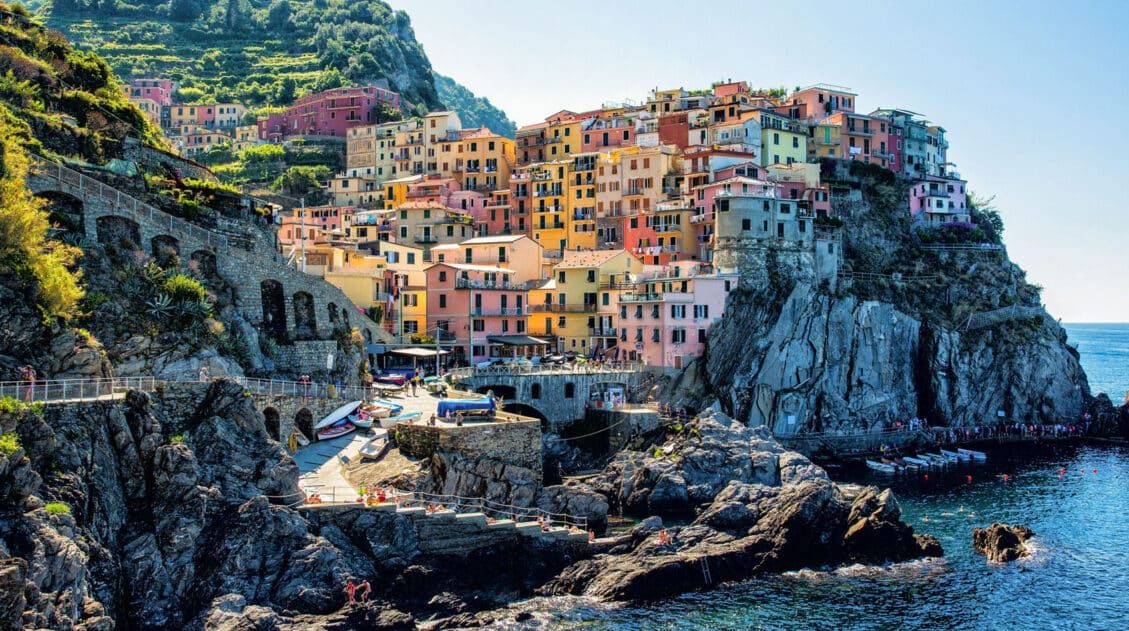
Planning to Hike the Cinque Terre? Here’s What to Know for 2026
The Cinque Terre is one of Italy’s most iconic coastal hikes, connecting five colorful villages by cliffside trails overlooking the Mediterranean. Here’s exactly how to hike the Cinque Terre from Riomaggiore to Monterosso, including trail closures, ticket costs, one-way rules, and what to expect in 2026. We hiked the entire route as a family. Our […]
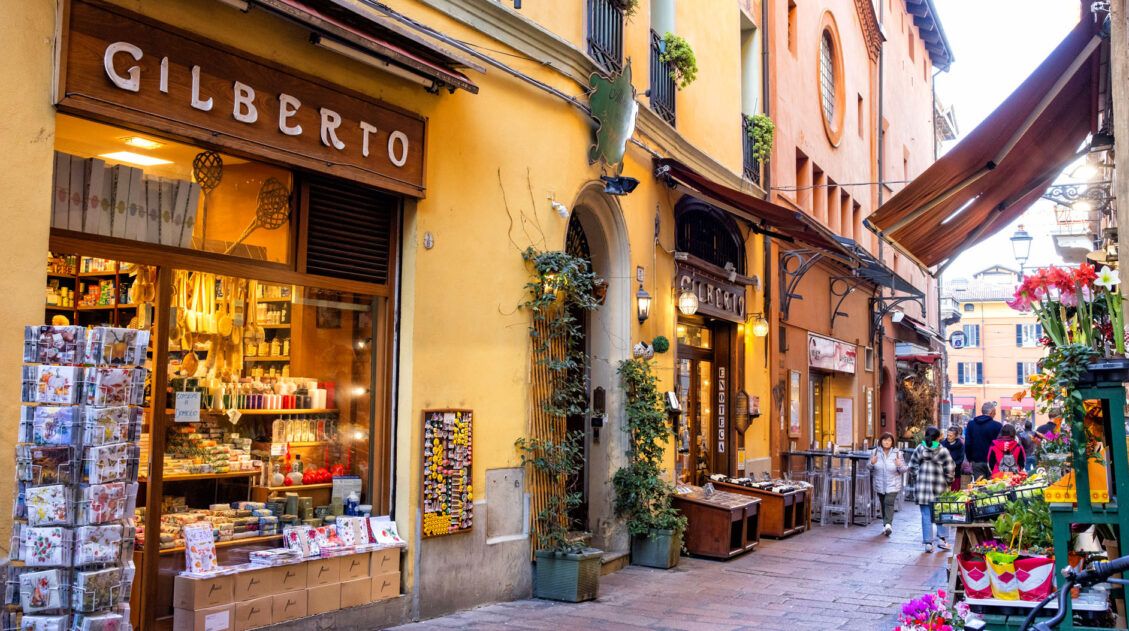
1 to 2 Days in Bologna: The Best Itinerary for First Timers
Bologna didn’t make it onto our Italy itinerary until our sixth trip. We’d visited Rome, Florence, Venice, the Amalfi Coast, Tuscany, and the Dolomites, and somehow kept skipping over this city in northern Italy. Once we finally arrived, Tim and I were instantly captivated: the busy, bustling Quadrilatero with its wine bars and shops overflowing […]
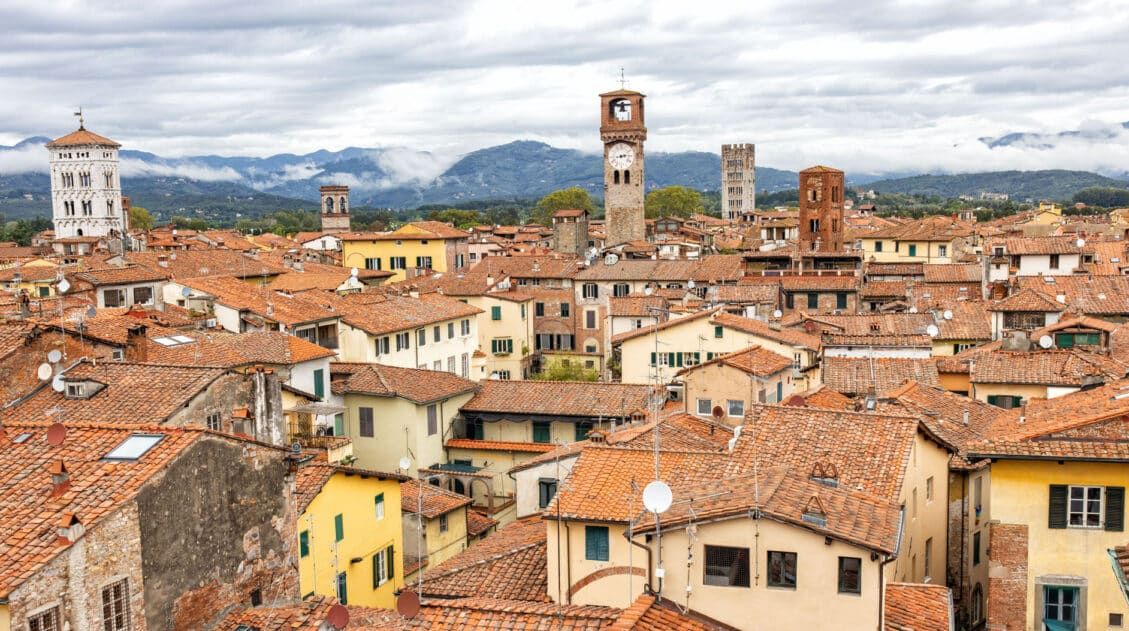
Things to Do in Lucca, Italy: Best Sights, Tips & More
Lucca is one of Tuscany’s most rewarding cities to visit. While Florence gets the crowds and Pisa gets the selfies, Lucca has a charm that’s entirely its own: Renaissance city walls you can walk or bike, medieval towers rising above the rooftops, and a piazza built inside a Roman amphitheater. What we loved most was […]
Best Things to Do in Montalcino, Italy (Wine Tastings & Our Favorite Experiences)
Perched on a hilltop in Tuscany’s Val d’Orcia, Montalcino is one of Italy’s most beautiful wine towns, famous for its Brunello wine, sweeping vineyard views, and charming medieval streets. Whether you’re here for a quick stop or a slow afternoon of wine tasting, this small town delivers one of the most memorable experiences in Tuscany. […]
3 Days in Rome: The Ultimate Rome Itinerary
Visit the Colosseum, stroll through the historic heart of Rome, tour the Vatican Museums, climb to the top of the dome on St. Peters’ Basilica, cycle the Appian Way, have an aperitif with a spectacular view of Rome, dine on gelato and pizza by the slice…these are all things you can with 3 days in […]
Italy Travel Guide: How to Plan a Trip to Italy
Italy Travel Guide From the ruins of ancient Rome to the hiking trails of the Dolomites, the trulli of Puglia to the hilltop villages of Tuscany, Italy is a country that rewards every kind of traveler, and keeps pulling you back. We’ve traveled to Italy six times, exploring the country from the lakes and mountains […]


Comments 10