


There’s more to do on the South Rim of the Grand Canyon than simply stand at a viewpoint and admire the scenery. You can hike below the rim for an entirely different perspective, bike along a scenic road, watch the sunrise illuminate the canyon walls, or take a helicopter flight over one of the most spectacular landscapes in the world.
We’ve visited the Grand Canyon multiple times, from quick sightseeing stops to multi-day visits, and we’ve experienced some of its most memorable hikes and viewpoints. We definitely have our favorites, including a few places we loved so much that we returned for a second look.
In this guide, we share the best things to do on the Grand Canyon South Rim, including our favorite experiences, practical tips, and how to make the most of your visit. Whether you have just a few hours or several days, we’ll help you decide what’s worth your time, what you can skip, and how to plan an unforgettable visit.
Our Experiences at the Grand Canyon: We’ve visited Grand Canyon National Park multiple times over the past 20 years, exploring the South Rim on everything from a quick road trip stop to a three-day family visit over Christmas. Tyler and I completed the South Kaibab to Bright Angel hike in one day, and Tim and I later hiked rim-to-rim. Tim and Kara also experienced the Grand Canyon from the air on a helicopter tour.
These experiences have helped us discover which viewpoints are truly worth visiting, which hikes offer the best scenery, and how to make the most of your time. Our recommendations are based on what we’ve personally enjoyed, and all of the photographs are our own.
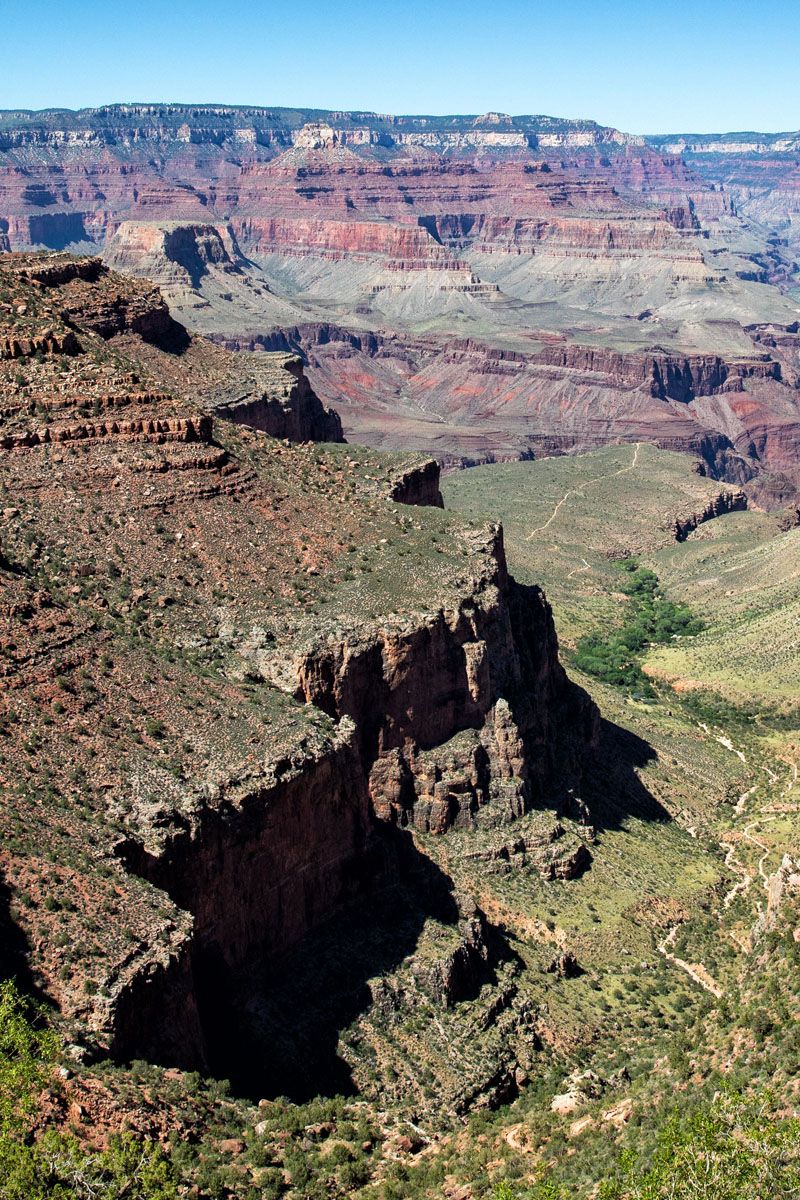
Grand Canyon South Rim at a Glance
BEST VIEWPOINTS | Powell Point, Mohave Point, Moran Point, and Yavapai Point
BEST SHORT HIKE | South Kaibab Trail to Ooh Aah Point
BEST EASY WALK | Rim Trail from Mather Point to Yavapai Point
BEST SCENIC DRIVE | Desert View Drive
BEST SPLURGE | A helicopter flight over the Grand Canyon
HOW MUCH TIME | One full day to see the highlights; two days or more for additional hiking and sightseeing
October 31, 2026 Trail Update: Following extensive flood damage in August, several sections of the Bright Angel and South Kaibab Trails have reopened. However, the Black and Silver Bridges across the Colorado River, Phantom Ranch, and the North Kaibab Trail remain closed. Drinking water is also unavailable at the Bright Angel Trail resthouses and Havasupai Gardens. Before planning a hike below the rim, check the National Park Service website for current trail conditions, closures, and water availability.
Grand Canyon by the Numbers
Just how big is the Grand Canyon? This national park is enormous, and its size is difficult to appreciate until you see it for yourself. Here are a few fascinating facts about the Grand Canyon, from its immense dimensions to its fascinating geological history.

Best Things to Do on the Grand Canyon South Rim
1. Visit the South Rim Viewpoints
One of the best things to do on the Grand Canyon South Rim is to visit the viewpoints. From these overlooks, you can gaze across the enormous canyon, look down at the Colorado River, and photograph some of the most spectacular scenery in the American Southwest.
Each one of these viewpoints offers a spectacular view, but some are just better than others. Some offer panoramic vistas, some are less crowded, and some make fantastic sunrise and sunset destinations.
There are three main areas to explore:
- Near Grand Canyon Village: Mather Point is the most famous, but we prefer Yavapai Point and Yaki Point for their panoramic views and interesting perspectives of the canyon.
- Hermit Road: This scenic road has some of our favorite viewpoints in the Grand Canyon. Powell Point, Mohave Point, and Pima Point are our top picks, with dramatic cliffs, sweeping views, and fantastic photo opportunities.
- Desert View Drive: This 23-mile scenic drive connects Grand Canyon Village with the East Entrance. We especially loved Moran Point, with its rugged, rocky overlooks, and Desert View, home to the historic Desert View Watchtower.

The view from Hopi Point

Yaki Point

Mohave Point just after sunrise

Tim, Kara, and Tyler at Moran Point
With so many viewpoints to choose from, you don’t need to visit them all. We recommend selecting a handful of our favorites and taking your time to enjoy the scenery.
For more photos, our personal five-star ratings, and tips on which overlooks to prioritize, see our guide to the Best Grand Canyon South Rim Viewpoints ↓
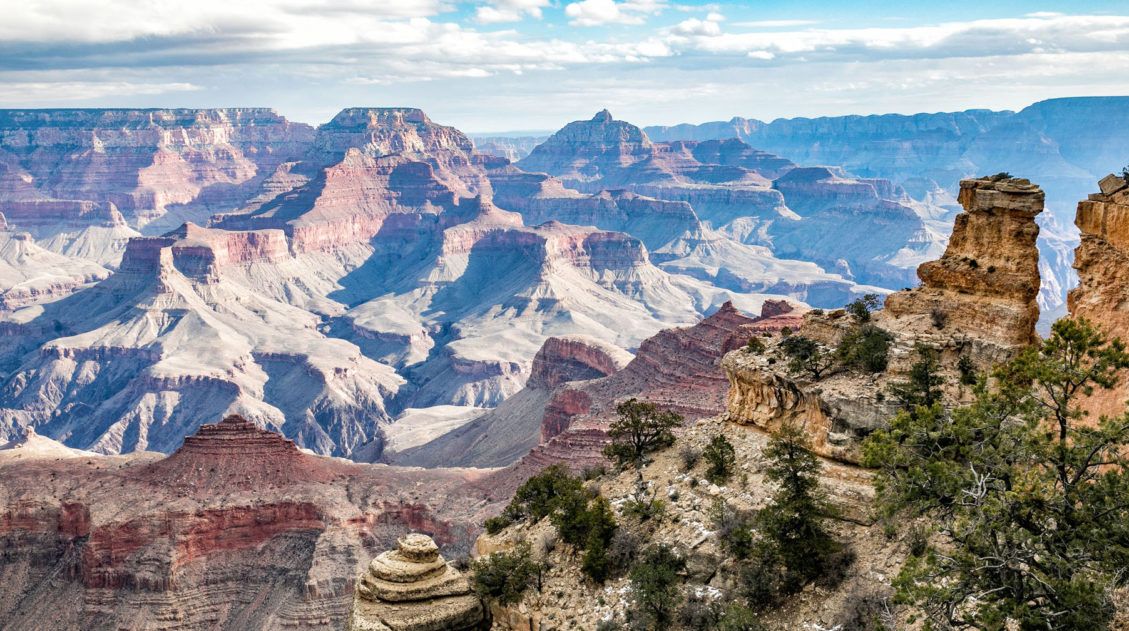
Best Viewpoints on the South Rim of the Grand Canyon
Photos of the viewpoints on Desert View Drive, Hermit Road, and Grand Canyon Village.2. Hike Below the Rim
One of the best ways to experience the Grand Canyon is to hike below the rim. There are several options to do this from the South Rim.
Bright Angel Trail
The Bright Angel Trail is a very popular trail. It’s easily accessible, starting right in the Grand Canyon Village. This trail starts on the rim and ends at the Bright Angel Campground near the Colorado River. It is 9.5 miles long and descends 4380 feet.

The view from the Bright Angel Trail

Switchbacks on the Bright Angel Trail
The National Park service discourages people from hiking from the rim to the Colorado River and back to the rim in one day. Over 200 people are rescued every year due to fatigue and heat exhaustion.
We hiked up the Bright Angel Trail in June during our rim-to-rim hike. At Havasupai Gardens, the temperature was already 98°F at 1 pm, and it was even hotter closer to the Colorado River. It’s a reminder of just how extreme conditions can be below the rim.
You can hike a portion of the Bright Angel Trail and still have a great experience. Here are 4 day hike options.
- 1.5 Mile Resthouse: Distance: 3 miles round-trip. You will rapidly descend from the rim on a switchback trail. The view is good, but honestly, it’s not spectacular. Much of the Bright Angel Trail descends through a canyon, so you don’t get those sweeping views like you get from the rim. This hike is more about the experience going below the rim than having a stunning view.
- 3 Mile Resthouse: 6 miles round-trip. Descend further into the canyon. The views do not change much from the 1.5 Mile Resthouse hike.
- Havasupai Gardens: 9 miles round-trip. Just past 3 Mile Resthouse, the trail “levels out.” You are still walking downhill, but at a lower grade than on the first part of this hike. Havasupai Gardens is a small campground with water. The NPS website recommends going no farther than this point in the summer.
- Plateau Point: 12 miles round-trip. At Havasupai Gardens, you can take the trail to Plateau Point for a stunning view over the Colorado River.
PRO TRAVEL TIP: Hiking down the Bright Angel Trail is going to be a lot faster and a lot easier than hiking back up. Make sure you start early in the day, bring plenty of salty food and water, and plan to give yourself plenty of time for the return hike back up to the rim. If this is your first time hiking, especially during the summer months, consider turning around at 1.5 Mile Resthouse or 3 Mile Resthouse.

3 Mile Resthouse
South Kaibab Trail
The South Kaibab Trail also starts on the rim and ends at the Colorado River. It is shorter and steeper than the Bright Angel Trail (it’s 7 miles long with 4800 feet of elevation loss). It is also more spectacular, in my opinion. There is a lot more exposure on the trail, which gives you expansive, jaw-dropping views of the Grand Canyon.
To get here, you will need to take the Grand Canyon shuttle or walk the rim trail to the South Kaibab trailhead.
Here are day hike ideas for the South Kaibab Trail.
Ooh Aah Point: 1.8 miles round trip. This is an amazing viewpoint! Tyler and I were here at sunrise and this is one of my favorite spots in the Grand Canyon. It’s a very steep descent to get here (and a hefty climb back up to the rim later in the day), but it’s worth it for this view.

Ooh Aah Point

View from Ooh Aah Point
Cedar Ridge: 3 miles round-trip. Enjoy more everchanging views as you descend farther into the canyon.
Skeleton Point: 6 miles round trip. Just past Skeleton Point you get your first view of the Colorado River. The NPS website recommends going no farther than this point as a day hike. From here, it’s still a very long ways to go until you reach the Colorado River.
Which Trail Should You Hike?
Our recommendation is the South Kaibab Trail. We think the views are more spectacular, and hiking to Ooh Aah Point or Cedar Ridge is one of the best experiences you can have on the South Rim.
For most of the hike on the Bright Angel Trail you are in a canyon, so you don’t get the same expansive views like you do on the South Kaibab Trail. However, Bright Angel is a good alternative if you prefer starting directly from Grand Canyon Village or want to experience a different section of the canyon.
Rim-to-River-to-Rim: South Kaibab to Bright Angel
For experienced hikers looking for a big adventure, one of the most spectacular hikes in the Grand Canyon is to descend the South Kaibab Trail to the Colorado River and then climb back to the South Rim on the Bright Angel Trail.
This is an extremely strenuous hike of roughly 16 miles, with nearly a mile of elevation loss followed by a massive uphill climb. It’s possible to complete in one day if you’re exceptionally fit and experienced, although the National Park Service advises against hiking from the rim to the river and back in a single day.

We took this photo of the South Kaibab Trail just a short distance past Ooh Aah Point


Tyler at the Colorado River
Tyler and I completed this hike on Christmas Eve in 2018, when he was 15. We had beautiful weather, with temperatures around 52°F, which made the hike much more enjoyable. From watching the sunrise at Ooh Aah Point to reaching the Colorado River and making the long climb back to the rim, it was one of our favorite hiking experiences in the national parks. Tyler loved it so much that he later returned to hike it again with a friend.
For our full experience, hiking statistics, photos, and planning advice, read our South Kaibab to Bright Angel Trail Guide.
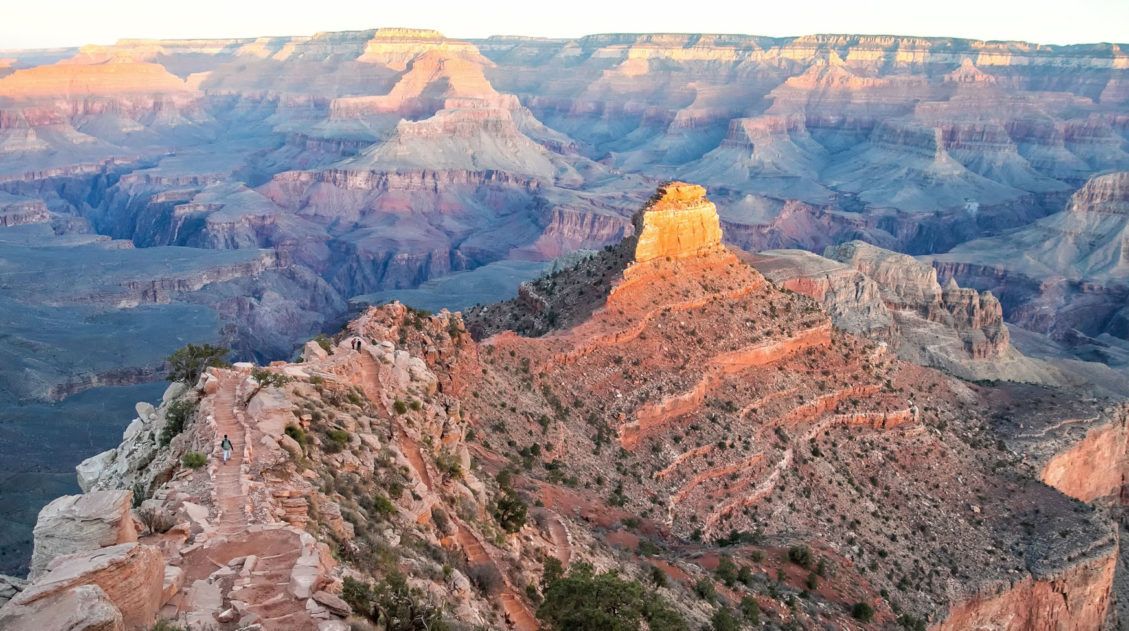
South Kaibab to Bright Angel Trail: How to Hike Rim-to-River-to-Rim in One Day
Everything you need to know to hike the South Kaibab and Bright Angel Trails in one day.Rim-to-Rim: North Rim to South Rim
For the ultimate Grand Canyon hiking adventure, consider the rim-to-rim hike. This trail crosses the entire Grand Canyon, starting on one rim, descending to the Colorado River, and climbing up to the opposite rim.
Tim and I completed the 23.5-mile hike from the North Rim to the South Rim in one day to celebrate our 20th wedding anniversary. We descended the North Kaibab Trail, crossed the Colorado River, and climbed back to the South Rim on the Bright Angel Trail.
It was one of the most physically demanding hikes we’ve ever done. We experienced everything from cool morning temperatures on the North Rim to triple-digit heat deep inside the canyon. Crossing the Grand Canyon on foot in one day still remains one of our favorite travel experiences.

Most hikers complete the rim-to-rim hike over two or three days. Completing it in one day is an enormous undertaking, requiring excellent fitness, careful planning, and favorable conditions. Read our Grand Canyon Rim-to-Rim Hiking Guide for our experience, hiking statistics, photos, and planning tips.
3. Walk the Grand Canyon Rim Trail
If you want to enjoy the spectacular views of the Grand Canyon without hiking below the rim, the Rim Trail is a great option. This relatively easy trail follows the edge of the canyon for approximately 13 miles, from the South Kaibab Trailhead to Hermits Rest. Much of it is paved, with very little elevation change, making it one of the best walks for families and visitors of all ages.
You certainly don’t need to walk the entire trail. We recommend choosing a short section, enjoying the views along the way, and using the park shuttles to return to your starting point.
Here are three good options:
- Mather Point to Yavapai Point (0.7 miles one way): One of the easiest and most popular sections, with nearly continuous canyon views. This is our top recommendation for a short, scenic walk.
- Mather Point to Grand Canyon Village (2.5 miles one way): A longer walk that includes the Trail of Time, where exhibits explain the geological history of the Grand Canyon. This is a great option if you also want to explore the historic village.
- Along Hermit Road: Walk between viewpoints rather than taking the shuttle the entire way. This is a wonderful way to escape some of the crowds and enjoy the scenery at a slower pace. Be aware that some sections are unpaved and more rugged.
We think walking even a short section of the Rim Trail is worth it. You’ll get beautiful views throughout the walk, rather than simply stopping at an overlook, taking a photo, and moving on.
For trail distances, maps, and shuttle connections, visit the National Park Service website.
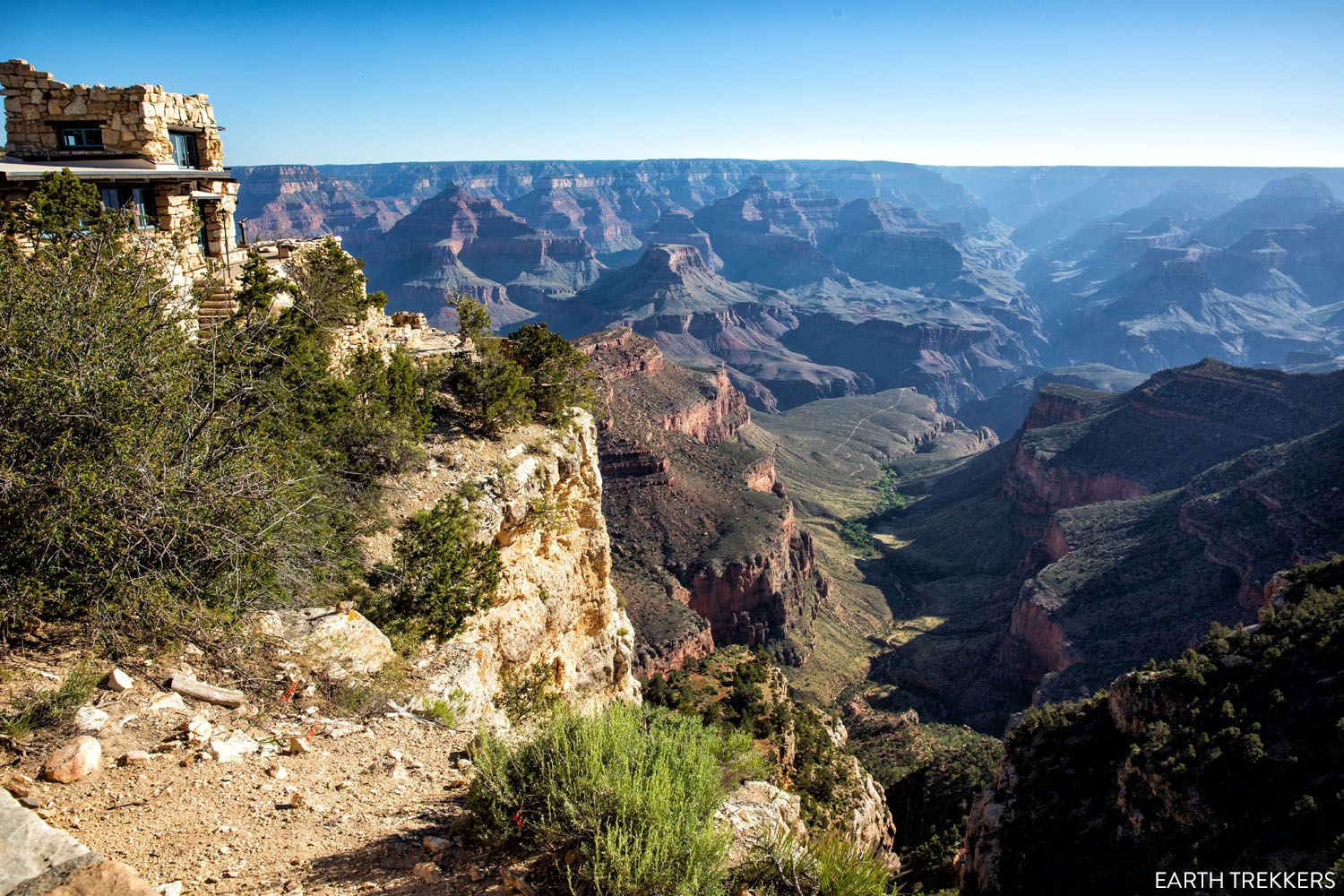
View from the Rim Trail near Bright Angel Lodge
Please practice the seven principles of Leave No Trace: plan ahead, stay on the trail, pack out what you bring to the hiking trail, leave areas as you found them, minimize campfire impacts, be considerate of other hikers, and do not approach or feed wildlife.
4. Drive Desert View Drive
Desert View Drive is one of the most scenic drives in Grand Canyon National Park. This 23-mile road connects Grand Canyon Village with Desert View, near the East Entrance, passing spectacular viewpoints, rocky outcroppings, and some of the best views of the Colorado River.
Unlike Hermit Road, which is closed to private vehicles for most of the year, Desert View Drive is open to cars year-round, weather permitting. This makes it easy to explore the viewpoints at your own pace, stopping whenever something catches your eye.
Some of our favorite stops along Desert View Drive are Grandview Point, Shoshone Point, Moran Point, and Desert View. We especially loved Moran Point, where we spent time exploring the rugged, rocky overlooks and taking family photos. Desert View is also worth extra time, with its beautiful views of the Colorado River and historic Desert View Watchtower.
Along the way, you can also visit the Tusayan Pueblo archaeological site to learn about the Ancestral Puebloan people who lived in this area.

The view from Shoshone Point
How much time do you need? The drive takes approximately 40 minutes without stops, but we recommend allowing 1.5 to 2.5 hours to visit several viewpoints and spend some time at Desert View.
PRO TRAVEL TIP: If you’re driving between the Grand Canyon and Page, Antelope Canyon, or Monument Valley, you can visit these viewpoints as you enter or leave the park through the East Entrance. This is a great way to see more of the Grand Canyon without backtracking.
For photos, our favorite stops, and personal ratings of the overlooks, see our guide to the Best Grand Canyon South Rim Viewpoints.
5. Bike Along Hermit Road
Hermit Road is 7 miles long. It starts at the Grand Canyon Village and ends at Hermit’s Rest.
You can visit the viewpoints along Hermit Road by shuttle (from March 1 to November 30), by car (only between December 1 and February 28), by foot, or by bike.
Out of these options, touring Hermit Road by bicycle sounds like the most fun. Plus, this is one of the best family friendly things to do in the Grand Canyon. You can visit the viewpoints on your own schedule, without hopping from shuttle from shuttle or dealing with finding a parking spot. And it’s much quicker than walking the entire 7 miles.
Canyon Adventures has a package where you can rent bicycles for one day. With their Hermit Shuttle Package, you cycle from Hopi Point to Hermit’s Rest. A shuttle transports you back to the Grand Canyon Village so you do not have to bike 14 miles round trip. This is a great option for families with kids and those who do not want a long bike trip.
6. Watch Sunrise and Sunset over the Grand Canyon
Watching the sunrise or sunset over the Grand Canyon is one of the most memorable experiences you can have on the South Rim. As the sunlight moves across the canyon, the cliffs glow in shades of red, orange, and gold, creating incredible opportunities for photography.
We’ve watched the sunrise from Ooh Aah Point and several viewpoints along Hermit Road, and these were some of our favorite moments in the Grand Canyon.
Best Places to Watch the Sunrise
- Desert View: Another excellent sunrise location, particularly if you’re staying near the East Entrance. The views of the Colorado River and eastern canyon are spectacular.
- Mather Point and Yavapai Point: Two of the easiest places to watch the sunrise. Both are close to the Grand Canyon Visitor Center and offer expansive views of the canyon. Yavapai Point would be our pick of the two.
- Yaki Point: One of the best sunrise viewpoints, with beautiful views looking east across the canyon. However, you’ll need to use the park shuttle or travel on foot or by bicycle, and the shuttle may not operate early enough for sunrise.
- Ooh Aah Point: Our favorite sunrise experience. Tyler and I watched the sunrise from this viewpoint on the South Kaibab Trail, and it was spectacular. However, reaching it requires hiking below the rim in the dark, so we only recommend this for experienced hikers with headlamps and a safe transportation plan.

Yavapai Point
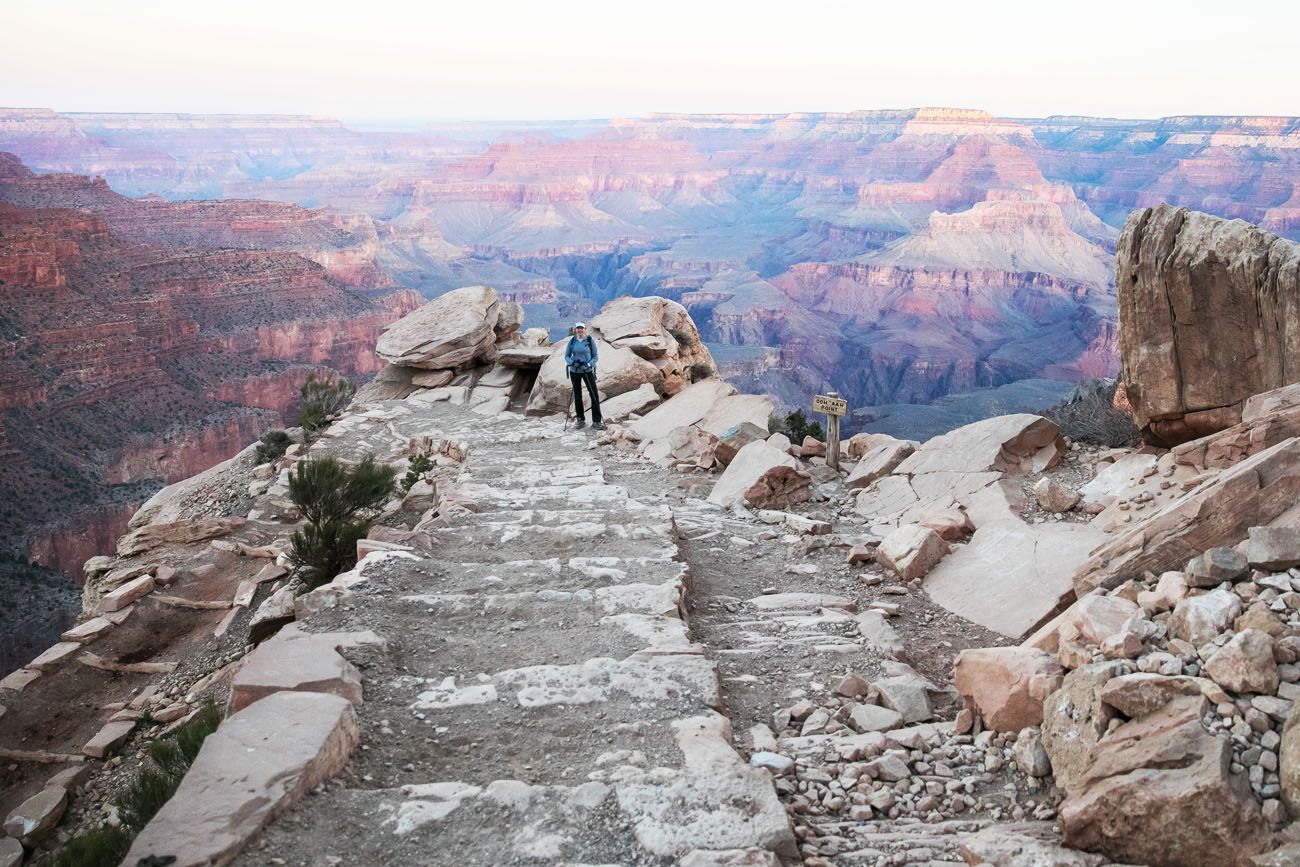
Ooh Aah Point at sunrise

Mohave Point
Best Places to Watch the Sunset
- Hopi Point: One of the most popular sunset locations on the South Rim, with wide-open views in both directions. It’s a beautiful spot, but expect crowds.
- Mohave Point and Pima Point: Two of our favorite overlooks along Hermit Road. Both have incredible views of the canyon and Colorado River and tend to be less crowded than Hopi Point.
- Yavapai Point: A convenient sunset location if you’re staying near Grand Canyon Village and don’t want to spend time riding the Hermit Road shuttle.
- Desert View: A beautiful alternative to the more crowded overlooks near Grand Canyon Village, particularly if you’re visiting the eastern section of the park.
Our recommendation: For sunrise, we’d choose Yavapai Point for easy access or Ooh Aah Point for an unforgettable hiking experience. For sunset, we’d choose Mohave Point or Pima Point, especially if you want to avoid the crowds at Hopi Point.
PRO TRAVEL TIP: Arrive at least 30 minutes before sunrise or sunset, and stay afterward to watch the light change across the canyon. If you’re visiting Hopi Point for sunset, check the Hermit Road shuttle schedule and where to board the return shuttle. During the winter months, you can drive Hermit Road yourself, weather permitting.
For more viewpoint recommendations and photos, see our guide to the Best Grand Canyon South Rim Viewpoints.
7. Explore Historic Grand Canyon Village
Grand Canyon Village is more than just a place to catch a shuttle or grab lunch. It’s also home to some of the park’s most interesting historic buildings, many dating back to the early 1900s, when the arrival of the railroad transformed the South Rim into a popular tourist destination.
One of the best ways to explore the village is to walk along the Rim Trail, stopping at several historic landmarks along the way.
Some highlights include:
- El Tovar Hotel: Opened in 1905, this landmark hotel sits just steps from the canyon’s edge and is one of the most recognizable buildings in the park.
- Hopi House: Designed by architect Mary Colter in 1905 to resemble a traditional Hopi pueblo, this beautiful sandstone building houses a collection of Native American arts and crafts.
- Lookout Studio: Another Mary Colter creation, this rustic stone building blends into the canyon’s edge and offers beautiful views.
- Kolb Studio: Once the home and photography studio of the adventurous Kolb brothers, this historic building now houses photography, history, and art exhibits.
- Verkamp’s Visitor Center: Stop here to learn about the history of Grand Canyon Village and the people who lived and worked on the South Rim.
How much time do you need? Allow approximately 45 minutes to an hour to explore the historic village, longer if you enjoy browsing the shops and exhibits. This is an easy activity to combine with a walk along the Rim Trail or a visit to the Bright Angel Trailhead.
8. Visit the Desert View Watchtower
Perched along the eastern edge of the Grand Canyon, the Desert View Watchtower is one of the South Rim’s most distinctive landmarks. Architect Mary Colter designed this 70-foot-tall stone tower in 1932, inspired by the architecture of the Ancestral Puebloan people of the Southwest.
From a distance, the tower looks like an ancient stone structure rising from the canyon’s edge. Inside, you’ll find beautiful artwork, including murals by Hopi artist Fred Kabotie, as well as windows framing spectacular views of the Grand Canyon.

The watchtower’s upper floors offer panoramic views of the canyon, Colorado River, and Painted Desert. However, access is limited. Visitors must get a free, on-site timed ticket, and the upper floors are open only when staffing permits. Even if you can’t visit the upper levels, you can explore the ground-floor View Room and enjoy the incredible scenery from Desert View Point.
PRO TRAVEL TIP: If you’re entering or leaving the Grand Canyon through the East Entrance, make this one of your stops. The watchtower is located at the eastern end of Desert View Drive, approximately 23 miles from Grand Canyon Village.
For current hours, upper-floor access, and cultural demonstration schedules, visit the National Park Service website.
9. Take a Helicopter Flight Over the Grand Canyon
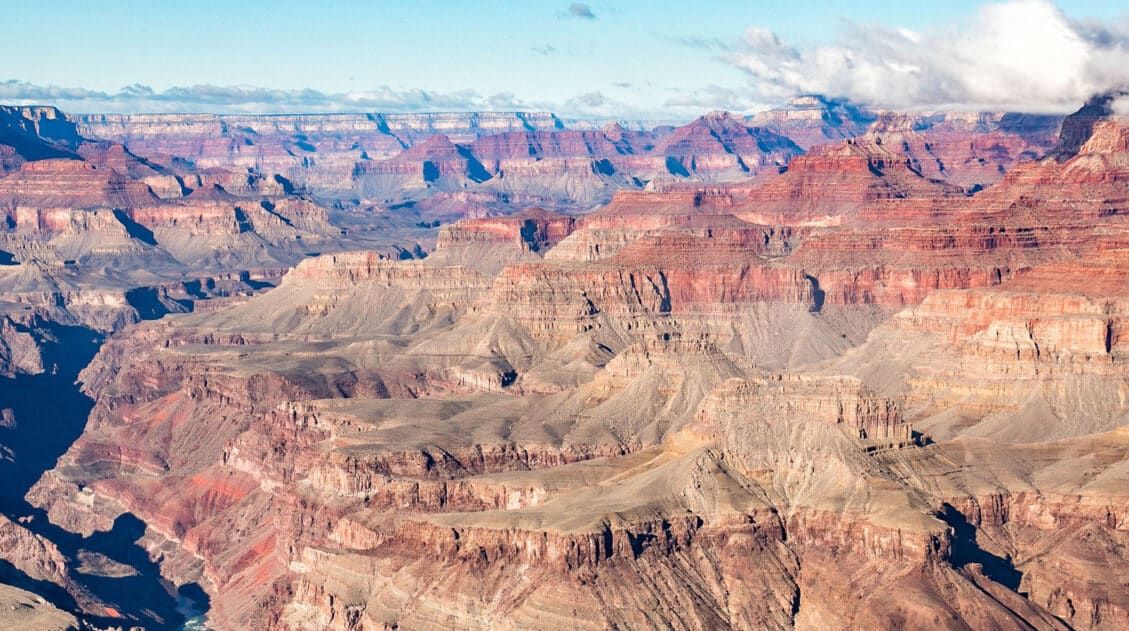
For a completely different perspective of the Grand Canyon, take a helicopter flight over the South Rim. From the air, you can truly appreciate the enormous size of the canyon.
During our family visit to the Grand Canyon, Kara injured her leg shortly before our trip and couldn’t join Tyler and me on our hike from the South Rim to the Colorado River and back. Instead, Tim and Kara booked a 45-minute helicopter flight with Maverick Helicopters.
They absolutely loved it! Flying over the canyon gave them a spectacular bird’s-eye view of the landscape and turned what could have been a disappointing change of plans into one of their favorite memories from the trip.


Tim took this photo from the helicopter flight in the Grand Canyon
Helicopter tours depart from Tusayan, just outside the South Entrance of Grand Canyon National Park. You can choose between shorter flights of approximately 25 minutes and longer flights of 40 to 50 minutes. These flights soar over the canyon but do not land inside it.
It’s an expensive experience, but if you’re looking for something truly memorable, a helicopter flight is a fantastic addition to your Grand Canyon visit.
For more information, including flight options, prices, and plenty of photos from Tim and Kara’s experience, read our Grand Canyon Helicopter Guide ↓

Grand Canyon Helicopter Tour: Is It Worth It? Our Experience & Tips
Options for flights over the Grand Canyon, how to choose a company, and more.10. Visit the Yavapai Geology Museum and Walk the Trail of Time
If you’re curious about how the Grand Canyon formed, visit the Yavapai Geology Museum and walk the Trail of Time. These two experiences are located near each other and are a great way to learn about the canyon’s fascinating geological history.
The Yavapai Geology Museum sits right on the edge of the canyon at Yavapai Point, one of our favorite South Rim viewpoints. Inside, large panoramic windows provide spectacular views of the canyon, while exhibits explain how the canyon formed, the different rock layers, and the immense geological forces that shaped this landscape.
Just west of the museum is the Trail of Time, an outdoor geology exhibit along the Rim Trail. The most popular section stretches 1.3 miles from Yavapai Point to Grand Canyon Village. Along the way, bronze markers represent the passage of time, with each meter corresponding to one million years of geological history. You’ll also see actual rock samples and exhibits that help put the canyon’s incredible age into perspective.
The trail is paved, relatively flat, and offers beautiful canyon views, making it an enjoyable walk even if geology isn’t your primary interest.
How much time do you need? Allow 20 to 30 minutes for the museum and approximately one hour to walk the Trail of Time, longer if you stop to read the exhibits and take photos. You can walk back to your starting point or use the park shuttles.
11. Attend a Ranger-Led Program
One of the best ways to learn about the Grand Canyon is to join a free ranger-led program. These programs cover everything from the canyon’s fascinating geology and natural history to its wildlife, cultural heritage, and the people who have called this area home.
Programs vary throughout the year, but popular options include guided walks along the rim, short geology talks at Yavapai Point, and evening presentations. Most programs last 30 to 60 minutes, making them easy to fit into a day of sightseeing. They’re also a great option for families, especially if you’re traveling with children who enjoy asking questions and learning about nature.
PRO TRAVEL TIP: Ranger programs are free, but schedules, meeting locations, and availability change seasonally. Check the NPS ranger program schedule before your visit to see what’s being offered.
12. Go Stargazing at the Grand Canyon
The Grand Canyon is spectacular during the day, but it’s also a wonderful place to visit after dark. Designated as an International Dark Sky Park, Grand Canyon National Park has remarkably dark skies, making it an excellent stargazing destination.
On clear, moonless nights, you can see thousands of stars, and during certain times of the year, the Milky Way stretches across the sky.
Some of the best places to go stargazing on the South Rim include:
- Mather Point: One of the easiest places to stargaze, located near the Grand Canyon Visitor Center.
- Desert View: A wonderful location for night sky photography, with the historic Desert View Watchtower providing an interesting foreground.
- Moran Point and Lipan Point: More secluded overlooks along Desert View Drive, away from the busier areas around Grand Canyon Village.
For the best experience, plan your visit around a new moon, when the skies are darkest. Allow at least 90 minutes after sunset for the sky to become fully dark, and bring warm clothing and a red flashlight or headlamp to preserve your night vision. Stay on established paths and away from the canyon edge after dark.
The park also hosts astronomy programs throughout the year, including the annual Grand Canyon Star Party, typically held in late spring or early summer. During this event, volunteer astronomers set up telescopes and help visitors observe planets, star clusters, and distant galaxies.
For upcoming astronomy events and more stargazing tips, visit the National Park Service’s Night Skies page.
13. Ride a Mule into the Grand Canyon
For a unique way to experience the Grand Canyon, consider taking a guided mule ride. Mule trips have been a Grand Canyon tradition for more than a century, offering visitors the chance to explore the park on horseback-style trails without hiking.
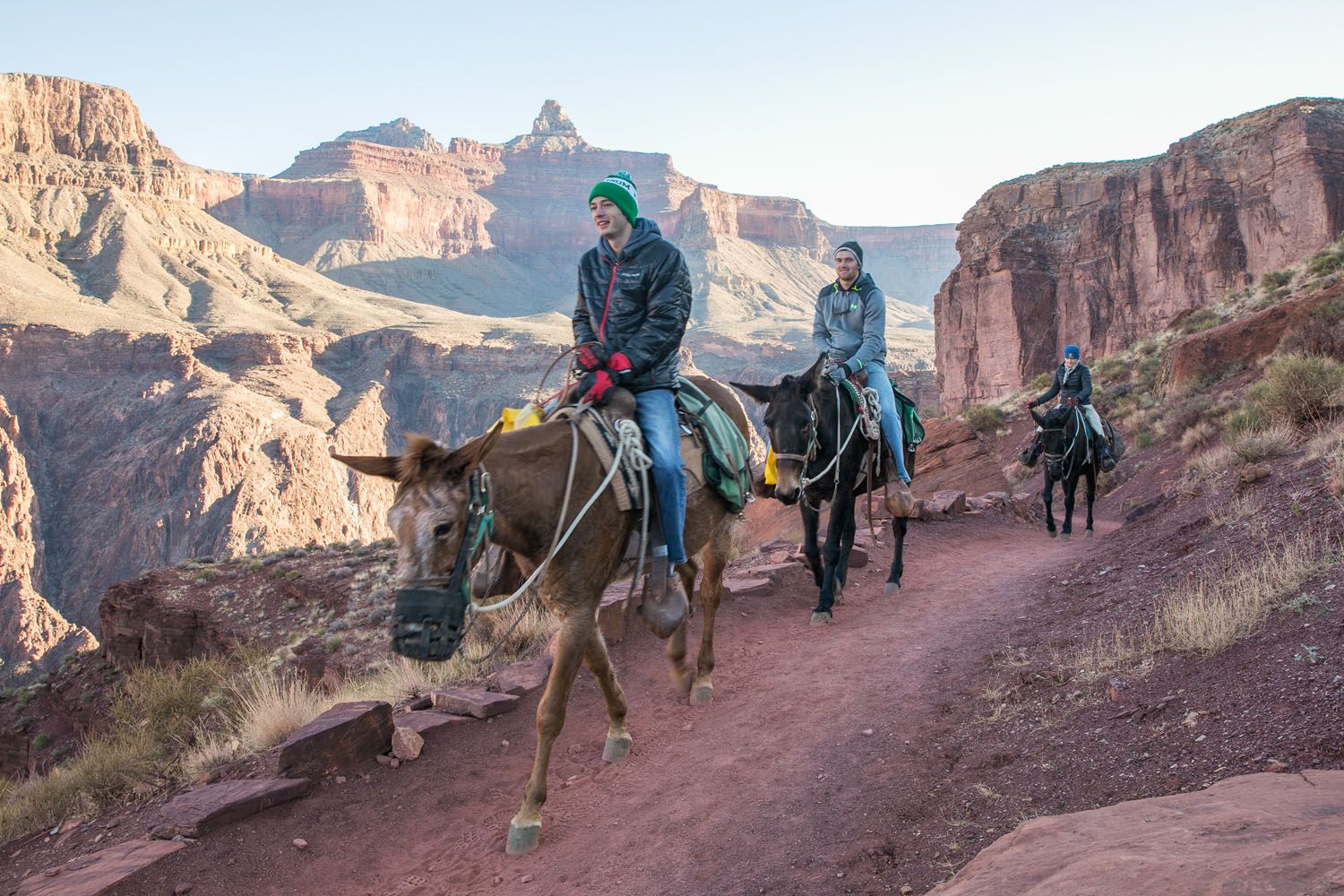
There are two daytime experiences to choose from:
- Canyon Vistas Mule Ride: This two-hour ride follows a scenic trail along the South Rim, with stops to enjoy the views and learn about the canyon’s geology and history. Allow approximately three hours for the entire experience, including transportation.
- Havasupai Gardens Mule Ride: For a bigger adventure, this seven-hour experience descends the Bright Angel Trail to Havasupai Gardens, where you’ll stop for lunch before returning to the rim. This tour is currently offered through February 2027.
Overnight mule rides to Phantom Ranch are also traditionally offered, but these are temporarily suspended due to flood damage and trail closures.
Mule rides are popular and have strict age, height, and weight requirements, so make reservations well in advance.
For current tour options, prices, and reservations, visit the Grand Canyon National Park Lodges website.
14. Watch the Grand Canyon IMAX Movie
For a relaxing indoor activity, watch Grand Canyon: Rivers of Time at the Grand Canyon IMAX Theater. This 37-minute film takes you on a journey through the canyon’s fascinating history, from its geological formation to the people who have explored and lived in this remarkable landscape.
During our family visit, while Tyler and I were hiking from the South Rim to the Colorado River and back, Tim and Kara spent their day taking a helicopter flight and watching the IMAX movie.
The movie features spectacular aerial footage, historical stories, and scenes of the Colorado River. It’s a good option for families, visitors who want to learn more about the canyon, or anyone looking for a break from the summer heat or winter cold.
How much time do you need? Allow approximately one hour, including the movie and time to get seated.
The IMAX theater is located at the Grand Canyon Visitor Center in Tusayan, just outside the national park’s South Entrance. This is not the same as the Grand Canyon Visitor Center inside the park.
For current showtimes and ticket prices, visit the official Grand Canyon IMAX website.
How Much Time Do You Need on the Grand Canyon South Rim?
One full day is enough to see the highlights of the Grand Canyon South Rim, but we recommend two days if you have the time. This gives you the opportunity to explore the viewpoints, hike below the rim, and enjoy a few other memorable experiences without rushing.
Here’s what you can do with different amounts of time:
- A few hours: Visit several viewpoints near Grand Canyon Village or along Desert View Drive. Even with limited time, you can see some spectacular scenery.
- One full day: Visit our favorite South Rim viewpoints, hike to Ooh Aah Point or walk part of the Rim Trail, and explore Hermit Road. If you’re staying overnight, you can also watch the sunrise or sunset.
- Two days: This is our recommendation for most visitors. Spend one day exploring the viewpoints along Hermit Road and Desert View Drive, and another hiking below the rim, visiting historic Grand Canyon Village, or enjoying other activities such as a helicopter tour.
- Three or more days: With additional time, you can tackle longer hikes, bike Hermit Road, attend ranger programs, and explore the South Rim at a more relaxed pace.
We’ve visited the Grand Canyon on quick road trips and longer stays, and there’s a big difference between spending a few hours looking into the canyon and having time to hike below the rim. If you enjoy hiking, we’d strongly recommend allowing at least two days.
Only have one day? Our One Day in the Grand Canyon Itinerary includes five different ways to plan your visit, whether you’re spending just a few hours at the park, visiting on a day trip from Las Vegas, or looking for a full day of hiking and sightseeing.

Yaki Point
How to Get to the Grand Canyon South Rim
The Grand Canyon South Rim is located in northern Arizona, approximately 80 miles northwest of Flagstaff. Most visitors arrive by car, either on a day trip from a nearby city or as part of a longer road trip through the American Southwest.
There are two entrances to the South Rim:
- South Entrance: Located just north of Tusayan, this is the main entrance and the most convenient for visitors arriving from Phoenix, Sedona, Flagstaff, Williams, and Las Vegas. It provides easy access to Grand Canyon Village, the Visitor Center, and the park’s shuttle buses.
- East Entrance (Desert View): This entrance is ideal if you’re arriving from Page, Antelope Canyon, or Monument Valley. From here, you’ll drive along Desert View Drive, passing several spectacular viewpoints before reaching Grand Canyon Village.
Driving distances and times to the South Rim:
- Phoenix: 230 miles, 3.5 hours
- Las Vegas: 280 miles, 4.5 hours
- Page, Arizona: 133 miles, 2.5 hours
- Flagstaff, Arizona: 80 miles, 1.5 hours
- Monument Valley: 176 miles, 3 hours
- Zion National Park: 240 miles, 4.25 hours
These are approximate driving times and do not include sightseeing stops, traffic delays, or waiting at the park entrances.
PRO TRAVEL TIP: If you’re visiting the Grand Canyon on a road trip between Las Vegas or Flagstaff and Page or Monument Valley, enter through one entrance and exit through the other. This allows you to drive Desert View Drive and visit its spectacular viewpoints without backtracking.
Getting here without a car: The closest major airports are in Phoenix and Las Vegas, where you can rent a car and drive to the South Rim. Another option is to take the historic Grand Canyon Railway from Williams or join an organized tour from Las Vegas, Flagstaff, or Sedona.
The South Rim is open year-round, although winter storms can occasionally cause temporary road closures. For driving directions and current road conditions, visit the National Park Service website.
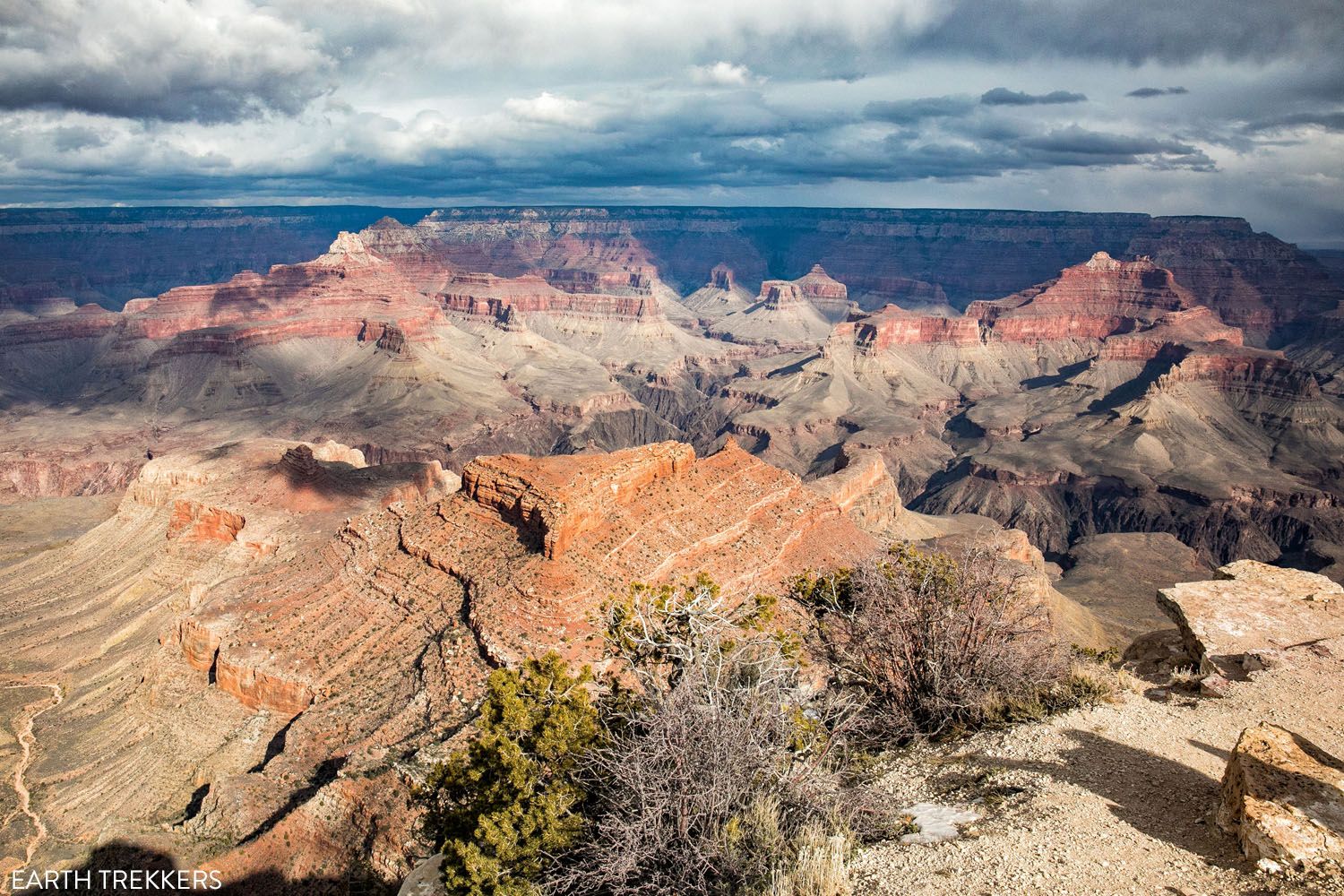
The view from Shoshone Viewpoint
Best Time to Visit the Grand Canyon
The Grand Canyon can be visited year round. Peak season is during the summer months and during the holiday seasons of Easter and Christmas. During these times, expect large crowds, traffic jams to enter the park, and hotels booked to capacity.
Spring and fall are great times to visit the park. The weather is pleasant and the park isn’t overly crowded.
From June through September, expect hot conditions and large crowds.
Winter is the off-season. Crowds will be low, but so will the temperatures. Snow is a possibility, but that will only make the Grand Canyon look more magical.
Grand Canyon National Park appears in our Best US National Parks Month-By-Month series as a great park to visit in January, February, April, June, November, and December.

Desert View Point
Park Fees and Hours of Operation
The South Rim of the Grand Canyon is open 24 hours 365 days a year.
The entrance fee is $35 and is valid for 7 days. This fee also includes the visit to the North Rim. Non-US residents 16 years or older pay an additional $100 fee.
If you plan to visit the North Rim, you should be aware that it is only open from mid-May through mid-October. The road to the North Rim is closed in the winter due to snow. You can check conditions on the official National Park Service website. If you plan to drive from the South Rim to the North Rim, it takes roughly 4 to 5 hours.
PRO TRAVEL TIP: Check for trail closures, road closures, and get important updates before your visit on the official National Park Service website.
Where to Stay
There are six hotels located in the Grand Canyon Village (El Tovar, Thunderbird Lodge, Bright Angel Lodge, Kachina Lodge, Maswik Lodge, and the Yavapai Lodge). Staying here gives you the advantage of easy access to the shuttles, short walks to several of the viewpoints, and no hassles driving into and out the park every day. However, the hotels get mediocre reviews and many people say they are expensive for what you get.
When we visit the Grand Canyon, we stay in Tusayan. From Tusayan, it is a 15-minute drive into the park. There are several hotels to choose from, as well as some restaurants.
We stayed at The Grand Hotel in Tusayan. It is the highest rated hotel in the area. The hotel looks impressive from the outside and the lobby is very nice but the rooms are nothing special. On Booking.com it is listed as a 5-star hotel but it looks and feels a lot more like a 3 to 4 star hotel. However, the rooms are clean and quiet and fit our needs.
The Red Feather Lodge/Hotel, the Grand Canyon Hotel & Suites, and the Holiday Inn Express are three more hotels to try in Tusayan.
PRO TRAVEL TIP: If you stay in Tusayan, plan to arrive at the Grand Canyon Village no later than 8 am so that you do not get stuck in traffic jams to enter the park, and to make sure you get a parking spot. Or, during the summer months, take the shuttle that runs between Tusayan and the Grand Canyon Village.
Frequently Asked Questions
Where should I go on my first visit to the Grand Canyon?
On your first visit to the Grand Canyon, we recommend visiting the South Rim. With its breathtaking views, an assortment of hiking trails, lots of cool activities to keep kids happy, and a large number of hotels and restaurants to choose from, it’s hard to beat the South Rim.
Skip Grand Canyon West and its overpriced Skywalk, skip Grand Canyon East because you won’t get the iconic canyon views, and only visit the North Rim if you will be out that way during the summer months.
What are the best views on the South Rim of the Grand Canyon?
The best views from the South Rim of the Grand Canyon are Powell Point, Mohave Point, and Pima Point (along Hermit Road), Yavapai Point and Yaki Point (near Canyon Village), Moran Point and Desert View Point (on Desert View Road). If you want to leave the crowds behind, go to Shoshone Point and hike a portion of the South Kaibab Trail to Ooh Aah Point.
How much time should you spend at the Grand Canyon?
Two days allows you to see most, if not all, of the viewpoints from the South Rim, to hike a portion of the South Kaibab or Bright Angel Trails, to watch the IMAX movie, take a ranger guided tour, walk part of the Rim Trail, and even take a helicopter flight over the Grand Canyon. If you also want to visit the other rims of the Grand Canyon (there are four: north, south, east, and west), add at least one day for each of these rims.
Which rim is best, the North Rim or the South Rim?
The South Rim is the busiest part of the Grand Canyon to visit. A network of roads, hiking trails, and shuttle routes connect the main viewpoints at this section of the Grand Canyon. There are also numerous hotels and restaurants on the South Rim. The South Rim is open all year, making this the best rim to visit between mid-October and mid-May. However, the North Rim is more remote, less crowded, and the views are some of the best of the Grand Canyon. The North Rim is only open from mid-May through mid-October, so there is a narrow window of time that you can visit this side of the Grand Canyon.
Plan Your Visit to the Grand Canyon
Planning a trip to the Grand Canyon? Here are more of our guides to help you make the most of your visit.
- Visiting the Grand Canyon for the first time? → Our Grand Canyon National Park Travel Guide covers when to visit, where to stay, how to get around, and everything else you need to plan your trip.
- Only have one day? → Follow our One Day in the Grand Canyon Itinerary, with five different ways to spend your time, whether you prefer sightseeing, hiking, or a little of both.
- Want to find the best views? → Our South Rim Viewpoints Guide includes our personal ratings of 17 viewpoints, photos, and tips on which overlooks to prioritize.
- Ready for an epic hike? → Read our guide to hiking South Kaibab to Bright Angel in One Day for our firsthand experience, trail statistics, photos, and hiking tips.
- Considering a helicopter flight? → Our Grand Canyon Helicopter Tour Guide compares South Rim and West Rim flights, prices, and what to expect, including Tim and Kara’s experience.
- Planning an Arizona road trip? → Our 10-Day Arizona Itinerary combines the Grand Canyon with Sedona, Monument Valley, Antelope Canyon, and Arizona’s other national parks.
If you have any questions about the best things to do in the Grand Canyon, comment below!
Explore More of the American Southwest
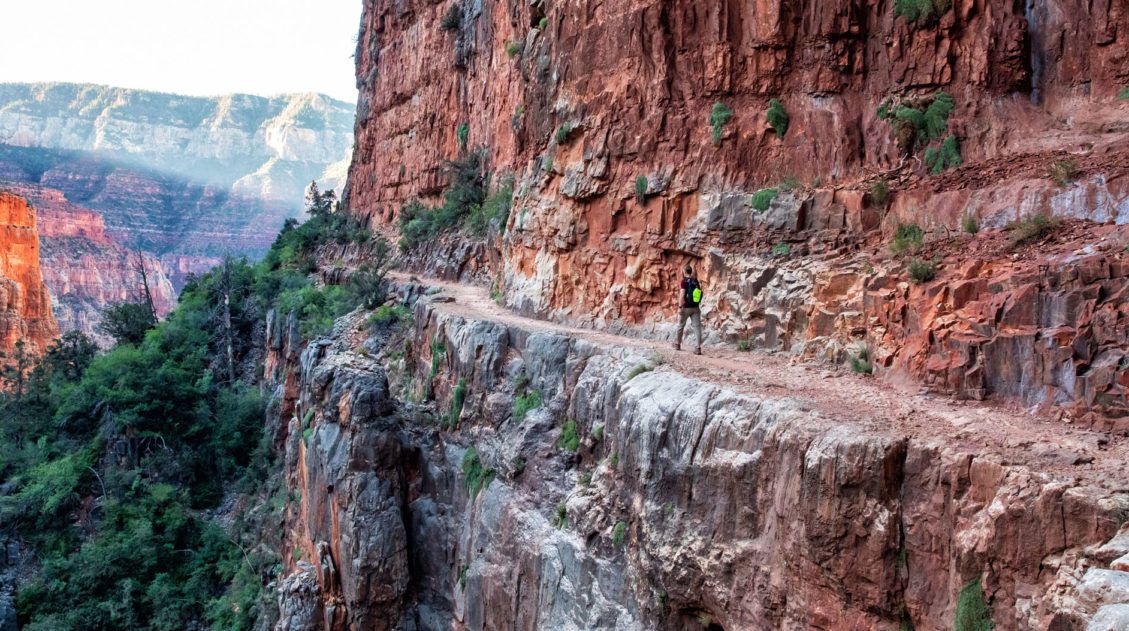
Rim-to-Rim Hike in One Day: Step-By-Step Trail Guide
Hiking the Grand Canyon rim-to-rim in one day is an extraordinary adventure. Over approximately 23.5 miles, you’ll descend nearly a mile from the North Rim to the Colorado River, cross the canyon floor, and climb back up to the South Rim. You’ll hike through narrow canyons, past waterfalls and lush oases, and experience some of […]
Two Week American Southwest Road Trip: Grand Canyon & Utah’s Mighty 5
This is one of the best road trips in the USA. On this American Southwest road trip, you will visit Utah’s Mighty 5, the Grand Canyon, and a handful of wonderful state parks and national monuments. This is the itinerary I wish we had when we planned our first road trip to the American Southwest. […]
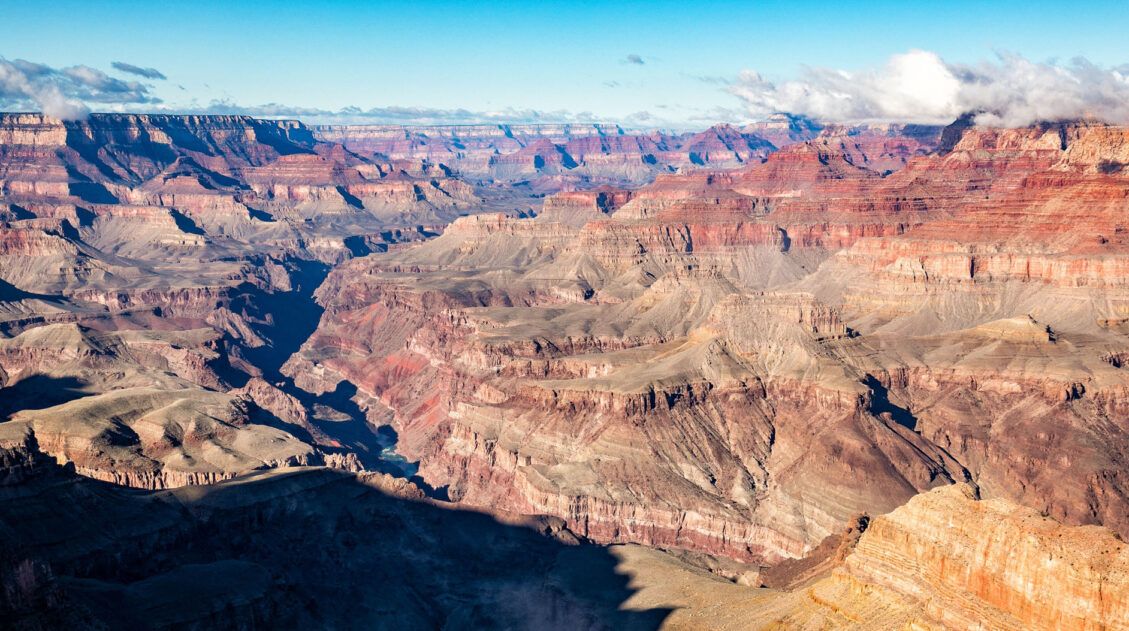
Grand Canyon Road Trip: 5 Itineraries from Las Vegas
Las Vegas is one of the best starting points for a Grand Canyon road trip. Not only is it easy to reach by air, but it’s also within driving distance of some of the most spectacular destinations in the American Southwest, including the Grand Canyon, Zion National Park, Bryce Canyon, Death Valley, and Sedona. With […]
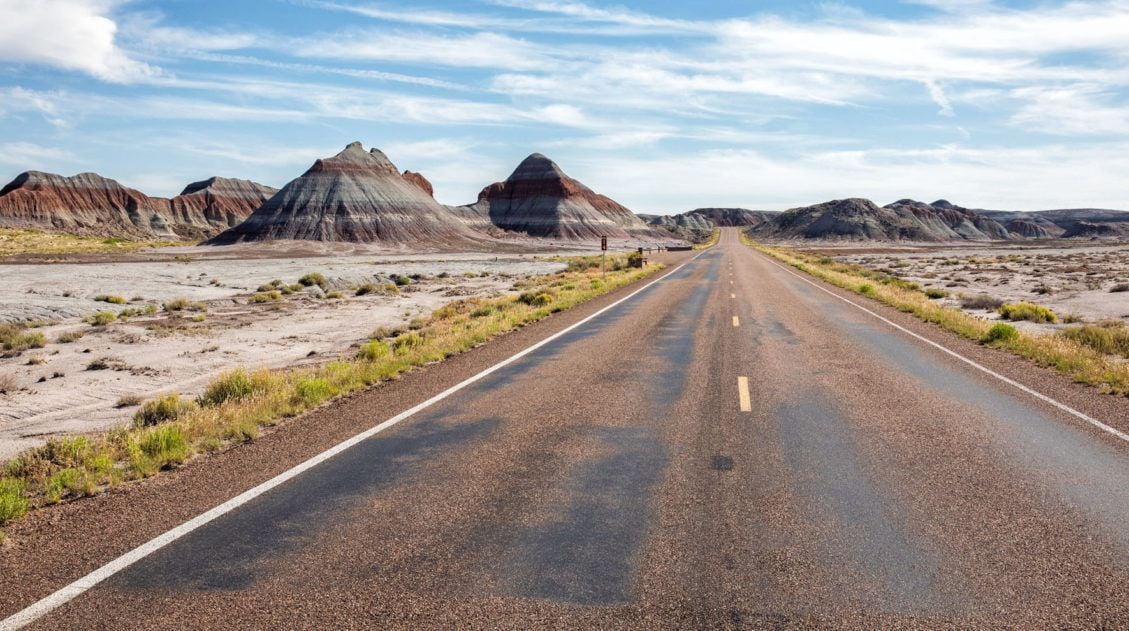
One Day in Petrified Forest National Park: Our Itinerary & Best Stops
Petrified Forest National Park beat all of my expectations. I imagined a barren desert with a few colorful hills, some ancient, petrified stumps, and soaring temperatures in the early summer. Instead, we were treated to the colorful, uniquely beautiful hills of the Painted Desert, giant, petrified trees that puzzle the mind, and the chance to […]
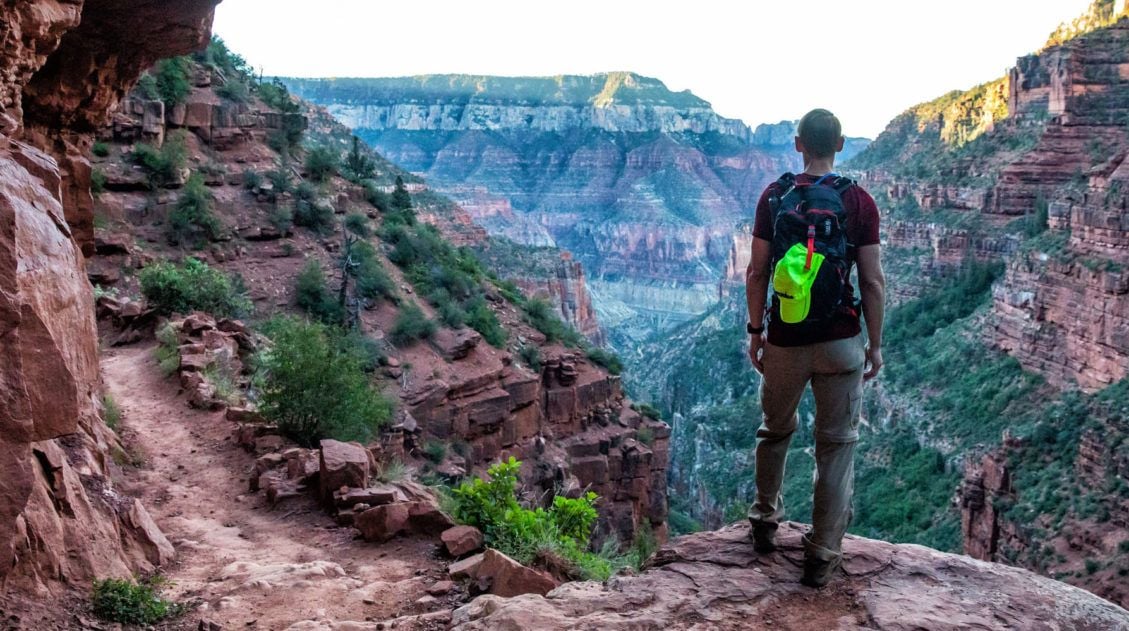
Grand Canyon Rim-to-Rim Hike: Complete Planning Guide
Hiking the Grand Canyon rim-to-rim is an incredible adventure, but planning the hike is almost as challenging as completing it. You’ll need to figure out transportation between the North and South Rims, choose the best time of year, prepare for extreme temperature changes, and decide whether to complete the hike in one day or as […]

Grand Canyon Skywalk: Overhyped or Worth It? Our Experience
Located on the West Rim of the Grand Canyon, the Skywalk is an easily accessible viewpoint from Las Vegas. It looks and sounds thrilling…a glass walkway perched high above the canyon floor, offering spectacular views of the Grand Canyon. But is the Grand Canyon Skywalk worth it? We visited the Skywalk as a family of […]
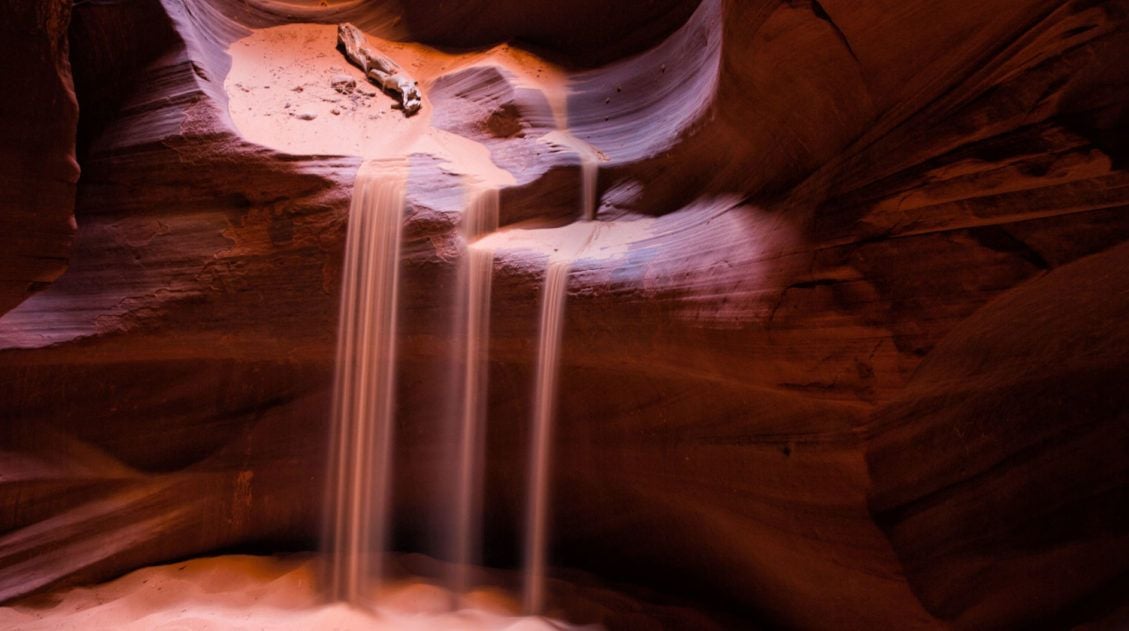
Upper or Lower Antelope Canyon: Which One Should You Visit?
Tim and I visited Upper and Lower Antelope Canyon on the same day. We took the same tours, walked through the same red sandstone walls, and came away with completely different favorites. Tim’s was Lower. Mine was Upper. That split tells you something important: these aren’t two versions of the same experience. They’re genuinely different […]
12 Best Sedona Hikes, Ranked Shortest to Longest
If you are looking for an epic hiking destination, it’s tough to beat Sedona, Arizona. With its red rock scenery, arches, hidden caves, and network of hiking trails, this is a great place to explore on foot. Add in the abundance of top-notch hotels and restaurants in Sedona and you have an awesome getaway destination, […]
Utah’s Mighty 5: How to Plan the Perfect Road Trip Itinerary
Stretching across southern and central Utah are five stunning national parks. Called the Mighty 5, these parks contain some of the most thrilling hiking trails and iconic landscapes in the United States. Stand atop Angels Landing in Zion. Gaze across a wonderland of hoodoos at Bryce Canyon. Explore the Water Pocket Fold at Capitol Reef. […]
Sedona Itinerary | Best Way to Spend 1 to 6 Days in Sedona
There are many different ways to piece together a Sedona itinerary. Your perfect itinerary depends on your traveling style. Whether you are an avid hiker, a family traveling with kids, or someone who wants to experience Sedona without spending time on the hiking trails, we have some great suggestions for you. In this guide, learn […]

10 Amazing Things to Do in Las Vegas: The Ultimate City Guide
Discover the very best things to do in Las Vegas, including a long list of day trips that could be the highlight of your trip. Las Vegas…also known as Sin City, Lost Wages, the Gambling Capital of the World, the City that Never Sleeps, and the Entertainment Capital of the World, is one of the […]
The Ultimate Guide to the 64 US National Parks
Stretching from the South Pacific, across the United States to the Caribbean, are 64 national parks. These national treasures preserve iconic landscapes, majestic mountains, primordial forests, arid deserts, misty coastlines, immense canyons, wildlife, and historic landmarks. We have visited 56 of the 64 US national parks, from the towering granite walls of Yosemite and the […]
20 Epic Hikes in the US National Parks
With 64 national parks and thousands of miles of hiking trails, your options are endless for exploring the American national parks. We narrowed down the list for you to 20 of the best hikes in the US national parks, 20 amazing ways to explore this beautiful country. Hike to the tallest peaks, through massive canyons, […]



Comments 48