
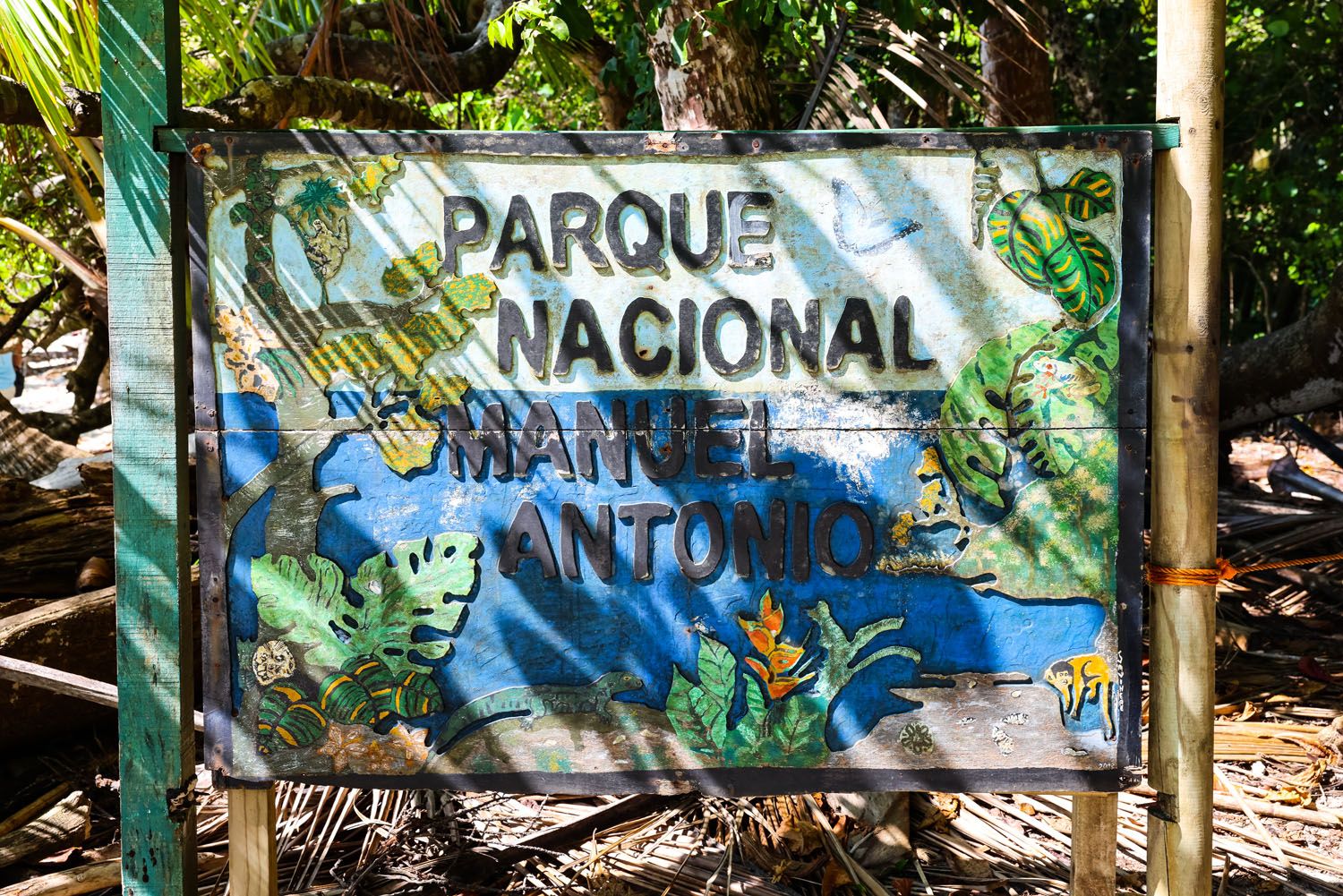
Manuel Antonio National Park was the first stop on our two-week Costa Rica road trip and it set the bar high. In a single morning, we spotted sloths, white-faced capuchin monkeys, squirrel monkeys, iguanas, and a rainbow of birds, all with the help of a guide whose scope turned a tangle of branches into a wildlife spectacle. We also hit the beaches inside the park before heading out at midday to explore the rest of Manuel Antonio.
In this guide, we cover everything you need to plan your visit to Manuel Antonio National Park: how to get tickets (they sell out — buy early), whether to hire a guide (yes), what to bring, and what to expect on the trails and beaches.
Note: This guide only covers Manuel Antonio National Park. For beaches, restaurants, hotels, and activities beyond the national park, see our guide to Things to Do in Manuel Antonio. If you’re in the early stages of planning your trip, start with our Costa Rica Travel Guide for help building your itinerary.
Manuel Antonio National Park: At a Glance
LOCATION | Puntarenas Province
HOURS | Wednesday–Monday, 7 am–4 pm
CLOSED | Every Tuesday
ENTRANCE FEE | $18.08 per adult ($16 + IVA) | $5.65 children ages 2–12 ($5 + IVA) | Free under 2
DAILY VISITOR LIMIT | ~2,500 (sells out in advance — buy early)
TICKETS | Online only via the SINAC website
BEST TIME TO ARRIVE | 7am (coolest part of the day, wildlife most active)
TIME NEEDED | Half day minimum; full day if you want beach time after your guided walk
GUIDED TOUR | We took this 2 hour guided wildlife walk
April 2026 Update: Added update ticket prices and hours, added FAQ section and information about the best time of year to visit the park.
#1 Tip for Visiting Manuel Antonio National Park
Before we go deeper into things to do in Manuel Antonio National Park, the most important thing to know is that you must purchase your ticket in advance. The number of visitors is limited to approximately 2,500 per day and these spots are sold as timed entry tickets. Without a reservation made in advance, you may not get into the park.
Tickets can only be purchased through the SINAC website. They are not for sale at the entrance booth, so you cannot show up and purchase a ticket. These tickets sell out in advance, so purchase yours once you know the dates you will be in Manuel Antonio.
The second most important thing to know is that the park is CLOSED ON TUESDAY. From Wednesday through Monday, the park is open from 7 am to 4 pm. Confirm hours before you go on the official website.
Please practice the seven principles of Leave No Trace: plan ahead, stay on the trail, pack out what you bring to the hiking trail, leave areas as you found them, minimize campfire impacts, be considerate of other hikers, and do not approach or feed wildlife.
Manuel Antonio Beach
Is Manuel Antonio National Park Worth It?
Yes, and that’s after spending a busy two weeks in Costa Rica. Manuel Antonio National Park was our first stop and proved to be one of the highlights of the entire trip.
What makes it worth it is the combination. Most wildlife destinations require tradeoffs, either great animals but hard hiking, or beautiful beaches but nothing to see. Manuel Antonio delivers both in a compact, well-managed park that’s accessible to almost everyone. In a single morning, we spotted sloths, three species of monkeys, iguanas, basilisks, and more birds than we could identify, and then walked out to a stunning beach.
The one caveat: go with a guide. Without one, there’s a real chance you’ll walk past most of the wildlife without ever knowing it was there. With one, it’s a world-class experience.
The entrance fee is reasonable for what you get. The bigger investment is the guided tour, but it’s worth every penny.
Inside the Park: Wildlife, Trails & Beaches
The list of things to do in Manuel Antonio National Park is very small. Taking a guided tour to spot wildlife (or trying your luck on your own) is the #1 thing to do here, but the beaches and a few hiking trails also make the list.
1. Wildlife Sightings & Guided Wildlife Walks
The very best thing to do in Manuel Antonio National Park is to see its diverse wildlife. And the best way to do this is to hire a guide.
We took this tour, a 2-hour guided wildlife walk through Manuel Antonio National Park that can be done as a private tour.
Our tour started at 7:30 am, just 30 minutes past opening time. The morning is the best time to visit the park, not only because the animals are more active, but also because this is the coolest part of the day to be here.
Our guide was incredible. Not only could he spot animals that were very difficult to see, but he also took some stunning photos using our smartphones and his scope.
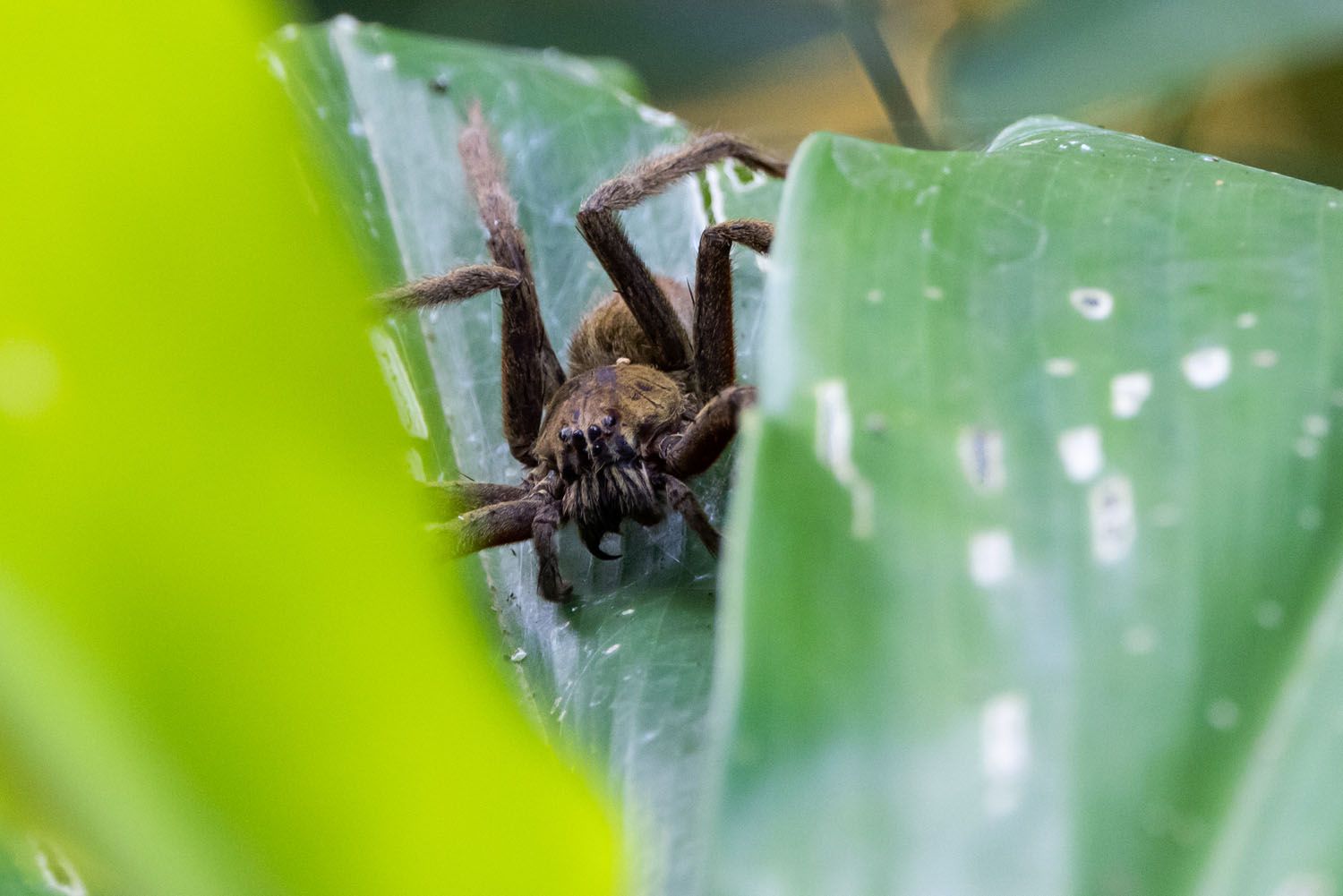
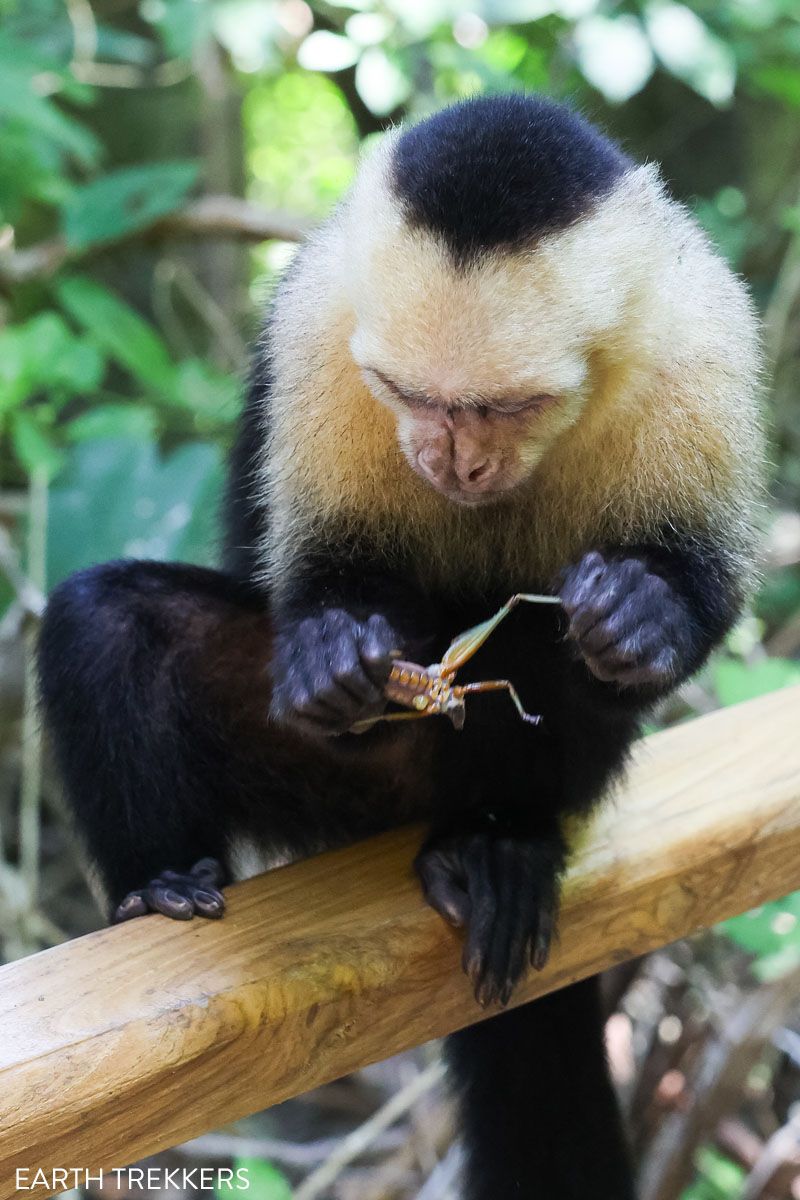
Animals You Can See in Manuel Antonio National Park: Over 100 mammals and 180 species of birds live in Manuel Antonio National Park. Animals that can be seen in the park include three of the four species of monkeys in Costa Rica (white-face capuchin monkeys, squirrel monkeys, and howler monkeys), two-toed and three-toed sloths, iguanas, common basilisks, toucans, woodpeckers, tanagers, turkey vultures, coatis, and many species of snakes, insects, arachnids, and bats. Dolphins and migrating whales can also be seen.
Here are a few photos from our guided walk.
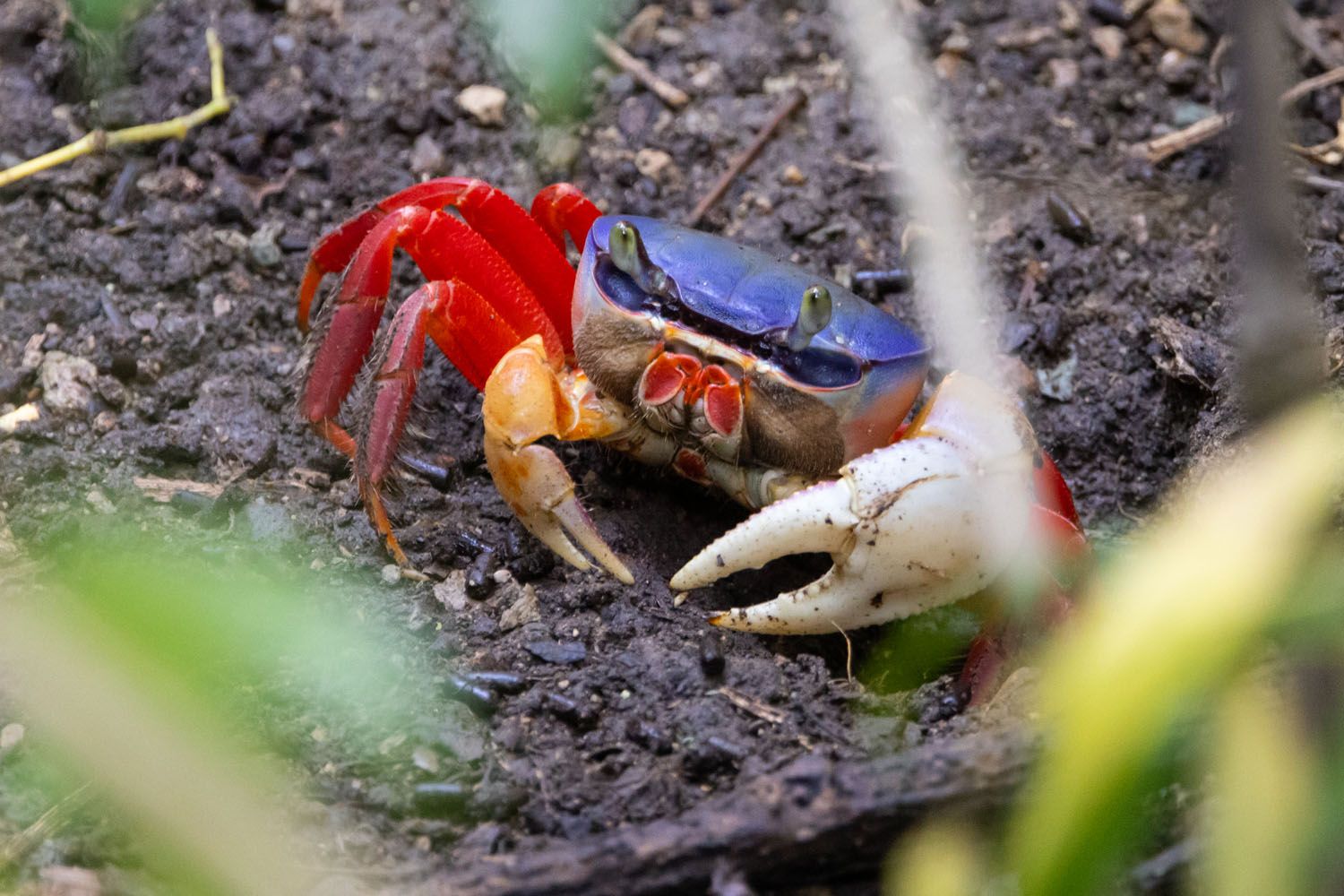
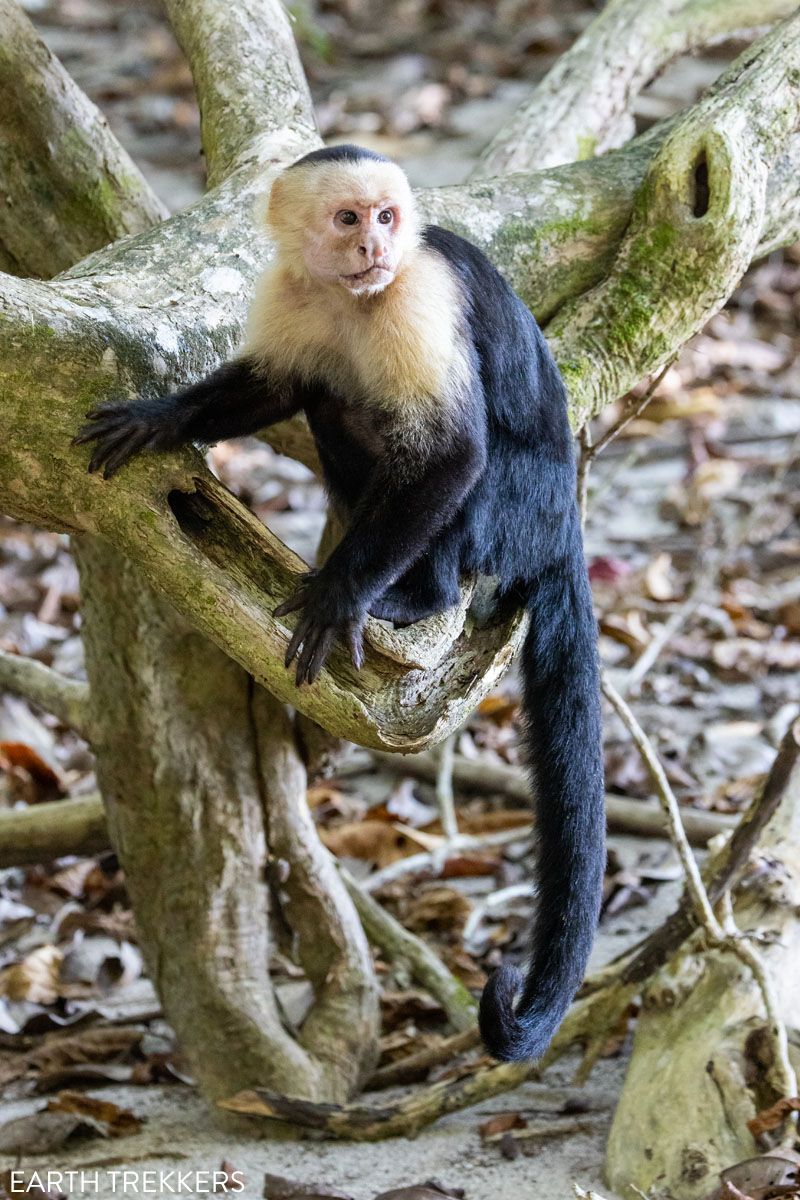
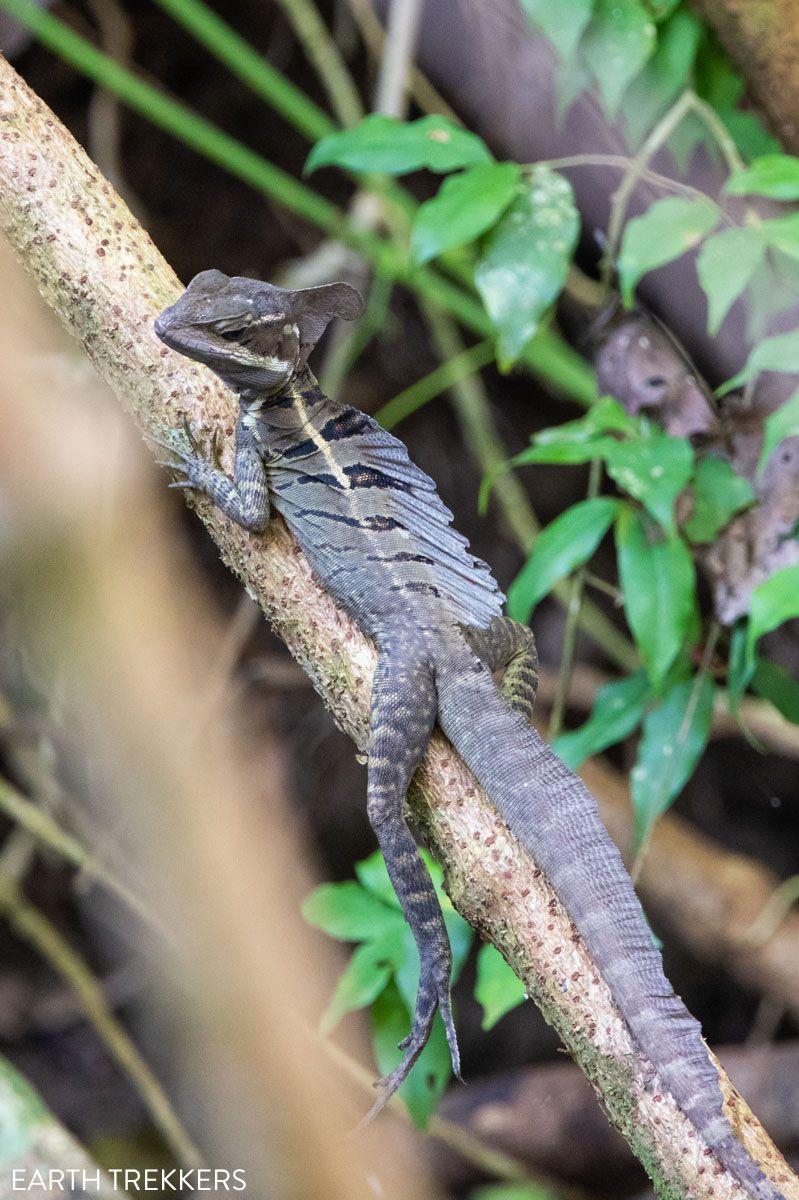
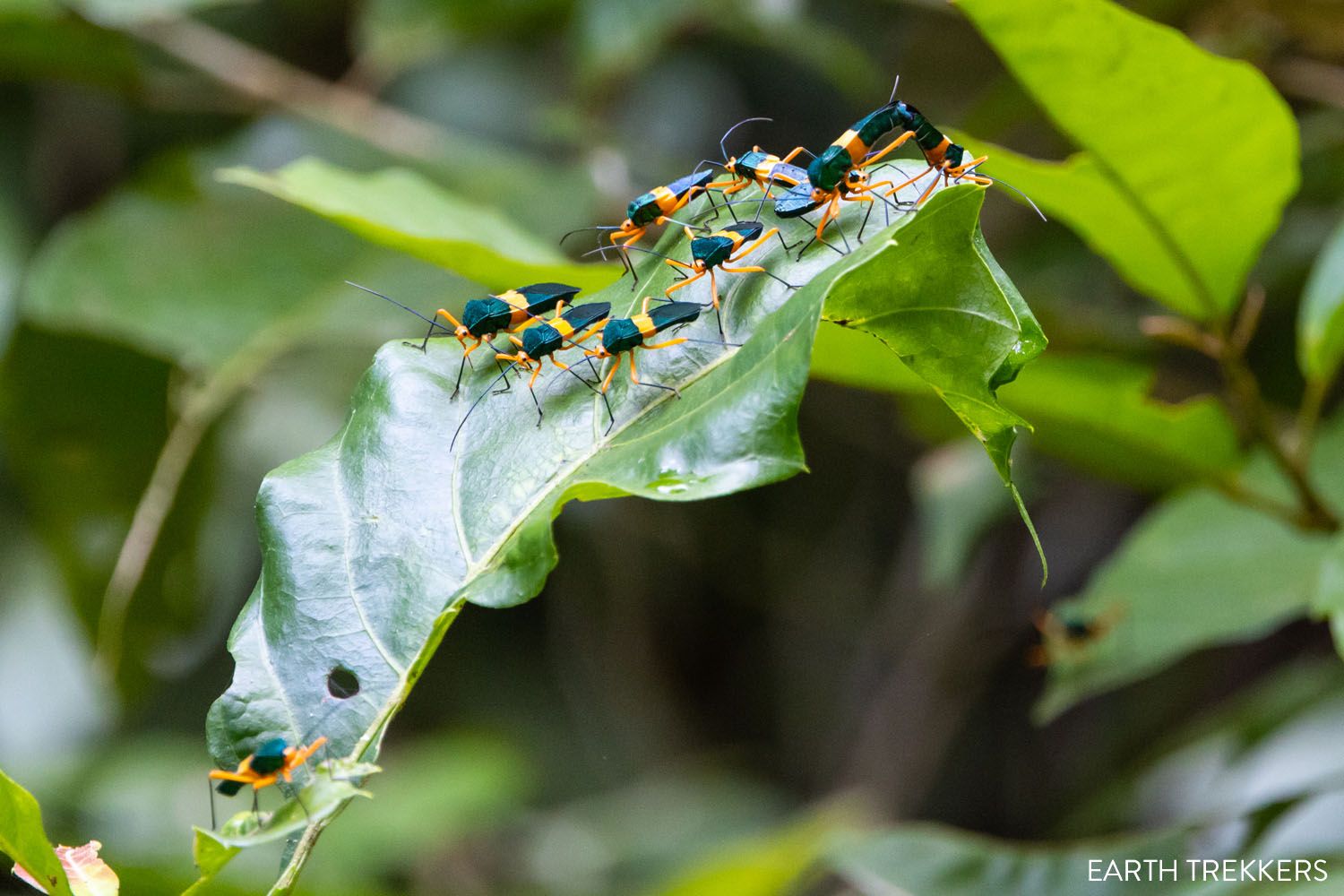
Most guided tours follow the same route through the park. Sendero Principal is the main trail that runs from the entrance into the heart of the park. This wide, flat, dirt trail is commonly filled with tour groups and their guides first thing in the morning. A good chunk of your time will be spent here.
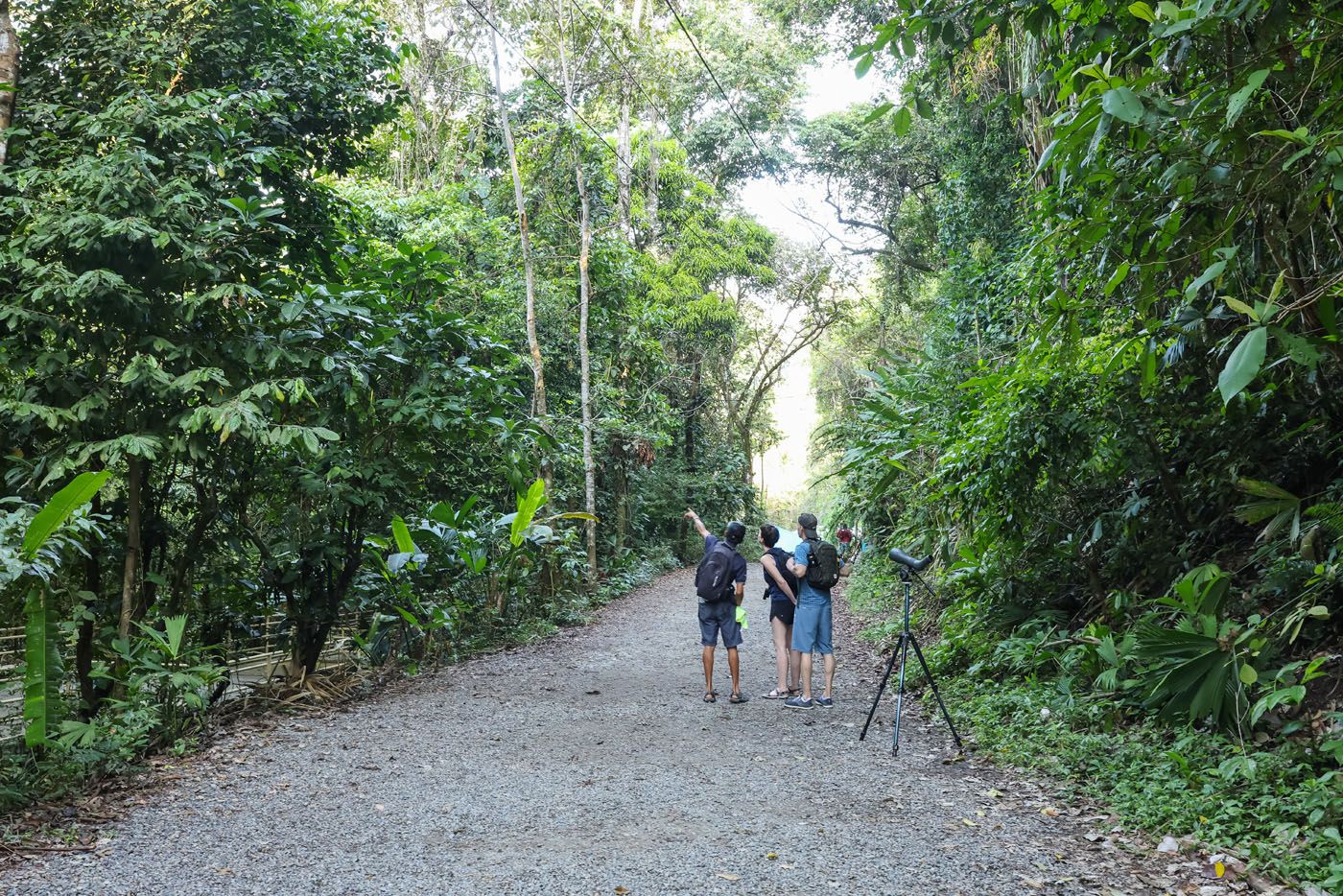
Sendero Principal
This path runs to Manuel Antonio Beach. Most tours end here, and then you can explore the park on your own. There is a small, nearby restaurant in the park, plus more beaches and walking trails, if you want to go deeper into the park. We cover those next.
2. Spend Some Time on the Beach
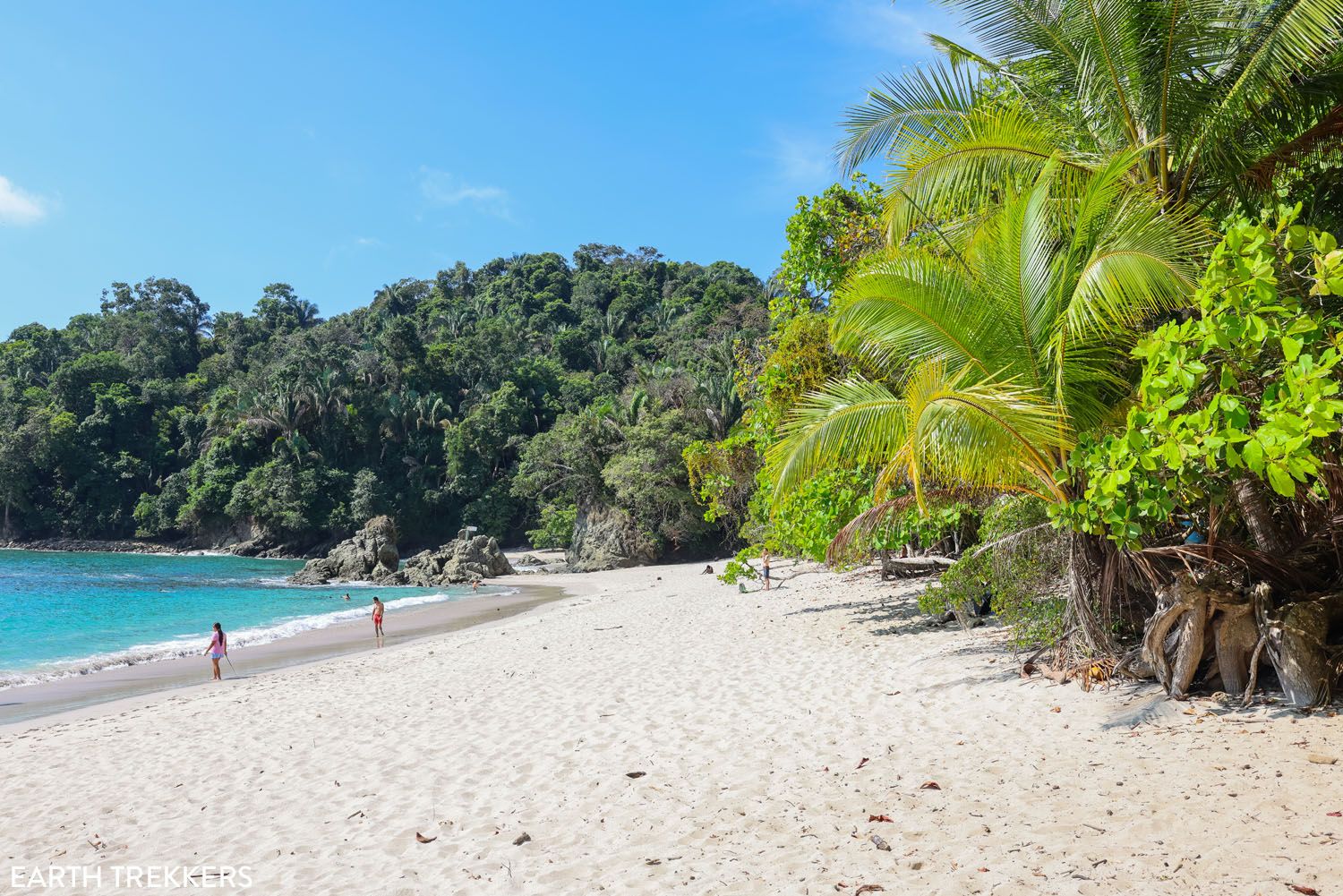
There are several beautiful beaches to visit in Manuel Antonio National Park. After your guided walk, one of these would be the perfect place to spend a few hours, either lounging under a palm tree or swimming in the crystal-clear water.
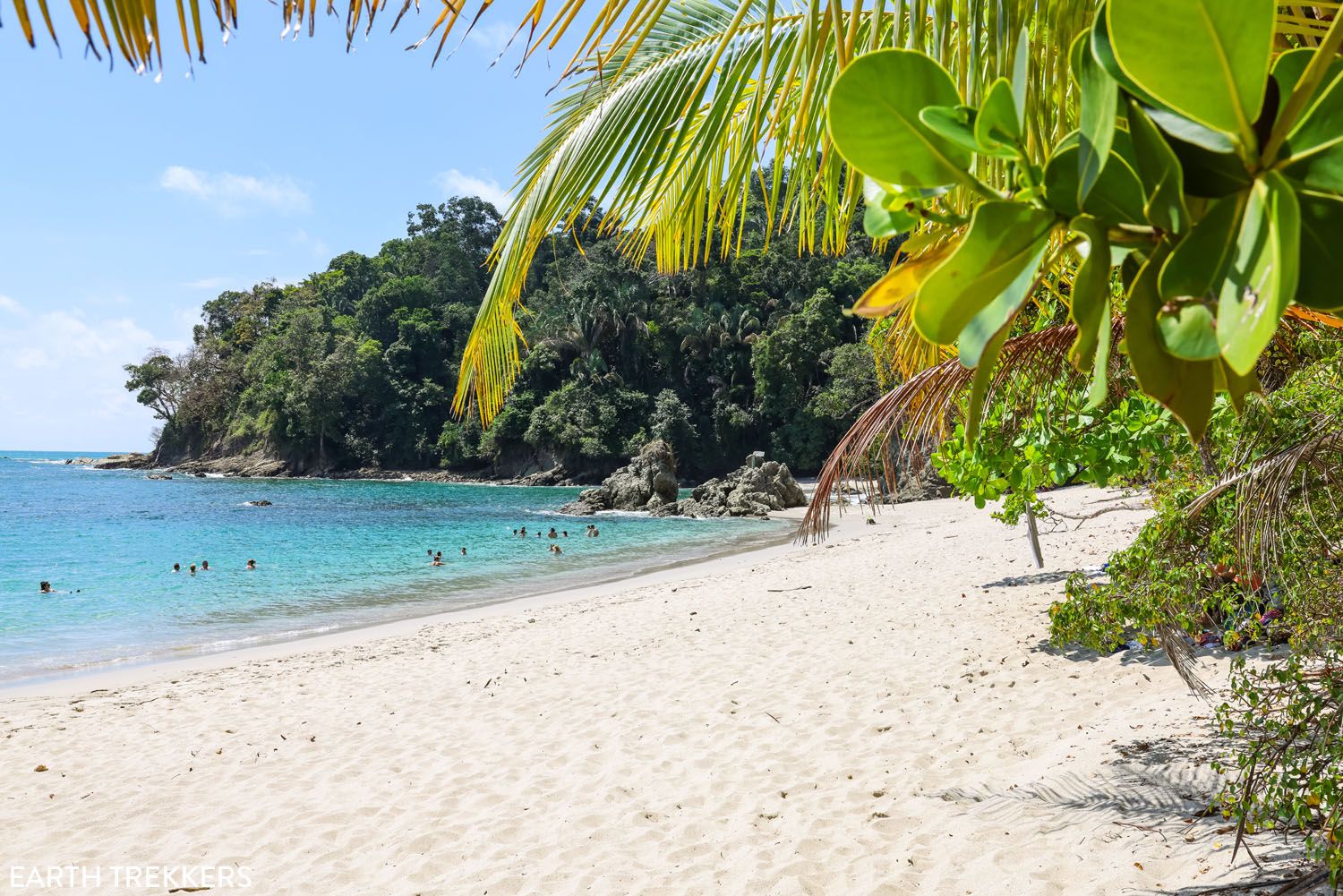
Manuel Antonio Beach
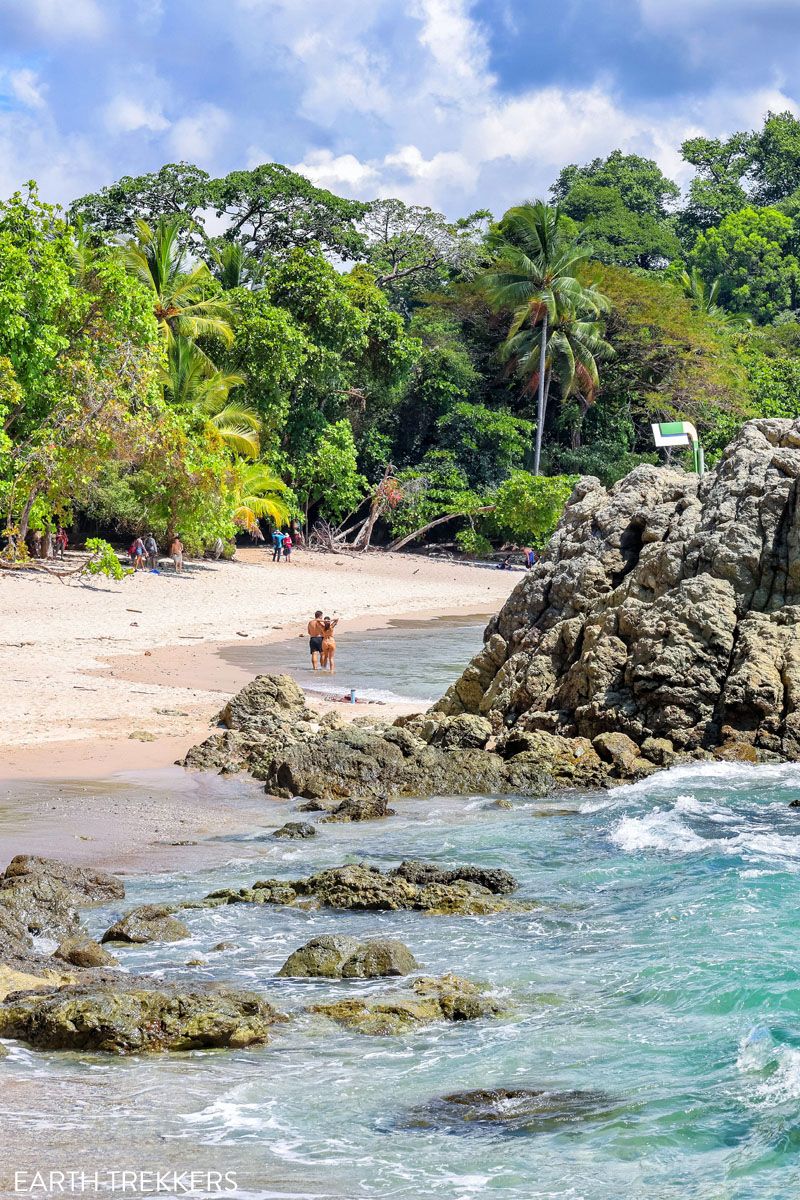
This gorgeous beach is the also the park’s most popular. This beach is part of a protected cove, surrounded by lush hillsides and rocky outcroppings. It can be a busy spot midday into the early afternoon, and if you like the idea of a quieter beach, take a look at the next ones.
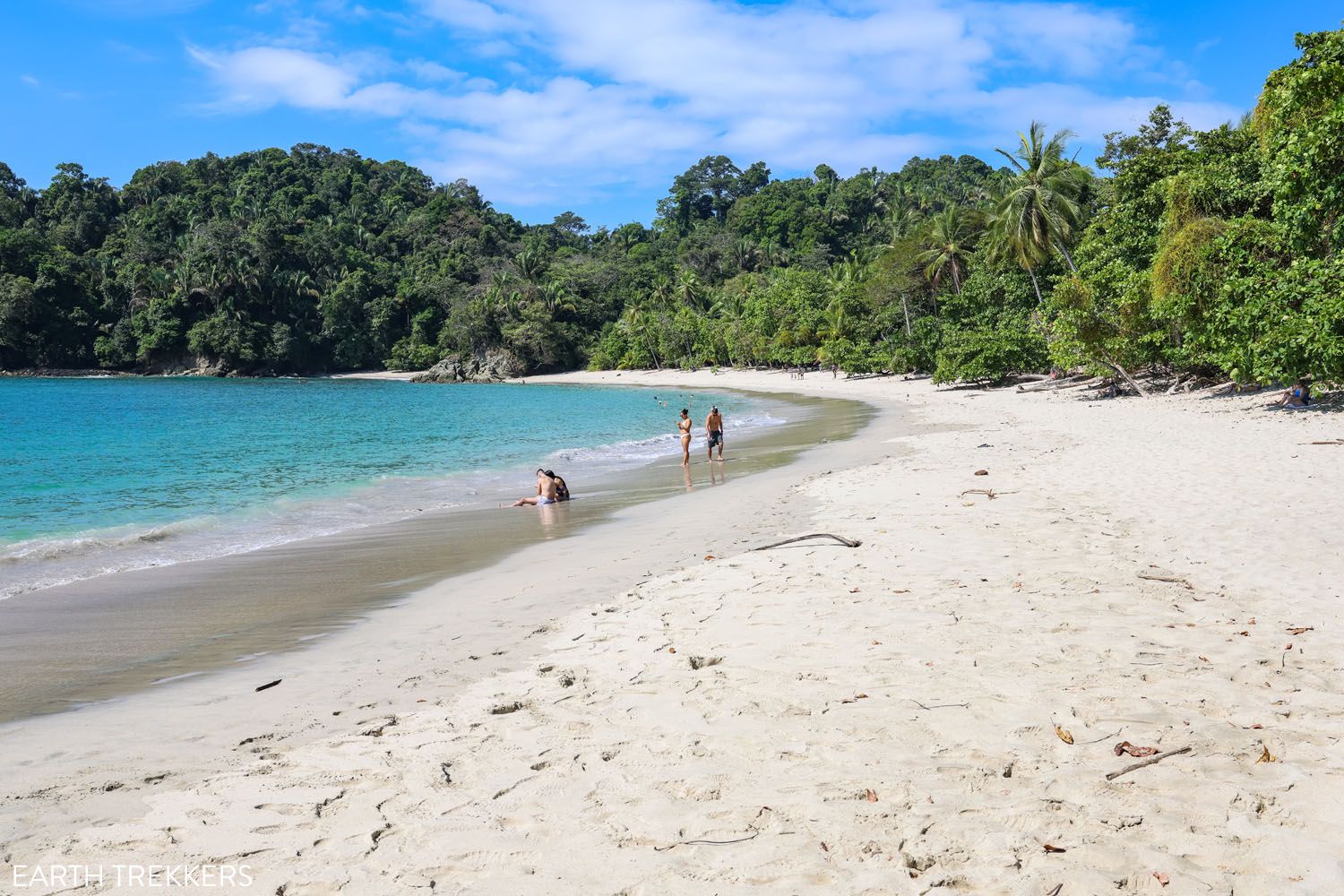
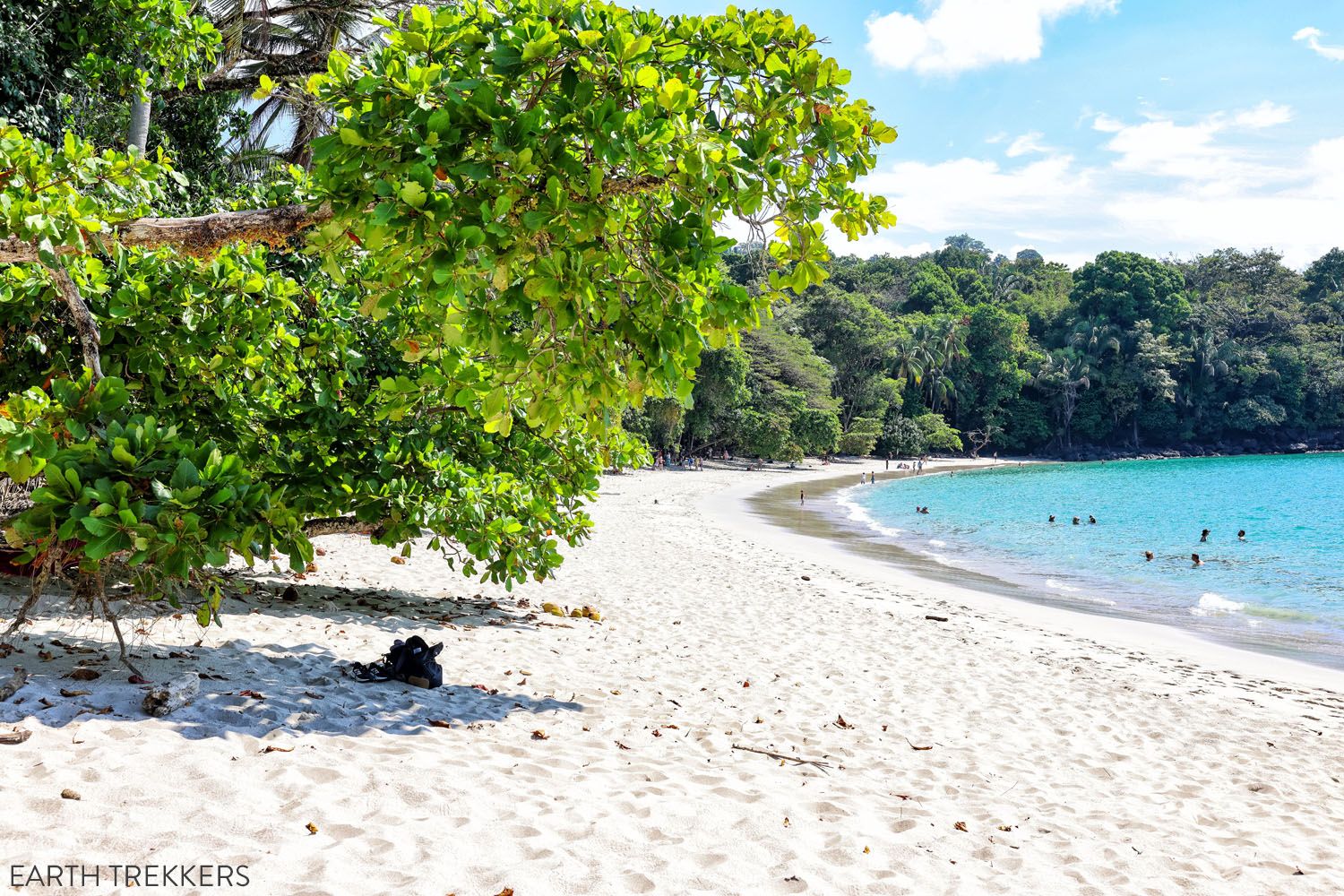
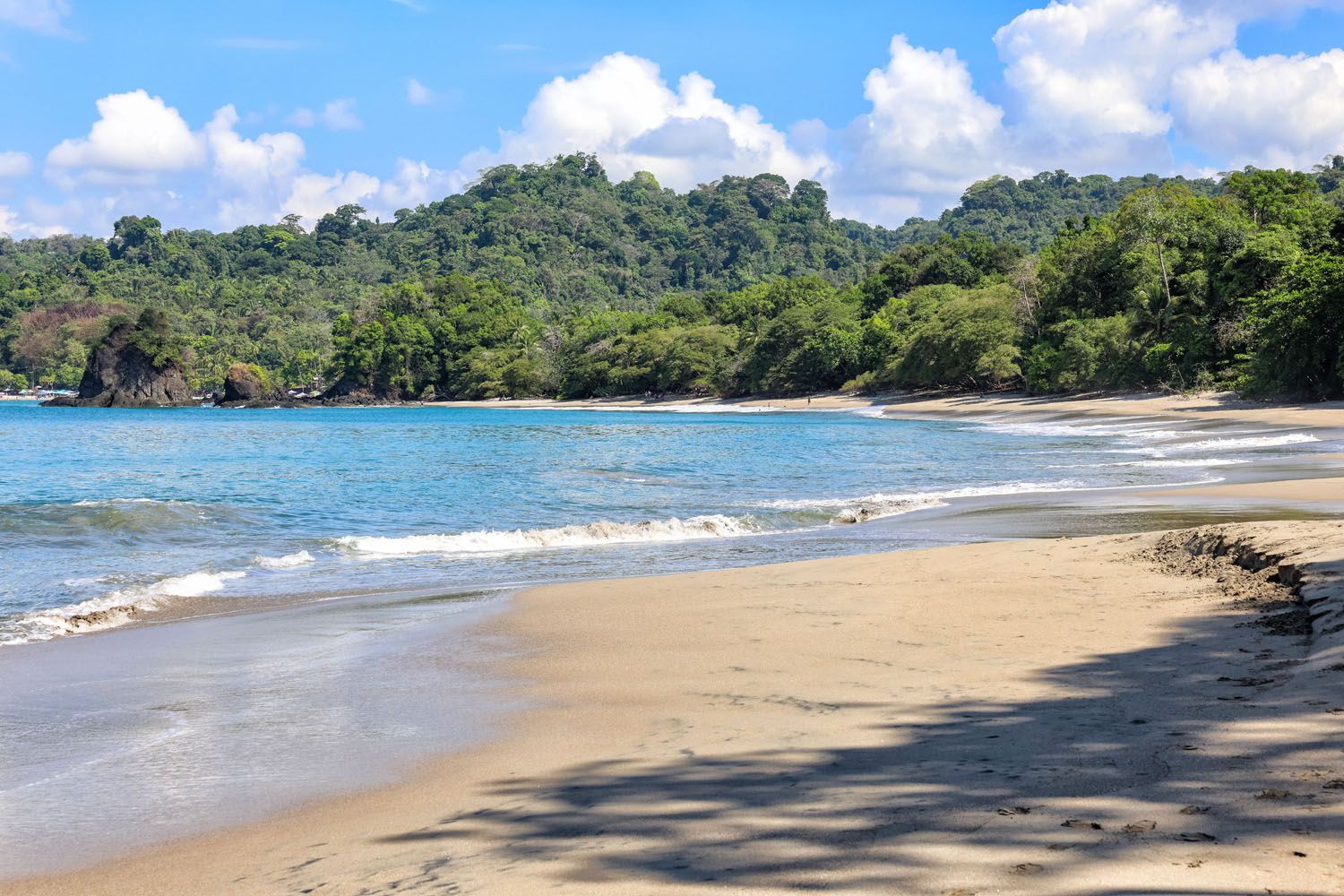
Playa Espadilla Sur (Espadilla South Beach)
This long stretch of white sand sits on the opposite side of the tombolo from Manuel Antonio Beach. It is a larger beach than Manuel Antonio and almost as beautiful. On our visit, there were far fewer people here. Since it is not in a protected cove, currents here can be strong, so Manuel Antonio Beach is better for swimming.
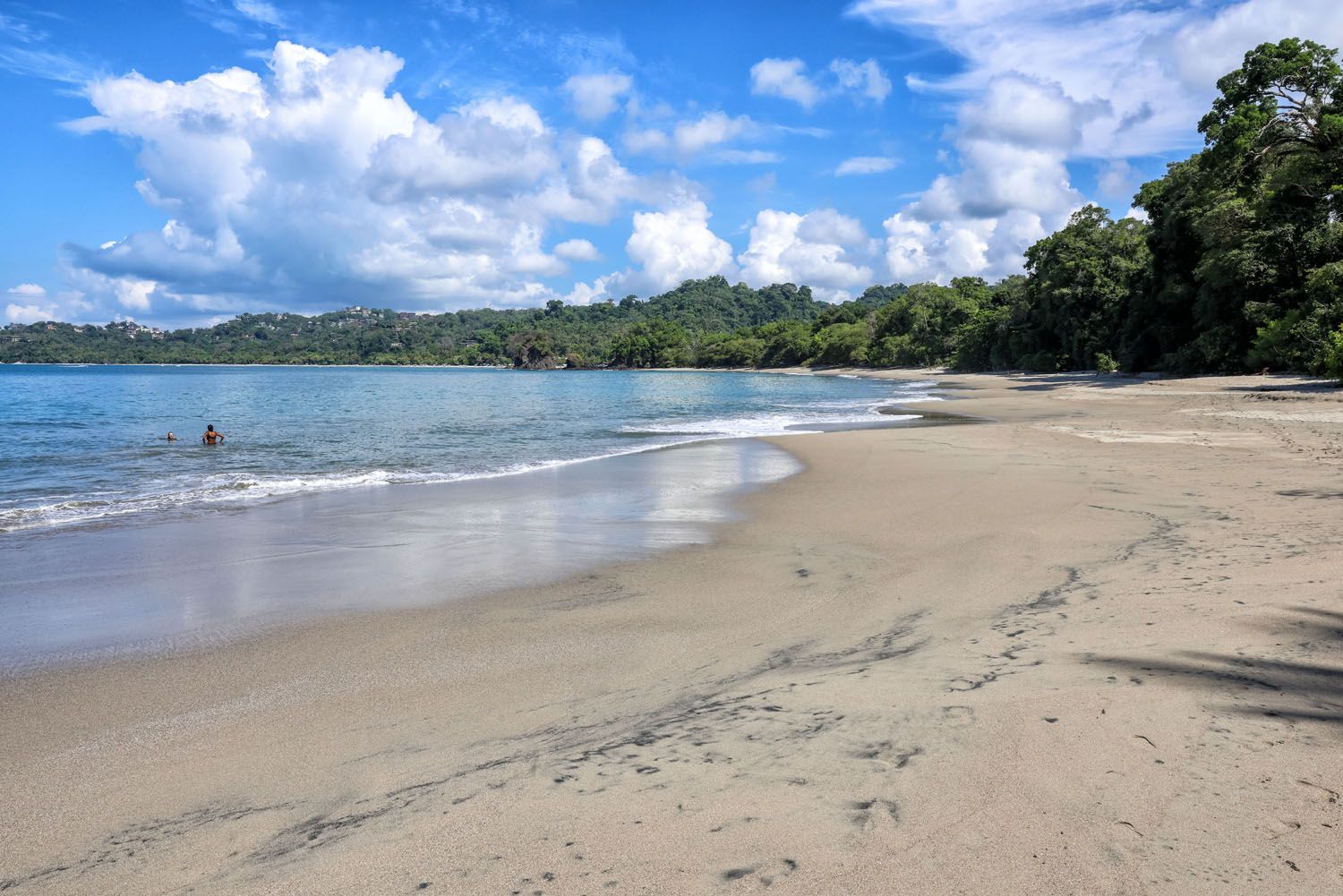
PRO TRAVEL TIP: Do not sit under a Manzanillo tree, which can be found on Playa Espadilla Sur. These trees are poisonous. We cover this in more detail later in this guide, plus provide a photo, so you know what to look for.
Playa Las Gemelas & Playa Escondido
These beaches take a little extra walking to get to. From the park restaurant there is a short network of trails that lead to these two beaches. Playa Las Gemelas is the closer of the two (about a 10 to 15-minute walk from the restaurant) and it is a lovely, small beach in a protected cove. From this beach, you look out to the rugged coastline.
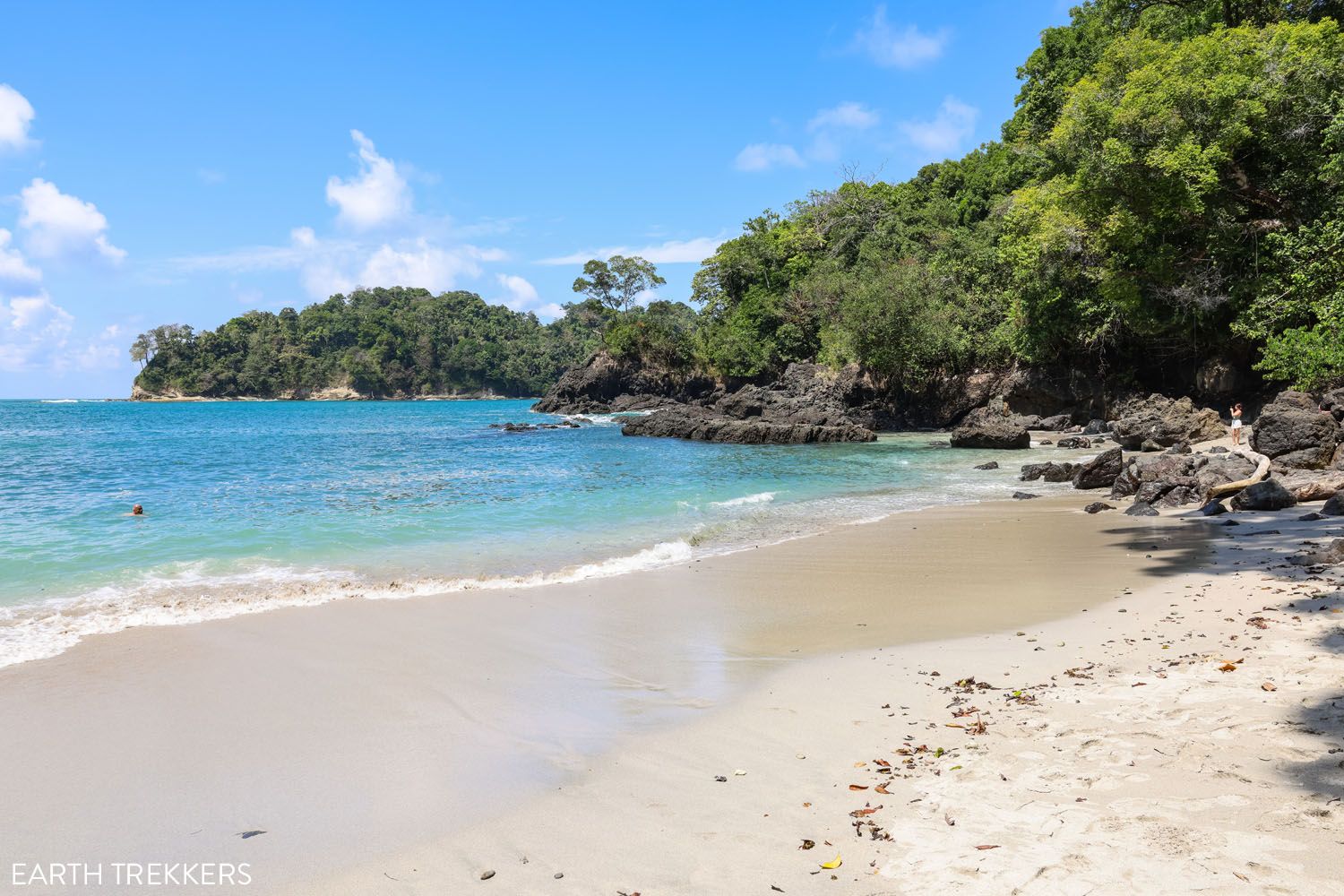
Playa Las Gemelas
On our visit, the trails to Playa Escondido were closed, with no information about when they would reopen.
PRO TRAVEL TIP: The beaches close at 3 pm, to allow ample time to walk out of the park. The park closes at 4 pm.
3. Hike a Trail or Two
Manuel Antonio is a small park, with about a total of 8 km/5 miles of trails.
Sendero Principal
Sendero Principal is a 2.2 km trail that runs from the entrance to the restaurant and continues to Manuel Antonio Beach. There are actually two trails that run side-by-side, a wide, dirt road and a series of narrower trails with bridges. Most tours of Manuel Antonio will spend a lot of time on this trail, as everything from howler monkeys to sloths can be spotted here.
This is a mostly flat walk, with one hilly section between the restaurant and Manuel Antonio Beach.
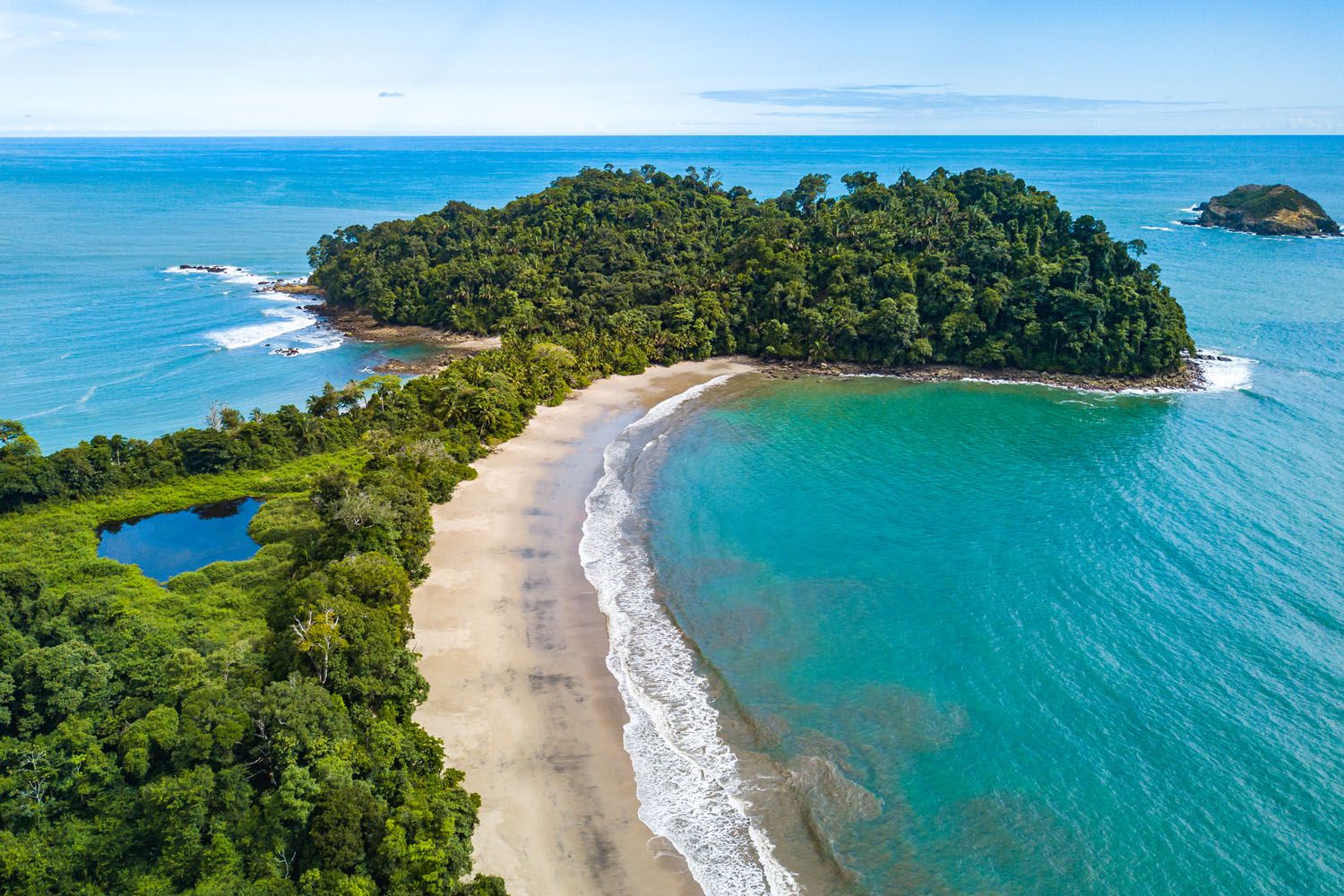
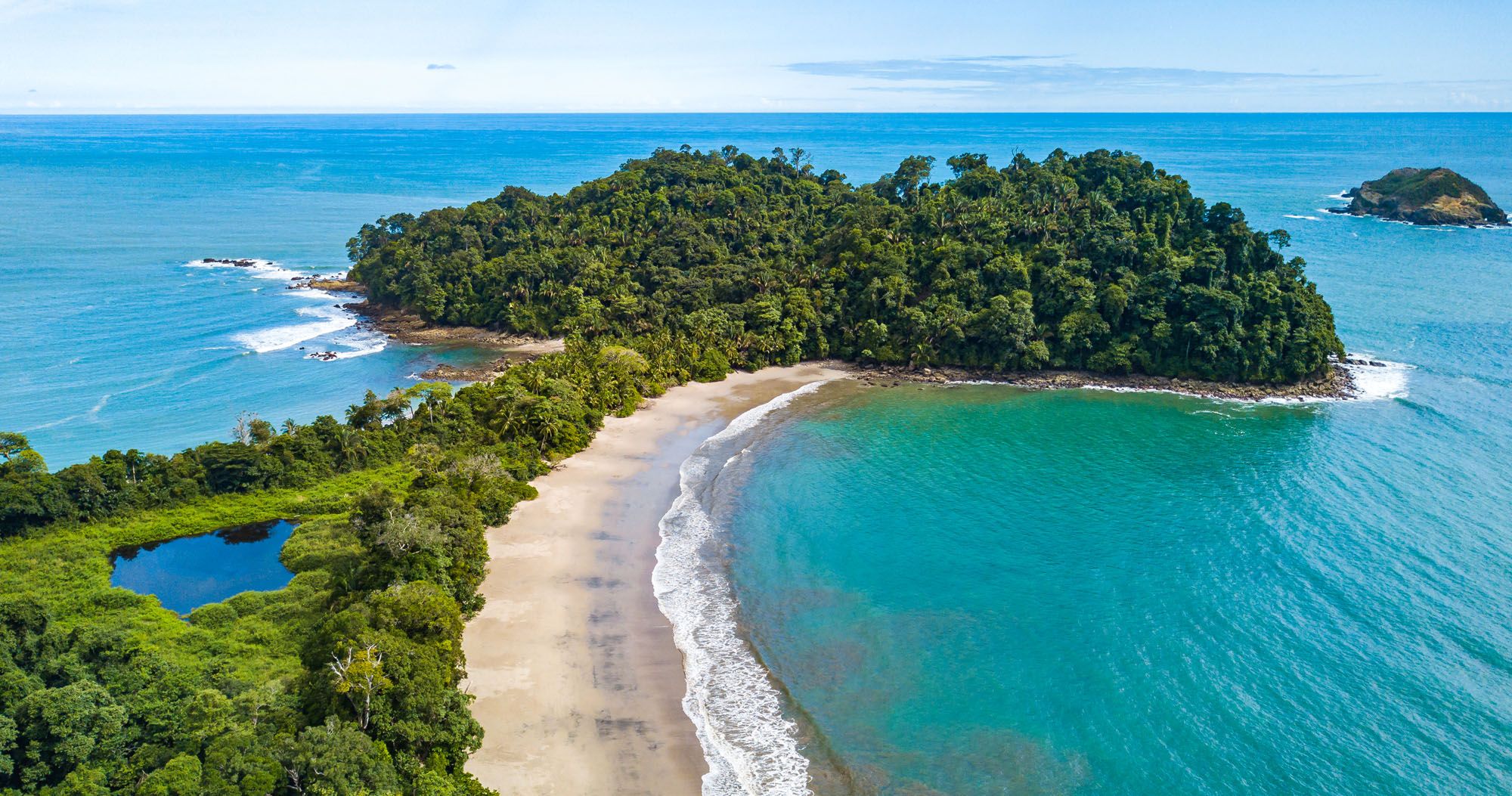
Aerial view of Manuel Antonio National Park, with Playa Espadilla Sur, El Tómbolo, and Cathedral Point | shutterstock.com
Punta Catedral Trail
Punta Catedral Trail is a 1.4 km/0.9 mile that makes a loop on Cathedral Point, the rocky, hilly island at the end of El Tómbolo (the isthmus made up of Manuel Antonio and Espadilla Sur beaches, photo above ↑).
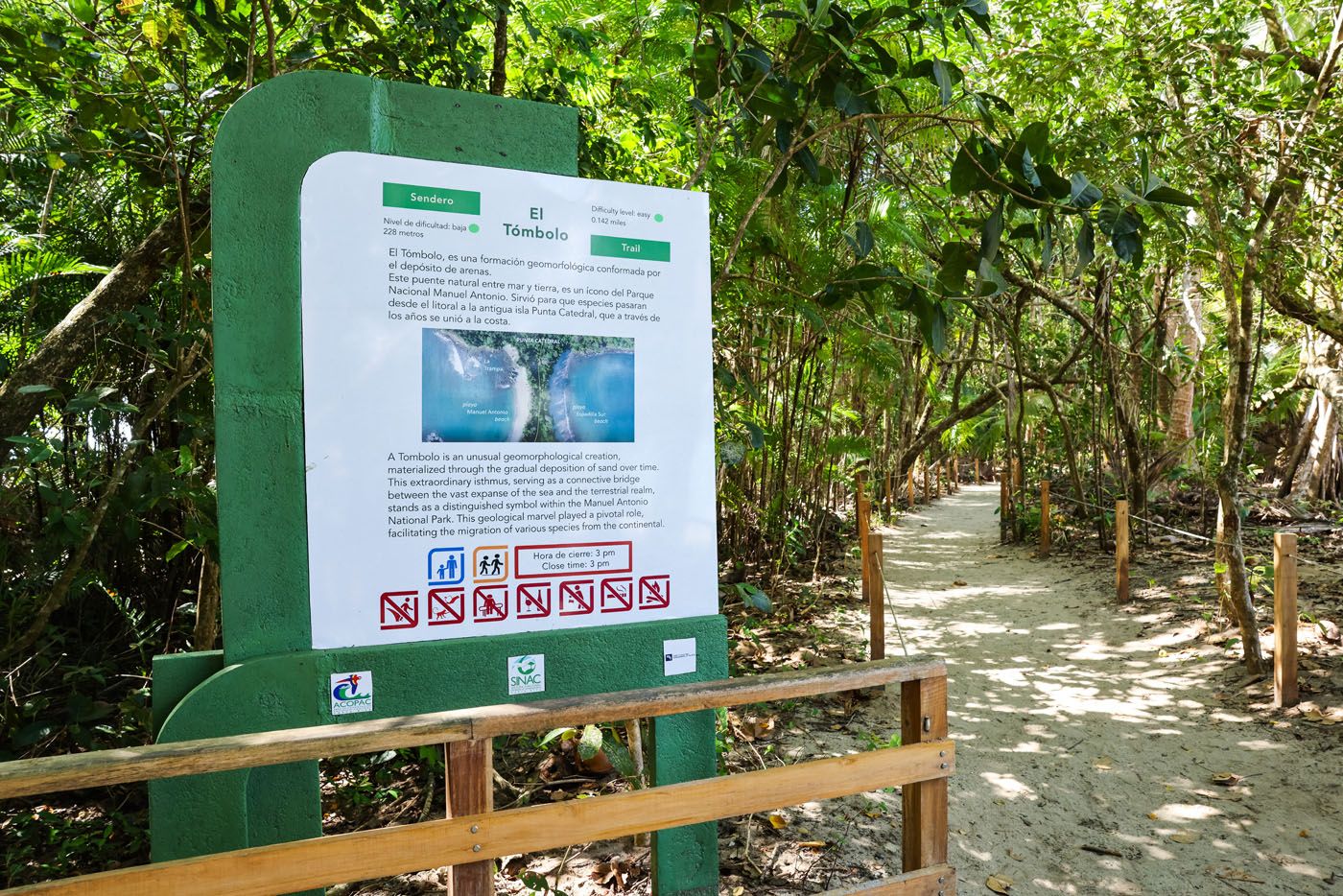
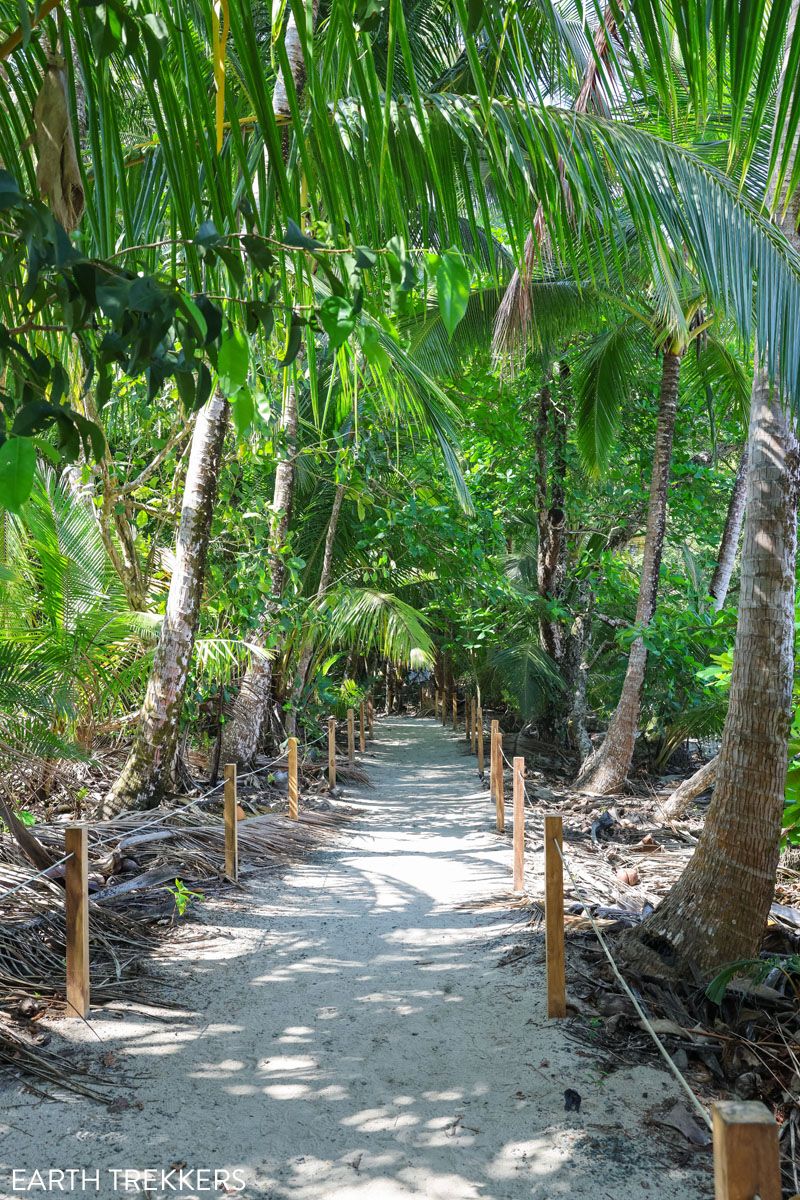
The sandy trail on El Tómbolo
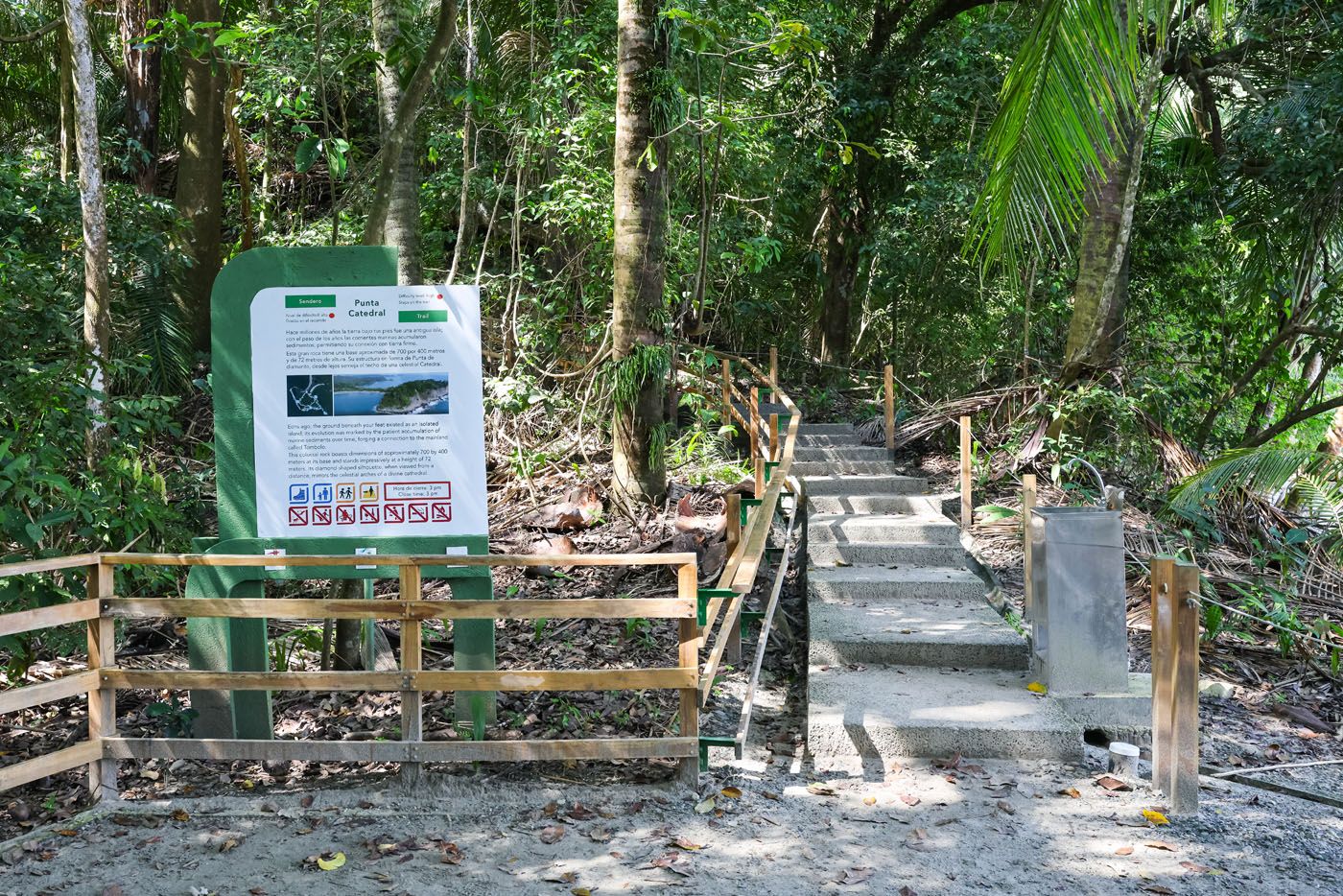
Start of the Punta Catedral Trail
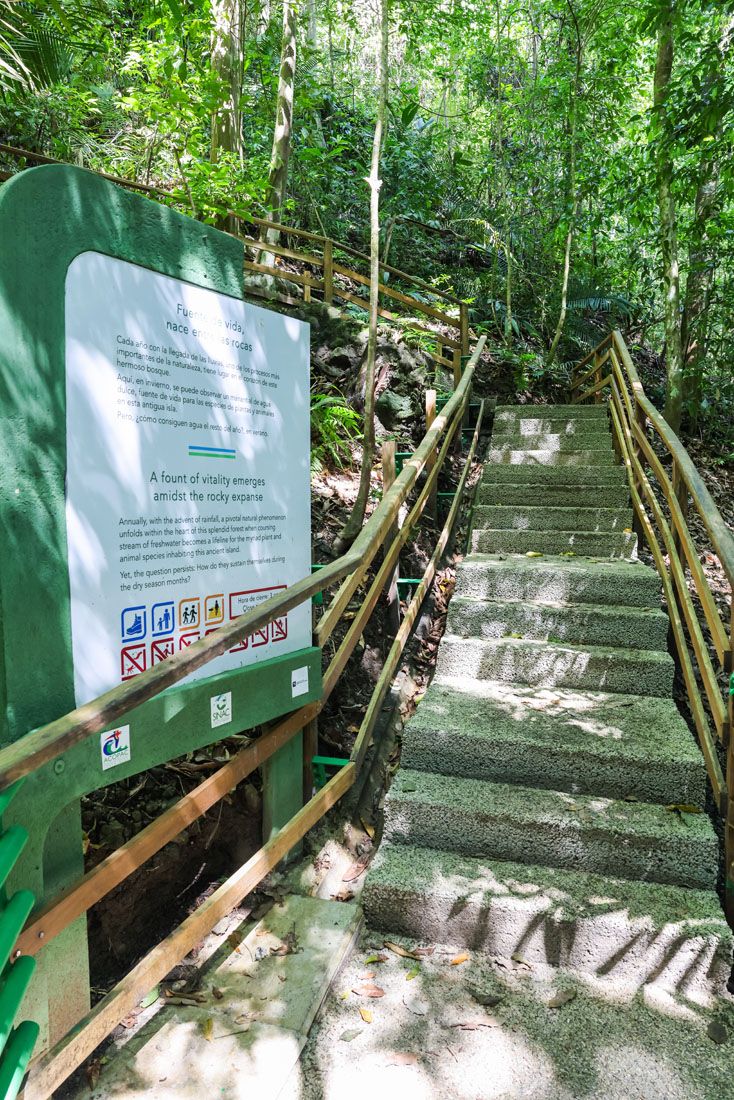
This is a very hilly trail, with lots of sections of steep steps. The trail is paved the entire way, but you will have quite a bit of elevation gain, especially at the first half of the hike, as you climb up the hillside.
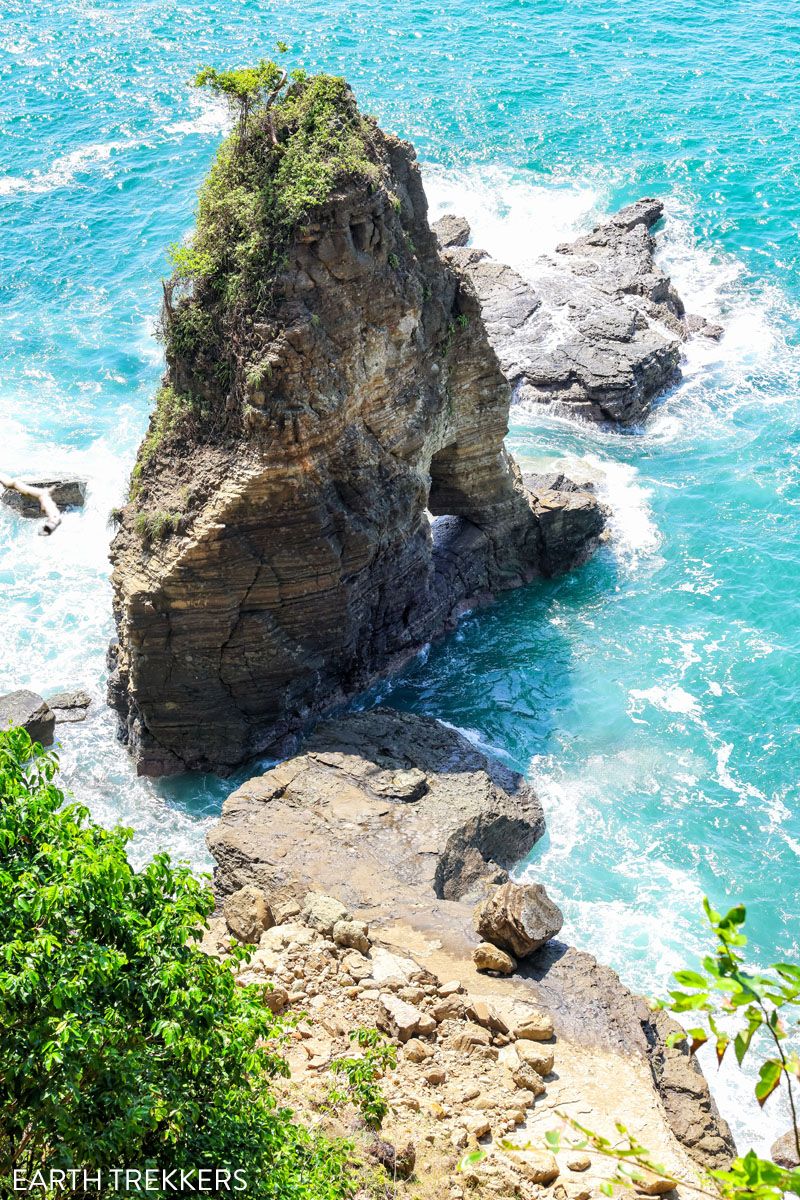
There are several viewpoints along the trail, with views of nearby islands, interesting rock formations, and Manuel Antonio Beach. It’s worth it to walk out to La Trampa, a small beach that has archaeological remains of a fishing trap.
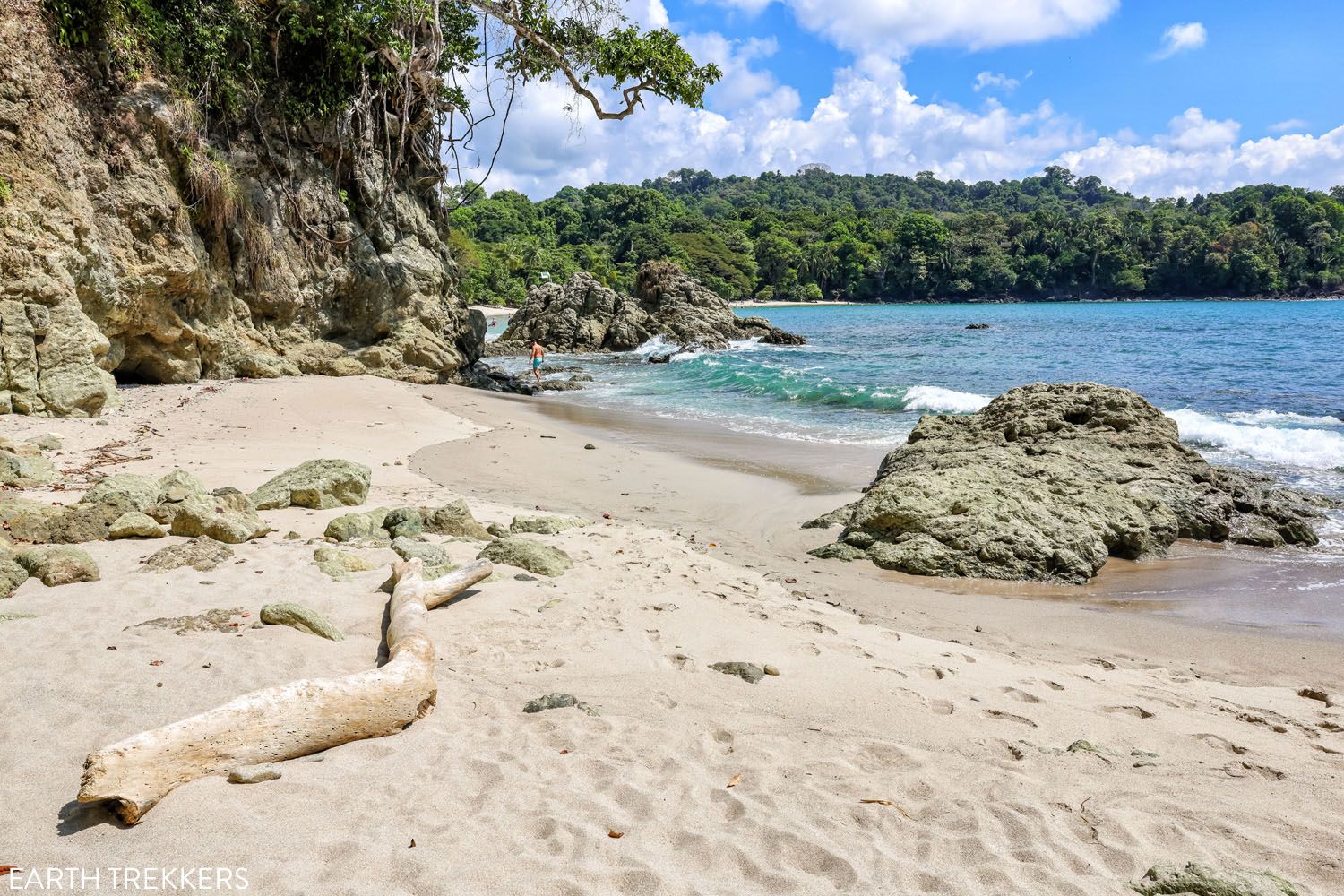
La Trampa
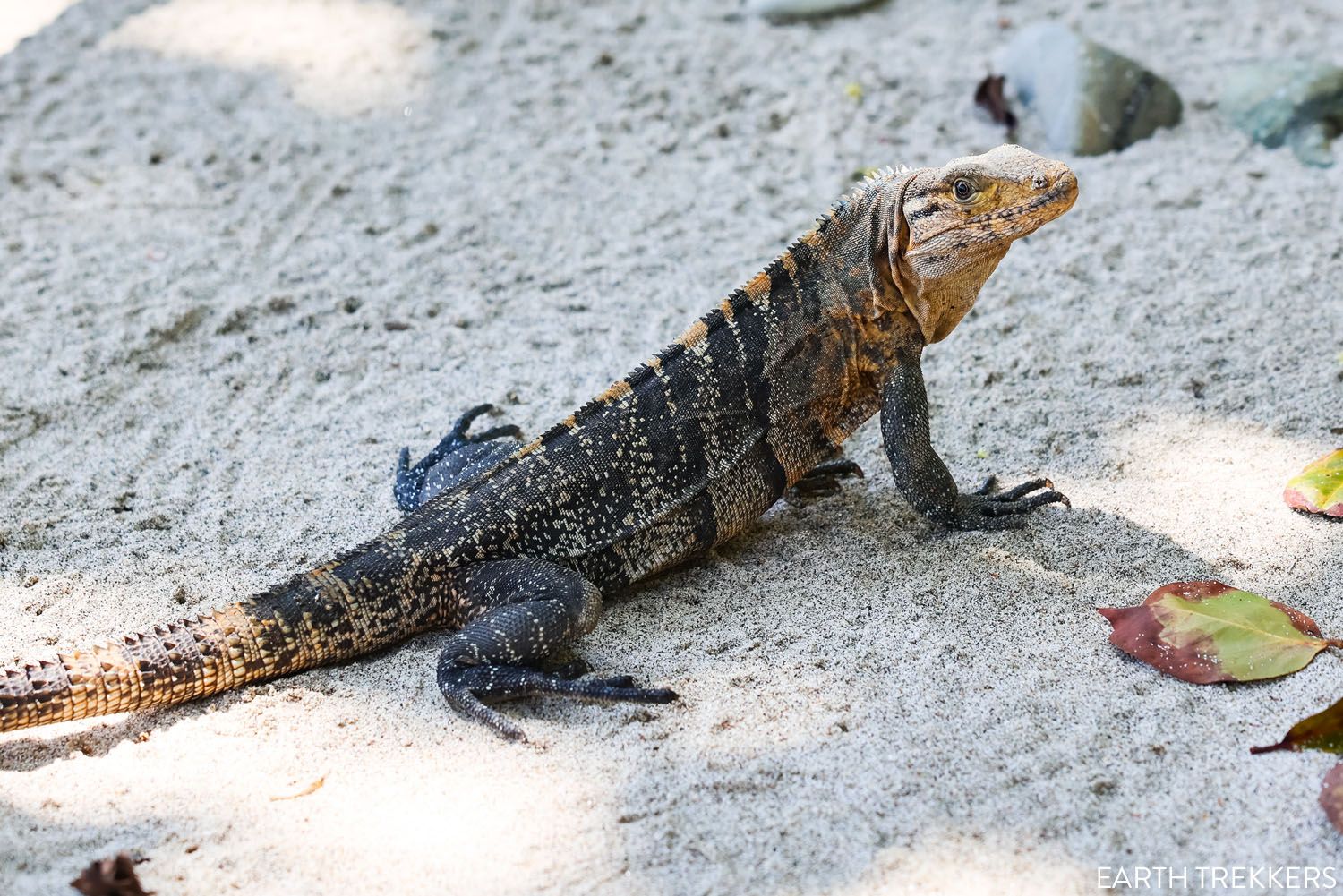
An iguana on the beach
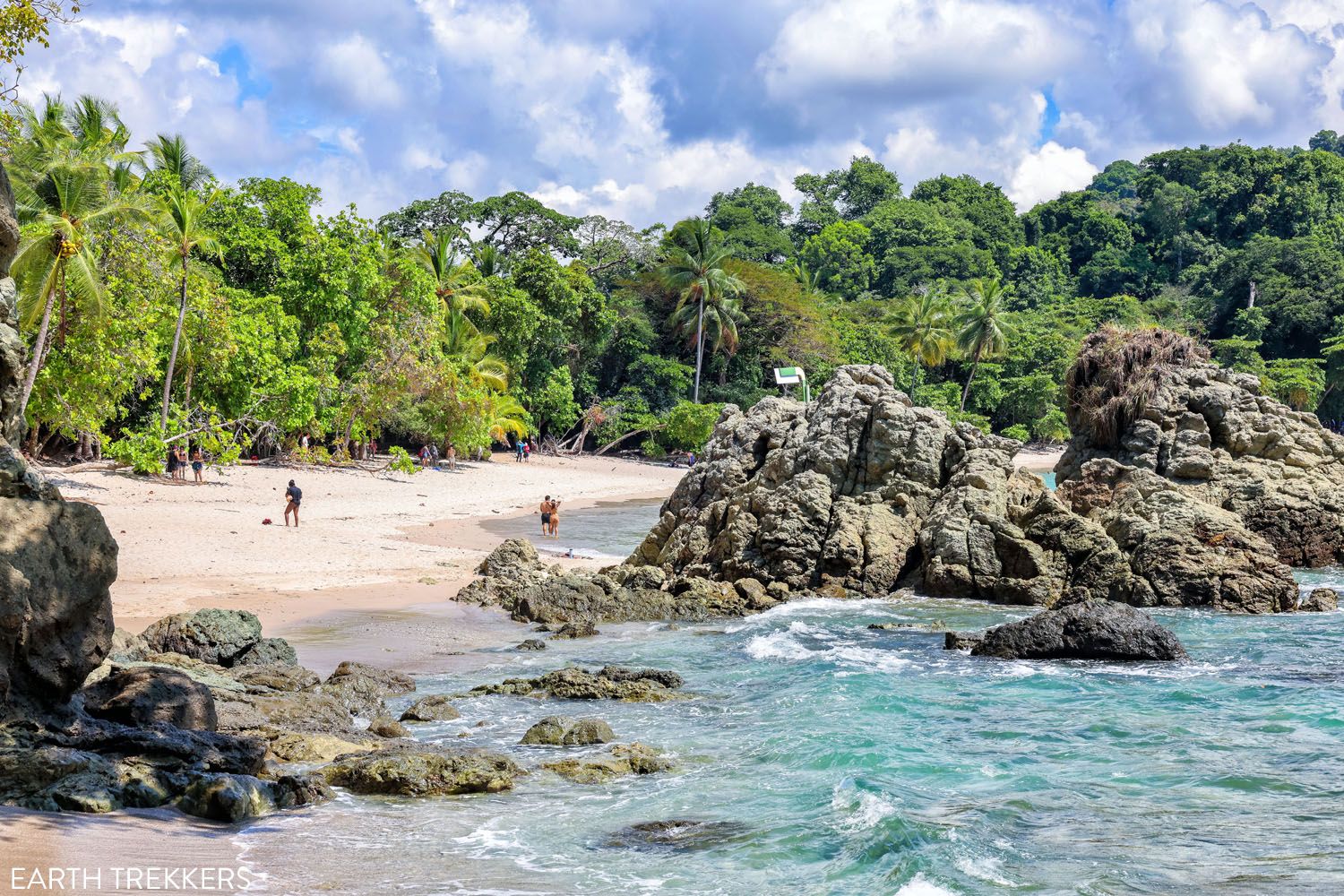
The view of Manuel Antonio Beach from La Trampa
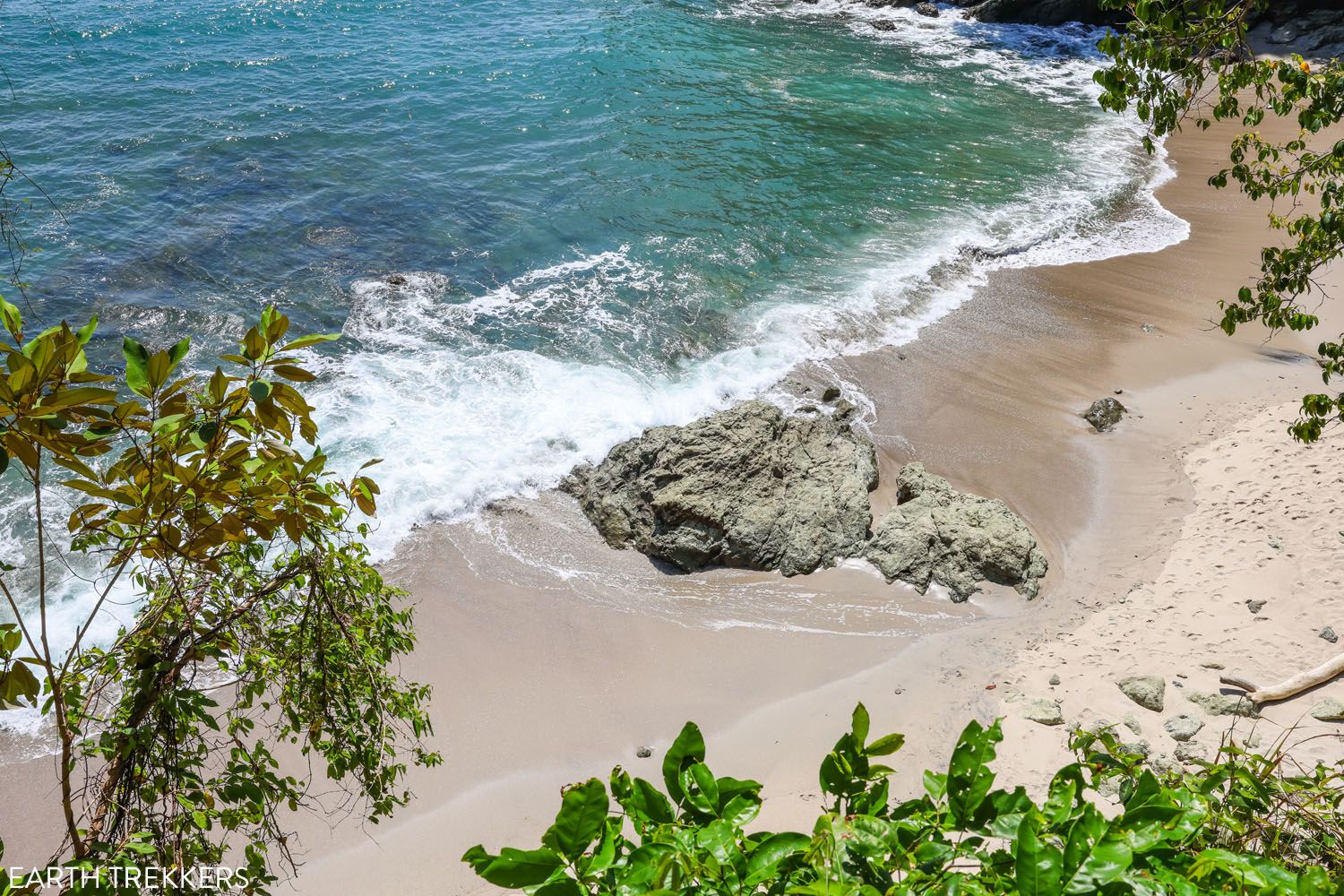
There is a nice viewpoint overlooking La Trampa that is worth walking up to. Here is the view.
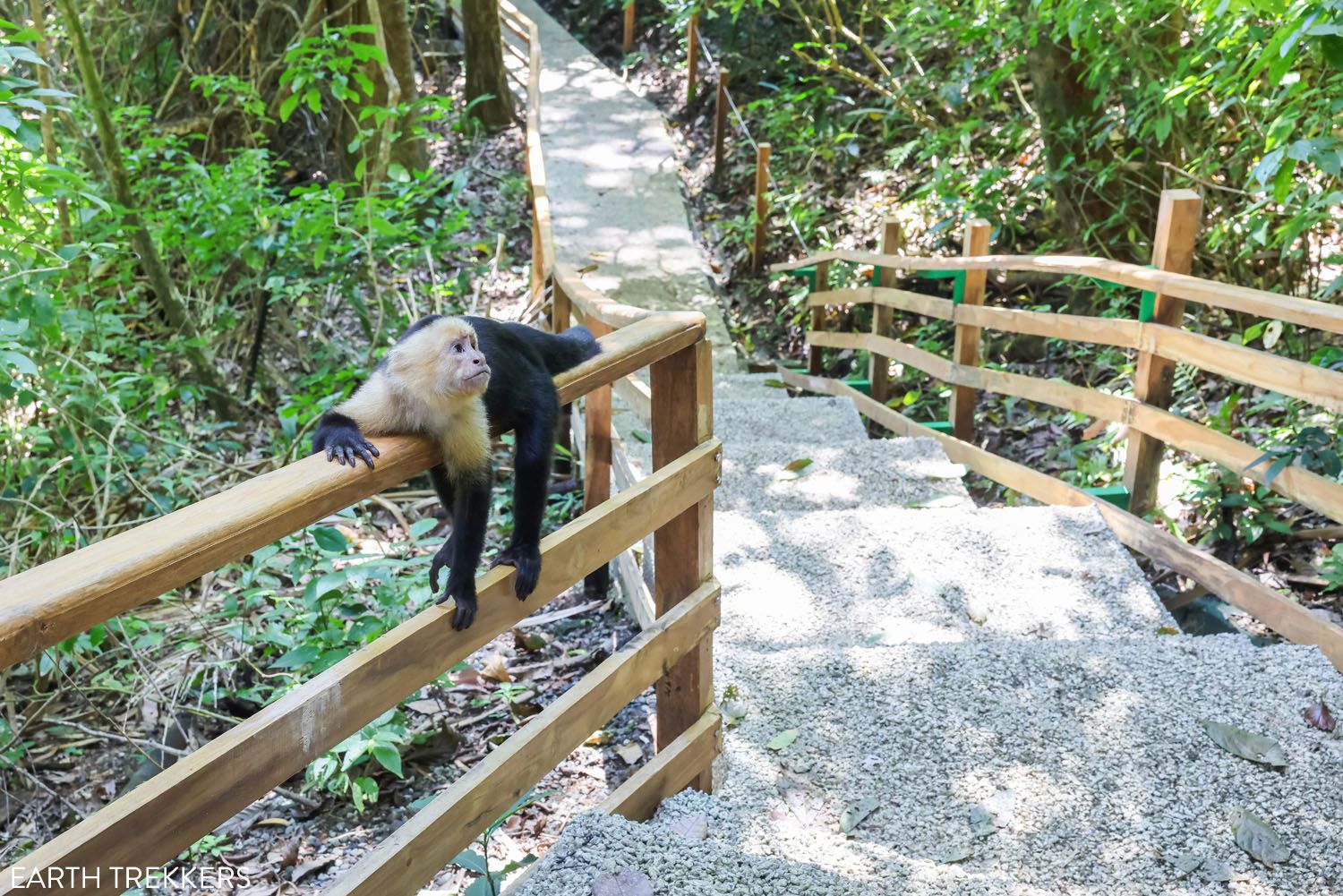
This walk takes 30 to 60 minutes and is of moderate difficulty. The views and seeing white-faced capuchin monkeys were the highlights for us.
Purchasing Your Tickets
Tickets to Manuel Antonio National Park must be purchased online in advance. They are not sold at the entrance booth. They sell out, sometimes weeks ahead during peak season, so purchase yours as soon as you know your travel dates. Adult tickets are $18.08 including IVA; children ages 2–12 are $5.65.
Tickets are only available through the SINAC website, the official Costa Rican government portal that manages the national parks. If you also plan to visit Poas Volcano or Tenorio Volcano National Parks, you’ll use the same site.
The first time you use the site, you’ll need to set up an account. Then select the park, your dates, and your preferred time slot. You can reserve tickets months in advance, so there’s no reason to wait. You’ll be asked to input each visitor’s name and passport number so bring your passport (or a digital copy) when you visit.
Watch out for scams. Near the park entrance, unofficial vendors sometimes impersonate park staff and attempt to sell tickets or guided tours. Tickets cannot be purchased anywhere other than the SINAC website. If someone approaches you before the entrance offering tickets, walk past them.
Do You Need a Guide?
With so many guides walking through the park, pointing their scopes into the trees, you might think you wouldn’t need to hire a guide. Why not just look where they are looking?
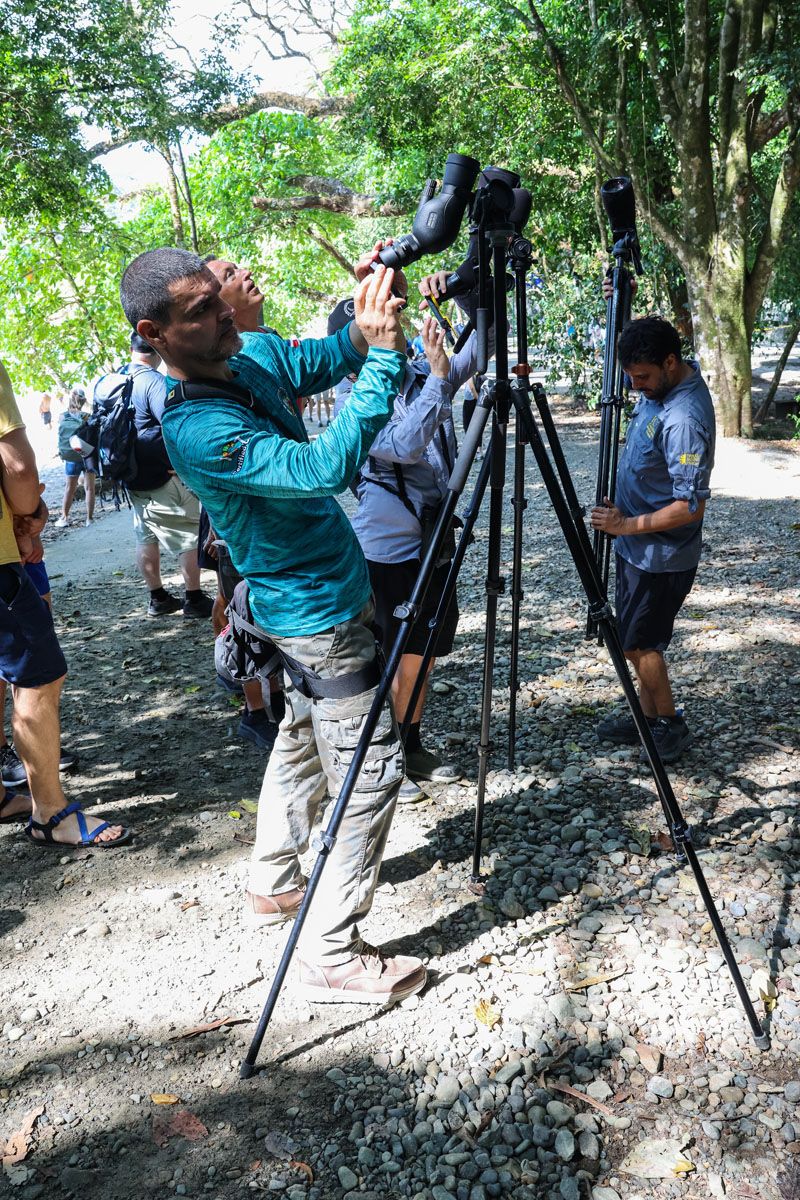
We quickly learned that the wildlife can be almost impossible to spot. These animals have evolved to camouflage themselves in the trees, a skill that works exceptionally well. It wasn’t until we looked through the guide’s scope, that we could then identify the sloth/monkey/bat/bird in the tree.
Even with a 500 mm telephoto lens, we had a very hard time spotting the wildlife, before seeing it on the guide’s scope.
Hiring a guide is worth every penny. Without one, there is a good chance you’ll see very little, at least when it comes to wildlife.
Plus, it’s possible to photograph the animals using your smartphone and your guide’s scope. Our guide took some incredible photos through his scope. This can be a lot cheaper than buying or renting high-powered camera equipment.
We walked around with a Canon R5 Mark II (amazing at homing in on wildlife with its AI feature) and a 100-500 mm lens, and in some cases, our guide still got better photos with his smartphone + scope combo.
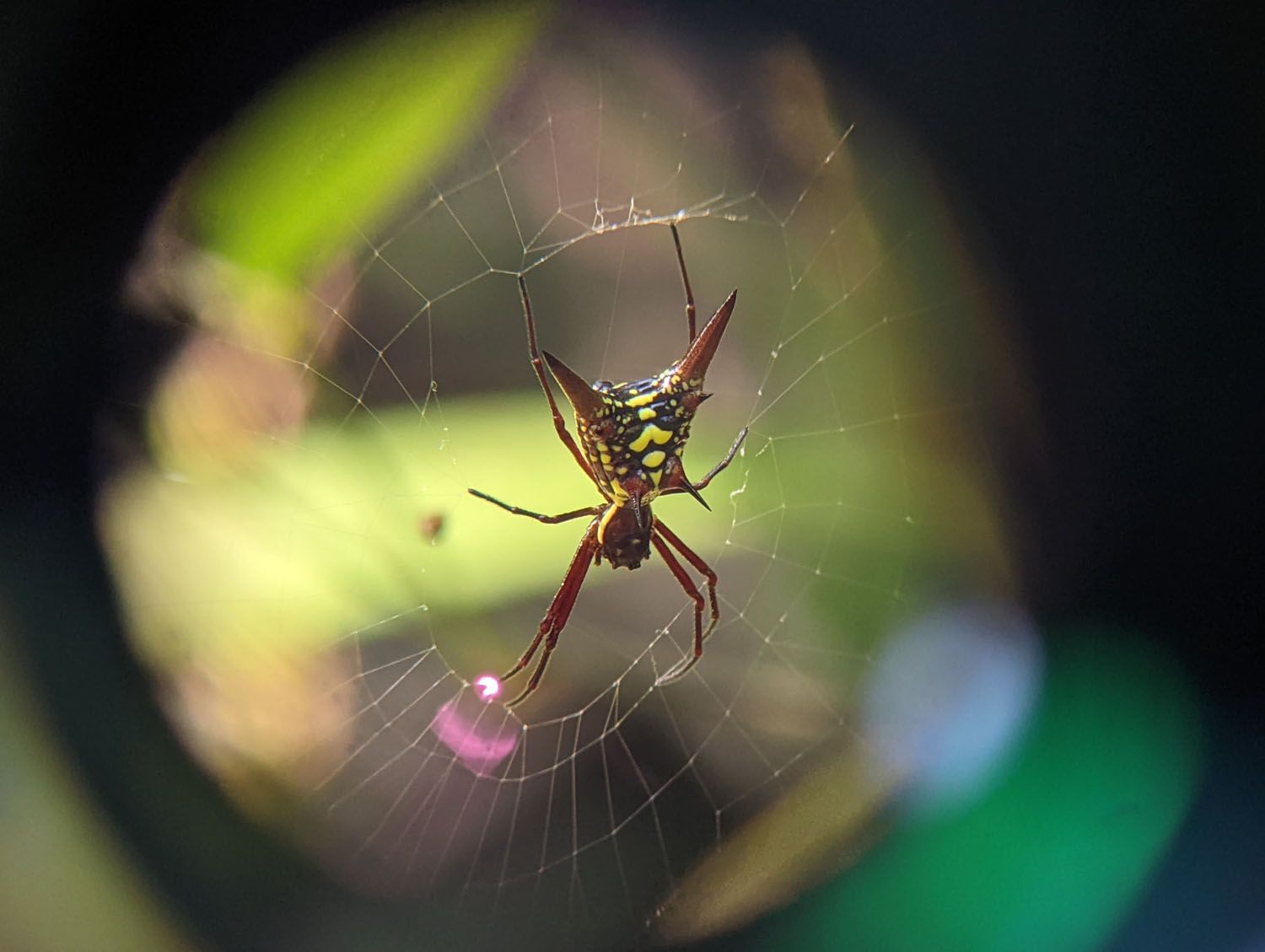
Our guide took this photo with his smartphone and scope.
Guided Tours of Manuel Antonio
We took this 2-hour guided tour of the park and had a fantastic experience. Our guide not only spotted lots of wildlife, but we learned quite a bit on the tour.
During the checkout process, it gave us the option to pay a little extra for the flexibility to cancel up to 1 hour before the tour starts. We did this just in case there were any delays with getting to Costa Rica, since we flew into San Jose and drove to Manuel Antonio the day before. Note: We also had to purchase our entrance tickets into the park separately.
We did it as a private tour. Our guide took some fantastic photos with his phone and HD scope, which he sent to us after the tour. Since we had such a great experience, we highly recommend this tour on GetYourGuide.
This is one of the top-rated guided walking tours of Manuel Antonio. It can be done as a small group tour or upgraded to a private tour for an additional fee.
Finally, this 2-hour tour also gets great reviews. The tour includes photos and videos taken by the guide.
Check the fine print. Many guided tours still require you to purchase an entrance ticket separately.
Guided Wildlife Walks
Where to Park
If you have a car, finding a parking space may be one of the most challenging parts of visiting Manuel Antonio National Park.
Despite the signs you see as you drive down Route 618, the national park does not have an official parking lot. There will be numerous signs advertising “official parking” plus men in fluorescent yellow vests, flashing official-looking badges, all trying to direct you to their private lots.
We parked at Chalo Parking, which the meeting spot for our guided tour of Manuel Antonio National Park. This small parking lot is located next to Restaurante Donde Alex and there is a small fee to park here (cash only).
If this is filled, there is another parking lot next to Hotel Manuel Antonio, on Route 618, just across from the beach. This is also a paid parking lot.
Your hotel may offer a shuttle service to the park. There is a local bus that runs from Quepos to the park entrance. And finally, you can get here by taxi or Uber.
Best Time of Day to Visit the Park
The best time to visit Manuel Antonio National Park is early in the morning, ideally around opening time (7 am). The wildlife is most active this time of day, plus it is the coolest part of the day to visit the park.
When making your ticket purchase and arranging your guided tour, we recommend entering the park as early as possible.
From talking to locals, the park is mobbed between 9 am and noon, and our guide told us that the line to enter can be very long at 9 am, even with timed entry tickets.
In our experience, the park felt busy, but not overly crowded. I think they do a good job limiting the number of visitors every day. We visited Manuel Antonio National Park on a day where tickets were sold out.
Be prepared for a hot walk out of the park. From the beach, you are looking at a 20-to-30-minute walk to the park entrance and some of this will be uphill. For those with a morning tour time, this walk will most likely be midday or early afternoon.
Make sure you bring a lot of water. There are also water refill stations in the park.
Best Time of Year to Visit Manuel Antonio National Park
We visited Costa Rica in late February and early March, starting in Manuel Antonio. This was the hottest place we visited in Costa Rica. We also went to Monteverde, La Fortuna, Rio Celeste, Poas Volcano, and San Jose.
During our time in Manuel Antonio, the average high temperature ranged from 29°C/85°F to 32°C/90°F, with a heat index of 38°C/100°F. Coming from Maryland, it took us a few days to adjust to this heat. In the mornings, it still felt relatively cool, making this the best time of day to be more active.
For the wildlife, dry season delivered. Clear skies, active animals in the morning hours, and trails that were dry and easy to walk.
By Season:
- Dry Season (December–April): Best weather, most reliable wildlife sightings, busiest crowds. Book tickets weeks in advance, especially over Christmas, New Year’s, and Easter week.
- Shoulder Season (May & November): Fewer crowds, lower prices, still good wildlife. Some afternoon rain but mornings are typically clear.
- Green Season (June–October): Lush forest, excellent wildlife activity, significantly fewer visitors. Expect afternoon rain, sometimes heavy. September and October are the wettest months. Morning visits are the move.
Regardless of season, arrive as close to 7 am as possible. Wildlife is most active in the first two hours, and it’s the coolest part of the day to be walking. By 10 am the canopy heats up, animals retreat to shade, and the trails get busy.
Here are temperature and precipitation graphs for Manuel Antonio.
What to Bring into the Park
- A reusable water bottle, filled with cold water; there are water refill stations at several locations in the park
- Passport or a digital copy of your passport
- Camera and/or smartphone
- Sunscreen
- Sunglasses
- Hat
- Swimsuit and towel if you plan to visit a beach
We wore shorts, a T-shirt, and hiking shoes. Sturdy sandals also work well. In the morning before getting to the park, I applied insect repellent (Picaridin lotion by Sawyer), but Tim did not. We had no issues with mosquitoes in the national park, but in the evenings in Manuel Antonio, we both got a few mosquito bites.
On a related note, if you want to know what to pack for your trip to Costa Rica, don’t miss our detailed Packing List ↓
Costa Rica Packing List: What We Used & What to Skip
From reef-safe sunscreen to insulated water bottles, this is everything you need to pack for your trip to Costa Rica.Things NOT to Bring
- Single use plastic bottles (with the exception of sunscreen)
- Food or beverages of any kind, except for water (no snacks, no sandwiches, you can’t even bring chewing gum…your bags will be searched at the park entrance)
- Pets
- Beach gear (umbrellas, tents, balls, etc.)
- Alcohol or cigarettes
- Drones
- Firearms
Park Facilities
There is a small café with souvenir shop centrally located in the park. As this is the only place you can get food, and since visitors are not permitted to bring food inside of the park, lines can be very long (they were midday during our visit). So, make sure you eat a big meal before entering the park.
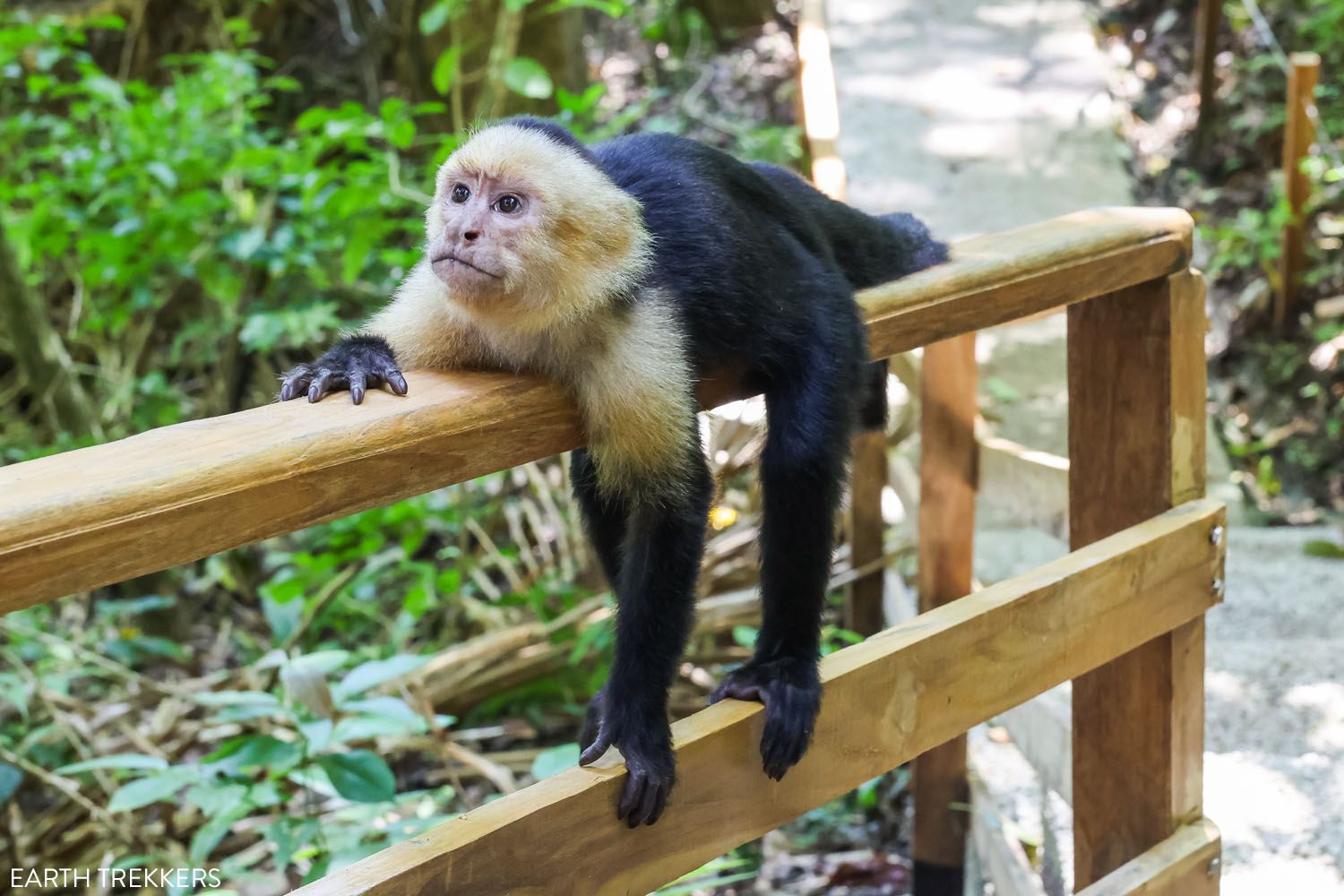
The café is completely enclosed in a cage, to prevent the ‘Mafia monkeys’ from stealing your food.
While visiting Manuel Antonio National Park, do not feed or interact with the wildlife.
Near the beach, there are bathrooms, changing rooms, and showers.
There are a few water refill stations throughout the park.
Beware of the Manzanillo Tree
The Manzanillo tree, also called the Manchineel tree or the beach apple, is one of the most toxic trees in the world. It produces a milky-white sap whose toxins cause blistering and even death. The sap is found in the tree bark, the leaves, and the fruit.
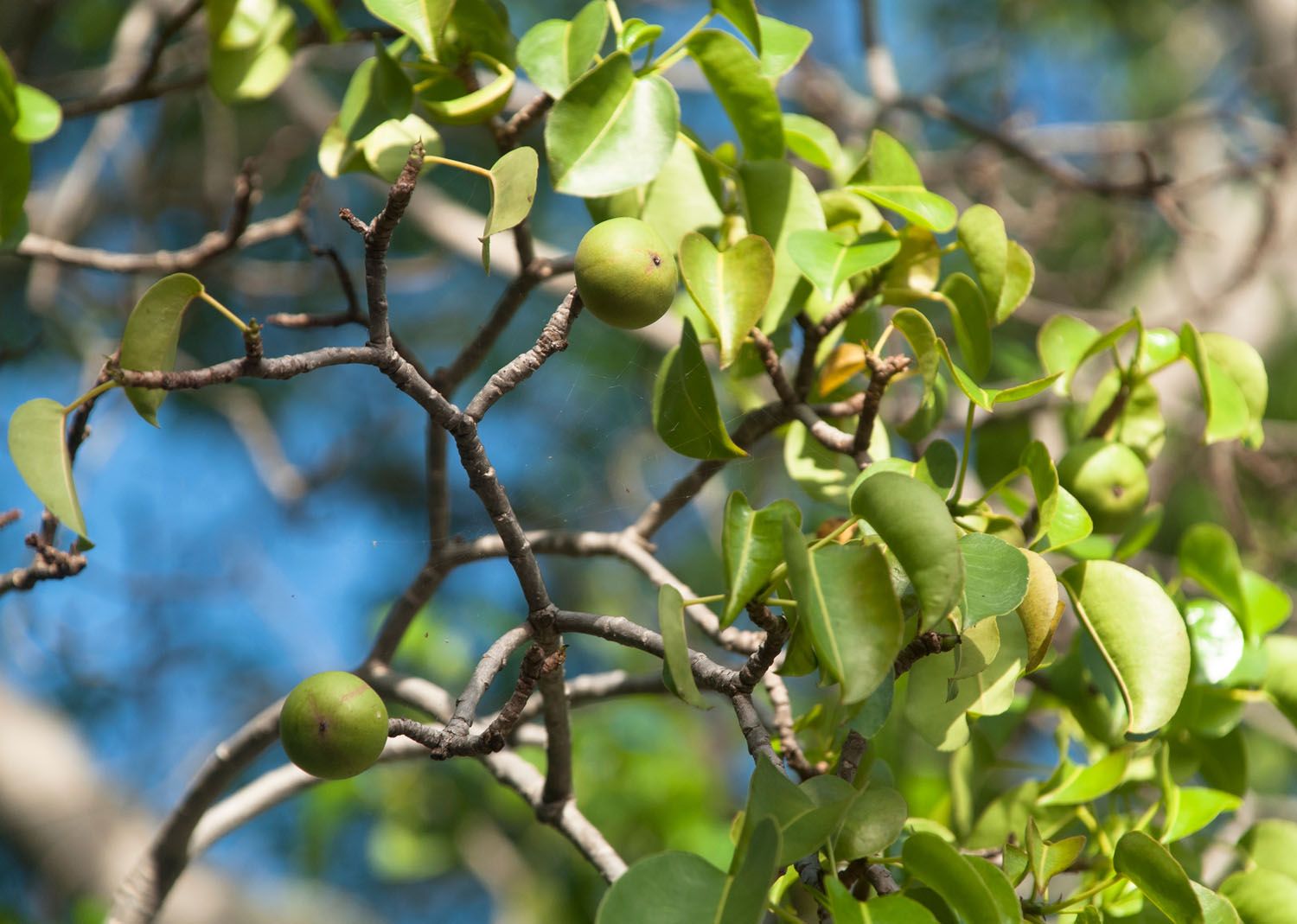
Avoid these trees, which are found on the beaches in Manuel Antonio. Don’t touch them, don’t sit underneath of them, and definitely don’t eat the fruit. If you come into contact with one of them, notify a park ranger.
This is another great reason why you should hire a guide…they can point out the manzanillo trees on the beach at the end of your tour.
Frequently Asked Questions about Manuel Antonio National Park
What animals can you see at Manuel Antonio National Park?
Manuel Antonio is home to over 100 mammal species and 180 bird species. Common sightings include white-faced capuchin monkeys, howler monkeys, squirrel monkeys, two-toed and three-toed sloths, coatis, iguanas, common basilisks, toucans, and motmots. Dolphins and migrating whales can sometimes be spotted offshore. A guide significantly increases your chances of seeing the more elusive species.
How far in advance should you buy tickets for Manuel Antonio National Park?
Buy your tickets as soon as you know your travel dates. The park limits daily visitors to approximately 2,500 and tickets sell out, sometimes weeks in advance during peak season (December through April) and on weekends. Tickets are only available online through the SINAC website.
Do you need a guide at Manuel Antonio National Park?
Yes. The wildlife in Manuel Antonio is remarkably hard to spot without help. Sloths, monkeys, and birds have evolved to camouflage themselves in the canopy, and even with a good camera lens, you’ll miss most of them. A certified guide carries a high-powered scope, knows exactly where to look, and can photograph animals through the scope using your smartphone. We saw far more wildlife in two hours with a guide than we would have spotted on our own all day.
How much time do you need at Manuel Antonio National Park?
Plan for at least a half day. A guided wildlife walk takes roughly 2 hours, after which most visitors spend time on the beach before walking back to the entrance. If you want to hike the Punta Catedral trail and visit multiple beaches, a full day is ideal. The park closes at 4 pm and beaches close at 3 pm.
Can you swim at Manuel Antonio National Park?
Yes. Manuel Antonio Beach, inside the park, is the best beach for swimming. It sits in a protected cove with calm water. Playa Espadilla Sur is beautiful but has stronger currents and is less ideal for swimming.
What should you wear to Manuel Antonio National Park?
Lightweight, breathable clothing: shorts and a moisture-wicking t-shirt work well. Wear comfortable walking shoes or sturdy sandals. Bring a hat, sunscreen, and insect repellent. We applied Picaridin lotion before entering and had no issues with mosquitoes inside the park. Bring a swimsuit and towel if you plan to spend time on the beach after your walk.
Plan Your Trip to Costa Rica
- Costa Rica Travel Guide — Start here for a full overview of planning your trip, including where to go and how long to spend in each region.
- 10 Day Costa Rica Itinerary — Manuel Antonio is one of the key stops on this road trip itinerary covering the Pacific coast, Monteverde, and La Fortuna.
- Things to Do in Manuel Antonio — Beaches outside the park, ziplining, surfing, restaurants, where to stay, and more.
- Nauyaca Waterfalls — One of the best day trips from Manuel Antonio, typically done as a half-day excursion.
- Costa Rica Packing List — Everything you need to pack for a trip that includes hiking, beaches, and wildlife walks.
- First Trip to Costa Rica: 18 Things to Know — Essential tips for first-time visitors, from renting a car to staying safe.
If you have any questions about things to do in Manuel Antonio National Park or how to plan your visit, let us know in the comment section below.
Explore Costa Rica & Beyond
Costa Rica Travel Guide: How to Plan a Trip to Costa Rica
Pinterest Facebook Flipboard Costa Rica Travel Guide Few countries pack this much variety into such a small footprint: volcanoes, cloud forests, rainforest wildlife, Pacific beaches, and natural hot springs, all within a few hours of each other. We spent two weeks in Costa Rica at the end of February, experiencing sunny skies, almost no rain, […]
16 Best Things to Do in La Fortuna, Costa Rica
La Fortuna sits at the base of Arenal Volcano in Costa Rica’s northern lowlands, and it’s home to some of the best things to do in La Fortuna, from rappelling waterfalls and hiking lava fields to spotting sloths on guided rainforest walks and soaking in geothermal hot springs. Few places balance adrenaline and relaxation quite […]
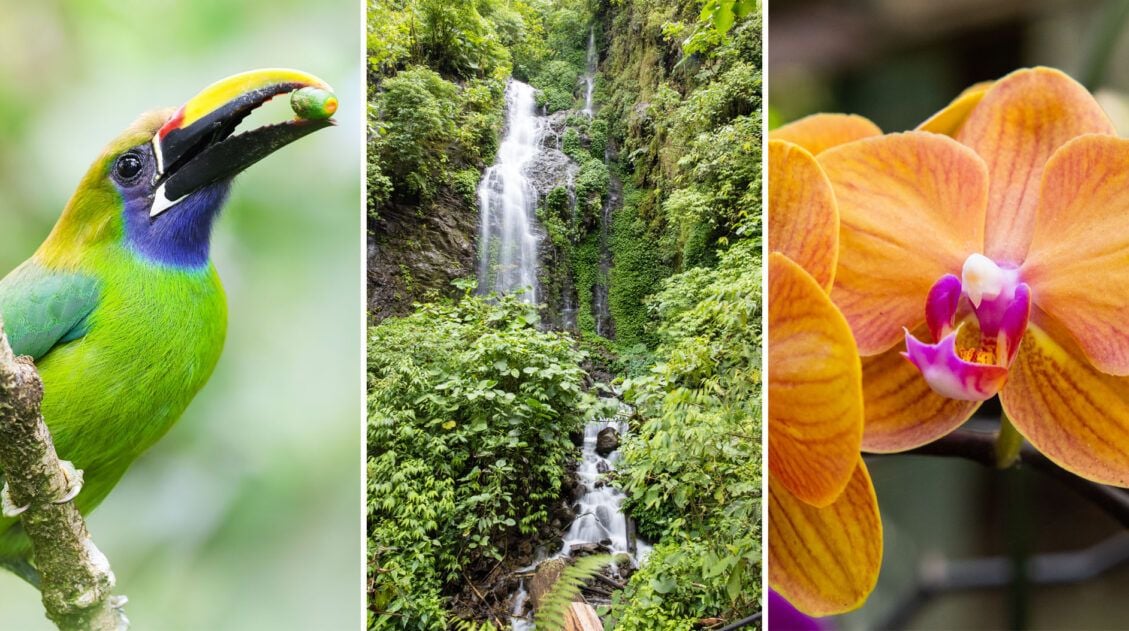
Best Things to Do in Monteverde: Cloud Forests, Ziplining & Waterfalls
Spotting a male and female Resplendent Quetzal in the same morning. Soaring above the cloud forest canopy on what felt like an endless zipline. Walking through misty, moss-draped trails without another soul around. Monteverde delivered some of the most memorable moments on our two-week trip through Costa Rica. But here’s what nobody tells you before […]
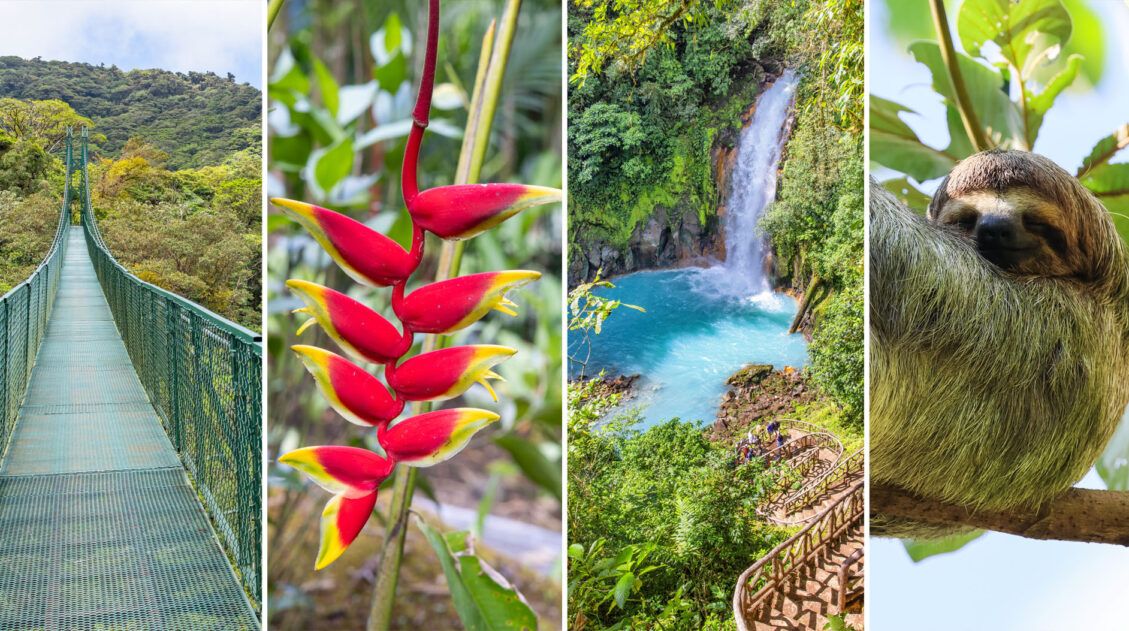
10-Day Costa Rica Itinerary: Manuel Antonio, Monteverde & Arenal
We flew to Costa Rica in late February 2025 and spent two weeks driving a loop from San Jose to Manuel Antonio, through the cloud forests of Monteverde, and up to La Fortuna at the base of Arenal Volcano. This 10-day Costa Rica itinerary is almost exactly how we did it, and we came home […]

Travel Photography Gear Guide: What’s In Our Camera Bag
Do you want to know how we capture the images that you see on our website? Here is our photography gear guide, with links and explanations of our photography gear and accessories. At the end of this post, we offer tips and tricks on how to take better photographs while traveling. October 2025 Update: We […]
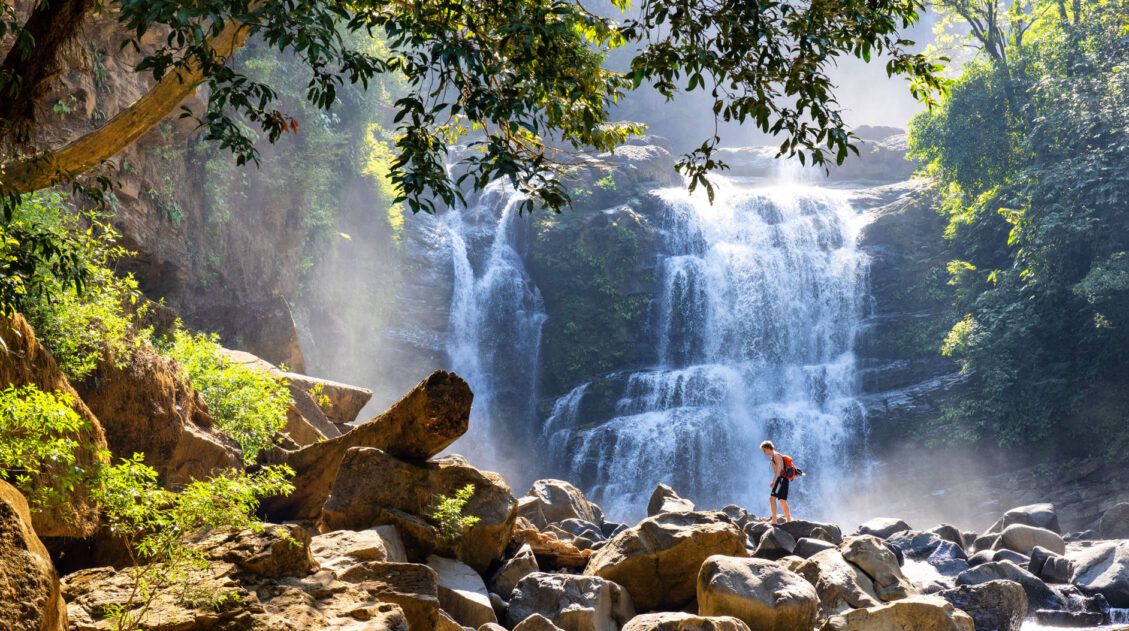
How to Visit Nauyaca Waterfalls & Get the Hidden Cave View
We were standing inside a cave, looking out through a curtain of mist at the upper tier of the Nauyaca Waterfalls, when I realized we’d made the right call on the entrance. From where we stood, the full height of the falls was laid out in front of us, something you simply cannot see from […]
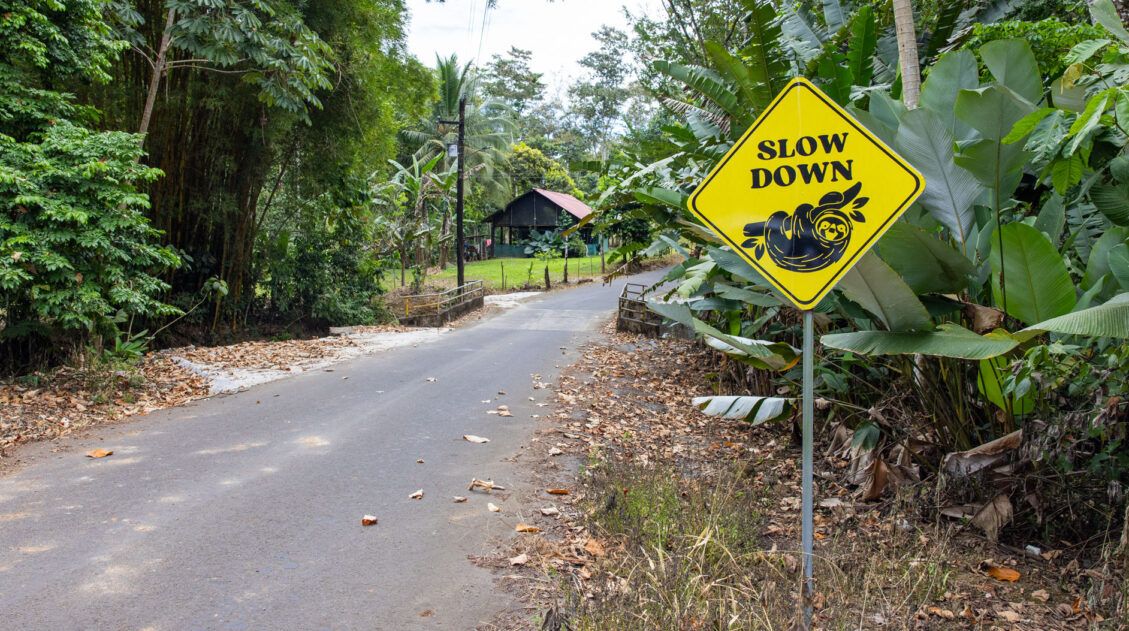
First Trip to Costa Rica: 18 Things to Know Before You Go
Planning your first trip to Costa Rica? We spent two weeks there in early 2025, driving mountain roads to Monteverde, hiking through Manuel Antonio, and soaking in the hot springs at La Fortuna, and came home with a much better understanding of what first-timers actually need to know before they go. This guide covers the […]
Costa Rica Packing List: What We Used & What to Skip
So, your itinerary is finalized, your flights are booked, your hotel reservations are made, and you’ve picked out which tours you plan to do. Now comes the question, what do I pack for a trip to Costa Rica?! Many trips to Costa Rica include some beach time, a few adventure activities such as ziplining and […]
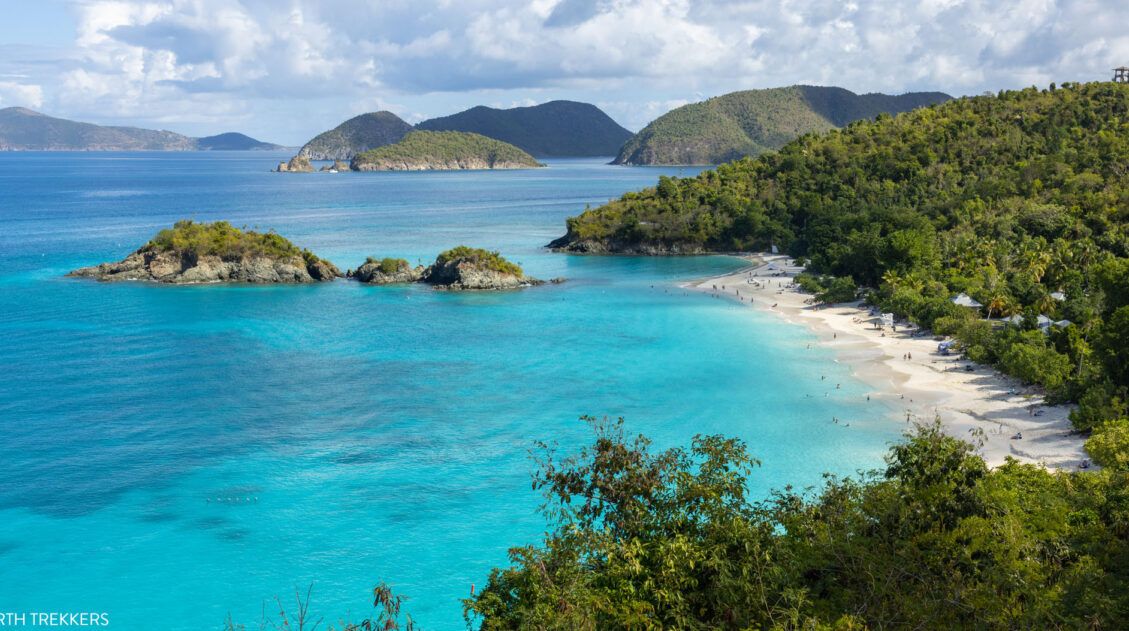
Top 10 Things to Do in Virgin Islands National Park
Discover the top things to do in Virgin Islands National Park, along with what you need to know to plan your trip, including how to get there, the best time to visit, where to stay, and tips for organizing your time. Virgin Islands National Park is one of the most beautiful national parks we have […]
Fiji…One Week In Paradise
Ahhh…Fiji. Paradise. Fiji was everything we expected and more. Crystal clear aquamarine water, white sandy beaches, amazing sunsets, beautiful islands. We joke around that Fiji is our vacation from our vacation…a very long vacation, I know. Here we got some much needed R & R from our fast paced travels around the world. I can’t […]
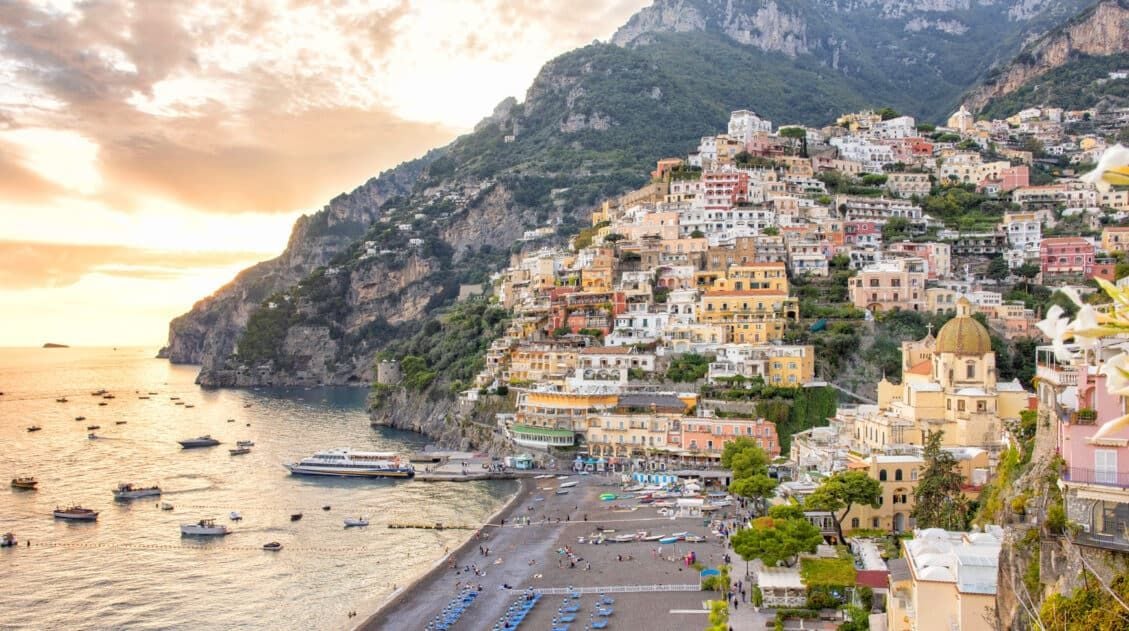
Travel Itineraries: Europe, Asia, Africa, Americas & Oceania
Let us take the guesswork out of planning your next trip. Here are sample itineraries from some of the most popular destinations around the world.
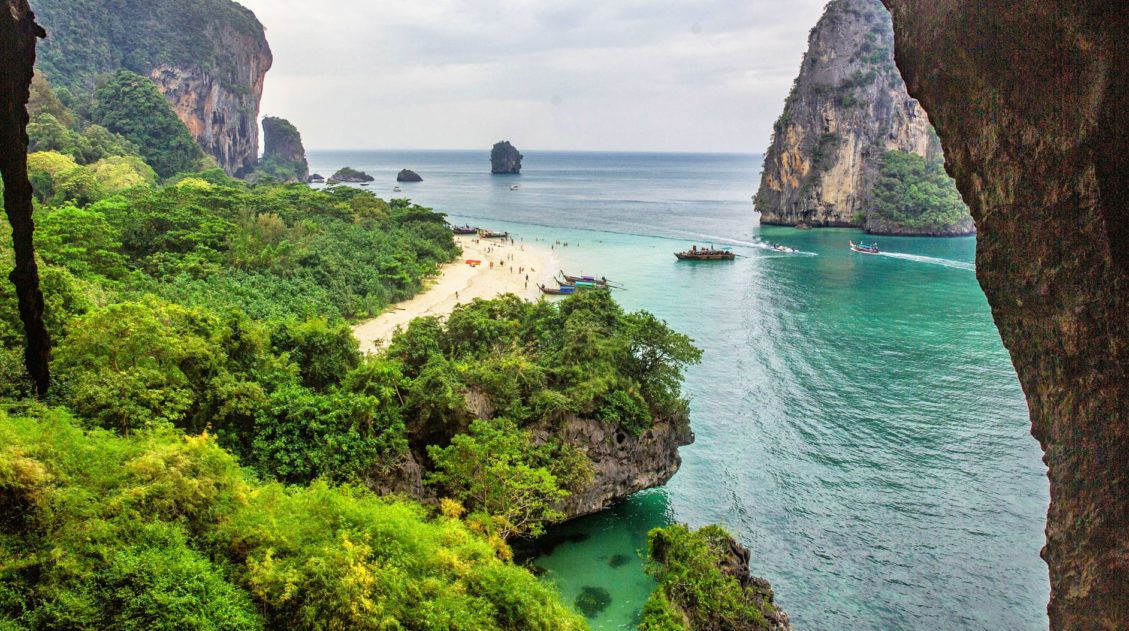
10 Winter Vacation Ideas Perfect for the Holiday Season
It’s nice to spend the holiday season at home, visiting with family and enjoying the low-key end to the year. But what if you want to get away? With two weekends and two days off of work for Christmas and New Year’s, it’s possible to swing a 10-day getaway without taking too many vacation days. […]


Comments 2