
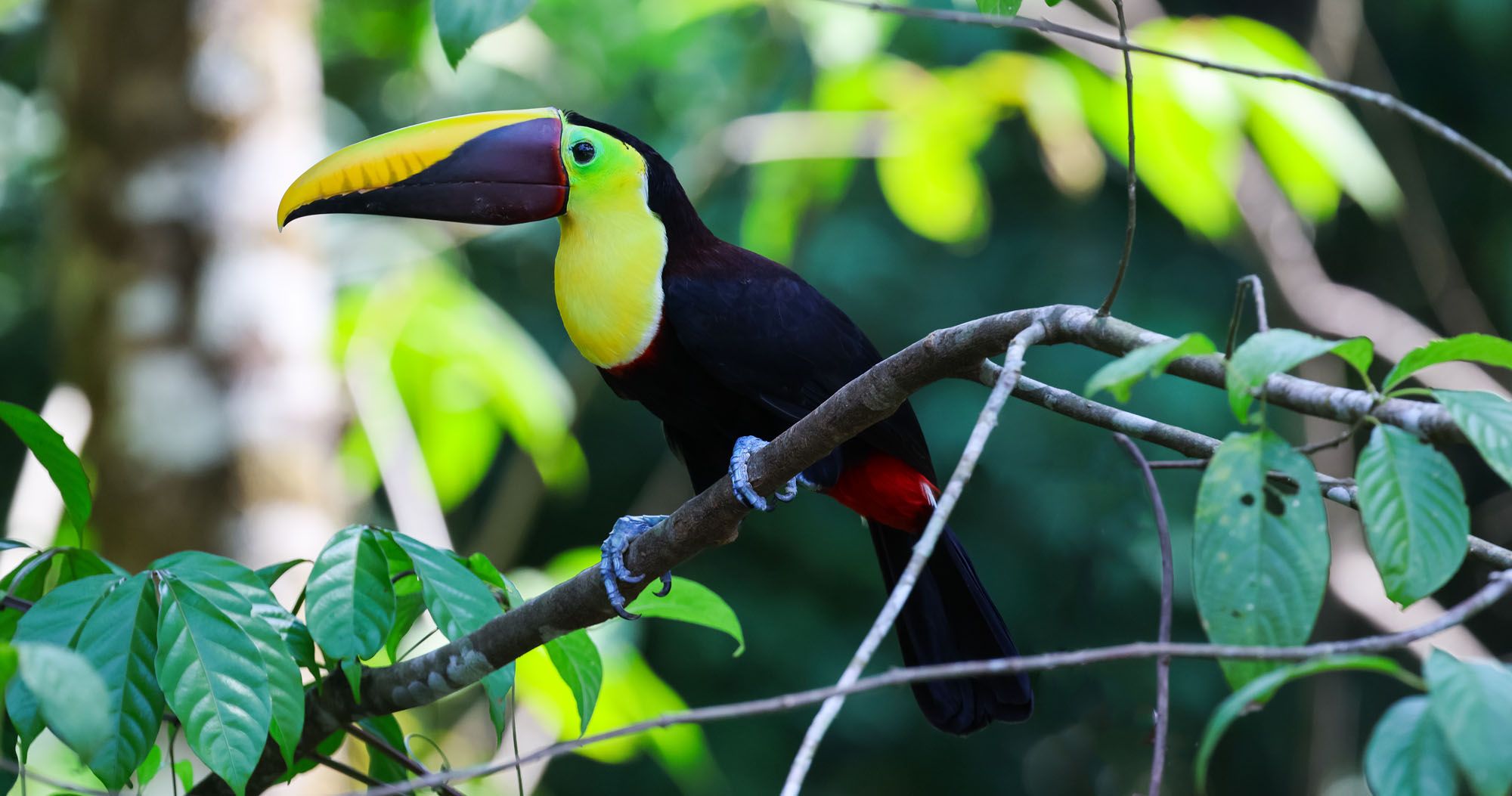

Manuel Antonio was our first stop on a two-week Costa Rica road trip, and it set the tone for everything that followed. We heard a toucan before we even left the hotel property, that distinctive, almost cartoon-like call coming from somewhere in the trees above us. By the time we spotted it from our room window, we knew this place was going to be something special.
Manuel Antonio is where rainforest meets the Pacific coast, and that combination drives everything here, from night tours to ziplining to relaxing on some of the most beautiful beaches in Costa Rica.
Evenings were a highlight for us. There are a handful of restaurants in Manuel Antonio with stunning views of the coastline, and watching the sunset over dinner was one of our favorite memories from the entire trip. Le Papillon was the standout and we liked it so much we went back twice.
In this guide, we cover the 18 best things to do in Manuel Antonio, from a guided wildlife walk in the national park to ziplining through the rainforest canopy, kayaking the Damas Island mangroves, and day tripping to Nauyaca Waterfalls. We also cover where to eat, where to stay, how to get here, and everything else you need to plan your visit.
If you’re still in the early planning stages, start with our Costa Rica Travel Guide for help building your full itinerary. For everything specific to Manuel Antonio National Park, including tickets, trails, guided tours, and what to expect inside the park, see our Manuel Antonio National Park Guide.
Manuel Antonio – At a Glance
LOCATION | Pacific Coast, Puntarenas Province, Costa Rica
NEAREST AIRPORT | San José International Airport (SJO)
DISTANCE FROM SAN JOSÉ | 3–4 hours by car
NEAREST TOWN | Quepos (10 minutes north)
DON’T MISS | Manuel Antonio National Park, Nauyaca Waterfalls, a night tour
HOW MANY DAYS | 2 days minimum — more time is better
BEST TIME TO VISIT | Early morning for wildlife; dry season (December–April) for best weather
May 2026 Update: Added new photos, verified all links and pricing. Added an frequently asked questions and links to our new Costa Rica content.
Is Manuel Antonio Worth It?
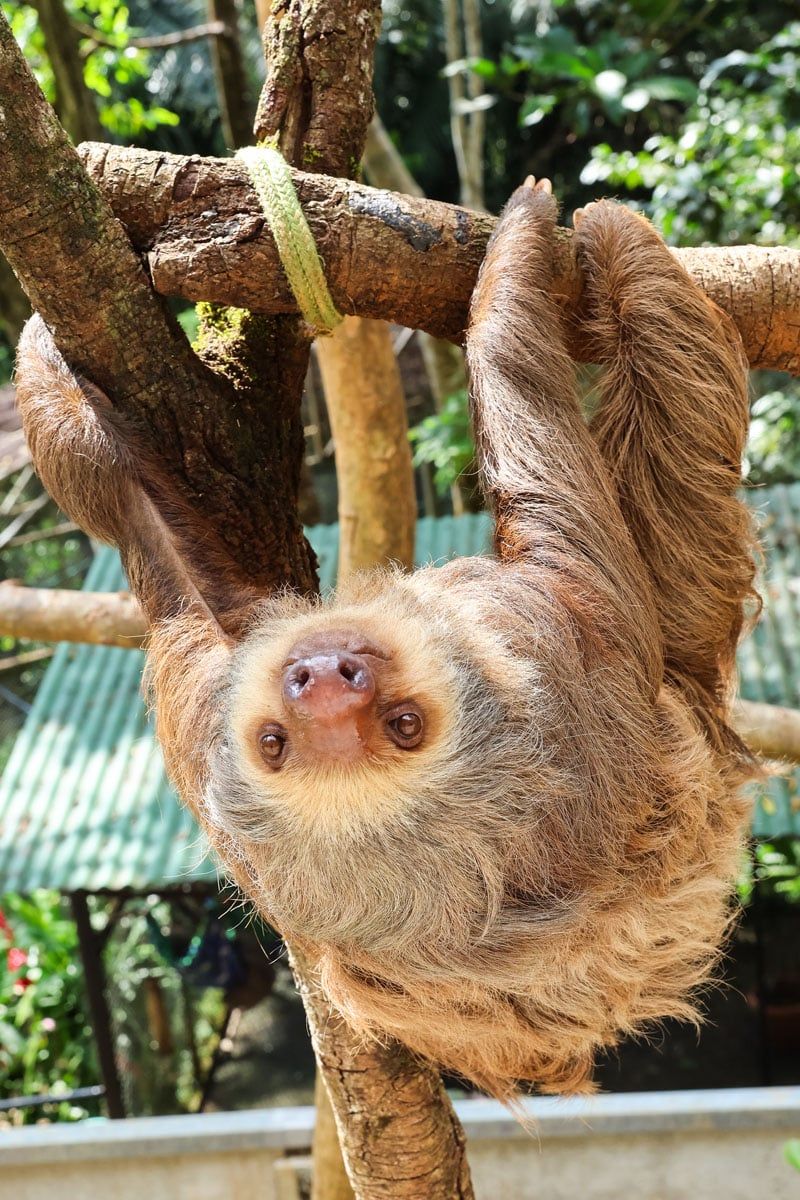
Yes, and we say that having spent two weeks in Costa Rica. Manuel Antonio amazed us from the moment we arrived. We spotted sloths, three species of monkeys, and more birds than we could identify in a single morning at the national park. We ziplined through the rainforest canopy, kayaked through mangroves with crocodiles, and ended multiple evenings watching the sun set over the Pacific over dinner.
It’s one of those destinations that earns its reputation. The wildlife is amazing to see (the sloths and toucans were our favorites), the beaches are genuinely beautiful, and there’s enough variety in activities to keep you busy for four or five days without repeating yourself. For first-time visitors to Costa Rica especially, Manuel Antonio is hard to beat as a starting point.
Top 5 Things to Do in Manuel Antonio
With so much to do in and around Manuel Antonio, it can be hard to know where to focus your time. If you only have a few days, these are the five experiences we recommend most:
1. Manuel Antonio National Park The undisputed highlight of any visit. A guided wildlife walk through the park is one of the best wildlife experiences in all of Costa Rica. Don’t skip the guide. See our complete guide to Manuel Antonio National Park for everything you need to know before you go.
2. Nauyaca Waterfalls One of the most stunning natural attractions on Costa Rica’s Pacific coast. The payoff, a massive two-tiered waterfall with a natural swimming pool, is well worth the effort to get there. See our complete guide to Nauyaca Waterfalls for how to plan your visit.
3. Ziplining Flying through the rainforest canopy is one of those experiences that delivers every time. It’s a great half-day activity that pairs well with a morning in the national park.
4. Night Tour Manuel Antonio’s rainforest looks completely different after dark. Frogs, insects, snakes, and nocturnal mammals emerge once the sun goes down, and a guided night walk reveals a side of Costa Rica that most visitors never see.
5. Damas Island Mangrove Tour A kayak or boat tour through the mangroves of Damas Island is a quieter, more intimate wildlife experience than the national park. We took this mangrove tour and spotted monkeys, birds, and crocodiles along the waterways.
Best Things to Do in Manuel Antonio
1. See the Wildlife and Beaches in Manuel Antonio National Park
Manuel Antonio National Park was the first thing we did in Costa Rica and it immediately became one of the highlights of our entire two weeks. In a single morning we spotted sloths, three species of monkeys, iguanas, and more birds than we could identify.
Hiring a guide is the single best thing you can do here. We took this guided wildlife walk and can’t recommend it highly enough. Without a guide, there’s a real chance you’ll walk past most of the wildlife without ever knowing it was there.
The #1 thing to know about this park is that you must purchase your ticket in advance. The number of daily visitors is limited and these tickets can sell out in advance. Tickets can only be purchased through the SINAC website.
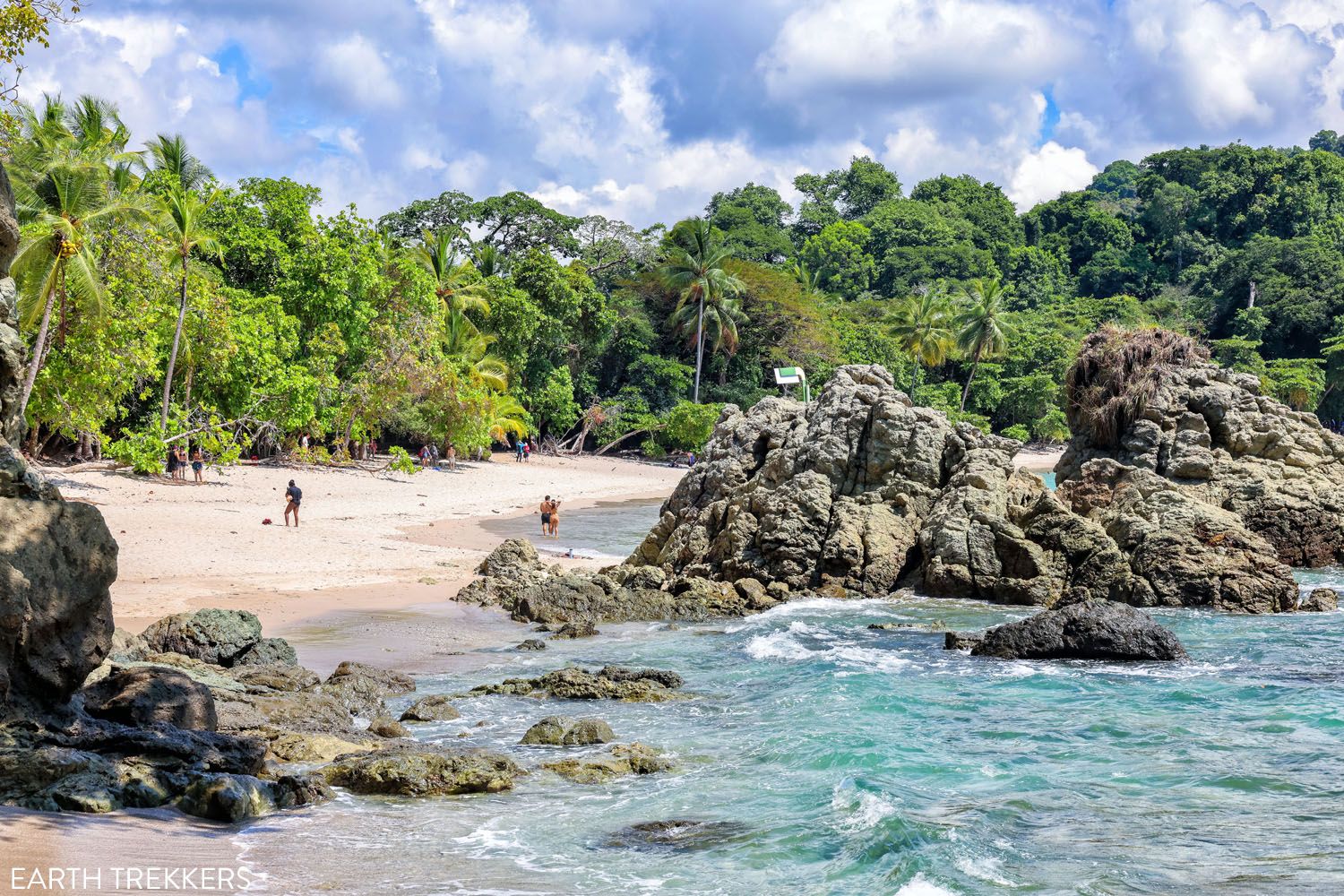
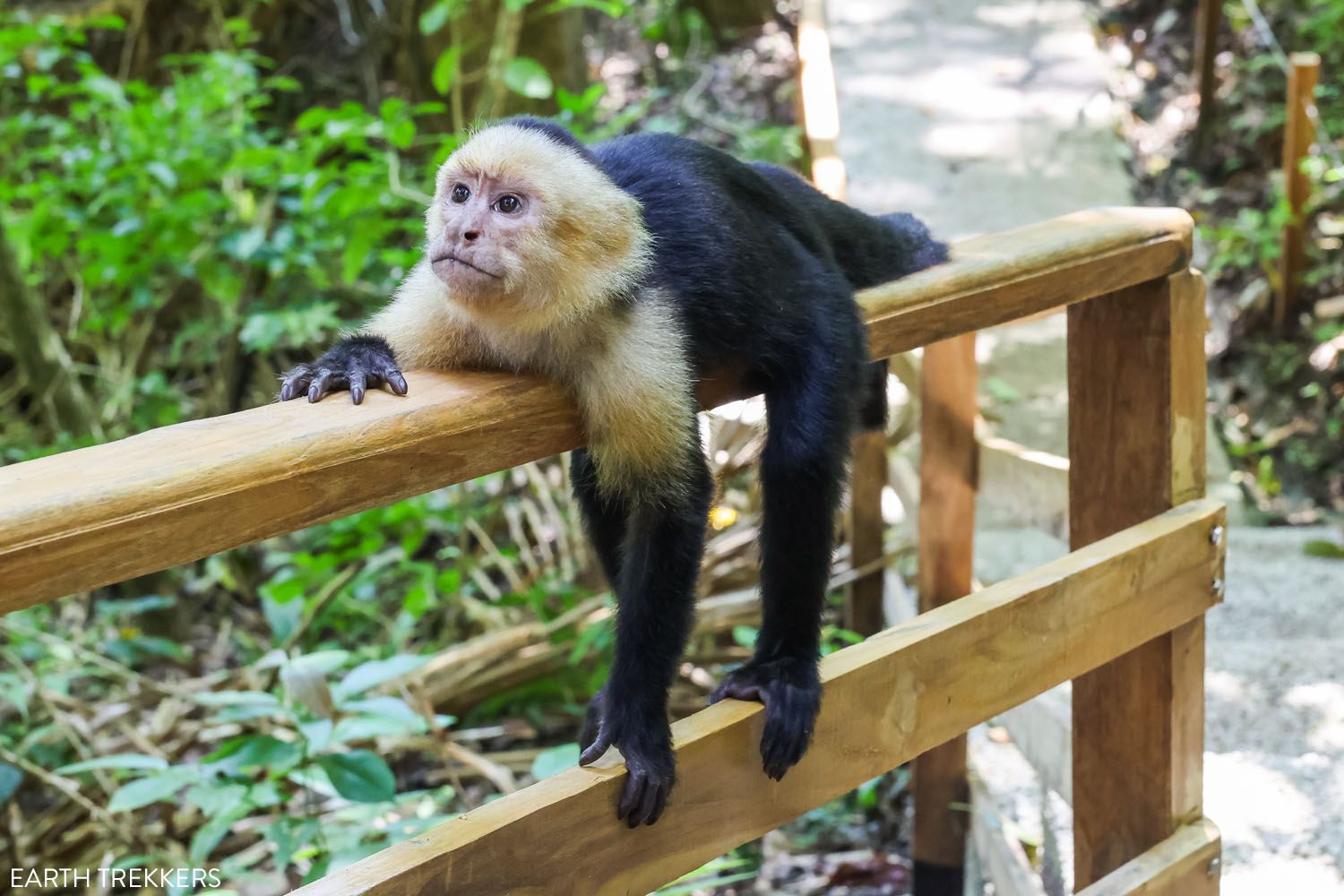
It takes a half to a full day to visit Manuel Antonio National Park. We cover what there is to do here plus the logistics of planning your visit in our Guide to Manuel Antonio National Park ↓
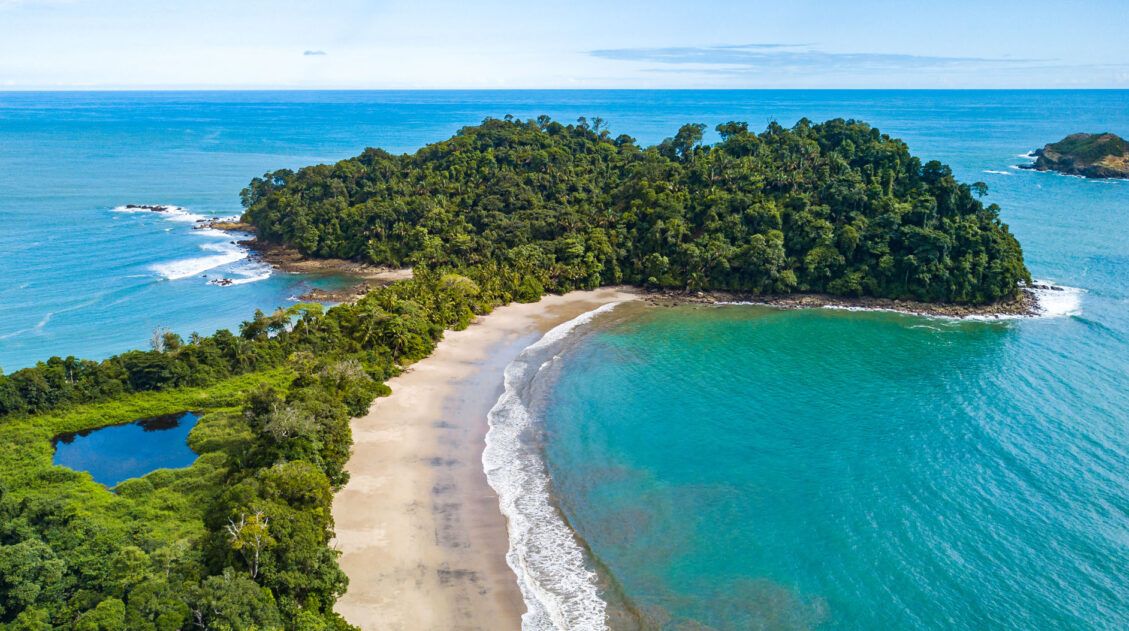
Manuel Antonio National Park: Complete Guide for First Time Visitors
Everything you need to know to plan your visit to Manuel Antonio National Park.2. Spend Some Time on the Beach
Manuel Antonio has some of the best beaches on Costa Rica’s Pacific coast, both inside the national park and along the public shoreline just outside it.
Beaches in Manuel Antonio National Park
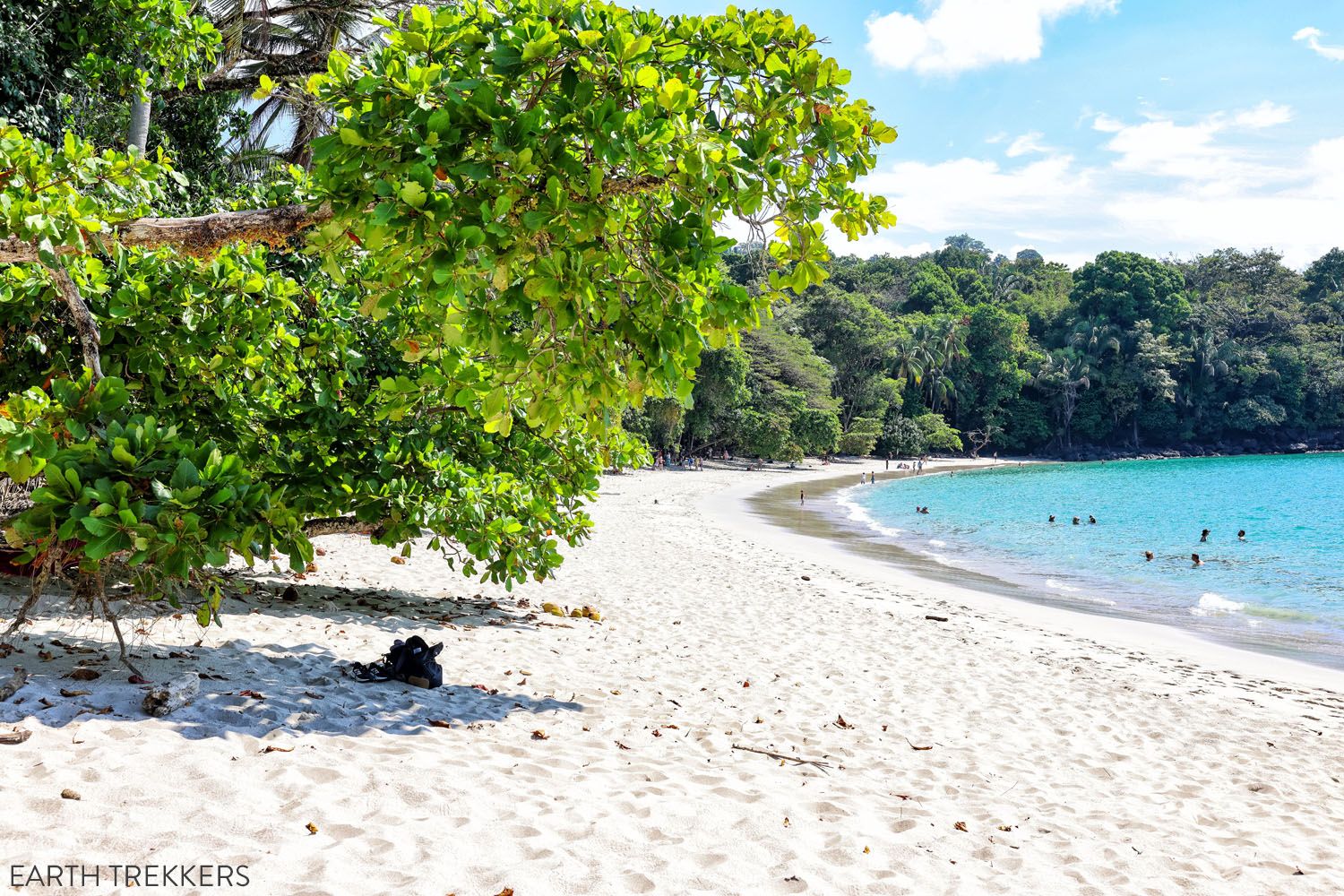
Manuel Antonio Beach, Playa Espadilla Sur, and Playa Las Gemelas are all stunning. Manuel Antonio Beach is the best for swimming, sitting in a calm protected cove. Playa Espadilla Sur is larger and equally beautiful but has stronger currents. Playa Las Gemelas is the quietest of the three, worth the extra walk to reach it.
See our Manuel Antonio National Park guide for more detail on each beach.
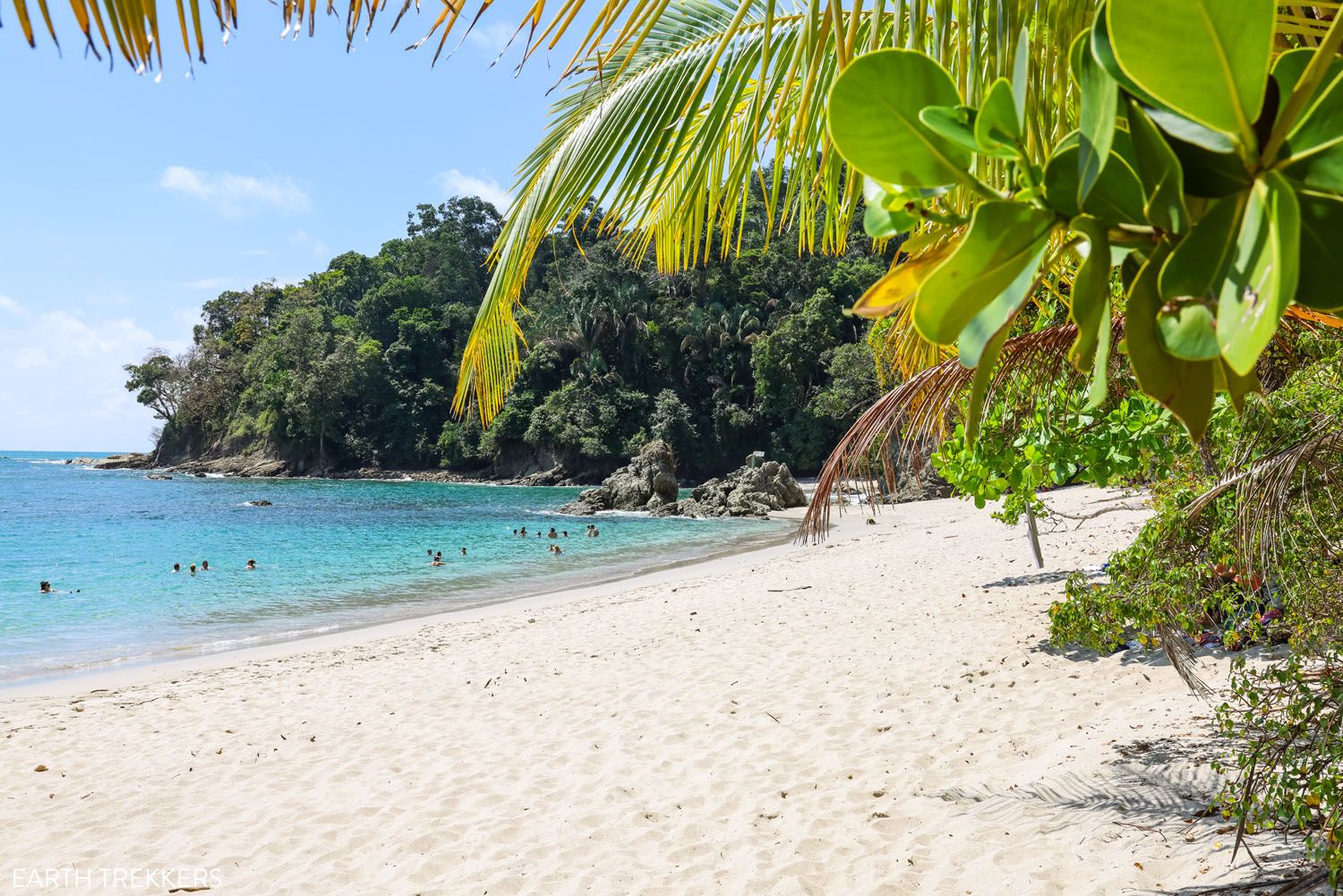
Manuel Antonio Beach
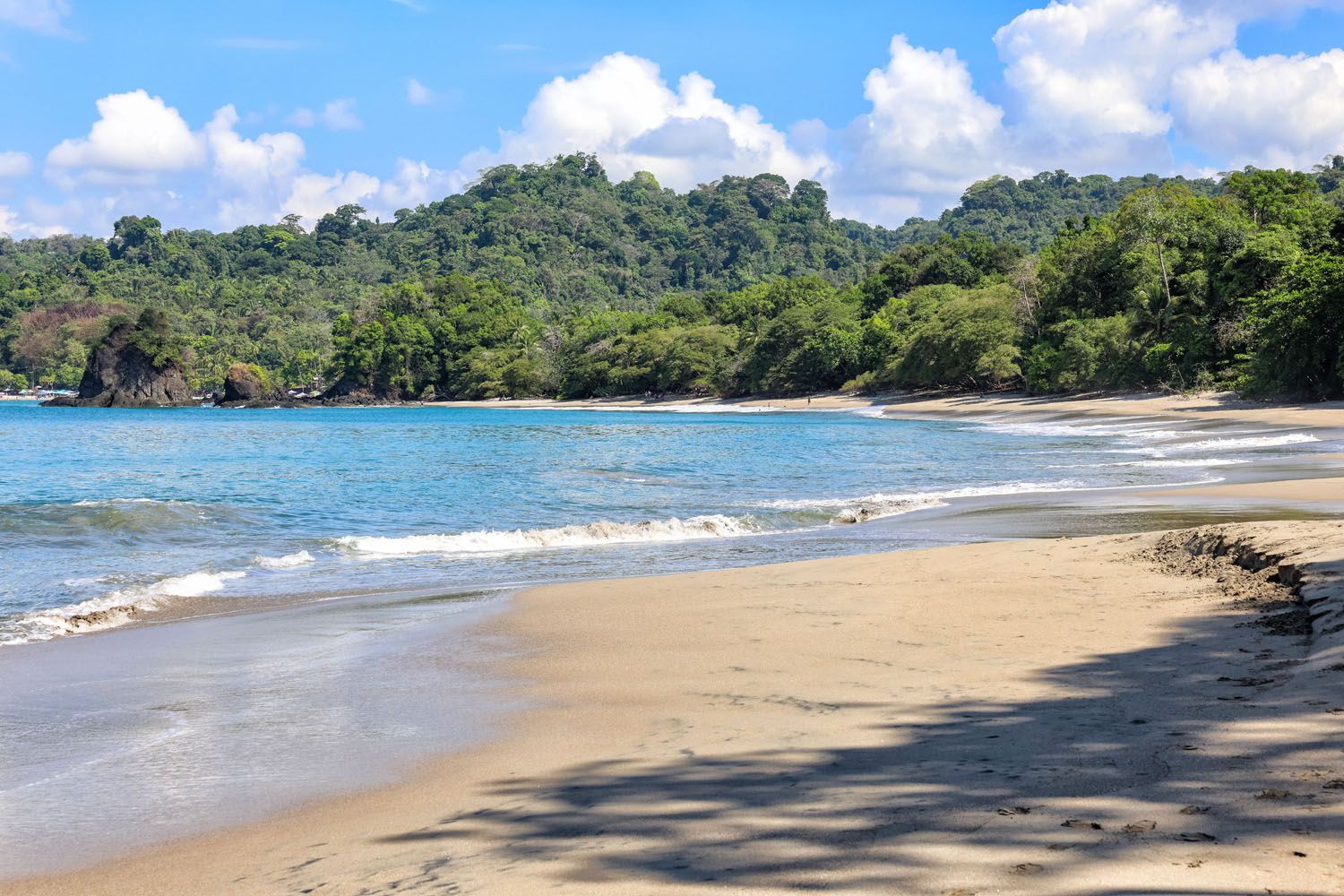
Playa Espadilla Sur
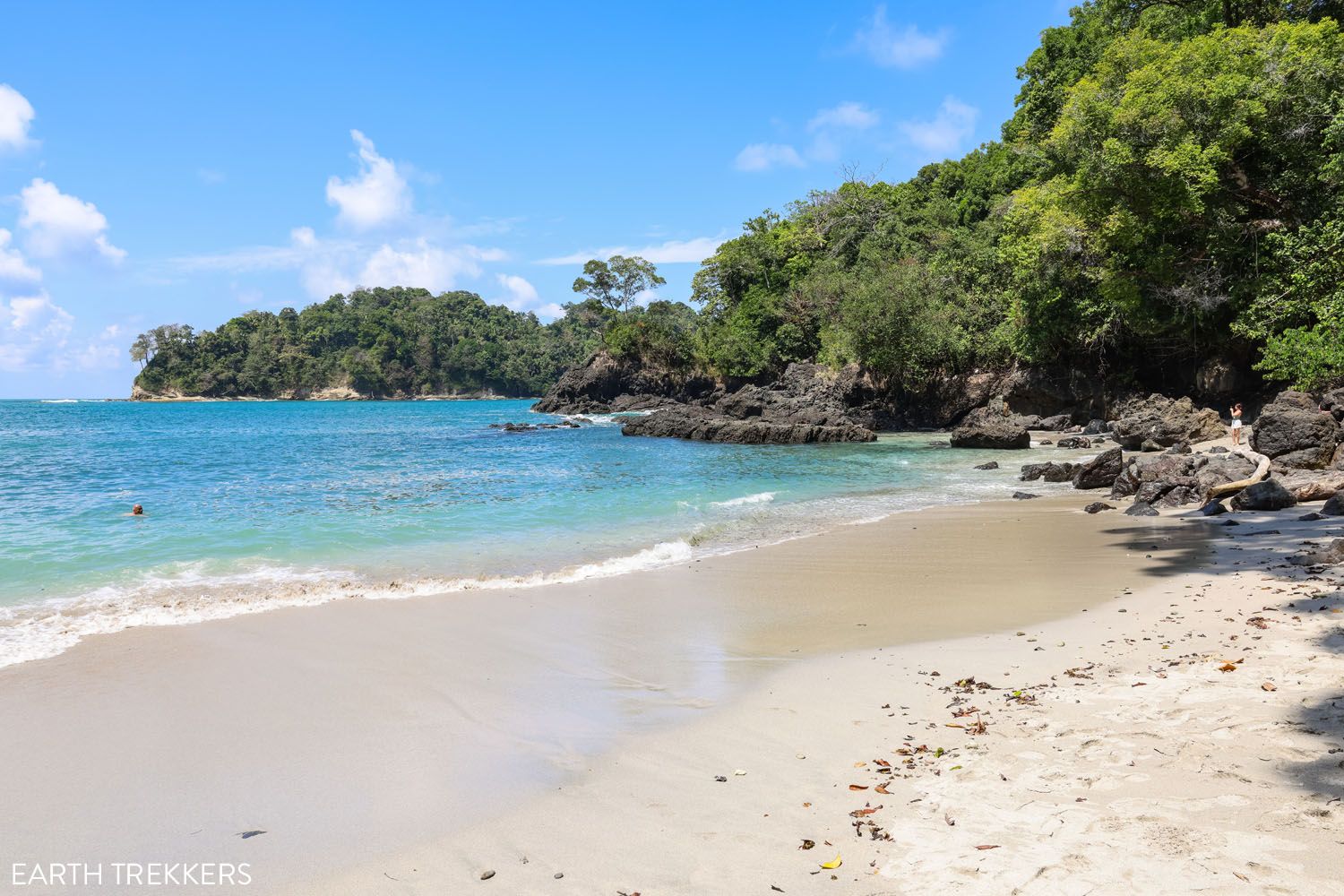
Playa Las Gemelas
PRO TRAVEL TIP: Do not sit under a Manzanillo tree (also called the Manchineel Tree), which can be found on some beaches in Costa Rica. These trees are poisonous. They produce a milky-white sap whose toxins cause blistering and even death. The sap is found in the tree bark, the leaves, and the fruit.
Beaches Outside of the National Park
Playa Espadilla Norte
This beach is a continuation of Playa Espadilla Sur. It is a public beach that has a lot of amenities, such as loungers and umbrellas, small cafes selling food and drinks, and even a surf school. This beach is nice, but nowhere near as pretty as Manuel Antonio or Playa Espadilla Sur.
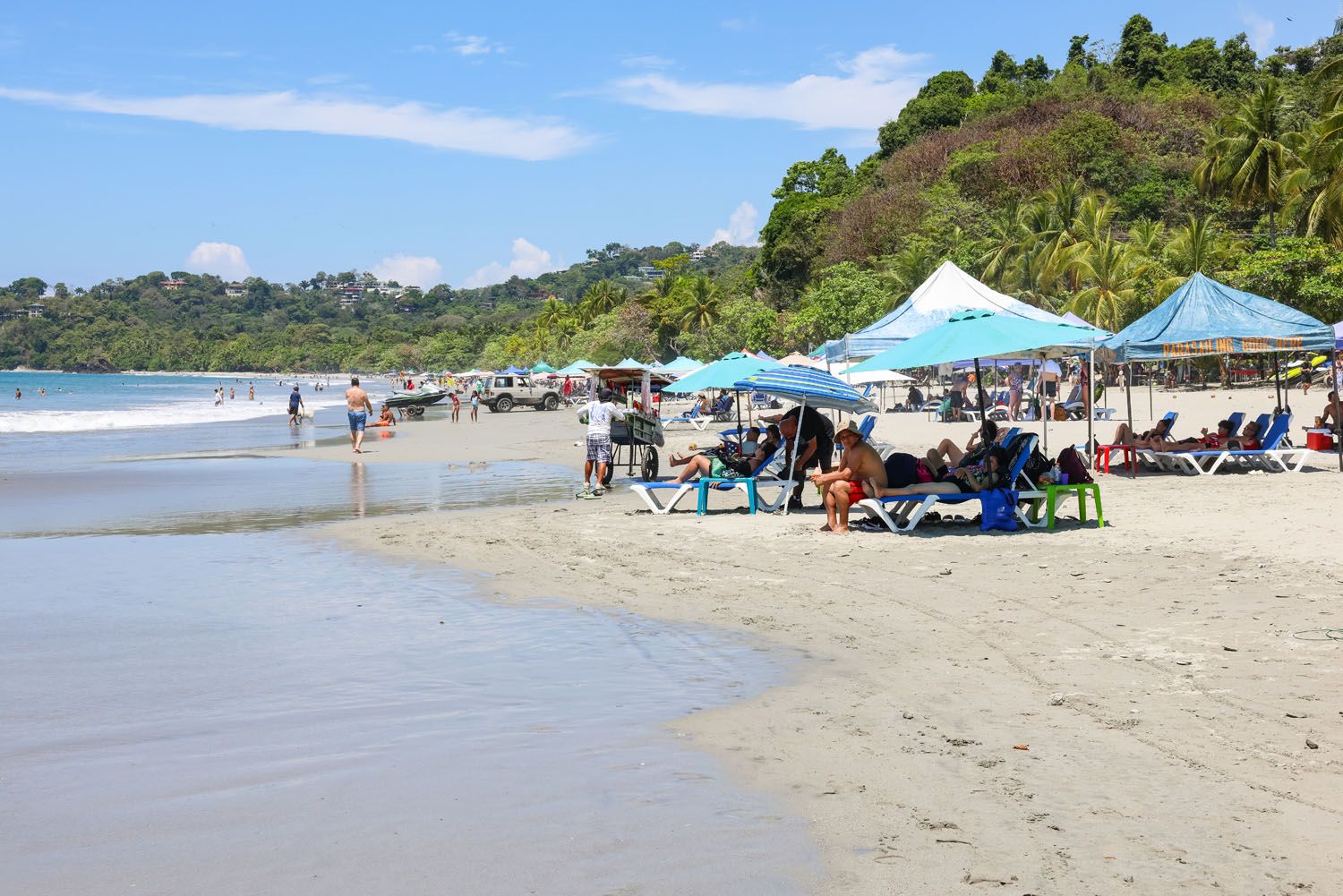
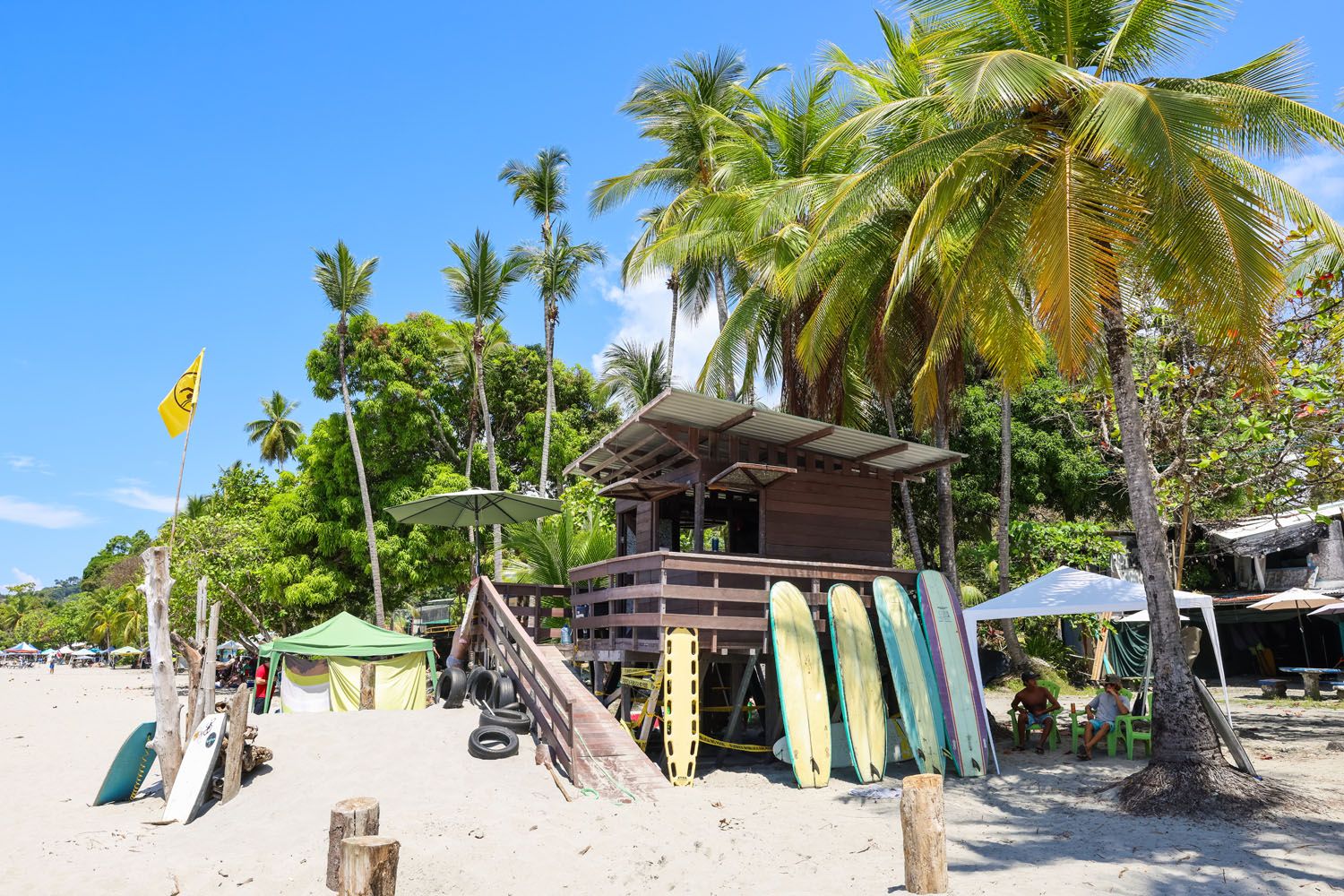
Playa Espadilla Norte
Biesanz Beach
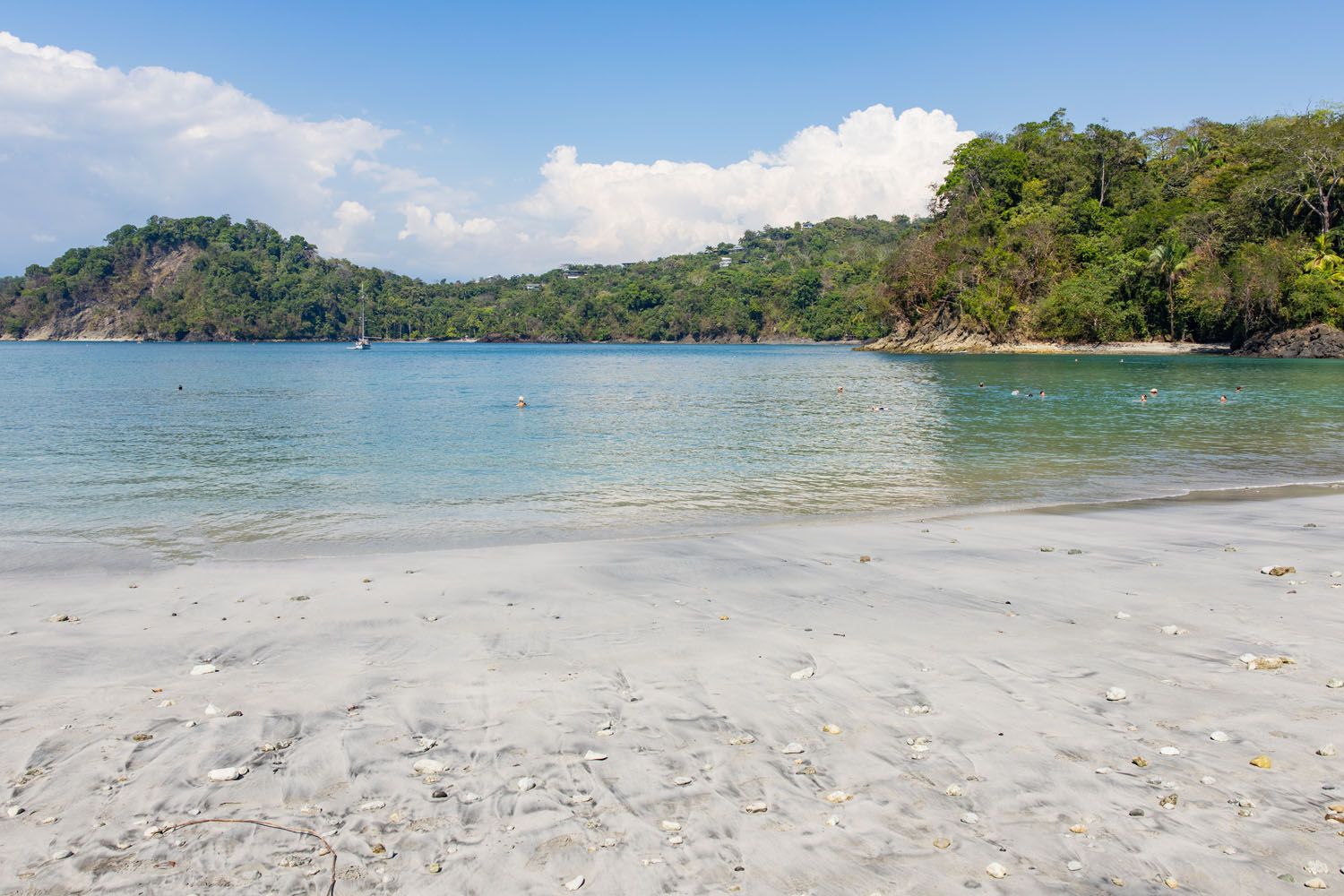
This is our favorite public beach in Manuel Antonio. It sits in a protected cove and is surrounded by forests and rocky cliffs. However, it can be a little challenging to get to…it’s a short hike through a forest to get to the beach.
How to Get to Biesanz Beach: Drive past the Shana by the Beach Hotel and look for parking along the side of the road. An attendant may ask for a few dollars to keep your car safe. The entrance to the trail is on the right side of the road at the bottom of the hill after you drive past Shana by the Beach. Walk the rocky, dirt trail to the beach. It’s downhill all of the way to the beach and takes 10 to 15 minutes. The beach and the trail are marked on our map.
For rent are lounge chairs and umbrellas. Vendors were selling coconut water and non-alcoholic drinks. We saw two sloths in the trees right next to the beach.
This would be a great place to spend an afternoon, if you like the idea of a quieter beach away from the crowds, and don’t mind a hike to get here.
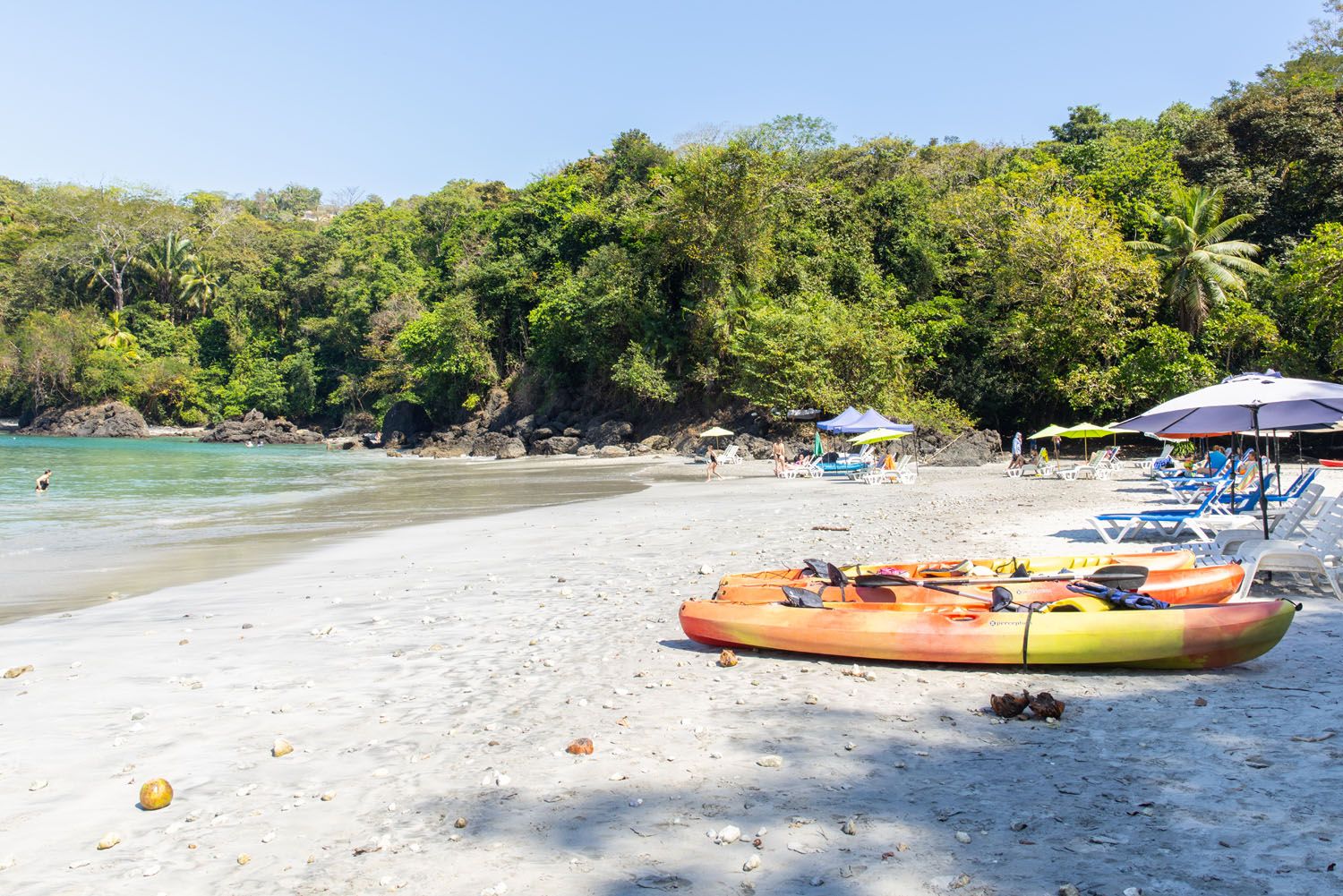
Biesanz Beach
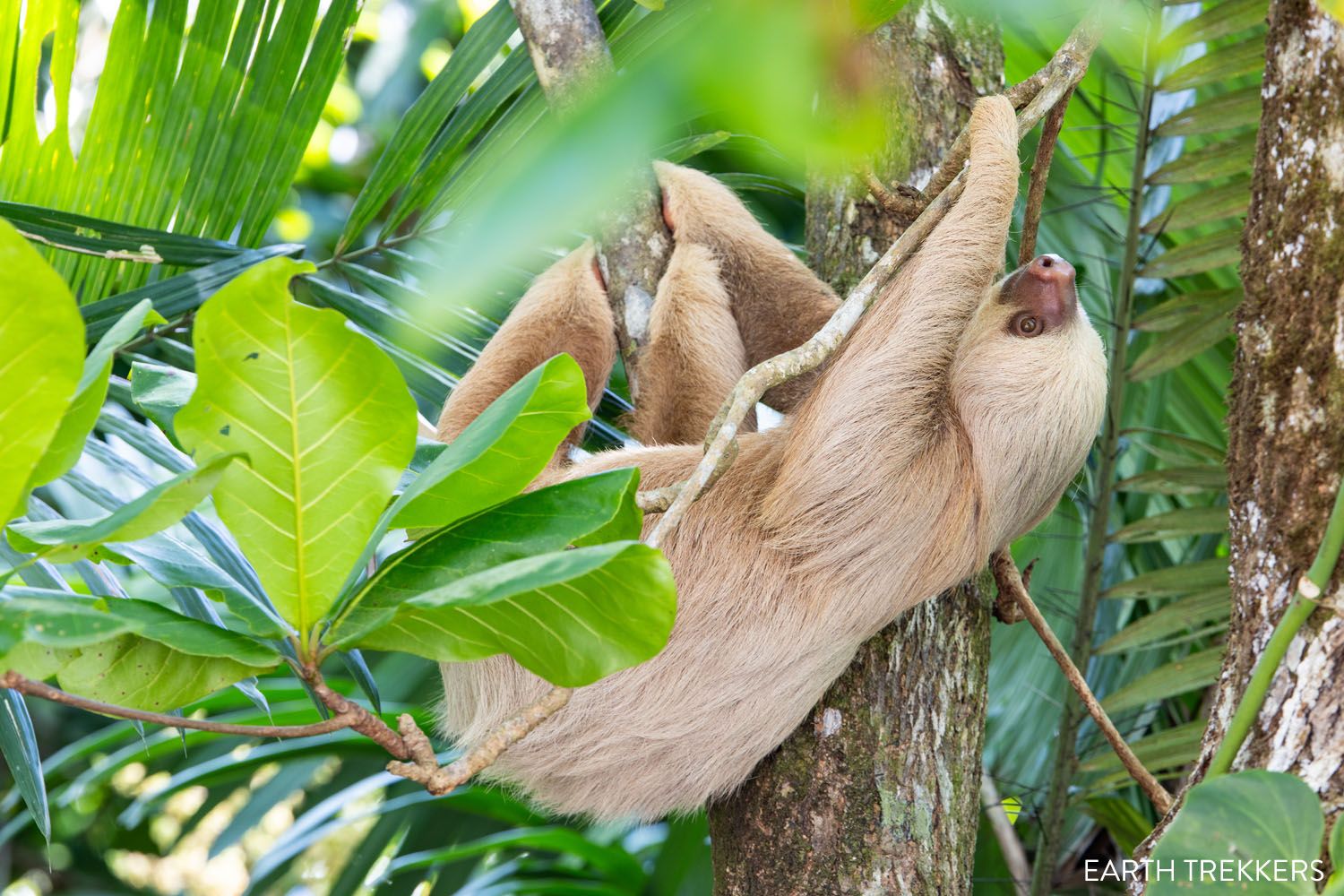
Two-toed sloth at Biesanz Beach
3. Go Ziplining through Rainforest Canopies
Ziplining, also called ‘canopy tours’ in Costa Rica, is one of the best things to do in Manuel Antonio. Of everything we did in Manuel Antonio, ziplining was one of my favorite experiences.
There are a lot of companies offering ziplining tours. I’ll start off with who we used and then some information about the other options (Tim put LOTS of research into the best companies…so we might as well share what we learned 😊).
El Santuario Canopy Adventure
This is the company we used and we had a wonderful experience. We picked them because they get rave reviews and they offer Central America’s longest dual zip lines.
Why Pick This One: To do the longest dual zip line in Costa Rica. There are 10 zip lines, 5 hanging bridges, 1 rappel, all totaling 3.6 km in length.
Our Experience
To get here, you can either drive or take their shuttle, which is included with the tour. We chose to drive. We met the shuttle at their office, which is located on route 618, near the town of Manuel Antonio, and it was about a 15-minute drive to the ziplining location, some of this on rough, gravel roads (it’s best to have an SUV).
We took the first tour of the day, which typically has the smallest group size. There is a 50-person max per time slot. Our tour only had 15 people, which was very nice. Plus, doing it first thing meant that temperatures are cooler, and it can get hot midday in Manuel Antonio.
We got outfitted in our ziplining gear and then boarded a shuttle bus/tractor to drive us up a very rough gravel road to the first ziplining platform. The course involves several short climbs up metal staircases to get onto the platforms. Most of the ziplines were rather long and the views of the forest are gorgeous.
The guides keep everyone moving along very well but we did wait in a few sections, which had me wondering how long these waits would be midday, when up to 50 people could be on the course.
The experience ends with one rappel and then a shorter ride on the shuttle back to the ziplining center/restaurant. The tour includes lunch, which is typical Costa Rican cuisine: chicken, rice, salad, and vegetables.
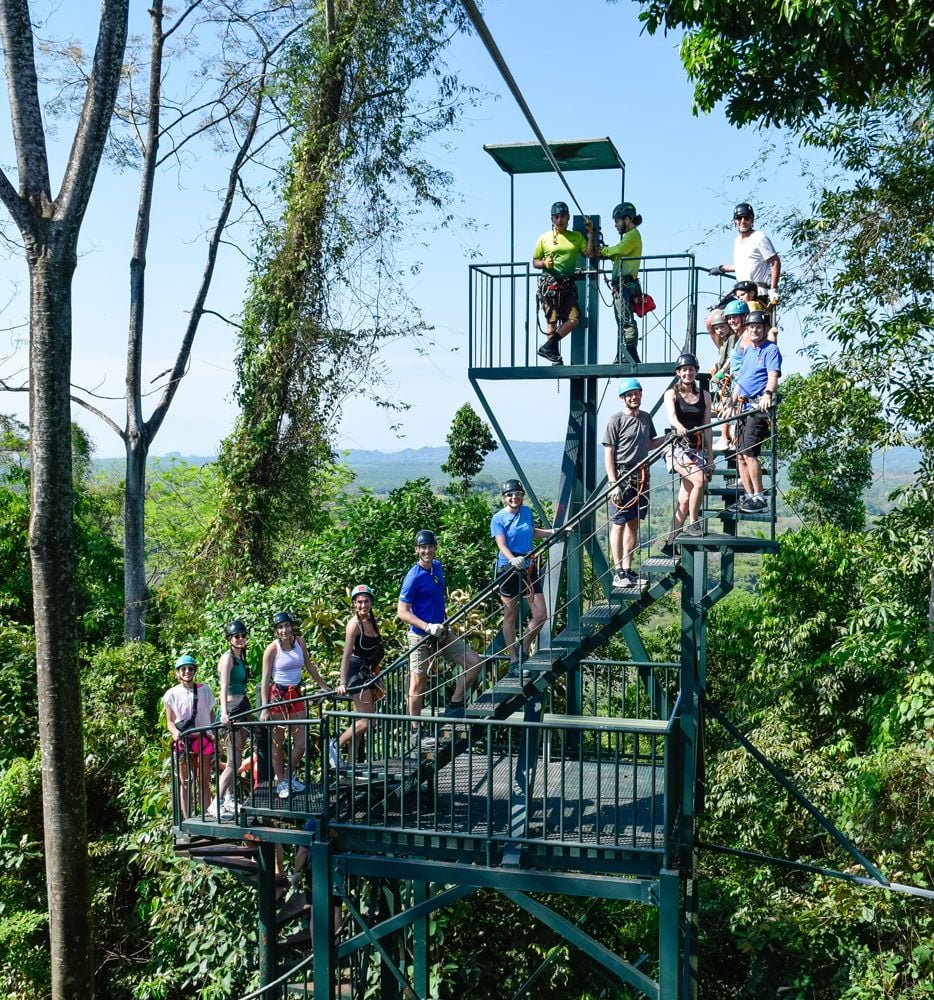
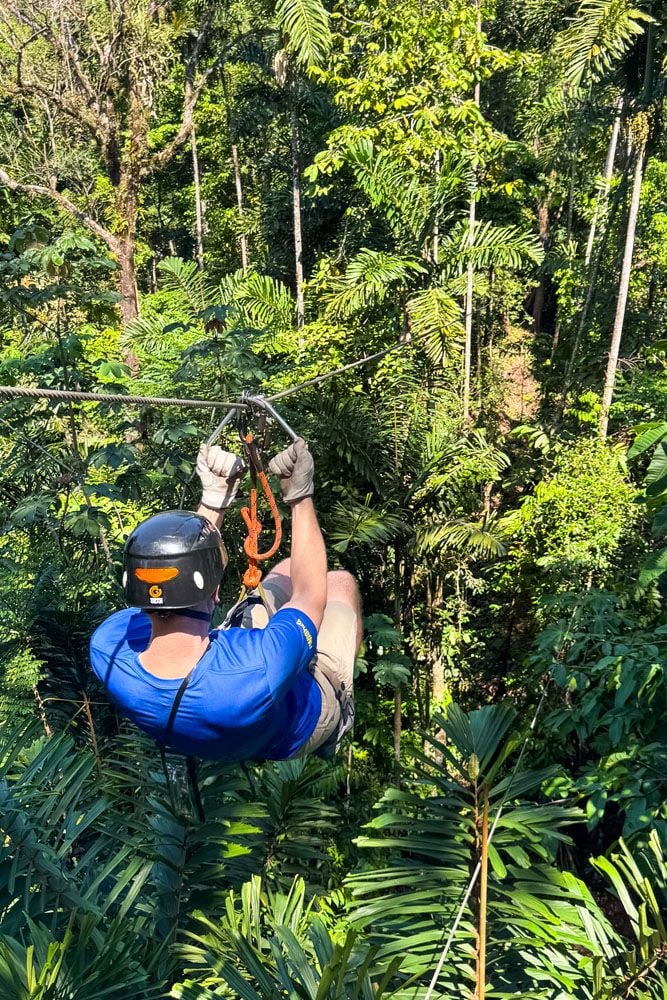
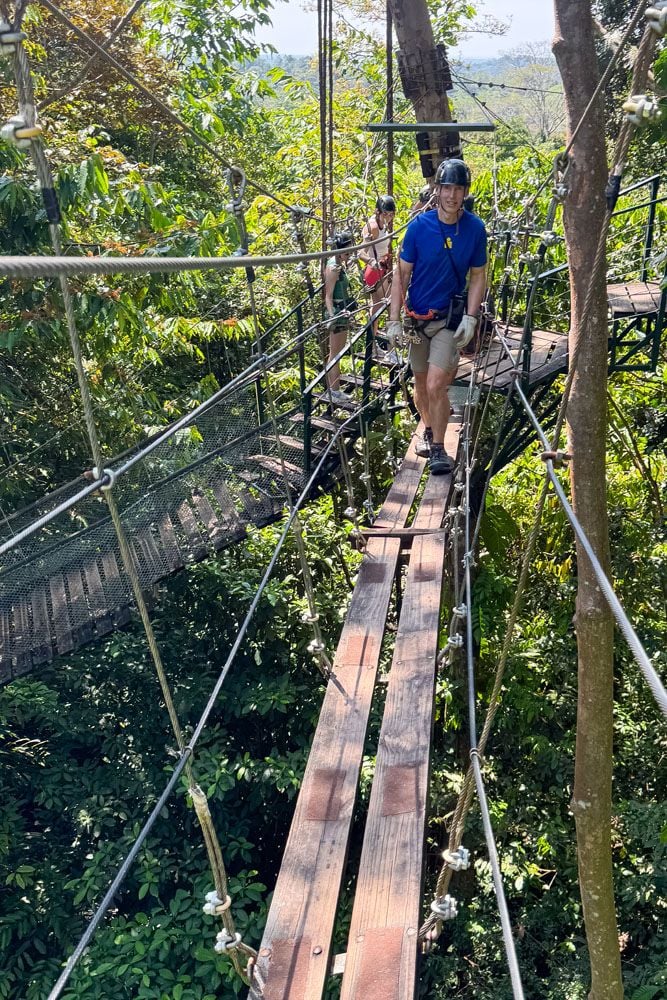
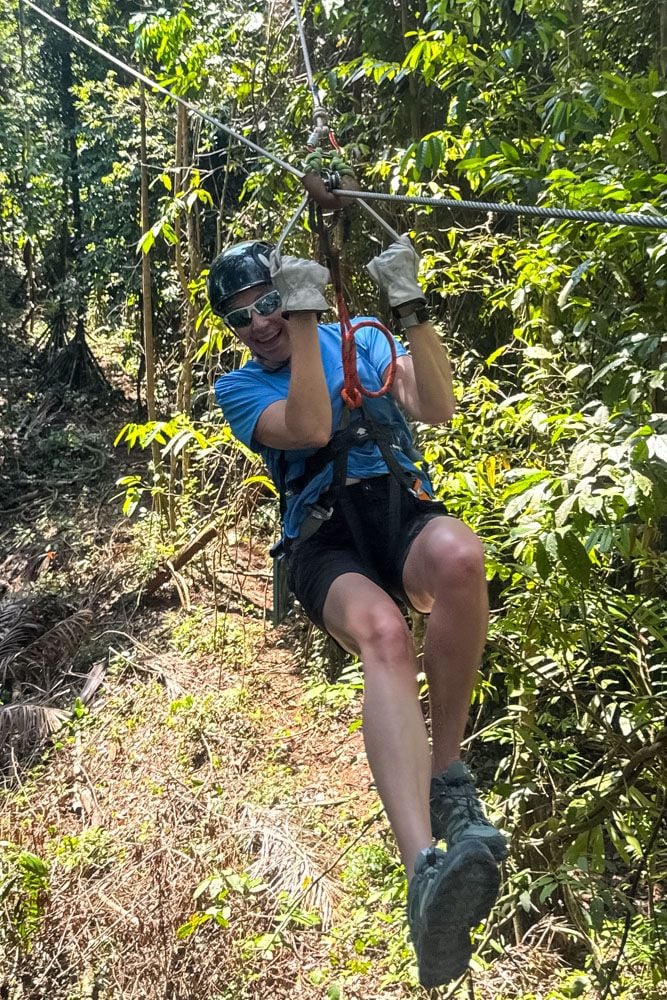
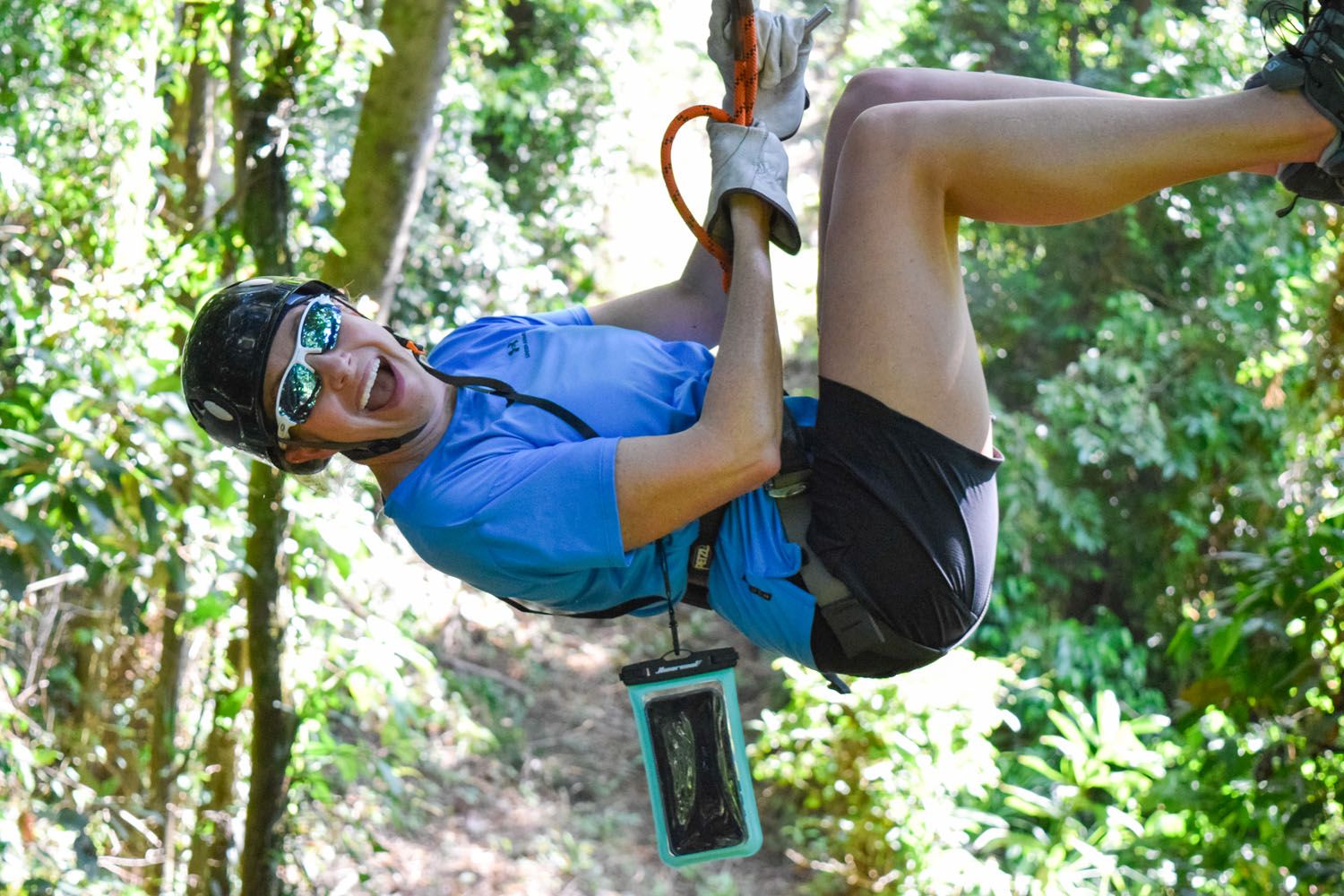
Overall, we loved this experience. It is very well done, the guides are professional but also super friendly, and they really make sure you are having a great time. I highly recommend El Santuario based on our experience.
Tickets can be purchased on the official website.
Tickets include transportation and lunch. For an extra fee, you can also purchase the photo package.
ADR Adventure Park
This is another company we highly considered using. They also get stellar reviews and also offer waterfall rappels and a Tarzan swing. We chose El Santuario because we wanted to do the dual zip line.
Why Pick This One: This experience includes 3 jungle zip lines, 2 canyon zip lines, 2 waterfall rappels, 1 dry rappel, 1 Tarzan swing. It’s a good option if you don’t have plans to go canyoning later on your trip to Costa Rica and if you have interest in doing a waterfall rappel.
This park is located 40 minutes from Manuel Antonio. Learn more about the zipline course on the official website.
More Ziplining Companies
Here is a list of other companies that offer ziplining tours. They all get very good reviews.
Canopy Safari: 50-minute drive from Manuel Antonio; 11 zip lines, 2 rappels, 1 Tarzan swing
Titi Canopy Tour: 12 zip lines, 1 suspension bridge
Sukia Park: 10 zip lines, 4 suspension bridges, waterfall rappel; this park also has a wildlife refuge and they offer several other different types of tours; they are mentioned next in this guide.
Quepo Canyoning: 3 zip lines, 1 dry rappel, 1 waterfall rappel, 1 monkey drop, 1 suspension bridge
4. Ziplining & Wildlife Walks in Sukia Park
Sukia Park is a private reserve that is located on route 618, in the town of Manuel Antonio. This gives it a very convenient location, as you don’t have to go far to go ziplining, do a night walk, or do a self-guided nature walk.
This park already got a brief mention for its ziplining course, which features 10 zip lines plus a waterfall rappel. But it offers more than just ziplining.
We visited Sukia Park to do their self-guided nature walk. On this walk, the highlight was the butterfly garden, but you can also see crocodiles and there is a frog and snake house. The butterfly garden was nice, but very similar to others we visited throughout Costa Rica, and the trails were not that interesting to walk (at least not compared to walking through Manuel Antonio National Park and Rainmaker Park).
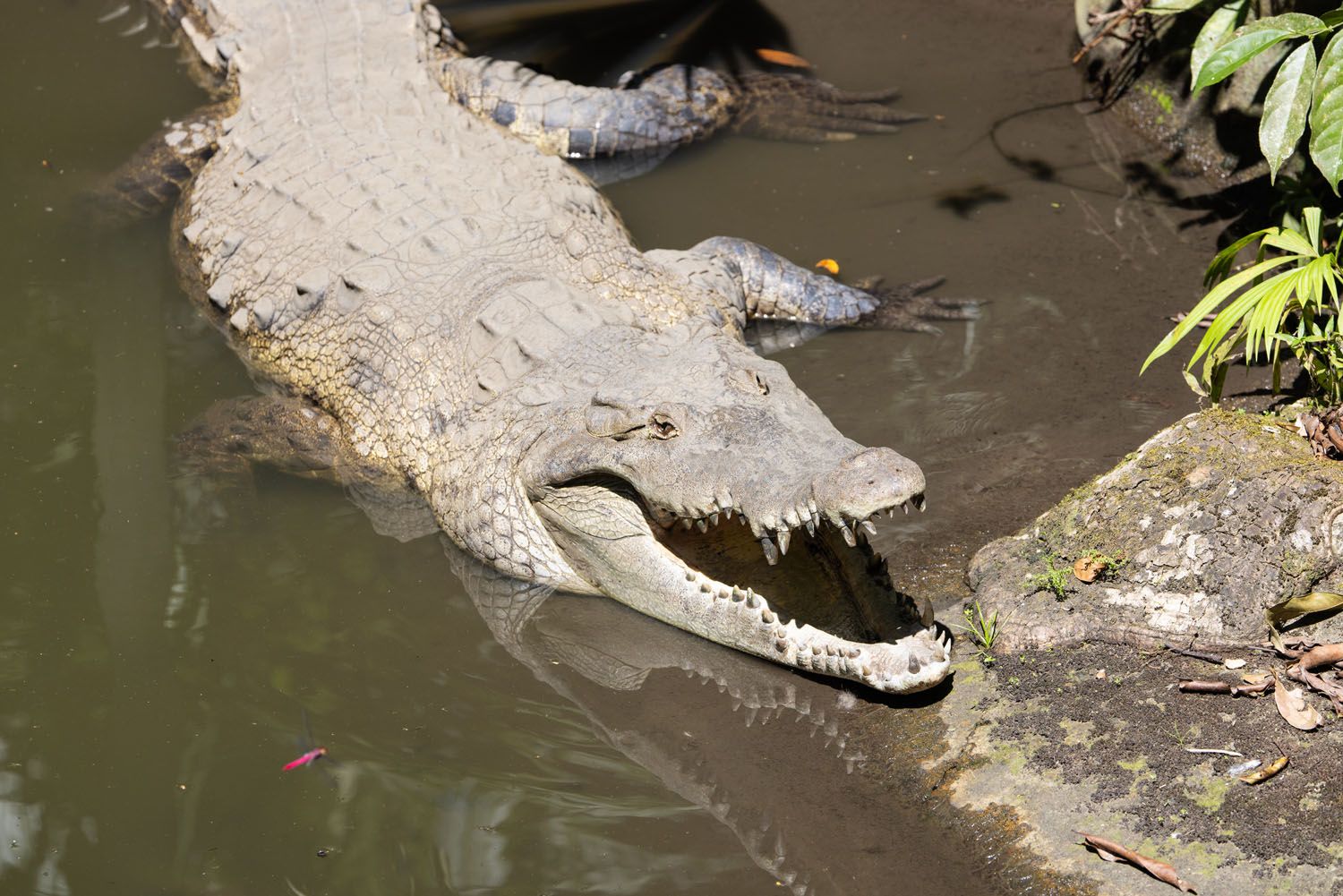
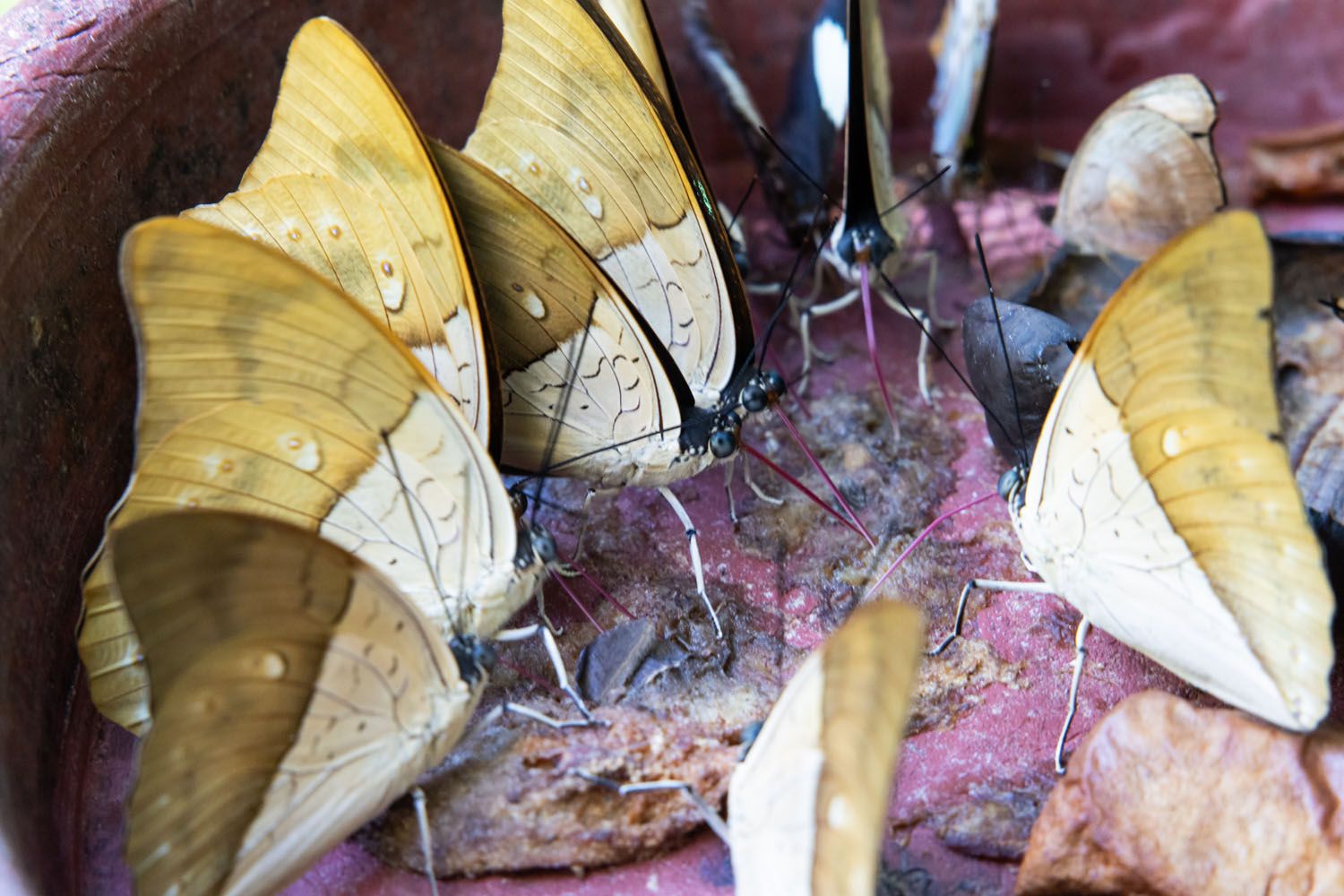
The main reason to visit Sukia Park is if you want to go ziplining close to town (but El Santuario offers transportation with their tour…and their remote location is stunning compared to Sukia) or if you want to take a night tour. Otherwise, put your time into Manuel Antonio National Park, Rainmaker Park, and even kayaking in the mangroves, all of which are better experiences.
PRO TRAVEL TIP: GetYourGuide offers free cancellation up to 24 hours in advance for a full refund for many tours and tickets (it’s a good idea to check the fine print). We booked most of our entry and tour tickets in Costa Rica through GetYourGuide, because we just had to input our credit card information into one website, rather than a long list of websites. Plus, all of your tour tickets are saved in one app, making it easier to keep track of your travel plans.
5. Get Up-Close with Sloths at Kids Saving the Rainforest
Kids Saving the Rainforest (KSTR) is a rescue center in Manuel Antonio. KSTR rescues animals that are injured or orphaned, rehabilitates them, and then releases them back to the wild. Some animals are now permanent residents, those that cannot be released due to longstanding injuries or the fact that they were raised in captivity and cannot survive in the wild.
We took a tour of Kids Saving the Rainforest, a one-hour tour where we learned about the rehabilitation of the animals and how the animals are cared for on their property. The animals are in cages, but this is a great place to see sloths, monkeys, macaws, and parrots up close.
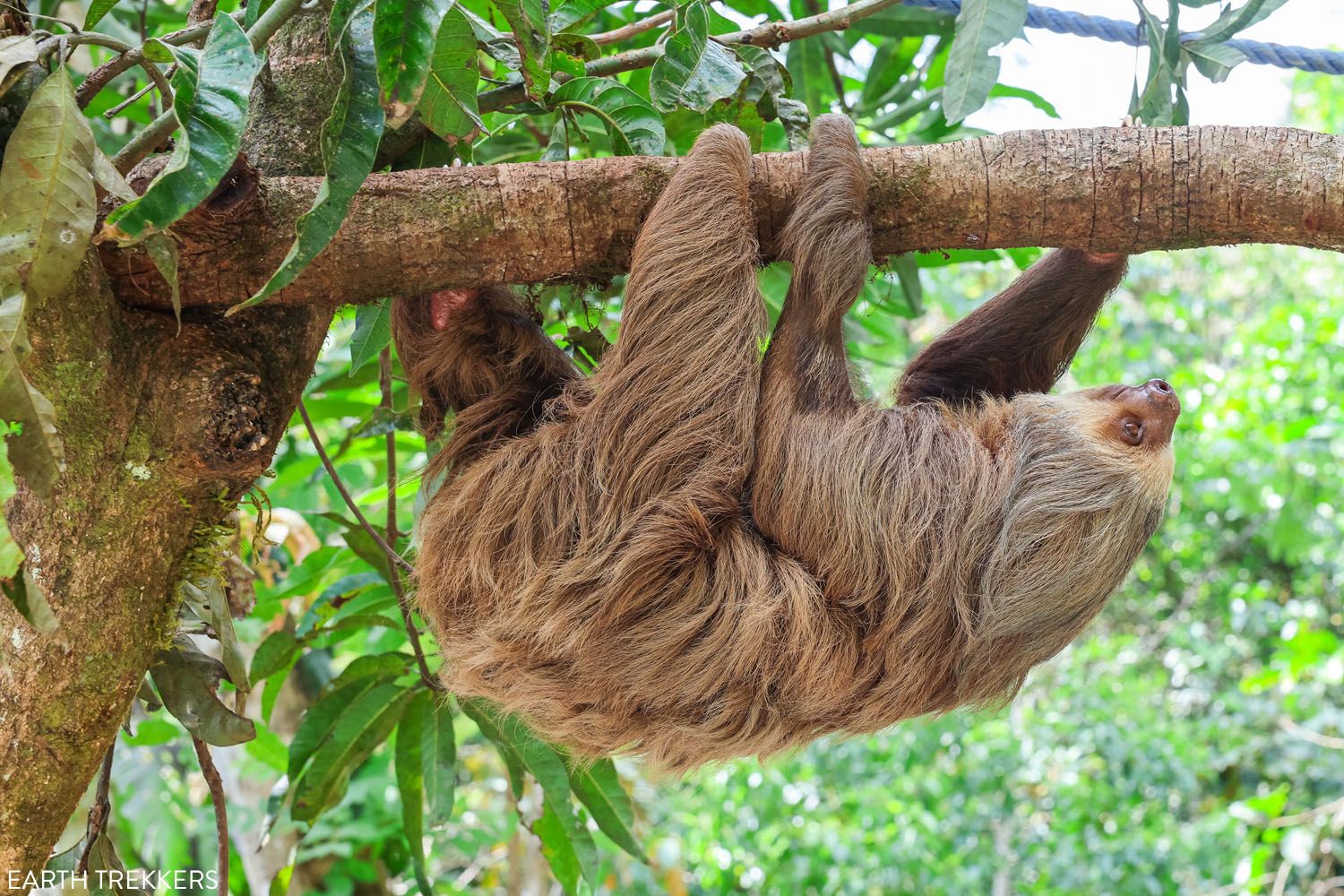
Overall, I really enjoyed this experience. They are doing a great thing here, rescuing and rehabilitating these animals. Plus, to see sloths up close is a nice perk.
Learn more about KSTR on the official website. We purchased our ticket through GetYourGuide.
Getting Here: KSTR is roughly a 20-to-30-minute drive from Manuel Antonio. The final part of this drive is on a rough gravel road, so it is best to have an SUV.
6. Explore the Hanging Bridges & Waterfalls in Rainmaker Park
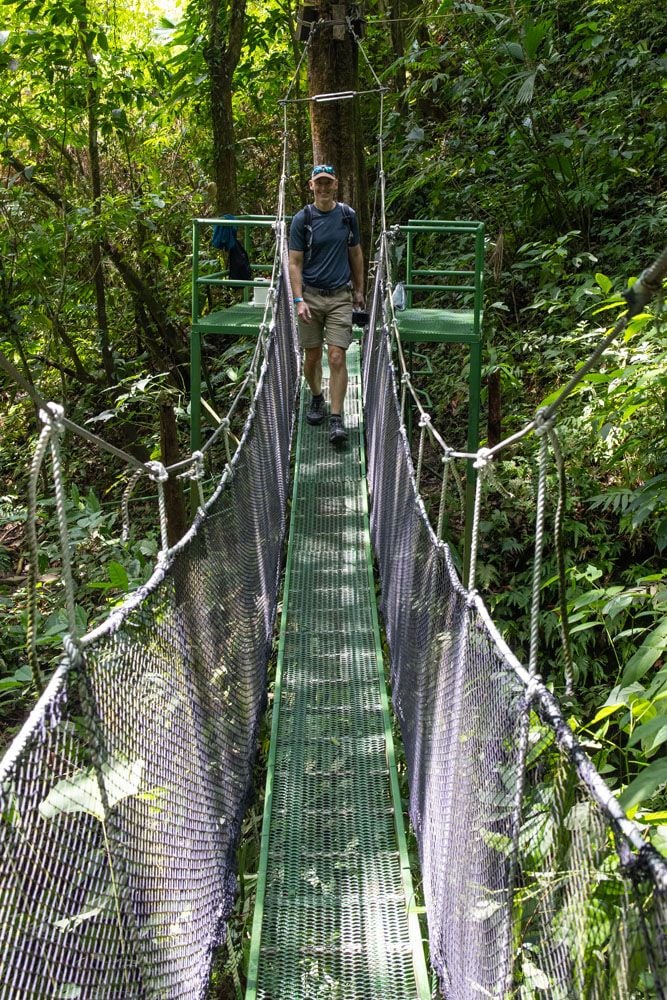
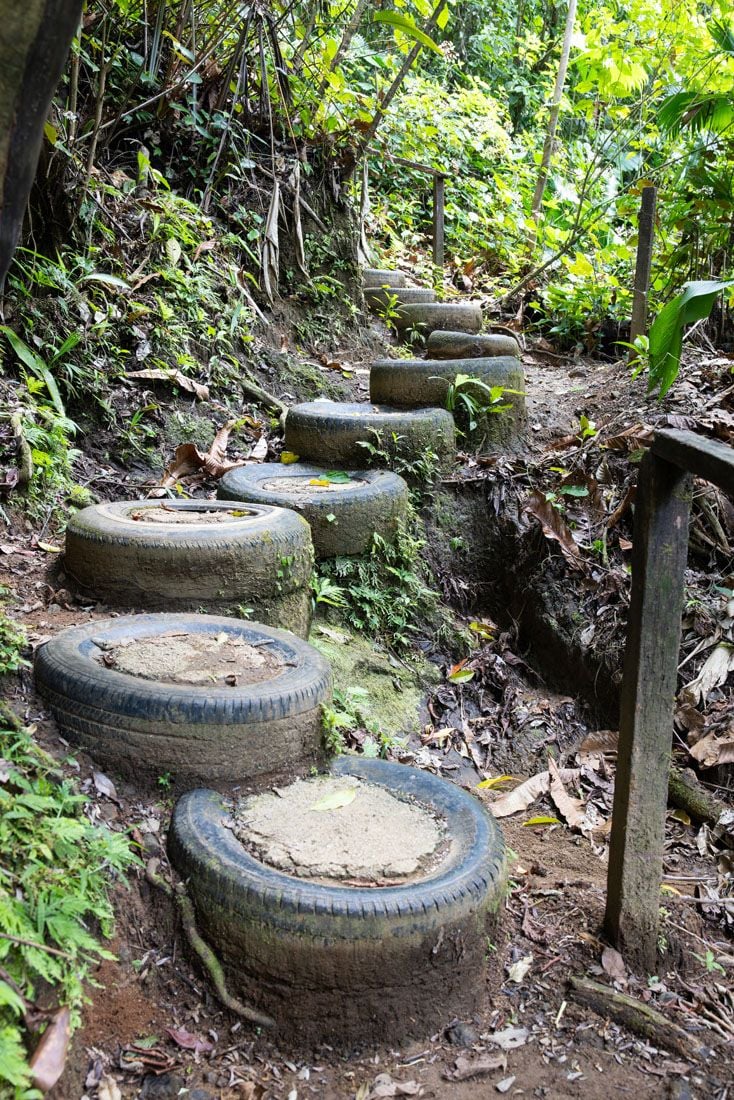
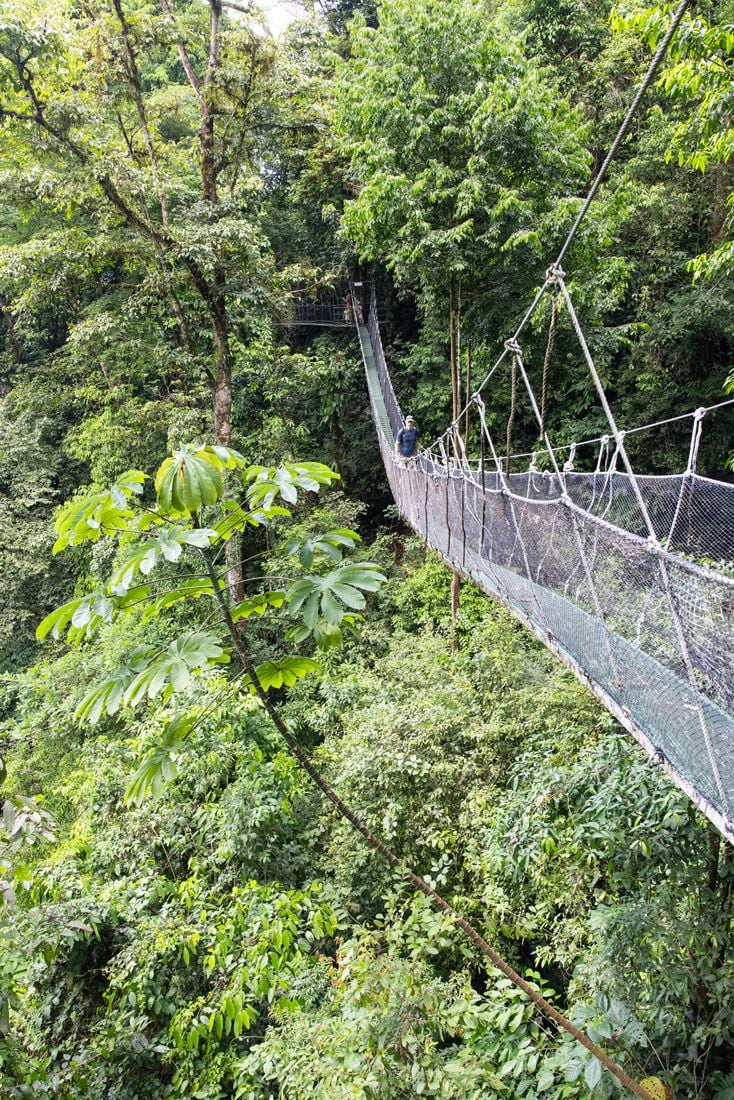
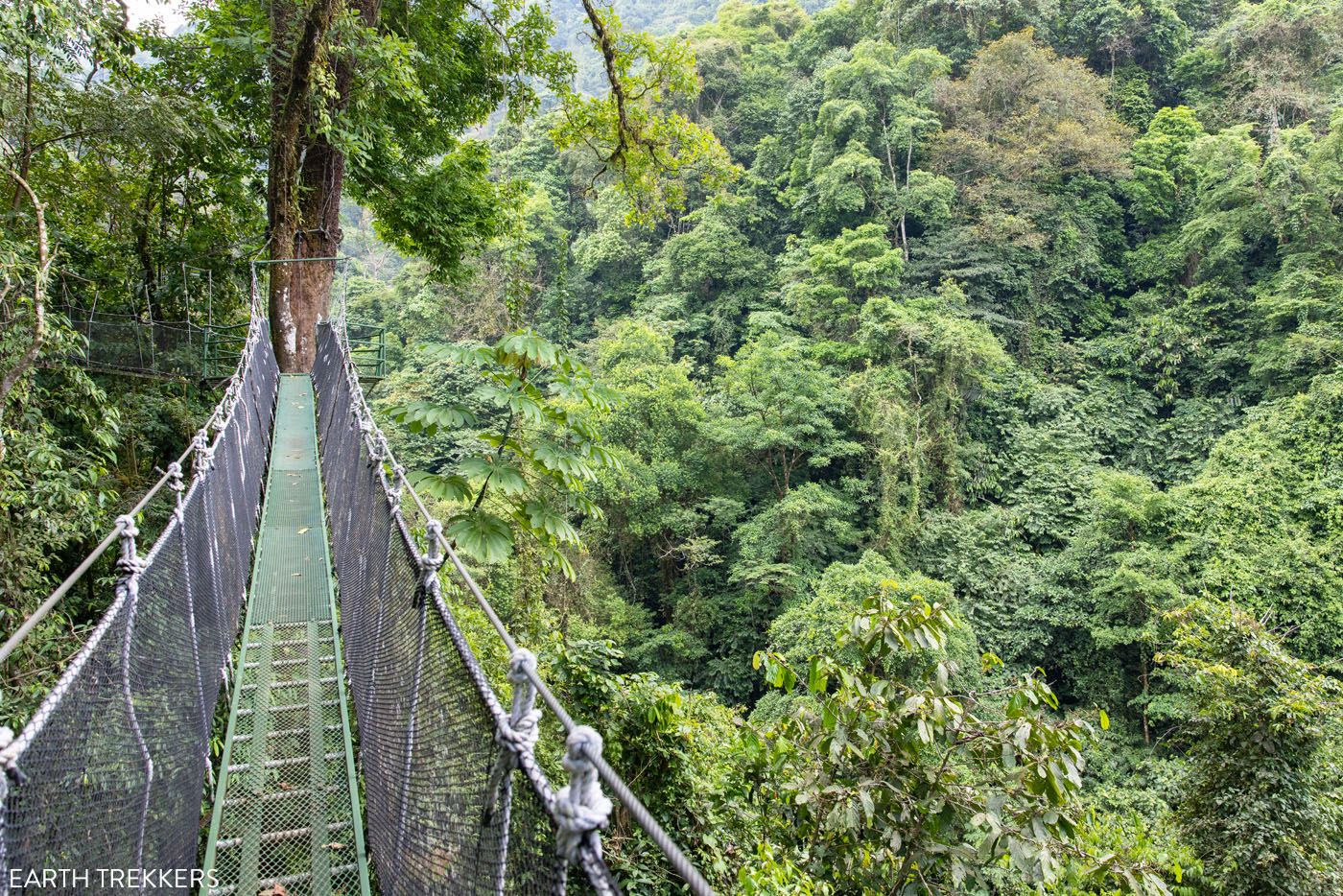
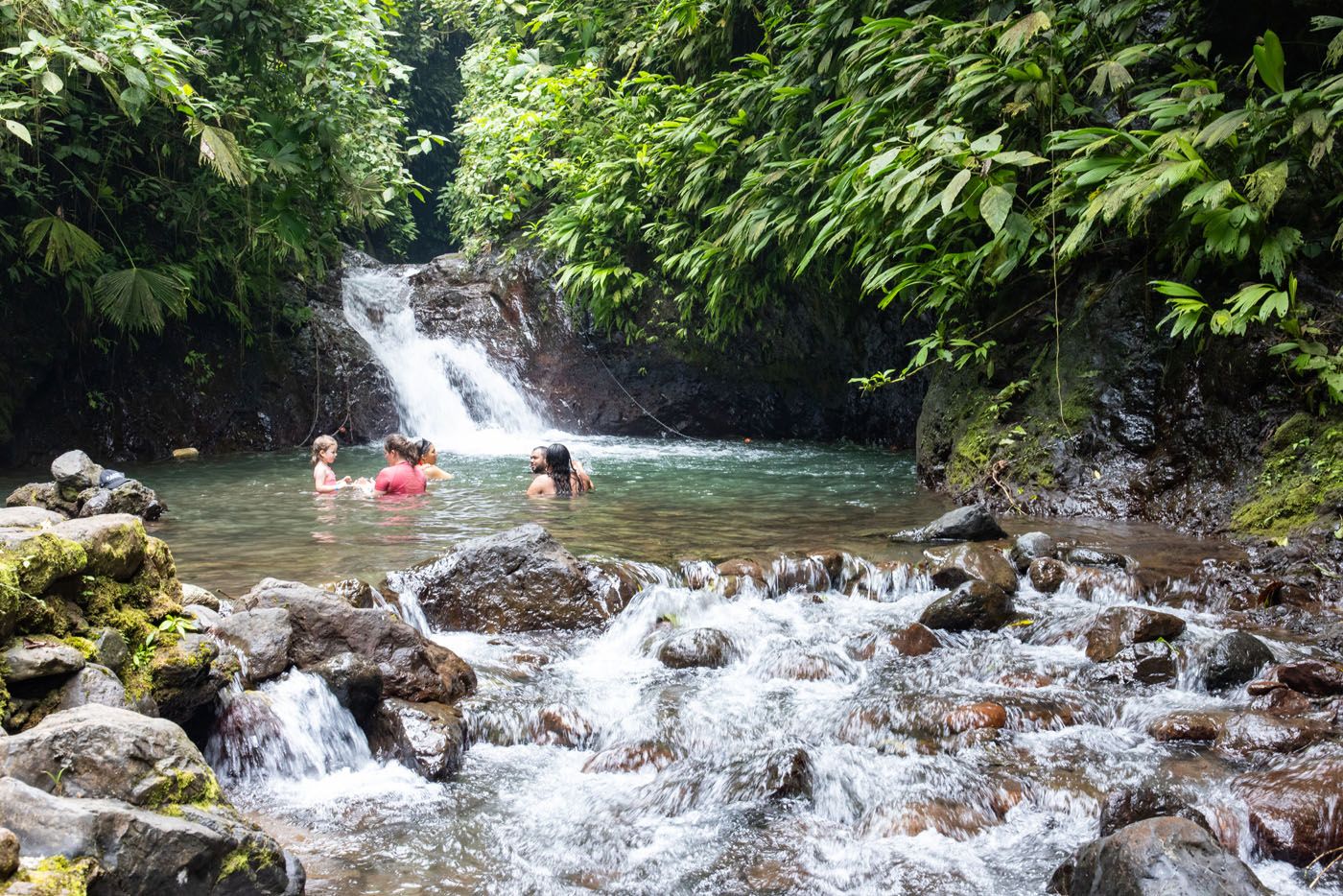
Rainmaker Park is a must-visit in Manuel Antonio. This private reserve is home to hiking trails, gorgeous waterfalls, and several hanging bridges that run through the tree canopies. A visit here requires a bit of hiking, but what you get in return are amazing views of the forest, the opportunity to go swimming, plus the chance to spot wildlife.
We really enjoyed the hike through Rainmaker Park. We did this unguided, and we quickly learned that we aren’t very good at spotting wildlife in Costa Rica. Tim and I saw very little in the way of animals, but the scenery is gorgeous. A visit here is very much like walking through the forests in Monteverde, with the hanging bridges and lush rainforest landscapes.
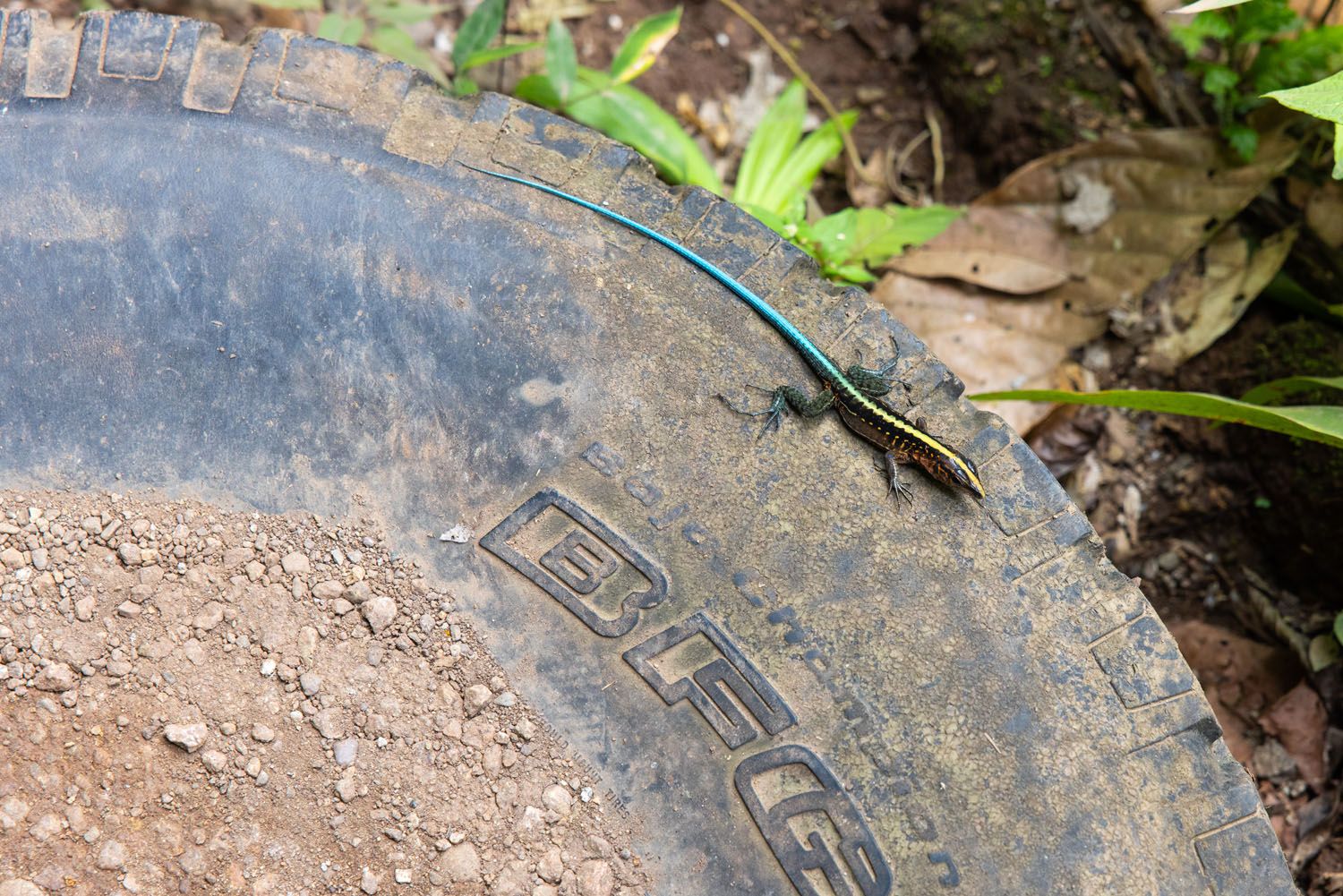
The hanging bridges and views of the waterfalls were the highlight for us, plus spotting a few colorful lizards along the trail.
For those who like the idea of going for a short hike while in Manuel Antonio, with the chance to cool off by swimming under a waterfall, this is a great place add on to your itinerary.
Getting Here: Rainmaker Park is a 30-minute drive from Manuel Antonio. There are two segments of road that are unpaved. When we did this, one of these short stretches was very rough. It would be best to have an SUV, but we did see a few standard cars in the parking lot.
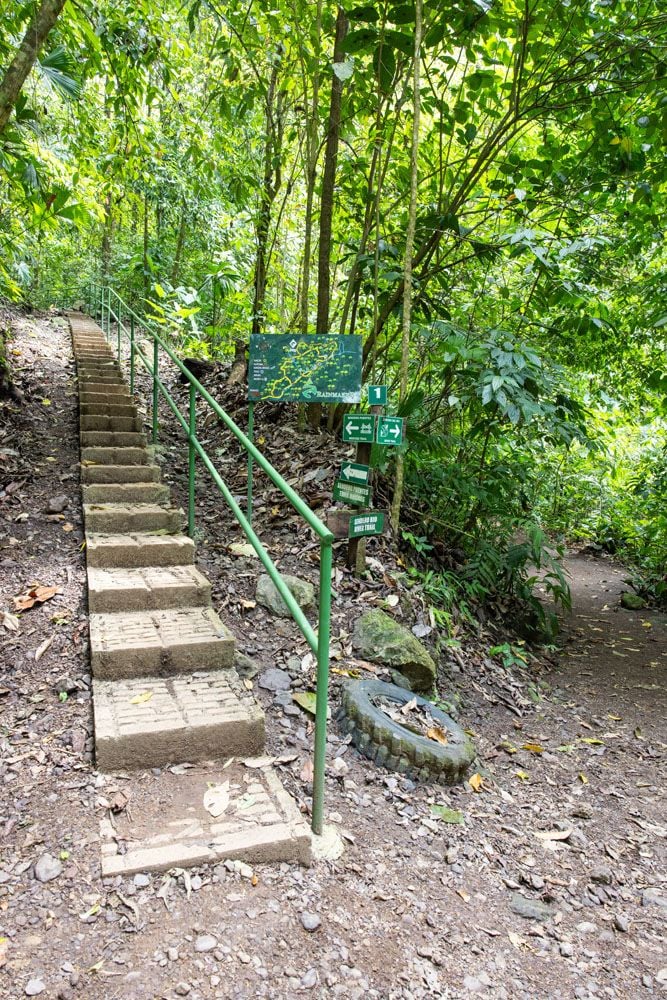
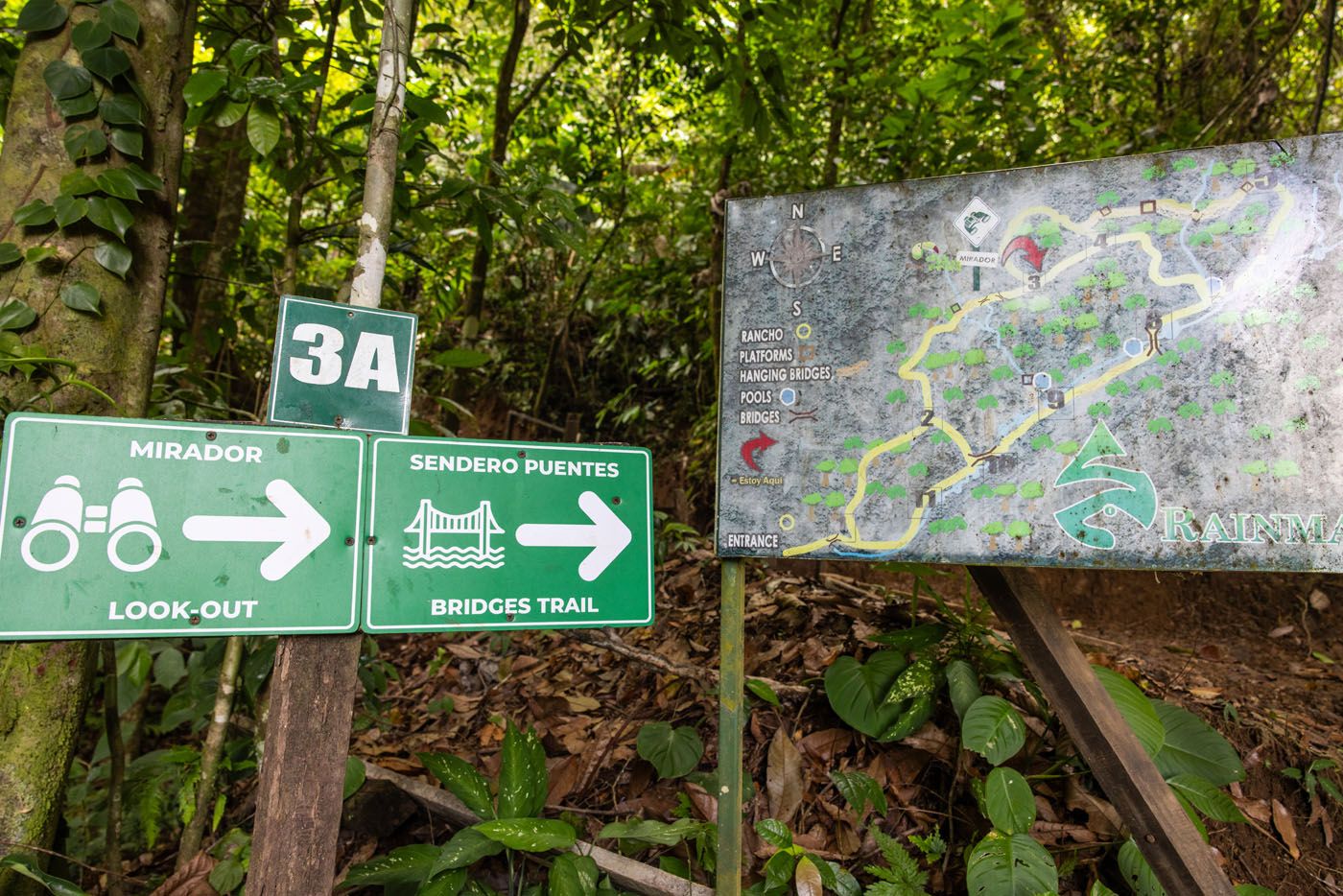
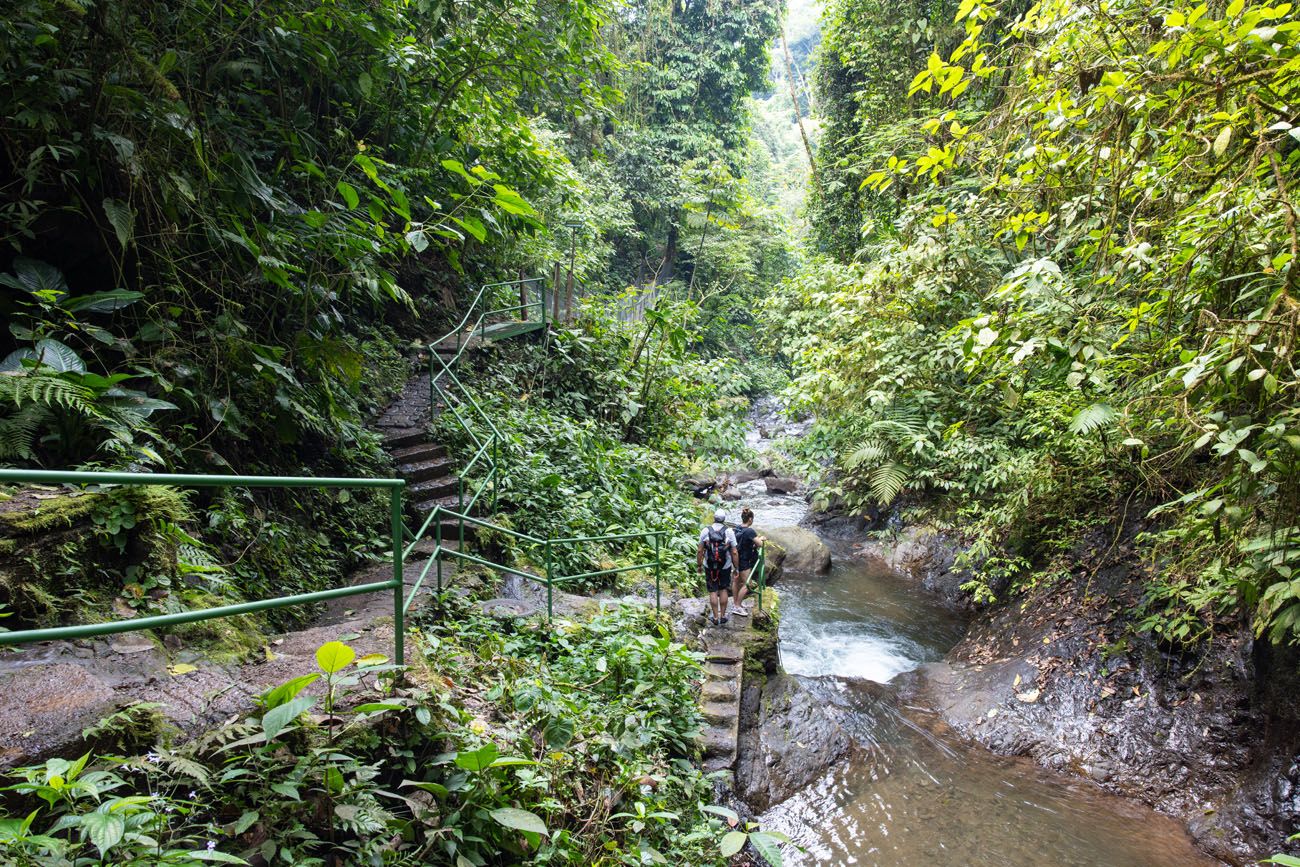
Rainmaker Park Hiking Loop: The main thing to do here is to walk the trail through the reserve. This trail is a 1.5-mile loop that is easy to moderate in difficulty. On the first half of the loop, you will climb a series of hills and stairs to get up into the tree canopy. After walking a series of suspension bridges, you will descend to the river and walk a trail alongside the river. During this section, you have the option to go swimming.
Guided Hike: For your best chance of spotting wildlife, sign up for a guided walk. It is possible to see sloths, squirrel monkeys, lizards, poison dart frogs, and snakes. We did the walk unguided and only saw butterflies and a few lizards. On GetYourGuide, you can book a guided hike that includes transportation.
Good to Know: Cash only. Both US dollars and colones are accepted.
Website: Get pricing and learn about the guided tours on the official website. You can purchase your ticket online in advance or onsite.
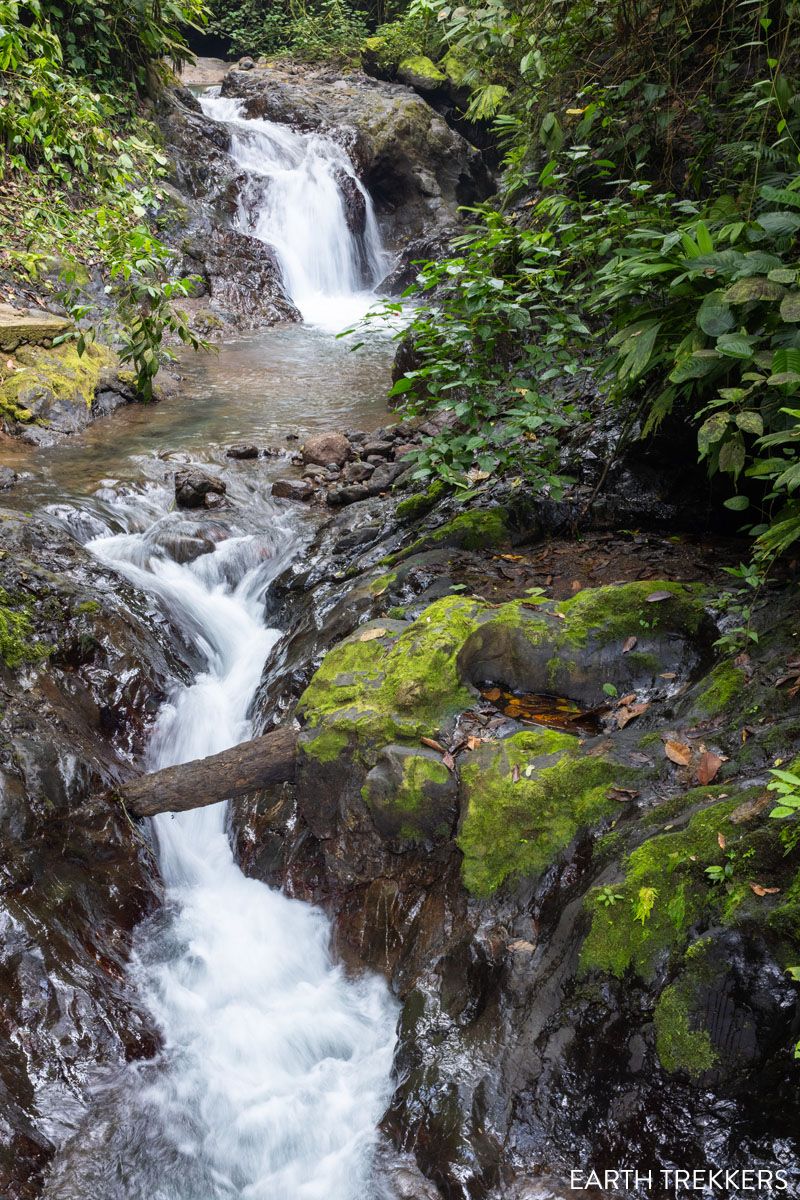
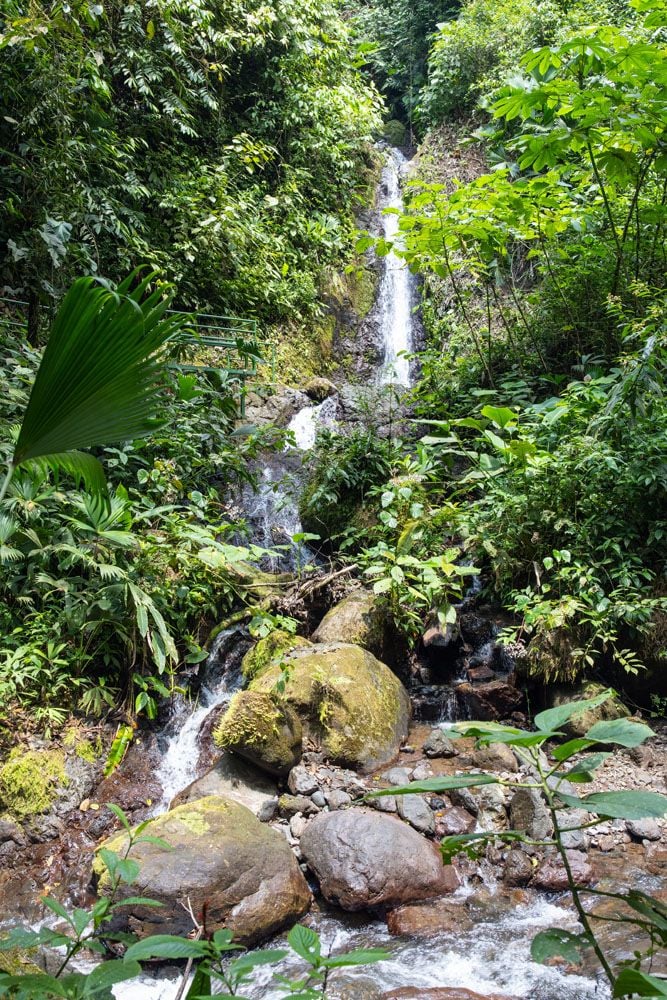
Here are photos of Rainmaker Park.
7. Take Surfing Lessons
Playa Espadilla Norte is one of the best beginner surf beaches on Costa Rica’s Pacific coast. The waves here are forgiving enough for first-timers, and there are several surf schools operating right on the beach, making it easy to show up and get in the water without much advance planning.
For lessons, Travel Costa Rica Tours gets excellent reviews and offers surf lessons directly on Playa Espadilla Norte. Boards and instruction are included. Book through GetYourGuide for free cancellation flexibility.
If you already have some experience and want more challenging waves, Dominical, about an hour south of Manuel Antonio, is worth the drive. It’s known as one of Costa Rica’s best surf towns and draws intermediate to advanced surfers looking for bigger, faster breaks.
8. Damas Island Mangrove Tour
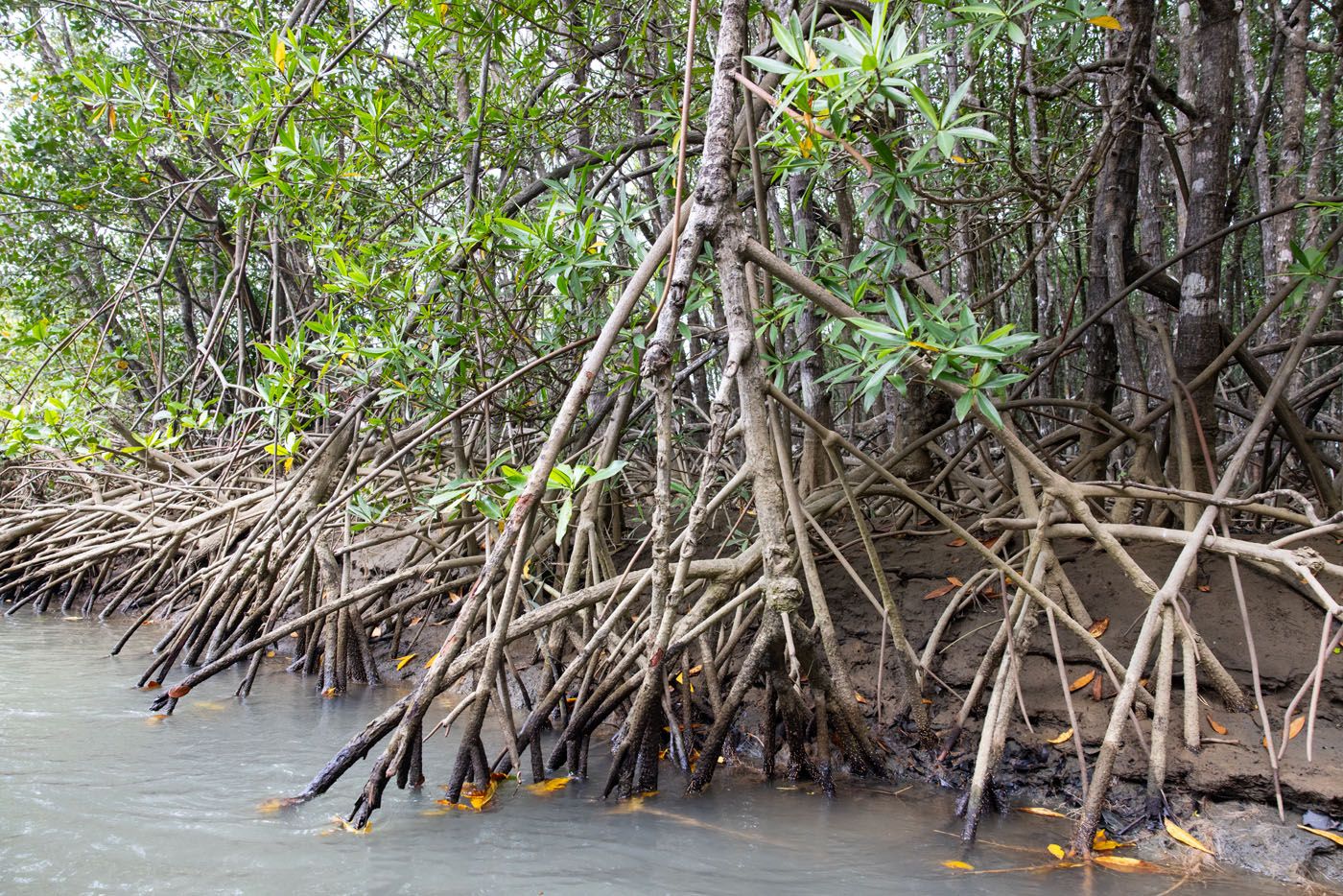
Damas Island is a small island located north of Quepos and Manuel Antonio. It is home to one of the last remaining mangroves in Costa Rica.
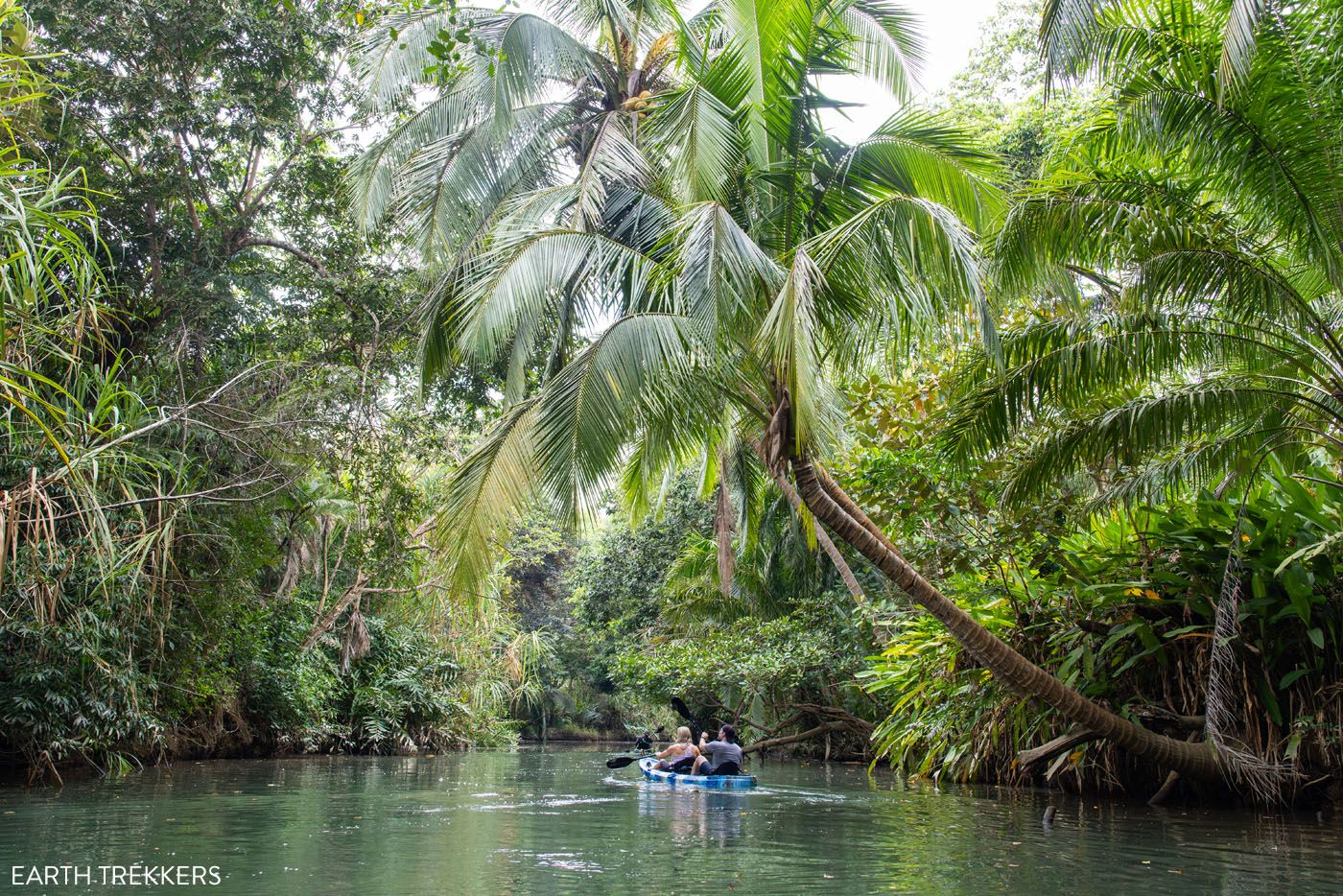
This is another great place to see wildlife, with the chance to spot iguanas, crocodiles, basilisks, King Fishers, macaws, capuchin monkeys, crabs, snakes, and other lizards. We saw most of these on the tour that we took, with the exception being the white-faced monkeys. The baby crocodile was a highlight!
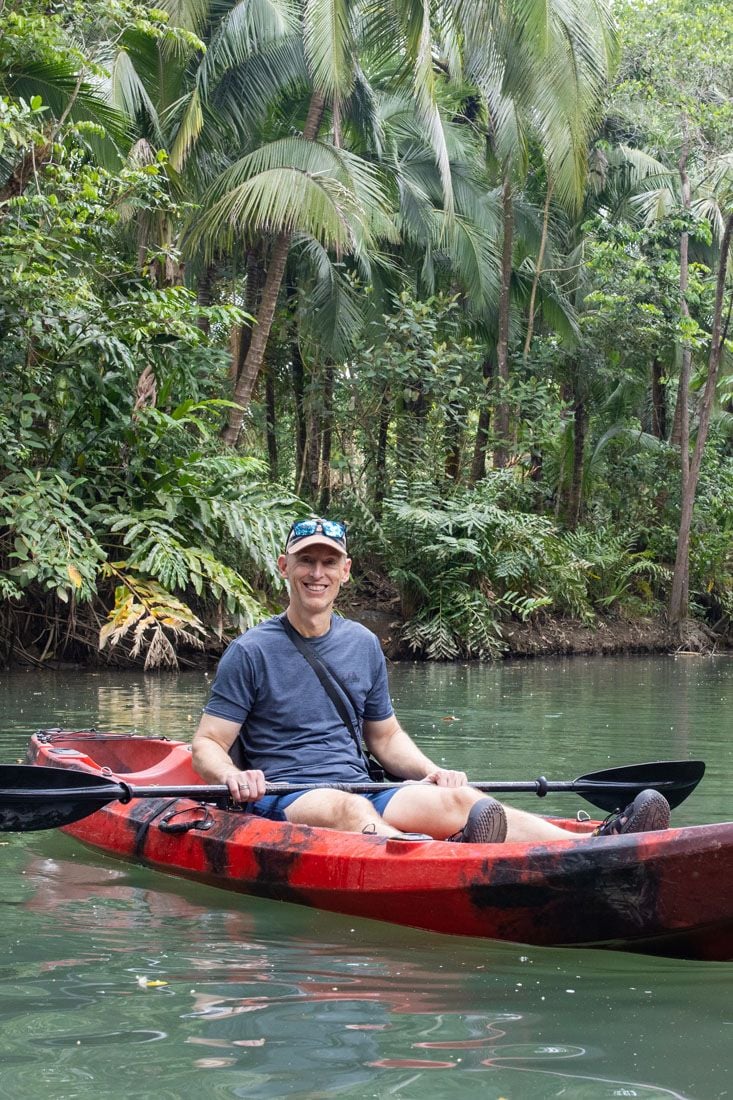
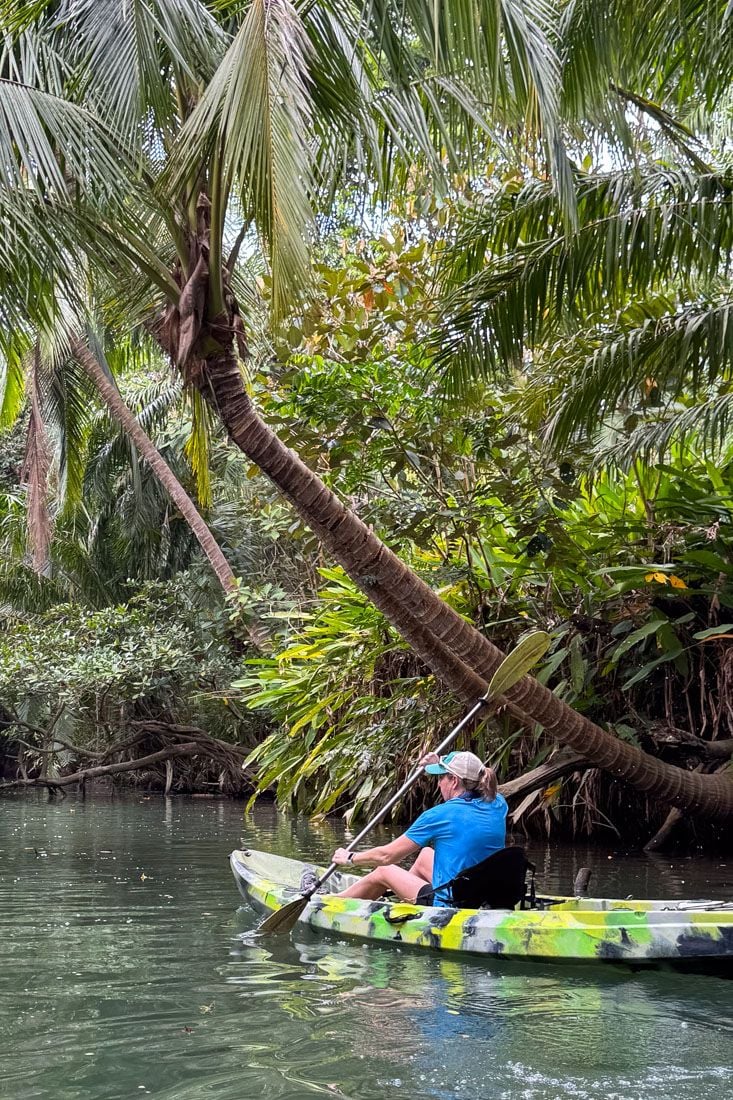
How to Visit Damas Island: To visit the mangroves, you have two options. You can take a kayaking tour, which allows you to see the narrower canals, giving you a better opportunity for spotting wildlife. There are also motorized boat tours, so you sit back and take in the views, no paddling necessary.
Mangroves
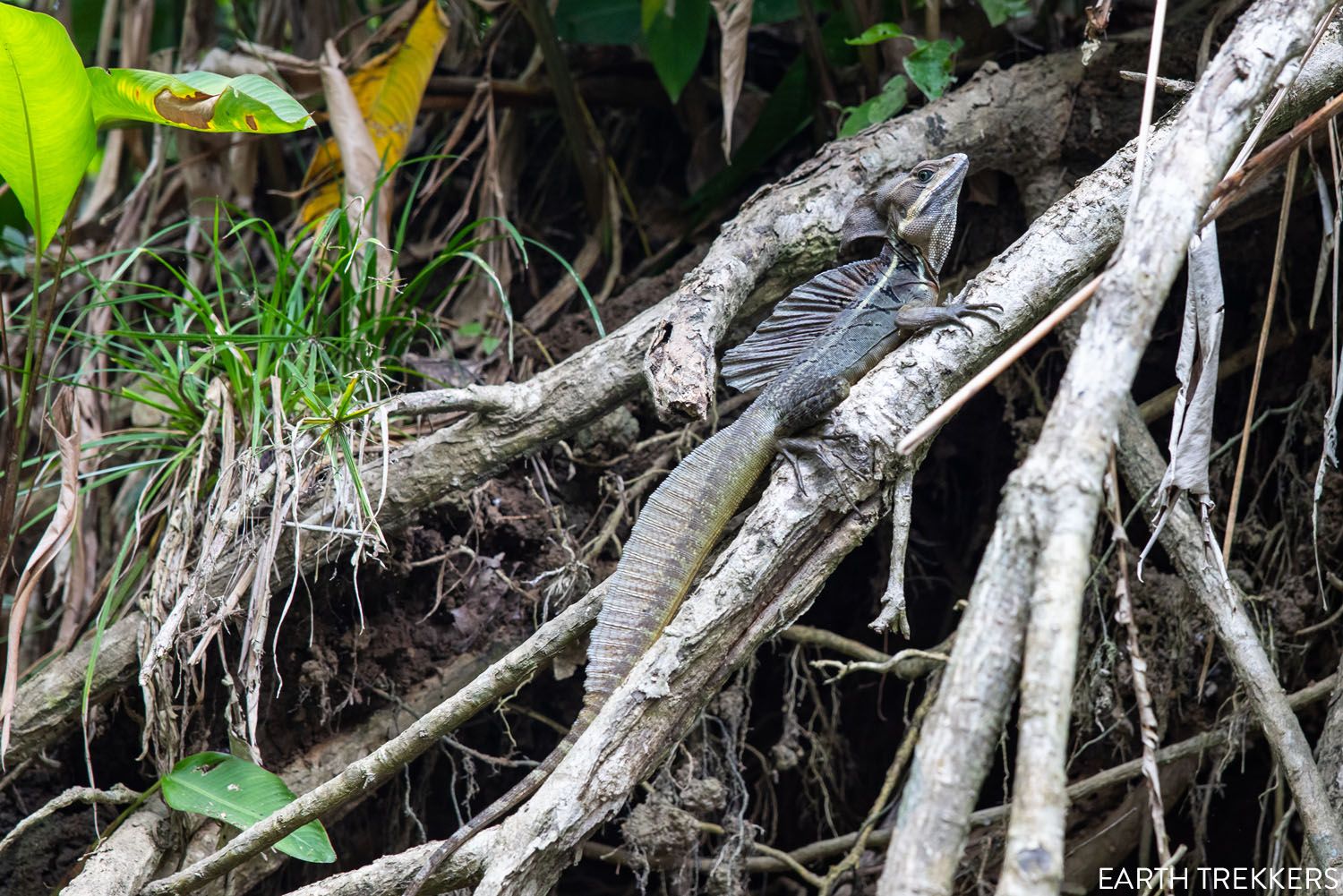
Basilisk
What We Did
We opted to go kayaking, taking this tour. It is a 2-hour tour, starting and ending at Nacarcosta Wildlife Adventure. The property is gorgeous, with thatched buildings, clean bathrooms and changing rooms, and beautiful landscaping. It looks as if this property is used for other experiences, such as yoga classes.
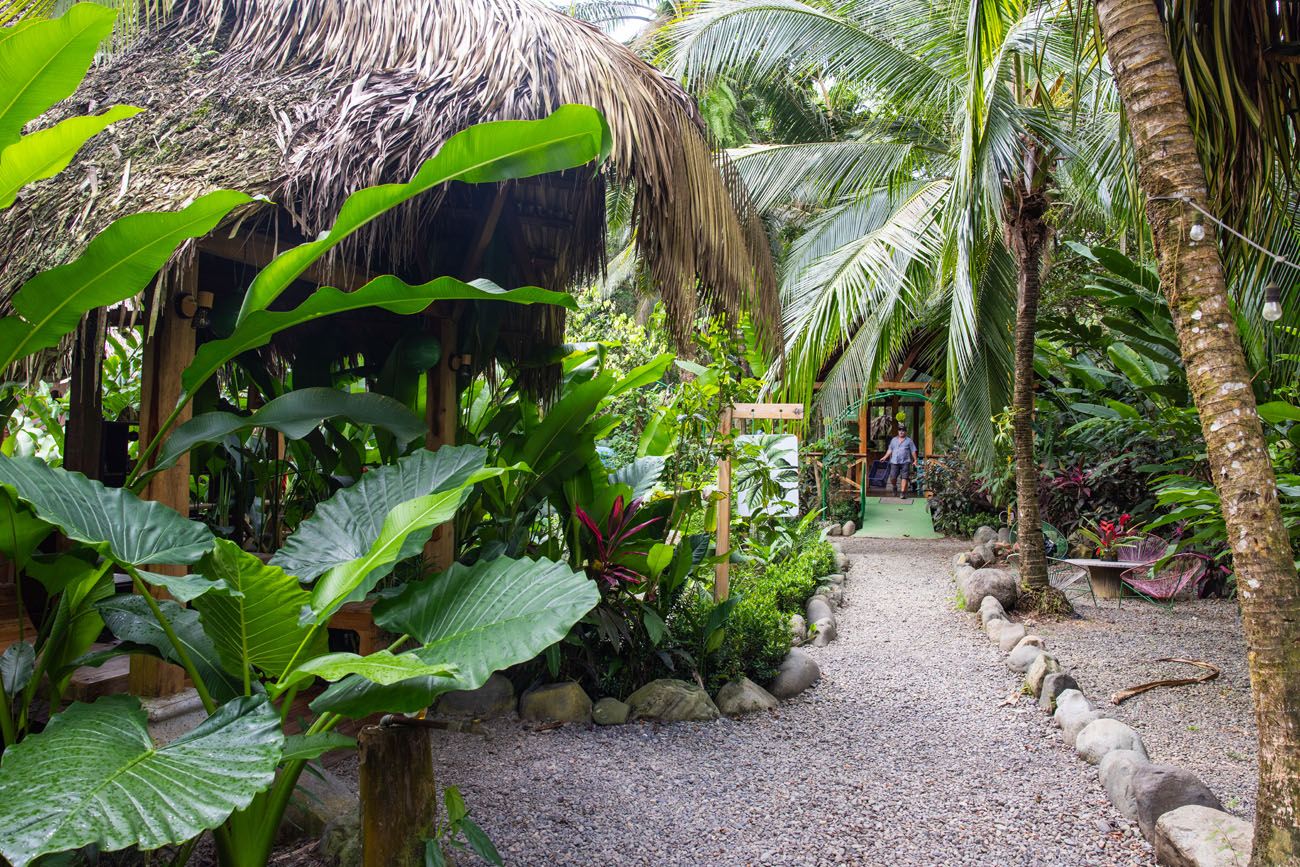
Nacarcosta Wildlife Adventure property
We took an early morning tour, and when we did this, there was just one other couple on our tour. Our guide led us through the canals, pointing out wildlife along the way.
Seeing the animals and the lush forests were the highlight, but we didn’t think the mangroves looked all that impressive. We’ve done other mangrove kayaking tours around the world (the mangroves in Key West and Biscayne National Park are incredible), and the mangroves here are rather small and sparse. However, seeing the lush forests and diverse wildlife at Damas Island is well worth it.
Good to Know: There is some variability with tour times, as the tours are run at or near high tide. When booking your tour, be aware that the time could change. They usually don’t tell you the exact time until a day or two before, so it is best to book this tour on a day when you have some flexibility.
Damas Island Tours
We took this tour of Damas Island, a 2-hour kayaking tour. We had a great experience and highly recommend it.
If you prefer to go by motorized boat, this is a 2-hour tour that gets very good reviews, and this is a 4-hour tour (it’s longer because it also includes transportation and lunch).
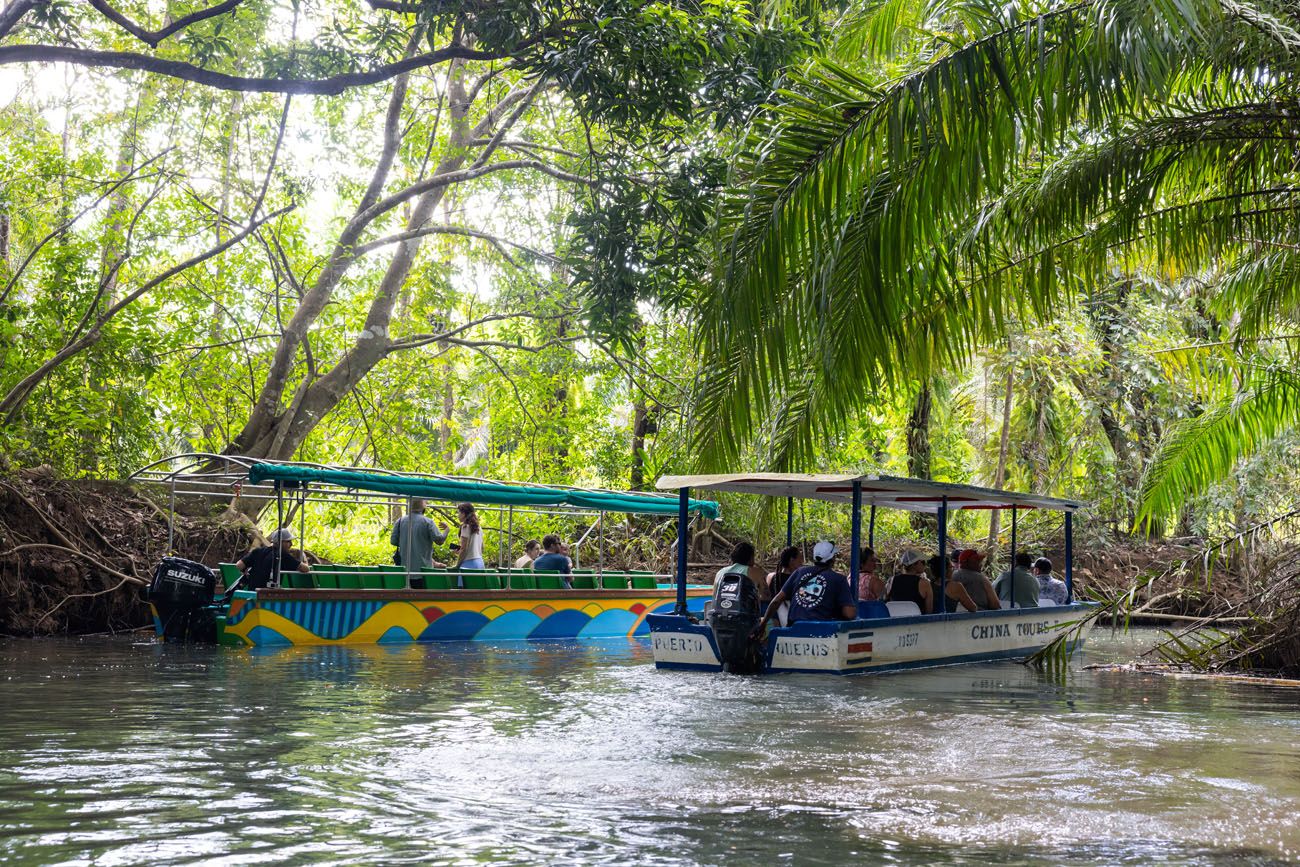
Damas Island motorized boats
9. Take a Night Tour
A guided night tour offers an entirely new perspective on the region’s biodiversity. Equipped with a flashlight and accompanied by an expert guide, you will venture into the forest, where you can encounter fascinating creatures such as tree frogs, snakes, insects, and even nocturnal mammals like kinkajous and sloths.
One of the biggest draws of a night tour in Manuel Antonio is the chance to see some of Costa Rica’s most elusive wildlife. Many of the country’s species, including the famous red-eyed tree frog, are primarily active at night.
There are several different night tour options in Manuel Antonio.
This night tour at Sukia Park is conveniently located in town, making it easy to get to, plus you have the option to add on transportation.
Rainmaker Park is another fantastic place to take a guided night tour. Or, how about a mangrove tour at night?
Night Tours
10. Catamaran Cruise of the Coast
For those who want to get out on the water, a catamaran cruise allows you to see a different side of Manuel Antonio, and the national park.
On a catamaran cruise, go snorkeling, swimming, and enjoy the views of the coastline of Manuel Antonio National Park. A naturalist will be on the lookout for dolphins and humpback whales (the best time to see humpback whales is from July to October).
This tour can be done during the day (perfect for those who want to go swimming and snorkeling) and at sunset.
11. Take a Chocolate & Coffee Tour
Chocolate and coffee tours are offered throughout Costa Rica, making it a popular thing to do at least once while touring the country.
Chocolate Tour Manuel Antonio offers daily tours several times a day. Transportation is included. On the tour, you learn about chocolate and coffee production and its importance in Costa Rica’s economic development.
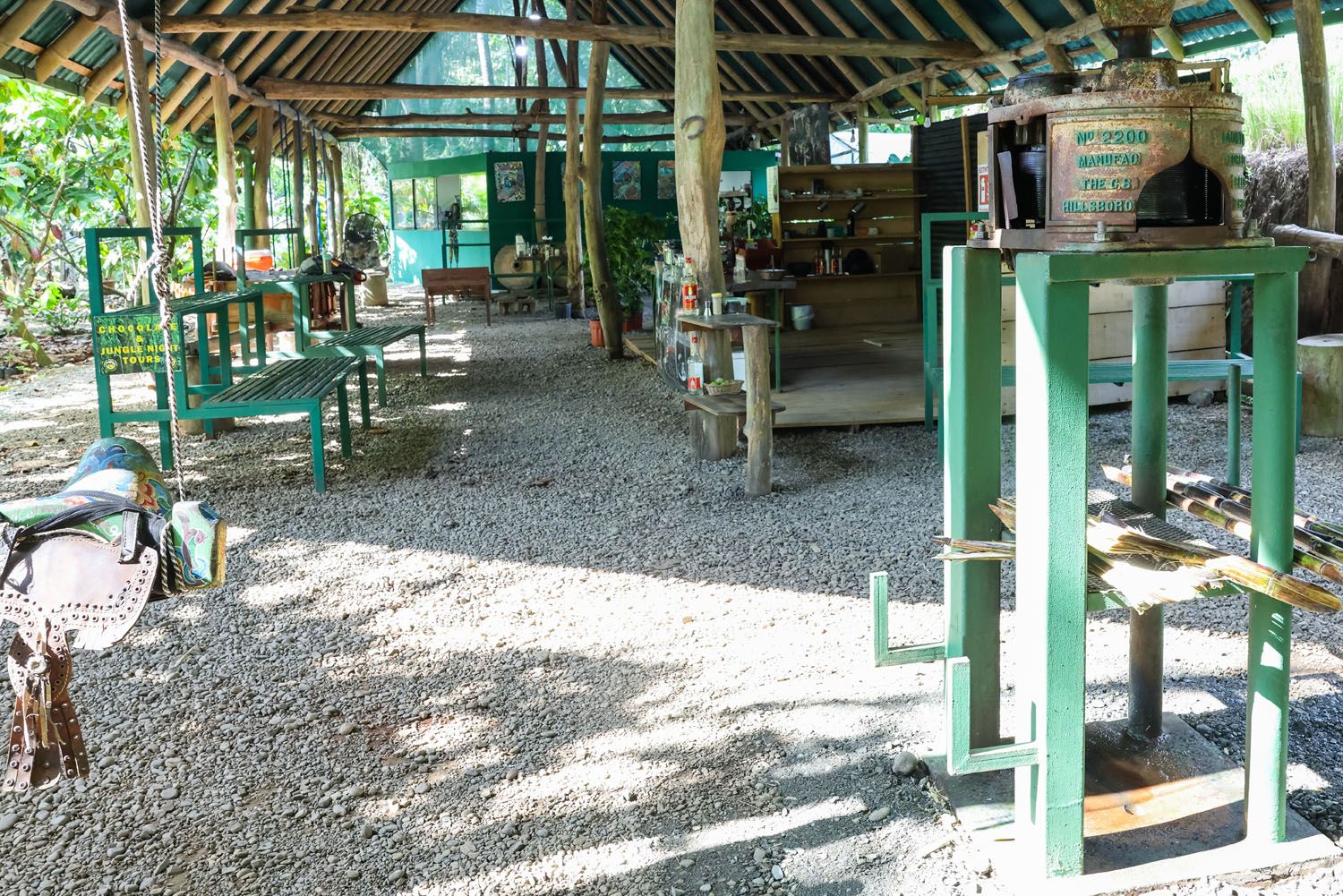
They are located in a jungle preserve 10 minutes from Manuel Antonio. When we were here, the highlight was seeing a troop of squirrel monkeys move through the forest (we quickly learned that wildlife spottings can occur anytime, anywhere throughout Manuel Antonio, so always have your camera ready).
12. Go White Water Rafting
White water rafting in Manuel Antonio is an exhilarating adventure that takes you through some of Costa Rica’s most stunning river landscapes. Whether you’re a beginner or an experienced rafter, the region offers thrilling rapids ranging from class II to class IV, providing the perfect mix of excitement and natural beauty.
The Savegre and Naranjo Rivers are the primary spots for rafting. The Savegre River is ideal for families and first-timers, with gentler rapids that allow for a more relaxed yet exciting ride through lush rainforests, waterfalls, and remote villages. The Naranjo River is known for its fast-paced, adrenaline-pumping rapids, cutting through steep gorges and dense jungle, making it a great choice for those seeking a more intense white-water experience.
We did not go white water rafting in Manuel Antonio but have done it in other places around the world, and we’ve always come away with some great stories.
This whitewater rafting tour on the Savegre River is a good option for beginner or intermediate rafters. For those looking for a bigger thrill, take a look at this rafting adventure on the Naranjo River.
13. Go on an ATV Adventure in the Rainforest
An ATV tour is a fun way to explore beyond the beaches and rainforest trails and one our friends with kids said was a highlight of their Manuel Antonio visit. Tours typically take you off-road through sections of Rainmaker Park, past rural towns and plantations, giving you a very different perspective on the region than you get from the national park or the coast.
This tour is the highest rated ATV tour in Manuel Antonio and includes a guide throughout.
Day Trips from Manuel Antonio
Manuel Antonio makes an excellent base for exploring the surrounding region. The following destinations are all within a reasonable drive and pair well with a few days spent in town. Most can be done as a half or full day excursion without needing to change accommodation.
14. See the Whale Tail at Marino Ballena National Park
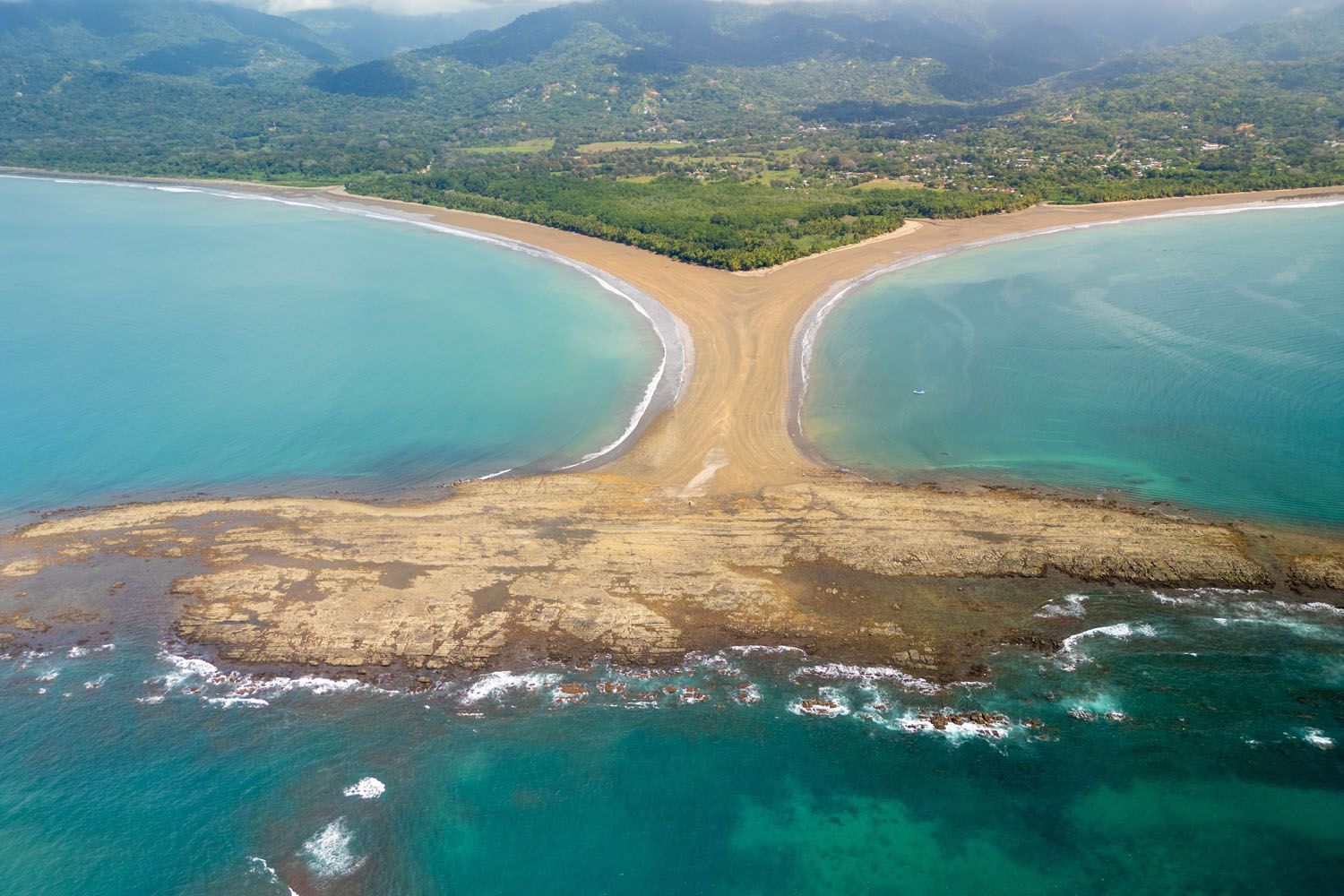
Marino Ballena National Park is famous for its whale tail, a naturally formed sandbar that, at low tide, resembles the shape of a whale’s tail when viewed from above. This is especially fitting, as the park is one of the best places in Costa Rica for whale watching, with humpback whales migrating to these warm waters between July and October and December through mid-March.
The national park was created in 1992, making it the first marine park in Costa Rica and Central America. It is located next to the town of Uvita.
Marino Ballena National Park | shutterstock.com
Parking: There are private parking lots located in Uvita, just outside of the park entrance. You will be asked to pay a small fee, cash only. We parked in a small lot next to the Bahia Ballena Kayaks & Tours office, just a few steps away from the entrance into the national park.
Cost and Hours: The park is open from 7 am to 4 pm. Get updated hours and pricing on the SINAC website. When we did this, we did not have to purchase tickets in advance; we paid for our tickets at the entrance booth when we arrived (by credit card). However, several national parks in Costa Rica require advance ticket purchases (such as Manuel Antonio and Poas Volcano), so I recommend checking the official website before your visit, just in case this changes for Marino Ballena National Park.
Best Time to See the Whale Tail: At low tide, you can walk out onto the Whale’s Tail, also called Ballena Point. There is a two-hour window on either side of low tide when the sandbar is visible. Outside of this window, it is covered by the ocean. To get to Ballena Point, it is roughly a one-mile walk, one-way, from the park entrance. Most of this walk is on the beach, which is lined with a lush rainforest.
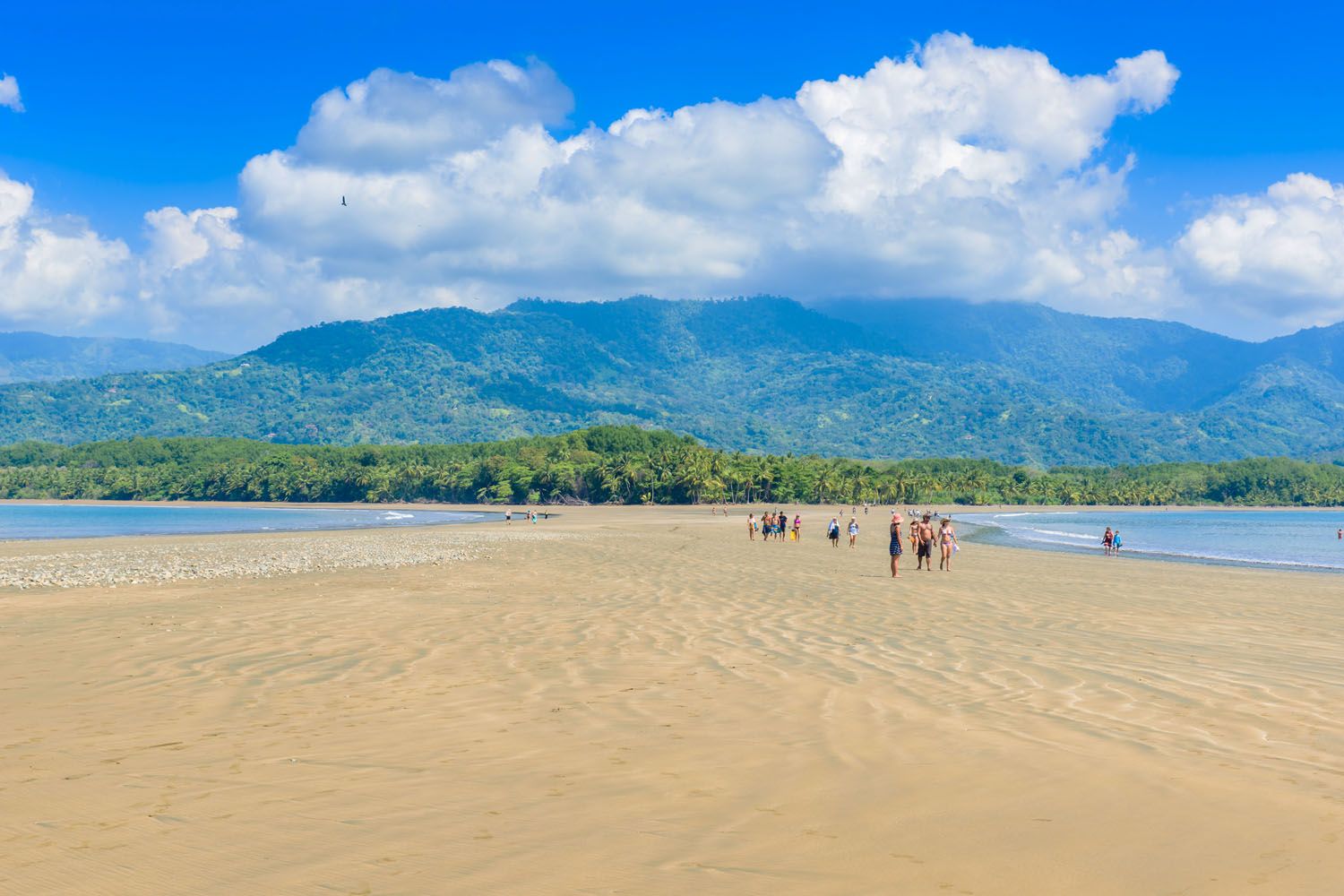
If you get your timing right, this is what it looks like to walk out onto the whale tail at low tide | shutterstock.com
Our Experience: The walk along the beach is beautiful, and can be hot midday, which is when we did this. We got here just past the 2-hour window, so we could not see or walk out onto the whale tail, but the walk along the beach was still very nice. But I do think this gets a lot more hype than it deserves. From the beach, you won’t get the iconic view of the whale tail…you need a drone for that.
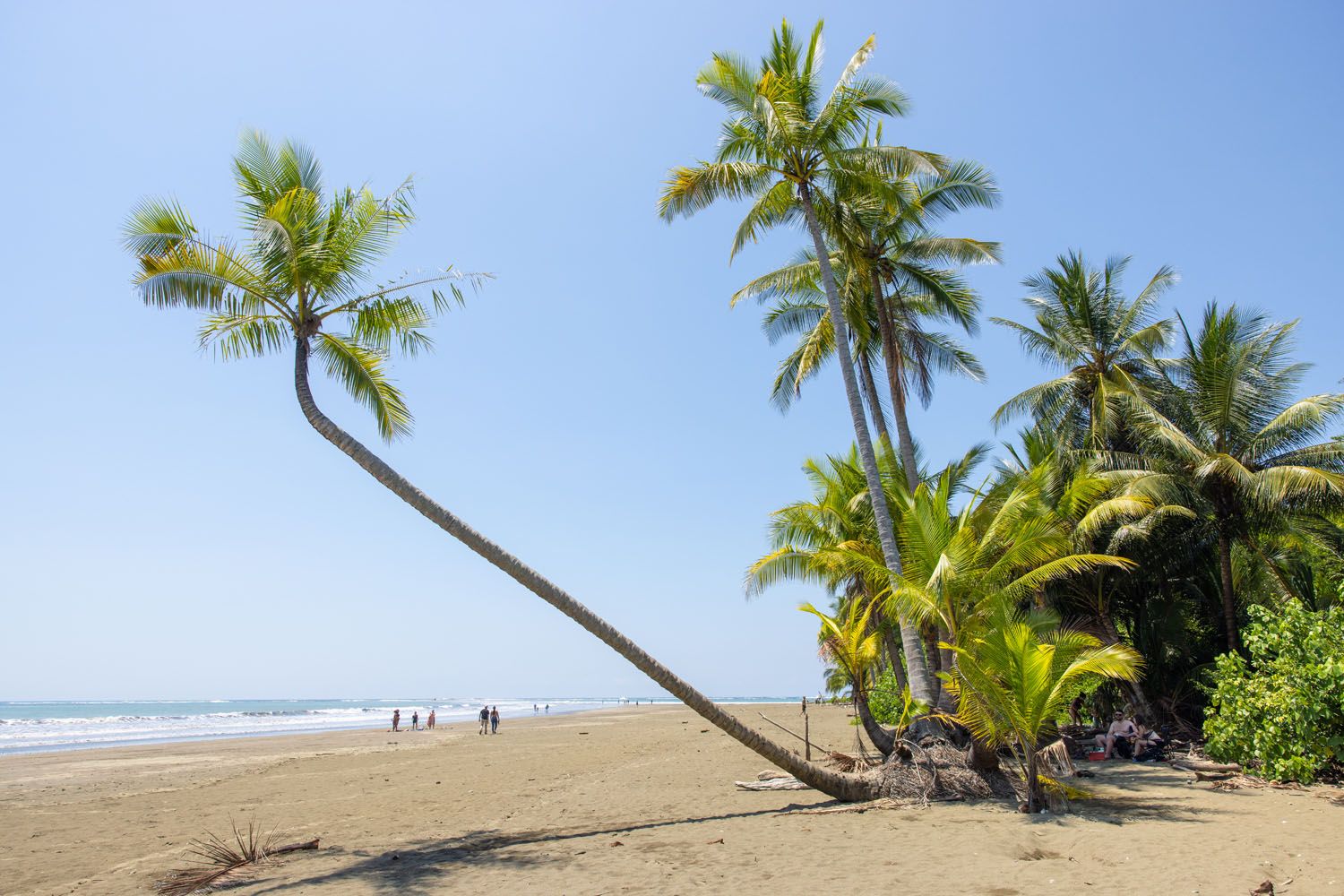
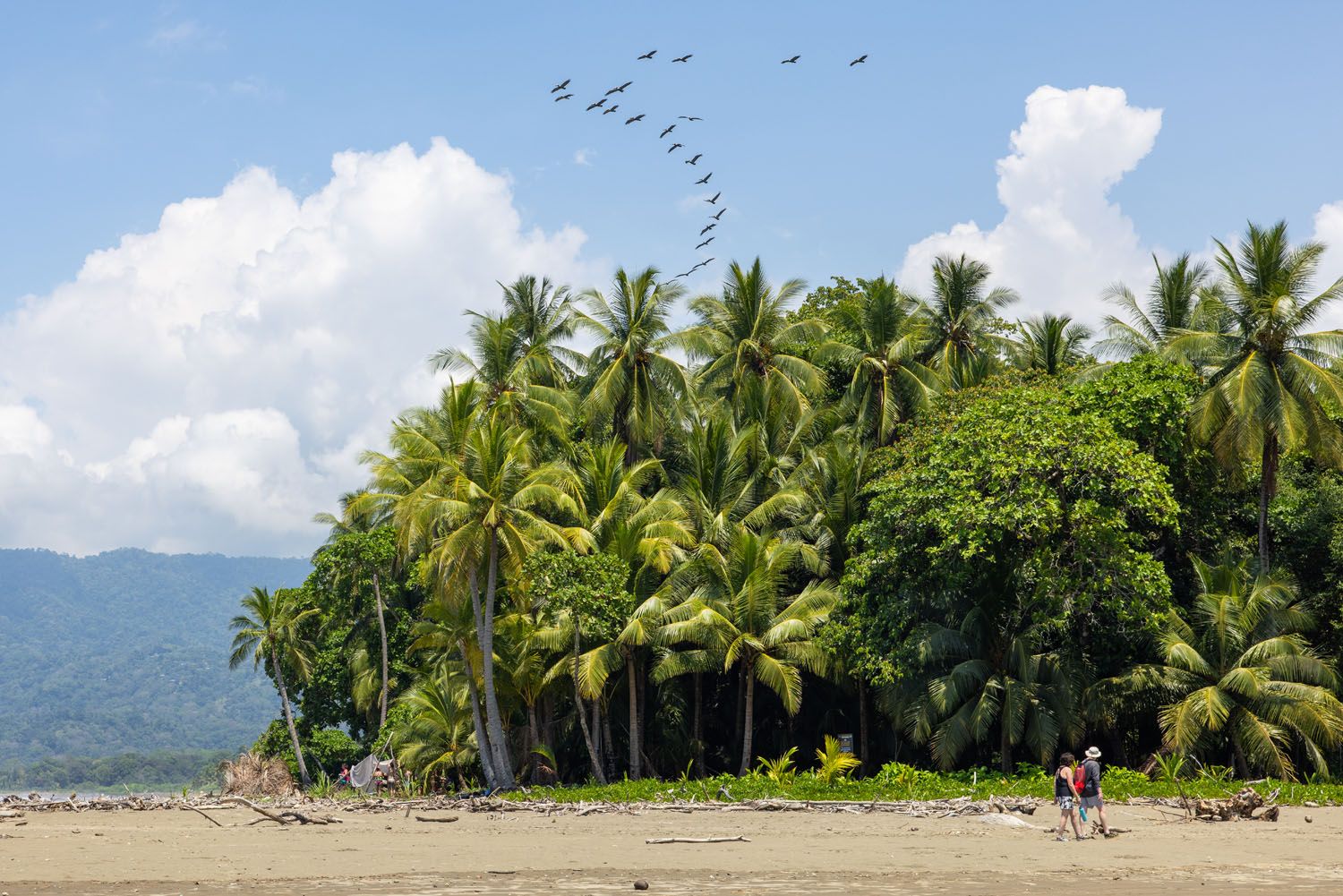
Marino Ballena National Park
15. Go Cliff Jumping at Nauyaca Waterfalls
The Nauyaca Waterfalls are one of the most beautiful waterfalls in Costa Rica. Swimming, cliff jumping, and photography are the top things to do at the Nauyaca Waterfalls. To get here from Manuel Antonio, it is roughly a one hour drive.
The #1 thing to know about the Nauyaca Waterfalls is that there are two entrances to the waterfall. To make it even more complicated, each company offers different ways to get to the waterfall. You will also have to decide if you want to walk to the waterfall (which can be a rather long, hot, strenuous walk) or add on a 4×4 ride or horseback ride (this will save your steps, and some time, but will make the trip here more expensive).
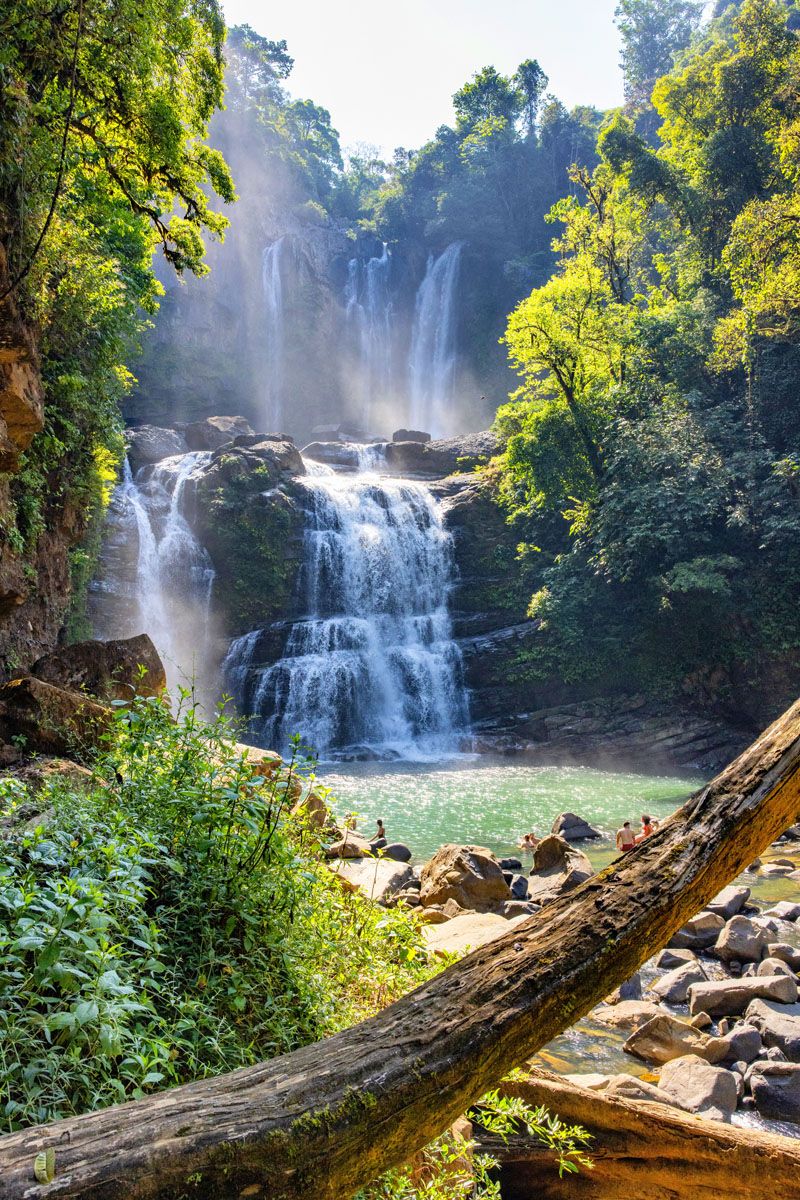
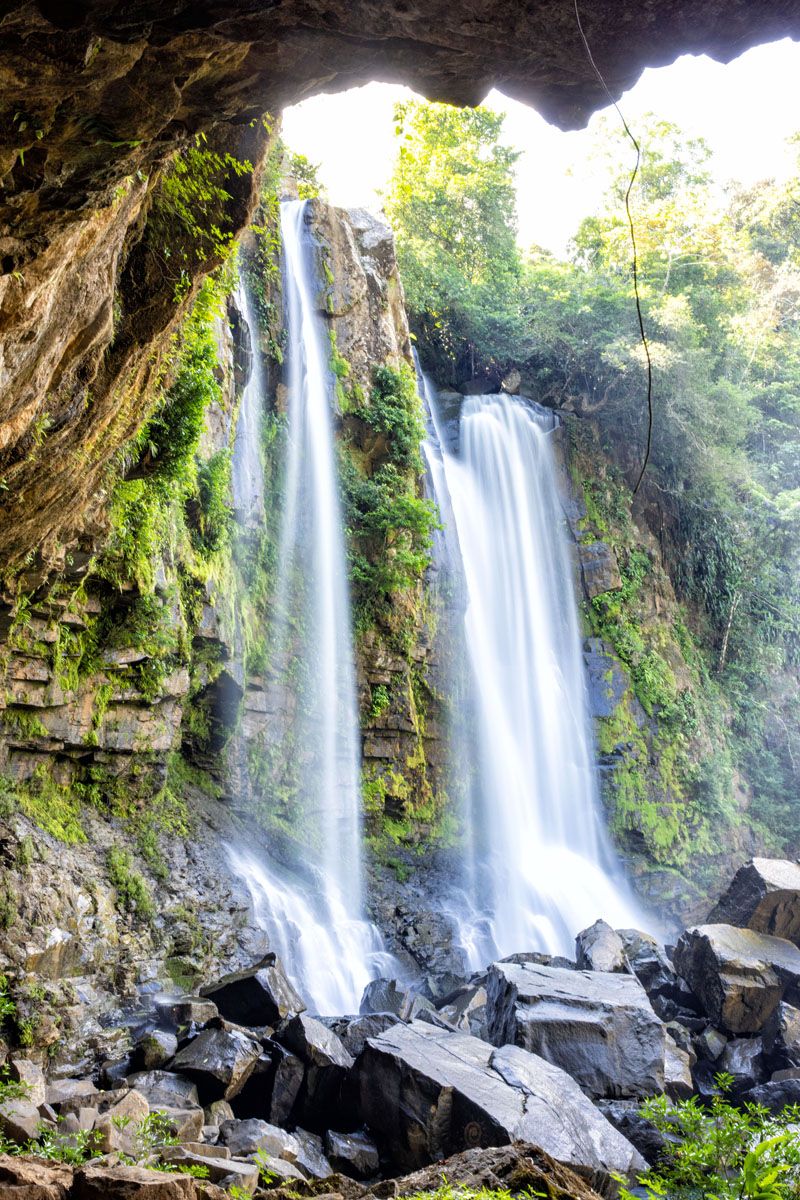
We visited Nauyaca Waterfalls from the Nauyaca Waterfall Nature Park. It is best to visit the waterfall early in the morning, before it gets crowded (around 9:30 am, this place really gets busy).
There is a lot to think about when planning your visit here. We wrote a detailed guide which covers how to pick the best entrance, costs, and what to expect while you are here ↓
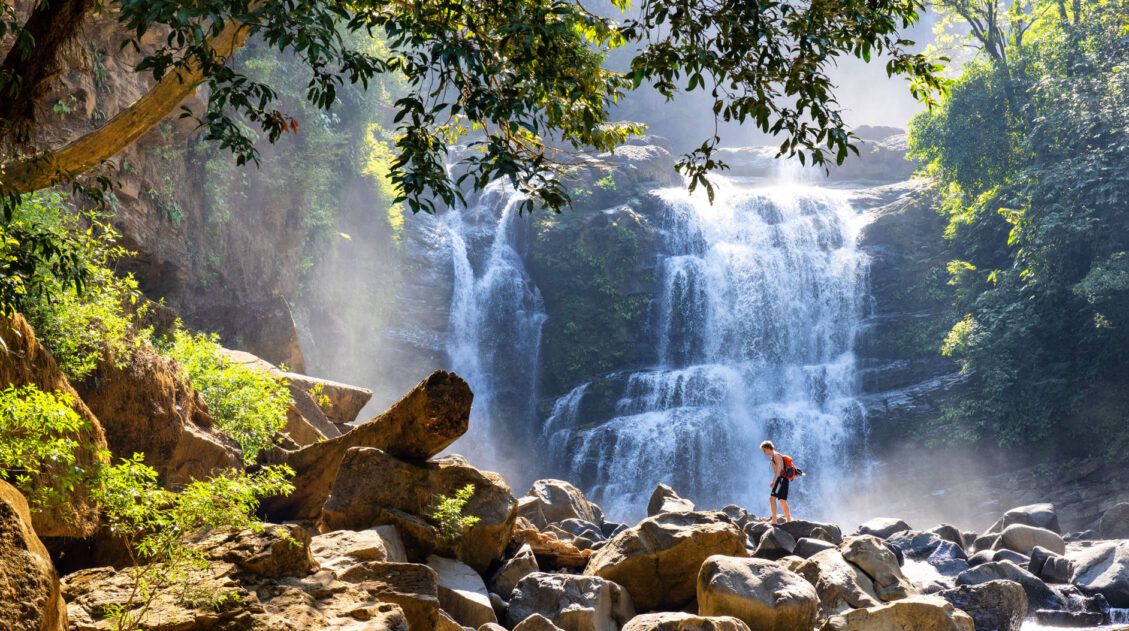
How to Visit Nauyaca Waterfalls & Get the Hidden Cave View
Everything you need to know to visit the Nauyaca Waterfalls: an overview of both entrances, pros and cons of each, plus lots of helpful tips.16. Surf, Shop & Eat in Dominical
Dominical is a small coastal town with a surfer vibe. It is filled with surf shops, restaurants, and beachfront market. We drove through town (it’s tiny, so it only takes a minute or two to drive from one end to the other) and it is an interesting place to see.
We had lunch at Beyan, a restaurant located a short drive outside of town. The food is amazing, and we had probably the best ceviche we’ve ever eaten, which is really saying a lot. The highlight once again was a random wildlife spotting. From the window of the restaurant, we heard and watched two toucans, which entertained us throughout lunch.
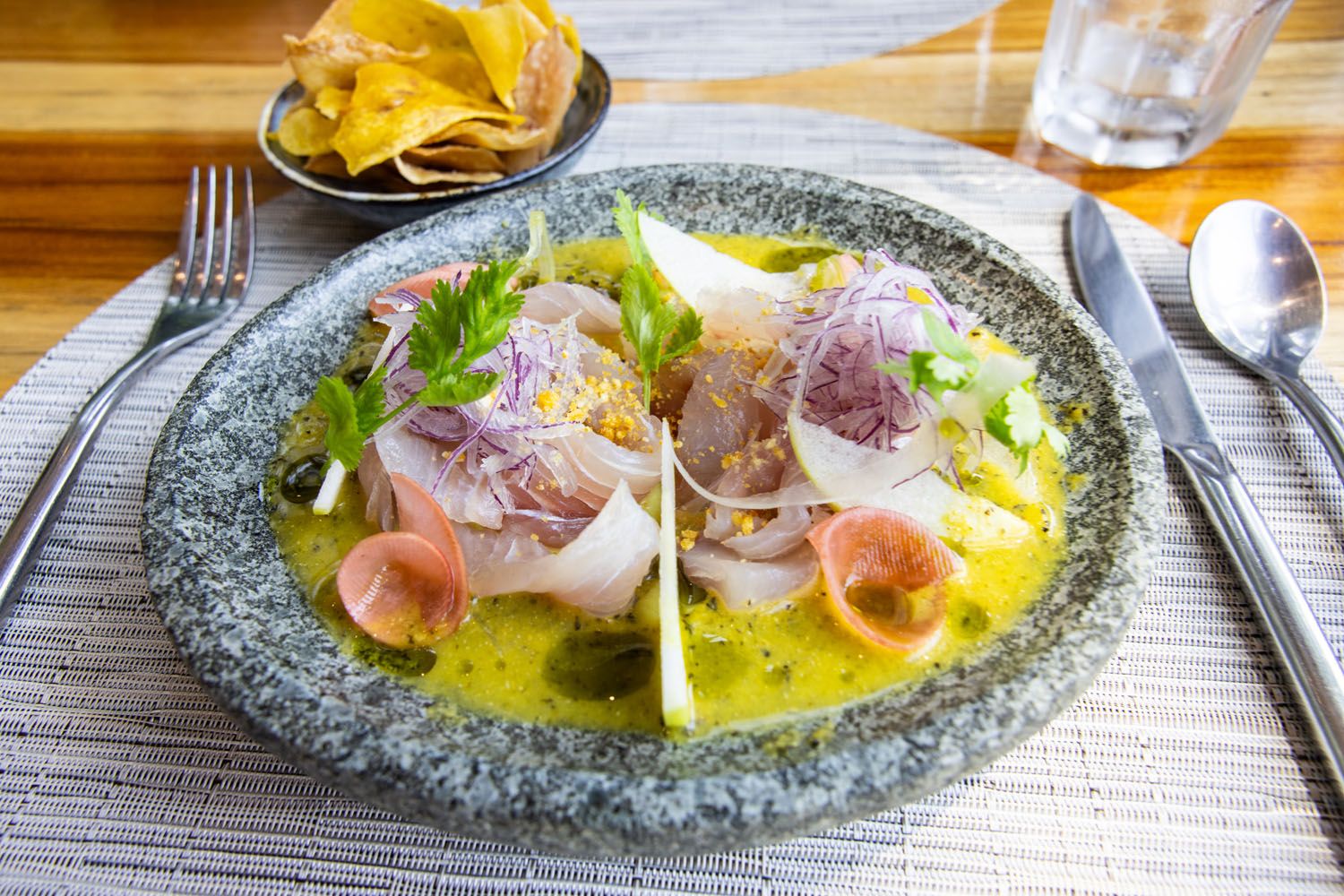
Ceviche at Beyan
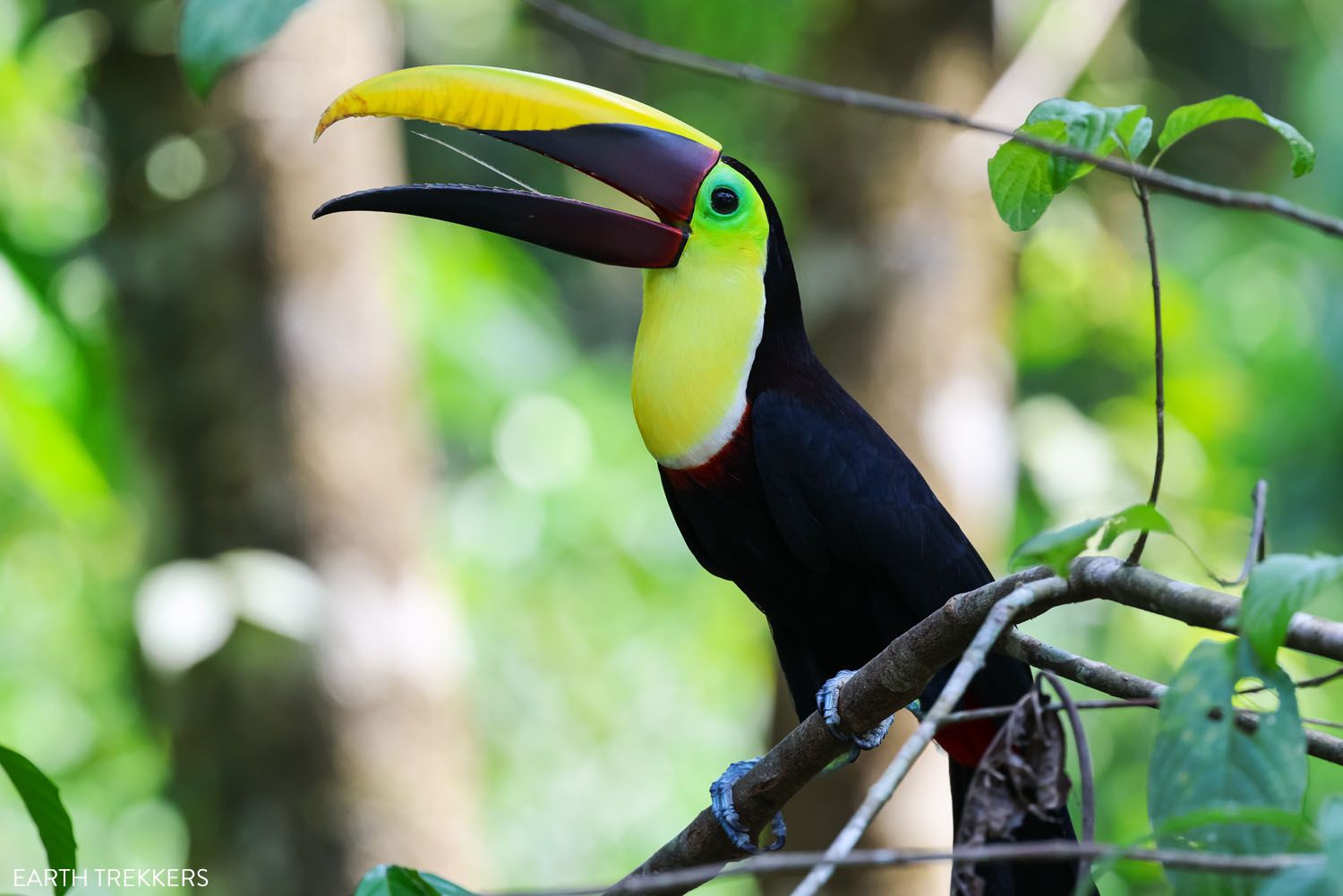
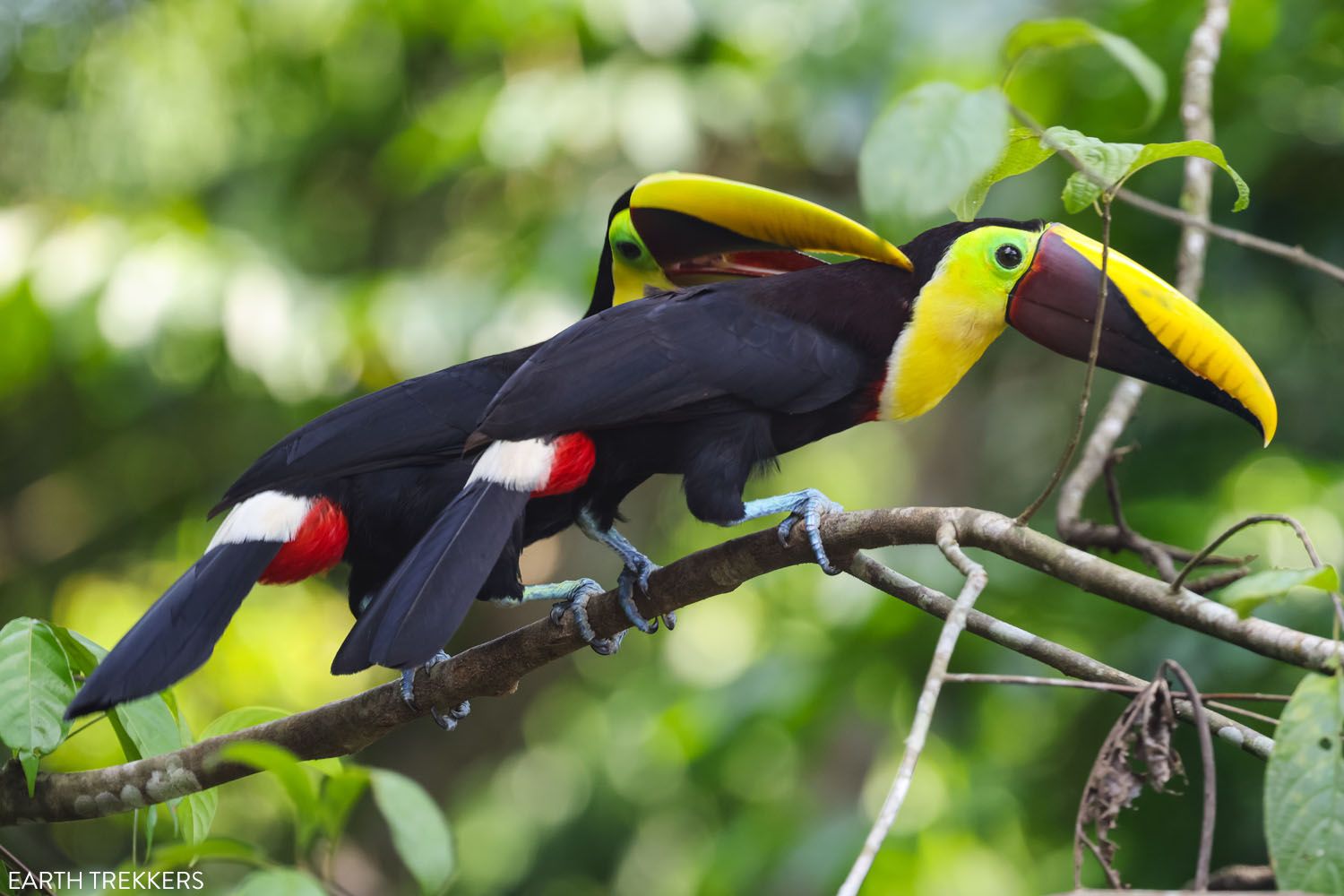
Toucans in the trees right next to Beyan
17. Go Swimming at Catarata Uvita
Catarata Uvita is a small waterfall that is a popular swimming and cliff jumping spot. It is located along a rough, gravel road just outside of Uvita.
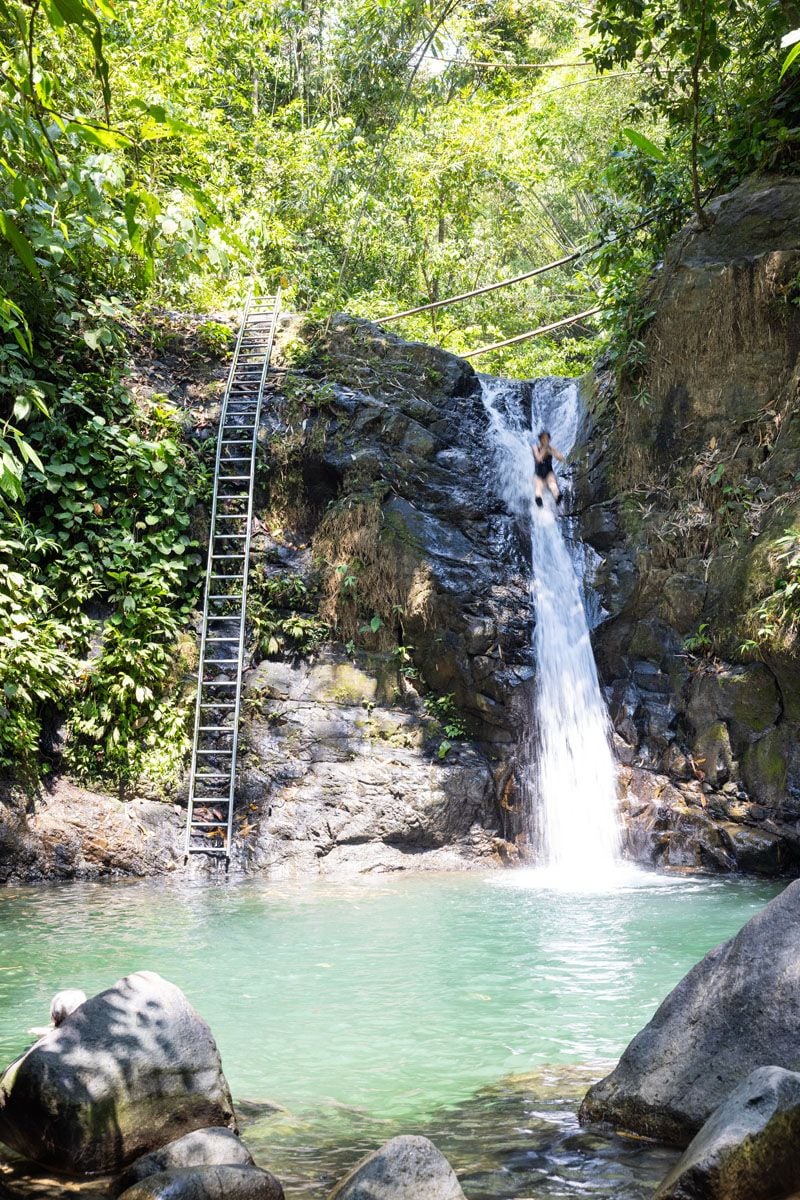
To get here, drive to ‘Catarata Uvita’ on Google Maps. There is a small restaurant here. You will pay them to park and they will point you to the trailhead. It is a short, downhill walk on a dirt trail to get to the waterfall.
There are two more waterfalls with swimming pools that came up in our research. We didn’t have time to visit those, but Cascada El Pavón and Catarata Eco Chontales are two more waterfalls near Uvita.
18. Go Snorkeling at Caño Island
This would be a very long day trip from Manuel Antonio, but for those who like snorkeling and scuba diving, Caño Island is one of the best places to go in all of Costa Rica.
This island is a biological reserve that has one of the best coral reef formations on the Pacific Coast of Costa Rica. It’s a great place to see sea turtles, sharks, dolphins, and humpback whales (depending on the season).
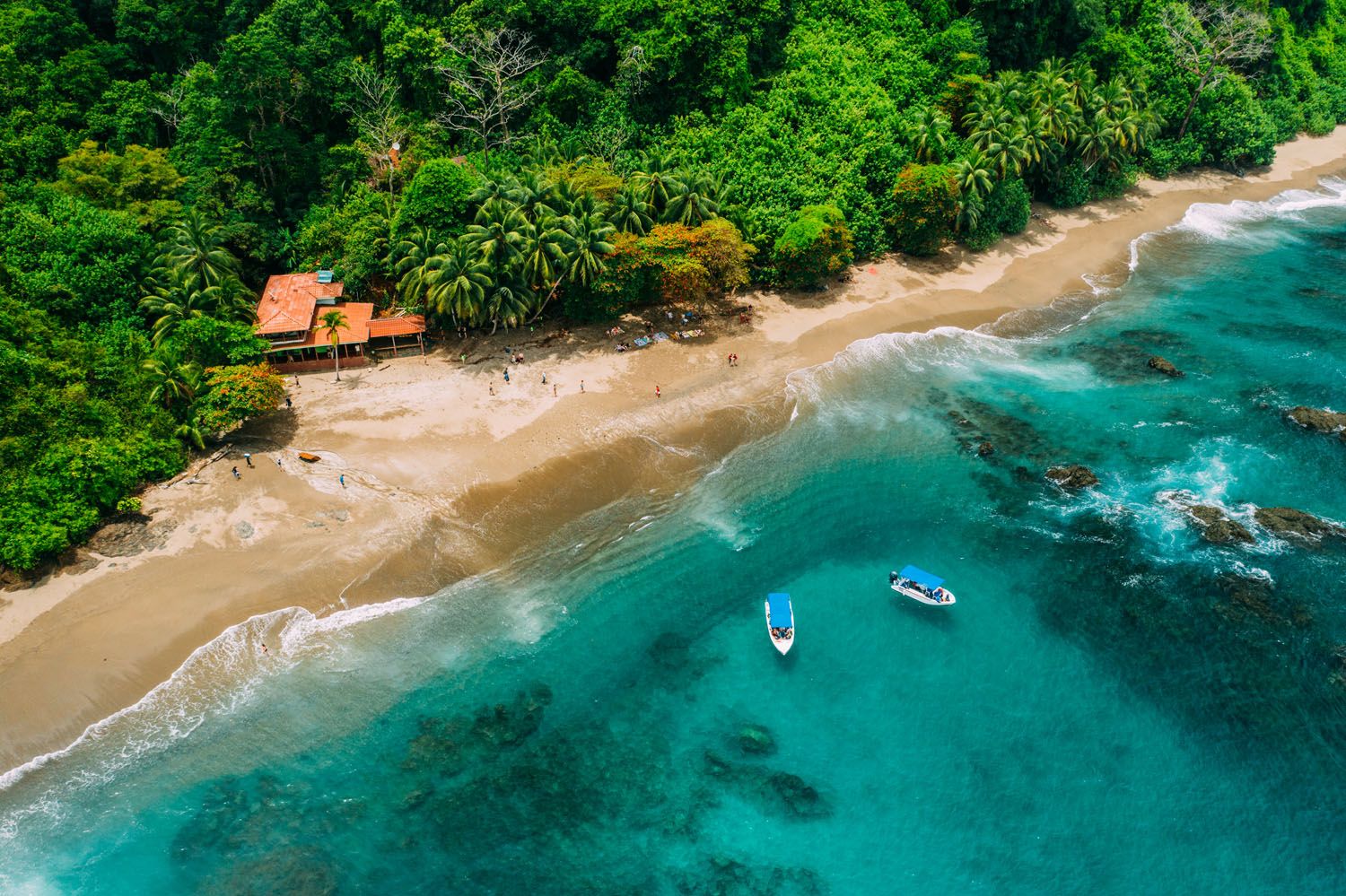
Caño Island | shutterstock.com
Caño Island is located near the Osa Peninsula. There are day trips to Caño Island from Uvita, like this snorkeling tour, but they take 6 to 7 hours. Adding in the driving time from Manuel Antonio (it takes about one hour to drive from Manuel Antonio to Uvita), you are looking at one full day to visit Caño Island.
Visiting Manuel Antonio with Kids
Manuel Antonio is a fantastic destination for families. The national park is the obvious starting point, with wildlife sightings, especially monkeys, tend to be a big hit with kids of all ages. Beyond the park, two activities stand out as especially popular with families:
Ziplining is a thrill for older kids and teenagers, with most operators welcoming children above a certain age and weight threshold so check with your operator before booking.
ATV tours are another favorite. We have friends who recently visited Manuel Antonio with their kids and said the ATV tour was one of the highlights of their entire trip. This is a fun, adventurous way to explore the area beyond the beaches and rainforest trails.
For younger children, the mangrove tour on Damas Island is a gentler option. Take a boat or kayak ride through calm waterways with plenty of wildlife to spot along the way.
How Much Time Do You Need in Manuel Antonio?
We spent four full days in Manuel Antonio and didn’t feel like we were rushing, but we also didn’t run out of things to do. Four days is the sweet spot if you want to visit the national park, go ziplining, do the Damas Island mangrove tour, spend time on the beaches, and still have a day for day trips.
Two days is the absolute minimum, giving you one day for the national park and one day for a second activity like ziplining or the mangroves. But if your schedule allows three to four days, take them. The day trip to Nauyaca Waterfalls, Marino Ballena National Park, and Uvita alone is worth building extra time into your visit.
What We Did: Our Manuel Antonio Itinerary
Here’s how we spent our four days in Manuel Antonio, in case it helps with your own planning:
Day 1: Arrival We flew from Maryland to San José and drove straight to Manuel Antonio. We arrived in time for dinner and called it an early night.
Day 2: National Park + Town We started at Manuel Antonio National Park first thing in the morning with a guided wildlife walk, then spent time on the beach inside the park before heading out at midday. In the afternoon we visited Kids Saving the Rainforest and stopped at Chocolate Tour Manuel Antonio. In the evening, we had dinner in Manuel Antonio.
Day 3: Ziplining + Sukia Park + Biesanz Beach Morning ziplining at El Santuario Canopy Adventures. In the afternoon we visited Sukia Park and ended the day at Biesanz Beach, where we spotted two sloths in the trees right next to the sand.
Day 4: Mangroves + Rainmaker Park Morning kayak tour of the Damas Island mangroves, followed by lunch in Manuel Antonio. In the afternoon we visited Rainmaker Park before heading out for dinner.
Day 5: Day Trip South Our biggest day logistically but very manageable. We spent a few hours at Nauyaca Waterfalls in the morning, then drove down to Marino Ballena National Park for a couple of hours on the beach. We drove through Dominical and stopped for lunch, then made a quick stop at Catarata Uvita before heading back to Manuel Antonio.
Day 6: Drive to Monteverde
How to Get to Manuel Antonio
Getting to Manuel Antonio is relatively easy, with multiple transportation options depending on your budget and preference. The town is located on the Pacific coast, about 170 kilometers (105 miles) from San José, the capital of Costa Rica.
By Car
If you prefer to drive, renting a car from San José is a great option. The drive to Manuel Antonio takes around 3 to 4 hours, depending on traffic and road conditions. The best route is via Route 27 (Autopista del Sol) and then connecting to Route 34 (Costanera Sur), which offers scenic ocean views along the way. The roads are well-paved, and having a car gives you flexibility to explore nearby attractions.
By Shuttle or Private Transfer
For a hassle-free experience, you can book a shared or private shuttle from San José to Manuel Antonio. Shared shuttles are a cost-effective option and take around 4 to 5 hours, with pick-ups at major hotels or the airport. Private transfers offer a more comfortable and direct experience, allowing you to stop for sightseeing or food along the way.
By Public Bus
The most budget-friendly option is taking a public bus from San José’s Tracopa Bus Terminal. The direct bus to Quepos/Manuel Antonio departs several times daily and takes around 4.5 to 5 hours. Buses are comfortable and affordable, though they make a few stops along the way.
By Taxi or Uber
Taking a taxi or Uber from San José to Manuel Antonio is possible but expensive, with fares ranging from $150 to $200+. This option is best for those who prefer convenience but don’t want to drive themselves.
Manuel Antonio Beach
How to Get Around Manuel Antonio
Having a rental car gives you the most freedom and flexibility, but parking at some sites, such as Manuel Antonio National Park, can be challenging. Having a car is not absolutely necessary, with the public bus, hotel shuttles, taxis, and transportation offered by the tour companies also being options. Walking is not a great option, because Manuel Antonio is very hilly with many sites being located far apart.
Public Bus
Manuel Antonio has a reliable and cheap public bus system that runs frequently between Quepos and Manuel Antonio National Park. The bus operates every 15-20 minutes from early morning until late evening and costs around ₡350 (less than $1 USD) per ride. It’s a great option for travelers looking for a budget-friendly way to get around.
Hotel Shuttles
Many hotels and resorts in Manuel Antonio offer complimentary or paid shuttle services to and from popular spots, including the national park and beaches. Check with your accommodation to see if this is available.
By Tour
Many tours also include transportation, so check the details of the tours when making your reservations.
Taxis and Rideshares
Taxis are widely available in Manuel Antonio and Quepos, though they can be a bit pricey for short distances. Always make sure to take official red taxis with a meter or negotiate a price beforehand. Uber does operate in the area, but availability can be limited compared to major cities like San José.
Best Time to Visit Manuel Antonio
We visited in late February, at the height of dry season, and Manuel Antonio was the hottest place we visited during our entire two weeks in Costa Rica. Temperatures hovered between 29–32°C (85–90°F) with a heat index that pushed even higher by midday. Mornings were the most comfortable time to be active and we made a point of starting early every day, whether that was arriving at the national park at 7 am or booking the first ziplining slot of the day. Evenings cooled down nicely and were genuinely lovely, especially dining outside with a view of the coast.
By Season:
- Dry Season (December–April): Best weather, most reliable conditions for beaches and outdoor activities. Busiest crowds and highest prices. Book accommodation and national park tickets well in advance, especially over Christmas, New Year’s, and Easter week.
- Shoulder Season (May & November): Fewer crowds, lower prices, good weather in the mornings with some afternoon rain. An excellent time to visit if your schedule is flexible.
- Green Season (June–October): Lush, dramatic landscapes and significantly fewer tourists. Afternoon rain is common but mornings are typically clear. September and October are the wettest months. Wildlife remains active year-round.
Regardless of the season, book your national park tickets as early as possible. They sell out, and without a ticket, you won’t get in.
Where to Eat in Manuel Antonio
When planning our visit to Manuel Antonio, we had no idea that dining would be one of our favorite experiences here. There are A LOT of wonderful restaurants to try, ranging from quick, cheap eats to fine dining with a view of the sunset.
Here are our favorite restaurants.
Le Papillon Restaurante
This restaurant was so good we ate here twice. Le Papillon is located in La Mariposa Hotel. It has an outdoor patio with spectacular views overlooking Manuel Antonio National Park and the Pacific Ocean. There are lots of seafood options on the menu such as surf and turf, lobster pasta, a seafood platter for two.
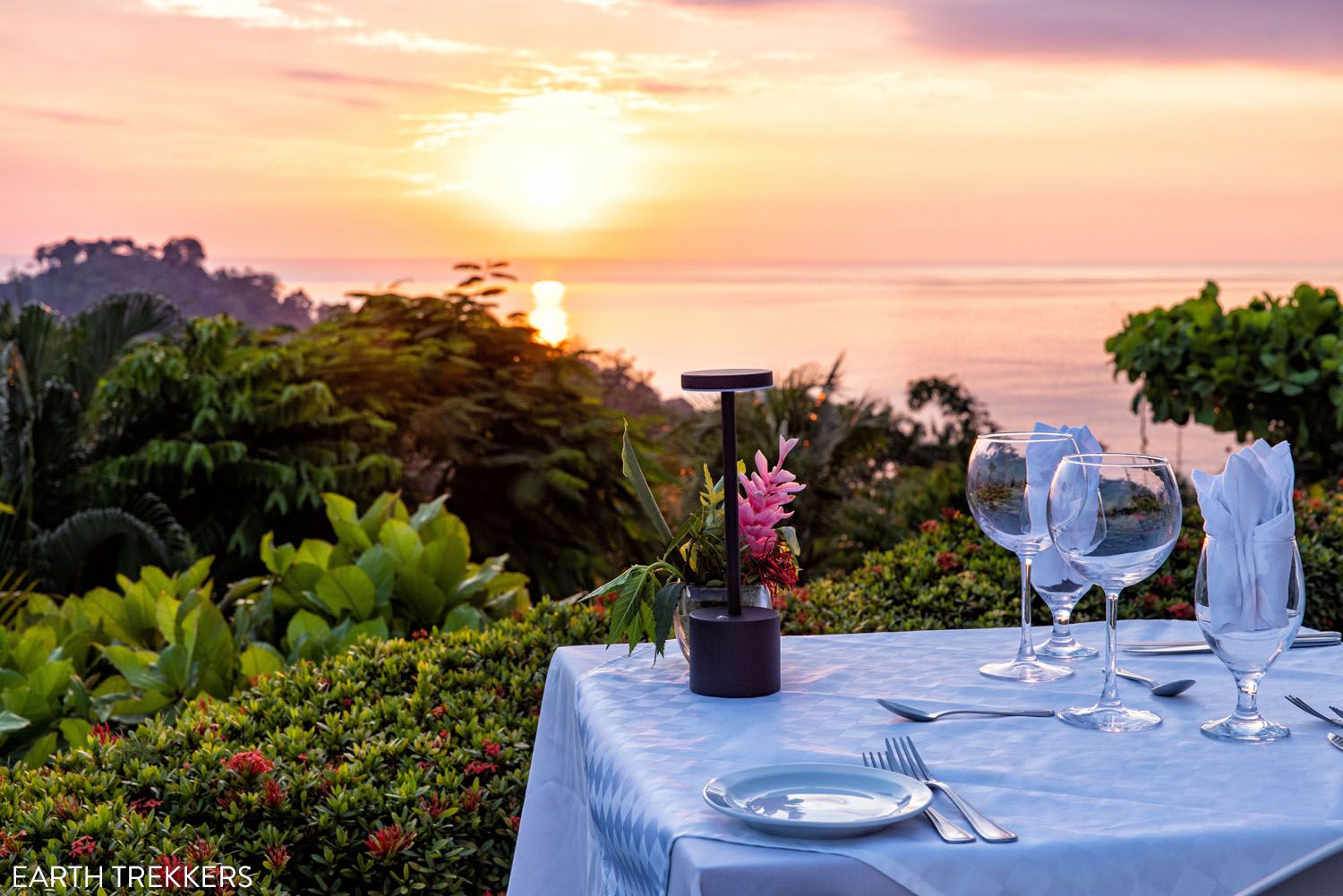
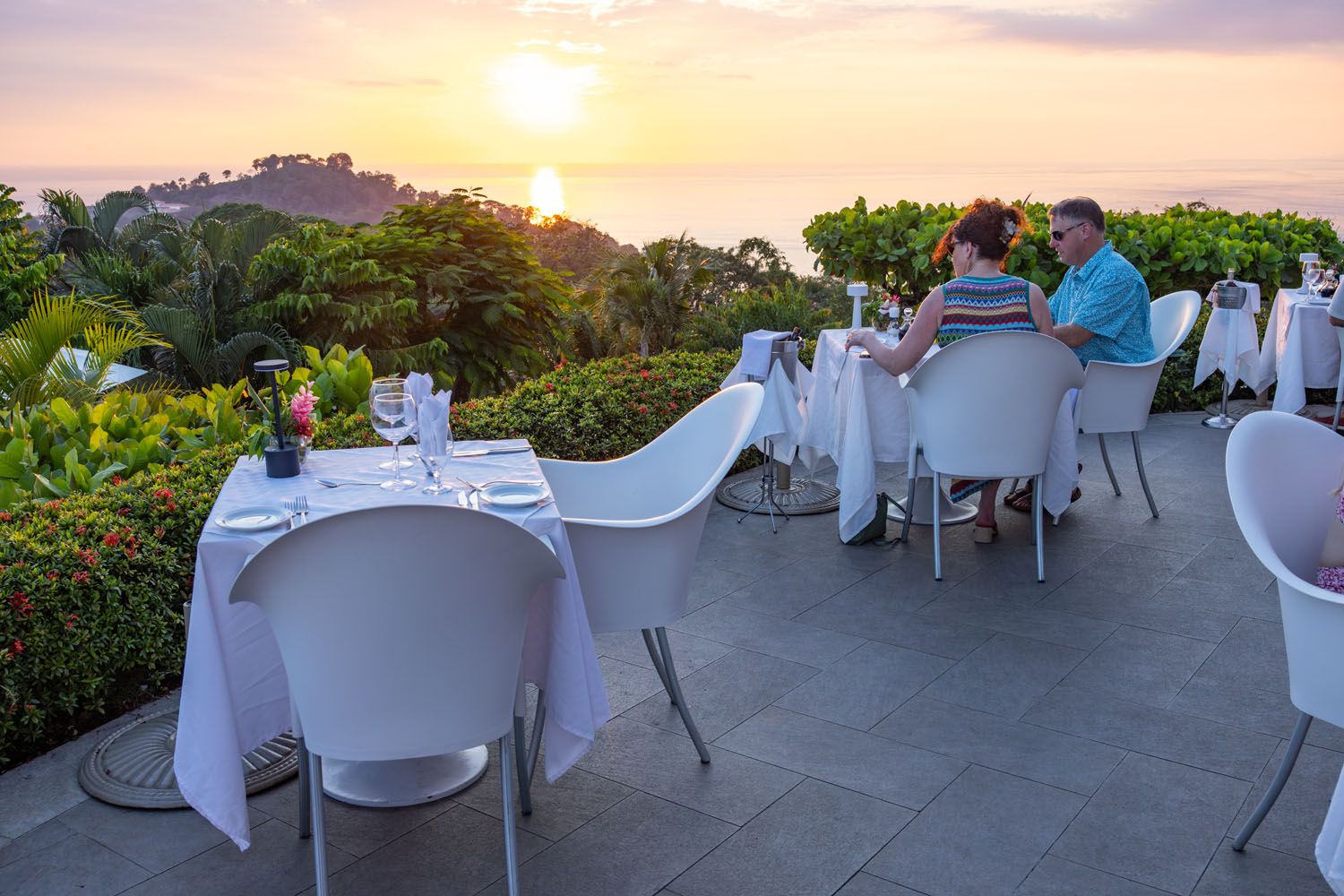
They are open for breakfast, lunch, and dinner. The sunset views are extraordinary. Check the sunset time and make your reservation for 10 minutes prior to sunset. Reservations can be made on the official website. We made a VIP reservation, which gave us a table along the edge of the patio, with the best view of the coastline.
Karolas Restaurant
Located in the Los Altos Resort, this open-air restaurant has views of the coastline which are particularly nice at sunset. They are open for breakfast, lunch, and dinner. We loved the tuna tartar and the seafood risotta. Dinner was so good that we returned a second time for lunch, dining on sandwiches and trying a few of their creative cocktails.
Manuel Antonio Falafel Bar
This is a great lunch spot. On the menu are shawarma platters, falafel sandwiches, hummus, salads, and smoothies. We had lunch here and loved it. The restaurant is located on the main road in Manuel Antonio and finding a parking space was a bit challenging, but there are a few spaces right in front of the restaurant.
Emilio’s Café
If you want lunch or dinner with a fantastic view of Manuel Antonio National Park, but don’t necessarily want the fine dining experience you get at Papillon, this is a great option. We ate here our first day in Manuel Antonio, right after visiting the national park. The menu has a lot of options, from sandwiches, salads, and rice dishes. The shrimp curry was awesome. They are closed on Tuesdays.
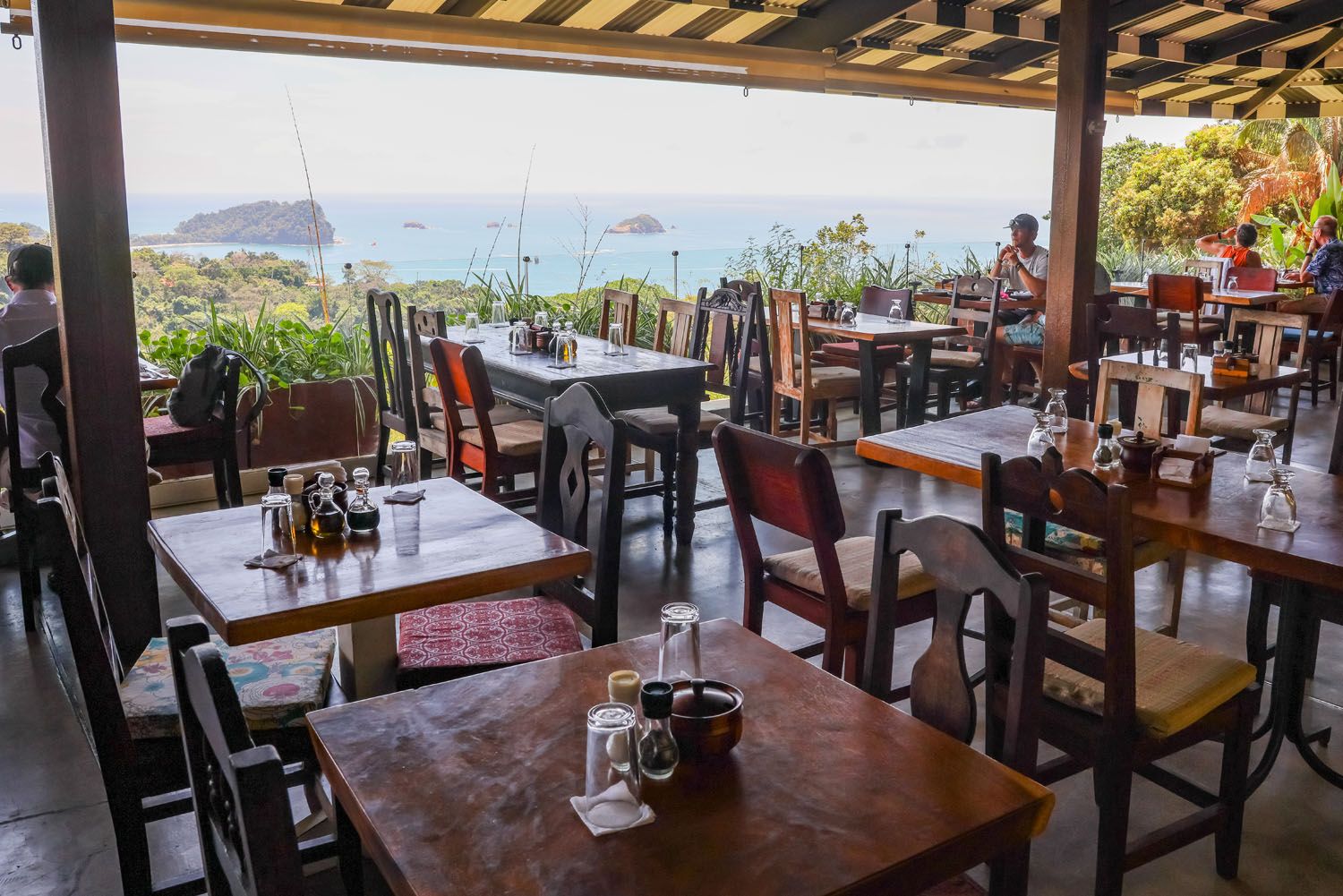
Emilio’s Cafe
Victoria’s Gourmet Italian Restaurant
This restaurant is associated with Tulemar Resort. On the menu are pasta dishes and pizza. We had a nice experience here but preferred all the restaurants already mentioned, but this is a good option if you love Italian food.
Where to Stay
Where We Stayed: Gaia Hotel & Reserve – Adults Only
This is where we stayed and we have mixed feelings about our experience here.
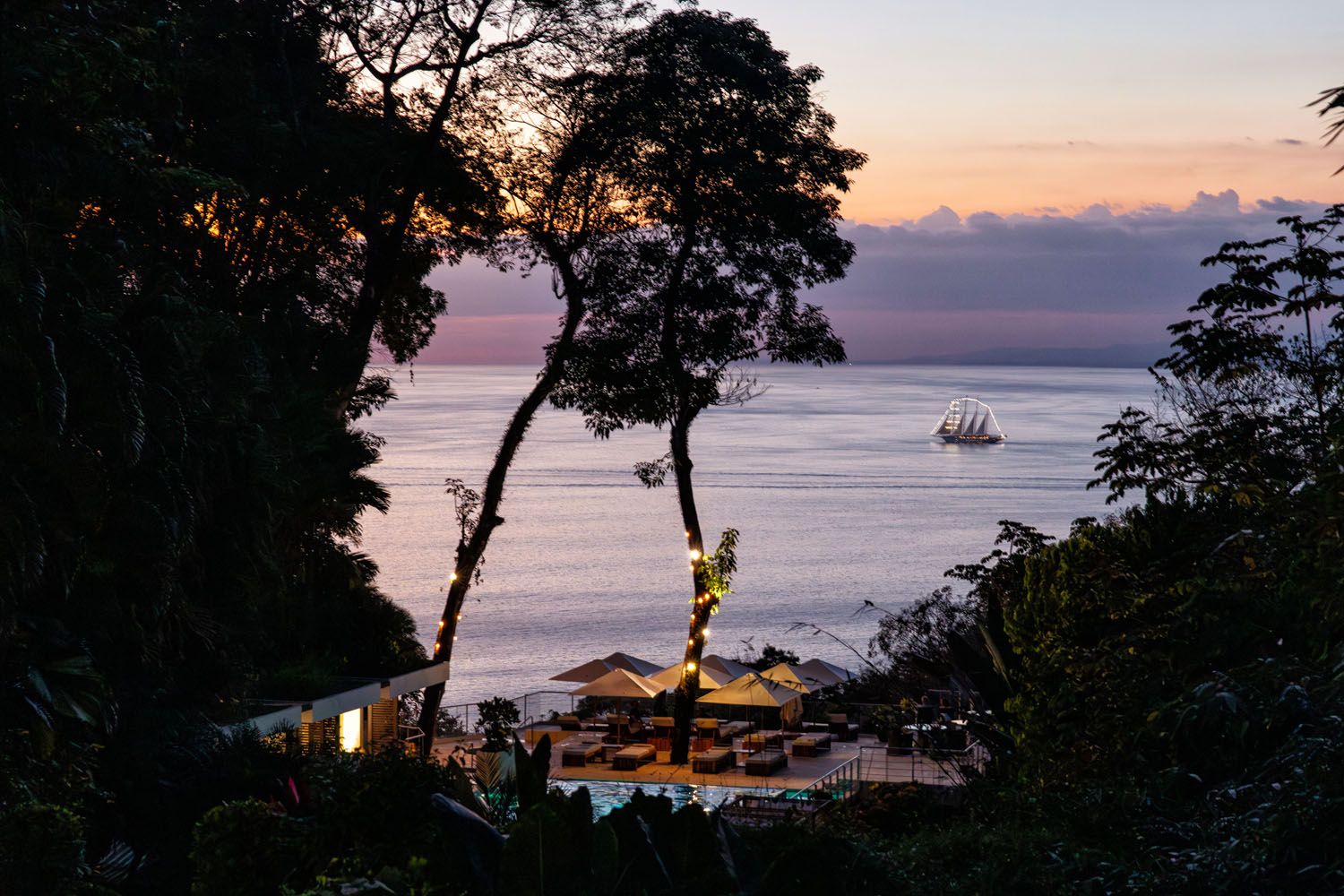
Gaia Hotel is a 5-star hotel in Manuel Antonio. We picked it because it has a great location, huge rooms, and it is located on a macaw reserve.
Here’s what we liked: The golf cart rides. Parking is at the bottom of the hill and the hotel is at the top of the hill. The hotel staff drive you up and down in a golf cart. The staff are extremely fun and friendly. I got to practice my Spanish and the staff frequently pointed out wildlife. We saw sloths, macaws, toucans, and capuchin monkeys on the hotel property. Our room was huge and the air conditioning and Wi-Fi worked very well. The staff is incredible and provide a 5-star service.
Here’s what we didn’t like: Our visit was in 2025. The hotel and the rooms need a big renovation. The furniture and décor are really showing their age. Our room didn’t look nearly as nice as it does in the hotel photos. One morning we didn’t have any water pressure and in the middle of the night, our TV would randomly turn on. The rooms are more like what you would see in a 3 or 4-star hotel.
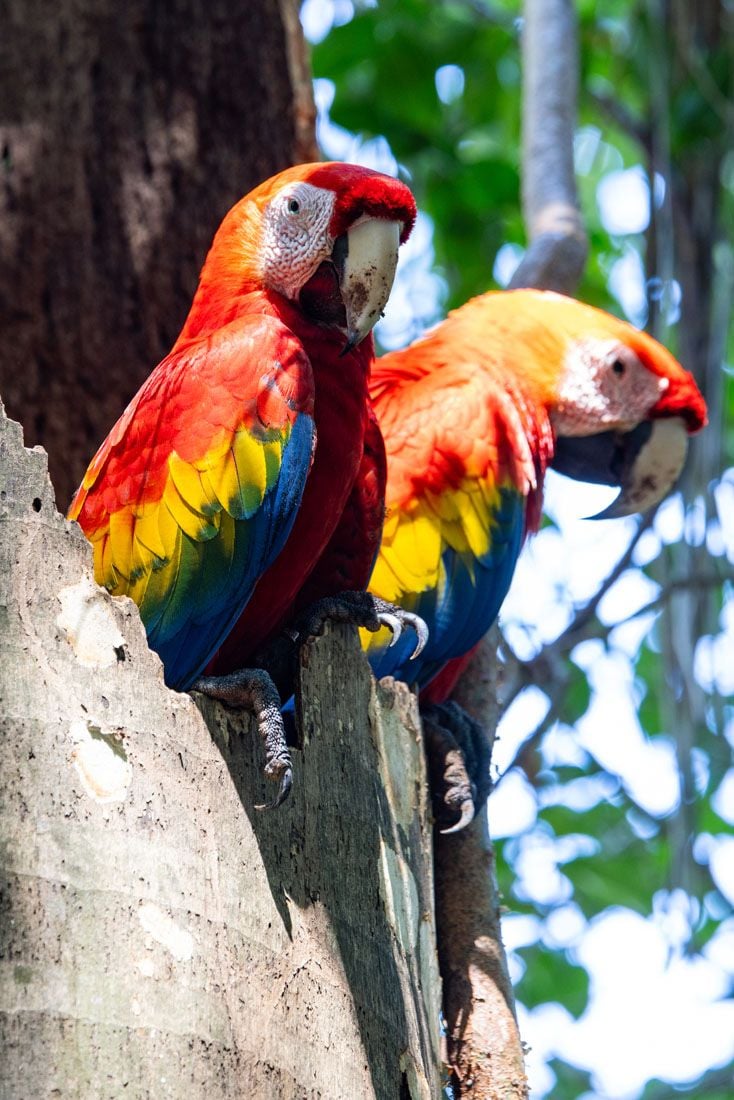
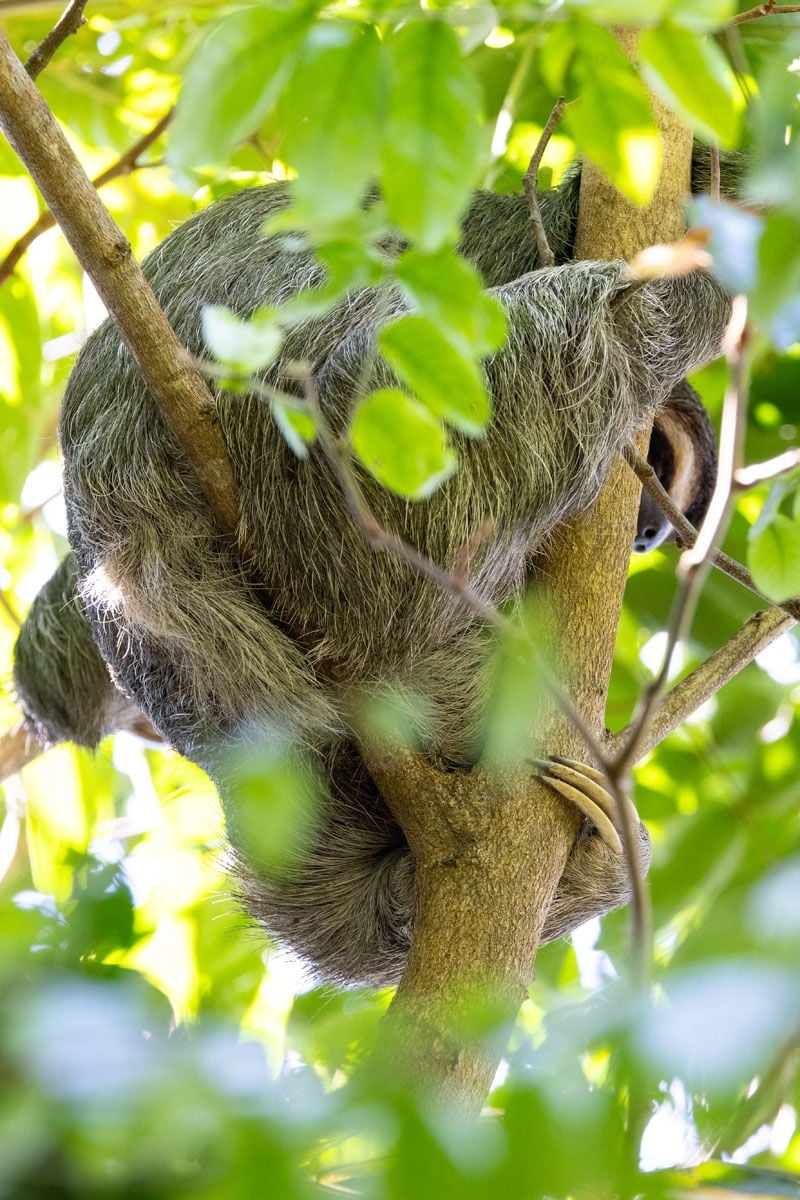
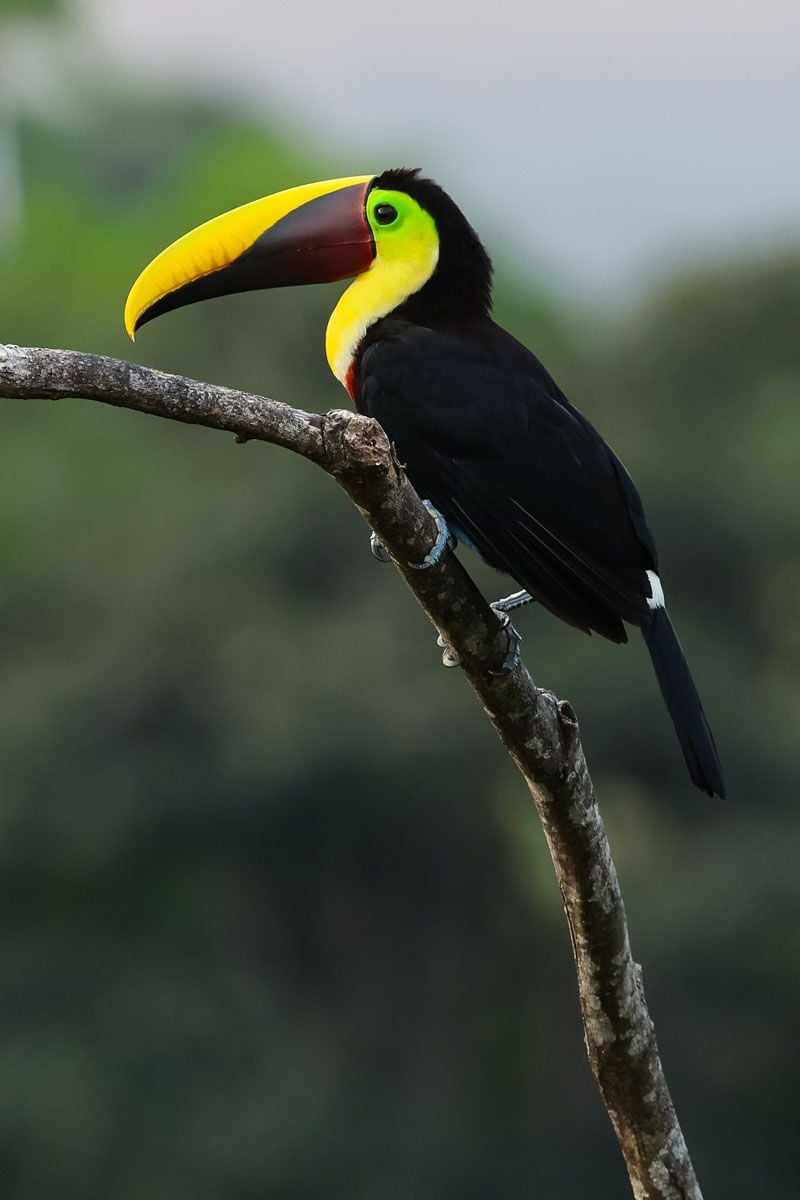
If we return to Manuel Antonio, we will stay someplace else. In our opinion, by staying here, you are paying a 5-star price for a 3 to 4-star overall experience. If it weren’t for the animal sightings and the golf cart rides, I would have been disappointed staying here.
More Hotels & Resorts
Parador Nature Resort and Spa is a resort that is surrounded by a rainforest. It gets great reviews, children are allowed here, plus it has several pools and onsite restaurants. This is a hotel we’d consider on a return trip to Manuel Antonio.
Shana by the Beach is a resort located very close to Biesanz Beach.
La Vela Boutique Hotel is a 4-star hotel within walking distance of Manuel Antonio National Park.
Mid-range hotels that get very good reviews include Hotel Playa Espadilla & Gardens (within walking distance of Manuel Antonio National Park and Espadilla Beach), Aguti Apartment (apartments in downtown Manuel Antonio), and Hotel Naoz (small hotel with a variety of room types and an outdoor swimming pool).
If you are traveling on a budget, Nomada’s Digital is a highly rated hostel in Quepos.
Frequently Asked Questions
How many days do you need in Manuel Antonio?
Two days is the minimum: one full day for the national park and one day for other activities. Three to four days gives you time to day trip to Nauyaca Waterfalls, try ziplining or a mangrove tour, and enjoy the beaches and restaurants at a relaxed pace. If you want to add Marino Ballena National Park or Caño Island snorkeling, budget four or more days.
What is Manuel Antonio known for?
Manuel Antonio is best known for its national park, which combines reliable wildlife sightings with some of Costa Rica’s most beautiful beaches. Beyond the park, it’s known for its adventure activities, sunset dining, and as one of the most accessible nature destinations on Costa Rica’s Pacific coast.
How do you get to Manuel Antonio from San José?
The most flexible option is renting a car at San José International Airport (SJO) and driving. The trip takes 3 to 4 hours. Shared and private shuttles are also available from San José and other major destinations in Costa Rica. There is also a public bus from San José to Quepos, with a connection to Manuel Antonio.
What is the difference between Manuel Antonio and Quepos?
Quepos is a larger town about 10 minutes north of Manuel Antonio. Most of the hotels, restaurants, and beaches are in Manuel Antonio, while Quepos has the main bus station, marina, and a more local feel. Many visitors base themselves in Manuel Antonio and make a quick trip to Quepos for the marina or a change of scenery.
What is the best time of year to visit Manuel Antonio?
Dry season (December through April) offers the most reliable weather, but also the largest crowds and highest prices. May and November are excellent shoulder months with fewer visitors and lower rates. Green season (June through October) brings afternoon rain but lush forests, active wildlife, and significantly fewer tourists. Regardless of season, mornings are always the best time to be active.
Do you need a car in Manuel Antonio?
It helps but isn’t essential. Most hotels offer shuttle services to the national park, and taxis and Uber are widely available. That said, having a car gives you flexibility to explore at your own pace, day trip to Nauyaca Waterfalls or Uvita, and avoid relying on tour transportation for everything. If you’re doing a broader Costa Rica road trip, a rental car is strongly recommended.
Plan Your Trip to Manuel Antonio & Costa Rica
- Manuel Antonio National Park Guide — Everything you need to know to plan your visit to the park: tickets, trails, guided tours, beaches inside the park, and what to expect.
- Nauyaca Waterfalls — Our complete guide to visiting one of Costa Rica’s most stunning waterfalls, including how to get there and what to expect on the trail.
- 10 Day Costa Rica Itinerary — Manuel Antonio is the first stop on this road trip itinerary covering the Pacific coast, Monteverde, and La Fortuna.
- Costa Rica Travel Guide — The starting point for planning your trip, with an overview of where to go, how long to spend in each region, and how to get around.
- First Trip to Costa Rica: 18 Things to Know — Essential tips for first-time visitors, from renting a car to navigating Costa Rica’s roads.
If you have any questions about the best things to do in Manuel Antonio or how to plan a visit here, let us know in the comment section below.
Explore Costa Rica & Beyond
Costa Rica Travel Guide: How to Plan a Trip to Costa Rica
Pinterest Facebook Flipboard Costa Rica Travel Guide Few countries pack this much variety into such a small footprint: volcanoes, cloud forests, rainforest wildlife, Pacific beaches, and natural hot springs, all within a few hours of each other. We spent two weeks in Costa Rica at the end of February, experiencing sunny skies, almost no rain, […]
16 Best Things to Do in La Fortuna, Costa Rica
La Fortuna sits at the base of Arenal Volcano in Costa Rica’s northern lowlands, and it’s home to some of the best things to do in La Fortuna, from rappelling waterfalls and hiking lava fields to spotting sloths on guided rainforest walks and soaking in geothermal hot springs. Few places balance adrenaline and relaxation quite […]
Best Things to Do in Monteverde: Cloud Forests, Ziplining & Waterfalls
Spotting a male and female Resplendent Quetzal in the same morning. Soaring above the cloud forest canopy on what felt like an endless zipline. Walking through misty, moss-draped trails without another soul around. Monteverde delivered some of the most memorable moments on our two-week trip through Costa Rica. But here’s what nobody tells you before […]
Costa Rica Packing List: What We Used & What to Skip
So, your itinerary is finalized, your flights are booked, your hotel reservations are made, and you’ve picked out which tours you plan to do. Now comes the question, what do I pack for a trip to Costa Rica?! Many trips to Costa Rica include some beach time, a few adventure activities such as ziplining and […]
Manuel Antonio National Park: Complete Guide for First Time Visitors
Manuel Antonio National Park was the first stop on our two-week Costa Rica road trip and it set the bar high. In a single morning, we spotted sloths, white-faced capuchin monkeys, squirrel monkeys, iguanas, and a rainbow of birds, all with the help of a guide whose scope turned a tangle of branches into a […]
10-Day Costa Rica Itinerary: Manuel Antonio, Monteverde & Arenal
We flew to Costa Rica in late February 2025 and spent two weeks driving a loop from San Jose to Manuel Antonio, through the cloud forests of Monteverde, and up to La Fortuna at the base of Arenal Volcano. This 10-day Costa Rica itinerary is almost exactly how we did it, and we came home […]
Top 10 Things to Do in Virgin Islands National Park
Discover the top things to do in Virgin Islands National Park, along with what you need to know to plan your trip, including how to get there, the best time to visit, where to stay, and tips for organizing your time. Virgin Islands National Park is one of the most beautiful national parks we have […]
Florida Keys Bucket List: 25 Awesome Things in the Florida Keys
The Florida Keys are one of the best spots in the US to go on a road trip. In just 100 miles, hop from key to key, go snorkeling, dine at seafood restaurants, try key lime pie, go shopping, and enjoy endless views of brilliant aquamarine water. It’s a gorgeous drive with lots to do. […]
Our Top Ten Beaches in Aruba
Aruba is home to some of the most beautiful beaches in the world. Long, white stretches of sand, crystal clear aquamarine water, palm trees, and a steady sea breeze to keep you cool…the beaches in Aruba are fabulous! In Aruba, each beach offers a slightly different experience. Some are good for snorkeling, some are secluded […]
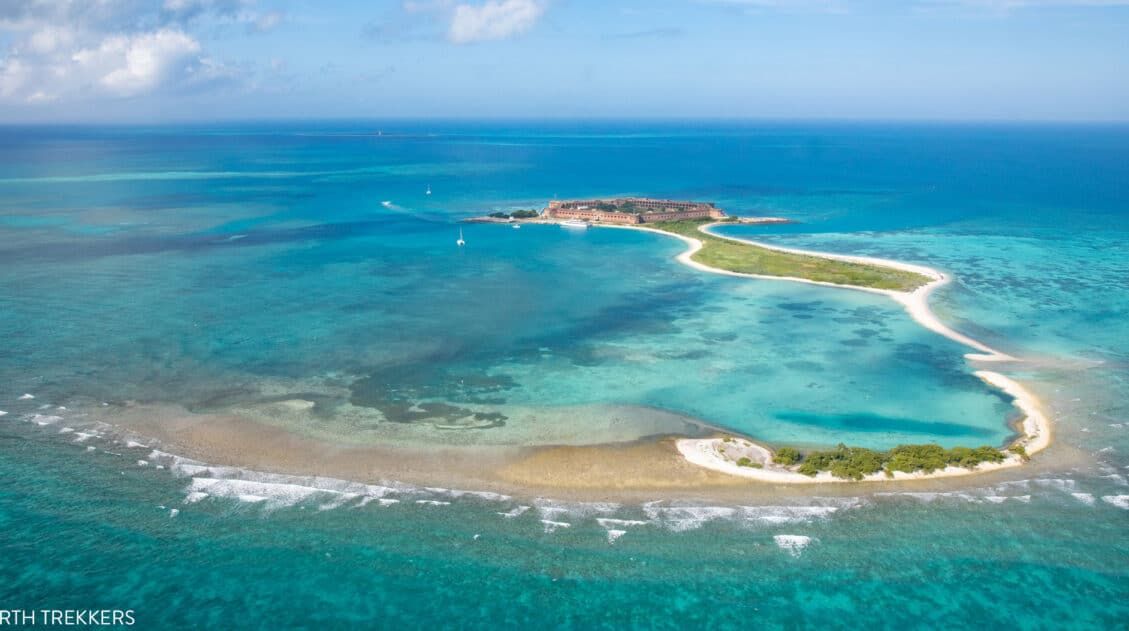
7 Awesome Things to Do in Dry Tortugas National Park
Sitting seventy miles west of Key West is the last group of islands in the Florida Keys. This is the location of Dry Tortugas National Park, an underrated gem in the national park system. In this guide we cover everything you need to know on how to visit Dry Tortugas National Park, including the best […]

Travel Photography Gear Guide: What’s In Our Camera Bag
Do you want to know how we capture the images that you see on our website? Here is our photography gear guide, with links and explanations of our photography gear and accessories. At the end of this post, we offer tips and tricks on how to take better photographs while traveling. October 2025 Update: We […]


Leave a Comment