
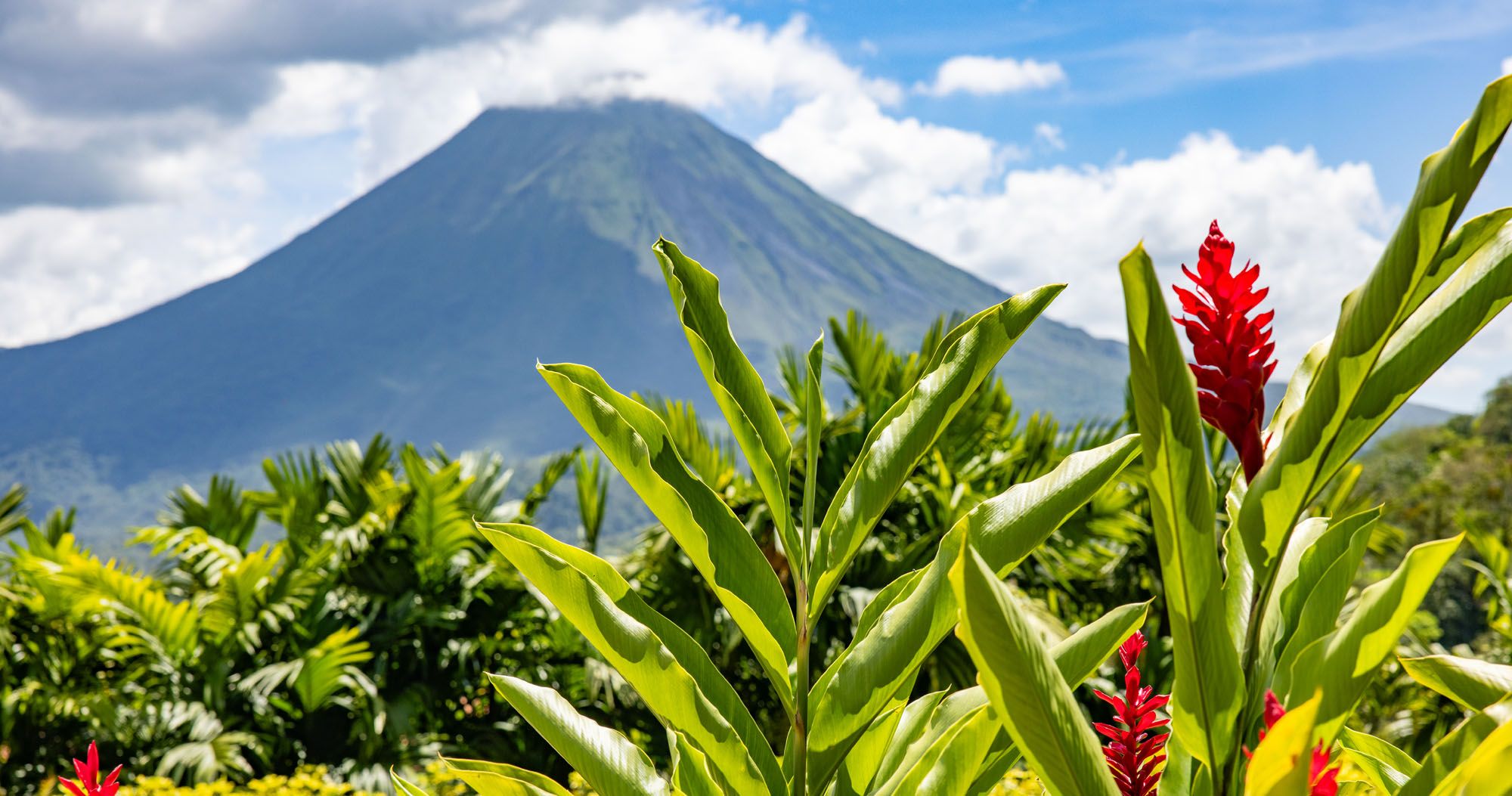

So, your itinerary is finalized, your flights are booked, your hotel reservations are made, and you’ve picked out which tours you plan to do. Now comes the question, what do I pack for a trip to Costa Rica?!
Many trips to Costa Rica include some beach time, a few adventure activities such as ziplining and hiking, plus dinners in the evenings. Even in the dry season, there’s the chance you’ll get caught in a rain shower or two. Plus, you’ll need sunblock, sunscreen, your passport, and some sort of camera, to capture all of the fun you are having (and those cute sloths in the trees).
We traveled in late February and early March, which is peak dry season, so we had the advantage of mostly sunny skies. Even so, we still came prepared for rain, mosquitoes, and a lot of time outdoors, and a few things we packed turned out to be completely unnecessary.
Below is our complete Costa Rica packing list: exactly what we brought, what actually got used, and, just as importantly, what you can confidently leave at home.
Costa Rica Packing List: At a Glance
For most Costa Rica trips, pack lightweight, quick-drying clothing, a swimsuit, sturdy walking shoes or hiking sandals, insect repellent, reef-safe sunscreen, sunglasses, a hat, a reusable water bottle, and a light rain jacket. If you are visiting Monteverde, Poás, or other higher-elevation areas, add long pants and a light jacket. For beach days, waterfalls, kayaking, or rainy-season travel, bring a dry bag or waterproof phone case.
| Essential | Why You Need It |
| Quick-dry clothing | Costa Rica is warm, humid, and often rainy |
| Hiking sandals or sturdy sneakers | Useful for waterfalls, trails, and adventure tours |
| Rain jacket | Helpful even in dry season; essential in rainy season |
| Insect repellent | Mosquitoes are present year-round, especially near the coast |
| Reef-safe sunscreen | Important for beaches, snorkeling, and being out in the sun |
| Dry bag or waterproof case | Protects phones, cameras, and passports |
| Lightweight jacket or pants | Useful for Monteverde and higher elevations |
| Reusable water bottle | Some parks discourage or restrict single-use plastic bottles |
The Weather in Costa Rica
Before we get into what clothing to pack, here is an overview of the weather.
The weather is generally warm and humid all year, but this can vary somewhat by location and by season. In many places throughout the year, shorts and a short-sleeved shirt are sufficient during the day, and on cooler nights, you may need a light jacket.
If you will be spending some time up in the mountains, such as Monteverde or Poas Volcano, temperatures can be much cooler here, cool enough that long pants, a long-sleeved shirt, and even a lightweight jacket should make it into your suitcase.
The rainy season (May through November) also tends to be cooler. During this time period, a rain jacket is essential, as are dry bags, a waterproof cover for your backpack, and mosquito repellent.
The hottest months are usually March and April.
PRO TRAVEL TIP: We use the website Weather Spark to get weather averages for places we plan to travel to. It has graphs on high and low temperatures, rainfall, cloud cover, the UV index, and more. Plug in the places you plan to visit, and the month you will be traveling, to get an idea of what to expect.
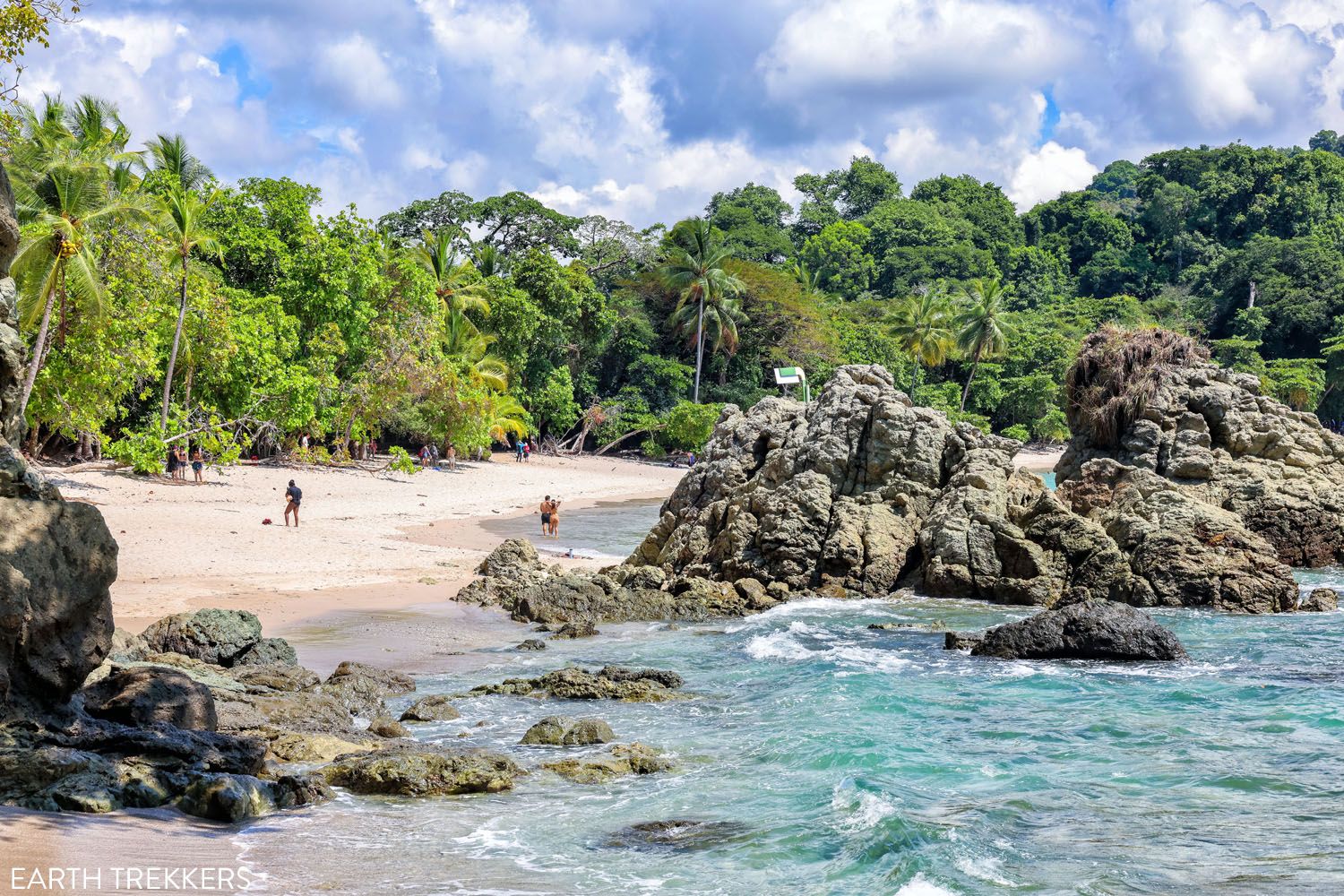
Manuel Antonio Beach
What to Wear in Costa Rica
Clothing
Our visit was from the end of February into early March, which is during the dry season. For the most part, Tim and I wore shorts and T-shirts the majority of the time.
It was warm in the mornings and evenings and hot during the daytime, so we never needed a jacket or long pants, with the exception being Monteverde. Even here, it was warm enough that we wore shorts and a T-shirt during the day, changing into long pants in the evenings, plus a jacket. However, if you have plans to visit Monteverde, pack a pair of long pants and a long-sleeved shirt. It can get much cooler than the temperatures we experienced.
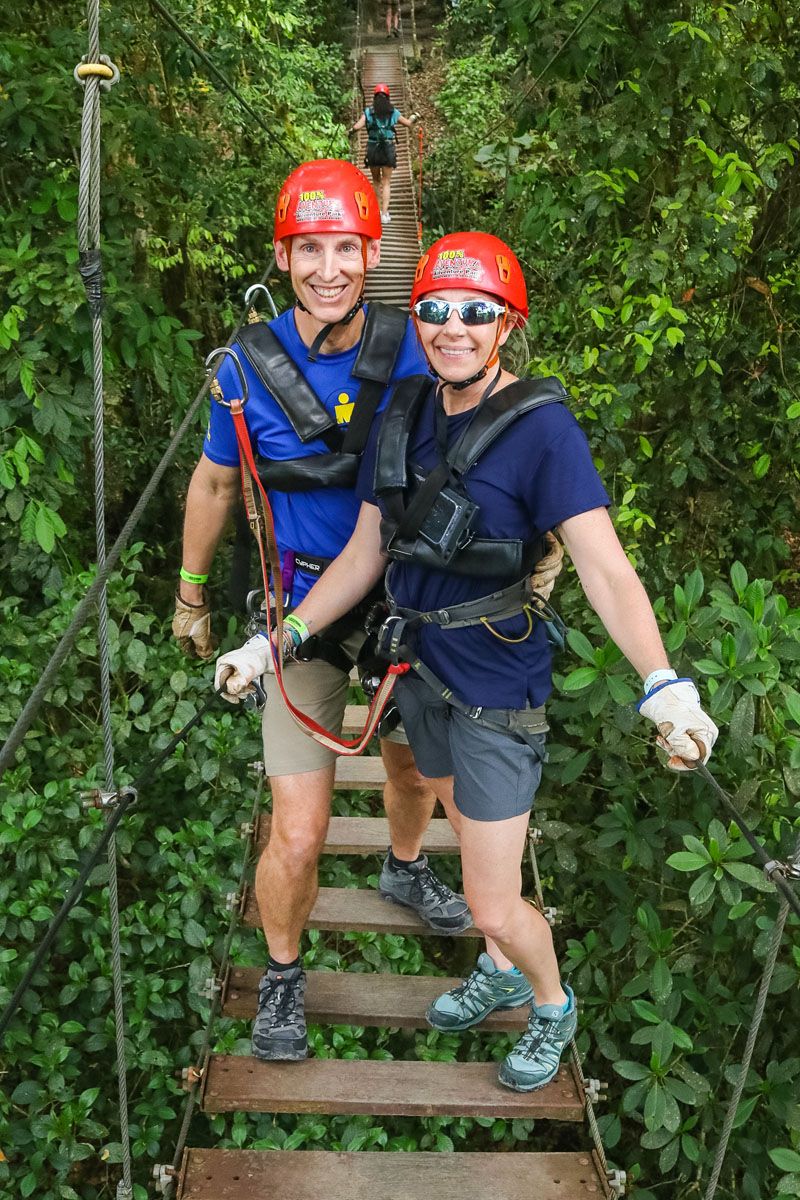
Ziplining in Monteverde
We primarily wore hiking shorts and lightweight, moisture-wicking short-sleeved shirts. We each packed one pair of long hiking pants, one lightweight jacket, and two swimsuits.
In the evenings, we had some nice dinners planned. Tim wore shorts or long pants with a collared shirt, and I wore either a casual dress or a long skirt with a short-sleeved shirt. Even the nicer restaurants are somewhat casual, so you do not have to bring anything too fancy.
As far as how much of everything to pack, that really depends on how many days you will be in Costa Rica. In general, for trips lasting less than two weeks, we pack enough clothing, socks, and under wear for the entire trip. For any trip longer than two weeks, we either wash clothes in the sink or send a few things out to the hotel’s laundry service.
What Julie Packed
- 10 moisture-wicking T-shirts (Prana, Lululemon, Under Armor, Athleta — anything lightweight and quick-dry)
- 3 pairs of hiking shorts (Prana is our go-to brand)
- 1 pair of long hiking pants (for cooler evenings in Monteverde and any early-morning hikes)
- 1 lightweight jacket (we’re Arc’teryx fans, but any packable layer works)
- 2 swimsuits
- 2 casual evening outfits — I brought one casual dress and one long skirt paired with a short-sleeved shirt, and wore these multiple times. Even the nicer restaurants in Costa Rica are relaxed, so nothing fancy is needed.
- 14 pairs of underwear + socks
What Tim Packed
- 10 moisture-wicking T-shirts (Prana, Vuori, Lululemon)
- 3 pairs of hiking shorts
- 1 pair of long hiking pants
- 1 lightweight jacket
- 2 swimsuits
- 2 collared shirts for evenings — Tim wore these with either shorts or his long pants for nicer dinners
- 14 pairs of underwear + socks
Doing Your Own Laundry: If you plan to wash your clothes in the sink, you will need three things: a sink stopper, travel laundry detergent (we use these laundry detergent sheets, which are plastic free and eco-friendly), and a travel clothesline.
A Few Notes on Clothing
Fabric matters more than you’d think. Cotton holds moisture and takes forever to dry in Costa Rica’s humidity. Stick to synthetic, moisture-wicking fabrics — you’ll be far more comfortable during outdoor activities, and clothes dry overnight if needed.
Don’t overpack for evenings. We had some lovely dinners in Manuel Antonio and La Fortuna, but the dress code everywhere was casual. One or two nicer options is plenty.
Skip the heavy layers. Even in Monteverde, we never needed a fleece or heavy sweater. A single lightweight jacket was sufficient for the coolest evenings we experienced.
Best Shoes for Costa Rica
Hiking Shoes OR Walking Shoes: For hiking, walking the hanging the bridges, doing guided wildlife walks in Manuel Antonio, ziplining, and related activities, running or walking shoes are sufficient. We brought along hiking shoes, which were helpful on more rugged trails, such as Rainmaker Park, but for the most part, you can get by with a good pair of running or walking shoes. However, if you are here in the rainy season, waterproof hiking shoes will help keep your feet dry. Tim wears Merrell waterproof hiking shoes and I wear Salomon waterproof hiking shoes.
Closed-Toe Sandals: Tim and I both wore Keen hiking sandals when we went canyoning and kayaking. If you really wanted to pack light, these could also be your main walking shoes in Costa Rica. When we traveled around the world, I wore Keen hiking sandals about 75% of the time.
Sandals: I brought along a pair of dressy sandals for going out to dinner at night.
Do You Need a Rain Jacket in Costa Rica?
Even during the dry season, rain showers are likely. During our trip, we experienced a few, brief showers, but nothing that affected any of our plans. We brought along rain jackets but fortunately never needed to use them. Even so, I wouldn’t leave this one off a packing list. And if your visit is during the rainy season, a good rain jacket is a must.
Our go-to brand is Arc’teryx.
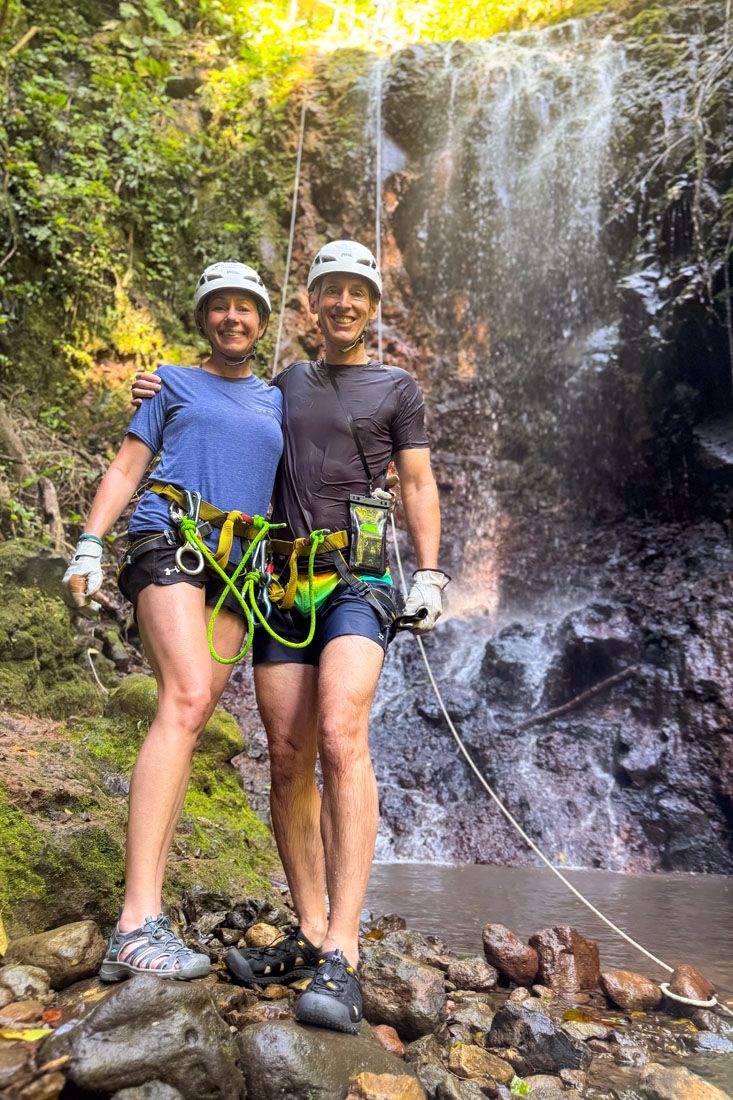
Canyoning in La Fortuna
Sun, Bugs & Health Essentials
Insect Repellent
Mosquitoes are out and about all year in Costa Rica. They aren’t too bad during the dry season, but during the rainy season, locals told us that the mosquitoes get much worse. They are also more prevalent by the coast than in central Costa Rica.
Dengue fever is becoming more and more prevalent in Costa Rica. It is also possible to get Zika virus from a mosquito. I had dengue fever in 2014, getting it while traveling through India on our trip around the world. My symptoms were relatively mild, but the second time a person gets dengue fever, the illness can be much worse, even life threatening.
Leading up to our trip, I did a lot of research on dengue fever in Costa Rica (it’s more common to get it from August through December) and the best insect repellents to use.
What We Used: I primarily used Sawyer Premium Insect Repellent with 20% picaridin lotion. In the morning, I would apply it to my skin, and as long as I did not get in the water, it lasts 14 hours. I would apply it again in the evening, since most of the restaurants we dined at had outdoor seating. It went on great, it’s not sticky, it doesn’t smell weird, and it doesn’t melt or damage plastic (like DEET). I never got any mosquito bites (yay!!) and this is now my go-to insect repellent.
But since I did the research, here’s what I learned about the different types of insect repellents:
- DEET: This is the most popular insect repellent. It can last up to 12 hours and is effective against mosquitoes, ticks, and some flies. It can damage plastic (be very careful with sunglasses, waterproof camera phone cases, etc.) and smells like a chemical. I’ve never been a fan, which is why I’m so glad I learned about picaridin. We’ve had great luck with Ultrathon, but it seems to be discontinued. Ben’s is a backup brand if you can’t find Ultrathon.
- Picaridin: This is a newer repellent and it is made from a synthesized pepper plant. It works just as well as DEET against mosquitoes. It lasts up to 14 hours. I used the Sawyer Lotion but a few times Tim and I also used the Sawyer spray.
- Oil of Lemon Eucalyptus: This is a more natural repellent than the ones above. It lasts up to 6 hours is not quite as effective as DEET or Picaridin. We didn’t try it, but it is a good option if you are in Costa Rica in the dry season, not a mosquito magnet, and not overly concerned with the risk of dengue fever or Zika virus. The REPEL Lemon Eucalyptus repellent is what is recommended by the CDC.
- Permethrin: This is a spray that is used to treat clothing and tents. I used it on some of our clothes for Costa Rica. We have also used it in the past for a trip to the Amazon, and we did not get any mosquito bites. This may be overkill for Costa Rica, unless you’ve had dengue in the past and/or will be here during the wet season. We use the Sawyer Permethrin spray.
- Wearable Insect Repellents: These generally use natural deterrents that you can wear or hang from your gear. It’s great in that you don’t have to apply anything to your skin, but it will leave the areas of your body far from the wearable unprotected against mosquitos.
PRO TRAVEL TIP: Apply sunscreen first. Let that absorb into your skin for a few minutes and then apply insect repellent. Why? Sunscreen is absorbed into the skin whereas insect repellent sits on top of the skin, creating a barrier.
Sunscreen
Costa Rica is located near the equator, so the UV index is very high, even on days that are cloudy. Bring one to two bottles of sunscreen with you, more if you are traveling with kids. If you have plans to go snorkeling or go swimming at the beach, ideally pack reef safe sunscreen.
Our #1 recommendation is La Roche Posay Anthelios Tinted Sunscreen SPF 40+ Titanium Dioxide and Zinc Oxide sunscreen. It comes in several different shades so you get the benefits of mineral sunscreen without leaving a white cast to your skin. According to the official website, it is reef safe.
Our favorite sunscreen is ISDIN Eryfotona Actinica Zinc Oxide Mineral Sunscreen SPF 50+. We have been using it for several years, and since we do triathlons, spend a lot of time outside swimming, biking, and running. This is a mineral-based, reef safe sunscreen that absorbs well into your skin, but it does give a hint of whiteness (from the zinc oxide). It’s very pricey but it works very well.
Thrive Reef Safe Sunscreen SPF50 is a reef safe mineral sunscreen that is much more affordable. They also make a mineral face sunscreen that is SPF 30.
If you want a great mineral face sunscreen that doesn’t turn your skin white, I use both EltaMD Tinted Face Sunscreen SPF46 and Colorescience Total Protection Face Shield Flex SPF 50, which has several shades for a range of skin tones.
Camera Gear & Wildlife Photography
Photographing the wildlife was one of the things I was most excited for in Costa Rica. We travel with high end camera equipment, in order to take high quality photos for this website.
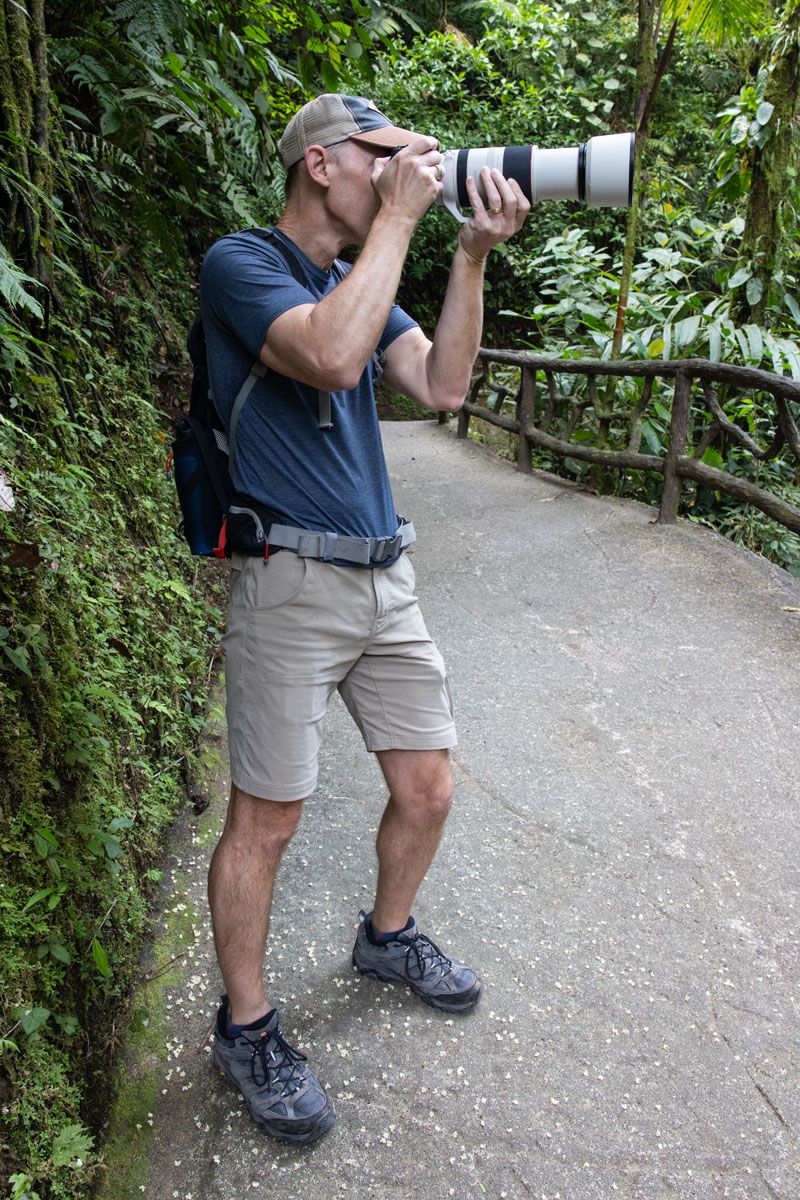
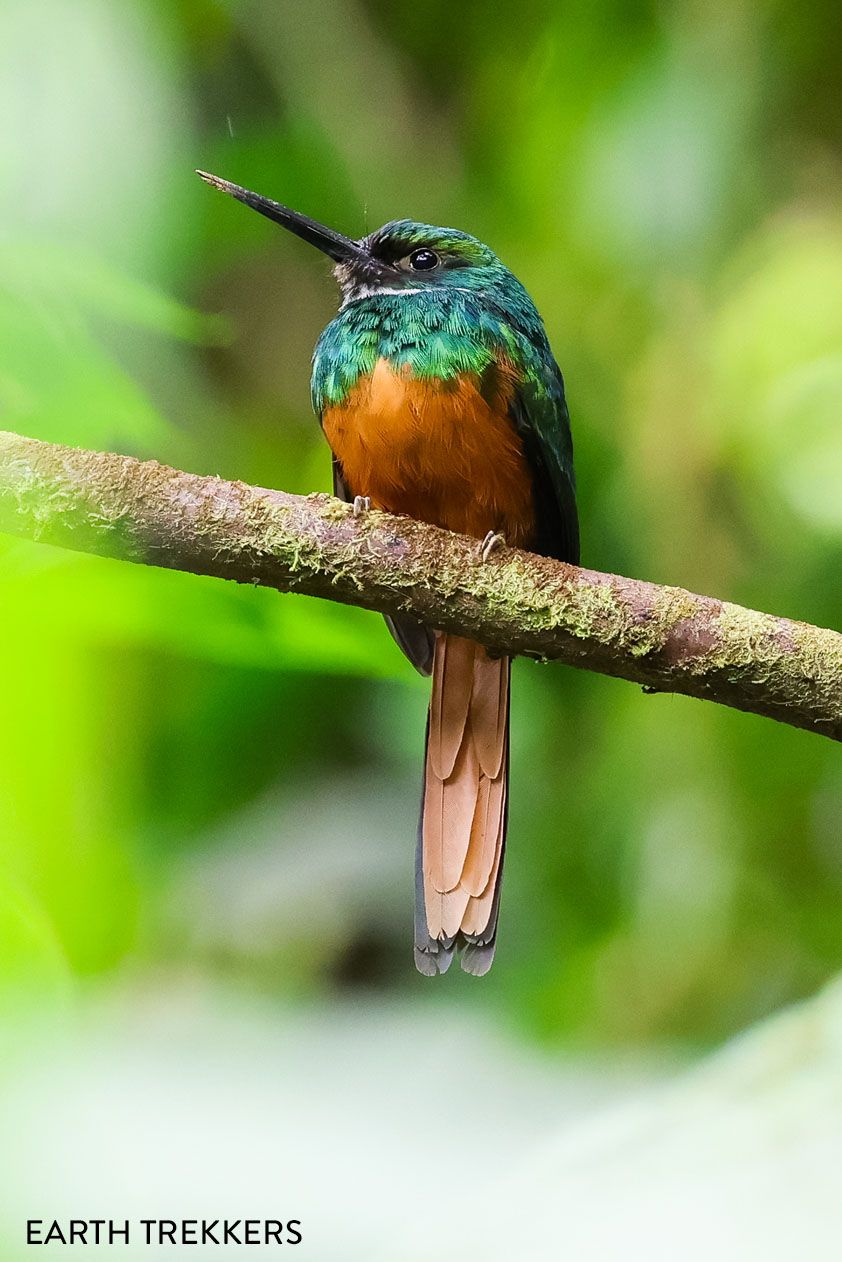
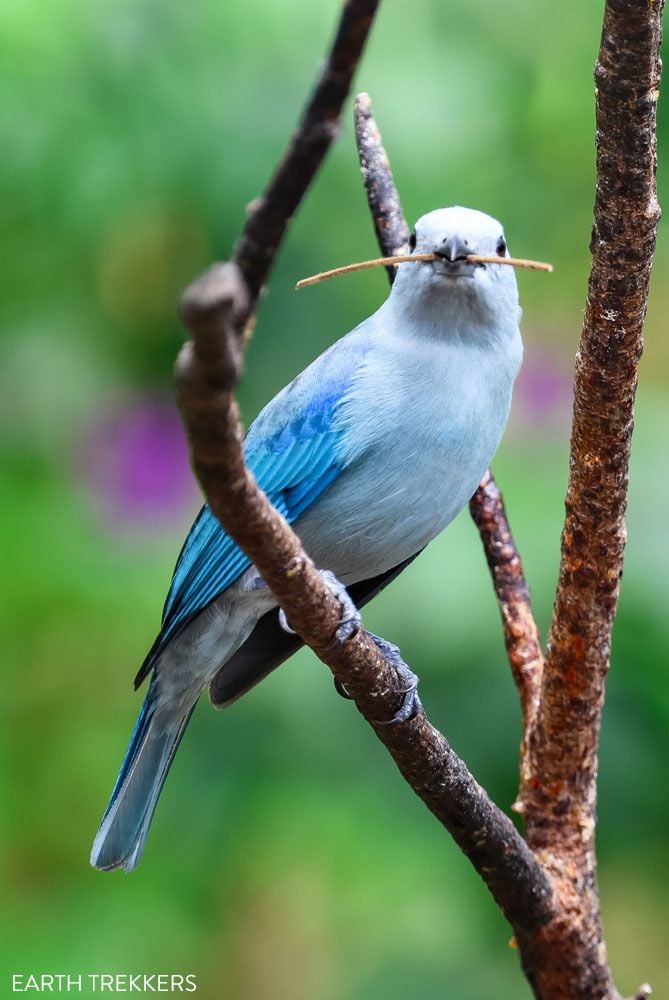
For this trip, we packed two DSLR cameras and several lenses:
- Canon EOS R5 with a Canon RF 24-70m F2.8 lens: This was our primary camera, which we used for landscapes, beaches, etc.
- Canon EOS R5 Mark II with a Canon RF 100-500 mm F4.5-7.1 telephoto lens: This is the camera and lens we used for wildlife photography. This was our first time using the R5 Mark II and it has an amazing AI feature that can track animals, which made it awesome for photographing sloths and birds that were high in the tree canopies. We got some amazing photos with this camera + lens combination.
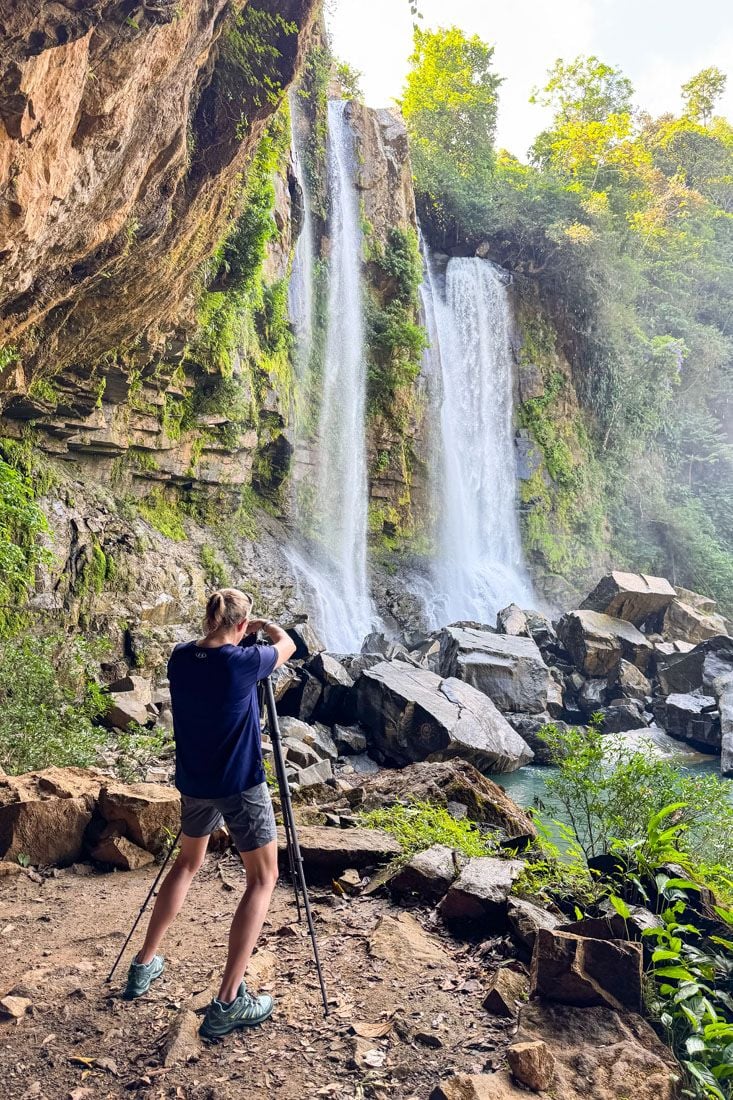
For shooting waterfalls, we also brought along polarizing and neutral density filters, plus a tripod. For several years we have been using the Peak Design Travel Tripod and love it. It’s quick and easy to set up, lightweight, but also very sturdy.
On ziplining and canyoning tours, we took photos with our iPhones. We put our phones in this waterproof iPhone case, which has cross body strap to keep it secure.
We have a detailed guide about the camera equipment we use when we travel, it you want to see the assortment of cameras, lenses, and accessories we use while traveling.

Daypacks & Dry Bags
When out hiking, taking a guided wildlife walk, or visiting a beach, we took one daypack with us, Tim’s Camelback Fourteener 24. Just in case it rained, we also carried a waterproof backpack cover, which is light and compresses down into a small ball.
A dry bag is a good idea if you will be kayaking or visiting Costa Rica in the rainy season and want to keep gear dry. We use this dry bag to keep our camera dry, plus it can clip onto the outside of a backpack.
Travel Documents, Money & Electronics
Passport: This is necessary to enter Costa Rica. Some national park tickets are linked to your passport, so you may also have to bring your passport with you to enter these parks. We also carried a photocopy of our passport.
Driver’s License: If you have plans to rent a car, you must bring your official driver’s license.
Return Ticket or Proof of Onward Travel: In order to enter Costa Rica, you must have a return flight ticket or some sort of proof of onward travel. When going through Immigrations, the officer may ask to see your return flight ticket.
Credit Cards: We primarily used credit cards for payment.
Cash: In Costa Rica, both US dollars and the colón (the official currency) are widely accepted. In fact, ATMs dispense both colones and US dollars. Tim withdrew colones from an ATM at the airport, so we had both colones and US dollars on us, which we used for tips and for instances when credit cards were not accepted.
Adaptors & Power Strips
Costa Rica uses type A (two prong) and type B (three prong) power outlets, which are a 110 volt system, the same as the United States and Canada. If you are traveling to Costa Rica from one of these two countries, you will not need a converter or adaptor.
If you will be traveling to Costa Rica from other countries, you will need to pack adaptors and possibly a converter.
We always pack a power strip, for those situations when hotel rooms have fewer outlets than what we need.
Travel Accessories
Here are a few more important things to pack for Costa Rica:
- Sunglasses
- Reusable, insulated water bottle: Many national parks do not allow single use plastic bottles. An insulated water bottle keeps water cold and can be used multiple times, so it is much better for the environment. We are big fans of Hydroflask.
- Toiletries
- Any medications you take
- Dramamine (if you are prone to motion sickness)
- Binoculars
- Charging cord (to connect your phone to your rental car)
- Carbon monoxide detector
- Travel hair dryer
- Laundry bag
- Costa Rica Wildlife Guide (I bought this while in Costa Rica but you can purchase it in advance on Amazon; this handy guide has drawings of the most common wildlife you will see in the country; it is useful while you are in Costa Rica, but also going through your photos once home)
Everything You Need to Pack for Costa Rica
Clothing
- Moisture-wicking T-shirts (5–10, depending on length of trip)
- Hiking shorts (3 pairs)
- Long hiking pants (1 pair)
- Lightweight jacket (1)
- Swimsuits (2)
- Casual evening outfit (1–2)
- Underwear and socks (7+ pairs each)
Footwear
- Hiking shoes or trail runners
- Closed-toe sandals (for water activities)
- Casual sandals for evenings
Sun & Bug Protection
- Reef-safe mineral sunscreen (1–2 bottles)
- Picaridin insect repellent
- Permethrin spray (for treating clothing, especially in rainy season)
Gear & Accessories
- Daypack
- Reusable insulated water bottle
- Sunglasses
- Binoculars
- Carbon monoxide detector
- Travel power strip
- Waterproof phone case
Rain Gear
- Packable rain jacket
- Waterproof backpack cover
- Dry bag
Camera Equipment
- Camera and lenses
- Tripod
- Extra memory cards and batteries
Toiletries & Health
- All regular toiletries
- Any prescription medications
- Dramamine (if prone to motion sickness)
- Small first aid kit (bandaids, blister pads, pain reliever, antidiarrheal)
- Travel hair dryer
Documents & Money
- Passport (plus a photocopy)
- Driver’s license (if renting a car)
- Return flight ticket or proof of onward travel
- Credit cards
- Cash (US dollars and/or colones)
Laundry (if doing sink washing)
- Sink stopper
- Travel laundry detergent sheets
- Travel clothesline
What NOT to Pack for Costa Rica
Packing light in Costa Rica is genuinely achievable, but only if you know what to leave behind. Here’s what we’d skip:
- Heavy denim or thick cotton clothing. Cotton absorbs moisture and barely dries in Costa Rica’s humidity, making it uncomfortable and impractical. Denim jeans in particular are miserable in the heat. Stick to lightweight, synthetic fabrics and leave the denim at home.
- Formal or dressy clothing. Costa Rica is casual, even at its nicest restaurants. We had lovely dinners in Manuel Antonio and La Fortuna and never felt underdressed in shorts or a casual dress. A collared shirt or a simple dress is all you need.
- Multiple pairs of regular sandals or flip flops. One pair of casual sandals for evenings is sufficient. For everything else, including hiking, water activities, walking around town, closed-toe shoes or hiking sandals are far more practical and versatile.
- Non-reef-safe sunscreen. This isn’t just an environmental consideration. Many tour operators and national parks in Costa Rica actively discourage or prohibit chemical sunscreens. Pack mineral sunscreen and leave the oxybenzone-based products at home.
- Expensive or sentimental jewelry. You won’t wear it. Between the heat, the outdoor activities, and the humidity, jewelry stays in the bag or gets left behind entirely. Keep it simple.
- A bulky first aid kit. Pharmacies are easy to find throughout Costa Rica, and most hotels can help you track down anything you need. A small kit with the basics, including bandaids, blister pads, pain reliever, antidiarrheal medication, is plenty.
- Too many shoes. Three pairs covers everything: hiking shoes or trail runners, closed-toe sandals for water activities, and casual sandals for evenings. More than that is just dead weight in your bag.
For a broader look at what to expect on your first trip, our Costa Rica travel tips covers the things we wish we’d known before we went.
Frequently Asked Questions
Do I need a rain jacket in Costa Rica during the dry season?
Yes, even during the dry season (December through April), brief afternoon rain showers are common in certain parts of Costa Rica. We traveled in late February and early March and experienced a few short showers, though nothing that disrupted our plans. A lightweight, packable rain jacket takes up minimal space and is worth having regardless of the season.
What is the best insect repellent for Costa Rica?
We recommend picaridin-based repellents over DEET for Costa Rica. Picaridin works just as well against mosquitoes, lasts up to 14 hours, doesn’t damage plastic or sunglasses, and has no strong chemical smell. We used Sawyer Premium with 20% picaridin during our trip and had zero mosquito bites. If you’re visiting during the rainy season or have had dengue fever before, also consider treating your clothing with permethrin spray.
Is reef-safe sunscreen required in Costa Rica?
Reef-safe sunscreen is not legally required throughout Costa Rica, but it is strongly encouraged, and in some protected marine areas, it may be required. Costa Rica has made significant environmental commitments, and many tour operators and national parks ask visitors to use reef-safe products. We recommend mineral sunscreens with zinc oxide or titanium dioxide, both of which are considered reef safe.
Do I need a power adapter for Costa Rica?
Travelers from the United States and Canada do not need a power adapter for Costa Rica. The country uses the same Type A and Type B outlets (two and three-prong) and the same 110-volt system as the US and Canada. If you’re arriving from Europe, the UK, or Australia, you will need a universal adapter.
How much cash should I bring to Costa Rica?
You don’t need to bring a large amount of cash from home. ATMs are widely available throughout Costa Rica and dispense both US dollars and Costa Rican colones. We recommend withdrawing a small amount of local currency at the airport ATM upon arrival for tips, small purchases, and situations where cards aren’t accepted. Credit cards are accepted at most hotels, restaurants, and tour operators.
What should I NOT pack for Costa Rica?
Leave behind heavy denim jeans, formal dress clothes, and anything you’d be upset to get muddy, wet, or sweaty. Hair straighteners and bulky styling tools are generally unnecessary given the humidity. Non-reef-safe sunscreen is best left home out of respect for the marine environment. And unless you’re visiting specific high-altitude areas, you won’t need a heavy fleece or winter layers.
Planning Your Trip to Costa Rica? Here’s Everything You Need:
Start with our Costa Rica travel guide for a full overview of the country, then use our 10-day Costa Rica itinerary to map out your time.
For each destination, we have dedicated guides to things to do in Manuel Antonio, Manuel Antonio National Park, things to do in Monteverde, and things to do in La Fortuna. If hiking to waterfalls is on your list, don’t miss our guide to the Nauyaca Waterfalls.
So, that covers our packing list for Costa Rica. If you have any questions, let us know in the comment section below.
More Information for Your Trip to Costa Rica
First Trip to Costa Rica: 18 Things to Know Before You Go
Pinterest Facebook Flipboard Planning your first trip to Costa Rica? We spent two weeks there in early 2025, driving mountain roads to Monteverde, hiking through Manuel Antonio, and soaking in the hot springs at La Fortuna, and came home with a much better understanding of what first-timers actually need to know before they go. This […]

Costa Rica Travel Guide: How to Plan a Trip to Costa Rica
Costa Rica Travel Guide Few countries pack this much variety into such a small footprint: volcanoes, cloud forests, rainforest wildlife, Pacific beaches, and natural hot springs, all within a few hours of each other. We spent two weeks in Costa Rica at the end of February, experiencing sunny skies, almost no rain, and a trip […]
10-Day Costa Rica Itinerary: Manuel Antonio, Monteverde & Arenal
We flew to Costa Rica in late February 2025 and spent two weeks driving a loop from San Jose to Manuel Antonio, through the cloud forests of Monteverde, and up to La Fortuna at the base of Arenal Volcano. This 10-day Costa Rica itinerary is almost exactly how we did it, and we came home […]
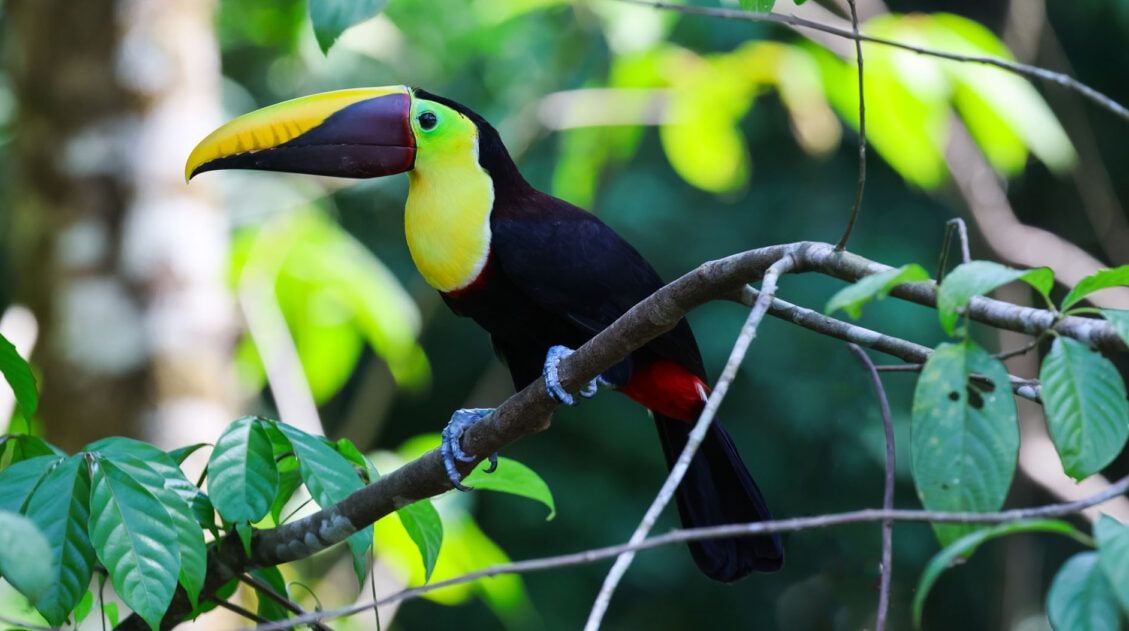
18 Best Things to Do in Manuel Antonio, Costa Rica
Manuel Antonio was our first stop on a two-week Costa Rica road trip, and it set the tone for everything that followed. We heard a toucan before we even left the hotel property, that distinctive, almost cartoon-like call coming from somewhere in the trees above us. By the time we spotted it from our room […]
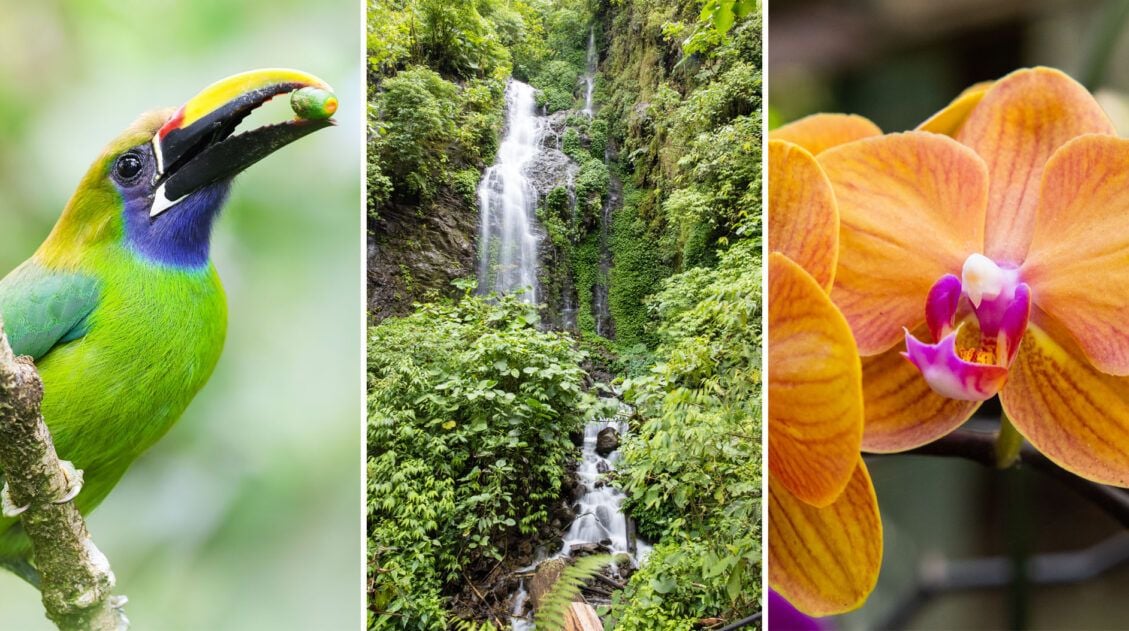
Best Things to Do in Monteverde: Cloud Forests, Ziplining & Waterfalls
Spotting a male and female Resplendent Quetzal in the same morning. Soaring above the cloud forest canopy on what felt like an endless zipline. Walking through misty, moss-draped trails without another soul around. Monteverde delivered some of the most memorable moments on our two-week trip through Costa Rica. But here’s what nobody tells you before […]
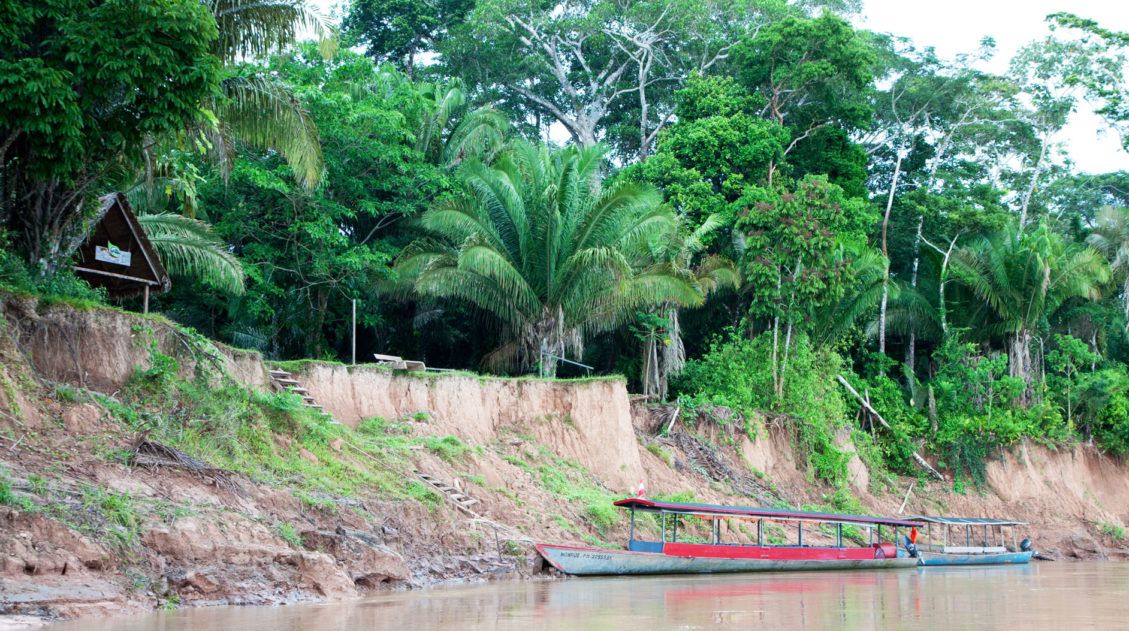
An Introduction to the Amazon Rainforest
Tim and I ended our trip to Peru in the Amazon rainforest. This would end up being quite the experience and would take us out of our comfort zone. I was now wearing a giant, hot, plaster cast on my left hand that was already beginning to disintegrate (I broke my hand mountain biking a […]
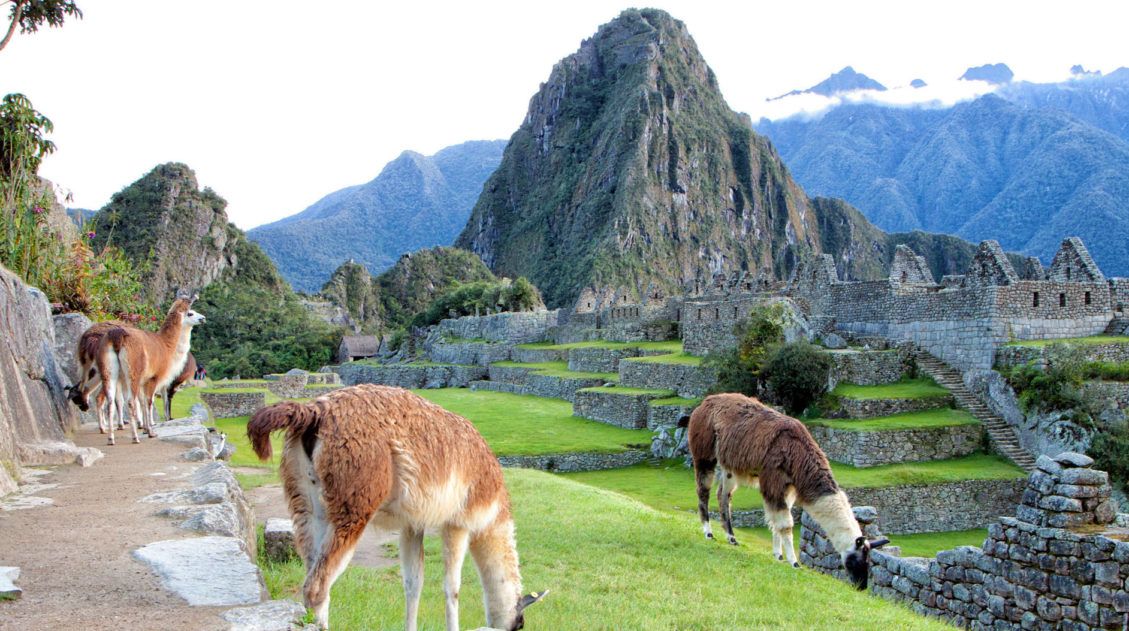
10 Day Peru Itinerary: Machu Picchu, Sacred Valley, & the Amazon
Peru is an extraordinary travel destination. With this Peru itinerary, you can visit the historic city of Cusco, tour several small towns in the Andes Mountains, walk on the famous Inca trail, spend a day at magical Machu Picchu, and even explore the steamy Amazon jungle. Peru still remains one of our favorite travel destinations. […]
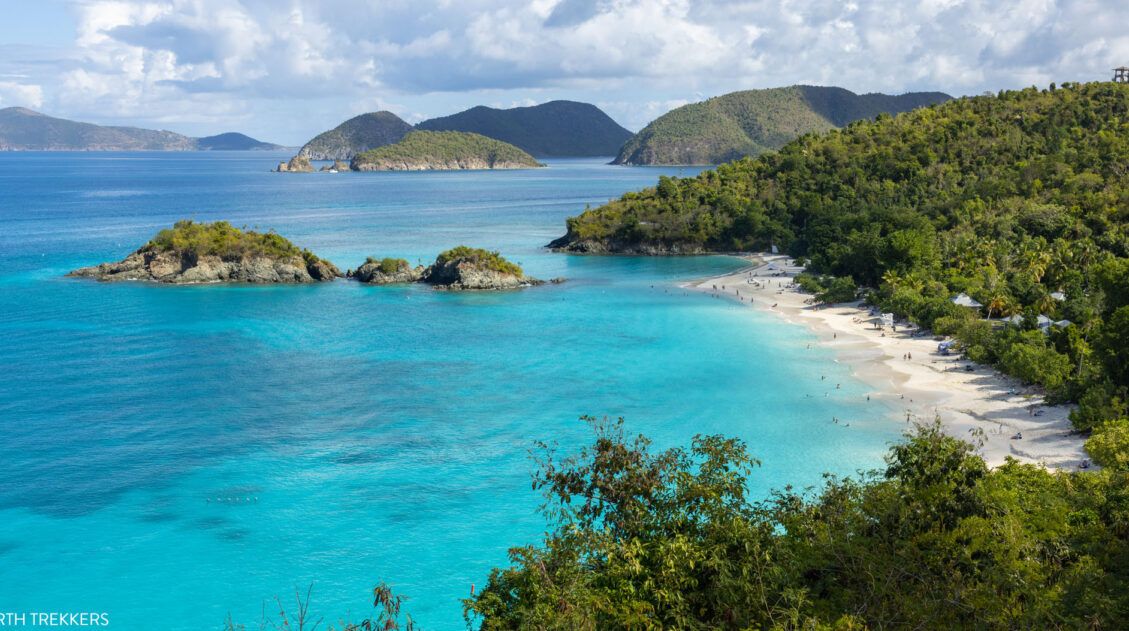
Top 10 Things to Do in Virgin Islands National Park
Discover the top things to do in Virgin Islands National Park, along with what you need to know to plan your trip, including how to get there, the best time to visit, where to stay, and tips for organizing your time. Virgin Islands National Park is one of the most beautiful national parks we have […]

Best Things to Do in Aruba on Your First Visit
So, you are planning a trip to Aruba? Just so you know, there is more to Aruba than sipping tropical drinks in the shade of a palm tree (although that alone would make for a great vacay). Go snorkeling, learn to kitesurf, explore Aruba’s gorgeous beaches, and take an UTV tour of the island. Whether […]
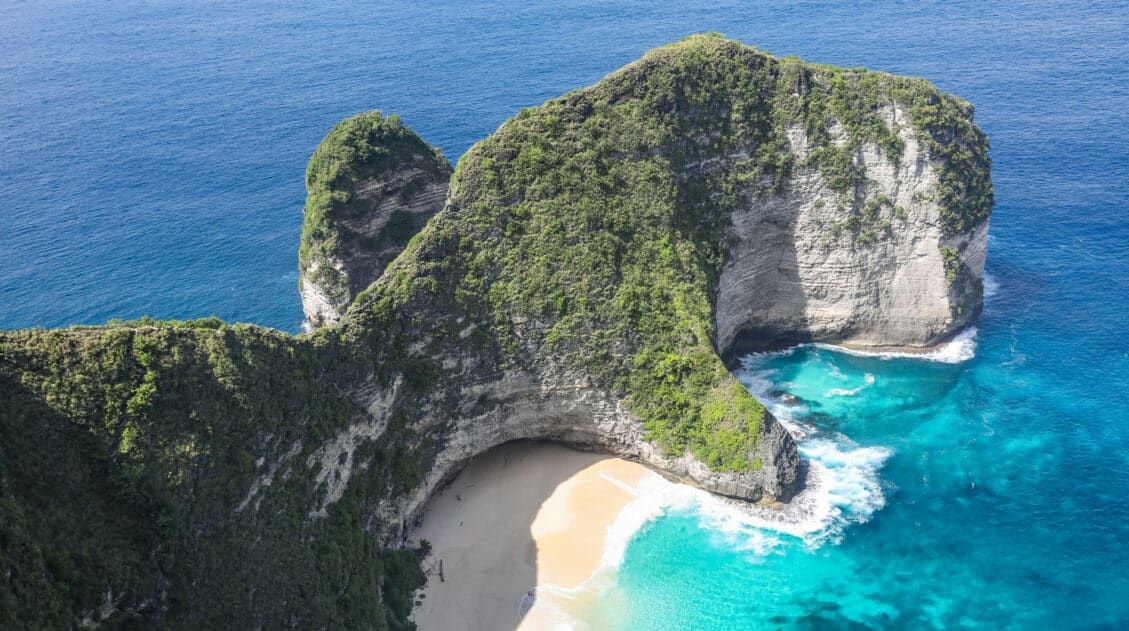
10 Day Bali Itinerary: How to Plan a Trip to Bali, Indonesia
From its rich culture, beautiful scenery, looming peaks and cascading waterfalls, Bali is full of adventure waiting to be sought. Whether you consider yourself a beach bum or would rather discover hidden gems deep within the jungle, Bali has the perfect adventure for you. On this 10 day Bali itinerary, explore Bali’s hidden gems, famous […]

Travel Itineraries: Europe, Asia, Africa, Americas & Oceania
Let us take the guesswork out of planning your next trip. Here are sample itineraries from some of the most popular destinations around the world.



Comments 7