

On this 10-day Arizona road trip itinerary, you will drive one big loop from Phoenix, linking all three of Arizona’s national parks with Monument Valley, Antelope Canyon, Horseshoe Bend, and the red rocks of Sedona. Because you start and end at the same airport, it’s easy to plan. You book one round-trip flight, rent one car, and avoid one-way drop-off fees.
Start in the Sonoran Desert, where giant cacti cover the hills of Saguaro National Park. Next, head northeast to the Painted Desert and the ancient logs of Petrified Forest. The next stop is Monument Valley, followed by Upper and Lower Antelope Canyons and Horseshoe Bend. Spend two days on the South Rim of the Grand Canyon, then finish with several hikes in Sedona before you loop back to Phoenix.
We’ve been to Arizona more times than we can cout. Some of those trips were dedicated entirely to hiking in Sedona, some were quick visits to the national parks, and some were longer road trips that also took us into Utah and Nevada. This itinerary pulls together what we think are the best experiences in the state, in an order that keeps the driving manageable. The longest drives come early in the trip, and the slower days come at the end.
It’s written for first-time visitors who want to see the highlights without rushing. Throughout the post, you’ll find tips on shortening the trip to 7 days or extending it with the North Rim, Vermilion Cliffs, or Canyon de Chelly.
Our Experiences in Arizona: Across numerous trips to Arizona, we’ve hiked the Grand Canyon rim-to-rim, spent Christmas morning visiting Grand Canyon viewpoints, explored Monument Valley multiple times, and toured Upper and Lower Antelope Canyon on the same day (Tim and I still disagree on which one is better). We’ve also hiked extensively in Sedona across multiple trips. Everything in this itinerary comes from our own time on the road, including the route, where to stay, and how long to spend at each stop. All photos in this post are our own.
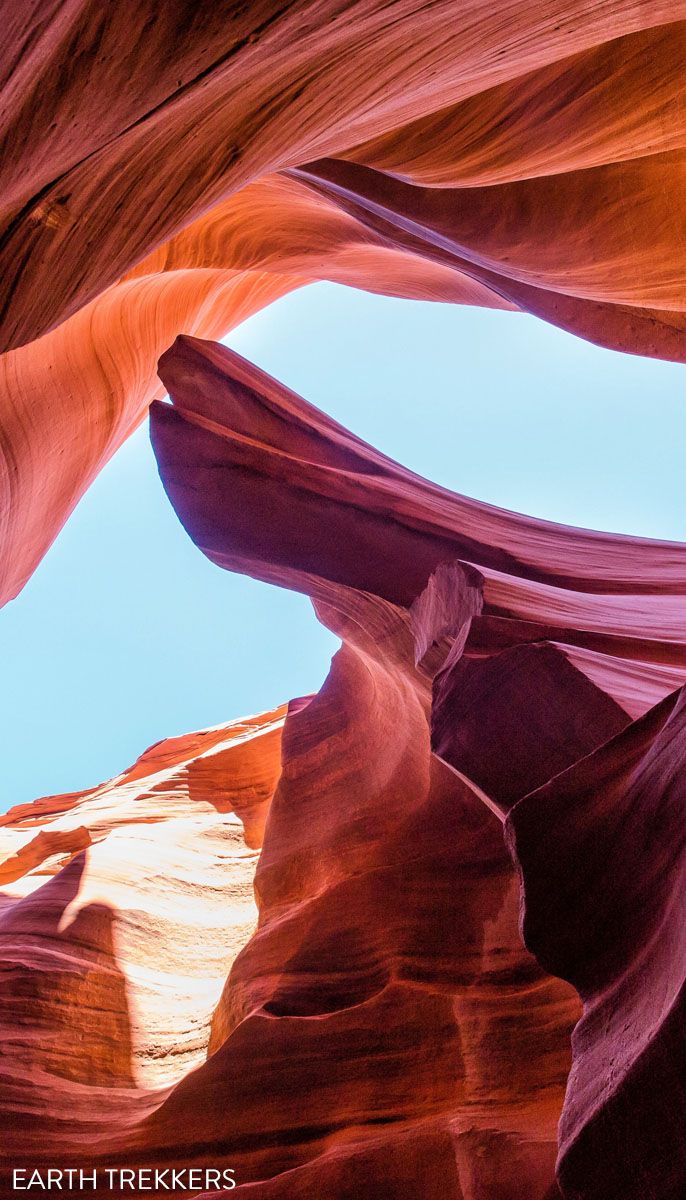
10-Day Arizona Road Trip At a Glance
TRIP LENGTH | 10 days (7-day version also included)
START & END | Phoenix (round-trip loop)
DRIVING DISTANCE | ~1,100 to 1,200 miles
PARKS & MONUMENTS | 3 national parks (Saguaro, Petrified Forest, Grand Canyon), plus Monument Valley and Antelope Canyon Navajo Tribal Parks
OVERNIGHTS | Tucson (1), Holbrook (1), Monument Valley (2), Page (1), Grand Canyon (2), Sedona (2)
BEST TIME | March through May and late September through mid-November
MAJOR HIGHLIGHTS | Grand Canyon South Rim, Monument Valley, Upper and Lower Antelope Canyon, Horseshoe Bend, Painted Desert, Cathedral Rock, Devils Bridge
NATIONAL PARK FEES | $85 per vehicle, or covered by the $80 America the Beautiful Pass (Navajo tribal park fees are separate)
October 2026 Update: We rewrote this itinerary as a 10-day loop from Phoenix and fact-checked every day, including the new Sedona Shuttle rules, Horseshoe Bend parking hours, Antelope Canyon time zones, Monument Valley’s new fees, and the North Rim’s reopening after the Dragon Bravo Fire. We also added a 7-day version and how to do this road trip in reverse.
Is This Road Trip Right for You?
This itinerary is perfect if:
- It’s your first trip to Arizona and you want to see the state’s most iconic places in one trip
- You want a mix of national parks and Navajo lands, including the Grand Canyon, Petrified Forest, and Saguaro, plus Monument Valley and Antelope Canyon
- You’d like to fly in and out of the same airport (Phoenix), with one round-trip rental car and no one-way drop-off fees
- You don’t mind a few long driving days, especially early in the trip, when Days 2 and 3 each cover 240+ miles
- You want mostly short hikes, scenic drives, and viewpoints, with the option to add bigger hikes in the Grand Canyon and Sedona
- You’re willing to book a few things in advance, like Antelope Canyon tours and Grand Canyon lodging, which can sell out months ahead
If you have less time, scroll down to our 7-day version. If you’d rather start in Sedona and end in the Sonoran Desert, see how to do this loop in reverse. And if you want to add Zion, Bryce Canyon, and the rest of southern Utah, our Two Week American Southwest Road Trip combines the Grand Canyon with Utah’s Mighty 5.
On this Arizona Itinerary, You Will Visit:
This itinerary focuses on the three national parks in Arizona as well as several other amazing destinations.
- Saguaro National Park
- Petrified Forest National Park
- Grand Canyon National Park
- Sedona
- Monument Valley
- Antelope Canyon
- Horseshoe Bend
- Valley of the Gods (optional)
About this Arizona Itinerary
This road trip can be done year-round, but the best months are March through May and late September through mid-November. The weather is pleasant across the whole state, from the Sonoran Desert to the Grand Canyon’s South Rim, and it’s warm enough for hiking without the extreme heat of summer.
We’ve visited Arizona in May, June, and December. May was our favorite, with warm days, cool mornings, and comfortable hiking weather everywhere on this route. December was a close second. It was chilly at the Grand Canyon, but there’s nothing like seeing snow on the canyon rim. June was hot, especially in Saguaro, so we did most of our hiking early in the morning.
- Spring (March to May): Ideal temperatures across the state and wildflowers in the desert, but also spring break crowds, especially in Sedona.
- Summer (June to August): Very hot in Tucson, Phoenix, and Page, and the busiest season at the Grand Canyon. Monsoon storms from July into September can bring flash floods that close the slot canyons.
- Fall (September to November): Warm days, cooler nights, and fewer crowds once the summer season ends. This is one of the best times for this trip.
- Winter (December to February): Quiet and peaceful, but expect cold temperatures and occasional snow at the Grand Canyon and Monument Valley, which can affect driving.
This itinerary is a loop that starts and ends in Phoenix. You fly in and out of Phoenix Sky Harbor International Airport and keep one rental car for the whole trip. That usually makes flights and car rental the simplest and least expensive to book.
To save a little driving, you can fly into Tucson and out of Phoenix. Starting in Tucson cuts out the 1.5 to 2-hour drive from Phoenix on Day 1, which gives you more time in Saguaro National Park on your first afternoon. Rental car companies may charge a one-way drop-off fee for picking up in one city and returning in another, and flights into Tucson can cost more than flights into Phoenix, so compare the total cost of both options before you book.
These 10 days include your travel to and from Arizona. Day 1 starts when you land in Phoenix, ideally by midday, and Day 10 is the drive from Sedona back to Phoenix for your flight home. You won’t need to add extra days for arrival and departure. If you fly in and out on the days shown, this itinerary works exactly as written.
Arizona Road Trip Itinerary
Day 1: Arrive in Phoenix, Saguaro National Park
Day 2: Saguaro National Park
Day 3: Petrified Forest National Park
Day 4: Monument Valley
Day 5: Antelope Canyon
Day 6: Grand Canyon
Day 7: Grand Canyon
Day 8: Grand Canyon & Sedona
Day 9: Sedona
Day 10: Fly Home


10 Day Arizona Itinerary
Day 1: Arrive in Phoenix & Drive to Tucson
On the Road: 2 to 3 hours (110 to 160 miles)
Focus: Arriving in Phoenix and driving to Tucson, with time for Saguaro’s Rincon Mountain District if you arrive early
Overnight: Tucson
To get the most out of your day, try to schedule your flight to arrive in Phoenix by midday. This gives you the afternoon to drive to Saguaro National Park in Tucson. Depending on your timing, you might even be able to explore part of the park.
It takes just over an hour and a half to drive from Phoenix to Tucson.

There are two separate sections to the park. The city of Tucson sits smack in the middle of these two sections.
- The eastern section is called the Rincon Mountain District. It has a lower concentration of cacti but the Rincon mountains form a nice backdrop for photography.
- The western section is called the Tucson Mountain District. This has a denser population of cacti and it is the more popular section of the park.
If you arrive in Tucson by mid-afternoon: Head to Saguaro East (the Rincon Mountain District) and drive the Cactus Forest Loop. This 8-mile paved road takes about an hour, with stops at Javelina Rocks and the short Desert Ecology Trail. If you have more time and the temperatures are comfortable, walk the Mica View Trail. Because the loop road stays open into the evening, this district works well for a late-day visit, and the light on the Rincon Mountains is beautiful in the late afternoon.
If you arrive late in the day: Skip the park today and check into your hotel. You’ll still see the best of Saguaro tomorrow morning.
This is exactly how we did it. We arrived in Tucson in the late afternoon, spent a few hours in Saguaro East, and saved Saguaro West for the next morning.
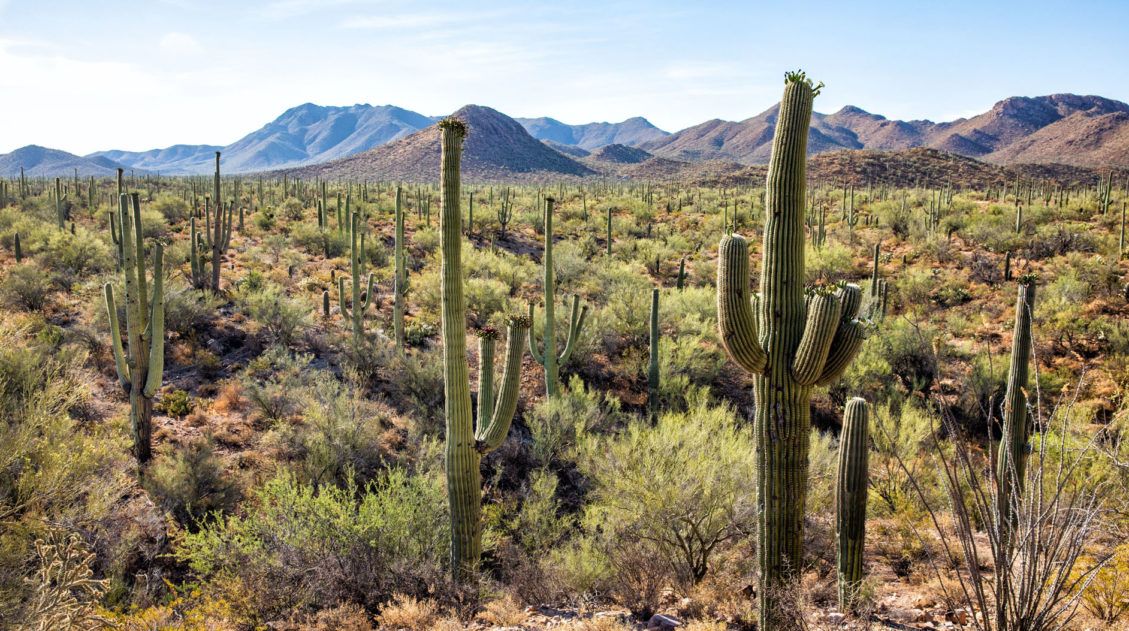
8 Amazing Things to Do in Saguaro National Park
Things to do and how to plan a visit to Saguaro National Park.Where to Stay in Tucson
Upscale: JW Marriott Tucson Starr Pass Resort and Spa. If you want a resort with swimming pools, restaurants, and outdoor activities, and a close location to Saguaro West, this is the place to stay.
Mid-Range: Hacienda del Sol Guest Ranch Resort. This gorgeous 3-star property is located in the Catalina Foothills, situated north of Tucson. It’s about a 30-minute drive to Saguaro West and a 30-minute drive to Saguaro East, putting you in between both areas of the park. With its Southwest-inspired decor, outdoor swimming pool, and excellent reviews, it’s a great choice for those who want a resort-style stay near the national park without spending a small fortune.
Budget: Hotel McCoy. This hotel has a handy location just off of Route 10. From here it is a 30-minute drive to both Saguaro West and Saguaro East. The property has a pool and offers beer, wine, and coffee which are all produced in Arizona.
Day 2: Saguaro National Park
On the road: 4.5 hours (240 miles)
Highlights: Saguaro’s Tucson Mountain District, scenic drives and short walks among the cacti, then the drive to Holbrook
Overnight: Holbrook
Get an early start and spend the morning in Saguaro West (the Tucson Mountain District). This is our favorite of the two districts, with the densest cactus forests in the park, and mornings are the most comfortable time to explore. Even in June, when we visited, it was already 95°F by 8:30 am.
Drive the 6-mile Bajada Loop Drive, a graded dirt road that’s fine for standard cars. Along the way, walk the Valley View Overlook Trail (0.8 miles round trip), one of our favorite walks in the park, and the short trail to the Signal Hill Petroglyphs. If you have time, add the paved Desert Discovery Nature Trail near the visitor center. Plan on 3 to 4 hours for these stops.

By midday or early afternoon, start the drive to Holbrook. This is one of the longest driving days of the trip, through remote desert landscapes, so fill up on gas and grab lunch in Tucson before you leave.
Tonight, sleep in Holbrook, the closest town to Petrified Forest National Park.
Where to Stay in Holbrook
La Quinta Inn & Suites. This is our top pick and gets very good reviews on Booking.com. It’s new since our visit to Petrified Forest. If you are traveling as a family, this is a great option because the suites accommodate more than five people.
Brad’s Desert Inn. This quirky, full-of-character motel is located right on historic Route 66. We wanted to stay here, but with complaints about slow Wi-Fi, we chose the Days Inn (Tim had to work during our visit so he was dependent on good Wi-Fi). In recent years, reviews have been mediocre.
Days Inn. This is where we stayed. It’s nothing fancy but it checked all of our boxes: clean, quiet, with decent Wi-Fi. I have no complaints and would stay here again on a future visit.
Where to Stay in Winslow
Winslow is 30 minutes west of Holbrook, so staying in Winslow adds extra drive time, but you can find nicer accommodations, better restaurants, and experience “Standin’ on the corner in Winslow, Arizona.” 😊
La Posada Hotel and Gardens. This 4-star hotel offers elegantly decorated rooms plus a bar and restaurant. It gets very high reviews and is located in downtown Winslow.
The Winslow. This modern hotel is located north of Winslow. It has family rooms and standard rooms, plus a bar and fitness area.
Day 3: Petrified Forest National Park
On the road: 5 hours (280 miles)
Highlights: Giant Logs, Crystal Forest, Blue Mesa, and the Painted Desert, then the drive to Monument Valley
Overnight: Monument Valley
Petrified Forest is a small park, and a 28-mile road runs through it from one end to the other. On this road trip, you’ll spend a little over half a day here, enough time to see the highlights, before continuing north to Monument Valley.
For this itinerary, enter at the south entrance and drive north. The south entrance is just a short drive from Holbrook, and you’ll exit at the north end, right next to Interstate 40, so you’re already on your way to Monument Valley. The park opens at 8 am, so do your best to arrive when the gates open.
Start at the Rainbow Forest Museum and walk the short Giant Logs Trail, home to some of the largest petrified logs in the park. Continue north to Crystal Forest, then drive the Blue Mesa Scenic Road and hike the 1-mile Blue Mesa Trail down into the blue and purple badlands. Finish with a few stops along the rim of the Painted Desert near the north entrance. With these stops, plan on 4 to 5 hours in the park.


If you’d like to spend a full day here, our one-day Petrified Forest itinerary covers every stop along the park road, along with our favorite hike in the park, the Blue Forest Trail.
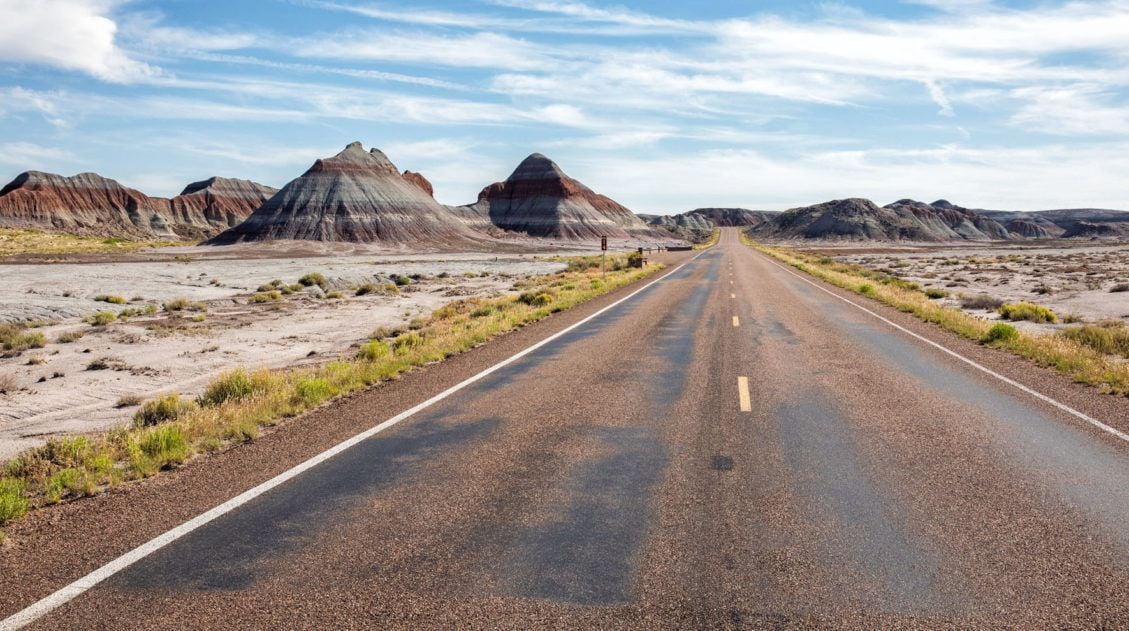
One Day in Petrified Forest National Park: Our Itinerary & Best Stops
Get full details on what to do here and how to plan your time.From the north entrance, it takes about 3.5 hours to drive to Monument Valley. If you leave Petrified Forest by early afternoon, you’ll arrive in time for sunset over the Mittens.
Where to Stay in Monument Valley
You will stay in Monument Valley for two nights.
The View Hotel. Located in Monument Valley Tribal Park, take your pick from hotel rooms or cabins. We stayed in a cabin and loved it!! We had a deck with a view of the Mittens and we could lie in our bed and look out at West Mitten Butte.
Goulding’s Lodge and Campground. Located just outside of Monument Valley Tribal Park, this lodge offers rooms with a view and they also have a campground. The operate one of the only restaurants in the area.
Firetree B&B is a nearby bed and breakfast place that also makes a nice option.
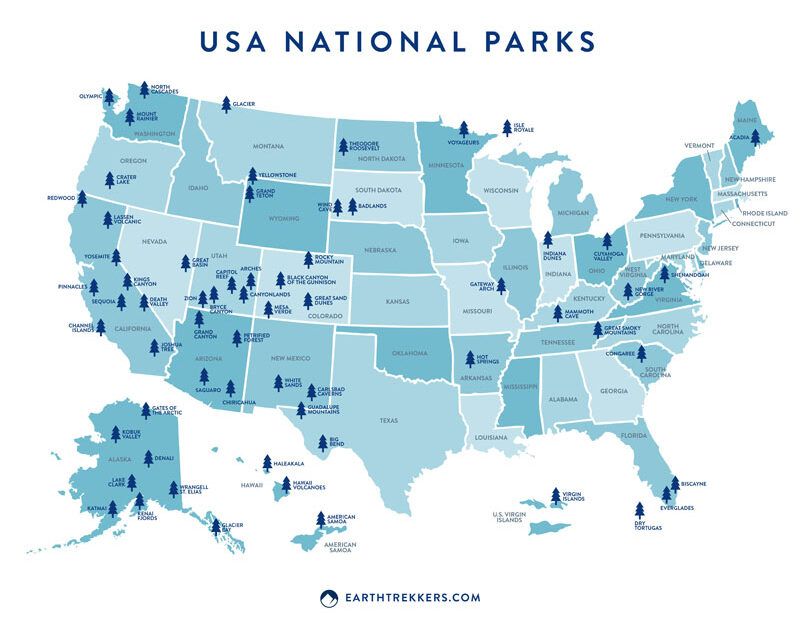
Day 4: Monument Valley
On the road: Minimal; if you visit Valley of the Gods in Utah, you will drive 2 hours (72 miles)
Highlights: Valley Drive, Forrest Gump Point, the Wildcat Trail or a Navajo-guided tour, sunset over the Mittens
Overnight: Monument Valley
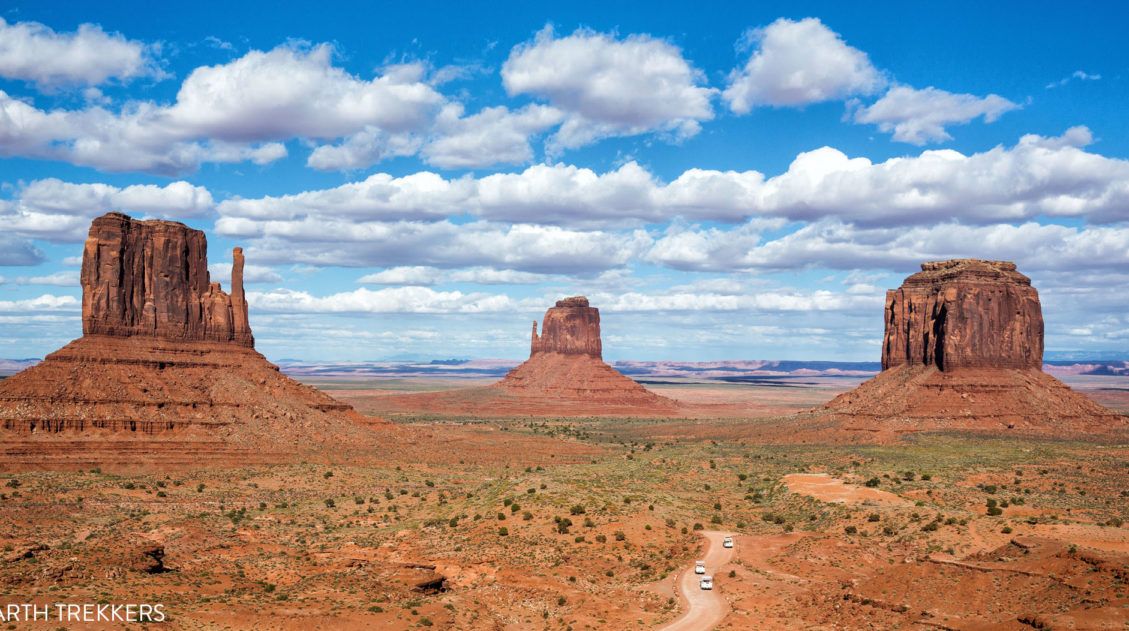
Morning: Watch the sunrise over the Mittens from the viewpoint near The View Hotel, or join a sunrise photography tour into areas you can’t visit on your own. Then drive the 17-mile Valley Drive, stopping at John Ford’s Point, Artist’s Point, and North Window. Plan on 2 to 3 hours. The road is unpaved and rough in places, so an SUV is helpful, but 4WD isn’t required.
Midday: Drive 20 minutes north on US-163 to Forrest Gump Point. Go in the morning or early afternoon; by late afternoon, you’ll be facing directly into the sun. With extra time, continue north to Valley of the Gods, Mexican Hat, and Goosenecks State Park, a quiet loop through scenery similar to Monument Valley with far fewer people.
Afternoon: Hike the Wildcat Trail, a nearly 4-mile loop around West Mitten Butte and the only trail in Monument Valley you can hike without a guide. Or book a Navajo-guided tour. Our favorite was the hike to Teardrop Arch.
Evening: Watch the sunset over the Mittens.

We took this photo overlooking the Mittens and Valley Drive from next to the View Hotel

We took this photo from Forrest Gump Point

Valley of the Gods
Good to know: Monument Valley observes Daylight Saving Time, unlike the rest of Arizona. From spring through fall, it’s one hour ahead of Page, the Grand Canyon, and Phoenix, so double-check tour times. The last vehicle is allowed onto the Valley Drive at 4:30 pm in summer and 2:30 pm in winter.
For entrance fees, tours, and everything else you need to know, read our guide to Monument Valley.
How to Visit Monument Valley (Everything We Learned From 2 Visits)
Get a full list of things to do in Monument Valley and how to plan your time.Tonight, sleep in Monument Valley.
Day 5: Antelope Canyon & Horseshoe Bend
On the road: 2 hours (120 miles)
Highlights: Tours of Upper and Lower Antelope Canyon, sunset at Horseshoe Bend
Overnight: Page
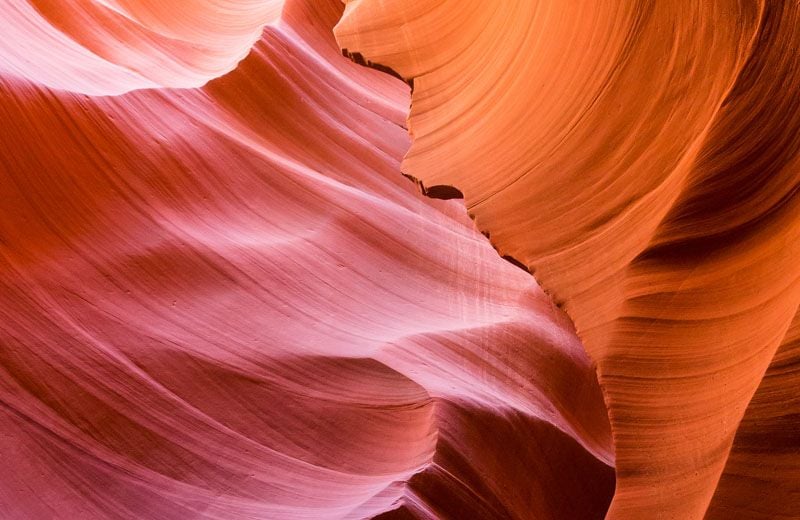
Today, drive from Monument Valley to Page and tour Antelope Canyon (about 2 hours). It’s made up of two slot canyons, Upper Antelope Canyon and Lower Antelope Canyon. Both are on Navajo land and can only be visited on a guided tour.
Be aware of the time change. Antelope Canyon tours run on Arizona time, even though they’re on Navajo land. From spring through fall, Monument Valley is one hour ahead of Page, so you’ll gain an hour on the drive. Your phone may switch back and forth between time zones around Page, so set it manually to Phoenix time to be safe. Most tours also require you to check in 30 to 45 minutes before your start time.
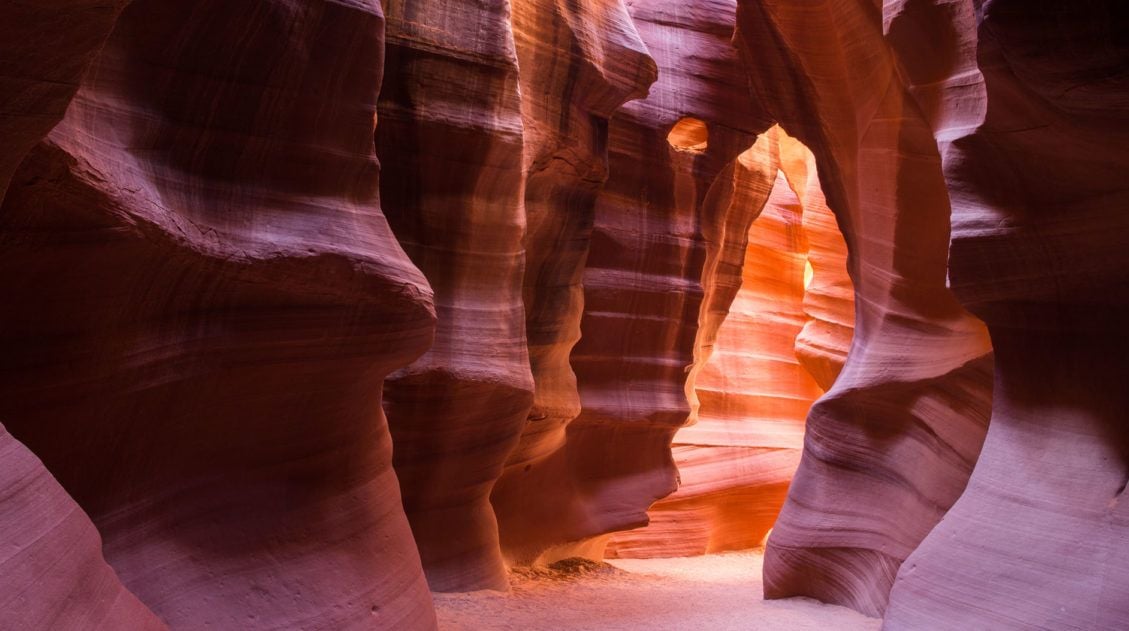
Can you tour both Upper and Lower Antelope Canyons on the same day? Yes. Tim and I did both on the same day, and we still disagree on which one is better. Upper Antelope Canyon is the more photogenic of the two, with towering walls and the famous light beams, which are most reliable from about 10:30 am to 1:30 pm in the summer months. With ladders to climb and narrow passageways, Lower Antelope Canyon is more of an adventure. If you only have time for one, our guide to Upper vs. Lower Antelope Canyon will help you choose.
To do both, book Upper in the late morning and Lower in the early afternoon. If you visit both on the same day, the Navajo Nation will refund the entry fee at the second canyon. Just bring your receipt from the first tour.

Upper Antelope Canyon


Lower Antelope Canyon
PRO TRAVEL TIP: Book your tours as soon as your dates are set. Midday tours of Upper Antelope Canyon can sell out 3 to 6 months in advance during the busy season. If both canyons are sold out, Antelope Canyon X is a less crowded alternative. Bags aren’t allowed on most tours, so bring only what fits in your pockets plus your camera and water. You can also purchase tickets through GetYourGuide.
In the evening, visit Horseshoe Bend. The parking lot stops admitting cars at sunset, so arrive at least 30 to 45 minutes early. The trail from the parking lot to the viewpoint of Horseshoe Bend is 1.5 miles round trip with very little shade. Expect crowds at sunset, so arrive early for a spot along the rim. The City of Page collects the parking fee, and your national parks pass won’t cover it.
Where to Stay in Page: We stayed at the unexciting but clean, convenient, and budget friendly Holiday Inn Express. The Wingate by Wyndham Page Lake Powell and Hyatt Place Page Lake Powell are two of the highest rated hotels in Page.
Tours & Tickets
Day 6: Horseshoe Bend Sunrise & the Grand Canyon
On the road: 2.5 hours (135 miles)
Highlights: Optional sunrise at Horseshoe Bend, viewpoints along Desert View Drive, sunset on the South Rim
Overnight: Grand Canyon Village or Tusayan
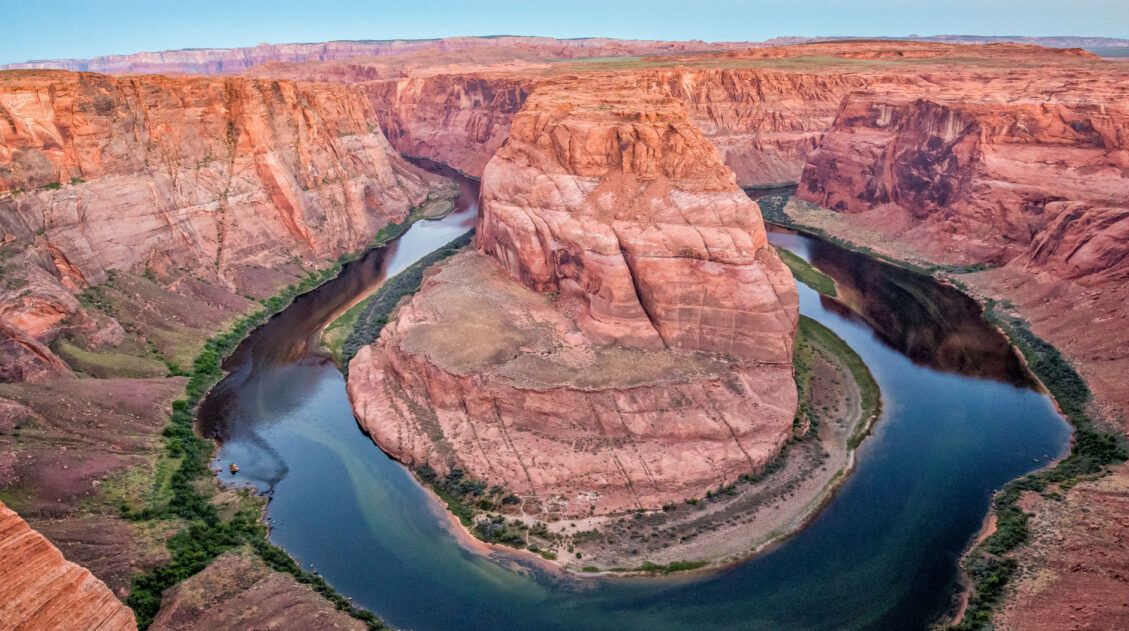
In the morning, you have the option visit Horseshoe Bend at sunrise. At this time, the crowds are light and this is a peaceful place to be. It’s a much different experience than sunset (which feels like a zoo on very busy evenings).

We took this photo of Horseshoe Bend just after sunrise
Then drive south to the Grand Canyon, entering the park at the East Entrance.
Once on Desert View Drive, there are numerous viewpoints of the Grand Canyon that you can visit as you make your way to the Grand Canyon Village. They are all spectacular, but our favorites are Desert View Point (along with the Desert View Watchtower), Moran Point, and Grand View Point.

To see the view from each view point along Desert View Drive, as well as the other viewpoints in Grand Canyon National Park, check out our post 17 Best Views on the South Rim of the Grand Canyon.
Check into your hotel and spend the afternoon visiting more of the South Rim viewpoints. You can walk the South Rim Trail, take the shuttle, or go by bike to see the views. Watch the sunset over the Grand Canyon and then have dinner.
Where to Stay in the Grand Canyon
There are six hotels located in the Grand Canyon Village (El Tovar, Thunderbird Lodge, Bright Angel Lodge, Kachina Lodge, Maswik Lodge, and the Yavapai Lodge). Staying here gives you the advantage of easy access to the shuttles, short walks to several of the viewpoints, and no hassles driving into and out the park every day. However, the hotels get mediocre reviews and many people say they are expensive for what you get.
You also have the option to stay in Tusayan. From Tusayan, it is a 15-minute drive into the park. There are several hotels to choose from as well as some restaurants.
We have stayed at The Grand Hotel in Tusayan two times. It is one of the highest-rated hotels in the area. The hotel looks impressive from the outside and the lobby is very nice but the rooms are nothing special. On Booking.com it is listed as a 5-star hotel but it looks and feels a lot more like a 3 to 4 star hotel. For a nicer room, it’s worth upgrading to the Deluxe Queen Room.
The Red Feather Lodge/Hotel, the Grand Canyon Hotel & Suites, and the Holiday Inn Express are three more hotels to try in Tusayan.
You will stay here for two nights.
Day 7: Grand Canyon National Park
On the road: Minimal
Highlights: Hiking the South Kaibab Trail (Ooh Aah Point, Cedar Ridge, or Skeleton Point), Hermit Road, South Rim viewpoints
Overnight: Grand Canyon Village or Tusayan
Yesterday you visited viewpoints along Desert View Drive and around Grand Canyon Village; today you can go below the rim and explore the western end of the South Rim.
For the Grand Canyon highlights: Start early with a short hike on the South Kaibab Trail to Ooh Aah Point (1.8 miles round trip), one of our favorite views in the park. Tyler and I watched the sunrise from here. Midday, visit the Yavapai Geology Museum or take a helicopter flight over the canyon. In the afternoon, explore Hermit Road, with stops at Powell Point, Mohave Point, and Hermits Rest. From March 1 through November 30, Hermit Road is closed to private vehicles, so ride the free shuttle (red line) or rent a bike. End the day with sunset from Hopi Point or Mohave Point.
For hikers: Hike the South Kaibab Trail. The views are unbelievable and the trail is less crowded than the more famous (and less scenic…in my opinion) Bright Angel Trail. You can hike out and back to either Cedar Ridge or Skeleton Point. For an epic experience, you can hike South Rim to South Rim on the South Kaibab and Bright Angel Trails. We’ve done it twice and it’s one of our favorite day hikes in the US national parks. We only recommend doing this during the cooler months (November through March) and if you are very fit with a lot of hiking experience.
For more ideas on how to plan your time, read our guide to one day in the Grand Canyon.


Bright Angel Trail

Tonight, sleep at the Grand Canyon
Day 8: Grand Canyon to Sedona
On the road: 2 hours (115 miles)
Highlights: A final morning at the Grand Canyon or an early start in Sedona, then Cathedral Rock and the Bell Rock and Courthouse Butte Loop
Overnight: Sedona
Today you have a decision to make: put more of your time into the Grand Canyon or Sedona.
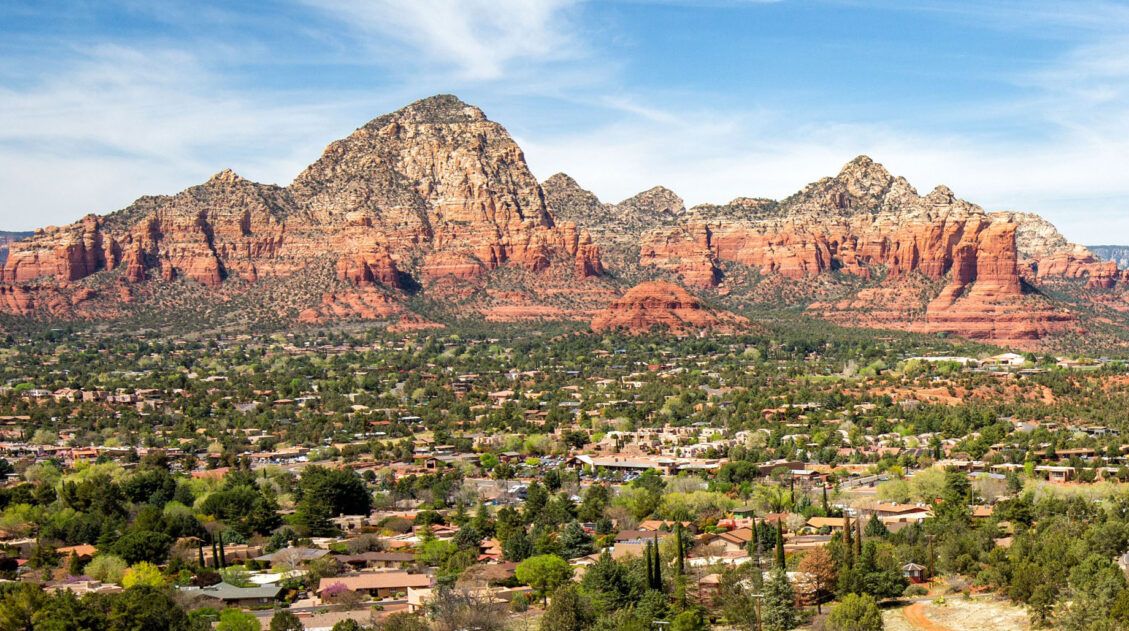
Our recommendation is to drive to Sedona first thing this morning (if you’d rather spend more time at the Grand Canyon, hike or visit more viewpoints in the morning and drive to Sedona in the afternoon; you’ll just have less time in Sedona). With short, fun hikes, scenic drives, great restaurants, and red rock views around every corner, there is more to do in Sedona than on the South Rim, whether or not you’re a hiker. Getting here early gives you more time to enjoy it.
If you’d like one last look at the Grand Canyon, watch the sunrise from the rim before you leave.
From the Grand Canyon, drive south to Flagstaff and then take State Route 89A through Oak Creek Canyon to Sedona. Once in Sedona, have lunch and then spend the afternoon on one of these hikes. Click each link for more details.
Cathedral Rock. This is an essential hike in Sedona. This hike is short and sweet, and with some rock scrambling and jaw-dropping views, it’s tons of fun from start to finish. It’s 1.2 miles round-trip with 700 feet of elevation gain. Parking at the main trailhead can be almost impossible midday during peak season, but there are alternative ways to get here.
Bell Rock and the Courthouse Butte Loop. Hike around Courthouse Butte and Bell Rock, a 4 mile trail that is easy and suitable for all ages and ability levels. For even better views, hike up onto Bell Rock.

The view from Bell Rock
Not a hiker? Drive the Red Rock Scenic Byway (SR 179) between the Village of Oak Creek and Sedona, stopping at the pullouts for views of Bell Rock and Courthouse Butte, or walk the flat, easy Bell Rock Pathway.
In the evening, watch the sunset from Airport Mesa, one of the most popular sunset spots in Sedona.
Good to know: Many Sedona trailheads require a Red Rock Pass. Your America the Beautiful Pass also covers it.
Where to Stay in Sedona: We stayed at a wonderful bed & breakfast called A Sunset Chateau. This is a beautiful property located just outside of the town of Sedona. This property has a pool, hot tub, and a lush garden filled with tropical plants and trees. I also recommend the Marriott Courtyard in Sedona. It is located in West Sedona and some rooms have views of Cathedral Rock. And we have many more recommendations in our article Sedona Hotel Guide.
Plan Your Visit to Sedona
15 Best Things to Do in Sedona
How to Spend One Perfect Day in Sedona
12 Amazing Hikes in Sedona
Day 9: Sedona
On the road: Minimal
Highlights: Hikers can do Soldier Pass, Boynton Canyon, or Bear Mountain, a Broken Arrow Jeep tour, and Devils Bridge late in the day. Non-hikers can visit Tlaquepaque, the Chapel of the Holy Cross, and Crescent Moon Picnic Site.
Overnight: Sedona (or Phoenix, if you have an early flight)
With one full day in Sedona, you can see and do a lot quite a bit. I have two recommendations on how to spend your time, whether you are a hiker or non-hiker.
If you are an avid hiker, here is a sample itinerary for today:
MORNING: Go hiking. Hike one of the trails mentioned on day 8, or choose one of these:
Soldier Pass. This fun hike takes you past Devils Kitchen and the Seven Sacred Pools. As a bonus, hike to the Soldier Pass cave. This hike is 4.5 miles out-and-back. On days when the Sedona Shuttle is running, the trailhead parking lot is closed, so you’ll need to ride the shuttle from the Posse Grounds park-and-ride lot.
Boynton Canyon. This hike takes you through a beautiful canyon in the Red Rock Secret Mountain Wilderness. Add on the short detour to the Subway Cave, one of the most beautiful hidden caves in Sedona. This hike is 6.3 miles long (7 miles total if you add on the Subway Cave).
Bear Mountain. This hike is only 5 miles round-trip but with a massive elevation gain, it is the hardest on this list. Your reward…panoramic views from one of the highest points in Sedona.
MIDDAY: Have lunch in Sedona. In the early afternoon, take a Pink Jeep Tour of Broken Arrow, Sedona’s most thrilling 4WD road.

LATE AFTERNOON: Hike Devils Bridge, the most popular hike in Sedona. From mid-morning through mid-afternoon, the trail is extremely busy, and at peak times people can wait up to an hour for a photo on the bridge. By 3:30 pm, most hikers are heading back to their cars, which makes this the perfect time to go. Crowds are lower and the light is great for photography. Park at the Mescal Trailhead, where spaces usually open up by late afternoon, rather than relying on the shuttle, which stops running around 5:30 pm.

EVENING: Have dinner in Sedona. Our favorite dinner spots are Mariposa, Vino di Sedona, and Saltrock Southwest Kitchen. Elote Café gets rave reviews as well. Make your reservations in advance.
If you are not a big fan of hiking, here is a sample itinerary for today:
MORNING: Start your day with brunch. The Coffee Pot Restaurant, Wildflower, and Miley’s Café (in the Village of Oak Creek) all get rave reviews. Then go shopping at Tlaquepaque Arts and Crafts Village. Have lunch at Tlaquepaque or The Hudson.

MIDDAY: Visit the Chapel of the Holy Cross, a small Roman Catholic Church that is perched on the red rocks. Then, for a very nice off-the-beaten-path experience, visit the Amitabha Stupa and Peace Park. Spend the remainder of the afternoon at the Crescent Moon Picnic Site for iconic views of Cathedral Rock.

Cathedral Rock from the Crescent Moon Picnic Site.
EVENING: Have dinner in Sedona. Sleep in Sedona or drive to Phoenix if you have an early flight tomorrow.
Day 10: Return to Phoenix & Fly Home
On the road: 2 hours (120 miles)
Focus: Driving back to Phoenix for your flight home
Today, drive from Sedona back to Phoenix. If you have an afternoon or evening flight, you have time for one more morning in Sedona. Go for an early walk on the Bell Rock Pathway, revisit a favorite viewpoint, or have a leisurely breakfast before you hit the road.
On the way to Phoenix, consider a stop at Montezuma Castle National Monument, just off Interstate 17 about 30 minutes from Sedona. A short, paved trail leads to a view of a five-story cliff dwelling built by the Sinagua people more than 800 years ago. You only need about 45 minutes here, and your America the Beautiful Pass covers the entrance fee.
Give yourself plenty of time to get to the airport. The drive from Sedona to Phoenix takes about 2 hours, but traffic on I-17 can be heavy heading into Phoenix, especially on Sunday afternoons. You’ll also need time to return your rental car and take the shuttle from the Rental Car Center to your terminal.
7 Day Arizona Itinerary
With 7 days, you can still see Arizona’s most iconic places, but you’ll need to leave out Saguaro National Park. Saguaro adds a lot of driving to this itinerary, and in our opinion, the other destinations on this road trip are more worth your time.
With 9 days, follow the 10-day itinerary but spend just one full day at the Grand Canyon. With 8 days, skip Saguaro National Park as well and drive from Phoenix directly to Petrified Forest on Day 1.
Day 1: Arrive in Phoenix and drive to Holbrook (overnight: Holbrook)
Day 2: Petrified Forest National Park, then drive to Monument Valley (overnight: Monument Valley)
Day 3: Monument Valley in the morning, then drive to Page and watch the sunset at Horseshoe Bend (overnight: Page)
Day 4: Antelope Canyon, then drive to the Grand Canyon (overnight: Grand Canyon Village or Tusayan)
Day 5: Grand Canyon National Park (overnight: Grand Canyon Village or Tusayan)
Day 6: Drive to Sedona and spend the day hiking and exploring (overnight: Sedona)
Day 7: Drive to Phoenix and fly home
How to Modify this Itinerary
Doing This Loop in Reverse: Phoenix to Sedona First
This itinerary also works in the opposite direction, starting in Sedona and finishing in the Sonoran Desert. The biggest advantage is an easy first day: Sedona is just 2 hours from Phoenix, which works well if your flight lands in the afternoon. The tradeoff is that the two longest driving days come at the end of the trip, instead of the beginning.
Day 1: Arrive in Phoenix and drive to Sedona (overnight: Sedona)
Day 2: Sedona (overnight: Sedona)
Day 3: Sedona in the morning, then drive to the Grand Canyon (overnight: Grand Canyon)
Day 4: Grand Canyon National Park (overnight: Grand Canyon)
Day 5: Drive Desert View Drive on your way out of the park, continue to Page, and watch the sunset at Horseshoe Bend (overnight: Page)
Day 6: Antelope Canyon, then drive to Monument Valley (overnight: Monument Valley)
Day 7: Monument Valley (overnight: Monument Valley)
Day 8: Drive to Petrified Forest National Park and drive through the park from north to south (overnight: Holbrook)
Day 9: Drive to Tucson and visit Saguaro East in the afternoon (overnight: Tucson)
Day 10: Saguaro West in the morning, then drive to Phoenix and fly home
A few things change when you do the loop in this direction:
- Book an early Antelope Canyon tour on Day 6. From spring through fall, you lose an hour driving into Monument Valley, and the last car is allowed onto the Valley Drive at 4:30 pm (2:30 pm in winter). If you arrive too late, drive the Valley Drive the next morning.
- Leave Monument Valley early on Day 8. Petrified Forest closes at 5 pm and is about 3.5 hours away. In this direction, you’ll follow our one-day Petrified Forest itinerary from north to south, ending close to Holbrook.
- Expect heat at the end of the trip. Tucson is the hottest stop on this road trip, so from late spring through early fall, plan to visit Saguaro early in the morning.
With More Time
Visit the North Rim of the Grand Canyon
The North Rim has some of the best views of the Grand Canyon and a fraction of the crowds. It sits at a higher elevation and is only open seasonally, usually from mid-May into the fall. You can visit on a long day trip from Page (about 2.5 hours each way), or spend the night nearby and continue to the South Rim the next day, which is a drive of more than 4 hours.
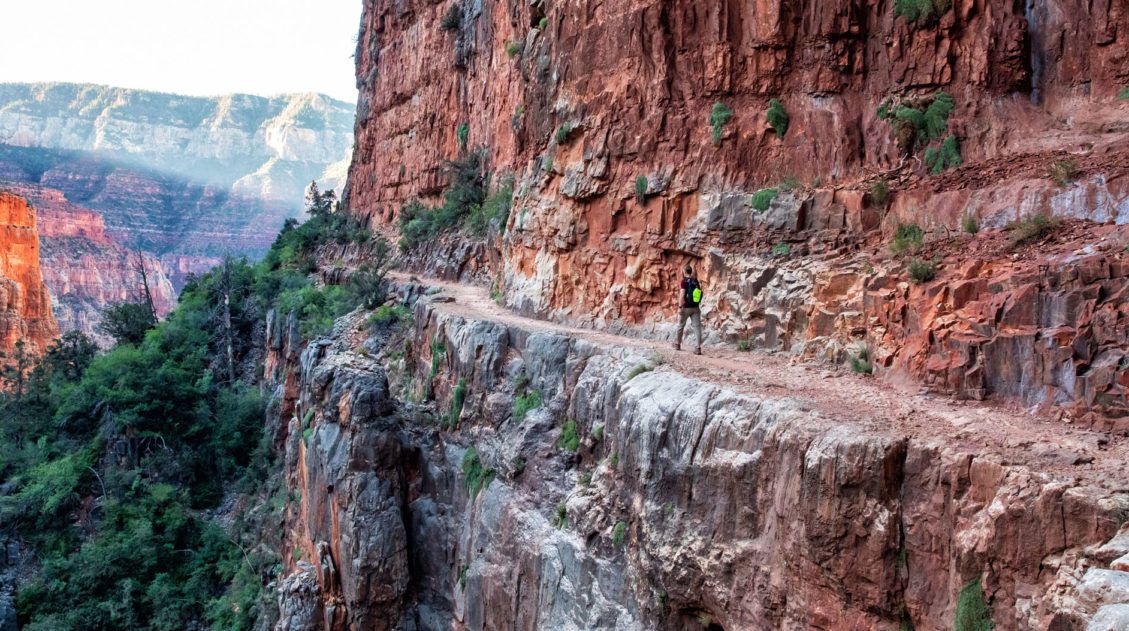
After the 2025 Dragon Bravo Fire, the North Rim reopened in May 2026, but the historic Grand Canyon Lodge is gone, and there is currently no overnight lodging inside the park on the North Rim. The closest places to stay are Kaibab Lodge and Jacob Lake Inn. Check the National Park Service’s North Rim status page before planning a visit.

We took this photo from the North Rim before the Dragon Bravo Fire.
Vermilion Cliffs National Monument
West of Page, Vermilion Cliffs National Monument is home to some of the most unusual sandstone formations in the Southwest. The most famous of these is The Wave, and visiting requires a permit. Only 64 people are allowed per day: 48 permits are awarded through an advance online lottery, and 16 through a daily lottery that you enter on your phone the day before. Both are run on Recreation.gov. If you don’t win a permit, Coyote Buttes South is a less competitive alternative.
Canyon de Chelly National Monument
Canyon de Chelly is on Navajo land in northeastern Arizona, and it fits neatly between Petrified Forest and Monument Valley. Add a day to this itinerary, stay overnight in Chinle, and drive the rim roads, with stops at overlooks such as Spider Rock. To explore the canyon floor, you’ll need a Navajo guide.
Practical Information
National Park Fees
Saguaro National Park: $25 per vehicle
Petrified Forest National Park: $25 per vehicle
Grand Canyon National Park: $35 per vehicle*
Total for the national parks: $85 per vehicle
*Non-US residents ages 16 and older pay an additional $100 per person at Grand Canyon National Park, unless they have the non-resident America the Beautiful Pass.
Other Fees on this Road Trip:
- Monument Valley: $10 per person, plus $15 per vehicle to drive the Valley Drive. This is a Navajo Tribal Park, so national park passes are not accepted.
- Antelope Canyon: The Navajo permit fee is included in the price of your tour.
- Horseshoe Bend: There is a parking fee, collected by the City of Page. National park passes are not accepted.
- Sedona trailheads: Many trailheads require a Red Rock Pass to park. The America the Beautiful Pass covers this.
America the Beautiful Pass
If you’re visiting all three national parks on this itinerary, the America the Beautiful Pass will save you money. For US residents, this annual pass costs $80 and covers entrance to every national park and federal recreation site for 12 months, including the Red Rock Pass trailheads in Sedona and Montezuma Castle National Monument. Purchase it online before your trip or at the first national park you visit.
For non-US residents, the America the Beautiful Pass costs $250. It covers the passholder plus up to three additional adults and waives the $100 non-resident fee at Grand Canyon National Park. If you’re visiting the Grand Canyon with two or more adults, it pays for itself.
Click here to learn more.
Important Links

Monument Valley
Arizona Road Trip FAQs
How many days do you need for an Arizona road trip?
Plan on 7 to 10 days. With 10 days, you can visit all three of Arizona’s national parks, Monument Valley, Antelope Canyon, and Sedona without rushing. With 7 days, you can still see most of the highlights if you skip Saguaro National Park.
What is the best route for an Arizona road trip?
A loop from Phoenix is the easiest way to see the state’s top destinations. Drive south to Saguaro National Park, then northeast to Petrified Forest, north to Monument Valley and Page, west to the Grand Canyon, and south to Sedona before returning to Phoenix. The loop works just as well in reverse, starting in Sedona.
When is the best time for an Arizona road trip?
The best months are March through May and late September through mid-November, when temperatures are comfortable across the whole route. Summer is very hot in Tucson, Phoenix, and Page, and monsoon storms from July through September can close the slot canyons. In winter, expect cold temperatures and occasional snow at the Grand Canyon and Monument Valley.
Should you fly into Phoenix or Tucson?
Phoenix is the simplest choice, since you can fly in and out of the same airport and return your rental car where you picked it up. Flying into Tucson and out of Phoenix saves about 2 hours of driving on the first day. But rental companies may charge a one-way drop-off fee, so compare the total cost before you book.
Does the America the Beautiful Pass work at Monument Valley and Antelope Canyon?
No. Monument Valley and Antelope Canyon are on Navajo land, not federal land, so national park passes aren’t accepted there, and the pass doesn’t cover parking at Horseshoe Bend either. It does cover Saguaro, Petrified Forest, and the Grand Canyon, plus Red Rock Pass trailheads in Sedona.
What time zone is Arizona in?
Most of Arizona stays on Mountain Standard Time year-round and does not observe Daylight Saving Time. The Navajo Nation, which includes Monument Valley, does observe it, so from spring through fall Monument Valley is one hour ahead of the rest of this itinerary. Antelope Canyon tours run on Arizona time, so set your phone to Phoenix time while you’re in the Page area.
Do you need a 4WD vehicle for this road trip?
No. A standard car works for this entire itinerary. The Valley Drive in Monument Valley is unpaved, rough, and sandy in places, so an SUV is more comfortable there, but 4WD isn’t required. The Bajada Loop Drive in Saguaro National Park is also a graded dirt road that’s fine for regular cars.
Plan Your Trip to Arizona
- Want to see everything Arizona has to offer? → Our Arizona Travel Guide links to all of our Arizona content, including national parks, hikes, and itineraries.
- Spending time at the Grand Canyon? → Our Grand Canyon Travel Guide covers the best viewpoints, hikes, and how to plan your time on the South Rim.
- Planning your days in Sedona? → Our Sedona Travel Guide links to our many hiking guides, restaurant picks, and things to do in Sedona.
- Want to add Utah’s national parks? → Our Two Week American Southwest Road Trip combines the Grand Canyon with Zion, Bryce Canyon, and the rest of Utah’s Mighty 5.
- Exploring more national parks? → Our US National Parks guide has planning tips for all 64 parks, based on the 56 we’ve visited.
- Looking for your next road trip? → Our Best USA Road Trips guide covers 18 ideas for your next big adventure.
If you have any questions about this Arizona road trip itinerary, let us know in the comment section below.
Explore More of the American Southwest
If this is part of a bigger road trip through the USA, visit our United States Travel Guide for more inspiration and travel planning tips.
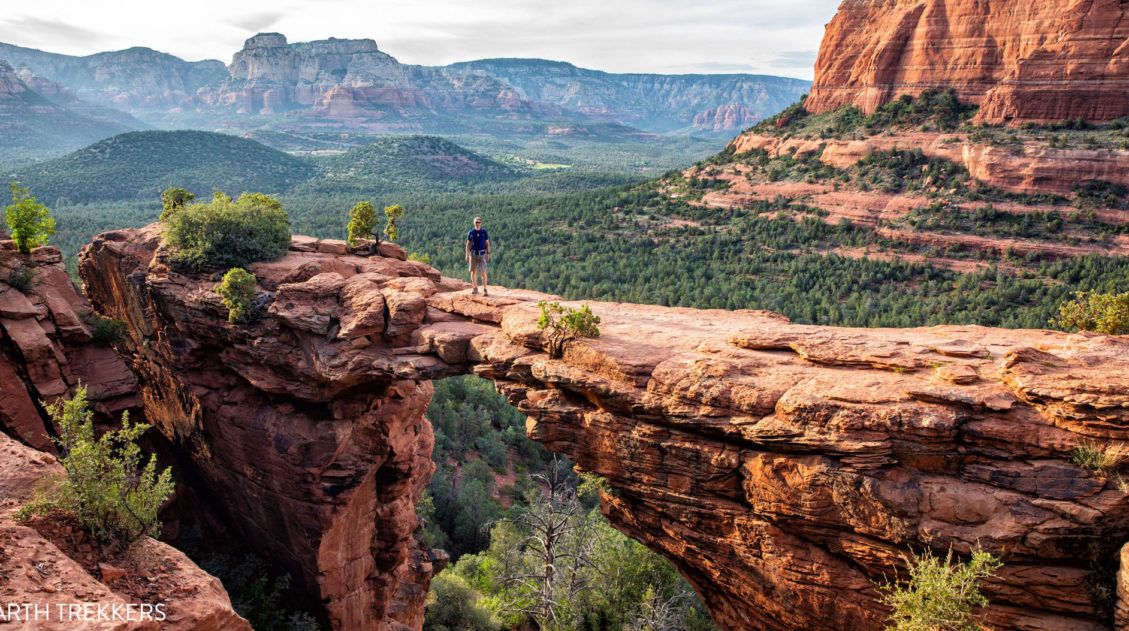
Exactly How to Hike Devils Bridge in Sedona
Devils Bridge is a wonderful hike in Sedona. With an easy hiking trail, beautiful red rock scenery, and of course, the chance to have your photo taken on top of Devils Bridge, this hike makes the top of the list for many visitors to Sedona. This is one of the most popular trails in Sedona […]
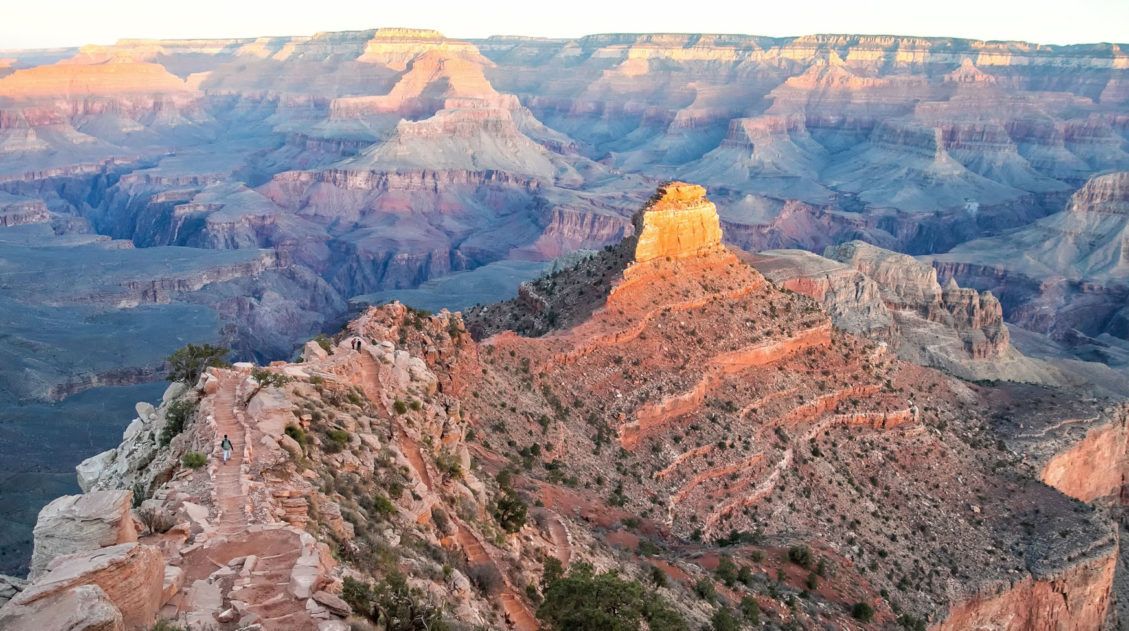
South Kaibab to Bright Angel Trail: How to Hike Rim-to-River-to-Rim in One Day
Hiking the South Kaibab to Bright Angel Trail is one of the great day hikes in the US national parks. In one long, thigh-burning day, you descend nearly a mile from the South Rim to the Colorado River on the South Kaibab Trail, cross the river on two suspension bridges, and then climb back out […]
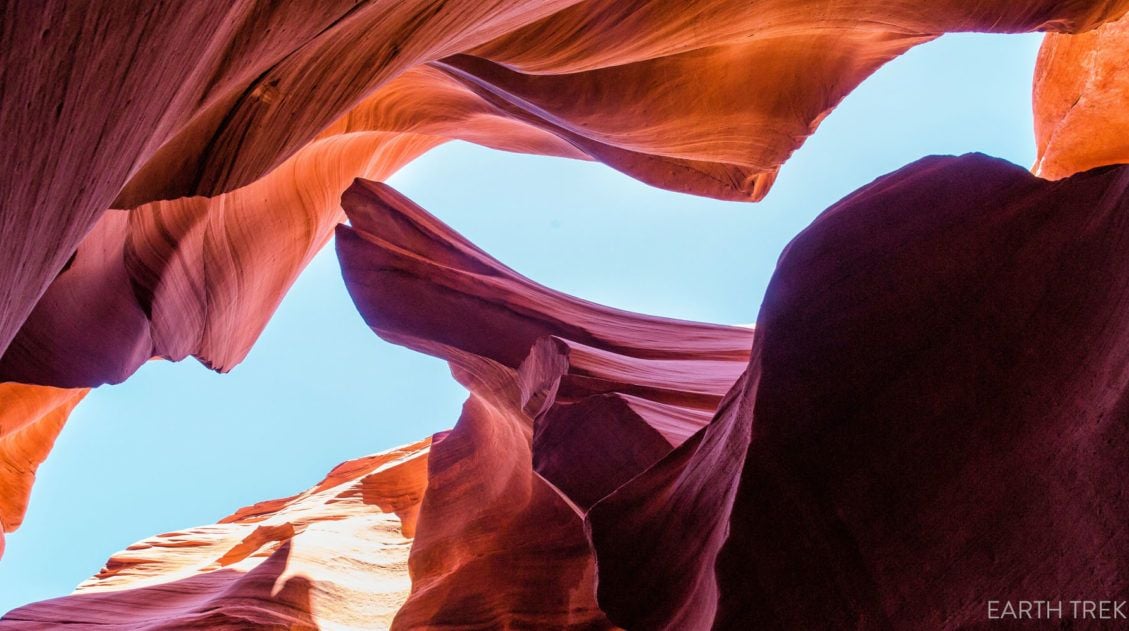
Lower Antelope Canyon: Tours, Pricing & What to Expect
Lower Antelope Canyon lives in the shadow of its more famous neighbor up the road, but Tim would argue it shouldn’t. When we visited both canyons on the same day, Upper was my favorite and Lower was his, and we’ve never quite agreed on which one wins. What makes Lower different is hard to describe […]
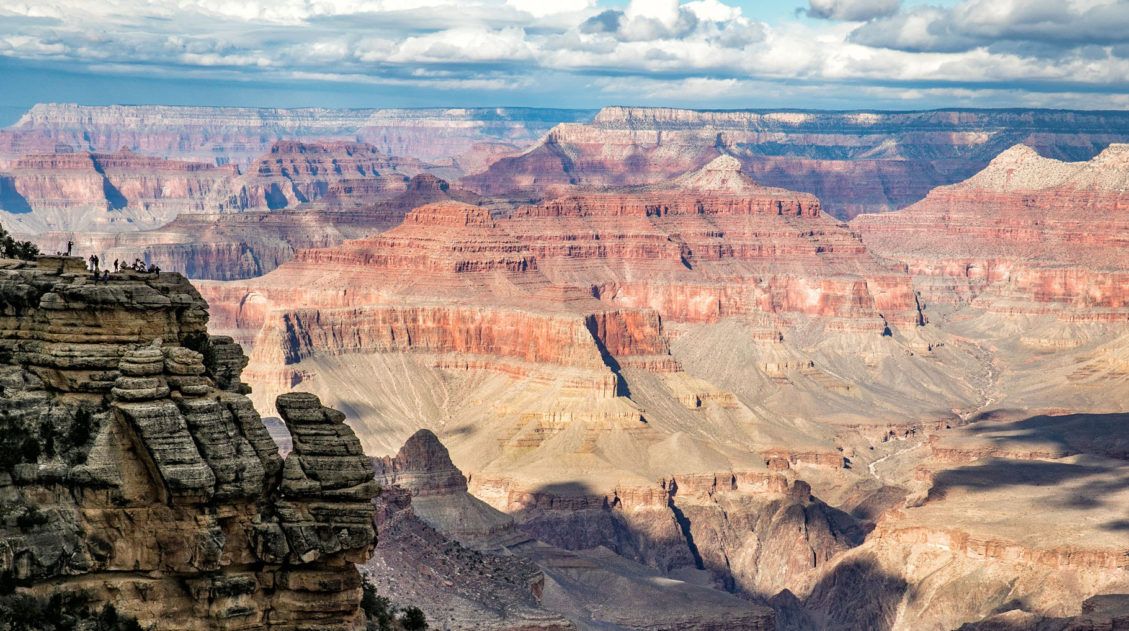
14 Best Things to Do on the Grand Canyon South Rim
There’s more to do on the South Rim of the Grand Canyon than simply stand at a viewpoint and admire the scenery. You can hike below the rim for an entirely different perspective, bike along a scenic road, watch the sunrise illuminate the canyon walls, or take a helicopter flight over one of the most […]
10 Days in the American Southwest: The Ultimate Road Trip
The American southwest is one of the USA’s best road trip destinations. It’s unbelievable how much there is to see and do here. There are the breathtaking vistas of the Grand Canyon, thrilling hiking trails in Zion National Park, and millions of hoodoos to photograph in Bryce Canyon. Are you getting excited yet? The list […]
Rim-to-Rim Hike in One Day: Everything You Need to Know
Awe-inspiring, challenging, exhausting, unforgettable…these are all words to describe the trek across the Grand Canyon. If you are up for a big adventure, hiking the Grand Canyon rim-to-rim is one for the bucket list. This is the land of extremes. In the summer months, the temperature can fluctuate along the trail as much as 80 […]
US National Park Itineraries & Road Trip Ideas
National Park Itineraries The national parks are best experienced as a road trip and with 56 parks visited between us, we’ve done a lot of them. Whether you’re dreaming of a two-week American Southwest loop, a classic Yellowstone and Grand Teton combo, or a deep dive into Utah’s Mighty 5, we’ve put together detailed itineraries […]
How to Visit Upper Antelope Canyon (+ Lots of Photos!)
Isn’t it awesome when a new place completely astounds you? For me, that was Upper Antelope Canyon. I first saw photos years before I visited – those glowing red walls, the twisted, scalloped rock, the famous beams of light cutting through dusty air. I genuinely wasn’t sure a place could look like that in real […]
12 Best Sedona Hikes, Ranked Shortest to Longest
If you are looking for an epic hiking destination, it’s tough to beat Sedona, Arizona. With its red rock scenery, arches, hidden caves, and network of hiking trails, this is a great place to explore on foot. Add in the abundance of top-notch hotels and restaurants in Sedona and you have an awesome getaway destination, […]

Grand Canyon Helicopter Tour: Is It Worth It? Our Experience & Tips
Seeing the Grand Canyon from a helicopter is an unforgettable experience. As you fly over the rim and the canyon opens up beneath you, you get an entirely different perspective on its enormous size, colorful cliffs, and dramatic landscape. When we visited the Grand Canyon, our original plan was for all four of us to […]
8 Amazing Things to Do in Saguaro National Park
Saguaro National Park is named for the Saguaro cactus, which grows only in the Sonoran Desert. Just outside Tucson, Arizona, this national park features thousands of towering saguaro cacti, scenic desert landscapes, and hiking trails that take you right through the cactus forests. One of the things that makes Saguaro National Park unique is that […]
One Day in Petrified Forest National Park: Our Itinerary & Best Stops
Petrified Forest National Park beat all of my expectations. I imagined a barren desert with a few colorful hills, some ancient, petrified stumps, and soaring temperatures in the early summer. Instead, we were treated to the colorful, uniquely beautiful hills of the Painted Desert, giant, petrified trees that puzzle the mind, and the chance to […]


Comments 87