
Discover the best things to do in Berlin, from the Berlin Wall to its world-class museums, iconic landmarks, and quirky spots like Teufelsberg and Flughafen Tempelhof. We’ll also cover when to go, how much time you’ll need, plus a great day trip to several interesting places near Berlin.
Before traveling to Berlin, a fellow traveler told us that Berlin was the “least German city” in Germany. That had us scratching our heads, wondering what he meant. Until we got to Berlin.
Berlin is not like the cities of Munich, Nuremberg, or Dresden. Berlin is grittier, edgier, and has more of the urban vibe you get in cities like New York City and Chicago. In Berlin, there are old, historical sites and newer areas with modern, cutting edge architecture. Thrown into the mix are bits and pieces of the Berlin Wall and WWII history.
Many of Berlin’s sites have something to do with World War II, but there are also beautiful squares to visit, old neighborhoods to wander through, and great restaurants to try. The list of places to visit is long, so long that it really takes at least four or five days to see “all” of Berlin.
We spent five days in Berlin and came up with this list of 28 things to do in Berlin. Yes, that’s a huge list! Don’t feel like you have to see and do everything. The last thing you want is for your holiday to feel like a chore. Use this list as a guide to pick out the spots that look the most interesting to you.
We returned to Berlin in December 2025 to tour more Christmas markets in Germany (we visited the Christmas markets in Bavaria in 2024 and had an amazing time). We’ve written up a guide to the best Berlin Christmas markets, if you’re visit will be in December.
Enjoy!
December 2025 Update: Updated information on the Berlin WelcomeCard and added links and information about the Christmas markets in Berlin.
Best Things to Do in Berlin
In this guide, we outline the top things to do in Berlin, organized into helpful sections so you can explore the city in a way that fits your interests. Whether you’re here for the history, the food scene, the museums, or just to wander, this list highlights the must-see experiences that make Berlin one of Europe’s most exciting destinations.
Historical & Commemorative Sites
The Berlin Wall
You can’t visit Berlin without seeing the Berlin Wall. Fortunately, sections of the Wall still stand throughout the city, so seeing at least one chunk of this piece of history is easy to do.
A Quick History Lesson about the Berlin Wall
The Berlin Wall (Berliner Mauer in German) is an ugly, concrete wall that was erected in 1961 to divide East Berlin from West Berlin. The wall was constructed by East Germany to “protect its people” from the “fascists” in West Germany, but it was really built to stop the flow of East Germans from escaping into West Germany.
The Berlin Wall became a symbol of the Cold War. For almost 30 years the wall divided the city, friends, and family members.
In late 1989, after a series of revolutions in Eastern Bloc countries, East Germany allowed its citizens to visit West Germany. Ecstatic crowds climbed the walls and began chipping away with chisels and hammers.
East and West Germany were unified on October 3, 1990, almost one year after the fall of the Berlin Wall.
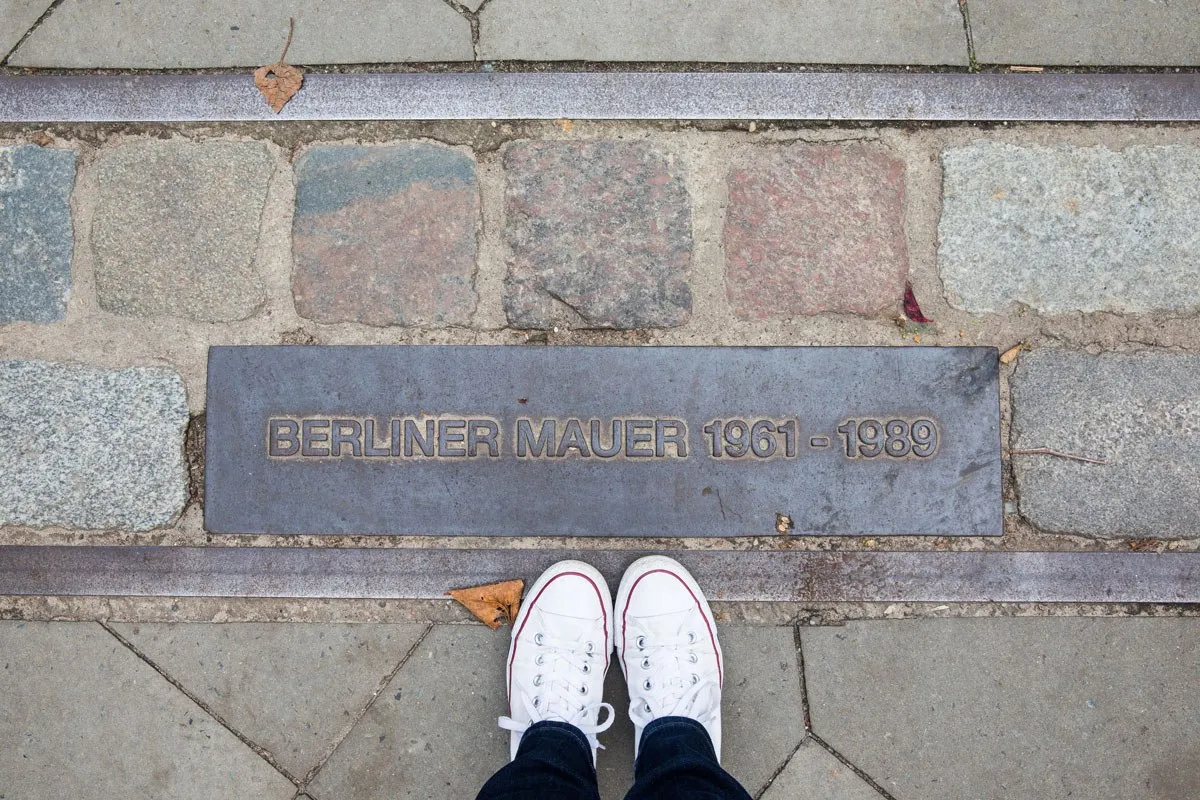
Most of the wall is now gone, however, several sections still stand, memorials to this important piece of history. There is a permanent line drawn across Berlin where the wall once stood. As we walked through the city, it was surreal to think that less than thirty years ago this was a divided, much more somber place.
The Berlin Wall Memorial (Gedenkstatte Berliner Mauer)
Location: M10 Tram, Gedenkstatte Berliner Mauer stop
Cost: Free
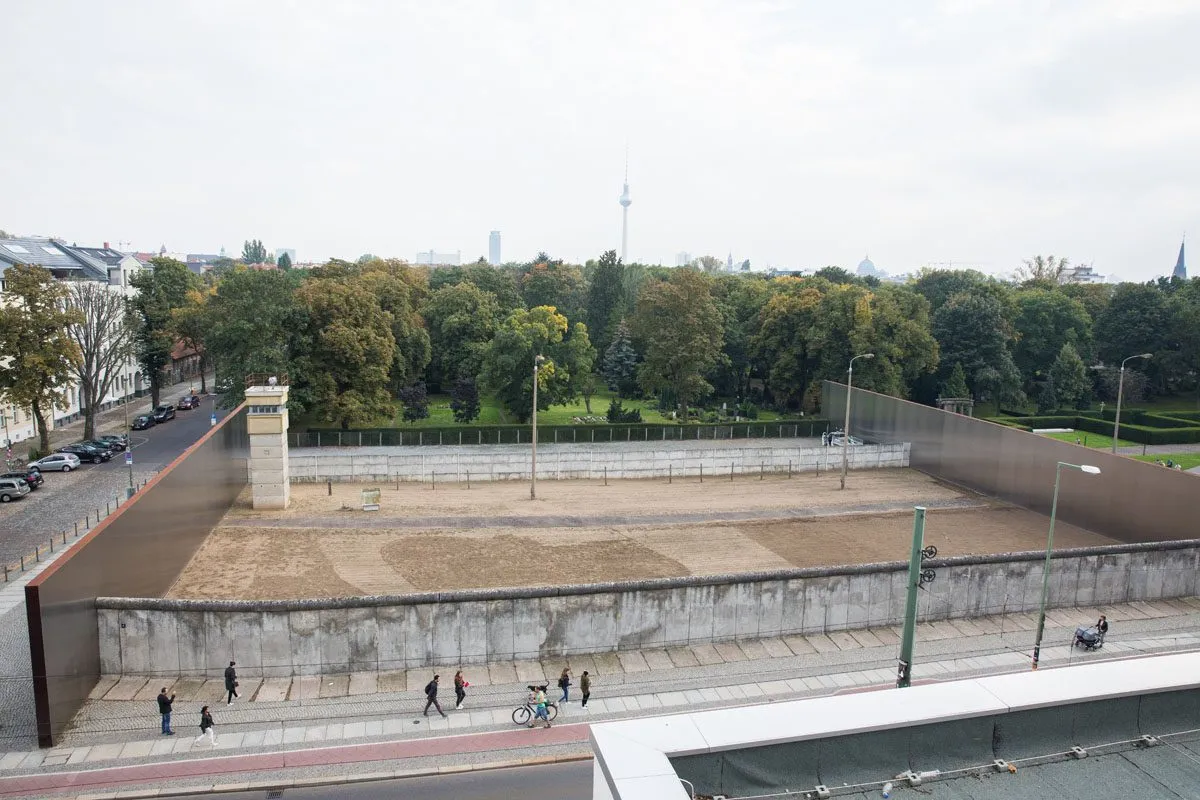
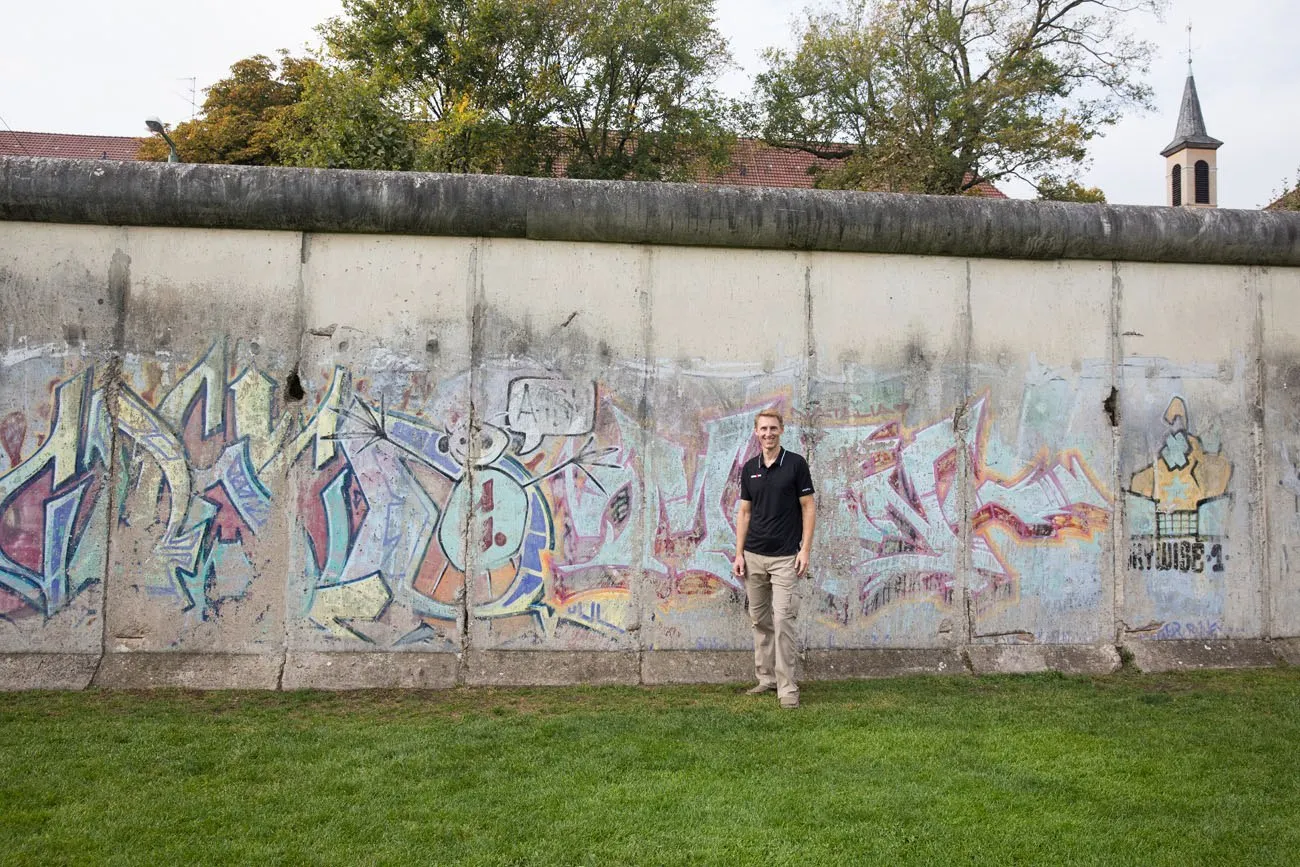
If you want to see what the Berlin Wall really looked like, visit the Berlin Wall Memorial.
The Berlin Wall was more than just a concrete wall dividing the city. The wall itself was not sufficient to prevent determined East Germans from climbing over into free West Germany. Along the East German portion of the wall was the “death strip,” a wide area filled with watchtowers, trip-wire machine guns, floodlights, and guard dogs. Over 100 people died trying to escape across the wall.
At the Berlin Memorial, a portion of the wall and the “death strip” are preserved for visitors to see.
Topography of Terror
Location: near Potsdamer Platz
Cost: free
The Topography of Terror is built on the site where the headquarters of the Secret State Police, the SS, and the Reich Security main office were located during the “Third Reich.” Outside, along a portion of the Berlin Wall, are permanent exhibitions documenting what went on in Germany during WWII.
It’s an informative and sobering look at the terrible events that occurred here. You can also go inside the Documentation Center to learn more about the war crimes of the Third Reich.
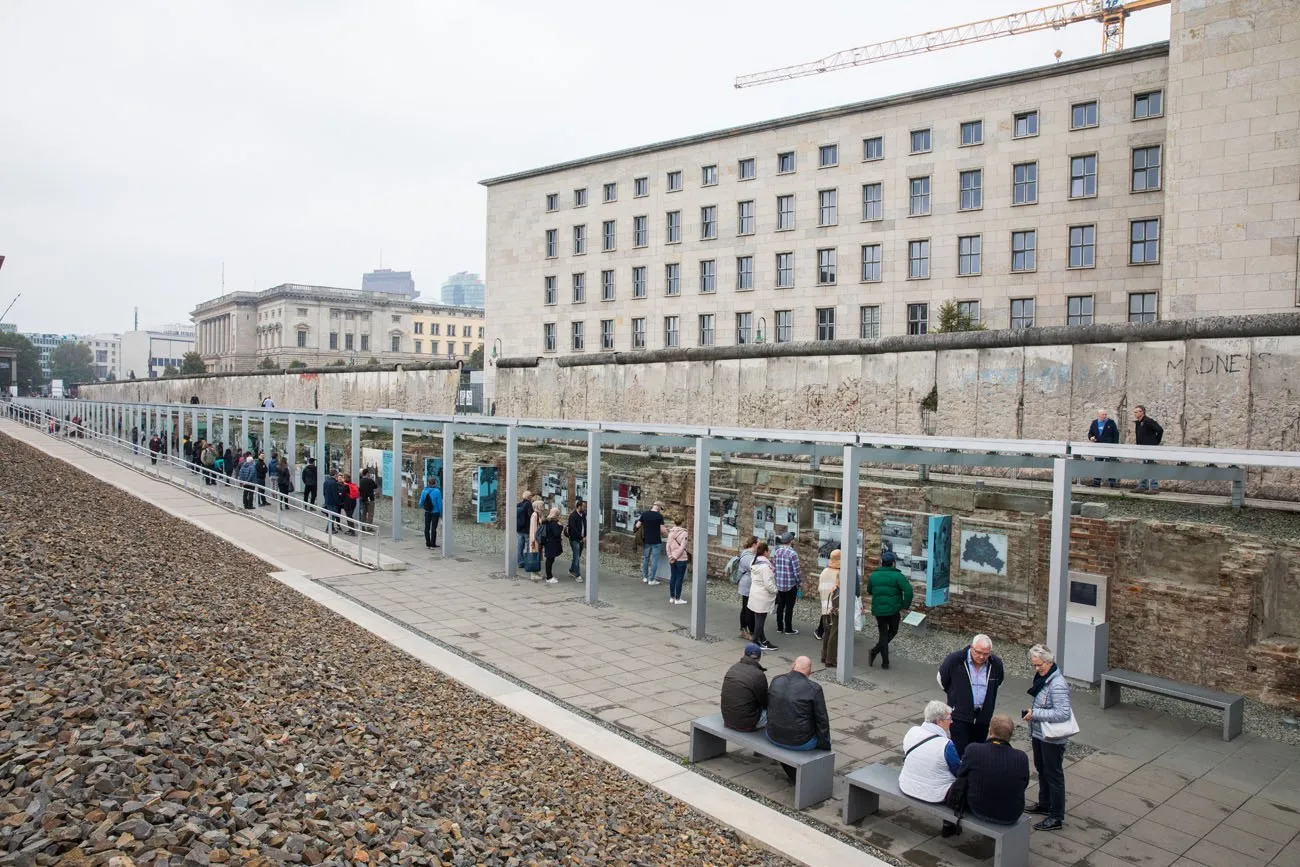
The Topography of Terror is another one of those must-see places in Berlin.
East Side Gallery
Location: East Berlin on the Spree River
Cost: free
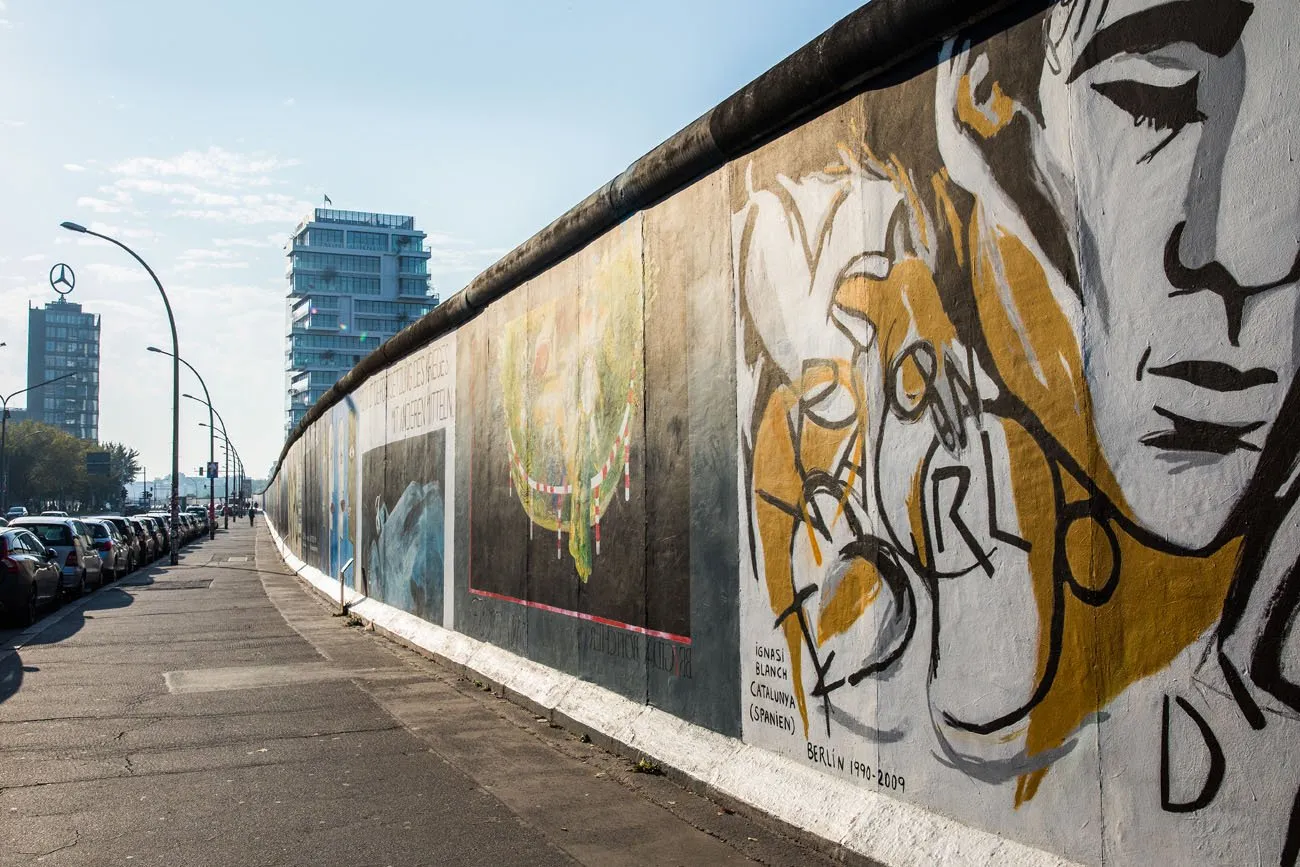
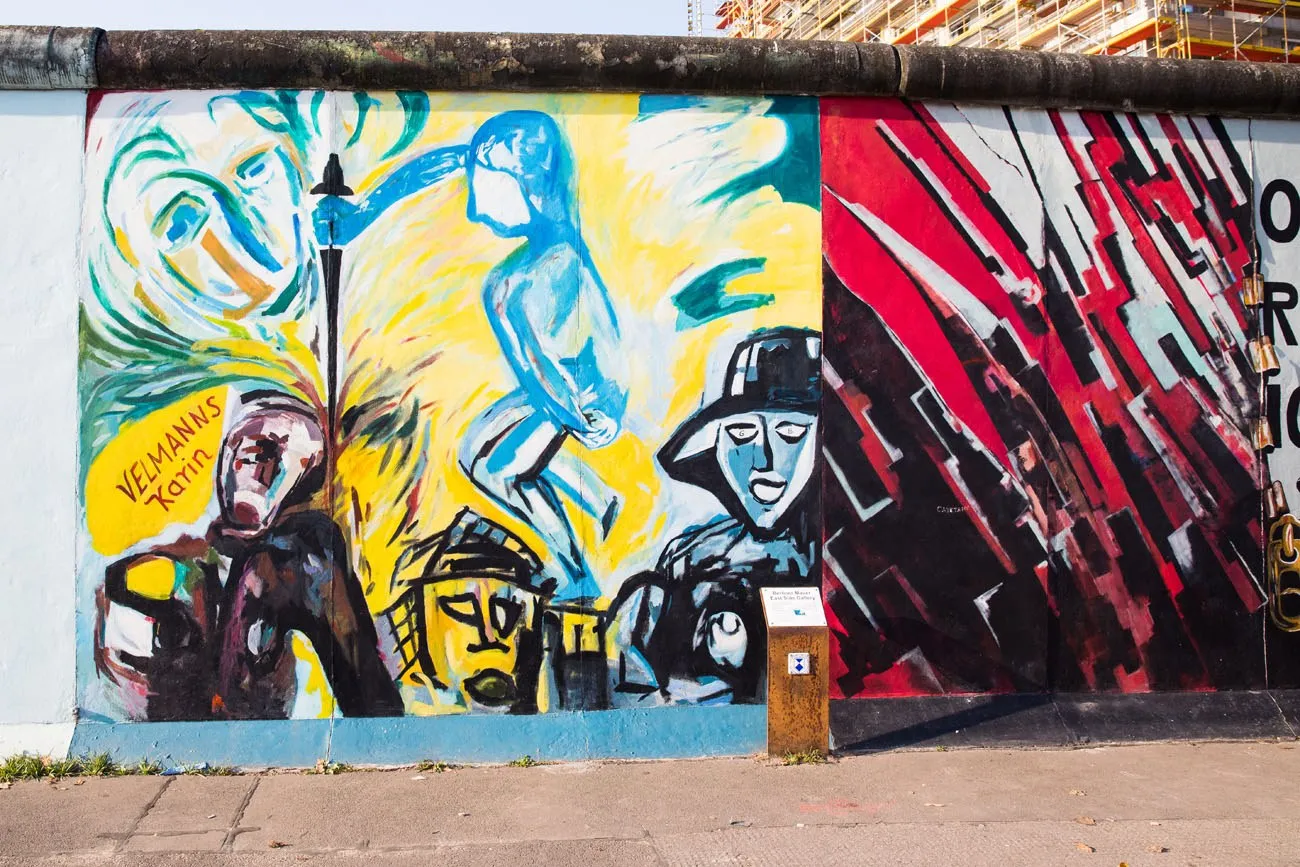
The East Side Gallery is a long stretch of the wall covered in graffiti. If you like street art, a visit here is worthwhile.
Potsdamer Platz
There is also a very small piece of the wall on display in Potsdamer Platz.
The Brandenburg Gate
Location: near Potsdamer Platz
Cost: free
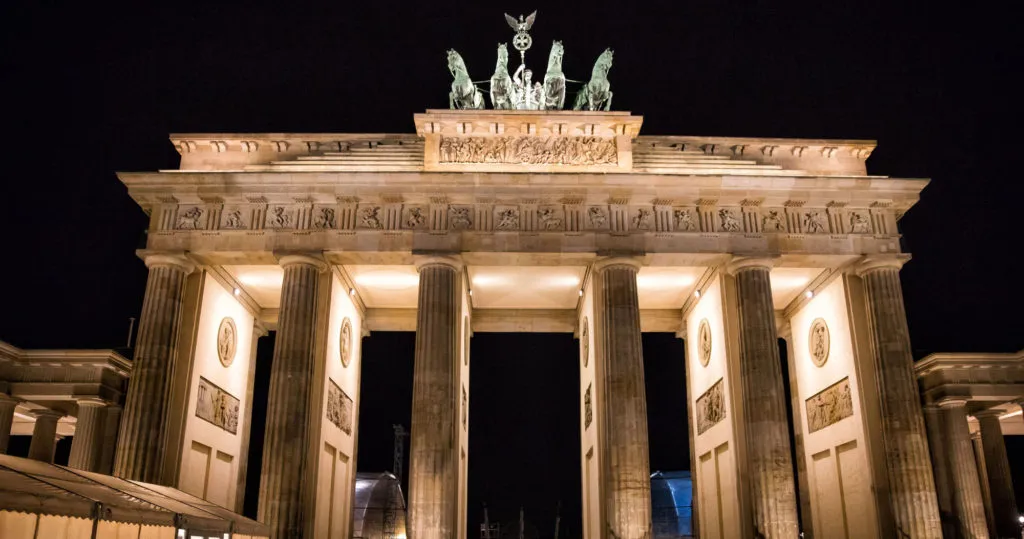
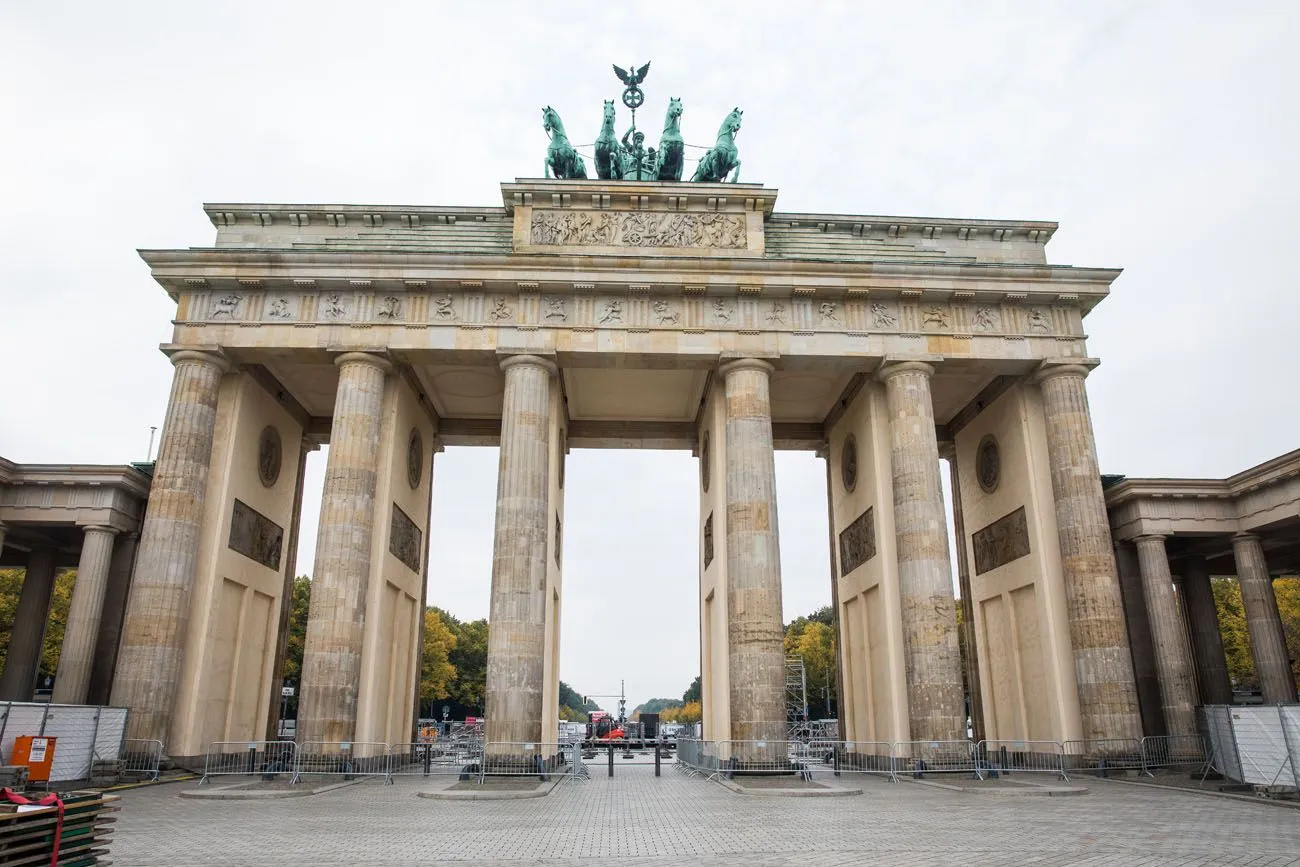
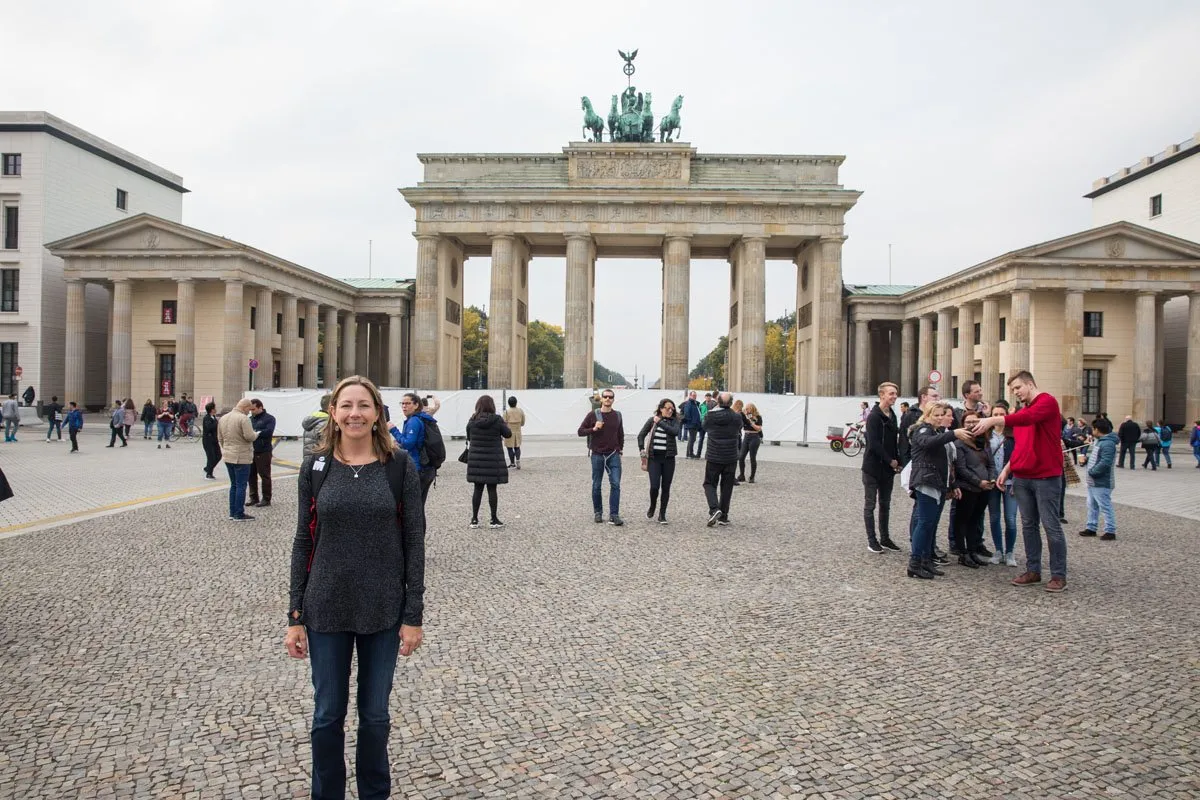
The Brandenburg Gate is the most recognizable landmark in Berlin. It is now a symbol of unity not only in Germany but also in Europe.
Today, the Brandenburg Gate serves as a backdrop for political events, concerts, and public gatherings.
During our visit, the Brandenburg Gate was surrounded by fences and a temporary concert stage. I wanted to get just one gorgeous, clutter free photo of the Brandenburg Gate at nighttime but that was not going to happen for us, not during this visit.
The Roof of the Reichstag Building
Location: Near the Brandenburg Gate; U-Bahn Bundestag
Cost: free
The Reichstag Building is the meeting place of the German parliament (Bundestag). On top of the building is a modern glass dome that has a 360° view of Berlin.
From 8 am to midnight, you can visit the dome, look out over Berlin, and listen to the informative audio guide.
Twilight is the best time to be here, to watch the sunset over the city and see the dome illuminated.
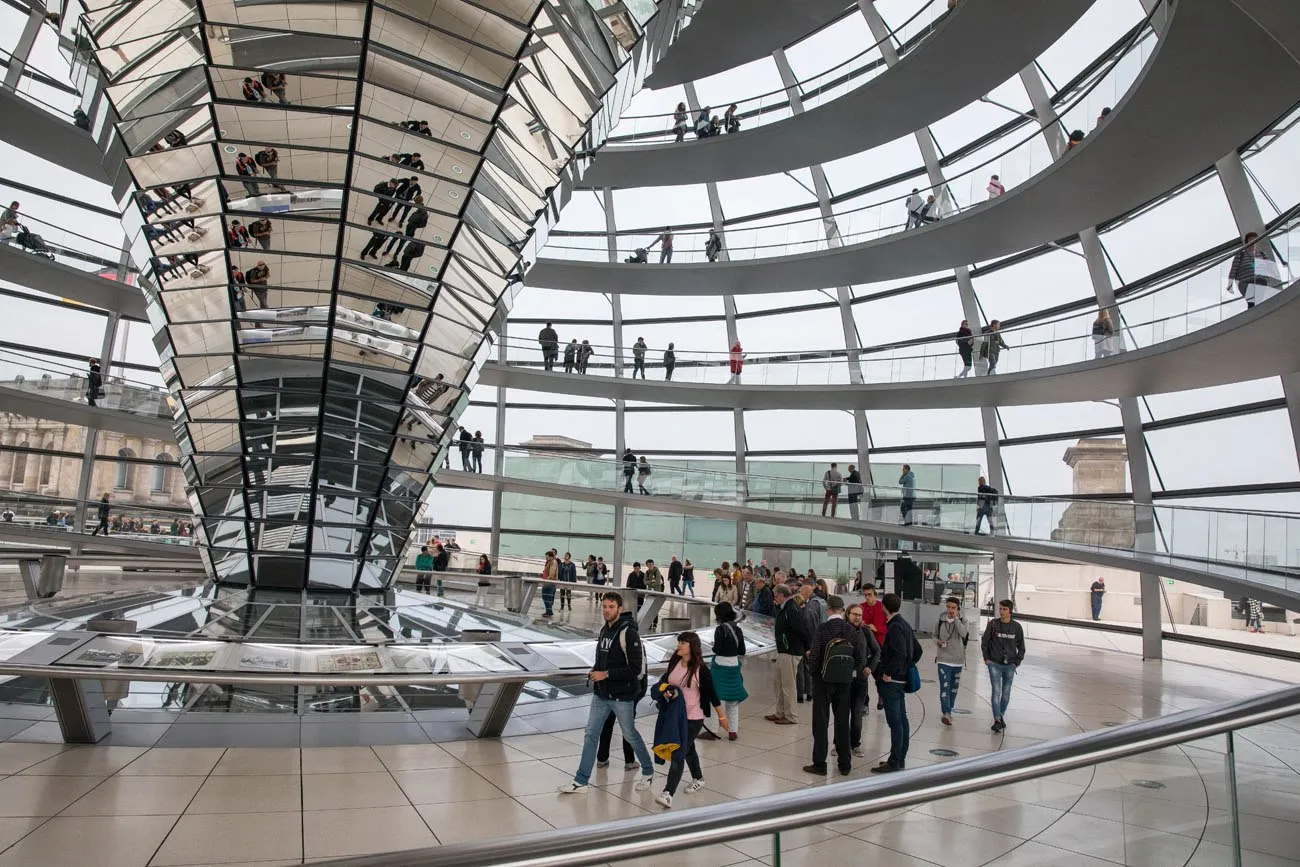
Tickets are free and to make sure you get a spot, make your reservation at least one day in advance (you can do so online).
The Holocaust Memorial
Location: next to the Brandenburg Gate
Cost: free
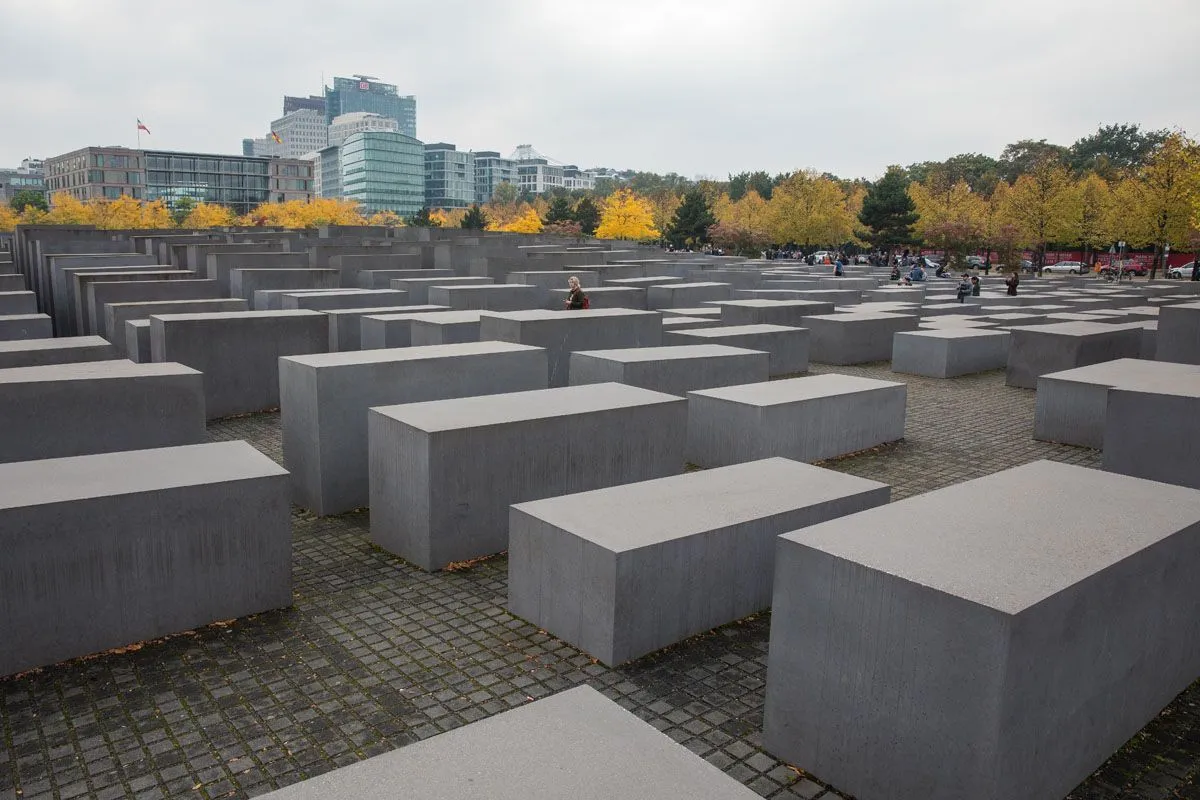
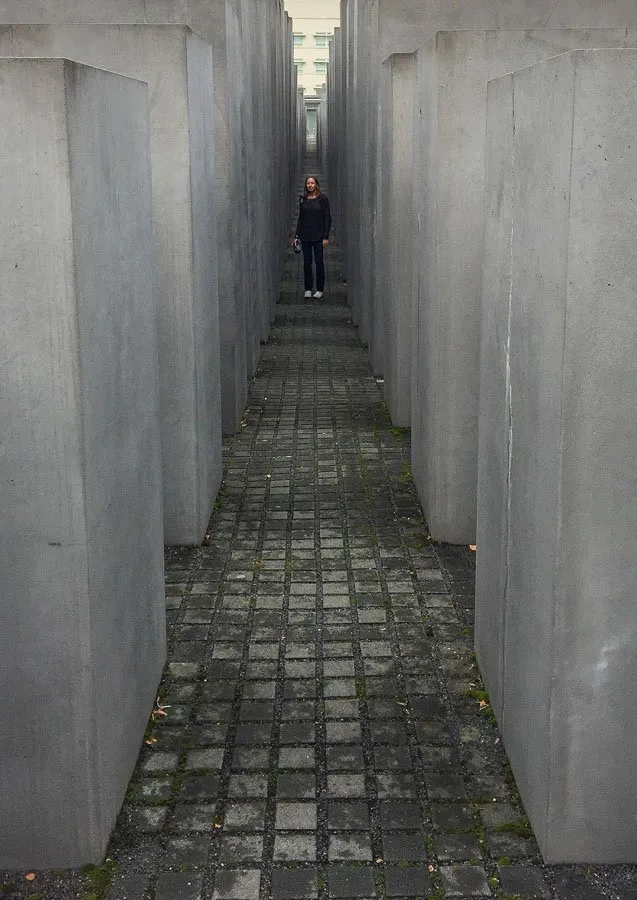
2,711 concrete blocks of various sizes make up this unusual but thought-provoking memorial to the Jews who were murdered in Europe. It’s like walking through an eerie maze constructed with gray, tomblike blocks.
Berlin Cathedral
Location: Museum Island
Website: Get updated pricing on the official website.
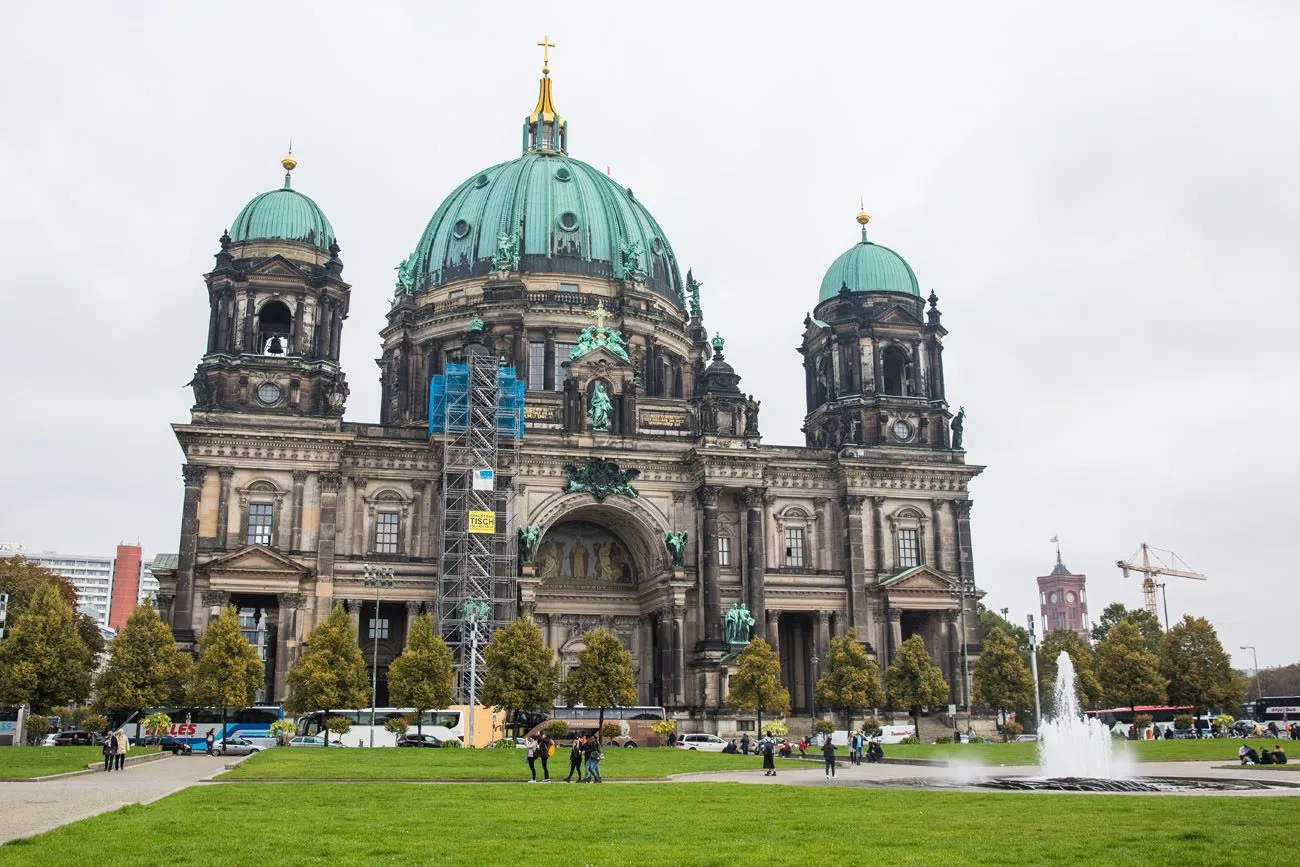
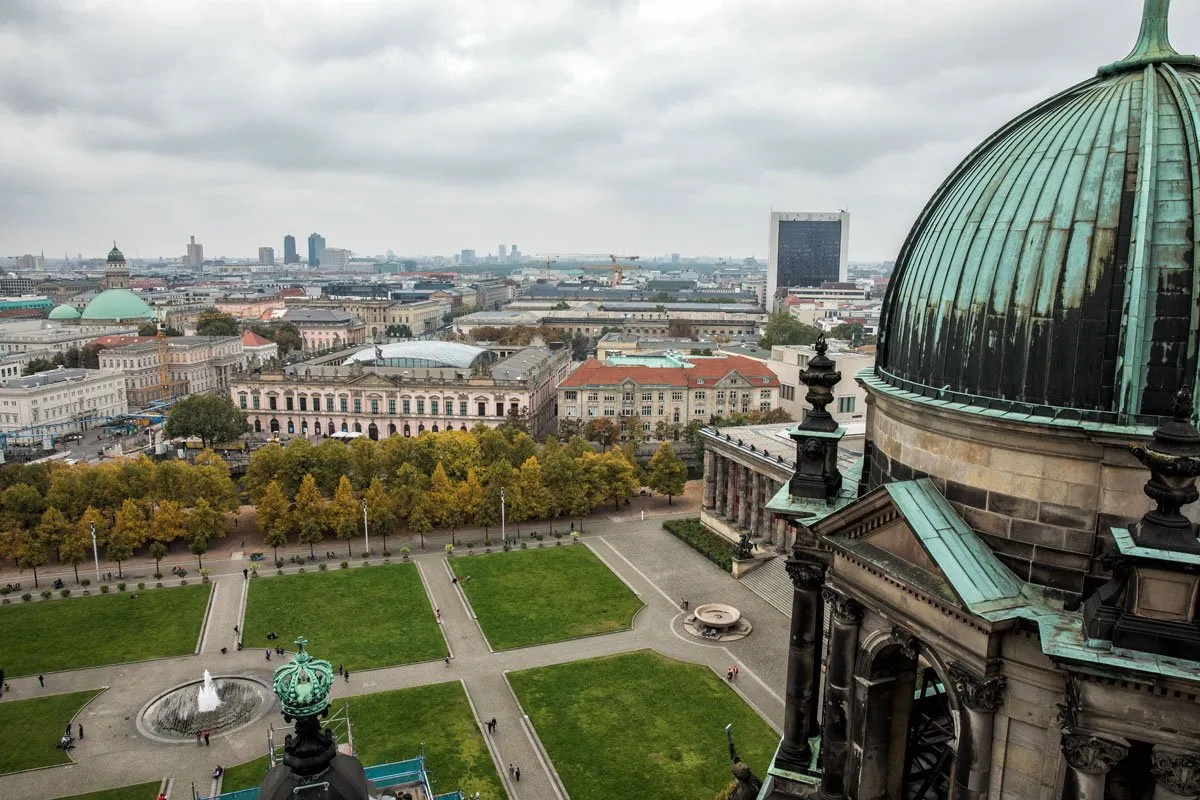
Also located on Museum Island is the Berlin Cathedral. This massive church dominates the area. I recommend climbing the 270 steps to the top of the dome for a great view of Berlin.
Berlin TV Tower (Fernsehturm)
Location: Alexanderplatz
Website: Get updated pricing and hours on the official website
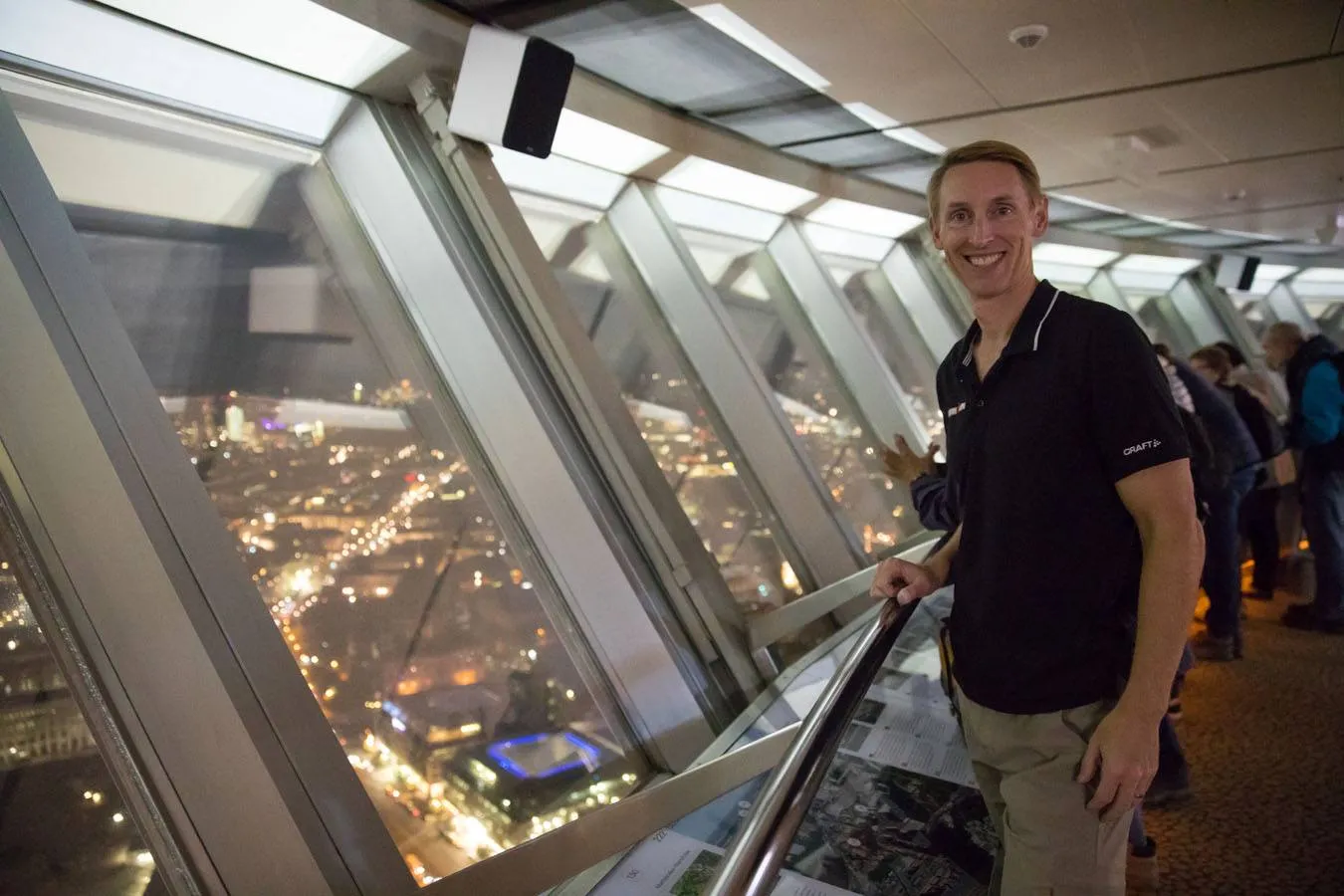
Located in Alexanderplatz, the Berlin TV Tower gives you the highest view over Berlin. From the top, get 360° views over the city. There is also a bar and restaurant.
Olympiastadion Berlin
Location: West Berlin, S-Bahn Olympiastadion station or U-Bahn Olympia-Stadion station
Website: Get updated hours and pricing on the official website.
This stadium was originally built for the 1936 Summer Olympics. It is still used today, for sporting events and concerts. The Rolling Stones, U2, Michael Jackson, and AC/DC have all performed here.
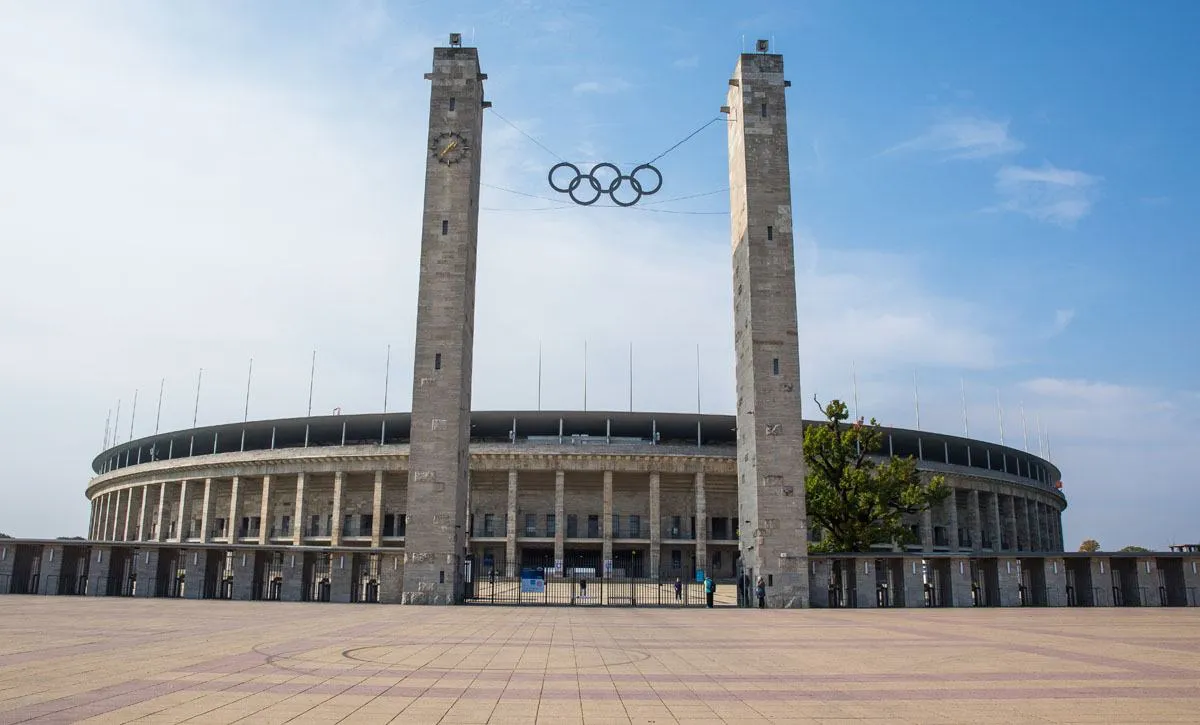
During the day, you can purchase tickets and take a self-tour of the stadium or take a guided tour.
Platform 17 Memorial (Gleis 17)
Cost: free
For a look into the dark side of Berlin history, visit Platform 17. This is a simple but powerful memorial to the thousands of Jews who were sent off to the concentration camps. It was this train station where Jews boarded the trains that would take them to the death camps.
This memorial is part of Grunewald Station. You can walk on the old, abandoned platform. On the platform are the dates, the number of people deported, and their final destination. The train tracks that mysteriously disappear into the woods is eerie and somber.
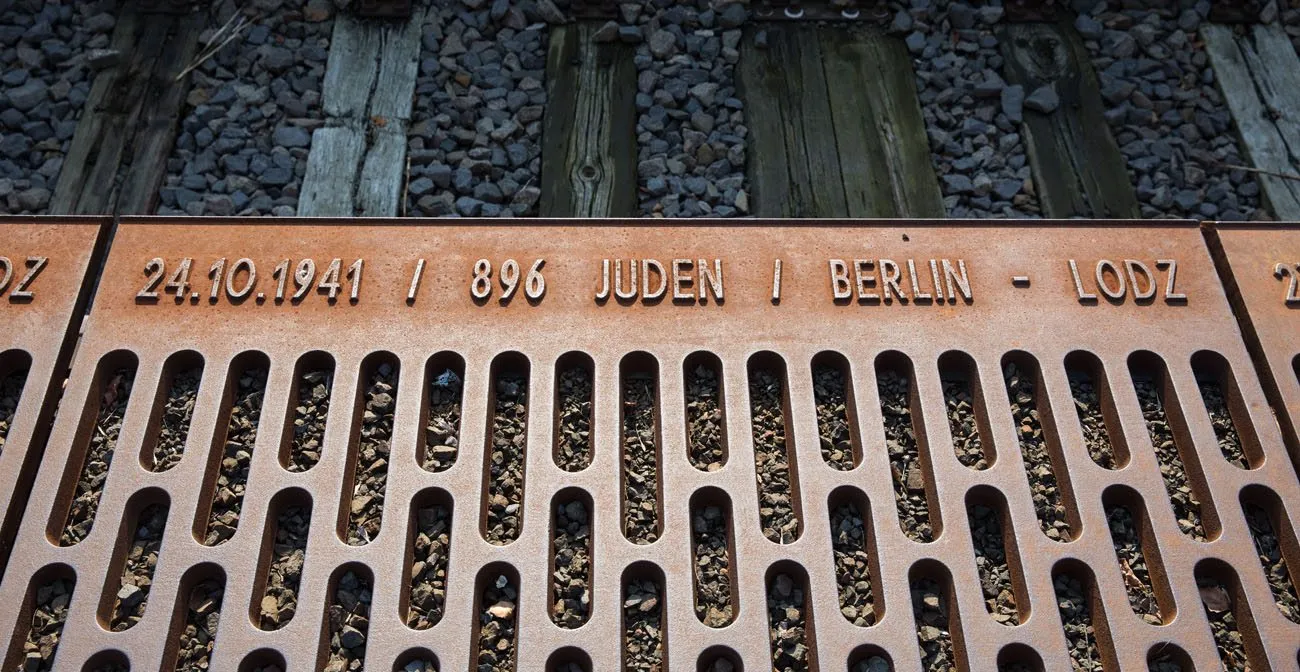
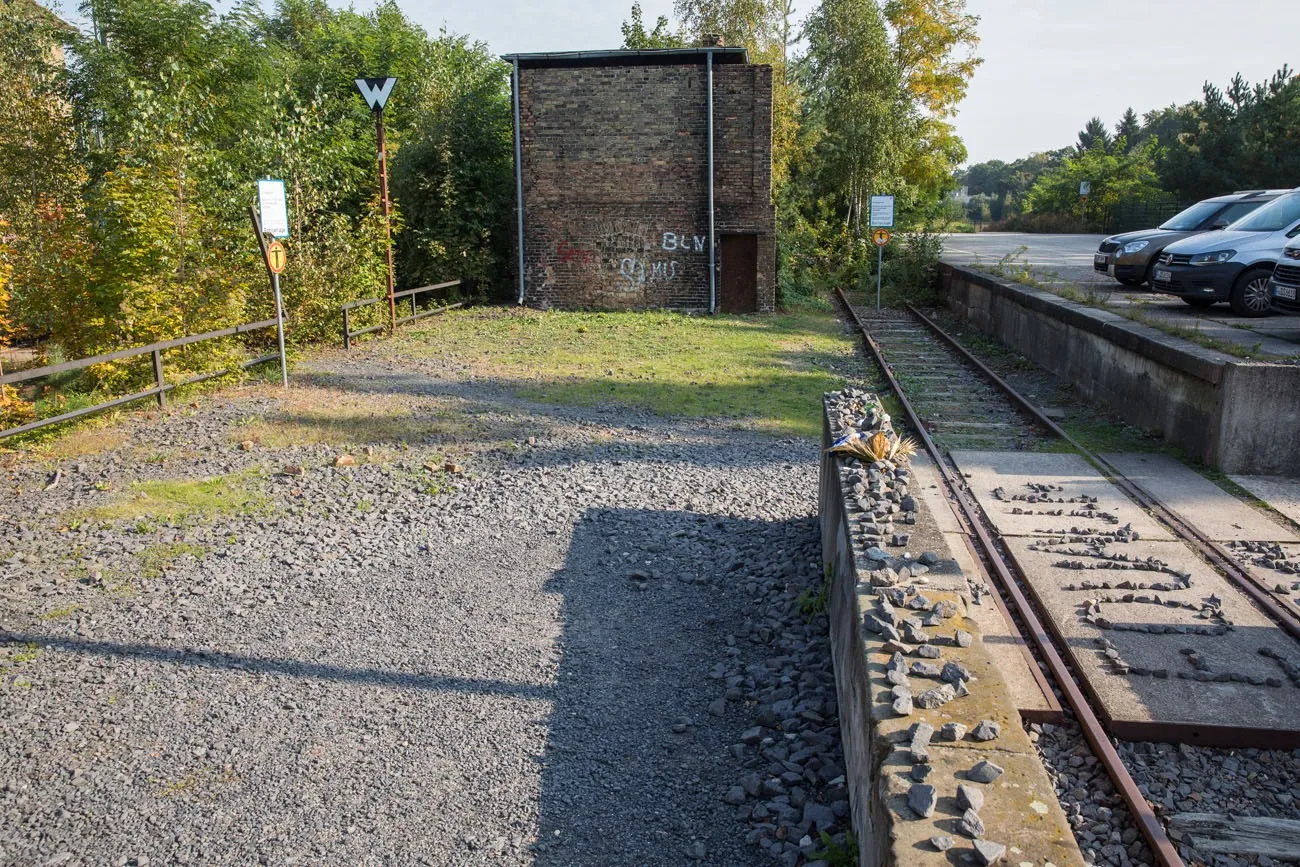
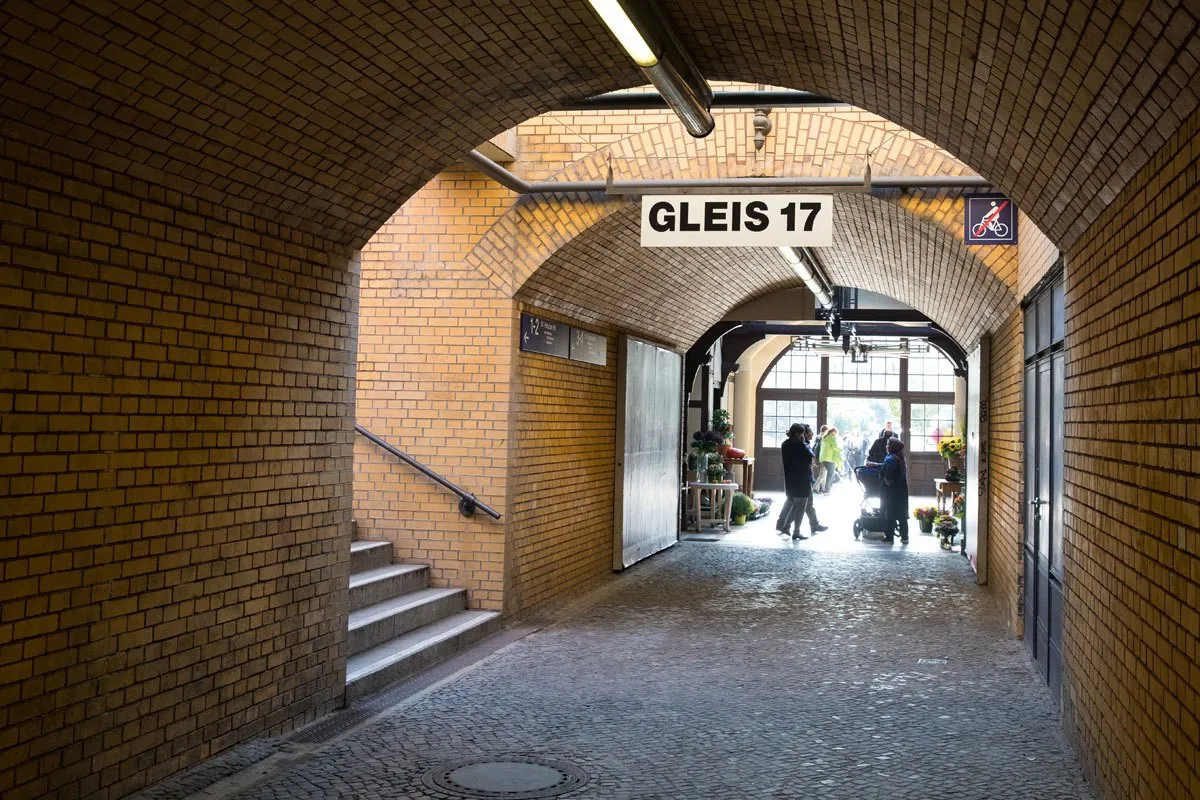
How to get here: From central Berlin, take the S7 to Grunewald Station. Walk downstairs and turn left, following the signs for Gleis 17. You will climb a set of stairs up onto the abandoned platform. Walk straight, towards the end of the platform. There is a small memorial plaque at the very end of the platform, near the abandoned railroad tracks.
Tranenpalast, the Palace of Tears
Location: Bahnhof Berlin Friedrichstrasse
Cost: free
This was the main border crossing between East and West Germany from 1962 to 1989. During this time, West Germans were permitted to cross the border into East Germany, and then return back to West Germany. East Germans were prohibited from crossing the border into West Germany.
The site gets its name, Palace of Tears, for the tearful goodbyes as family and friends said farewell and crossed back into West Germany.
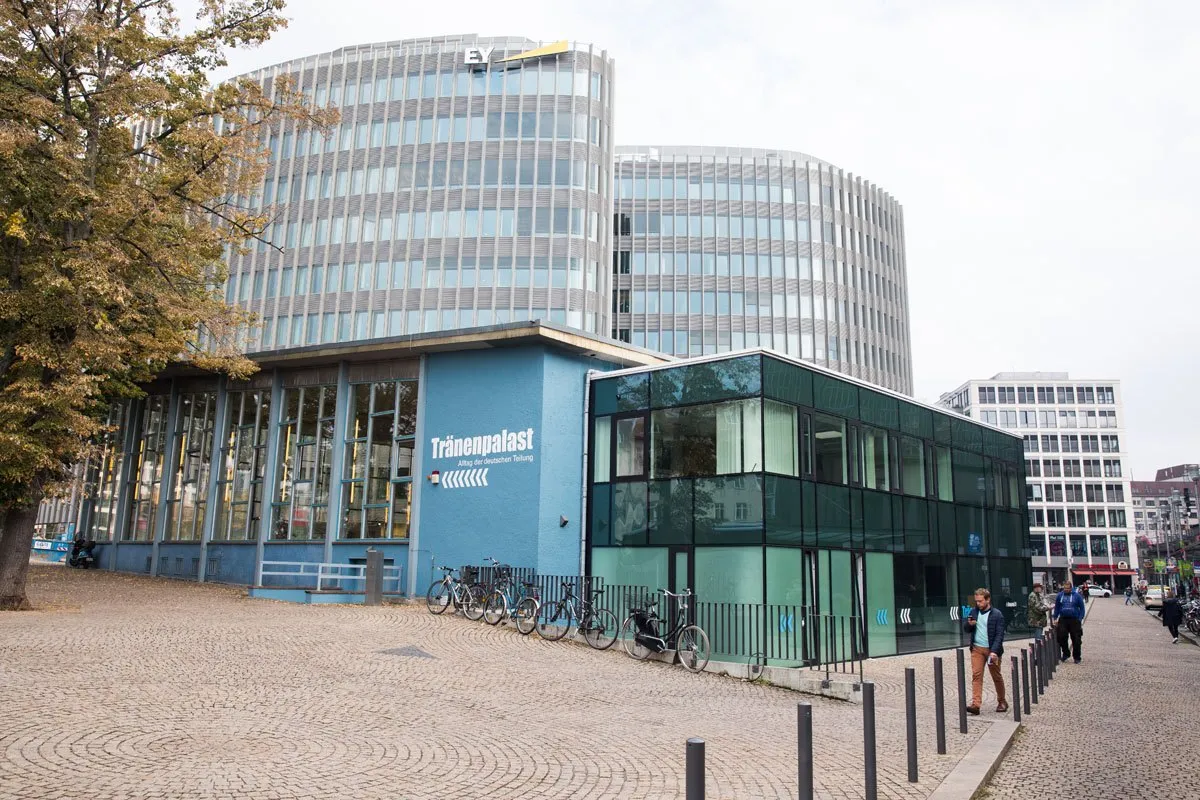
Tranenpalast is small, well-organized museum and it is a quick, free visit. This place offers another look into what it was like to live in Germany during the Cold War.
Checkpoint Charlie
Location: U6 Kochstrasse Station
Cost: Free
Checkpoint Charlie was the best-known Berlin Wall crossing point during the Cold War. Now, it is a very touristy place to visit. If you want to see what all of the fuss is about, it’s worth a quick look, but skip the Checkpoint Charlie Museum (your time is better spent at the nearby Topography of Terror Museum).
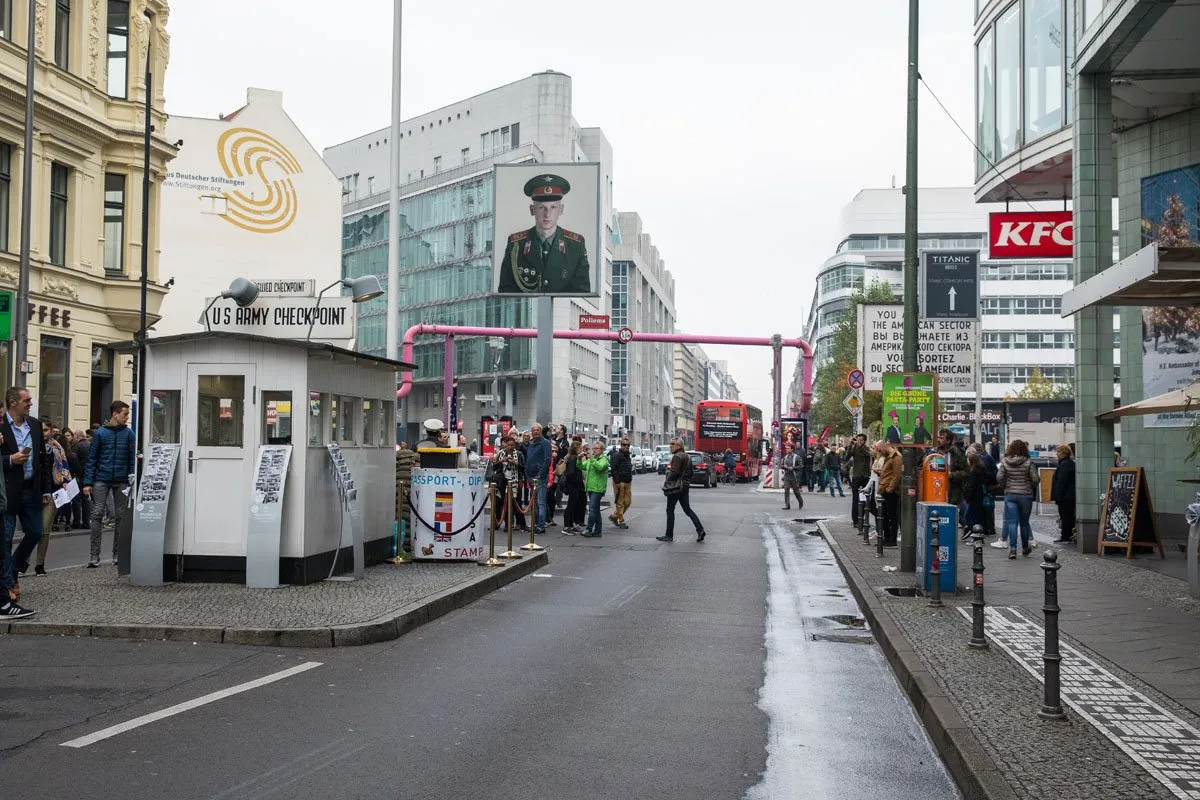
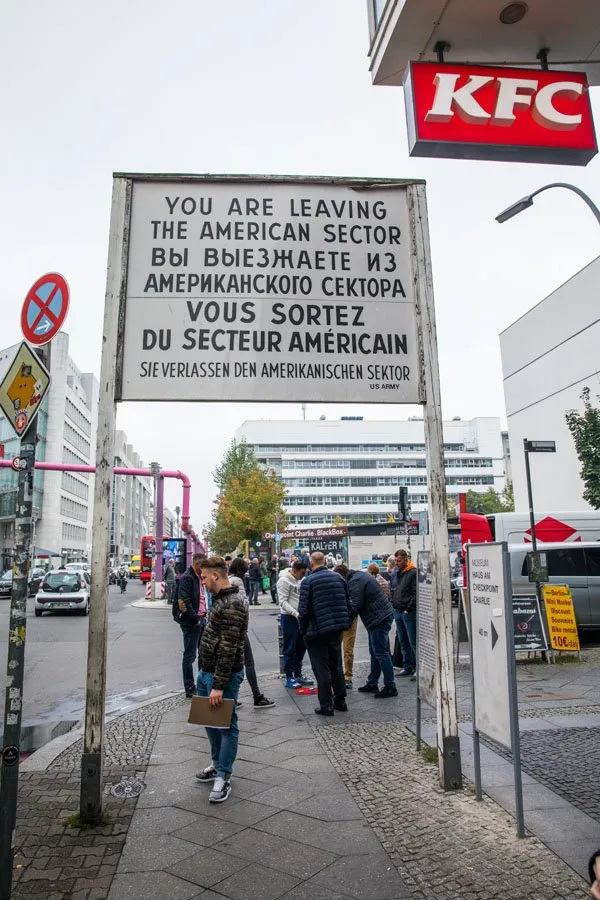
Cross the street to “The Wall” to see a panoramic view of the Berlin Wall in the 1980’s.
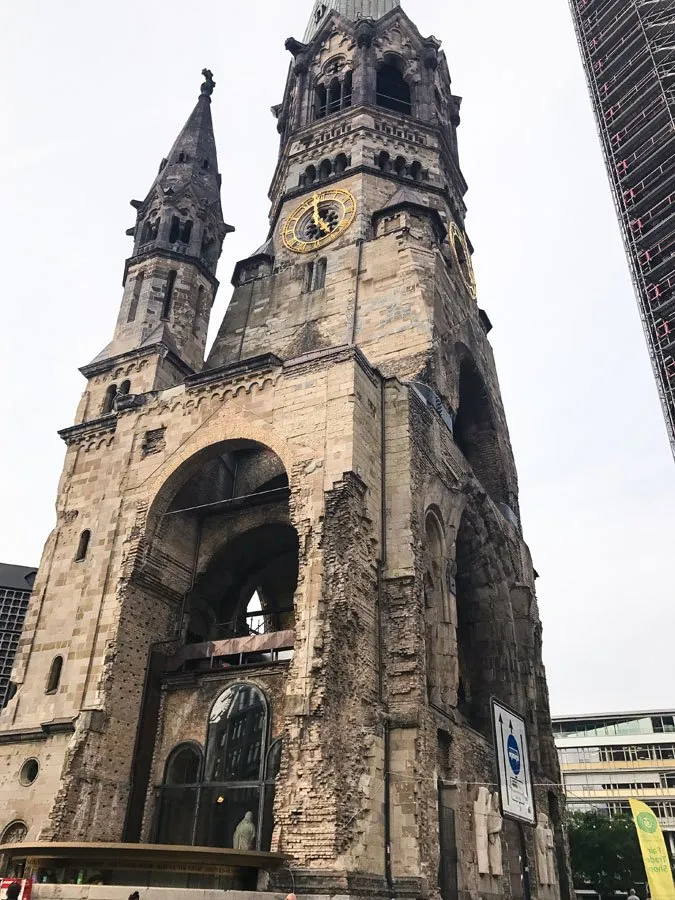
Kaiser Wilhelm Memorial Church
Location: within walking distance of KaDeWe, U-Bahn Kurfurstendamm
The Kaiser Wilhelm Church was built in the late 1800’s. It was badly damaged during an air raid in 1943. Unlike many of the buildings that have been rebuilt in Berlin, the remains of this church have remained unaltered, as a reminder of the devastation of WWII.
Gedenkstaette Berlin-Hohenschoenhausen
Location: Tram M5 to Freienwalder Strasse or Tram M6 to Genslerstrasse
This is an off-the-beaten-path destination and I’m sad that I missed it. I’m still including it in this list because people rave about the experience here.
Now a memorial and museum, this site was the main political prison of the East German Ministry of State Security, the Stasi. Visitors watch a short movie and then take a 90-minute tour of the facility. Click here for more information.
Haus der Wannsee-Konferenz
This is the most disturbing place on this long list. This was the meeting place where Nazi leaders planned out the mass murder of Jews. Again, this is located off-the-beaten-path and we never made it here.
Location: The eastern suburbs of Berlin. If you have plans to also visit Potsdam, this place makes a good stop on the way. To get here, take S-Bahn 1 or S-Bahn 7 to Wannsee and then bus 411 (direction Heckeshorn) to Haus der Wannsee-Konferenz
Cost: free
World-Class Museums
Museum Island
Museum lovers, rejoice! Here is an entire island filled with world-class museums.
Altes Museum (Old Museum): art from ancient Greece and the Roman Empire
Alte Nationalgalerie: paintings and sculptures from the neoclassical period through the mid-19th century. It includes works by Monet, Renoir, and Manet.
Neues Museum: See the famous bust of Ancient Egyptian queen Nefertiti as well as other pieces from ancient Egypt.
Pergamonmuseum: This is Berlin’s most popular museum. The museum is named after the Pergamon Altar, but also includes artifacts from Iran, Egypt, Asia Minor, and the Caucasus. The north wing, including the Pergamon Altar, is closed for refurbishment until 2027.
Bode Museum: Contains art and sculptures from the medieval period through the 18th century.
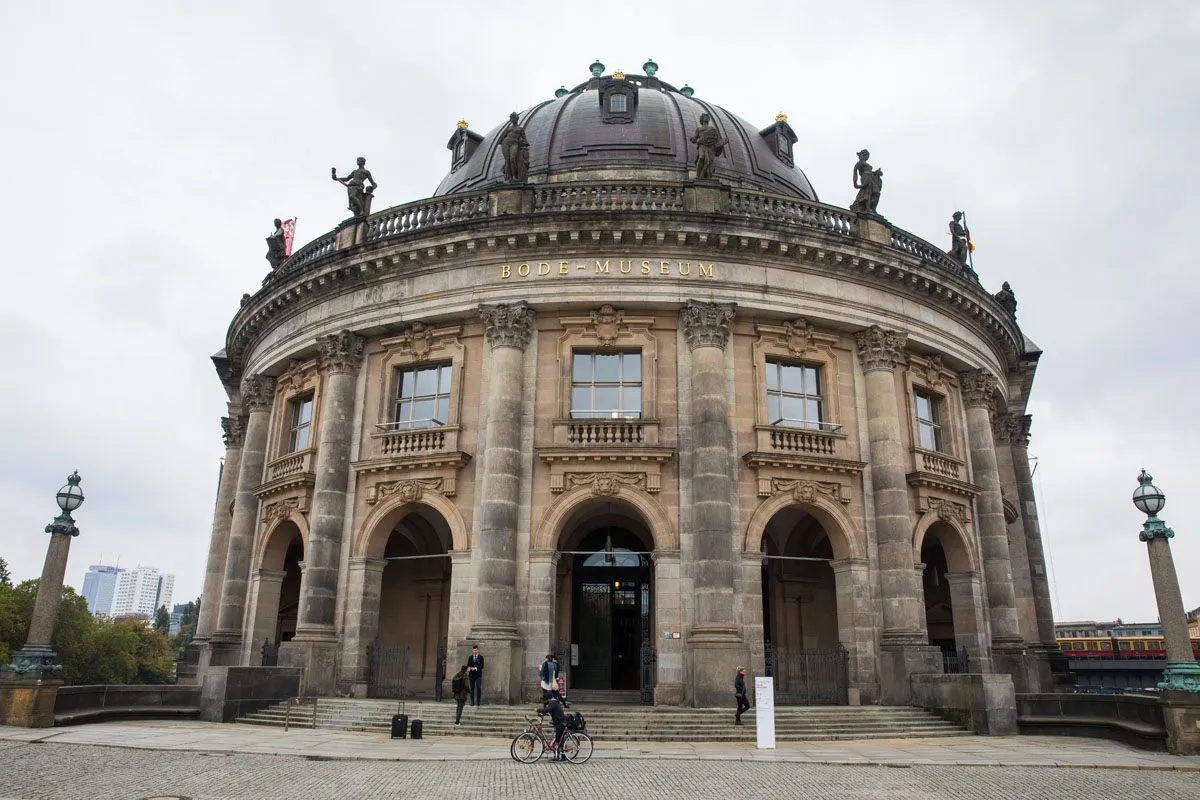
Tickets can be purchased individually for each museum or you can purchase a combination ticket for all of Museum Island. Learn more here.
Jewish Museum
Location: U6 Kochstraße Station, U1 and U6 Hallesches Tor
Website: Get updated pricing and hours on the official website.
This is not your normal museum. The architecture and design of the first exhibits are meant to unbalance you, to make you feel disconcerted. The floors are sloping, the walls are slanted, and everything is stark and industrial. Walking through these hallways and looking at these first exhibits was the highlight of the visit for me.
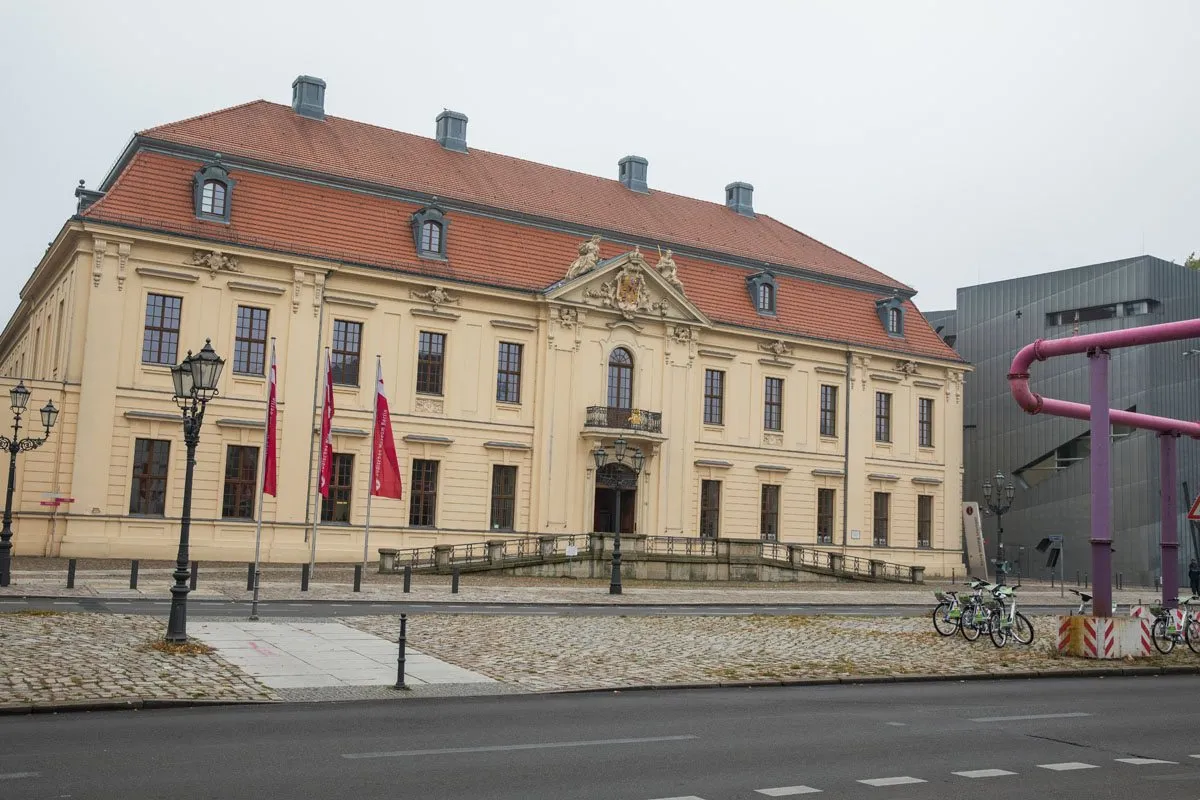
After being unbalanced, you will head into a more traditional museum, with artifacts and information about Jewish history and culture.
Neighborhoods, Walks & Urban Vibes
Potsdamer Platz
This is ultra-modern Berlin. Glass skyscrapers and a square filled with shops and restaurants can be found here. It’s hard to believe that this area was a barren, no-man’s land after WWII.
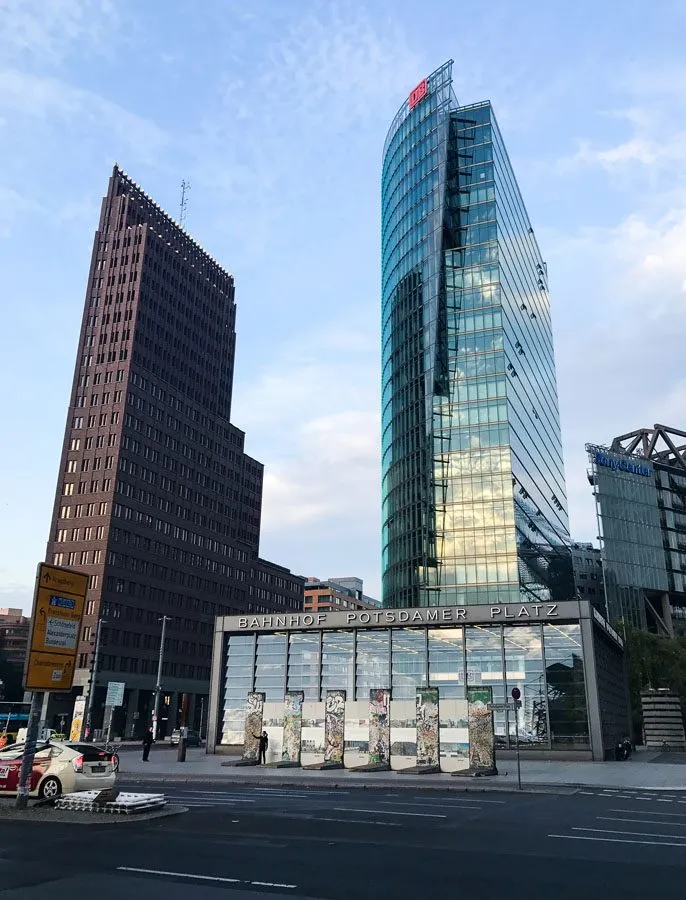
If you are using the metro to get around Berlin, Potsdamer Platz has a convenient location, as the Brandenburg Gate, Topography of Terror, and Holocaust Memorial are nearby.
Gendarmenmarkt
Location: central Berlin, U2 Stadmitte, U6 Franzosische Strasse,
Cost: free
Labeled as the most beautiful square in Berlin, this spot is home to a concert hall (the Konzerthaus) and the Französischer Dom. The dome of this cathedral has an outdoor terrace with 360° views over Berlin. Open-air concerts are held here as well as a Christmas market in December.
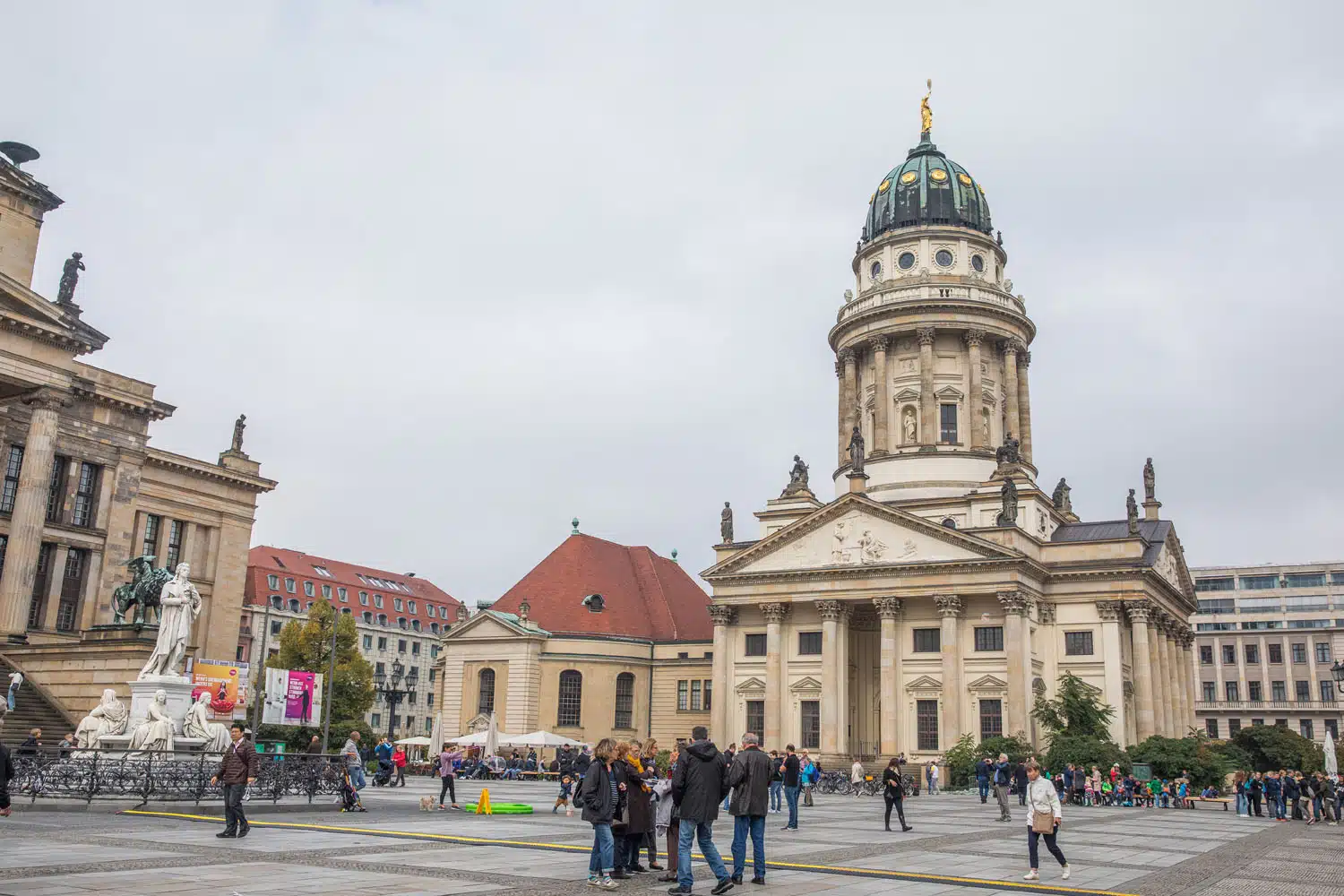
Französischer Dom
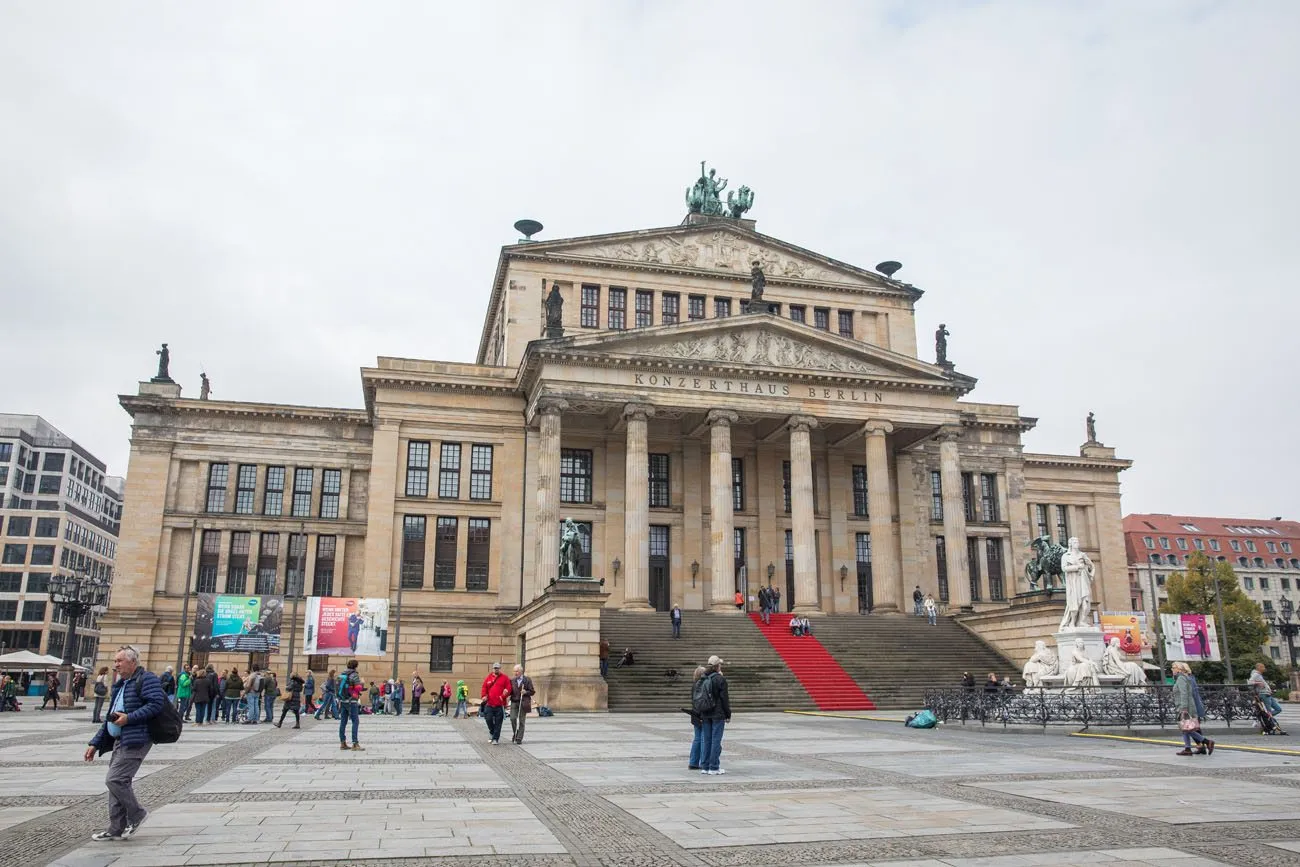
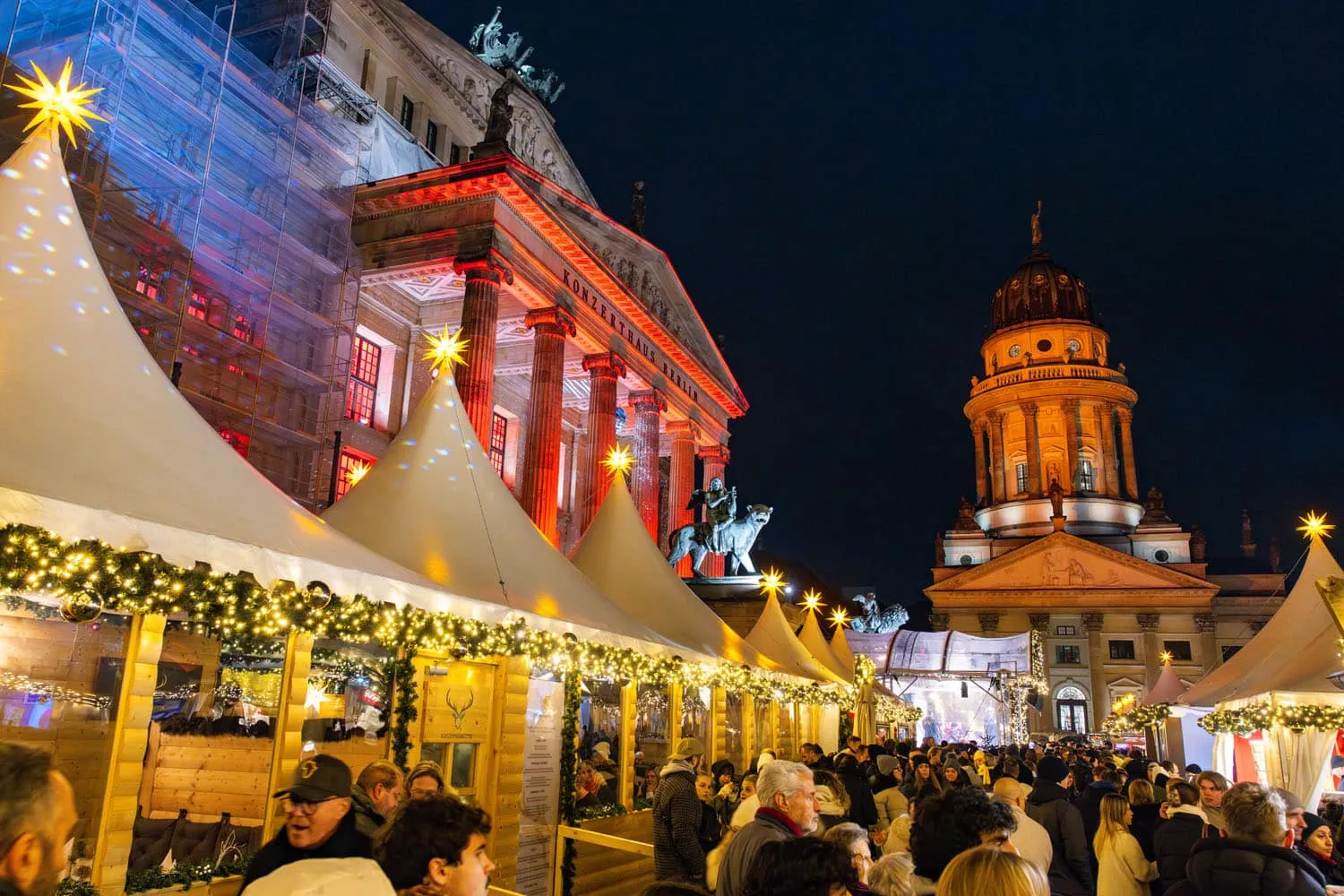
Gendarmenmarkt is also home to our favorite Berlin Christmas market. The setting on this square is stunning and this market focuses on gourmet food experiences and handmade crafts. Here’s a photo of the market in December ↓ (you can see more photos in our Berlin Christmas market guide).
Alexanderplatz
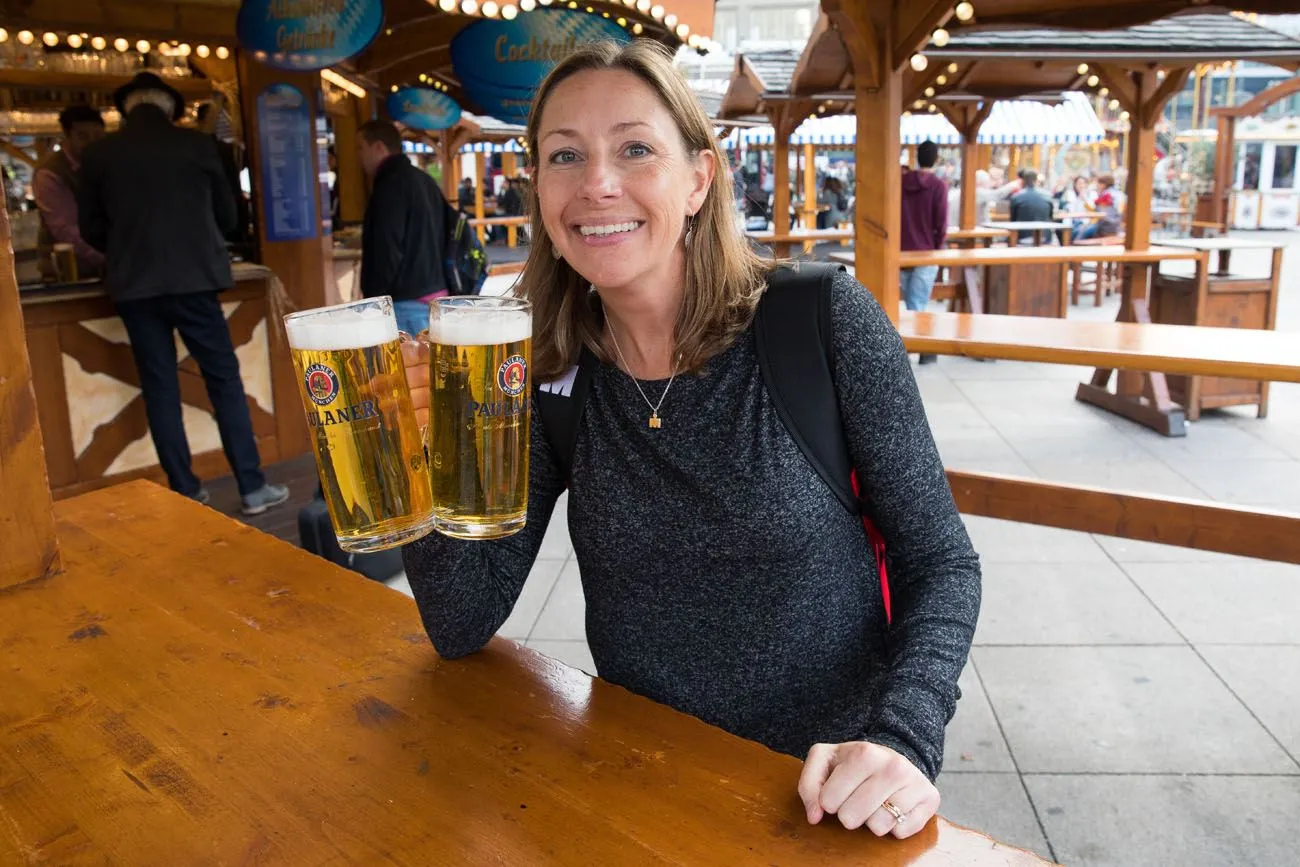
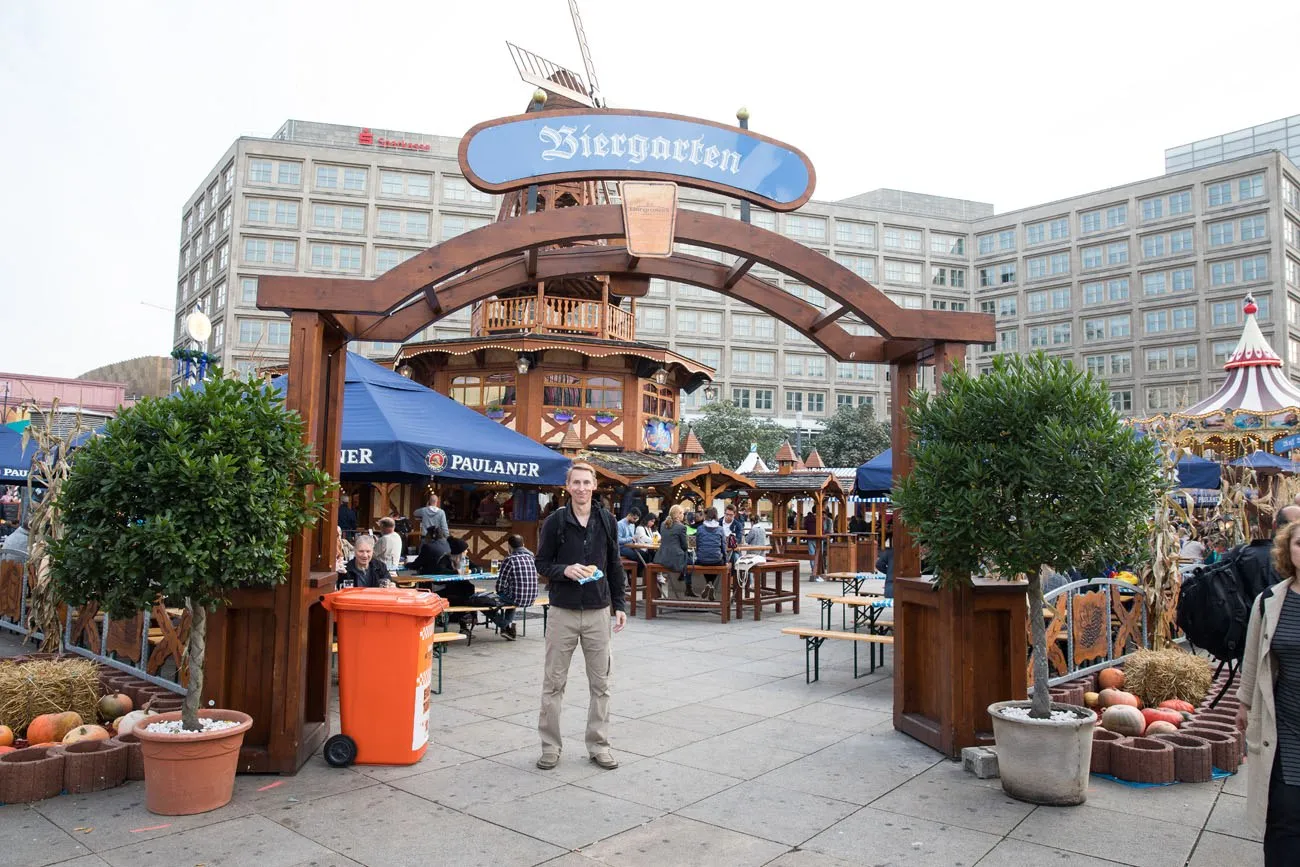
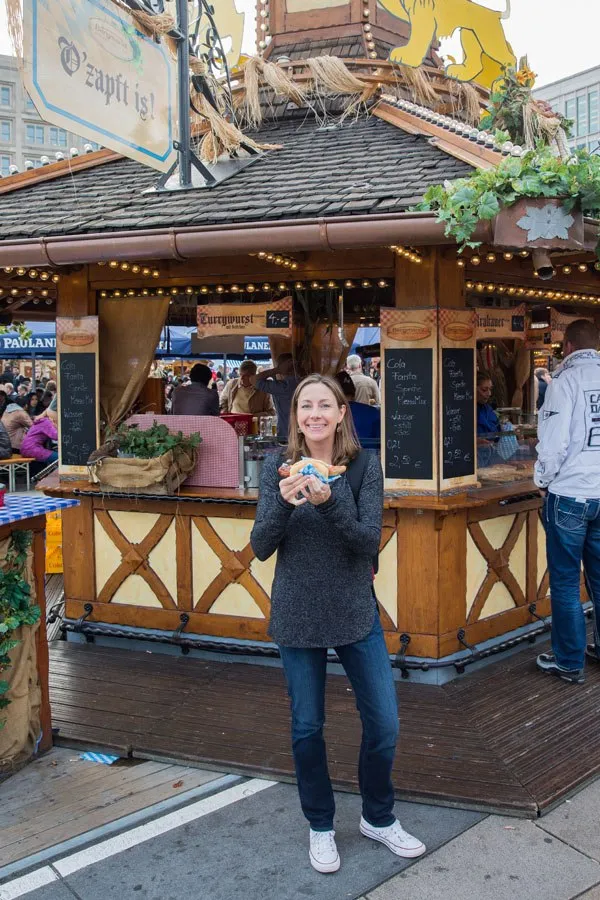
This large square is a busy spot. During our visit in September, this was the site of Berlin’s Oktoberfest. In December, this is also the place to find one of many of Berlin’s Christmas markets.
Don’t miss the World Time Clock. Built in 1969 during the GDR era, this colorful, rotating clock displays the time in major cities around the world.
Mauerpark
Location: north Berlin, Tram M10 Friedrich-Ludwig-Jahn-Sportpark
Cost: free
Mauerpark has an interesting history. During the Cold War, this narrow strip of land was part of the “death strip” along the Berlin Wall. After the fall of the wall, Berlin residents turned this narrow strip into a park by planting trees and flowers.
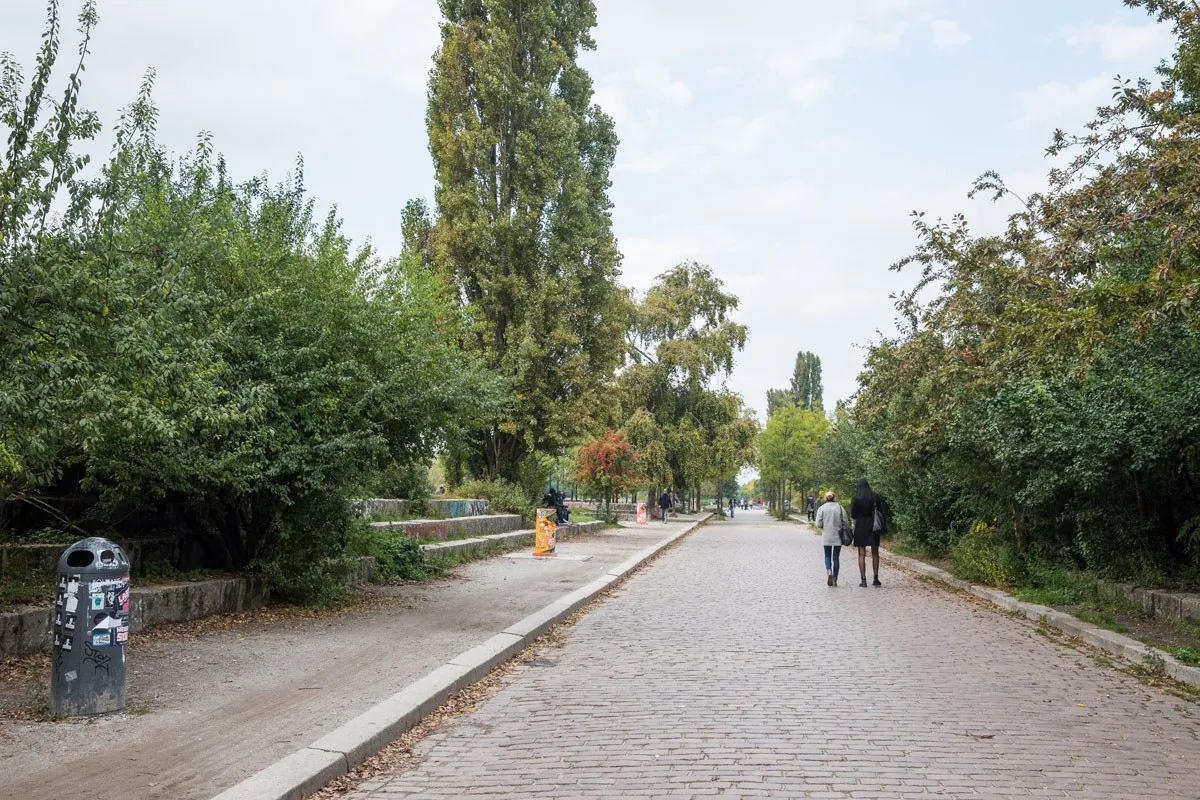
On Sunday afternoons, Mauerpark is the site of a flea market with musicians and food carts. This is the best time to visit. Tim and I visited Mauerpark midday on a weekday and it felt quiet and forlorn. I wouldn’t go out of your way to visit Mauerpark unless you can catch it while a market or music performance is going on.
Prenzlauer Berg
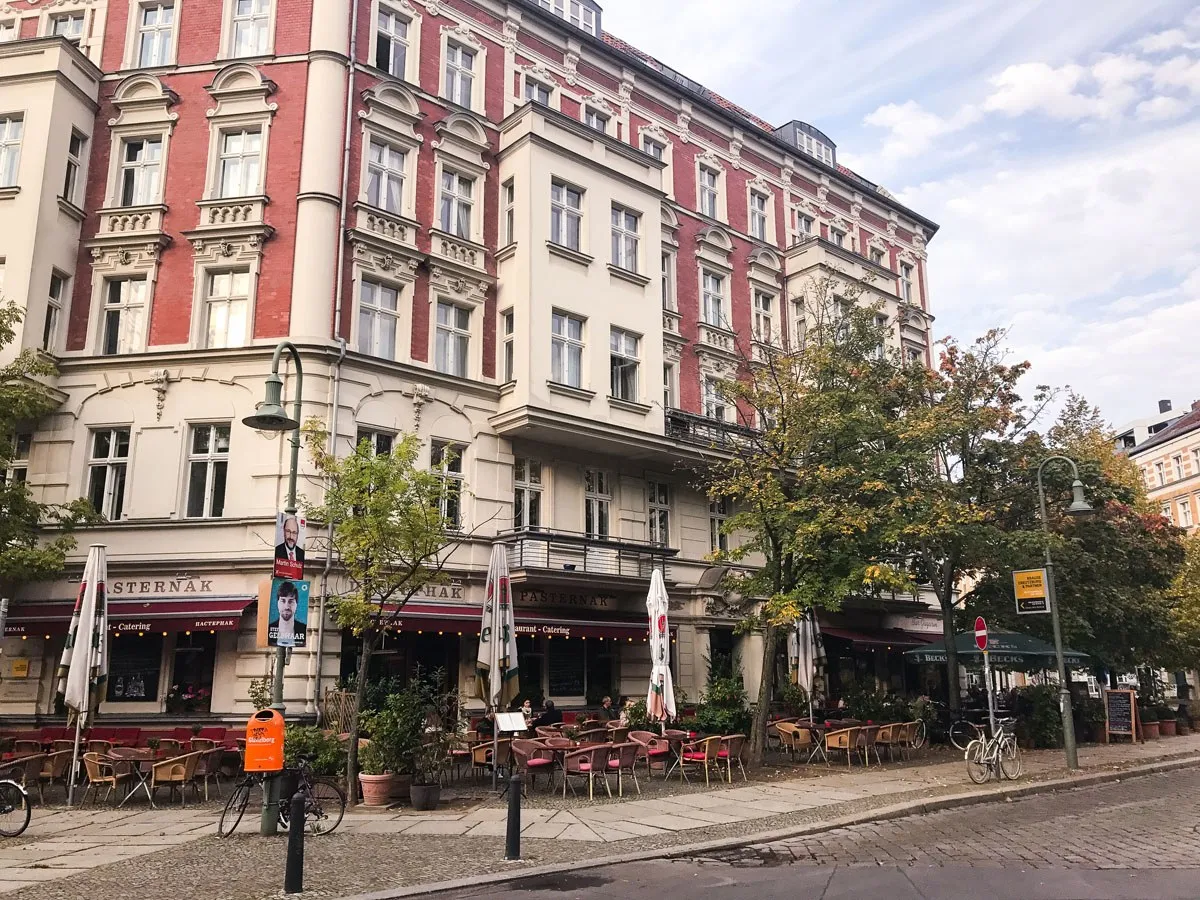
This neighborhood, which was once part of East Germany, is becoming a hot spot in Berlin. Old, historic buildings form the backdrop for up and coming restaurants, shops, and galleries. This area feels very family-oriented, with lots of Moms and Dads pushing strollers and taking their kids to the park.
Die Hackeschen Hofe
This collection of nine courtyards is used for shopping and dining. This is one of Berlin’s most popular spots for nightlife.
Location: S-Bahn Hackescher Markt
Palaces & Gardens
Charlottenburg Palace
Location: Charlottenburg, S-Bahn Westend, U2 Sophie-Charlotte-Platz, U7 Richard-Wagner-Platz
Website: Get pricing and hours here
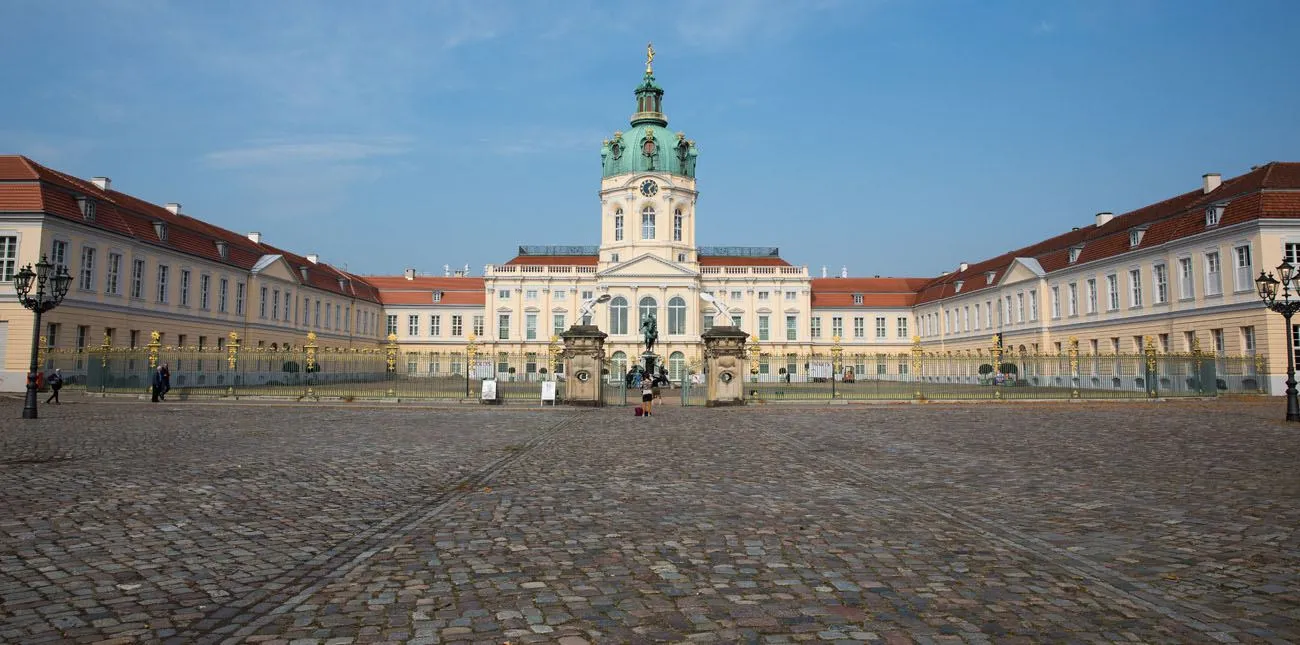
This is a summer palace built for Sophie Charlotte (the first Queen consort to Prussia) featuring baroque architecture. It was modeled after Versailles in France. For those who have been to Vienna, to us it looked a lot like Schonbrunn Palace (the summer residence of the Hapsburgs).
Tiergarten and the Victory Column
The Tiergarten is the large, public garden that sits just to the west of the Brandenburg Gate. If you want to escape the insanity of the city, head here for a little peace and quiet. At the far end, to the west, is the Victory Column, erected in 1873 to celebrate Prussia’s victory in the Franco-German War. You can climb to the top for another view over Berlin.
Abandoned Berlin
Teufelsberg, Berlin’s Weirdest Spot?
Location: West Berlin, located between Grunewald Station and the Olympiastadion
If you want to visit one of Berlin’s strangest spots, put Teufelsberg on your list. Teufelsberg is an abandoned listening station used during the Cold War that is now covered in graffiti.
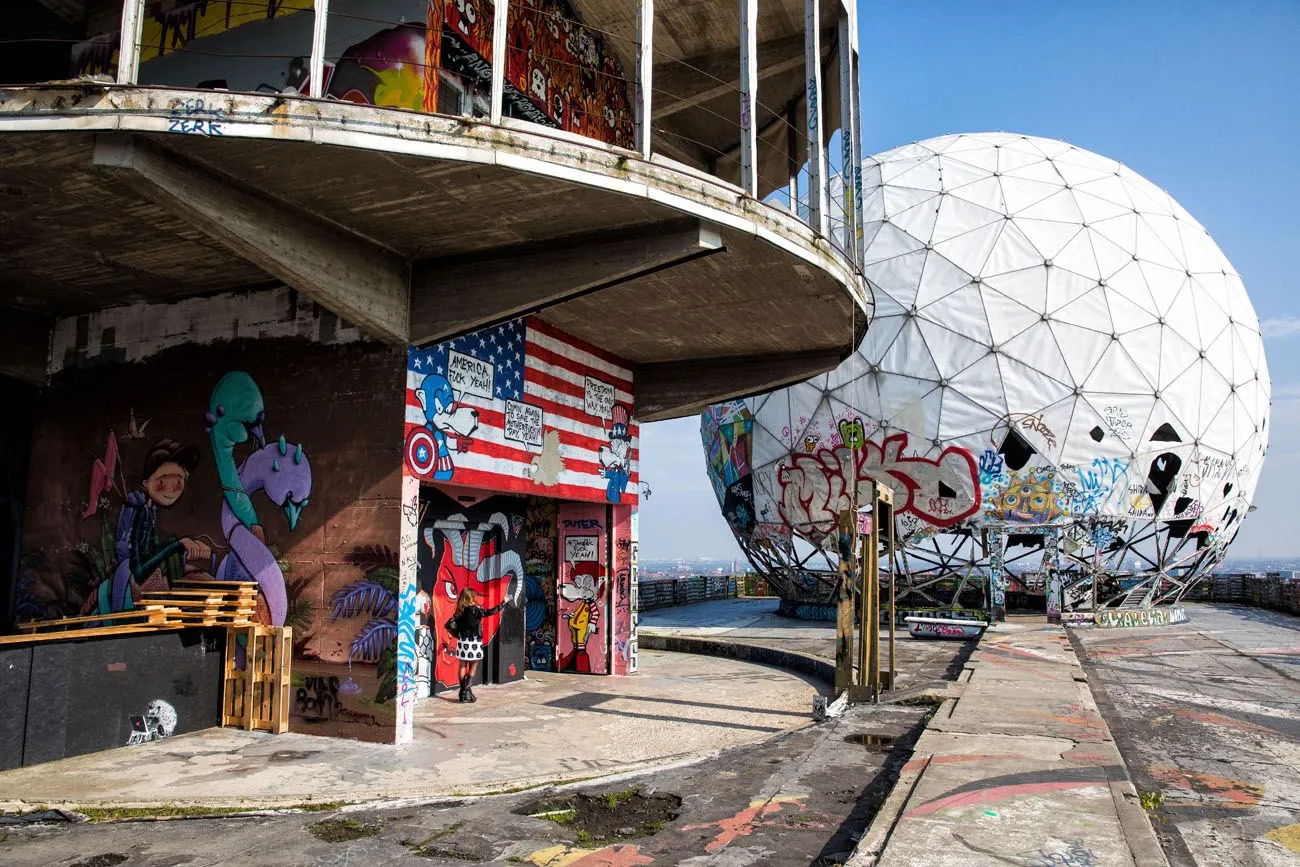
I found it to be a surprisingly interesting and enjoyable visit. In fact, it was one of my favorite spots in Berlin.
However, it’s out of the way and hard to get to, so I would only recommend a visit here if you have several days to spend in Berlin.
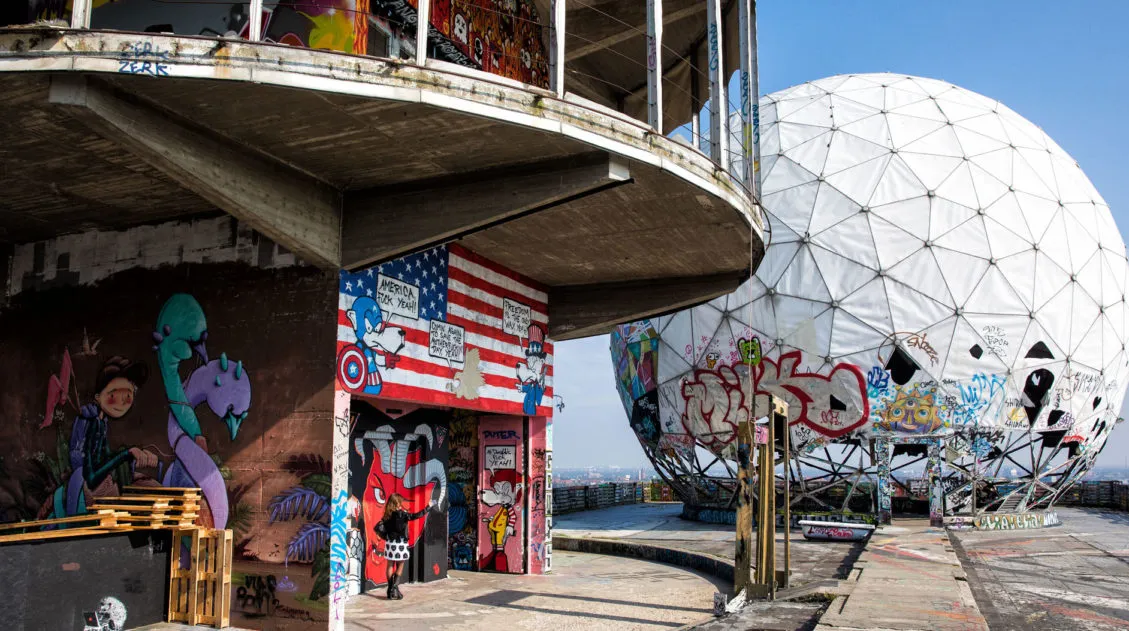
Teufelsberg: Is This the Weirdest Spot to Visit in Berlin?
Everything you need to know to visit Teufelsberg.Flughafen Tempelhof
For more weird, abandoned Berlin, consider a visit to this old airport. Until 2008, Tempelhof was one of Berlin’s operating airports. The Tempelhof building is one of the largest buildings in the world. This was also the site of the Berlin airlift in 1948 and 1949.
Now, this giant outdoor space operates as a public park. Tours of the main building are offered several days a week. Click here for full details.
Location: south Berlin
Food, Shopping & Fun Extras
Try Currywurst
Currywurst stands are found all over Berlin. It makes a quick snack or small meal, the perfect fuel for a day of sightseeing around town.

What is Currywurst? Currywurst is fried pork sausage cut into slices and served with curry ketchup.
Kaufhaus des Westens (KaDeWe)
KaDeWe is Germany’s best-known department store. It is a huge, hulking, grimy building in downtown Berlin. Normally, we steer clear of shopping malls. But I am so glad we visited this one.
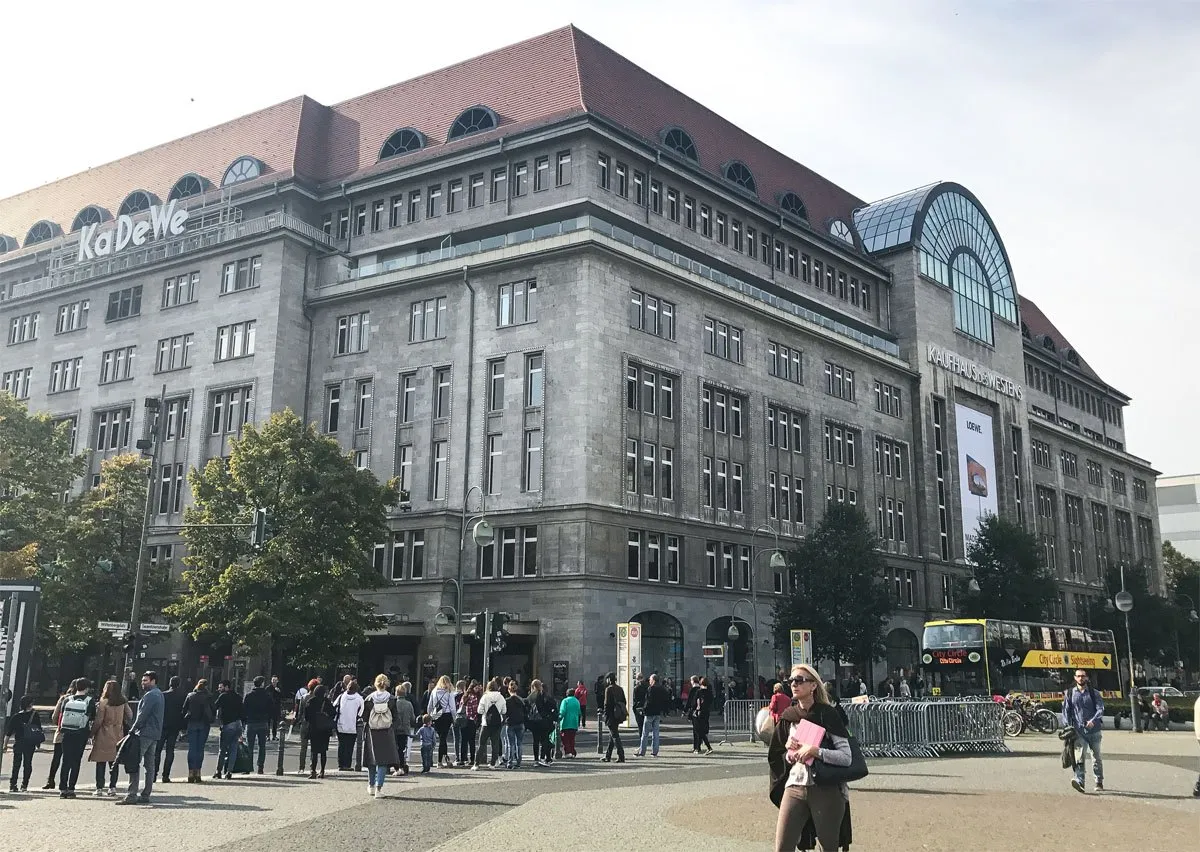
KaDeWe is seven floors of high-end merchandise and gourmet food. Cartier, Gucci, Tiffany & Co., Fendi, and many more luxury brands can be found here. I even saw a ultra-modern fusball table on sale for the budget price of €45,000!!
If you want to skip to the best part, take the series of escalators to the 6th floor. This is a gourmet food mecca. There are many small restaurants serving a wide variety of food…there is an oyster bar, a sushi restaurant, a small restaurant serving only bouillabaisse, a restaurant specializing in potatoes, pizza, seafood, and so much more. I ate at the Silver Pagoda and it was fantastic!! Tim ate Italian and his was just as good.
After dinner, we strolled around the international gourmet markets. Never have I seen so much chocolate for sale in all my life. And there were markets where you could do wine tastings, vodka tastings, whiskey tastings, and bourbon tastings.
If you want to go on a culinary adventure or are looking to bring home souvenirs or gifts, KaDeWe is a great place to spend a few hours of your time.
Location: U-Bahn Wittenbergplatz
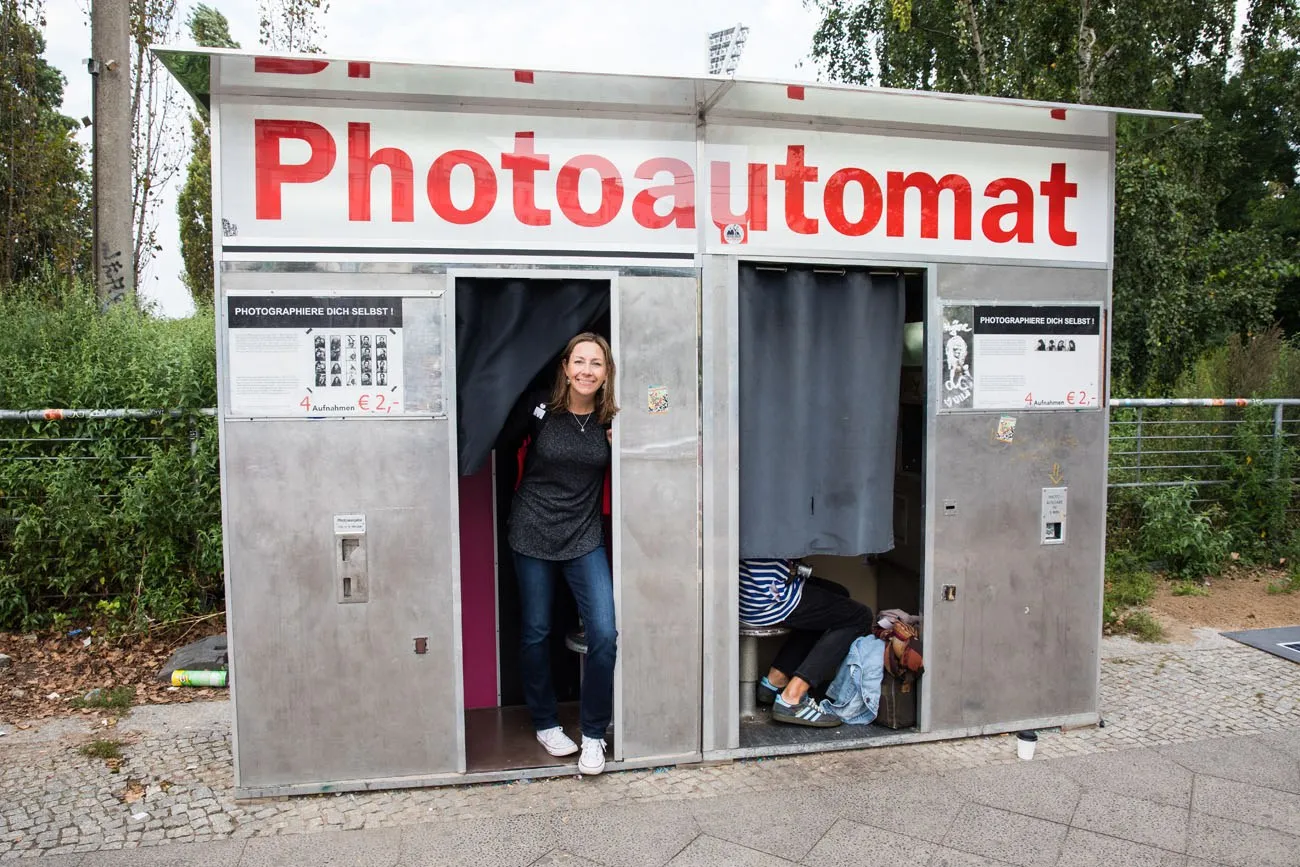
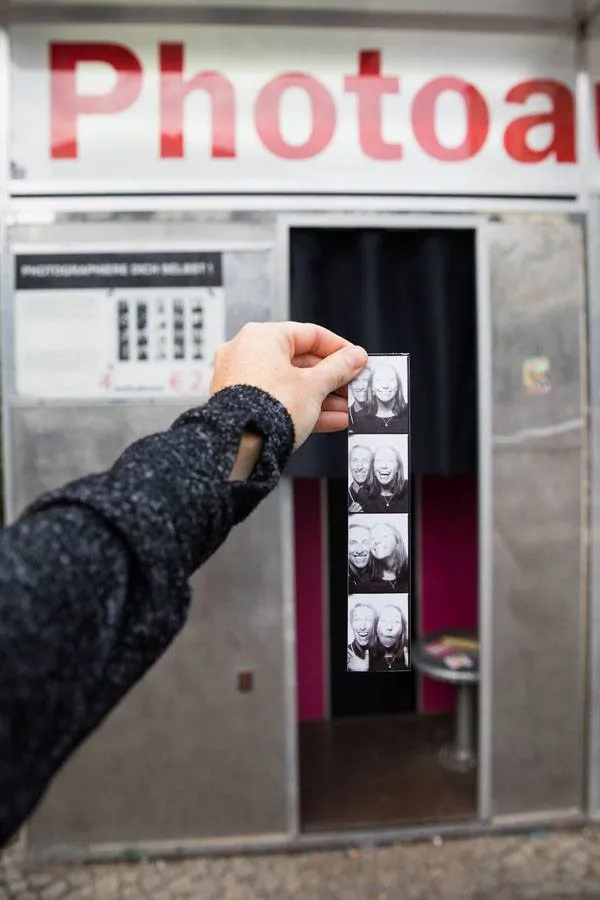
Take a Selfie in a Photoautomat
Scattered throughout Berlin are photo booths (called photoautomats). Insert €2, strike a pose (or four!), and take away your strip of four black and white photos. It’s a cheap, fun thing to do if you happen to spot one of these photo booths during your tour of Berlin.
How Much Time Do You Need in Berlin?
Most travelers need at least 2 to 3 days in Berlin to see the major highlights. With this amount of time, you can cover the city’s essential historical sites, explore a neighborhood or two, and enjoy a few great meals.
If you want a deeper experience, 4 to 5 days is ideal (we spent 5 days in Berlin). Berlin is a large, sprawling city with world-class museums, vibrant neighborhoods, and important memorials that take time to absorb. With a few extra days, you can visit additional museums, explore local markets, or take a day trip to Potsdam, Dresden, or the Bastei.
Travelers with a strong interest in history or museums could easily spend a full week here and still have plenty to do.
In our 5 day Berlin Itinerary, spend 4 days touring the highlights of Berlin, plus one day to day trip to Görlitz, Rakötzebrücke, and the Bastei.
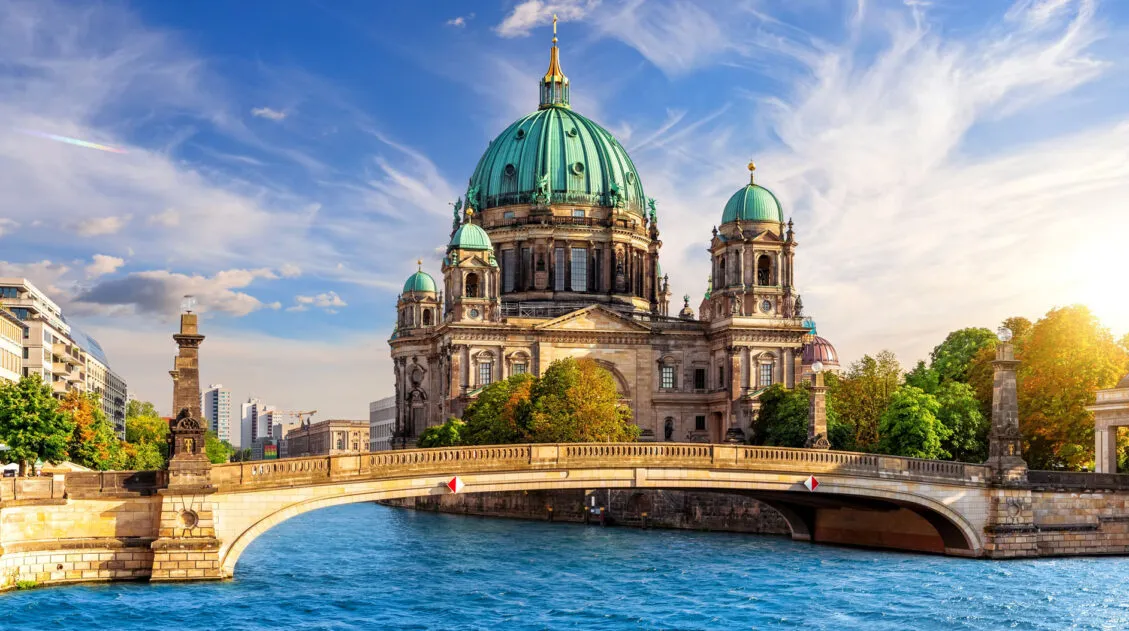
5 Day Berlin Itinerary: The Perfect Itinerary for Your First Visit
How to spend 5 days in Berlin, plus one memorable day trip idea.Berlin Day Trip to Saxony
If you have several days in Berlin and are interested in exploring more of Germany, we have an interesting day trip idea to recommend.
In just one day you can visit the fairytale bridges of Rakotzbrücke and the Bastei, take a stroll through the picturesque town of Görlitz, and cross the border into Poland. It’s a long day but you get to explore some beautiful spots in Saxony, Germany.
Dare I say that this was our favorite day while we based ourselves in Berlin?
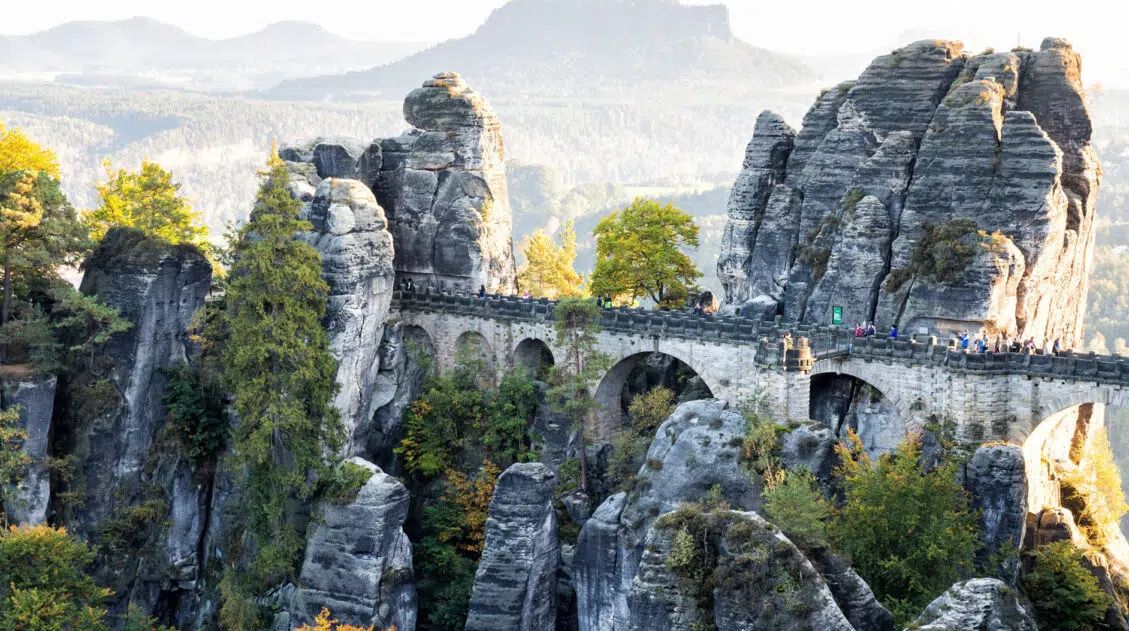
Not Your Ordinary Berlin Day Trip: Rakotzbrücke, Görlitz, and Bastei Bridge
How to visit Rakotzbrücke, Görlitz, and the Bastei Bridge on a day trip from Berlin.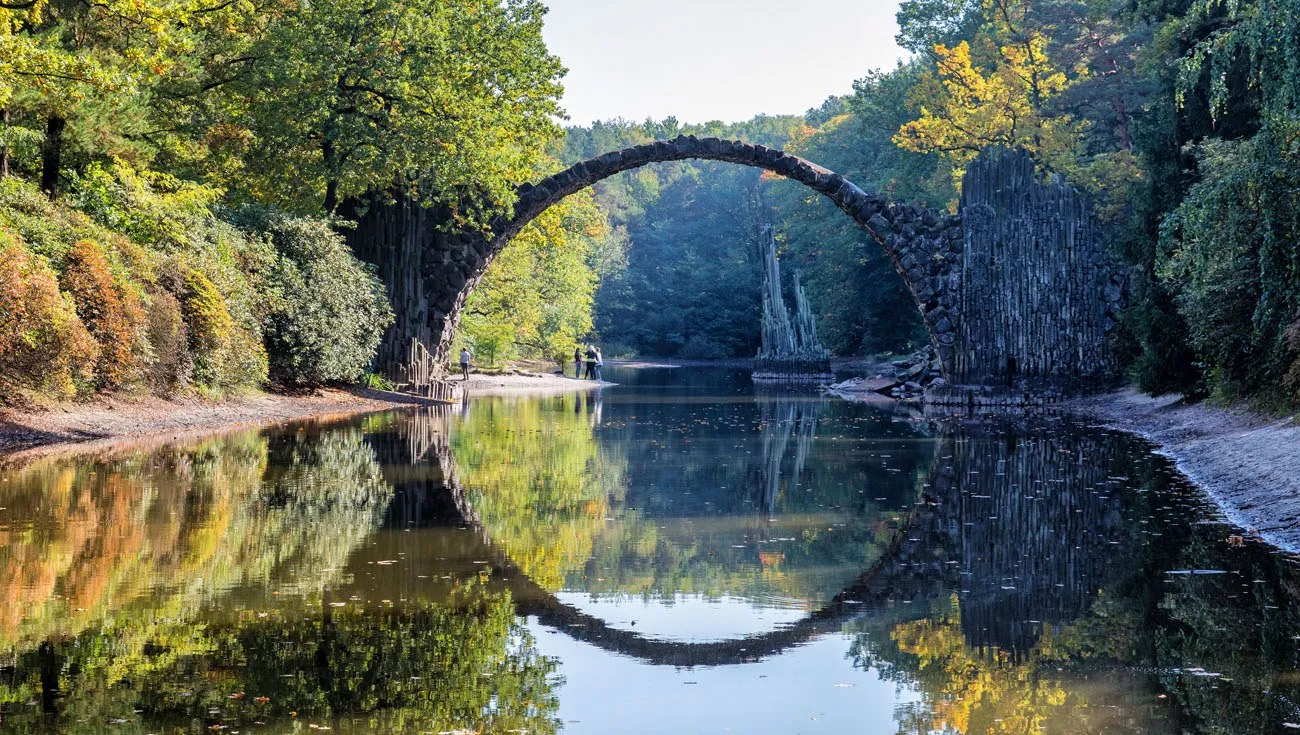
When is the Best Time to Visit Berlin?
The best time to visit Berlin is late spring through early fall (May through September), when the weather is mild, daylight hours are long, and outdoor life is in full swing. Cafés spill into the streets, parks burst with greenery, and festivals and open-air events fill the calendar. This is the ideal season for sightseeing.
For pleasant weather with fewer crowds, May, June, and September are especially good months. July and August are the warmest and busiest, but they also offer the liveliest atmosphere.
Berlin in autumn (October–November) can be a great choice if you enjoy cooler temperatures, fall foliage in Tiergarten, and lower hotel prices.
Winter (December–February) is cold, with short days, but it’s also a magical time for Christmas markets, museums, and cozy cafés. Just be prepared for gray skies and pack warm layers.
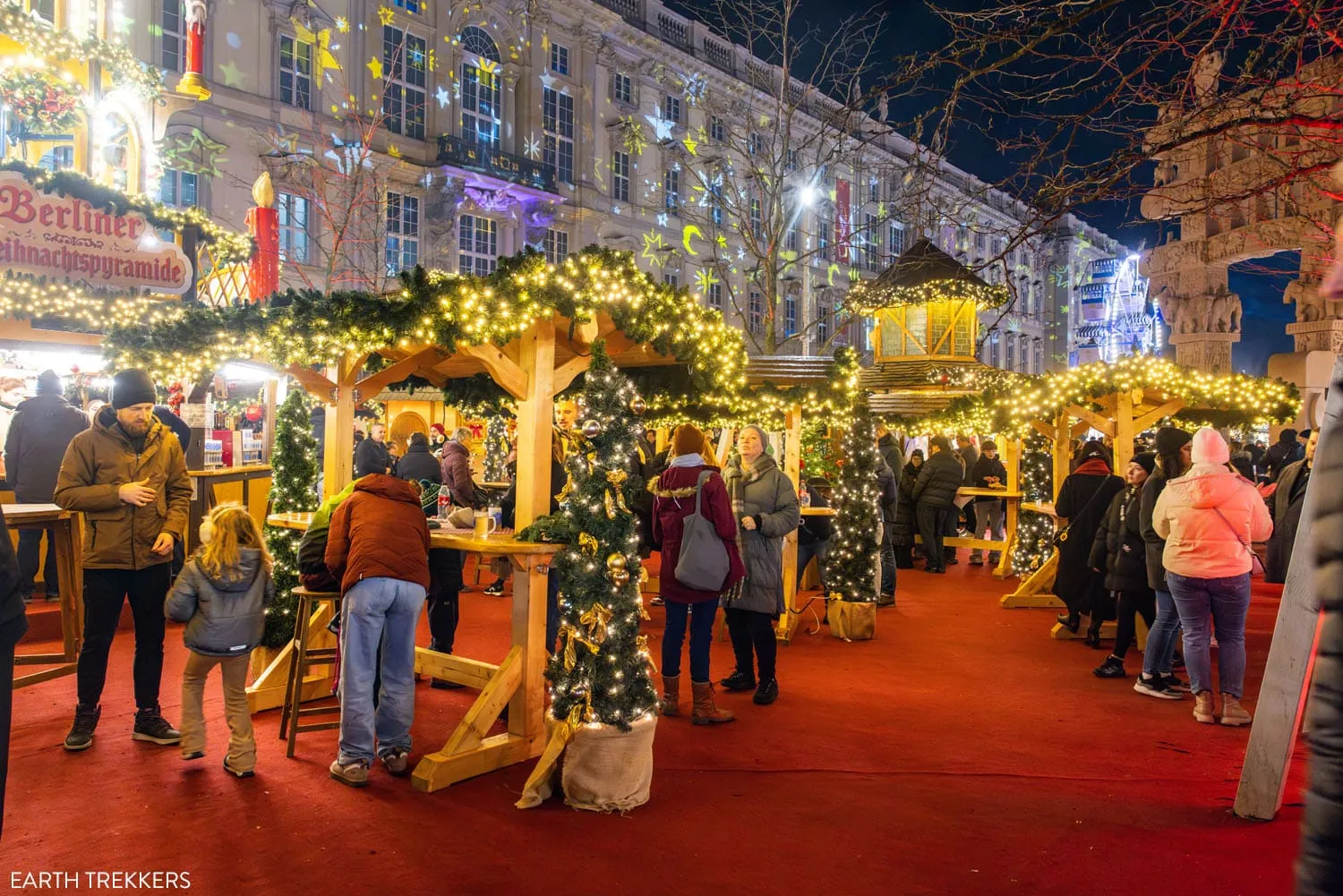
Berlin in December
Our first visit was at the very end of September. Crowds were relatively low, the weather was pleasant during the day but cooler at night. We returned to Berlin in early December 2025, to tour the Christmas markets in Germany and Poland. The weather was slightly warmer than average with a mix of sunny skies and clouds.
VERDICT: Visit May through September for the best overall experience, or early summer or early fall to enjoy nice weather without the peak-season crowds.
The Berlin WelcomeCard
The Berlin WelcomeCard is the official tourist ticket for the city of Berlin. It bundles together unlimited public transport (depending on zone selected) and discounts (or free entry) at many major attractions.
It simplifies getting around and seeing the city, especially if you’ll use public transport and visit multiple paid‐attraction sites.
The card could be worth it if you plan to use public transport frequently (U-Bahn, S-Bahn, buses, trams), plan to visit multiple attractions, and want the convenience of an “all-in-one” ticket rather than buying individual tickets for each attraction.
It might not be worth it if you plan to walk to most sites and/or only plan to visit a few paid attractions.
The Berlin WelcomeCard can be purchased on the official website and through GetYourGuide.
Frequently Asked Questions
What can families with kids do in Berlin?
Families can walk along the East Side Gallery to see colorful murals, climb up into the glass dome of the Reichstag for panoramic views, and explore Museum Island, where the Pergamon Panorama and the Neues Museum’s Egyptian collection are big hits with older kids.
Younger children will enjoy Berlin Zoo, one of Europe’s most famous zoos with giant pandas, playgrounds, and kid-friendly exhibits. Flughafen Tempelhof, the former airport turned large park, is ideal for biking, skating, and picnicking, while Tiergarten provides plenty of green space to burn off energy. For hands-on fun, the Labyrinth Children’s Museum, the German Museum of Technology, and the Science Center Spectrum feature interactive exhibits that children can touch, climb, and experiment with.
Is Berlin safe for tourists?
Yes, Berlin is generally a very safe city for tourists. Violent crime is rare in the areas travelers typically visit, and the city’s transportation system, neighborhoods, and major landmarks are all well-patrolled and tourist-friendly.
Like any large European capital, the main issues to watch for are petty theft and scams, especially in crowded places such as Alexanderplatz, train stations, major transit hubs, and popular markets. Keep an eye on your belongings, avoid leaving bags unattended, and be cautious of overly friendly strangers or anyone trying to distract you.
At night, Berlin’s nightlife districts are usually safe, though it’s smart to stay in well-lit areas and use public transportation or taxis after dark. Solo female travelers commonly visit Berlin, and most feel comfortable navigating the city.
What are the best day trips from Berlin?
The most popular option is Potsdam, home to Sanssouci Palace and some of Germany’s most impressive royal gardens. For a deeper look into the country’s past, many visitors make the short trip to the Sachsenhausen Concentration Camp Memorial. If you’re looking for nature, the Spreewald region offers peaceful canals, kayaking, cycling routes, and traditional Sorbian villages, all within about an hour of the city.
Farther away, Dresden and Leipzig are both reachable by direct train and offer world-class museums, grand architecture, and vibrant cultural scenes. Families may also enjoy Tropical Islands Resort, a massive indoor waterpark located about an hour from Berlin.
What Can You Do in Berlin on Sundays?
Sundays in Berlin are relaxed and lively at the same time, offering a mix of cultural experiences, outdoor fun, and quintessentially local activities. While many shops are closed, museums, major attractions, restaurants, and cafés remain open, making it easy to spend the day sightseeing. Popular spots like the Reichstag Dome, Museum Island, and the East Side Gallery are all great choices for a Sunday visit.
Sundays are also perfect for exploring Berlin’s outdoor and community spaces. Mauerpark hosts its famous flea market and open-air karaoke, drawing crowds of locals and visitors. Many neighborhoods have smaller flea markets as well, which are great for vintage finds and people-watching.
If you have any questions about the best things to do in Berlin, let us know in the comment section below.
Plan Your Trip to Germany
5 Day Berlin Itinerary: The Perfect Itinerary for Your First Visit
Pinterest Facebook Flipboard If you are planning a trip to Berlin, you should know that there is a lot more to see here than just the Berlin Wall and the Brandenburg Gate. Berlin is the largest city in Germany and one of the largest cities in the European Union. It’s a diverse city filled with […]
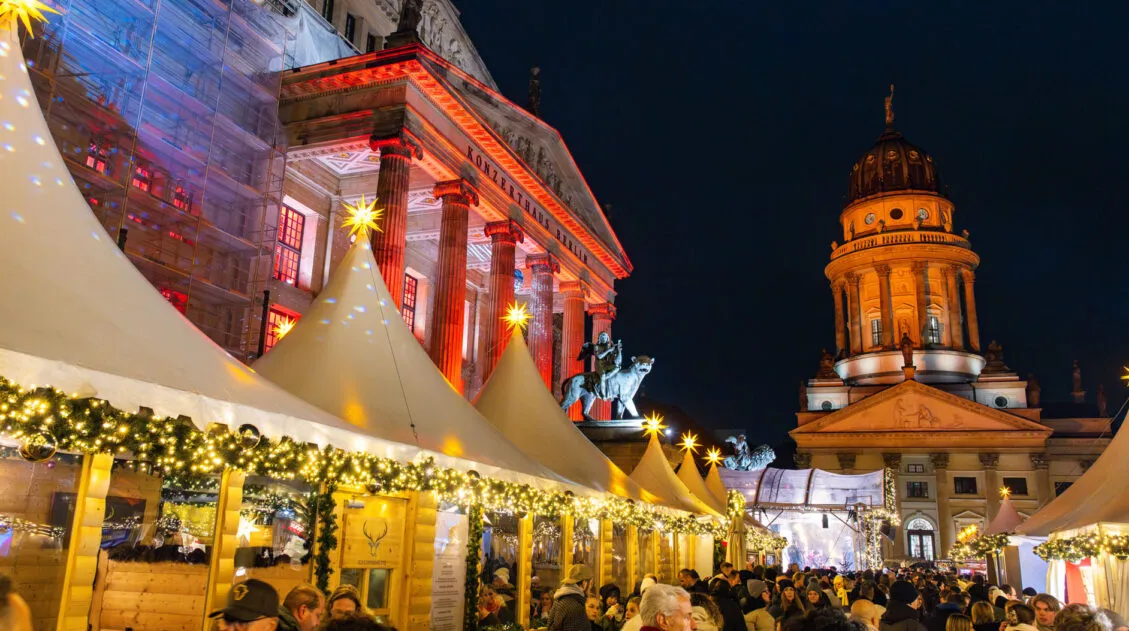
Berlin Christmas Markets 2026: 11 Best Markets to Visit
In this guide, we will narrow down the long list of Berlin Christmas markets to a few must-see’s, complete with photos, a map, and what makes them special. Berlin is home to an incredible number of Christmas markets. In our research, we found this city hosts 70 to 80+ of them, which makes trying to […]
Not Your Ordinary Berlin Day Trip: Rakotzbrücke, Görlitz, and Bastei Bridge
If you are visiting Berlin, there are numerous day trips you can take. Leipzig, Potsdam, and Dresden are all within driving distance. However, if you want to go off-the-beaten-path and see several very scenic places, you’ll love this Berlin day trip. In one day, you can visit the photogenic Rakotzbrücke, walk across the fairytale Bastei […]
Teufelsberg: Is This the Weirdest Spot to Visit in Berlin?
If you are traveling to Berlin and want to see something weird, put Teufelsberg on your list. Teufelsberg is an abandoned listening station used during the Cold War that is now covered with graffiti. A visit here is eerie, historical, at times unnerving, and even beautiful. January 2026 Update: All prices, hours, and links verified. […]
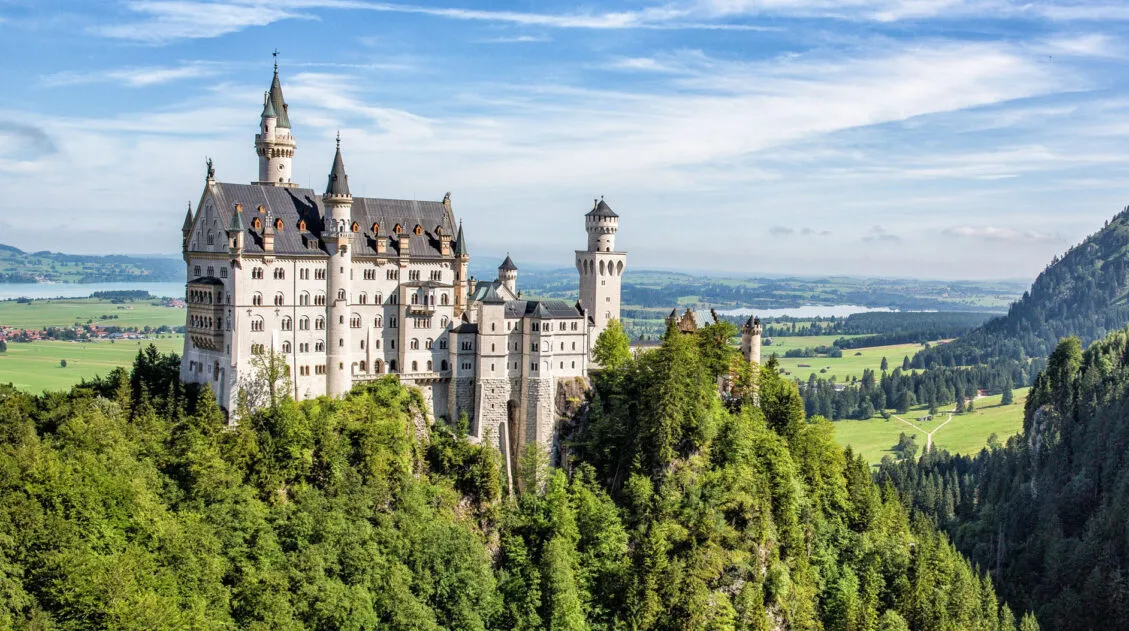
Germany Travel Guide | How to Plan a Trip to Germany
Travel advice for Germany. Visit Bavaria, Munich, Berlin, Berchtesgaden, and Neuschwanstein Castle. Get travel itineraries and learn where to stay and where to eat.
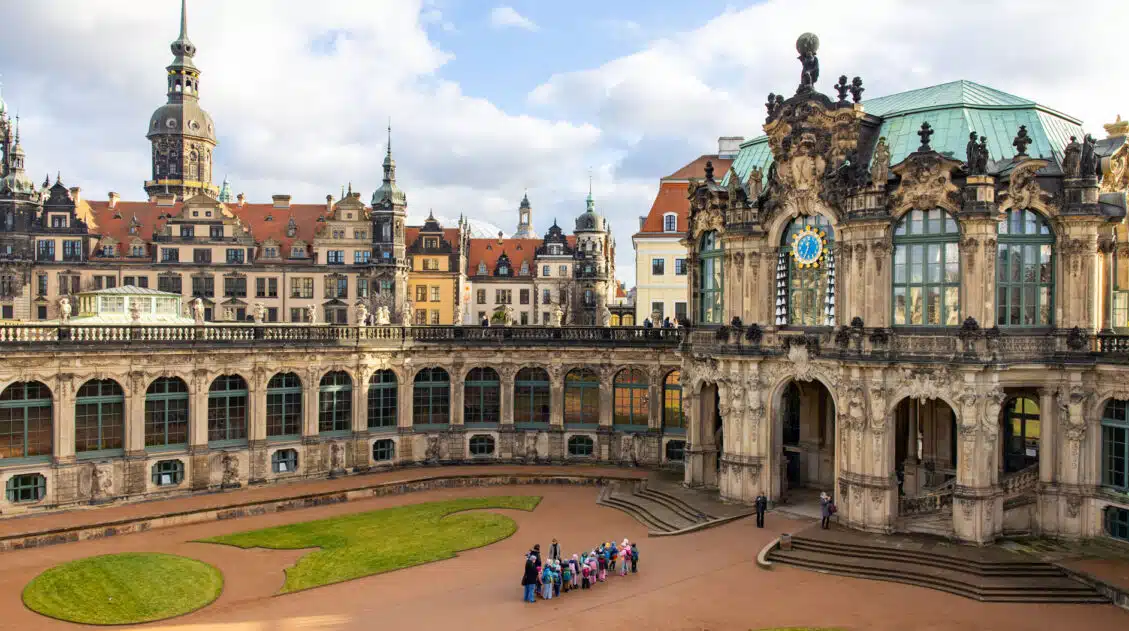
18 Best Things to Do in Dresden: A First-Timer’s Guide
Discover the best things to do in Dresden, Germany, from historic sites in the Old Town to a few unique, off-the-beaten-path destinations. We’ll also cover where to eat and where to stay. Dresden is a historic city in eastern Germany known for its stunning Old Town filled with churches, a royal palace, an opera house, […]
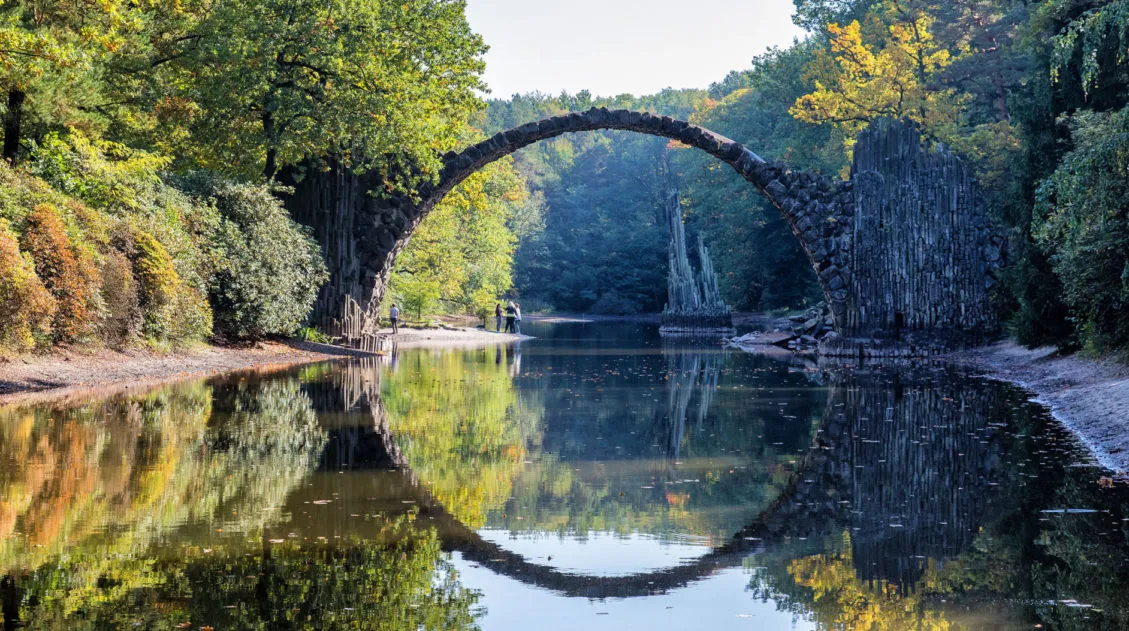
Rakotzbrücke: A Fairytale Bridge in Saxony, Germany
Rakotzbrücke, also called the Devil’s Bridge, looks like something that belongs in a fairytale. This unique looking bridge is tucked away in a small park in Saxony, Germany. Getting here can be a challenge, since Rakotzbrücke is not located near any major city. However, if you combine a trip here with other nearby destinations, you […]
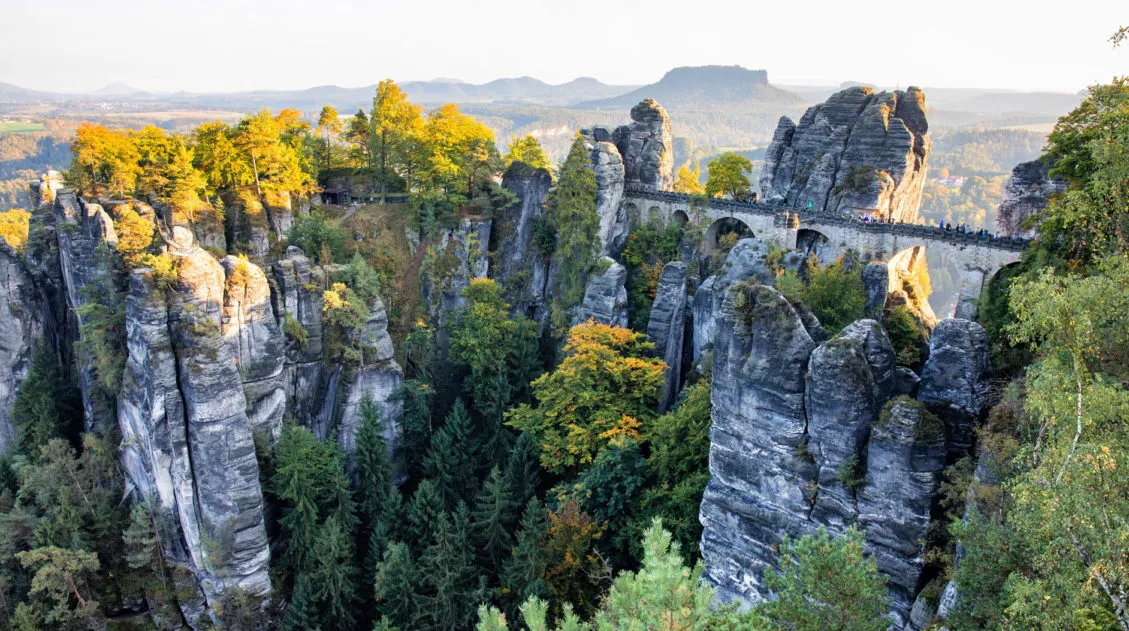
The Perfect Day Trip to the Bastei Bridge in Germany
The Bastei is one of Germany’s most unique landscapes. Giant pinnacles of sandstone rock tower over the Elbe River and the green countryside. Spanning these pinnacles is a stone bridge, dramatic in its appearance, as it connects these towers of rock and then seems to lead nowhere. We visited the Bastei on a day trip […]
One Day in Bamberg: Top Things to Do & Bamberg’s Christmas Market
With its colorful timbered houses, medieval streets, and stunning setting on the Regnitz River, Bamberg is one of Germany’s most photogenic cities. This small town simply oozes charm. And come the month of December, add in a Christmas market and holiday decorations and Bamberg becomes a magical place to visit. Bamberg is listed as a […]
How to Visit Zugspitze from Germany and Austria
Zugspitze, Germany’s highest peak (2962 meters), is located in southern Germany on its border with Austria. Visiting Zugspitze is a fantastic half day excursion which can easily be accomplished from both Austria and Germany. How to Visit Zugspitze Austria or Germany? Since Zugspitze sits on the border between Austria and Germany, it can be accessed […]
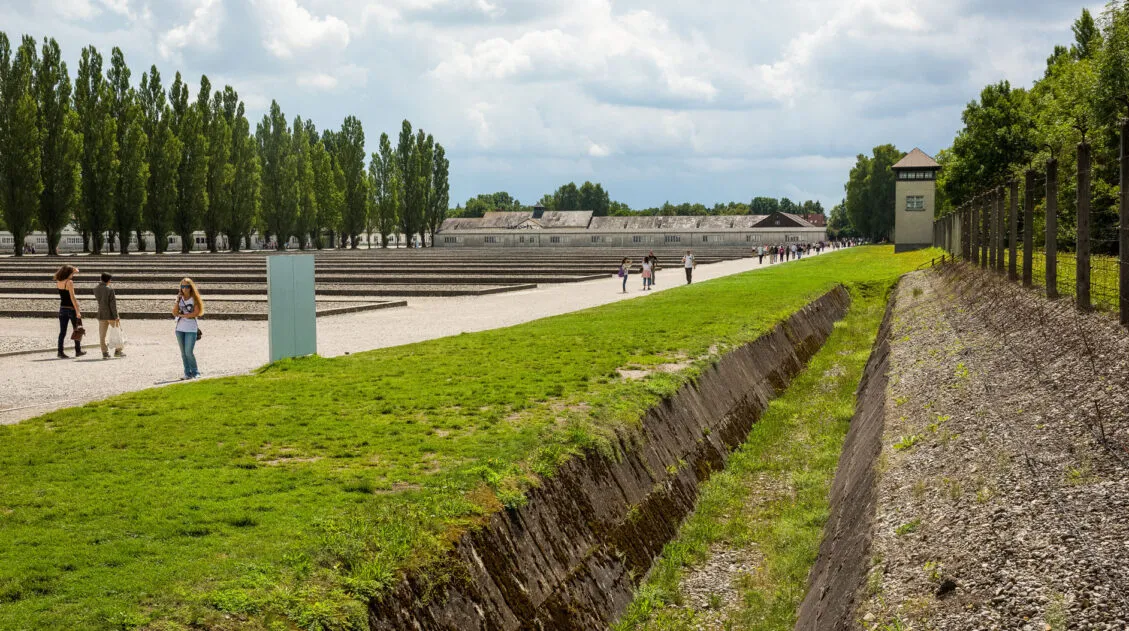
A Visit to Dachau Concentration Camp Memorial Site in Munich, Germany
Dachau Concentration Camp was the first of the Nazi concentration camps. It is located near Munich, Germany. A visit here is an incredibly moving experience and a valuable history lesson. Here are some things you should know while planning your visit. Dachau was the Nazi’s first concentration camp and was the only concentration camp to […]
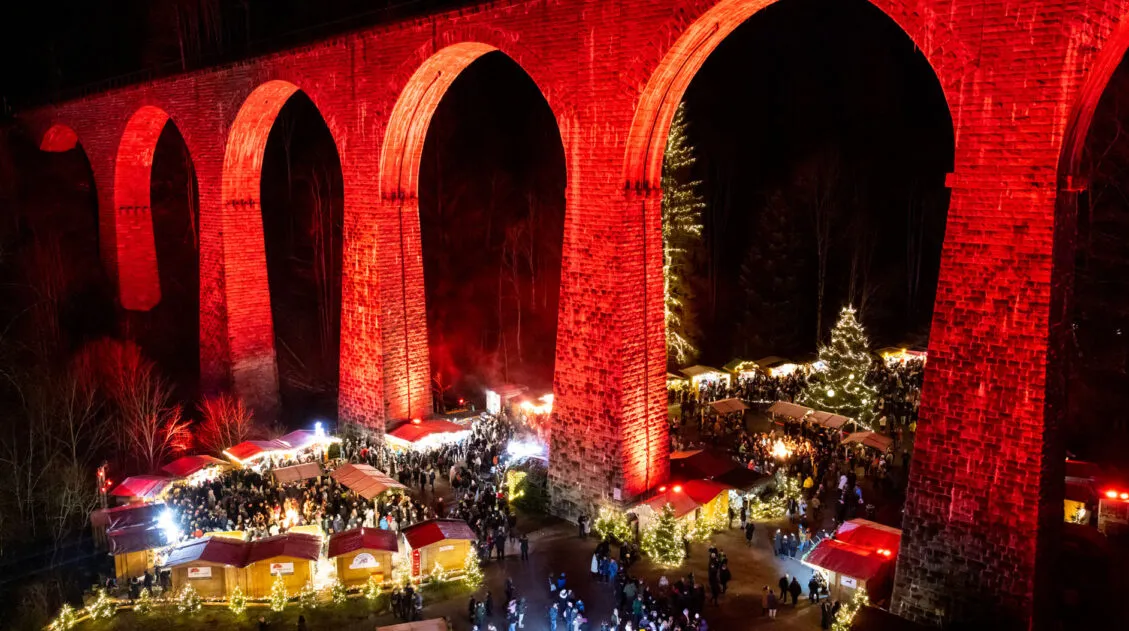
Ravenna Gorge Christmas Market 2026: Is It Really Worth It?
The Ravenna Gorge Christmas Market is one of Germany’s most unique markets. Brightly lit, decorated stalls sit around the base of a train viaduct, which is illuminated in a rainbow of colors throughout the night. It’s a beautiful sight to see. But is it worth it? This market is only held on a few weekends […]
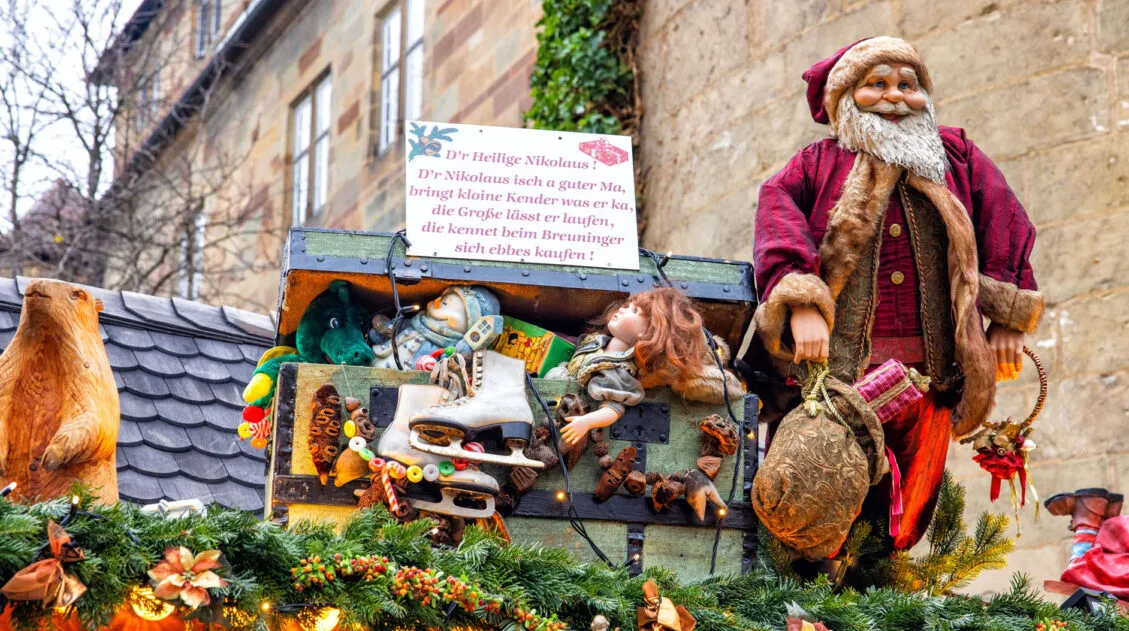
The Perfect Bavaria Germany Christmas Market Itinerary
It’s no secret that Germany hosts some of the best Christmas markets in Europe. But unless you have tons of time, it’s best to concentrate on one region of Germany. This Christmas market itinerary focuses on southern Germany. Not only will you visit some of the most historic markets in Europe, but you will tour […]


Comments 13