
Some cities in Italy overwhelm you with options. Siena does the opposite, and that’s exactly what we loved about it. The historic center is compact and entirely walkable, the main sights are clustered within easy reach of each other, and the city has a pace that makes it easy to slow down. The things to do in Siena are extraordinary: one of Italy’s most beautiful cathedrals, a main square that ranks among the finest in Europe, a tower with views that stop you mid-climb, and medieval streets that reward aimless wandering.
We’ve visited Siena twice: first for five days on our earliest Italy trip, using it as a home base to explore the Tuscan hill towns with our kids, and again for two days on a later trip through Tuscany, just the two of us. Both times, Siena amazed us, and it still remains one of our very favorite experiences in Tuscany.
In this guide, we cover the 9 best things to do in Siena, along with where to eat, where to stay, and how to get here. If you want a step-by-step plan for how to structure your day, we have a detailed one day in Siena itinerary that covers it all.
The Essentials
TOP EXPERIENCES | Siena Cathedral & Duomo Complex, Torre del Mangia, Piazza del Campo
DON’T MISS | Gate of Heaven tour, Panorama from the Facciatone, aperitivo in Il Campo at sunset
BOOK IN ADVANCE | Gate of Heaven — reserve weeks in advance; very limited spots
TORRE DEL MANGIA | In-person tickets only at Palazzo Pubblico; buy first thing in the morning — sells out by midday in peak season
FREE TO VISIT | Piazza del Campo, Basilica of San Domenico, city gates
BEST FOR | First-time visitors, day trips from Florence, Tuscany home base
TIME NEEDED | Full day; 4 hours minimum for highlights only
June 2026 Update: All links and prices verified.
Is Siena Worth Visiting?
Without question. On our first visit to Italy, we spent five days here, using Siena as a base for a three-week Italy trip. It stood out as one of the highlights of the entire journey.
The Siena Cathedral alone is worth the trip; it’s one of the most beautiful churches we’ve seen anywhere in Italy. The view from the top of Torre del Mangia is breathtaking, with it’s bird’s eye view over Siena and the green, rolling hills of Tuscany. And the streets of the historic center are genuinely wonderful to walk at any hour, but especially in the mornings and evenings when the day-trippers have gone and the city belongs to the people staying here. Most nights we ended up in Piazza del Campo with our kids, who made friends with other children on the square while Tim and I soaked up one of the best free experiences in Tuscany.
We loved Siena enough to come back. On our second visit, just the two of us, we spent time revisiting favorite spots and exploring corners of the city we’d never gotten to the first time around. That’s the mark of a place worth returning to.
Siena is a must-see in Tuscany. It’s not a box to check, but a place to actually spend time in. It also makes one of the best home bases in the region for exploring the Tuscan hill towns, with Montalcino, Pienza, Montepulciano, and San Gimignano all within easy reach.
Best Things to Do in Siena
1. Be Amazed By the Siena Cathedral
The Siena Cathedral is the single best thing to do in Siena. Built from white and black marble, the cathedral has a striped exterior that’s striking from the outside, but the interior stops you in your tracks. The zebra-striped walls continue inside, paired with a gilded ceiling, one of the most intricate mosaic floors in Italy, and works by Donatello, Michelangelo, and Bernini.
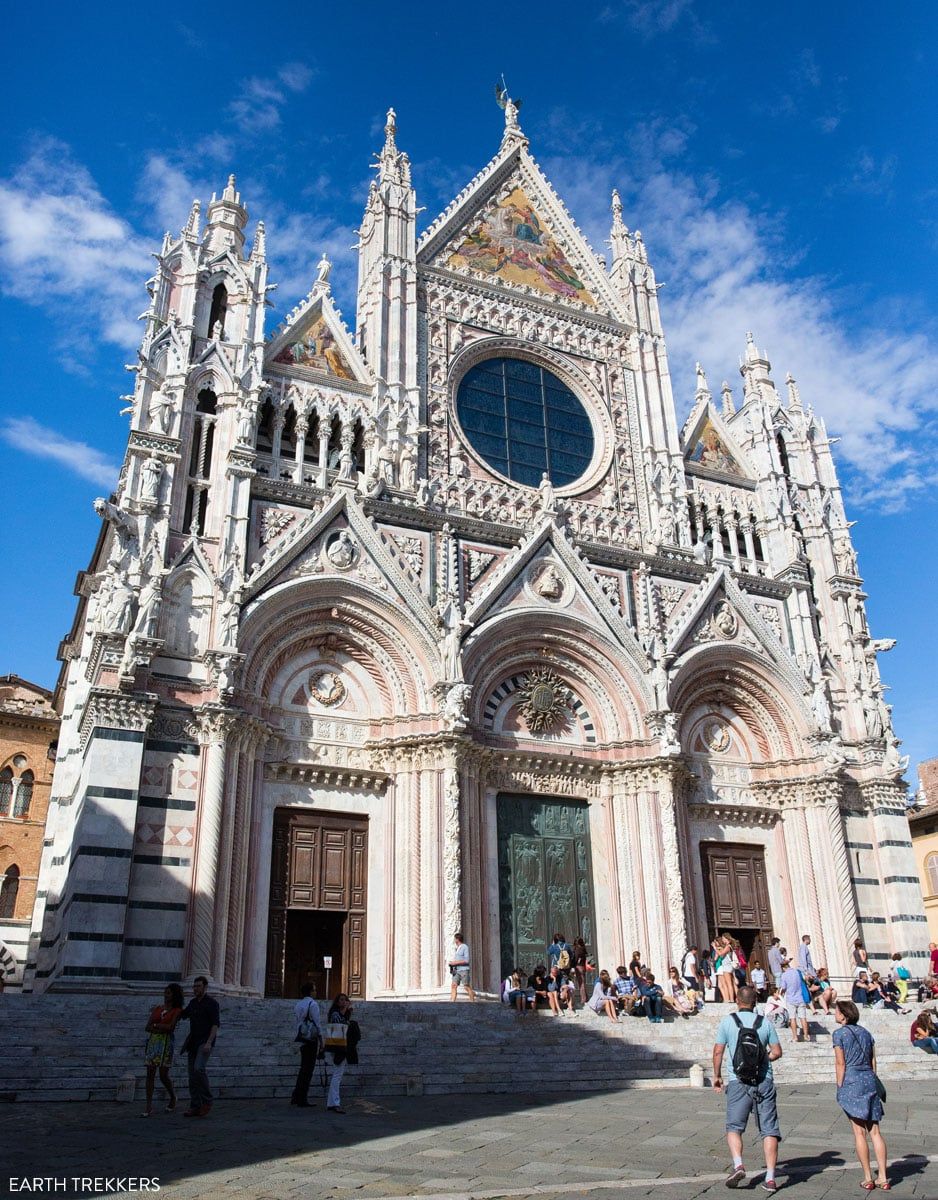
Siena Cathedral
On our first visit to Siena, we brought our kids and kept it simple, just visiting the interior of the cathedral. Even they were amazed.
On our second trip, Tim and I dedicated a full day to working through the entire Duomo Complex, and it was worth every hour. The complex extends well beyond the cathedral itself, encompassing the Cathedral Museum, the Baptistery, the Crypt, the Piccolomini Library, and two experiences that stand out above the rest.
The first is the Panorama from the Unfinished Façade, the terraces of the New Cathedral, which were never completed after the Black Death halted construction in 1348. The views of Siena from these terraces are among the best in the city.
The second is the Gate of Heaven tour, a guided walk across the roof and hidden terraces of the cathedral that gives you a perspective on the building most visitors never see. Both are well worth it, and both require a bit of planning. The Panorama draws a slow-moving line, and the Gate of Heaven tour must be booked in advance with a reserved time slot.
Here are photos of the Siena Cathedral, taken during our two visits here:
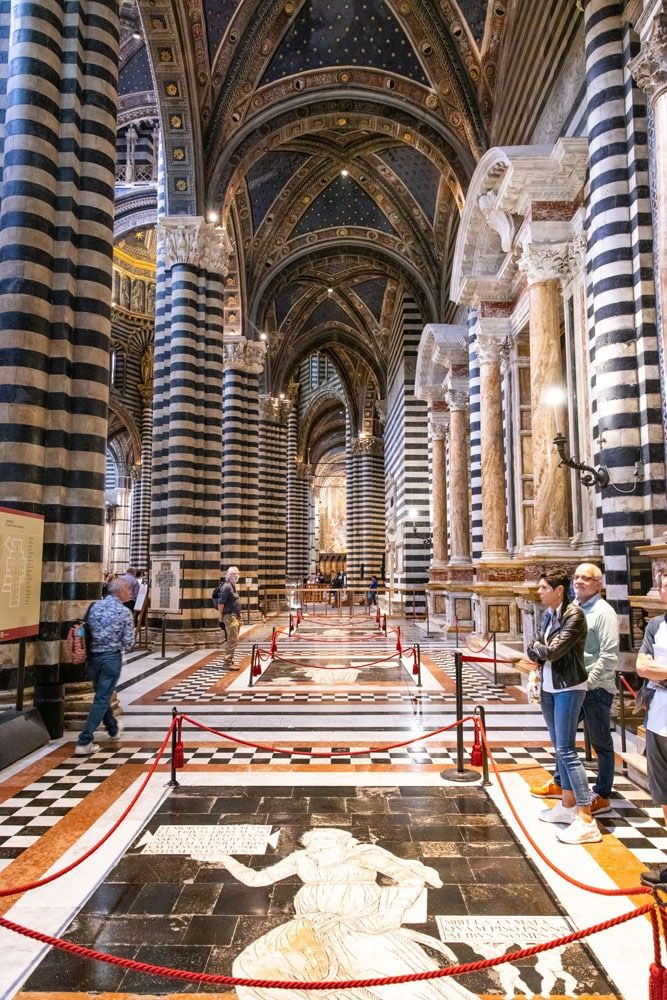
The mosaic floor; this is uncovered just a few months every year
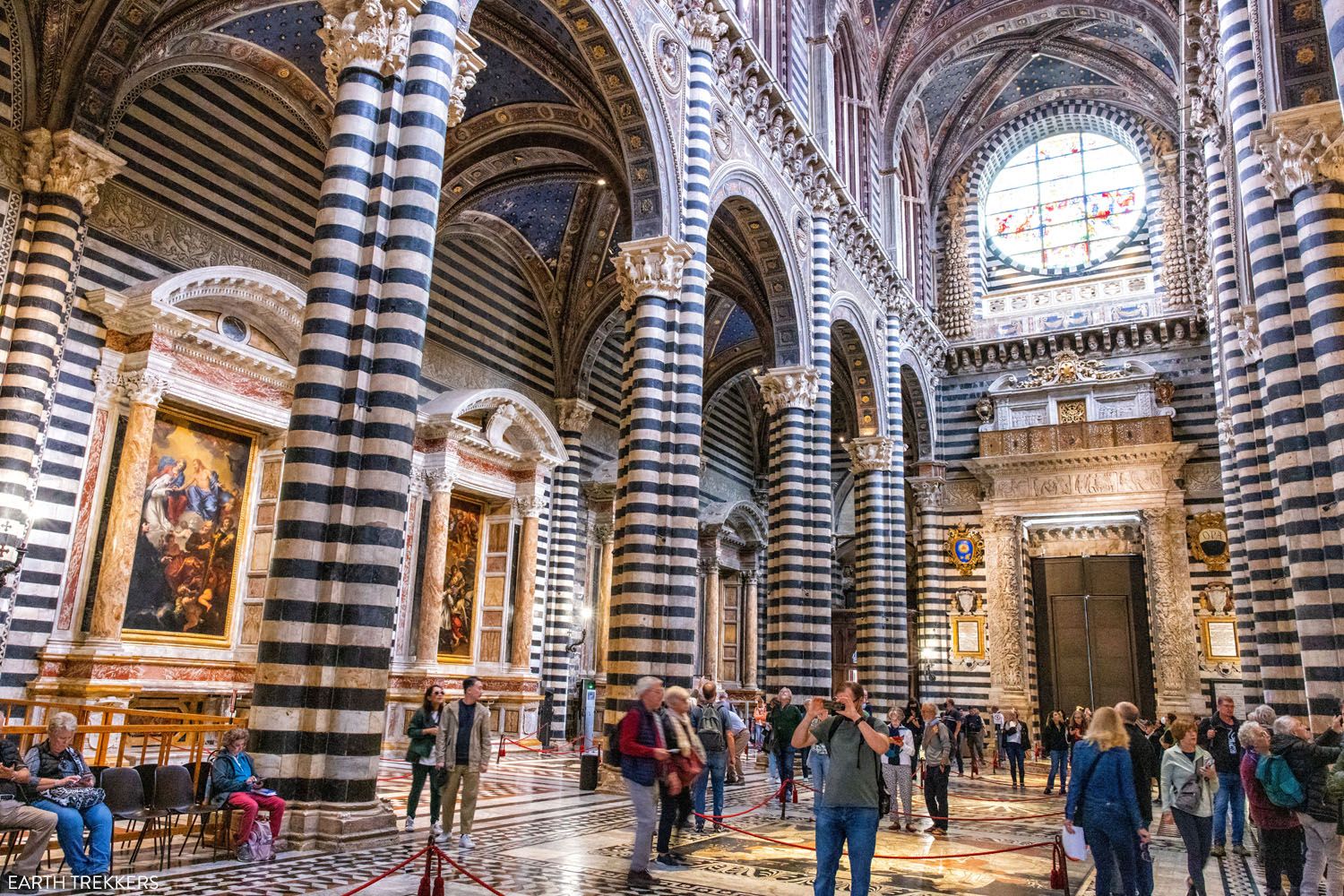
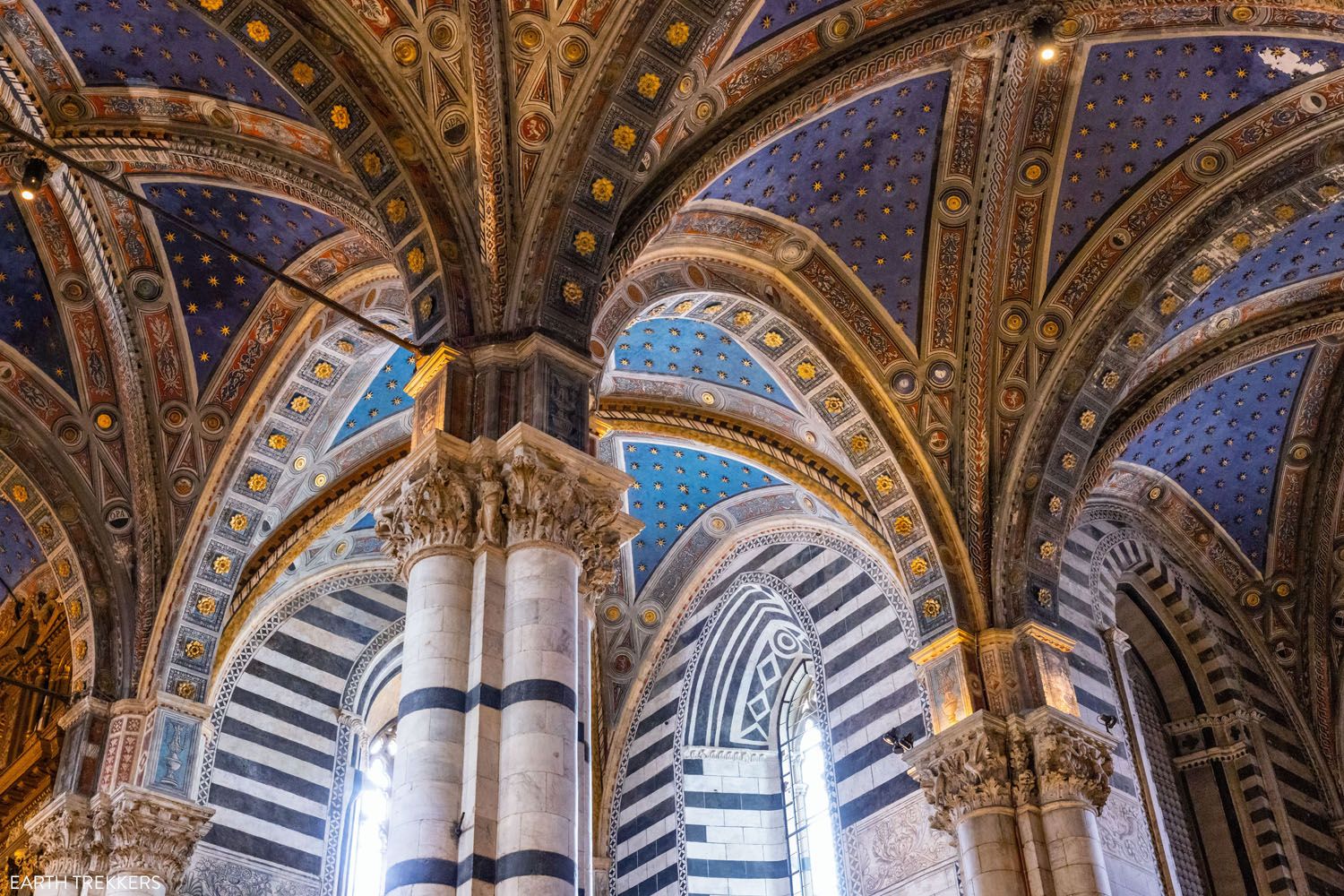
Ceiling of the Siena Cathedral
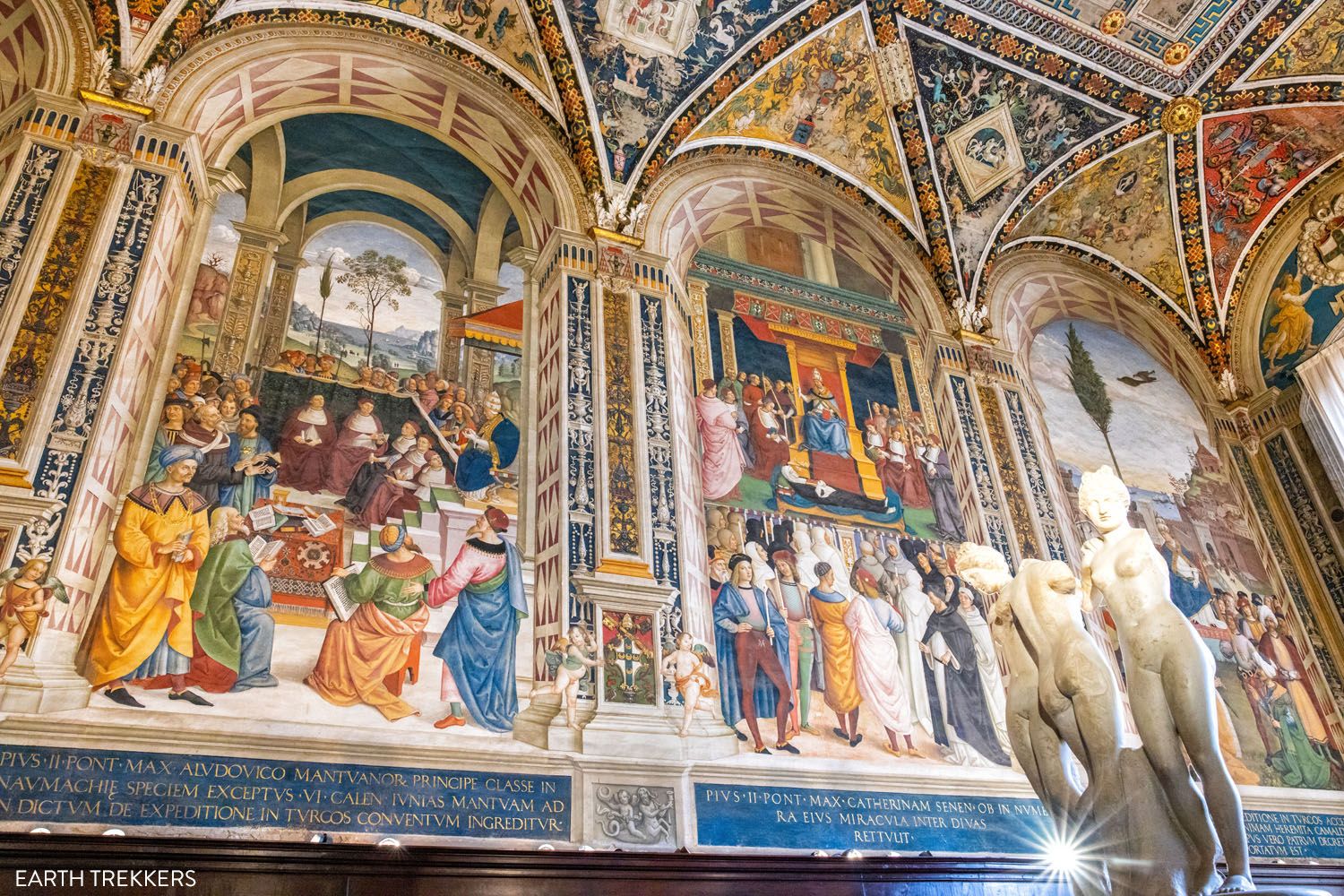
Piccolomini Library
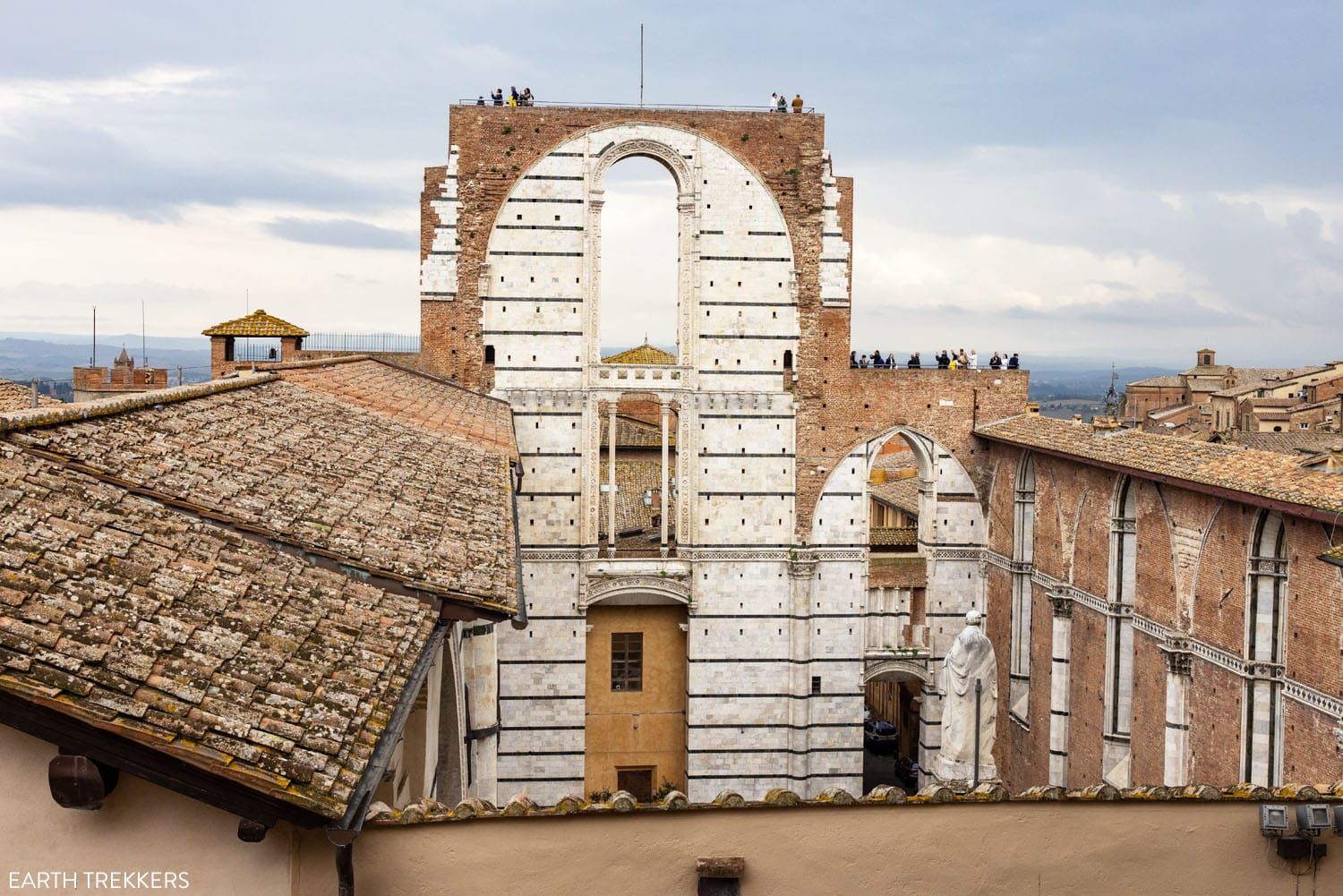
The terraces of the Panorama aka the Facciatone
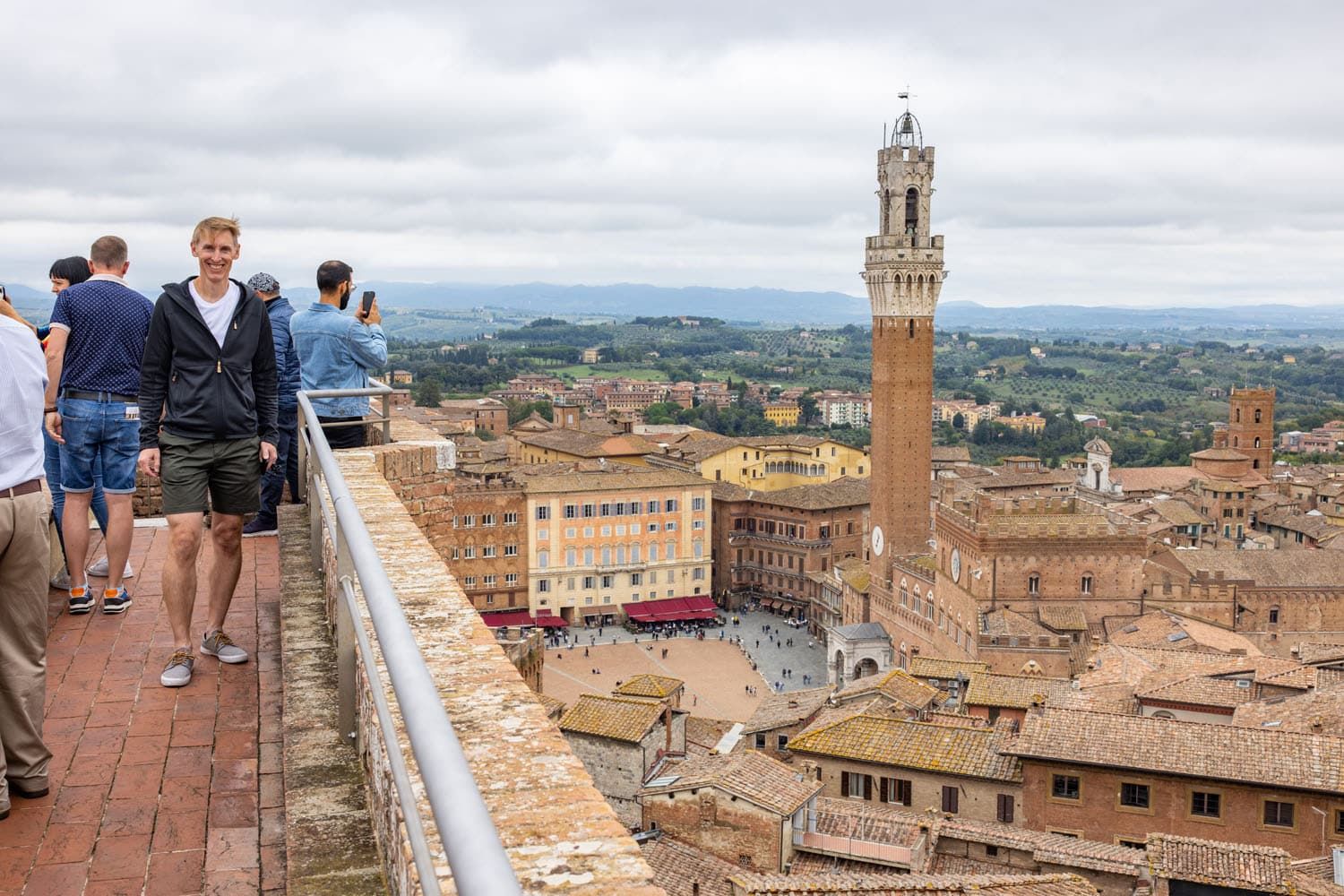
Tim on the top level of the Panorama (the header photo for this guide was taken here)
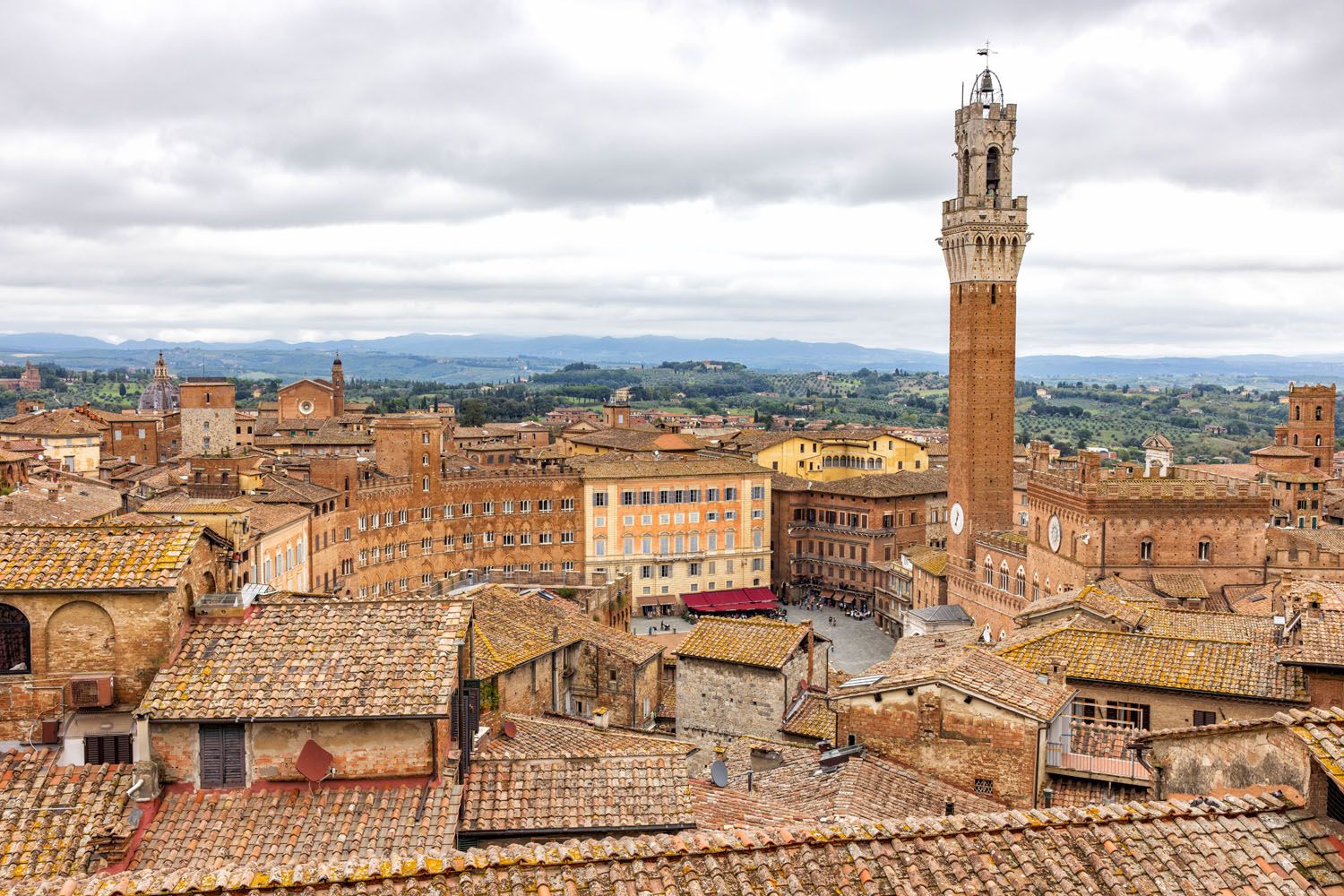
The view of Piazza del Campo and Palazzo Pubblico from the lower level
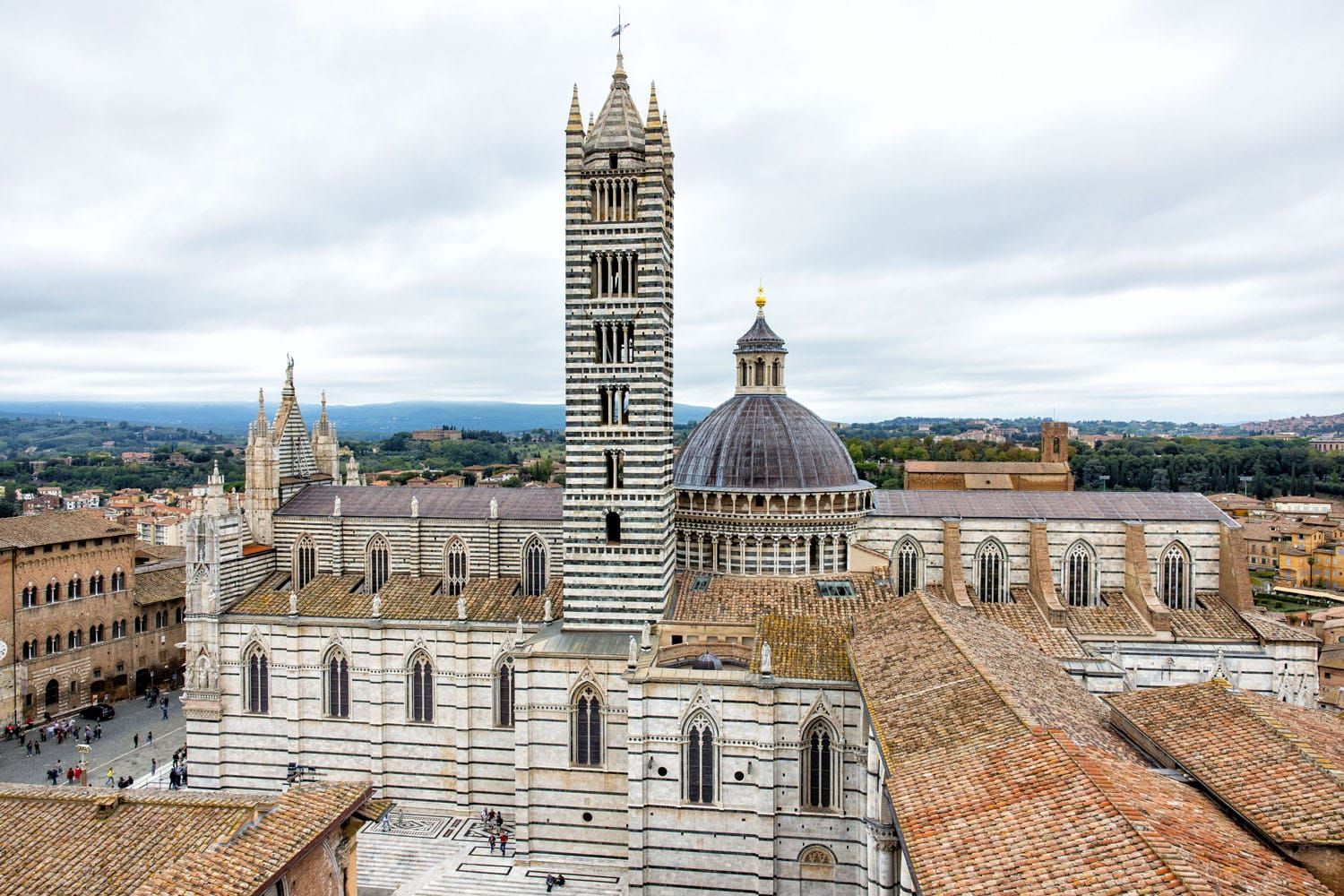
The view of the Siena Cathedral from the Panorama
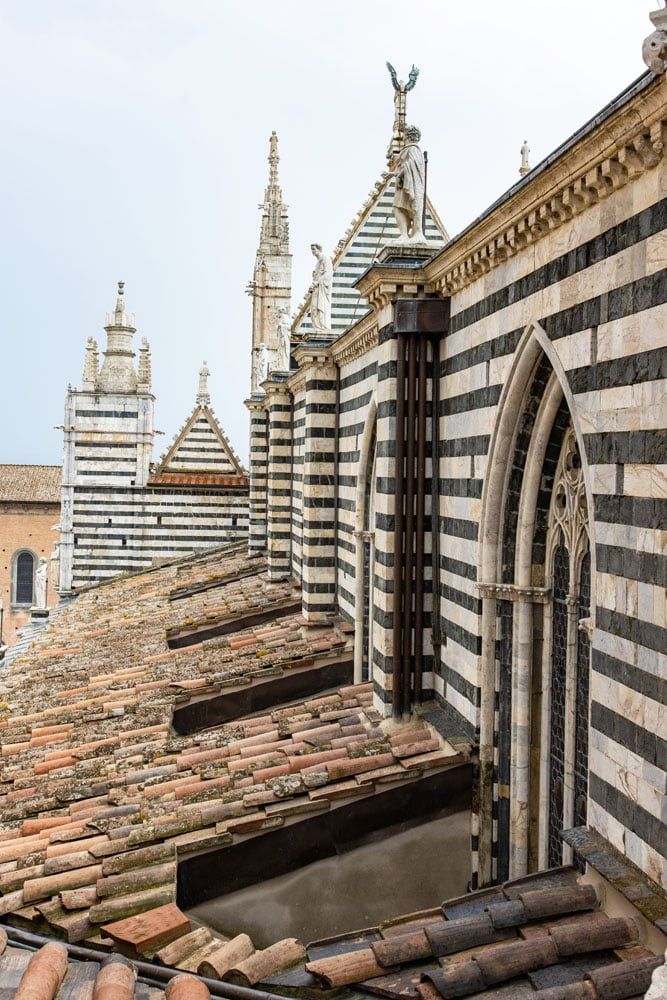
The view of the exterior of the cathedral on the Gate of Heaven tour
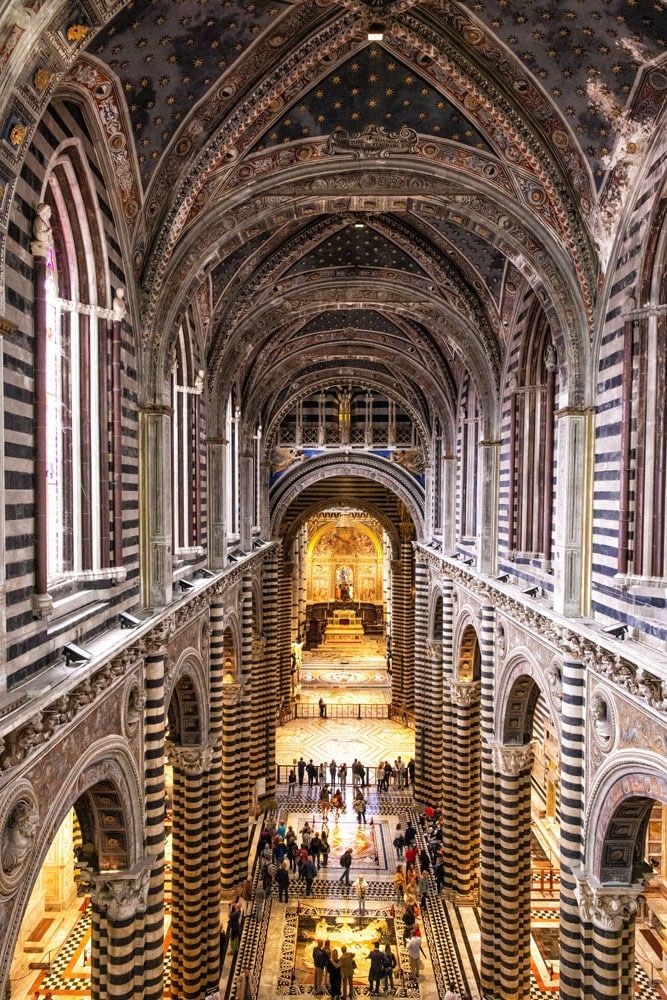
The view of the nave on the Gate of Heaven tour
How to Visit the Siena Cathedral
There are multiple ticket types and hours for each site listed above. For a detailed explanation, plus a sample itinerary on how to plan your time, visit our Guide to the Siena Cathedral ↓
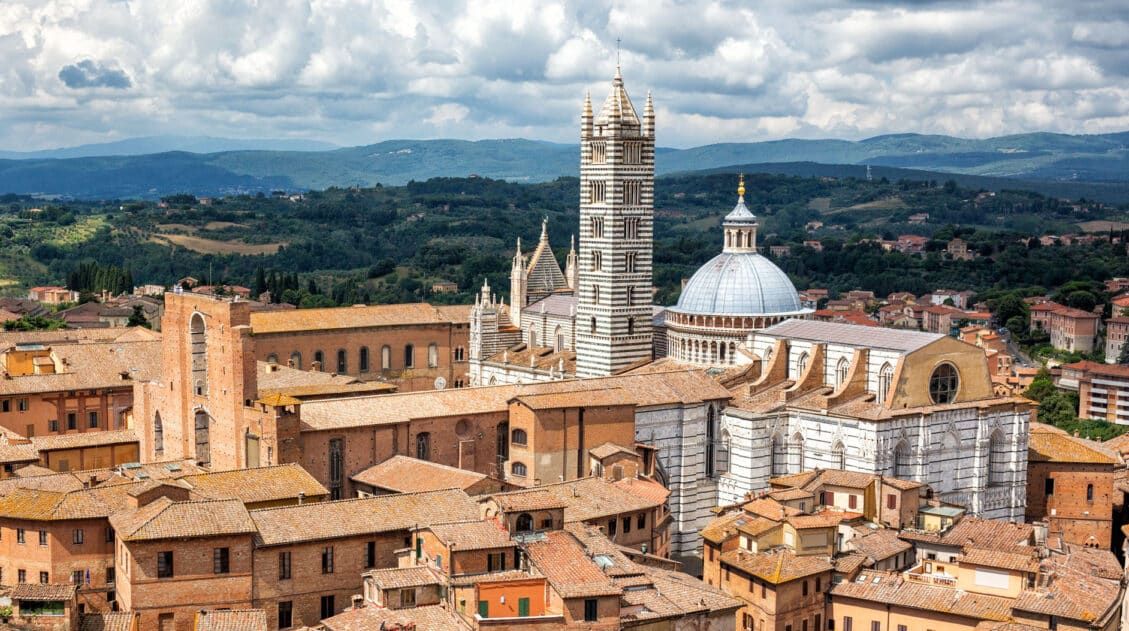
How to Visit the Siena Cathedral: A Guide for First Time Visitors
Everything you need to know to plan your visit to the Siena Cathedral.The top experiences include visiting the interior of the Siena Cathedral and the Piccolomini Library, the views from the Panorama, and the Gate of Heaven tour. These are all included on the Porta del Cielo ticket.
2. See the Frescoes & Chapels in Santa Maria della Scala
Santa Maria della Scala was one of Europe’s first hospitals.
Siena is located along the Via Francigena, a pilgrimage path to Rome. This hospital was founded along this route in 898. Over the centuries, the hospital was enlarged many times until it became the enormous complex of buildings we see today.
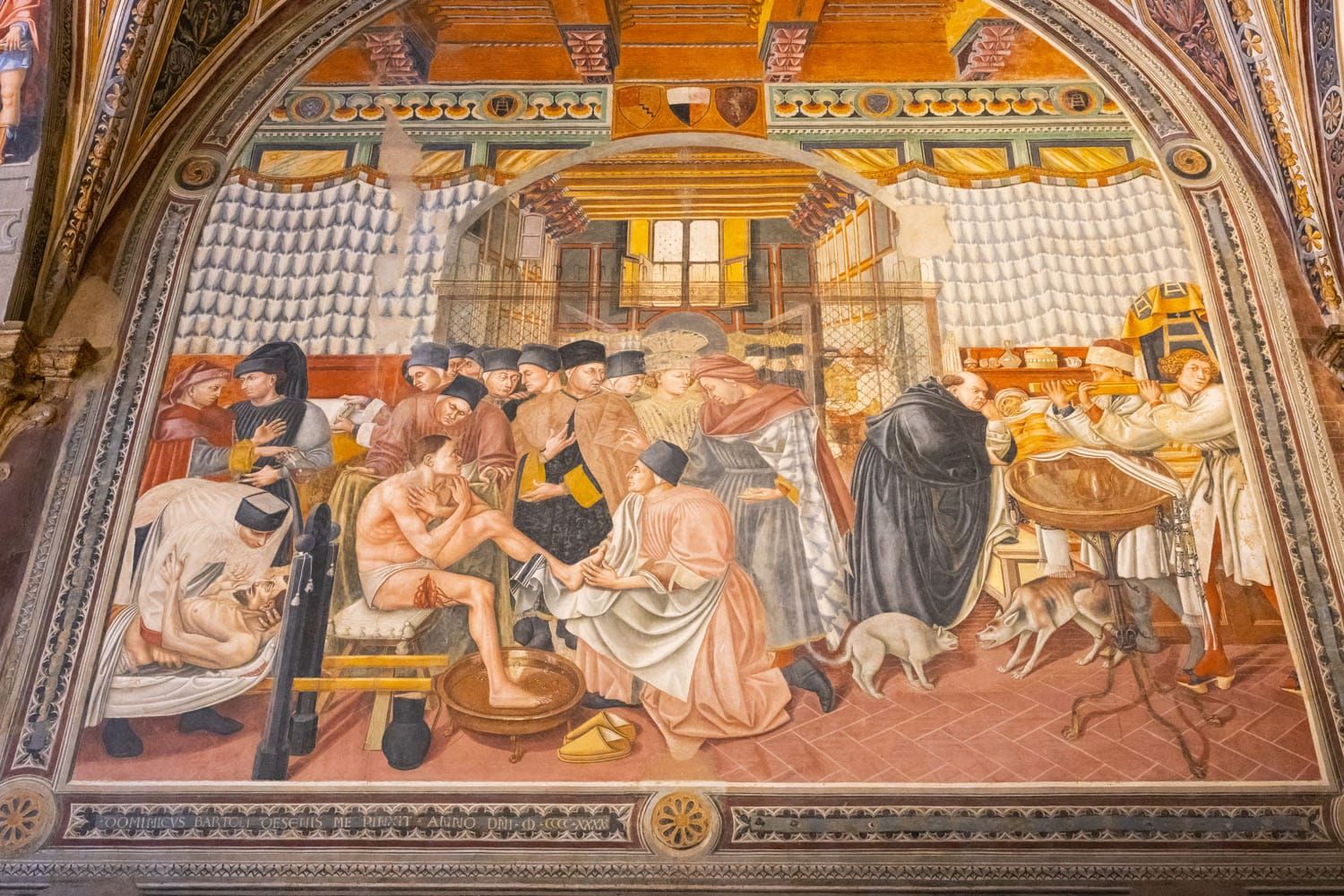
Inside of this complex are chapels, a series of frescoes depicting the Life of the Virgin which date back to 1398, famous altarpieces, and an archaeological site. Santa Maria della Scala is now a museum where you can visit much of this complex.
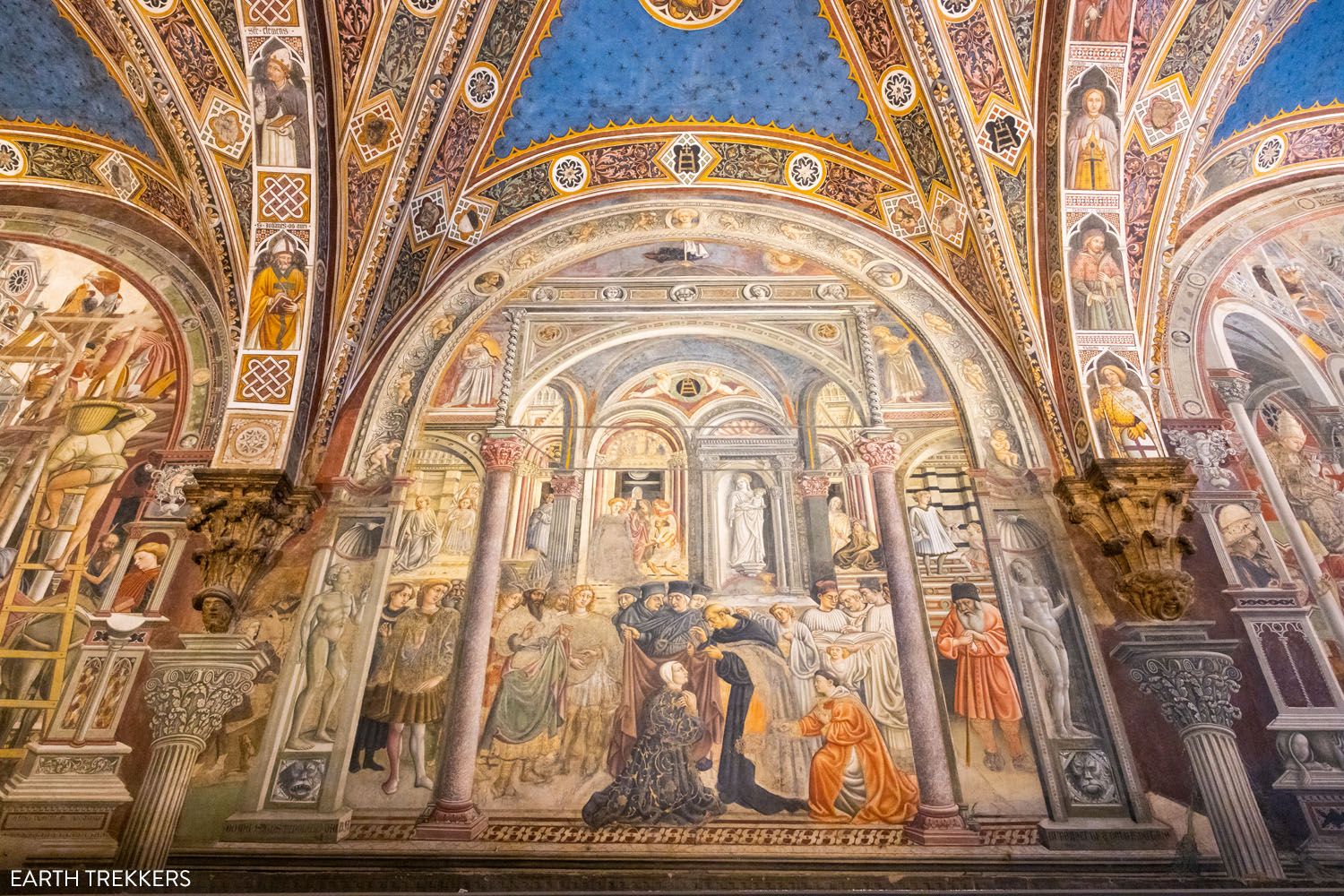
Frescoes in Santa Maria della Scala
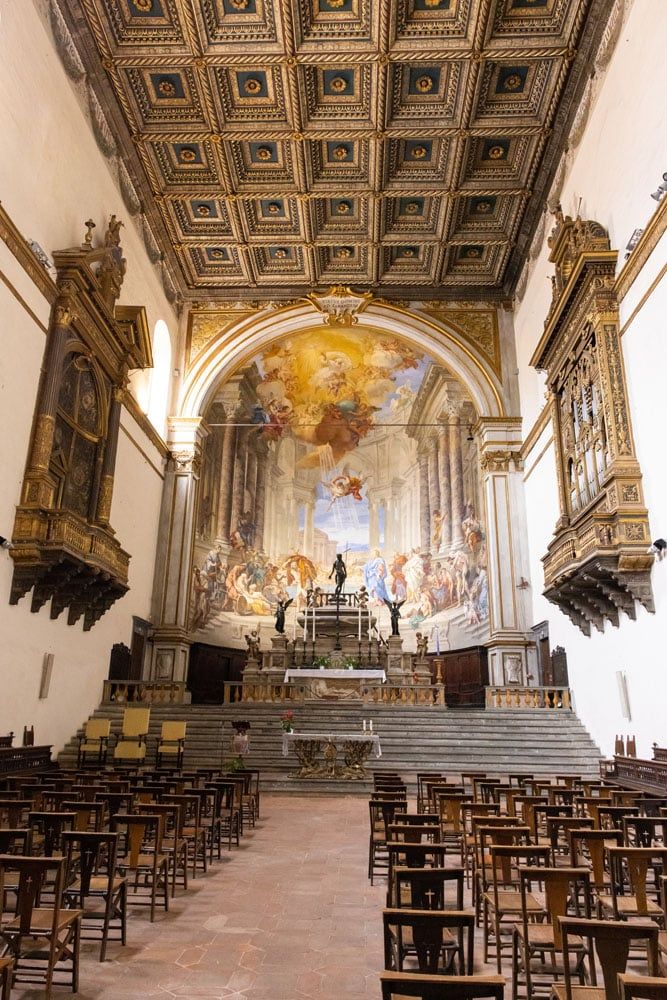
Chapel inside of Santa Maria della Scala
A visit here can take anywhere from 30 minutes to 2 hours, depending on your interests.
For hours and pricing, visit the official website.

3. Linger in Piazza del Campo
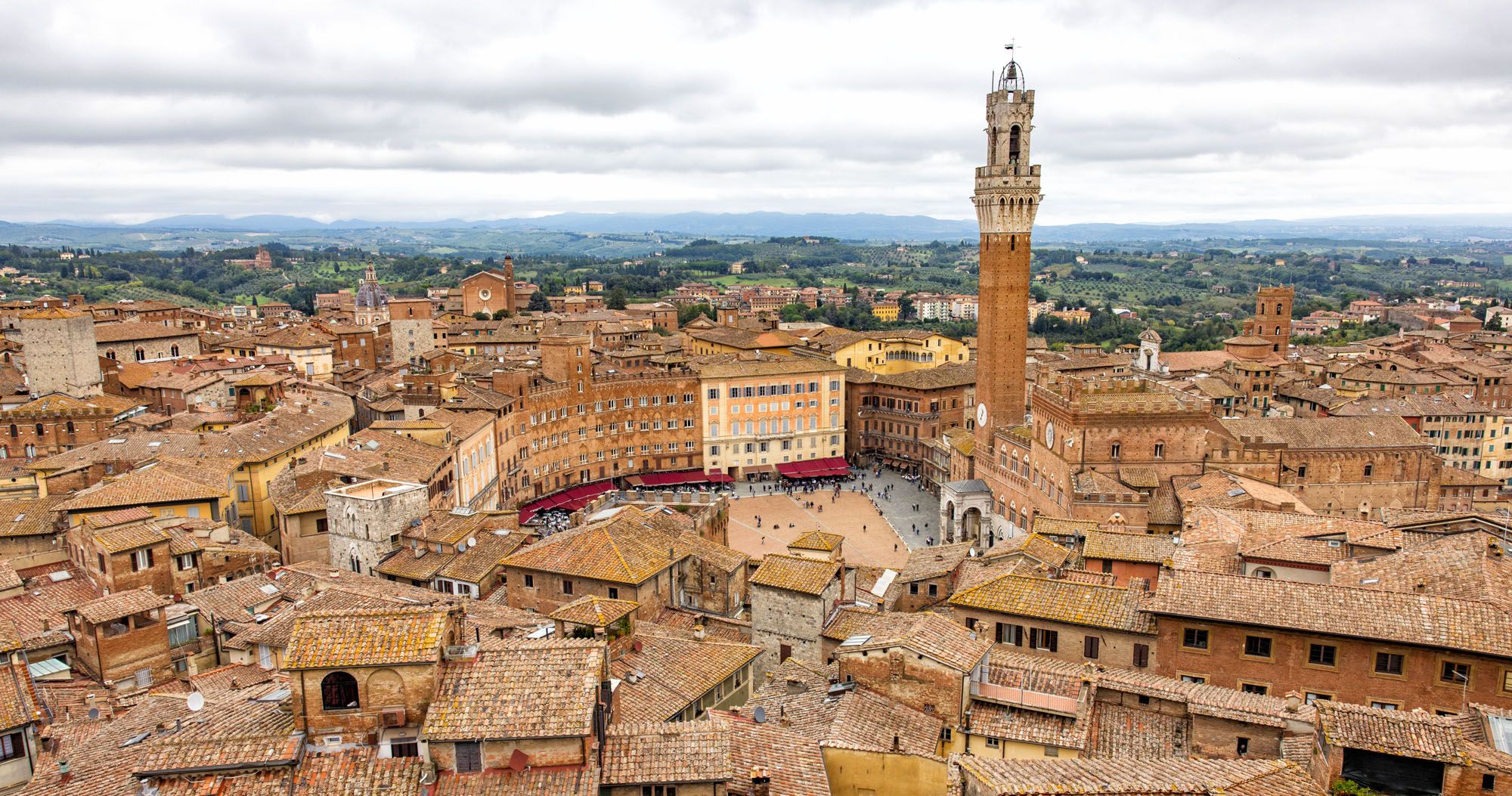
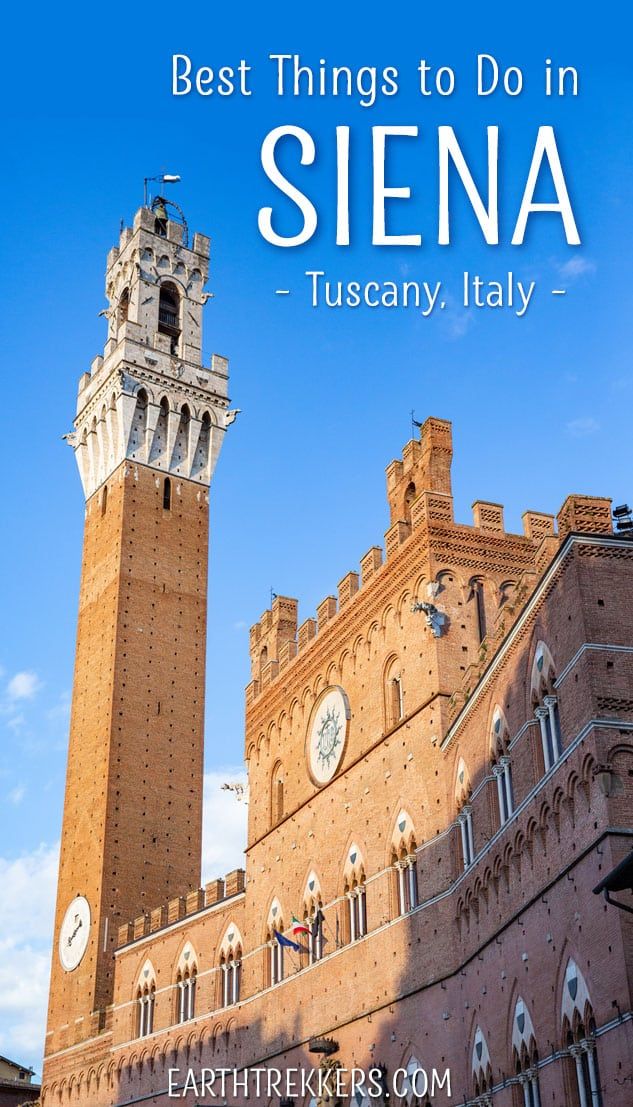
Piazza del Campo, known locally as Il Campo, is the heart of Siena, and one of the great public squares in Europe. Shell-shaped and sloping, it’s framed by medieval buildings on all sides, with Palazzo Pubblico and the soaring Torre del Mangia anchoring the lower edge.
Twice a year, it transforms into the track for the Palio, the famous horse race, which can be hard to picture when you’re sitting in it, but extraordinary if you happen to be there for it.
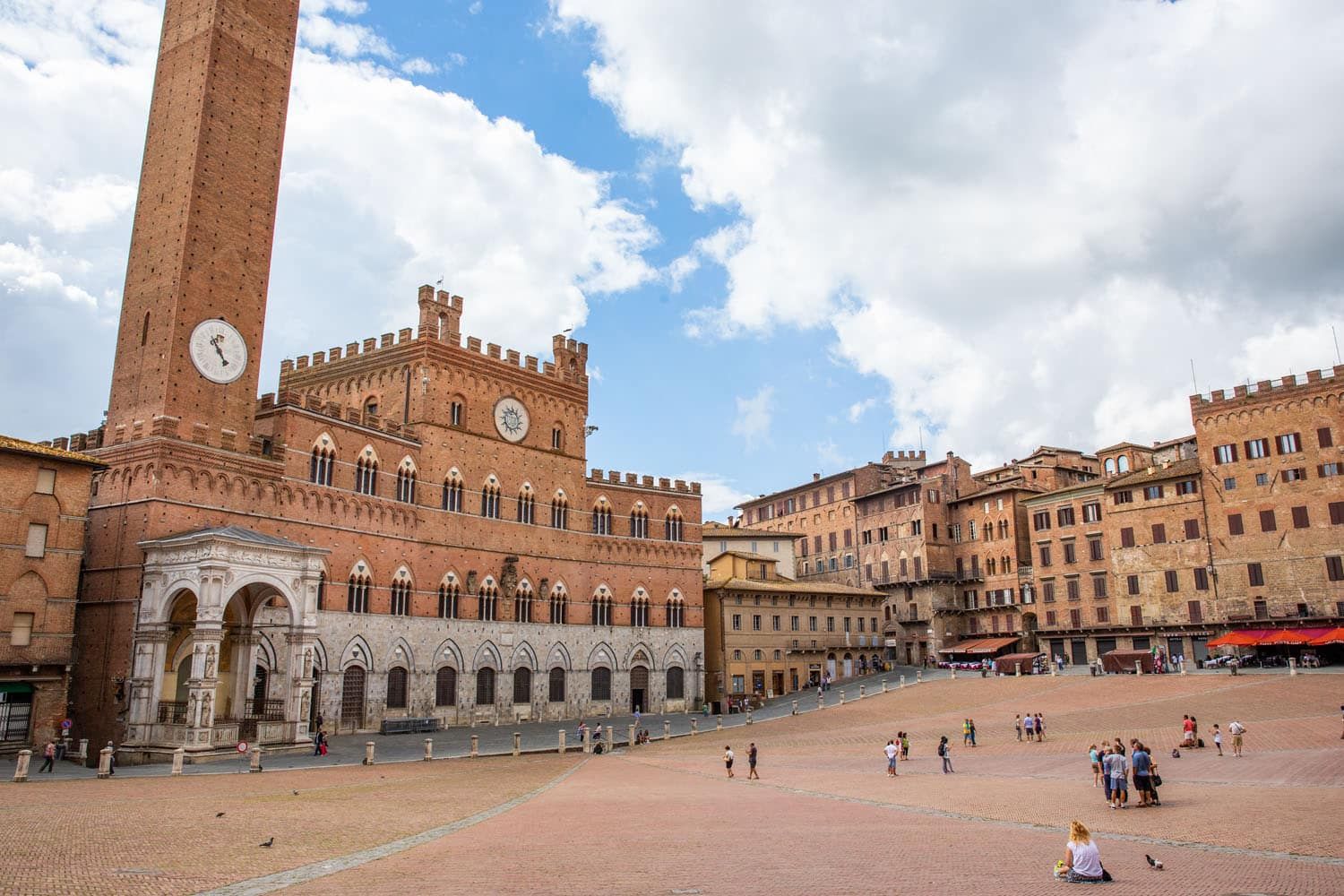
Piazza del Campo
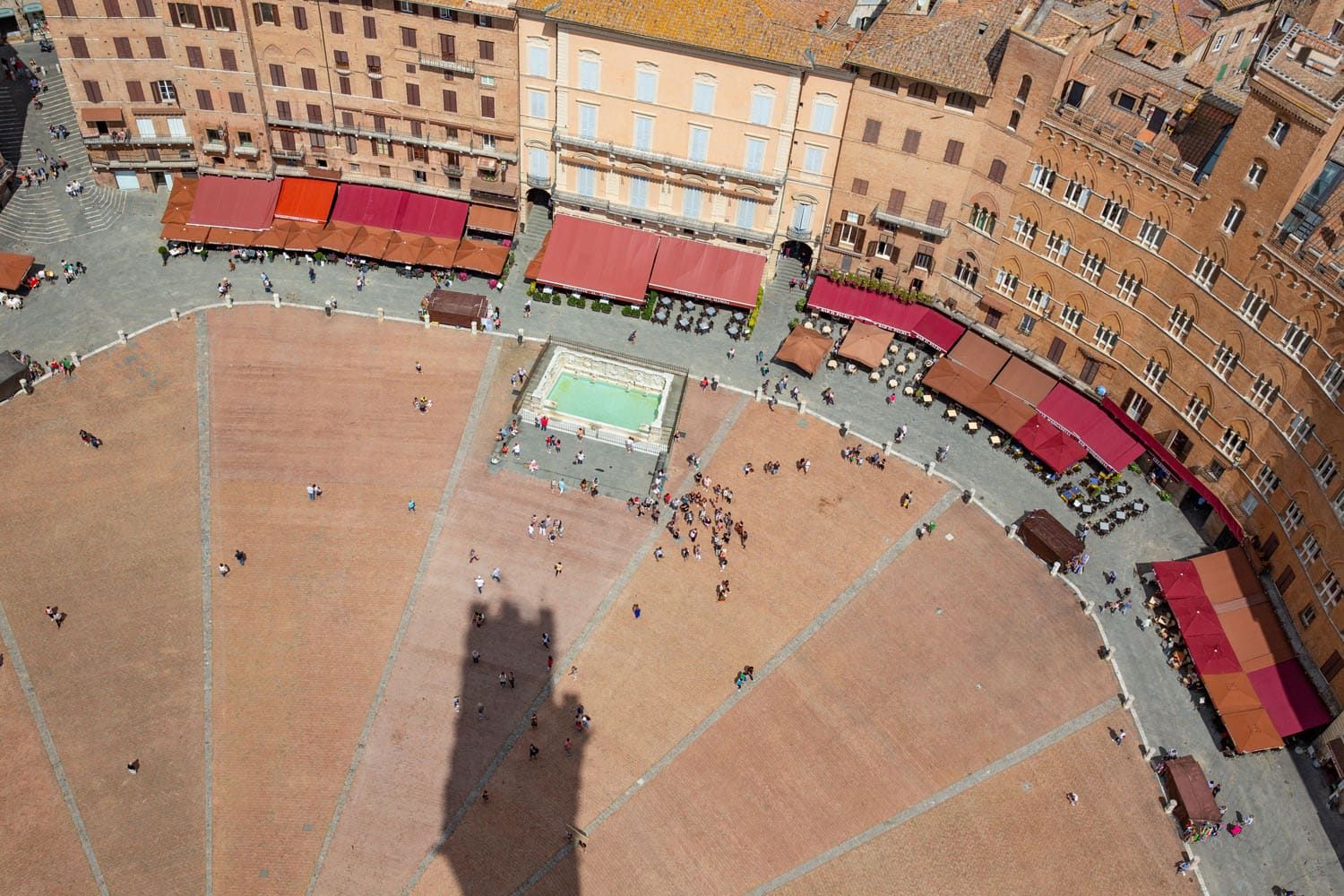
Looking down on Piazza del Campo from Torre del Mangia
One of our most memorable afternoons in Siena was spent right here. Tim and I had settled into one of the cafes lining the square when a thunderstorm rolled in. We stayed put with our Negronis while water streamed off the umbrellas above us and the square emptied around us. It’s one of those travel moments that sticks with you.
Our honest advice on the cafes: come for drinks, not for a meal. The food on Il Campo is overpriced and rarely matches the quality you’ll find a few streets away. That’s true of most main squares in Italy, and Siena is no exception. But as a place to sit, sip something cold, and watch the city move around you, Piazza del Campo is hard to beat. San Paolo Pub is one of the better-reviewed spots on the square if you want a drink with a view.
4. See the Fonte Gaia Fountain
This fountain is located on Piazza del Campo. It was completed in 1342 and the water that supplied the fountain was piped in from 25 kilometers away.
In 1419, Jacopo della Quercia sculpted the marble panels that decorate the fountain. Many of the original sculptures were moved to Santa Maria della Scala tin 1858 and replaced by copies sculpted by Tito Sarrocchi.
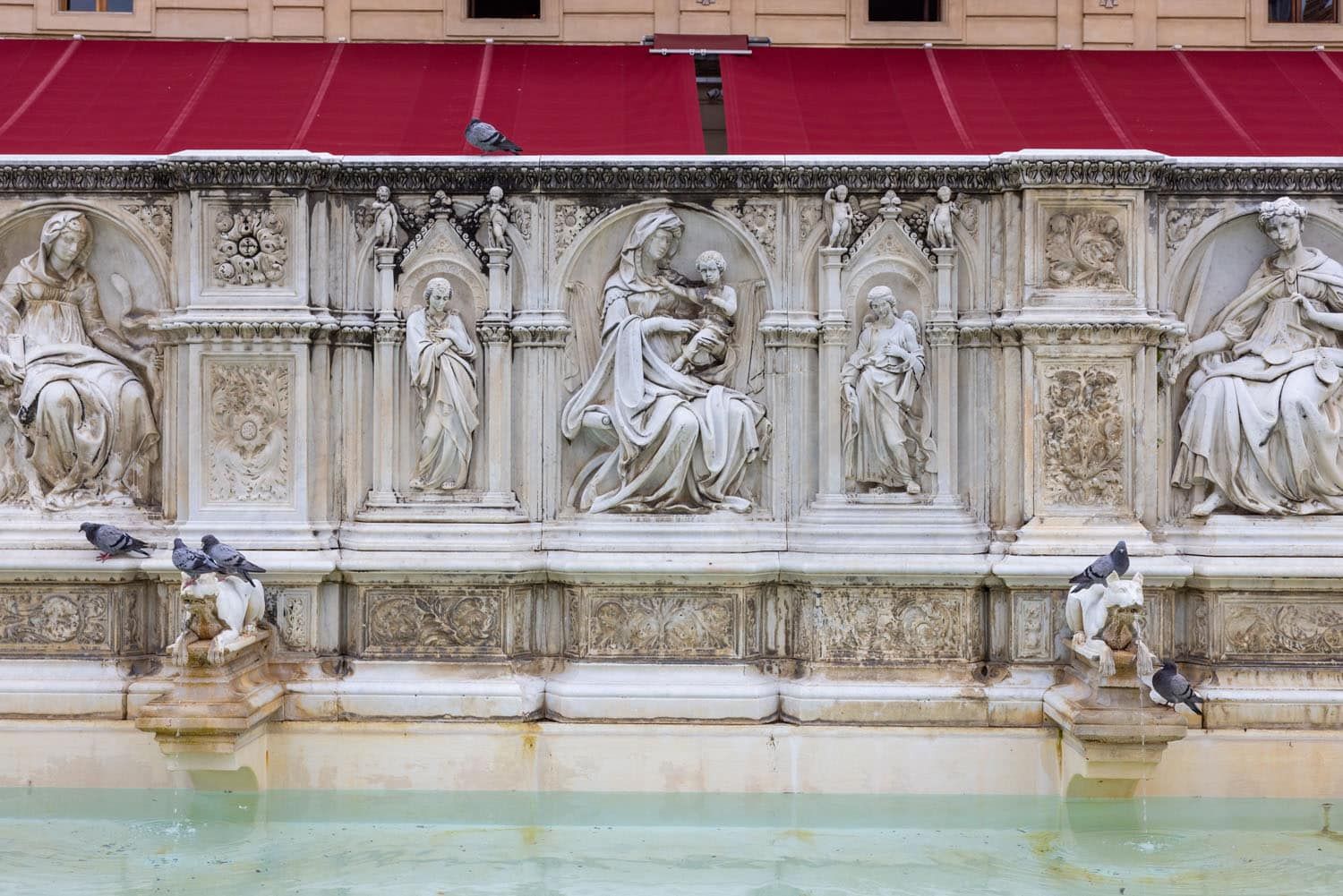
Fonte Gaia
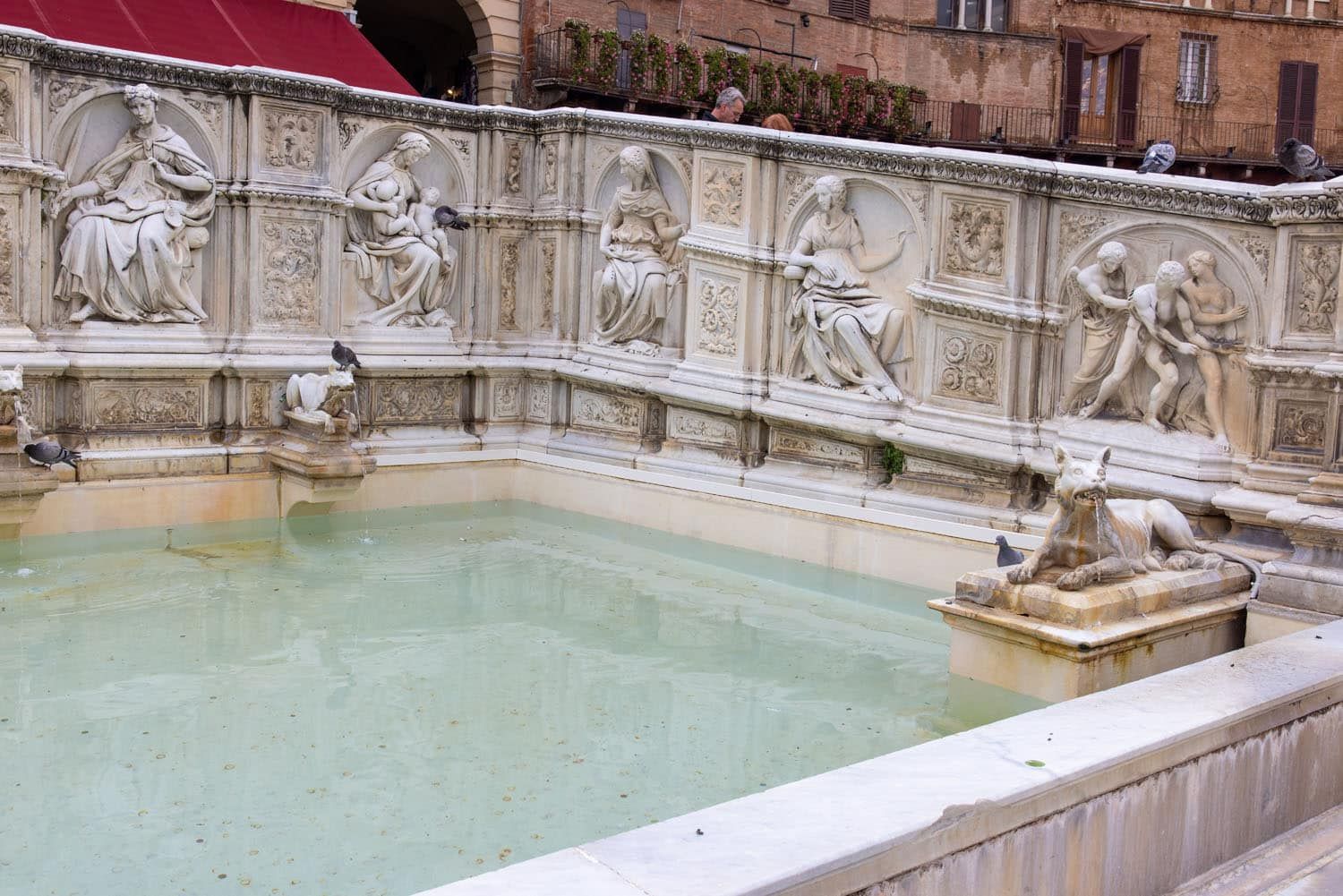
Fonte Gaia
5. Visit Palazzo Pubblico & the Civic Museum
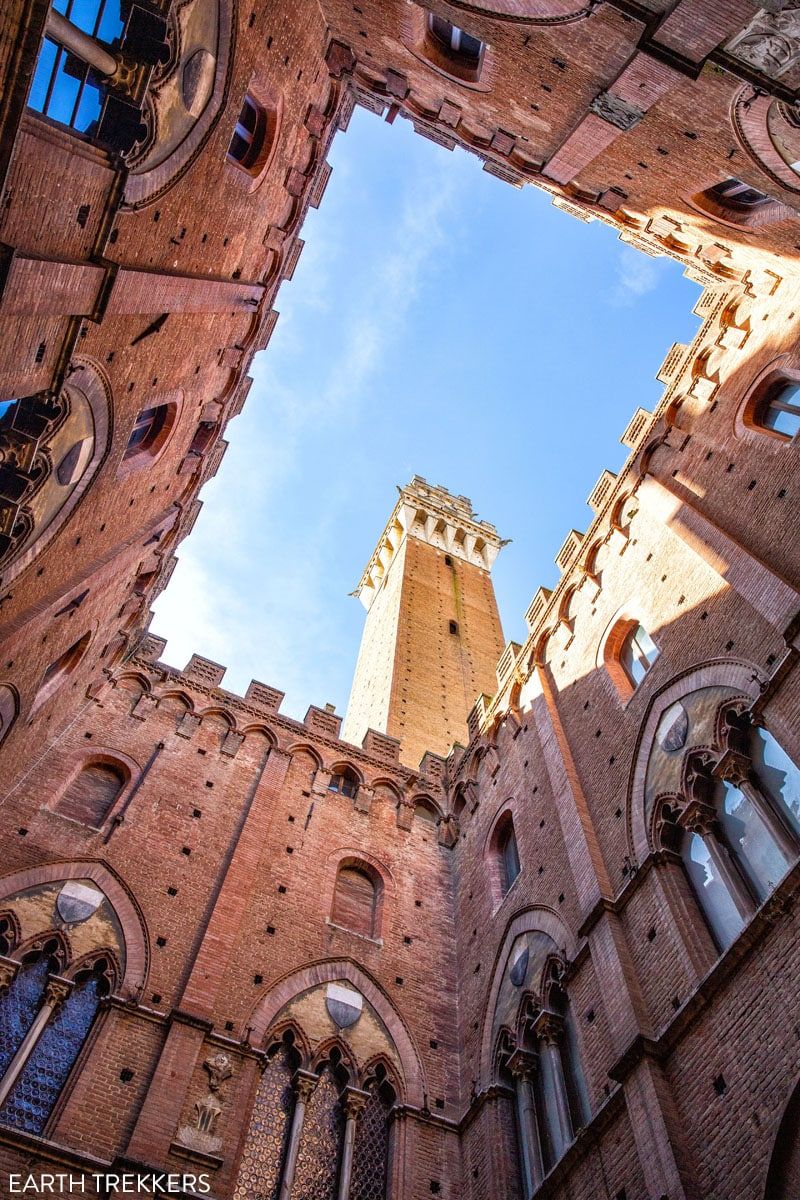
Palazzo Pubblico is Siena’s medieval town hall, built in 1297 on the southern edge of Piazza del Campo. It’s one of the finest examples of Gothic civic architecture in Italy, and worth a look from the outside as you cross the square. The inner courtyard is free to enter and genuinely lovely. It’s also one of the best spots in Siena to photograph Torre del Mangia, looking straight up at the tower from below.
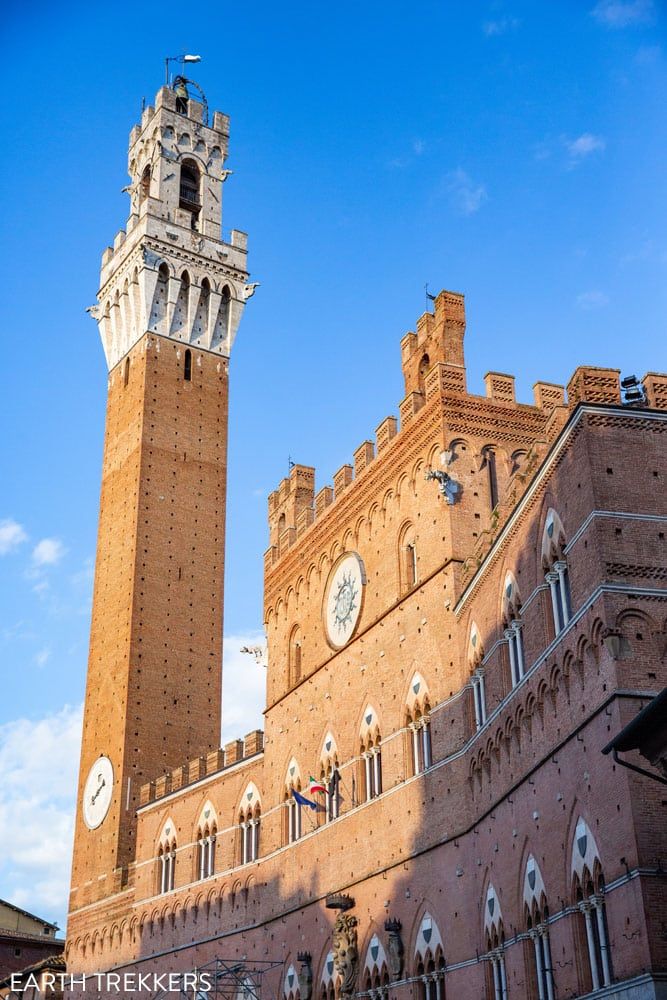
Palazzo Pubblico
Inside is the Civic Museum, where several rooms are covered with medieval frescoes, including the Sala dei Nove and Sala del Mappamondo. We moved through it quickly on our first visit. It didn’t leave a strong impression on us personally, but if medieval Sienese art is your thing, it’s worth the time.
For most visitors on a full day in Siena, the courtyard is the real reason to stop here, and the tower is the real reason to buy a ticket.
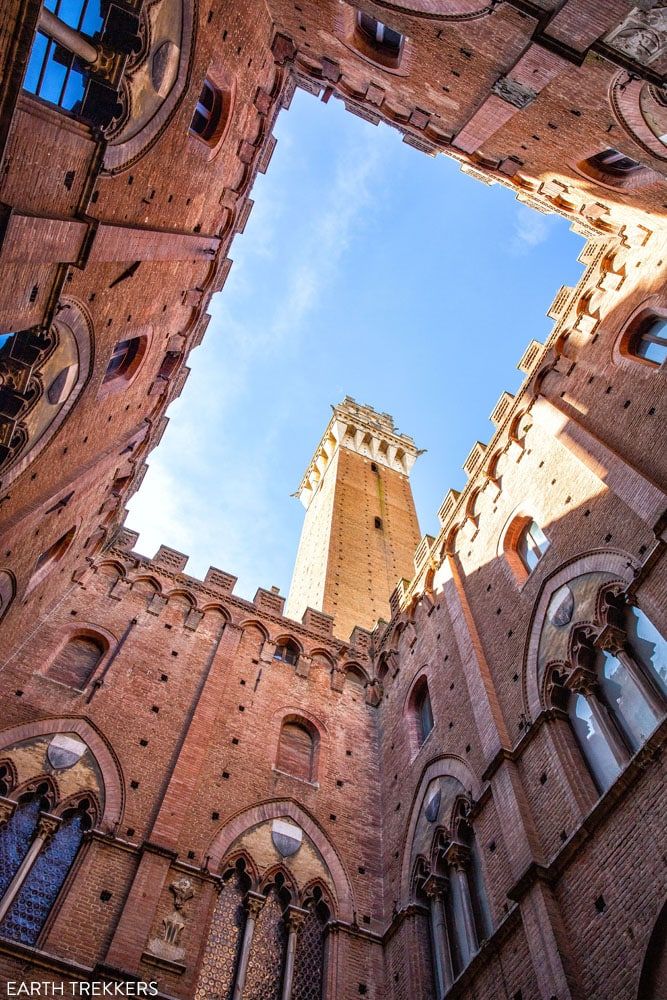
Palazzo Pubblico courtyard
Many of the rooms inside of Palazzo Pubblico are covered with frescoes, which you can see on a visit to the Civic Museum. Highlights include seeing the frescoes in Sala dei Nove (the Hall of Nine) and Sala del Mappamondo (the Hall of the Globe).
Tickets: You can purchase an individual ticket to the Civic Museum or get a combined ticket along with Torre del Mangia and/or Santa Maria della Scala. This can be done onsite or online in advance.
Website: Visit the official website for hours and pricing.
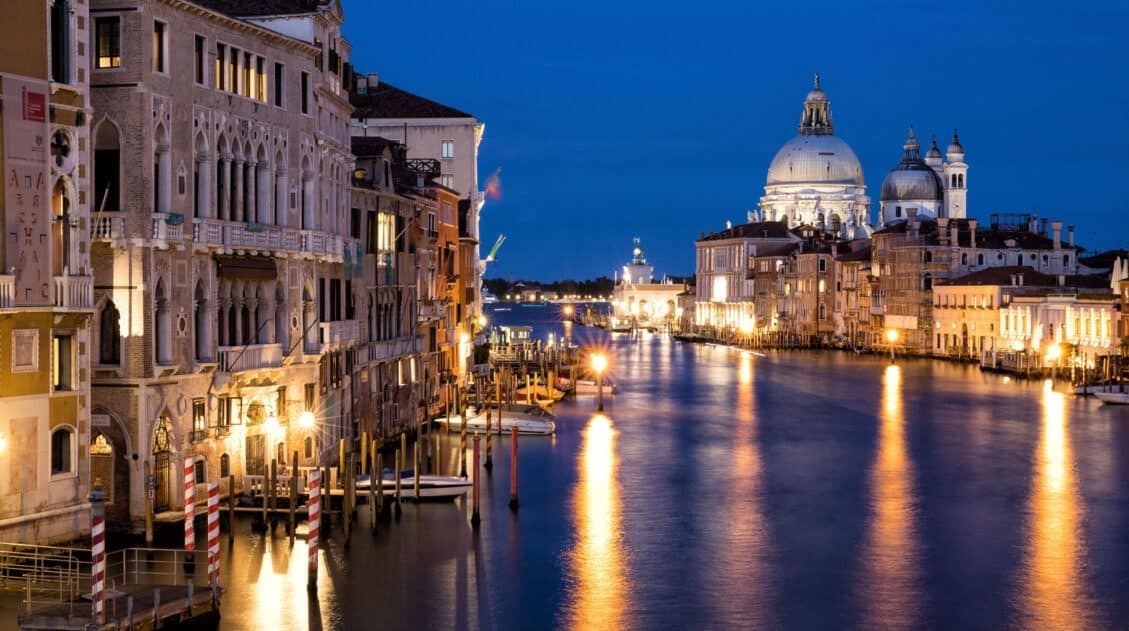
6. Enjoy the View from Torre del Mangia
Torre del Mangia is one of the best things to do in Siena and one of the best views in all of Tuscany.
Torre del Mangia (the Tower of Mangia) is the tall, skinny tower rising up from Palazzo Pubblico. Construction began in 1338 and it took 10 years to complete this 87-meter tall building (it is 102-meters tall if you count the lightning rod). It was built to stand at the same height as the Siena Cathedral as a symbol of equal power between church and state.
It gets its name from its first bell ringer. Giovanni di Balduccio had the nickname Mangiaguadagni, which means earnings eater, since he spent most of his money on food. The nickname was shortened to Mangia, giving the tower its name Torre del Mangia, or tower of the eater.
From the top of Torre del Mangia, you get a breathtaking view over Siena. But be prepared to do some work to get here. It is over 400 steps to the top and there is no elevator.
Worth it? Absolutely. We took tons of photos from the top of Torre del Mangia. Here are a few of our favorites.
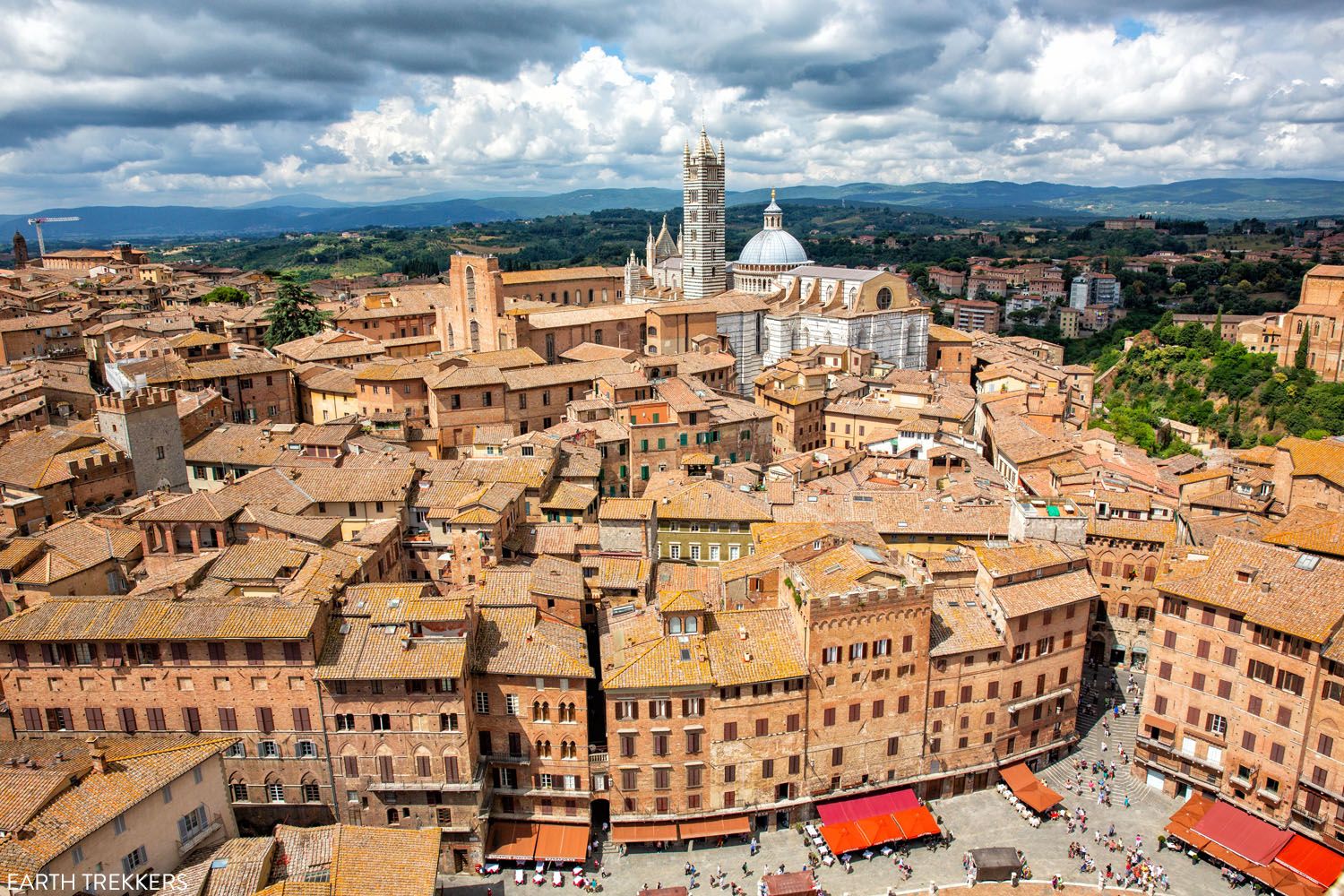
The view of the Siena Cathedral
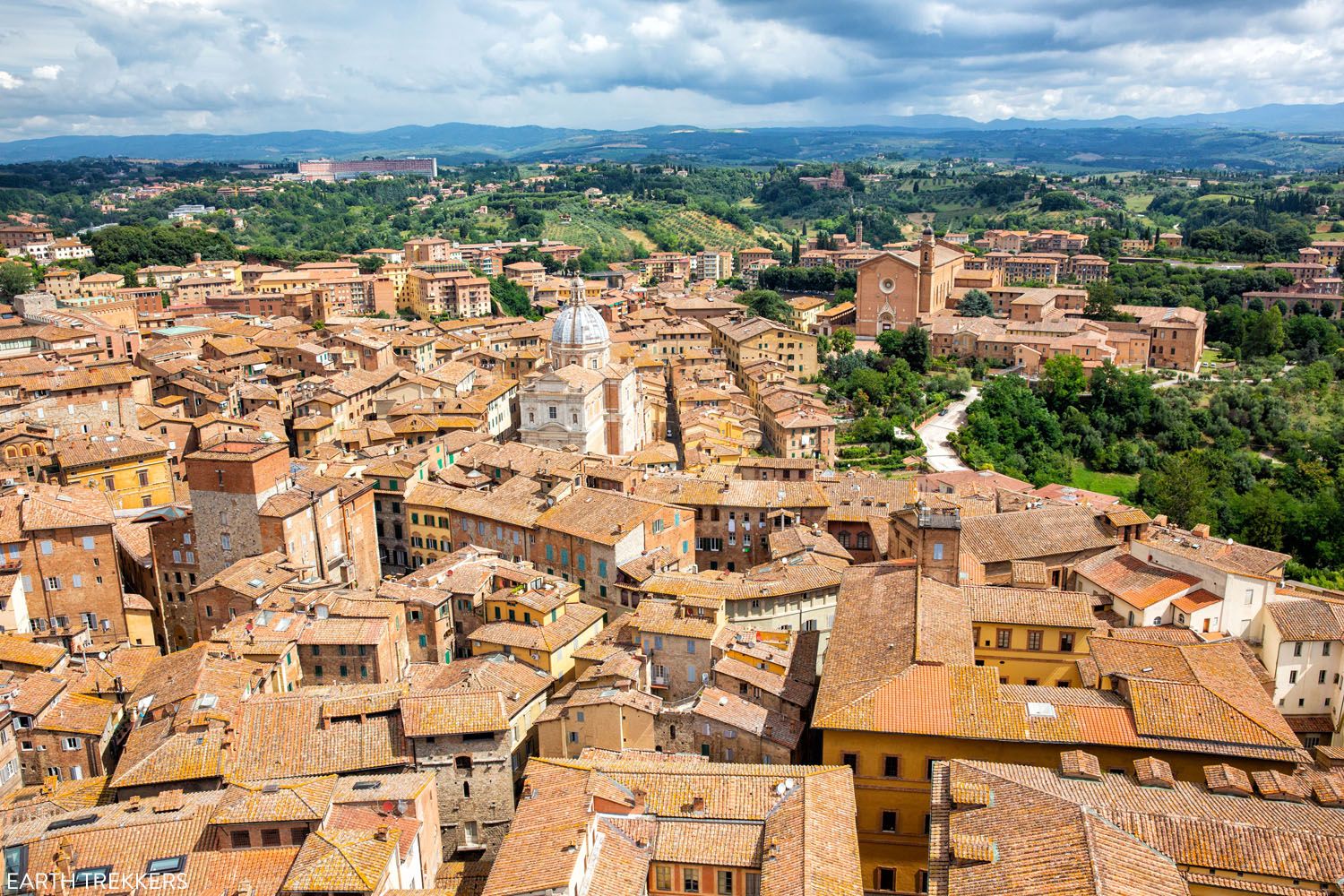
More of Siena from Torre del Mangia
How to Climb the Tower of Mangia
Tickets: Tickets cannot be purchased online in advance. You will need to visit the ticket office, which is located in the courtyard of Palazzo Pubblico. Tickets sell out by early afternoon during the busier months (May through September), so go early in the day to purchase your tickets, even if you don’t plan to do this until later in the day.
Cost: €10 for Torre del Mangia; Torre del Mangia + Civic Museum €15; Torre del Mangia + Civic Museum + Santa Maria della Scala €20
Hours: Hours vary by season but it is generally open from 10 am to 7 pm with reduced hours in winter.
Website: Get updated pricing and hours on the official website.
7. Wander the Medieval Streets and Discover the Contrade
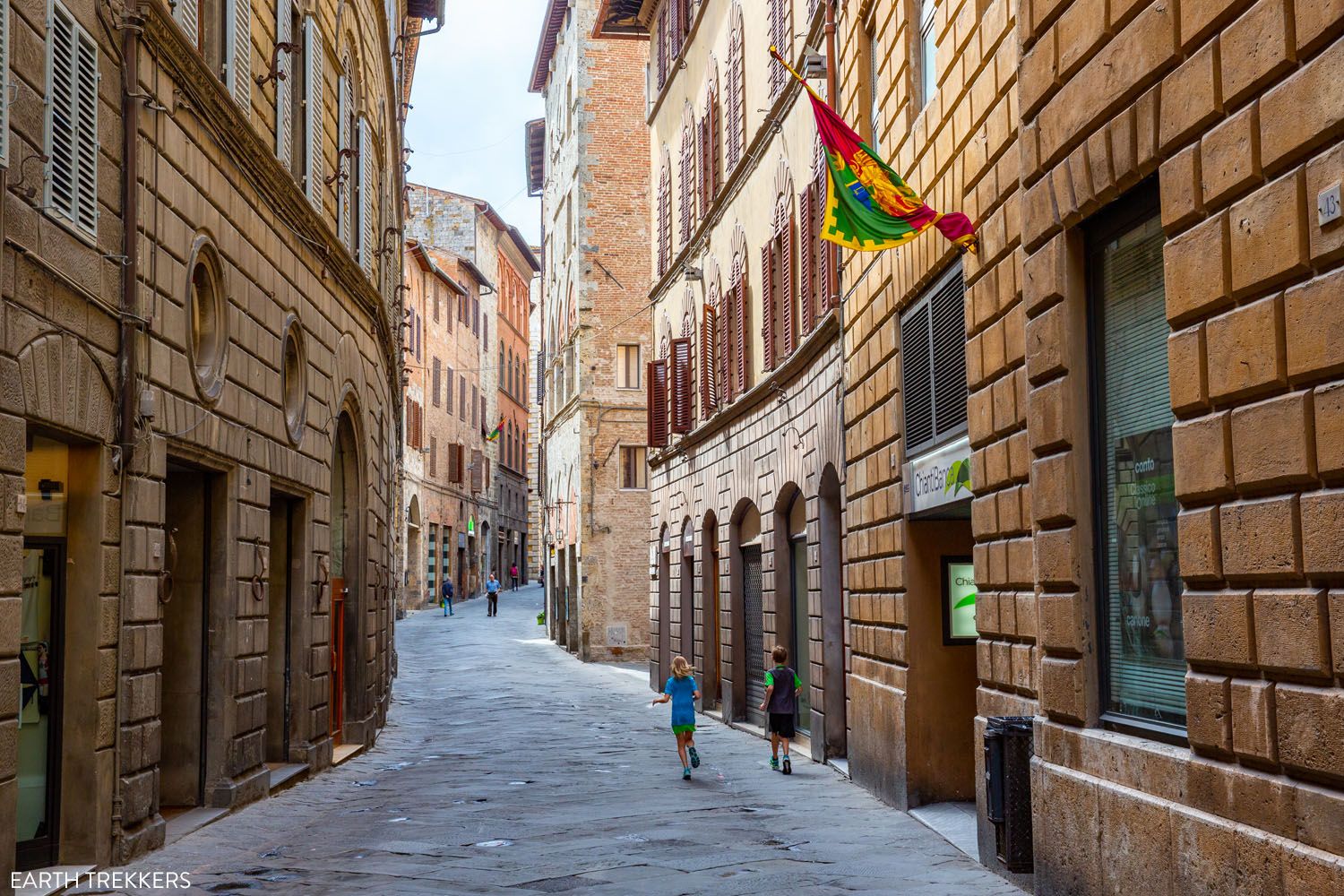
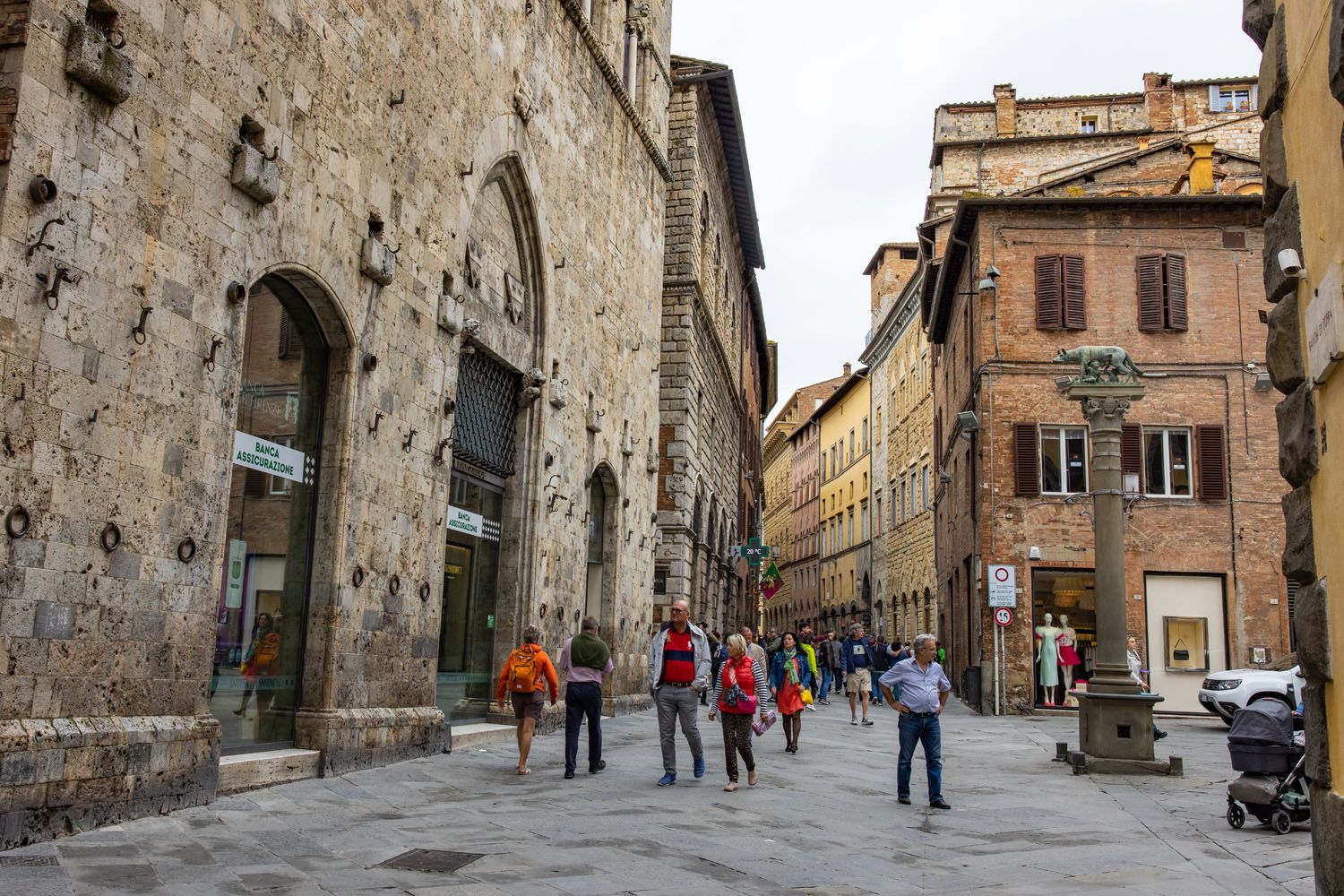
One of the best things to do in Siena requires no ticket and no planning, just a comfortable pair of shoes and a willingness to get a little lost. The historic center is entirely pedestrian, and the maze of narrow streets branching out from Piazza del Campo in every direction is one of the most rewarding places to wander in all of Tuscany.
You’ll pass smaller squares, centuries-old churches, wine bars, ceramic shops, and cafes tucked into medieval archways. We never tired of it across two visits. The streets of Siena are the kind that look different depending on the light and the hour.
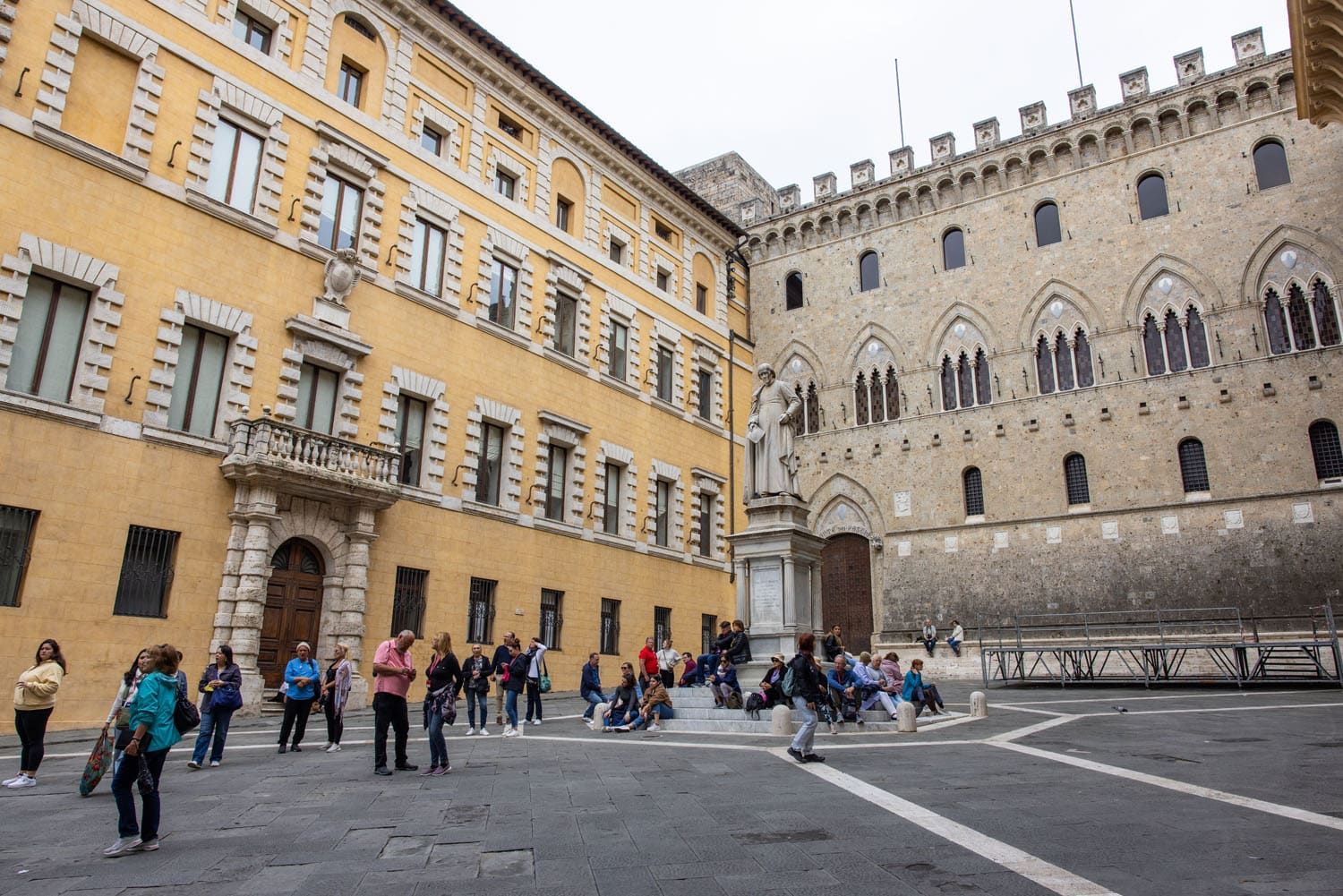
Piazza Salimbeni
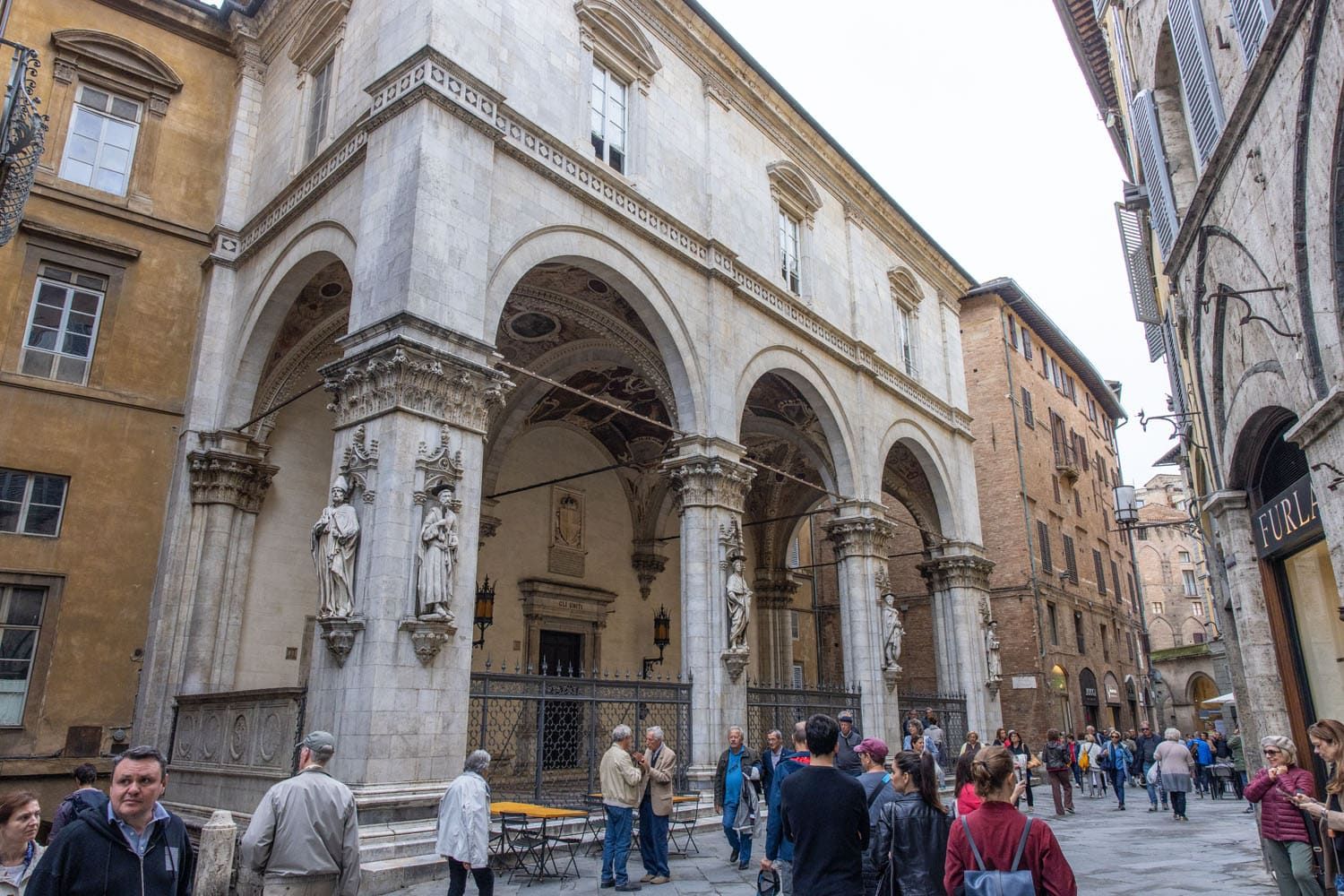
Loggia della Mercanzia
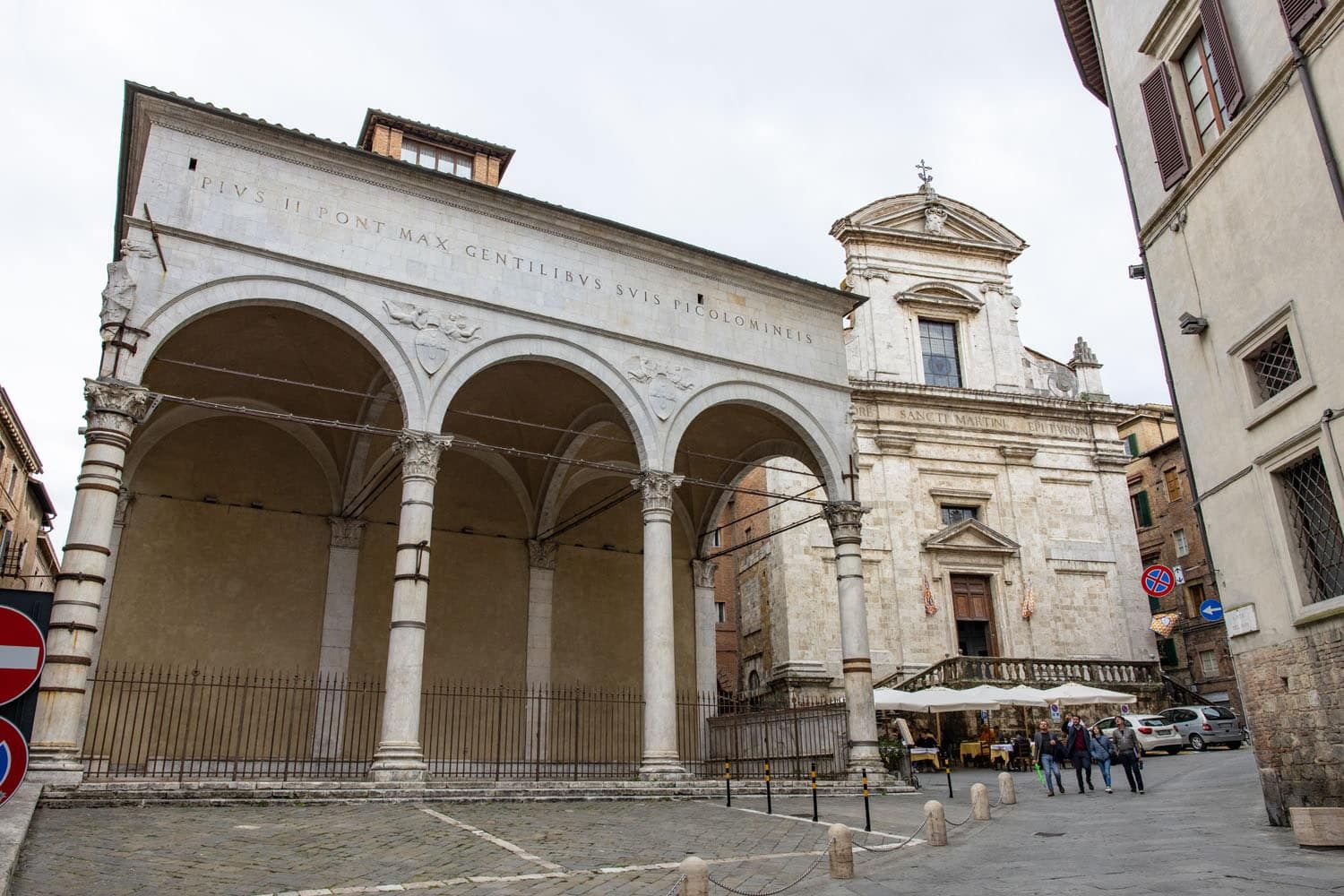
Loggia del Papa
As you walk, pay attention to the colored flags and banners hanging from the buildings around you. These mark Siena’s contrade, the 17 historic neighborhoods that divide the city, each with its own animal mascot, colors, church, and fountain.
The contrade have existed since the medieval period and are still very much alive today; the rivalries between them, particularly around the Palio, are genuine and deeply felt. Spotting the shift from one contrada’s colors to another as you move through the streets adds a layer of texture to what might otherwise just feel like a pleasant walk. Look for the neighborhood fountains, because each one is decorated with the contrada’s animal symbol and is a quiet highlight that most visitors walk straight past.
Via di Città is one of the main arteries running parallel to Piazza del Campo and is the best street in Siena for shopping. But some of the best discoveries happen on the smaller streets that feed off it: unexpected viewpoints, quiet piazzas, and facades that haven’t changed in five hundred years.
8. Walk Through Siena’s Medieval City Gates
Like many Tuscan towns, the city of Siena is surrounded by medieval walls. The entrances into Siena are through openings in these walls, which are also called gates.
Some of these gates still form entrances into the city today. Most likely, as you enter the historic city center of Siena, whether it is from the train station or bus station, you will pass through one of these gates.
Porta Camollia is the one you will most likely pass through, especially if you arrive to Siena by train. This gate is located on the northeast part of Siena, in between the train station and historic city center.
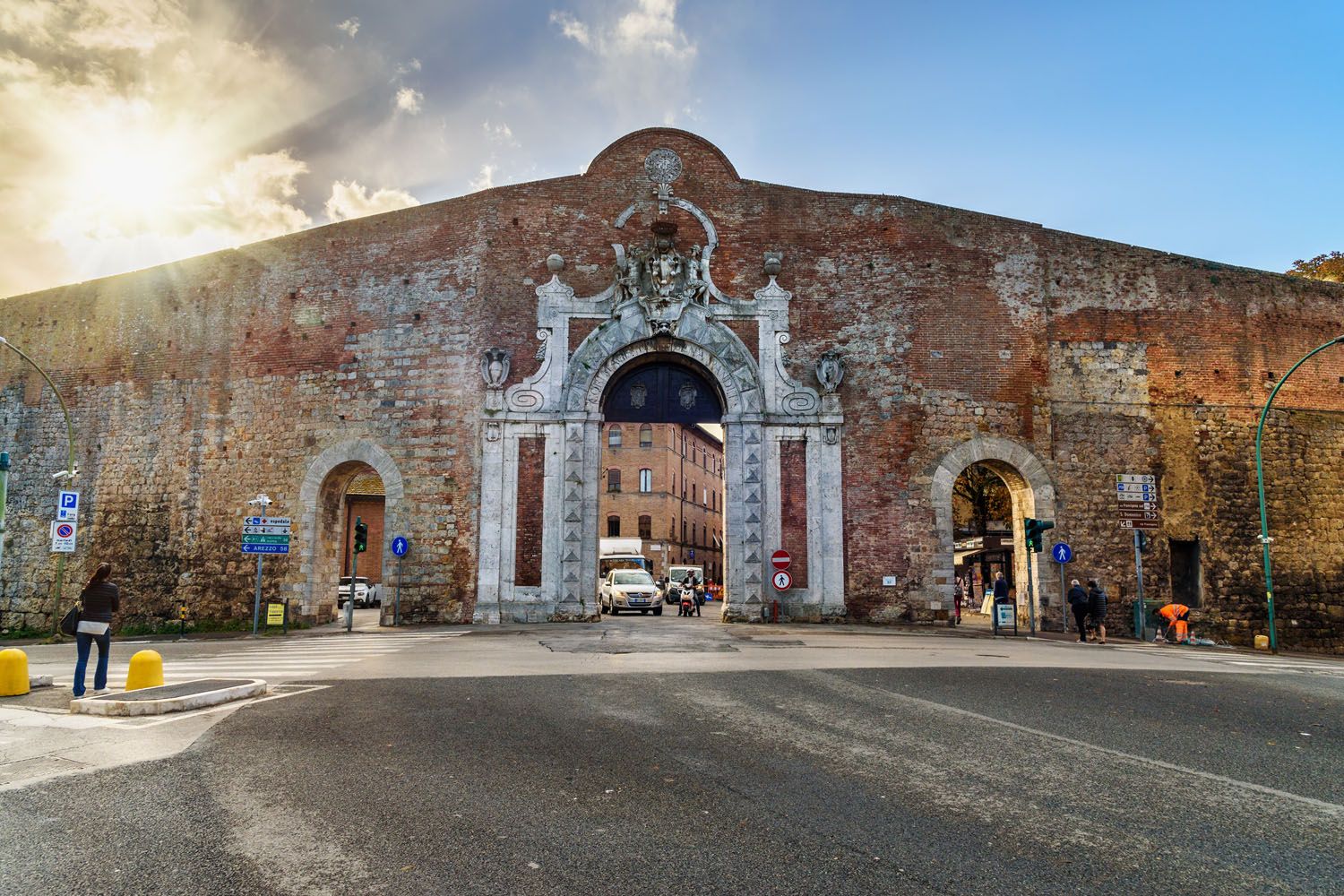
Porta Camollia | Elena Odareeva/shutterstock.com
There are other historic gates, but these sit farther out from the historic city center, so you will have to go out of your way to see them. On this list are Porta Pispini and Porta Romana.
9. See the Relics of St. Catherine at the Basilica of San Domenico
The Basilica of San Domenico, also known as Basilica Cateriniana, originally dates back to the mid-13th century but has been enlarged several times. Inside are several relics of St. Catherine of Siena. St. Catherine was canonized as a saint in 1461 by Pope Pius II and was declared a patron saint of Italy in 1939 by Pope Pius XII.
This church is located just west of the historic city Siena, about a 7-minute walk from the Siena Cathedral and a 7-minute walk from Piazza del Campo. It is free to visit and you can get opening hours on the official website.
Things to Do in Siena: On a Map
How to Use This Map: Click the tab in the top left corner of the map to see a list of the points of interest and to turn layers on/off. Click the icons on the map to get more information about each point of interest.
To take this map with you, click the star next to the title of the map which adds it to your Google account. Next, within your Google Maps app, select ‘Saved’ and then select ‘Maps’. This map title will now appear in your list.
Day Trips from Siena
One of the best arguments for staying in Siena, rather than just passing through on a day trip from Florence, is how well-positioned it is for exploring the rest of Tuscany. Many of the region’s most beloved hill towns are significantly closer to Siena than Florence, which means less time on the road and more time actually in the places you came to see. If you’re renting a car, which we strongly recommend for this part of Tuscany, Siena is an ideal base.
Montalcino, Pienza, and Montepulciano are three of the most beautiful towns in the Val d’Orcia and can be combined in a single day trip. Montalcino is less than an hour from Siena (a drive that takes nearly two hours from Florence). From Montalcino, Pienza and Montepulciano are just a short drive further, making the three towns a natural loop.
Monteriggioni is practically on Siena’s doorstep. This is a small, perfectly preserved walled town that takes a couple of hours to visit. Walking the medieval walls is the highlight.
San Gimignano and Volterra pair well together for a full day. Visit San Gimignano in the morning for the towers and gelato, then head to Volterra in the afternoon for a completely different and more under-the-radar experience.
Florence is also doable as a day trip from Siena, about an hour and fifteen minutes by car or direct bus, though if you have the time, we’d recommend at least one or two nights in Florence rather than trying to see it in a single day.
How Do You Get to Siena?
From Florence
To get between Florence and Siena, your best bet is the bus (not the train). Buses are cheaper and faster. From the bus station in Florence (near the Santa Maria Novella train station), take the direct bus to Siena. The journey takes about one hour and fifteen minutes. Do not take the local bus because it makes more stops along the way for a total time of 2 hours. You will arrive in Siena at Piazza Gramsci, the main bus terminal.
Buses leave 2 to 3 times per hour and you can buy your bus ticket at the station just before boarding the bus.
If you have a rental car, it takes about an hour and fifteen minutes to drive to Siena.
From Rome
By Train. There are no direct trains between Rome and Siena. Most likely you will have to transfer in Chiusi. Tickets range from €18 to €50 and the journey can take between 3 and 5 hours.
By Bus. The travel time averages 3.5 hours and tickets cost roughly €22. It is a slight savings over the train, and in most cases, you will arrive in Siena at about the same time. So, it’s more of a personal preference if you travel by train or by bus.
Parking in Siena
The city center of Siena is pedestrian only. If you have a hotel in the historic city center, you will have to park outside of town and then walk to your hotel. There are numerous parking lots located around the outskirts of Siena. Your hotel may have parking at one of these lots or should be able to assist you as to the most convenient lot.
On our most recent visit to Siena, we stayed near the on the north side of the city center at Residenza D’Epoca Palazzo Piccolomini. We parked at Parcheggio San Francesco, rode the series of escalators up to the Basilica di San Francesco, and walked to our hotel. This took about 15-minutes one-way.
Where to Eat in Siena
La Taverna di San Giuseppe. This is our top recommendation in Siena since it is one of the best dining experiences in town. This restaurant offers excellent Italian food, a massive wine list, and impeccable service. It is a Michelin-starred restaurant but has a very casual atmosphere. La Taverna is a great place to go if you want gourmet food without spending a small fortune.
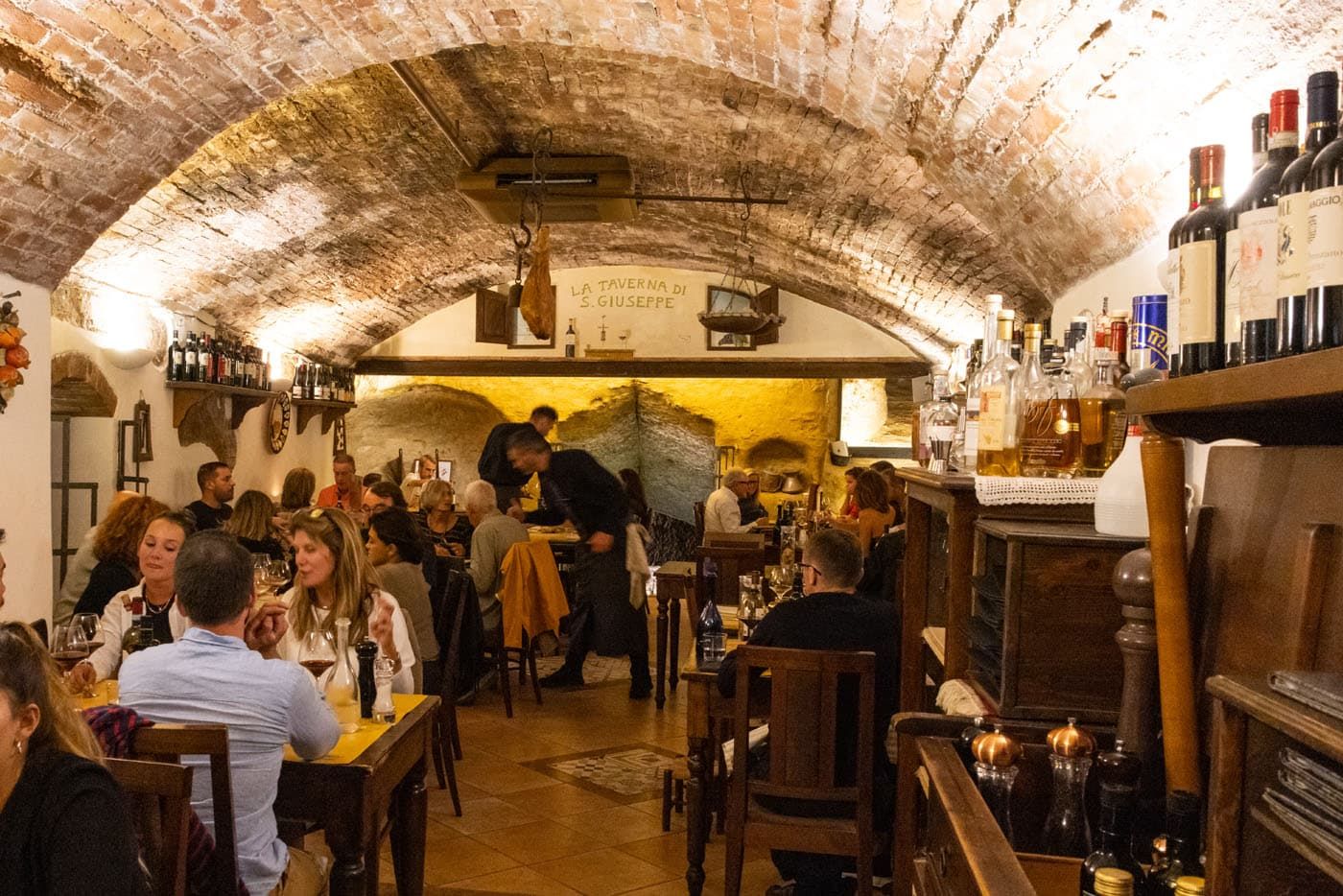
La Taverna di San Giuseppe
Osteria da Divo. This is a fine dining restaurant that is another one of our favorites in Siena. A portion of the dining area fills Etruscan tombs dating back over 2000 years ago. It is located near the Siena Cathedral. This restaurant is a bit more expensive than La Taverna di San Giuseppe.
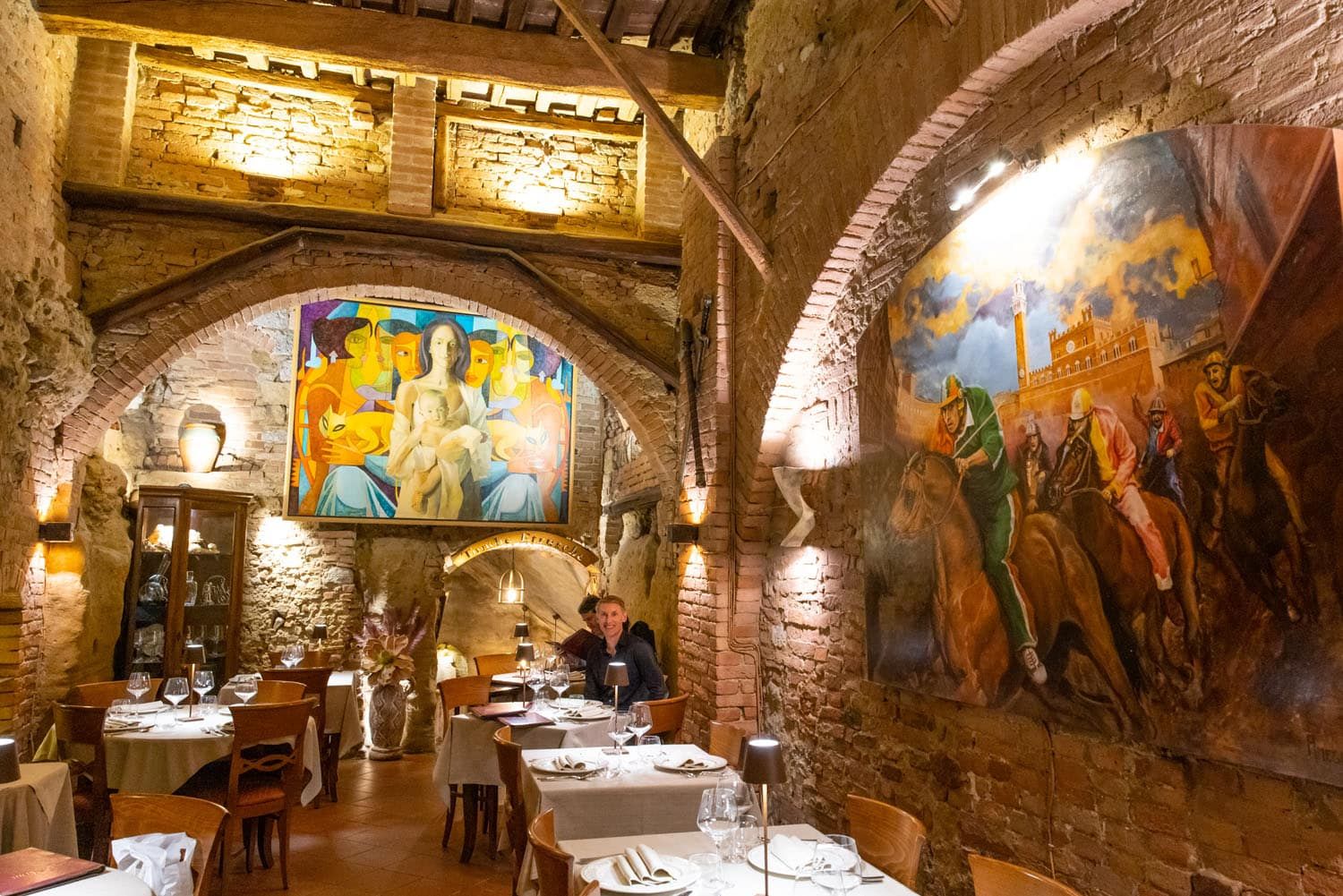
Osteria da Divo
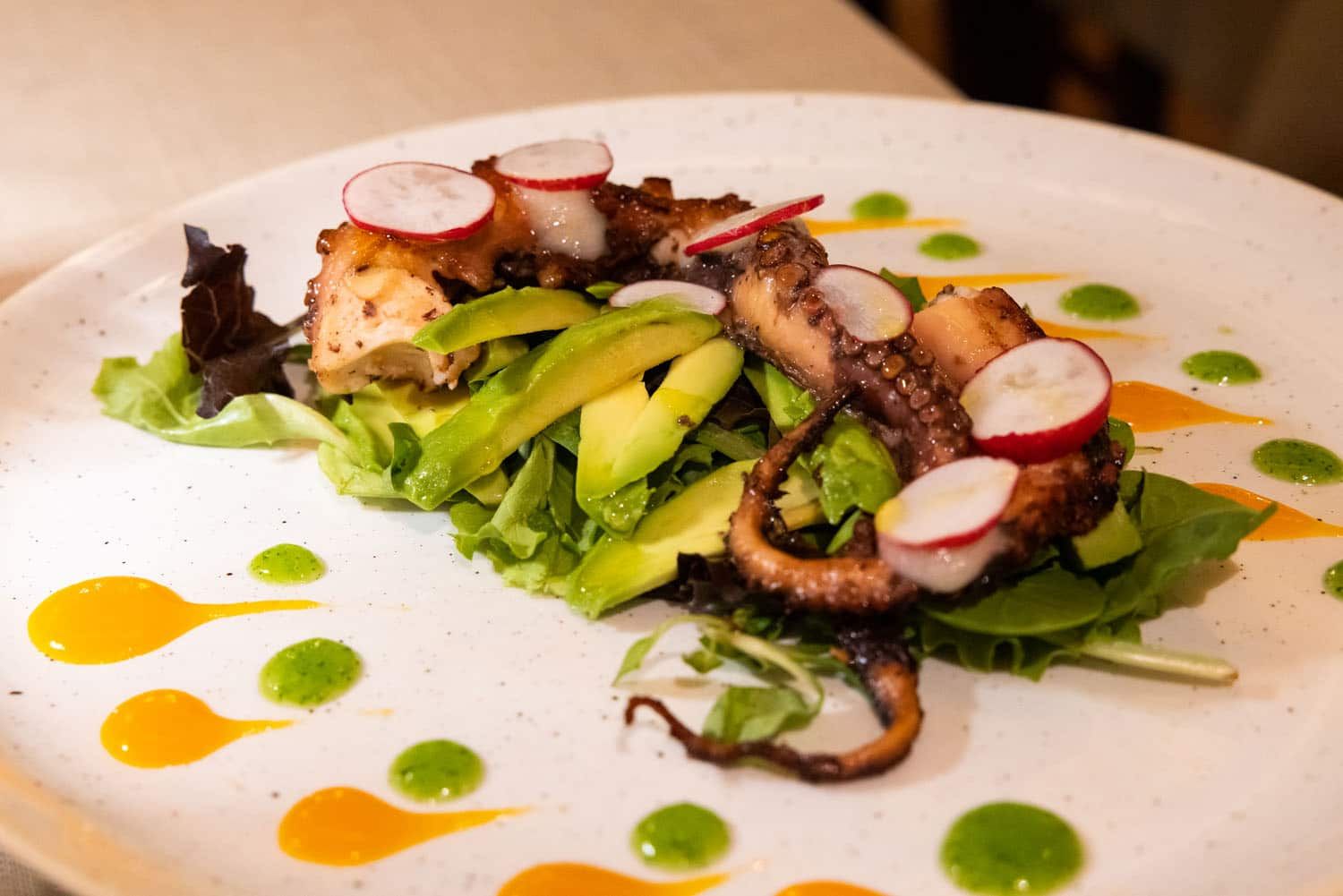
Gino Cacino di Angelo. If you are looking for a budget restaurant that serves great food, this is a nice option. This wine bar and restaurant serves paninis and cheese and meat platters. This is another favorite local spot so expect Italian menus and Italian speaking staff. Note: they close at 8 pm.
Where to Stay in Siena
LUXURY: Hotel Athena. This is a 4-star hotel on a stunning property and it is just a 10-minute walk to Il Campo and the Duomo. From their terrace you will have a wonderful view of Siena and Tuscany. If you are traveling by car, this hotel is a great option because they offer free parking.
MID-RANGE: Fonte Gaia Experience. Getting exceptional reviews (it is one of the highest rated hotels in Siena), this boutique hotel offers standard rooms, suites, and a two-bedroom, perfect for families and small groups. It is located in Siena, just a short walk from the Siena Cathedral.
MID-RANGE: Palazzo Ravizza. This 3-star hotel is located within the historic city center of Siena. Palazzo Ravizza also offers a garden with a terrace overlooking the hills of Tuscany.
BUDGET: Hotel Italia. This is another 3-star hotel but with its location near the train station, and outside of the heart of Siena, it comes with a lower price. This is a boutique hotel offering 65 rooms that gets rave reviews. It’s a 20-minute walk to Il Campo but it is located conveniently near the train station.
How Much Time Do You Need in Siena?
Plan on spending one full day in Siena, to give yourself enough time to tour the Siena Cathedral and related sites, visit Palazzo Pubblico and climb Torre del Mangia, have a drink in Piazza del Campo, and stroll through the historic city center. For dinner, eat at La Taverna di San Giuseppe or Antica Osteria da Divo.
Our one day in Siena itinerary covers the full day with an hour-by-hour plan and tips for avoiding the worst lines.
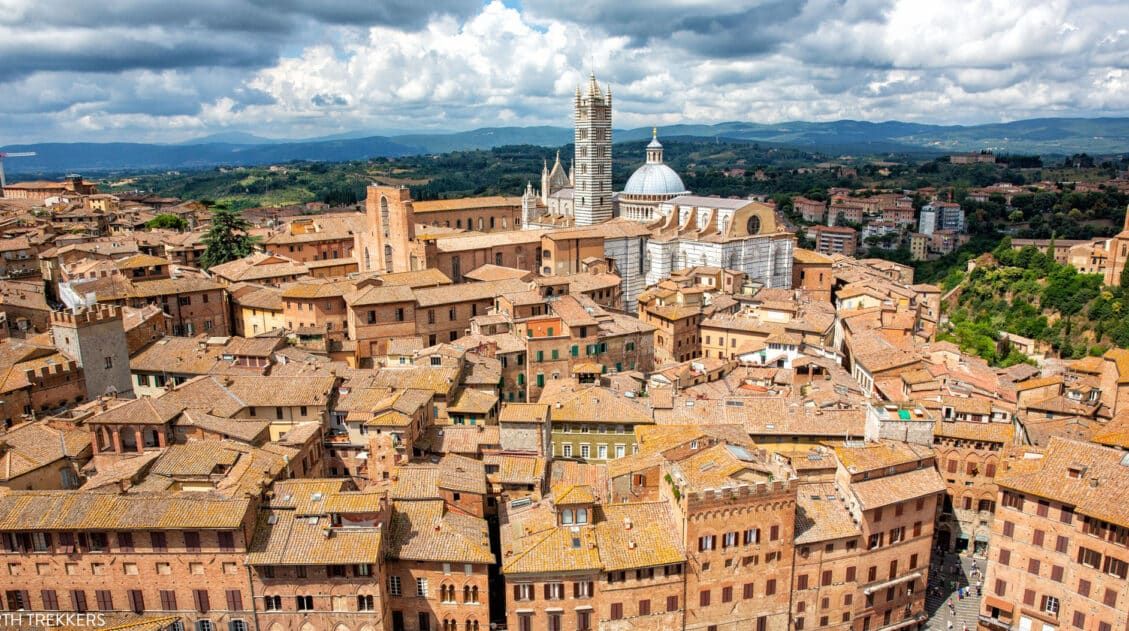
If you have less time (for example, you are on a quick day trip from Florence or another town in Tuscany), essential things to do in just a few hours include the views from Torre del Mangia, a visit to the Siena Cathedral, and some time walking through the historic heart of Siena.
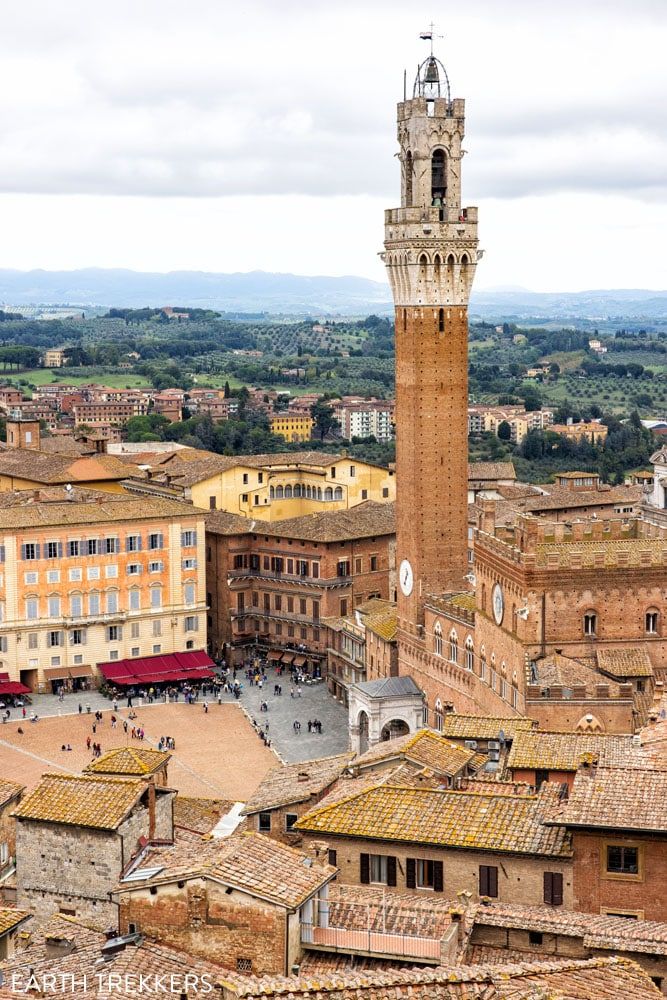
The Palio
The Palio is a horse race that is held every year on July 2 and August 16. Ten horses and riders compete, each representing their contrada, or neighborhood. Each contrada has its own colors and mascots, which you can see hanging on flags as you walk through the historic city center.
The race is held in Piazza del Campo. It only lasts 90 seconds, as the horse and riders make 3 frenetic laps around the square. People gather on grandstands and in the center of Il Campo. It is a thrilling thing to witness if you are in town during one of these races.
Tours of Siena
If you like the idea of touring Siena with a knowledgeable guide, this 2-hour walking tour gets great reviews and includes your ticket into the Siena Cathedral.
How about a small group pasta and tiramisu class that takes place in a small family home in Siena?
Take a day trip from Siena to Montalcino and San Gimignano. This tour includes a wine tasting.
Take a day trip into the Chianti wine region from Siena on this 5-hour tour that includes a visit to two wineries.
This Brunello di Montalcino wine tasting includes a visit to three wineries, Montalcino, and the Abbey of Sant’Antimo.
Tours of Siena
Frequently Asked Questions
What is Siena best known for?
Siena is best known for its Duomo, one of Italy’s most spectacular cathedrals, its shell-shaped main square Piazza del Campo, the Torre del Mangia tower, and the Palio, a historic horse race held twice a year. It’s also one of Tuscany’s best-preserved medieval cities, with a UNESCO-listed historic center that has changed little in centuries.
Is Siena worth visiting as a day trip from Florence?
Yes, Siena is one of the most rewarding day trips from Florence. The direct bus takes about an hour and fifteen minutes and is both cheaper and faster than the train. A full day gives you time for the Duomo Complex, Torre del Mangia, Piazza del Campo, and lunch in town. If you’re combining Siena with another Tuscan hill town, a half-day covers the highlights comfortably.
Is it worth spending the night in Siena?
Absolutely, and we’d recommend it for two reasons. The first is atmosphere. Siena is a genuinely different city once the day-trippers leave. The streets are quiet, the evening light on the Duomo is exceptional, and Piazza del Campo at sunset is one of the great free experiences in Tuscany. The second reason is practical: Siena is a better home base than Florence for exploring the hill towns. Montalcino, Pienza, Montepulciano, San Gimignano, and Monteriggioni are all significantly closer from Siena. And if you’re renting a car, parking in Siena is far easier than in Florence. One to two nights here, combined with time in Florence, is our recommended approach for a Tuscany trip.
Is Siena walkable?
Very. The historic center is pedestrian-only, compact, and easy to navigate on foot. The main sights: the Duomo, Piazza del Campo, Torre del Mangia, and Santa Maria della Scala, are all within a short walk of each other. The Basilica of San Domenico is slightly further west but still a 7-minute walk from the center.
What is the Palio?
The Palio is a historic horse race held twice a year in Piazza del Campo: on July 2 and August 16. Ten horses and riders compete, each representing one of Siena’s historic neighborhoods (contrade). The race itself lasts just 90 seconds, but the pageantry, rivalry, and atmosphere surrounding it are extraordinary. If your visit happens to coincide with the Palio, it’s an unforgettable experience.
Plan Your Trip to Tuscany
For more on planning your time in Siena, our one day in Siena itinerary covers the full day with timing, ticket tips, and a half-day option for those combining Siena with other Tuscan towns. For everything you need to know about the cathedral specifically, our Siena Cathedral guide goes deep on the Duomo Complex, tickets, and what to prioritize inside.
If you’re building a bigger Tuscany trip around Siena, our Tuscany Itinerary covers three days, five days, and a full week in the region. For a longer Italy trip, our 10 Days in Italy guide offers five itinerary options, and our 14 Day Italy Itinerary is the place to start if you have two full weeks.
Everything else, from Rome, Florence, the Amalfi Coast, the Dolomites, and beyond, is in our Italy Travel Guide.
If you have any questions about the best things to do in Siena, let us know in the comment section below.
Explore More of Italy
We have TONS more information about Italy, including Rome, Florence, Venice, the Dolomites, the Amalfi Coast, the Cinque Terre, Basilicata, Sicily, and Puglia.
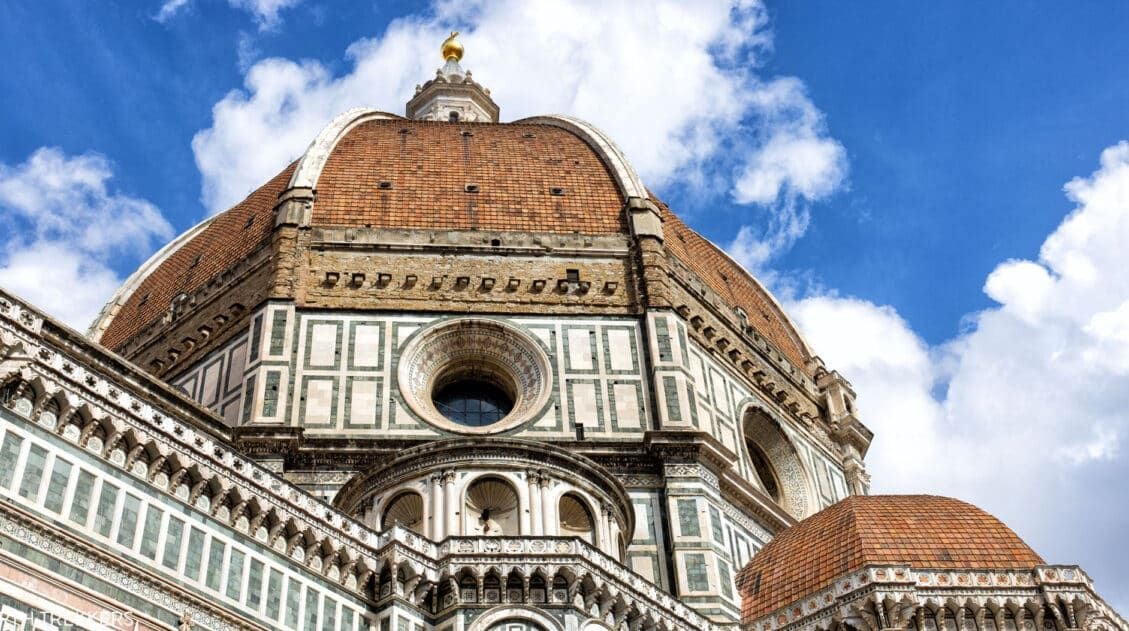
30 Best Things to Do in Florence, Italy (2026 Guide)
Pinterest Facebook Flipboard Florence is one of the most rewarding cities in Europe, and the best things to do in Florence range from climbing Brunelleschi’s iconic dome to watching the sunset from Piazzale Michelangelo. We know this firsthand, having visited Florence twice. Our first trip was a quick day and a half visit in July […]
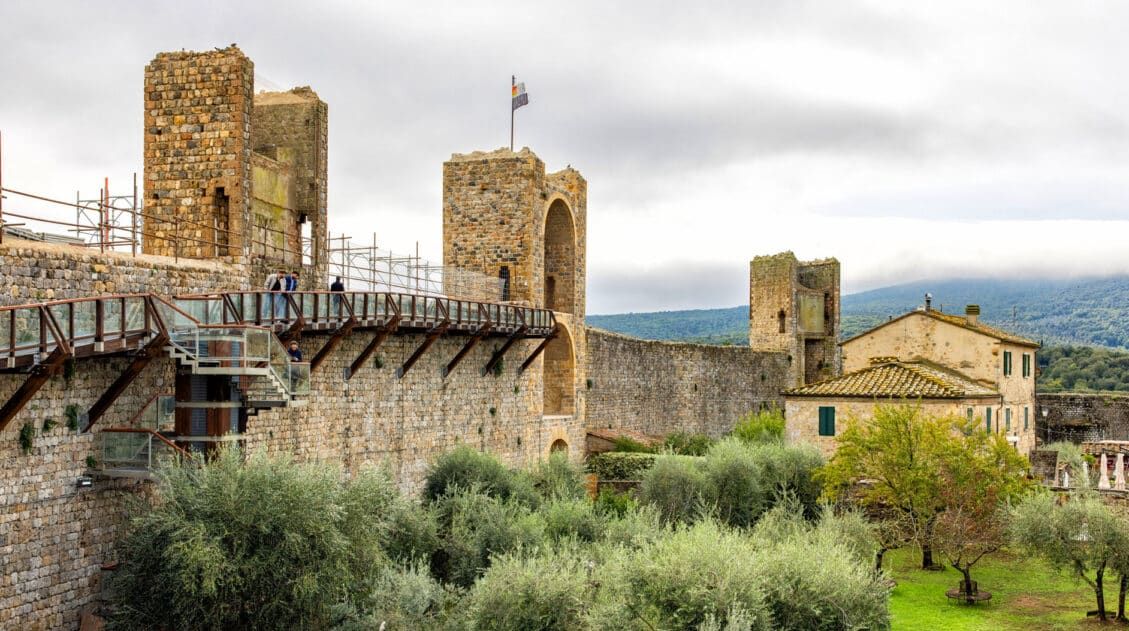
Monteriggioni: Best Things to Do, Photos, and Helpful Tips
Monteriggioni looks almost too perfect to be real. Perched on a rounded hilltop in the Chianti countryside, its ring of medieval walls and 14 towers appears almost exactly as it did in the 13th century, a complete, intact fortification unlike almost anything else in Tuscany. We visited on a day trip from Siena, just a […]
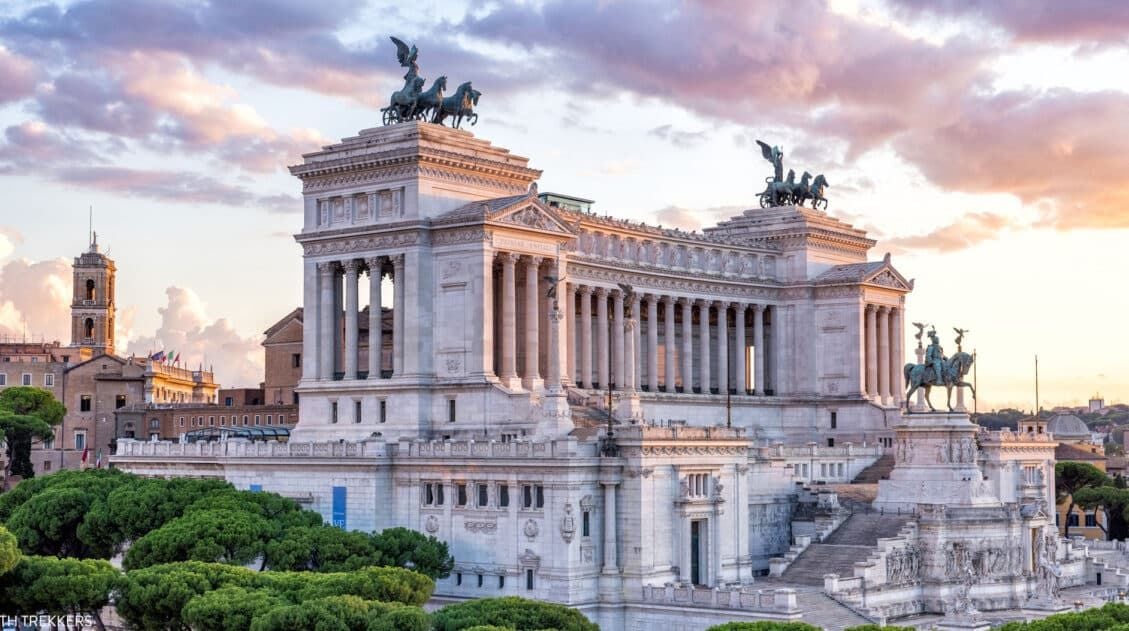
30 Things to Do in Rome | The Ultimate Rome Bucket List
Rome is the capital city of Italy and one of the largest cities in Europe. With its long, rich history, famous landmarks, museums and archaeological sites, the to-do list for visitors is enormous. 30 things to do in Rome sounds like a lot, and it is, but there are many more places we could have […]
10 Day Italy Itinerary: Rome, Florence, Cinque Terre & Venice
There’s a moment on the train from Rome to Florence, about an hour in, where the landscape shifts from the flat Roman countryside to something greener and hillier, and you realize you’re already in a different Italy. We’ve made that journey more than once over six trips to Italy, and it never gets old. This […]
2 Days in Venice Itinerary: What 3 Trips Taught Us
Our 2-day Venice itinerary, refined over three visits and built for first-time visitors who want to see the highlights without wasting time in line. If you are planning your first trip to Venice, this itinerary is built for you. With 2 days in Venice, you have just enough time to visit the highlights of this […]
Best Things to Do in Montepulciano: Wine Cellars & Beyond
Planning your list of things to do in Montepulciano? This hilltop town in southern Tuscany is one of the most atmospheric places in the region, known for its Renaissance architecture, sweeping views over the Val d’Orcia, and its famous Vino Nobile wine. Perched on a hilltop in Val d’Orcia, Montepulciano is compact but packed with […]
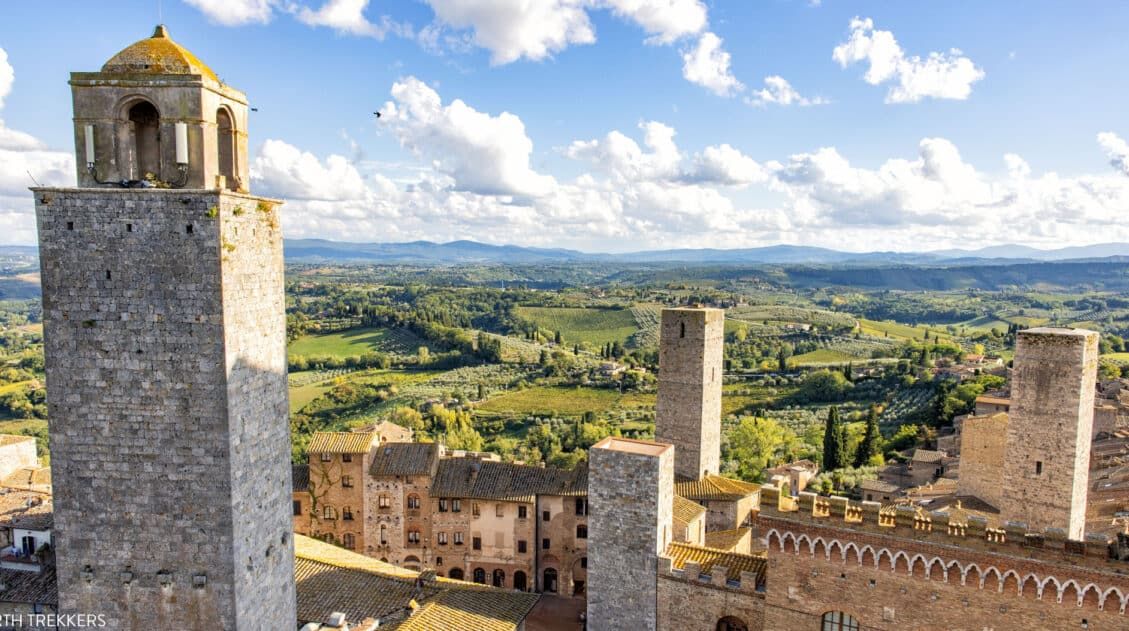
Best Things to Do in San Gimignano (Tips from Two Visits)
San Gimignano is famous for its medieval towers, and yes, you should climb one. But a great visit here goes beyond the main piazzas and the gelato line at Dondoli. On our first trip, we arrived by bus from Siena on a busy morning with our kids, climbed to the top of Torre Grossa, ate […]
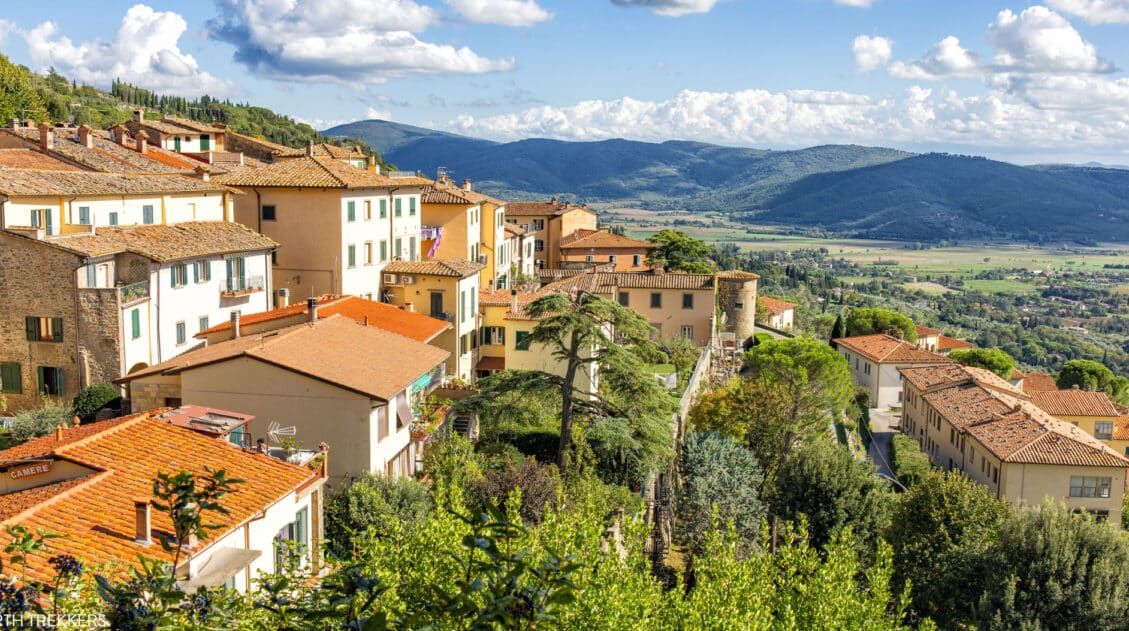
Cortona, Italy: Things to Do in This Underrated Hill Town
There’s a moment when you round a corner on one of Cortona’s side streets and the whole Val di Chiana valley opens up below you, and you think: how is this town not more famous? Tim and I had that moment during what was supposed to be a quick afternoon stopover between Arezzo and Assisi. […]
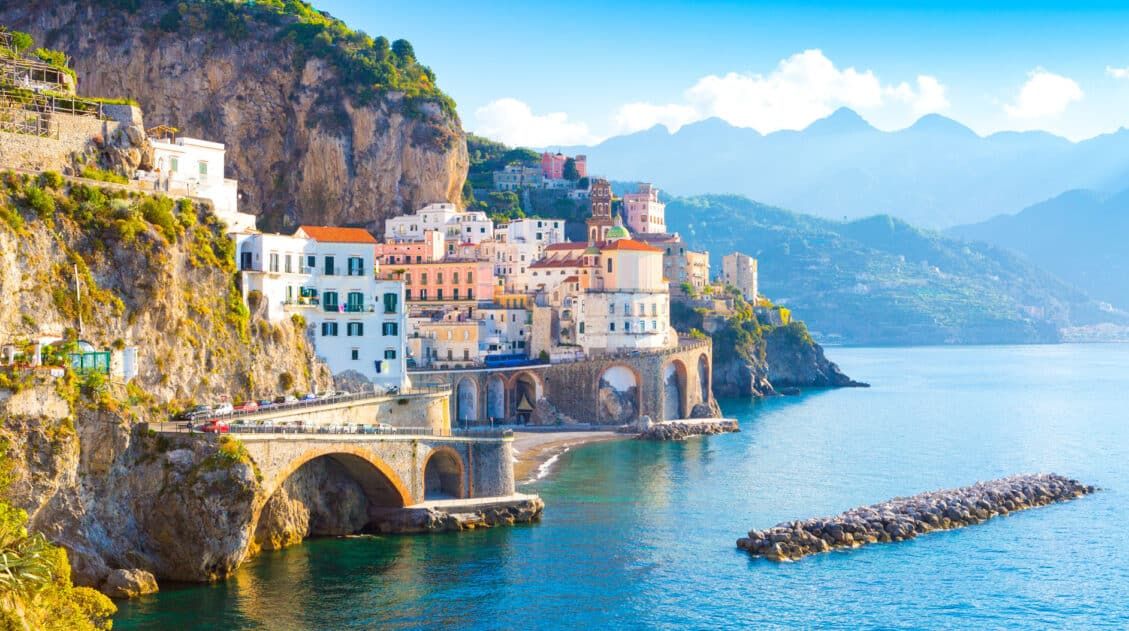
17 Beautiful Towns on the Amalfi Coast (And Which Ones to Visit)
The Amalfi Coast is one of Italy’s most celebrated stretches of coastline, and it’s easy to see why. Colorful towns cling to dramatic cliffs above the Tyrrhenian Sea, and the whole coast is a UNESCO World Heritage Site. Tim and I made it a point to visit, or at least see, every town on this […]
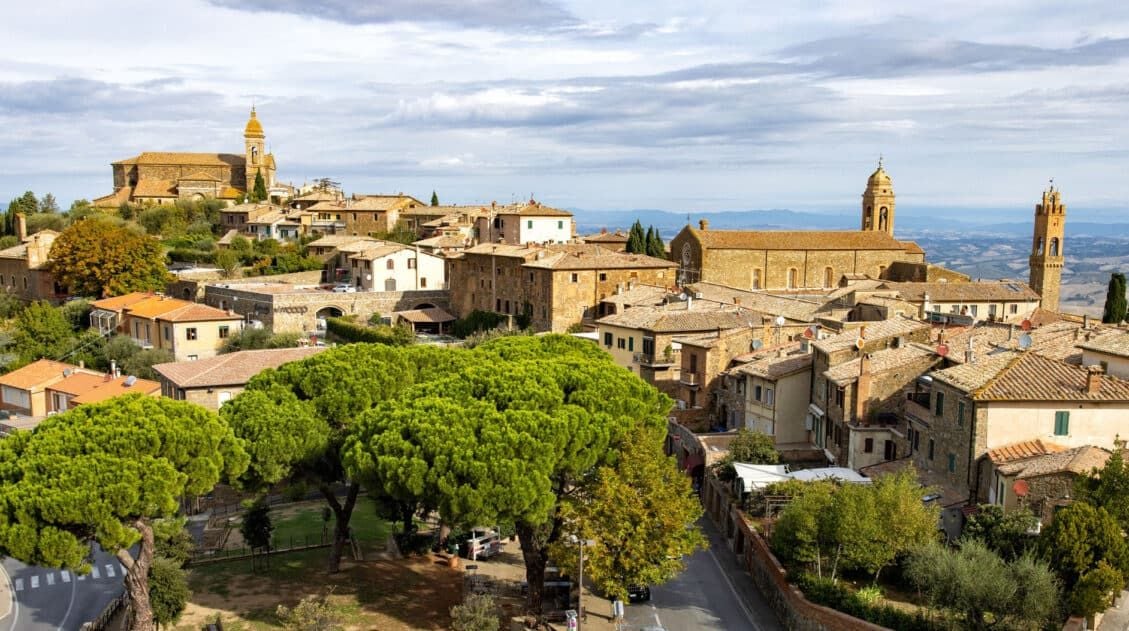
Best Things to Do in Montalcino, Italy (Wine Tastings & Our Favorite Experiences)
Perched on a hilltop in Tuscany’s Val d’Orcia, Montalcino is one of Italy’s most beautiful wine towns, famous for its Brunello wine, sweeping vineyard views, and charming medieval streets. Whether you’re here for a quick stop or a slow afternoon of wine tasting, this small town delivers one of the most memorable experiences in Tuscany. […]
Visiting Pienza, Italy: Best Things to Do, Tips & Travel Guide
Pienza is one of those Tuscan towns that earns its reputation. Perched above the Val d’Orcia, this tiny UNESCO World Heritage Site was redesigned in the 15th century by Pope Pius II as his vision of the ideal Renaissance city. Walking its perfectly proportioned streets, it’s hard to argue with his ambition. We’ve visited Pienza […]
Things to Do in Lucca, Italy: Best Sights, Tips & More
Lucca is one of Tuscany’s most rewarding cities to visit. While Florence gets the crowds and Pisa gets the selfies, Lucca has a charm that’s entirely its own: Renaissance city walls you can walk or bike, medieval towers rising above the rooftops, and a piazza built inside a Roman amphitheater. What we loved most was […]
1 to 2 Days in Bologna: The Best Itinerary for First Timers
Bologna didn’t make it onto our Italy itinerary until our sixth trip. We’d visited Rome, Florence, Venice, the Amalfi Coast, Tuscany, and the Dolomites, and somehow kept skipping over this city in northern Italy. Once we finally arrived, Tim and I were instantly captivated: the busy, bustling Quadrilatero with its wine bars and shops overflowing […]

Comments 5