
There’s a moment on the train from Rome to Florence, about an hour in, where the landscape shifts from the flat Roman countryside to something greener and hillier, and you realize you’re already in a different Italy. We’ve made that journey more than once over six trips to Italy, and it never gets old.
This is the itinerary we wish we’d had when we planned our first trip. It covers the four places most first-time visitors to Italy are most drawn to: Rome, Florence, the Cinque Terre, and Venice.
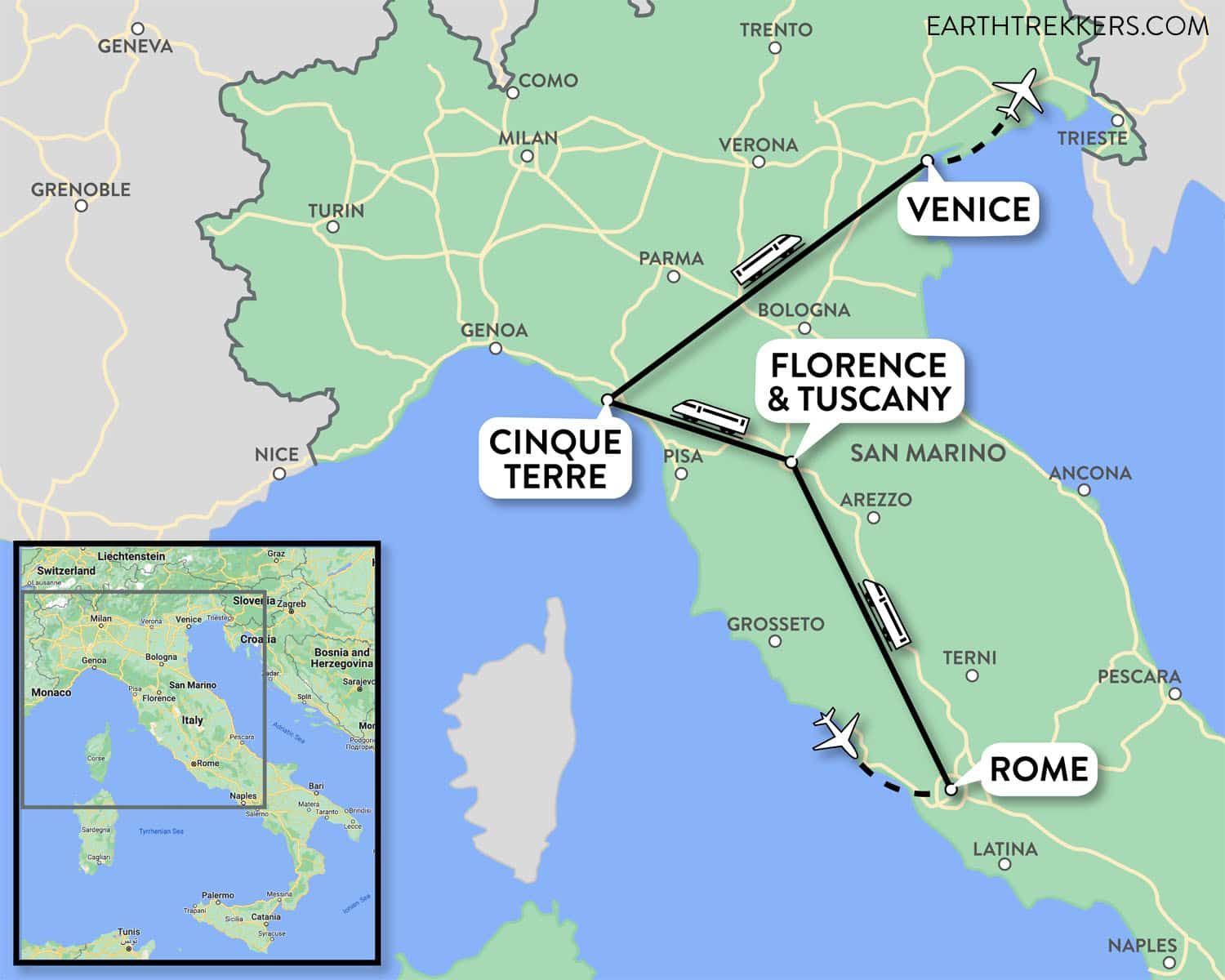
In 10 days, you spend two nights in Rome, three nights in Florence (with a day trip into the Tuscan countryside), two nights in the coastal villages of the Cinque Terre, and two nights in Venice. The entire trip is done by train. No car required, no complicated logistics.
It’s a fast-paced itinerary, and we won’t pretend otherwise. Two nights in Rome gives you just enough time to visit Vatican City and the Colosseum, plus a scenic walk through the heart of Rome. Three nights in Florence gives you the Uffizi, the Duomo, and a slow afternoon in Tuscany. The Cinque Terre gets two full days, which is enough to hike between the villages, eat pesto pasta while watching the sunset over the water, and actually feel like you’ve been there rather than just passed through. Venice gets the same.
In this guide we cover what to do each day, how to get between cities, which tickets to book weeks in advance, and where to stay in each place. This is the guide, and the itinerary, that I wish we’d had when planning our first trip to Italy.
Let’s get started.
10 Day Italy Itinerary: At a Glance
DESTINATIONS | Rome → Florence → Cinque Terre → Venice
START / END | Fly into Rome (FCO) · Fly home from Venice (VCE)
BEST FOR | First-time visitors to Italy
GETTING AROUND | Train — no car needed
BEST TIME TO VISIT | April–June or September–October
TRIP STYLE | Classic Italy highlights by train
TOTAL NIGHTS | Rome (2) · Florence (3) · Cinque Terre (2) · Venice (2)
10 Day Italy Itinerary: Rome, Florence, Cinque Terre and Venice
Day 1: Arrive in Rome
Day 2: Rome
Day 3: Florence
Day 4: Florence
Day 5: Tuscany Day Trip
Day 6: Cinque Terre
Day 7: Cinque Terre
Day 8: Venice
Day 9: Venice
Day 10: Fly Home
10 day Italy itinerary map: Rome, Florence, Cinque Terre & Venice
Why This 10 Day Italy Itinerary Works
This route covers Italy’s three most iconic cities — Rome, Florence, and Venice — plus the Cinque Terre. The order makes geographic sense: you fly into Rome in the south, work your way north through Florence and the Cinque Terre, and fly home from Venice. There’s no backtracking, no wasted transit days, and every train journey is under three hours.
The Tuscany day trip on Day 5 is what separates this itinerary from a pure city-hopping trip. Rather than spending a third straight day in Florence’s museums, you head into the Tuscan countryside for wine tasting, hilltop villages, and the kind of slow afternoon Italy does better than anywhere.
Two nights in the Cinque Terre is the right amount of time. One night isn’t enough to feel settled; three nights starts to feel long once you’ve hiked the main trail and eaten your way through Vernazza. Two nights lets you arrive, get oriented, hike the next day, and leave wanting more, which is exactly how the Cinque Terre is supposed to feel.
The one trade-off is Rome. Two nights gives you one low-key arrival afternoon and one very full day covering Vatican City and the Colosseum. It’s doable, and this guide walks you through exactly how to manage it, but if you have any flexibility to add a third night in Rome, that’s where we’d put it.
The entire trip is by train. Italy’s high-speed rail network is excellent, and traveling between these four destinations by train is faster, cheaper, and far more enjoyable than flying or driving. No rental car, no airports between cities, no hassle.
10 Day Italy Itinerary
Day 1: Arrive in Rome
Overnight: Rome
Highlights: Heart of Rome: Trevi Fountain, Pantheon, Spanish Steps, Piazza Navona
Transportation: Fly into Rome Fiumicino Airport (FCO), the main international airport. The easiest way to reach the city center is the Leonardo Express train, which runs directly to Roma Termini station.
Ideally, plan to arrive in Rome early in the morning, or even the night before, to make the most of this day. If you arrive in the morning on a red eye flight, this first day can be challenging. Drop your luggage off at your hotel and spend the afternoon sightseeing in Rome. I do not recommend making big plans today because you might be exhausted.
Today is a low-key day. Spend the afternoon strolling through the historic heart of Rome with the option to add on a visit to the Borghese Gallery.
If you have a full day today (which gives you two full days in Rome), I recommend following our 2 day Rome itinerary, since that covers more places than what is listed in this itinerary.
If You Arrive Early: If your flight is scheduled to land by 10 am, the Colosseum is an option this afternoon. Visiting the Colosseum today frees up time on Day 2, though the itinerary as written assumes you’ll visit it on Day 2 alongside the Vatican. If you go with this option, book your Colosseum tickets or tour in advance.
Getting from Fiumicino Airport to Rome
If you arrive in Fiumicino Airport, you can get to the city center of Rome by bus, taxi, Uber, private transfer, and train. We use the Leonardo Express, a train that runs from the airport to the Termini station in Rome. Leonardo Express trains leave every 15 to 30 minutes and the journey takes 30 minutes. Purchase your ticket at the station and validate it before getting on the train.
You can also hire a private transfer here.
Explore the Heart of Rome
Spend the afternoon walking through the heart of Rome. This short, easy walk is a great introduction to Rome. On this walk, you will see some of Rome’s most famous sites, such as the Spanish Steps, the Trevi Fountain, the Pantheon, and Piazza Navona.
PRO TRAVEL TIP: As of February 2026, visiting the Trevi Fountain up close now requires a €2 ticket to access the basin area, the spot right at the water’s edge where you toss your coin. Viewing the fountain from the piazza above remains free. Tickets are required from 9am to 10pm most days (11am to 10pm on Mondays and Fridays), and after 10pm the barriers open and access is free for everyone.
This walk is 1.6 km/1 mile long and takes about two hours. You will start at the Spanish Steps and end at Piazza Navona. Below is a map of the walking route.
How to Use This Map: Click the tab in the top left corner of the map to see a list of the points of interest and to turn layers on/off. Click the icons on the map to get more information about each point of interest.
To take this map with you, click the star next to the title of the map which adds it to your Google account. Next, within your Google Maps app, select ‘Saved’ and then select ‘Maps’. This map title will now appear in your list.
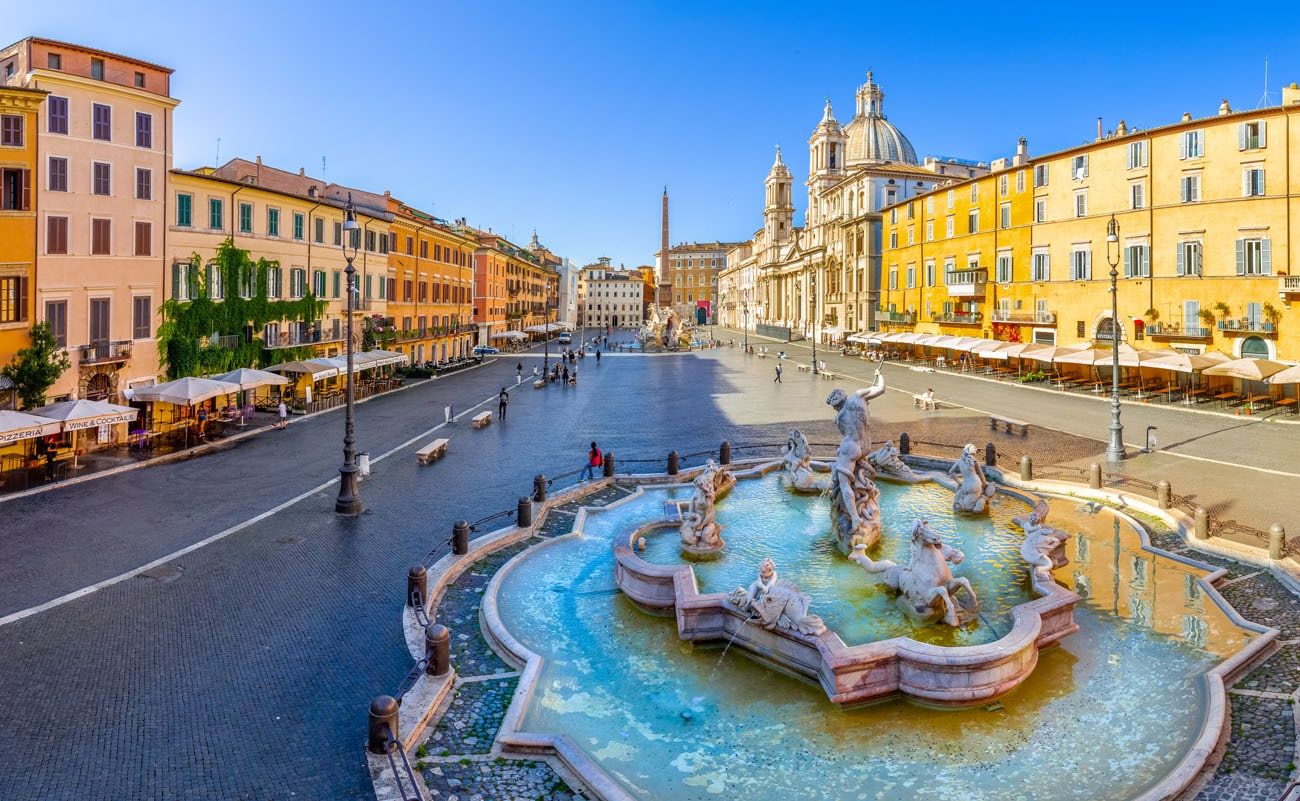
Piazza Navona
Evening
For dinner on your first night, the restaurants in and around Piazza Navona are a natural choice. You’ll finish your walk right there and the neighborhood has some of Rome’s best options. For recommendations, take a look at our Where to Eat in Rome guide.
Where to Stay in Rome
Tonight, stay in Rome. You will spend two nights in Rome on this 10 day Italy itinerary.
For recommendations on where to stay, read our guide to Where to Stay in Rome ↓
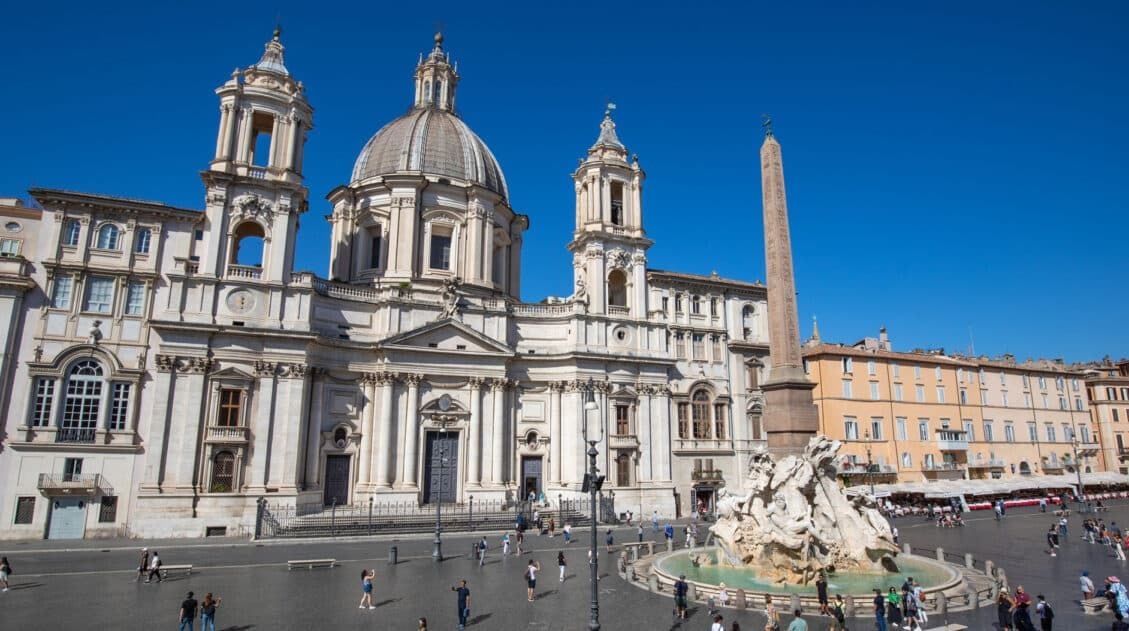
Where to Stay in Rome for the First Time (+ Where NOT to Stay)
Best places to stay in Rome, organized by location and budget.Day 2: The Vatican & the Colosseum
Overnight: Rome
Highlights: Vatican Museums, St. Peter’s Basilica, Colosseum, Roman Forum
This is a big day.
Visiting Vatican City and the Colosseum in the same day is ambitious, but it’s doable, and it’s how most 10-day itineraries handle Rome.
My recommendation is to start at Vatican City and end at the Colosseum. The Colosseum can only be visited on a time slot that is reserved in advance, so there is no rush to get here first thing in the morning.
The key is starting early at the Vatican (ideally with an 8 am pre-opening tour or a timed entry for first thing in the morning), moving efficiently through St. Peter’s Basilica, and then heading to the Colosseum after lunch with your pre-booked timed entry ticket. Most travelers manage this without feeling wrecked, especially if Day 1 was genuinely restful.
If you can add one extra day anywhere on this itinerary, add it here. A third night in Rome lets you dedicate a full day to Vatican City and a full day to the Colosseum, Roman Forum, and Palatine Hill, which is exactly how our 14-day Italy itinerary handles it. You won’t regret the slower pace in Rome.
Morning: Vatican City
Vatican City is the smallest country in the world. In Vatican City, there are three big sites to visit: the Vatican Museums, the Sistine Chapel, and St. Peter’s Basilica.
Our recommendation is an early morning guided tour. The Vatican Museums open at 9 am, but early morning tours enter at 8 am, and that one-hour difference is significant. Crowds are genuinely manageable at that hour in a way they simply aren’t by mid-morning.
Some tours also route you directly from the Sistine Chapel into St. Peter’s Basilica through a shortcut that’s closed to independent visitors, which saves you both a 20-minute walk and a long security line.
If you’d rather visit independently, book timed-entry tickets to the Vatican Museums well in advance.
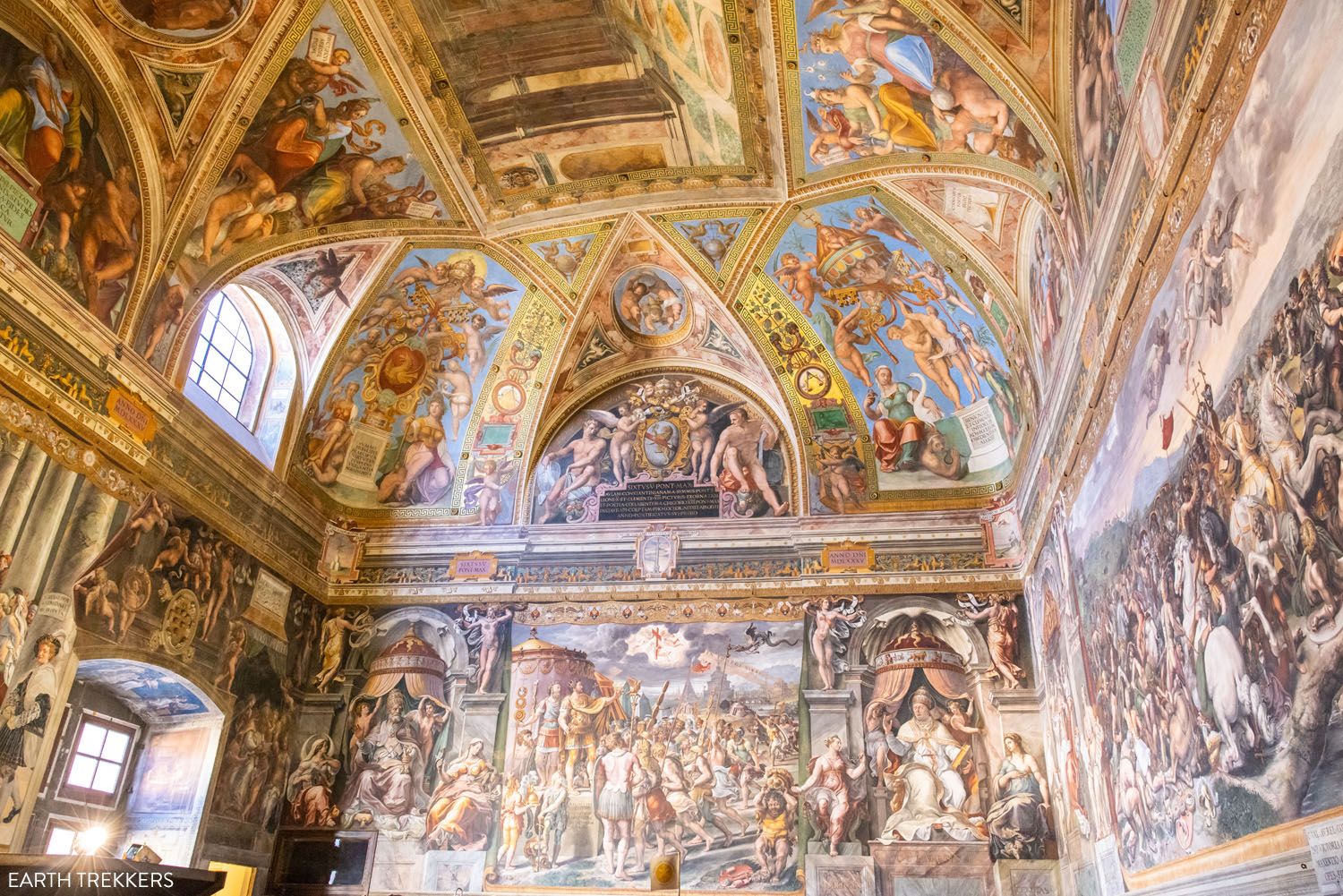
Room of the Immaculate Conception in the Vatican Museums
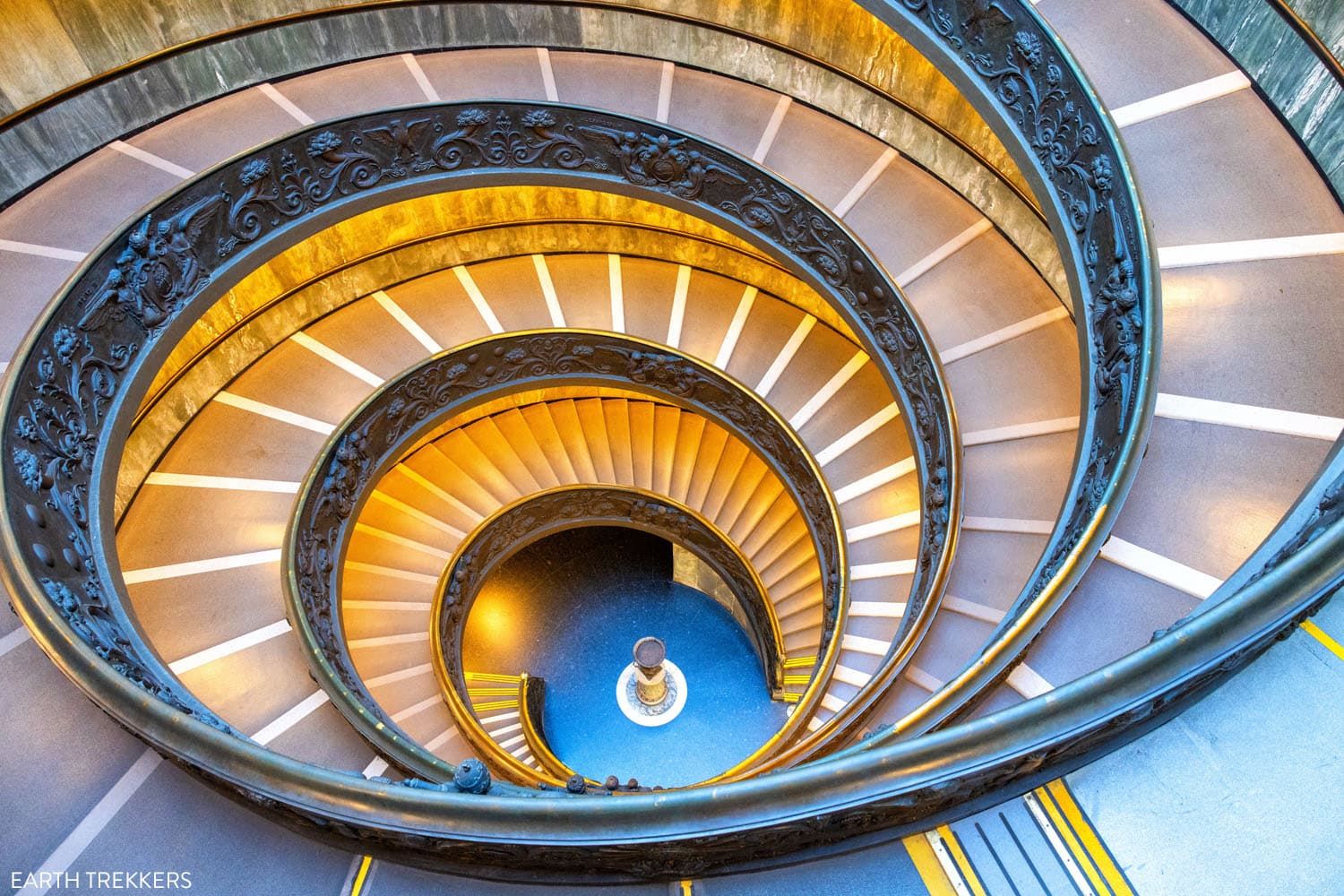
The modern Bramante Staircase in the Vatican Museums
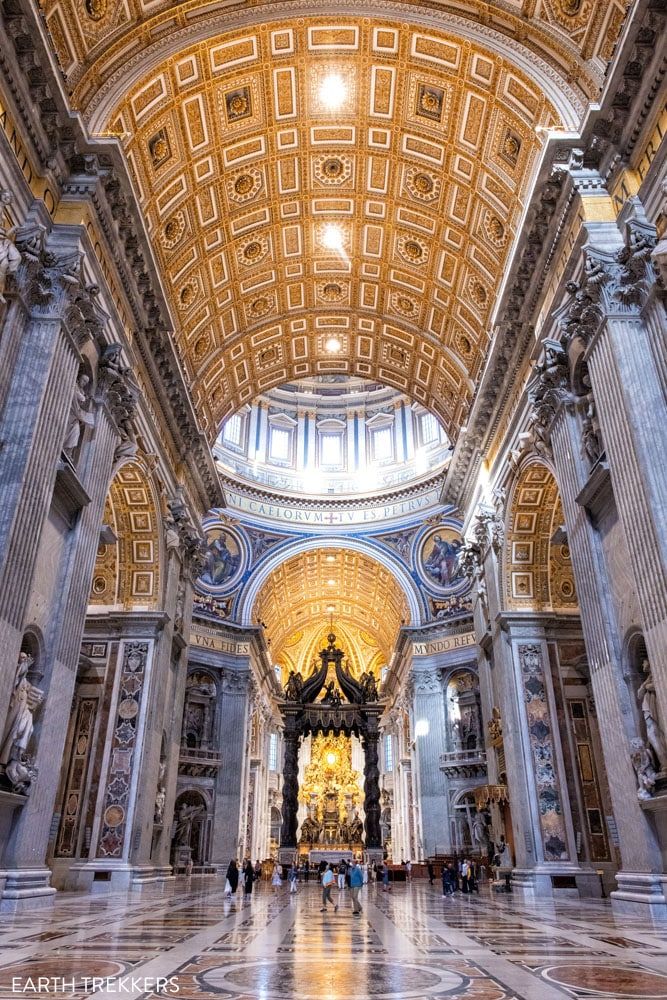
St. Peter’s Basilica
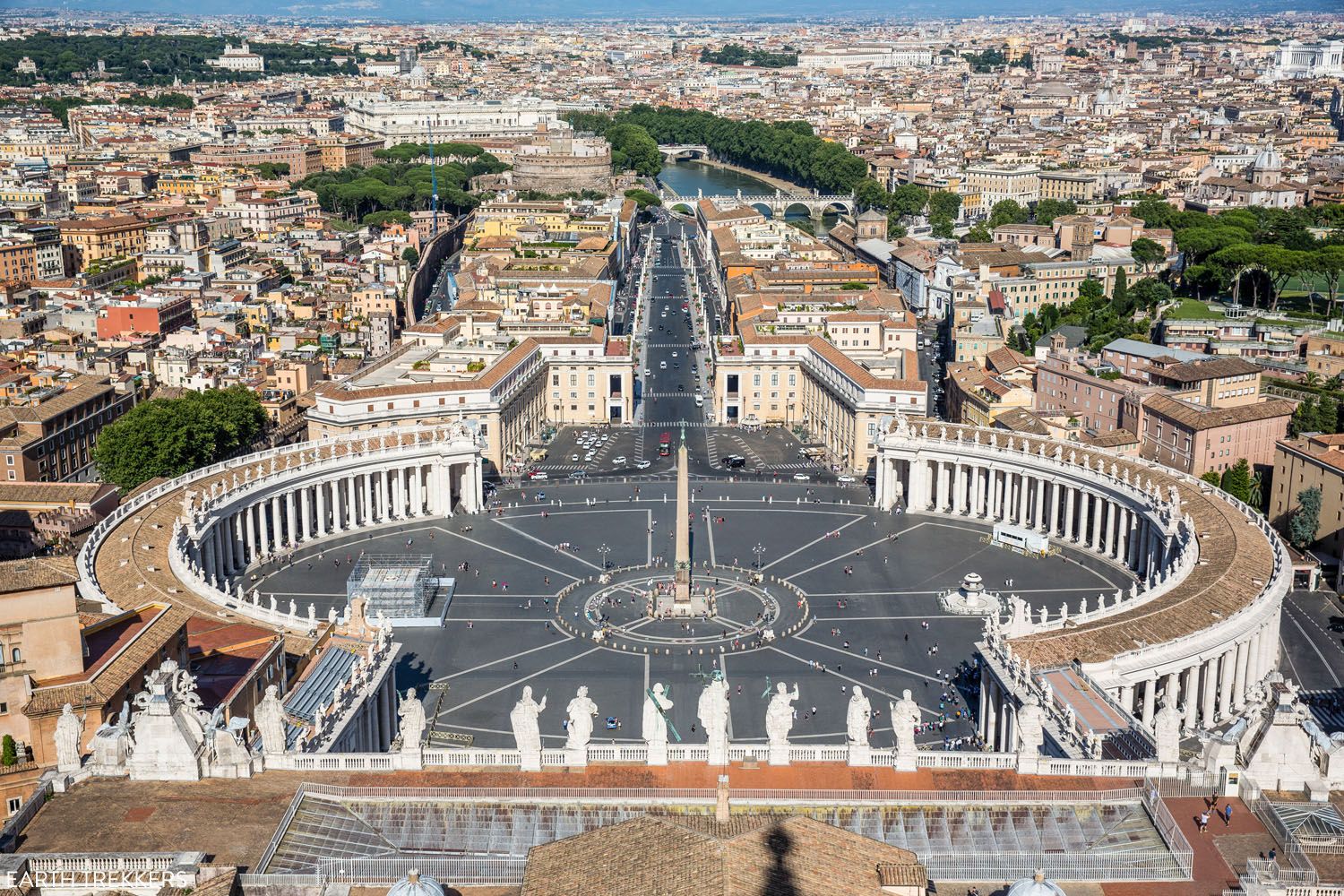
The view of Rome from the dome of St. Peter’s Basilica
For everything you need to know about planning your visit, including ticket types, what to see inside, and whether a tour is worth it, see our Guide to Vatican City ↓
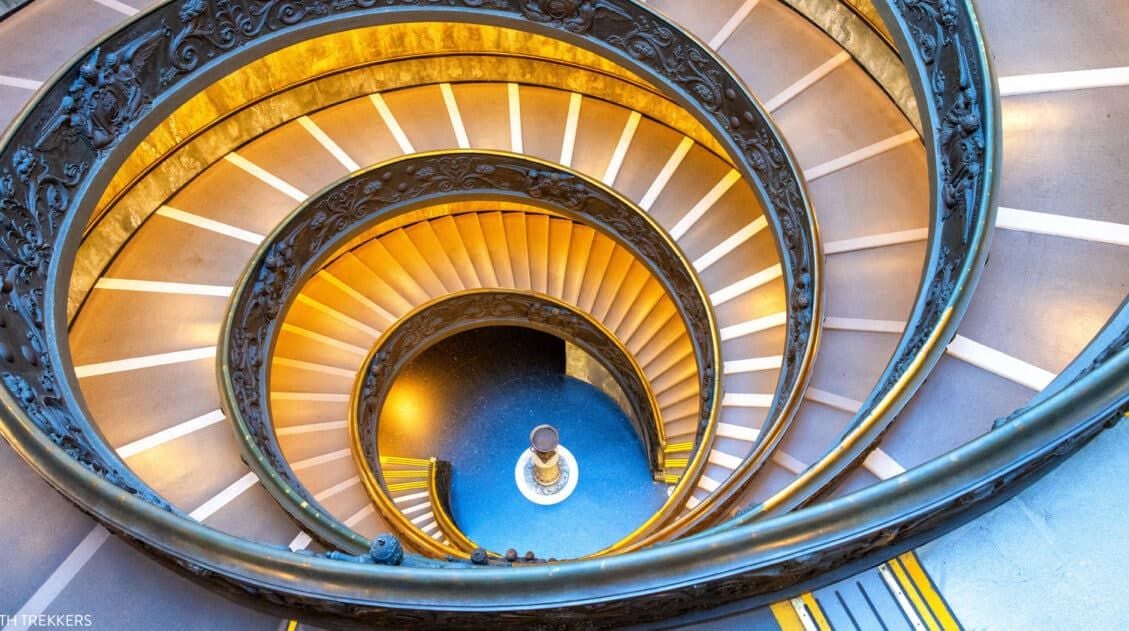
How to Visit the Vatican Museums & St. Peter’s Basilica
In our Guide to Vatican City, we cover hours, pricing, and helpful tips for your visit. You also have the option to add on the “secret rooms” of the Vatican, such as the Cabinet of Masks, and we cover these as wel12:00 pm: Lunch
For lunch, we have three recommendations that are all within walking distance of St. Peter’s Square. You can either have a quick lunch or a longer, leisurely lunch.
We had a quick lunch at Alice Pizza, dining on pizza by the slice. It’s great if you are on a budget or are saving your money for dinner. Two restaurants we have not tried but sound amazing are Borghiciana Pastificio Artiginale and Scialla the Original Streetfood.
1:00 pm: Travel to the Colosseum
After lunch, travel to the Colosseum. You can either take a taxi or use the metro.
1:30 pm: The Colosseum
You can tour the Colosseum on your own or with a guide. Purchasing tickets in advance and touring it on your own is the cheapest option, and something to consider since you just took a pricey early morning tour of the Vatican.
However, if you want to get the most out of your visit, consider joining a tour. We have visited the Colosseum twice, on our own and with a guide, and got a lot more out of our visit with a guide.
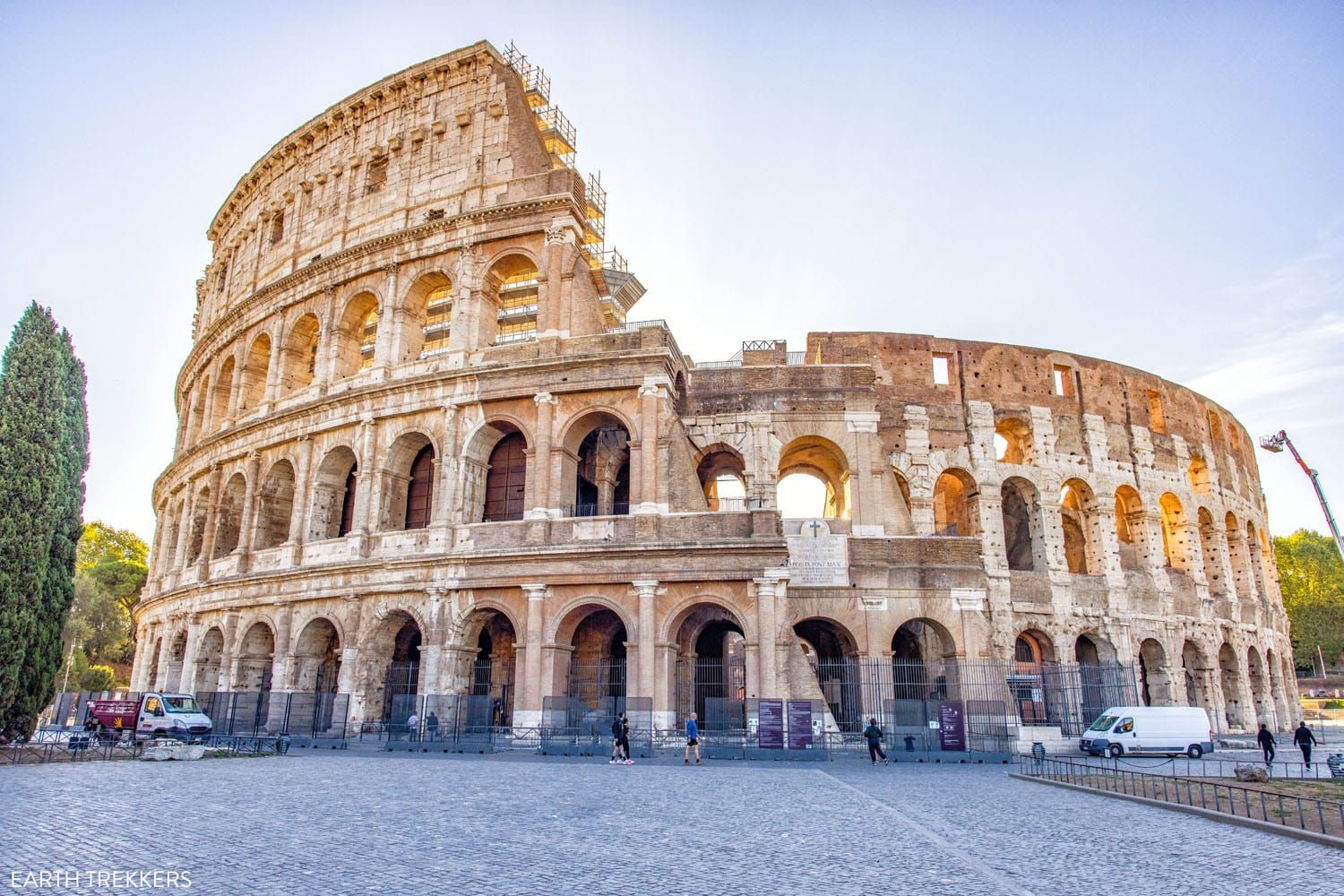
The Colosseum
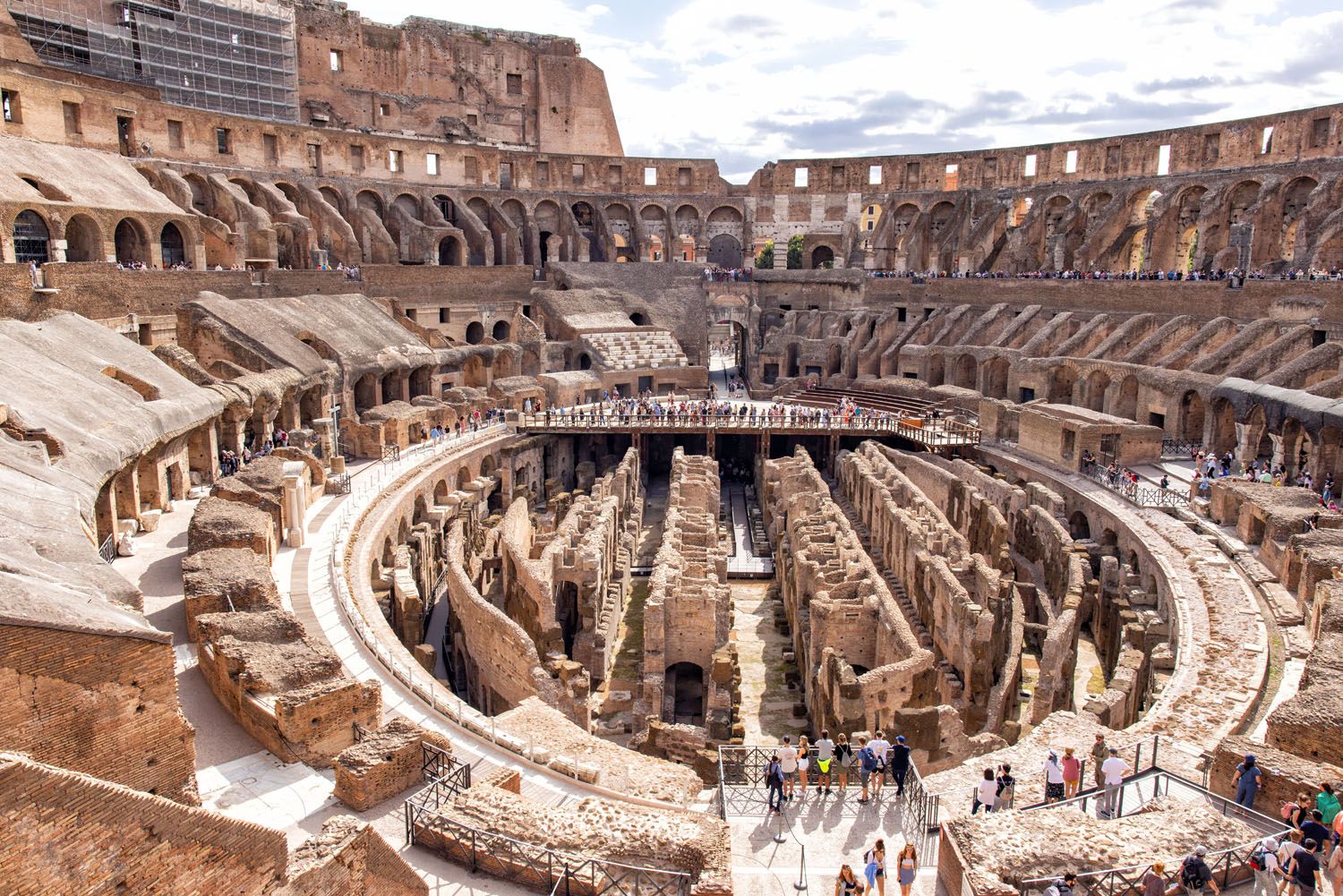
Inside the Colosseum
How to Visit the Colosseum
On your visit to the Colosseum, you can either wander through it on your own, take the audio guide tour, or join a guided tour. Most visits last 1 to 3 hours.
You must purchase your entrance ticket in advance (you cannot just show up and get in line for a ticket). It costs an extra €2 per ticket for the online reservation fee.
If online tickets are sold out for your dates of travel, I recommend joining a guided tour of the Colosseum. You will spend a little more money than purchasing your tickets directly from the Colosseum website, but at least you will get to visit the Colosseum.
If the official website is down (this happens frequently), you can also purchase your tickets through GetYourGuide.
Hours: Hours vary by season. Click here to get hours for your dates of visit.
Cost: €16 (+ €2 online reservation fee) for the standard ticket that gets you in to the Roman Forum, Palatine Hill, and the Colosseum; there is also a Full Experience ticket that also includes a visit to the Colosseum arena and underground area for €24
Website: Get updated hours and pricing and purchase your ticket here.
Roma Pass: If you have the Roma Pass, you must make your reservation to visit the Colosseum in advance. There is a €2 reservation fee.
Getting Here: The closest metro stop is Colosseo. When you exit the metro station, the Colosseum will be right in front of you.
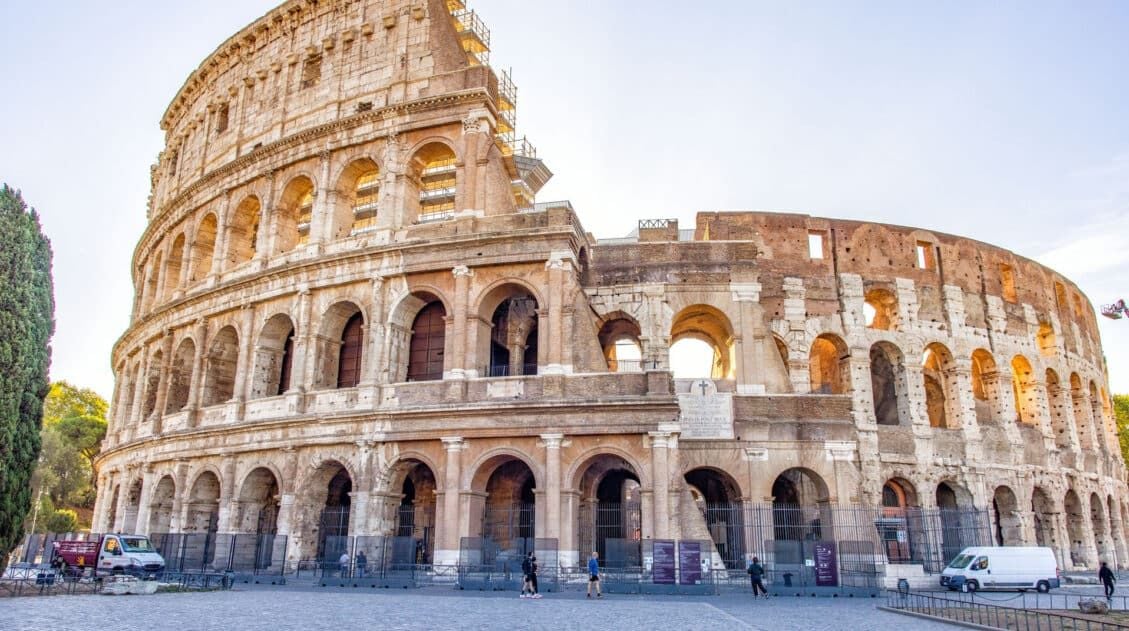
How to Visit the Colosseum: The Complete Guide
For more information, including ticket types, how to book your tickets, things to do at the Colosseum, plus many more photos, check out our guide on How to Visit the Colosseum.3:00 pm: Roman Forum & Palatine Hill
The Roman Forum and Palatine Hill are a short walk from the Colosseum. They are both included on your entrance ticket into the Colosseum.
The Roman Forum is ancient Rome, a complex of government buildings, temples, and marketplaces from 2000 years ago. Notable things to see in the Roman Forum include the Via Sacra, the Temple of Venus, the Temple of Romulus (the bronze doors date back to 309 AD), the Temple of Antonius and Faustina and its “hanging door,” the Temple of Vesta, the Temple of Saturn, the Arch of Septimius Severus, and the Temple of Julius Caesar.
Palatine Hill sits next to the Roman Forum. It is a complex of archaeological excavations, the remains of temples and palaces, and a museum. During the time of the Roman Republic, many imperial palaces were built here, including palaces for Augustus, Tiberius, and Domitian.
While on Palatine Hill, make sure you visit Terrazza Belvedere del Palatino for a bird’s eye view of the Roman Forum and the Colosseum. It’s one of the best views in Rome. Here is the view:
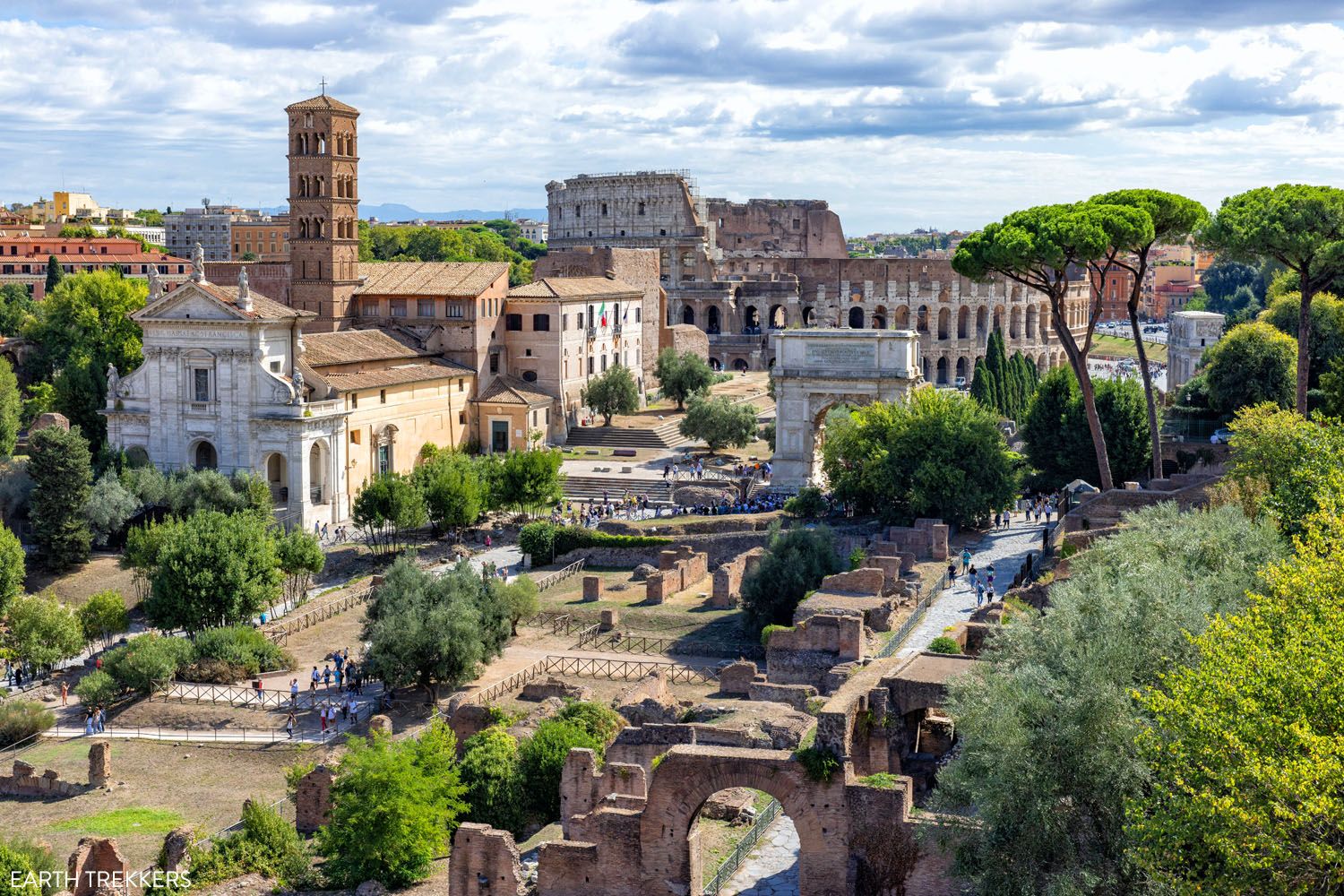
The view from Palatine Hill
5:00 pm: Altar of the Fatherland
The Altar of the Fatherland, also called Altare della Patria, the Victor Emmanuel II Monument, or simply the “wedding cake,” is one of the most recognizable landmarks in Rome.
For free, you can climb the series of staircases to the upper terrace and café. For the best view, ride the elevator to the top of the monument for panoramic views of Rome. From here, you can see all of Rome’s major landmarks, including the Colosseum, St. Peter’s Basilica, Palatine Hill, and the Roman Forum.
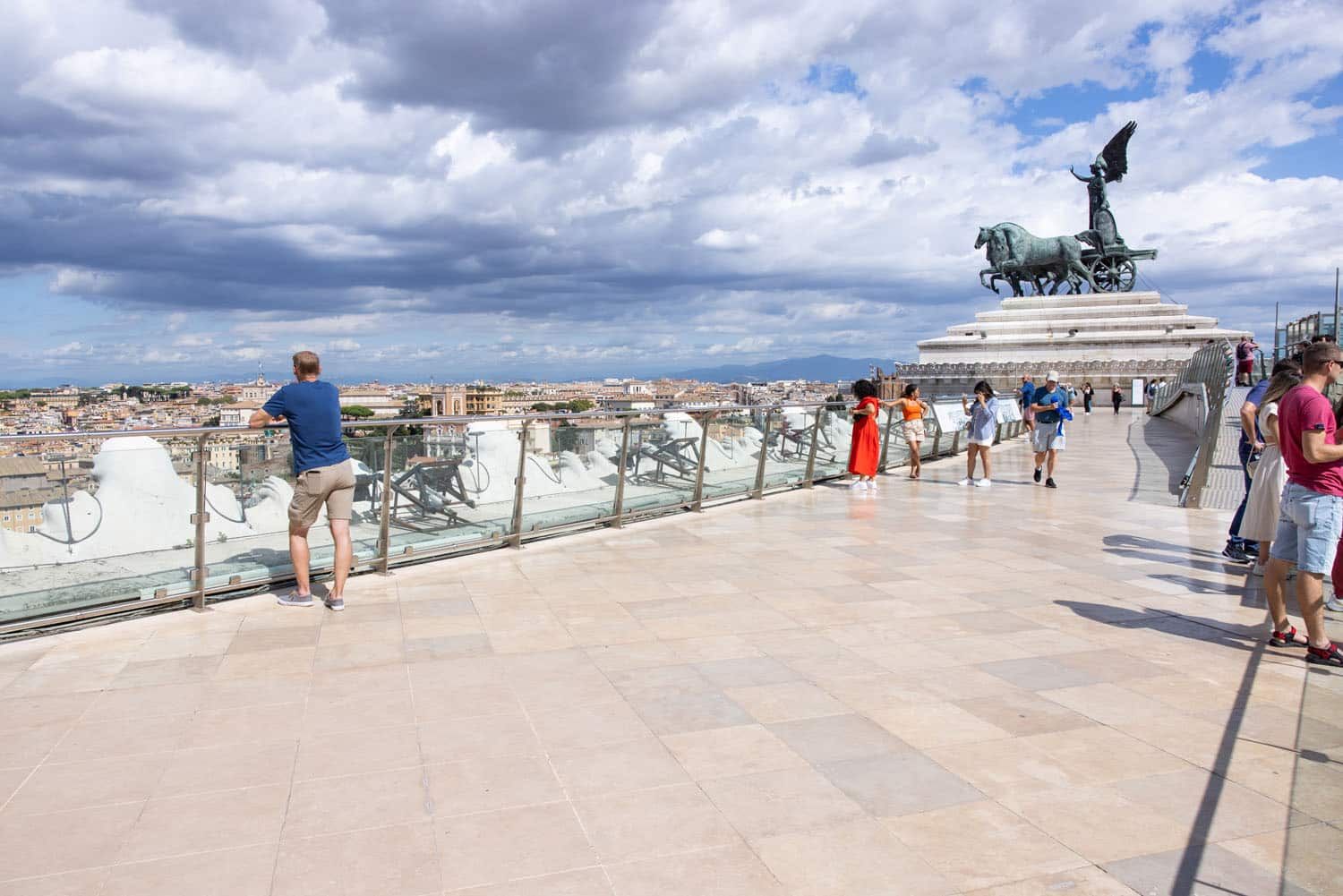
On top of the Altar of the Fatherland
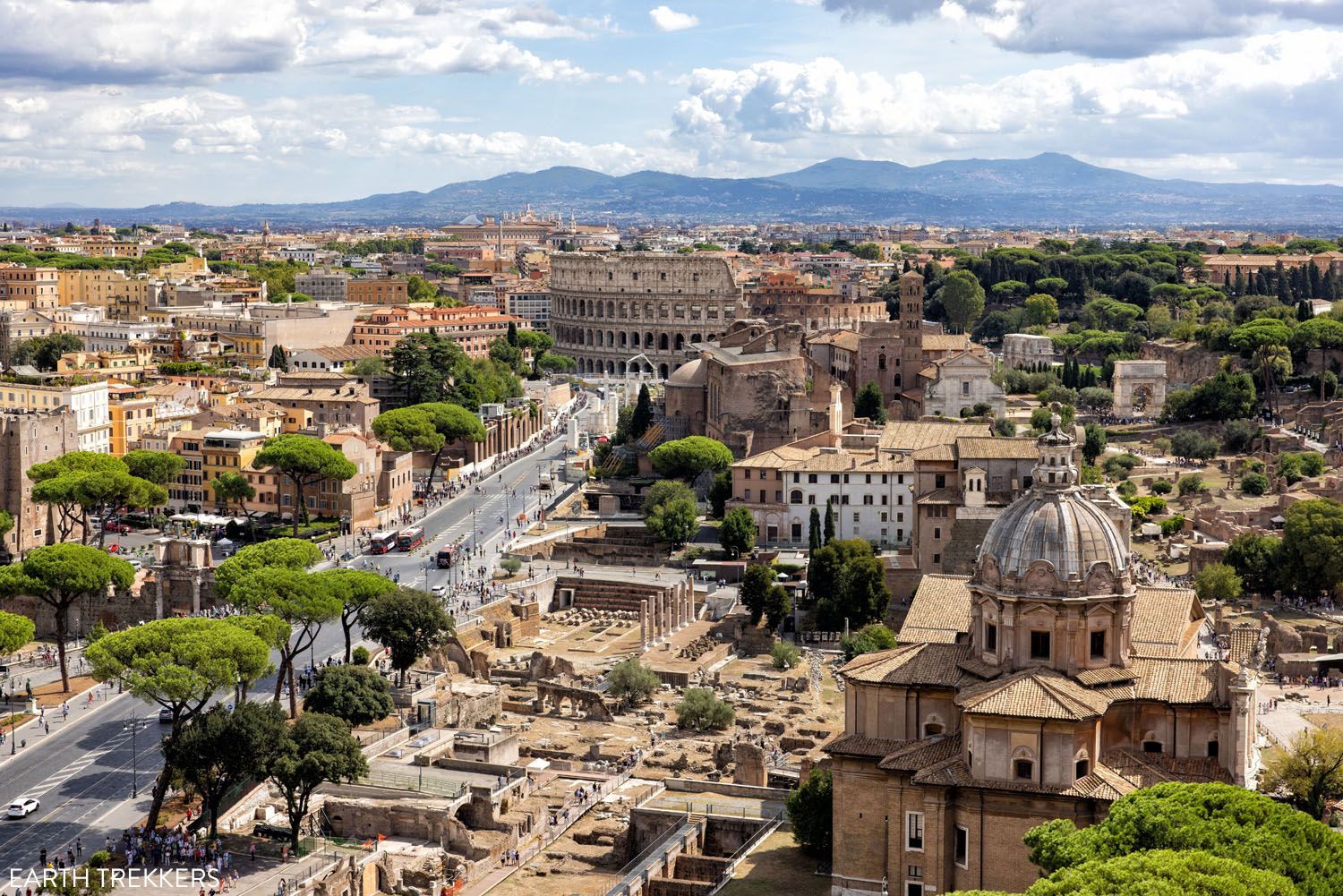
The view from the Altar of the Fatherland
6:00 pm: Aperitif at Oro Bistrot
Oro Bistrot is a rooftop terrace that has a spectacular view of the Altar of the Fatherland and the Trajan Forum. They open mid-afternoon and you can have a drink here and then move on or stay for dinner (dinner does not start until 7 pm). Make a reservation in advance for drinks and dinner.
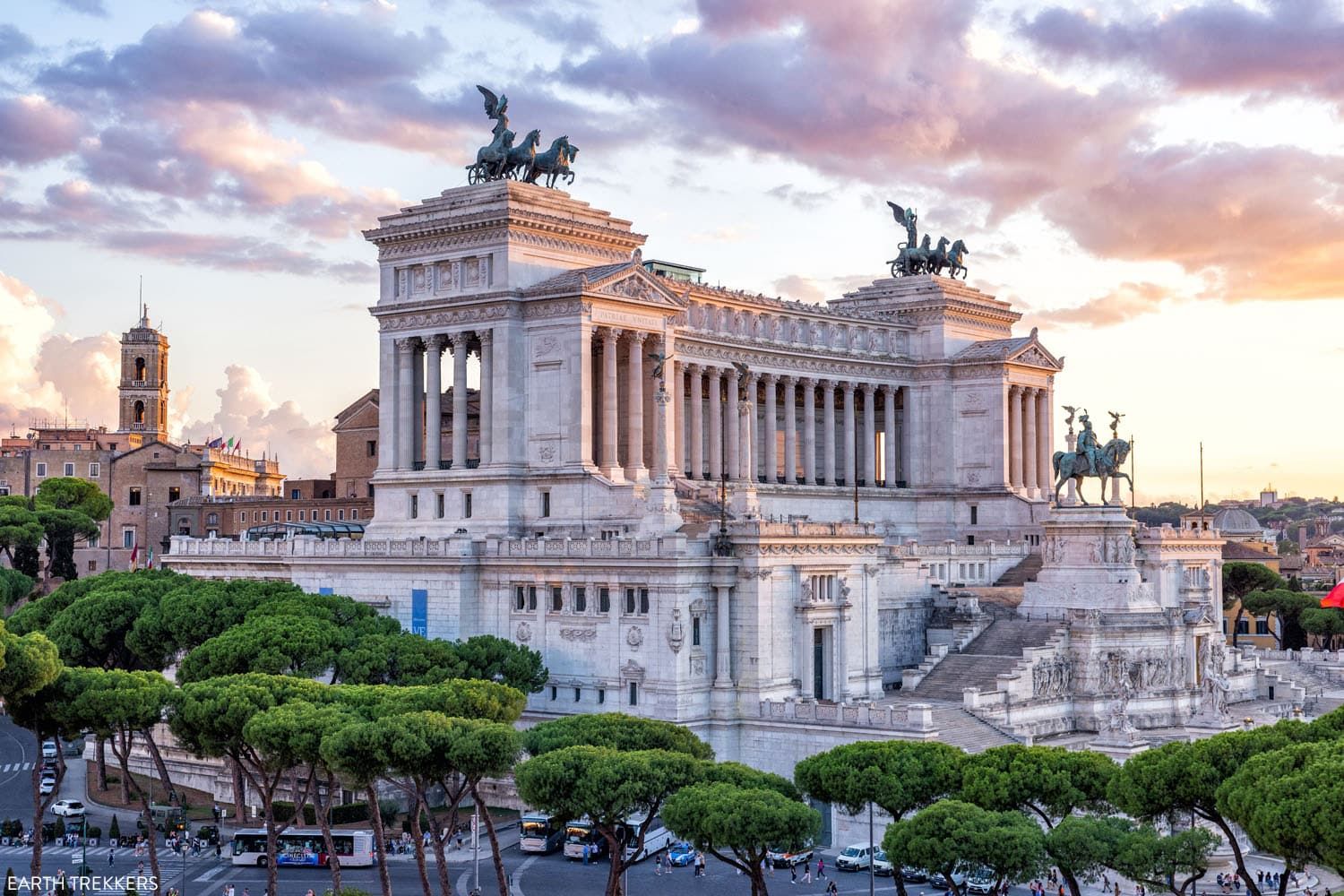
The view from Oro Bistrot at sunset
Day 3: Travel to Florence
Overnight: Florence
Highlights: Florence Duomo, Ponte Vecchio, Piazzale Michelangelo
Transportation: High-speed train
In the morning, check out of your hotel and make your way to the Rome Termini Station.
There are several trains per hour that connect Rome to Florence. These range from cheaper, slower, regional trains that might require a connection, to direct, faster trains. Travel times range from one and a half hours up to almost 4 hours.
In my opinion, the cost savings aren’t worth the longer travel times for the regional trains. Depending on the time of year you will be traveling, it might just be €15 more to take the high-speed Frecciarossa train to Florence.
I recommend booking your tickets in advance and choosing a time that gets you into Florence no later than mid-morning.
Trains arrive in Florence at the Florence Santa Maria Novella Station. To get to your hotel, you can walk, take the bus, or hire a taxi.
Afternoon in Florence
Florence is packed with world-class art museums, shopping, and numerous domes and towers to climb for breathtaking views of the city. On this 10-day Italy itinerary, you have this afternoon and tomorrow to visit Florence. Like Rome, it will be a bit of a whirlwind.
If you have an extra day or two to add to this itinerary, Florence would be a great place to add it. Doing so gives you the time to either slow down and savor Florence, or spend more time day tripping to the hill towns in Tuscany.
Visit the Duomo and Climb the Dome
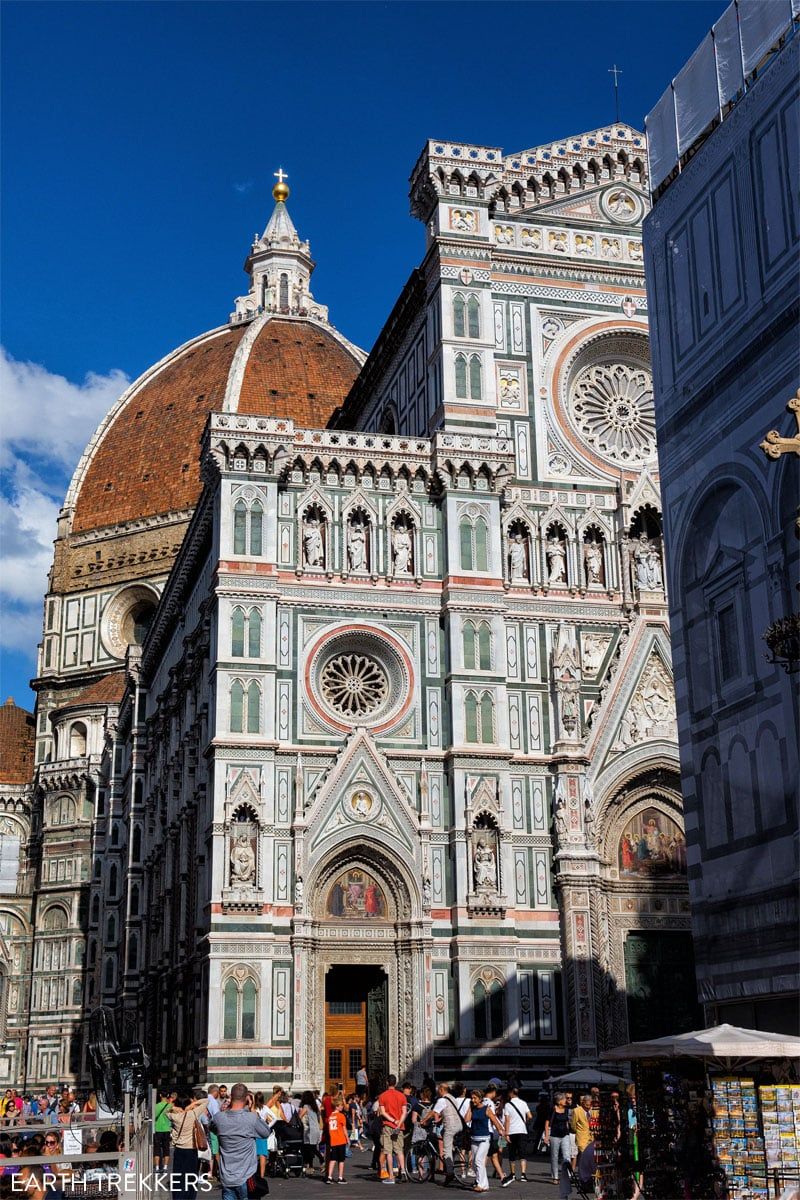
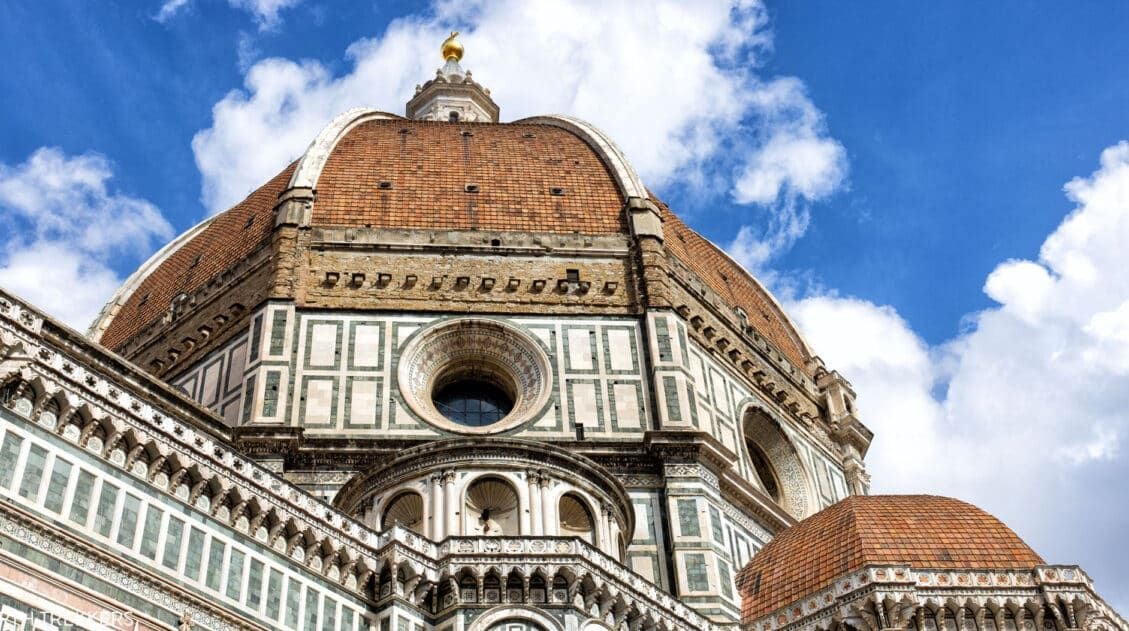
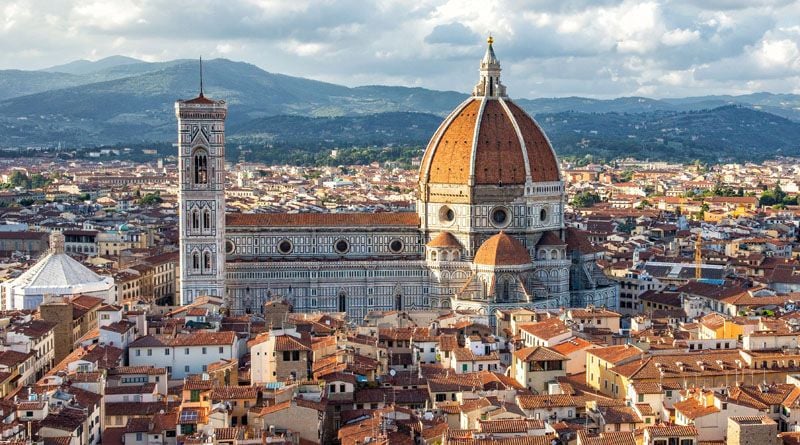
The Duomo, also called Cattedrale di Santa Maria del Fiore, is the centerpiece of Florence. The entire cathedral complex has multiple parts to it: the nave, Brunelleschi’s Dome, Giotto’s Bell Tower, the Baptistery, a museum, and Santa Reparata. It’s a great place to start your tour of Florence.
In our Guide to the Florence Cathedral, we cover all of the sites of the Duomo complex, ticket types, how to reserve your dome climb, and how to plan your time.
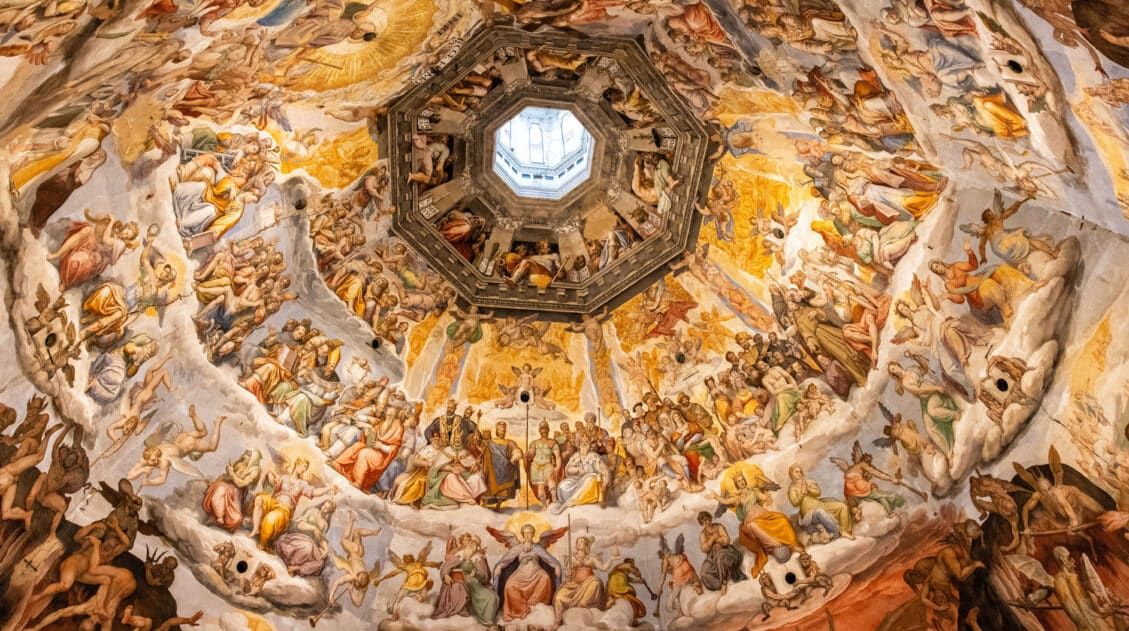
Climbing the 463 steps to the top of dome is one of Florence’s best experiences. Along the way you will have marvelous views of the interior of the Duomo. These paintings are the “Last Judgement” frescoes showing heaven and hell. They are very graphic and Tyler and Kara were mesmerized by these, in particular the creepy portrayal of hell.
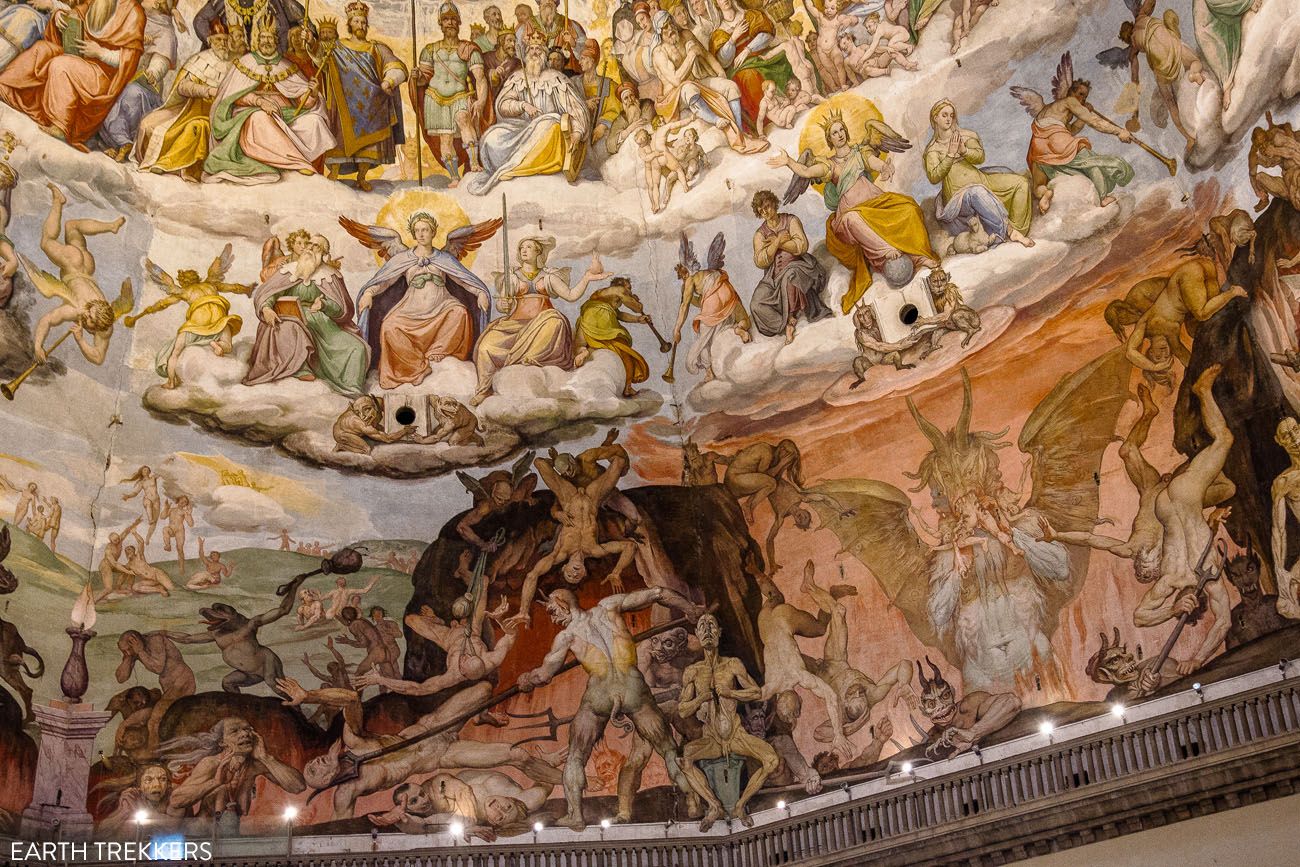
The Last Judgement frescoes on the dome
From the top of the Dome, enjoy one of the best views of Florence.
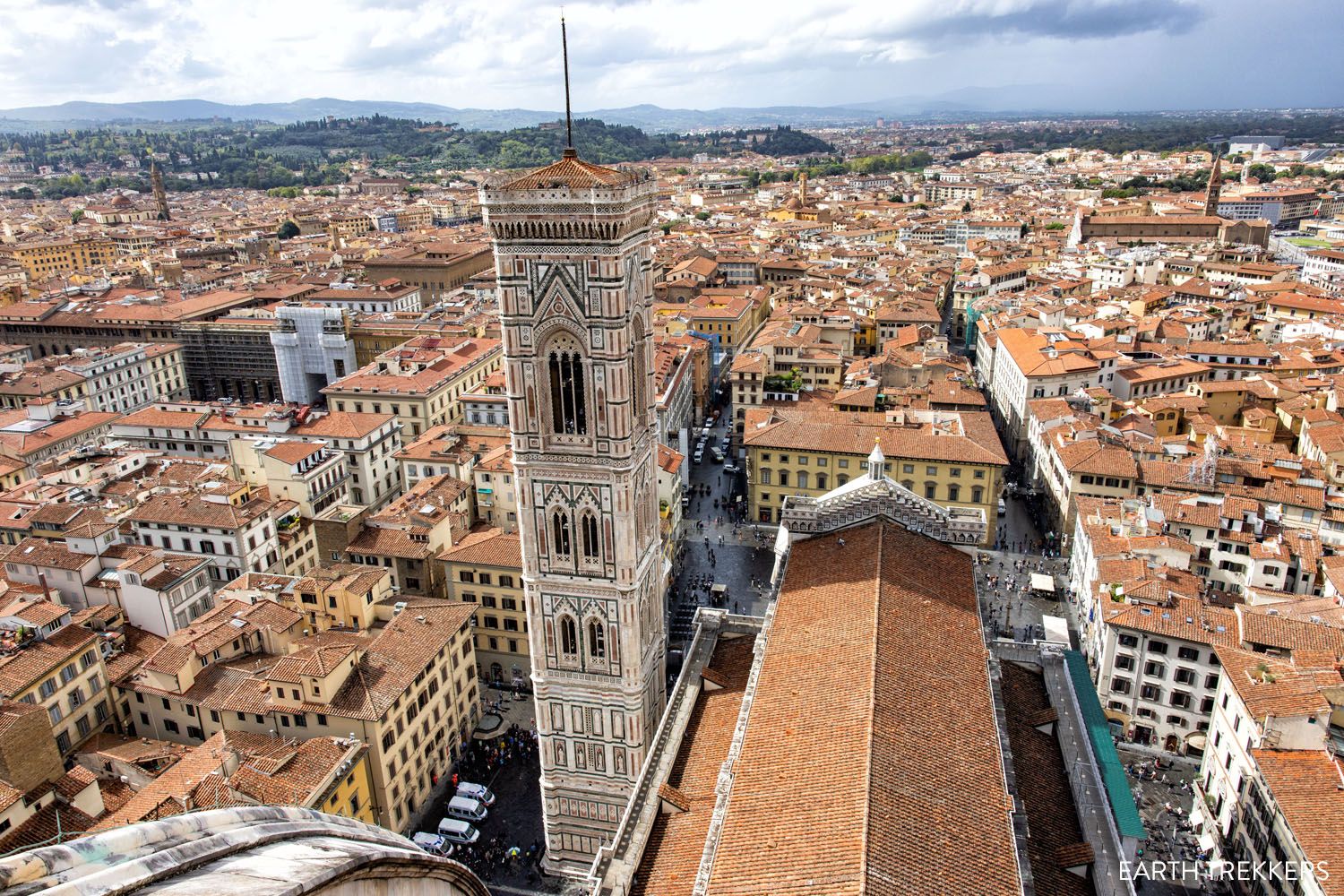
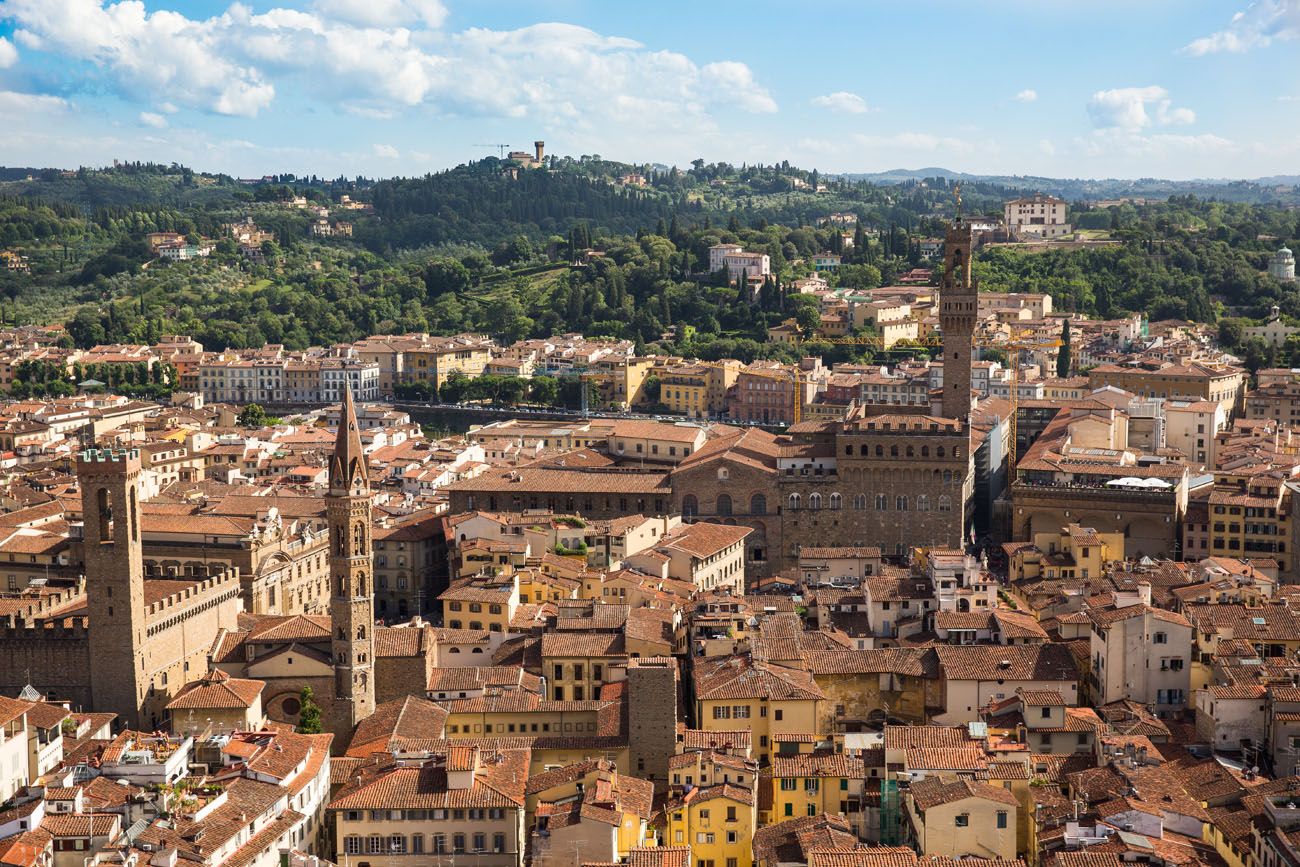
PRO TRAVEL TIP: Reservations are mandatory to climb the dome. Without a time slot you will be unable to climb the dome. These time slots tend to sell out days in advance. As soon as you know your dates of travel, I recommend booking your time slot to climb the dome. If time slots are sold out for your dates of travel, you can also purchase an entry ticket here.
Cost: €30; this includes the entire Duomo complex, including the Baptistery and Giotto’s Bell Tower (mentioned next)
Hours: Monday through Friday 8:15 am to 7:45 pm; Saturday 8:15 am to 5:30 pm; Sunday 12:45 pm to 5:30 pm
Website: Get updated hours here.
Visit the Baptistery
The Baptistery is one of the oldest buildings in Florence. It stands in Piazza del Duomo across from the Duomo. The giant bronze doors with relief sculptures are the main attraction but go inside to see the beautiful mosaics on the inside of the cupola.
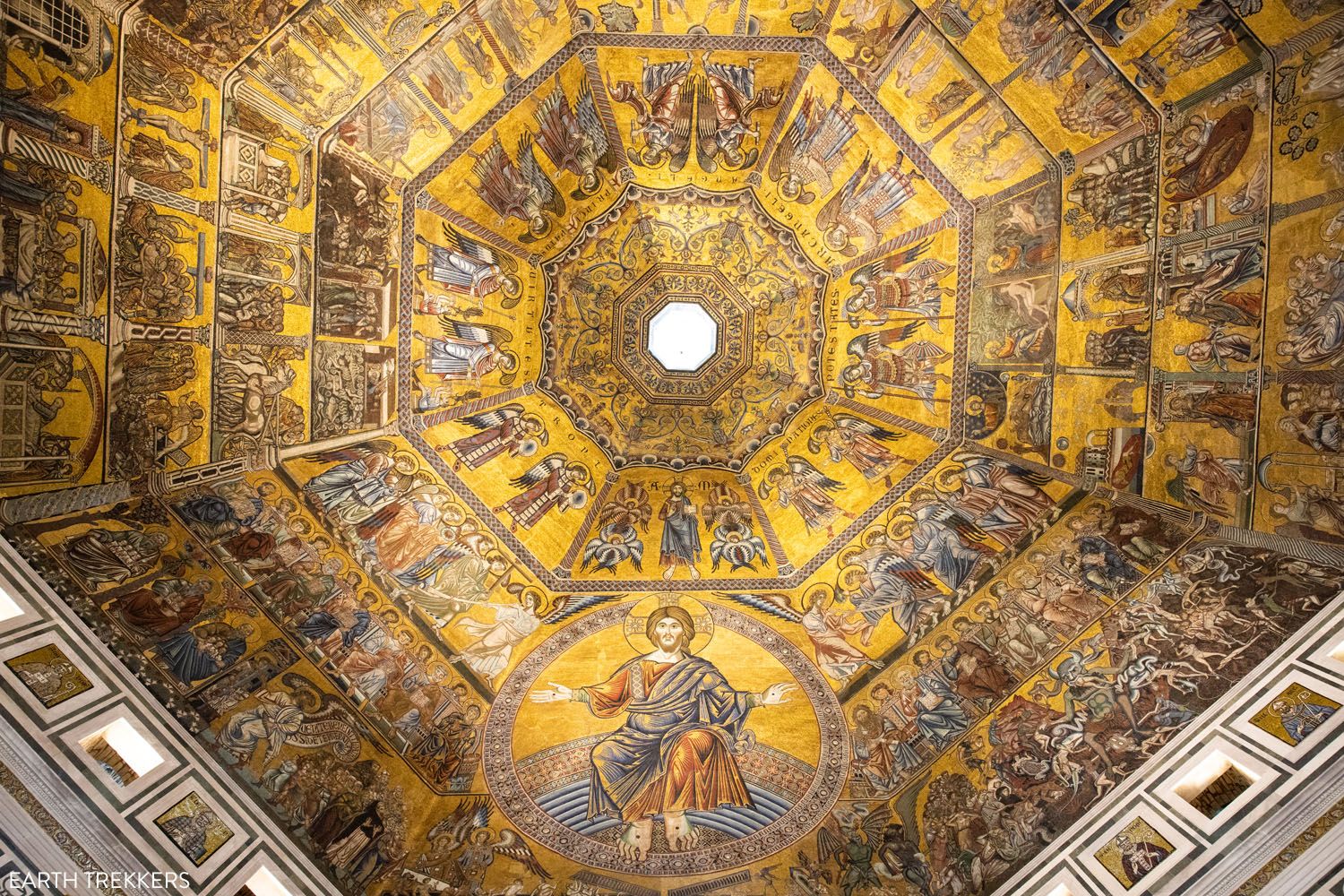
Mosaic ceiling of the Baptistery
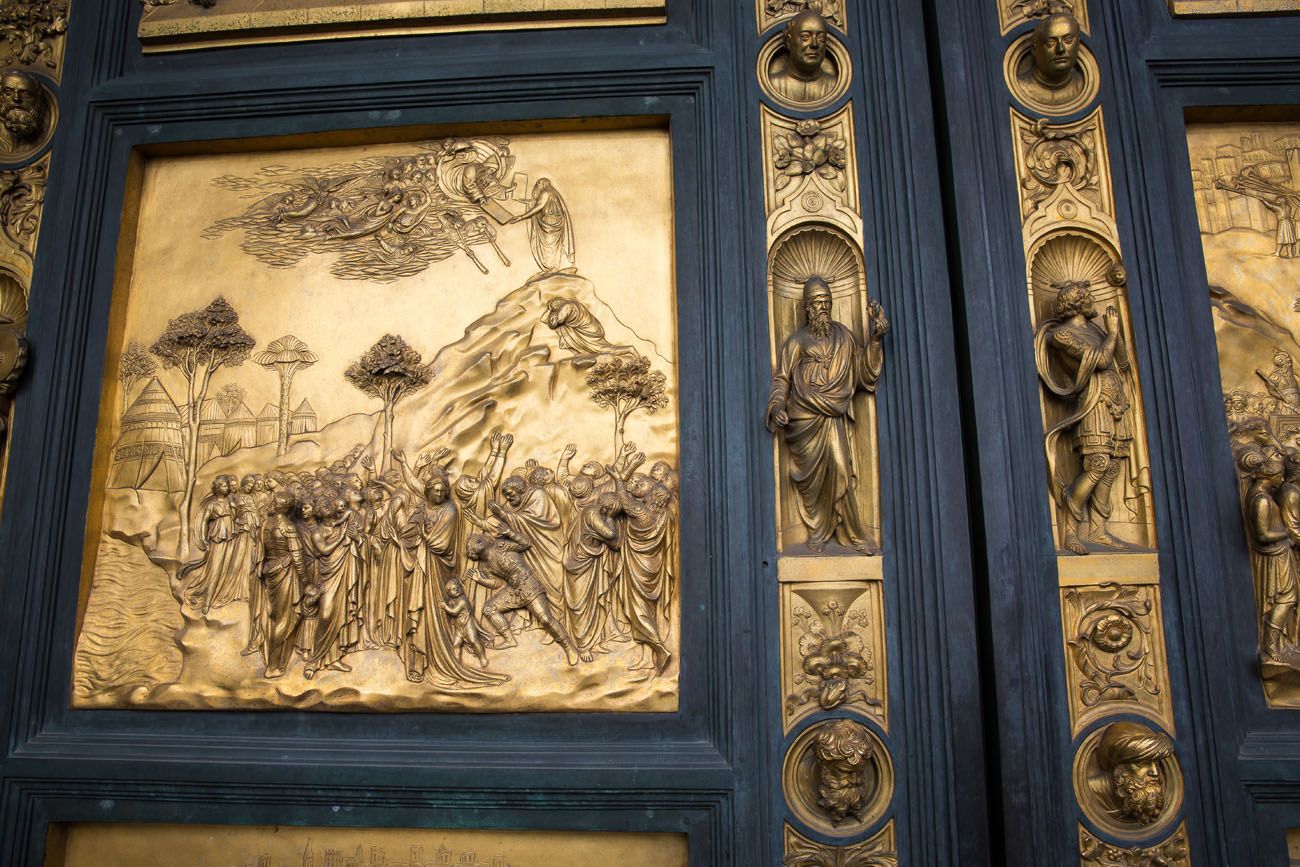
Replica of the Gates of Paradise doors of the Baptistery
Enjoy the View from Giotto’s Bell Tower
Giotto’s Bell Tower, also called the Campanile, is the tall tower attached to the Duomo. For an awesome view of Florence, and a chance to look down on the dome, climb the 414 steps to the top.
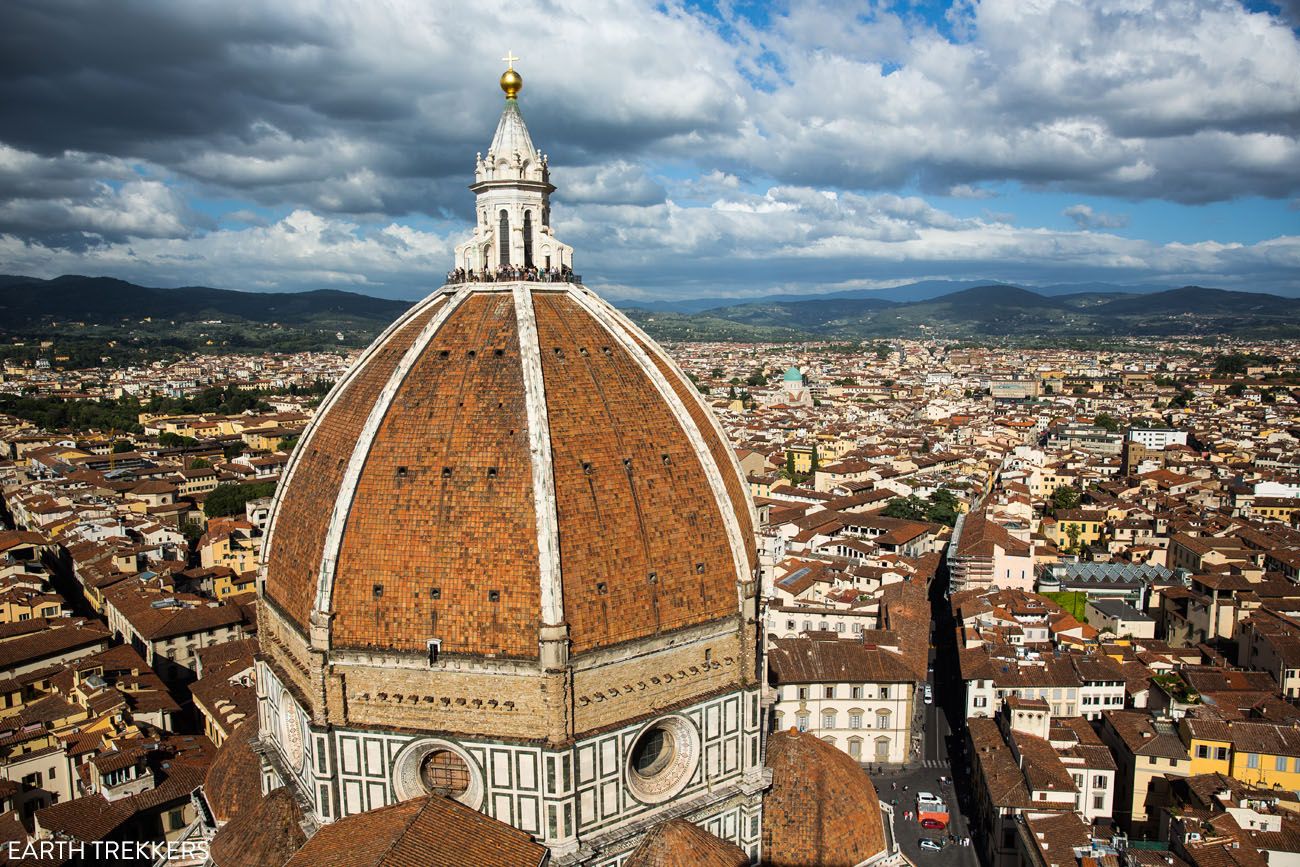
The Duomo
Ponte Vecchio & Piazzale Michelangelo
In the late afternoon, stroll across Ponte Vecchio. This medieval stone bridge spans the Arno River. For centuries, shops have lined the sides of the bridge.
In the evening, go to Piazzale Michelangelo, the best place to watch the sunset in Florence. You can also have an apertif or glass of wine at one of the rooftop bars in Florence.
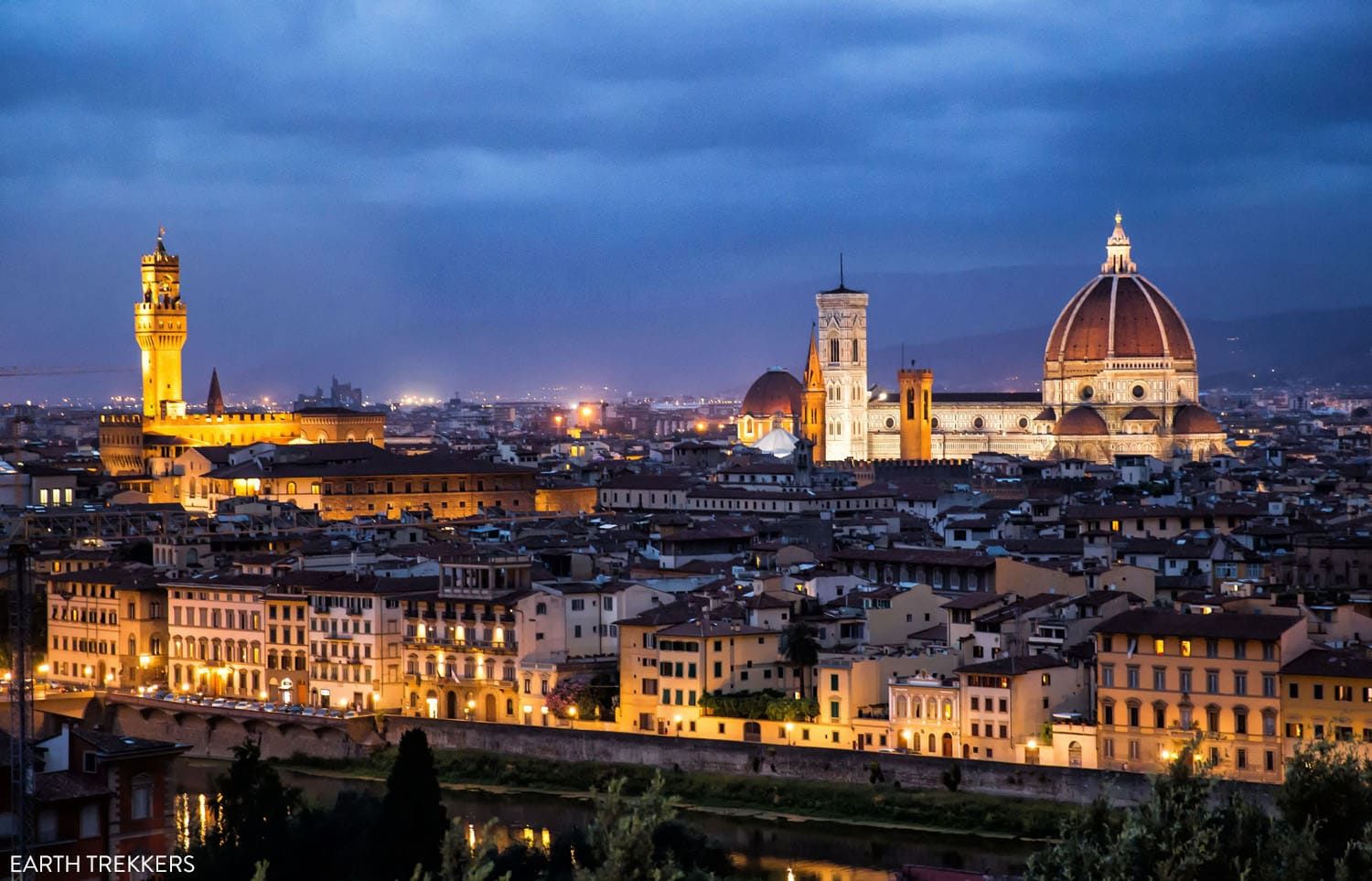
Piazzale Michelangelo
Where to Stay in Florence
On this 10 day Italy itinerary, you will spend three nights in Florence. For recommendations on where to stay, take a look at our Florence Hotel Guide. Take your pick from hotels with a view of the Duomo, budget hotels that get rave reviews, and the top hotels in the historic city center.
Florence City Guides
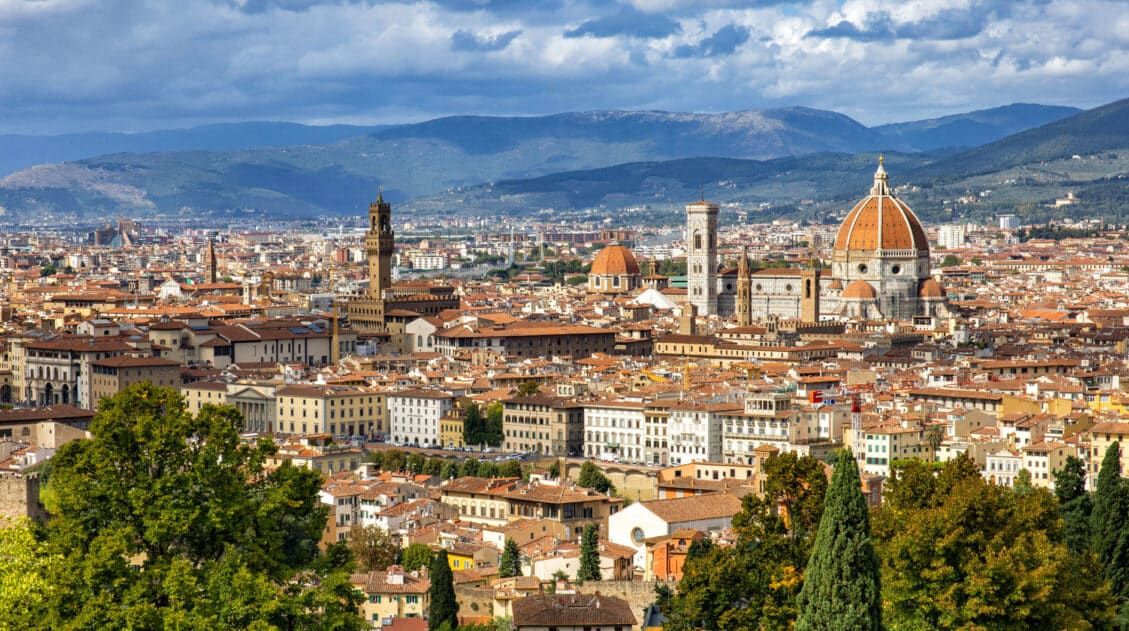
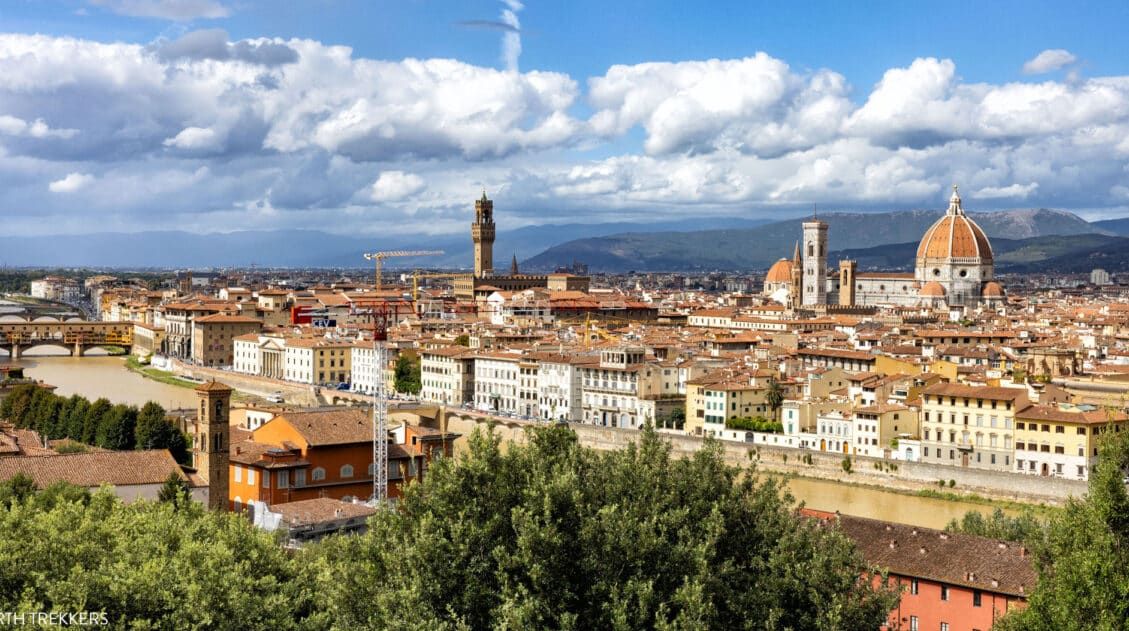
In our Florence city guides, we cover the best things to do, how to spend two days in Florence, and where to get the best views of Florence.
Day 4: Florence
Overnight: Florence
Highlights: Accademia Gallery, San Lorenzo Market, Palazzo Vecchio, Uffizi Gallery
Accademia Gallery
Start your day at the Accademia Gallery. At this gallery you get to see the statue of David, one of the most famous works of art in the world. This is another place where lines can be legendary so we recommend reserving your ticket in advance or joining a skip-the-line tour.
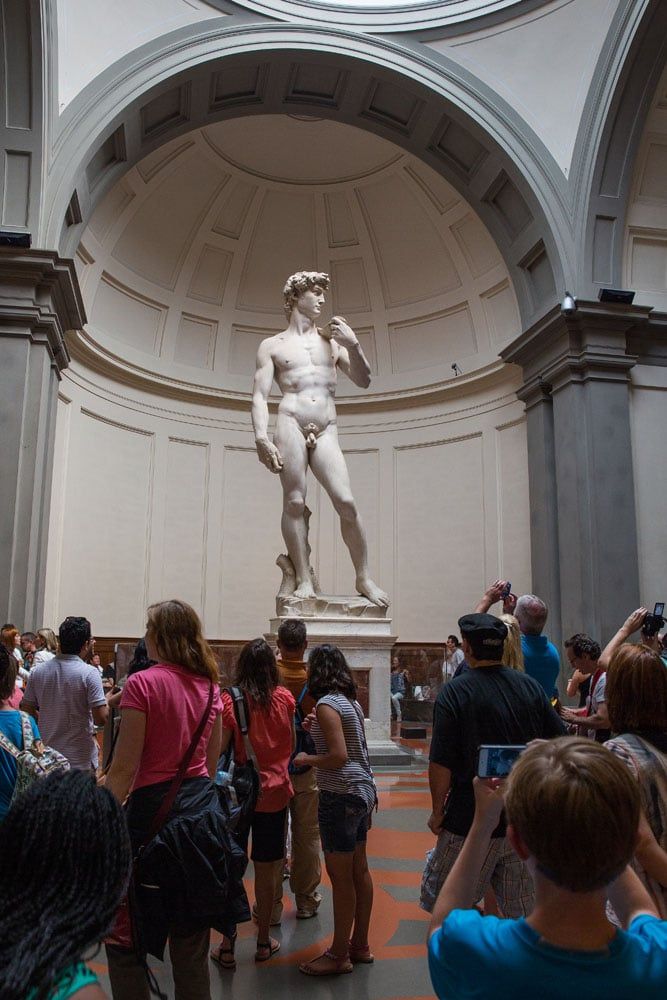
Accademia Gallery
Cost: €20; included on the Firenze Card
Hours: 9:00 am – 6:45 pm; closed Mondays
Website: Get more information and the link to purchase your tickets in advance on the official website.
San Lorenzo Market & Mercato Centrale
From Accademia Gallery, walk to San Lorenzo Market (8 minute walk). This outdoor market is a great place to shop for pottery, leather goods, and souvenirs. Then go inside of Mercato Centrale. This is a great place to gather food for a picnic lunch.
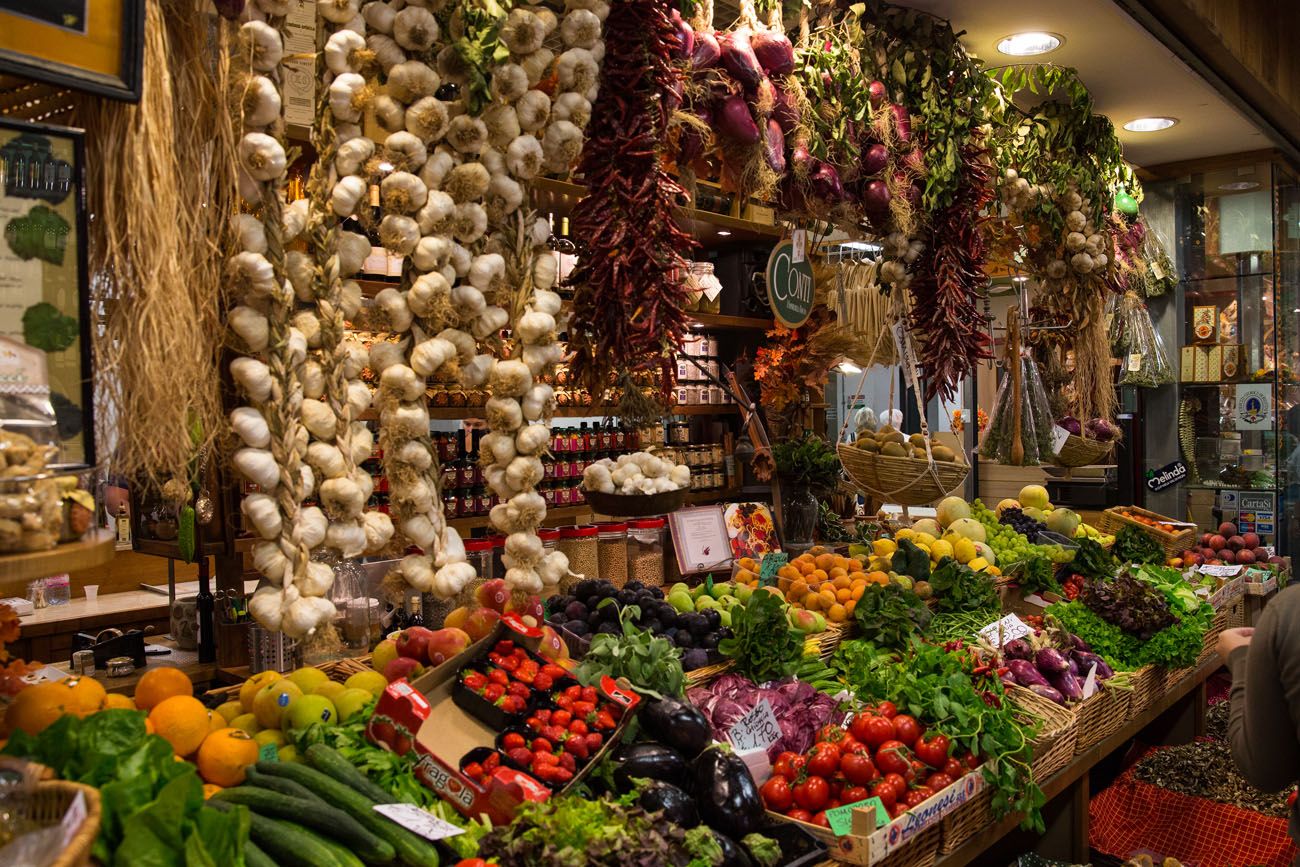
Mercato Centrale
Palazzo Vecchio
Stroll through the historic heart of Florence to Palazzo Vecchio (1 km, about 15 minutes).
The Palazzo Vecchio is the town hall of Florence. Go inside to tour the museum, take a tour of the Roman Ruins, or, you can do our favorite activity, climb the Arnolfo Tower.
This is one of my favorite views of Florence. From the top of the tower, enjoy panoramic views over the city. This is one of the best spots to get a great photo of the Duomo.
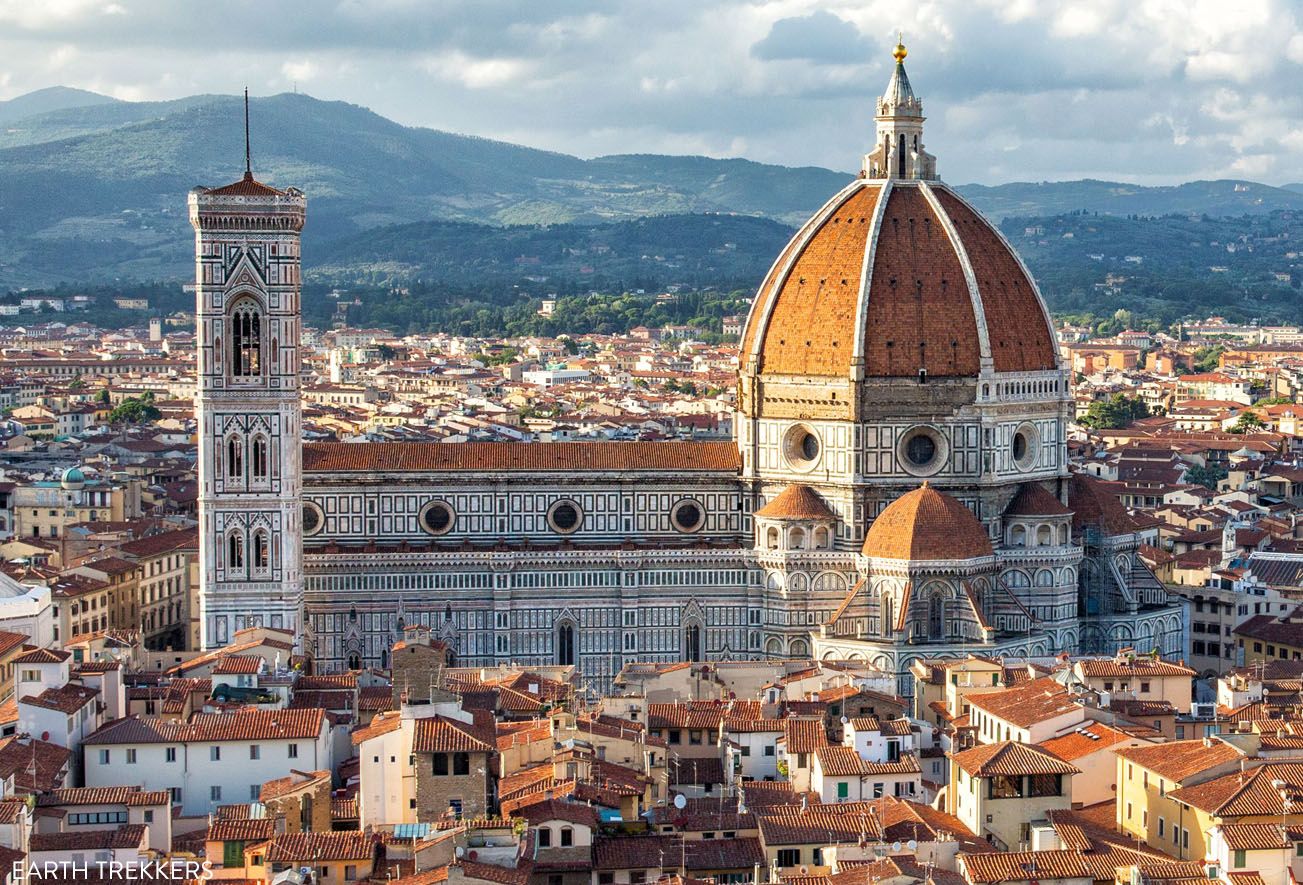
The view from Palazzo Vecchio
Bonus: Palazzo Vecchio is located in Piazza della Signoria. In this square you can visit the Loggia dei Lanzi, an open-air sculpture gallery of Renaissance art.
Cost: Museum €17.50, Tower €12.50; included on the Firenze Card
More Information: Visit the official website for updated hours, tours, and to purchase your tickets
The Uffizi Gallery
This world famous art museum contains works of art by Renaissance artists Leonardo da Vinci, Botticelli, Michelangelo, and many more.
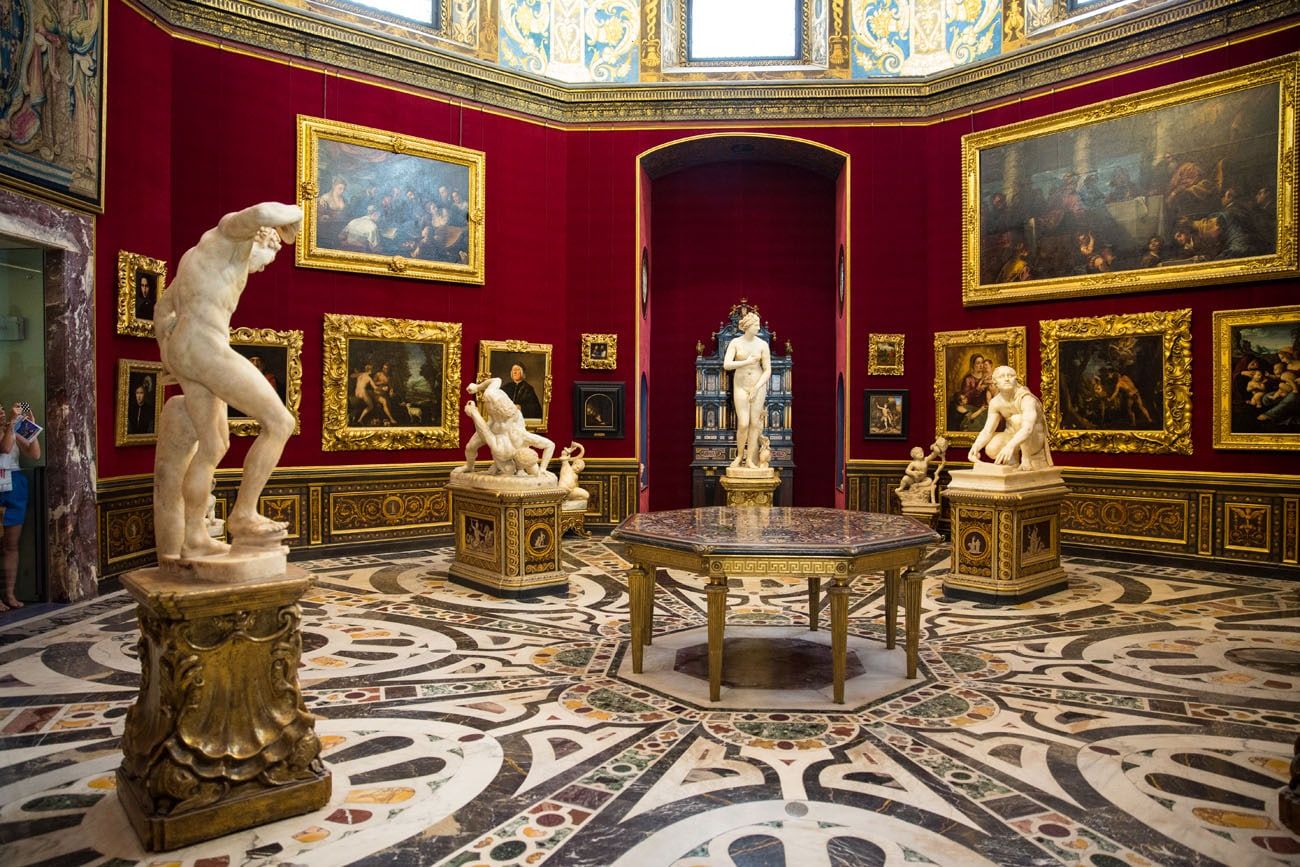
Uffizi Gallery
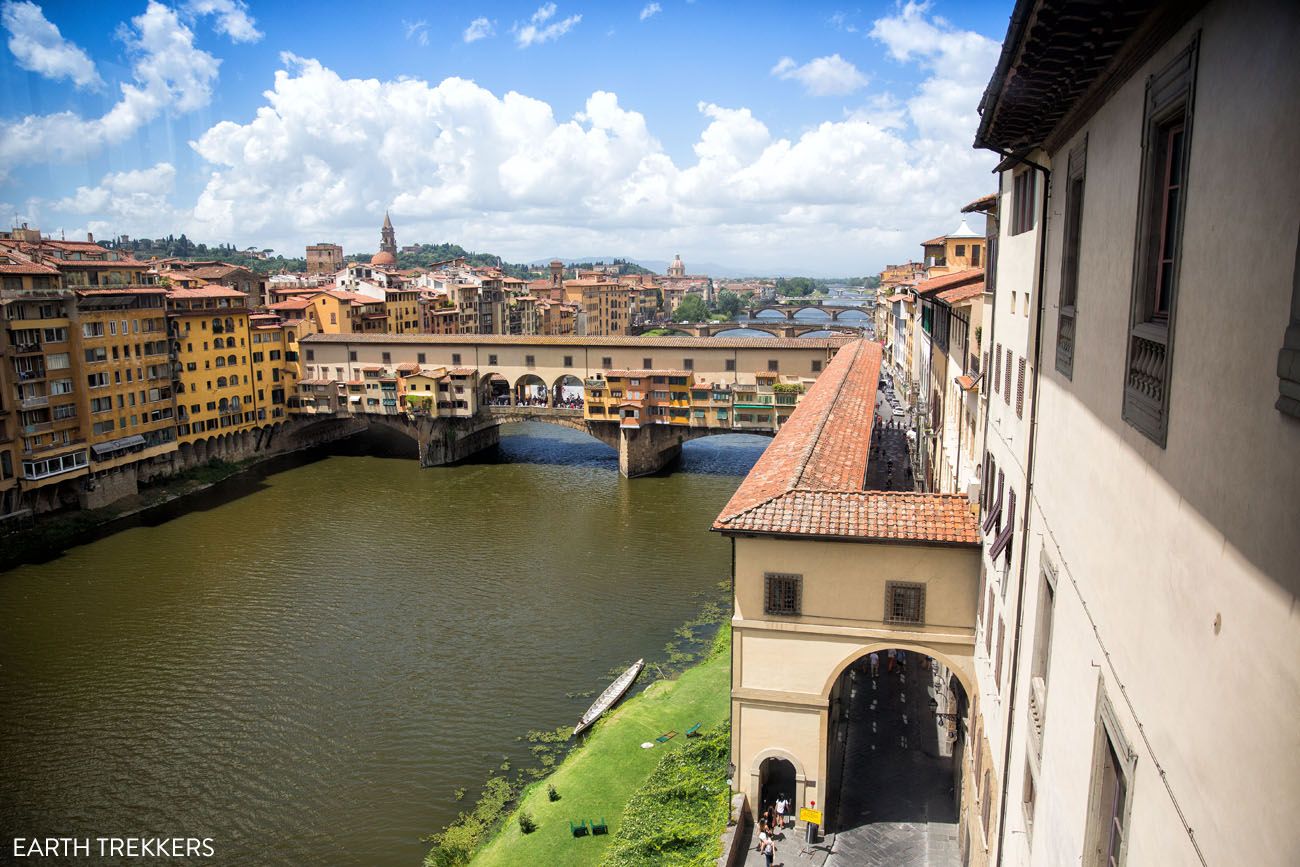
View of Ponte Vecchio from the Uffizi Gallery
PRO TRAVEL TIP: Lines can be long to enter the Uffizi. Skip the line by reserving your ticket in advance or using the Firenze Card to skip the ticket line. If time slots are sold out for your travel dates, you can purchase an entry ticket here or join a skip the line tour.
Cost: €29 online, €25 at the ticket office, €20 after 4 pm; included on the Firenze Card (an advance reservation is necessary with the Firenze Card)
Hours: 8:15 am – 6:30 pm; closed Monday
Boboli Gardens (Optional)
If you are still doing well on time, stroll across Ponte Vecchio to Boboli Gardens. Once here, you can tour Pitti Palace, see more sculptures, and get another wonderful view of Florence.
Website: Visit the official website for updated hours and pricing for Boboli Gardens and the Pitti Palace. Reservations are required on Saturdays and public holidays.
Evening
End your day drinks at a rooftop bar and dinner in Florence.
Day 5: Tuscany Day Trip
Overnight: Florence
Highlights: Tuscany’s hilltowns, vineyards, and countryside
Transportation: Small group tour, rental car, private driver, or bus
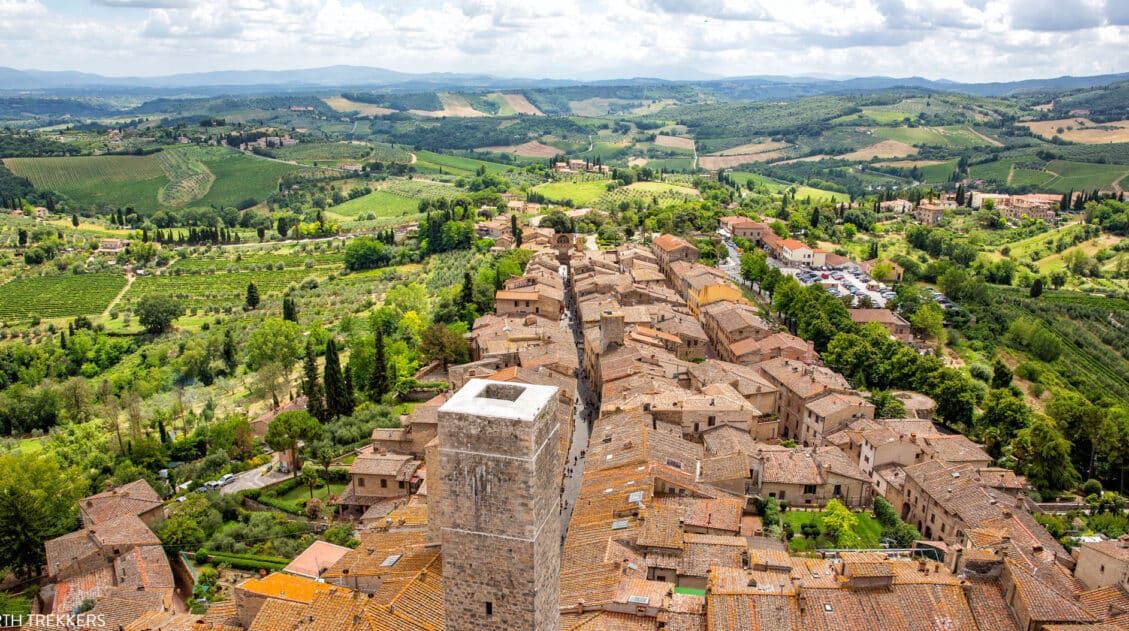
An advantage of basing yourself in Florence for three nights is one full day to explore the Tuscan countryside without packing and unpacking.
For ideas on where to go and how to get around Tuscany, take a look at our article Best Day Trips from Florence ↓
Best Day Trips from Florence: 15 Picks for Every Type of Traveler
Best day trips from Florence and exactly how to plan them.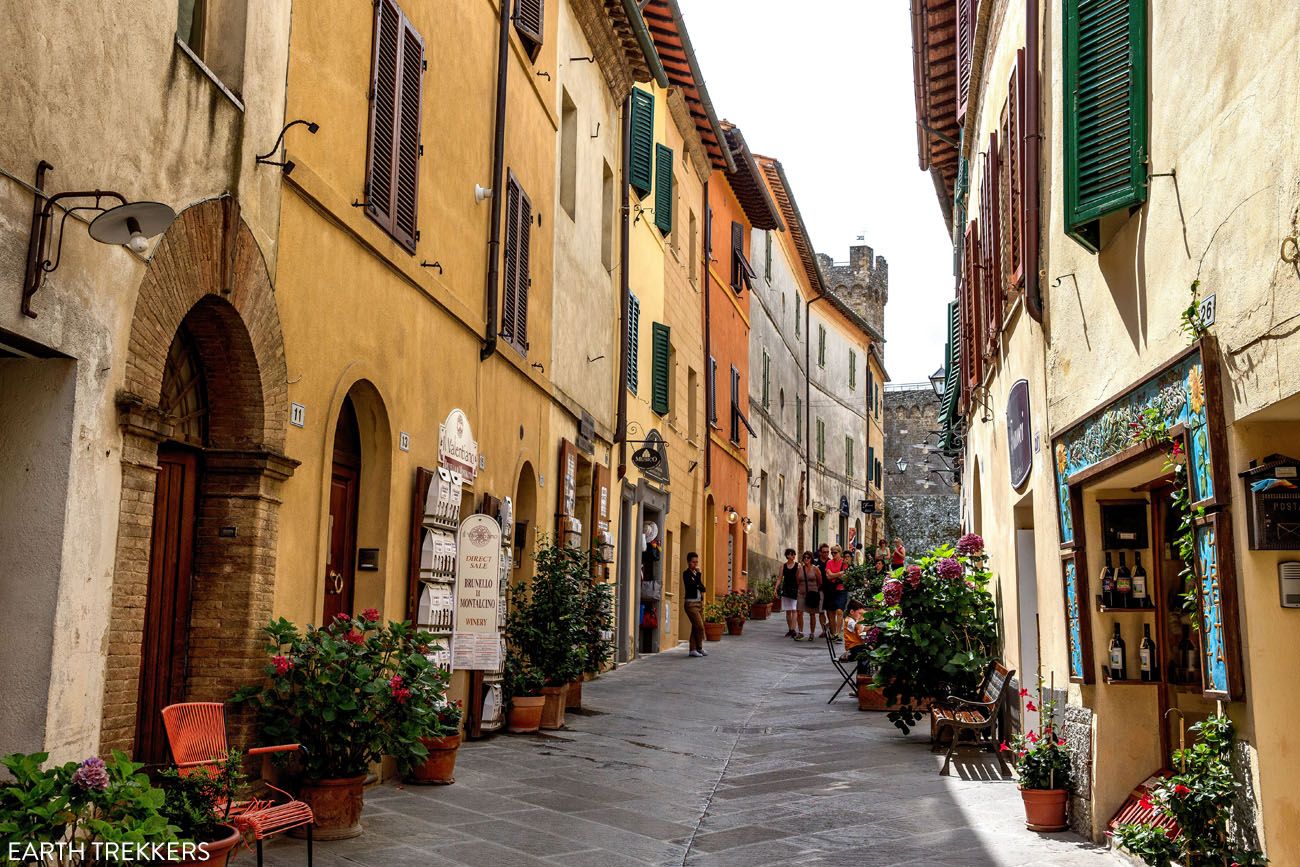
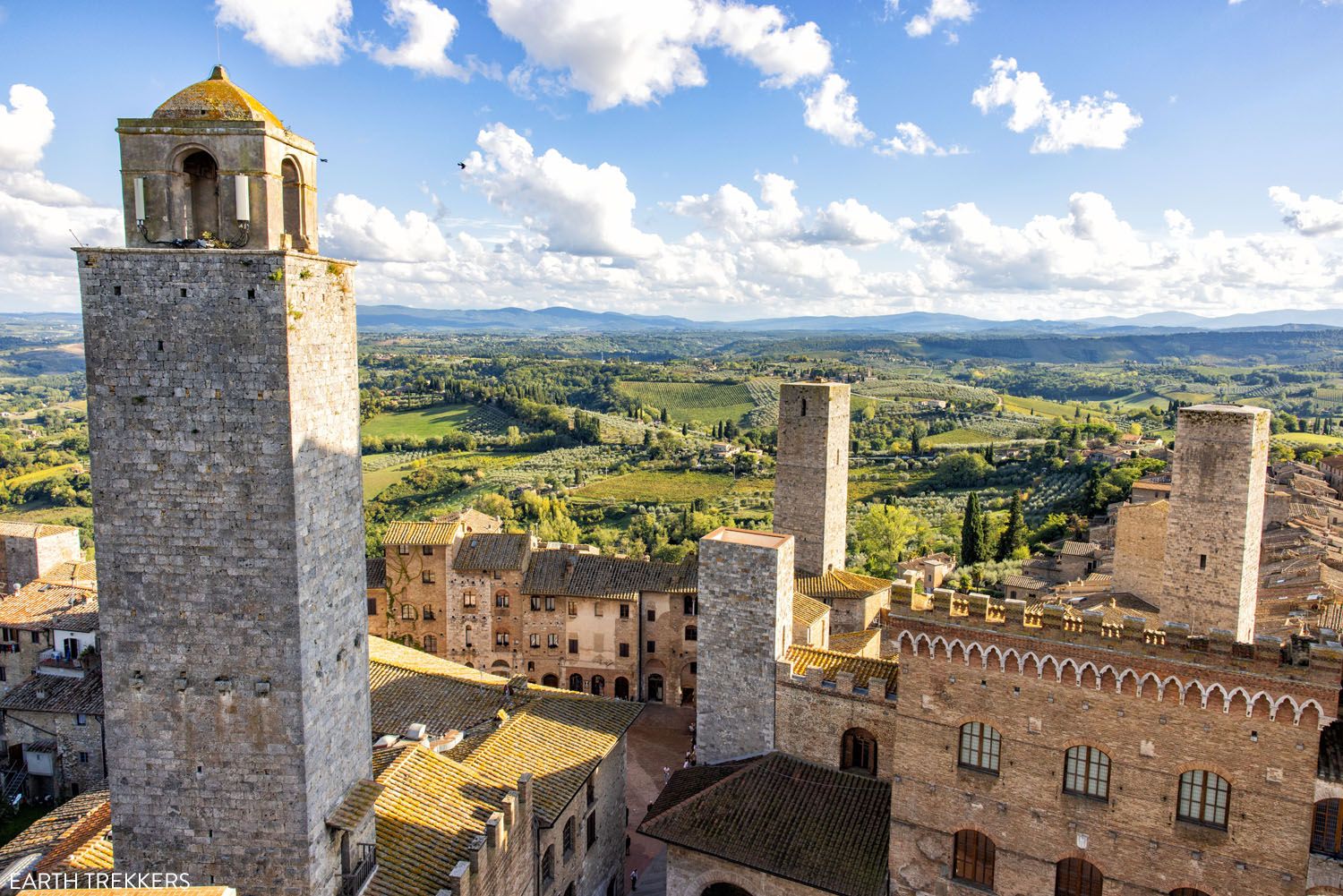
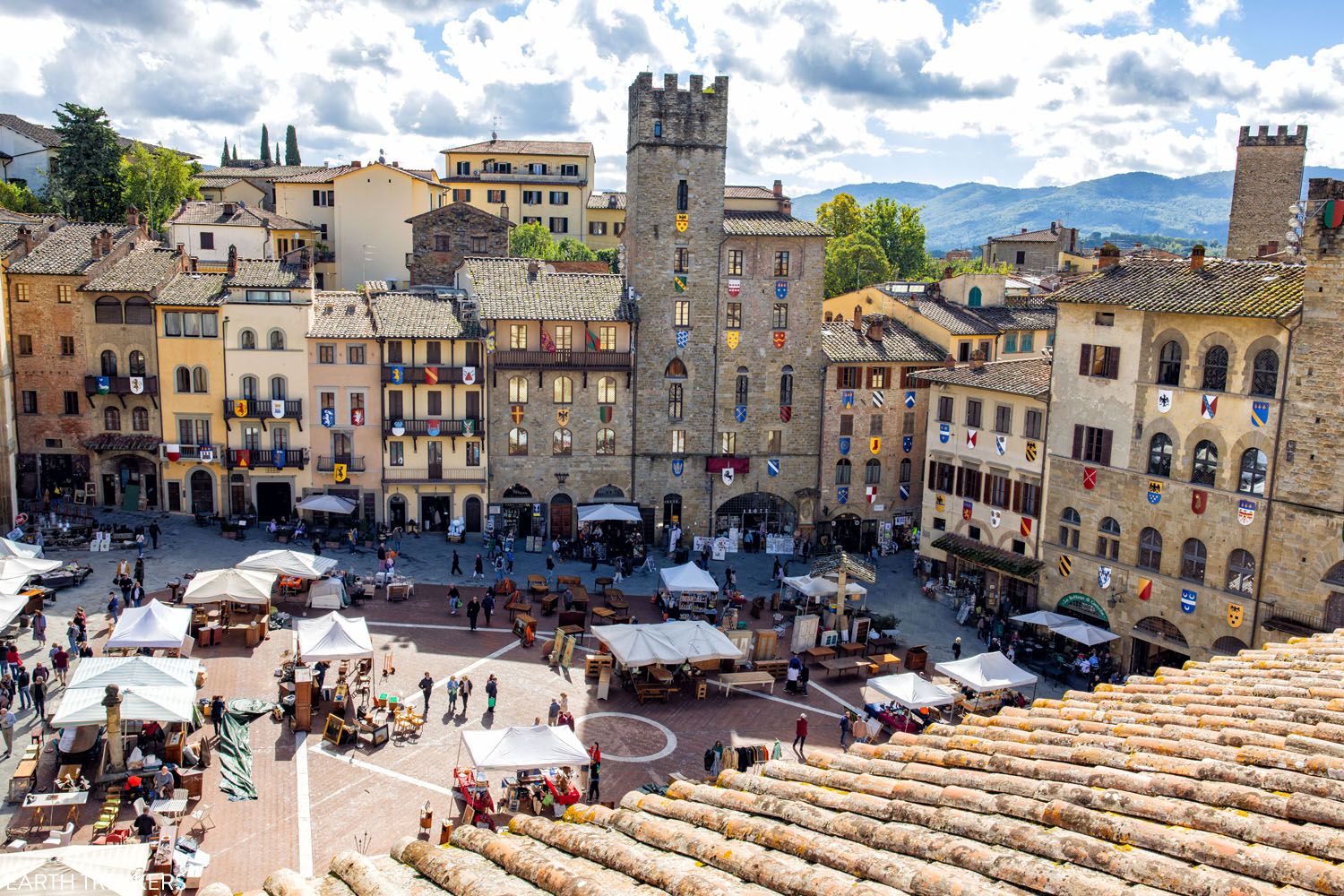
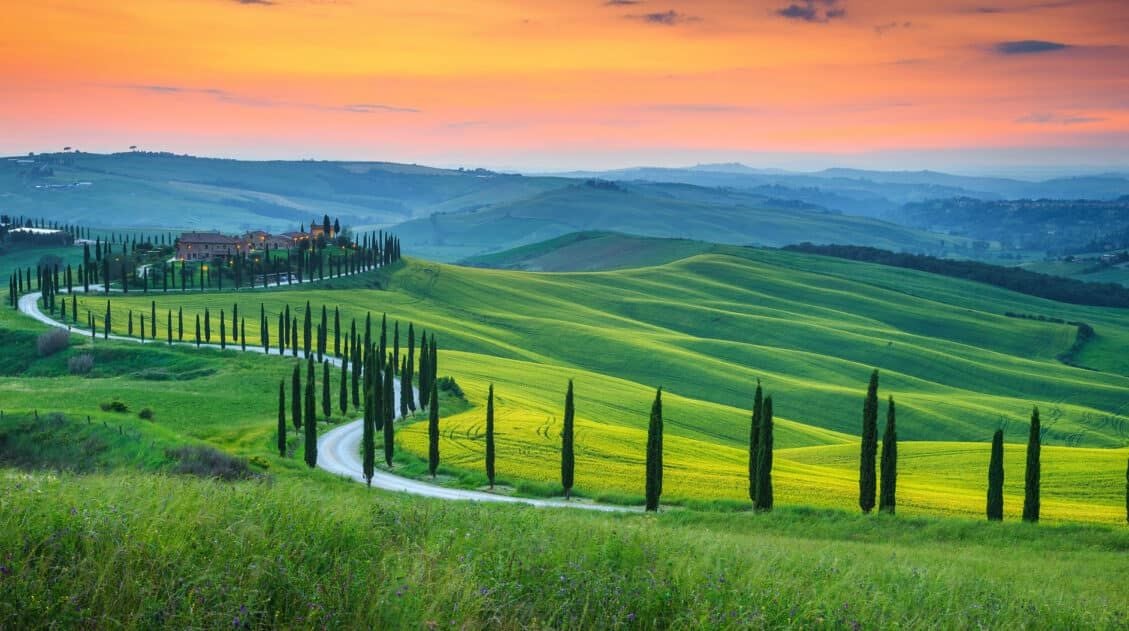
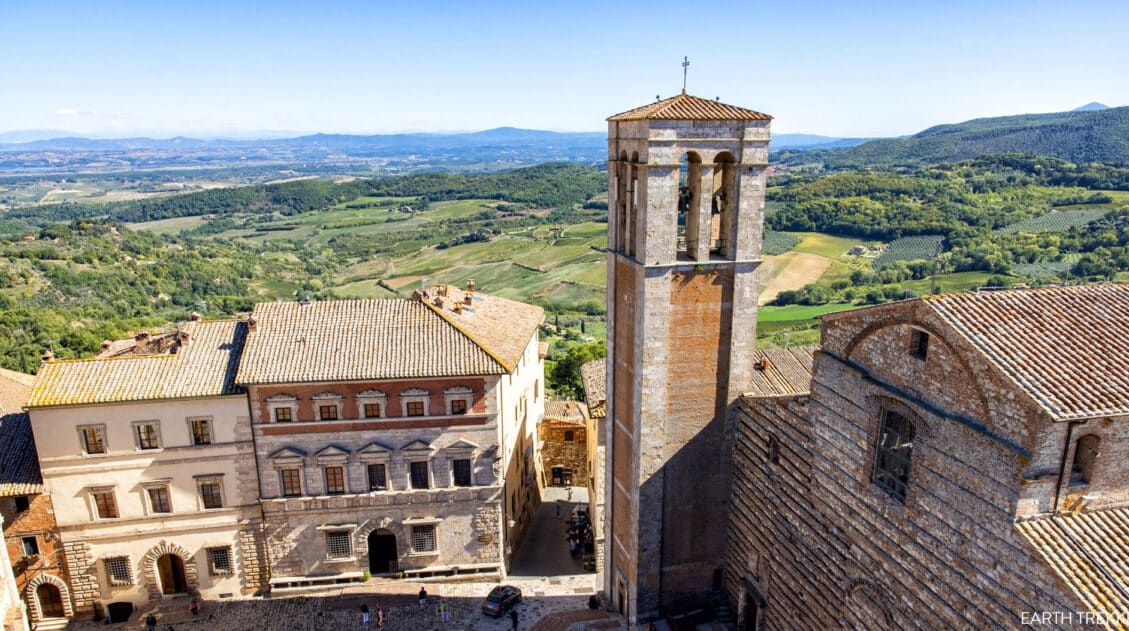
Joining a small group tour is our top recommendation. It takes care of all the logistics, gets you to towns that aren’t easily reached by public transit, and typically includes a knowledgeable guid.
Renting a car gives you the most flexibility. You get to set your own pace, linger where you want, leave when you’re ready. A private driver is worth considering if your budget allows and you’d rather not navigate unfamiliar roads.
We’ve done the bus and wouldn’t recommend it for most people. Siena and San Gimignano are technically reachable by public transit, but on our visit the buses were unreliable enough to cost us hours of waiting.
Tours of Tuscany
Read More about Tuscany
Day 6: Pisa & the Cinque Terre
Overnight: Cinque Terre (or La Spezia)
Highlights: Optional Pisa stop, arrival in Cinque Terre, sunset dinner
Transportation: Train Florence to La Spezia (1.5–3 hours direct or via Pisa transfer); local train between Cinque Terre towns (9 minutes from La Spezia to Riomaggiore
Morning: Travel to the Cinque Terre
In the morning, travel by train from Florence to the Cinque Terre. From Florence, it takes between an hour and a half and three hours to get to the Cinque Terre. The train arrives in La Spezia or Monterosso, where you will then get on the local train that links all five towns of the Cinque Terre.
For train schedules, pricing, and to purchase your tickets, visit italiarail.com.
Optional: Pisa
If you want to see the Leaning Tower of Pisa, it is easy to add on to today’s itinerary. Take the train from Florence to Pisa, store your luggage in the luggage storage center in the Pisa train station, and spend a few hours visiting Pisa. Retrieve your luggage and then take a second train to the Cinque Terre.
We did this on our first visit to Italy and really enjoyed it. It’s perfect for those who want to take the iconic photos with the Leaning Tower. Get the full logistics in our Leaning Tower of Pisa day trip guide.
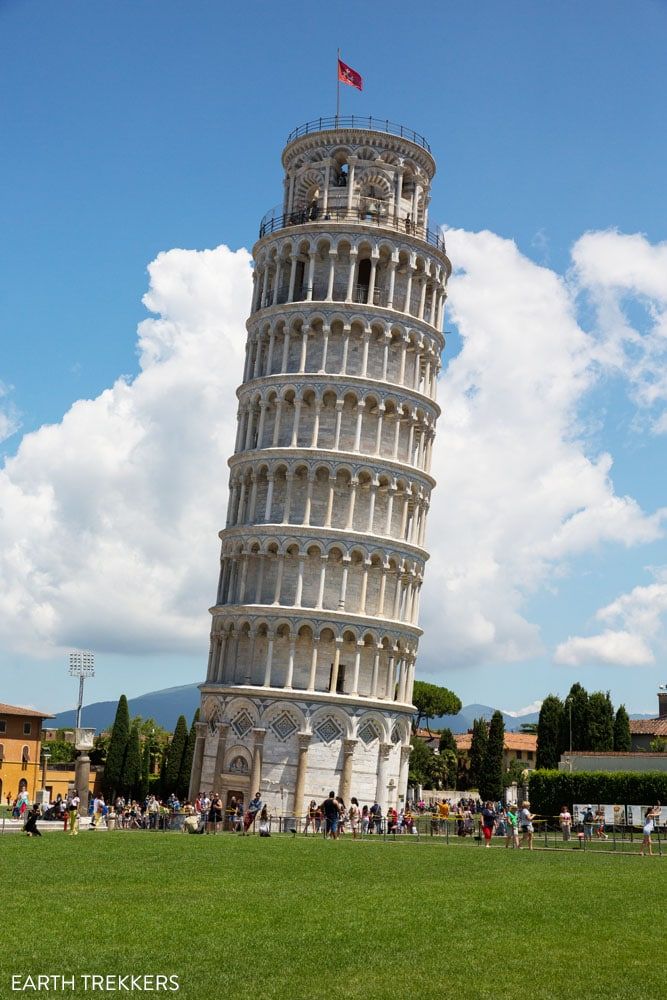
Leaning Tower of Pisa
Cinque Terre
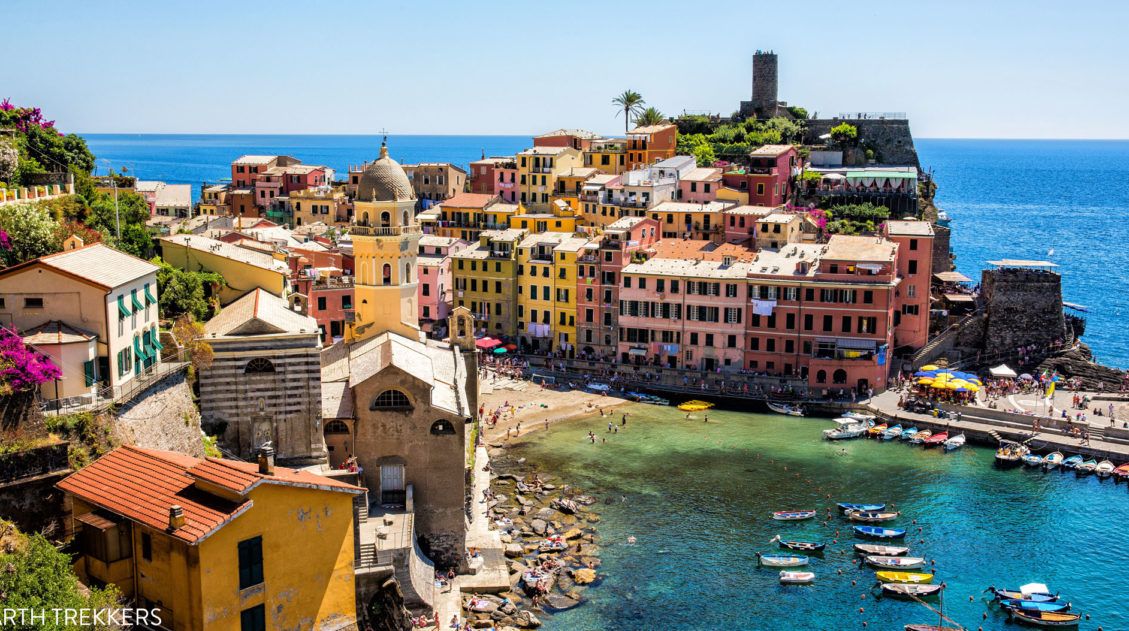
The Cinque Terre is a UNESCO World Heritage Site and one of Italy’s most photogenic destinations. Five colorful towns are perched on the dramatic coastline of Italy. Each town offers something a little bit different than the others, and part of the fun of visiting the Cinque Terre is picking your favorite one.
Once in the Cinque Terre, check into your hotel. Spend the rest of the day exploring the town where you are staying. For a great sunset spot, visit Riomaggiore and walk down to the waterfront.
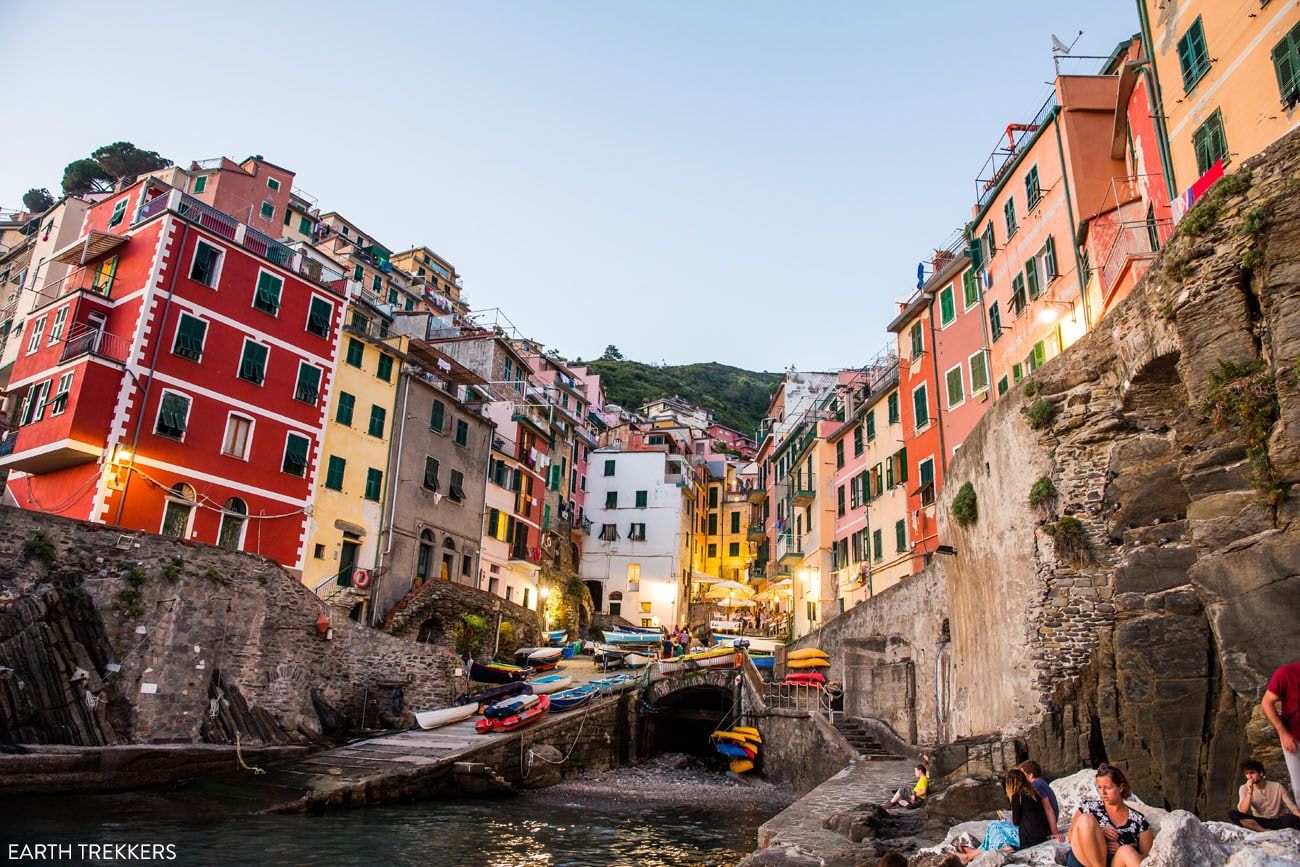
Riomaggiore
Where to Stay in the Cinque Terre
For two nights, stay in one of the five towns of the Cinque Terre or in La Spezia.
La Spezia sits just to the south of the Cinque Terre. It lacks the charm that you get by staying in the Cinque Terre, but hotels tend to be cheaper. To get to Riomaggiore, the southernmost town in the Cinque Terre, it is just a 9 minute train ride. Another advantage of staying in La Spezia is less time on the train on day 8, when you travel to Venice, since most trains from the Cinque Terre go through La Spezia.

Day 7: Cinque Terre
Overnight: Cinque Terre (or La Spezia)
Highlights: Hiking between towns and exploring the five villages
Transportation: Local train, ferry, or on foot between towns
Today, tour the Cinque Terre. You can tour the Cinque Terre by train, bus, boat, or by foot.
Hiking from town to town is one of the best ways to experience the Cinque Terre. Exploring each of the towns is wonderful, but some of the best views of the Cinque Terre come from the hiking trails. And since the train also connects all five towns, you don’t need to hike the entire distance. You can mix it up, alternating between using the trains and the hiking trails to get between the towns.
If you choose to hike the entire distance, it is 11 km one way and takes about 5 hours, not including time to explore each town.
In order to hike the trail, you have to purchase a ticket. There are various options for this, but the ticket is absolutely necessary. At every town we had to pass a checkpoint and show our tickets. We purchased the Treno Cinque Terre Card, which gave us unlimited trips on the trains for the day and access to the hiking trails.
We visited the Cinque Terre in July and hiked between all five towns, when Tyler and Kara were kids. Our day ended on the beach at Monterosso, and this was one of the highlights of our first trip to Italy. For hikers, families with older kids, and those who love being outdoors and active, this just may be one of your favorite days of this trip, too.
If the idea of hiking from town to town does not sound like your idea of fun, you can purchase a train ticket and use the train to hop from town to town. You can also take a guided tour from La Spezia where you visit several of the towns with an experienced guide.
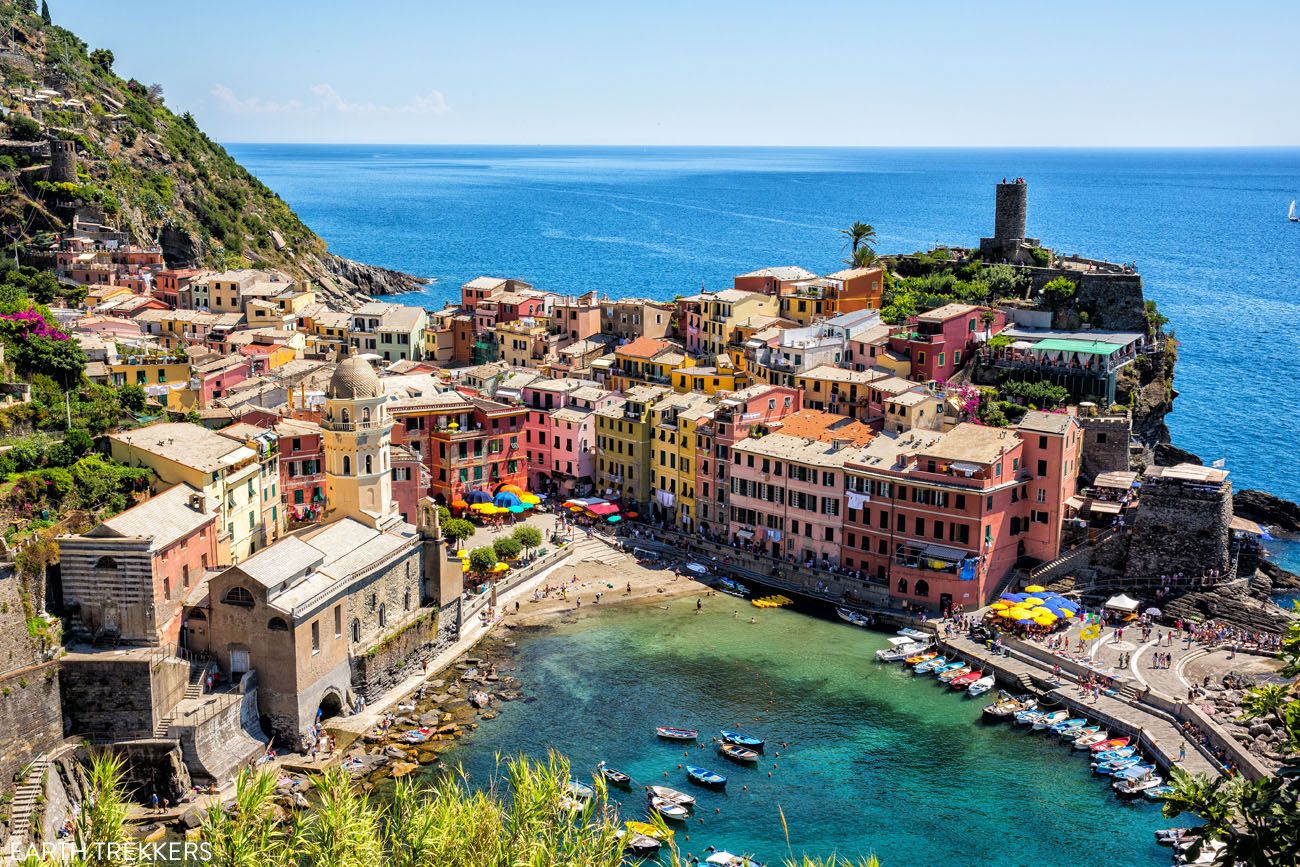
Vernazza
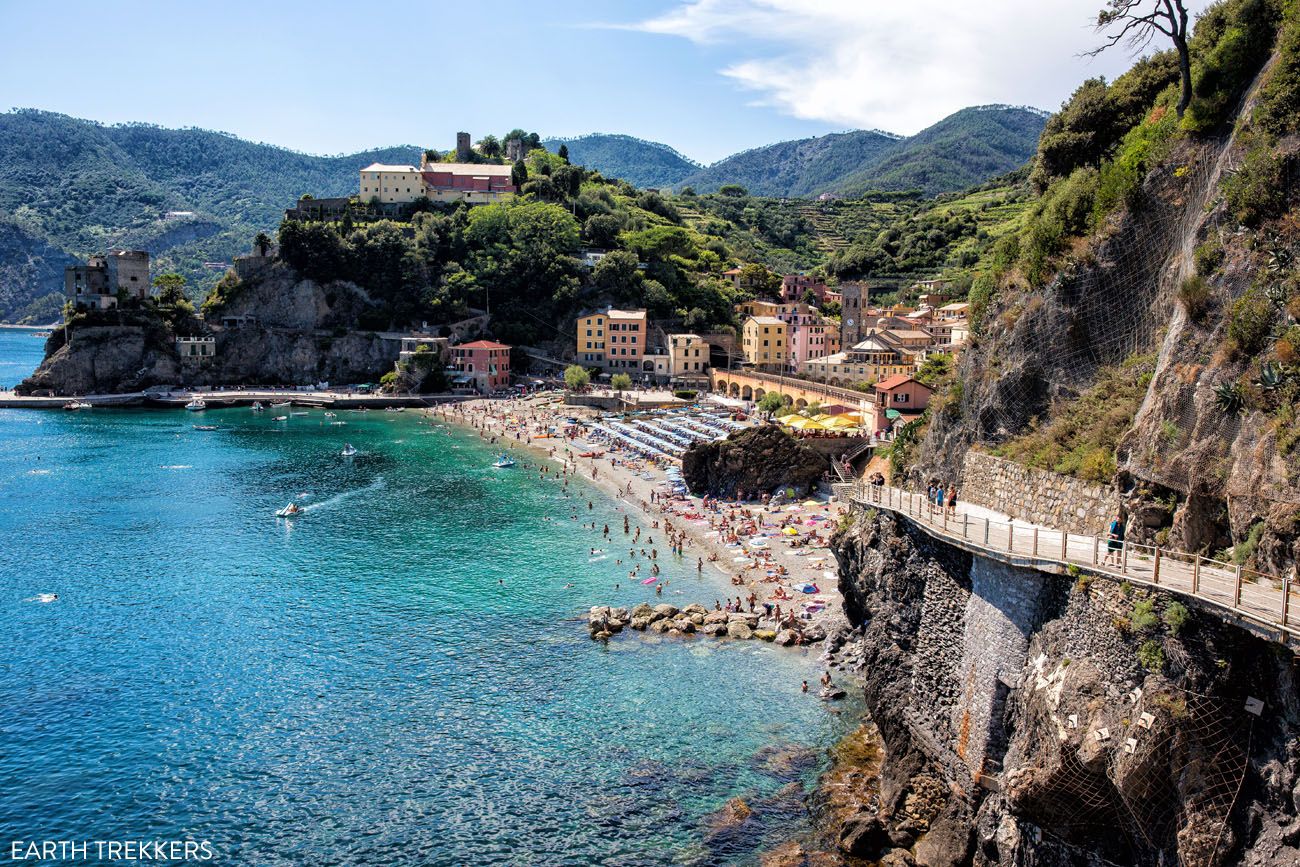
Monterosso al Mar
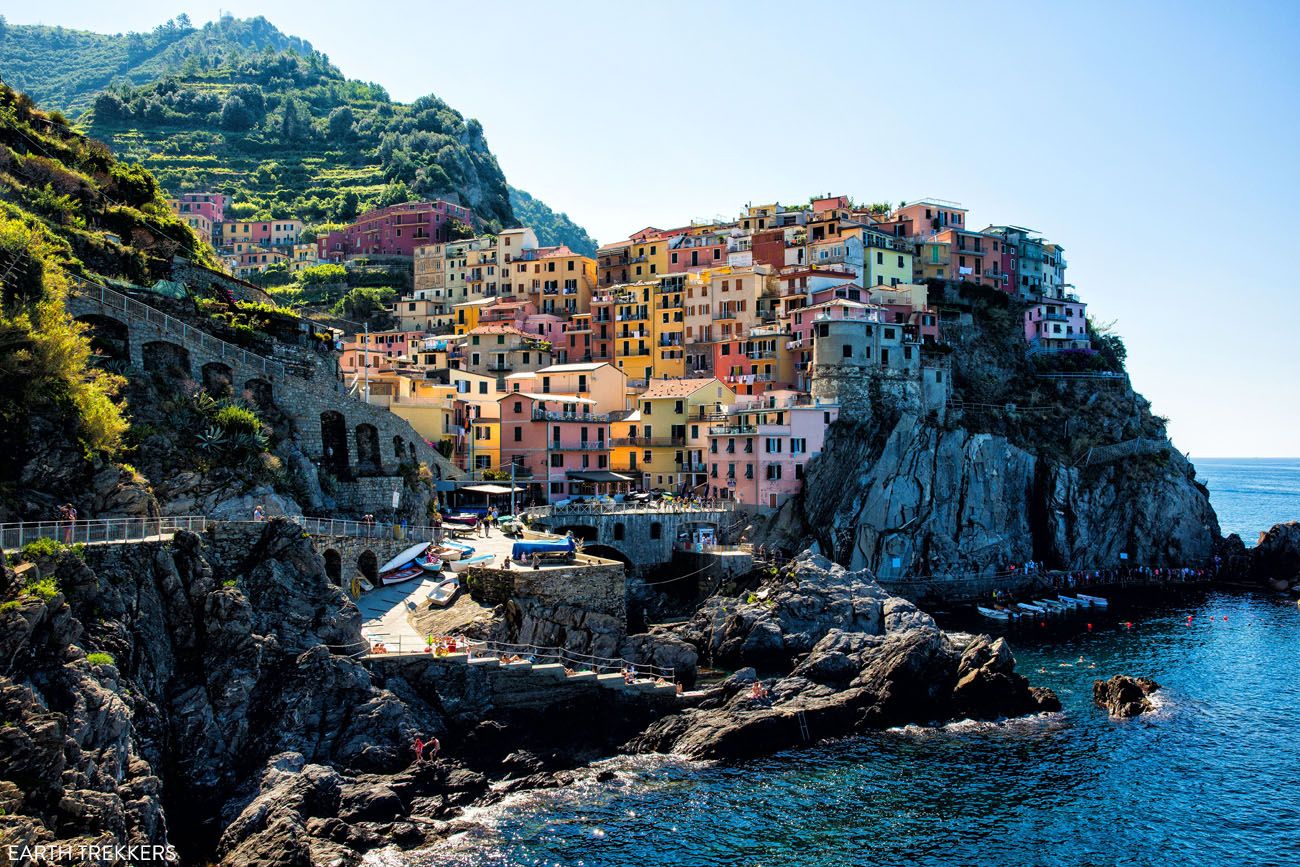
Manarola
Cinque Terre Guides
For everything you need to know about planning your day, read our guide to hiking the Cinque Terre and our Cinque Terre budget travel guide.
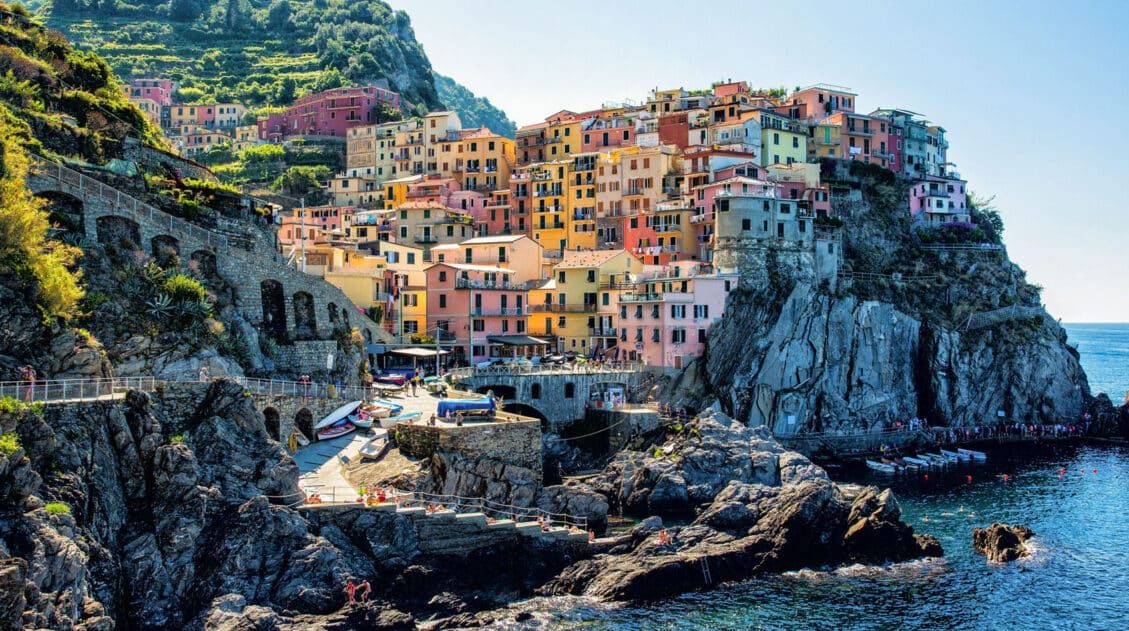
Planning to Hike the Cinque Terre? Here’s What to Know for 2026
The Cinque Terre is one of Italy’s most iconic coastal hikes, connecting five colorful villages by cliffside trails overlooking the Mediterranean. Here’s exactly how to hike the Cinque Terre from Riomaggiore to Monterosso, including trail closures, ticket costs, one-way rules, and what to expect in 2026. We hiked the entire route as a family. Our […]
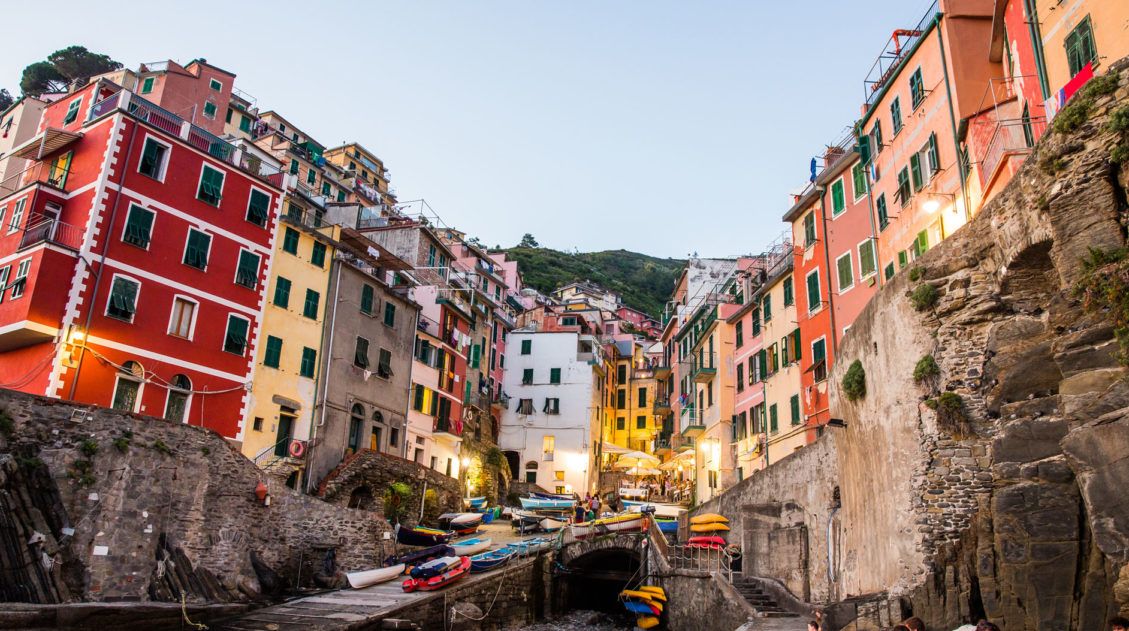
The Cinque Terre for Budget Travelers
The Cinque Terre is one of Italy’s most beautiful destinations, and one of its most expensive during peak summer season. With colorful cliffside villages, limited accommodations, and high demand from travelers around the world, prices can rise quickly. We visited the Cinque Terre in the summer with our kids and quickly realized that staying inside […]
Day 8: Travel to Venice
Overnight: Venice
Highlights: Optional Milan stop, arrival in Venice
Transportation: Train Cinque Terre to Venice via Florence or Milan (4–6 hours)
Travel from the Cinque Terre to Milan and Venice
There are no direct trains from the Cinque Terre to Venice. You will have to transfer at least one or two times, depending on where you stay in the Cinque Terre.
If you stayed in one of these Cinque Terre towns (Manarola, Vernazza, Corniglia, or Riomaggiore) you will first have to travel to La Spezia or Monterosso. From La Spezia and Monterosso, you will then travel through Florence, Milan, Genova, Bologna, or another Italian city, with 1 to 2 transfers. The quickest journey is 4 hours but it can take up to 7 hours to get to Venice. I found quicker routes from La Spezia than from Monterosso.
For example, if you are staying in Riomaggiore, you will take the local train to La Spezia. From La Spezia, you will take a regional or high-speed train to Milan or Florence, then transfer to a train to Venice.
Ideally, schedule the earliest train that you can with the quickest travel time, in order to maximize your time in Venice. Book a train that arrives at the Venezia Santa Lucia station, which is in the city center of Venice. If you book a ticket to the Venezia Mestre station, which is on the mainland, you will have to take a bus or train to the city center.
Get train schedules, fares, and book your train tickets on italiarail.com.
Milan (Optional)
On this 10 day Italy itinerary, you have this afternoon and tomorrow in Venice, unless you can add more time. If you don’t mind giving up this afternoon in Venice, you can spend a few hours in Milan, as you travel from the Cinque Terre to Venice.
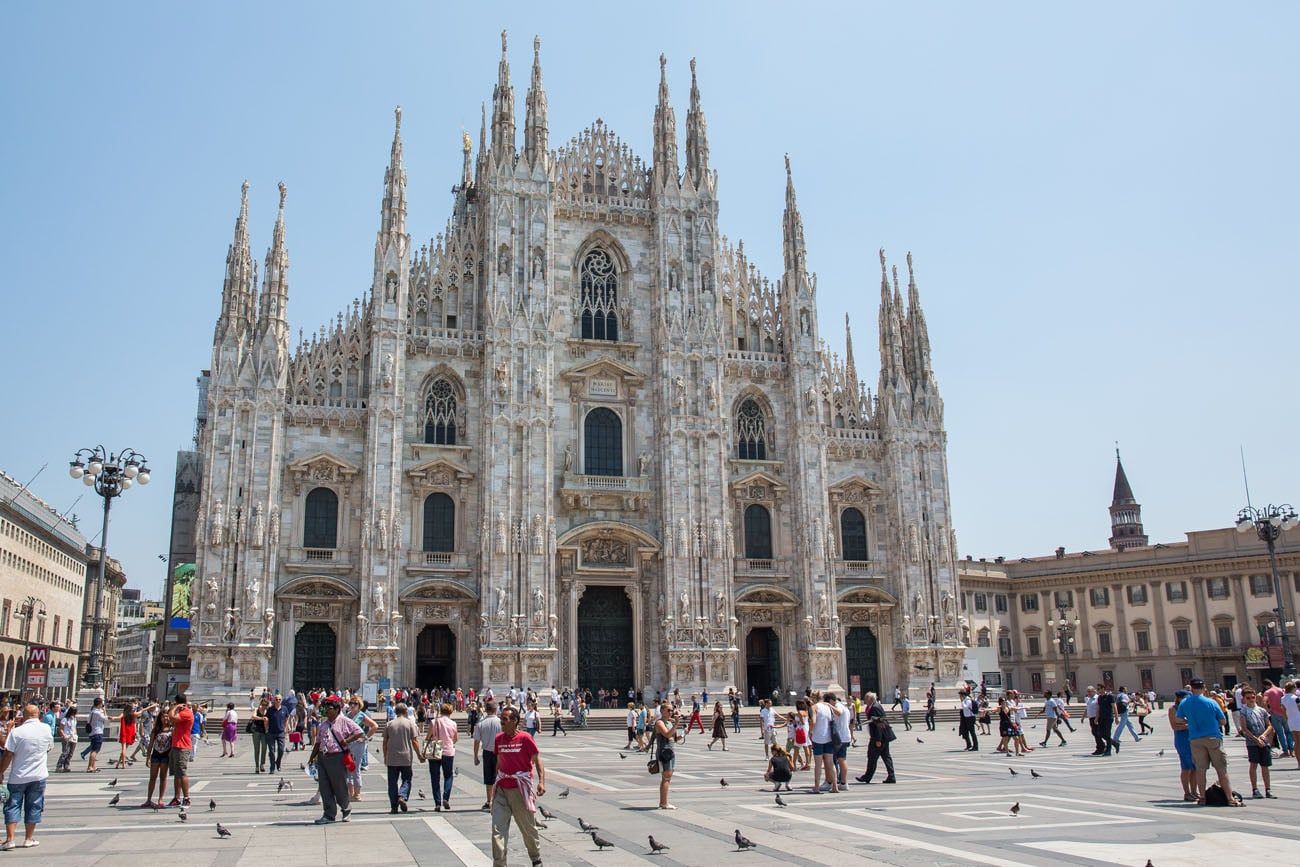
We did this and it worked very well. We took an early morning train to Milan, spent several hours in Milan, and then took an afternoon train to Venice.
There are two main places to visit in Milan if you just have a few hours. Visit the Duomo and see Da Vinci’s The Last Supper at the convent of Santa Maria delle Grazie. For full details on how to do this, read our guide on how to plan a day trip to Milan ↓
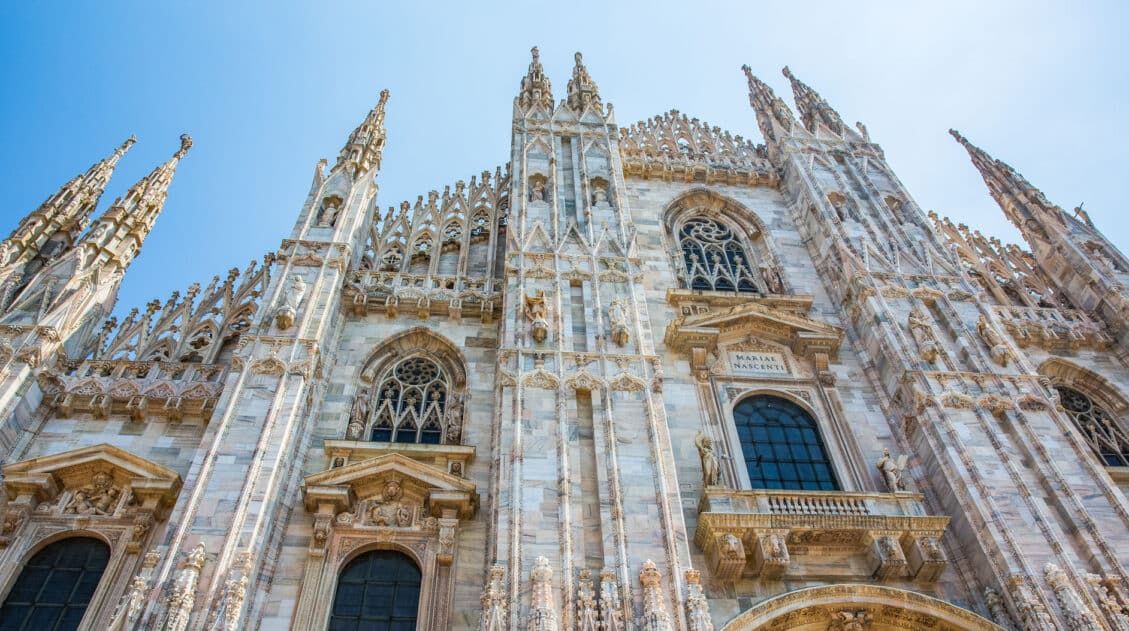
Milan Day Trip: One Day Itinerary from Florence, Venice & Cinque Terre
Exactly how to plan your day trip to Milan when traveling from the Cinque Terre to Venice.Afternoon and Evening in Venice
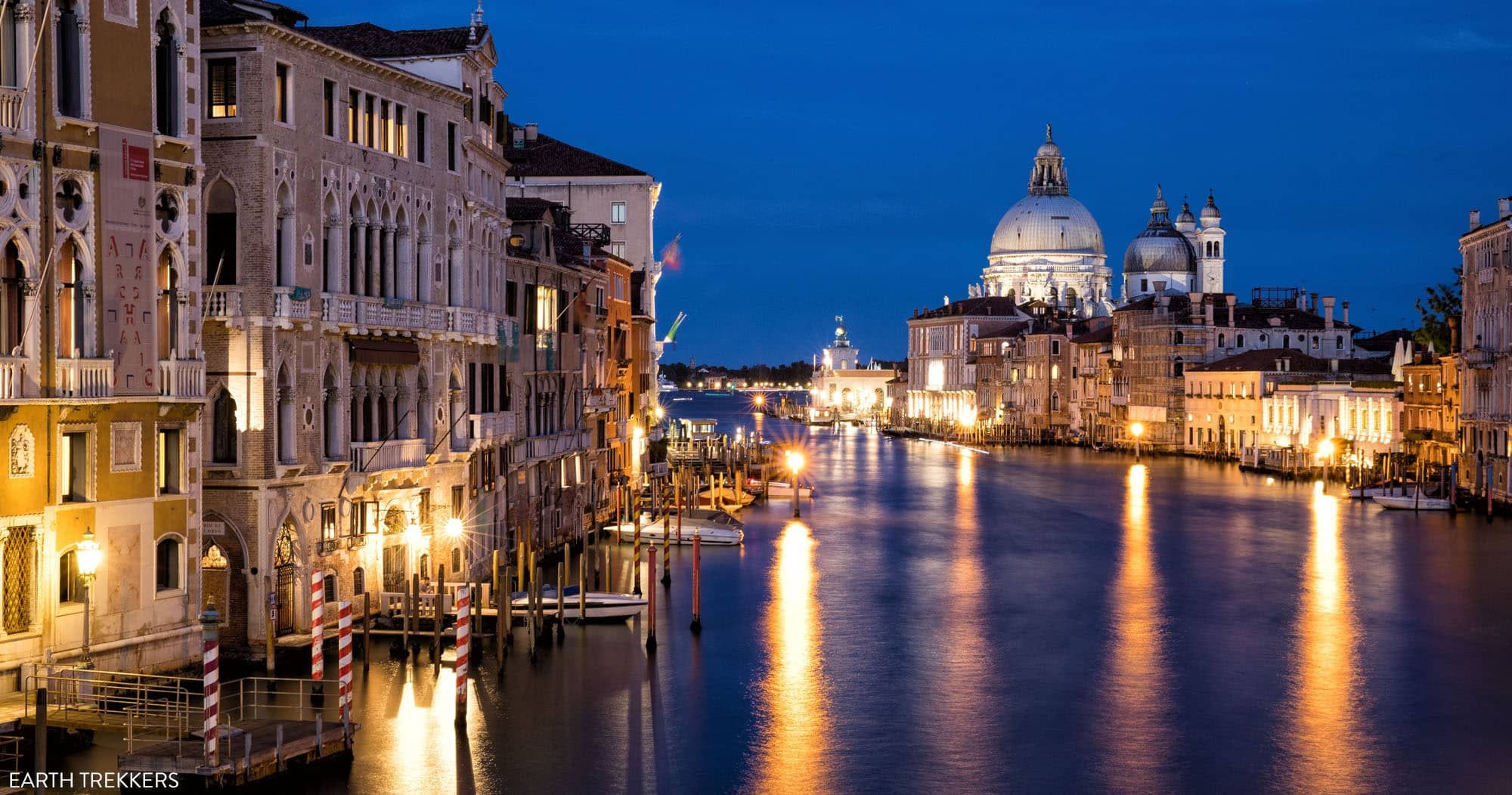
If you skipped Milan, you will arrive in Venice midday. Check into your hotel and spend the afternoon and evening exploring the city.
Stroll through the canals, visit St. Mark’s Square, and climb the Campanile di San Marco (the bell tower) for fantastic 360° views of Venice. For hours and pricing of the bell tower, visit the official website.
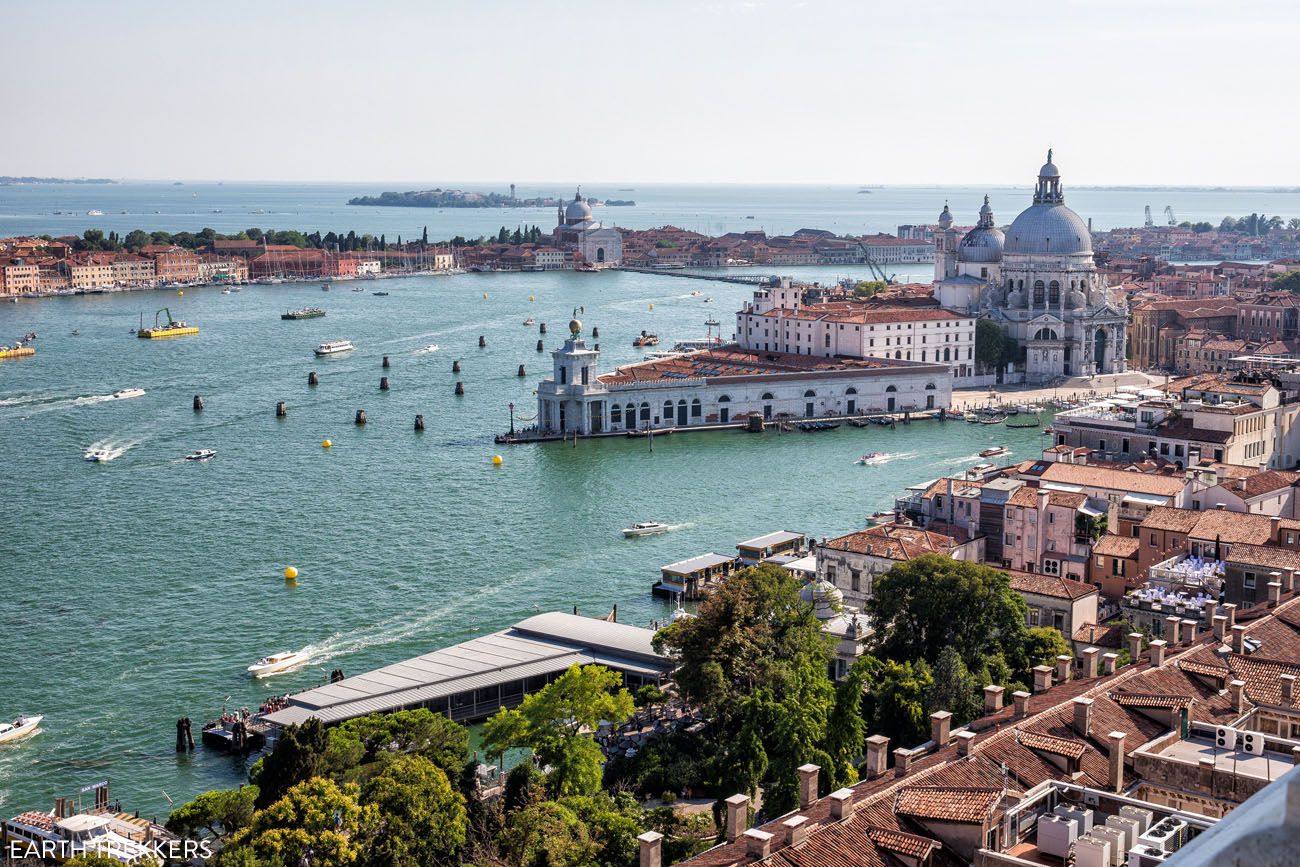
View from the Campanile
Where to Stay in Venice
On this 10 day Italy itinerary, you will spend two nights in Venice. For recommendations on where to stay, read our article Where to Stay in Venice.
Venice Guides
In our Venice city guides, we cover the best things to do, how to spend two days in Venice, and where to get the best views of Venice.
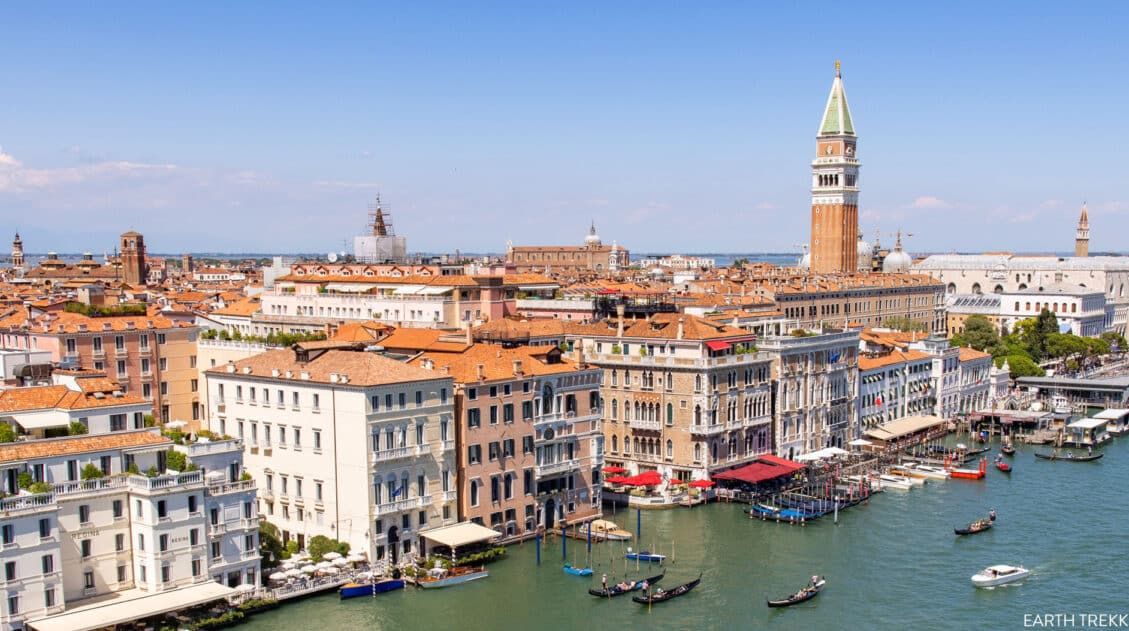
20 Best Things to Do in Venice, Italy (2026 Guide)
Discover 20 things to do in Venice, Italy, from strolling its canals and island-hopping to Murano and Burano, to visiting St. Mark’s Basilica and the Rialto Bridge. Venice is one of our favorite spots in Italy. With its winding canals and centuries-old architecture, it’s an easy place to fall in love with, and small enough […]
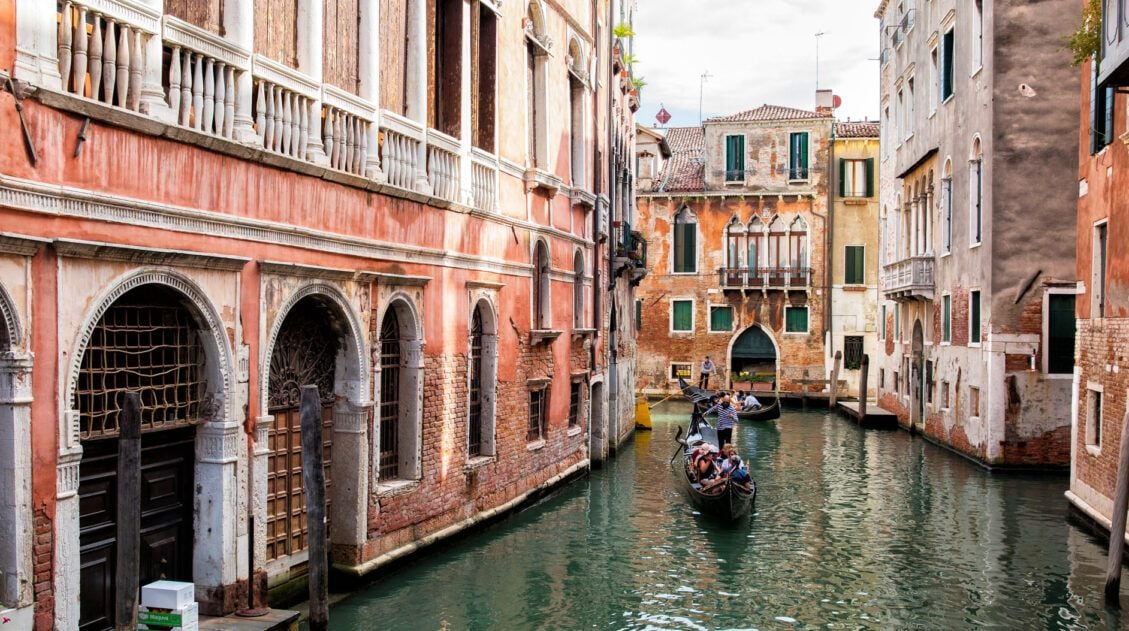
2 Days in Venice Itinerary: What 3 Trips Taught Us
Our 2-day Venice itinerary, refined over three visits and built for first-time visitors who want to see the highlights without wasting time in line. If you are planning your first trip to Venice, this itinerary is built for you. With 2 days in Venice, you have just enough time to visit the highlights of this […]
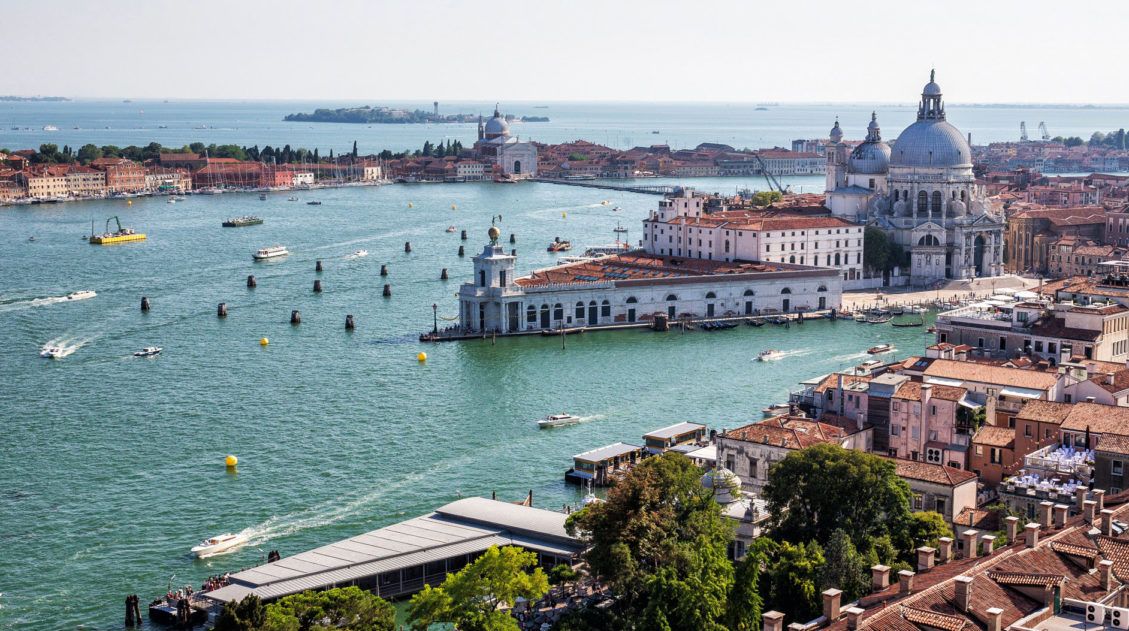
12 Beautiful Views of Venice (A Photographer’s Guide)
Venice is one of the most photogenic cities in Italy. Simply wander its canals and squares and you’ll come away with quite the compilation of photographs. But if you’re looking for elevated viewpoints and photography ideas, this guide has you covered. We’ve visited Venice three times: once as a young family traveling on a tight […]
Day 9: Venice
Overnight: Venice
Highlights: St. Mark’s Basilica, Doge’s Palace, Campanile, Grand Canal, gondola ride
Our favorite thing to do in Venice is to wander the canals, eat the food, and drink the coffee. But there are several wonderful sights to visit while you are here.
St. Mark’s Basilica
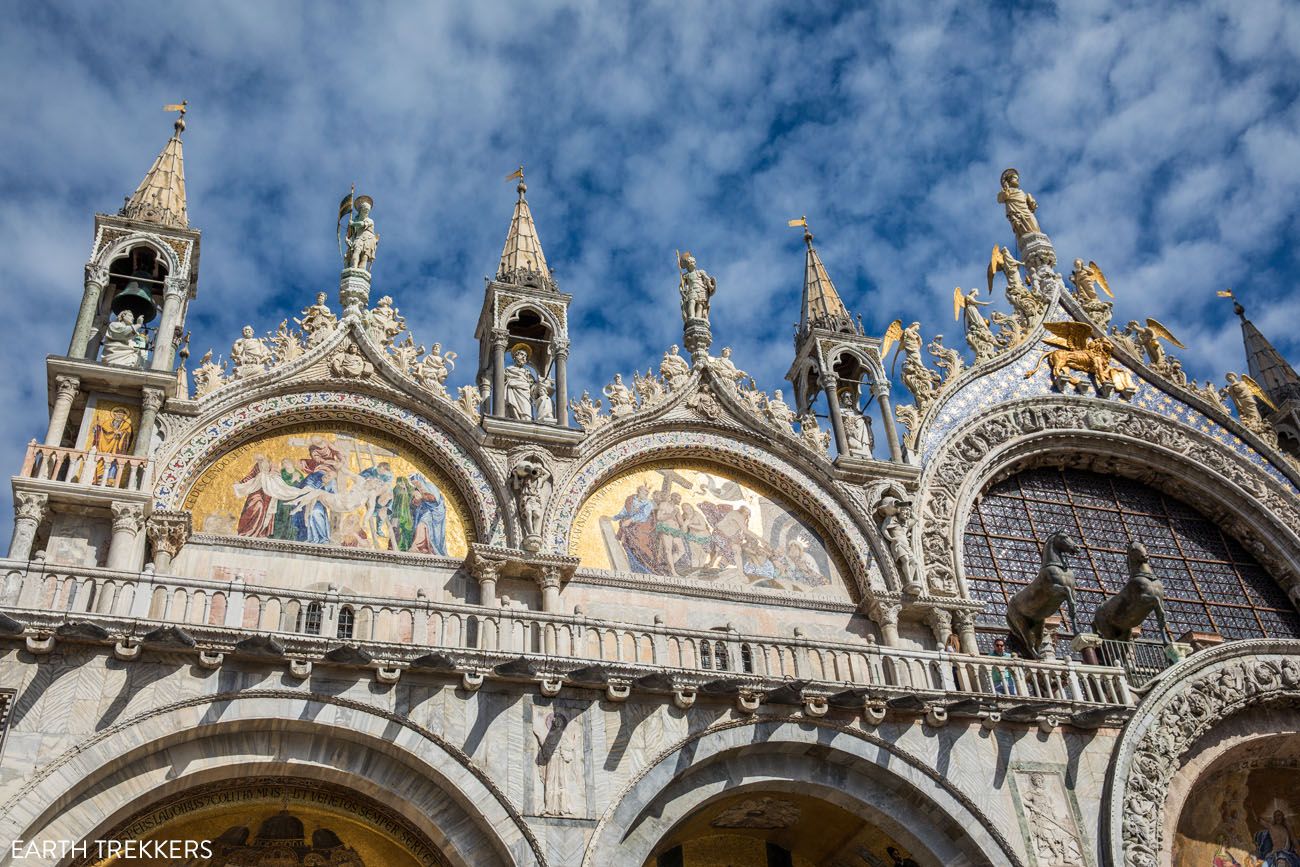
This cathedral dates back to the 9th century AD. Over the course of eight centuries, mosaics were added to the interior of the cathedral, as well as treasures from the Crusades. The Pala d’Oro is a Byzantine alter piece that is covered in gold and studded with almost 2,000 gems.
Lines can be very long to enter St. Mark’s Basilica. Early morning is the best time to visit, when crowds are lower, but you can also skip the lines by taking a tour. This highly rated tour includes a visit to St. Mark’s Basilica as well as Doge’s Palace.
Learn more about St. Mark’s Basilica, including how to skip the line and how to take a nighttime tour in our Guide to St. Mark’s Basilica ↓
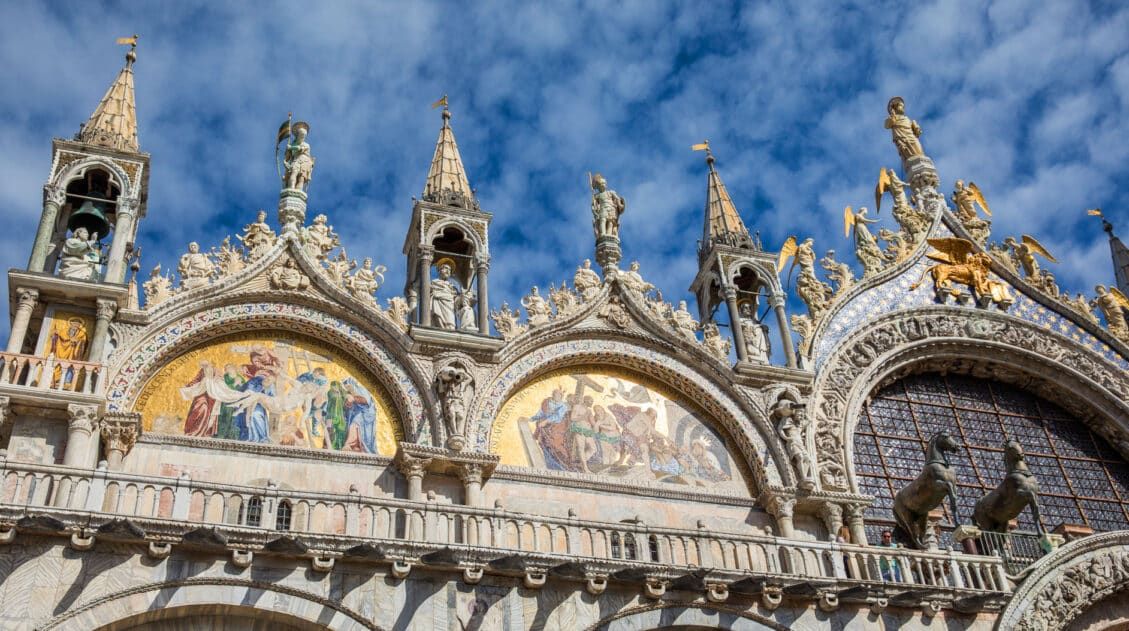
St. Mark’s Basilica: Cost, Tickets & Is It Worth It
Everything you need to know to plan your visit to St. Mark’s Basilica.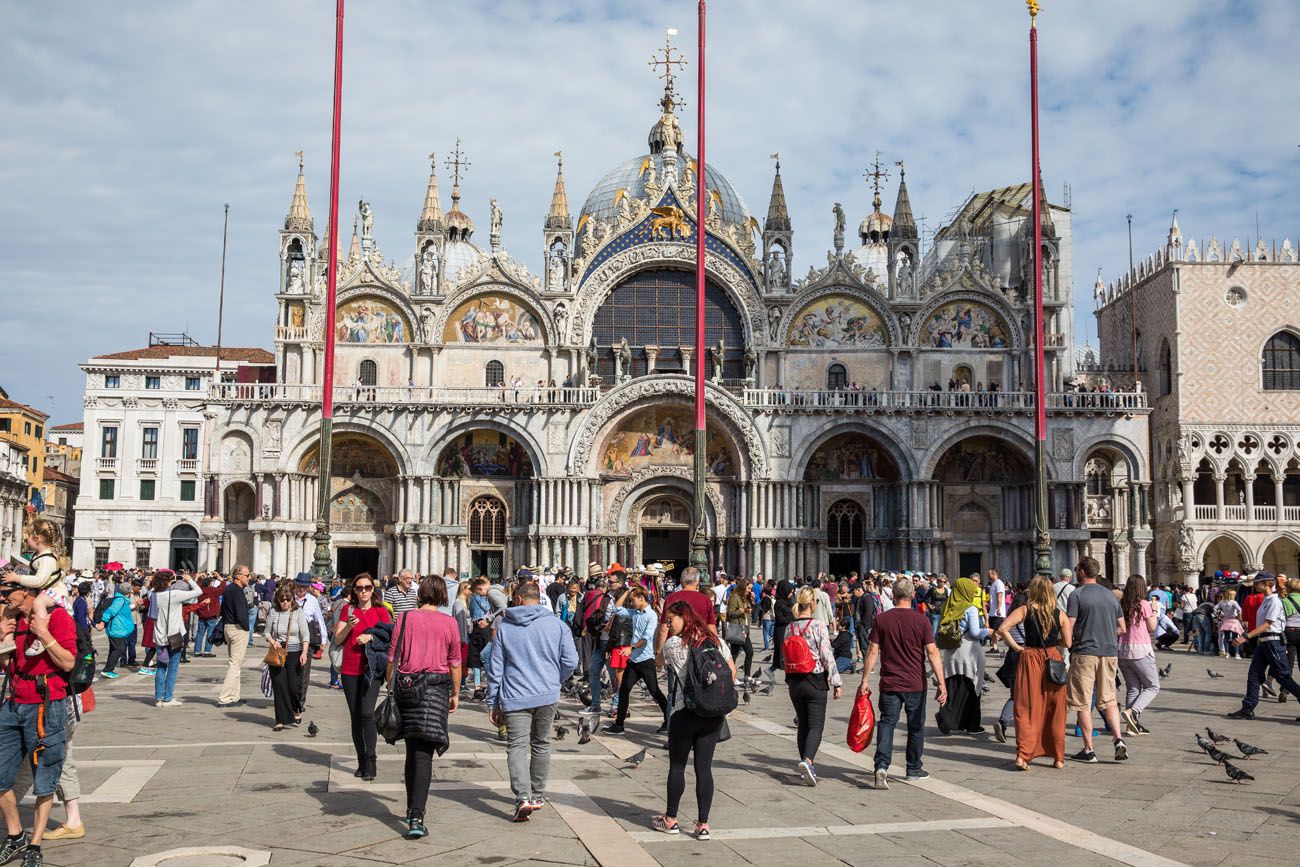
St Mark’s Basilica
Doge’s Palace
The Doges’ Palace is a palace built in Venetian Gothic styles. For centuries, this building served as the residence for the Doge, the seat of the government, and a palace of justice. Now, it is a museum.
Again, expect large crowds of people and long ticket lines. You can tour the Palace on your own or book a guided tour.
As you tour Doge’s Palace, you will cross the Bridge of Sighs. From this window, prisoners on their way to execution would have one final view of the city.
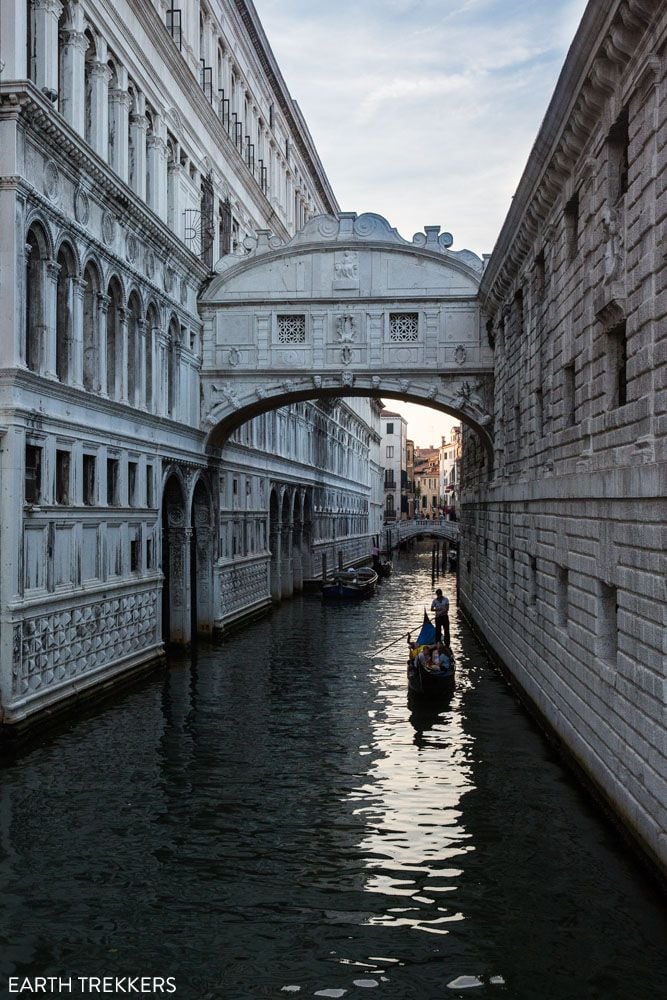
Bridge of Sighs
Hours: 9 am to 7 pm in summer, last admission at 6 pm
Cost: €30 online, audio guide included
Website: Get updated pricing, learn about the Secret Itineraries tour, and book your tickets in advance on the official website.
Tour of the Doge’s Palace: On this 3-hour tour, visit St. Mark’s Square, St. Mark’s Basilica, and Doge’s Palace with skip-the-line access and a knowledgeable guide.
Afternoon: Cruise the Canals
In the afternoon, cruise the canals of Venice. There are several ways to do this.
By Gondola
Drifting through the canals of Venice in a gondola might seem very touristy, but we do it every time we are here and always have a great experience. Gondola rides typically last 30 to 60 minutes.
The city of Venice sets the rate at €80 per 40 minutes (€100 after 7 pm) but that doesn’t mean that’s the rate you will get. You will have to negotiate with your gondolier before you ride. Make sure you agree on the price and the length of time you will ride before you get in the gondola.
As you walk through Venice, you will see gondolas for hire at various points throughout the city.
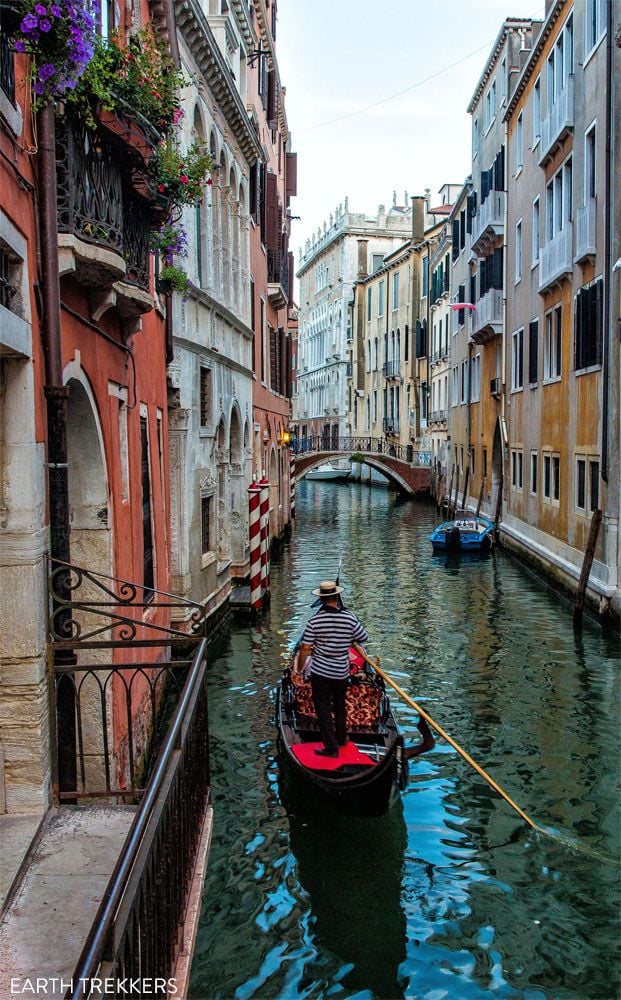
By Vaporetto
Traveling by Vaporetto is a cheaper way to get great views of Venice. It is a water bus that is used to travel from point to point but it also is a great way to cruise the Grand Canal without spending a fortune.
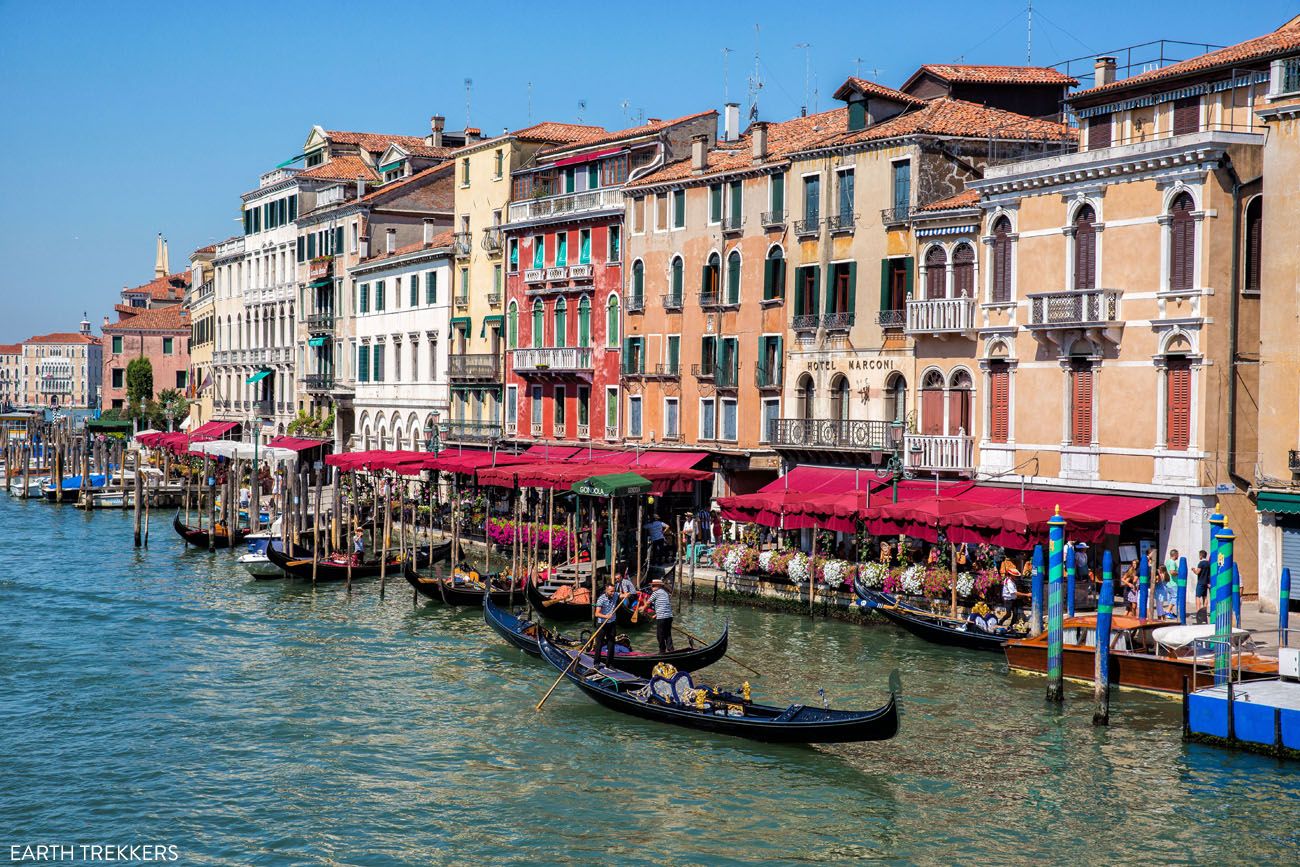
Take the No. 1 vaporetto (ACTV) Linea 1 from San Marco – San Zaccharia (St. Mark’s Square) to Piazzale Roma. During the ride, you will see Ponte dell’Accademia, the Rialto Bridge, and the beautiful buildings that line the Grand Canal. Since it is a water bus, you can get off whenever you see something of interest. And since it runs in both directions, so you can also ride it back to St. Mark’s Square.
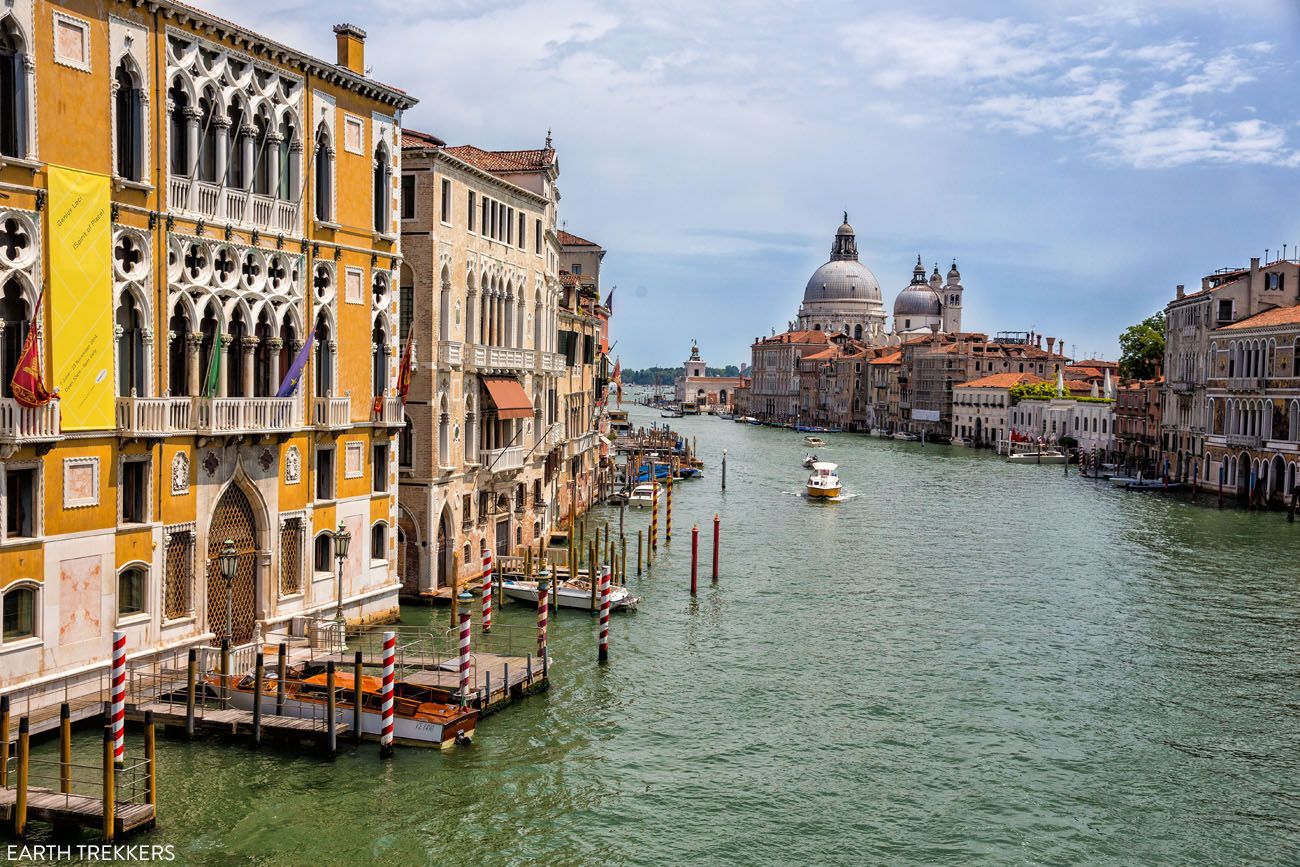
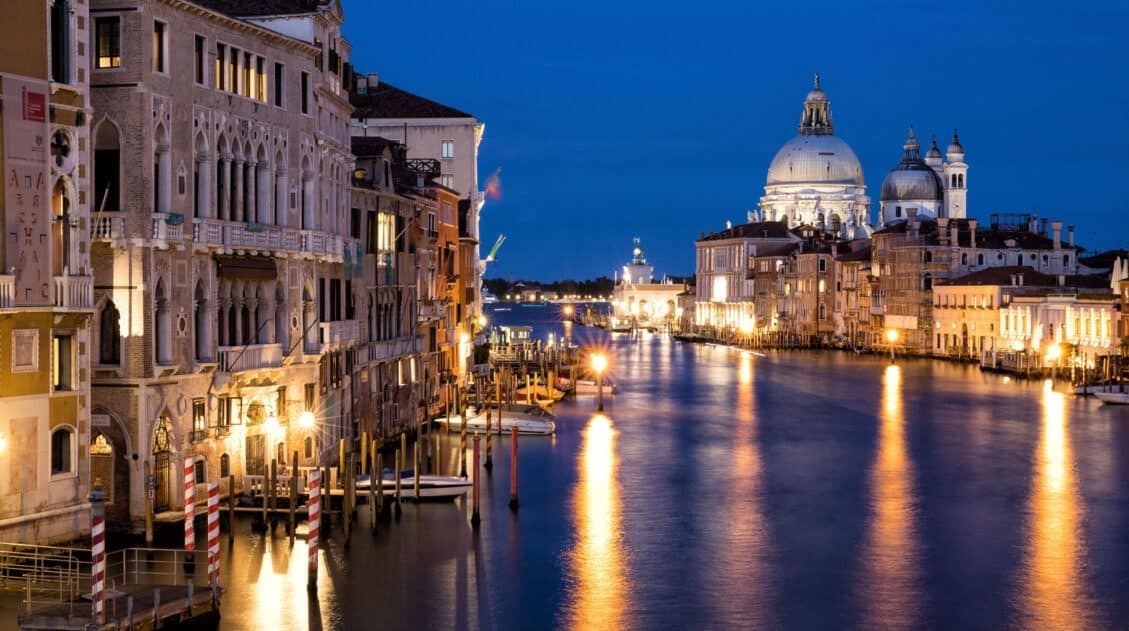
View of the Grand Canal from Ponte dell’Accademia
By Tour
There are also several tours that combine a cruise the Lagoon with dinner or wine. This sunset cruise of the Lagoon includes a glass of Prosecco and takes 2 hours. This 3-hour cruise of the Lagoon includes dinner and wine and magical views of the city.
Day 10: Fly Home
Today is departure day. Venice Marco Polo Airport is about 30 to 40 minutes from the city center, by water taxi, Alilaguna ferry, or bus, so factor that into your morning.
In our experience, most transatlantic flights out of Venice depart between noon and 3 pm. If that’s your window, you’ll need to be at the airport by 9 or 10 am at the latest, which means leaving your hotel by 8 am. There isn’t much morning left after that, and trying to squeeze in one more sight usually just adds stress to what should be a smooth departure. The better move is to pack the night before, have a quiet breakfast, and let Venice be the last thing you see as you head to the water taxi.
If your flight is later in the afternoon or evening, you have a genuine gift of a morning. Venice before 9 am is a different city: quieter and almost entirely yours. Go for a stroll through Cannaregio or San Polo, have an espresso standing at a bar the way Venetians do, and wander without a plan for an hour.
How to Modify this Itinerary
Doing this Itinerary in the Opposite Direction
This itinerary works just as well in the opposite direction. Here’s how to do it:
Day 1: Arrive in Venice, afternoon in Venice
Day 2: Venice
Day 3: Train to Cinque Terre with the option to spend a few hours in Milan
Day 4: Cinque Terre
Day 5: Morning train to Florence, afternoon in Florence
Day 6: Florence
Day 7: Tuscany day trip from Florence
Day 8: Morning train to Rome, afternoon in Rome
Day 9: Rome
Day 10: Fly home
With Less Time
If you have less than ten days, I recommend skipping the Cinque Terre. If you only have 7 days in Italy, here is a sample itinerary.
Day 1: Arrive in Rome
Day 2: Rome
Day 3: Travel to Florence
Day 4: Florence
Day 5: Morning in Florence, afternoon train to Venice
Day 6: Venice
Day 7: Fly home
With More Time
Rome (Our #1 Recommendation)
If you have extra days, our strongest recommendation is to add them to Rome. This itinerary moves fast, and Rome is the city that suffers most from the pace. There is genuinely more to see there than most people realize before they arrive.
A third night turns a rushed Day 2 into two proper sightseeing days. This allows you to split the Vatican and the Colosseum over two days.
Tuscany (Best for Wine Lovers)
Tuscany is the other natural place to add time, either extending the day trip into an overnight or spending a few days exploring the region more slowly by car.
Amalfi Coast (An Alternative to the Cinque Terre)
If the Amalfi Coast is on your list, don’t try to squeeze it into this itinerary. The better move is to swap it in for the Cinque Terre, spending a few days in Sorrento as your base for the coast and Capri, and then continuing north to Florence.
Our 14-day Italy itinerary shows exactly how that routing works, with three full days on the Amalfi Coast built into the same Rome-Florence-Venice framework.
Bologna (Best for Foodies)
Bologna is worth knowing about as an alternative day trip from Florence.
The train takes just 35 minutes each way, which makes it one of the easiest excursions on this itinerary. It’s actually quicker and easier than taking the bus to Siena.
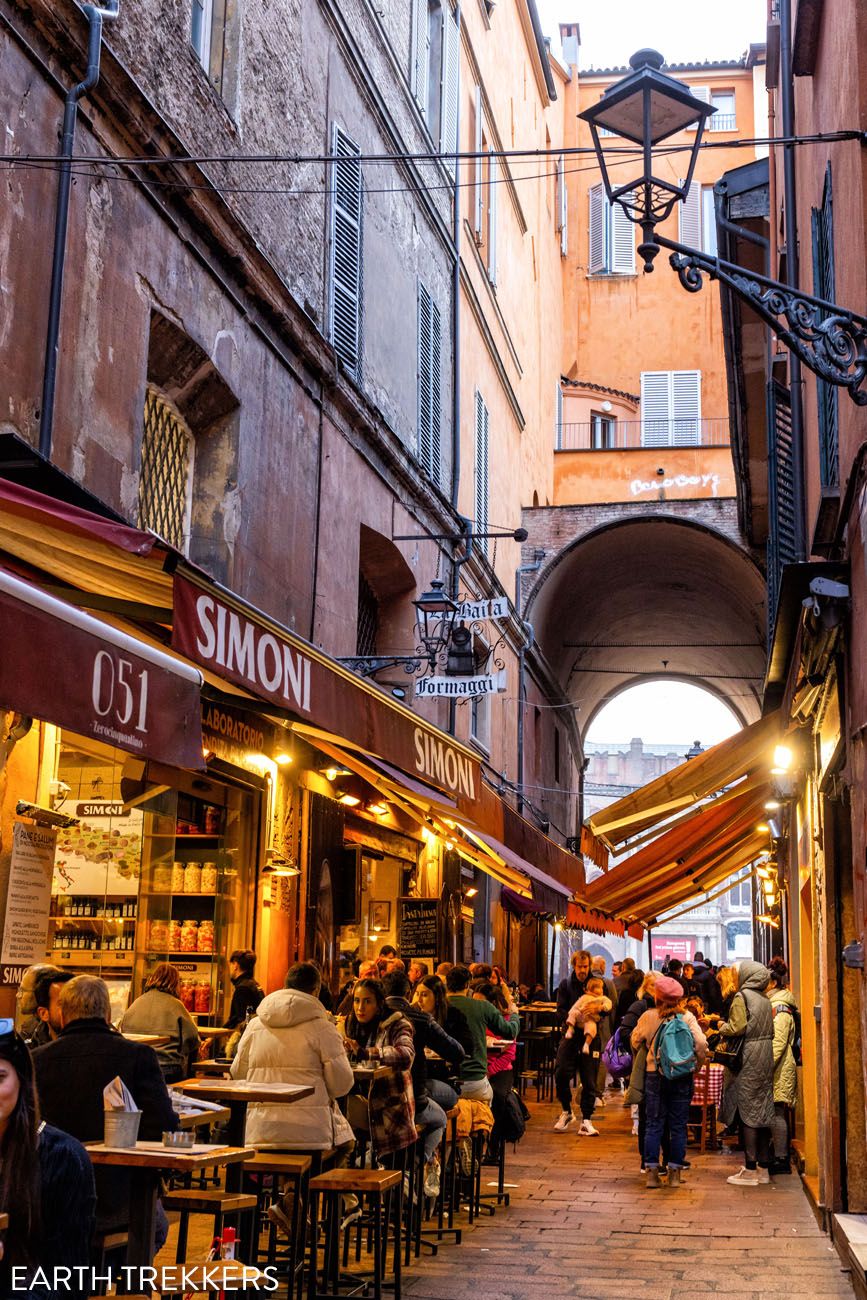
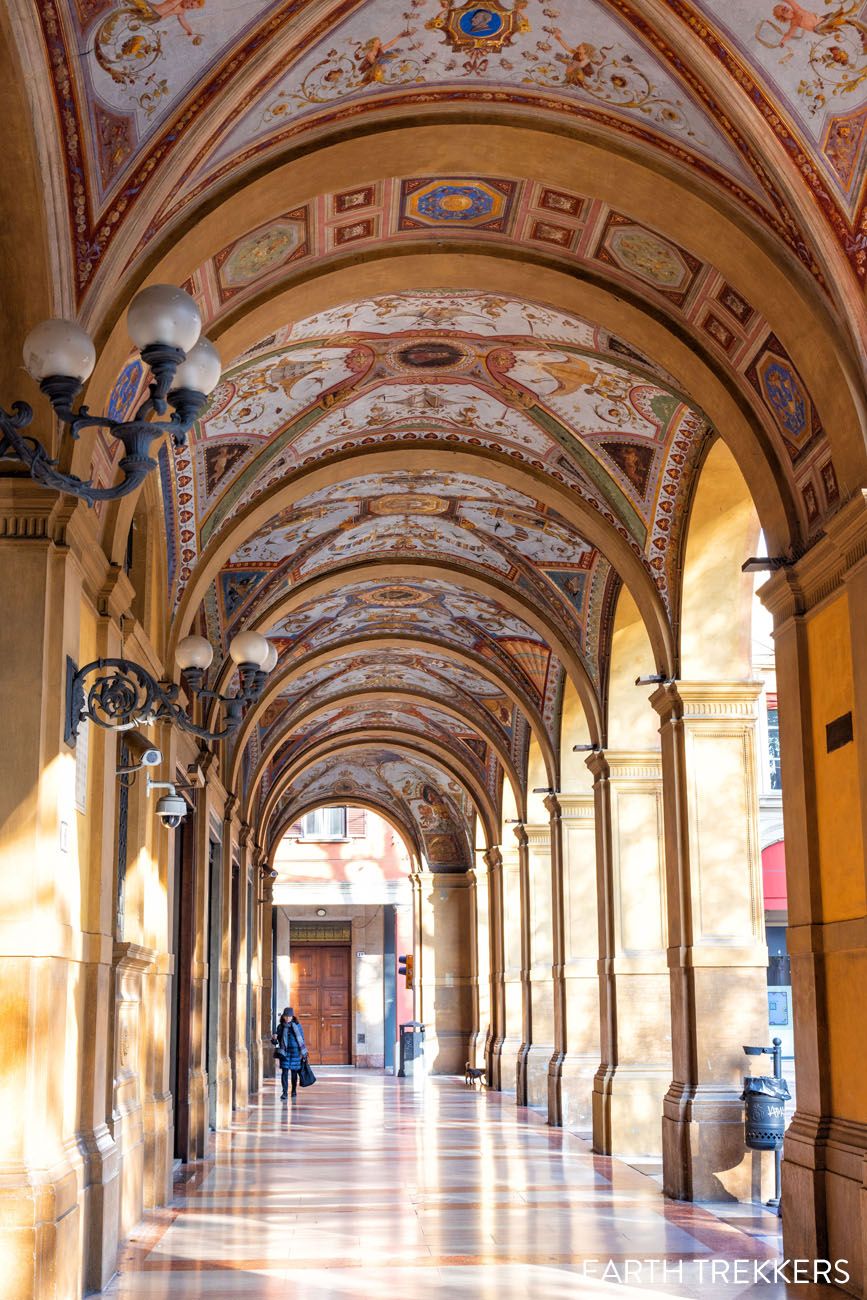
Bologna is one of Italy’s great food cities, the medieval porticoes are a UNESCO World Heritage Site, and it gets a fraction of the visitors that Florence and Rome absorb. If you’ve already done a Tuscany day trip on a previous trip to Italy, Bologna is our pick for Day 5 instead.
The Dolomites (Best for Hikers & Summer Trips)
If the Dolomites are on your radar, add a minimum of two days after Venice, though you could easily spend ten.
The Dolomites are our favorite place to visit in Italy. We’ve been twice and are hoping to visit again soon. Our Dolomites Travel Guide is the place to start planning that extension, as it has links to all of our Dolomites articles. And if you like the idea of hiking in the Dolomites, July through September is the window to plan your trip.
How to Get Around Italy
To get from city to city, we recommend taking the train. Trains in Italy are fast, cheap, and very convenient. The train stations are located right in the city centers, so you can quickly and conveniently travel from city center to city center. Trains are faster, cheaper, and more environmentally friendly than cars.
To check train schedules and to book your trains online, Italiarail.com is the easiest website to use. Just be aware that they charge a €5 booking fee to use their website. You can avoid the €5 fee by using Trenitalia.com, but this website is more difficult to use.
Average Trip Costs
Here are some estimated costs per person (all prices are in USD during peak travel times):
Budget Hotel, double room with two people: $50 – $150
Mid-Range Hotel, double room with two people: $150 – $350
Luxury Hotel, double room with two people: $350+
Train Travel: To travel from city to city, train fares range from $20 to $60, depending on the distance traveled and the speed of the train. Regional trains can take twice the length of time to cover the same distance as a high-speed train, and cost half as much, but you will be sacrificing sightseeing time. I think it is best to cut costs by staying in a cheaper hotel or eating out less often, so you can take the faster train and have more time exploring the city.
Meals: Meals cost $10 to $30 per dish, depending on the restaurant. To save money, stay in a hotel that offers breakfast, put together picnic lunches, and skip the drinks at dinner.
Entrance Fees: On this itinerary, entrance fees average out to roughly $55 USD per day. That does not include tours, only entrance fees.
Miscellaneous: Factor in approximately $50 USD per day for miscellaneous fees, such as short taxi or Uber rides, souvenirs, etc.
In our experience, we have found it to be cheaper to book our tickets individually rather than purchasing a Eurail Pass.
Venice
Frequently Asked Questions
Is 10 days enough time for Italy?
Ten days is enough for an excellent first trip to Italy, but not enough to see everything. This itinerary focuses on four destinations, Rome, Florence, the Cinque Terre, and Venice, and moves at a fairly brisk pace. You’ll see Italy’s most iconic sites without lingering as long as you might like in any one place. If you have flexibility, a third night in Rome makes the biggest difference.
What is the best 10-day Italy itinerary for first-time visitors?
For first-timers, the classic route through Rome, Florence, the Cinque Terre, and Venice is the strongest choice. It covers Italy’s three most iconic cities, adds the spectacular Ligurian coastline, travels entirely by train, and follows a logical north-to-south geographic flow with no backtracking. This is that itinerary.
What is the best time to visit Italy?
April through June and September through October are the best months to visit Italy. Spring brings warm weather, fully open hiking trails in the Cinque Terre, and manageable crowds before the summer peak. Early fall is equally good. Rome and Florence cool down, Tuscany is in harvest season, and the Cinque Terre gets noticeably quieter after mid-September. July and August are hot and very crowded, particularly in Venice and the Cinque Terre, but long days and a lively atmosphere have their own appeal. Winter is the quietest and most affordable time to visit, though some Cinque Terre businesses close between November and March.
Should I visit the Cinque Terre or the Amalfi Coast?
Both are spectacular but they suit different trips. The Cinque Terre fits naturally into this itinerary because it’s reachable by train from Florence in under three hours, with no backtracking. The Amalfi Coast requires traveling south from Rome, which pulls you in the opposite direction from Florence and Venice. If the Amalfi Coast is a priority, our 14-day Italy itinerary builds it into the route properly, with three days based in Sorrento between Rome and Florence.
What should I book in advance for this trip?
Book as early as possible: Vatican Museums timed entry tickets, Colosseum tickets, and the Florence Duomo dome climb reservation. All three sell out days or weeks ahead in high season. For trains between cities, book Frecciarossa tickets four to six weeks in advance for the best prices. If you plan to take a guided tour of the Vatican or the Colosseum, book those at the same time.
Designing Your Own Italy Itinerary?
Looking for a different route through Italy? Here are a few more options to help you find the right fit:
- 10 Days in Italy: 5 Amazing Route Ideas — Five different itineraries for every travel style, from the classic Rome, Florence, and Venice route to the Amalfi Coast, the Dolomites, and beyond.
- 14 Days in Italy: How to Spend Two Weeks in Italy – The ultimate trip through Italy for first timers: Rome, Amalfi Coast, Capri, Florence, Tuscany, Cinque Terre, and Venice.
- 10 Day Northern Italy Itinerary — Venice, the Dolomites, Verona, Milan, and Lake Como for travelers who want a mix of world-class hiking and iconic cities.
- Two Week Sicily Itinerary — A road trip around Sicily covering ancient temples, coastal towns, Mount Etna, and more.
- 10 Day Southern Italy Itinerary — The Amalfi Coast, Matera, Alberobello, and Puglia for travelers who want to go beyond the classic route.
For more detailed city guides, regional itineraries, and planning resources, visit our Italy Travel Guide, where all of our Italy content is organized in one place.
Planning your first trip to Europe? Here is everything you need to know for your first visit to Europe.
If you have any questions about this 10 day Italy itinerary to Rome, Florence, Cinque Terre, and Venice, let us know in the comment section below.
More Information about Italy
25 Best Places to Visit in Italy
After six trips to Italy, these are the 25 places to visit in Italy we keep recommending — the ones that reward first-timers and repeat visitors alike, from the iconic cities of Rome and Florence to lesser-known gems like Matera and Puglia. We’ve been to Italy six times over the past ten years, and we’re […]
Italy Travel Guide: How to Plan a Trip to Italy
Italy Travel Guide From the ruins of ancient Rome to the hiking trails of the Dolomites, the trulli of Puglia to the hilltop villages of Tuscany, Italy is a country that rewards every kind of traveler, and keeps pulling you back. We’ve traveled to Italy six times, exploring the country from the lakes and mountains […]
15 Surprising Things to Do in the Dolomites That Aren’t Hiking
We have traveled to the Dolomites twice, spending 12 days exploring alpine lakes, mountain passes, and hiking trails. This guide features the very best things to do in the Dolomites that require minimal or no hiking, based on our personal experiences. It’s no secret that the Dolomites are a great place to go hiking. But […]
One Perfect Day in Siena, Italy | A Detailed Itinerary
Siena rewards everyone who visits, whether you have one day in Siena or five. We know, because we’ve done both. Our first trip was a full five nights. We used Siena as our base for exploring the Tuscan hill towns, and most evenings ended the same way: the four of us heading down to Piazza […]
2 Days in Rome: The Perfect Rome Itinerary for Your First Visit
If you are planning your first visit to Rome and have limited time, this Rome itinerary is perfect for you. With 2 days in Rome, you have just enough time to visit the highlights. Tour the Vatican Museums, enjoy the amazing view from St. Peter’s Basilica, marvel at the Colosseum, get a history lesson at […]
1 to 2 Days in Bologna: The Best Itinerary for First Timers
Bologna didn’t make it onto our Italy itinerary until our sixth trip. We’d visited Rome, Florence, Venice, the Amalfi Coast, Tuscany, and the Dolomites, and somehow kept skipping over this city in northern Italy. Once we finally arrived, Tim and I were instantly captivated: the busy, bustling Quadrilatero with its wine bars and shops overflowing […]
7 Best Rooftop Bars in Rome with Amazing Sunset Views
Drinks with a view…one of the best things to do in Rome is to visit a rooftop bar. Sipping on a cocktail or a glass of wine is the perfect way to wind down after a day of sightseeing, and from a rooftop bar, you also get to enjoy the view. In this guide, we […]
Exactly How to Visit the Colosseum in 2026 (+ Best Tours)
The Colosseum is one of the most popular tourist attractions in the world. If you are planning your first trip to Rome, most likely the Colosseum is on your to-do list. In this guide, we cover what you need to know about how to visit the Colosseum, including what to do when you are here, […]
Best Day Trips from Florence: 15 Picks for Every Type of Traveler
Florence is one of the best home bases for exploring Tuscany and nearby cities. The most popular day trips from Florence are conveniently accessible by train, with destinations like Pisa, Lucca, Bologna, Arezzo, and Siena just one to two hours away. Renting a car or joining a guided tour provides access to Tuscan hill towns, […]
Best Things to Do in San Gimignano (Tips from Two Visits)
San Gimignano is famous for its medieval towers, and yes, you should climb one. But a great visit here goes beyond the main piazzas and the gelato line at Dondoli. On our first trip, we arrived by bus from Siena on a busy morning with our kids, climbed to the top of Torre Grossa, ate […]
Florence Cathedral: Tickets, Dome Climb & What to Know Before You Go
The Florence Cathedral, the Duomo di Firenze, is one of the most recognizable buildings in the world, and yet seeing it for the first time still catches you off guard. The sheer scale and detail of the marble facade up close is something no photograph quite prepares you for. We’ve now visited the Florence Cathedral […]
14 Day Italy Itinerary: Best Way to Spend Two Weeks in Italy
We have been to Italy six times, and this route — Rome, Pompeii, the Amalfi Coast, Florence, Tuscany, the Cinque Terre, and Venice — is the one we recommend above all others for a first visit. We’ve traveled every stretch of it firsthand and refined the planning advice in this post trip by trip. What […]
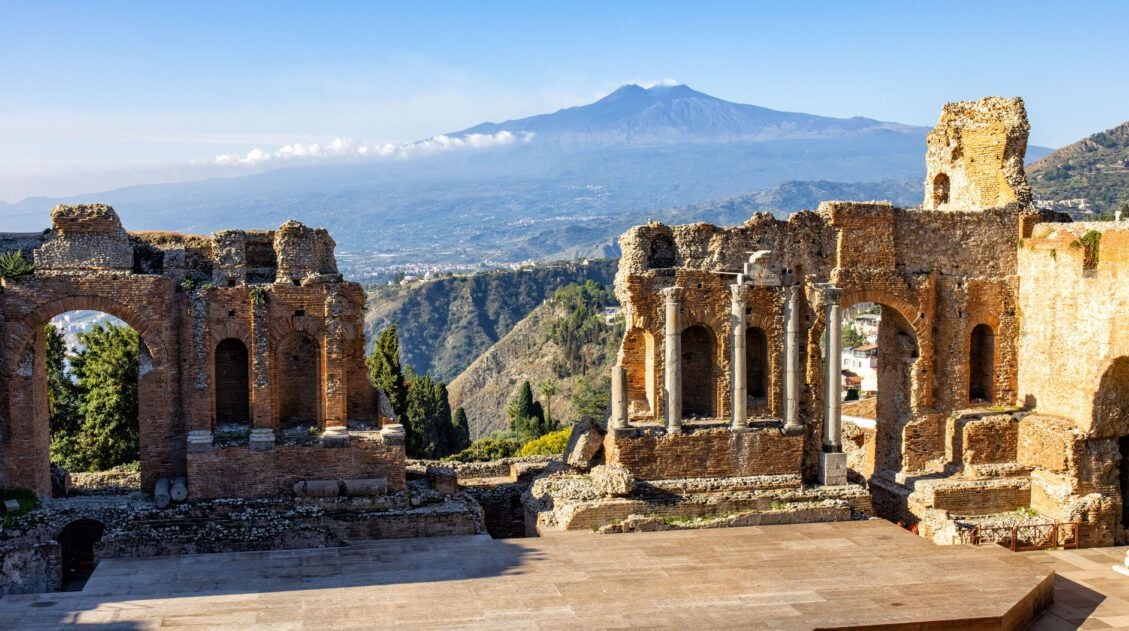
The Ultimate Two Week Sicily Road Trip Itinerary
This two week Sicily itinerary is done as a road trip, making one loop around the island. On this itinerary, explore Sicily’s most beautiful cities, climb Mount Etna, explore ancient Greek temples, stroll through picturesque hill towns, taste Modica’s famous chocolate, and spend some time on the beach. We spent just over two and a […]


Comments 72