
Looking for the best Glacier National Park itinerary? This step-by-step guide maps out the ideal way to spend 1, 2, 3, or more days exploring Going-to-the-Sun Road, Many Glacier, Logan Pass, and the park’s most iconic hikes.
Glacier National Park is one of the most spectacular places to visit in the United States, but planning a trip here isn’t simple. Roads open late, lodging sells out months in advance, and choosing where to spend your limited time can feel overwhelming. But with the right plan, Glacier quickly becomes one of the most unforgettable national park trips in the United States.
We have visited Glacier National Park multiple times, exploring both the east and west sides of the park and hiking many of its most famous trails, including the Highline Trail, Grinnell Glacier, Hidden Lake, and Avalanche Lake. Using our firsthand experience, we designed these Glacier National Park itineraries to help first-time visitors make the most of their time, whether you have just one day or up to five days in the park.
Important 2026 Update: Timed-entry vehicle reservations are not required for Glacier National Park in 2026. However, visitors planning to use the park shuttle system on Going-to-the-Sun Road may need to reserve shuttle tickets in advance during the busy summer season. Because access rules in Glacier can change from year to year, we’ll explain exactly what you need to know as you plan your visit.
In this guide, we’ll show you exactly how to plan the perfect Glacier National Park itinerary, with options based on how much time you have, travel style, and must-see experiences.
If you are still in the early stages of planning, start with our Glacier National Park Travel Guide, which covers when to visit, where to stay, and essential logistics.
Glacier National Park Itinerary At a Glance
BEST FOR | First-time visitors
IDEAL TRIP LENGTH | 3 to 4 days
BEST MONTHS | Mid-July through September
TOP EXPERIENCES | Drive Going-to-the-Sun Road, Visit Many Glacier, hike Highline or Grinnell Glacier Trail, Logan Pass
QUICK ITINERARY SUMMARY
- 1 Day: Going-to-the-Sun-Road and Logan Pass
- 2 Days: Add Highline Trail or Many Glacier
- 3 to 5 Days: Explore east and west sides + major hikes
Glacier National Park Entry & Shuttle Reservations in 2026
In 2026, vehicle reservations are not required.
However, Glacier National Park is piloting a shuttle reservation system, which is new in 2026.
Starting July 1, 2026, parking at Logan Pass will be limited to three hours.
For those who plan to hike the Highline Trail, there will be an express hikers shuttle that leaves from both the east and west sides of the park. Tickets for the shuttle must be purchased online in advance. They will not be available for purchase on the shuttle.
All shuttle tickets will be available on a first-come, first-served basis on Recreation.gov. The ticket is free, aside from a $1 reservation fee.
There are two booking windows for tickets:
- A portion will be available 60 days in advance, starting on May 2, 2026, at 8 am MDT, on a rolling basis.
- The remainder will become available at 7 pm MDT for next-day entry starting June 30.
IMPORTANT: It’s also worth noting that the National Park Service website states that vehicles may be prohibited from entering the park once parking lots and roads become congested. So, plan to enter the park early to avoid any delays entering the park.
Glacier National Park is one of the US National Parks that require an advance reservation. For the full list, read our guide to the US National Parks that Require an Advance Reservation.
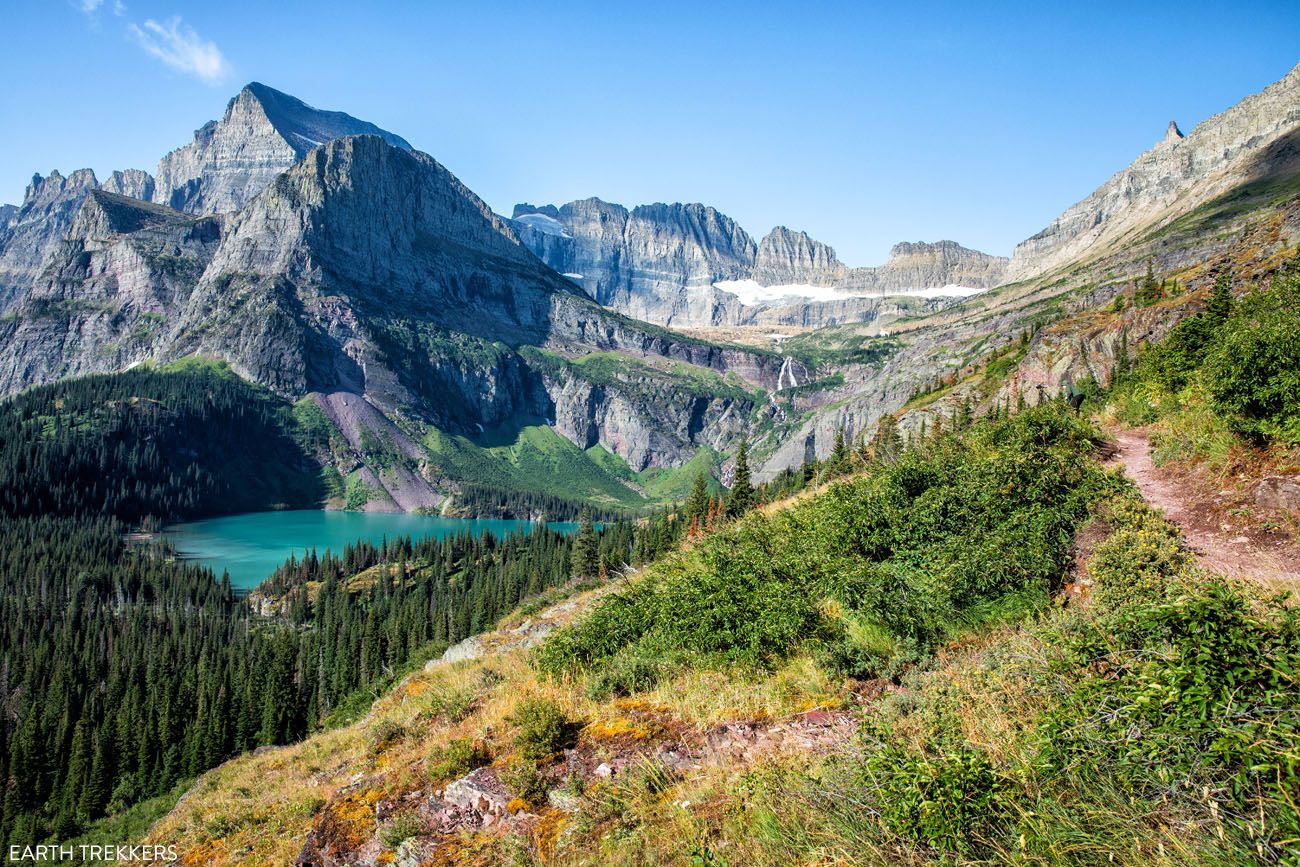
Hiking to Grinnell Glacier in Many Glacier
How Many Days Do You Need in Glacier National Park?
Ideally, plan on spending at least two to three days in Glacier National Park. This gives you enough time to drive Going-to-the-Sun Road, hike one or two trails, and visit the Many Glacier or Two Medicine areas.
If you have just one day, and it is your first visit to Glacier National Park, drive Going-to-the-Sun Road, visit Logan Pass, and hike one or two short hikes (Hidden Lake and Avalanche Lake are great options).
With two days in Glacier National Park, either add on a big day hike (the Highline Trail is amazing and starts at Logan Pass) or day trip to Many Glacier. In Many Glacier, you can either hike one of the spectacular trails (most hikes in Many Glacier average 10 miles round-trip) or go for a boat ride on Swiftcurrent and Josephine Lakes, if hiking is not your thing.
Beyond this quick two-day itinerary, every day you add to Glacier National Park gives you more time for hiking, to explore more regions of the park, or day trip to Waterton Lakes National Park.
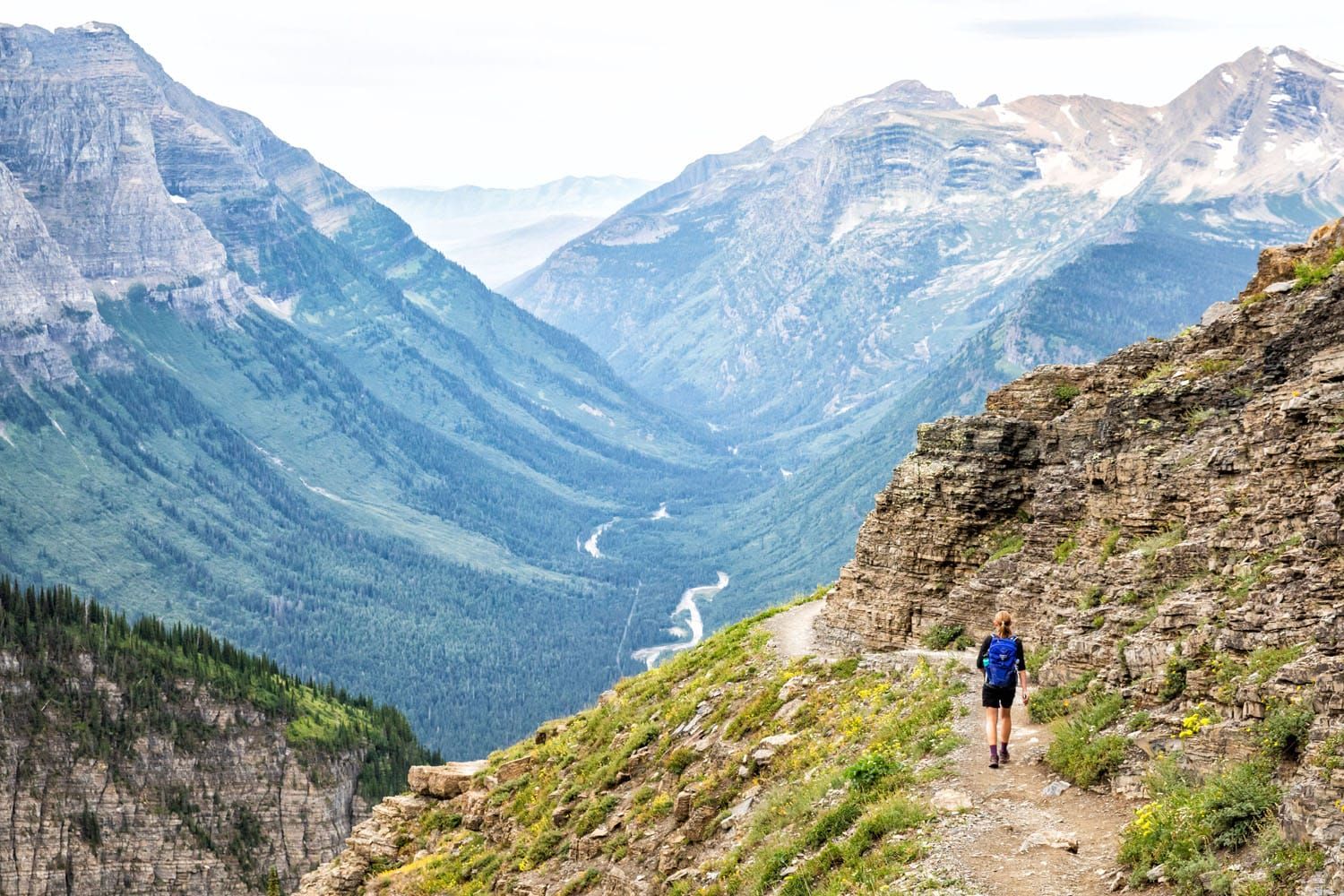
Hiking the Highline Trail
How to Plan Your Glacier National Park Itinerary
Planning a Glacier National Park itinerary is different from visiting many other national parks.
The park is large, driving distances are longer than they appear on a map, and many of the top experiences are spread between several distinct regions. Understanding the geography of the park will help you minimize driving time and make the most of your visit.
Understand Glacier’s Layout First
There are several regions of Glacier National Park.
Going-to-the-Sun Road twists and turns through the center of the park and this is the most popular and most crowded section of the park. This is where many visitors spend their time, since the drive is jaw-dropping and leads to some of the most popular sights, such as Avalanche Lake, Hidden Lake, the Highline Trail, and Logan Pass.
Many Glacier is located on the east side of the park, sitting to the north of Going-to-the-Sun Road. This area is more beautiful than Going-to-the-Sun Road, in my opinion, and the best place to go if you like hiking. The hikes to Grinnell Glacier, Iceberg Lake, and Cracker Lake start here.
Two Medicine and the North Fork are more remote and less crowded areas. If you want to journey into the backcountry, visit Goat Haunt.
Below is a map showing the different regions of Glacier National Park.
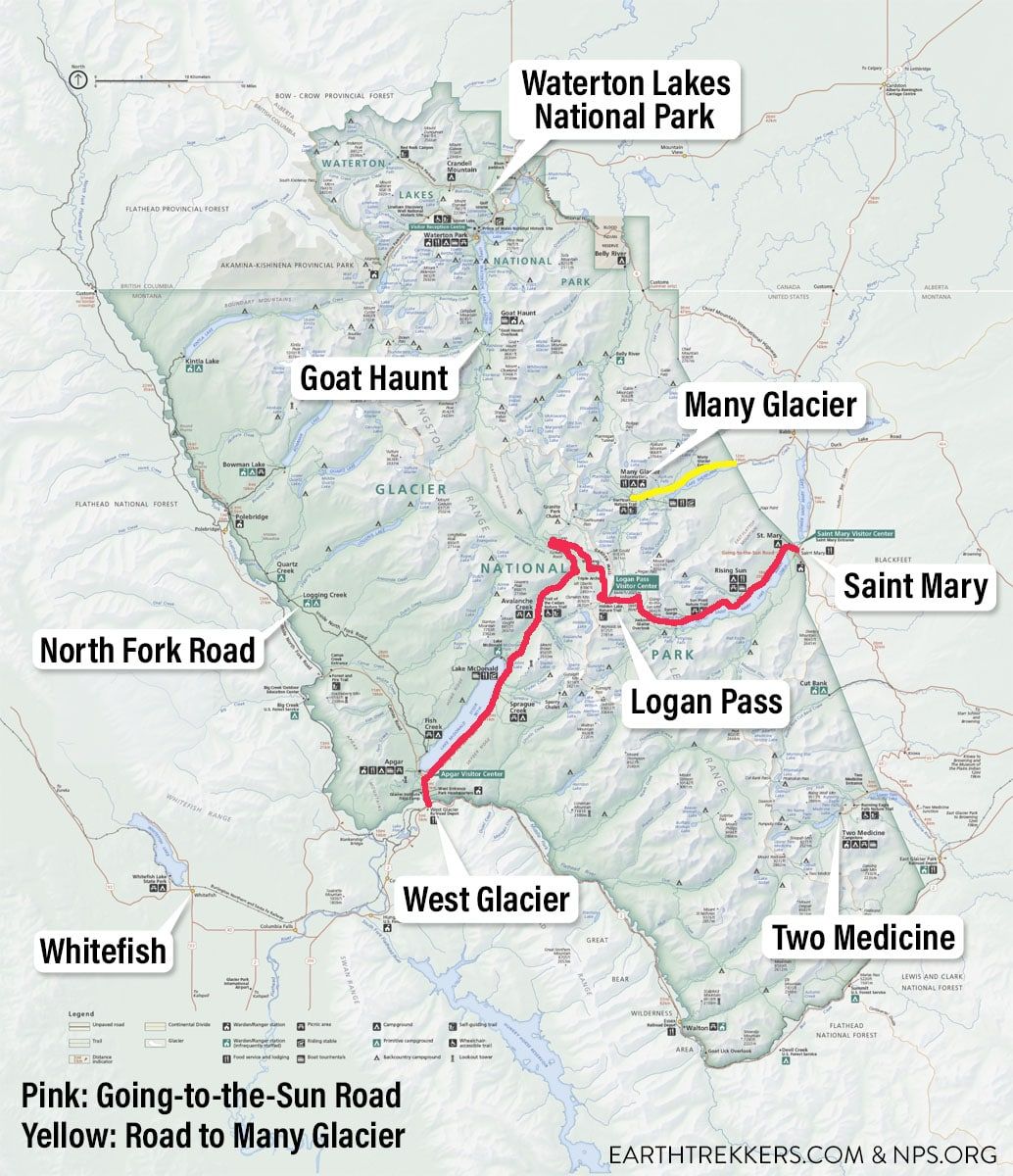
Glacier National Park Map. The pink line is Going-to-the-Sun Road and the yellow line is the road to Many Glacier.
Glacier National Park Regions At a Glance
Here is a table highlighting the different regions of Glacier National Park and the top experiences in each of them.
| Region of the Park | Best For | Things to Do & Popular Hikes |
| Going-to-the-Sun Road | First-time visits & scenic driving | Logan Pass viewpoints, Hidden Lake Overlook, Highline Trail, scenic overlooks |
| Lake McDonald Valley (West Side) | Easy access & shorter hikes | Lake McDonald shoreline, Trail of the Cedars, Avalanche Lake hike, boat tours, sunset views |
| Many Glacier | Best hiking & wildlife viewing | Grinnell Glacier, Iceberg Lake, Swiftcurrent Lake, boat tours, wildlife spotting |
| St. Mary (East Entrance) | Access to Logan Pass & sunrise views | St. Mary Lake, Rising Sun area, St. Mary Falls, scenic stops along GTTS Road |
| Two Medicine | Fewer crowds & great day hikes | Running Eagle Falls, Scenic Point, boat tours, Dawson–Pitamakan Loop |
| North Fork | Remote scenery & quiet areas | Polebridge Mercantile, Bowman Lake, Kintla Lake, backcountry hiking |
Base Yourself in the Right Area of the Park
One of the most important decisions when planning a Glacier National Park itinerary is choosing the right base location. Because the park is large and travel times can be longer than expected, where you stay directly affects how efficiently you can explore Glacier.
Rather than focusing on specific hotels, think about which region of the park you want to explore each day. Most visitors spend their time in two main areas: the Going-to-the-Sun Road corridor and the Many Glacier region.
For shorter trips of one or two days, staying near West Glacier or Lake McDonald works well since it provides easy access to Going-to-the-Sun Road. However, visitors with three or more days often find it helpful to split their stay between the west side and the St. Mary or Many Glacier area, reducing long drives across the park.
Later in this guide, we’ll cover the best towns, lodges, and hotels to consider depending on your itinerary.
Start Your Days Early (It Makes a Big Difference)
One of the most important tips for planning a Glacier National Park itinerary is to start your days early, especially during the summer months.
Logan Pass, the most popular stop along Going-to-the-Sun Road, often reaches capacity early in the morning during July and August. Arriving early not only improves your chances of finding parking but also allows you to experience the park before peak crowds arrive.
During our visits to Glacier National Park, early starts consistently led to better experiences. Trails were quieter, wildlife sightings were more common, and driving Going-to-the-Sun Road felt far more relaxed before midday traffic increased.
In general, plan to begin sightseeing or hiking by 7:00 to 8:00 am in summer, particularly if Logan Pass or popular hikes such as Hidden Lake, the Highline Trail, or Grinnell Glacier are on your itinerary.
PRO TRAVEL TIP: If you can’t arrive early, consider visiting popular areas later in the afternoon or early evening, when crowds begin to thin and lighting conditions are often better for photography.
Top Experiences in Glacier National Park
Glacier National Park offers a mix of scenic drives, short walks, and some of the best hiking in the United States. Here are a few of the highlights that shape the itineraries below:
- Drive Going-to-the-Sun Road, one of the most scenic drives in North America
- Visit Logan Pass, the highest point on the park’s main road and starting point for several iconic hikes
- Go hiking, with options ranging from easy walks like Hidden Lake Overlook to longer hikes such as Grinnell Glacier and the Highline Trail
- Explore Many Glacier, widely considered the most spectacular area of the park for scenery and wildlife
- Visit Lake McDonald, known for its colorful rocks and sunset views
- Take a boat tour or kayak on one of Glacier’s lakes
For a complete list of experiences, hiking recommendations, and detailed planning advice, see our guide to the Best Things to Do in Glacier National Park ↓
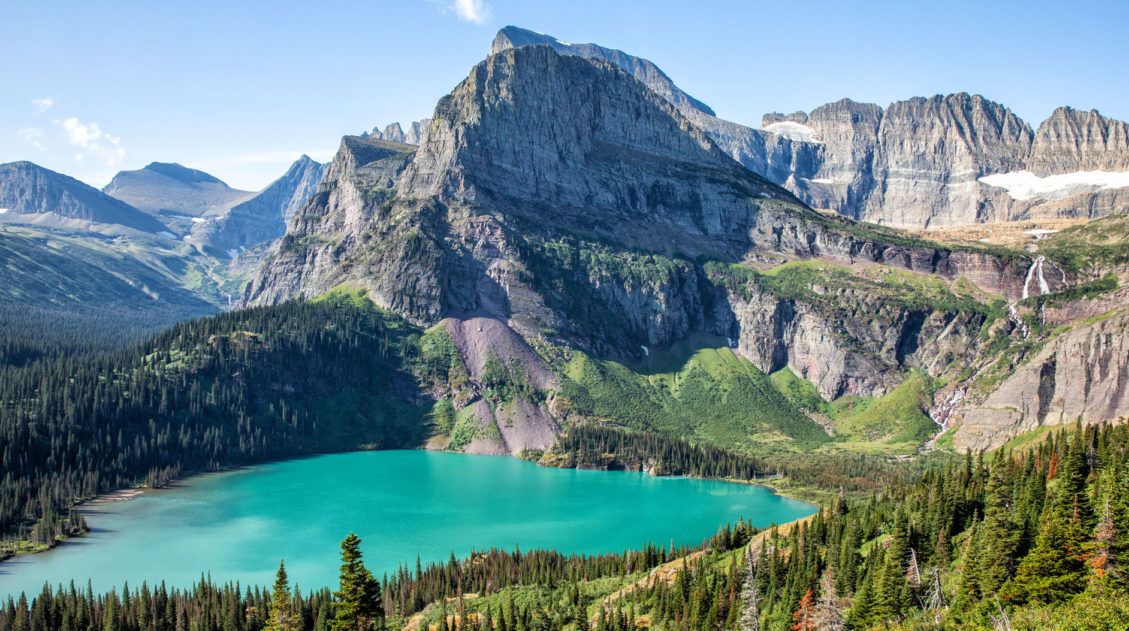
Best Things to Do in Glacier National Park
Here are the top experiences in Glacier National Park, from the best viewpoints, scenic drives, and hidden gems.Here is a map highlighting the must-have experiences in Glacier.
How to Use This Map: Click the icons on the map to get more information about each point of interest. To take this map with you, click the star next to the title of the map which adds it to your Google account. Next, within your Google Maps app, select ‘Saved’ and then select ‘Maps’. This map title will now appear in your list.
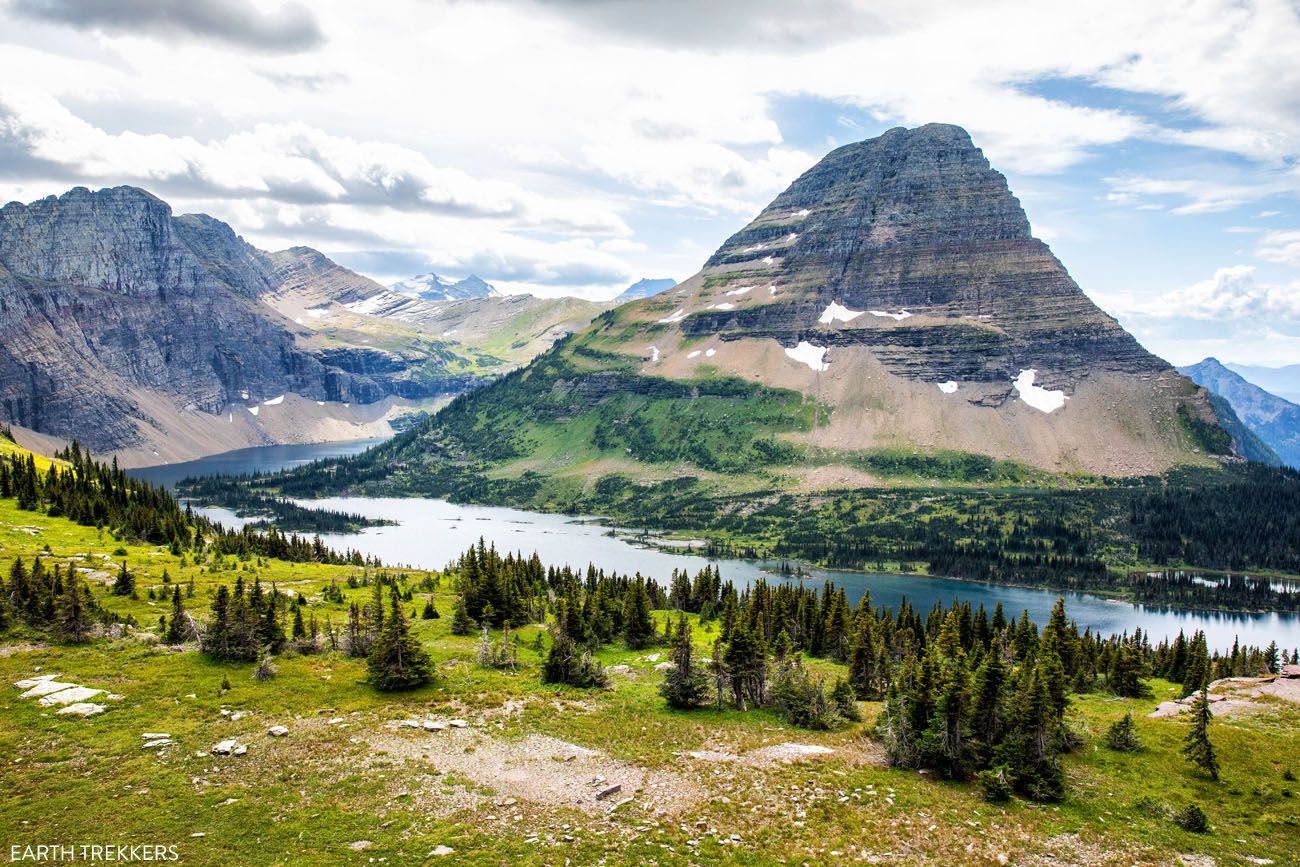
Hidden Lake Overlook
Glacier National Park Itinerary Options
Here are sample Glacier National Park itineraries, starting with a one-day itinerary.
One Day Glacier National Park Itinerary
If you only have one day in Glacier National Park, focus on Going-to-the-Sun Road, the scenic drive that runs through the heart of the park. This route connects many of Glacier’s most famous viewpoints and trailheads and offers an excellent introduction to the park’s landscapes.
With limited time, the goal is to combine the scenic drive with one or two short hikes and several viewpoints along the way.
Overview
Best base: West Glacier or Lake McDonald
Main highlights: Going-to-the-Sun Road, Logan Pass, Hidden Lake, Avalanche Lake
Driving distance: ~50 miles (plus stops)
Morning: Drive to Logan Pass & St. Mary
These are very rough time estimates, to give you an idea of how long to spend at each place.
6:30 to 7 am: Drive to Logan Pass. I know this is very early, but if you only have one day in Glacier National Park, getting an early start gives you plenty of time to visit all of the sights along Going-to-the-Sun Road. Also, parking at Logan Pass can be a nightmare in July and August.
It takes just over an hour to drive to Logan Pass from West Glacier. Enjoy the views along the drive, and it will be tempting to stop for photos, I know, but I recommend driving directly to Logan Pass to ensure that you get a parking space. You will repeat this drive later in the day and have plenty of time for photos.
NEW FOR 2026: Starting July 1, there will be a 3 hour time limit at the Logan Pass parking lot. If you plan to stay longer than this (for example, you plan to hike the Highline Trail today), you will have to use the Going-to-the-Sun Shuttle to get around the park today…and make a reservation well in advance of your trip.
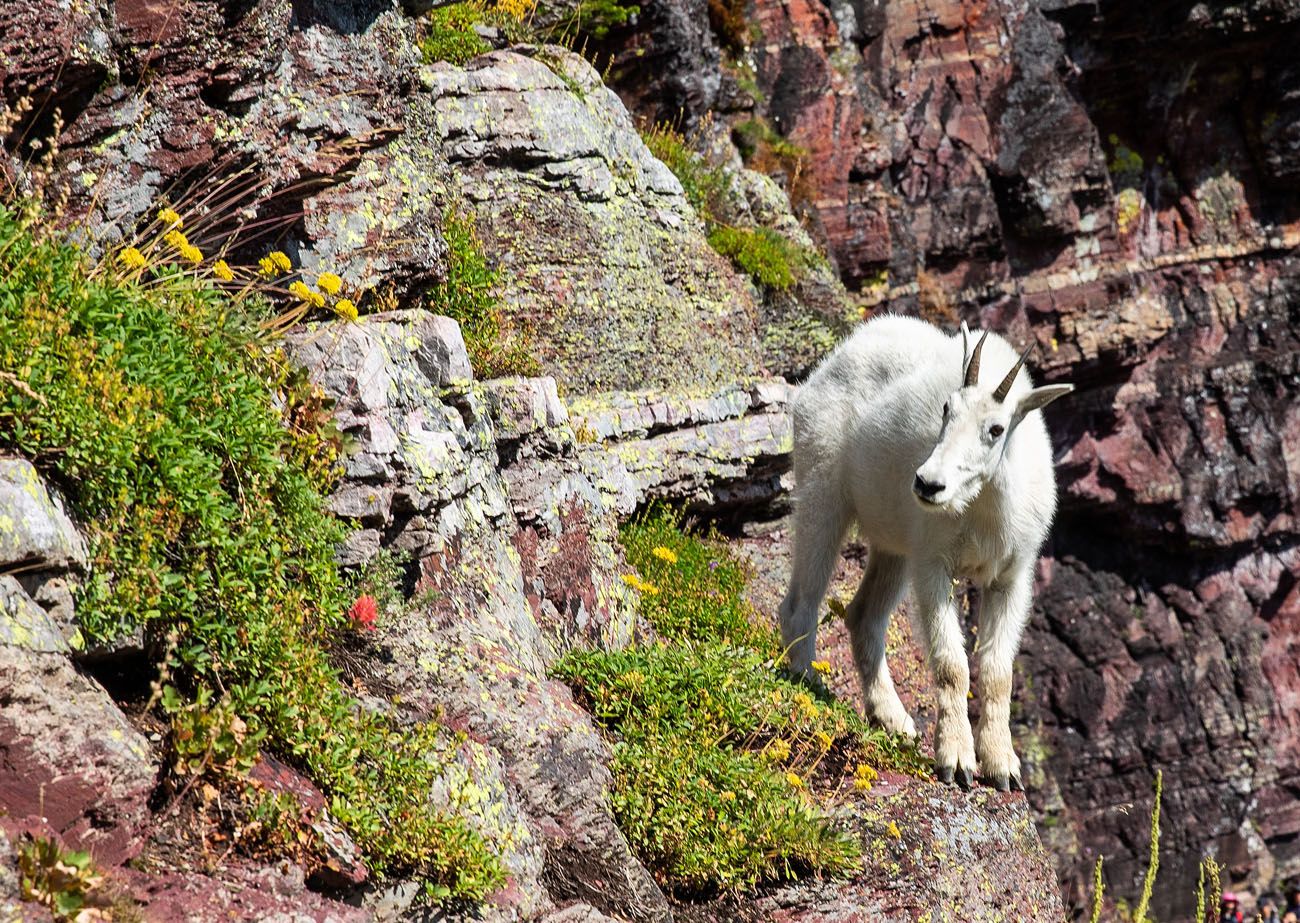
7 to 8 am: Logan Pass. Enjoy the views and hike to Hidden Lake Overlook (2.8 miles, 1.5 hours). If you only have energy for one hike today, this is the one I recommend. It’s a beautiful walk and not only do you get to see a beautiful lake but there is also a very good chance that you will see mountain goats along the way.
PRO TRAVEL TIP: If Logan Pass parking is full when you arrive, visit later in the afternoon when you drive back over GTTS Road, when spaces sometimes reopen.
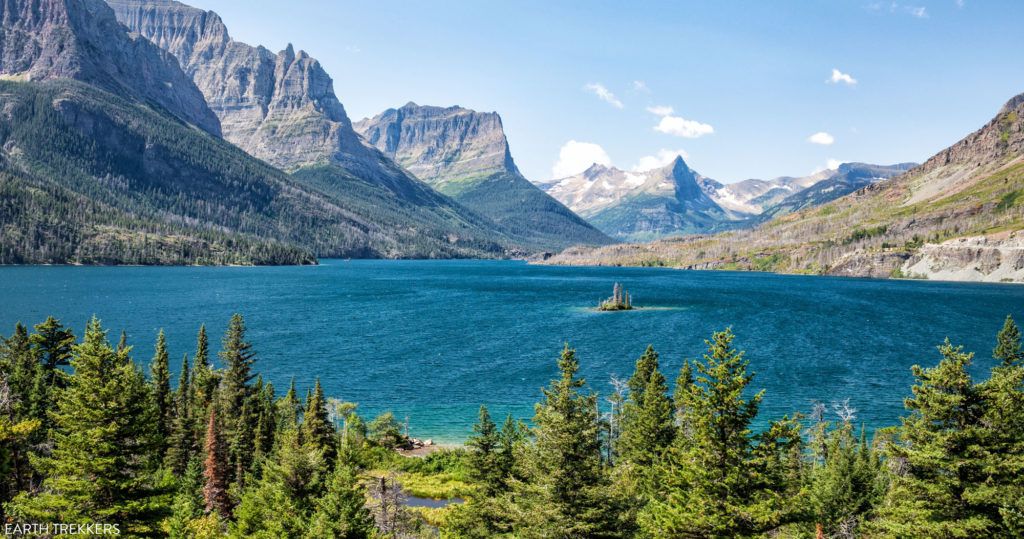
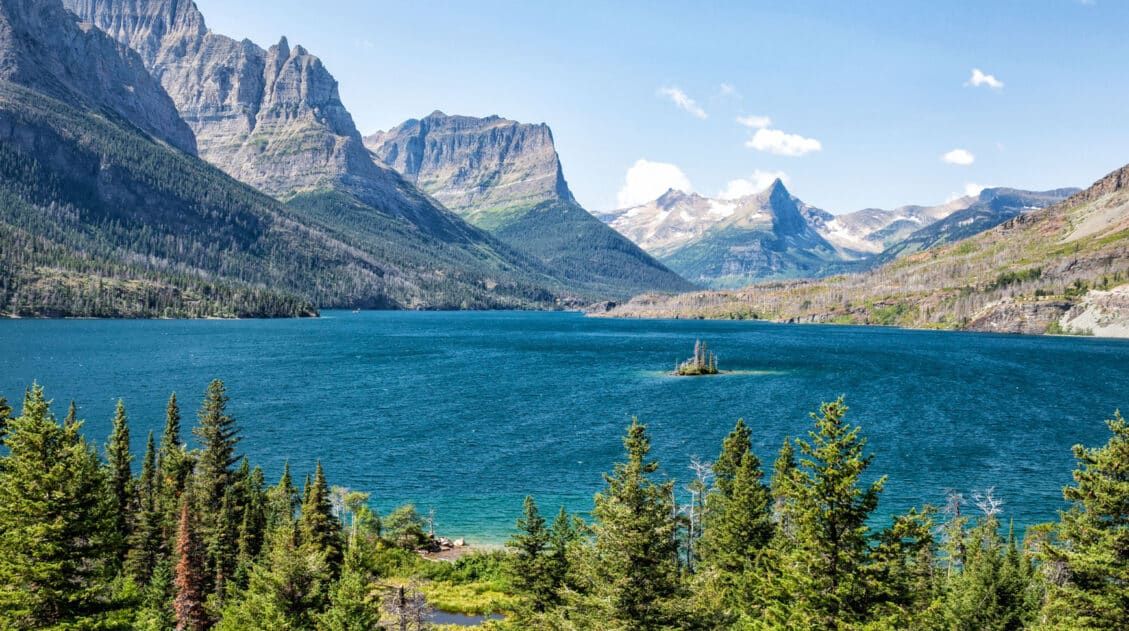
10 am: Drive to St. Mary. Continue the scenic drive along Going-to-the-Sun Road until you get to St. Mary. Along the way, enjoy the view of Wild Goose Island and you have the option to hike to St. Mary falls.
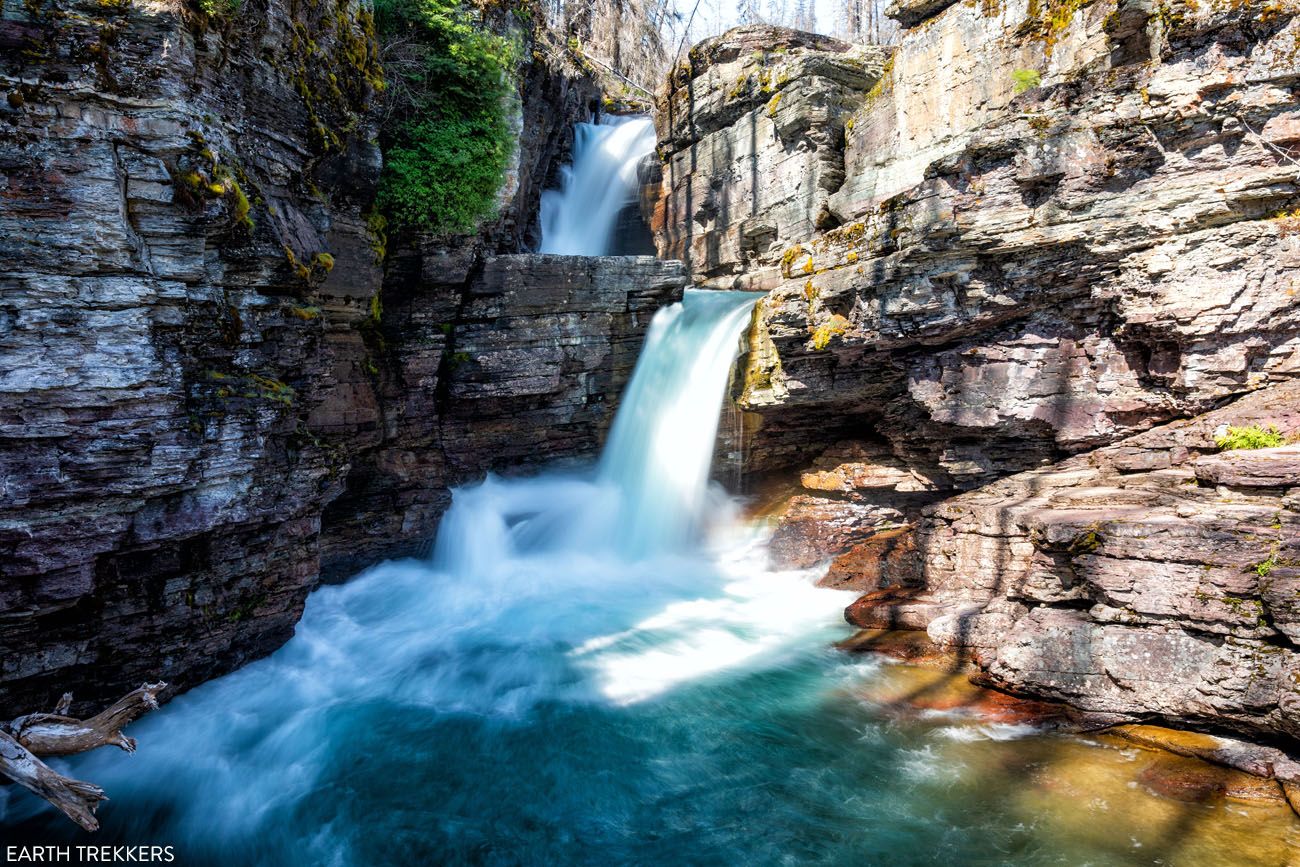
St. Mary Falls
Midday: St. Mary
11:30 am: Lunch. In St. Mary, have lunch at one of the restaurants or have a picnic lunch, if you packed one.
Afternoon: Scenic Drive & Avalanche Lake
12:30 pm: Drive Going-to-the-Sun Road. Drive towards West Glacier on Going-to-the-Sun Road. Now you have plenty of time to stop at the overlooks, enjoy the spectacular views, and take hundreds of photos. It takes 2 hours to drive the entire length of Going-to-the Sun Road (St. Mary to West Glacier), longer with stops for photos.
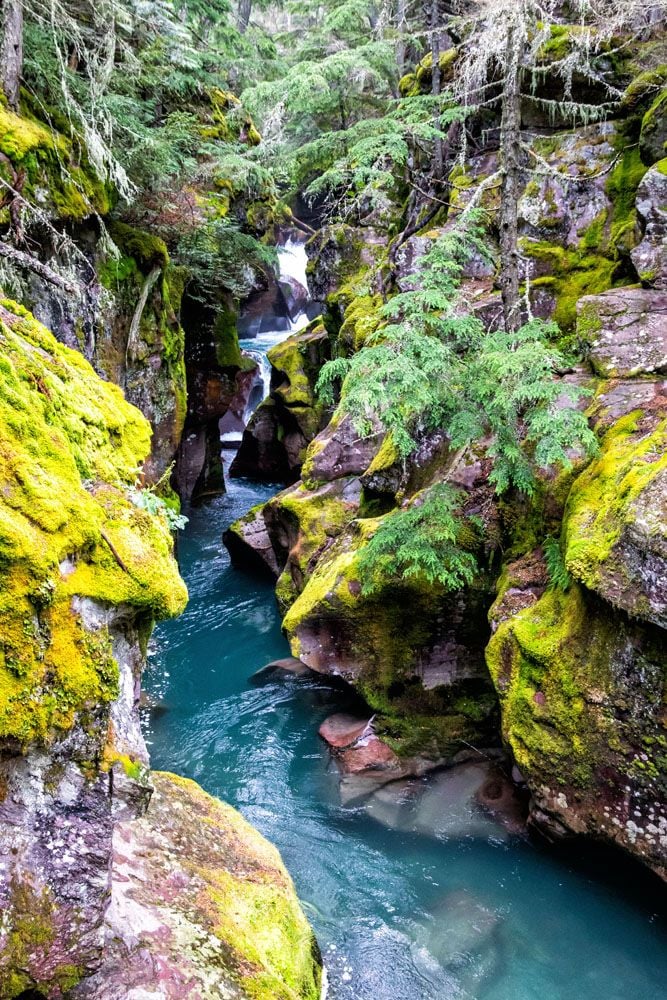
4:00 pm: Hike to Avalanche Lake via Trail of the Cedars. This hike is 4.6 miles round trip and takes 2 to 3 hours. It ends at a very pretty lake. If you are not up for a hike this long, you can simply walk the flat, easy, 0.7-mile Trail of the Cedars.
Evening: Lake McDonald Sunset
6:00 to 7:00 pm: At Lake McDonald, have dinner and enjoy sunset views over the lake.
Two Day Glacier National Park Itinerary
With two days in Glacier National Park, you can experience both the highlights of Going-to-the-Sun Road and add one of the park’s signature hikes or visit another region beyond the main scenic drive.
This itinerary balances scenic driving with hiking while minimizing unnecessary backtracking.
Overview
Best bases: West Glacier + St. Mary or Many Glacier
Main highlights: Going-to-the-Sun Road, Logan Pass, Hidden Lake, plus a major hike or new region
Day 1: Going-to-the-Sun Road Highlights
Follow the one-day Glacier National Park itinerary above. Highlights include:
- Driving Going-to-the-Sun Road
- Logan Pass
- Hidden Lake Overlook
- Wild Goose Island
- Avalanche Lake
- Lake McDonald at sunset
Spend the night on the east side of the park, if you plan to visit Many Glacier or Two Medicine on day 2. Spend the night on the west side of the park, if you plan to watch the sunset at Lake McDonald and hike the Highline Trail on day 2.
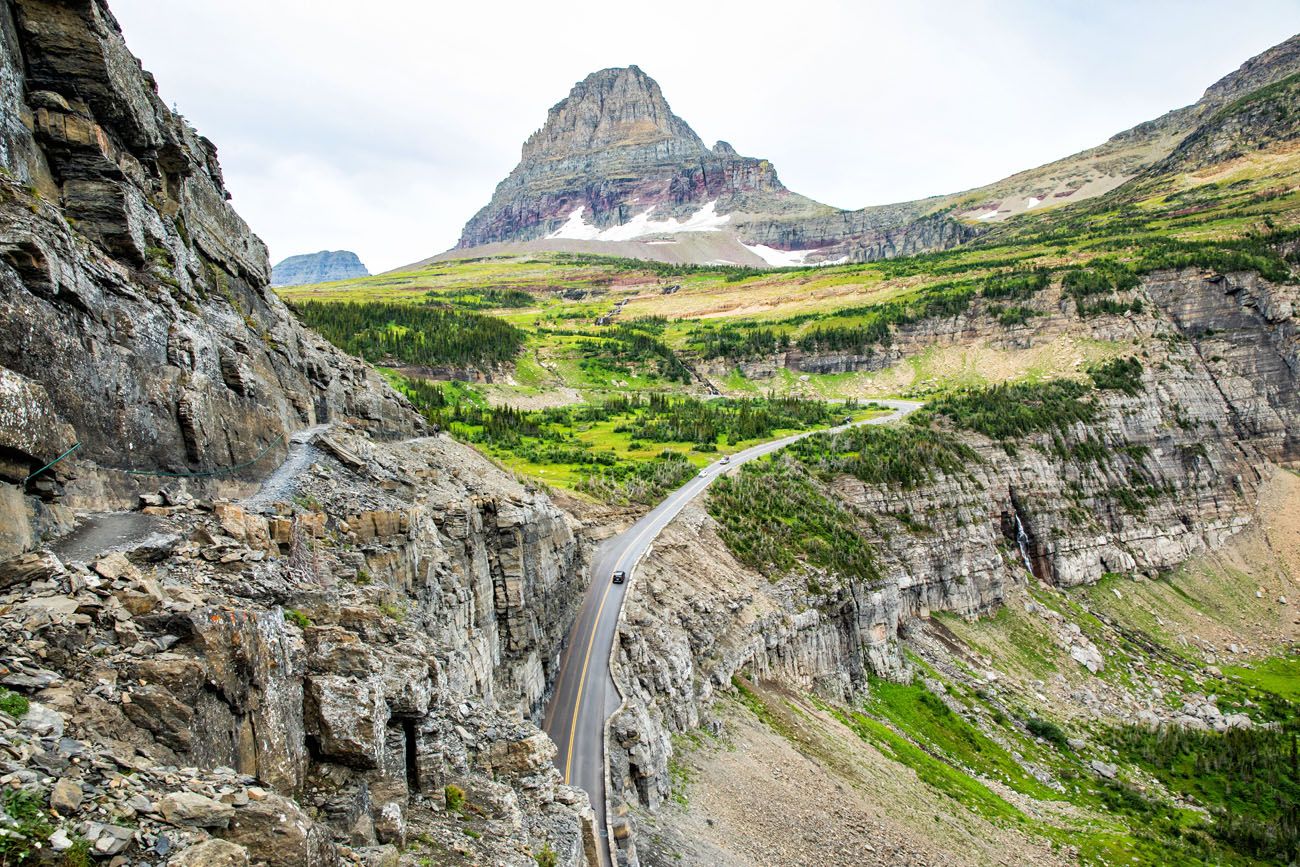
View of Logan Pass and Going-to-the-Sun Road from the Highline Trail
Day 2 Option 2: Visit Many Glacier (Our Recommendation)
If you prefer exploring a new area, spend your second day in Many Glacier, often considered the most beautiful region of the park.
Here you can:
- Hike to Grinnell Glacier or Iceberg Lake
- Take a boat tour on Swiftcurrent or Josephine Lakes
- Enjoy excellent wildlife viewing opportunities
Because Many Glacier sits outside the Going-to-the-Sun Road corridor, staying on the east side of the park the night before makes this day much easier.
Why choose this option:
- Dramatic scenery
- Excellent hiking choices
- Fewer crowds than GTTS Road
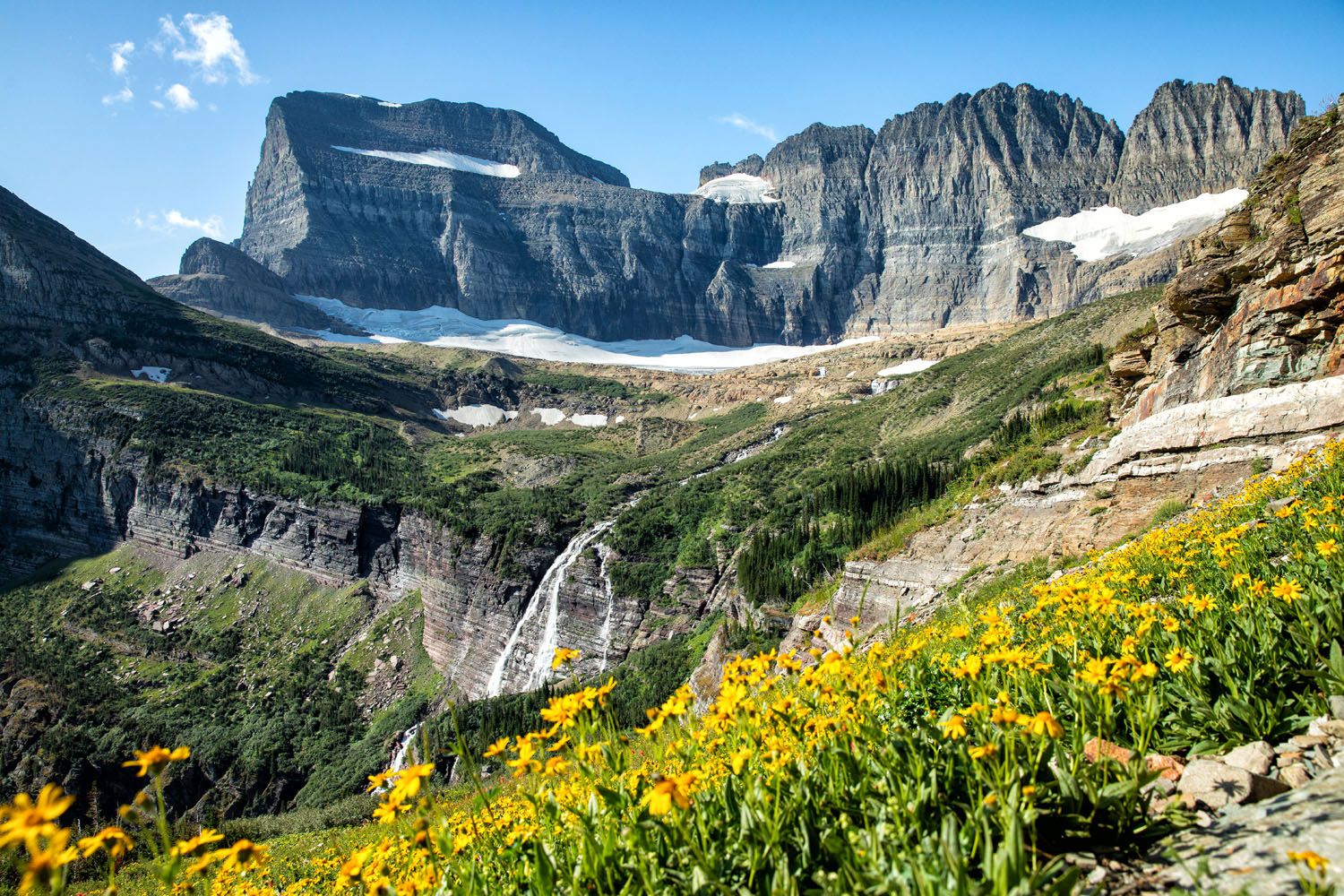
Hiking the Grinnell Glacier Trail
Day 2 Option 1: Hike the Highline Trail
If you enjoy hiking, this is one of the best ways to spend your second day in Glacier National Park.
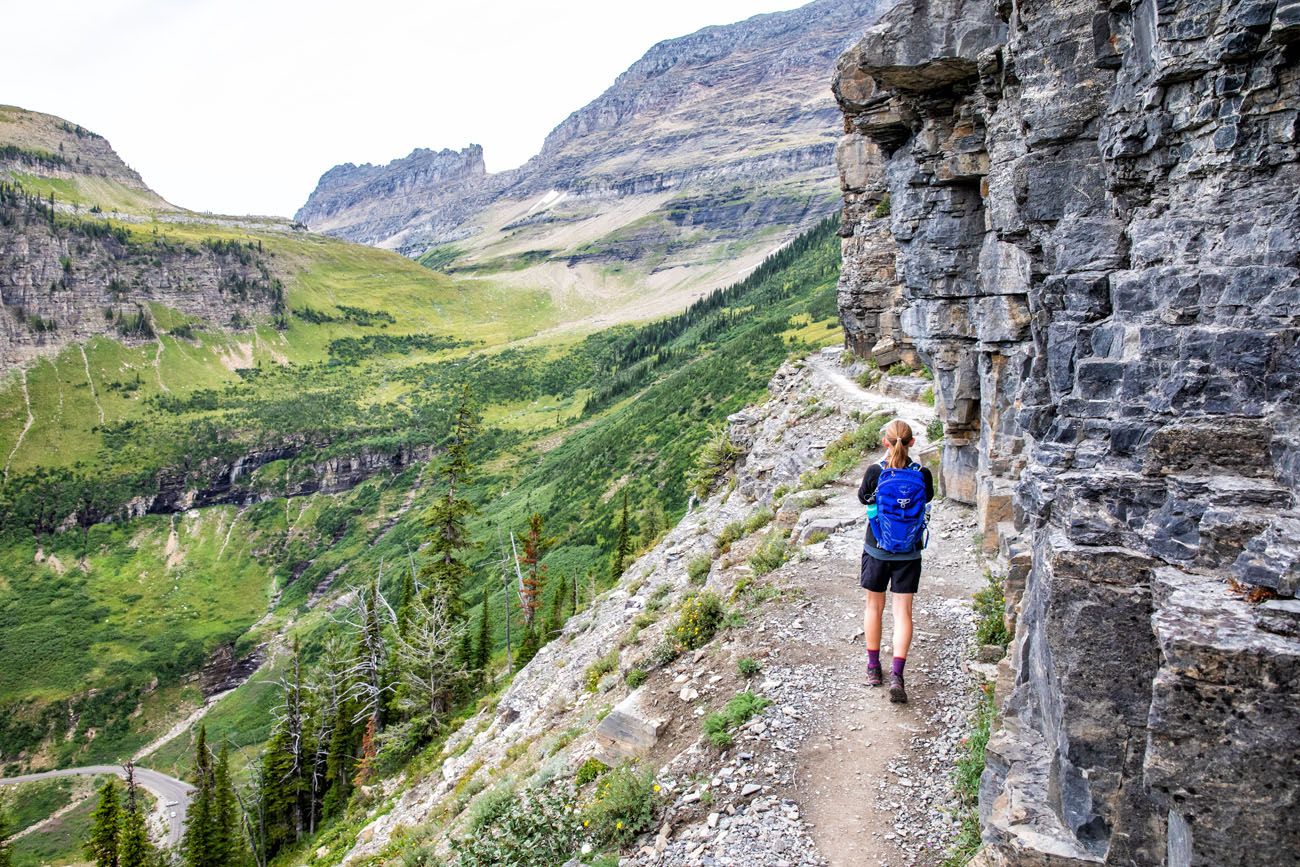
Start early and return to Logan Pass to hike the Highline Trail, one of Glacier’s most famous hikes. The trail follows the Continental Divide and offers incredible views almost the entire way.
Many hikers continue to the Granite Park Chalet before descending to The Loop and using the park shuttle to return to Logan Pass.
IMPORTANT: To hike the Highline Trail, you will have to reserve a spot on the Going-to-the-Road Shuttle. This is new for 2026.
Why choose this option:
- One of the most scenic hikes in the United States
- Classic Glacier National Park experience
- Incredible alpine views
- Can spend a second night in on the west side of Glacier (less packing and unpacking)
Get the full details on how to do this hike, with photos, map, and tips we learned from our hike ↓
Alternative: A Slower Two-Day Visit
If hiking long distances isn’t your priority, split Going-to-the-Sun Road across two days instead. Spend one day exploring the west side and another focusing on Logan Pass and the east side of the park at a more relaxed pace.

Three Day Glacier National Park Itinerary
Three days is an ideal amount of time for a first visit to Glacier National Park. With this much time, you can drive Going-to-the-Sun Road, hike one of Glacier’s iconic trails, and explore another region of the park beyond the main scenic corridor.
Overview
Best strategy: Stay on both sides of the park
Main highlights: Going-to-the-Sun Road, Logan Pass, a signature hike, and Many Glacier
Ideal for: First-time visitors who want hiking and scenic highlights
Day 1: Going-to-the-Sun Road & Logan Pass
Follow the one day in Glacier National Park itinerary (above). Stay in West Glacier (if hiking the Highline Trail tomorrow) or St. Mary/Many Glacier (if hiking in Many Glacier) to minimize driving on day 2.
Day 2: Highline Trail or Grinnell Glacier
Today is dedicated to one of Glacier’s most memorable hikes.
Option 1: Highline Trail (Logan Pass)
Return to Logan Pass early and hike the Highline Trail, one of the most scenic hikes in the United States. Continue toward Granite Park Chalet or complete the full point-to-point hike to The Loop. Don’t forget to reserve a spot on the park shuttle in advance of your trip.
Option 2: Grinnell Glacier (Many Glacier)
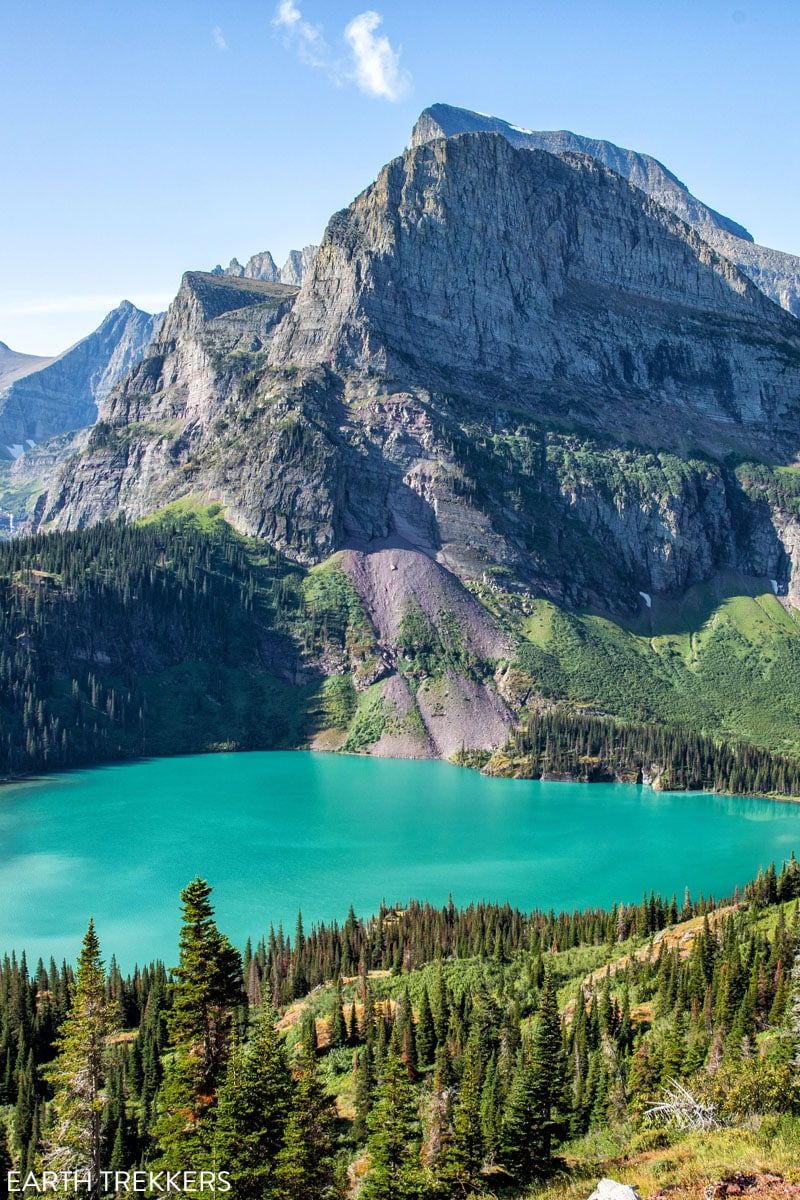
If you prefer exploring a new region, hike to Grinnell Glacier from the Many Glacier area. This hike features turquoise lakes, waterfalls, and incredible glacier views.
Both hikes are long but unforgettable experiences and represent the best of Glacier National Park.
Stay on the east side of the park (St. Mary or Many Glacier).
Day 3: Explore Many Glacier or Two Medicine
Spend your final day exploring another area of the park at a slower pace.
Many Glacier Highlights
- Iceberg Lake hike
- Swiftcurrent Lake walk
- Boat tours
- Wildlife viewing
OR
Two Medicine Area
- Running Eagle Falls
- Scenic Point hike
- Boat ride on Two Medicine Lake
- Quieter trails and fewer crowds
This final day provides a more relaxed experience after a big hiking day while allowing you to see another side of Glacier.
Hiking to Avalanche Lake
Four Day Glacier National Park Itinerary
With four days in Glacier National Park, you have enough time to experience the park’s highlights while slowing the pace and exploring Glacier’s most scenic regions more deeply. This itinerary combines Going-to-the-Sun Road, one or two signature hikes, and extra time in Many Glacier, widely considered the most spectacular area of the park.
Overview
Best strategy: Split your stay between west and east Glacier
Main highlights: Going-to-the-Sun Road, Logan Pass, major hikes, Many Glacier
Ideal for: Visitors who want a balanced mix of hiking and sightseeing
Day 1: Going-to-the-Sun Road Highlights
Follow the one-day Glacier National Park itinerary earlier in this guide. Stay on the east side of the park.
Day 2: Highline Trail or More Time on GTTS Road
For avid hikers, we recommend hiking the Highline Trail, as it is one of the most thrilling, iconic trails in the park. You will need to reserve your shuttle in advance. You will board the shuttle in east Glacier, which might make it a little bit easier to get a shuttle reservation, since most people stay on the west side.
If you do not want to hike the Highline Trail, you have an extra day to spend on GTTS Road, taking shorter hikes and relaxing at Lake McDonald.
Sleep in east Glacier.
Kara hiking the Highline Trail
Day 3: Explore Many Glacier
Spend a full day exploring Many Glacier at a more relaxed pace. Options include:
- Hiking to Grinnell Glacier or Iceberg Lake
- Walking around Swiftcurrent Lake
- Taking a scenic boat tour
- Wildlife viewing in the early morning or evening
Having a full day here allows you to experience one of Glacier’s most beautiful areas without rushing between regions. Sleep in east Glacier.
Day 4: Two Medicine or Scenic Flex Day
On your final day, explore another part of the park or revisit favorite areas.
Option 1: Two Medicine
- Running Eagle Falls
- Scenic Point hike
- Boat tour on Two Medicine Lake
- Fewer crowds than other areas
Option 2: Scenic Flex Day
- Revisit Going-to-the-Sun Road viewpoints
- Short hikes you missed earlier
- Relax at Lake McDonald
- Photography or wildlife viewing
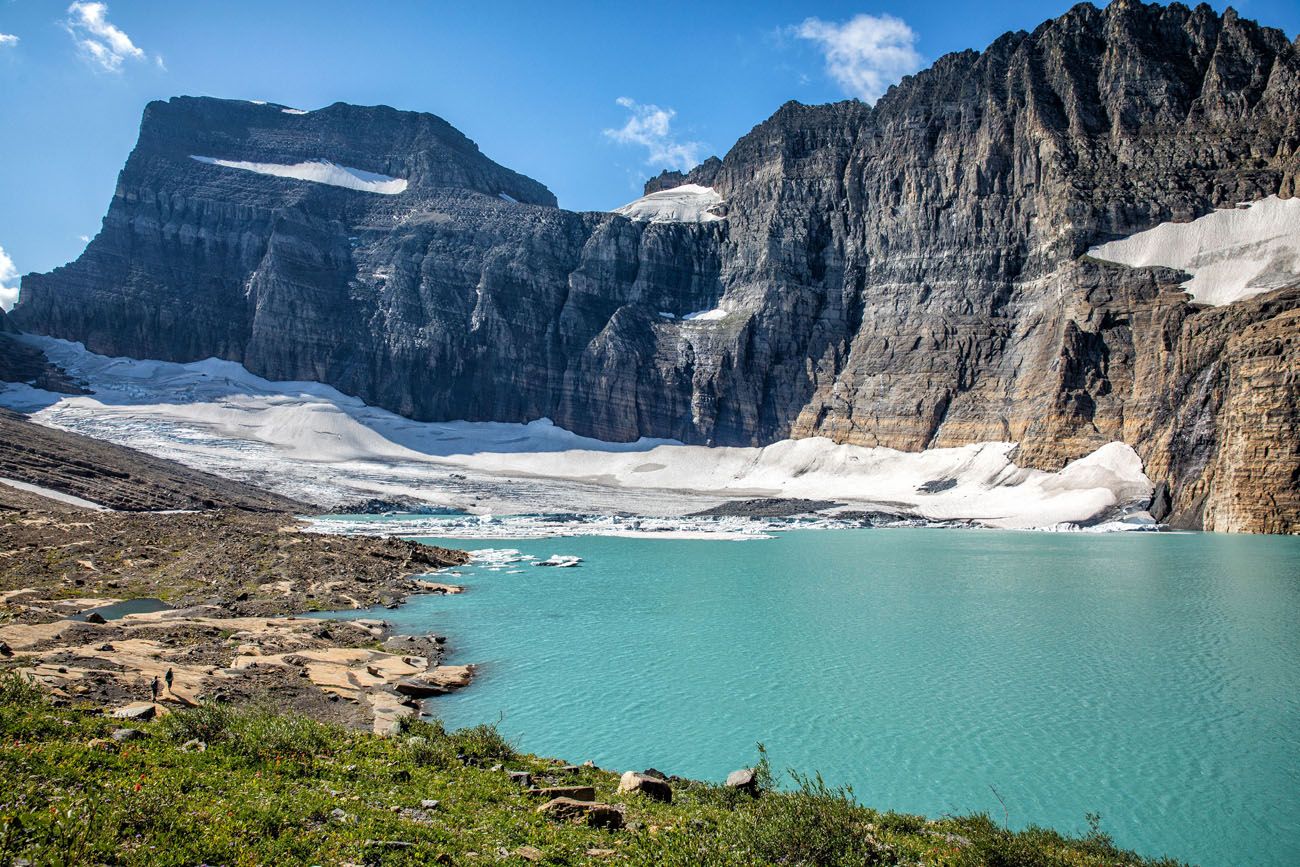
Grinnell Glacier
Five Day Glacier National Park Itinerary
With five days in Glacier National Park, you can experience the park at a much more relaxed pace while exploring several distinct regions. This itinerary includes Glacier’s most famous scenic drive, multiple hiking opportunities, the opportunity to visit Waterton Lakes, and time to visit areas beyond Going-to-the-Sun Road.
Five days also provides flexibility for weather changes, which can occasionally affect hiking plans in Glacier.
Overview
Best strategy: Stay in two or three areas of the park
Main highlights: Going-to-the-Sun Road, major hikes, Many Glacier, and an additional region or day trip
Ideal for: Hikers and visitors who want a deeper Glacier experience
Day 1: Going-to-the-Sun Road Highlights
Follow the one-day Glacier National Park itinerary earlier in this guide.
Day 2: Highline Trail or More Time on GTTS Road
Hike the Highline Trail or spend more time visiting viewpoints along Going-to-the-Sun Road and doing short hikes. Sleep on the east side of the park.
Day 3: Explore Many Glacier
Spend the day in Many Glacier, either hiking one of the trails here or going for a boat ride on Josephine and Swiftcurrent Lakes. Stay on the east side of the park.
Day 4: Waterton Lakes or Two Medicine
Option 1: Day Trip to Waterton Lakes National Park (Canada)
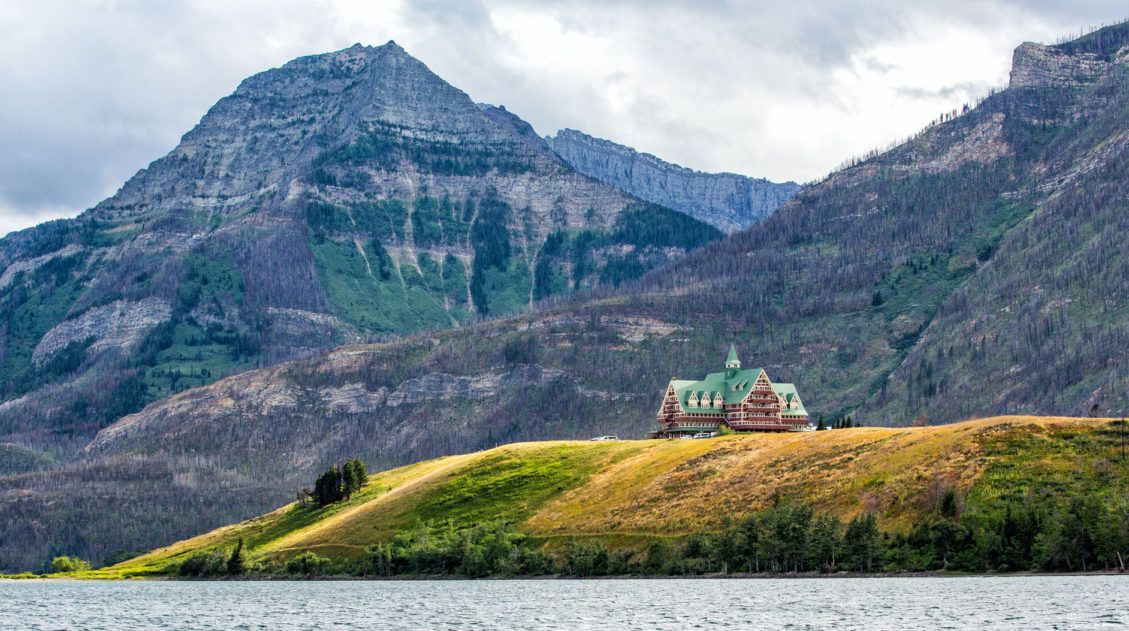
Just across the international border, Waterton Lakes forms part of the Waterton-Glacier International Peace Park. Cycle Red Rock Parkway, visit the Prince of Wales Hotel, or take a boat cruise on Waterton Lake. Here’s how to plan your visit ↓
Option 2: Visit Two Medicine
Head south to the quieter Two Medicine region. See Running Eagle Falls, go for a hike, or go for a stroll along the lake.
Day 5: Scenic Flex Day
Visit Two Medicine (if you did not do that yesterday), do another hike on your list, revisit your favorite viewpoints, and relax at Lake McDonald.
Spend the night near your departure airport if flying out the following morning.
Best Time to Visit Glacier National Park
Opening and Closing Dates of Going-to-the-Sun Road
Going-to-the-Sun Road is only open in the summer months…the remainder of the year it is snow covered.
Usually, the road is open by mid to late-June but this varies from year to year. In 2024, Going-to-the-Sun Road opened June 22, and in 2023 it opened on June 13, the earliest opening since 2005. In 2022, Going-to-the-Sun Road opened on July 13, which is unusually late.
Going-to-the-Sun Road closes by late September or early October. Here are the closing dates for the past few years: 2024: October 20; 2023: October 15; 2022: October 16; 2021: October 13.
If you want to drive the full length of Going-to-the-Sun Road, plan your visit between early to mid-July and the end of September.
What to Expect By Season
Since Going-to-the-Sun Road is only open from the end of June through mid-October, this is the best time to visit the park. This is also when the weather is the warmest.
WINTER: During the months of December, January, and February, areas of the park average 30 inches of snowfall per month. Most businesses in and around the park are closed from early October through late May. But if you are self-sufficient, you can go skiing or snowshoeing in the park.
SPRING: Snowfall diminishes as the weather gets warmer, but snow chances still linger into early May. By May, daytime high temperatures get up into the 60’s, but many businesses are still closed during the spring months, so again, you need to be self-sufficient to visit the park.
SUMMER: This is the best time to visit Glacier National Park. Summer highs are in the low 80’s but on rare days it can get close to 100°F. Rainfall chances are also at their lowest in the summer. Expect big crowds in the park.
FALL: In the fall, the snow returns and many businesses close, as does Going-to-the-Sun Road. Early to mid-October is a nice time to visit the park if you want to have lower crowds. Just keep your fingers crossed that Going-to-the-Sun Road doesn’t close early.
Glacier National Park appears in our Best US National Parks Month-By-Month series as a great park to visit in July, August, and September, since all the park roads are open during this time.
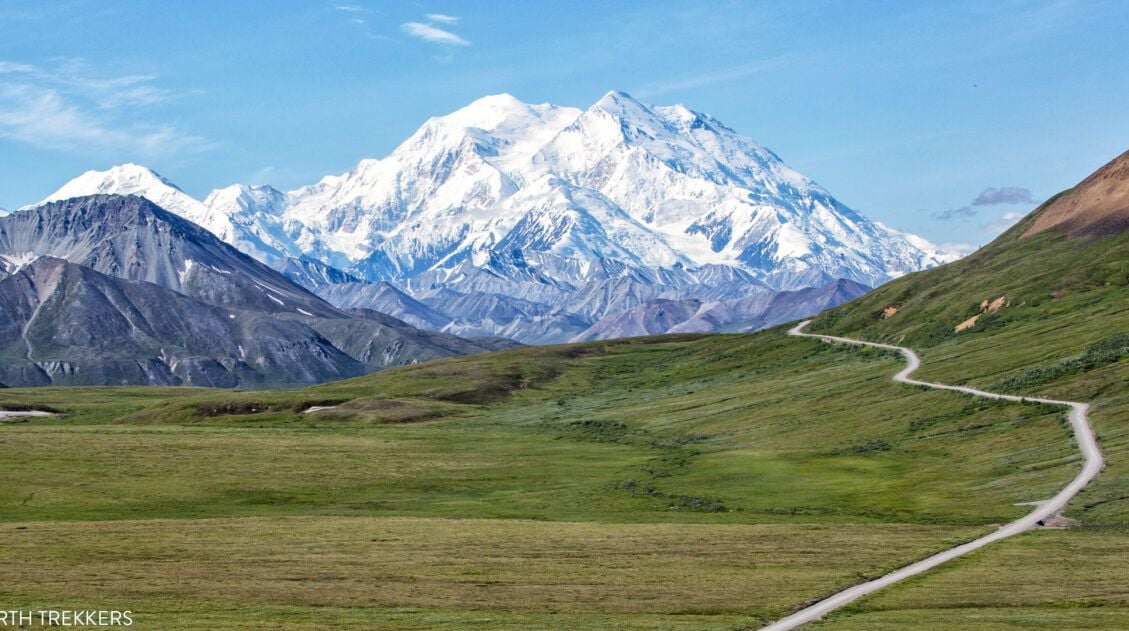
15 Best US National Parks to Visit in July 2026
Which are the best national parks to visit in July? In this guide, we list 15 great parks to visit in the USA. Go hiking in Mount Rainier and Glacier National Parks, go whale watching in the Channel Islands, and venture into Alaska for some amazing adventures. About this National Park Series This article is […]
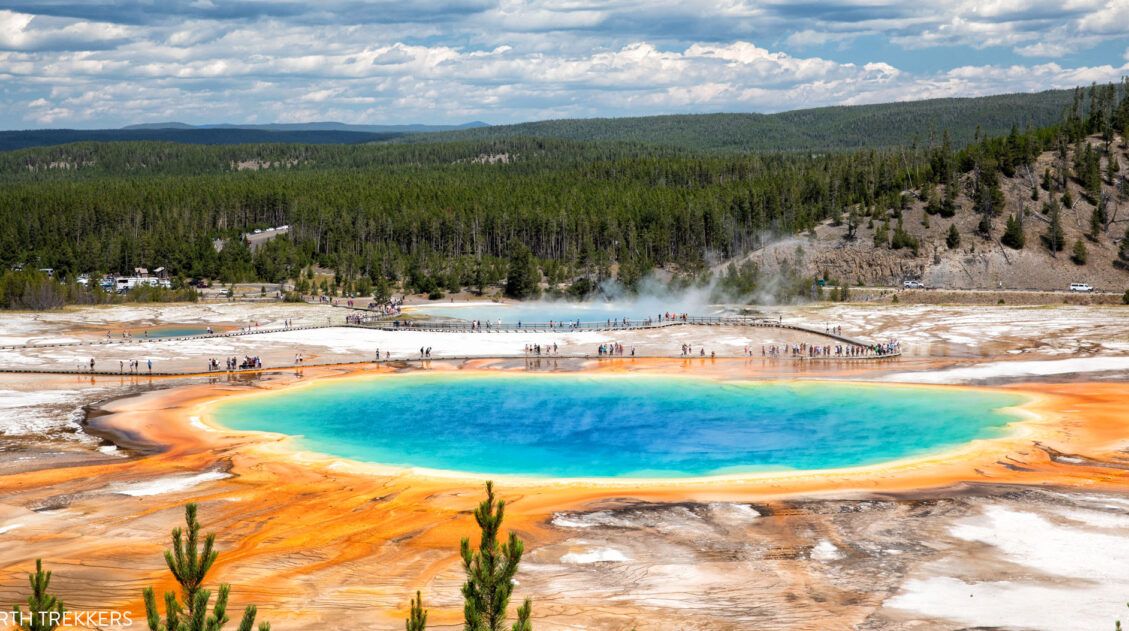
15 Best US National Parks to Visit in August 2026
Planning a trip to the US national parks in August and don’t know which ones to visit? August is a busy time to visit the national parks, but crowd levels aren’t quite at their peak (that typically happens in July for many parks). In this guide, we list some popular summertime parks to visit plus […]
14 Best US National Parks to Visit in September 2026
September is one of the best months of the year to visit the national parks. The weather is fantastic across much of the USA, the busy summer season is coming to an end, and, in some parks, you can see the first of the fall colors. In this guide, we list 14 of the best […]
Common Glacier National Park Itinerary Mistakes
Glacier National Park is incredible, but planning a trip here is a little different from visiting many other national parks. Based on our visits, these are the most common mistakes first-time visitors make — and how to avoid them.
Trying to See Everything From One Base
Glacier is larger than it looks on a map, and driving across the park can take several hours. Staying in only one location for your entire trip often leads to long driving days and less time enjoying the park. For visits of three days or more, consider spending time on both the east and west sides of Glacier.
Underestimating Driving Times
Going-to-the-Sun Road is only about 50 miles long, but frequent stops, traffic, and limited parking can make travel slower than expected. Plan fewer major activities each day and allow extra time for viewpoints and photo stops.
Arriving Late to Logan Pass
Logan Pass is one of Glacier’s most popular destinations, and parking frequently fills early during the summer season. Arriving early in the morning, or later in the evening, can make a huge difference in your experience.
Packing Too Much Into One Day
Many visitors try to combine long hikes, scenic drives, and multiple regions of the park in a single day. Glacier rewards a slower pace. Choosing one main hike or region per day usually leads to a far more enjoyable visit.
Not Planning Ahead for Park Access or Shuttle Use
Entry procedures and transportation options in Glacier can change from year to year. In 2026, timed-entry reservations are not required, but visitors planning to use the Going-to-the-Sun Road shuttle may need to reserve tickets in advance during peak season.
Where to Stay
On our visits to Glacier National Park, we found that splitting our stay between two areas of the park made the trip far more enjoyable and efficient. This allows you to experience both sides of Glacier while minimizing daily driving time.
For most visitors, this strategy works best:
- West Glacier or Lake McDonald area: Ideal for exploring Lake McDonald, Avalanche Lake, and the western entrance to Going-to-the-Sun Road.
- St. Mary or Many Glacier: Best for Logan Pass access, wildlife viewing, and Glacier’s most spectacular hikes such as Grinnell Glacier and Iceberg Lake.
If you have three or more days in Glacier National Park, consider spending at least one or two nights on each side of the park. This makes sunrise starts easier, improves parking chances at popular trailheads, and creates a more relaxed itinerary overall.
Make your hotel reservations as soon as you know your dates of travel (ideally 6 months before your trip but earlier is even better). There are limited accommodations on the east side of Glacier National Park so you need to make these reservations as early as possible.
Many Glacier
Many Glacier Hotel. This is a grand, historic hotel. It looks amazing on the outside and has an enormous, rustic lobby with stunning views of Swiftcurrent Lake. Kara and I stayed in a standard room. It was a very basic room with a double bed and private bathroom. There is no air conditioning, but it is cool at night so that was not an issue. However, it’s an old hotel. The floors creak and the walls are thin, so if you are a light sleeper, bring ear plugs.
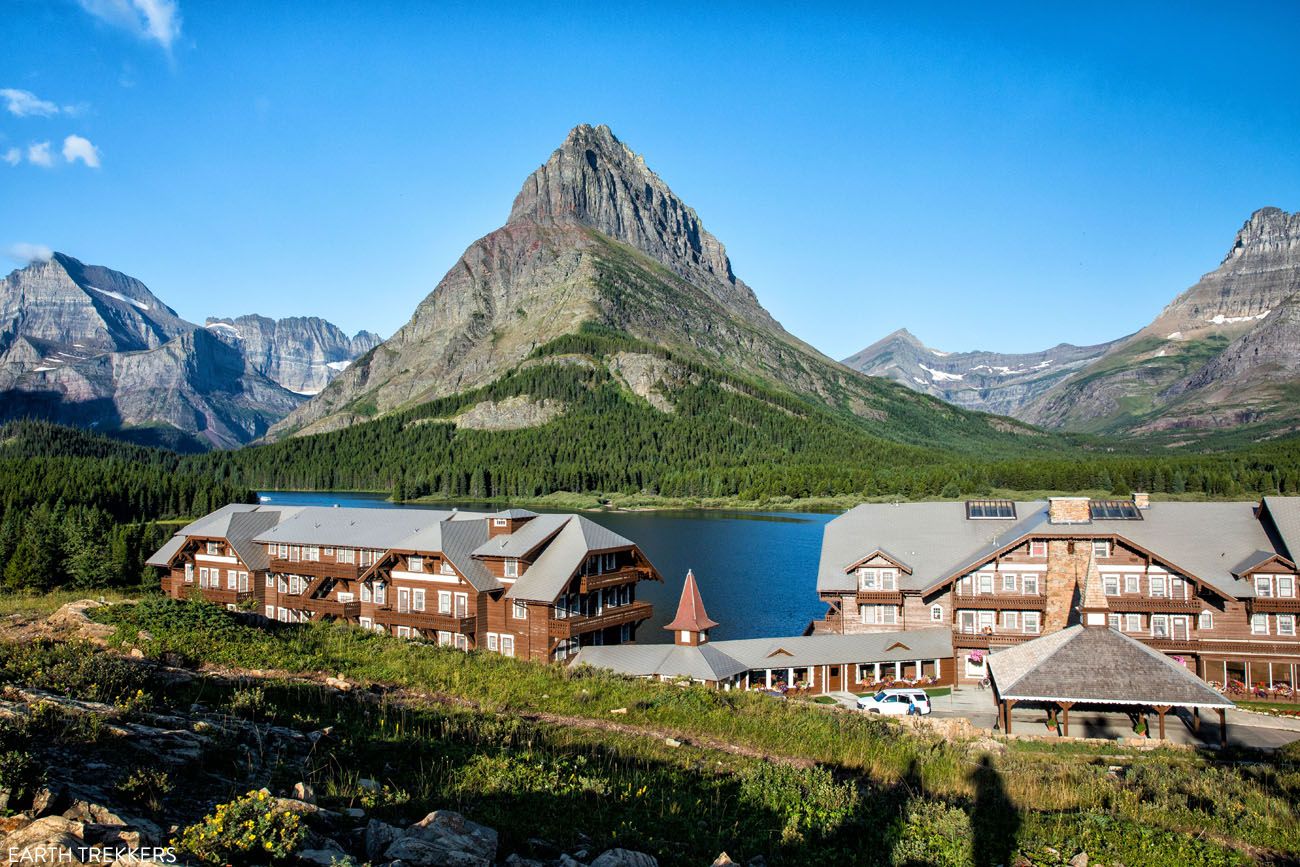
Many Glacier Hotel
Swiftcurrent Motor Inn. I liked it here. Again, it’s very basic, with no Wi-Fi, cellular service or air conditioning. But we stayed in a building tucked away in the trees and it was very nice. Our room was enormous, the beds were comfy, and it felt more peaceful than staying at the Many Glacier Hotel.
St. Mary
St. Mary Village. This property gets mediocre reviews but it is slim pickings east of Glacier National Park. However, this mountain resort has a great location in St. Mary. Take your pick from standard hotel rooms and small cottages. This is a great pick for families.
West Glacier
Great Northern Resort. This place is wonderful. It is located in West Glacier, so it is a great place to stay to be near Lake McDonald and Avalanche Lake. We had an enormous room with two beds, air conditioning, and great Wi-Fi. I would stay here again.
Whitefish
Best Western Rocky Mountain Lodge. Whitefish is located west of Glacier National Park. If you have a flight home the next day, this is a great place to stay, since you will be near the airport. Unless you are having a hard time finding accommodations inside the park, I wouldn’t recommend staying in Whitefish. It’s a 40-minute drive just to get to the west entrance and can take an hour and a half or longer to get to Logan Pass. However, after your visit, Whitefish is a great place to stay. There’s a lot to do here, with outdoor activities and family-friendly experiences.
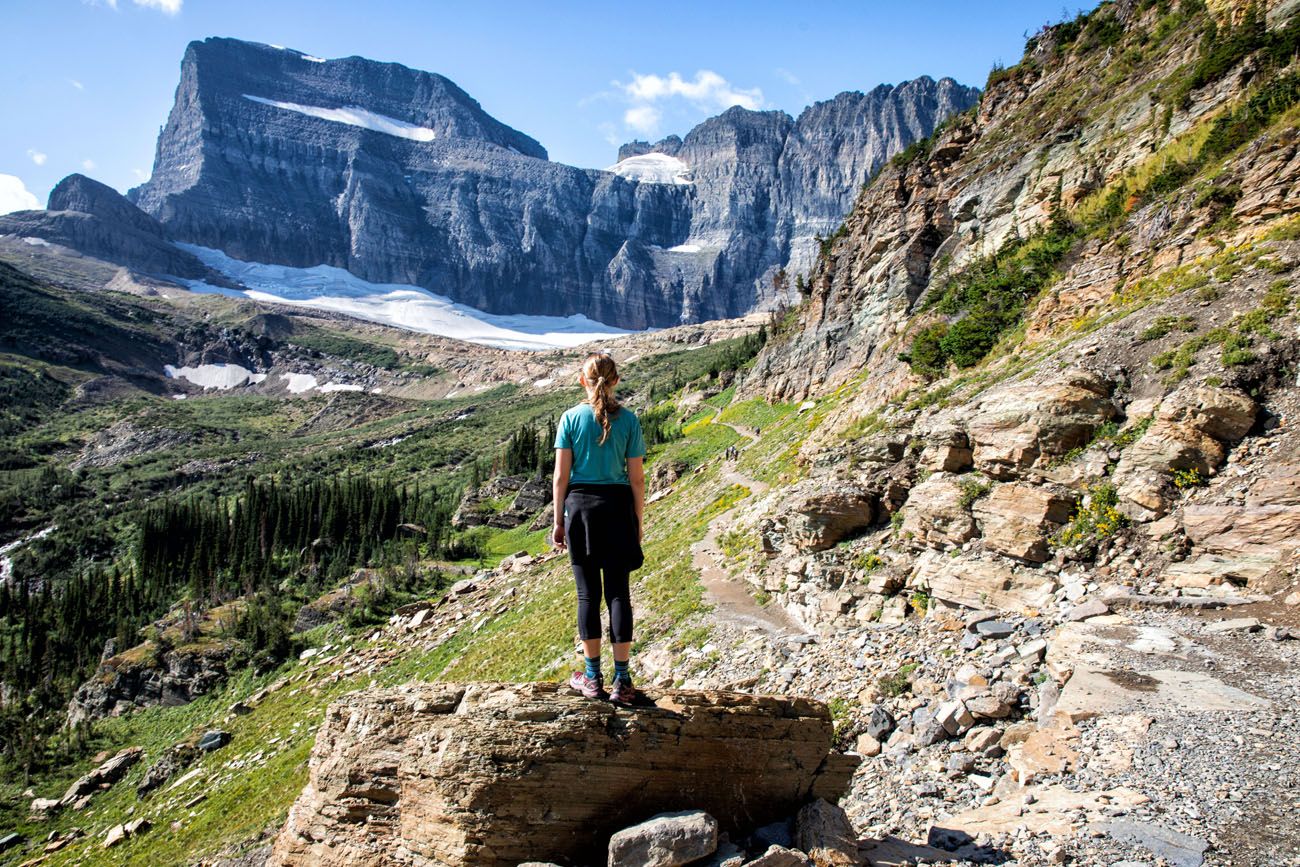
Hiking to Grinnell Glacier
Practical Information
Entrance Fee: $35 per vehicle in the summer, valid for 7 days; $25 in winter (November through April), valid for 7 days; non-US residents 16 years or older pay an additional $100 fee
Vehicle Reservations: Due to the narrow, winding nature of Going-to-the-Sun Road, there are regulations for vehicle length and width. Vehicles (and vehicle combinations) longer than 21 feet or wider than 8 feet (mirrors included) are prohibited between Avalanche Creek and Rising Sun.
Visit the National Park Service website for more information on hikes in Glacier, as well as to check trail status and get important updates. Some trails can close due to Grizzly Bear activity and this is most common in the Many Glacier area.
Please practice the seven principles of Leave No Trace: plan ahead, stay on the trail, pack out what you bring to the hiking trail, leave areas as you found them, minimize campfire impacts, be considerate of other hikers, and do not approach or feed wildlife.
Plan Your Glacier National Park Trip
Glacier National Park is often part of a larger western United States road trip, and there are many ways to expand or customize your visit. Below are additional guides to help you plan your trip, choose the best hikes, and explore nearby destinations.
Start here for detailed planning information and park logistics:
- Glacier National Park Travel Guide – when to visit, how to get around, and essential planning tips
- Best Things to Do in Glacier National Park – a complete overview of activities and highlights
- Best Hikes in Glacier National Park – from short scenic walks to full-day adventures
Many visitors combine Glacier with other national parks in the region:
- Grand Teton, Yellowstone & Glacier National Parks Itinerary – a 10-day itinerary that starts in Grand Teton and ends in Glacier National Park
- Guide to Yellowstone National Park – see all of our guides on Yellowstone, including things to do, sample itineraries, and where to stay
If you have any questions about this Glacier National Park itinerary or how many days you should spend in Glacier, let us know in the comment section below.
Here are more of our guides on places to visit in Montana and beyond.
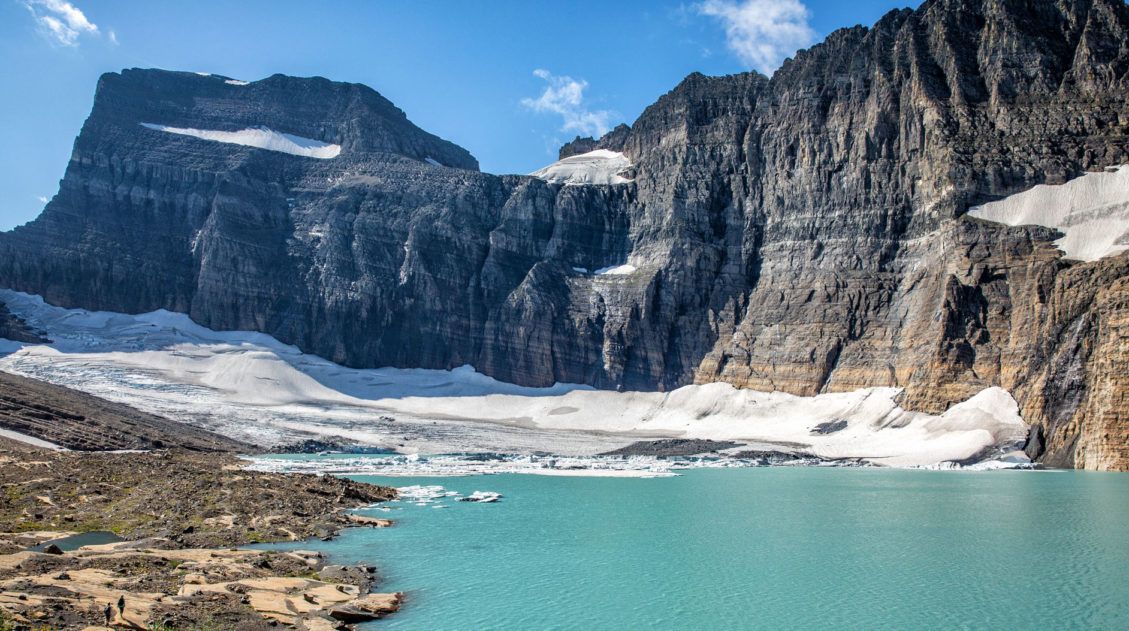
Grinnell Glacier Hike: Complete Trail Guide (+2026 Updates)
The Grinnell Glacier hike is a 10.6-mile round-trip trail in the Many Glacier area of Glacier National Park. It’s considered strenuous, with 1,600 feet of elevation gain, but rewards hikers with turquoise lakes, waterfalls, wildlife, and one of the park’s most accessible glaciers. You can shorten the hike by taking the boat shuttle across Swiftcurrent […]
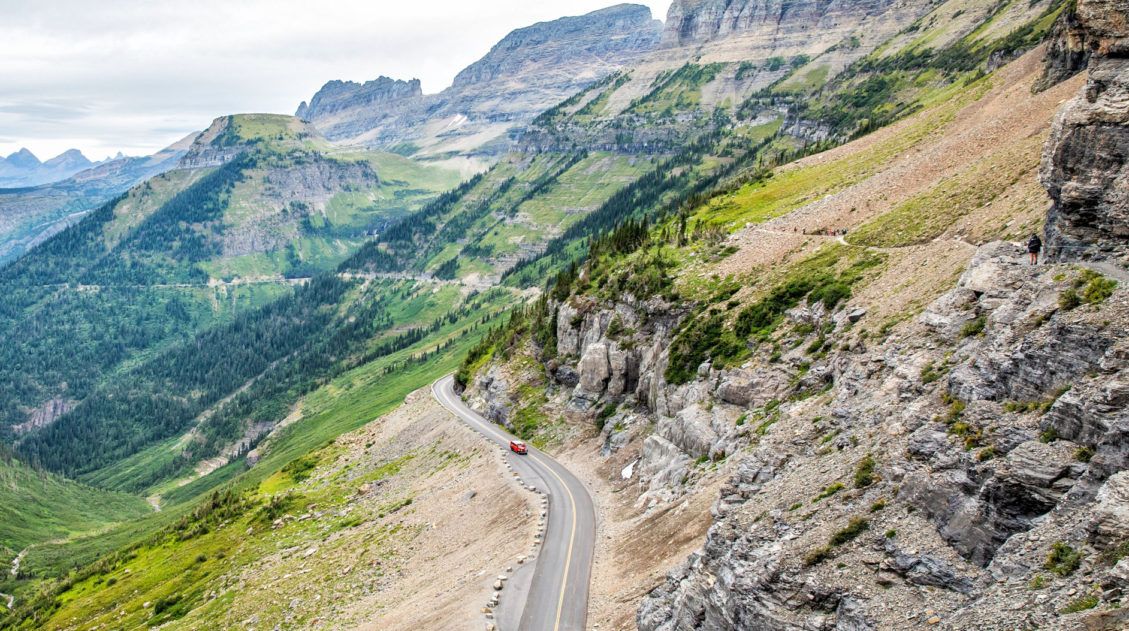
Highline Trail: Logan Pass to The Loop | Complete Hiking Guide
The Highline Trail is one of the most spectacular hikes in Glacier National Park, and one of the most popular. Stretching 11.6 miles from Logan Pass to The Loop, this iconic cliffside trail delivers jaw-dropping alpine views, wildflower-filled meadows, and frequent wildlife sightings — all with surprisingly modest elevation gain. If you’re planning a trip […]
US National Park Itineraries & Road Trip Ideas
National Park Itineraries Need help planning the perfect national park itinerary? Get ideas for your next road trip, including single and multi-day itineraries for the US national parks. Road Trip Itineraries One Day National Park Itineraries If you only have one day, what should you do? Here are detailed one day itineraries for the national […]
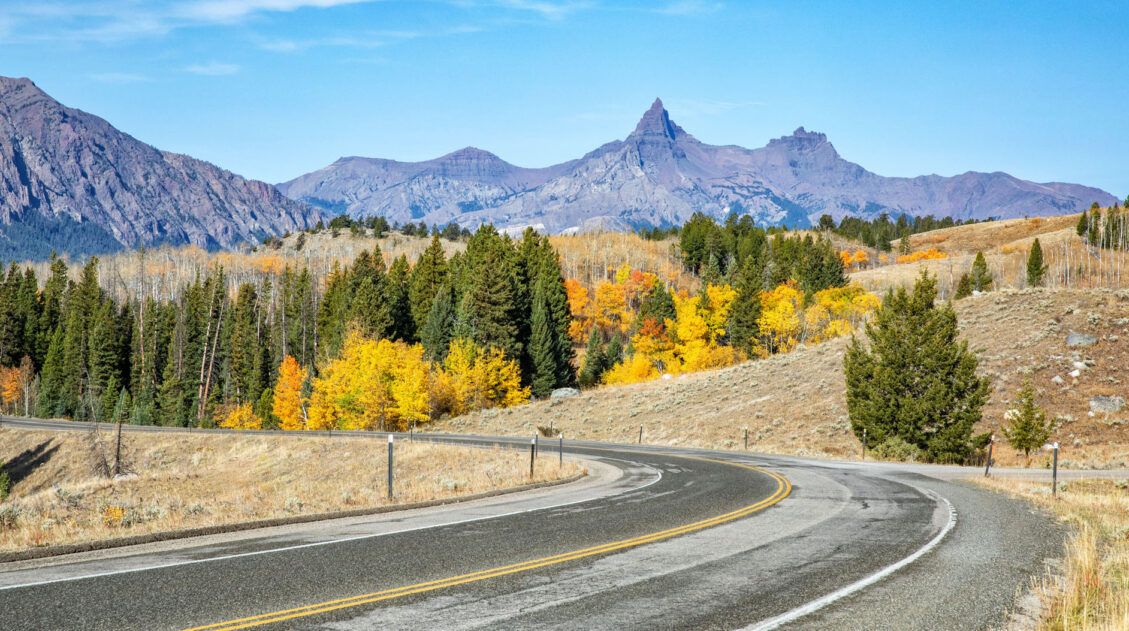
Beartooth Highway: Driving One of America’s Most Scenic Roads
Beartooth Highway is one of the most scenic drives in the United States, climbing to nearly 11,000 feet while passing alpine lakes, mountain passes, and sweeping views on the way to Yellowstone National Park. Connecting Red Lodge, Montana, with Cooke City near Yellowstone’s northeast entrance, this unforgettable road trip is often called the most beautiful […]
Top 10 Things to Do in Waterton Lakes National Park
Waterton Lakes National Park sits just across the border from Glacier National Park in the United States. With beautiful lakes, jagged mountains, thrilling hiking trails, and a small town to explore, this is a smaller, laid-back version of Glacier National Park. Hiking and biking are popular things to do here, as well as some experiences […]
The Ultimate Yellowstone & Grand Teton Itinerary for First Timers
Yellowstone and Grand Teton are two of the most popular national parks in the USA. These two parks sit by side and together they create an incredible vacation destination. Hike into the Tetons, explore the geyser basins and hot springs in Yellowstone, and spot elk, bison and bear as you tour the parks. If you […]
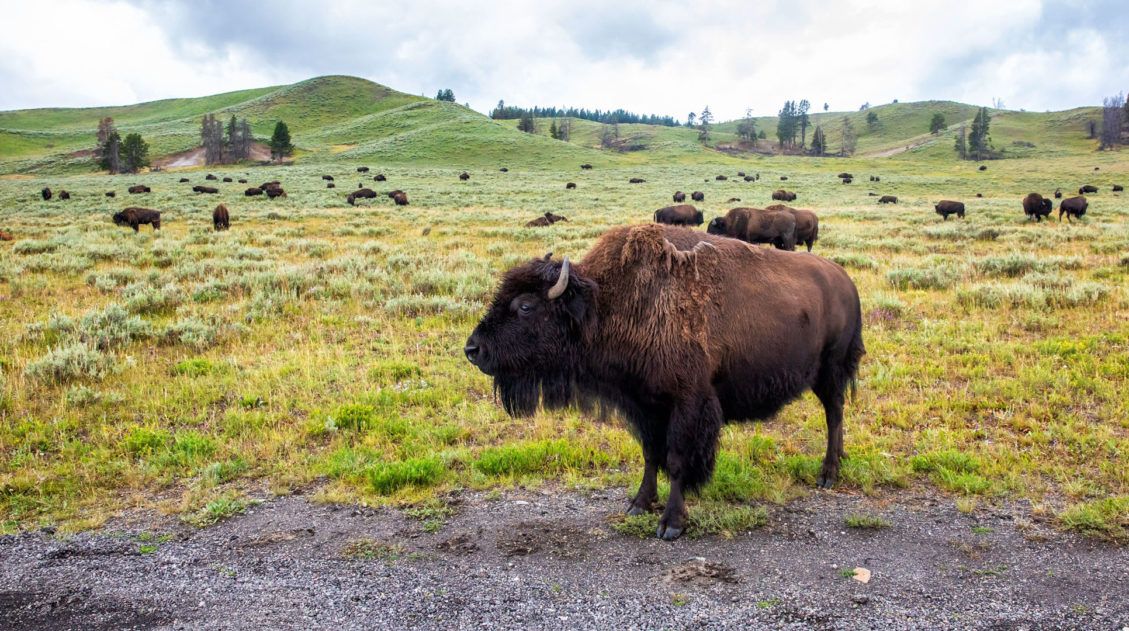
18 Epic Things to Do in Yellowstone on Your First Visit
Yellowstone National Park is a wonderland of geothermal activity, stunning landscapes, and abundant wildlife. Steam hisses out of the ground along walking trails, bison stop cars in their tracks on the main park road, and technicolor hot springs never fail to amaze even the most seasoned traveler. In this post, learn about the best things […]
Our 15 Favorite US National Parks: A Few May Surprise You
Stretching from the South Pacific, across the United States and into the Caribbean, are 63 national parks. These national treasures are filled with scenic drives, hundreds of miles of hiking trails, wildlife, historic sites, and endless opportunities for adventure. In this guide, we cover 15 of the best national parks in the USA and what […]
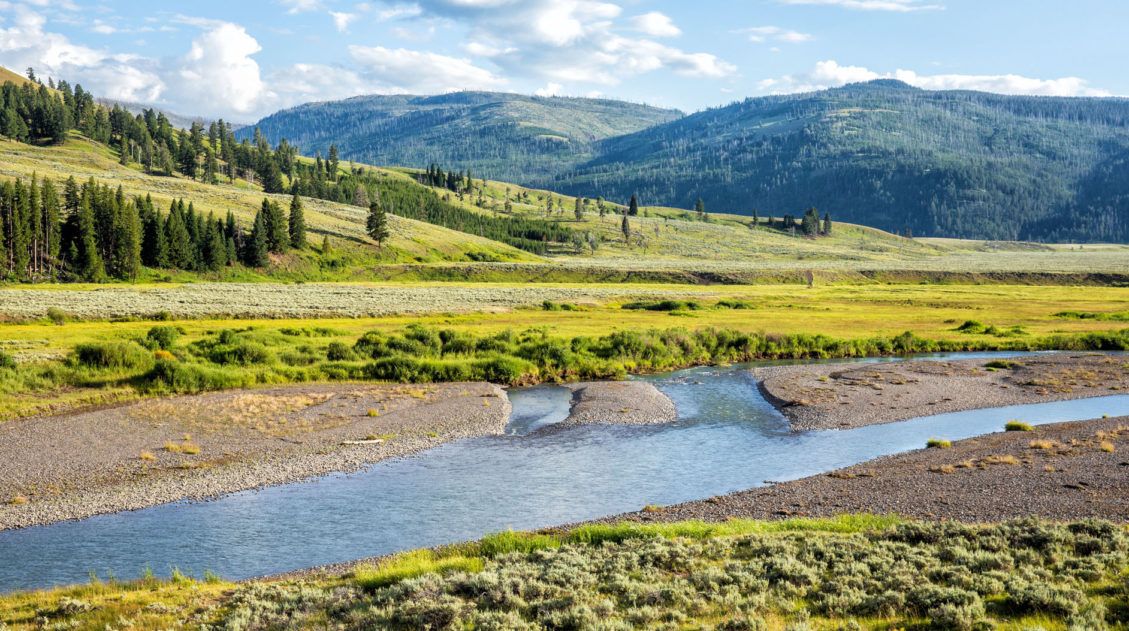
Yellowstone Itinerary: How to Plan an Epic Trip to Yellowstone
This guide provides a detailed Yellowstone itinerary for 1 to 5 days, focusing on the main attractions in a logical, well-planned route. We’ll also cover the best time to visit, including weather charts, must-have experiences, park maps, and many helpful tips we’ve gathered from our multiple visits to Yellowstone. If you’re planning a trip to […]
Best US National Parks to Visit Month-By-Month
Best National Parks to Visit Month-By-Month When planning a trip to the national parks, one of the most important things to consider is the time of year that you are planning your visit. With a few exceptions, most national parks have an optimal time to visit, based on factors such as weather, crowd levels, and […]
United States Travel Guide: Places to Visit in the USA
Plan your visit to the United States. Learn about the best things to do, how to plan your time, road trip ideas, and sample itineraries.
Montana Travel Guide: Places to Visit in Montana
Montana Travel Guide Experience Montana, a state nicknamed the Big Sky Country for its beautiful natural scenery and vast untouched lands. Here you can explore the mountains in Glacier National Park, ski at one of America’s top resorts, and embrace the western culture of Montana’s cities. Additionally, the state is rich in gold rush history […]
The Ultimate Guide to the 63 US National Parks
Stretching from the South Pacific, across the United States to the Caribbean, are 63 national parks. These national treasures preserve iconic landscapes, majestic mountains, primordial forests, arid deserts, misty coastlines, immense canyons, wildlife, and historic landmarks. The opportunities for adventure are endless. Hiking, rock climbing, rafting, mountain biking, sand boarding, horseback riding, mountaineering, canyoneering, and […]
One Day in Yellowstone: 6 Epic Road Trip Itineraries
If you only have one day in Yellowstone National Park, what should you do? Yellowstone National Park is massive. It’s the second largest national park in the United States outside of Alaska. With thousands of acres of land, five entrances, numerous canyons and geyser basins to visit, plus a drive through valleys filled with bison […]

Comments 85