
Pienza is one of those Tuscan towns that earns its reputation. Perched above the Val d’Orcia, this tiny UNESCO World Heritage Site was redesigned in the 15th century by Pope Pius II as his vision of the ideal Renaissance city. Walking its perfectly proportioned streets, it’s hard to argue with his ambition.
We’ve visited Pienza twice: first as a family, when we wandered the main and side streets with our kids and let the town work its magic at a slow pace; and again as a couple, when we went back to dig deeper — touring Palazzo Piccolomini, exploring the crypt, tasting pecorino at a local shop, and walking every corner of the city walls. Both visits were worth it, and each was a completely different experience.
In this guide, we cover the best things to do in Pienza, practical tips for planning your visit, how to get here, where to stay, and how to fit Pienza into a broader Tuscany itinerary.
Pienza At a Glance
LOCATION | Val d’Orcia, Tuscany
KNOWN FOR | Renaissance architecture, Pecorino di Pienza cheese, views of Val d’Orcia
DON’T MISS | Walking the city walls at Via del Casello for views over Val d’Orcia
HOW MUCH TIME | 2–4 hours for highlights; half day if touring Palazzo Piccolomini and the crypt
BEST TIME TO VISIT | Spring (April–June) for green landscapes; September–October for fewer crowds and harvest season
GETTING THERE | Best by rental car — no train station in Pienza
May 2026 Update: Added new photos, added new sections on what to eat, if Pienza is worth visiting, best time to visit, and expanded the Where to Stay section, added link to our new guide to wine regions around the world. All links verified.
Is Pienza Worth Visiting?
The short answer is yes, but how much you’ll get out of Pienza depends on what you’re looking for and how you build your day.
Pienza is not a town that demands a full day. Its historic center is compact, the main street takes five minutes to walk end to end, and the sightseeing list, while excellent, is short. That’s not a weakness, it’s actually what makes Pienza so easy to love and so easy to fit into a Tuscany itinerary.
Pienza is a great fit if you:
- Are on a broader Tuscany road trip and want a scenic, manageable stop between larger towns
- Love food, architecture, or photography more than packed sightseeing itineraries
- Are traveling with kids and want somewhere easy to navigate without a complicated plan
- Want UNESCO World Heritage credentials without the crowds of Siena or San Gimignano
Pienza might frustrate you if you:
- Are expecting a full day’s worth of museums and attractions
- Prefer towns with a lively evening scene or extensive dining options
- Are visiting without a car and relying on public transportation
On Combining Pienza with Other Towns (What We Did on Our Two Visits)
Pienza pairs exceptionally well with Montepulciano and Montalcino, and doing all three in a day is doable.
On our first visit, we did Montalcino → Pienza → Montepulciano with our kids, moving fast through each town. It worked, but you’re limited to one or two activities per stop.
On our second visit, we spent a morning at Val d’Orcia viewpoints, then moved to Pienza, and finished in Montepulciano. It’s also a big day, but with more breathing room for actual sightseeing.
Our recommendation: if you only have one day and you don’t mind moving fast, you can visit all three towns, if you get an early start. Just know that you’ll have limited time for wine tastings and sightseeing. If you prefer a more relaxed experience, pick two towns. Montalcino is perfect for those who want to do tastings to Brunello di Montalcino, and Montepulciano is good for those who want to do wine tastings in underground cellars and walk Montepulciano’s beautiful cobblestoned streets.
Best Things to Do in Pienza
Pienza is located in the province of Siena in the region of Tuscany. It sits in Val d’Orcia, which is a small countryside known for its rolling hills, vineyards, villas, and snaking lines of cypress trees.
In 1996, Pienza became a UNESCO World Heritage Site.
1. Stroll along Corso il Rossellino
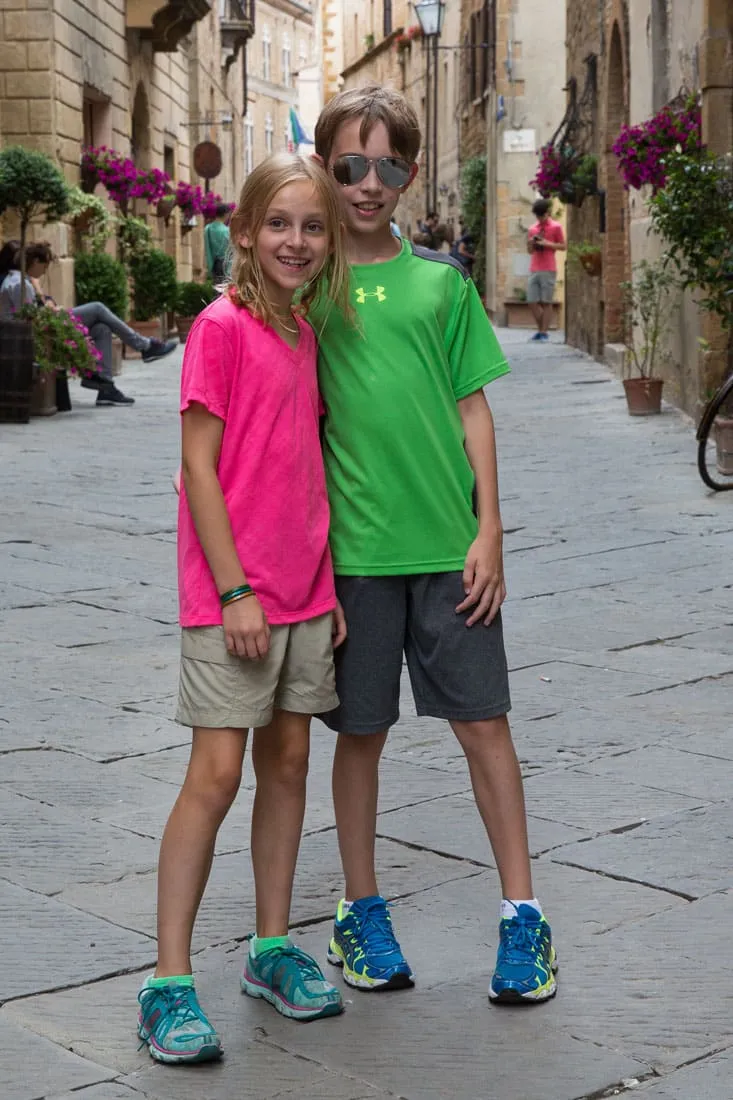
Corso il Rossellino is the street that runs through the historic city center. It runs from Porta al Prato (also called Porta al Murello) on the west side of town to Porta al Ciglio on the east side of town.
To walk from one end to the other, it takes just 5 minutes, so that gives you an idea of just how small this city is. Branching off from this main thoroughfare are smaller streets that lead to restaurants, shops, viewpoints, and other side streets of Pienza.
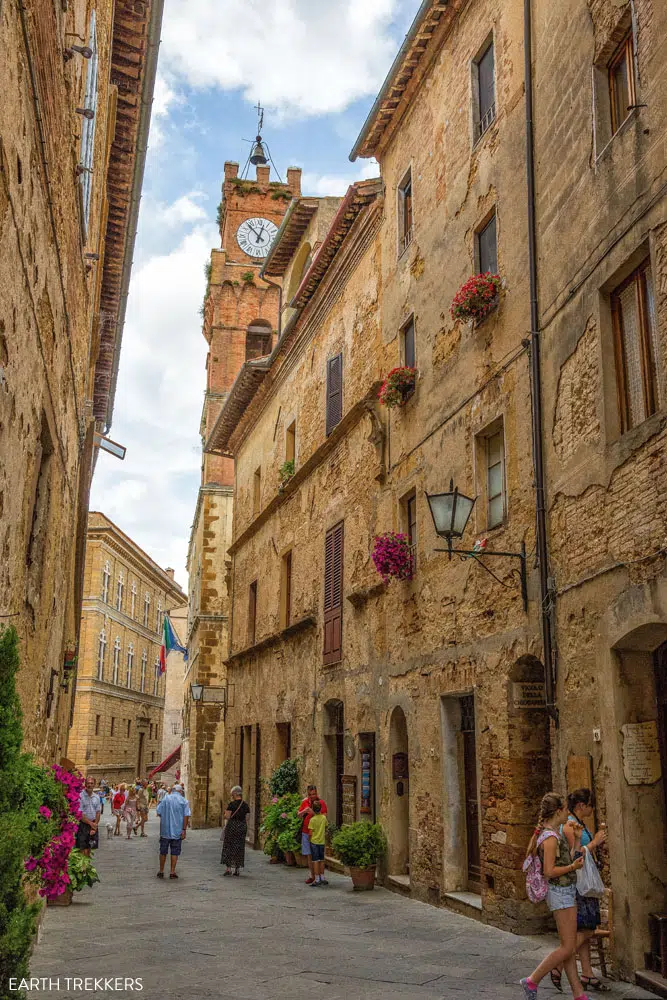
Corso il Rossellino
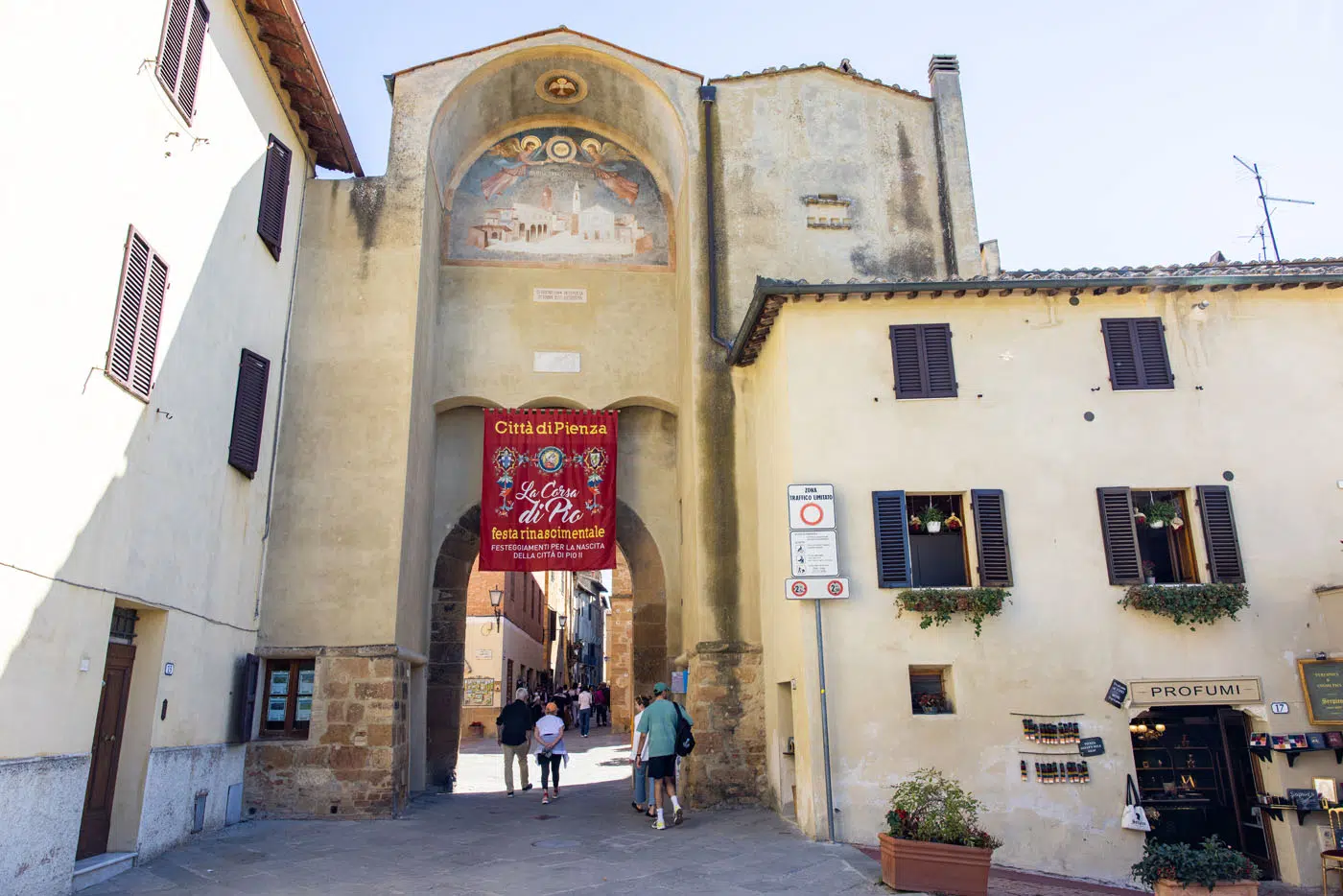
Porta al Prato
2. Visit Piazza Pio II
Named for Pope Pius II, this small piazza is located along Corso il Rossellino.
If you stand in the square and spin 360 degrees, you will see a few noteworthy sites which we mention next: the cathedral, Palazzo Piccolomini, and Palazzo Borgia.
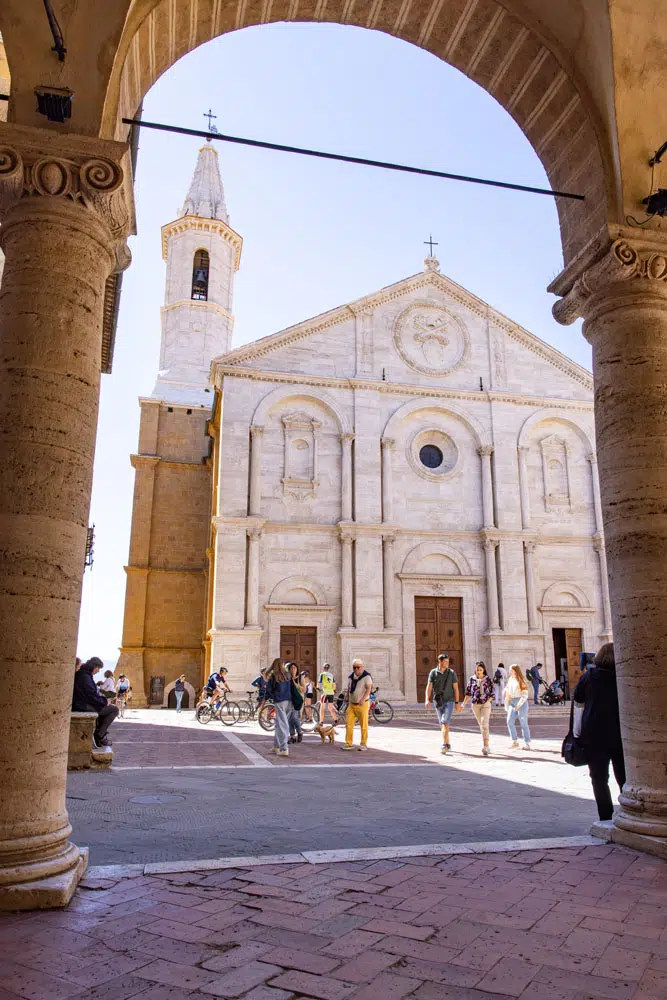
The view of Piazza Pio II and the Pienza Cathedral from Palazzo Comunale.
3. Tour Palazzo Piccolomini
Palazzo Piccolomini (Piccolomini Palace) was designed by Bernardo Rossellino in the 15th century.
The palace can only be visited on a tour, which lasts about 30 minutes and takes you through the courtyard and to the rooms of the palace. You also get to see the “hanging garden,” which is a small botanical garden with laurel trees, box hedges, and flowers. From this garden, you can look out through the windows to Val d’Orcia.
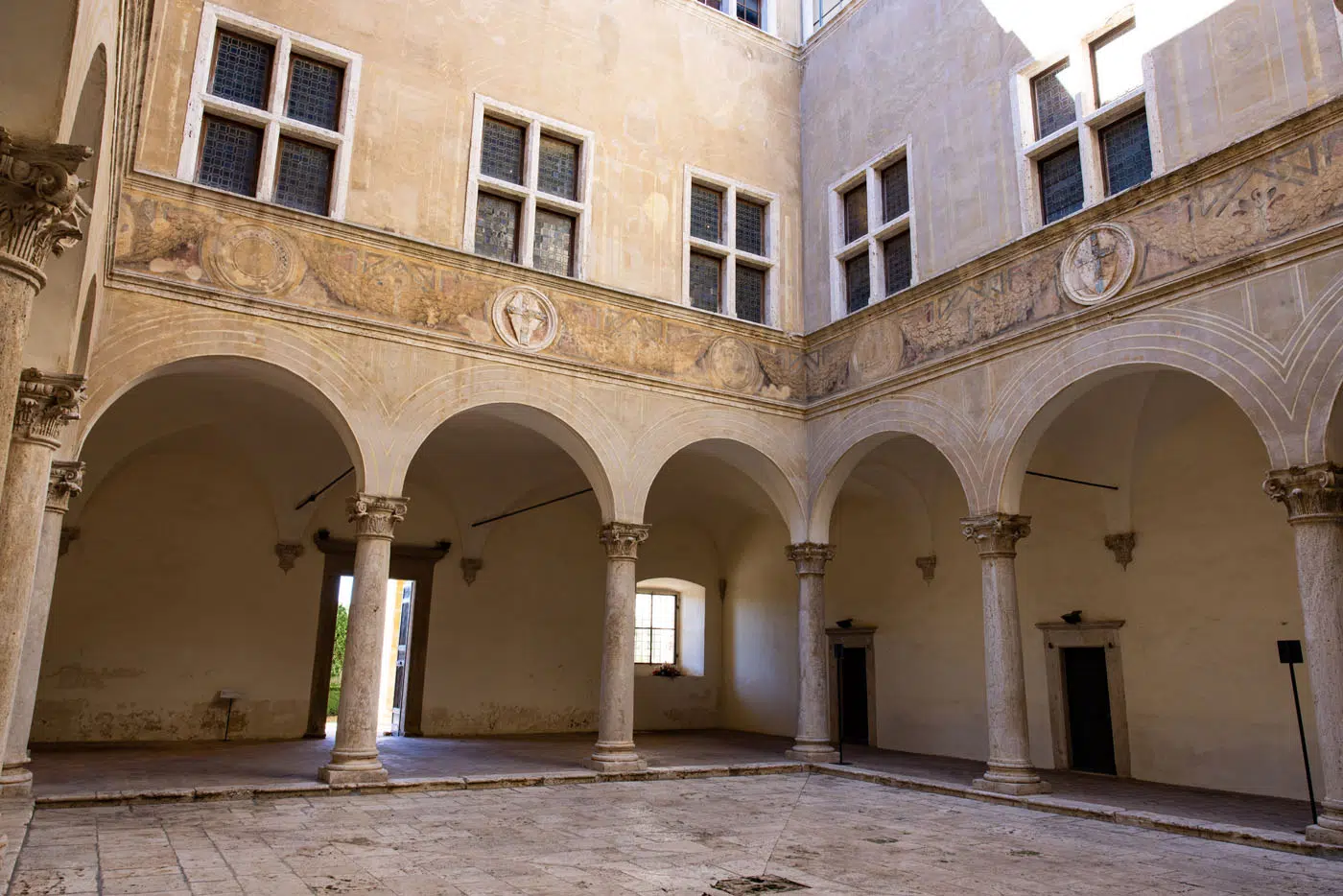
Courtyard of Piccolomini Palace
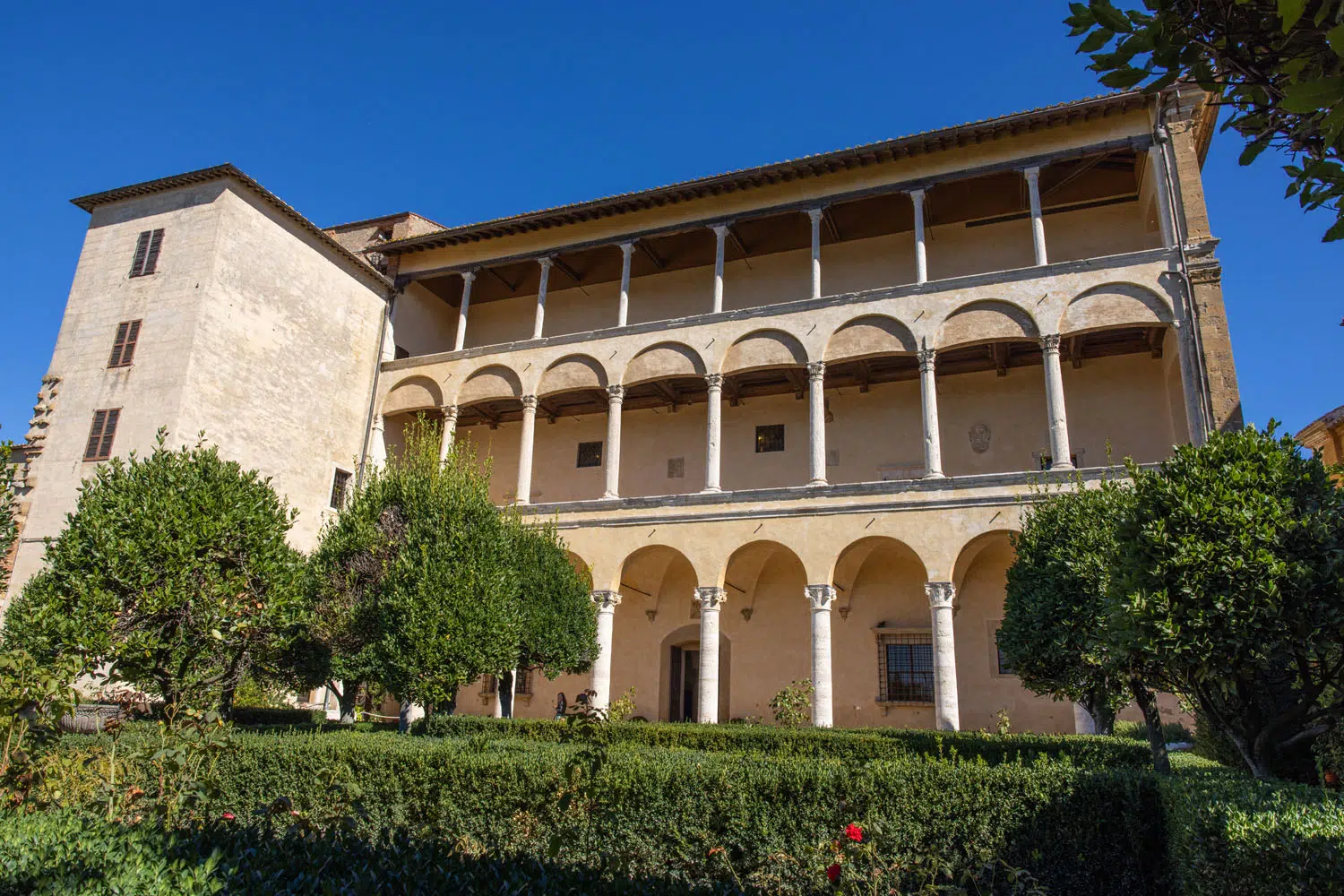
Piccolomini Palace
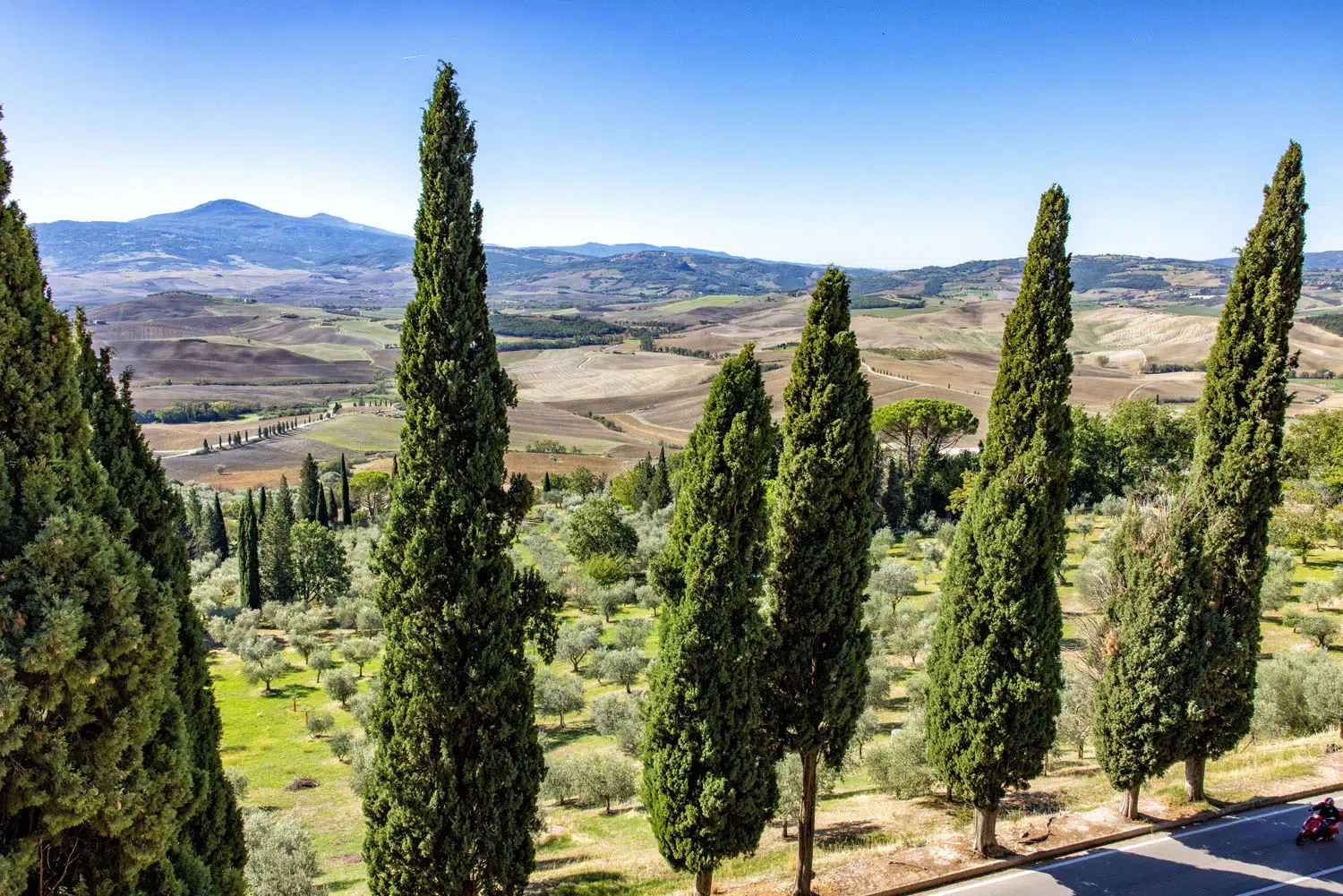
The view from Palazzo Piccolomini
To tour the palace, you can either purchase an individual ticket (€7 per person) or purchase the Pienza Pass (€12 per person), which also includes the crypt and labyrinth and Palazzo Borgia. Photos of the inside of the palace are not allowed.
For hours, visit the official website. Hours vary by day and season and several times a year (part of November and from January into early February) the palace is closed.
4. Visit the Pienza Cathedral
This cathedral, also called Cattedrale dell’Assunta, is located in Piazza Pio II and it is another building commissioned by Pope Pius II and constructed by Bernardo Rossellino in the 15th century.
It was built in a Renaissance style with some Gothic influences that Pope Pius II saw during his travels.
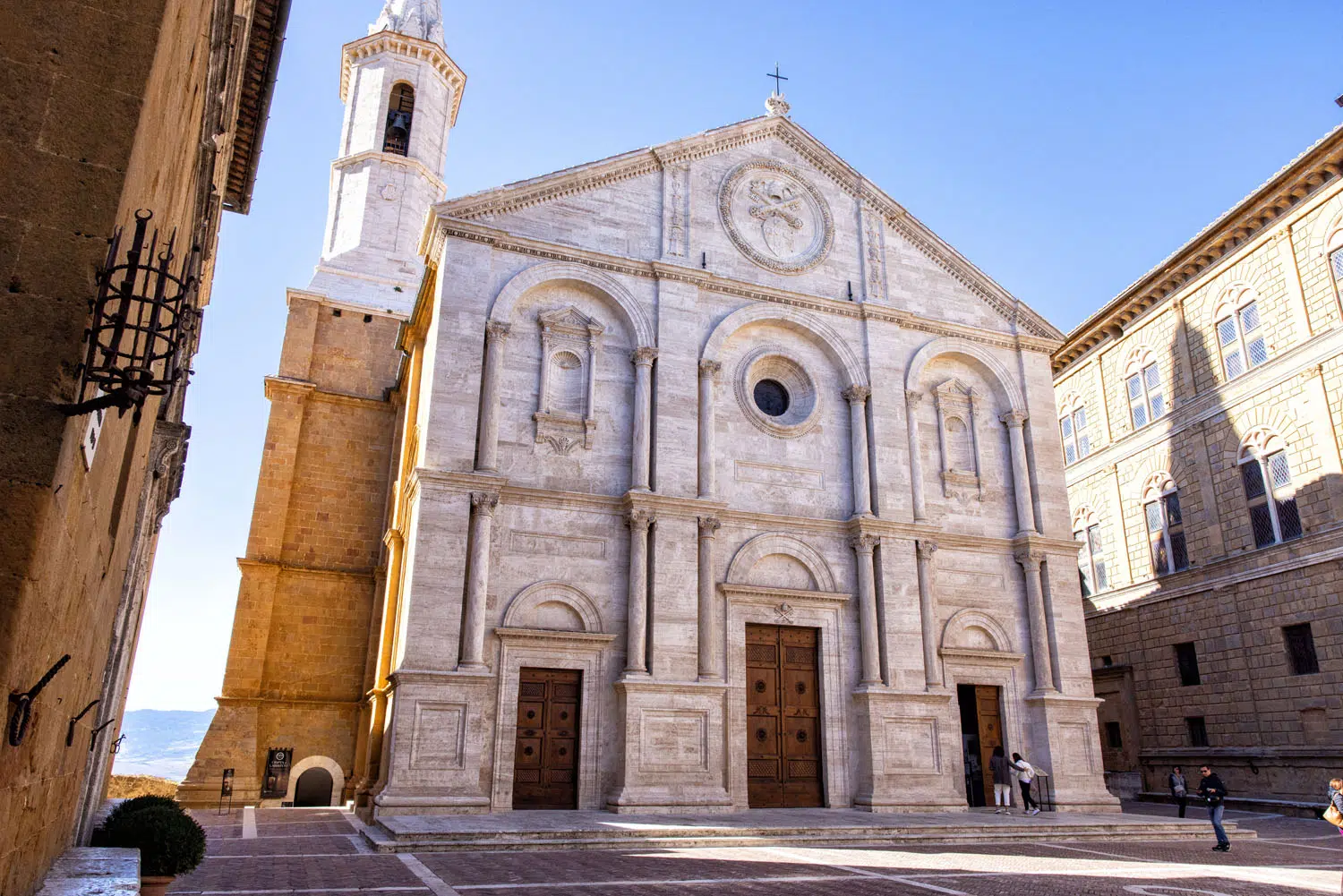
Pienza Cathedral
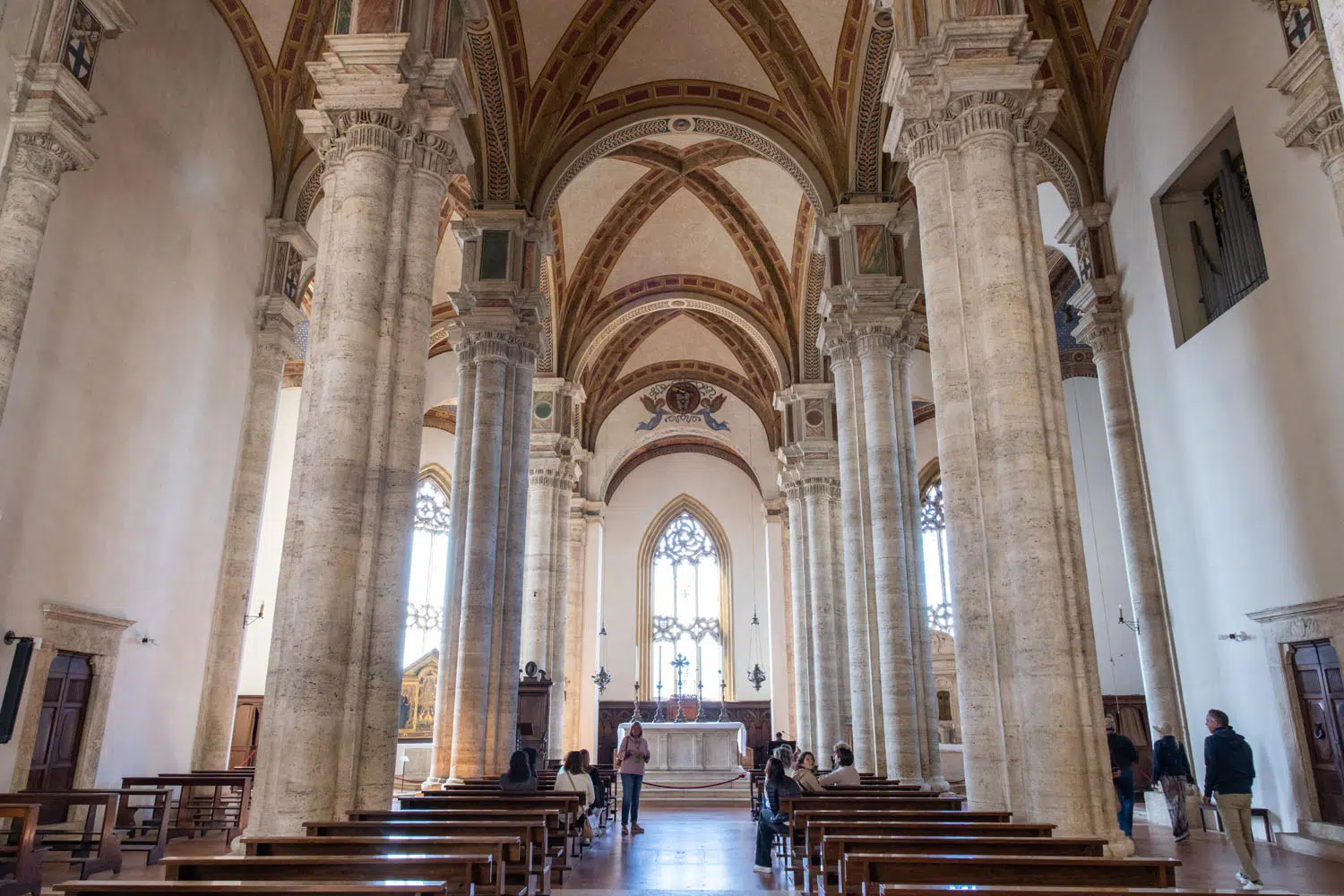
Inside the Pienza Cathedral
5. Explore the Crypt below the Cathedral
Sitting below the Pienza cathedral is the labyrinth and crypt.
The crypt is the church of San Giovanni, which preserves the baptismal font that was designed by Rossellino. Within the crypt you can also see several Flemish tapestries and the medieval church of Santa Maria.
Beyond the crypt, you will enter a maze of narrow, brick tunnels, the “labyrinth.” These hallways are a series of drainage tunnels that were built under the cathedral.
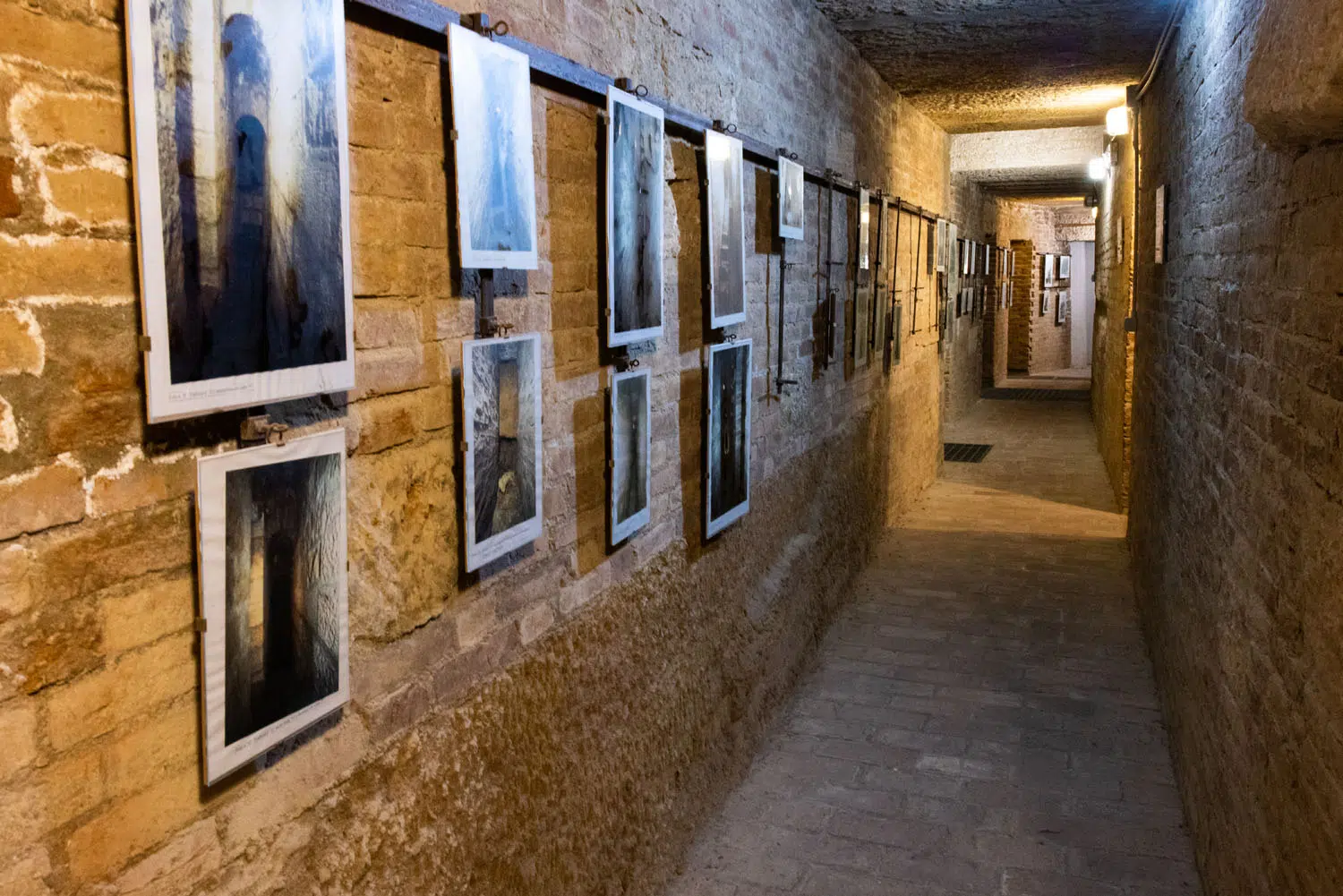
The labyrinth
A visit to the crypt and labyrinth takes 15 to 30 minutes. There are no caves, not like the ones you can see in Montepulciano, so a visit to the crypt is only worthwhile if you want to fully explore the cathedral and see the ancient church of Santa Maria.
There is an additional fee to enter the crypt, or you can enter with the Pienza Pass. Hours vary by day of the week and season. It is closed on Tuesdays. Get the price and hours before your visit on the official website.
6. Walk the City Walls
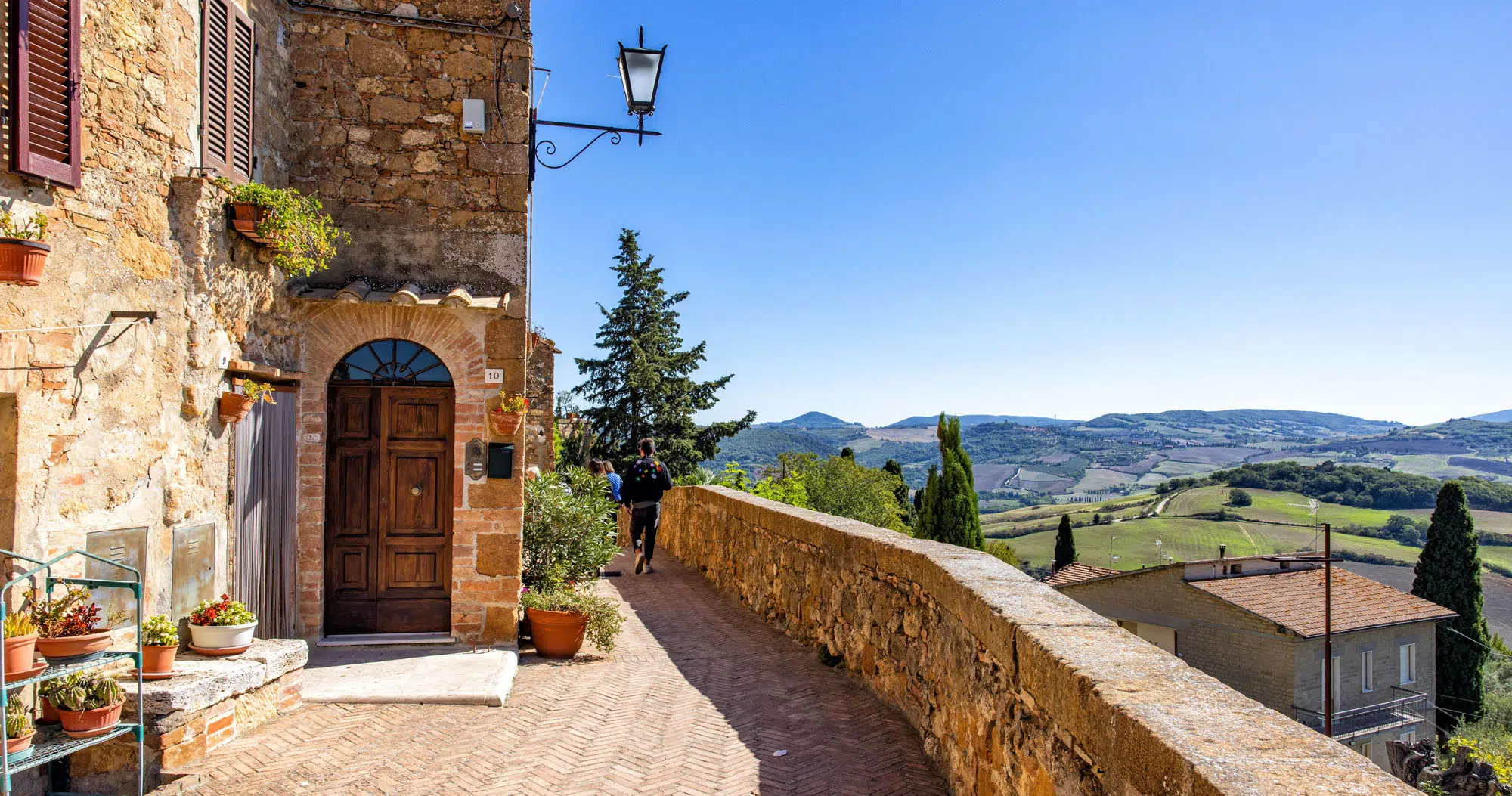
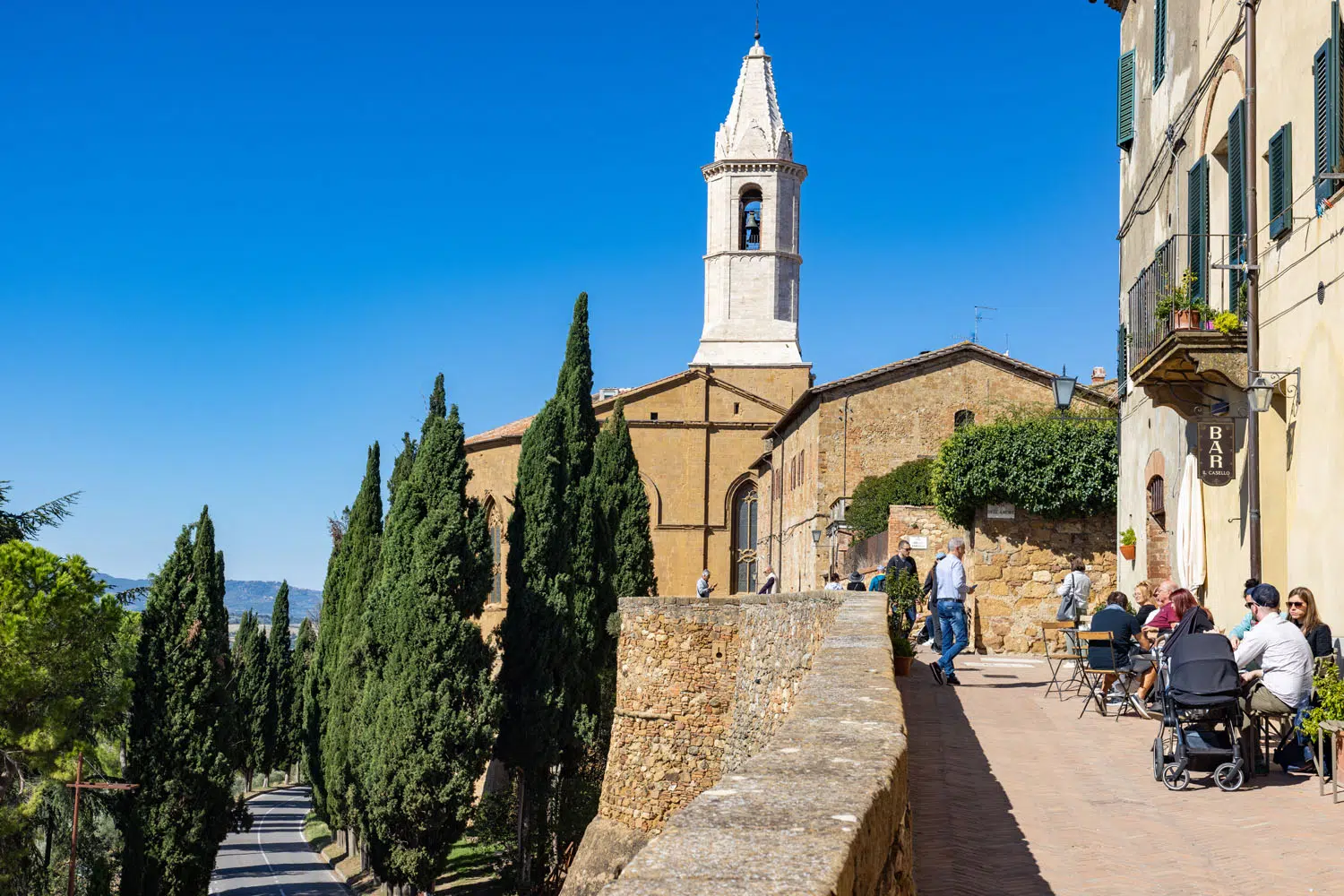
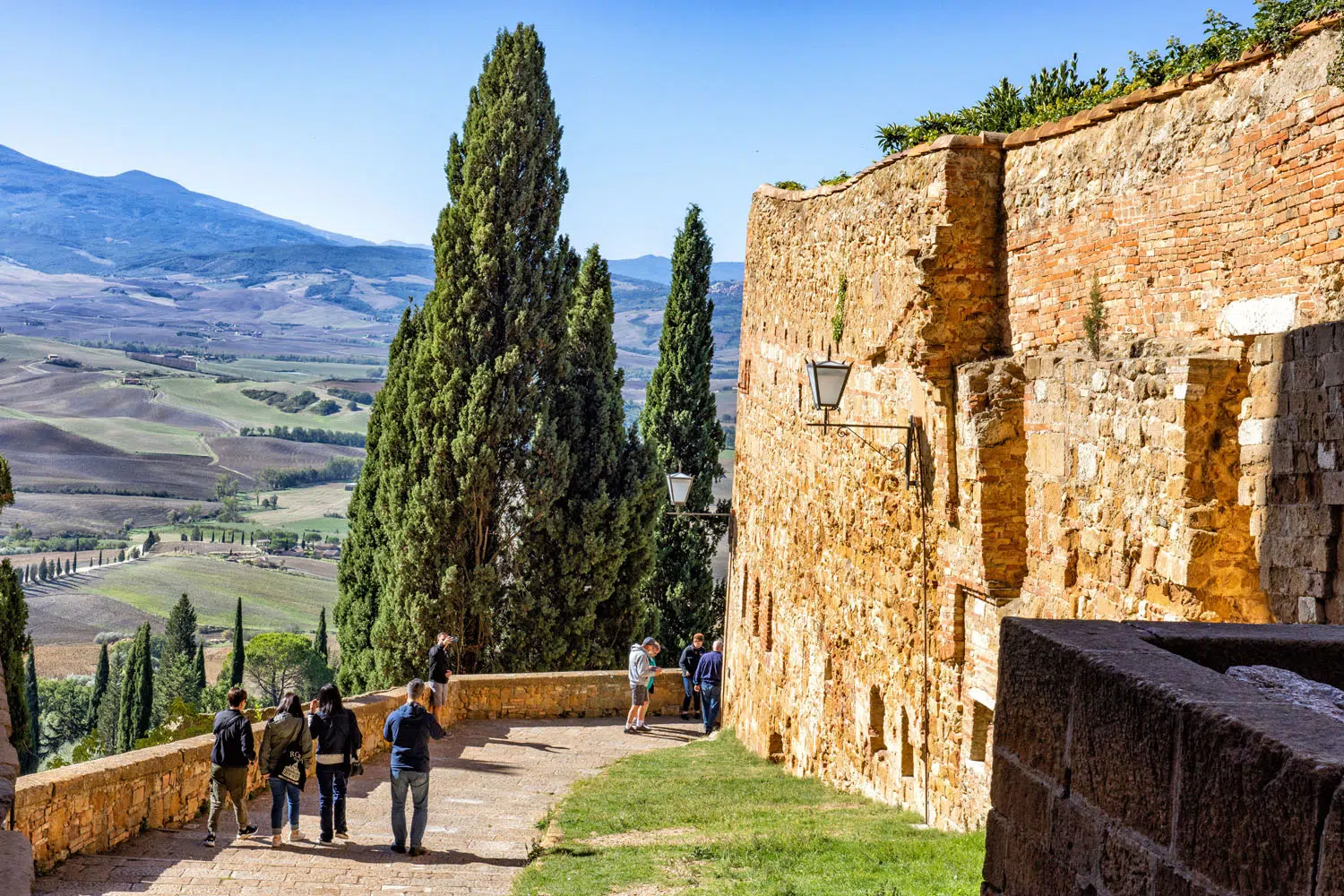
Running along the southern end of Pienza is a walkway along the city walls. From here, you have a beautiful view over Val d’Orcia and the buildings of Pienza.
The prettiest stretch is between the Pienza Cathedral and Porta al Ciglio, on the east side of town. On Google Maps, this walkway is called Via del Casello and there are numerous viewpoints from this very short walk.
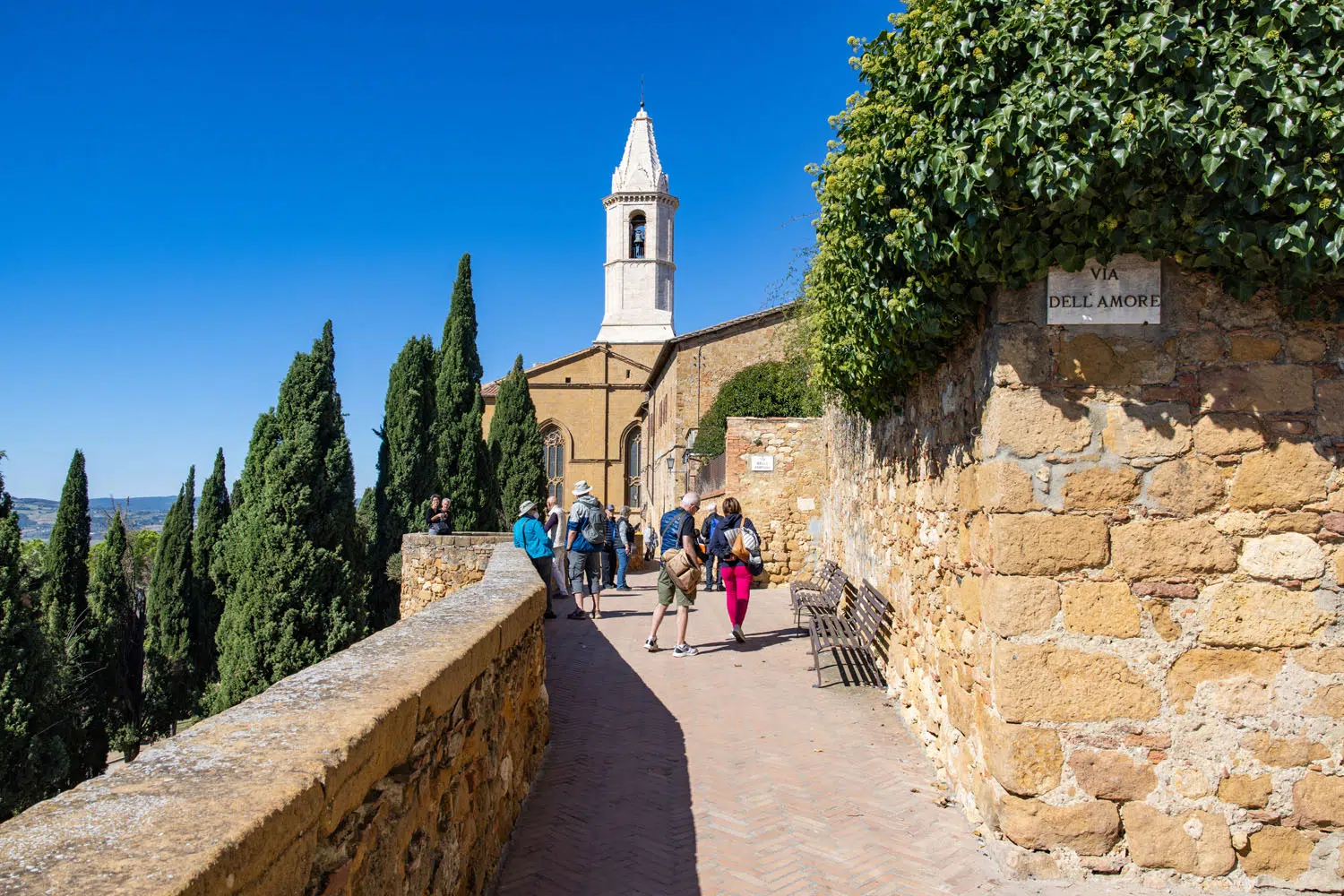
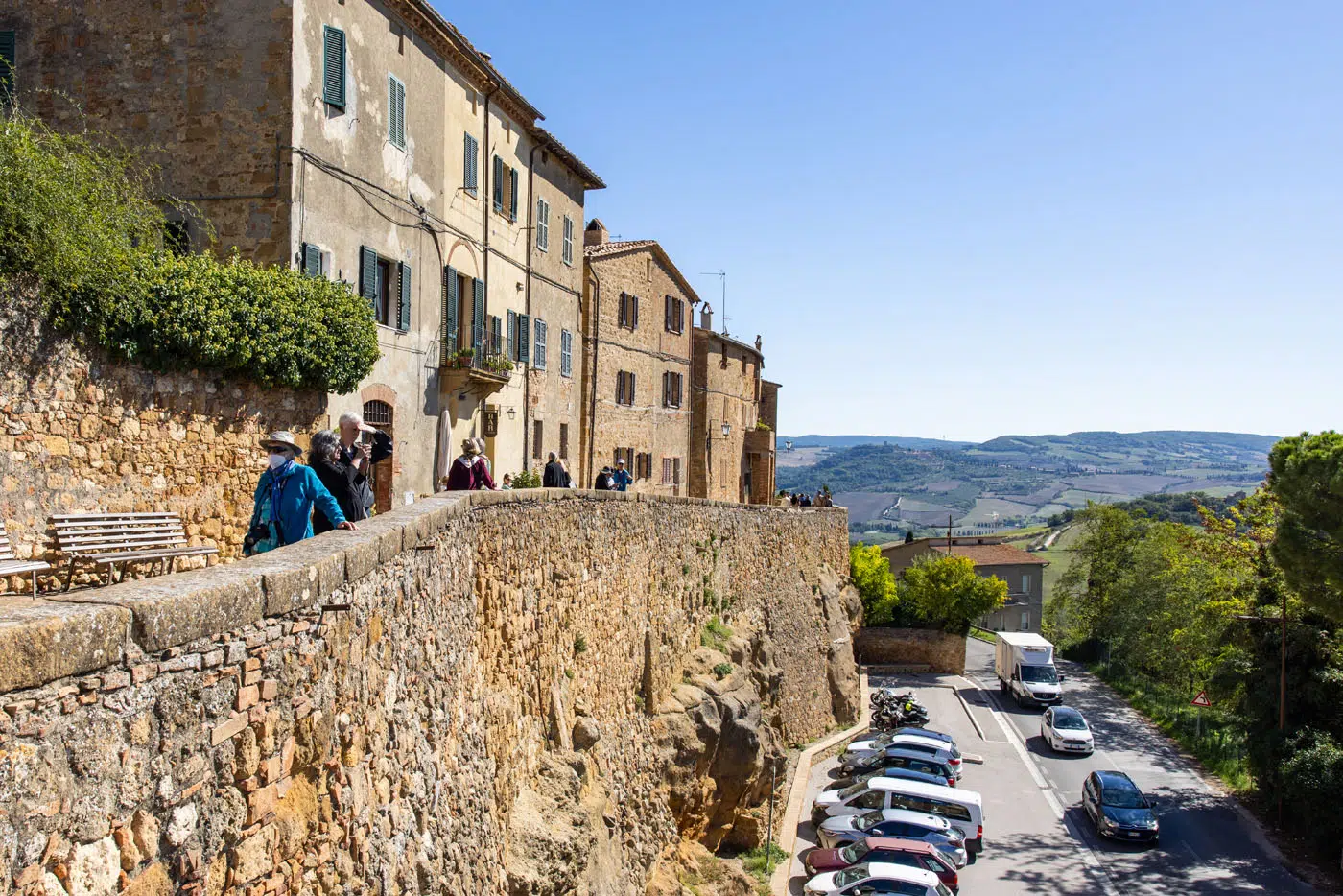
The Pienza walls. Below is a parking area, one of the closest places to park if you will have a rental car during your time in Tuscany.
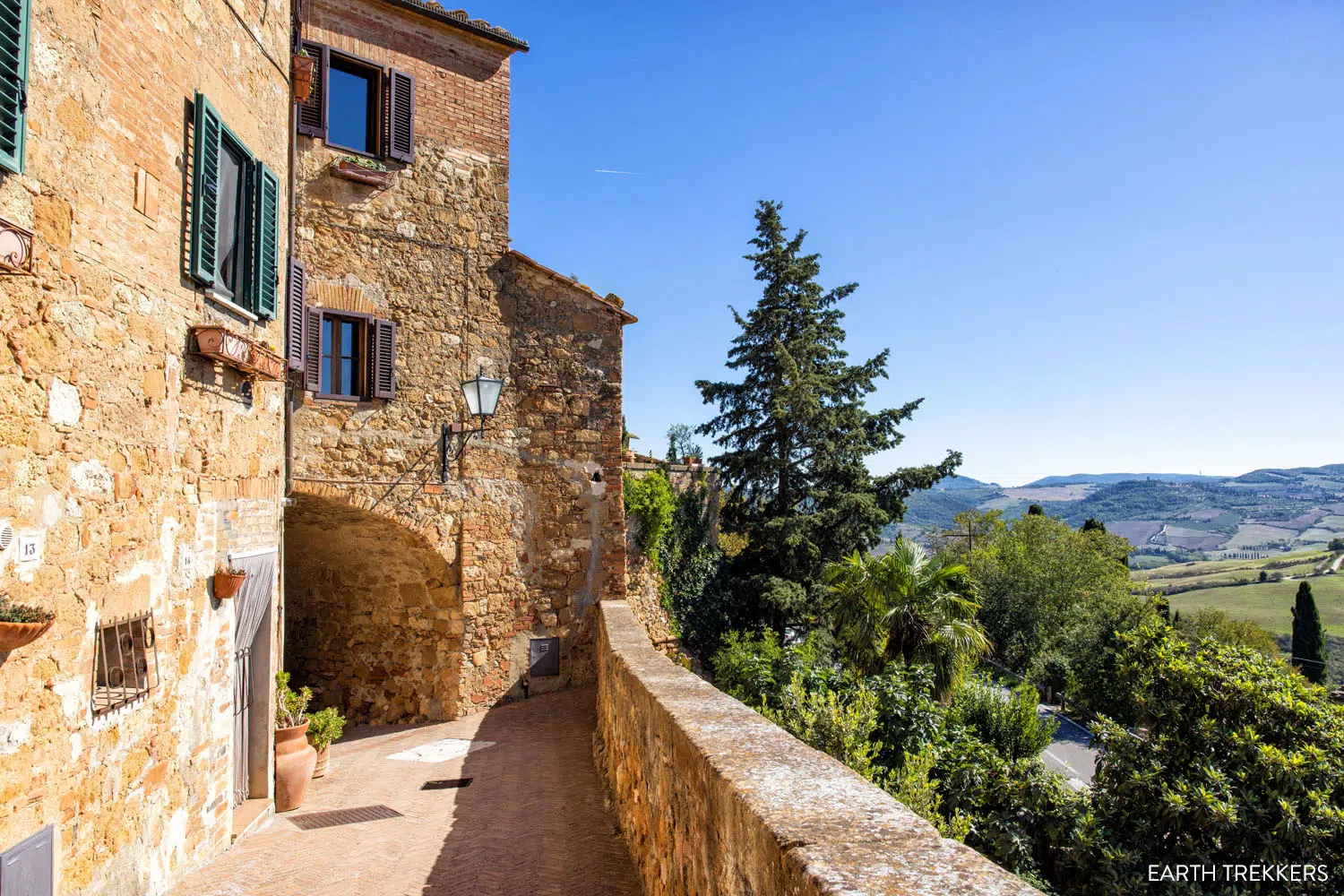
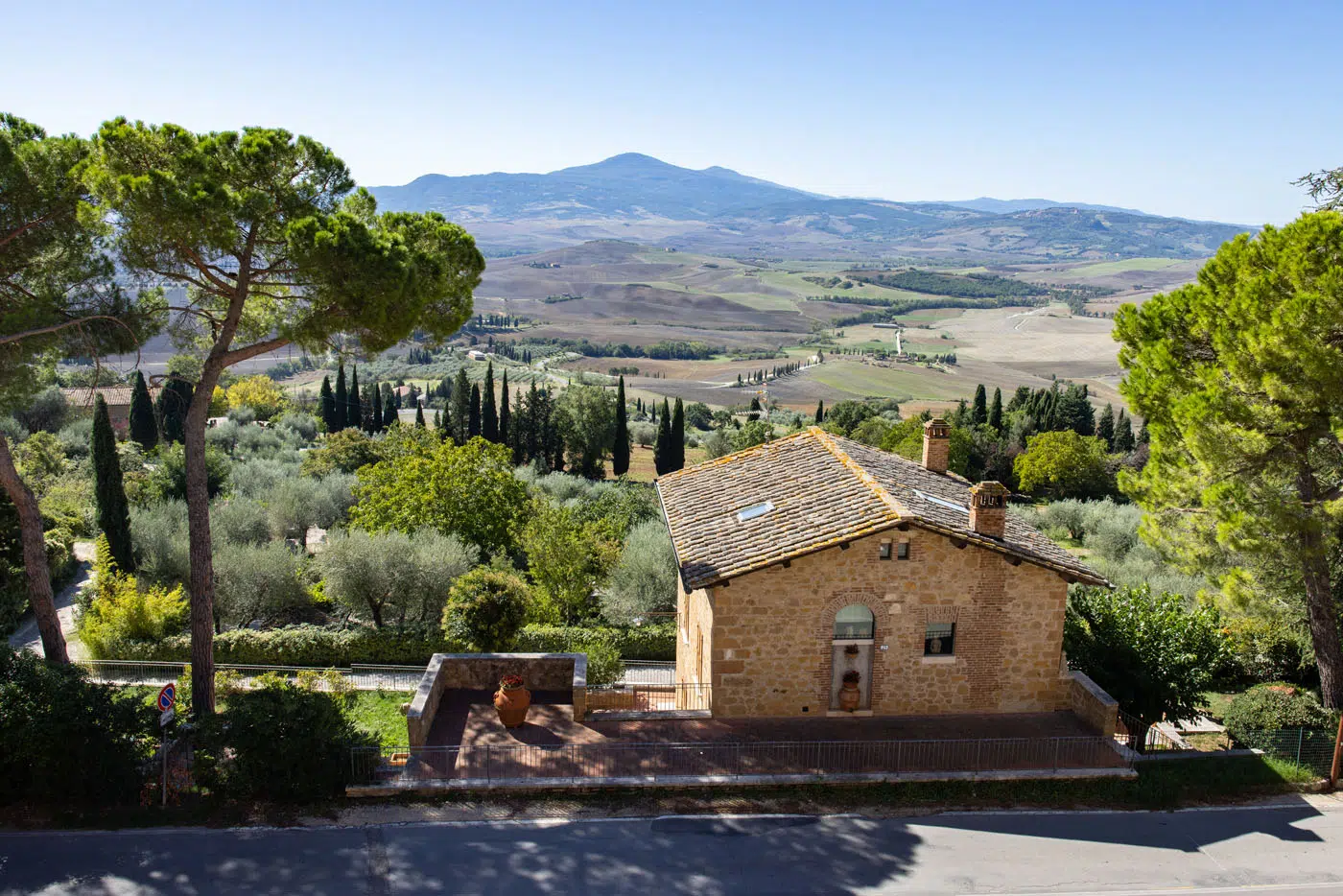
The view from the walls.
7. Wander off the Main Street
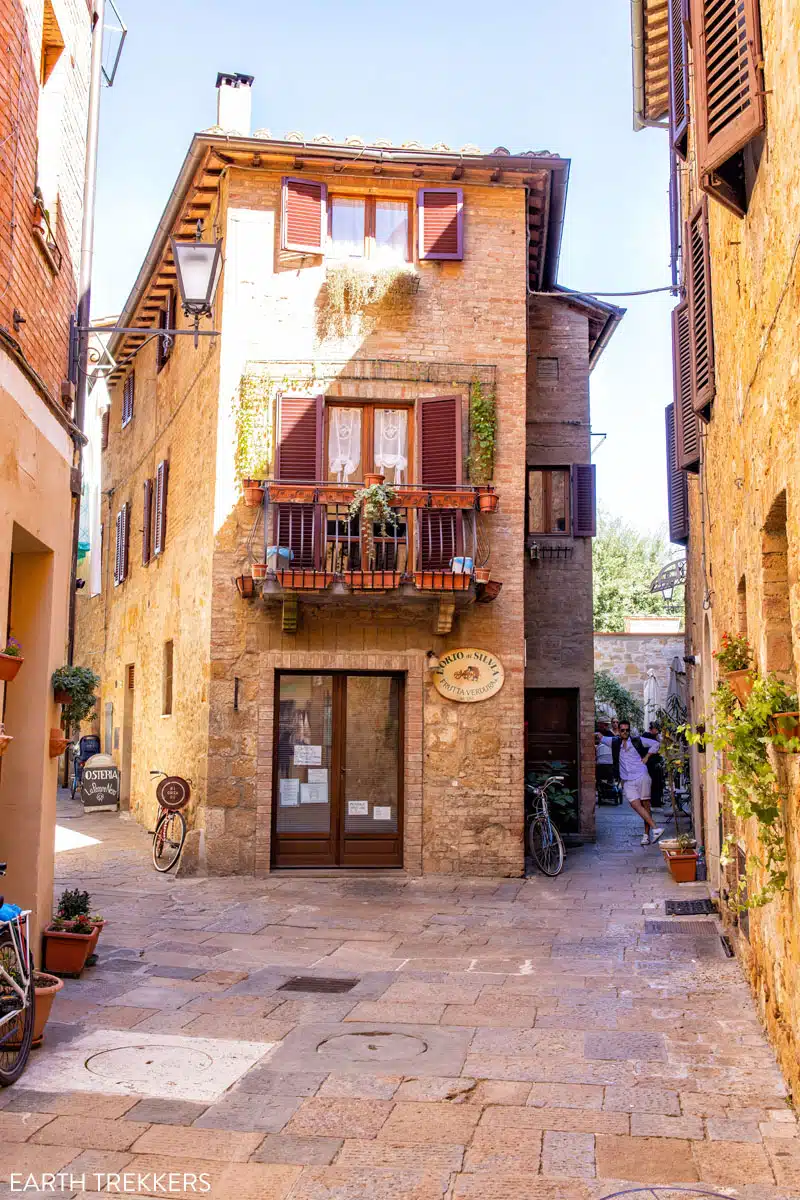
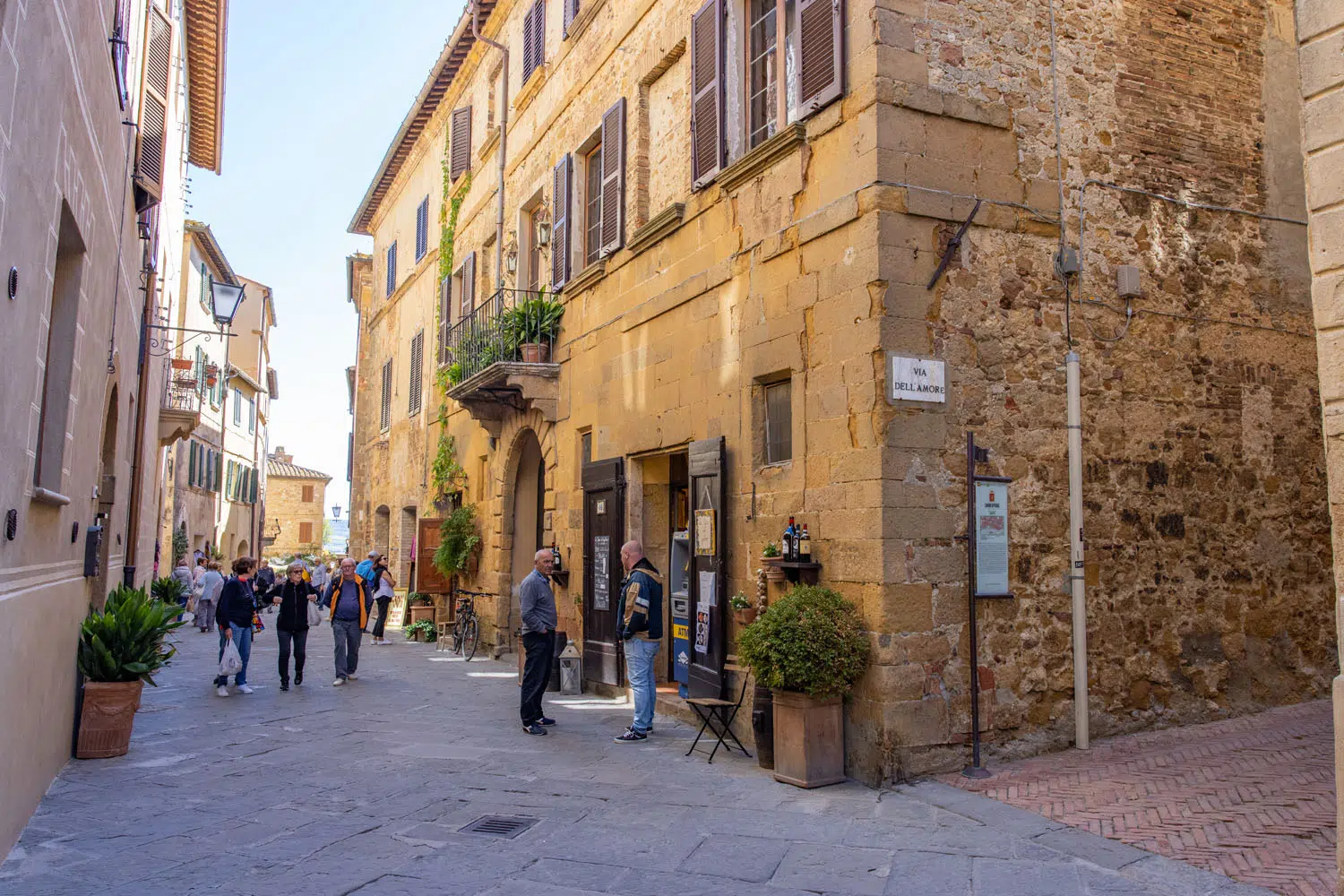
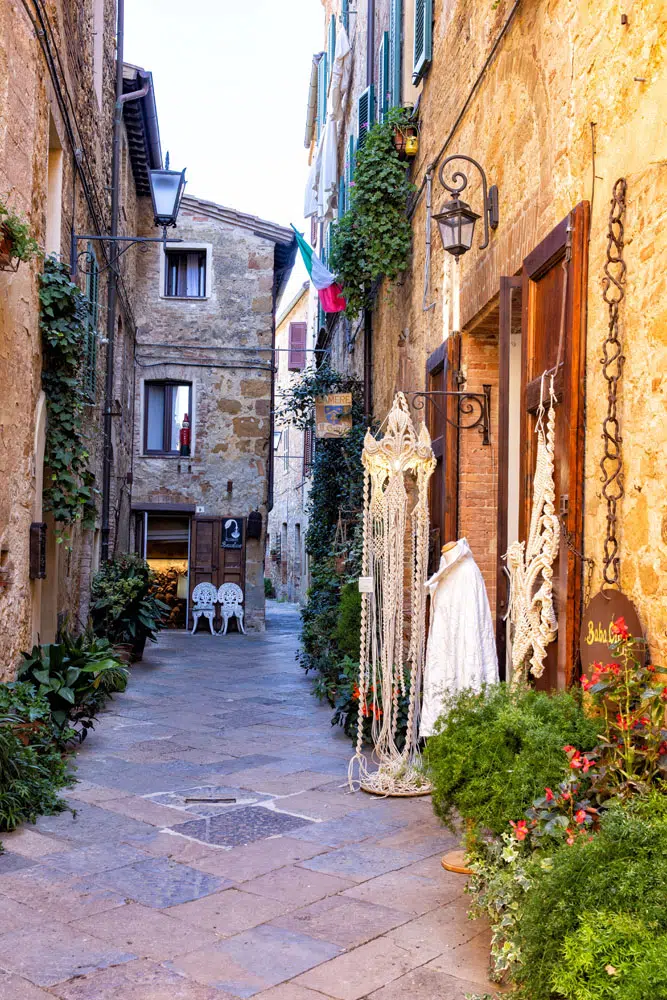
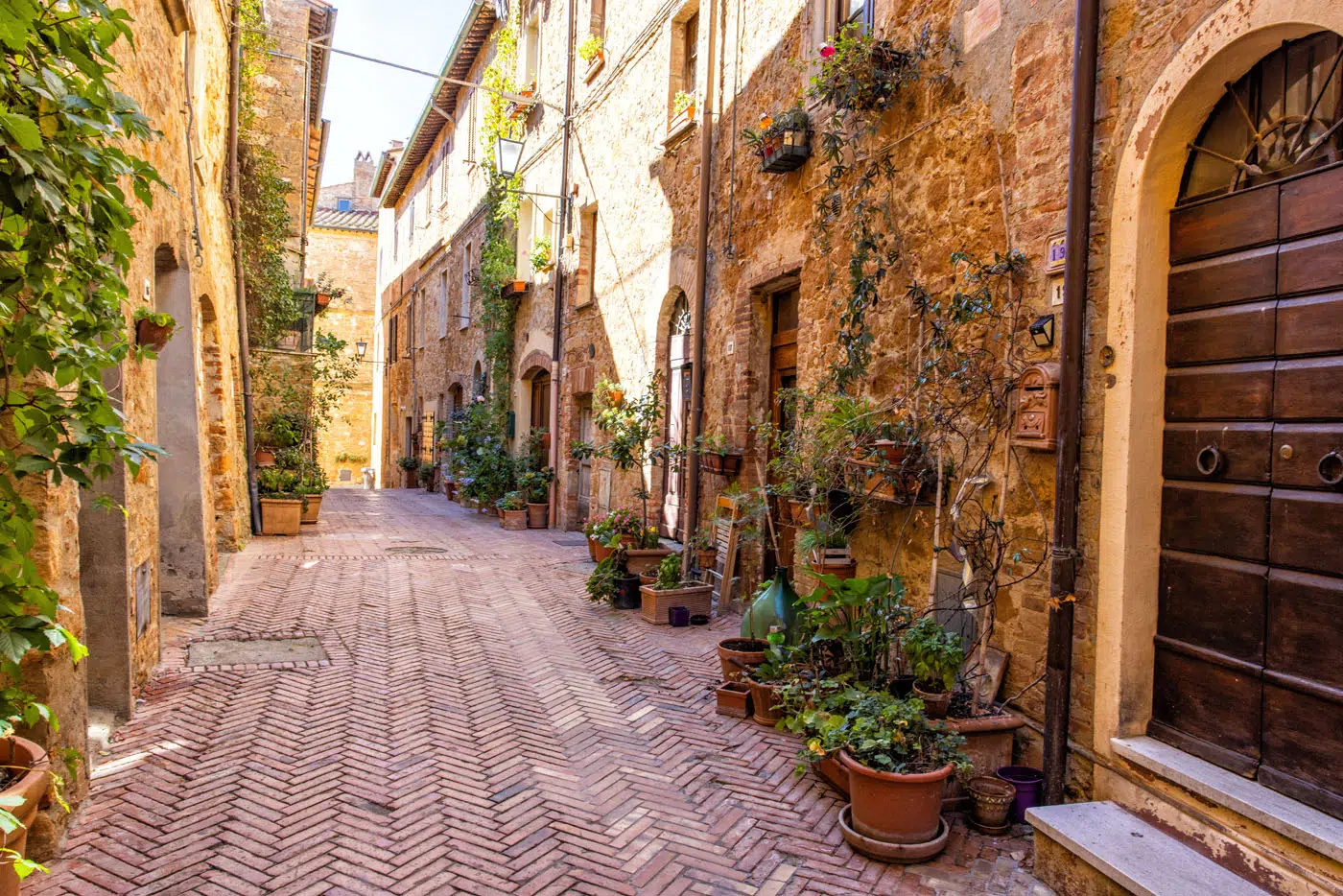
Yes, the main street is a beautiful place to go for a stroll, but it is also well worth it to explore the side streets that lead away from Corso di Rossellino. Some of our favorite streets are Via Dogali, Via del Giglio, and Via della Volpe.
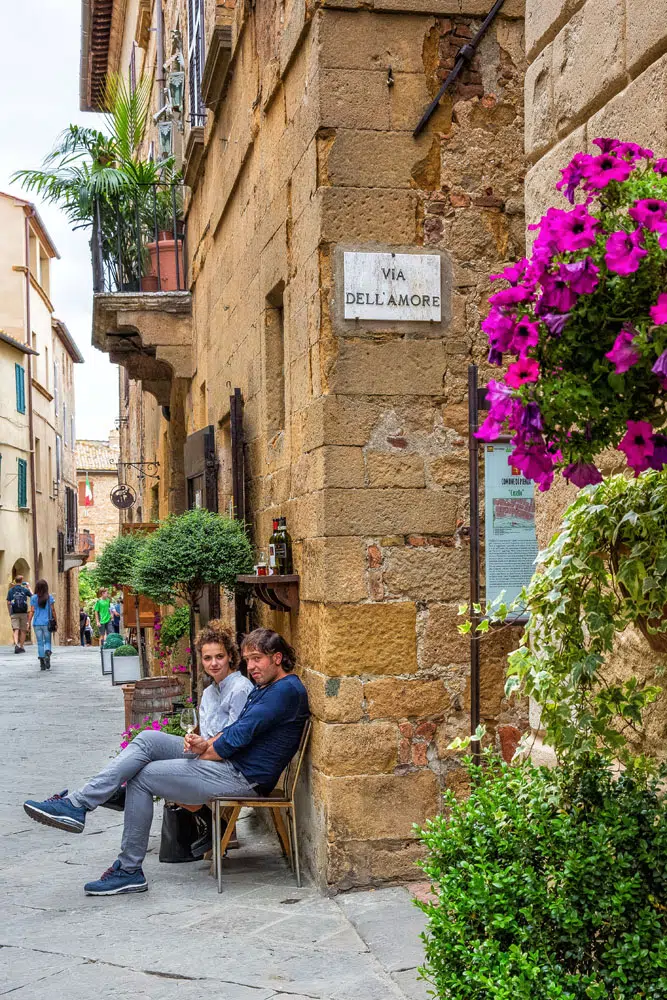
Via dell’Amore (the street of love) connects Corso di Rossellino with the city walls.
8. Try Some Pecorino di Pienza Cheese
Pecorino di Pienza cheese is cheese made from sheep’s milk. There are several varieties of the cheese, but the two main varieties are a red rind cheese seasoned with tomato juice and a black rind cheese that is aged pecorino.
This famous Tuscan cheese can be found on the menus and in shops throughout Pienza.
Our favorite experience in Pienza was trying three varieties of Pecorino di Pienza along with cured meats and a glass of local wine.
La Vecchia Bottega serves a mix of small plates with options to try the pecorino cheese. On the menu are meat and cheese plates, bruschetta, and crostini. If you try a cheese that you like, or if you like the wine that you try, you can purchase it from the shop once finished your meal.
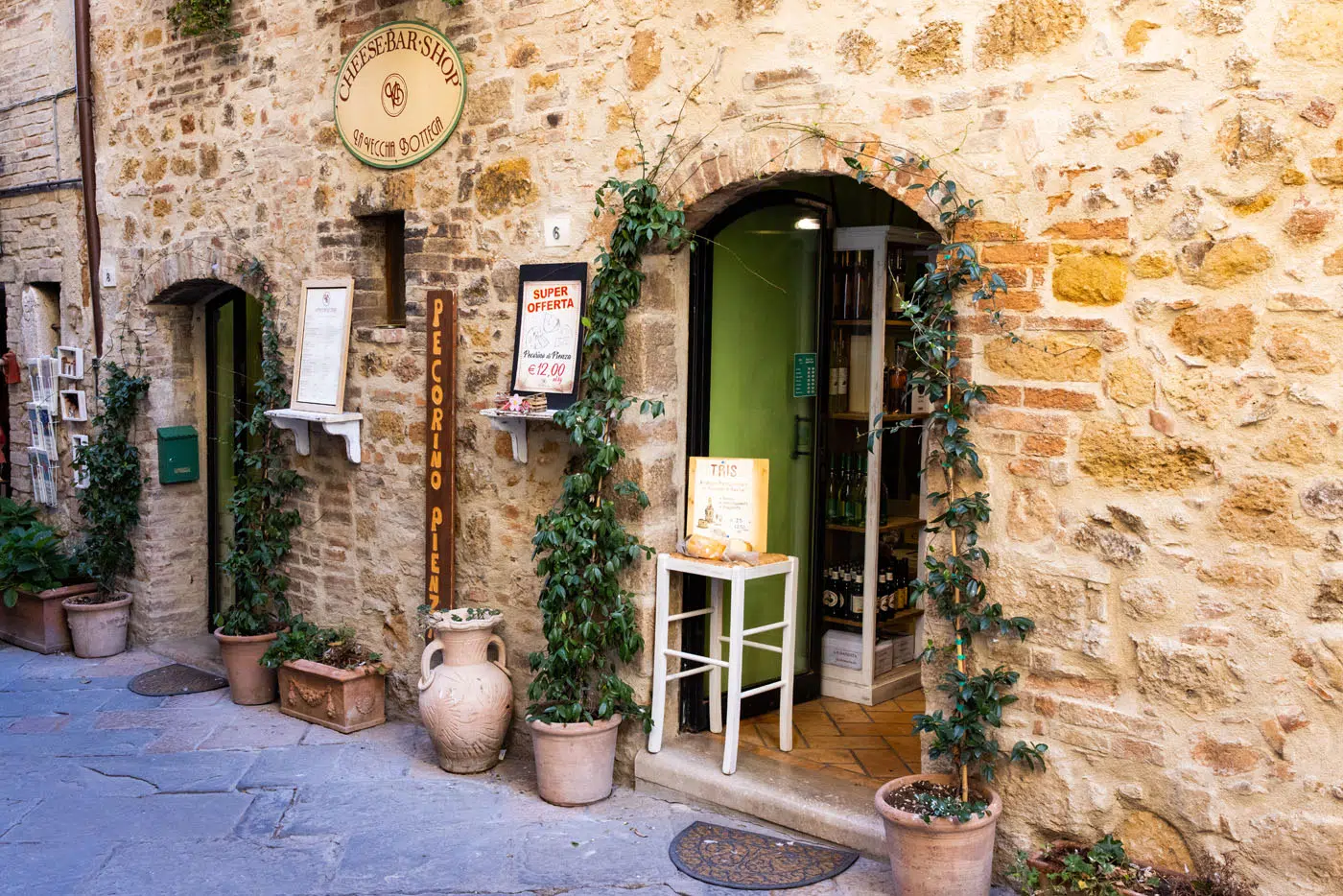
La Vecchia Bottega
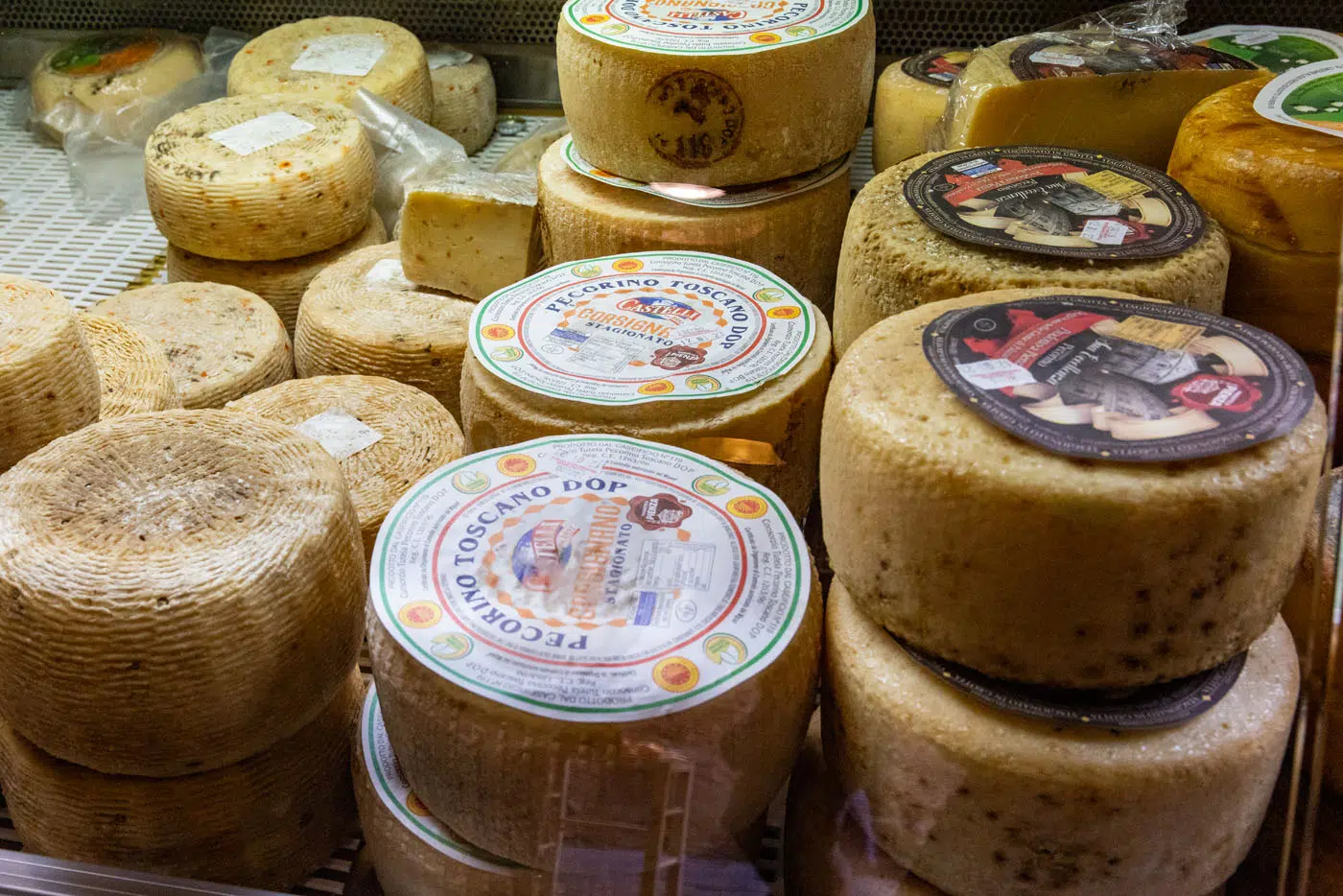
Pecorino di Pienza
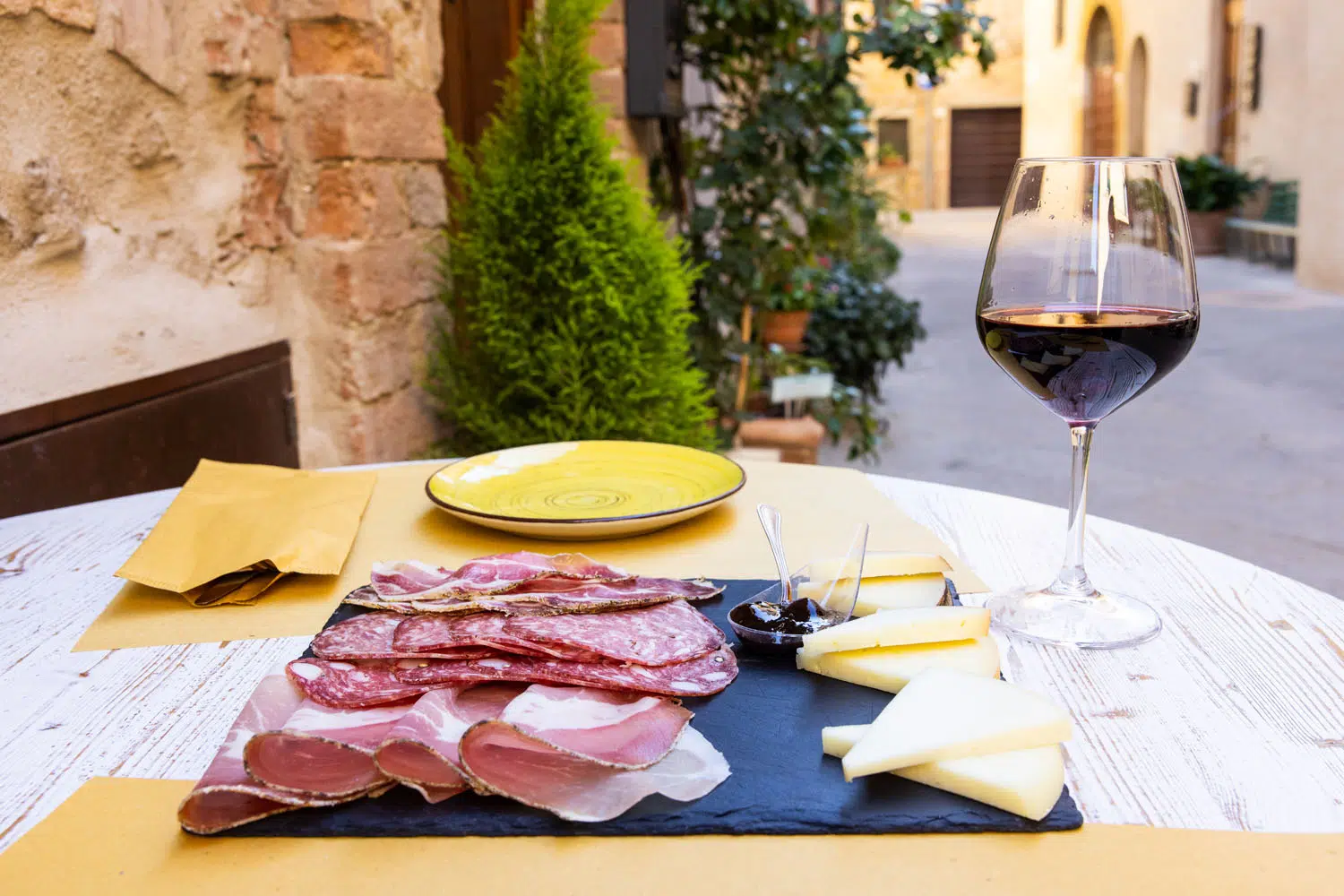
Meat, Pecorino di Pienza cheese and wine at La Vecchia Bottega.
What to Eat in Pienza
Pienza is most famous for Pecorino di Pienza, the local sheep’s milk cheese that you’ll find in every shop and on every menu in town. It comes in several varieties — fresh and mild, aged and sharp, and versions with red or black rinds. Our favorite experience in Pienza was a meat and cheese board at La Vecchia Bottega, where we tried three varieties of pecorino alongside cured meats and local wine. If you find a cheese or wine you love, you can buy it directly from the shop.
Beyond pecorino, Pienza sits in a region with strong food traditions. Pici, a thick, hand-rolled pasta typical of southern Tuscany, appears on menus throughout town, often served simply with cacio e pepe or a wild boar ragu. It’s one of the most traditional things to order if you’re sitting down for a full meal.
For a proper dinner, Ristorante Daria holds a Michelin star and requires a reservation well in advance. Other well-regarded options include Sette di Vino, Poderuccio, and La Taverna di Re Artu. If you’re planning to dine in Pienza, book your table before you arrive. The best restaurants fill up quickly, especially in high season.
9. Visit Chiesa San Francesco
The church of San Francesco is located on Corso di Rossellino. It dates back to the 13th century, so it was around before Pope Pius II renovated Pienza to what we see today. On the walls of the church are 14th century frescoes.
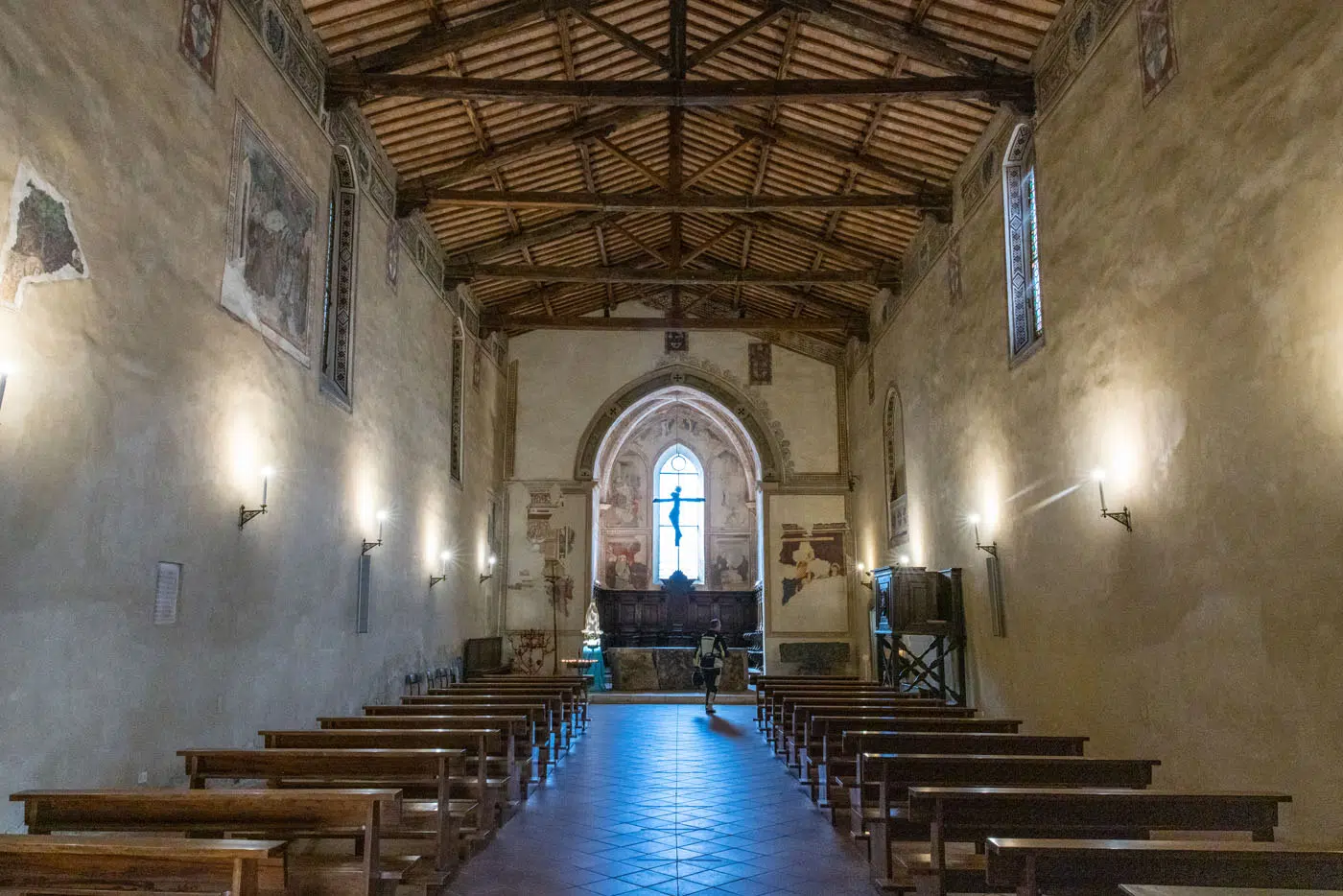
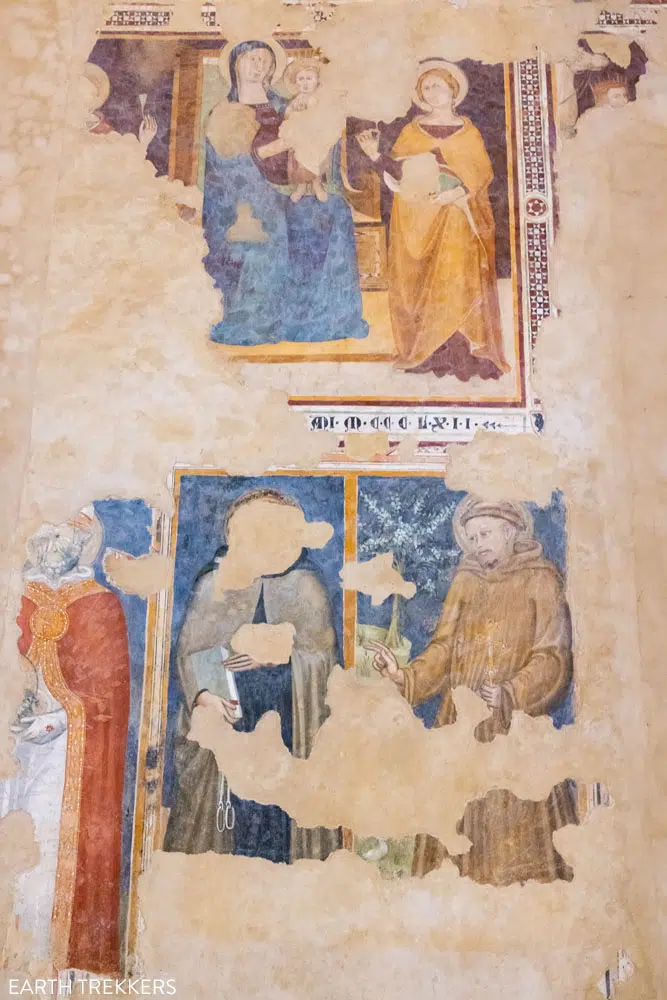
PRO TRAVEL TIP: This church is dark when you first enter. To turn on the lights, put a euro in the box on the wall to the left of the door and the lights will turn on.
10. Go Shopping
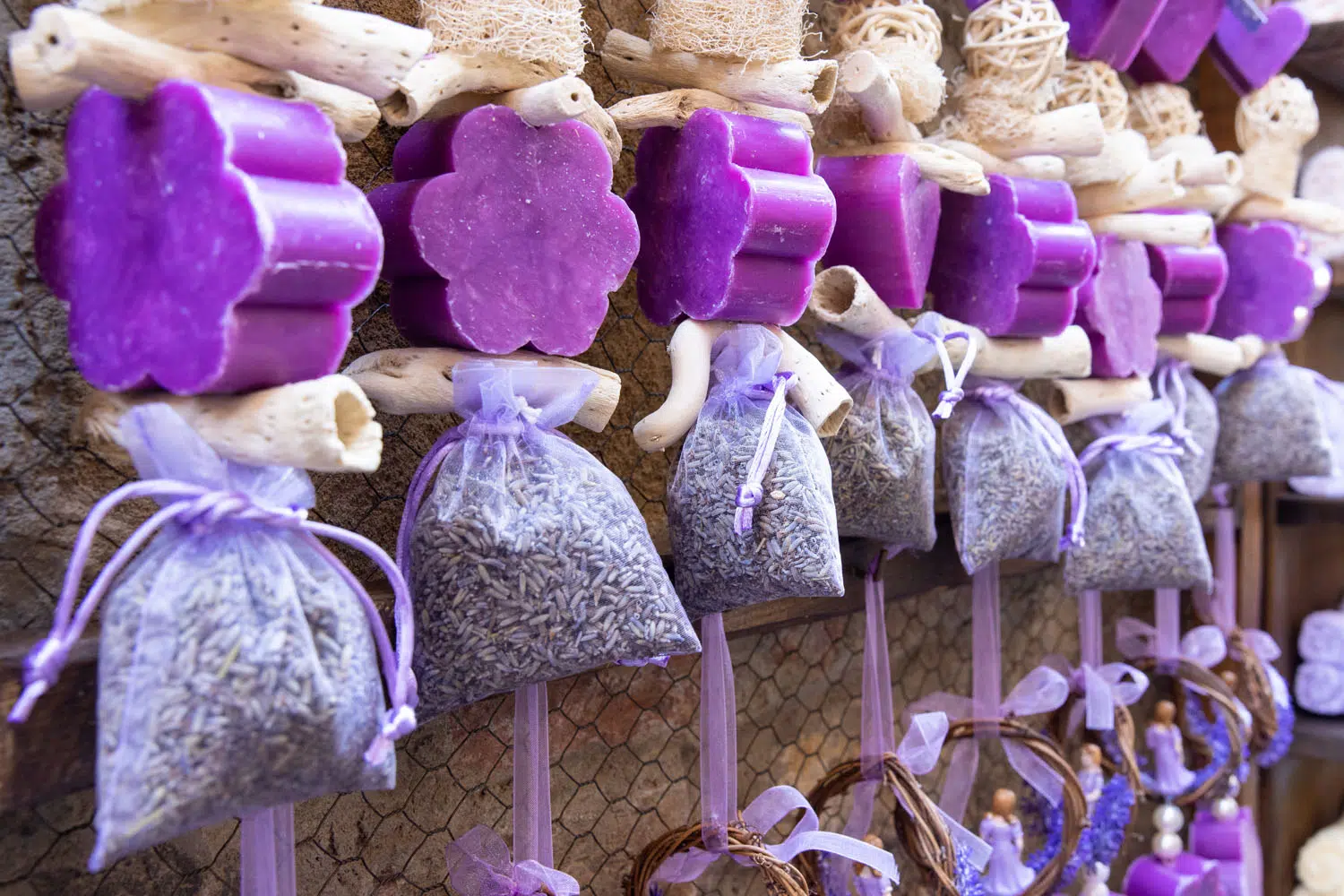
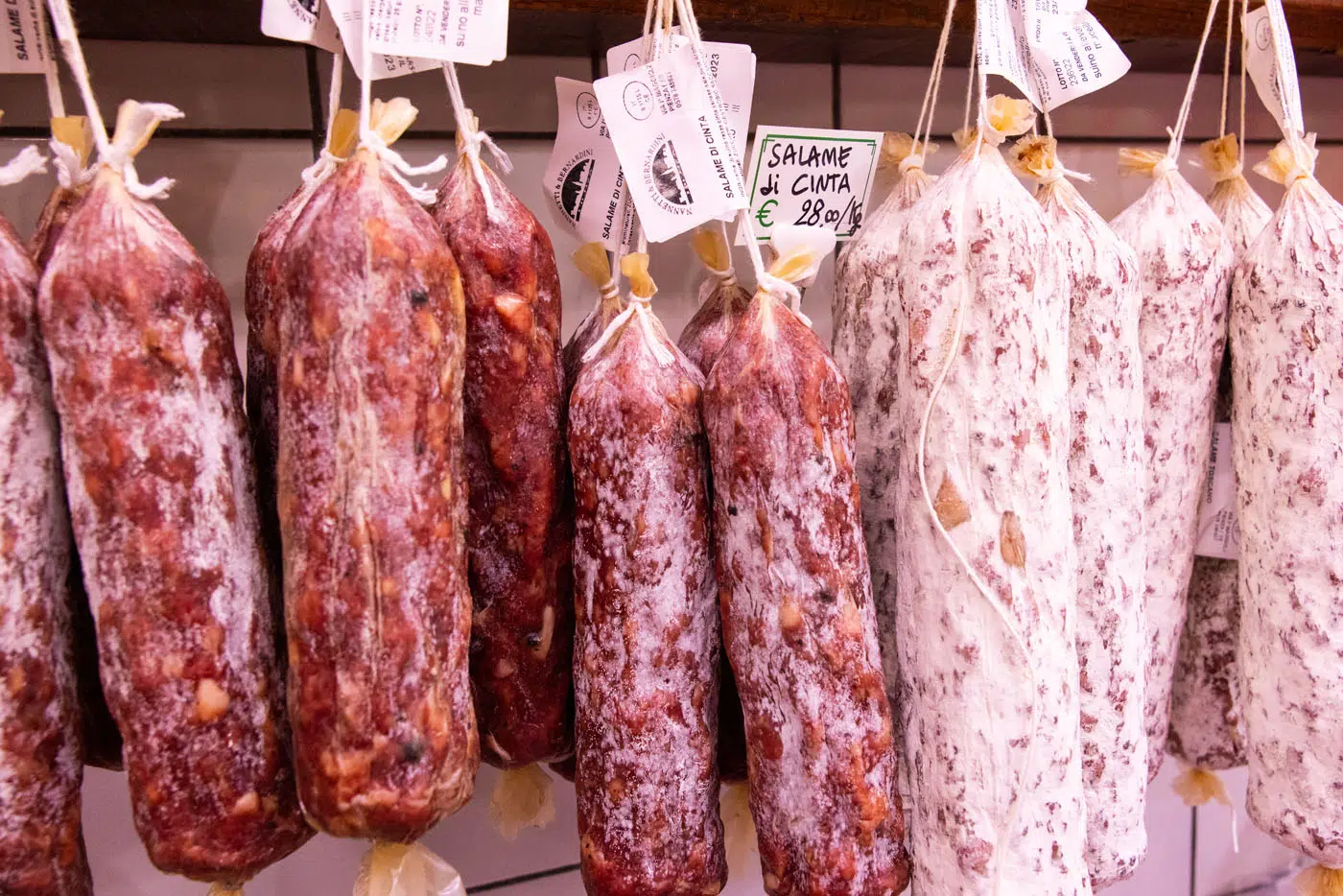
One of the best things to do in Pienza is to go shopping. Pecorino di Pienza cheese is a popular item to purchase in Pienza, but you can also shop for artwork, home goods, cured meats, and other souvenirs.
At Art Gallery Artemisia, you can purchase colorful paintings of Val d’Orcia and the prices are very reasonable.
11. Pieve dei Santi Vito e Modesto e Corsignano
This church sits just outside of Pienza. To get here, it is a downhill walk from Pienza (and later, an uphill walk back to town) or you can park near the church. Just be aware that parking is limited, and busy, since many people are parking here to walk down to the famous Gladiator viewpoint.
The church dates back to the 12th century. It makes it onto a lot of Pienza to-do lists but on our visit in 2022, we could not visit it, since it was being renovated…but it should be beautiful in future years!
12. Gladiator Viewpoint
From the same small parking lot next to Pieve dei Santo Vito, you can walk down to the viewpoint of Agriturismo Terrapille. This famous viewpoint was used in the movie The Gladiator, featuring Russell Crowe. The scene where he is walking towards his home, through a field of grain, was filmed here.
From the parking lot, it is a 10-minute downhill walk to the viewpoint. On Google Maps, it is labeled “Gladiator.”
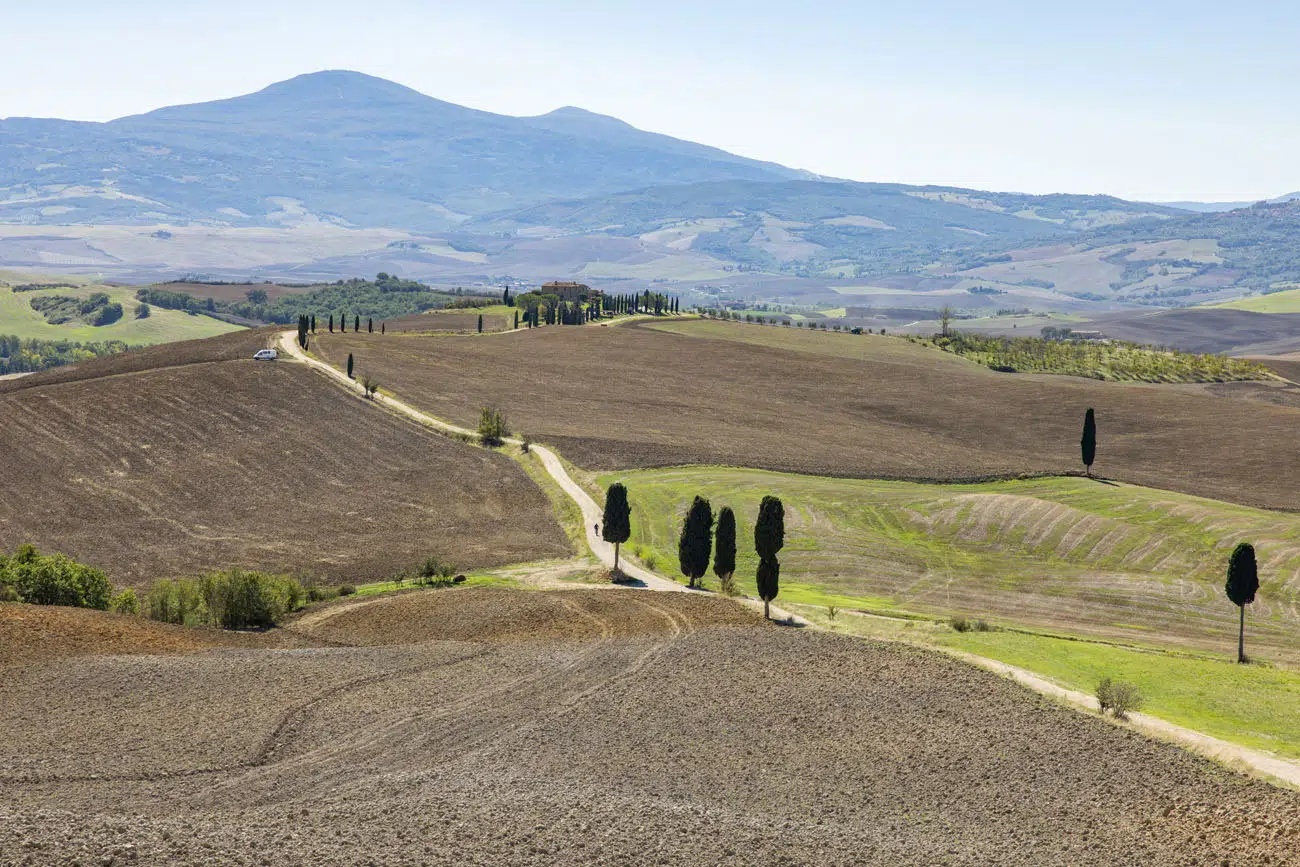
Our photo was taken near the end of September. During this time of year, many of the fields have been tilled and are fields are dirt, rather than green grass or golden grain. If you want to see Tuscany lush and green, come here in the spring and early summer.
13. Attend the Fiera del Cacio
This festival, which takes place in early September, is dedicated to pecorino cheese. If you happen to be here at this time, don’t miss the Palio del Cacio Fuso, where players from each town have to roll a round of pecorino cheese around a spindle in the center of the square.
Things to Do in Pienza: On a Map
How to Use This Map: Click the tab in the top left corner of the map to see a list of the points of interest and to turn layers on/off. Click the icons on the map to get more information about each point of interest.
To take this map with you, click the star next to the title of the map which adds it to your Google account. Next, within your Google Maps app, select ‘Saved’ and then select ‘Maps’. This map title will now appear in your list.
How Much Time Do You Need in Pienza?
If you simply want to stroll the city streets, visit the cathedral, do a little shopping, and try some Pecorino di Pienza cheese, 2 hours is all you need to visit Pienza.
Add on more time to tour Palazzo Piccolomini, visit the crypt, or sit down to a leisurely lunch or dinner.
If you want to walk out to the Gladiator viewpoint, add on 45 minutes to your visit, which gives you time to drive to the parking area, park, and walk out-and-back to the viewpoint.
When is the Best Time to Visit Pienza?
The most popular time to visit Pienza is summer, and the crowds reflect that. When we visited with our kids in July 2014, the town was busy, though we got lucky with mild temperatures that day. Midday in summer can feel overwhelming in a town this small, so if you’re visiting in peak season, aim for an early morning arrival before the tour groups roll in.
Our second visit was in late September, and it was ideal. Clear skies, warm but comfortable temperatures, and noticeably fewer people. That said, Tuscany’s weather is unpredictable in autumn. During our 10 days in the region that trip, we had a mix of sun, rain, and overcast days. The day we hit Pienza happened to be perfect, but we wouldn’t count on that.
One thing to know about a fall visit: by late September, many of the surrounding fields have been tilled, so the Val d’Orcia views from the city walls show rolling hills of bare earth rather than green grass or golden grain. It’s still beautiful, but if you want the lush, cinematic Tuscany landscape, April through June is your window.
In summary:
- Spring (April–June): Best for green landscapes and pleasant temps
- Summer (July–August): Peak crowds; go early in the day
- Fall (September–October): Fewer crowds, harvest season atmosphere, but fields may be tilled
- Winter: Quiet, some attractions have reduced hours or close temporarily (Palazzo Piccolomini closes part of November through early February)
Helpful Tips for A Visit to Pienza
If you like the idea of touring Palazzo Piccolomini, you can purchase your ticket for the next available tour once you arrive, or book your time slot online in advance. The downside of booking your ticket in advance is that you are locked into that time slot, so you have no flexibility. But booking in advance will guarantee that you can visit the Palace, since onsite tickets can sell out.
If you like the idea of visiting the crypt, once you have a ticket, you can visit anytime.
To check the weather forecast, we used Meteo Italy and the forecast was relatively accurate. There is also an app that you can download onto your phone.
If you plan to have dinner in Pienza, make your reservation in advance. In our experience in Italy, you will need to have a reservation for dinner at the highly rated restaurants.
How to Get to Pienza
Public Transportation
There are no train stations in Pienza. If you are traveling by public transportation, you can get here by bus, but you will have to transfer several times and it can take quite a bit of time to get here (at least 1 hour but usually a lot more than this) depending on your starting point.
By Car
The best way to get to Pienza is by rental car.
Here are driving distances and times from nearby destinations:
- Montepulciano: 15 km, 20 minutes
- Montalcino: 23 km, 30 minutes
- San Quirico d’Orcia: 10 km, 15 minutes
- Arezzo: 60 km, 1.25 hours
- Siena: 56 km, 1.25 hours
- Florence: 115 km, 1.75 hours
Parking in Pienza
There are numerous parking lots in Pienza, outside of the historic city center.
We parked at the lot labeled Punto Sosta Communale, which is just a 5-minute walk from the city center. On Google Maps, more options are Via del Cassello Parking (located next to the city walls) and Parcheggio Seminario Vescovile.
All of these parking lots will have a small fee. To pay for parking, enter the amount of time you plan to spend in Pienza into the ticket machine, pay the amount by credit card or coins, and put the ticket on your dashboard. It costs a few euros to park for 3 or 4 hours in Pienza.
Tours of Pienza
If you don’t plan on renting a car while in Tuscany, you can visit Pienza on a tour. This takes care of your transportation to and from Pienza, which can save you a lot of time, since Pienza is not easily reachable by public transportation.
If you want to tour Val d’Orcia on your own, this private chauffeur tour gets good reviews.
Here are several tours of Pienza that start from nearby Florence and Siena.
Tours of Pienza
Where to Stay in Pienza
Pienza is a wonderful base for exploring Val d’Orcia. It’s centrally located, walkable once you park, and with enough restaurants and shops to make an overnight stay feel worthwhile rather than just a long day trip.
We didn’t stay in Pienza itself on either of our visits — on our most recent trip we based ourselves near Montalcino — but if we were doing it again, staying in or just outside Pienza would be high on the list. The town is perfectly positioned between Montepulciano, Montalcino, and San Quirico d’Orcia, and waking up here after the day visitors leave gives you the town at its quietest and most atmospheric.
Options range from boutique hotels inside the historic walls (Residenza d’Epoca La Rosa and La Bellavita B&B get excellent reviews) to agriturismos and villas in the surrounding countryside. Staying inside the walls means parking outside and walking in with your bags, but you’ll have restaurants and the main sights at your doorstep. A countryside stay just outside town trades that convenience for more space, better views, and often a pool.
PoggioSalto in Toscana is a mid-range hotel set in the countryside just outside of Pienza and Agriturismo Cerreto gets near perfect reviews.
Things to Do Near Pienza
There are several Tuscan hill towns and viewpoints that can be added onto your visit to Pienza. In one day, it is possible to visit Pienza, Montepulciano, and Montalcino, if you move fast and don’t mind visiting just the highlights of each town. If you want a more leisurely experience (and not feel like you are in a race), pick two of these towns.
Montepulciano is a 20-minute drive from Pienza. In Montepulciano, climb the tower for panoramic view of Val d’Orcia, go wine tasting, tour the underground wine cellars, and stroll the picturesque streets.
Montalcino is a small town that is a 30-minute drive from Pienza. This is one of our favorite towns in Tuscany. It’s small, it’s a little less crowded than Pienza and Montepulciano, and there are numerous shops where you can taste (and buy) Brunello di Montalcino wine. Plus, you can climb the tower of the fortress for stunning views of Tuscany.
San Quirico d’Orcia is a lesser known but beautiful town in Val d’Orcia. A visit here is more about strolling the main street that runs through town, having lunch or dinner, and visiting a place that has a less touristy vibe than the towns mentioned above.
Val d’Orcia Viewpoints
The countryside surrounding Pienza is some of the most photographed landscape in all of Tuscany, with rolling hills, cypress-lined roads, and patchwork farmland that looks almost too perfect to be real. Several of the most famous viewpoints in Val d’Orcia are within a short drive of Pienza, including the Chapel of Madonna di Vitaleta, a small roadside chapel that appears on what feels like every Tuscany photography list.
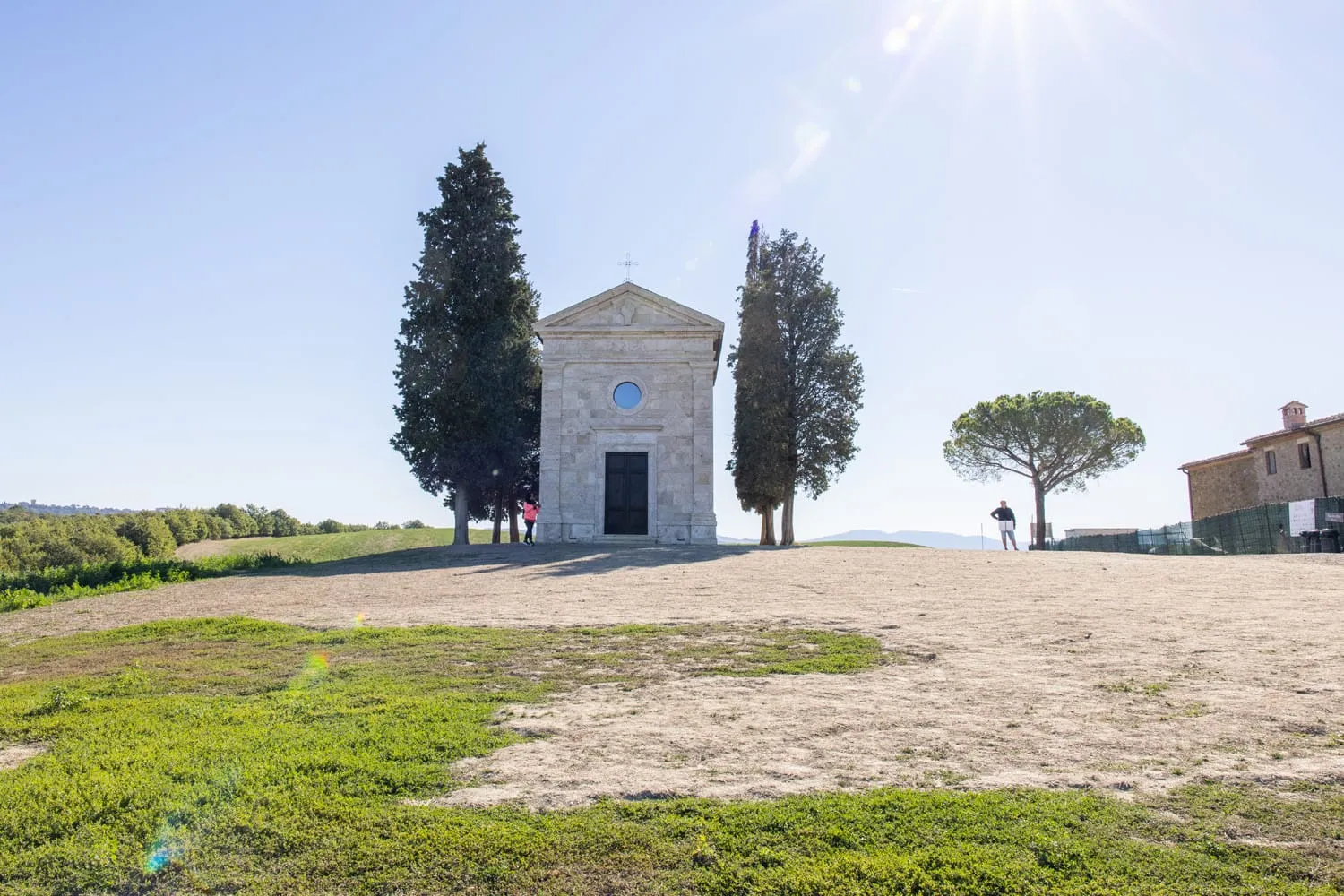
Chapel of Madonna di Vitaleta
We’ve visited the chapel and found the surrounding viewpoints to be the real draw. The wider landscape in this area is stunning, and there are multiple spots along the back roads between Pienza and San Quirico d’Orcia worth pulling over for. If photography is a priority on your Tuscany trip, budget extra time to explore this stretch of road.
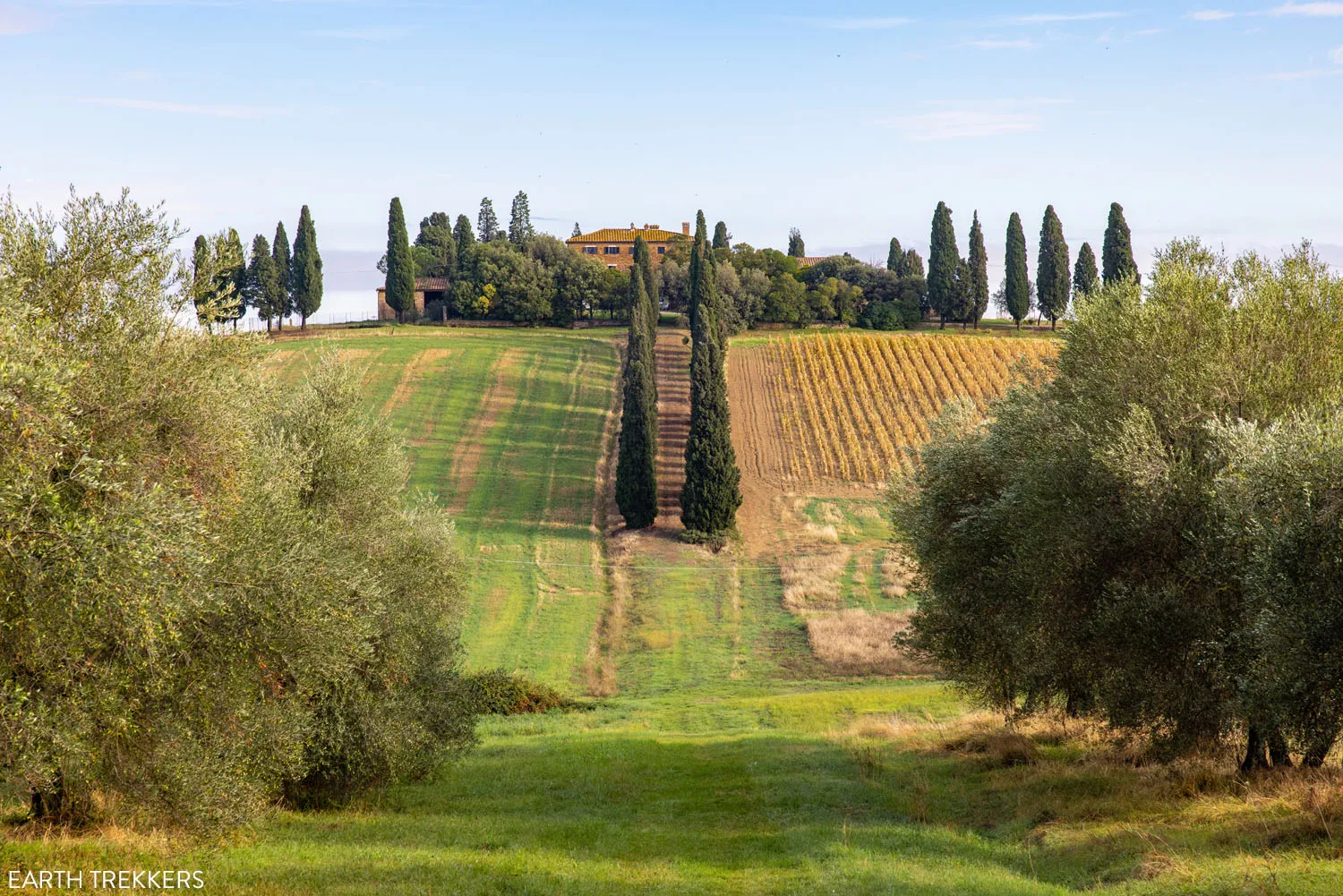
The Gladiator viewpoint, which is here on Google Maps, a 10-minute drive from Pienza.
Frequently Asked Questions
What is Pienza known for?
Pienza is known for three things: its status as a UNESCO-designated Renaissance “ideal city” commissioned by Pope Pius II in the 15th century, its Pecorino di Pienza cheese made from local sheep’s milk, and its sweeping views over the Val d’Orcia. It’s one of the most photographed towns in Tuscany for good reason.
Is Pienza a good day trip from Florence or Siena?
Yes, though it works best combined with other Val d’Orcia stops. From Florence, Pienza is about 1.75 hours by car, so pair it with Montepulciano or Montalcino to make the most of the drive. From Siena, it’s just over an hour. There’s no train station in Pienza, so a rental car or organized tour is the practical way to get here.
Can you visit Pienza without a car?
It’s possible but inconvenient. There’s no train station in Pienza, and bus connections require multiple transfers with significant travel time. A rental car is by far the easiest option and opens up the surrounding Val d’Orcia as well. If you don’t want to drive, look for organized day tours departing from Florence, Siena, or Rome that include Pienza as a stop.
Which is better, Pienza or Montepulciano?
They’re different experiences. Pienza is smaller and easier to cover quickly, with a focus on cheese, Renaissance architecture, and Val d’Orcia views. Montepulciano is larger, hillier, and built around wine, specifically Vino Nobile, with underground cellars to tour and a tower you can climb for panoramic views. We love both, but if we had to pick one, Montepulciano edges it out for the variety of things to do.
Which is better, Pienza or Montalcino?
Both are small Tuscan hill towns worth visiting, but they have different personalities. Pienza is about cheese, Renaissance history, and picture-perfect streets. Montalcino is about Brunello di Montalcino wine, a medieval fortress with great views, and a slightly less touristy feel. Of the two, Montalcino is our personal favorite. It feels a little more lived-in and the wine tasting scene is excellent.
Is Pienza good for families?
Yes, its compact size actually makes it easy with kids. There’s no risk of getting lost, the streets are manageable, and the cheese shops alone tend to be a hit. On our first visit we explored Pienza with our children, sticking to the main and side streets, and it worked perfectly as a short stop on a longer Tuscany trip.
Plan Your Tuscany Trip
Pienza is one of the highlights of southern Tuscany, and it fits naturally into a broader Val d’Orcia itinerary. If you’re still building your trip, our Tuscany itinerary covers how to structure your time across the region, whether you have a few days or a full week. For a broader overview of what the region has to offer, our guide to the best things to do in Tuscany is a good place to start.
If you’re combining Pienza with nearby towns, which we highly recommend, our guides to Montepulciano and Montalcino will help you plan both stops. For a quieter, lesser-known addition to the day, San Quirico d’Orcia is just 15 minutes away and worth a look.
And if you’re still in the early stages of planning your Italy trip, our complete Italy Travel Guide covers everything you need to know.
We’ve visited wine regions around the world. See all of them in our guide to the best wine regions in the world.
If you have any questions about the best things to do in Pienza or how to visit Pienza, or if you want to share your experience, let us know in the comment section below.
More Information for Your Trip to Italy
Here are more places to visit in Italy, from Florence, Siena, and beyond.
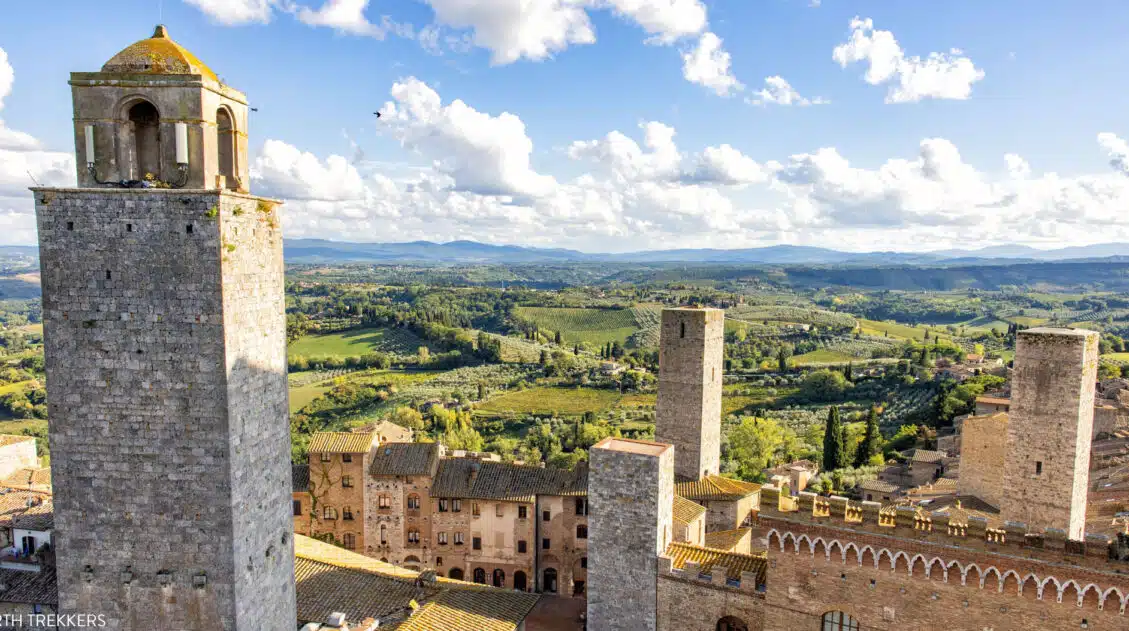
Best Things to Do in San Gimignano (Tips from Two Visits)
Pinterest Facebook Flipboard San Gimignano is famous for its medieval towers, and yes, you should climb one. But a great visit here goes beyond the main piazzas and the gelato line at Dondoli. On our first trip, we arrived by bus from Siena on a busy morning with our kids, climbed to the top of […]
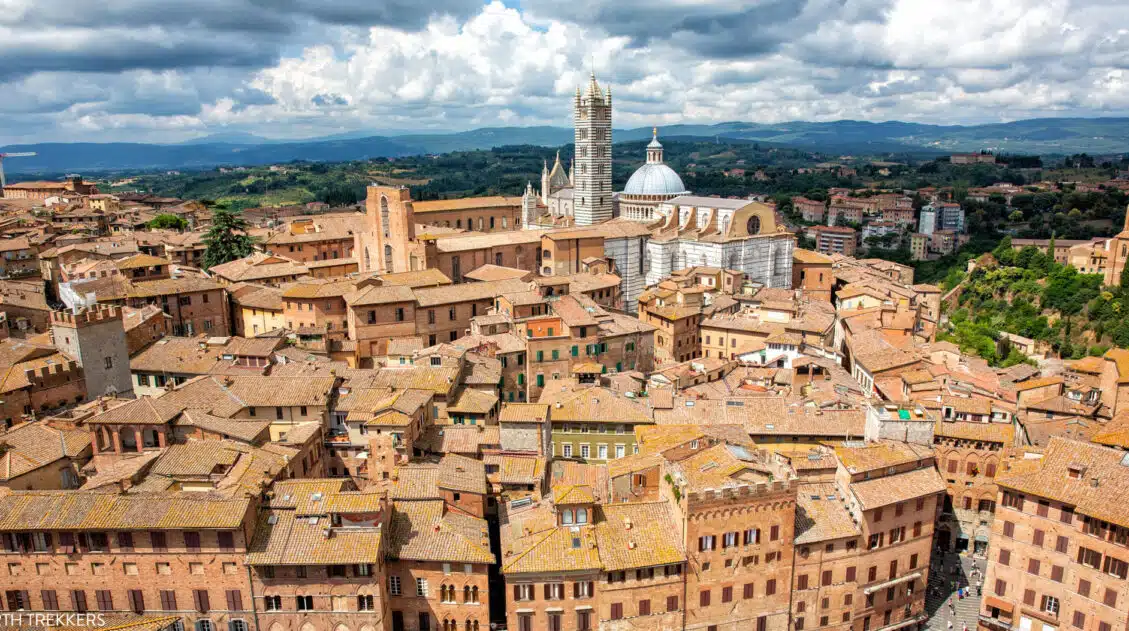
One Perfect Day in Siena, Italy | A Detailed Itinerary
Siena rewards everyone who visits, whether you have one day in Siena or five. We know, because we’ve done both. Our first trip was a full five nights. We used Siena as our base for exploring the Tuscan hill towns, and most evenings ended the same way: the four of us heading down to Piazza […]
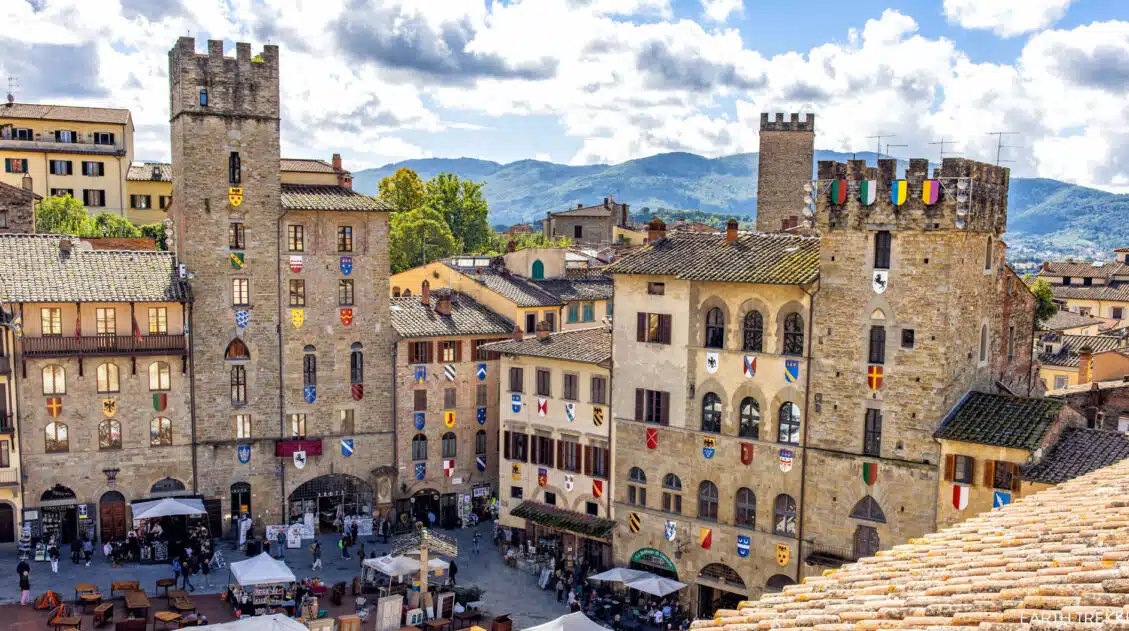
Best Things to Do in Arezzo, Tuscany (+ Map, Tips & Itinerary)
After two trips through Tuscany, we’ve visited a lot of hill towns, including Siena, Cortona, Montepulciano, Pienza, and a handful of smaller villages tucked into the countryside. Arezzo was one of the last ones we visited, and arriving on a Sunday in early October, we weren’t sure what to expect. What we found was one […]
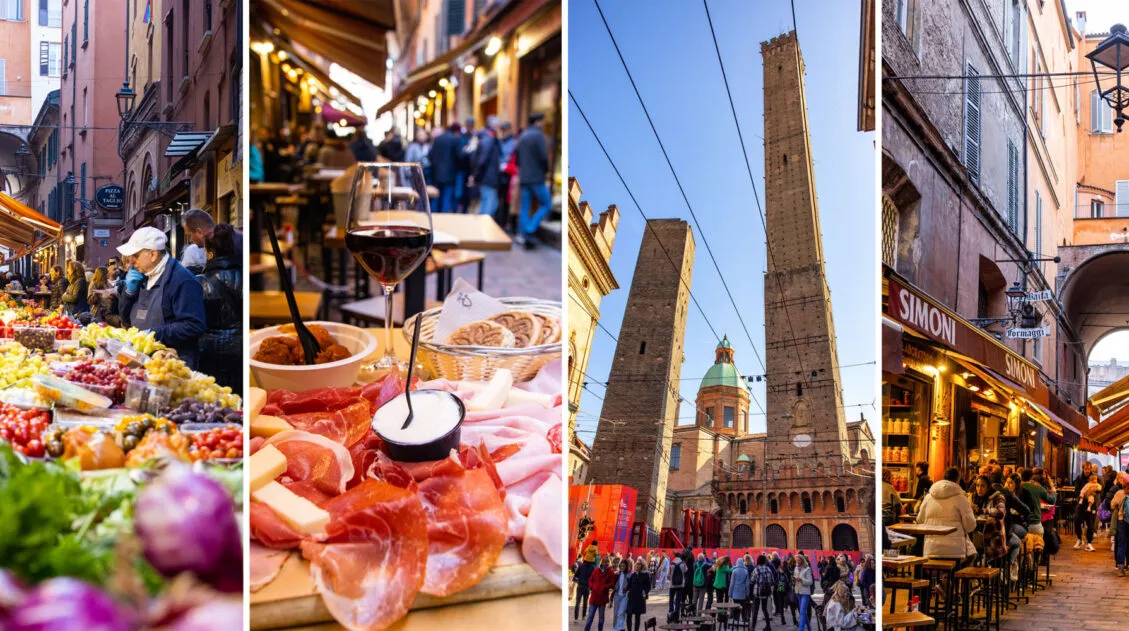
20 Best Things to Do in Bologna, Italy
Bologna doesn’t get the attention it deserves. The best things to do in Bologna revolve around food, from rolling fresh pasta in a cooking class, wandering the Quadrilatero while cheese wheels and cured meats hang in every doorway, and sitting at a wine bar long enough to understand why locals call this city La Grassa, […]
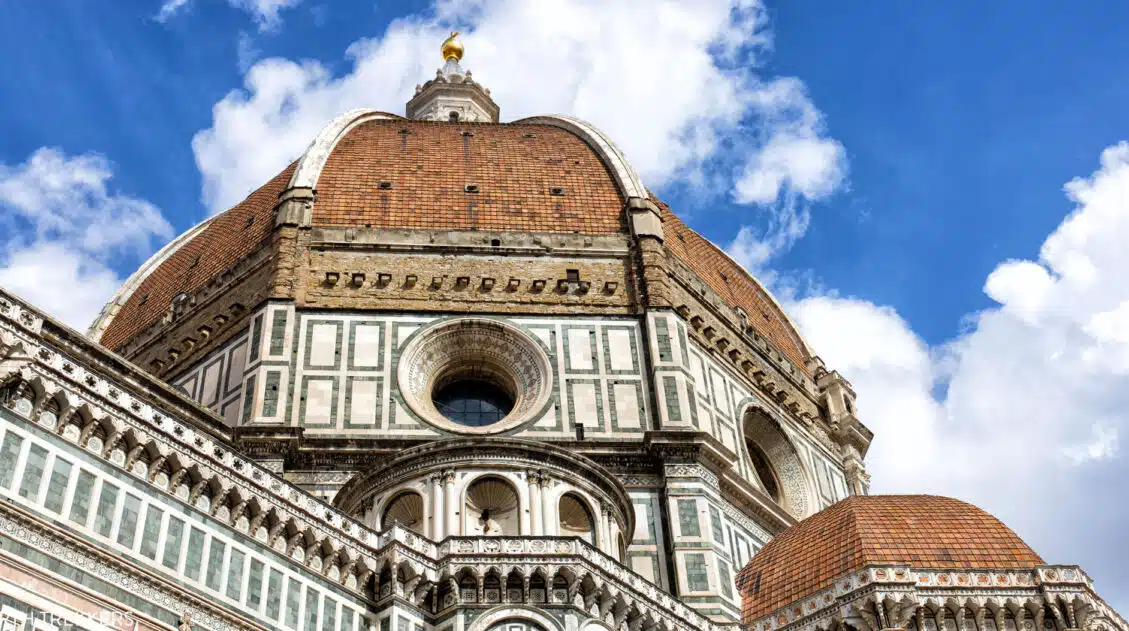
30 Best Things to Do in Florence, Italy (2026 Guide)
Florence is one of the most rewarding cities in Europe, and the best things to do in Florence range from climbing Brunelleschi’s iconic dome to watching the sunset from Piazzale Michelangelo. We know this firsthand, having visited Florence twice. Our first trip was a quick day and a half visit in July with our kids. […]
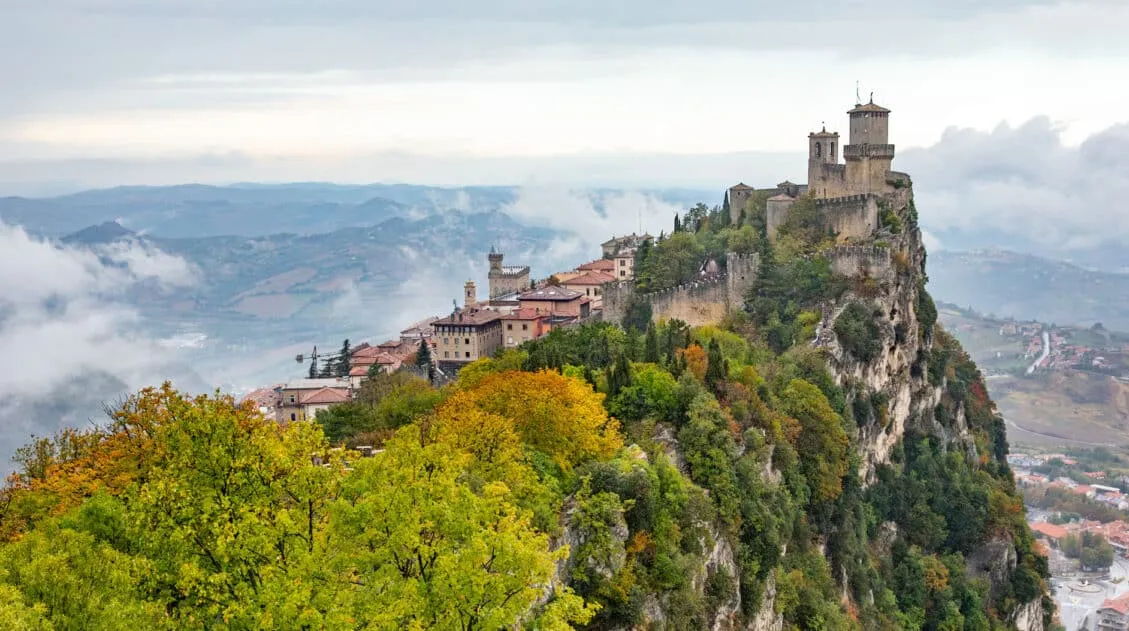
Visiting San Marino: Europe’s Most Underrated Destination
San Marino is a tiny, independent nation completely surrounded by Italy, perched high on the rocky summit of Monte Titano near the Adriatic coast. The capital city, also called San Marino, is a maze of medieval streets, stone towers, and hilltop piazzas with sweeping views over the Italian countryside below. In this guide, we cover […]
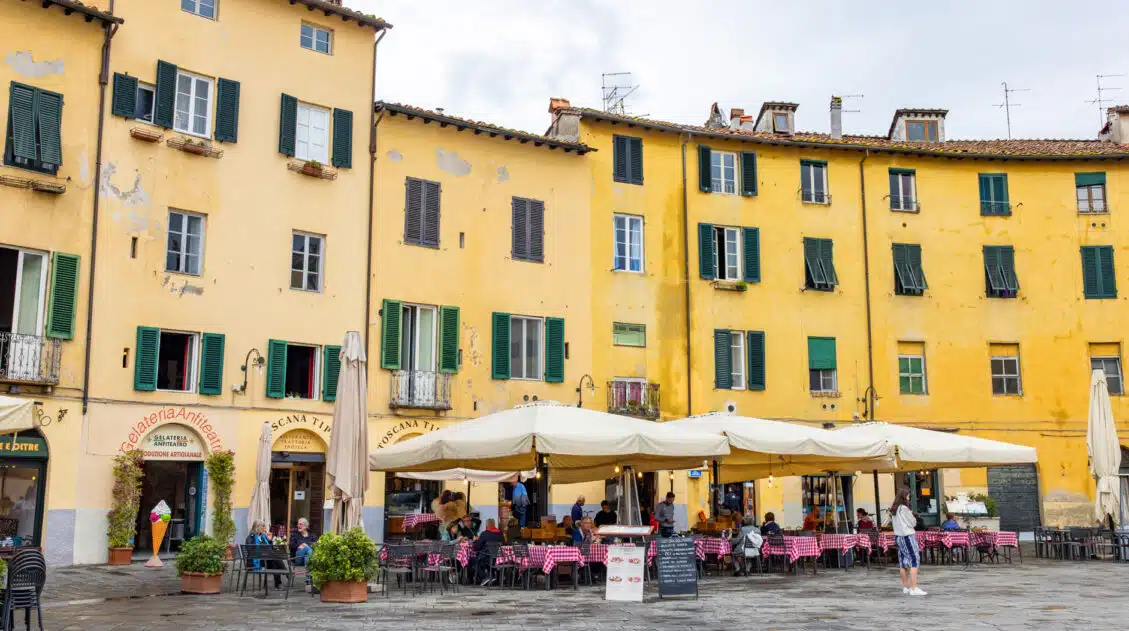
One Day in Pisa and Lucca: Day Trip from Florence
Pisa and Lucca are two popular day trip destinations from Florence. Their close proximity to one another, small sizes, and handy train stations make them very easy to combine into one amazing day trip from Florence. We’ve visited both cities on separate trips to Italy. We stopped in Pisa while traveling by train from Florence […]
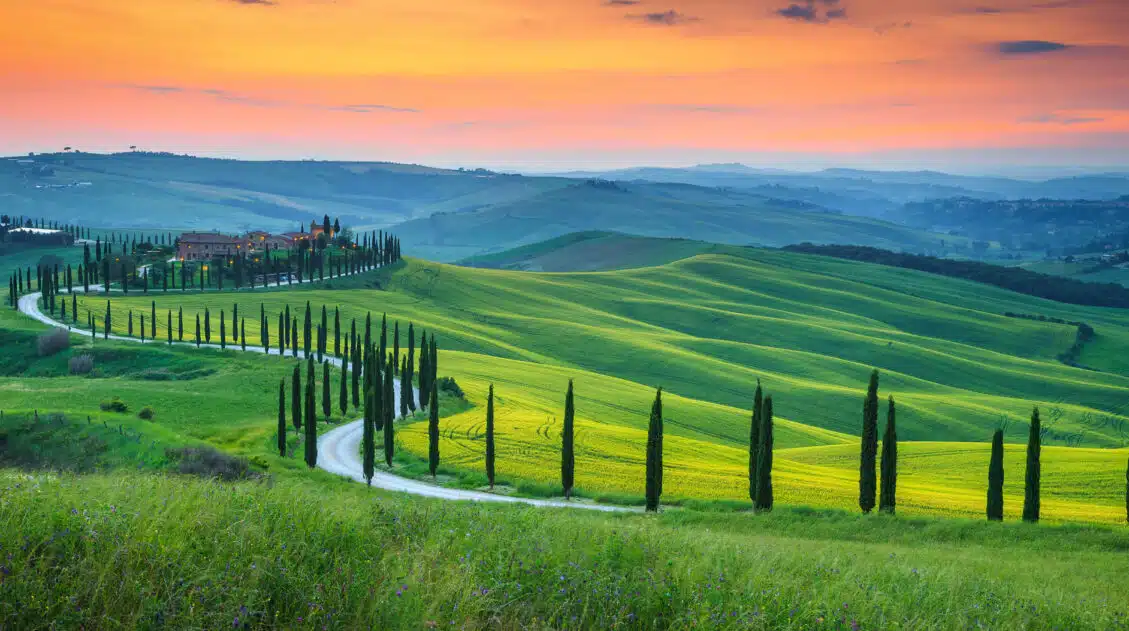
24 Best Things to Do in Tuscany, Italy: Cities, Hill Towns & Hidden Gems
From world-famous cities like Florence and Siena to quiet hill towns and scenic drives through vineyard-covered hills, Tuscany offers a wide range of experiences, but deciding what to do (and what to skip) can be overwhelming. We’ve explored Tuscany on two very different trips: a one-week highlights tour with our kids and a longer 10-day […]
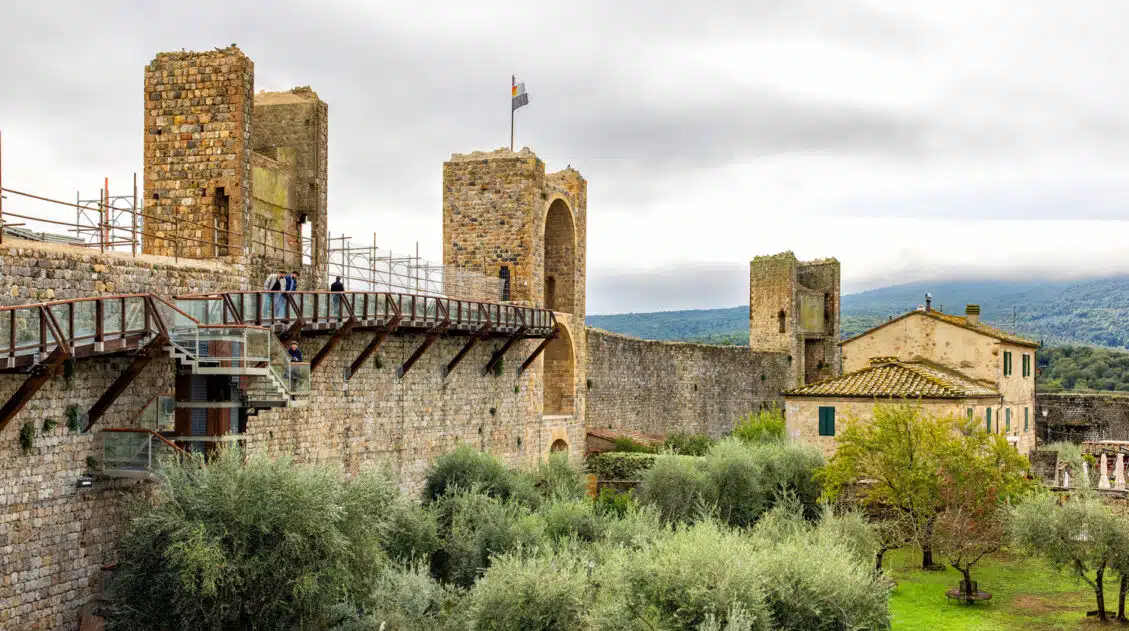
Monteriggioni: Best Things to Do, Photos, and Helpful Tips
Monteriggioni looks almost too perfect to be real. Perched on a rounded hilltop in the Chianti countryside, its ring of medieval walls and 14 towers appears almost exactly as it did in the 13th century, a complete, intact fortification unlike almost anything else in Tuscany. We visited on a day trip from Siena, just a […]
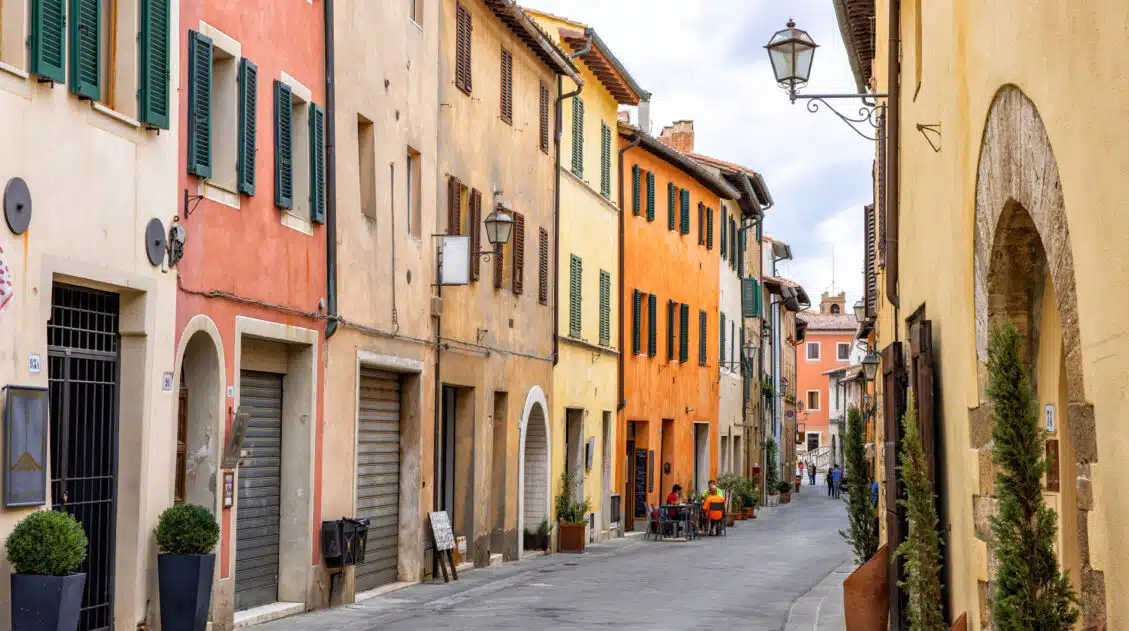
San Quirico d’Orcia: An Underrated Gem in Tuscany
San Quirico d’Orcia is a small hilltop town in Val d’Orcia, one of the most scenic stretches of Tuscany. We first visited in late September, during harvest season, while staying at a nearby villa. We fit it in between stops at Pienza and Montalcino, not expecting much from a town this size, and left having […]
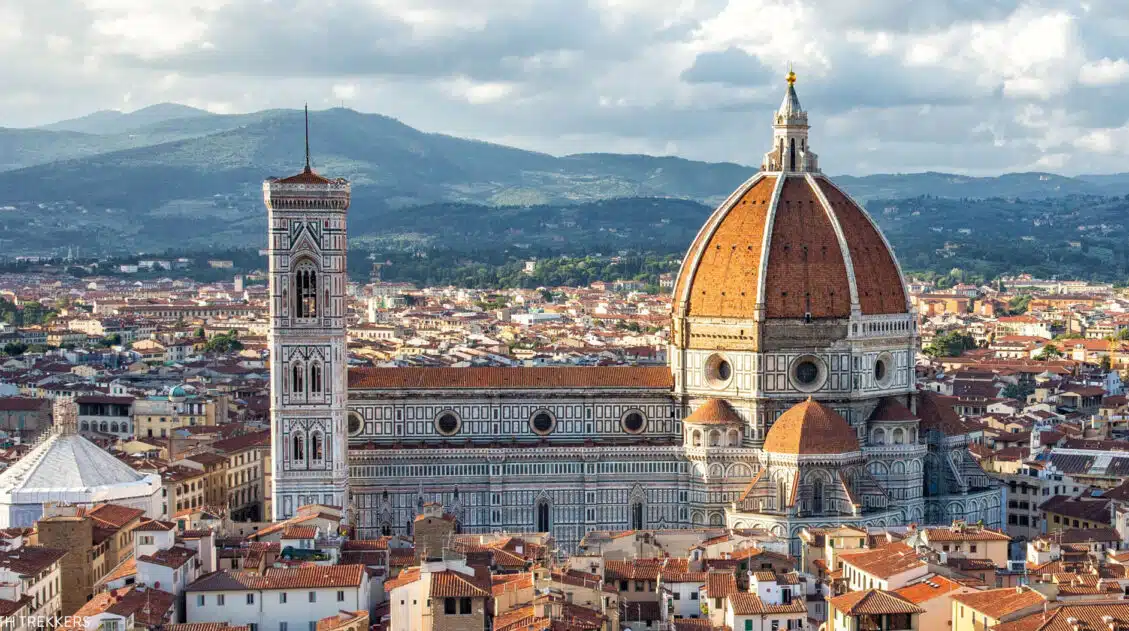
One Perfect Day in Florence: Must-See Sights & Sunset Views
One day in Florence is enough to see the best of this city, if you plan it right. With a well-planned day, you can visit Florence’s top sights, including the Duomo, Michelangelo’s David, the Uffizi Gallery, and Ponte Vecchio. Watch the sunset over the rooftops, stroll through Florence’s scenic streets, and end the day with […]
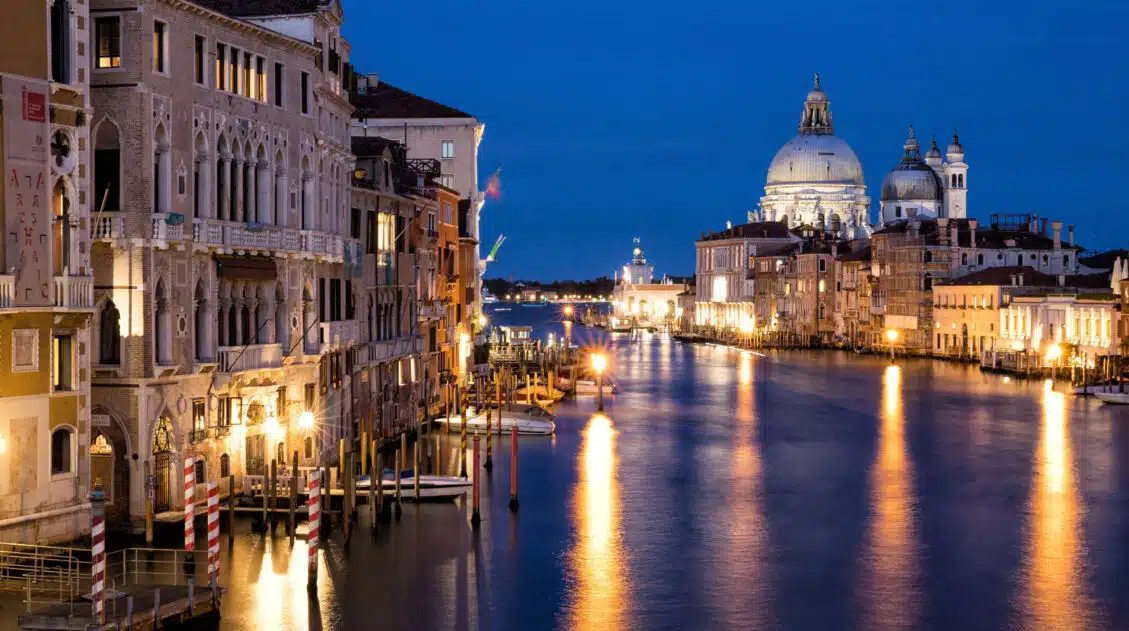
Italy Travel Guide: How to Plan a Trip to Italy
Italy Travel Guide From the ruins of ancient Rome to the hiking trails of the Dolomites, the trulli of Puglia to the hilltop villages of Tuscany, Italy is a country that rewards every kind of traveler, and keeps pulling you back. We’ve traveled to Italy six times, exploring the country from the lakes and mountains […]
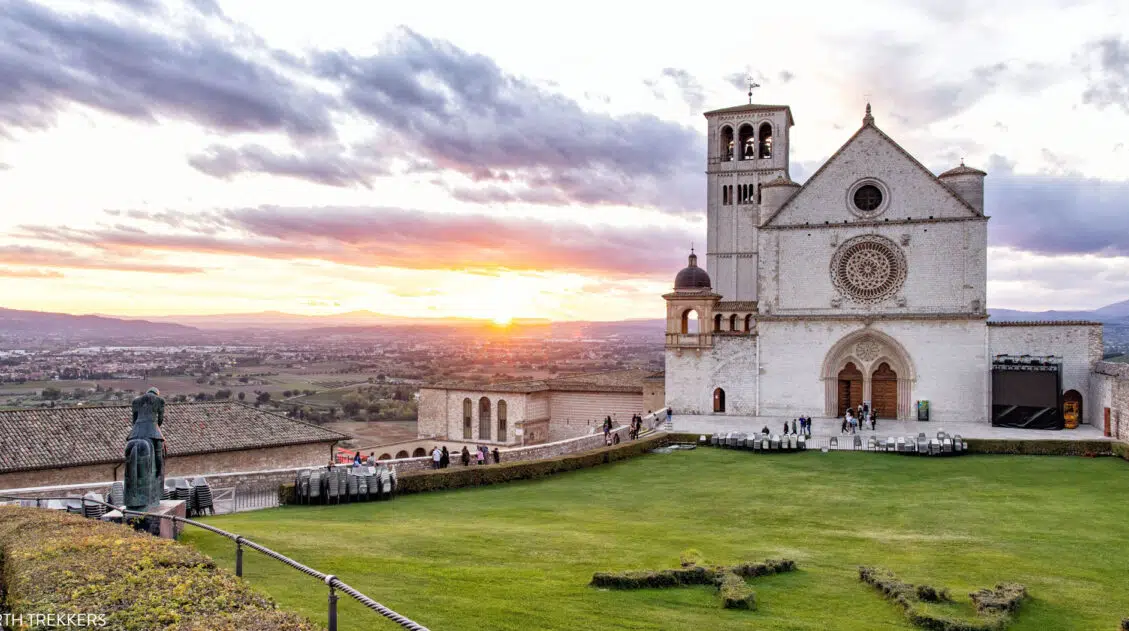
16 Best Things to Do in Assisi, Italy (+ Tips & Map)
Discover the best things to do in Assisi, from the breathtaking Basilica di San Francesco to a hilltop medieval fortress and some of the most photogenic side streets in all of Umbria. Located in Umbria on the slopes of Monte Subasio, Assisi is one of Italy’s most beautiful and undervisited cities. This is the birthplace […]


Comments 8