
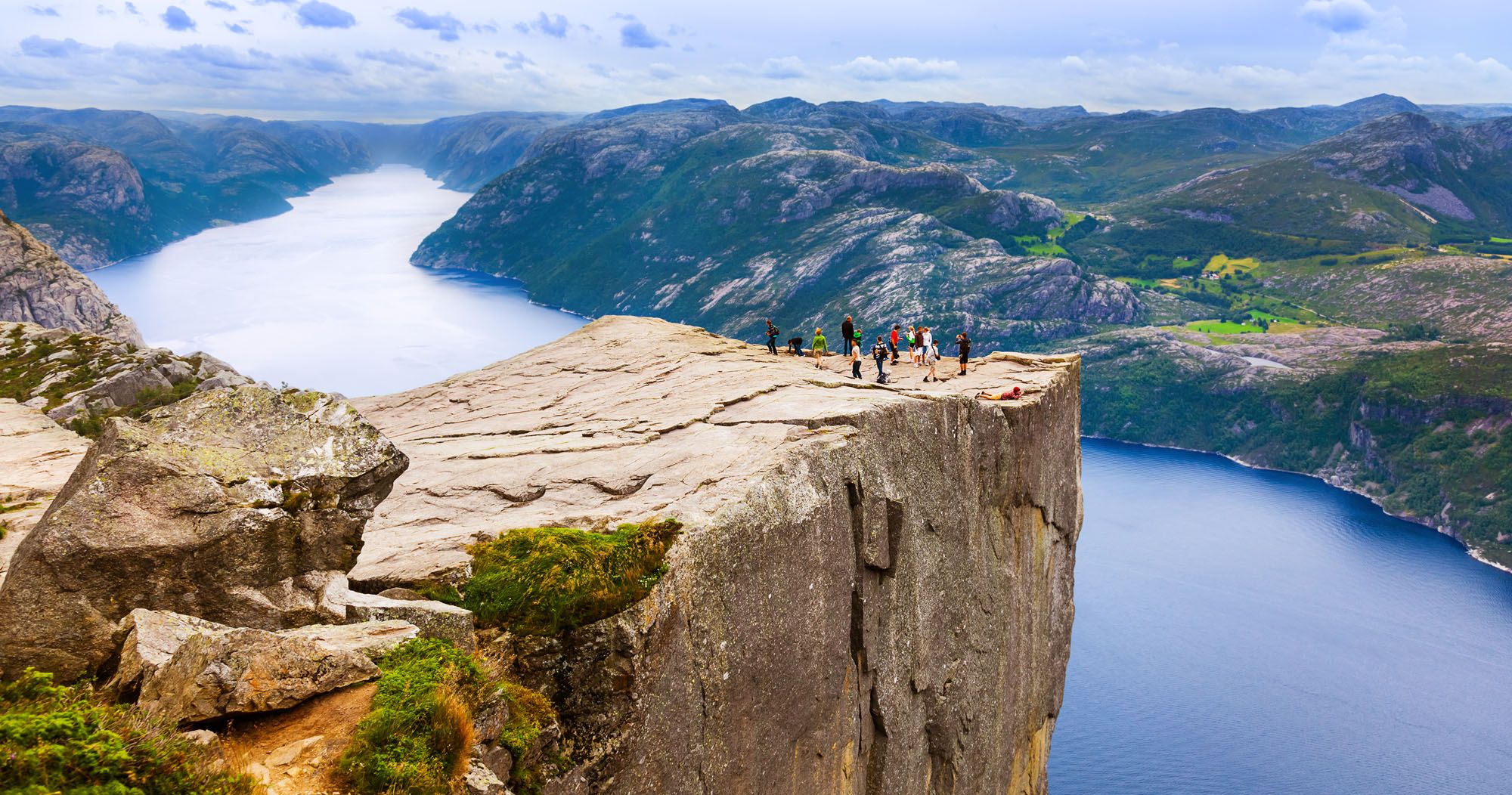
The hike to Pulpit Rock (Preikestolen) was the first hike our kids ever did in Norway and it set the bar high. Tyler was 10, Kara was 8, and we’d spent the previous months wondering whether they were really ready for Norwegian hiking. We’d taken them on Old Rag in Shenandoah as a test run, and they’d passed with flying colors. Still, Norway felt like a different league entirely.
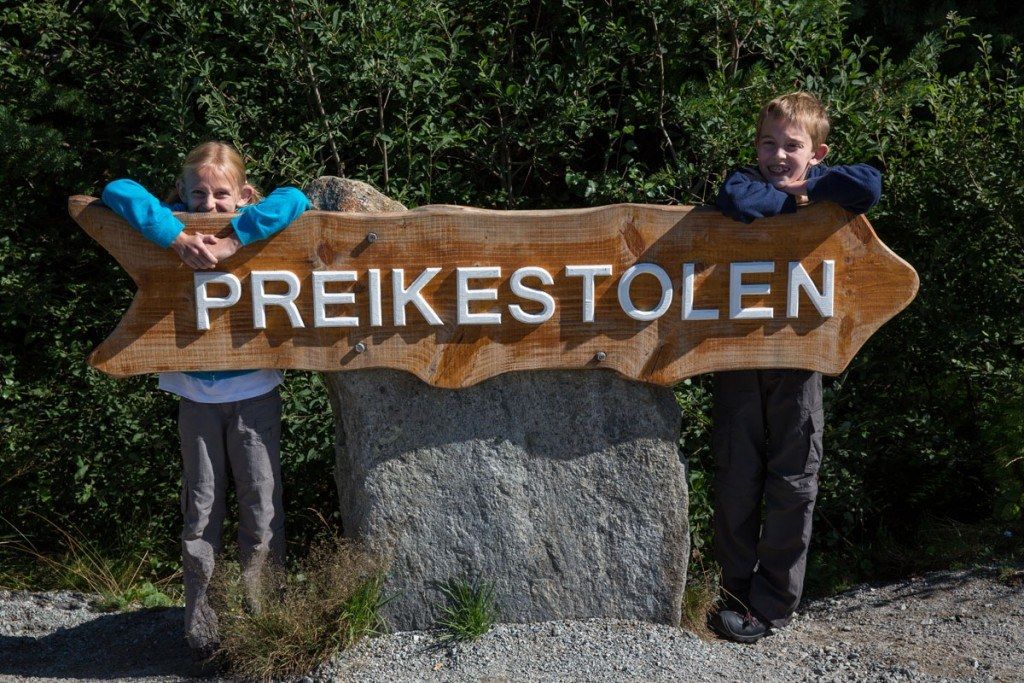
It wasn’t. Pulpit Rock was perfect for them. The trail is constantly changing: long staircases built from giant rocks, stretches of pine forest, flat sections across open plateau, and finally, a narrow cliff-edge path with the Lysefjord glittering hundreds of meters below. Tyler and Kara never once complained about being bored. They scrambled over boulders, asked when the next steep section was coming, and posed for photos on Pulpit Rock.
What makes Pulpit Rock one of Norway’s most popular hikes is exactly what makes it so appealing: it’s accessible enough for families and beginners, but dramatic enough to feel like a genuine achievement. That flat granite shelf, 604 meters above the Lysefjord, is one of the most iconic viewpoints in all of Europe.
This was the first of four hikes we did on that Norway trip, followed by Kjeragbolten, Trolltunga, and Romsdalseggen Ridge, each harder than the last. Looking back, Pulpit Rock was the perfect introduction: thrilling enough to hook the kids on Norwegian hiking for good, manageable enough that everyone finished strong and hungry for more.
In this guide, we cover everything you need to know to hike Pulpit Rock:
- Step-by-step trail guide with what to expect at each stage
- How to get to the trailhead by car and by bus
- Tips for hiking with kids
- How to avoid the worst of the crowds
- How Pulpit Rock compares to other hikes near Stavanger
The Essentials: Pulpit Rock Hike
LOCAL NAME | Preikestolen
DISTANCE | 7.6 km (4.7 miles) out-and-back
ELEVATION GAIN | 350 meters (1,150 feet)
DIFFICULTY | Moderate
TIME | 4 to 5 hours
TRAILHEAD | Preikestolen Fjellstue (Base Camp)
NEAREST CITY | Stavanger (approx. 40 km / 45 min by car)
BEST TIME TO HIKE | May through October
KID FRIENDLY? | Yes, ages 6+ with some hiking experience
DOGS ALLOWED? | Yes
FACILITIES AT TRAILHEAD | Parking, restrooms, restaurant, small shop
Pulpit Rock Hike: Trail Guide
The trail to Pulpit Rock starts at Preikestolen Fjellstue and follows a single well-marked path the entire way. Red T markers guide you from trailhead to summit, so navigation is never an issue.
What makes this hike so enjoyable is how much the terrain changes. You’re moving through pine forest, across boardwalks over marshy ground, up long staircases of stacked rock, and finally along an open cliff edge with the Lysefjord spread out below you. It keeps things interesting at every stage.
A note on the “2 hours each way” estimate: Official sources quote two hours to the top. That’s realistic for fit hikers moving at a steady pace. Families with kids, or anyone stopping for photos (and you will), should plan for closer to 2.5 hours up and 1.5 to 2 hours down: 4 to 5 hours total on the trail.
How Hard is the Pulpit Rock Hike?
The hike to Pulpit Rock is classified as a moderate hike. Round trip, this hike is 7.6 km (4.7 miles) that takes 4 to 5 hours. Kids can do this hike. Our kids were 10 and 8 at the time, but adventurous kids 6 years and older can hike to Pulpit Rock.
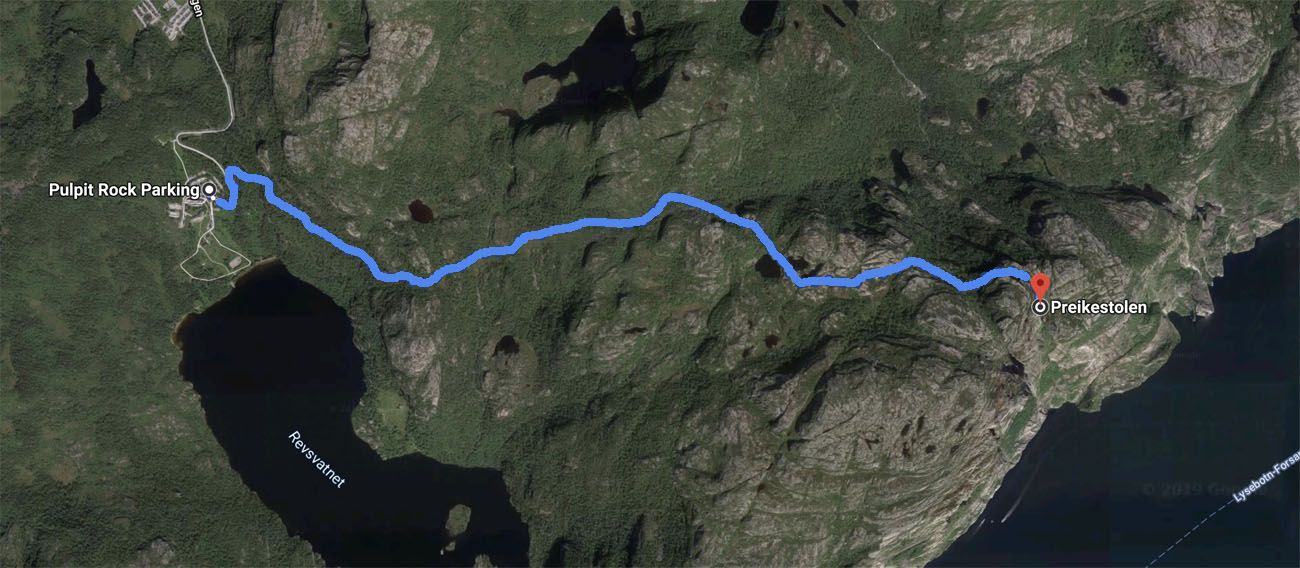
Trail map from the parking lot to Pulpit Rock
Please practice the seven principles of Leave No Trace: plan ahead, stay on the trail, pack out what you bring to the hiking trail, leave areas as you found them, minimize campfire impacts, be considerate of other hikers, and do not approach or feed wildlife.
Phase 1: The First Climb (0 to ~1 km)
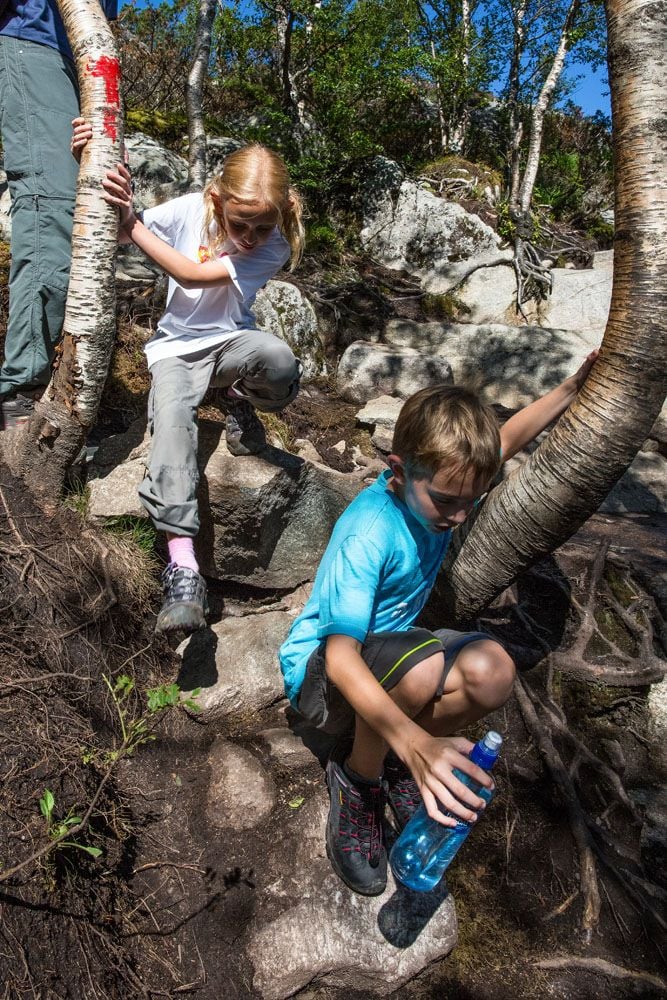
The trail starts climbing right away. It’s not brutally steep, but don’t expect a warmup. Within the first few hundred meters, you’ll hit the first of several rock staircases, large flat stones stacked by hand into steps that climb steadily up the hillside. The elevation here rises from roughly 260 meters (860 feet) at the trailhead to about 350 meters (1,150 feet) by the end of the first kilometer. It’s a solid start that sets the tone for what’s ahead.
If you’re hiking with kids, this is actually a great early test. The staircases require a bit of scrambling and some kids need a hand up the bigger steps, but most find it more fun than difficult. By the top of this first climb there’s a brief reprieve where the trail levels out, a good spot to catch your breath before pushing on.
Phase 2: Pine Forest, Boardwalks, and the Big Climb (~1 to 2.5 km)
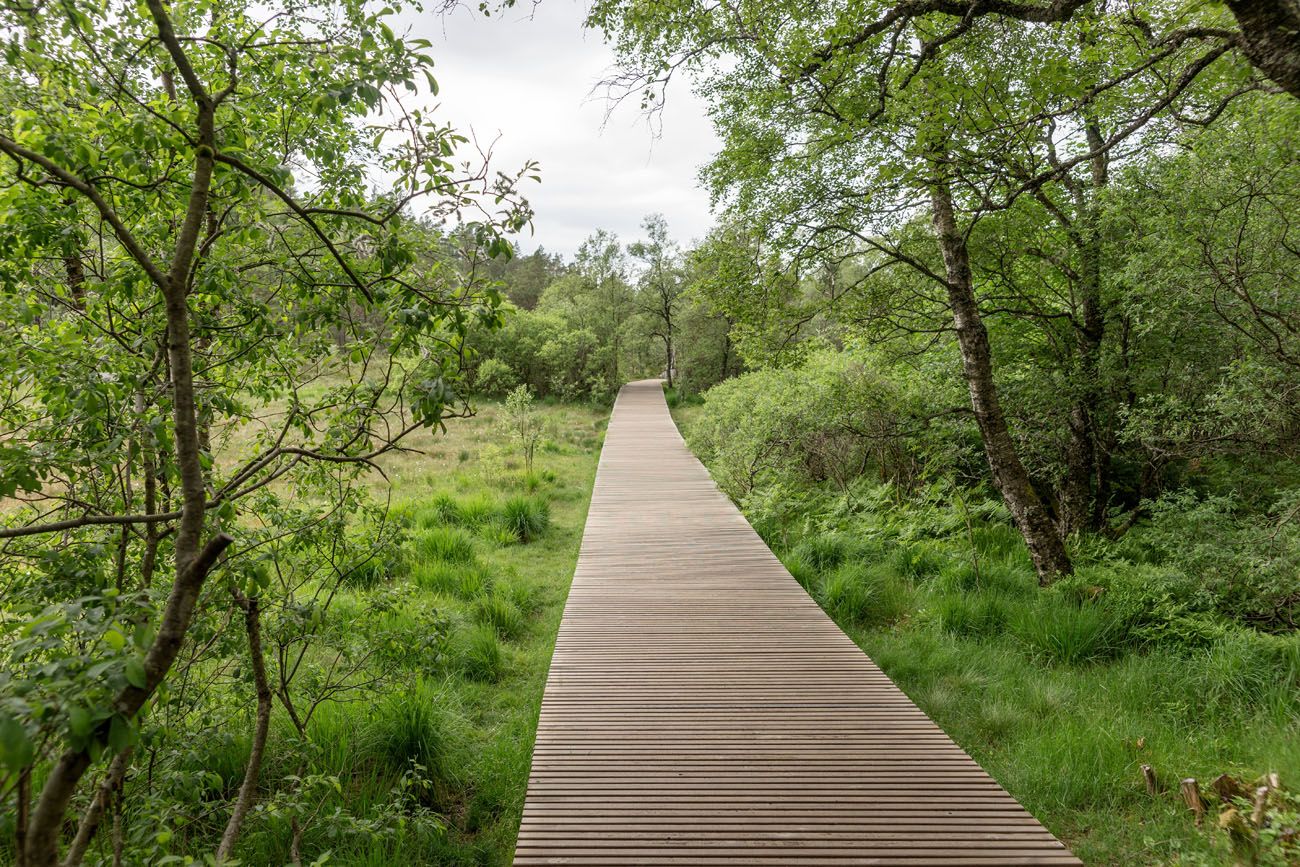
This is the longest section of the hike and the most varied. The trail winds through dense pine forest, the kind that smells sharp and clean and filters the light into long thin beams on a sunny day. Scattered through the forest are marshy, boggy areas where wooden boardwalks carry you across the wet ground.
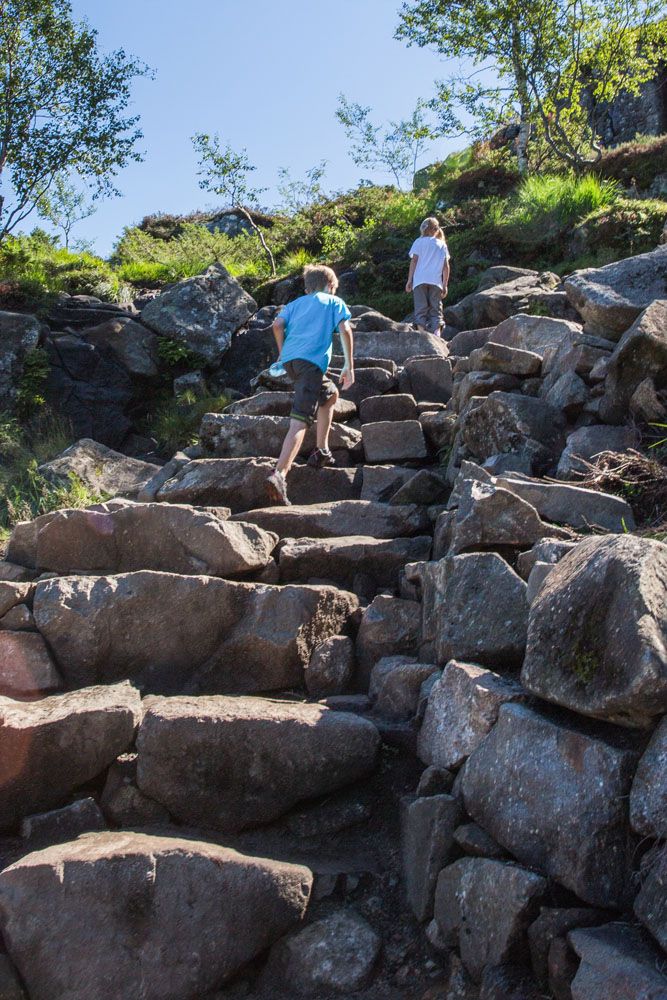
Then comes the big climb. A long series of rock staircases, steeper and more sustained than Phase 1, gains most of the hike’s total elevation. This is where you’ll feel it in your legs, and where slower hikers will want to take their time. The steps are built from massive flat rocks and are generally stable, but can be slippery when wet. Trekking poles are genuinely useful here, especially on the descent.
Beyond the big climb, the trail levels out and will soon leave the forest behind.
Phase 3: The Plateau and the Cliff Trail (~2.5 to 3.2 km)
The forest gives way and suddenly you’re on open terrain, a broad rocky plateau with the first real views of the trip. Lysefjord appears in the distance, a long thin slash of deep blue water between steep green and grey walls. It feels a little like you are walking on top of the world (we experienced this on several hikes in Norway).
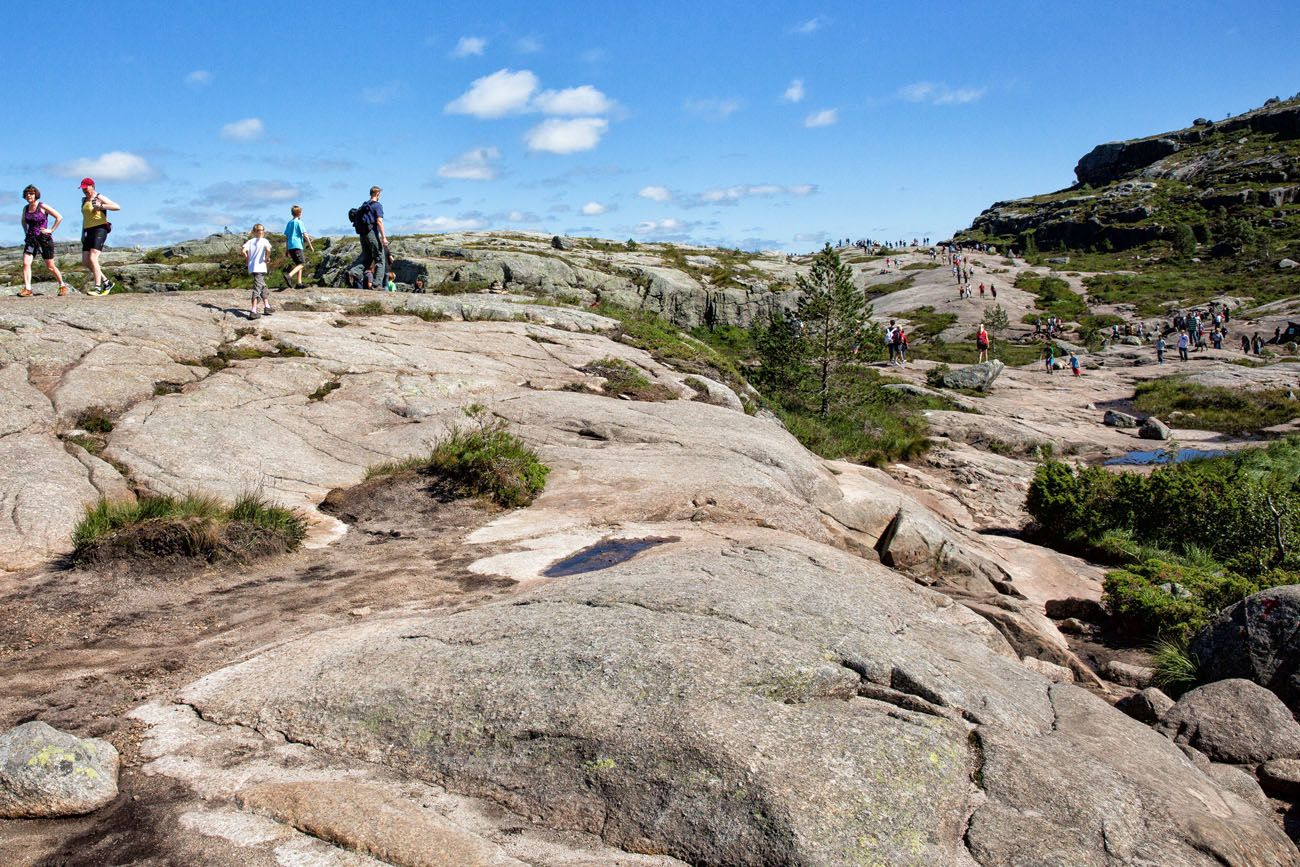
At roughly the 3 km point the trail splits. The main route continues to the left, towards Pulpit Rock. The trail to the right climbs uphill and leads to a viewpoint over Pulpit Rock.
Called Hill Trail, it adds a small amount of extra elevation, and rejoins the main trail before Pulpit Rock. The Hill Trail is a good option if you have a fear of heights, or if you’re hiking with young kids you’d rather keep away from the edge.
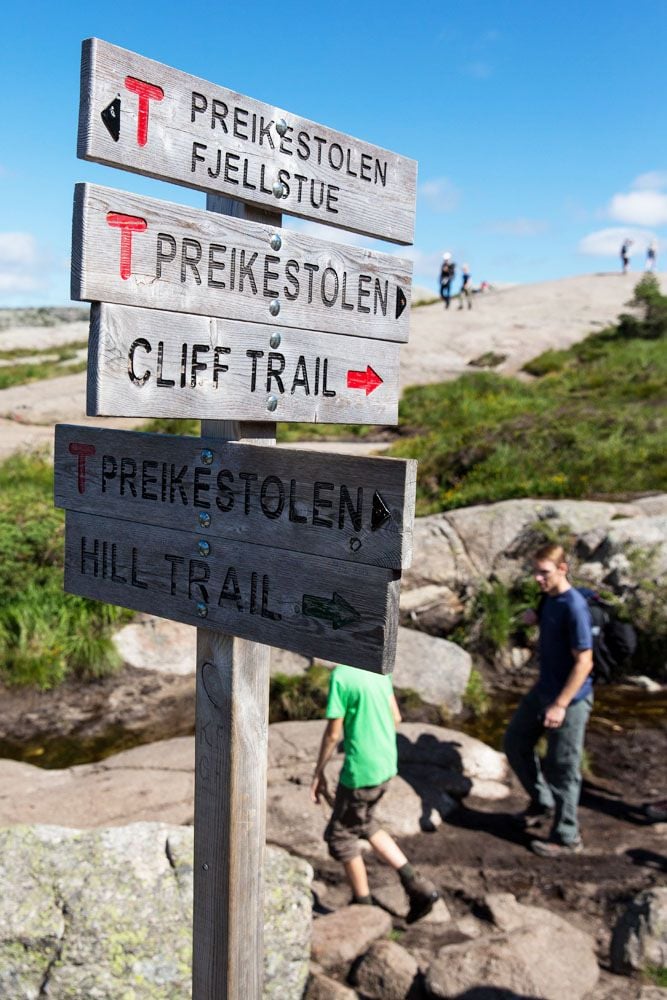
Trail split for the Cliff Trail (to Pulpit Rock) and the Hill Trail
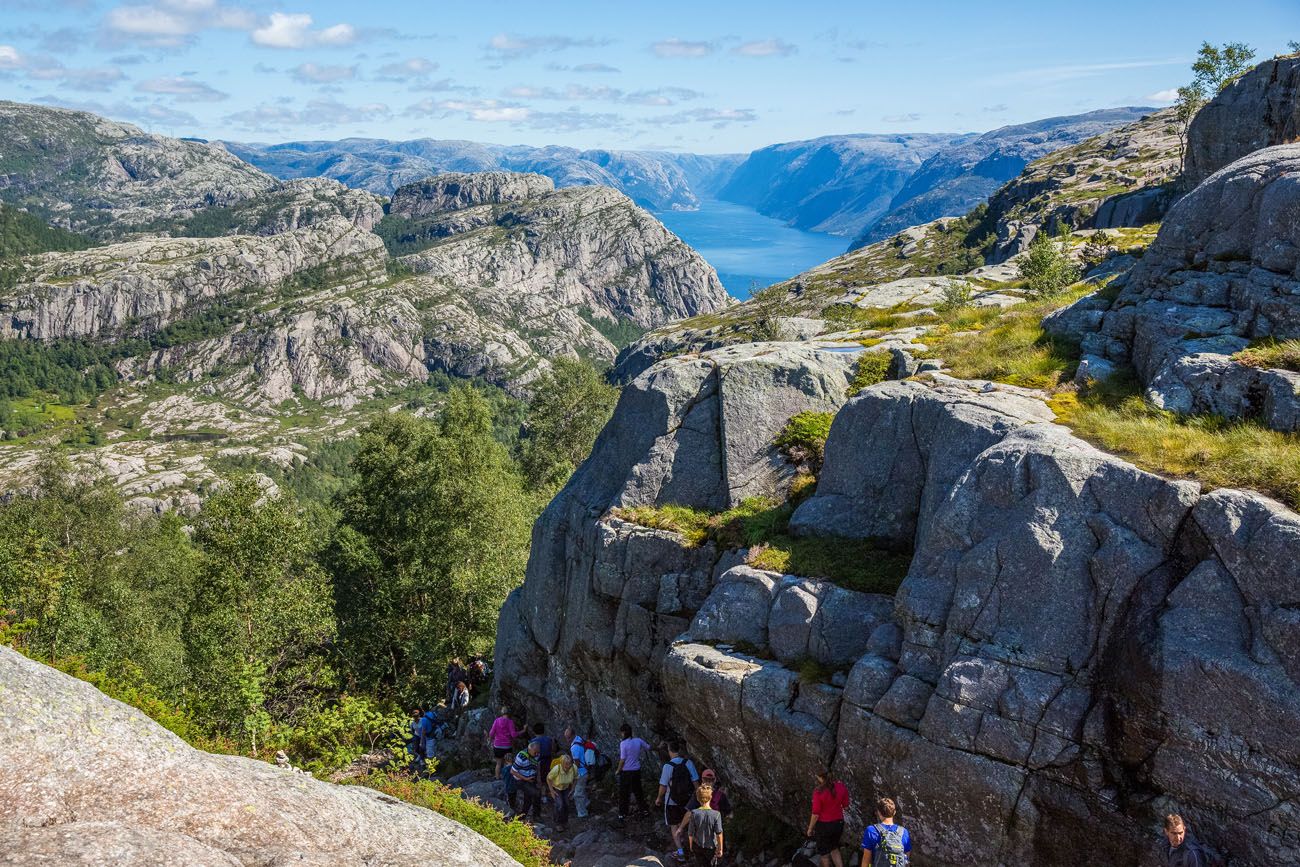
First view of Lysefjord
Phase 4: The Final Approach and Pulpit Rock (~3.2 to 3.7 km)
The last half kilometer is the best of the hike. The trail runs along the edge of the cliff and the views are spectacular, with Lysefjord on the left, and the granite shelf of Pulpit Rock emerging ahead. By this point you’ll probably be able to see other hikers standing on the edge, which gives you a sense of scale that the photos never quite capture.
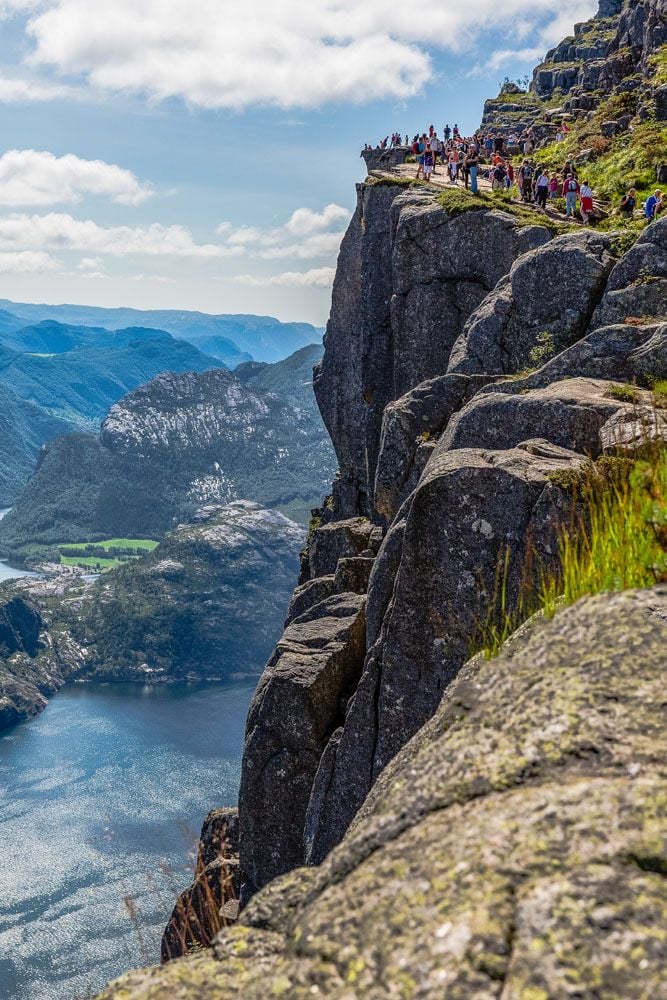
This part of the trail is wide enough that it’s perfectly safe for most hikers, but with genuine exposure on one side. If you don’t have a fear of heights, it’s an exhilarating stretch, with the fjord dropping away to your left and open sky all around.
If you’re hiking with kids: The cliff section is wide and it’s easy to stay well back from the edge, but this is the one place on the trail where you’ll want to keep a close eye on them. Our kids didn’t find it frightening at all. If anything, they were more excited than we were, but the exposure is real. Hold the hand of younger children here and stay toward the right of the trail.
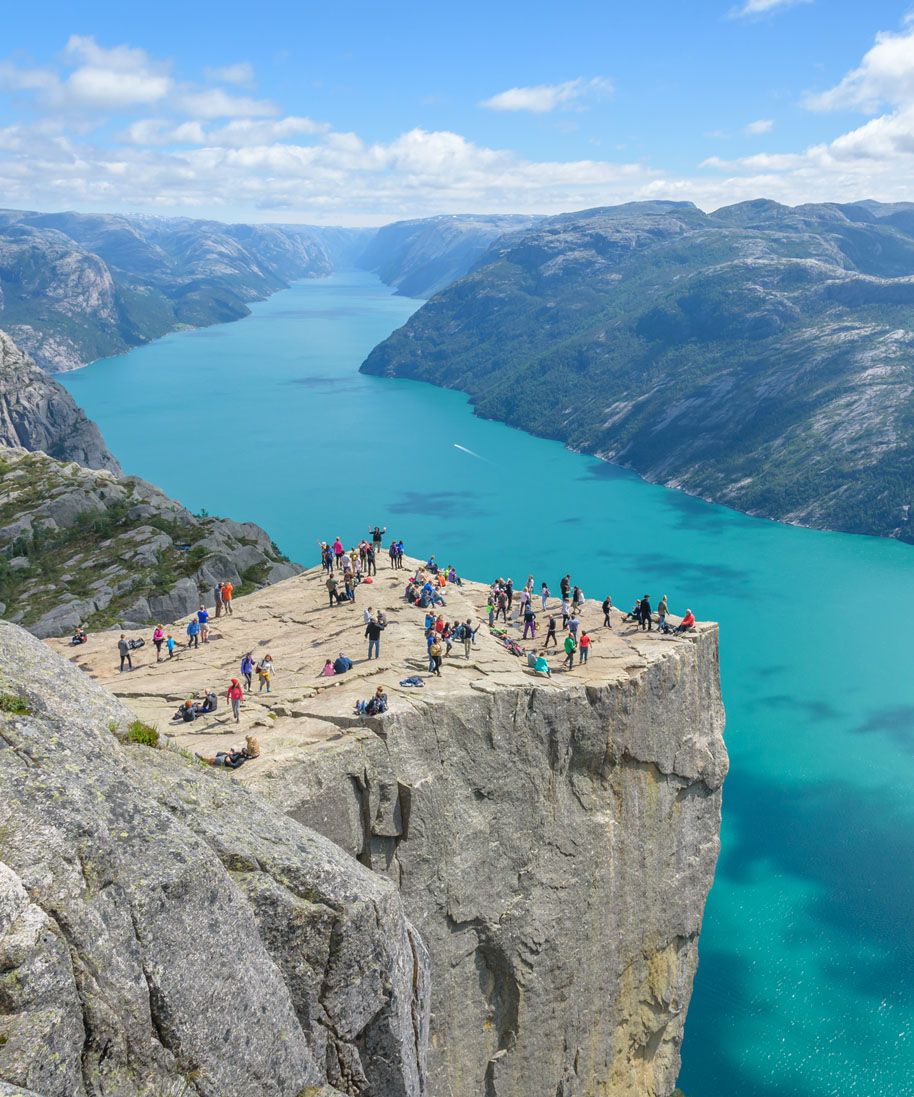
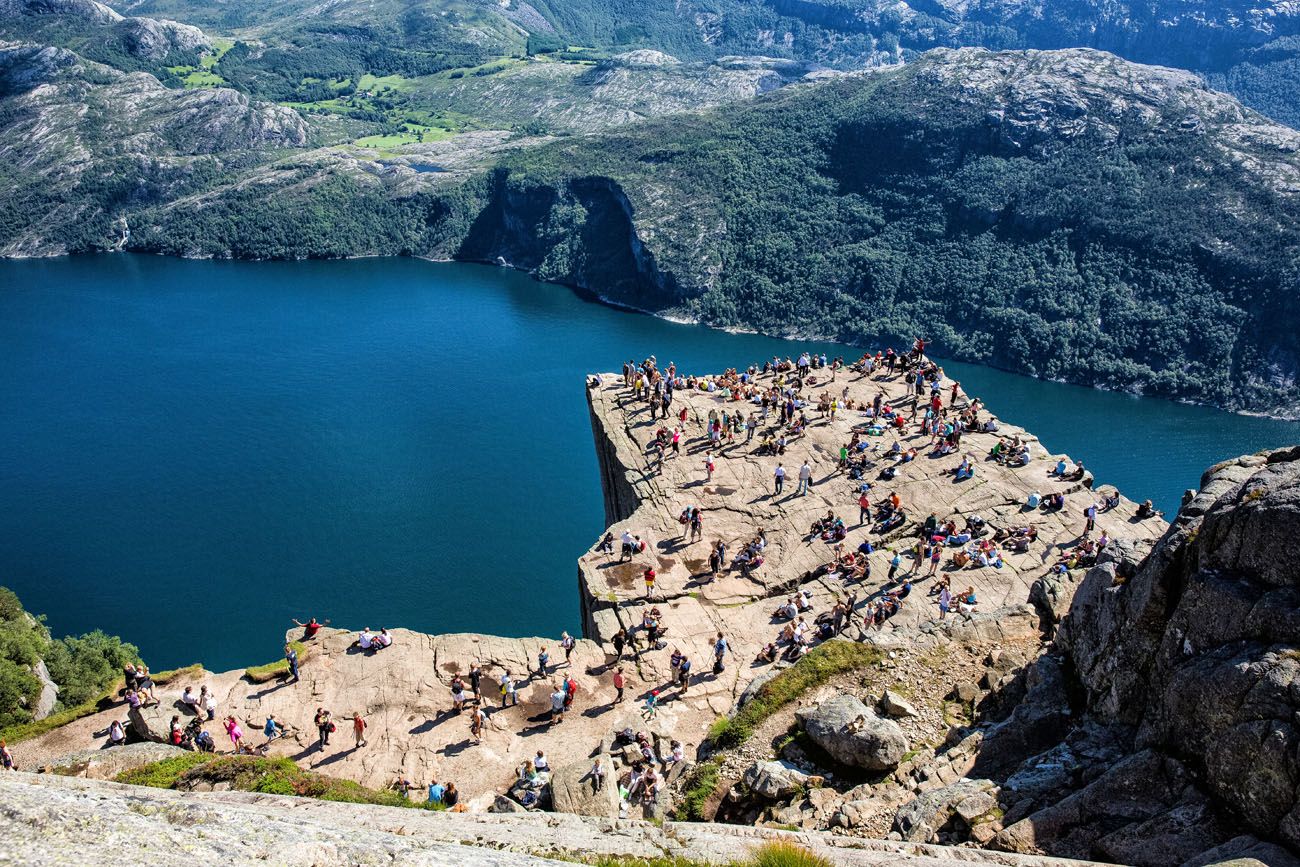
Pulpit Rock itself is larger than most people expect. The flat granite shelf is roughly 25 by 25 meters, which is big enough to walk around, find a quiet corner, and sit with your feet safely back from the edge while still feeling like you’re floating over the fjord. The drop is 604 meters straight down to the water. There are no guardrails, no barriers, nothing between you and the Lysefjord below.
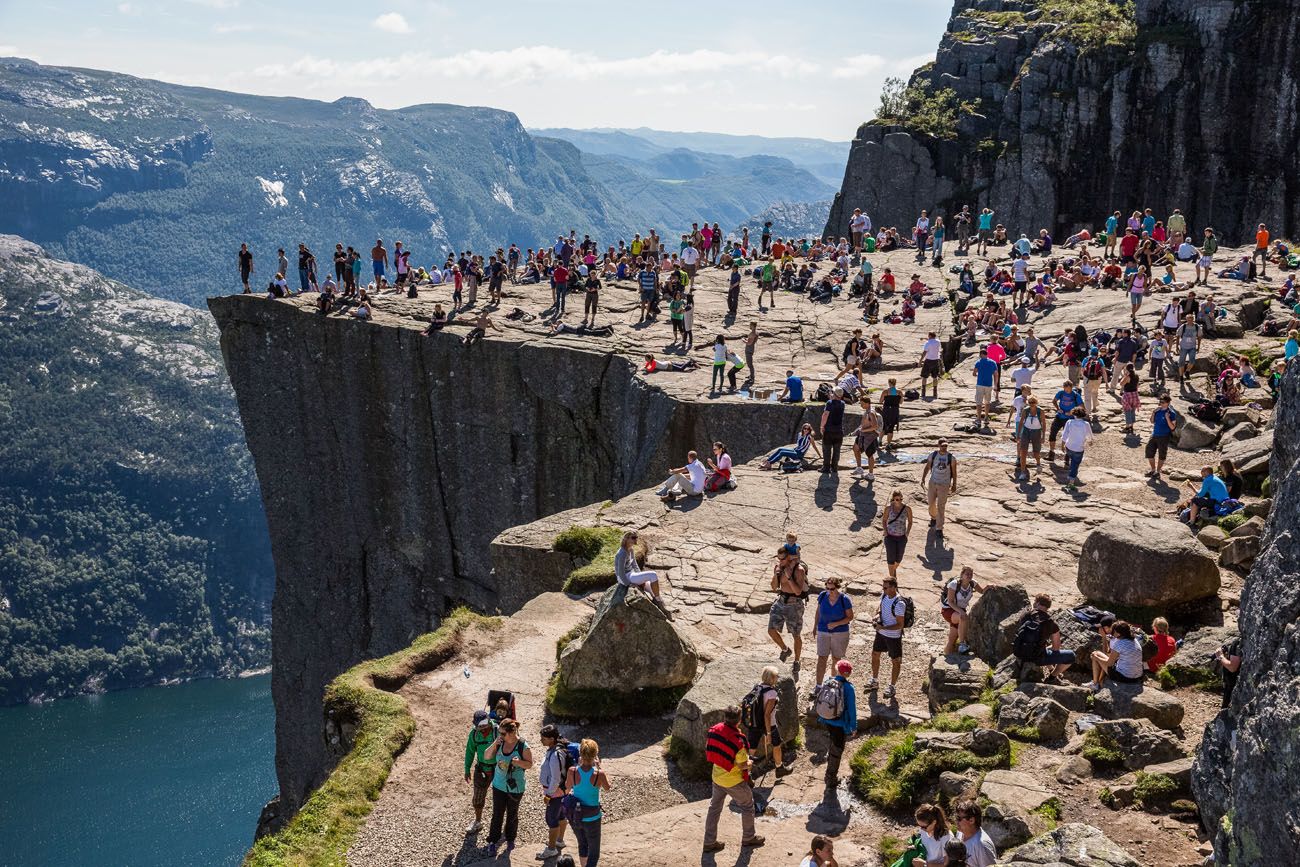
It took us an hour and forty-five minutes to reach Pulpit Rock. We were very surprised to see so many people here, but it was a gorgeous, sunny, August day, after a few days of rainy, dreary weather that kept a lot of people inside.
We spent just enough time here to eat a snack, take a few photos, and enjoy the view we worked so hard for.
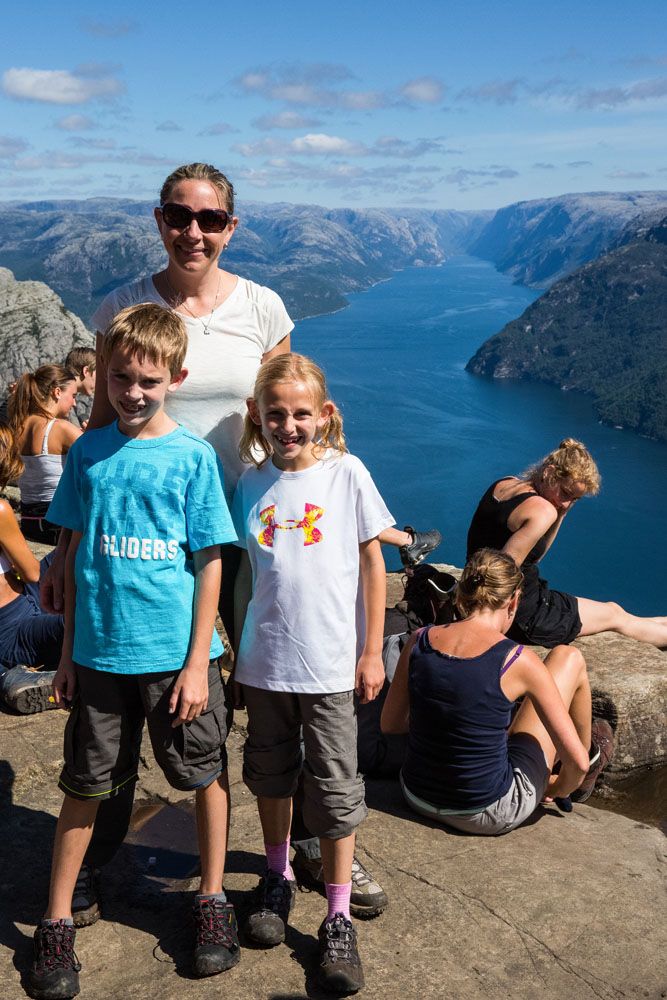
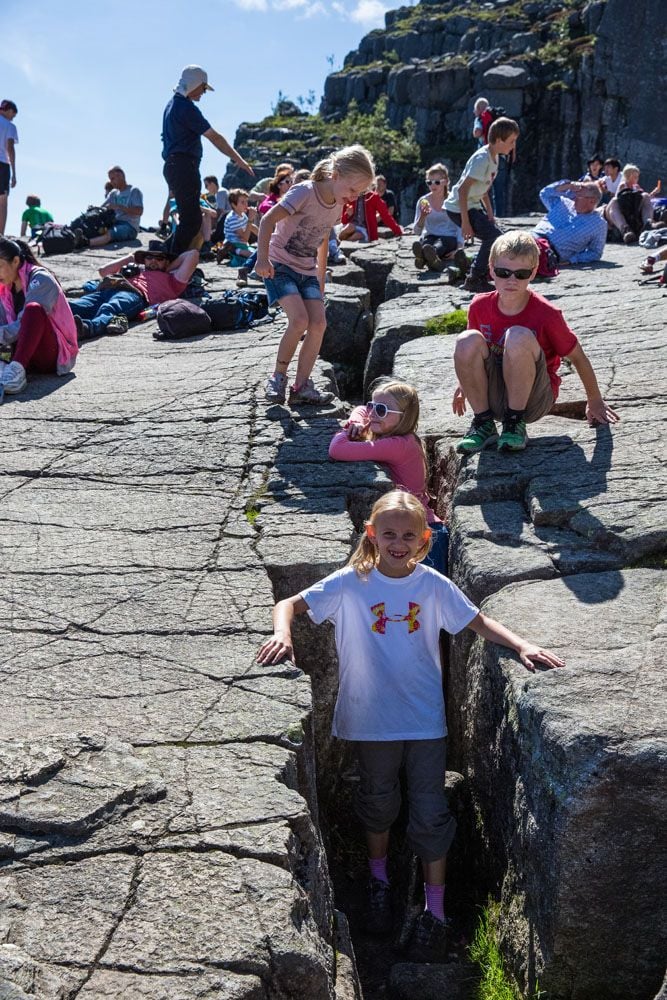
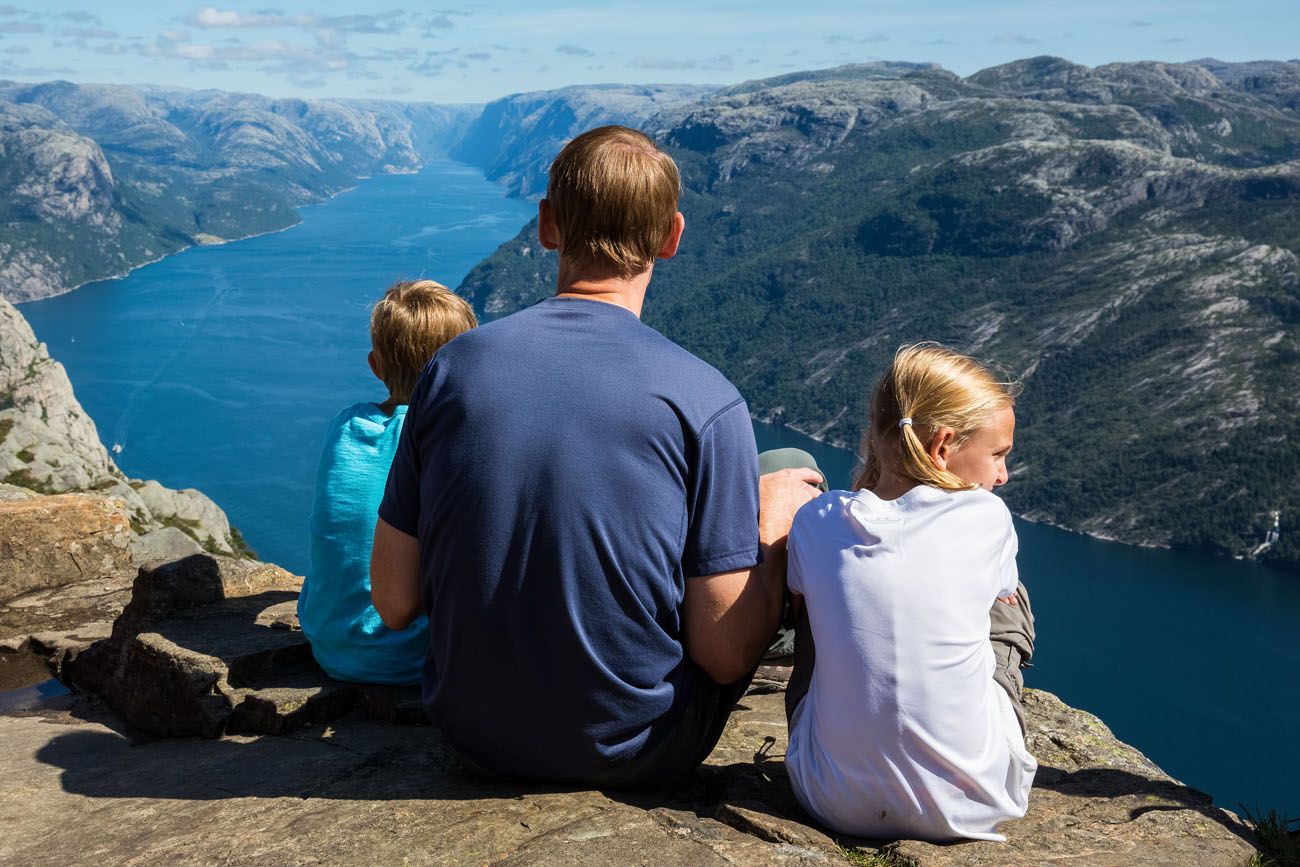
In peak season, expect a queue of hikers waiting to get the classic photo at the front edge of the rock. On a busy summer weekend, that wait can be 15 to 20 minutes. It’s worth it.
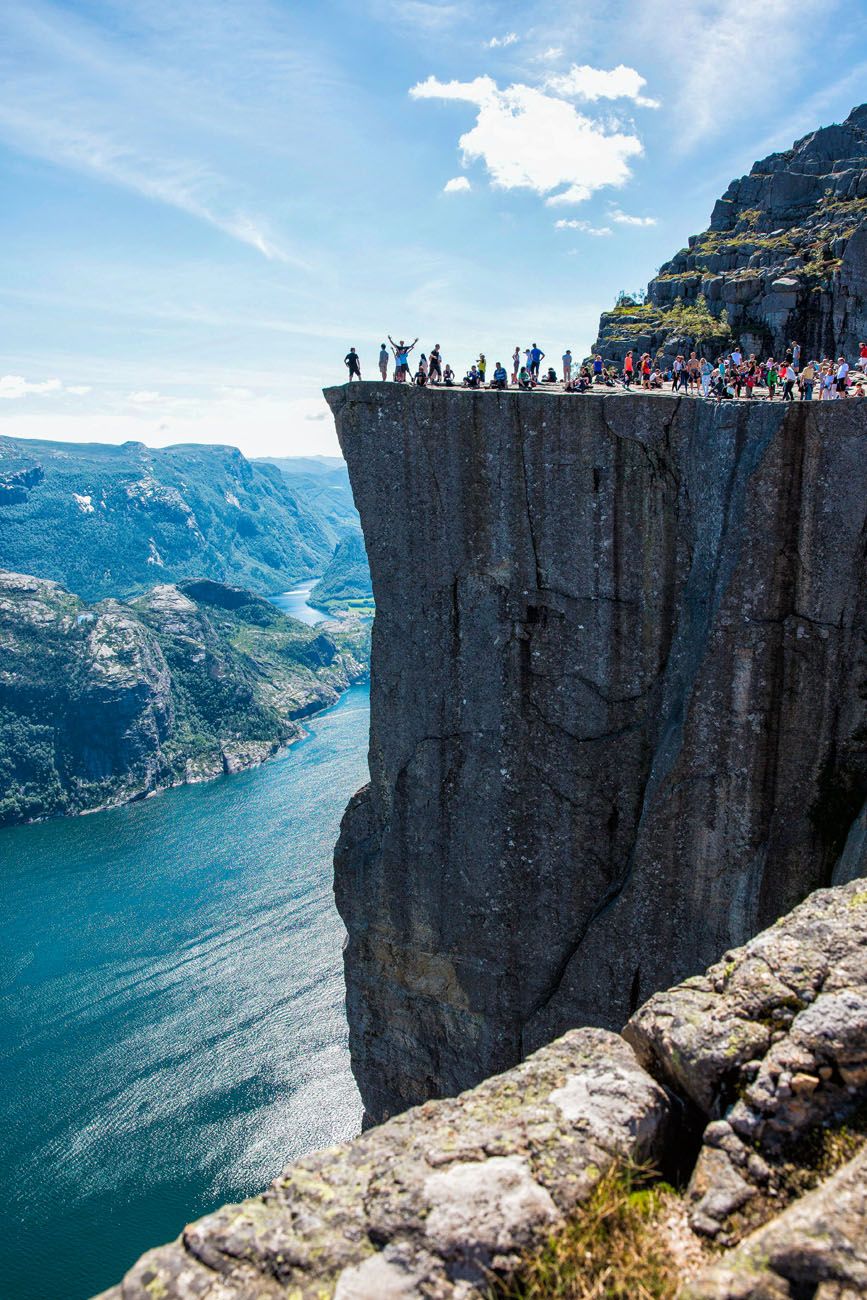
PRO TRAVEL TIP: For a view down onto Pulpit Rock rather than from it, hike the short trail up the hill directly behind the rock. It takes about 10 minutes and gives you an aerial perspective that most visitors miss entirely, and it’s far less crowded than the rock itself. Here’s the view ↓
Return Hike
Now it was time to start the trek back downhill. Weaving between groups of people, hopping over rocks, crossing over wet, muddy areas, and climbing over thousands of boulders we made it to the starting point in just 45 minutes. Tyler and Kara may be kids, but they hike fast!
Hiking Pulpit Rock with Kids
Pulpit Rock was the first hike Tyler and Kara ever did in Norway, and only the second significant hike they’d done anywhere. We weren’t sure what to expect. Norway felt like a step up from anything we’d attempted with them before. So, we did what any sensible hiking family does: we took them on Old Rag in Shenandoah first as a test run. They crushed it. Pulpit Rock turned out to be well within their abilities too.
In our experience, adventurous kids aged 6 and up can hike to Pulpit Rock.
Tyler was 10 and Kara was 8 at the time, but we saw younger kids on the trail handling it just fine.
It’s important to know that there’s real climbing involved, the rock staircases require some scrambling, and the total distance is close to five miles round trip. A child who has done some hiking before and genuinely enjoys it will have a fantastic time. A reluctant hiker who hasn’t done much more than a flat trail will struggle.
What makes this trail great for kids is how much variety there is. The terrain changes constantly, with rock staircases give way to pine forest, forest gives way to boardwalks over boggy ground, then it opens up to cliff-edge views and finally the granite summit. There’s always something new around the corner, which means there’s very little time to get bored or start asking how much further it is. Our kids loved every section and were already talking about what hike was next before we’d even started the descent.
If you’re introducing children to hiking in Norway, there’s no better place to start.
Is Pulpit Rock Safe?
Yes, for the vast majority of hikers, Pulpit Rock is a safe hike. The trail is well-maintained, clearly marked, and busy enough in peak season that you’re never far from other people. That said, there are a few things worth knowing before you go.
The trail itself presents the usual moderate hiking hazards: uneven rocky terrain, sections that get slippery when wet, and some scrambling on the steeper stair sections. Good hiking shoes make a meaningful difference here, especially on the descent when your legs are tired and the rocks are polished smooth from thousands of boots. Every summer, rangers and rescue teams deal with hikers who showed up in flip-flops or fashion sneakers and paid for it.
At the summit, there are no guardrails, no barriers, and no fencing of any kind along the cliff edge. The rock is wide enough that staying a safe distance back is easy and natural. You don’t have to get anywhere near the edge to experience the full drama of the view. The danger comes entirely from people who choose to ignore that. Every year, visitors sit on the very edge with their legs dangling over a 604-meter drop, or worse, stand and jump near the cliff for photos. It’s unnecessarily reckless, and it’s the reason there have been fatalities at Pulpit Rock over the years, not from accidents on the trail, but from deliberate risk-taking at the top. Don’t be that person, and don’t let your kids be that person.
For winter hiking (November through April), the danger changes significantly. Snow and ice on the trail, limited daylight, and rapidly changing weather make this a much more serious undertaking. If you want to hike Pulpit Rock in the off-season, go with a guide and bring proper equipment: crampons, trekking poles, and a headlamp at minimum. The official Preikestolen website has detailed off-season guidance worth reading before you go.
The bottom line: hike in proper footwear, stay back from the edge, and use common sense. Do those three things and Pulpit Rock is as safe as any moderate trail.
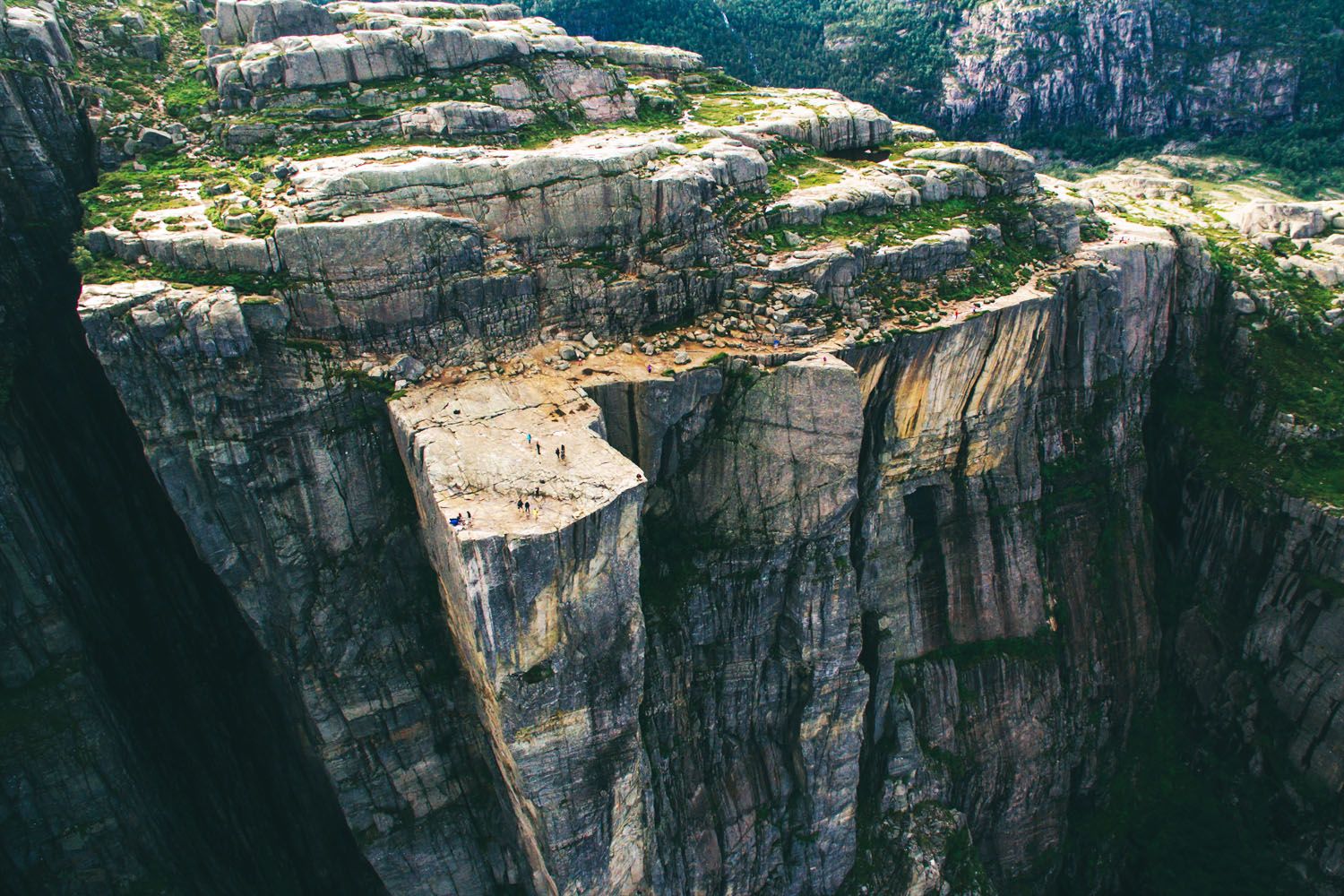
Here is an aerial photo of Pulpit Rock, to give you an idea of the exposed cliff edges and the final part of the trail | shutterstock.com
How to Get to Pulpit Rock
The trailhead is at Preikestolen Fjellstue (Preikestolen Base Camp), approximately 40 km from Stavanger. There are three ways to get there.
Below is a map of the driving route to Pulpit Rock and the hiking trail.
By Car & the Pulpit Rock Parking Fee
Driving is the most flexible option and the easiest way to get an early start. From Stavanger, take the Ryfylke Tunnel (Ryfylketunnelen) directly to the Preikestolen area. At just over 14 km, it’s one of the world’s longest and deepest subsea road tunnels. The drive takes around 45 minutes total.
There are tolls to use the tunnel system. As of mid-2026, the Ryfylke Tunnel costs 119 NOK one way for a standard passenger vehicle, with an additional 24 NOK for the Hundvåg Tunnel if traveling from central Stavanger, making the total approximately 143 NOK one way, 286 NOK round trip.
Parking at the trailhead costs 275 NOK, bringing your total to roughly 560 NOK for the day.
Always confirm current pricing before you go, as rates can change. Check ferde.no for the latest tolls.
Parking is available at two lots near the trailhead. The main lot (P1) has 400 spaces right at Preikestolen Fjellstue. If it’s full, an overflow lot (P2) sits about 1 km back up the road. In peak summer, both lots fill early. Arrive before 7 am on weekends if you want a guaranteed spot.
By Bus
Pulpit Rock Tours runs direct bus service from Stavanger city center to the Preikestolen trailhead, with up to 9 daily departures during high season. The journey takes about 50 minutes and drops you right at Preikestolen Fjellstue. Tickets must be booked in advance online. Check schedules and pricing at pulpitrock.no.
Bus service operates seasonally, roughly May through September, with more limited departures in the shoulder months. For off-season travel, your best option is a guided tour that includes transportation.
By Scenic Ferry (the Long Way, Worth It)
If you have the time and aren’t in a rush to reach the trailhead, the passenger ferry from Stavanger to Tau followed by a local bus or taxi to the trailhead is still possible and arguably the most beautiful way to arrive.
The ferry crossing on the Lysefjord gives you a fjord-level view of the landscape you’re about to hike above, which is a very different perspective from the one you’ll get at the top. It takes considerably longer than driving through the tunnel, but if Norway scenery is the point, it’s hard to argue with starting your day on the water.
At the Trailhead
Preikestolen Fjellstue is well set up for hikers. Before you hit the trail you’ll find restrooms, a restaurant serving breakfast and lunch, a small shop, and water refill stations. Use the restrooms before you start because there are no facilities anywhere on the trail. There is nothing between the trailhead and Pulpit Rock, so make sure you’re carrying everything you need before you set off.
Tips for Avoiding the Crowds at Pulpit Rock
Pulpit Rock attracts more than 300,000 hikers every year, and in peak summer that number is very much in evidence on the trail. We hiked on a sunny Saturday in August and the trail was packed from the first kilometer to the last. At the top, getting a photo without strangers in the background required patience, timing, and a little luck. It’s still a magnificent experience, but going in with realistic expectations about the crowds makes for a better day.
A few strategies that help:
Start early or go late. The bulk of hikers, especially tour groups, hit the trail between 9 am and 4 pm. Starting before 7 am gives you a significantly quieter trail and cooler temperatures for the climb. Going late afternoon is the other option: crowds thin noticeably after 5 pm, and in June and July the long Nordic daylight means you have plenty of time. Just note the recommended latest start times: no later than 5:30 pm in July, 4:30 pm in August.
Hike on a weekday. Weekend days in July and August are the busiest by a significant margin. If your schedule is flexible, a Tuesday or Wednesday hike will feel like a different experience from a Saturday one.
Visit in the shoulder season. Late May, early June, and September offer a reasonable balance of good weather and thinner crowds. October is even quieter and can be spectacular with autumn color, though the weather is less predictable and you’ll want to check conditions carefully.
Get to the parking lot early. If you’re driving, both lots can fill by mid-morning on busy summer days. Arriving before 7 am on weekends is the safest approach. If you arrive and find P1 full, P2 is just 1 km back up the road.
What to Wear and Pack for the Pulpit Rock Hike
Footwear
Proper hiking shoes or boots are non-negotiable on this trail. The rock staircases are polished smooth from heavy foot traffic and get genuinely slippery when wet, and in Norway, wet is always a possibility regardless of the forecast. Trail runners can work for experienced hikers, but waterproof hiking boots are the better choice for most people, especially families with kids.
Clothing
Dress in layers. The climb will warm you up quickly, but the summit is exposed and can be cold and windy even on a day that felt warm at the trailhead. A moisture-wicking base layer, a fleece or insulating mid-layer, and a waterproof wind jacket covers most conditions. Norwegian mountain weather can change fast. What starts as a sunny morning can turn cool and blustery by the time you reach the top. Pack the jacket even if you don’t think you’ll need it.
What to Bring
- Water — at least one liter per person. You can refill bottles at the restaurant at Preikestolen Fjellstue before you start, but there is nothing on the trail itself.
- Food — pack a real lunch or substantial snacks. The hike takes long enough that you’ll want more than a granola bar, and eating at the top with that view is one of the highlights of the day.
- Trekking poles — not essential, but genuinely useful on the descent when your legs are tired and the rock steps are steep.
- Sun protection — sunscreen, sunglasses, and a hat. The upper sections of the trail and the summit are fully exposed.
- A small first aid kit — for blisters and minor scrapes, worth having in your pack.
- Cash or card — for parking fees, the trailhead restaurant, or the small shop at the base camp.
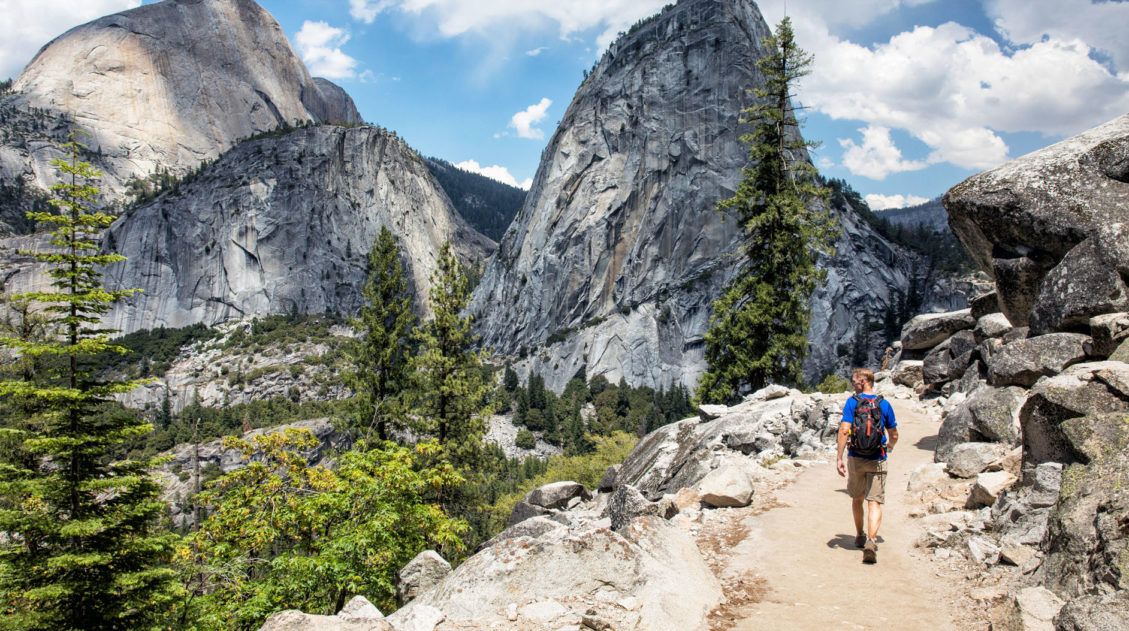
Essential Hiking Gear: What Should You Bring on a Day Hike?
If you are new to hiking or are curious about what you should bring on a hike, check out our Hiking Gear Guide. Find out what we carry in our day packs and what we wear on the trails.Best Time to Visit Pulpit Rock
We hiked Pulpit Rock in August on a gloriously sunny day, and the conditions on the trail were perfect. It was warm enough to hike in a t-shirt for most of the climb, with a cool breeze at the top. The Lysefjord was a deep, vivid blue and the visibility was exceptional. August is genuinely beautiful for this hike.
A few things worth knowing as you plan your timing:
- Winter (November–March): Possible but a serious undertaking. Snow and ice on the trail require crampons, trekking poles, and a headlamp. Go with a guide and check conditions at the trailhead before setting out. Not recommended for families with kids.
- Spring (April–May): The trail opens up and crowds are much thinner than summer. Weather is cool and changeable, and some sections can still be wet and muddy. A good option if you don’t mind unpredictable conditions and want a quieter experience.
- Summer (June–August): The most popular time for good reason, with long daylight hours, the best weather, and the trail fully accessible. Peak crowds in July and August, especially on weekends. Start early or late to avoid the worst of it.
- Fall (September–October): Arguably the most underrated time to hike Pulpit Rock. Crowds drop significantly after Labor Day, the light is softer and warmer in tone, and autumn color appears on the hillsides. Weather becomes more unpredictable as October progresses, so check forecasts carefully.
Guided Hikes
Most people hike Pulpit Rock independently. The trail is well-marked, straightforward to navigate, and busy enough in season that you’re never alone. But a guided tour makes sense in a few specific situations: if you’re visiting Stavanger for a single day and want the logistics handled, if you’re hiking in the off-season when conditions require local knowledge, or if you simply prefer to have an expert along for context and company.
Several operators run guided hikes from Stavanger, including options for sunrise hikes, winter hikes, and combination tours that pair the hike with a Lysefjord cruise, which is a great way to see Pulpit Rock from both above and below on the same day.
This tour includes a guided hike of Pulpit Rock plus a cruise on Lysefjord and is a particularly good option for first-time visitors to the region.
This small group tour includes your transportation plus a guided hike.
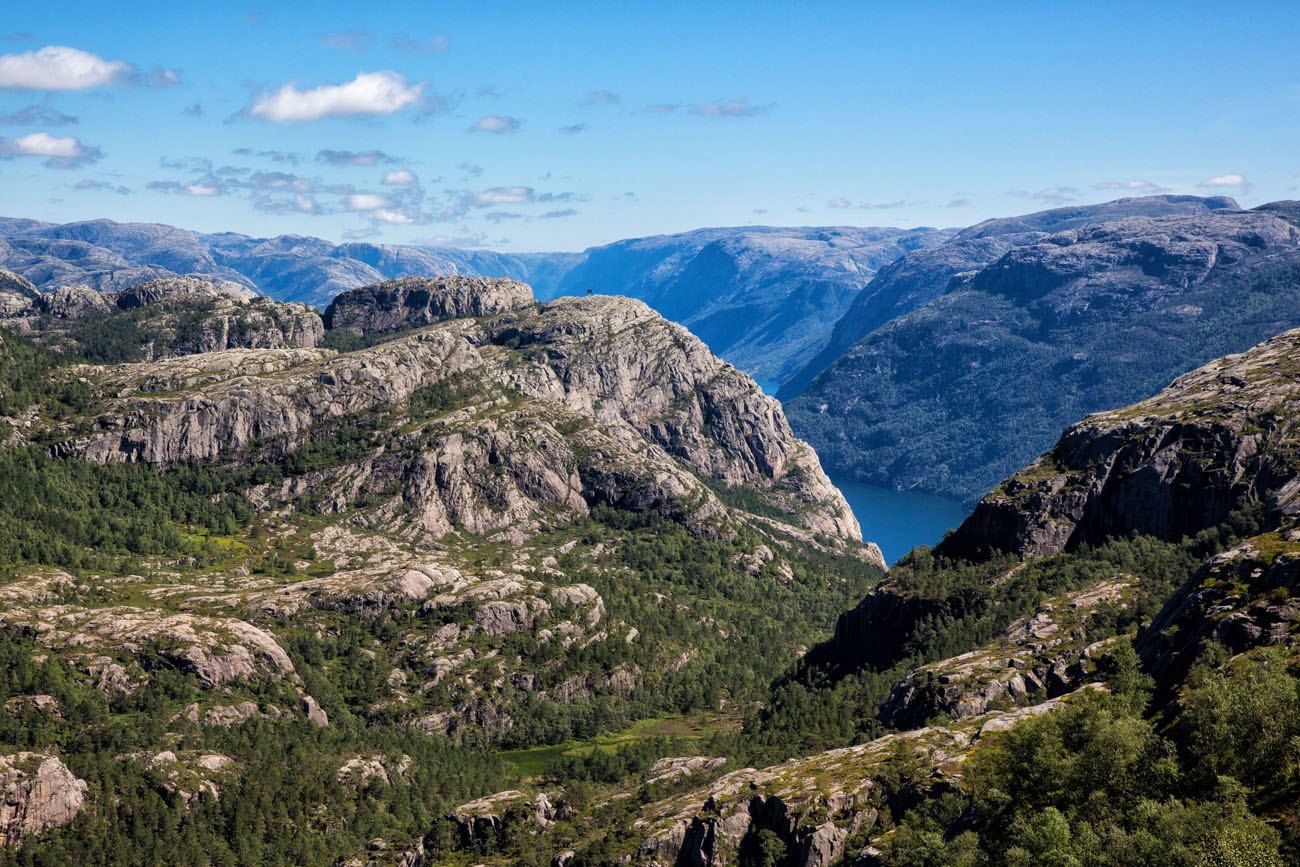
Another beautiful view from the trail
Pulpit Rock vs. Other Hikes Near Stavanger
Stavanger is the gateway to three of Norway’s most iconic hikes: Pulpit Rock, Kjeragbolten, and Trolltunga. If you’re planning a trip to the region and wondering how to prioritize your time, here’s how they compare, from people who have done all three.
Pulpit Rock vs. Kjeragbolten
Of the two hikes accessible directly from Stavanger, Kjeragbolten is the harder one. The trail gains more elevation, involves more exposed scrambling, and requires a full day to complete comfortably.
If you can only do one and you’re a reasonably fit adult, do Kjeragbolten. The experience of standing on that boulder wedged between two cliff faces, 1,000 meters above the Lysefjord, is unlike anything else in Norway.
That said, Pulpit Rock is the better choice if you’re hiking with younger kids, are limited on time, or want a guaranteed dramatic payoff without committing to a full strenuous day. The views from Pulpit Rock are spectacular and it’s not a consolation prize by any measure. We’re just particularly fond of Kjeragbolten.
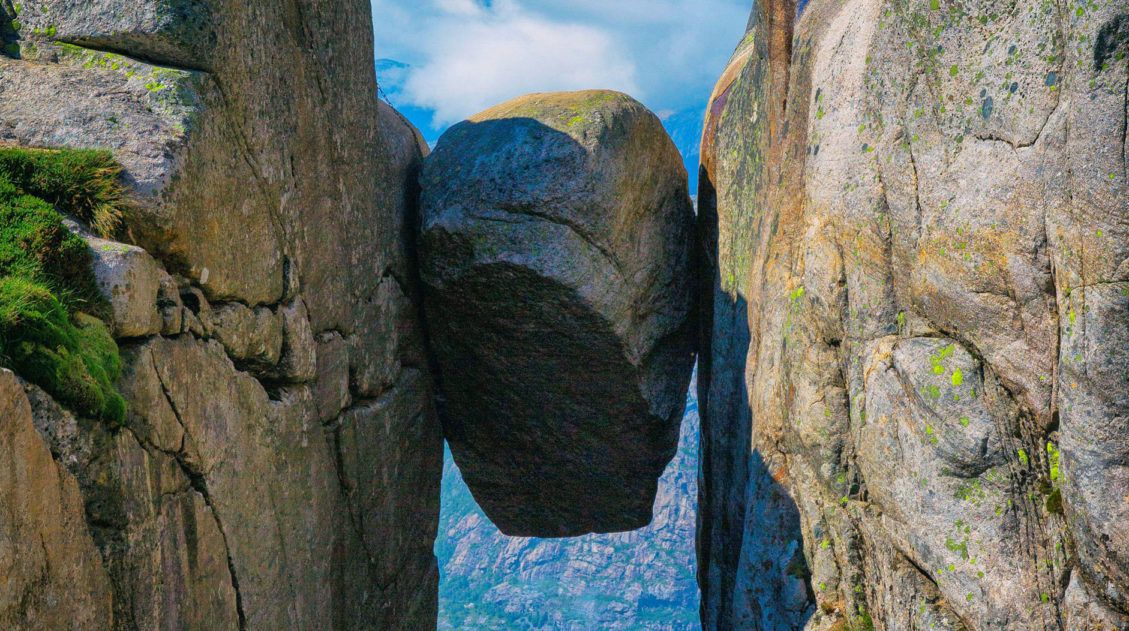
Kjeragbolten: Our Favorite Hike in Norway
Step-by-step trail guide for hiking Kjeragbolten.Pulpit Rock vs. Trolltunga
Trolltunga is in a different category entirely. It’s a 28 km round trip with 800 meters of elevation gain. It’s a serious, full-day mountain hike that requires a good fitness base and proper preparation. The payoff is one of the most photographed viewpoints in Norway: a thin sliver of rock jutting horizontally out over Lake Ringedalsvatnet, 700 meters below.
Pulpit Rock is the obvious choice if you’re new to Norwegian hiking, hiking with kids, or have limited time. Trolltunga is the next step up. It’s something to work toward once you’ve established your Norway hiking legs. It was the third hike on our first Norway trip, after Pulpit Rock and Kjeragbolten, and that progression felt exactly right. By the time we reached Trolltunga we were well-conditioned and knew what to expect from Norwegian terrain.
If you’re planning to hike Trolltunga, read our complete Trolltunga hiking guide for everything you need to know.
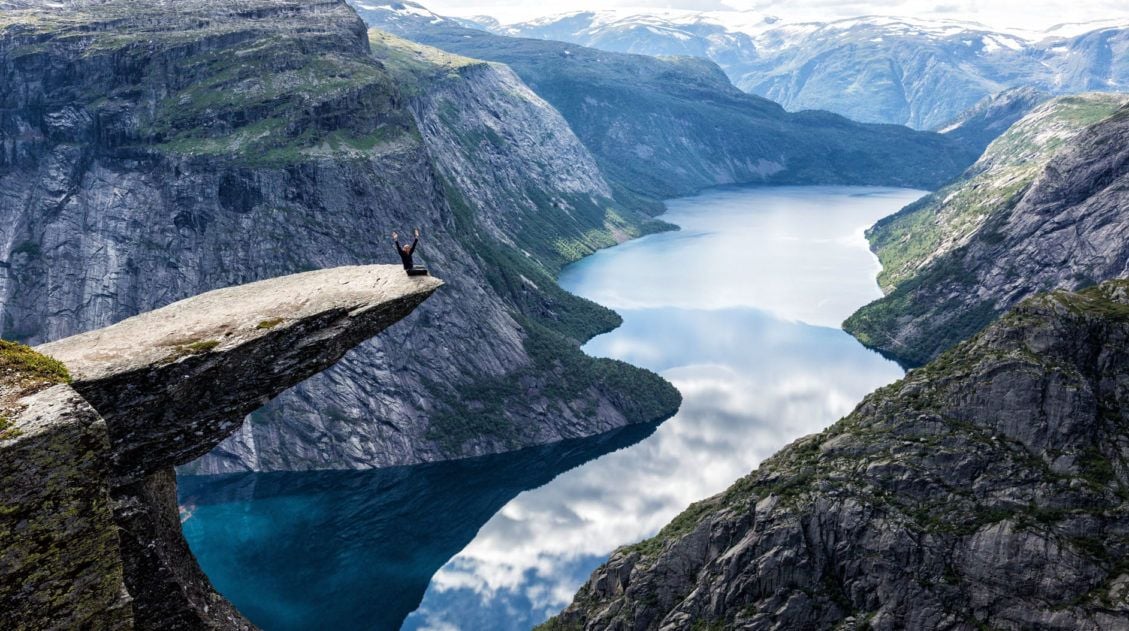
How to Hike Trolltunga: Everything You Need to Know
Everything you need to know to hike Trolltunga.The Short Version
| Pulpit Rock | Kjeragbolten | Trolltunga | |
| Distance | 7.6 km | 12 km | 20 – 28 km |
| Elevation Gain | 350 m | 570 m | 800 m |
| Difficulty | Moderate | Hard | Hard |
| Time | 4–5 hours | 6–8 hours | 10–12 hours |
| Kid-Friendly | Yes (6+) | Older kids (10+) | No |
| Crowds | Very busy | Moderate | Moderate |
| Our Ranking | ⭐⭐⭐⭐ | ⭐⭐⭐⭐⭐ | ⭐⭐⭐⭐⭐ |
Where to Stay in Stavanger
At the Trailhead
If you want to beat the crowds with an early morning start, or simply want to spend more time in the area, staying right at the trailhead is the best option. Preikestolen Fjellstue (Preikestolen Base Camp) sits at the start of the trail and offers hotel rooms, a restaurant serving breakfast and dinner, and the Hikers’ Camp. It’s a more rustic option with individual sleeping nests, outdoor fire pits, and shared facilities set beside a lake. Waking up 200 meters from the trailhead and hitting the trail before the first buses arrive from Stavanger is a genuinely different experience from doing this as a day trip.
In Stavanger
Stavanger is the most practical base for most visitors, with easy access to the tunnel and bus service to the trailhead. It’s also a worthwhile destination in its own right. The old town (Gamle Stavanger), the waterfront, and the excellent restaurant scene make it well worth an extra night or two.
- Hotel Victoria: This historic hotel is located on the waterfront in Stavanger.
- Home Again Apartments Kirkegata: One and two-bedroom apartments in the heart of Stavanger, a great option for families or anyone wanting more space.
- Radisson Blu Atlantic Hotel and the Clarion Hotel are both located in downtown Stavanger and get excellent reviews.
- Central Stavanger Guesthouse is a good option for those traveling on a budget.
Frequently Asked Questions About the Pulpit Rock Hike
Is Pulpit Rock worth it?
Yes, absolutely. Pulpit Rock is one of the most dramatic viewpoints in Europe, and the hike to get there is genuinely enjoyable rather than just a means to an end. The constantly changing terrain keeps the trail interesting from start to finish, and standing on that flat granite shelf with 604 meters of open air below you is the kind of moment that stays with you.
How hard is the Pulpit Rock hike?
Pulpit Rock is classified as a moderate hike. The trail involves sustained climbing on rock staircases, some scrambling, and uneven terrain throughout. It’s not technically difficult, but the elevation gain and distance mean you should have a reasonable base fitness level before attempting it. Most healthy adults and adventurous kids can complete it comfortably with proper footwear and enough water.
How long does the Pulpit Rock hike take?
Plan for 4 to 5 hours total, including time at the top. Fit hikers moving at a steady pace can reach the summit in around 1.5 to 2 hours. Families with kids, or anyone taking their time and stopping for photos, should budget closer to 2.5 hours up and 1.5 to 2 hours down. Add extra time at the top if you want to hike up behind the rock for the aerial view.
How much does it cost to park at the Pulpit Rock trailhead?
Parking at the Preikestolen trailhead currently costs 275 NOK per day. There are two lots, the main P1 lot at Preikestolen Fjellstue and an overflow P2 lot approximately 1 km back up the road. In peak summer both lots fill early, so arrive before 7 am on weekends to guarantee a spot. If you’re coming from Stavanger by car, factor in the Ryfylke Tunnel toll of approximately 119 NOK each way, bringing your total driving and parking cost to around 560 NOK for the day. Always confirm current parking fees at the trailhead before you go as prices can change.
When is the best time to hike Pulpit Rock?
May through October is the main hiking season, with June through August offering the best weather but the largest crowds. For the best combination of good conditions and manageable crowds, aim for late May, early June, or September. If hiking in peak summer, start before 7 am or after 5 pm to avoid the trail’s busiest hours.
Do you need a guide to hike Pulpit Rock?
No, the trail is well-marked with red T markers and straightforward to navigate independently from May through October. A guide makes sense if you’re hiking in the off-season, want logistics handled on a tight schedule, or are interested in a combination hike and Lysefjord cruise tour.
Can you hike Pulpit Rock year round?
Yes, but winter hiking (November through April) requires crampons, trekking poles, a headlamp, and ideally a guide with local knowledge. Snow and ice make the trail significantly more challenging and the daylight hours are very limited. For most visitors, May through October is the right window.
Plan Your Trip to Norway
For big-picture planning, including how to get around, what to budget, when to go, and where to start, our Norway Travel Guide pulls together everything we’ve learned across multiple trips to the country.
For the broader hiking picture, our roundup of the best hikes in Norway covers the trails we consider essential across the fjord region, the Lofoten Islands, and beyond.
If you want to build a hiking-focused itinerary around the fjord region specifically, our 10-day southern Norway itinerary covers the full experience: Bergen, Stavanger, Geirangerfjord, and four iconic hikes, with day-by-day detail to make planning straightforward.
For inspiration on everything else the country has to offer beyond the trails, our post on the best things to do in Norway is a good place to start. And if Norway is part of a broader Europe trip, our guide to the best hikes in Europe puts Pulpit Rock in context alongside some of the continent’s other great trails.
If you have any questions on how to do the Pulpit Rock hike, or if you want to share your experience, let us know in the comment section below.
More Information for Your Trip to Norway
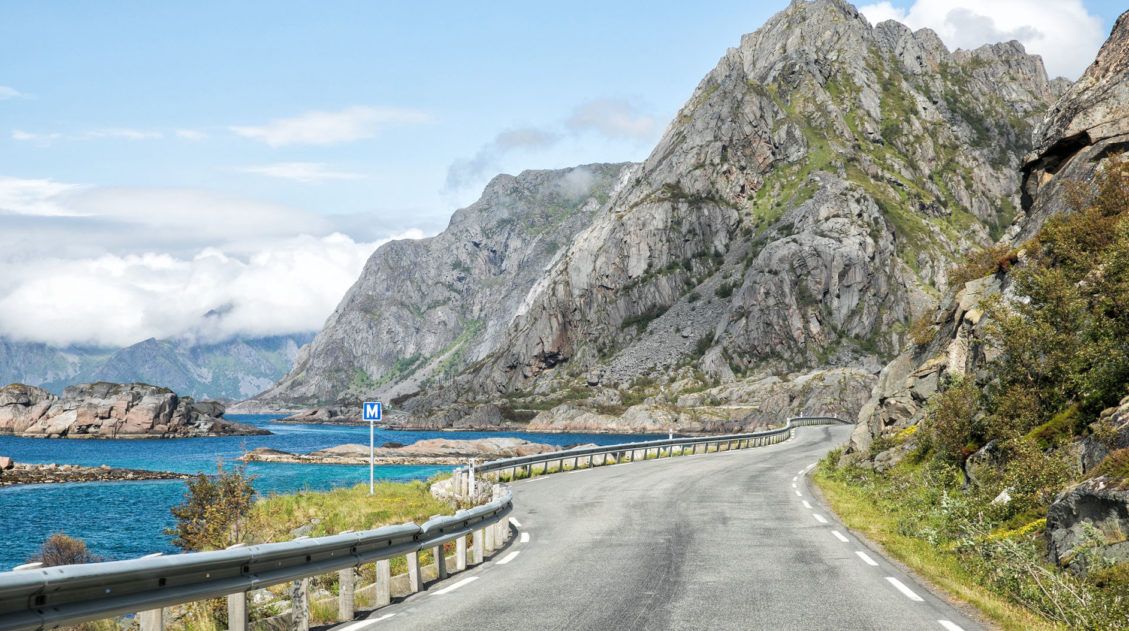
10 Days in Norway: How to Combine the Fjords and the Lofoten Islands
Pinterest Facebook Flipboard After two trips to Norway, one through the fjord region, one through the far north, we started getting the same question over and over in our comments: Can we combine both into one trip? How do we do the fjords AND the Lofoten Islands in 10 days? That’s exactly what this post […]
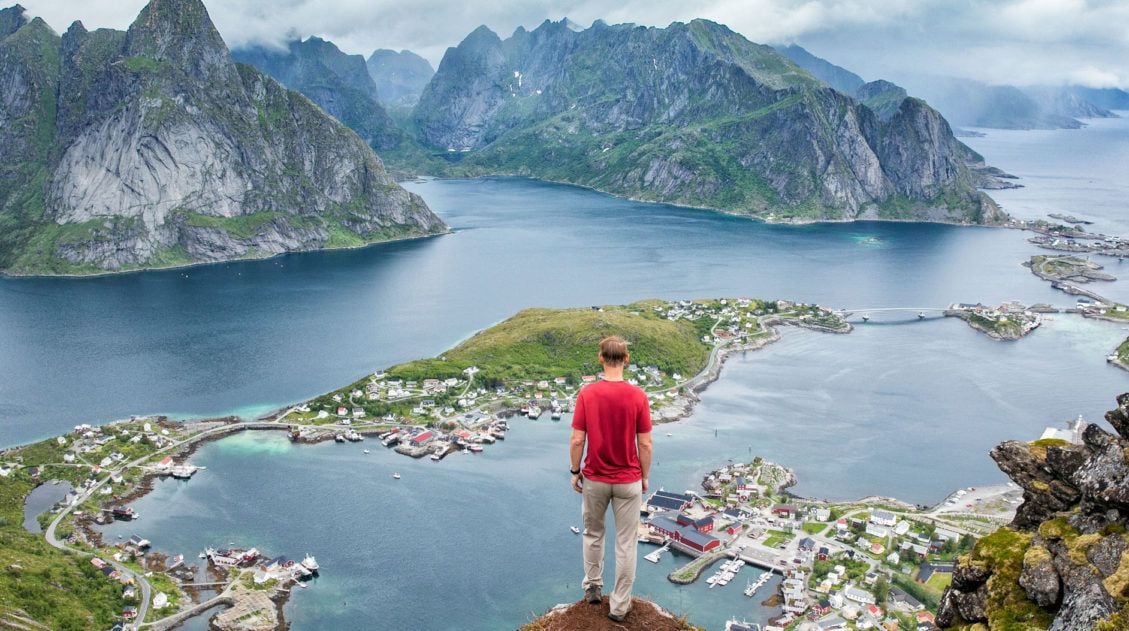
How to Hike Reinebringen (+ Where to Park)
Reinebringen, with its dazzling view over the fishing villages of Reine, Sakrisøy, and Hamnøy, is the most popular hike in the Lofoten Islands, and one look at the panorama from the top tells you exactly why. We hiked Reinebringen in 2018 with our kids, who were 13 and 15 at the time, before most of […]
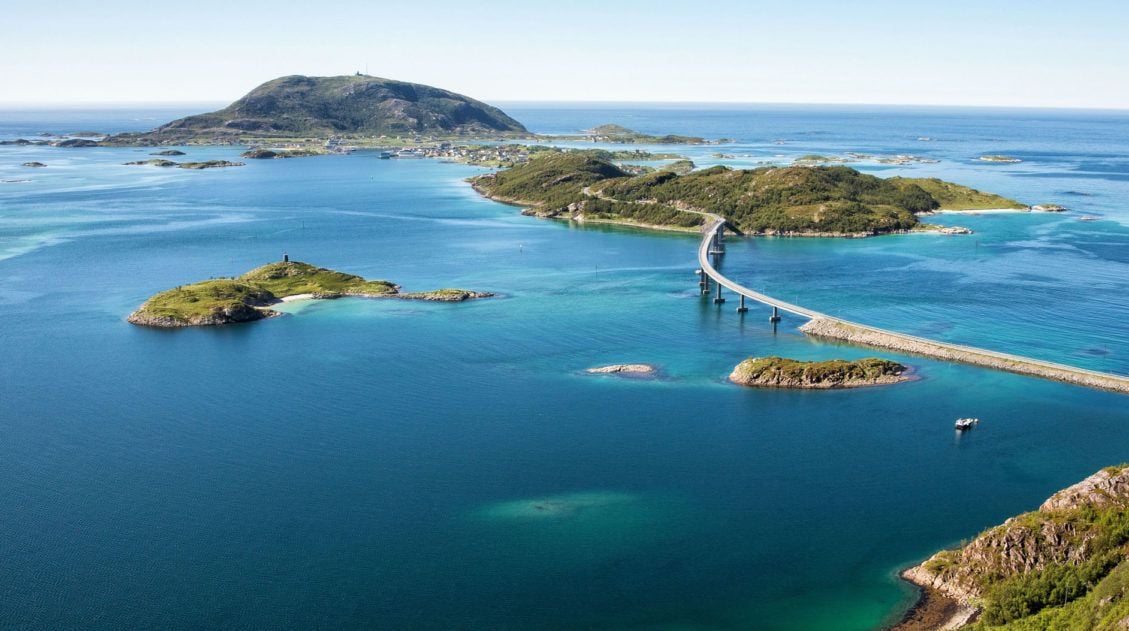
Ørnfløya, A Short but Sweet Hike in Sommarøy, Norway
Sommarøy doesn’t get the attention it deserves. Most visitors drive straight past it on their way to Tromsø or the Lofoten Islands, never realizing what they’re missing. We visited it as part of a road trip through northern Norway, and it immediately became one of the highlights of that trip. The hike up Ørnfløya is […]
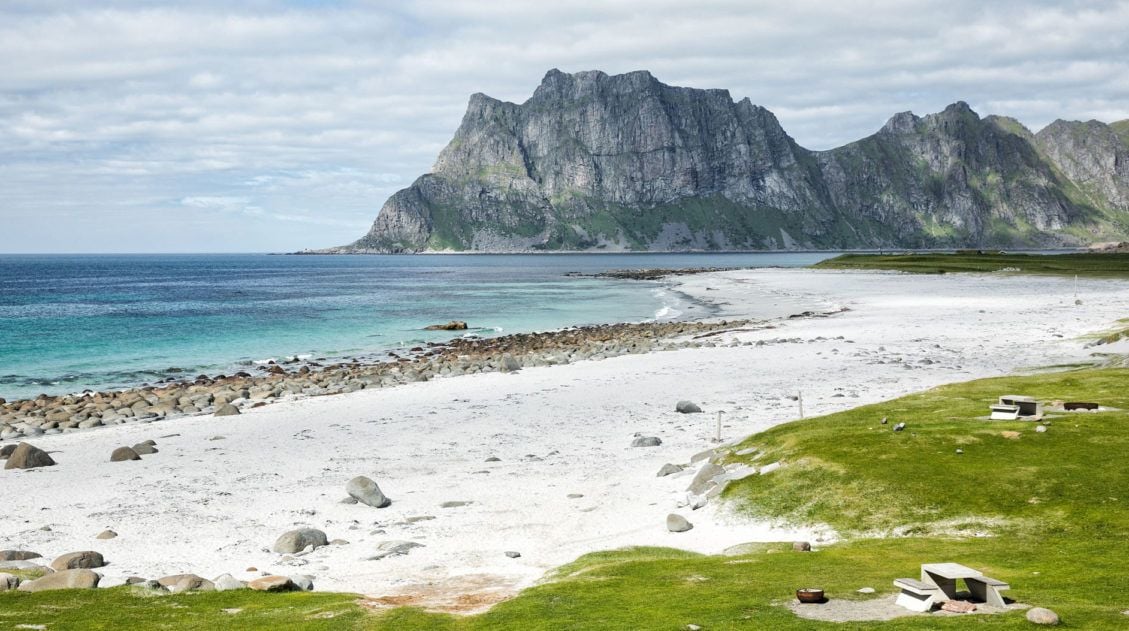
Lofoten Islands Itinerary: 4 to 5 Days in Norway’s Most Spectacular Islands
There are places that stop you in your tracks the moment you arrive. The Lofoten Islands are one of them. We pulled over constantly, not because we planned to, but because we couldn’t drive past another mountain plunging straight into the fjord, another stretch of white sand beach backed by jagged cliffs, or another cluster […]
Best Hikes in Norway: 14 Epic Trails for Every Level
For hikers, few places in Europe can match Norway. The hikes in Norway are endlessly varied and genuinely world-class, from the fjords of southern Norway, the jagged peaks of the Lofoten Islands, and the remote coastline of Vesterålen and Senja. Alongside the Dolomites and the Swiss Alps, this is one of our absolute favorite places […]
10 Day Norway Itinerary: Summer Road Trip through the Fjord Region
For hikers and outdoor enthusiasts, this Norway itinerary is perfect. In 10 days, you will be able to do four amazing hikes. Be daring and stand on Kjeragbolten, hike out to Trolltunga and pose for the camera, enjoy epic views out to the Atlantic Ocean from Romsdalseggen Ridge, and hike Norway’s most popular hike, Pulpit […]
Norway Travel Guide: Fjords, Lofoten Islands & Svalbard
Norway Travel Guide There is nowhere quite like Norway. We’ve been to Norway twice, and both trips rank among the most spectacular we’ve ever taken. On our first visit, we road tripped through the fjord region in summer, hiking Trolltunga, Kjeragbolten, Pulpit Rock, and Romsdalseggen Ridge and cruising past some of the most dramatic scenery […]
Hiking Romsdalseggen Ridge in Norway (+ Photos & Helpful Tips)
The Romsdalseggen hike is a point to point hike that traverses the Romsdalseggen Ridge, with views over the fjords, the town of Åndalsnes, and even out to the western coastline of Norway to the Atlantic Ocean. On our first trip to Norway, this was the hike that I was looking forward to the most. The […]
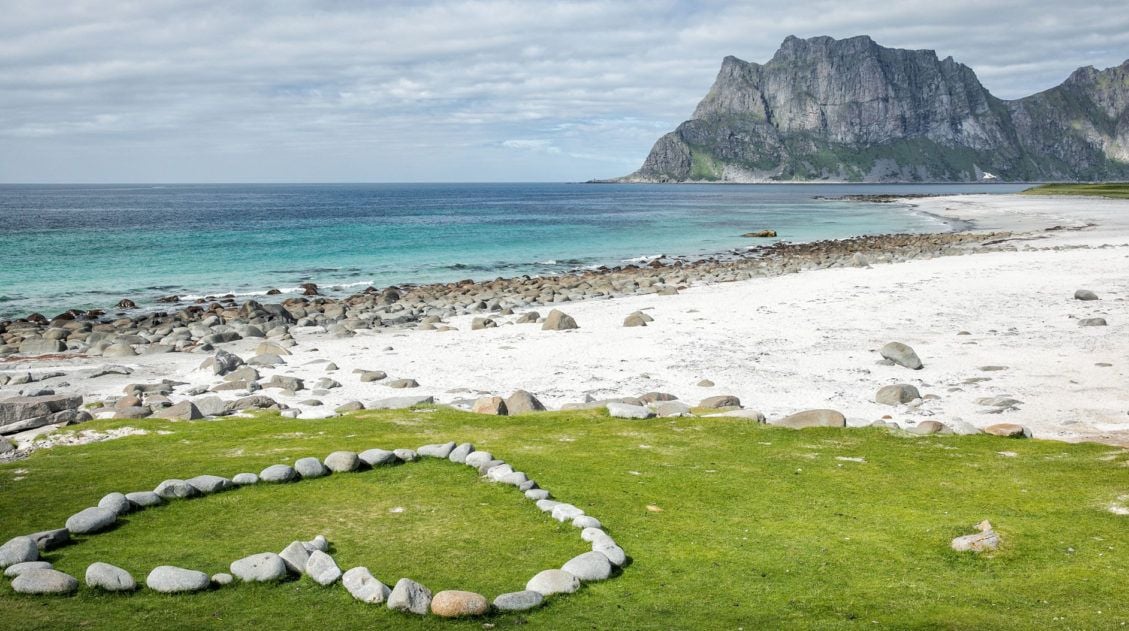
Best Things to Do in the Lofoten Islands: 16 Epic Experiences
We arrived in the Lofoten Islands after driving down from the Vesterålen Islands, and on our very first day, we climbed Svolvaergeita and hiked Svolvaer Fløya. It was a long, exhausting, unforgettable day, and somehow, it set exactly the right tone for everything that followed. By the time we left four days later, we were […]
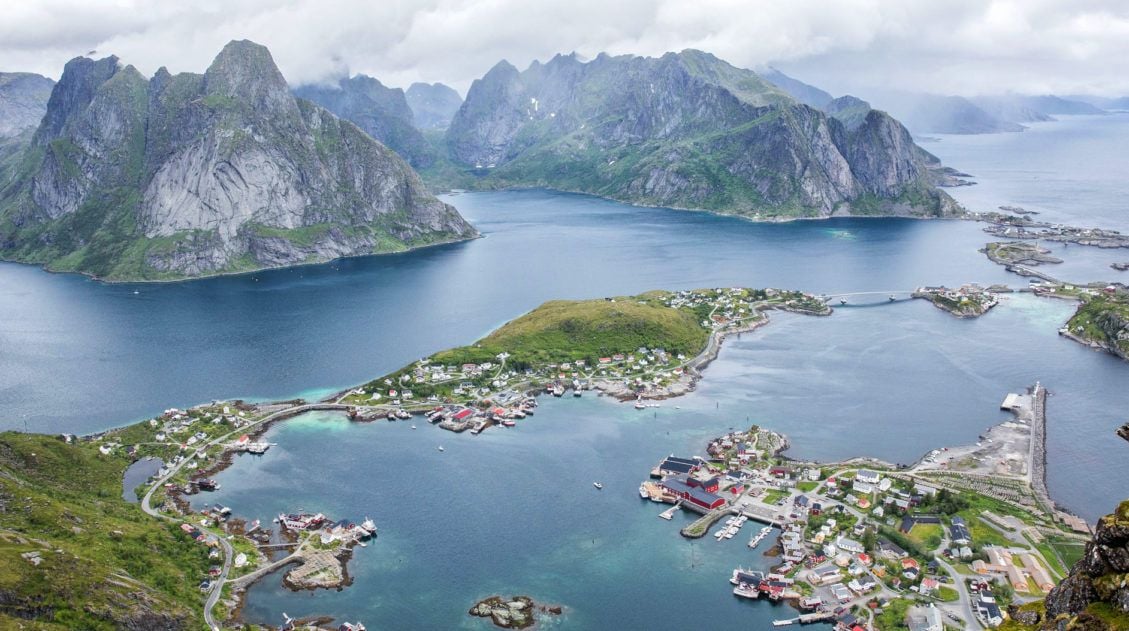
Norway Bucket List: 20 Epic Things to Do in Norway
Norway is the land of fjords, quaint fishing villages, Vikings, trolls, the northern lights, the midnight sun, scenic drives, and some of the best hikes in the world. If you are planning a visit to this amazing country, here are 20 of the best things to do in Norway. So far, we have visited Norway […]
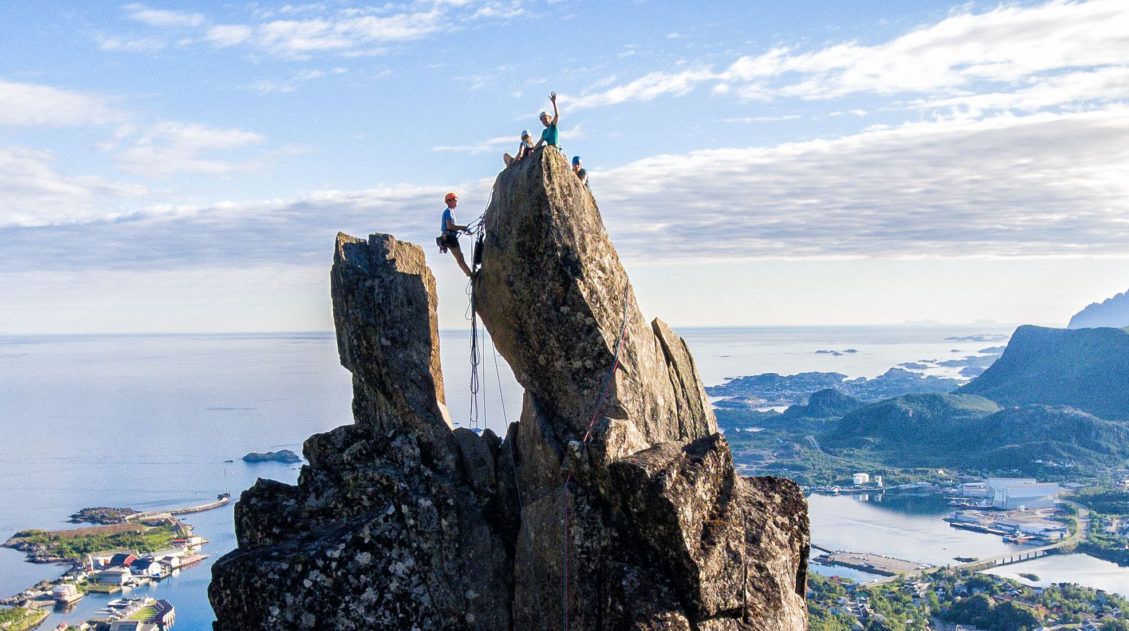
Complete Guide to Climbing Svolvaergeita in the Lofoten Islands
Svolvaergeita, also called “The Goat,” is a pinnacle of rock that is a popular rock climbing spot in the Lofoten Islands. It is named The Goat because of the two horns of rock that sit atop the rock. Those with a sense of adventure can climb to the top of Svolvaergeita and those who are […]
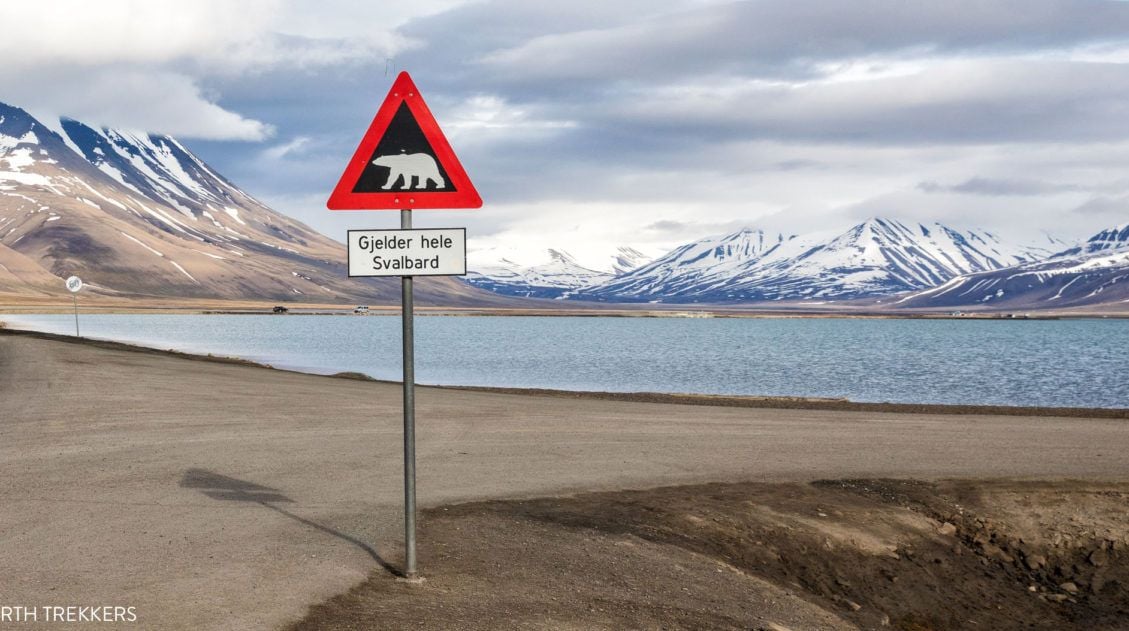
Svalbard Travel Guide & Itinerary for First Time Visitors
Svalbard. An arctic playground where there are more polar bears than people. This is a land of glaciers, the northern lights, the midnight sun, and frozen tundra. Svalbard may seem barren, but it is filled with arctic wildlife like reindeer, walrus, and polar bears. If you like the idea of exploring the great outdoors, your […]


Comments 50