
Tim and I have hiked a lot of national parks, and Guadalupe Mountains is one that genuinely surprised us. We expected a remote desert park with a few good trails. What we found instead was a place with incredible variety — a slot canyon, a fossilized coral reef trail with almost no one on it, gypsum sand dunes as white as snow, and one of the most satisfying summit hikes in the Southwest.
The catch: almost nothing here is visible from your car. If you’re not willing to hike, you’ll see very little of what makes this park special. But if you are, Guadalupe Mountains rewards you in ways that far more famous parks don’t, mostly because the crowds haven’t found it yet.
In this guide, we cover the 15 best things to do in Guadalupe Mountains National Park, organized by area of the park, along with advice on how many days to spend, when to go, where to stay, and how to get here.
The Essentials
LOCATION | West Texas
NEAREST CITY | Carlsbad, NM (35 miles); El Paso, TX (115 miles)
NEAREST AIRPORT | El Paso International (ELP)
BEST FOR | Hikers, those on a quest to visit all of the US National Parks
HIGHEST POINT | Guadalupe Peak, 8,751 feet (highest point in Texas)
HOW MANY DAYS | 2 to 3 days
WHEN TO GO | February through April, October and November
ENTRANCE FEE | $10 per person per day | $35 annual pass (covers up to 4 people for one year)
Updated April 2026. Added sections on Frequently Asked Questions, If Guadalupe Mountains is Worth It, and expanded our 6 favorite experiences. Updated visitor numbers to 2025 data (206,000).
Why Visit Guadalupe Mountains National Park?
In a country full of overcrowded national parks, Guadalupe Mountains is a rare exception. Only 206,000 people visited in 2025, making it one of the least visited national parks in the United States. What that means in practice: no timed entry reservations and trails where you might hike for hours and see almost no one. Tim hiked nearly 10 miles on the Permian Reef Trail and counted two other hikers the entire day.
But low crowds aren’t the only reason to come. Guadalupe Mountains National Park protects some of the most dramatic landscapes in Texas, including canyons, gypsum sand dunes, and the highest peak in the state. Nearly everything requires a hike to reach, which keeps the casual crowds away and rewards anyone willing to put in the effort. If you love hiking and value solitude, this park delivers both in a way that far more famous parks simply can’t anymore.
One more reason: it pairs perfectly with Carlsbad Caverns, located just 35 miles away in New Mexico. Most people who visit one visit both, making this a natural two-park road trip.
Our 6 Favorite Experiences in Guadalupe Mountains
Guadalupe Mountains is divided into several distinct areas spread across the park, so there’s no single “best day” itinerary that hits everything. These six experiences span multiple regions and require at least 2 to 3 days to cover, but if you’re trying to decide what to prioritize, start here.
- Hiking to Guadalupe Peak: The summit of the highest point in Texas is a tough, rewarding day. The views from the top are unlike anything else in the park.
- Hiking Devil’s Hall: Our favorite shorter hike in the park. The rock scramble through the wash is genuinely fun, and the slot canyon payoff is one of the most unique landscapes in the park.
- Hiking the Permian Reef Trail: Tim’s pick. Nearly 10 miles and he saw two other hikers. If solitude and big views matter to you, this trail delivers more than the more popular McKittrick Canyon route.
- Visiting the Salt Basin Dunes: Remote and worth the effort. A quieter, more vegetated version of White Sands that most visitors skip entirely.
- El Capitan from the Lookout: No hiking required. One of the most striking viewpoints in the park and easy to combine with driving between areas.
- Dog Canyon and Lost Peak: Our favorite area of the entire park. The remote feel here is unmatched, and Lost Peak rewards with views and near-total solitude.
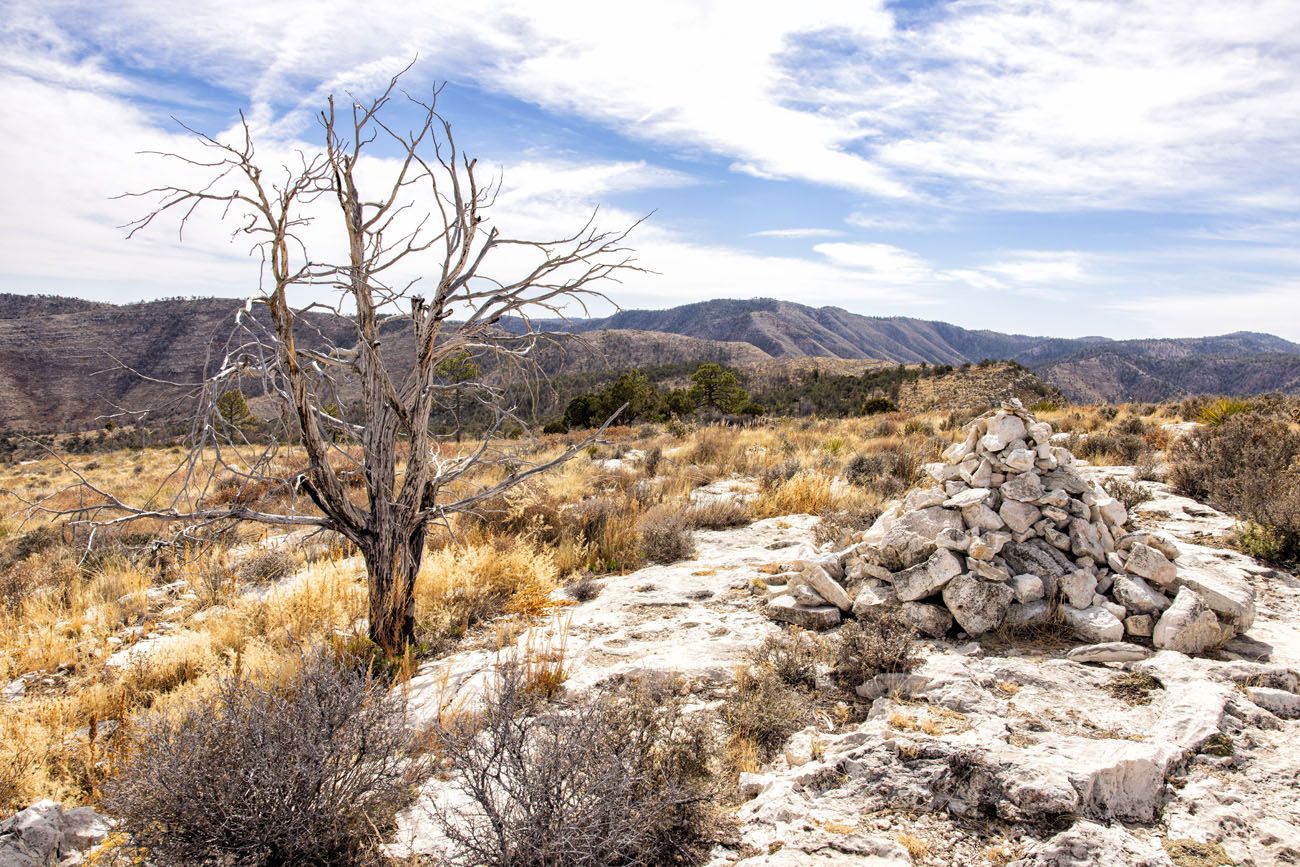
Lost Peak
Understanding the Layout of Guadalupe Mountains
There are several areas of Guadalupe Mountains National Park, which are labeled on the map below.
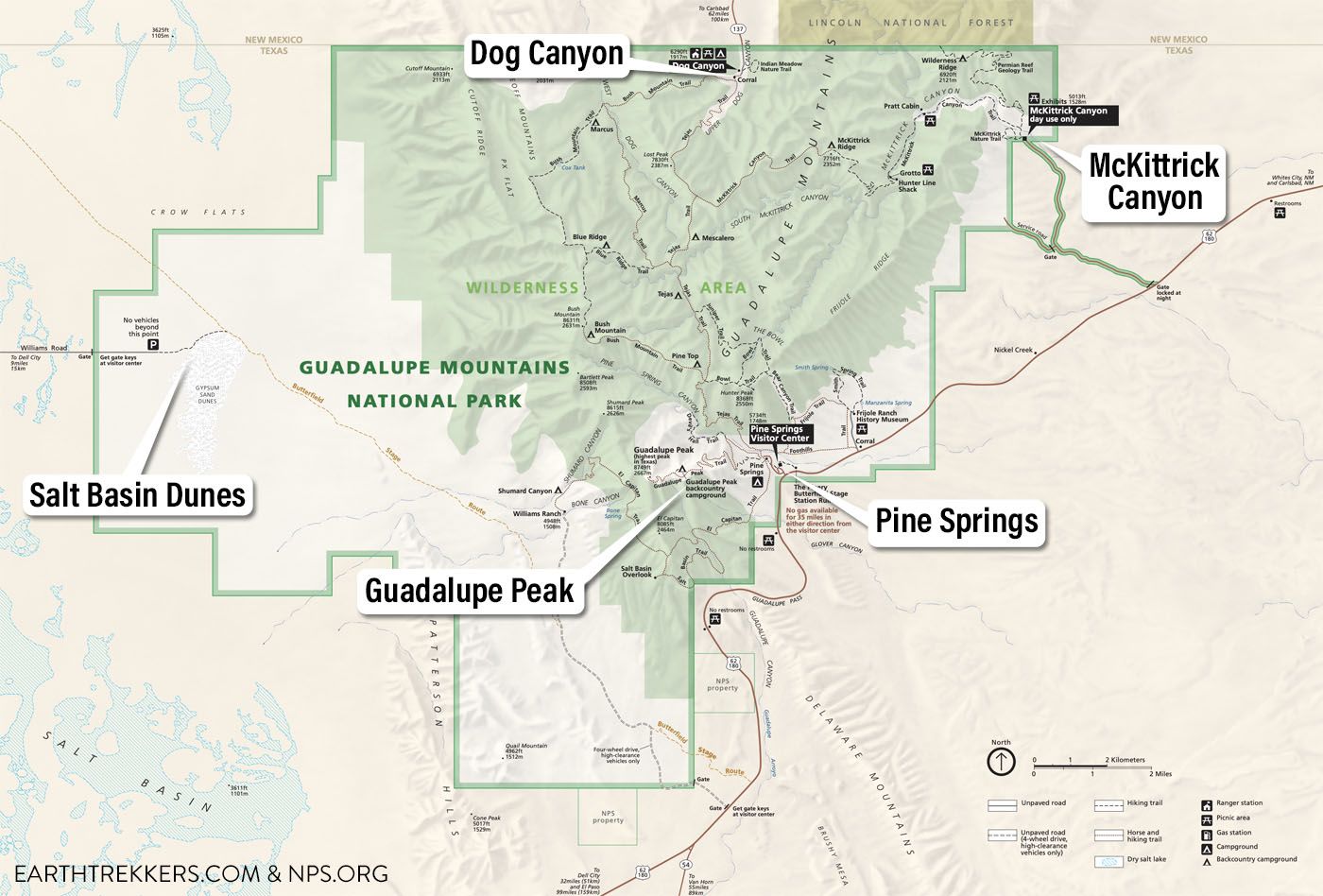
Map of Guadalupe Mountains National Park
US Highway 62/180 runs along the eastern border of Guadalupe Mountains National Park. From this road, you have access to many of the top sights in the park.
The most popular part of the park to visit is the Pine Springs area. From here, you can hike some of the best trails in the park, including Guadalupe Peak and Devil’s Hall, and it is just a short drive to Frijole Ranch.
Farther north, in a separate section, is McKittrick Canyon. This is another popular hiking destination and trails to Pratt Cabin, the Grotto, the Notch, and the Permian Reef Trail all start here.
Dog Canyon is a quieter, more remote area of Guadalupe Mountains National Park. There is a campsite here as well as a few hiking trails. If you want to hike without the crowds, this is the place to go.
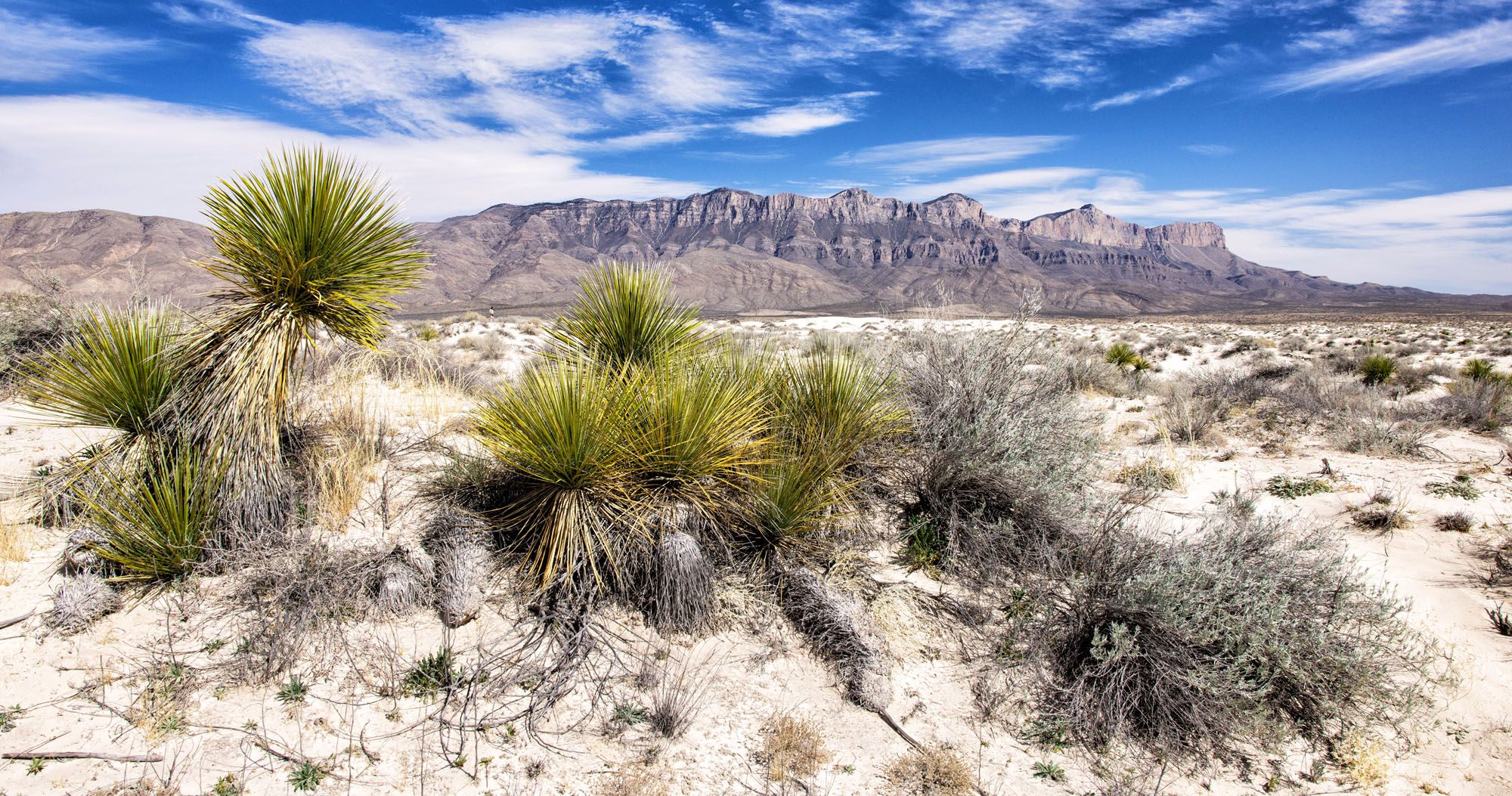
Finally, on the western side of the park are the Salt Basin dunes. This is a smaller, more vegetated version of White Sand Dunes National Park. It is very remote and it takes some time to get here, but your reward is stunning views of the Guadalupe Mountains from the snow white dunes.
Numerous hiking trails link these areas together, making this park a great spot for backpacking and those who enjoy long distance day hikes.
15 Best Things to Do in Guadalupe Mountains National Park
Below I list the best things to do in Guadalupe Mountains National Park, ordered geographically.
How to Use This Map: Click the tab in the top left corner of the map to see a list of the points of interest and to turn layers on/off. Click the icons on the map to get more information about each point of interest.
To take this map with you, click the star next to the title of the map which adds it to your Google account. Next, within your Google Maps app, select ‘Saved’ and then select ‘Maps’. This map title will now appear in your list.
Pine Springs Area
1. Hike to Guadalupe Peak, aka the “Top of Texas”
Distance: 8.4 miles out-and-back | Difficulty: Strenuous | Total Ascent: 3,000 feet | Time: 4 to 8 hours
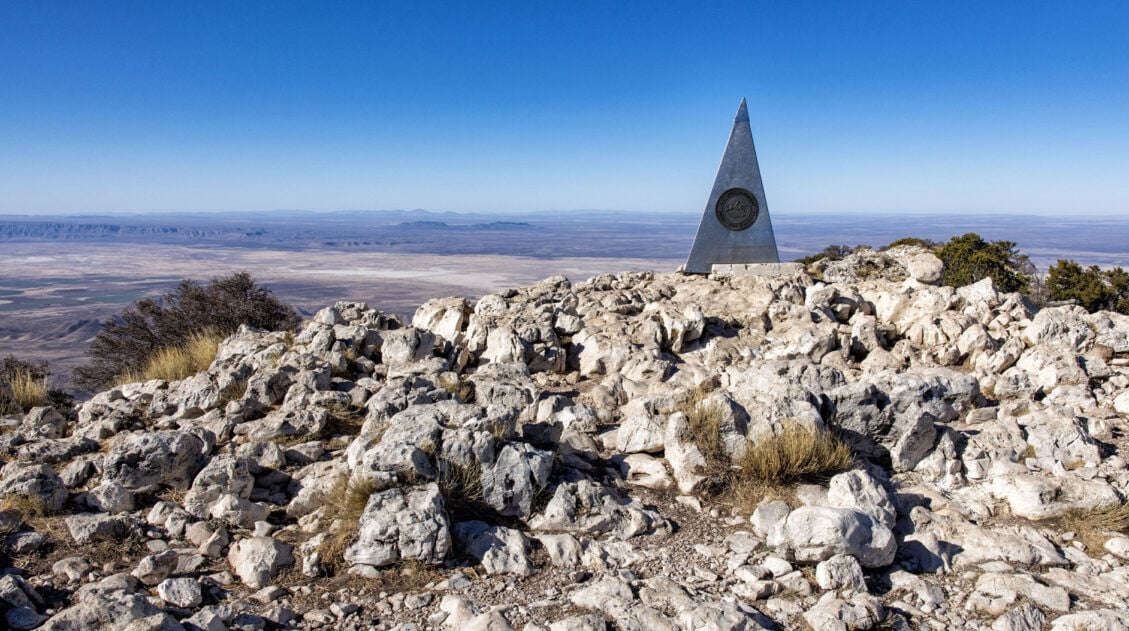
At 8,751 feet, Guadalupe Peak is the highest point in Texas. This is one of the most popular hikes in the park, as many people want the bragging right that they stood on the highest peak in Texas.
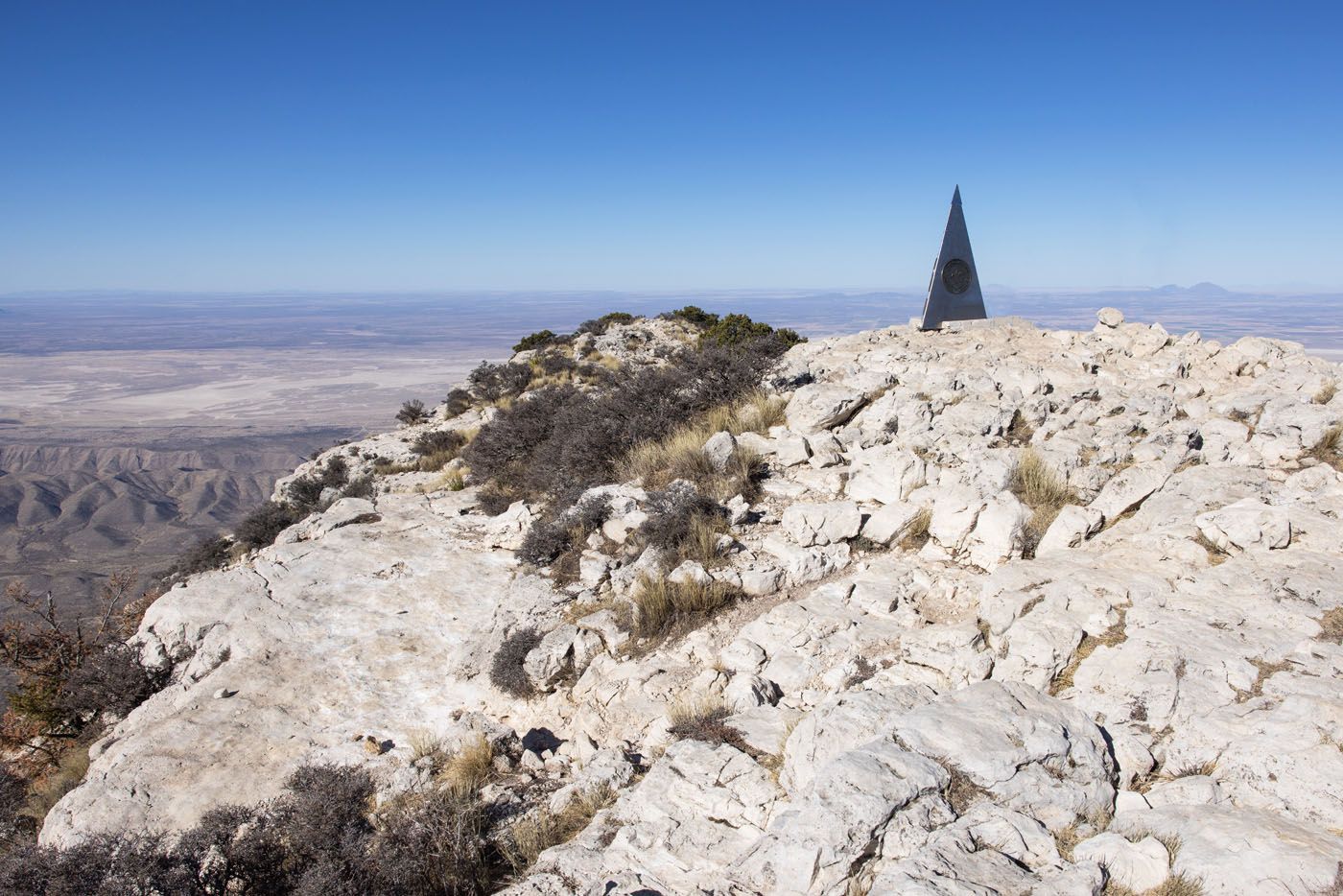
Guadalupe Peak
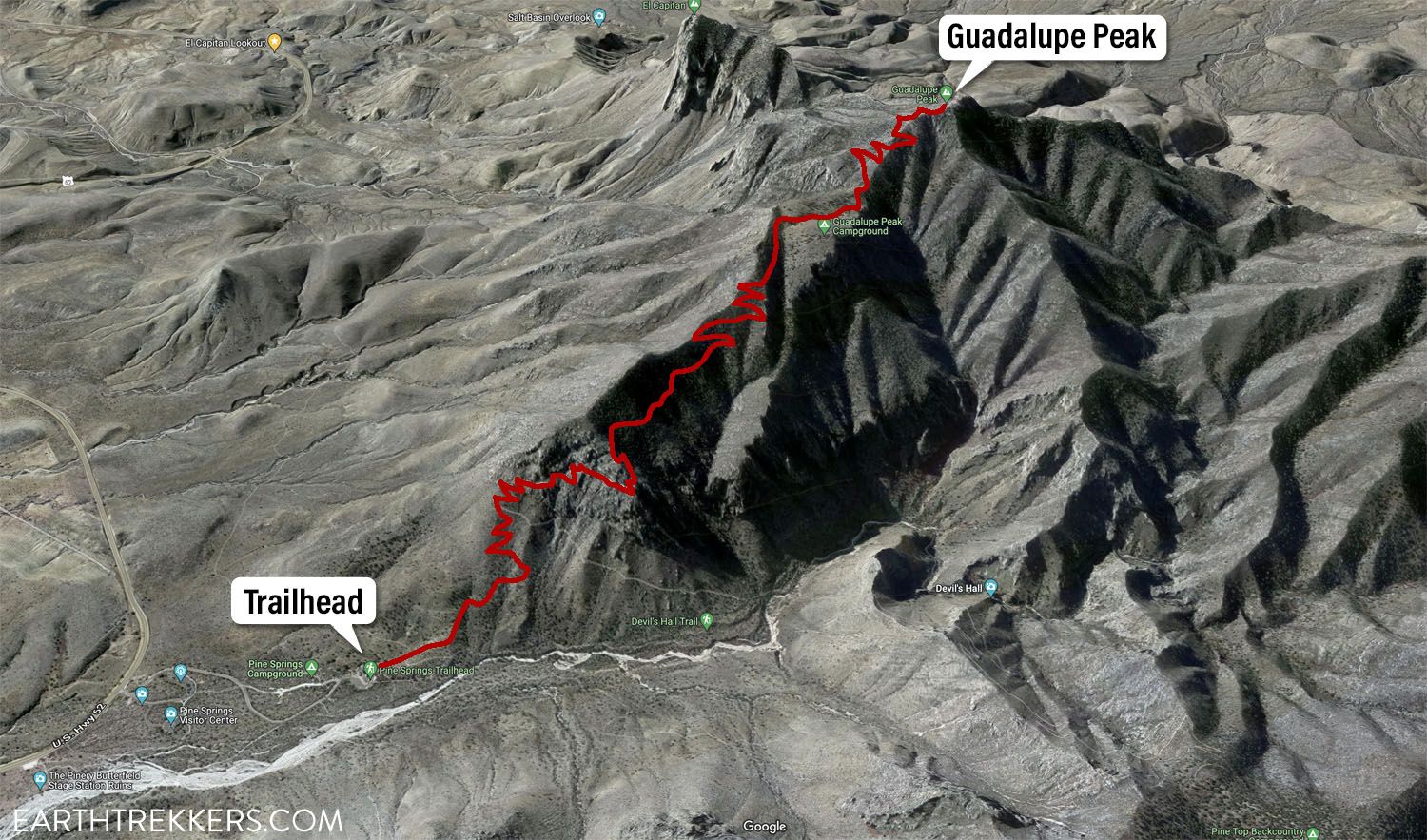
Guadalupe Peak Trail Map
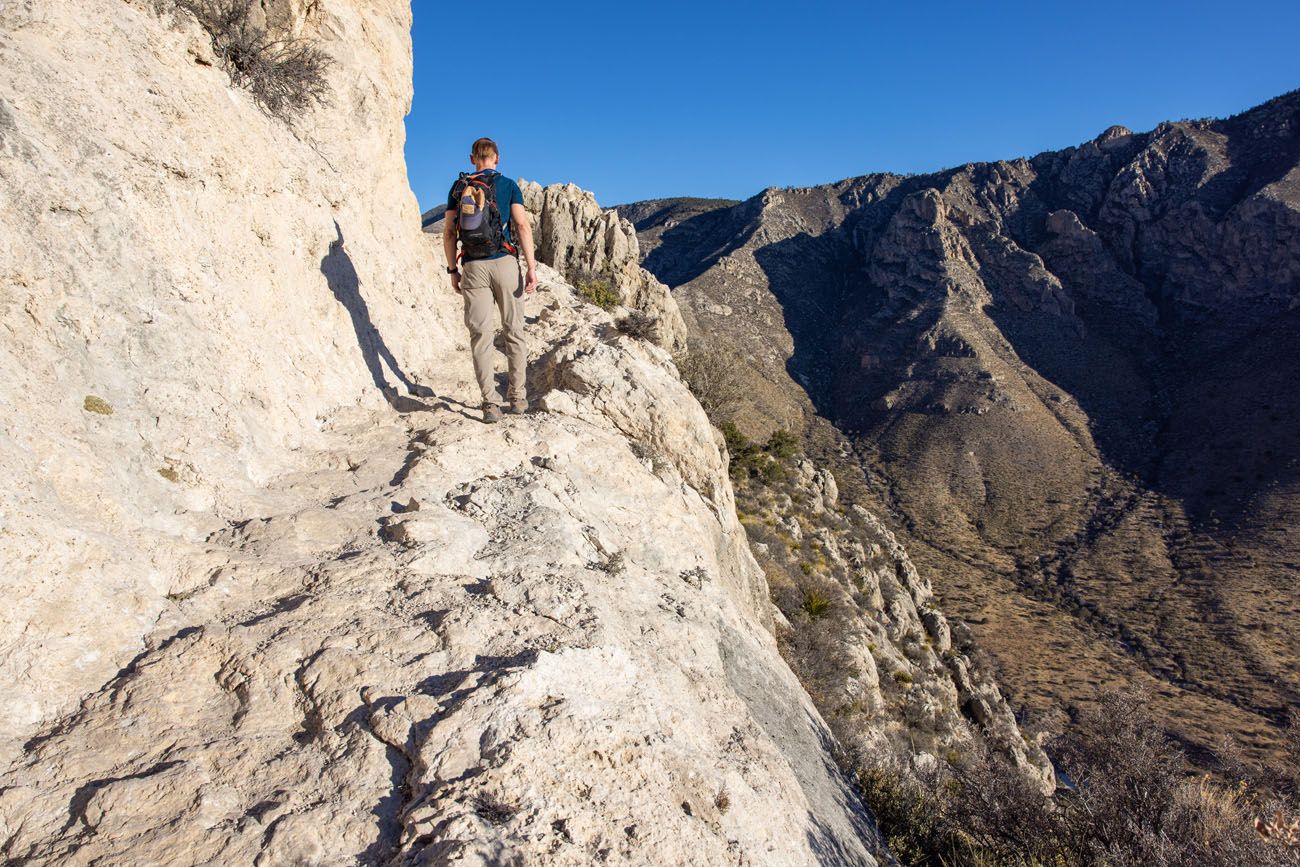
Trail to Guadalupe Peak
Getting here is not easy. It’s a tough, uphill hike to get to Guadalupe Peak, with rocky trails, long steep staircases, and some narrow sections of trail.
But once at the top, the views are unbeatable. From Guadalupe Peak, you have panoramic views over the national park as well as the Chihuahuan Desert.
We enjoyed this hike, in particular the views from the top. It’s perfect for avid hikers, those on want to stand on the tallest peak in the park and in Texas, and those who want to do one of the park’s iconic hikes. But if you only have the time and energy for one hike, the Devil’s Hall Trail is the one we recommend (and mentioned next).
Guadalupe Peak Trail Guide: Hiking the Highest Point in Texas
Step-by-step trail guide for the hike to Guadalupe Peak.2. Hike the Devil’s Hall Trail
Distance: 3.75 miles out-and-back | Difficulty: Moderate to Strenuous | Total Ascent: 800 feet | Time: 2 to 4 hours
This is a fun hike…if you like rock scrambling.
Starting at the Pine Springs Trailhead, the first mile is an easy hike on a dirt trail that runs through the canyon. At about one mile into the hike, you reach the wash. For the next 0.75 miles, you hike/rock scramble up and over boulders of all sizes to get to the end of the canyon.
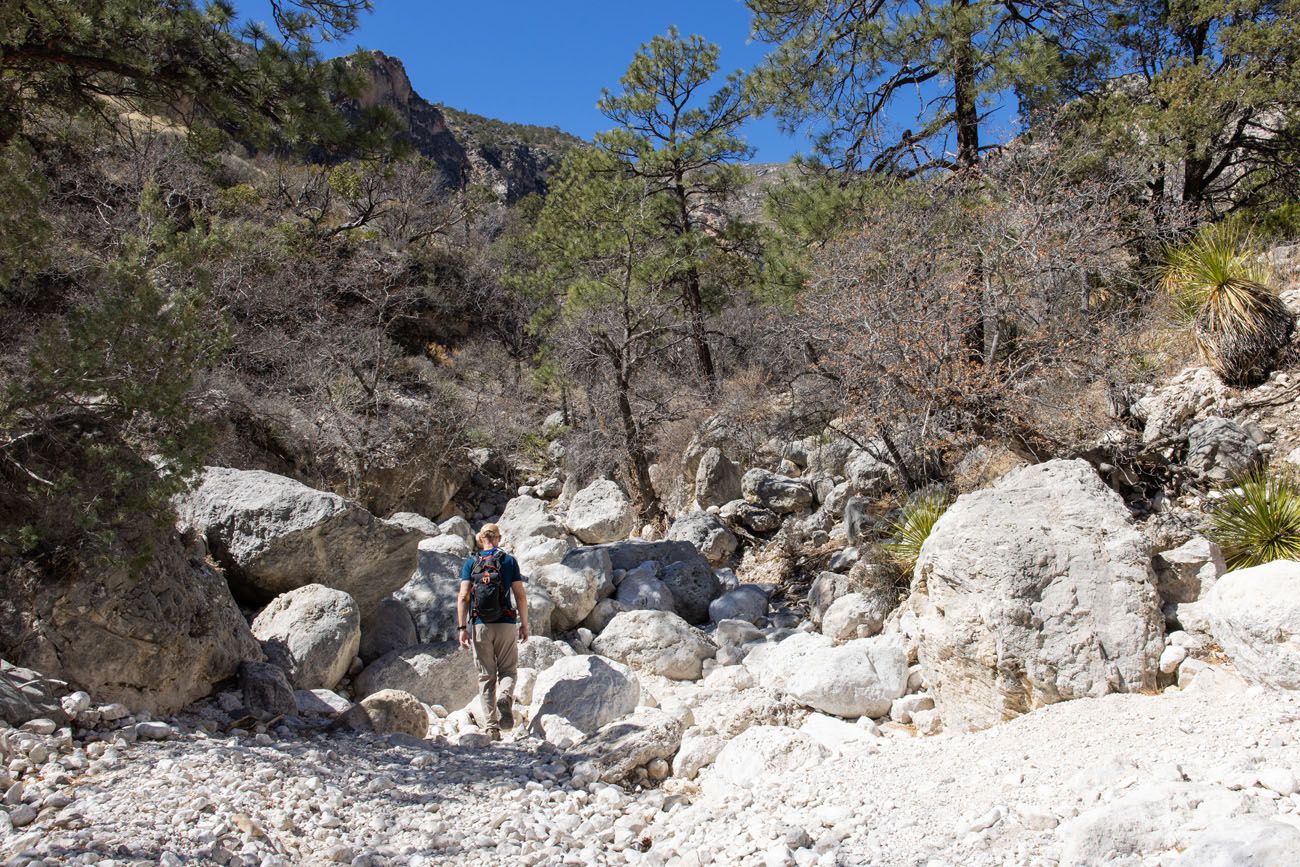
Devil’s Hall Trail
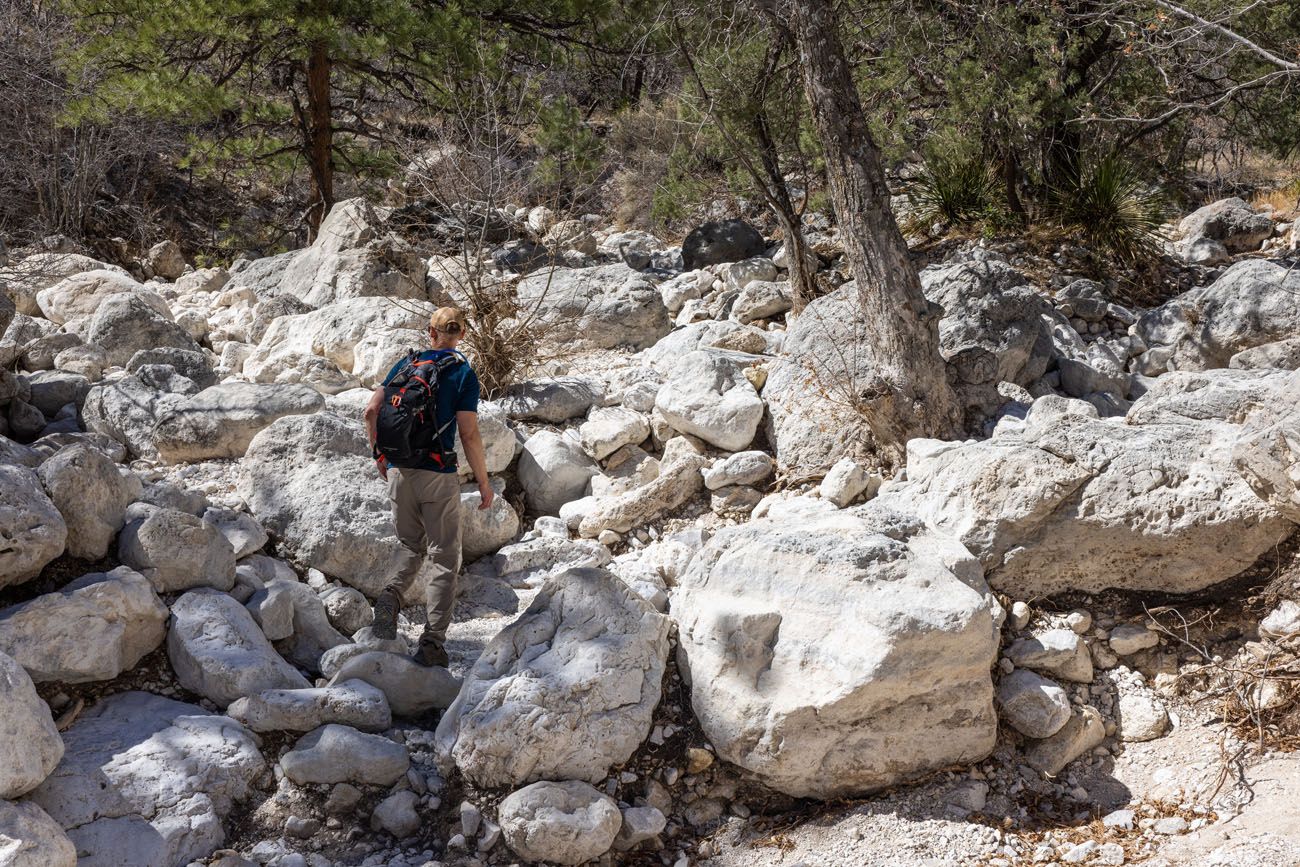
Near the end of the trail, you reach the “staircase” in the photo below. Scramble up and over this and continue the walk for another 5 minutes to get to Devil’s Hall.
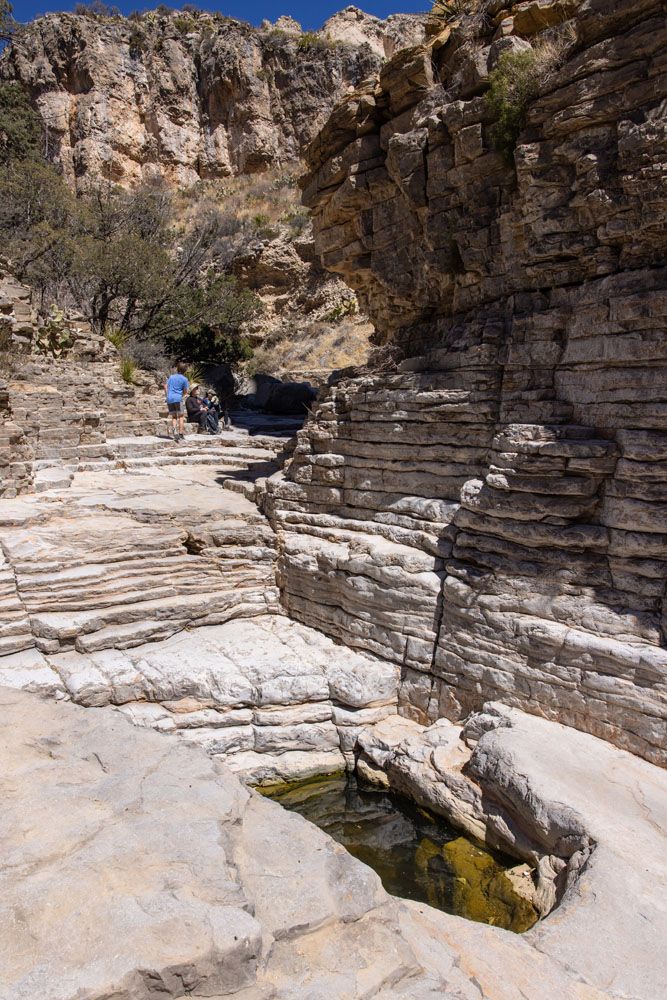
This is the “first section” of Devil’s Hall. Continue past this small pool of water for about five more minutes to get to Devil’s Hall.
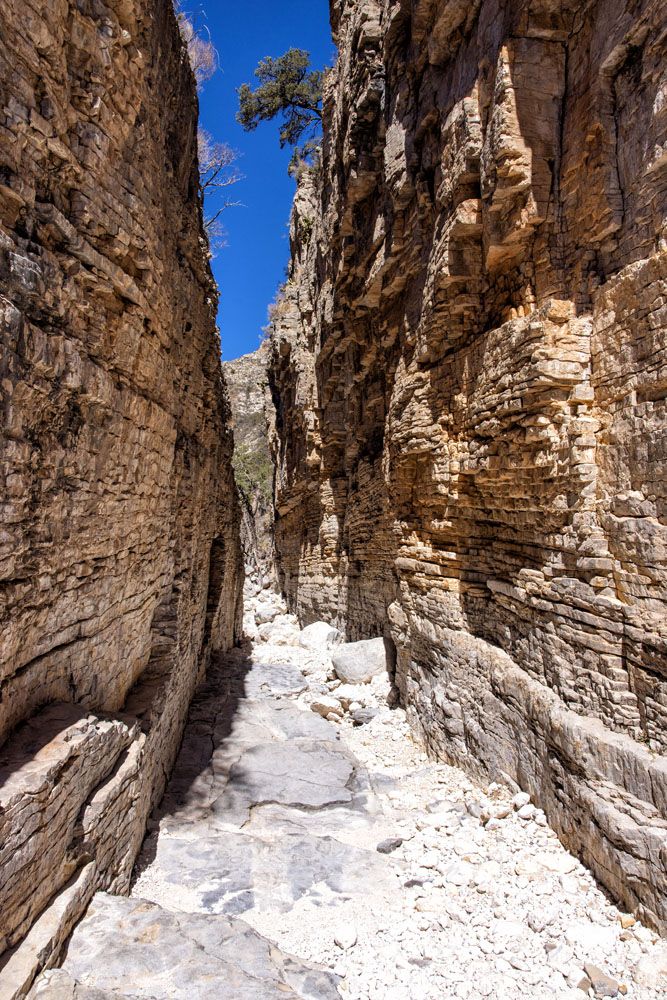
Devil’s Hall
This is one of the more interesting hikes in Guadalupe Mountains. We liked the rock scrambling, but the highlight for us (and most other hikers) is seeing the short slot canyon at the end of the trail. This is our favorite shorter hike in the park. Here’s how to do it ↓
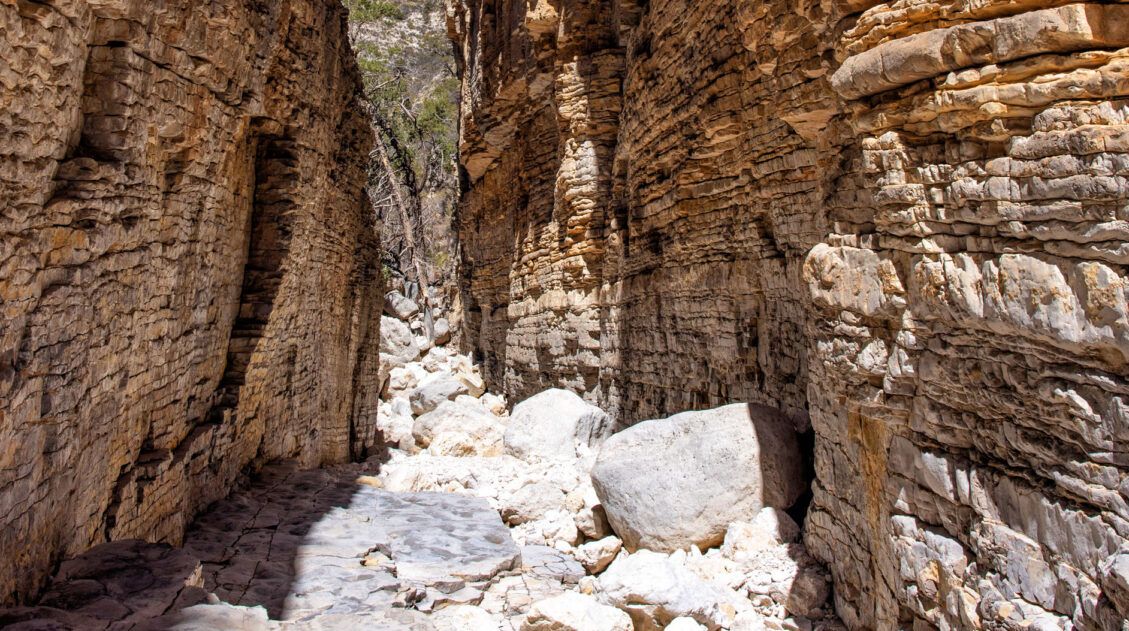
How to Hike the Devil’s Hall Trail
Everything you need to know to hike the Devil’s Hall Trail.ABOUT THE DIFFICULTY OF THIS HIKE: The difficulty varies based on conditions along the trail. If the wash is dry and you have experience rock scrambling, this trail is of moderate difficulty and takes most people about 2 hours. However, if the wash is wet, this hike becomes much more difficult and longer to hike. Rainy conditions are more likely to occur in the late-summer and the National Park Service urges people to not do this hike in wet or rainy conditions.
3. Hike to Hunter Peak
Distance: 9.9 mile loop | Difficulty: Strenuous | Total Ascent: 2,900 feet | Time: 5 to 8 hours
Hunter Peak, at 8,368 feet, is almost as high as Guadalupe Peak, so this is another tough day hike.
This loop hike starts and ends at the Pine Springs Trailhead. Most people hike up the Bear Canyon Trail to the Bowl Trail and then hike down the Tejas Trail.
We did not do this hike, but from talking to other hikers, this trail is less crowded than Guadalupe Peak and the views are stunning. Of those who hike both trails, Hunter Peak is usually the favorite of the two.
4. Walk the Pinery Trail
Distance: 0.9 miles round-trip | Difficulty: Easy | Time: 30 minutes
This short, paved trail leads to the ruins of the Old Butterfield Stagecoach Route Pinery Station that was built in 1858. There are also signs along the trail identifying local plants.
We didn’t find this walk to be all that interesting, but it’s a good option for families with young kids and those who prefer a short, easy walk.
5. Frijole Ranch Museum & the Spring Trail
Located just a short drive east on US Highway 62/180 is Frijole Ranch.
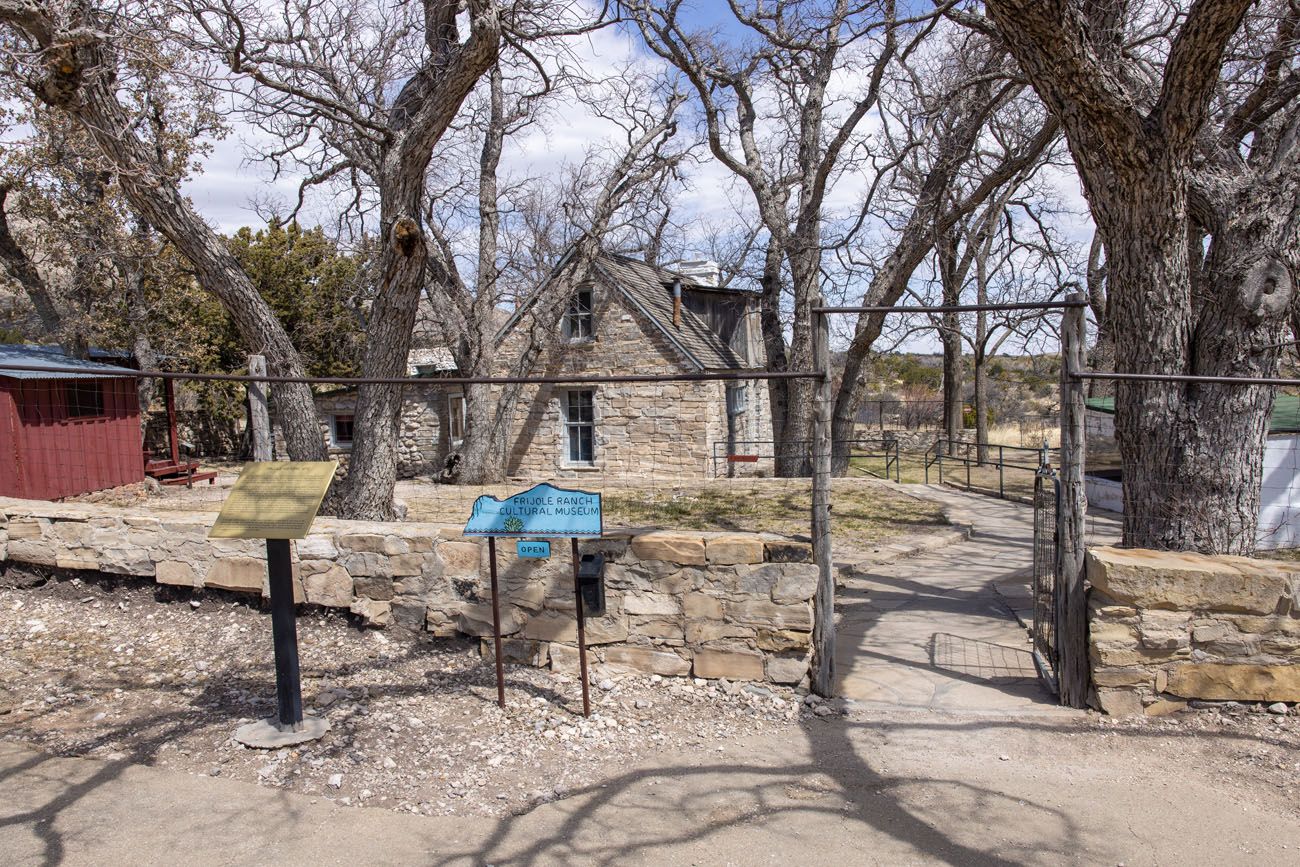
Frijole Ranch
The Frijole Ranch Cultural Museum is a one-room schoolhouse and spring house that was part of the Frijole Ranch. The museum, which is located in these buildings, contains historical artifacts about the Native Americans and the ranching community who lived in this area.
From the ranch, you can walk a half mile out and back to see the Manzanita Spring. Or, hike the entire Smith Spring Trail Loop. This hike is 2.3 miles round-trip, moderate, takes between 1 and 2 hours, and leads to the Smith Spring.
Again, we didn’t find this hike to be all that interesting. The McKittrick Nature Trail is shorter, offers great views of the mountains, and is a better overall hike if you like the idea of doing a shorter hike in the park.
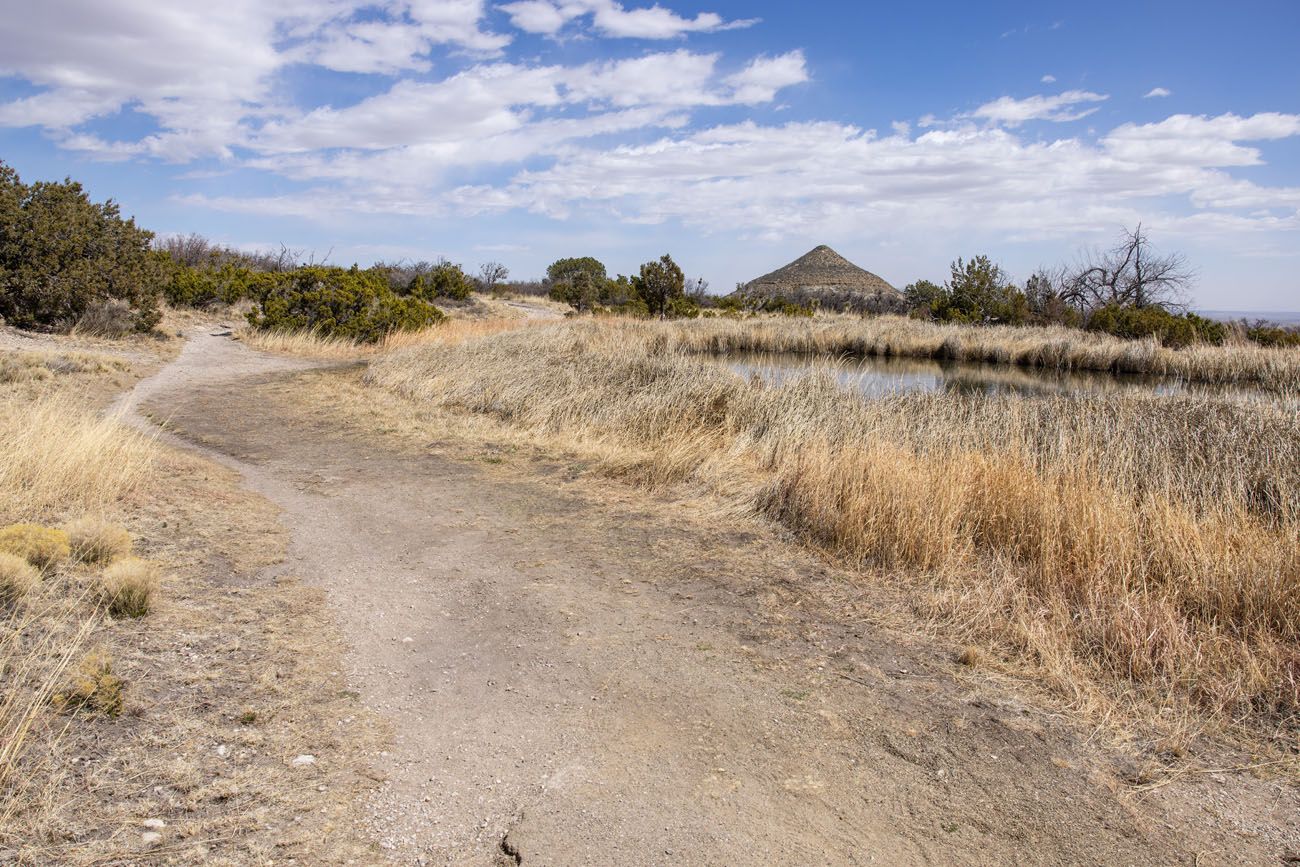
6. El Capitan Lookout
El Capitan is the 10th highest peak in Texas and the southernmost point of the Guadalupe Mountains.
For one of the best views of El Capitan, drive to the El Capital Lookout on Highway 62/180. There is a pull out on either side of the highway but the pull out on the US Highway 62/180 South has the better view, in my opinion, since you aren’t looking across the highway.
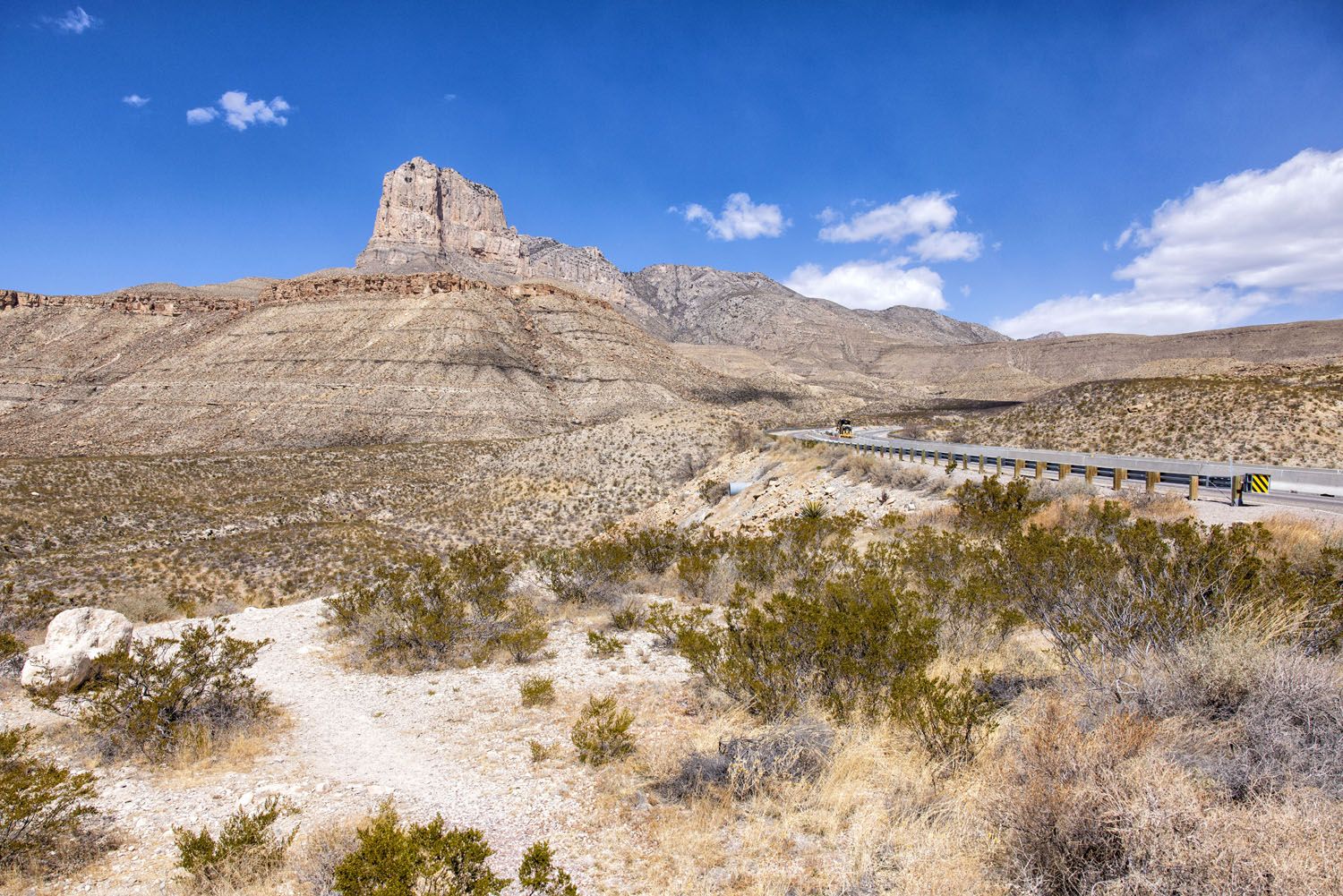
El Capitan Lookout
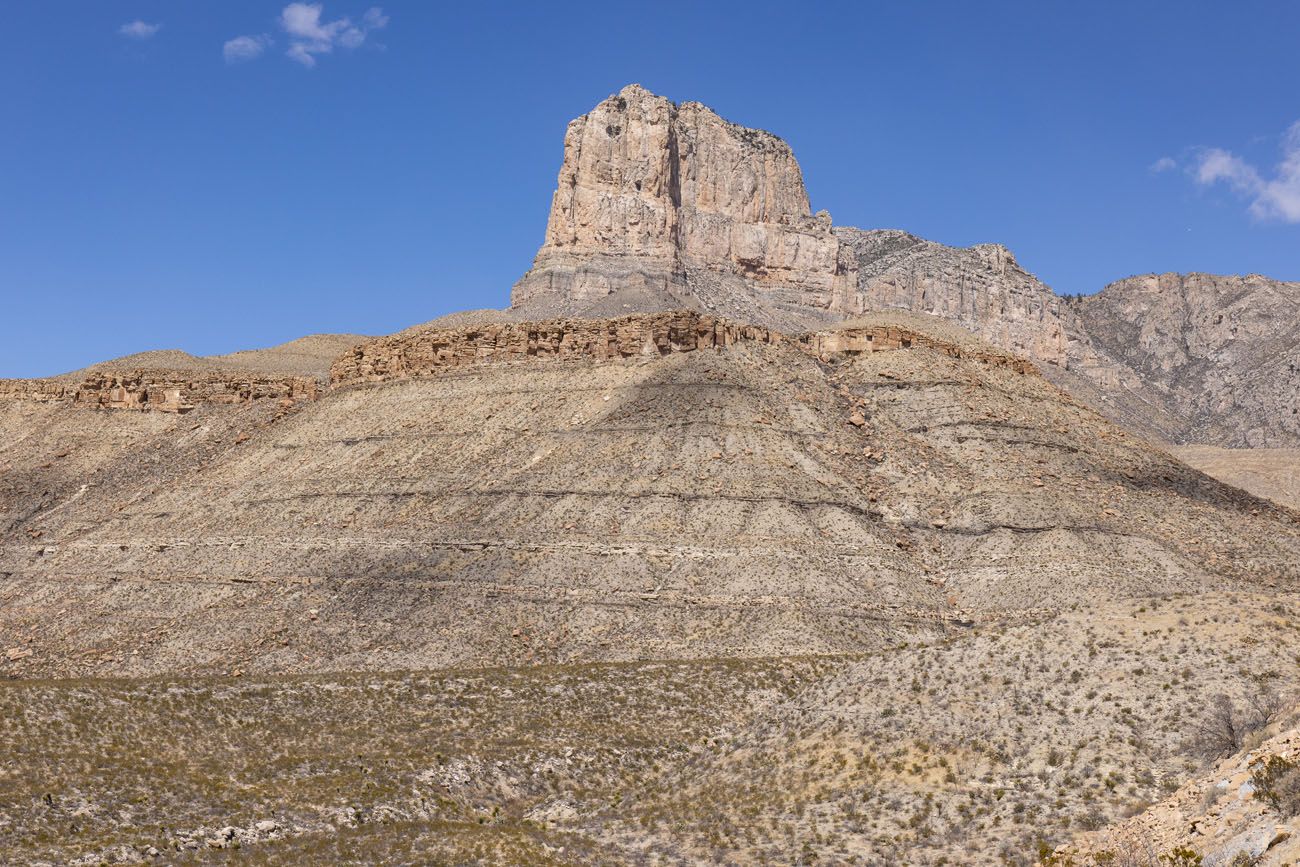
Closer view of El Capitan
If you are in the passenger seat, you can also get some nice photos of El Capitan as you drive US Highway 62/180 between Pine Springs and the El Capitan Lookout.
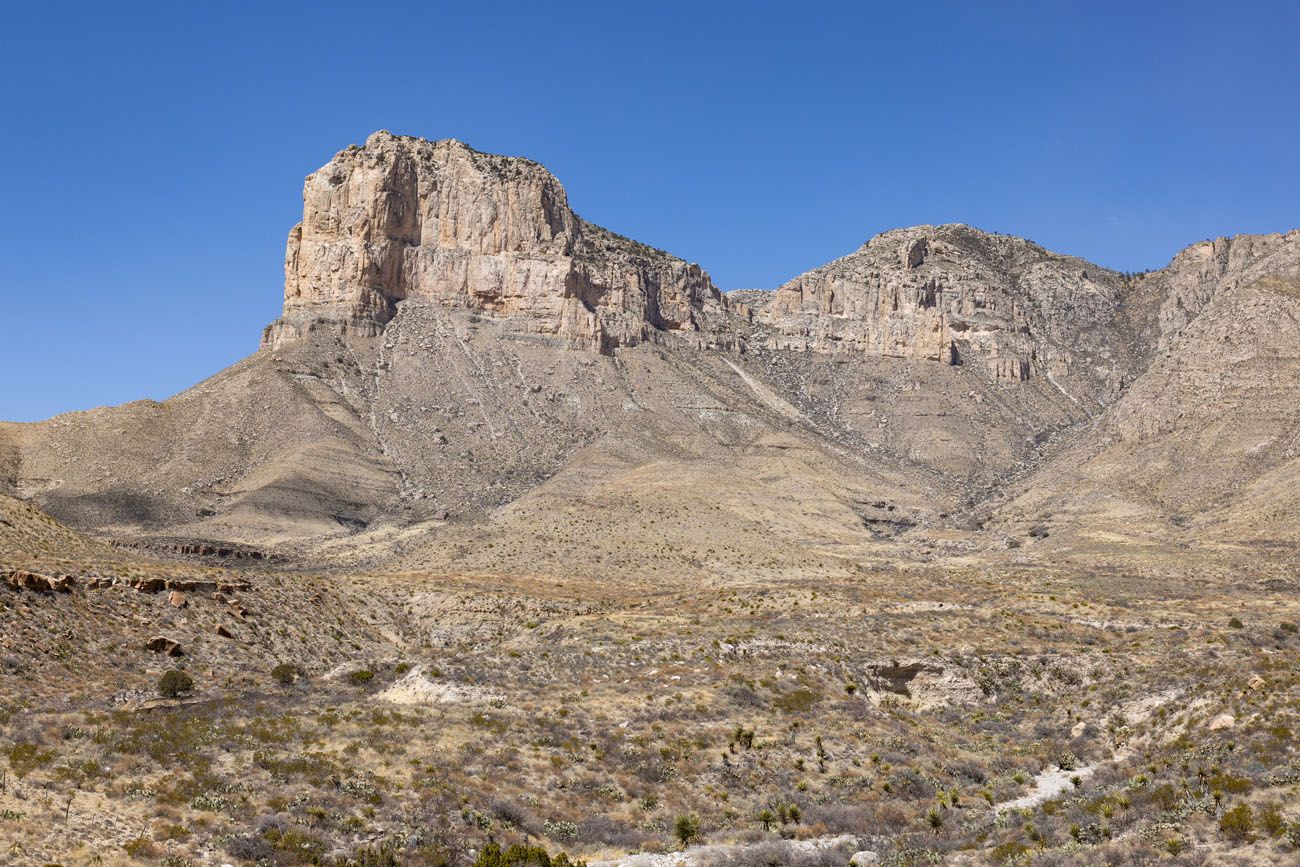
El Capitan taken from Highway 62/180
McKittrick Canyon Area
7. Hike to Pratt Cabin
Distance: 4.75 miles out-and-back | Difficulty: Easy | Total Ascent: 525 feet | Time: 1.5 to 4 hours
This is one of the shortest hikes to do in McKittrick Canyon. From the McKittrick Canyon Trailhead, it is a slightly uphill walk through McKittrick Canyon to get to Pratt Cabin. Along this hike, you will cross the wash several times and have great views of Wilderness Ridge.
I hiked this trail solo while Tim tackled the Permian Reef Trail. I got started early and had the trail to myself for most of the hike. It’s a fun hike, and the views change frequently as you head through the canyon, which helps keep things interesting.
It’s worth it for those who want a shorter hike in this area of the park and to visit a historical site. This hike is great for families and new hikers.
Geologist Wallace Pratt bought this ranch property and built this stone cabin in the early 1930’s. He and his family spent the summers here from 1932 to 1945. In the 1960’s, Pratt donated his land to the National Park Service, which helped create the national park. The cabin was listed on the National Register of Historic Places in 1975.
Now, the cabin is used as a picnic and rest area for hikers. There are no restrooms here and the cabin is only open if there is a park ranger on site.
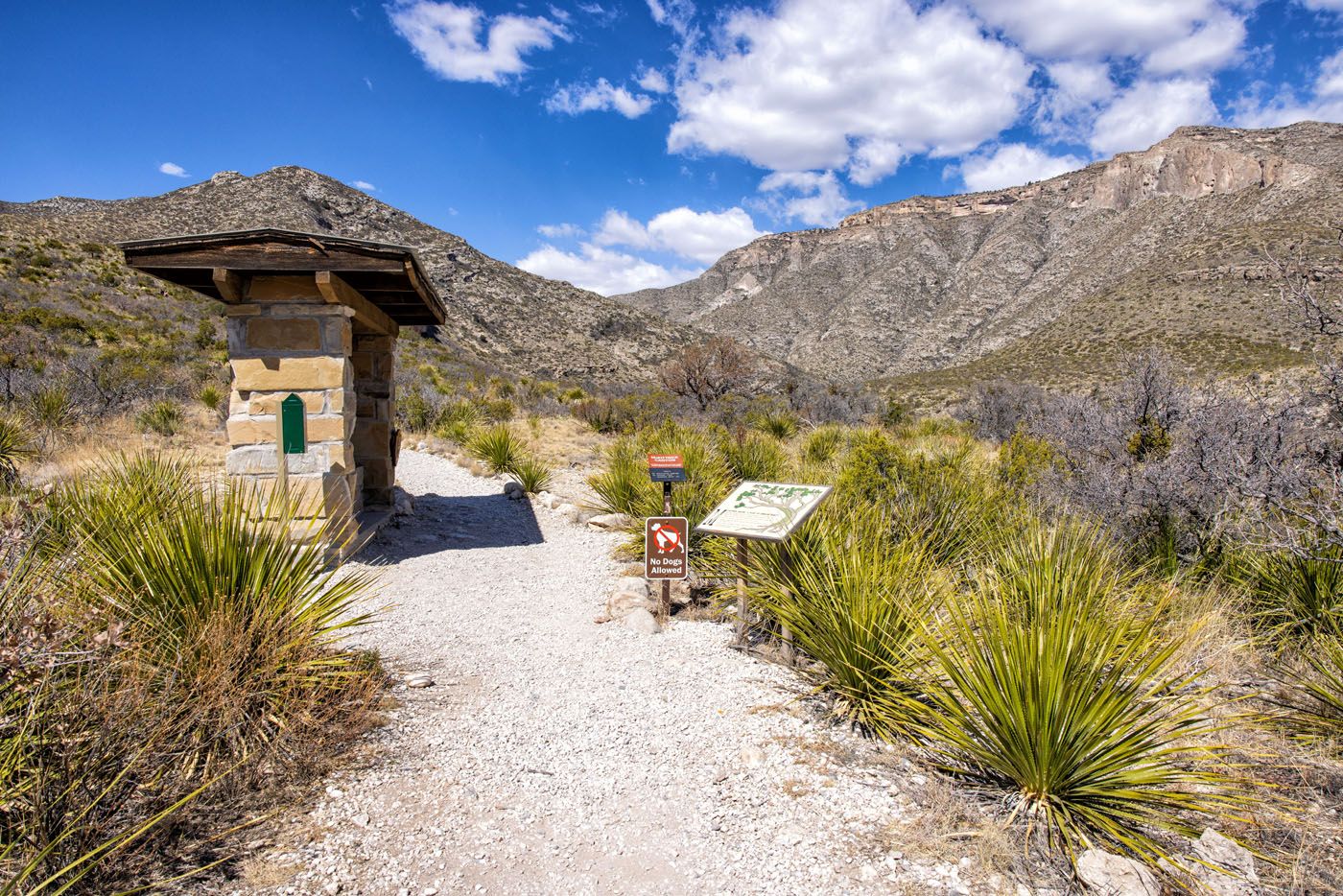
McKittrick Canyon Trailhead
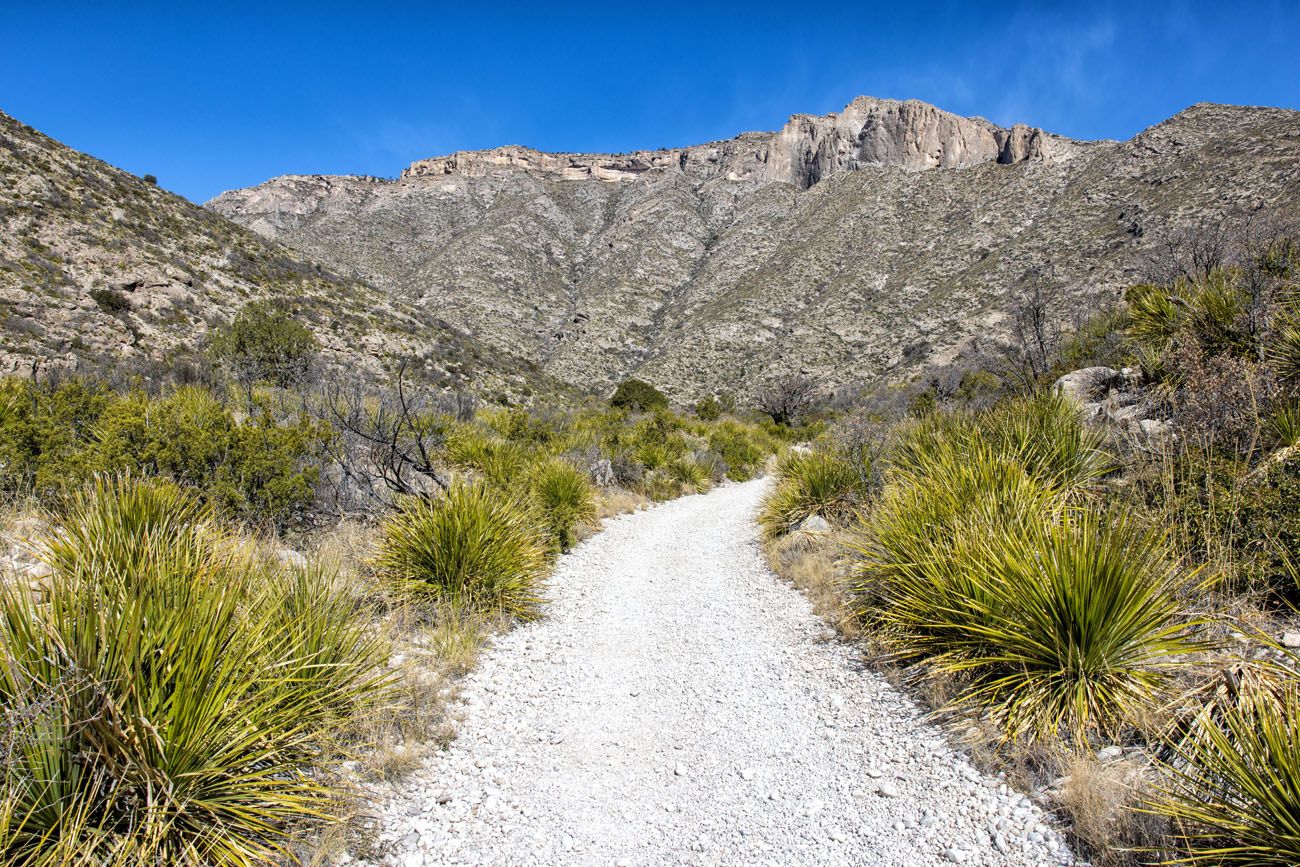
McKittrick Canyon Trail
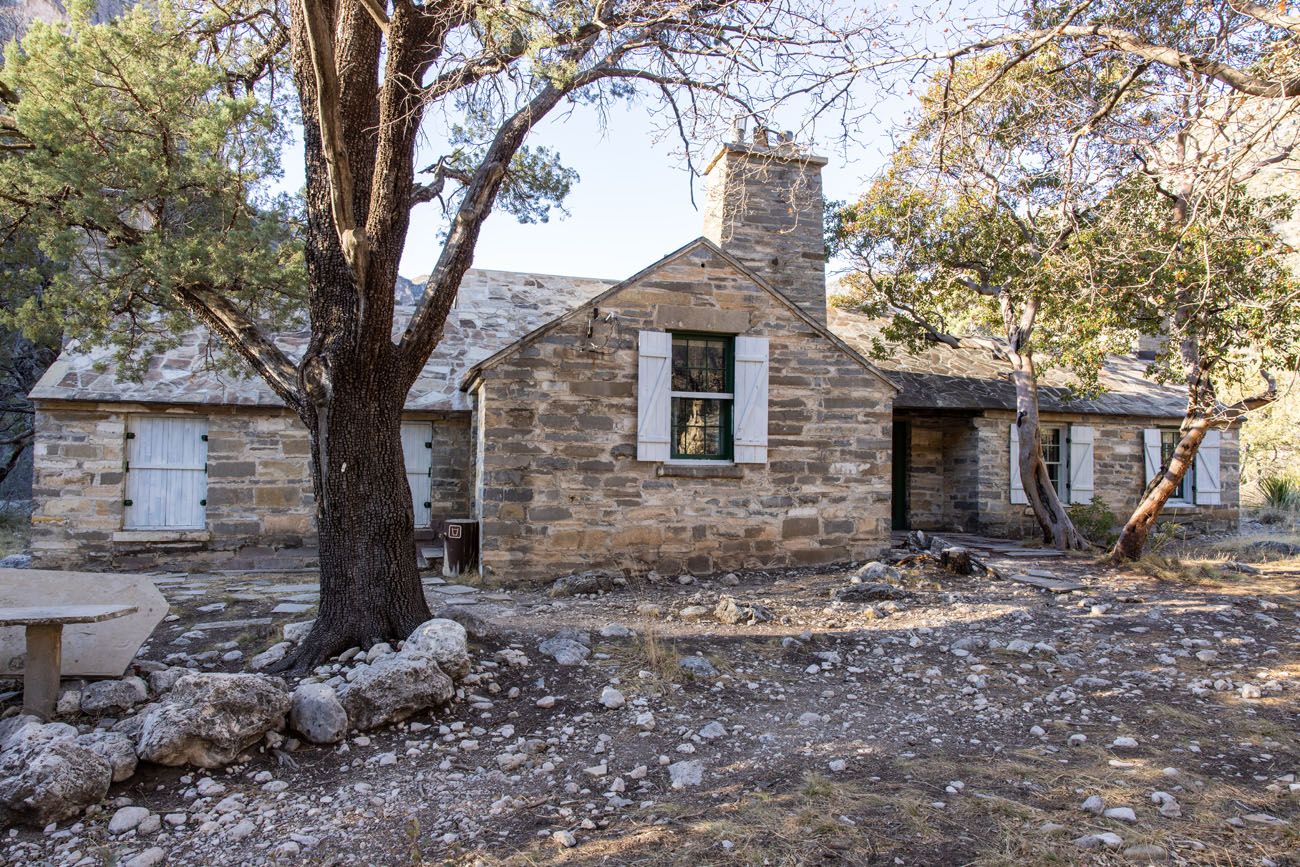
Pratt Cabin
We have a detailed McKittrick Canyon Trail Guide, which has all of the options, from hiking to Pratt Cabin and continuing on to the Grotto and the Notch ↓
How to Hike the McKittrick Canyon Trail to the Grotto and the Notch
Step-by-step trail guide for hiking the McKittrick Canyon Trail to Pratt Cabin, the Grotto, Hunter Line Shack, and the Notch.8. Hike to the Grotto and Hunter Line Shack
Distance: 7.25 miles out-and-back | Difficulty: Easy to Moderate | Total Ascent: 820 feet | Time: 2 to 5 hours
This hike continues on the McKittrick Canyon Trail beyond Pratt Cabin.
Beyond Pratt Cabin, the trail narrows, the gravel disappears, and now you are walking on a dirt singletrack trail. Again, the trail slowly and steadily heads uphill. There will be a few more places where you cross the wash.
From the McKittrick Canyon Trail, the detour to the Grotto is marked with a metal trail sign. The trail to the Grotto leads off to the left and heads downhill on a very rocky trail.
You have the option to continue on to the Hunter Line Shack and it takes about 4 to 5 minutes to walk here from the Grotto.
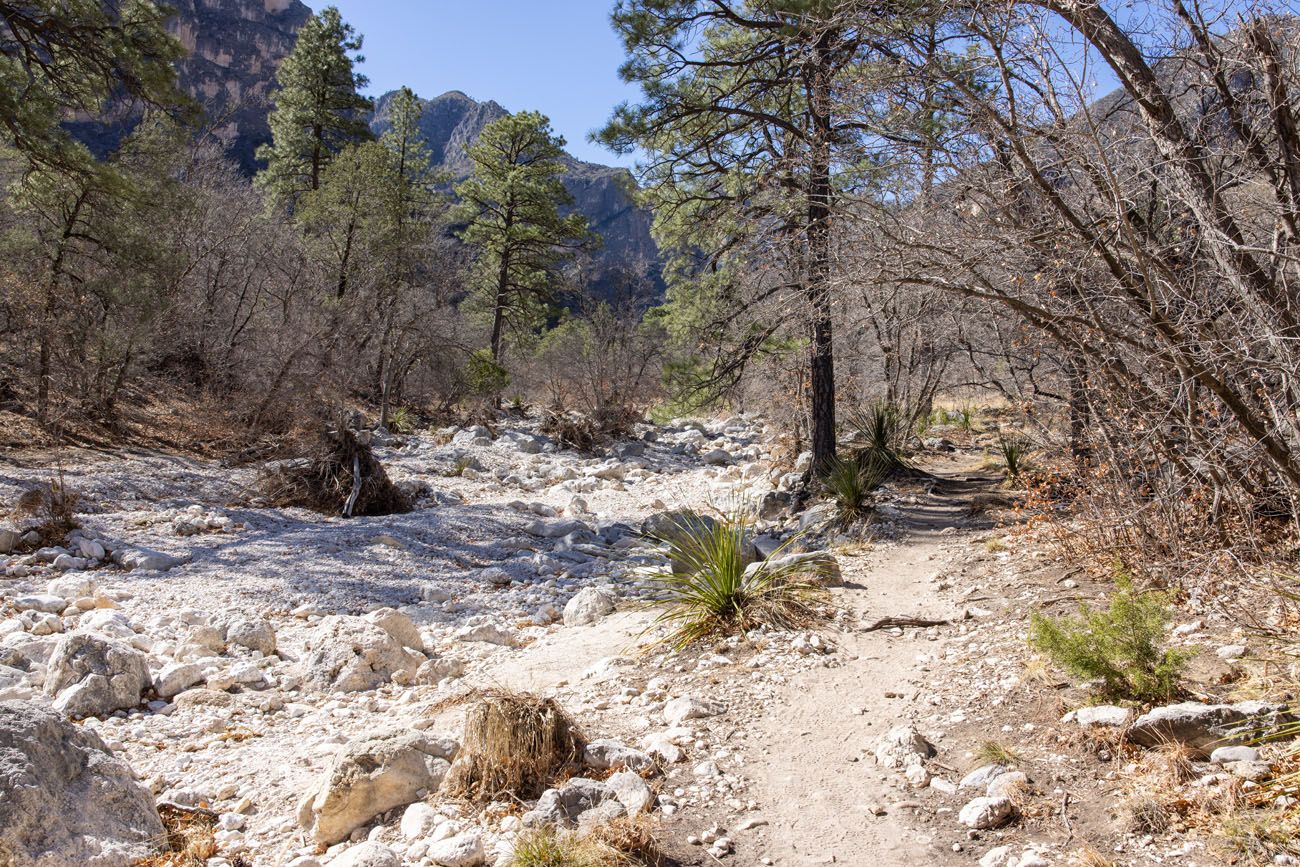
McKittrick Canyon Trail beyond Pratt Cabin
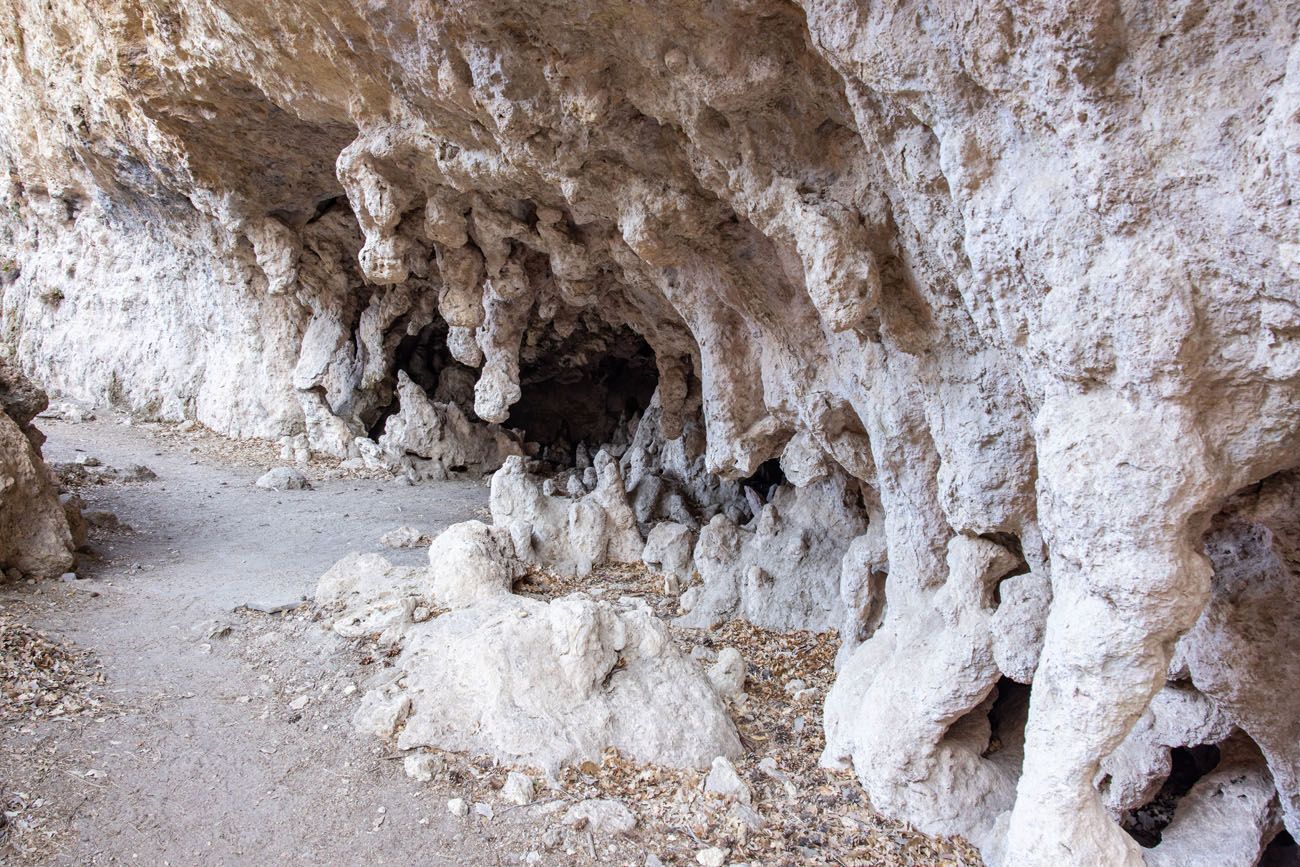
The Grotto
9. Hike to the Notch
Distance: 9.8 miles out-and-back | Difficulty: Moderate to Strenuous | Total Ascent: 1,675 feet | Time: 4 to 6 hours
On the McKittrick Canyon Trail, continue past the Grotto to get to the Notch.
Beyond the Grotto, the McKittrick Canyon Trail gets noticeably steeper and rockier. The trail switchbacks up McKittrick Ridge, rapidly gaining elevation as you head up into the mountains.
The final 0.25 miles up to the Notch is the most challenging. This is the steepest, narrowest, and rockiest part of the trail. But your reward, once you get to the Notch, are awesome views of McKittrick Canyon in both directions.
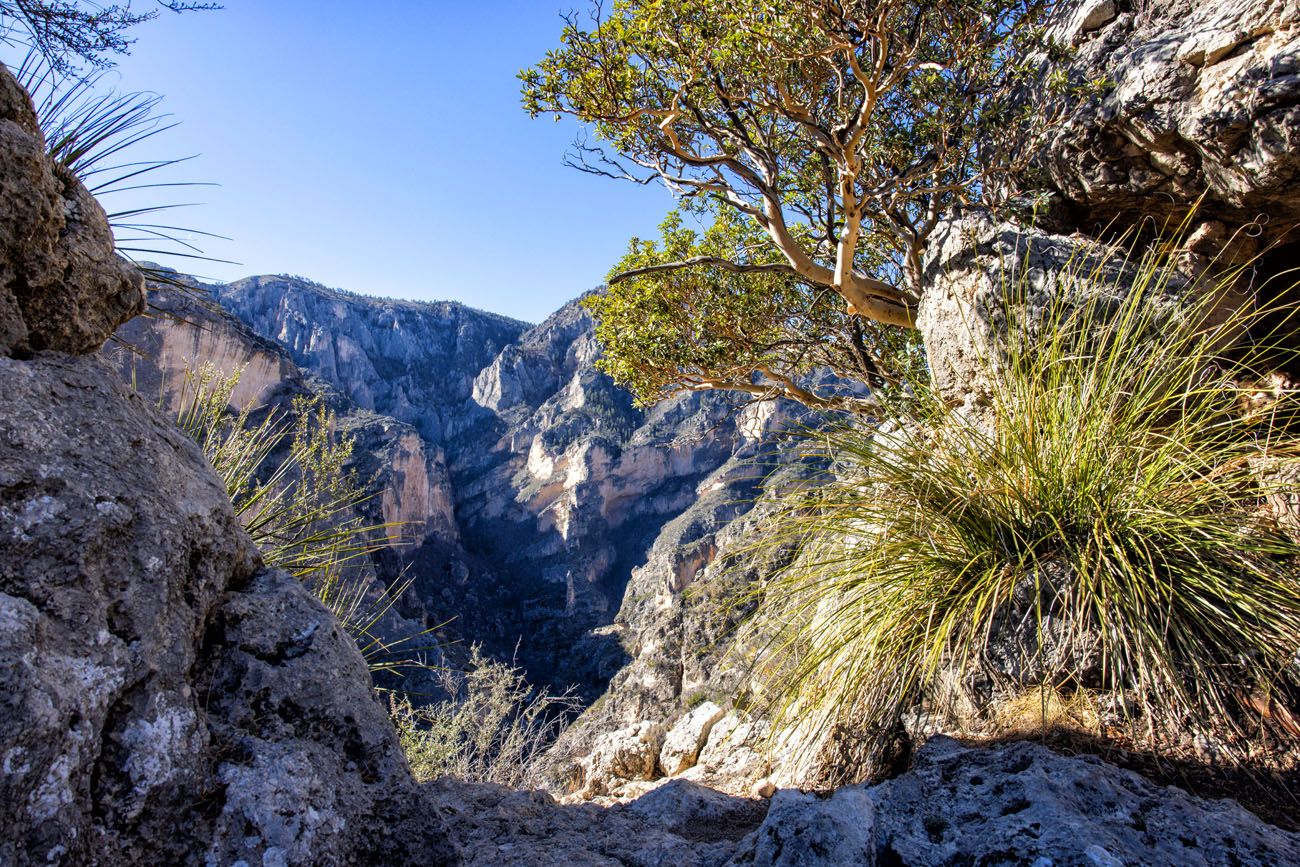
The Notch
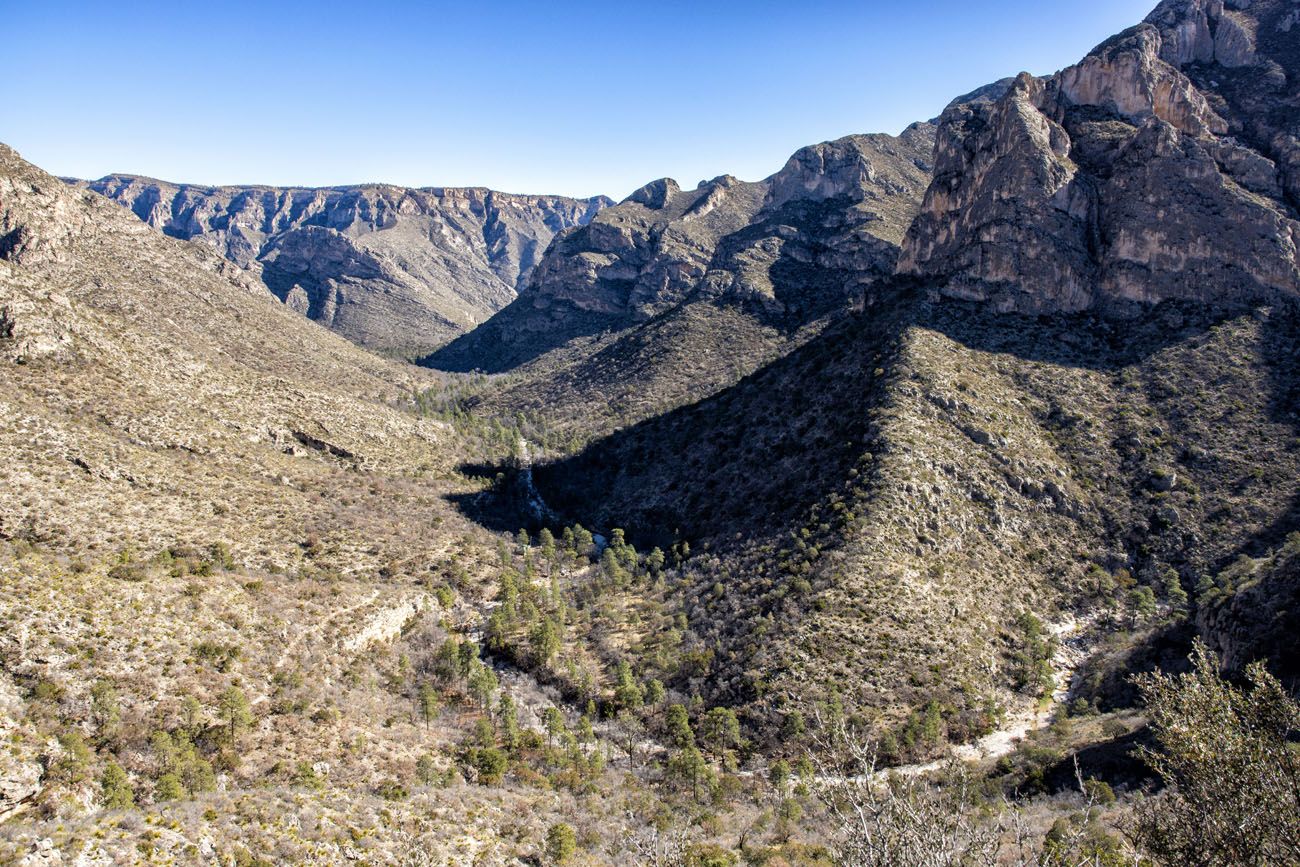
McKittrick Canyon from the Notch
10. The Permian Reef Trail, the Most Underrated Trail in Guadalupe Mountains
Distance: 9.75 miles out-and-back | Difficulty: Strenuous | Total Ascent: 2,670 feet | Time: 4 to 6 hours
There is a long list of hikes to do in this park and several that start in McKittrick Canyon. To cover as much ground as possible, Tim and I split up. I hiked the more popular trail to the Notch and Tim hiked the more challenging and lesser-known Permian Reef Trail.
I think Tim got the better deal.
We knew very little about the Permian Reef Trail before coming to Guadalupe Mountains. Most people hike the McKittrick Canyon Trail, since that one is easier and has several places to turn-around.
The Permian Reef Trail heads up onto Wilderness Ridge, the massive ridge that looms over McKittrick Canyon. It’s a tough hike to get up here, but on the way, you hike through a mini slot canyon and past unique rock formations. Once up on the ridge, the views are incredible.
The crowd levels on these two trails couldn’t be any more different. Over the course of almost 10 miles on the Permian Reef Trail, Tim saw 2 people. I, on the other hand, literally saw hundreds as I hiked back from the Notch to the parking lot.
Comparing notes and photos, Tim and I agree that the Permian Reef Trail is better than hiking the McKittrick Canyon Trail to the Notch. The views are better, the trail is more fun to hike, and there are far fewer people. The Permian Reef Trail is more challenging, since it climbs higher than the Notch, but the distance is about the same.
So, if you are trying to choose between the two, and you are looking for a trail with solitude and outstanding views, go for the Permian Reef Trail.
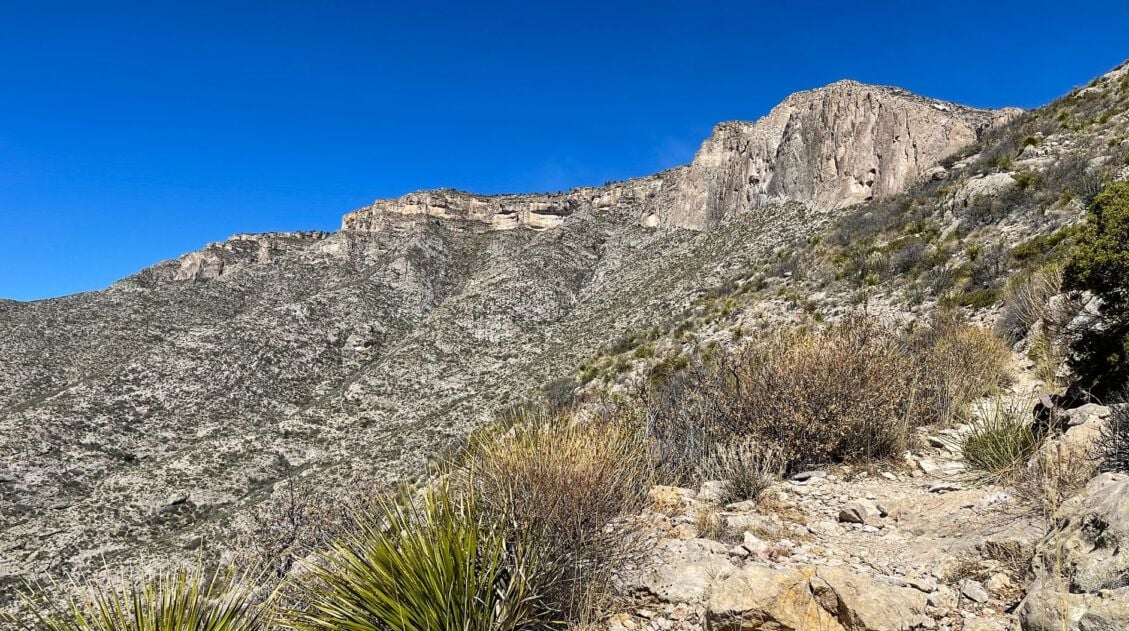
How to Hike the Permian Reef Trail in Guadalupe Mountains
Detailed guide to the Permian Reef Trail.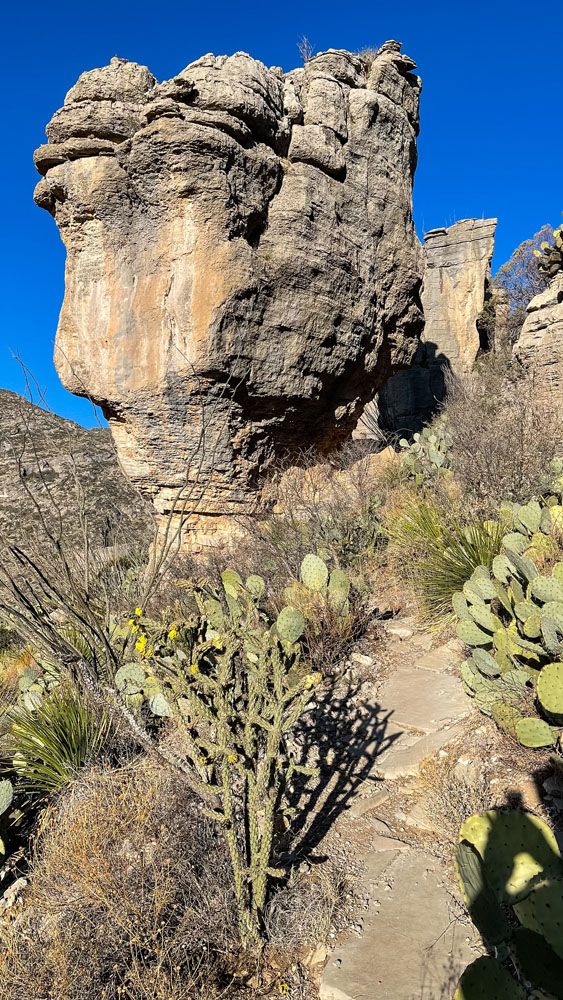
Rock formation on the Permian Reef Trail
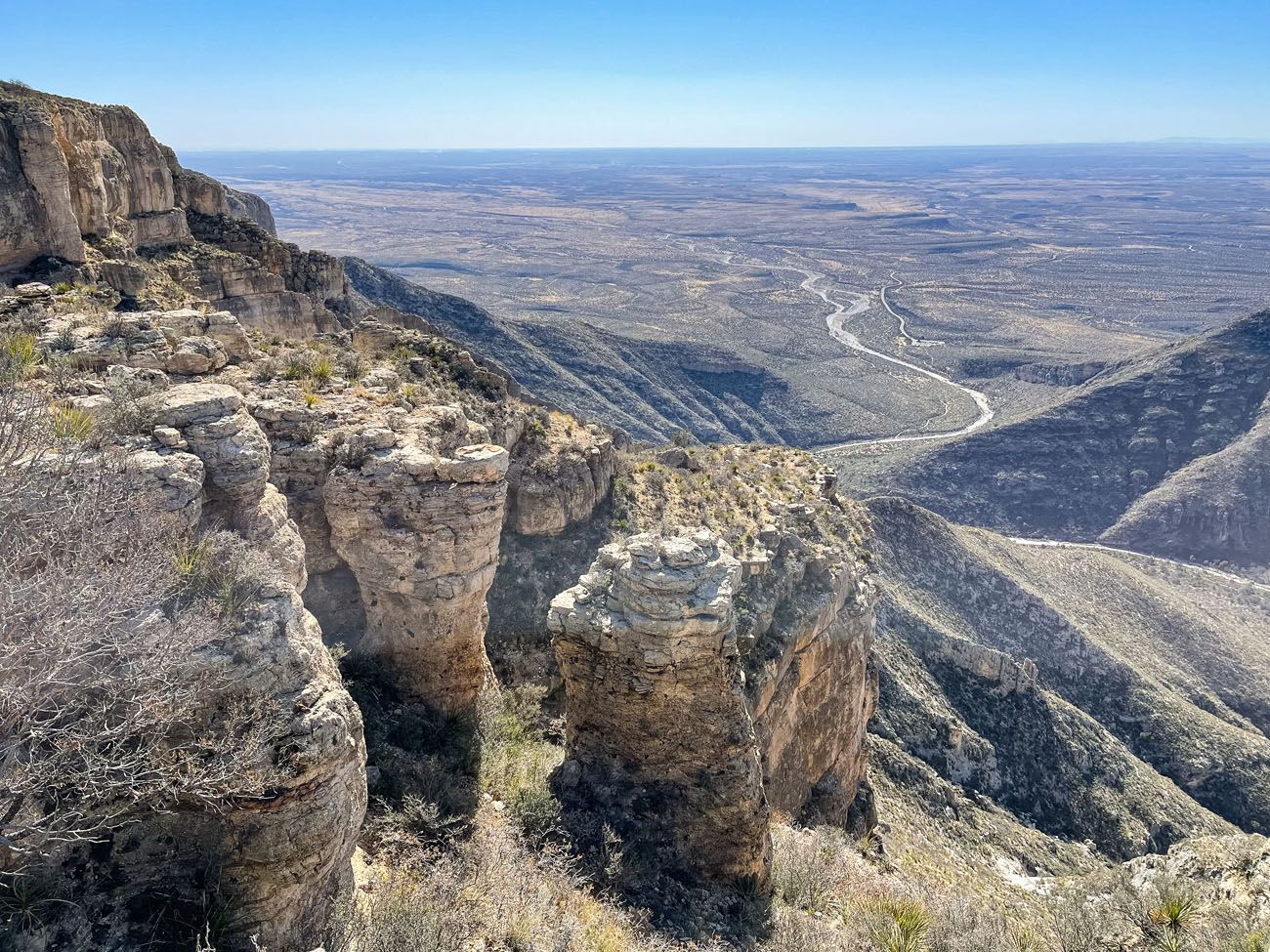
View from the Permian Reef Trail
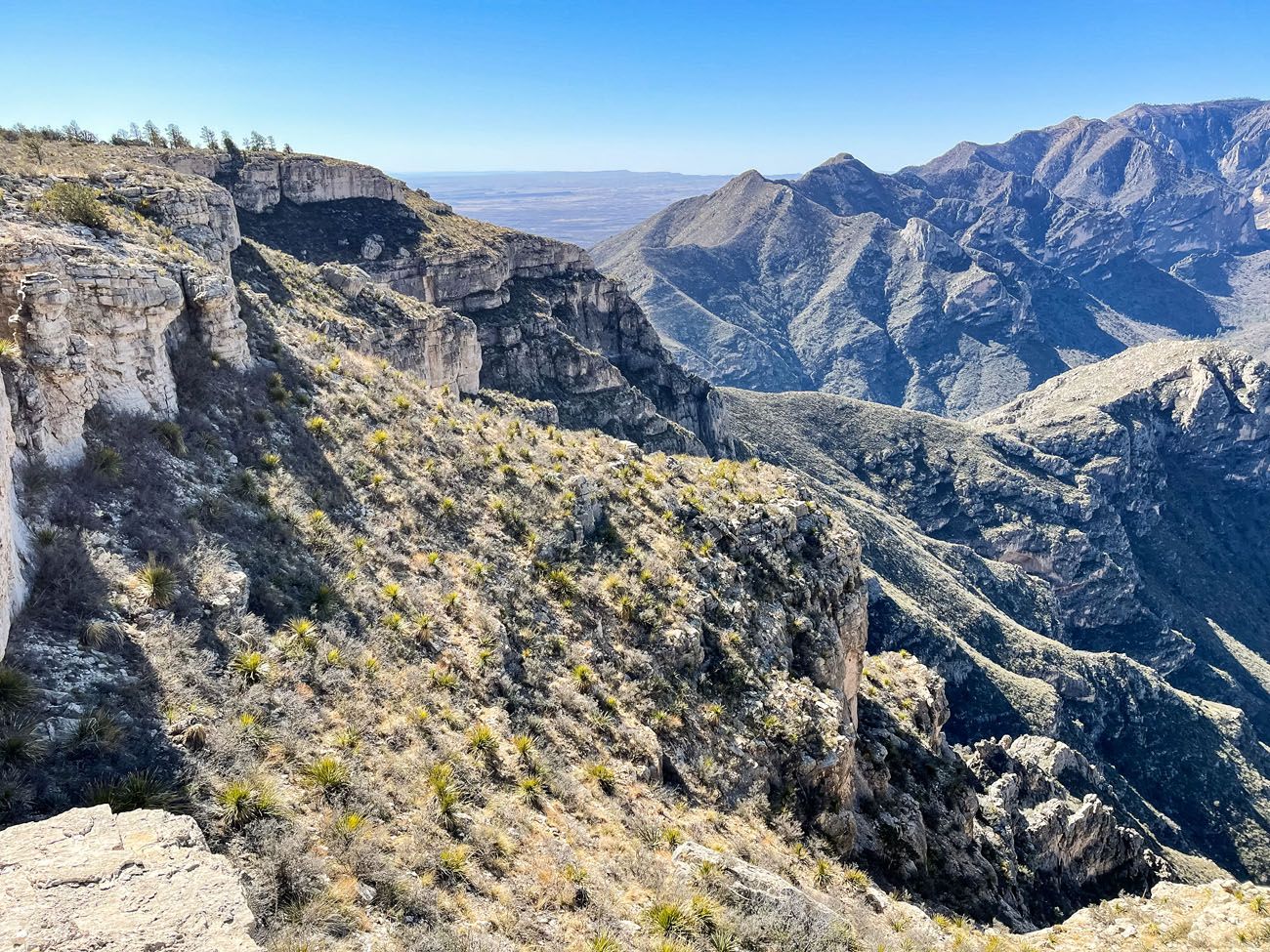
Another view from the Permian Reef Trail
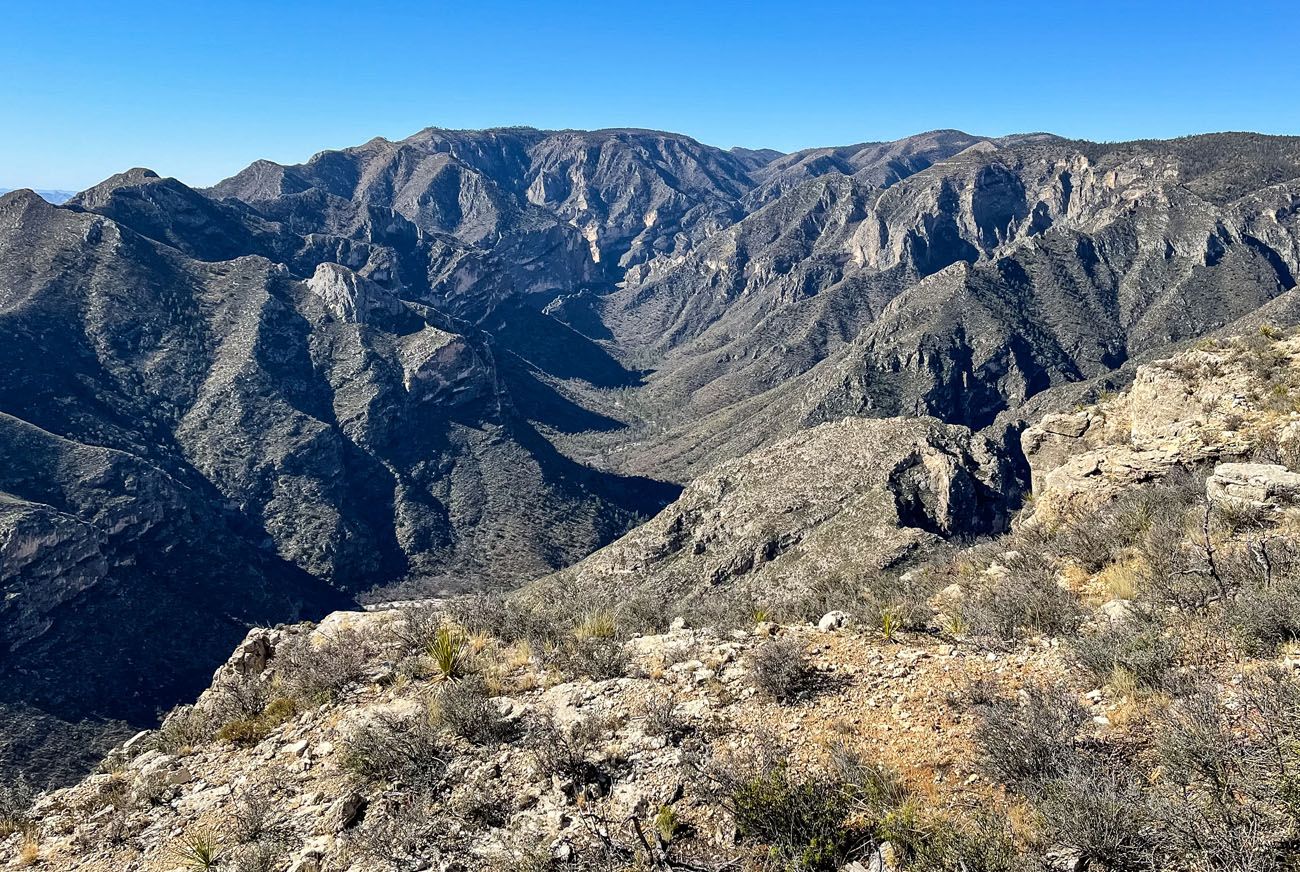
View of McKittrick Canyon from the Permian Reef Trail
11. McKittrick Nature Trail
Distance: 0.9-mile loop | Difficulty: Easy | Total Ascent: 250 feet | Time: 30 to 60 minutes
This loop trail briefly heads uphill for great views over McKittrick Canyon and to the Permian Reef. Signs along the trail identify the plants and animals that thrive in these desert conditions.
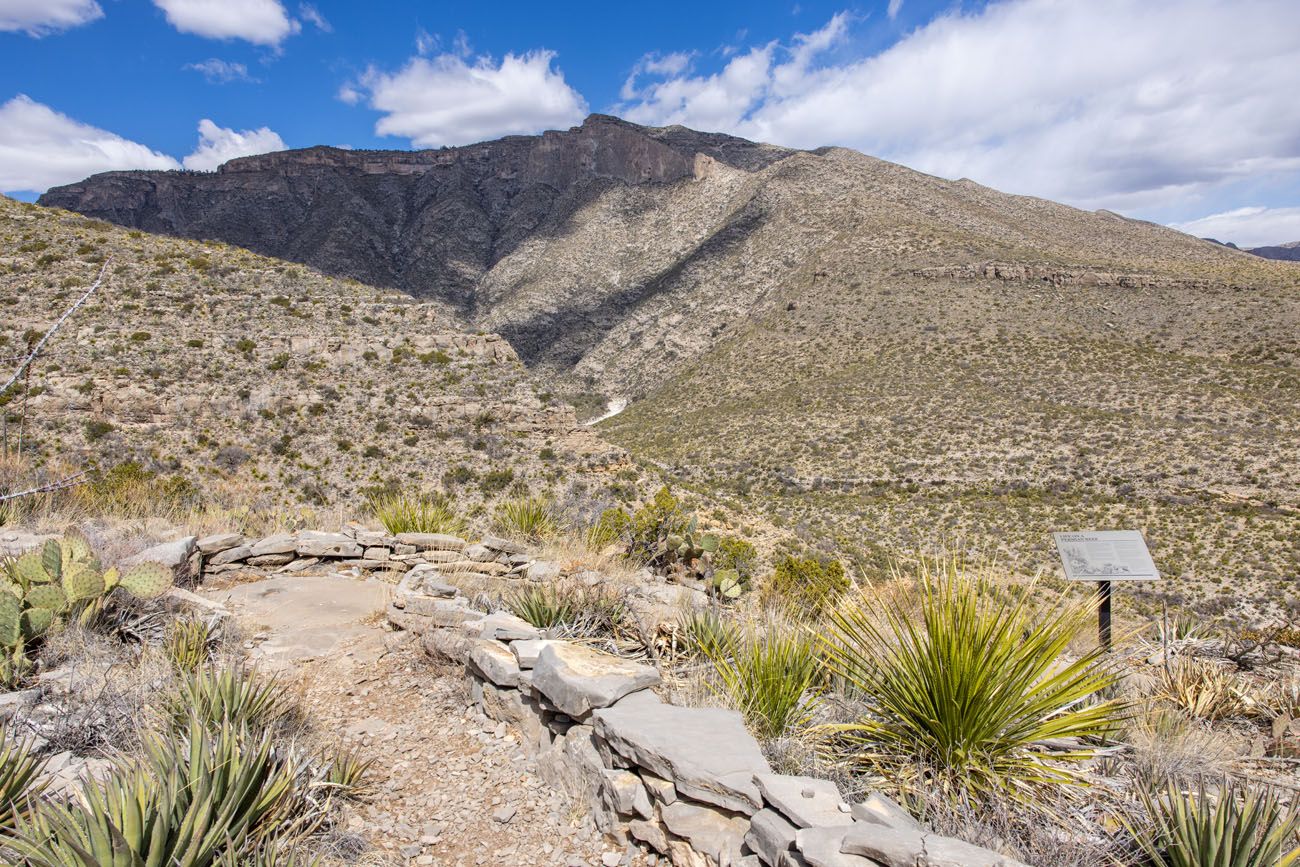
McKittrick Nature Trail
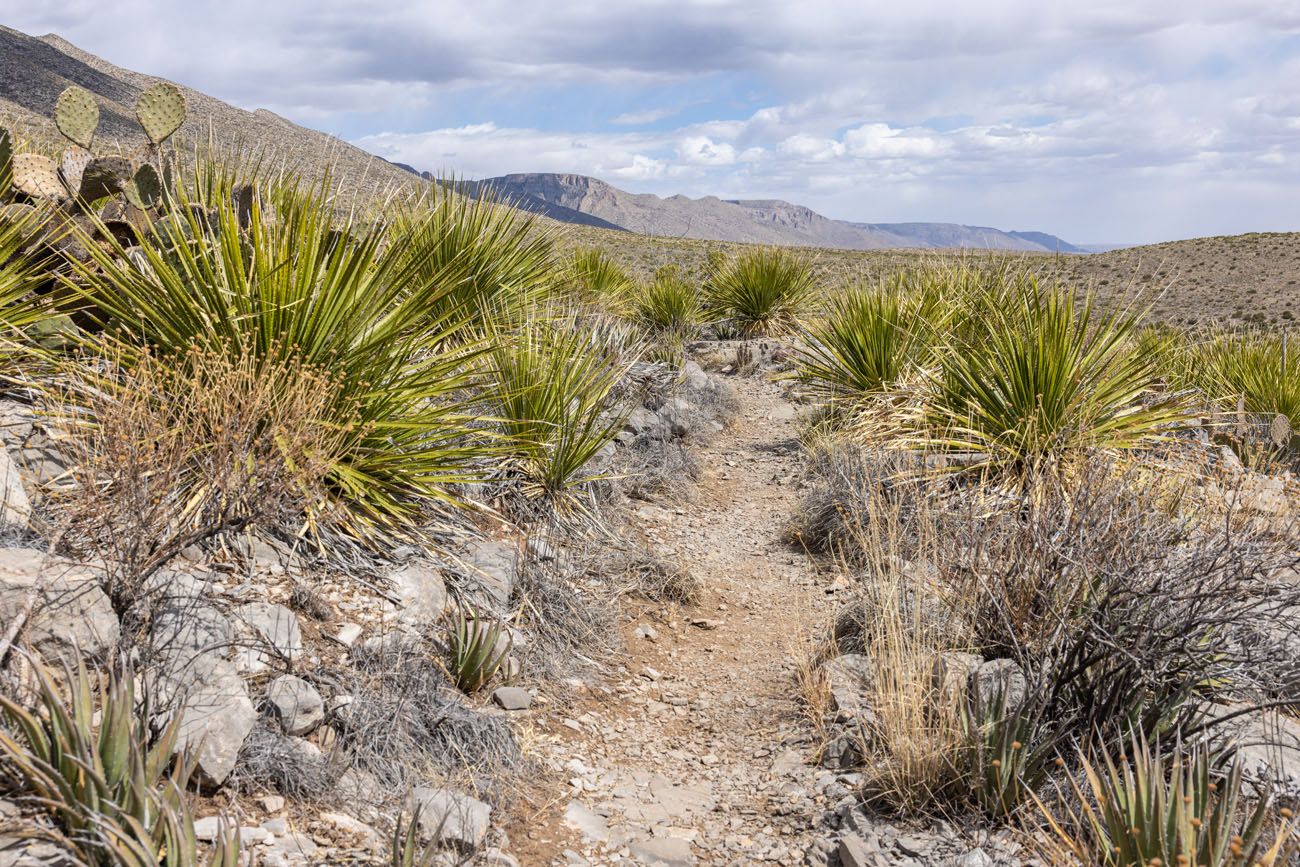
McKittrick Nature Trail
Dog Canyon Area
Dog Canyon is a remote area on the northern end of the park. To get here from Carlsbad, it is an hour and a half drive through ranches and tiny towns. It is a beautiful drive to get here and the road is paved the entire distance.
If you like the idea of leaving the crowds behind and going off-the-beaten-path, put Dog Canyon on your to-do list.
12. Hike the Tejas Trail to Lost Peak
Distance: 6.25 miles out-and-back | Difficulty: Moderate | Total Ascent: 1,650 feet | Time: 3 to 5 hours
There are several hiking trails that start in Dog Canyon and Lost Peak is the one that we did. We spoke to several park rangers, both at Pine Springs and Dog Canyon, and they all recommended Lost Peak as the top hike to do in this area.
Starting at the Dog Canyon Trailhead, hike the Tejas Trail to Lost Peak. At first, the trail is relatively flat and shady, as it heads through the canyon. About 1.5 miles into the hike, the trail starts its ascent up into the mountains and it is an uphill hike until you get to Lost Peak.
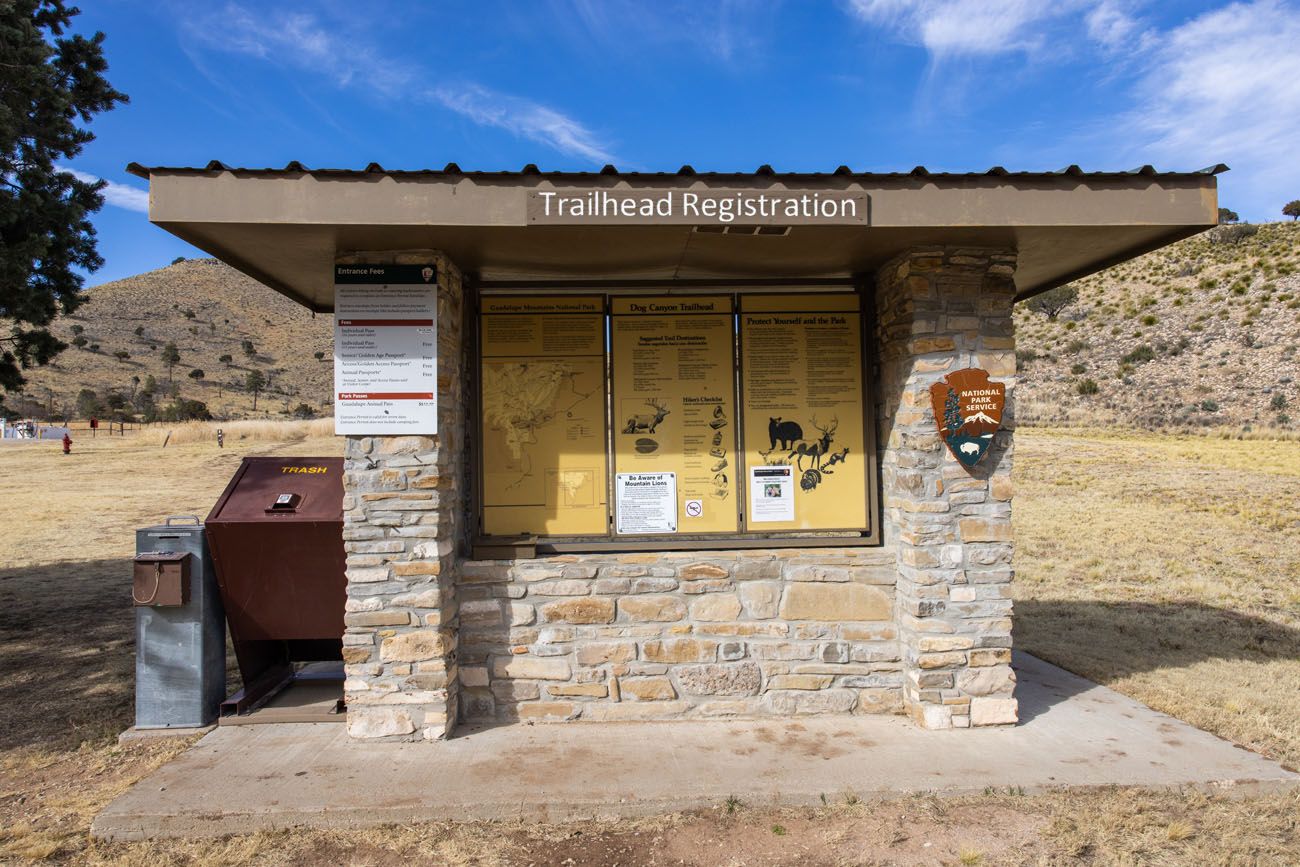
Dog Canyon Trailhead
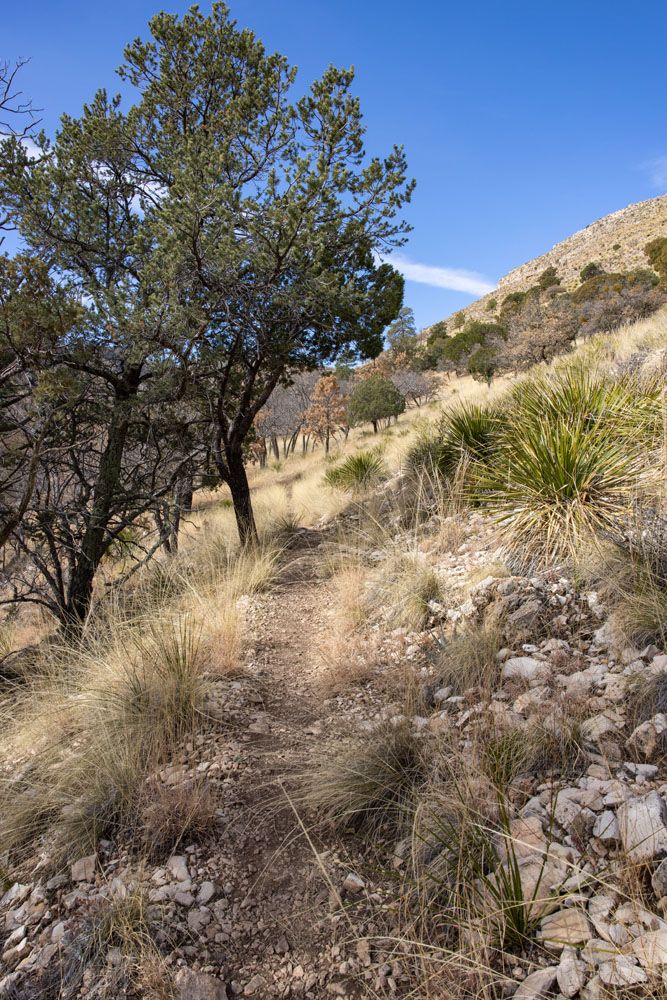
Tejas Trail
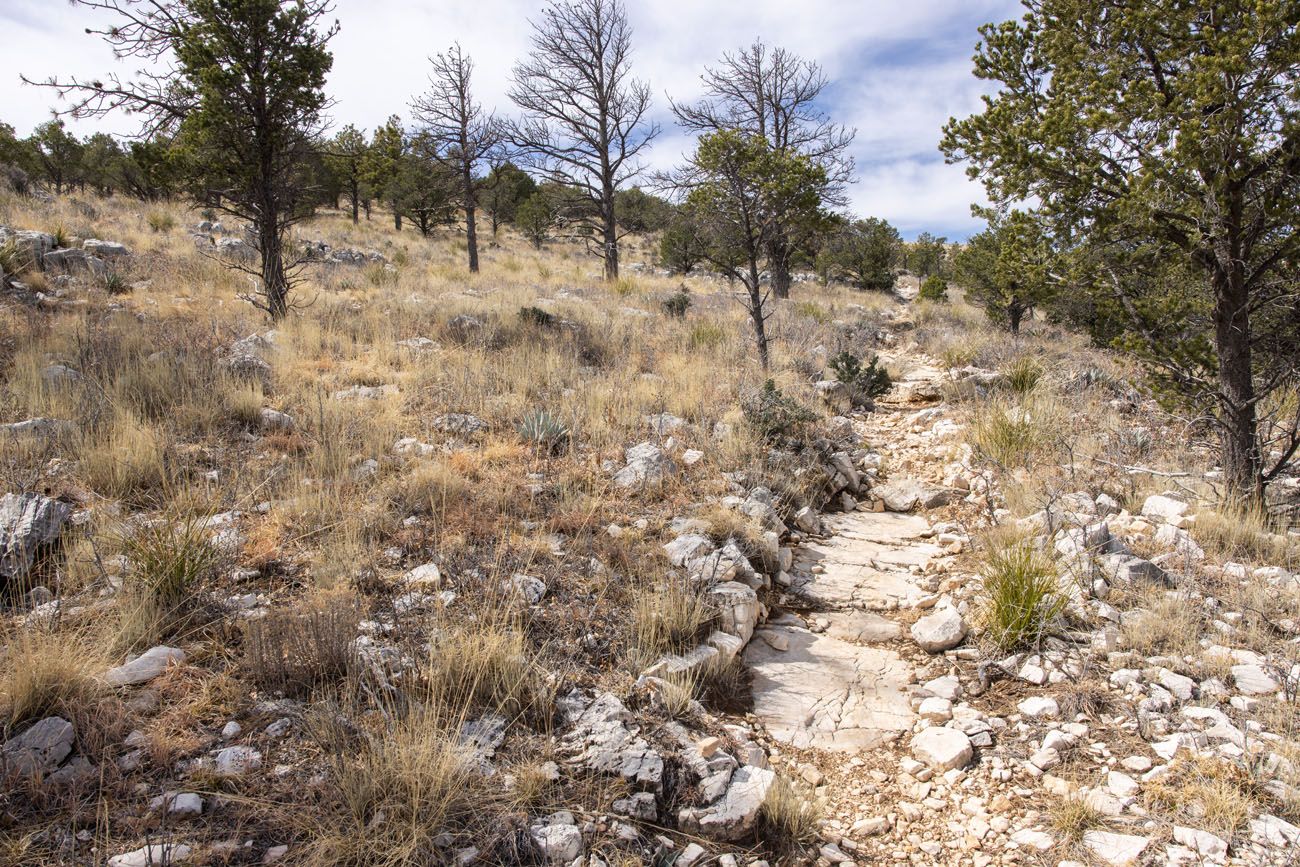
Tejas Trail closer to Lost Peak
There is no maintained trail to Lost Peak. The park ranger said that we would have to hike off trail to get to the peak.
Tim and I both wear Garmin Fenix watches and the trail maps show the location of Lost Peak, so we knew when and where to head off trail towards the peak. This is at about the 3-mile point. From the Tejas Trail, look to the right and you should be able to see the top of Lost Peak. It is marked with a large rock cairn.
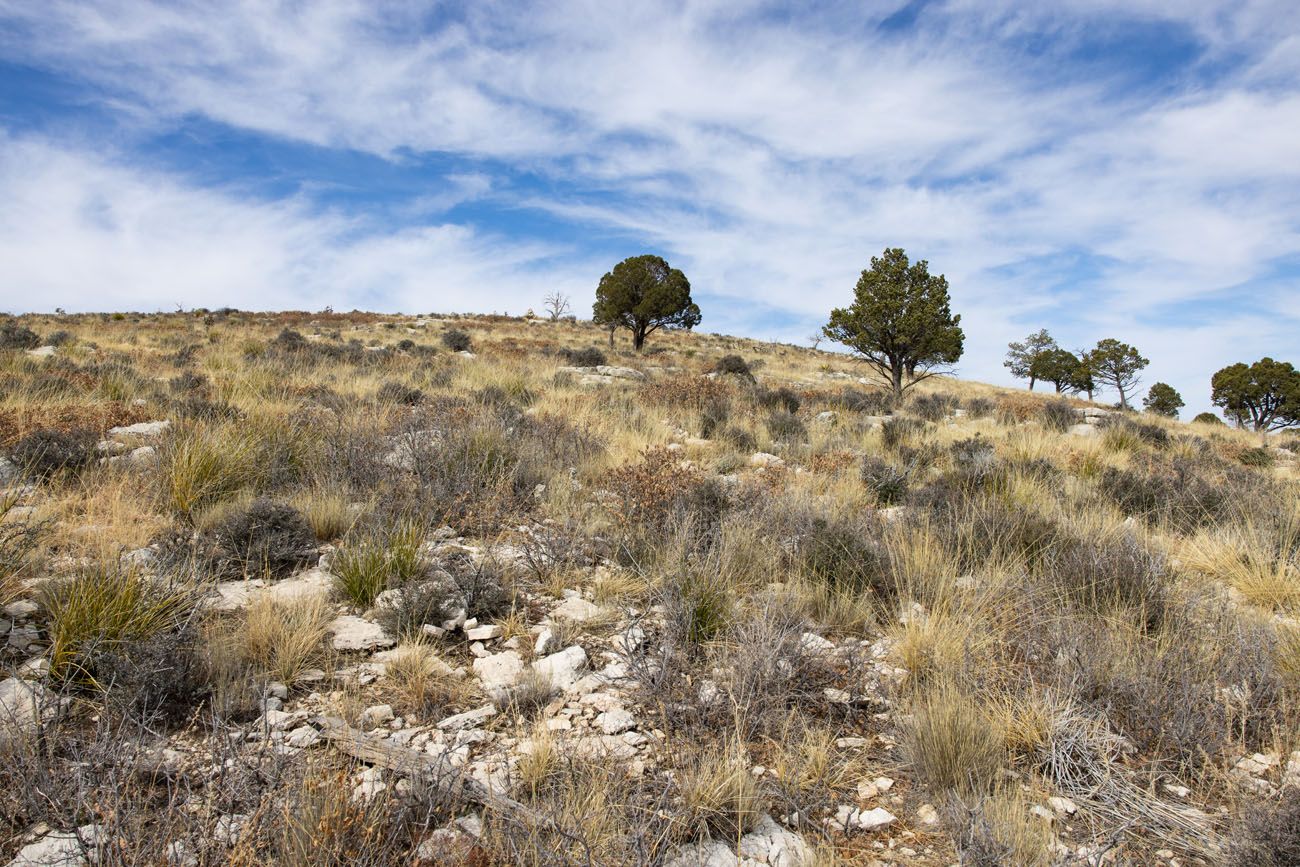
View of Lost Peak from the Tejas Trail. If you look closely, there is a rock cairn marking Lost Peak.
We hiked through the brush to the peak, doing our best to keep our feet on the rocks so that we would not trample the plants. There are a lot of thorny shrubs so I recommend wearing lot pants to protect your skin.
From the top of the peak, enjoy the view. It’s not quite as good as Guadalupe Peak. However, it’s an easier hike and we saw a total of three people on this trail.
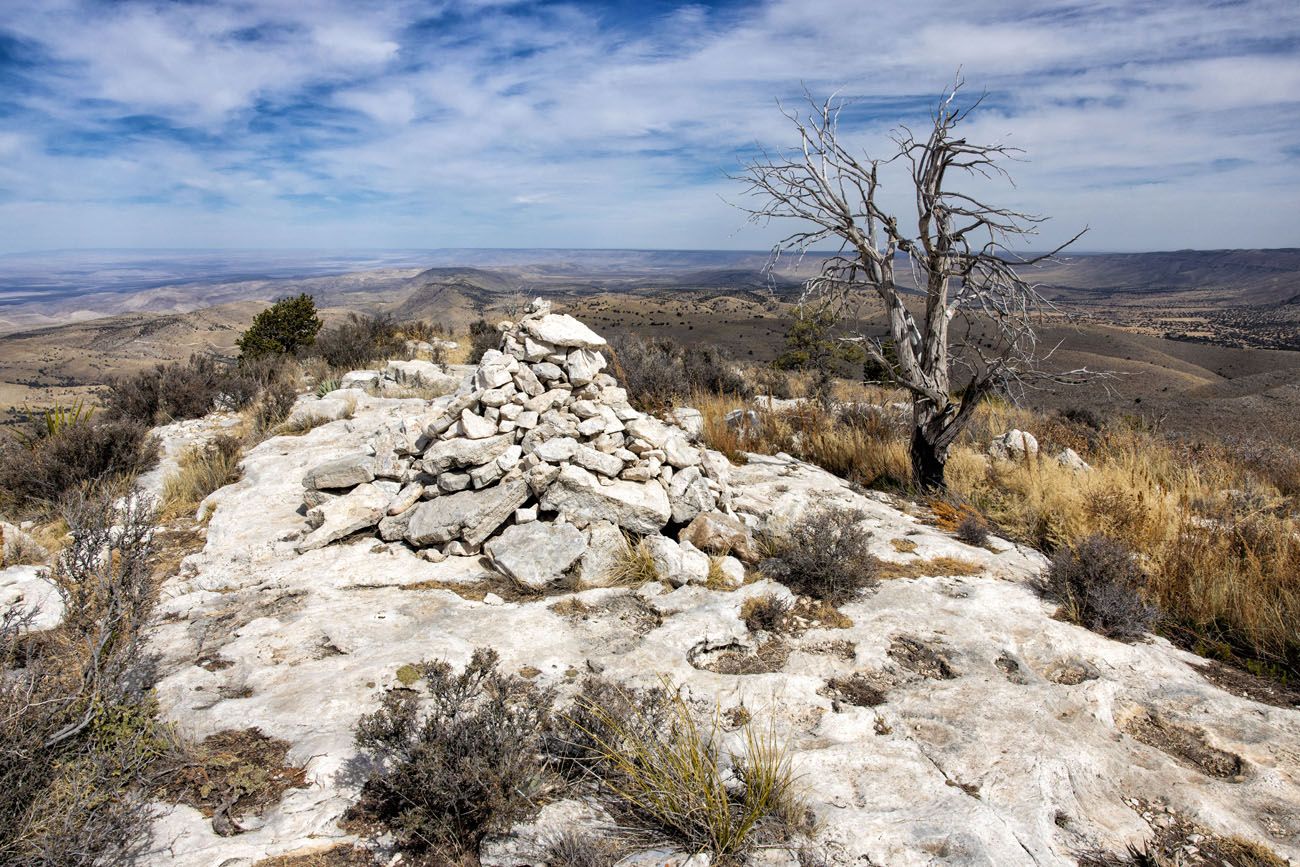
Lost Peak
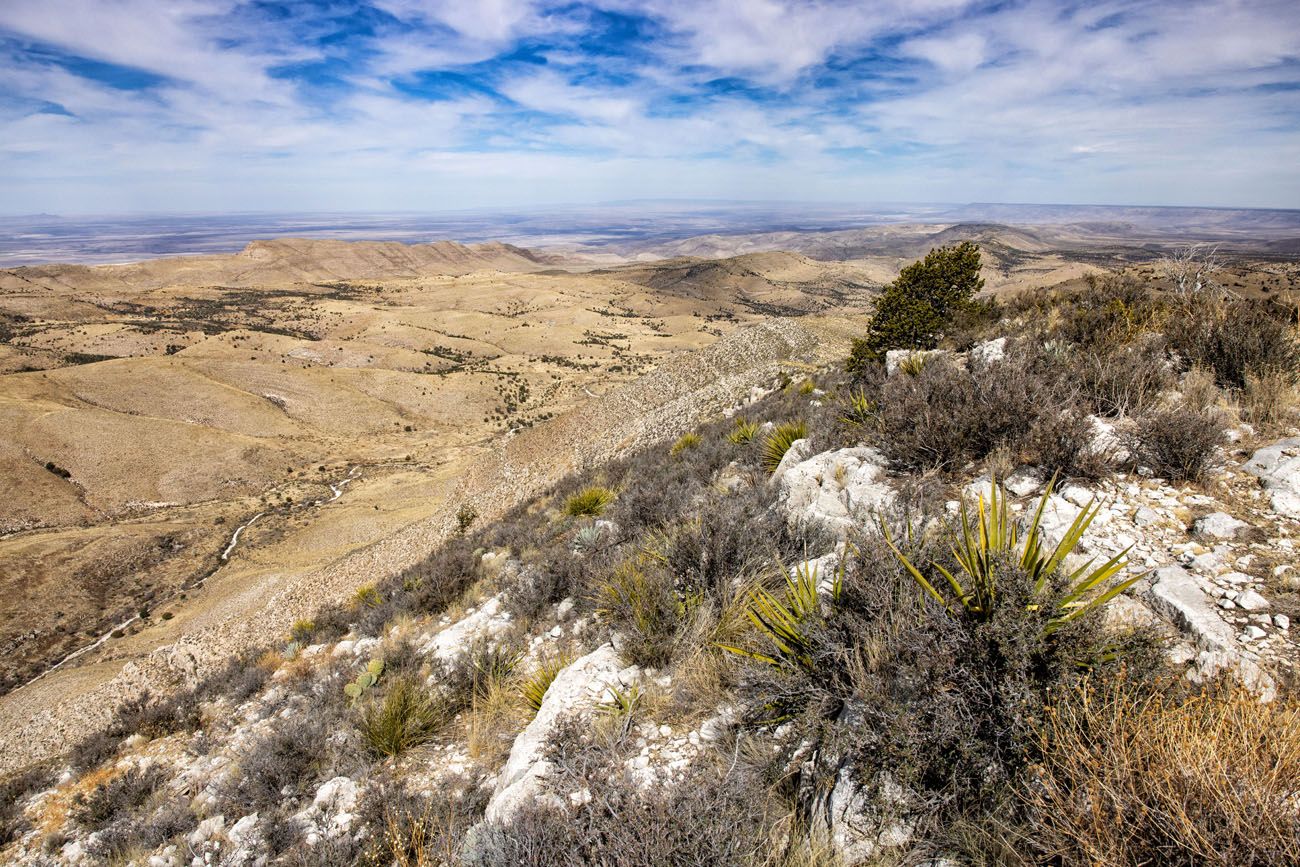
View from Lost Peak
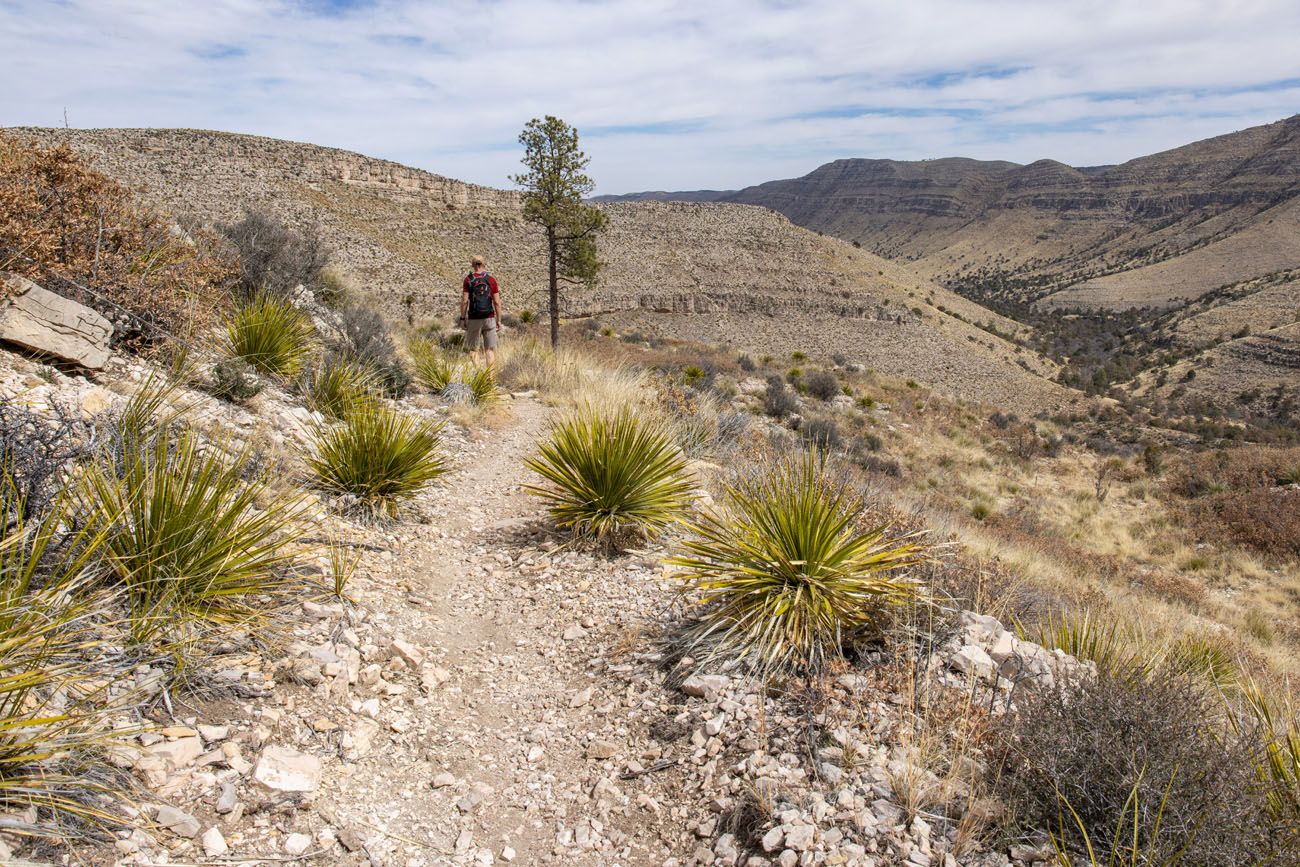
View of Dog Canyon on the return hike
McKittrick Canyon or Lost Peak? Of the two areas, Tim and I liked Dog Canyon more. We loved the remote feel of this part of the park. I liked Lost Peak more than hiking to the Notch…I liked the views more and loved that fact that we were almost totally on our own. However, Tim liked the Permian Trail more than Lost Peak.
13. Hike to Marcus Overlook
Distance: 5.2 miles | Difficulty: Moderate | Total Ascent: 825 feet | Time: 2 to 5 hours
This trail leads to a viewpoint of the western side of the Guadalupe Mountains.
We did not hike this trail. However, we met two backpackers on the Tejas Trail who hiked both to Marcus Overlook and Lost Peak. They told us that the view from Marcus Overlook was nice but Lost Peak was better. That also confirms what we were told by the park rangers.
However, the hike to Marcus Overlook is shorter, so if you don’t want to do a long hike, this is one to consider.
Western Side of the Park
14. Visit the Amazing Salt Basin Dunes
This is another remote region of Guadalupe Mountains National Park.
The Salt Basin Dunes are gypsum dunes, similar to those at White Sands National Park. However, the dunes in Guadalupe Mountains are smaller and covered with vegetation.
HELP PROTECT THIS AREA: Since these dunes are covered with plants, sledding is not allowed on the Salt Basin Dunes. Areas of the dunes are covered in a cryptobiotic crust, a dark, crusty layer that is home to lichen and fungi that provide nutrients for the plants and help stabilize the soil. Do not step on this crust.
From the parking area, it is just over a 1-mile walk one-way to get to the dunes. This trail is flat and sandy. Since the Salt Basin Dunes sit at a lower elevation than the rest of the park, it will most likely be warmer here than at Pine Springs or McKittrick Canyon. There is no shade on the trail so bring water, sunblock, and sunglasses.
We didn’t walk far into the dunes, just far enough to take a few photos. This is one of my favorite parts of Guadalupe Mountains National Park. The views of the Guadalupe Mountains, the beautiful snow-white dunes, and low crowds make this one of the best things to do in Guadalupe Mountains National Park.
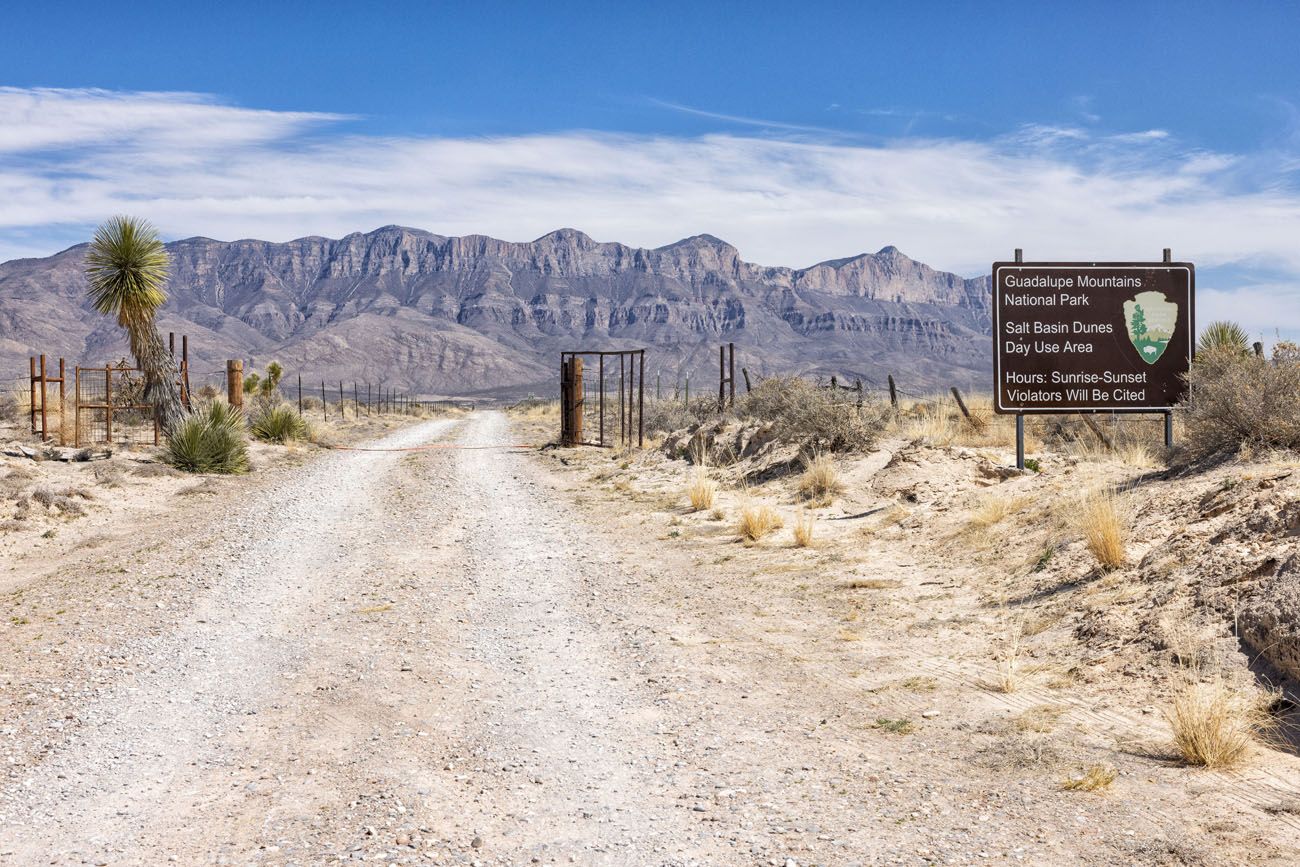
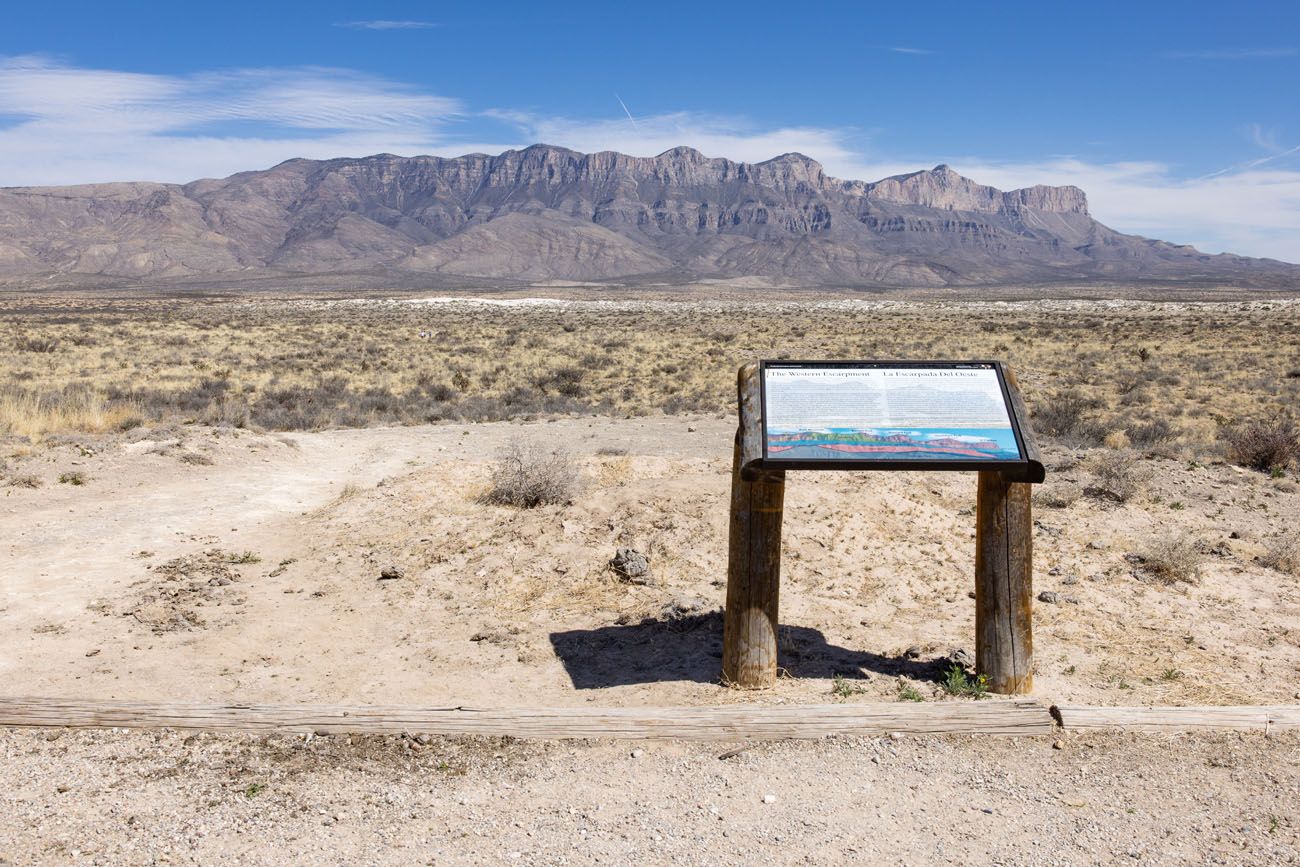
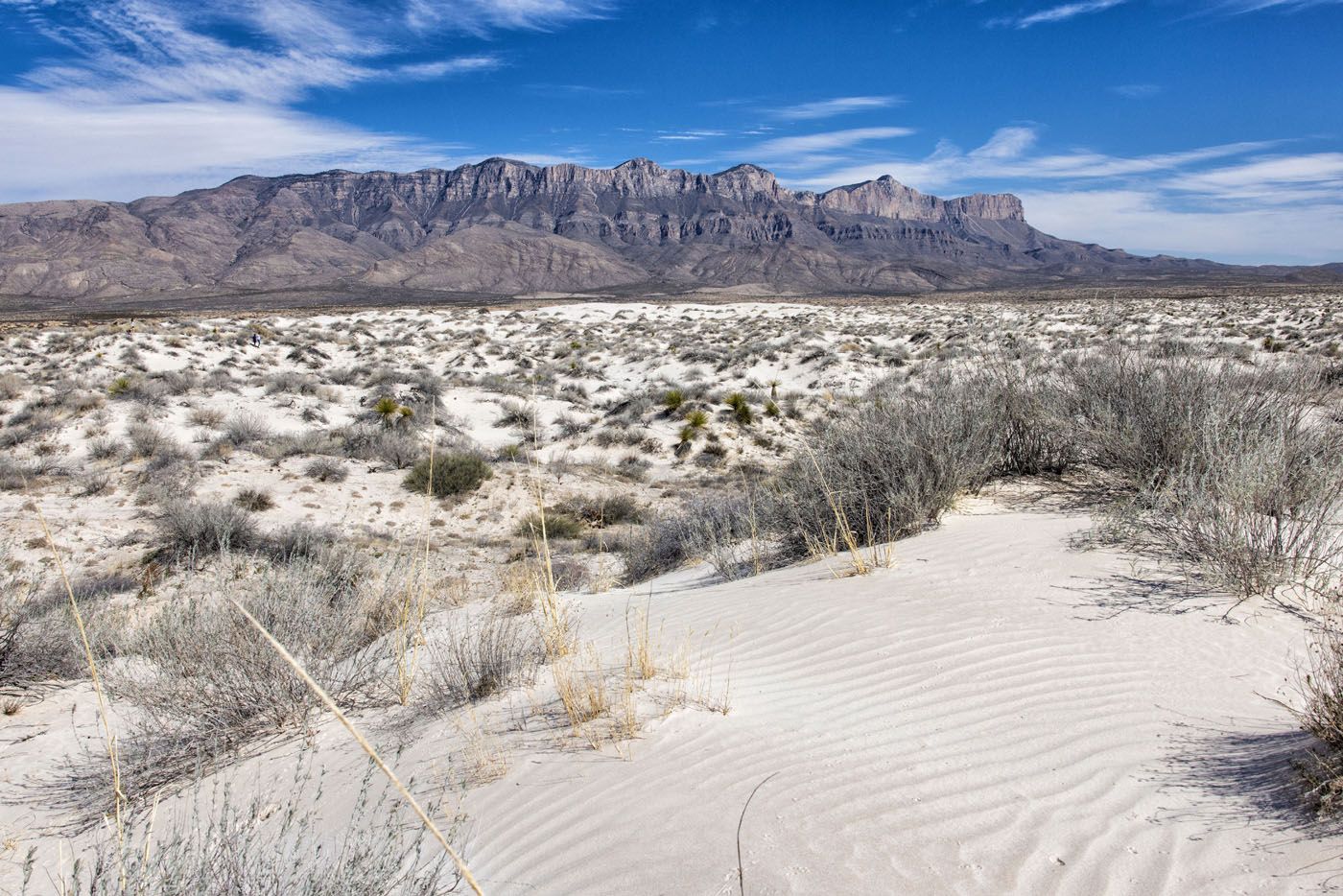
Salt Basin Dunes
GETTING HERE FROM PINE SPRINGS: From the Pine Springs Visitor Center, it takes an hour to drive here. Google Maps can route you to the dunes, just be aware that you will not have any cellular service once you leave the Pine Springs area. We did not have cellular service in and around the sand dunes. From Highway 62, turn right on FM road 1576 and take this for 17 miles. Turn right on Williams Road and take this for 7.5 miles. The road ends at the parking lot. Williams Road is a well-packed clay road but it can be impassable and slippery when wet.
GETTING HERE FROM DOG CANYON: From Dog Canyon, you will drive on some very remote unpaved roads, but it is a lot quicker to go this way than heading to Carlsbad and driving US Highway 62/180 to get here. We used Google Maps, caching the maps while in Carlsbad (we did not have cellular service in Dog Canyon). The driving route is on our map above. The gravel roads are well graded and suitable for standard vehicles, just as long as it is not wet or raining. It took us 1 hour and 45 minutes to drive from Dog Canyon to the dunes (Google says it will take 2.5 hours). The first half of the drive is on a gravel road, then the road is a paved road until you get to Williams Road, which is a clay road. We had zero cellular service for the entire drive (know how to change a flat tire and have plenty of gas, food, and water if you plan to take this route). We did this drive in a Toyota Forerunner.
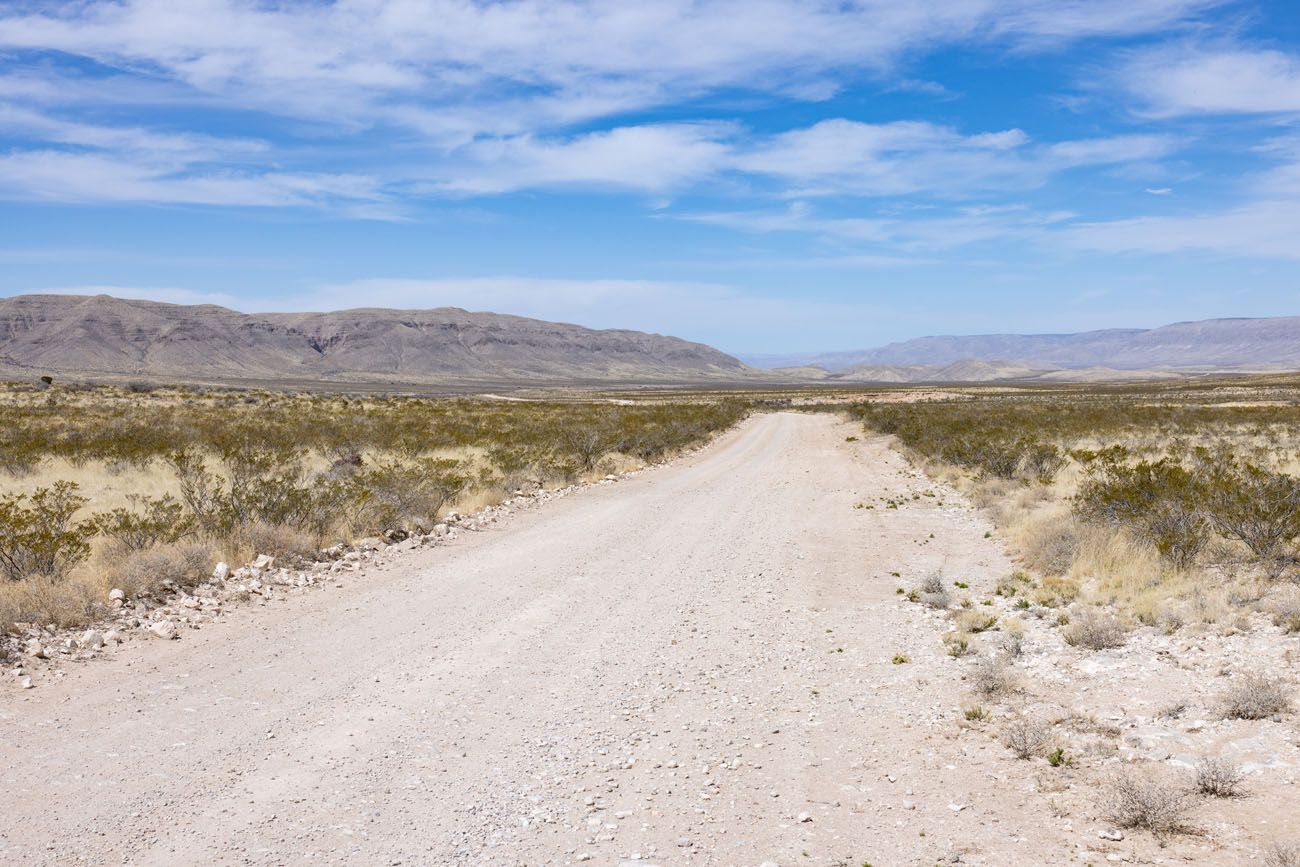
G008 in New Mexico
15. Visit Williams Ranch
Williams Ranch is a remote ranch located in the southwestern part of the park. To get here, you will drive on a very rough gravel road. A high-clearance 4×4 vehicle is a must, because of the large boulders and obstacles along this road.
We did not do this, since the road was closed for storm damage during our visit. Learn more about the road and get updates on its reopening here.
Is Guadalupe Mountains National Park Worth It?
Yes, for the right traveler. If you love hiking, prefer parks without the crowds, are working your way through all 63 national parks, or are road tripping through west Texas and the surrounding area, Guadalupe Mountains is absolutely worth your time. It pairs naturally with Carlsbad Caverns, and it fits well into a broader west Texas and New Mexico itinerary that includes White Sands and Big Bend.
If you’re comparing it to Big Bend, which many road trippers do since both parks are in west Texas, we’d give the edge to Big Bend. The South Rim Trail with the Emory Peak add-on, the Rio Grande, Balanced Rock, and the unique experience of spending time in Terlingua all add up to a more varied experience overall.
That said, if you have the time for both, do both. They’re different enough that one doesn’t replace the other.
How Many Days Do You Need in Guadalupe Mountains National Park?
How many days to you need in Guadalupe Mountains National Park? The answer to that question really depends on what you want to get out of your visit.
If you simply want to hike to Guadalupe Peak, to brag that you stood on the Top of Texas, one day is all you need in Guadalupe Mountains National Park.
With two days, you can hike and explore two regions of the park.
But if you want to thoroughly explore the different regions of the park, then plan on spending at least three days here.
Here is our 3-day itinerary for Guadalupe Mountains National Park:
Day 1: I hiked the McKittrick Canyon Trail to the Notch while Tim hiked the Permian Reef Trail. I finished the Notch in 3.5 hours and Tim finished the Permian Reef Trail in 4 hours so we still had a lot of time left in the day. In the afternoon, we hiked the McKittrick Nature Trail together, then visited the El Capitan Lookout for photos, and walked to Manzanita Spring from the Frijole Ranch.
Day 2: Guadalupe Peak + Devil’s Hall hike (we combined these two hikes as a loop)
Day 3: Dog Canyon and the hike to Lost Peak in the morning. In the afternoon, we drove to and visited the Salt Basin Dunes, then drove to El Paso for a flight home the following day.
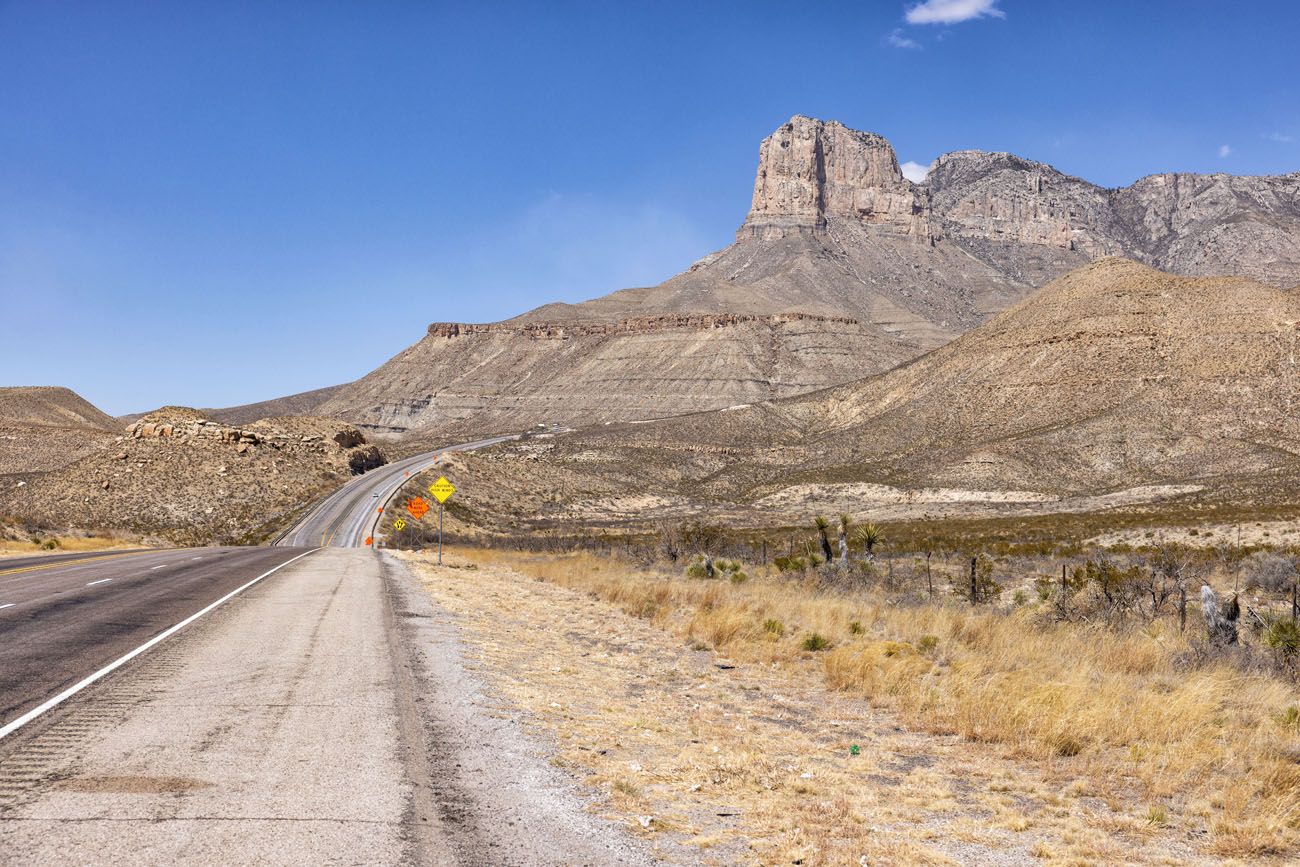
Highway 62/180 as it heads into Guadalupe Mountains National Park
Best Time to Visit Guadalupe Mountains National Park
In general, fall, winter and spring are great times to visit Guadalupe Mountains National Park. Temperatures are mild and you can avoid the high temperatures that occur during the summer months.
Here is what to expect by season:
SPRING: High temperatures range from the low 50’s to the high 60’s. This is one of the driest times to visit the park but you can have days with very high winds. On one of the three days we were here, wind gusts reached 45 mph, which can make hiking the Guadalupe Peak miserable and even a bit dangerous. March is one of the busiest times to visit the park since this coincides with spring break in Texas (in particular, the second week of March).
SUMMER: Since the park sits at 5,000 feet, daytime highs aren’t too bad. The average high at the peak of summer is in the high 80’s, but during a heat wave, the temperature can hit 100°F. This is also the wettest time to visit Guadalupe Mountains National Park.
FALL: High temperatures range from the 70’s to the 60’s, cooling off as it gets closer to winter. Rain chances are slightly higher in the fall than in the spring. But if you plan your visit for the end of October into early November, you can see the fall colors in the park.
WINTER: In the winter, temperatures are cool, usually sitting in the 50’s during the day. The weather is dry but there is a small chance the area could get a dusting of snow.
OUR VISIT IN MARCH: We visited Guadalupe Mountains on March 14, 15, and 16, 2022. This coincided with spring break. The park was crowded but we got an early enough start that the hiking trails were empty, at least until we began the return hike back to our car. We had beautiful weather, with it getting slightly warmer each day, with high’s ranging from the low 60’s to the low 80’s. On our first day in the park, winds were high so we hiked the McKittrick Canyon trails, which were more sheltered, and saved Guadalupe Peak for the next day when the weather was calmer.
Guadalupe Mountains National Park appears in our Best US National Parks Month-By-Month series as a great park to visit in March, April, and October.
How to Get to Guadalupe Mountains National Park
Guadalupe Mountains National Park is located in west Texas.
The closest major airport is the El Paso International Airport, and from here it takes an hour and 45 minutes to drive to the park. You can also fly in or out of the Midland International Air and Space Port in Midland-Odessa, Texas. From here, it is a 3 hour drive to the park.
Here are the driving distances and times from nearby destinations:
Carlsbad, New Mexico: 52 miles, 50 minutes
Carlsbad Caverns National Park: 40 miles, 40 minutes
Big Bend National Park: 275 miles, 5 hours
White Sands National Park: 190 miles, 3 hours
San Antonio, Texas: 460 miles, 7 hours
Dallas, Texas: 500 miles, 8 hours
USA Road Trip Idea
If you are looking for a cool road trip idea, you can combine Guadalupe Mountains National Park with Carlsbad Caverns, White Sands, and Big Bend National Parks.
Check out our 10-day Texas New Mexico Road Trip Itinerary for more information ↓
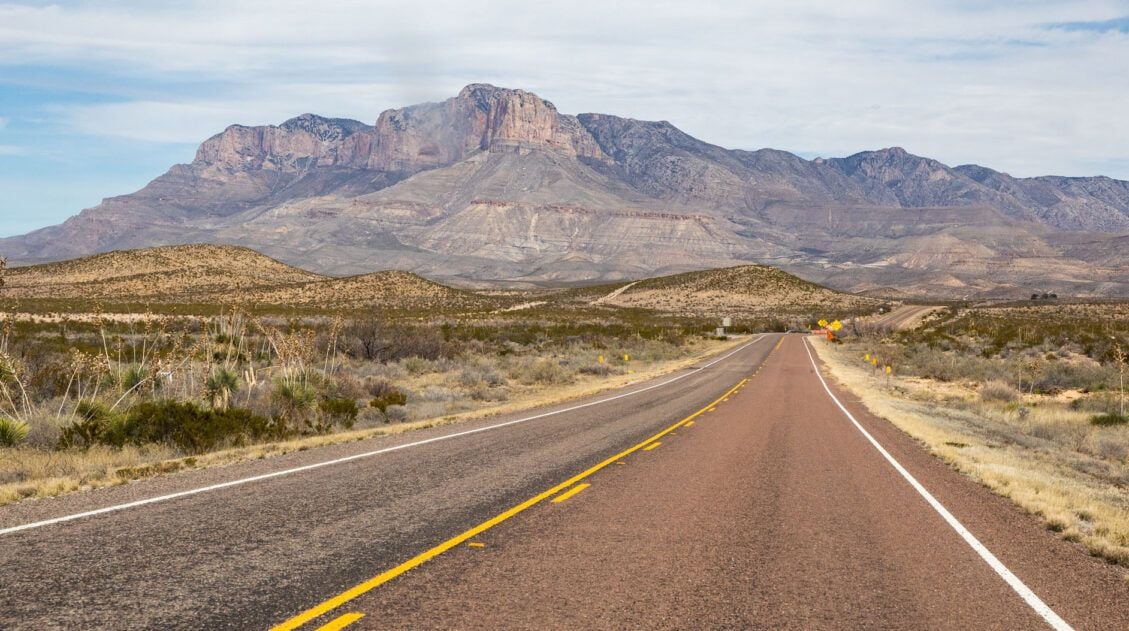
10 Day Texas New Mexico National Parks Road Trip Itinerary
Visit four national parks on one road trip: Guadalupe Mountains, Carlsbad Caverns, White Sands, and Big Bend.How to Get Around Guadalupe Mountains National Park
To get around Guadalupe Mountains National Park, you will need a car. There is no public transportation or shuttle service in the park.
A standard vehicle is suitable if you plan to visit all areas of the park, including Dog Canyon and the Salt Basin Dunes. It is a clay road to get to the Salt Basin Dunes but a standard car will do just fine on this road, as long as it is not wet or raining.
The only reason why you would need a 4×4 is to drive to Williams Ranch.
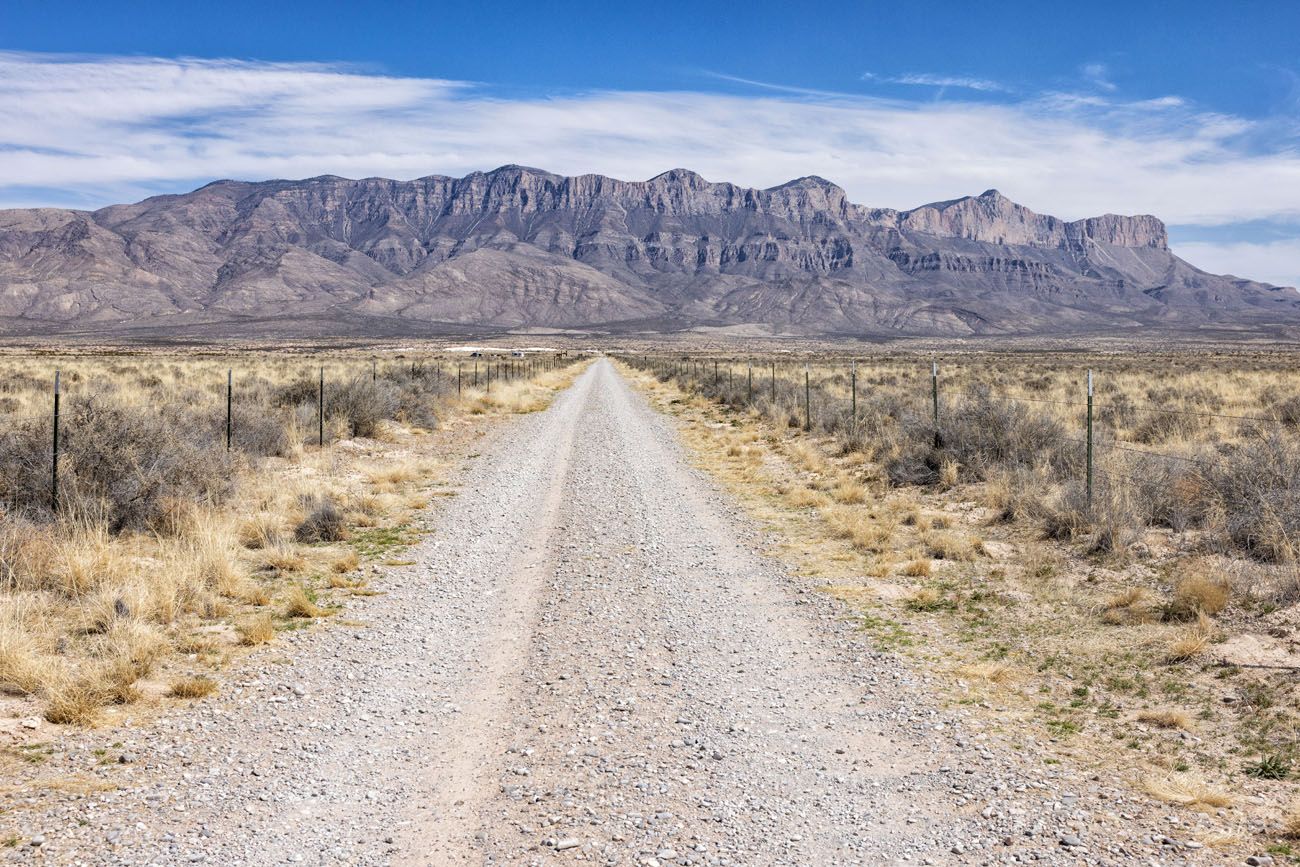
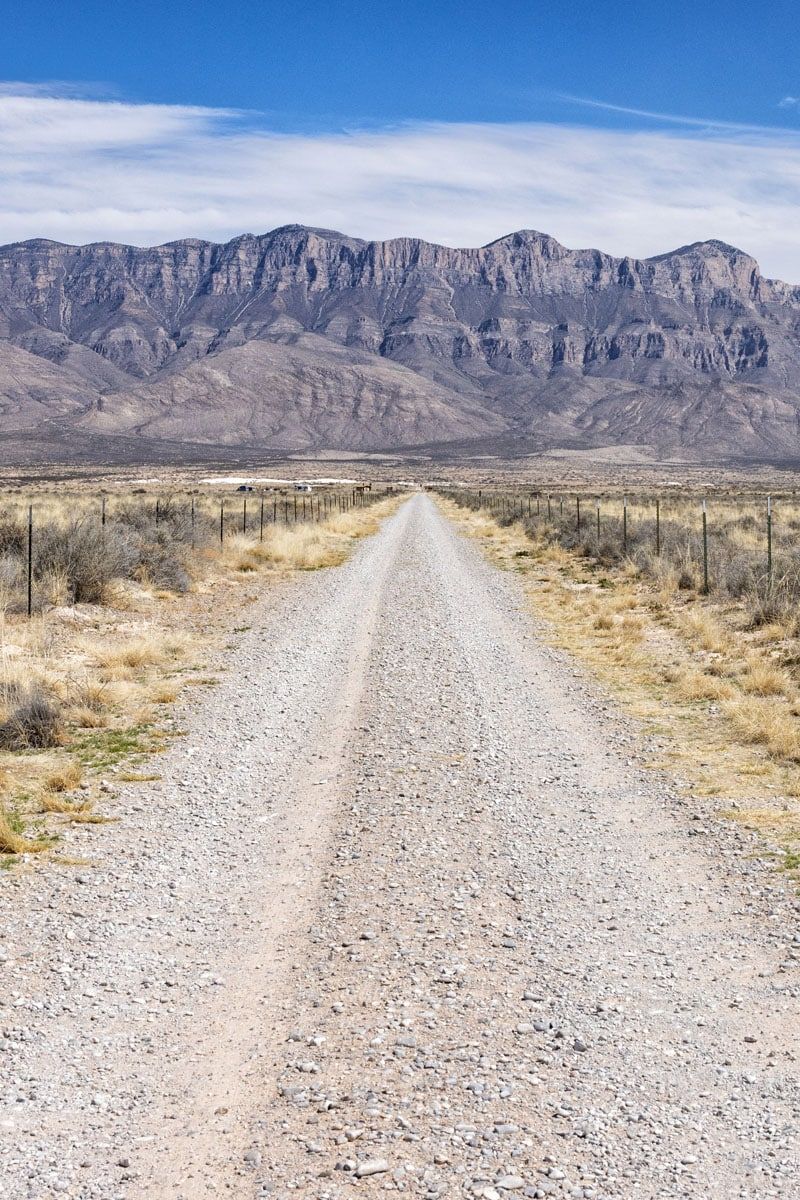
Road to the Salt Basin Dunes
Where to Stay
There is no lodging options or dining options in Guadalupe Mountains National Park. There are campsites (for tent camping and for RVs) at Pine Springs Campground and Dog Canyon Campground. Learn more here.
Outside of the park, the best place to stay is Carlsbad, New Mexico. From this town, it takes just under an hour to drive to Guadalupe Mountains National Park.
TownePlace by Marriott Carlsbad. This is where we stayed on both of our visits to Carlsbad. It is centrally located in town, so it’s just a quick drive to get dinner or go to the grocery store. Breakfast is included and this is one of the highest rated hotels in Carlsbad.
Home2 Suites by Hilton Carlsbad. This new property is located on the southern end of Carlsbad, making it faster to drive to Guadalupe Mountains and Carlsbad Caverns National Park. It sits outside of Carlsbad, so if you have plans to go to dinner in town, you will have a 10 to 15 minute drive, but staying here shortens your drive to the parks. Plus, it gets awesome reviews.
Hyatt House Carlsbad. This hotel features larger suite-style rooms with living areas and kitchenettes, perfect for families and those who just want extra space or the ability to cook a few meals. It’s located on the southern end of Carlsbad, putting you just a little bit closer to the park.
Where to Eat
Here are two restaurant recommendations, great spots to get dinner at the end of the day. We have eaten at both of these on both of our visits to Carlsbad. The Trinity Restaurant is our favorite of the two.
The Trinity Hotel Restaurant. This hotel serves excellent pasta dishes. We were lucky enough to get a table on the second level where we could overlook the restaurant and bar.
Yellow Brix Restaurant. This restaurant offers indoor and outdoor seating. They serve salads, steak, burgers, sandwiches and pasta. I had the Green Chili Fettuccini and it was delicious.
PRO TRAVEL TIP: Call and make a reservation in advance, especially if you will be visiting the area during peak season. During our second visit, the restaurants were turning people away or offering wait times of an hour or more.
Important Planning Information
Entrance Fee: $10 per person, valid for 7 days. There is also an annual pass which is $35, valid for four people for one year. This fee is paid using the green fee envelopes available at all trailheads or at the visitor centers. Display the fee stub on your dashboard during your visit. If you have an America the Beautiful Pass, Senior Pass, or Military Pass, you do not have to pay the entrance fee; display the pass on your dashboard.
Hours of Operation: The park is open 24 hours a day, 365 days per year.
Cellular Service: The only place we had a decent cell signal was on top of Guadalupe Peak. In the remainder of the park, we had poor or no cellular service (we use Verizon).
Backpacking in Guadalupe Mountains National Park: Guadalupe Mountains is an excellent backpacking destination. The park has a network of backcountry trails that connect the main areas of the park, and backcountry campsites are spread throughout. Because the park sees so few visitors, you can have large sections of trail entirely to yourself. Backcountry permits are required and free. Pick one up at the Pine Springs Visitor Center or the Dog Canyon Ranger Station before heading out.
Get updates on road conditions and trail closures, as you plan your trip and just before your visit, on the National Park Service website.
Frequently Asked Questions About Guadalupe Mountains National Park
Is Guadalupe Mountains better than Big Bend?
It depends on your starting point and how much time you have. Guadalupe Mountains is easier to reach and quicker to experience. Big Bend is more remote and requires at least 2 full days to do it justice, but if you can commit the time, we think Big Bend edges out Guadalupe on overall scenery and variety of experiences.
Can you do Carlsbad Caverns and Guadalupe Mountains in one day?
Technically yes, since the parks are only 35 miles apart. The most realistic approach is a cave tour at Carlsbad in the morning and one hike at Guadalupe in the afternoon. It’s a rush, but doable if you’re short on time.
What is the best hike in Guadalupe Mountains National Park?
It depends on what you’re looking for. Guadalupe Peak is the most iconic and standing on the highest point in Texas is hard to beat. Devil’s Hall is the best shorter hike. And the Permian Reef Trail is our pick for the most rewarding hike if you want solitude and big views.
Do you need reservations for Guadalupe Mountains National Park?
No reservations are required for day use. This is one of the few national parks where you can show up without planning ahead, which is another reason it’s a great addition to a spontaneous road trip.
Is there cell service in Guadalupe Mountains National Park?
Expect dead zones throughout most of the park. We did have a good signal at the summit of Guadalupe Peak, but don’t count on service elsewhere. Download offline maps before you arrive.
How far is Guadalupe Mountains National Park from El Paso?
About 115 miles, roughly a 1.5 to 2-hour drive east on US Highway 62/180.
What is Guadalupe Mountains National Park known for?
The highest peak in Texas, some of the best uncrowded hiking in the Southwest, and one of the world’s best preserved Permian fossil reefs. It’s also one of the least visited national parks in the country, making it a hidden gem for hikers seeking solitude.
Plan Your Visit to Guadalupe Mountains and Beyond
If you’re planning a trip to Guadalupe Mountains, it fits naturally into a broader west Texas and New Mexico road trip. Our 10 Day Texas New Mexico National Parks Road Trip Itinerary covers how to combine Guadalupe Mountains with White Sands and Carlsbad Caverns into one seamless trip.
For more detail on the individual hikes in the park, we have dedicated trail guides for Guadalupe Peak, Devil’s Hall, the Permian Reef Trail, and McKittrick Canyon.
If you’re considering adding Big Bend to your itinerary, our guide to Big Bend National Park covers everything you need to plan your visit, including the best hikes in the park, top things to do, plus a 3 day itinerary.
Nearby parks worth adding to your trip: our guides to Carlsbad Caverns and White Sands National Park cover everything you need to plan both visits.
If you have any questions about the best things to do in Guadalupe Mountains National Park, let us know in the comment section below.
Where Are You Going Next?
If your visit is part of a bigger road trip through New Mexico and Texas, here is more information to help you plan your trip:
10 Day Texas New Mexico National Parks Road Trip Itinerary
Pinterest Facebook Flipboard On this 10-day Texas New Mexico road trip itinerary, you will visit four national parks plus make a quick detour to a gem of a state park that just might be one of the big highlights of the trip. Go hiking in Big Bend and Guadalupe Mountains, explore the underground wonderland of […]
25 Best Things to Do in Big Bend National Park
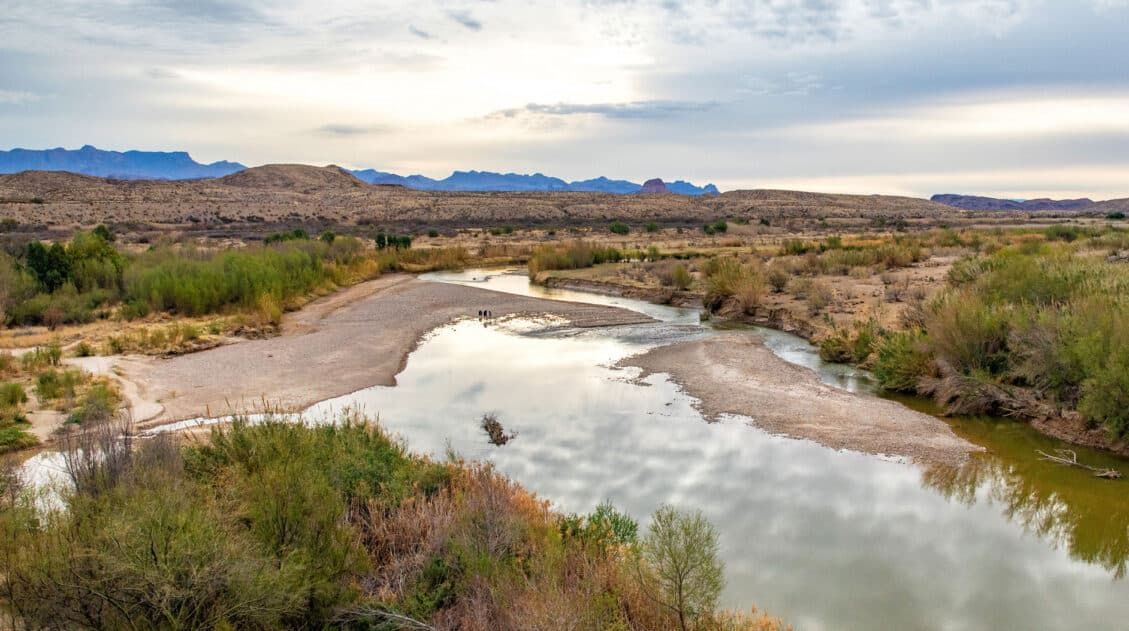
Discover the best things to do in Big Bend National Park, including the must-see highlights, unique experiences you won’t find anywhere else, and practical tips to help you plan your visit. Big Bend National Park is one of those places that genuinely surprises you. Tim and I had heard it described as remote and rugged, […]
Balanced Rock Hike: A Short but Sweet Hike in Big Bend National Park
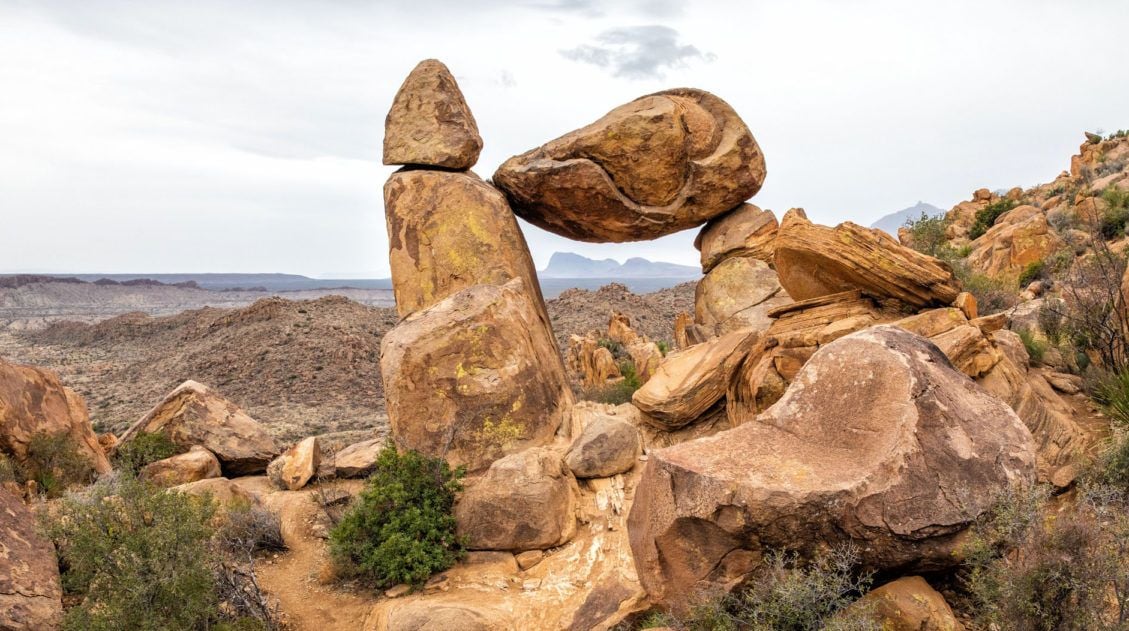
The Balanced Rock hike is one of our favorite short hikes in Big Bend National Park and one of the most rewarding for the effort required. The trail is only 2.2 miles round trip, with just a brief stretch of rock scrambling near the end, making it accessible for most hikers and genuinely fun for […]
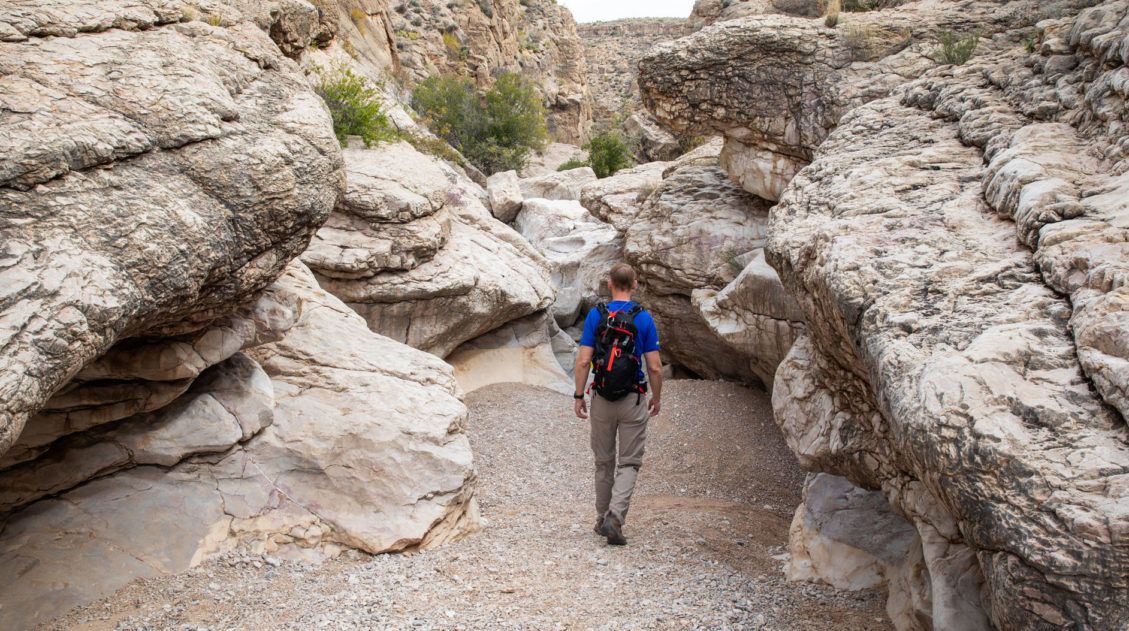
15 Best Hikes in Big Bend National Park (By Area & Difficulty)
Big Bend National Park is one of the most underrated hiking destinations in the United States. Tucked into the southwestern corner of Texas along the Rio Grande, it packs an extraordinary range of terrain into one park — slot canyons, volcanic rock formations, a full mountain range, and miles of river canyon trails. We visited […]
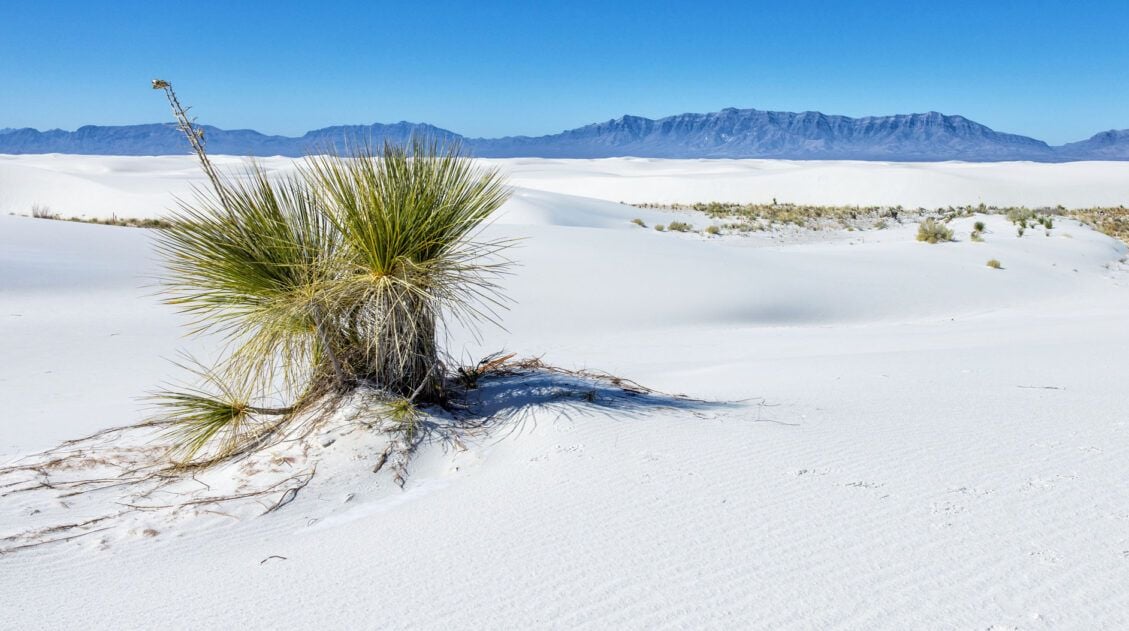
11 Amazing Things to Do in White Sands National Park
White Sands National Park is home to the largest gypsum dunefield in the world. These pure white dunes create a fun place to explore, for both kids and adults. Hike out into the dunes, learn about the wildlife that calls this park home, and go sledding on sand as white as the snow…these are just […]
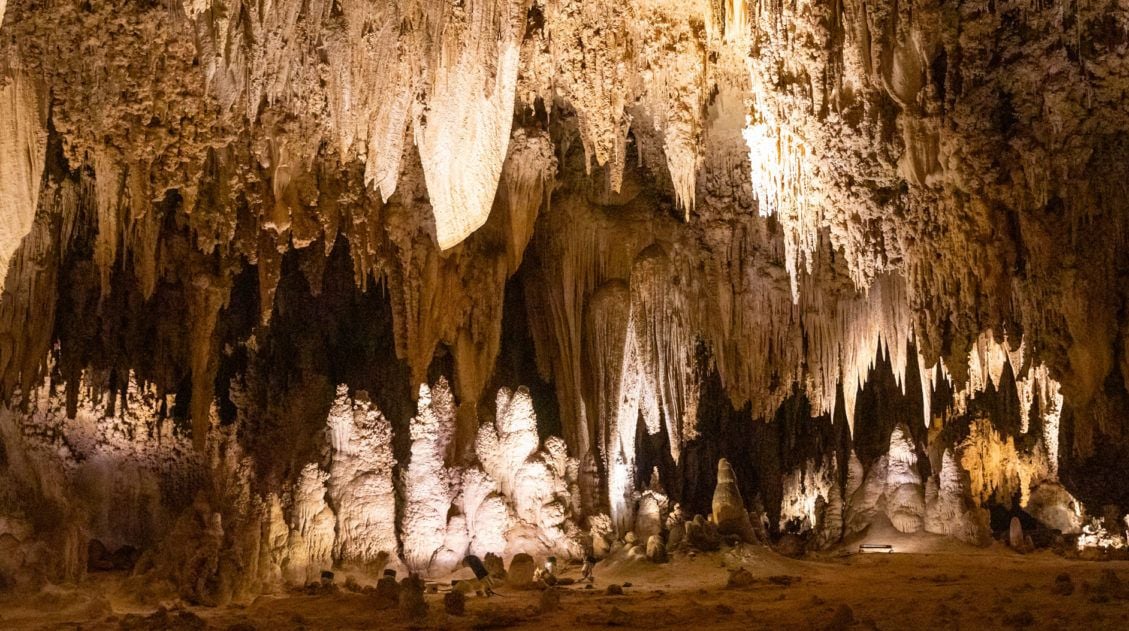
Best Things to Do in Carlsbad Caverns National Park
In this guide, we cover the best things to do in Carlsbad Caverns, tour options (both ranger-guided and self-guided), timed entry reservations, plus lots of helpful information. Located in the Guadalupe Mountains of New Mexico sits an underground fantasy land of limestone chambers, stalactites and stalagmites, and long, twisting tunnels. Carlsbad Caverns is breathtaking in […]
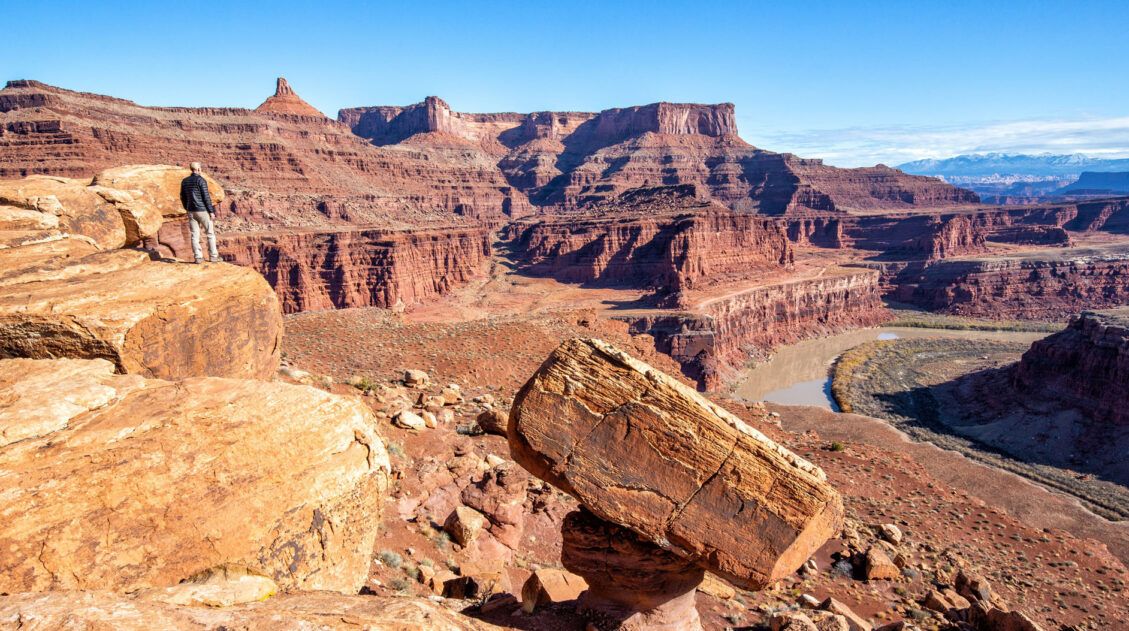
Our 15 Favorite US National Parks: A Few May Surprise You
Stretching from the South Pacific, across the United States and into the Caribbean, are 63 national parks. These national treasures are filled with scenic drives, hundreds of miles of hiking trails, wildlife, historic sites, and endless opportunities for adventure. In this guide, we cover 15 of the best national parks in the USA and what […]
Best Things to Do in Austin, Texas (+ Where We Ate)
Austin surprised us. We went expecting live music and barbecue, and we got both, but what caught us off guard was how much fun the city itself is. There’s a loose, come-as-you-are energy here that makes it easy to just wander, eat, and stay out too late. Tim and I spent a long weekend here […]
The Best of San Antonio, Texas in 24 Hours
San Antonio is a fun city to visit in Texas, even if you have limited time. The River Walk and the Alamo are the highlights, but there are a few more great places to explore. If you have just one day in San Antonio, you have just enough time to tour the best spots in […]
US National Parks List: All 63 Parks, Map & Free Printable Checklist
There are 63 national parks in the United States, and we’ve visited 56 of them, from the remote wilderness of Denali to the coral reefs of the Virgin Islands. We’re a family of avid hikers who have spent over a decade exploring these parks, from multi-day backcountry trips to scenic drives with kids in tow. […]
US National Park Itineraries & Road Trip Ideas
National Park Itineraries The national parks are best experienced as a road trip and with 56 parks visited between us, we’ve done a lot of them. Whether you’re dreaming of a two-week American Southwest loop, a classic Yellowstone and Grand Teton combo, or a deep dive into Utah’s Mighty 5, we’ve put together detailed itineraries […]
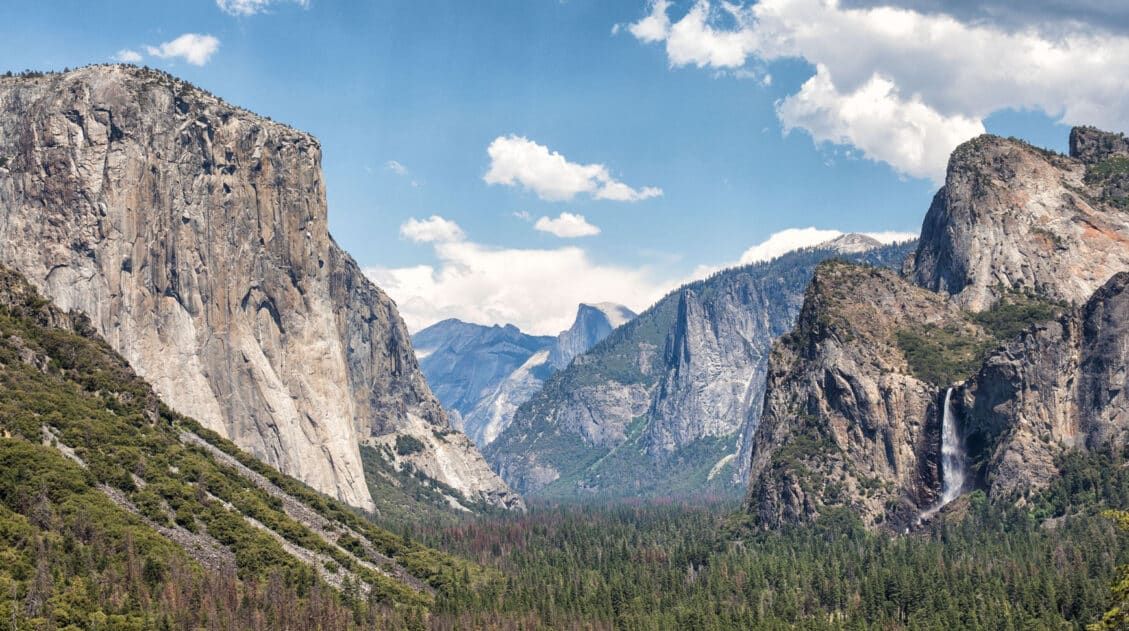
The Ultimate Guide to the 63 US National Parks
Stretching from the South Pacific, across the United States to the Caribbean, are 63 national parks. These national treasures preserve iconic landscapes, majestic mountains, primordial forests, arid deserts, misty coastlines, immense canyons, wildlife, and historic landmarks. We have visited 56 of the 63 US national parks, from the towering granite walls of Yosemite and the […]
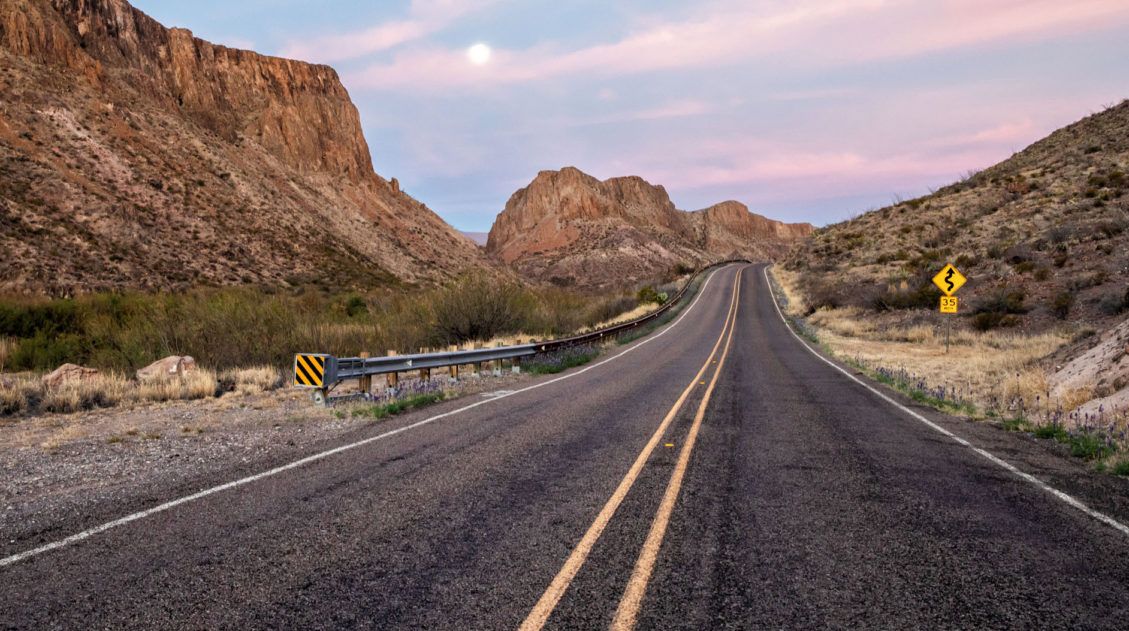
Big Bend Ranch State Park: Things to Do with Limited Time
Big Bend Ranch State Park is an overlooked gem in west Texas. Visitors come to this area to explore Big Bend National Park, but what many don’t know is that there is an amazing state park located right around the corner. Big Bend Ranch State Park is awesome. It has all of the ingredients of […]


Comments 8