
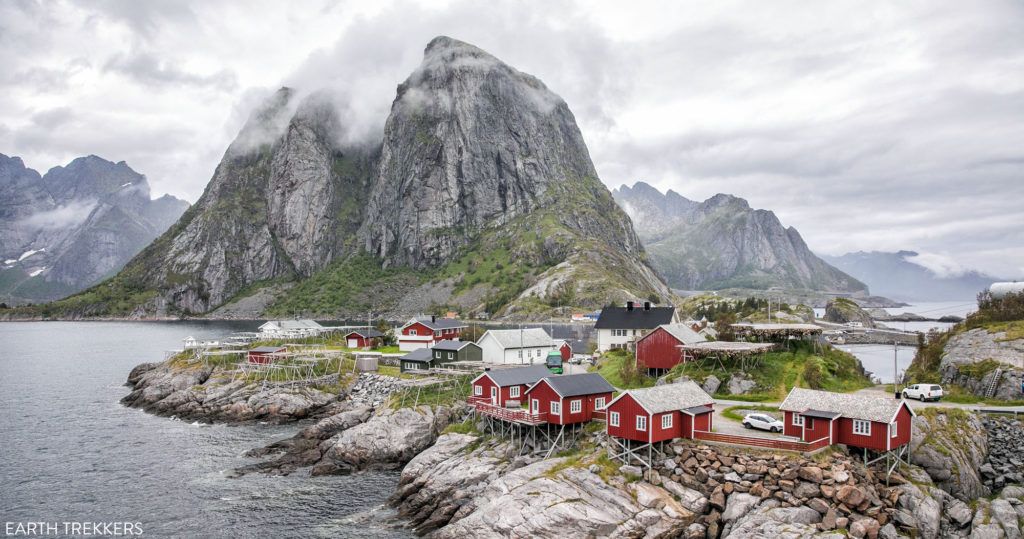
We’ve done a lot of road trips in Europe, through the Italian Dolomites, across the Scottish Highlands, and down into the fjord region of southern Norway. This Northern Norway itinerary is one of our all-time favorites.
We drove this route in early July, starting in Tromsø and working our way south through Senja and the Vesterålen Islands before landing in the Lofoten Islands for four days, and we still talk about it as the trip that set the bar for everything else.
On this northern Norway road trip, every single day topped the last. The hike up Segla on Senja tested us from start to finish, but the view from the summit made every step worth it. On the Vesterålen Islands, the coastal trail to Måtind delivered one of the most unforgettable views of the trip. And the Lofoten Islands? We had high expectations, and they still exceeded them.
The landscapes, the tiny fishing villages perched at the base of jagged peaks, the challenging but incredibly scenic hiking trails, there is nothing else like this in Europe.
This itinerary is built as a 10-day road trip from Tromsø to the Lofoten Islands. It mirrors what we did on our own trip, and we’ve kept it updated over the years through ongoing research and feedback from readers who’ve traveled it more recently, including some hard-won lessons about the ferry situation that has changed significantly since we visited.
10-Day Northern Norway Itinerary: At a Glance
DESTINATIONS | Tromsø → Senja → Vesterålen Islands → Lofoten Islands
START / END | Fly into Tromsø (TOS) · Fly home from Leknes (LKN) or Svolvaer (SVJ)
BEST FOR | Hikers, road trippers, and outdoor enthusiasts
GETTING AROUND | Rental car required
BEST TIME TO VISIT | Late May–early September
TRIP STYLE | Arctic road trip with daily hikes and scenic drives
TOTAL NIGHTS | Tromsø (2) · Sommarøy (1) · Senja (1) · Vesterålen (1) · Lofoten Islands (4)
Why This Northern Norway Itinerary Works
This route is designed such that each day gets better than the one before it. You start in Tromsø, a city with good flight connections, great food, and an easy first hike, and each leg gets more remote, more dramatic, and more spectacular than the last. By the time you reach the Lofoten Islands on Day 6, you’ve already had four extraordinary days. And then Lofoten somehow tops all of it.
The sequence: Tromsø, then Senja, then the Vesterålen Islands, then Lofoten, follows the geography south and makes logistical sense. You pick up your rental car in Tromsø and drop it in the Lofoten Islands when you fly home. There’s no backtracking, no wasted driving days, and the two ferry crossings that connect the islands are part of the experience rather than an inconvenience.
Four days in the Lofoten Islands is the right amount of time. Three nights feels rushed once you factor in the driving day to get settled and the weather wildcard that northern Norway always brings. Four nights gives you one travel and orientation day, one long hiking day, one backup day if weather cancels your plans, and one day to explore at a slower pace. If you have extra days to add anywhere on this itinerary, put them in the Lofoten Islands.
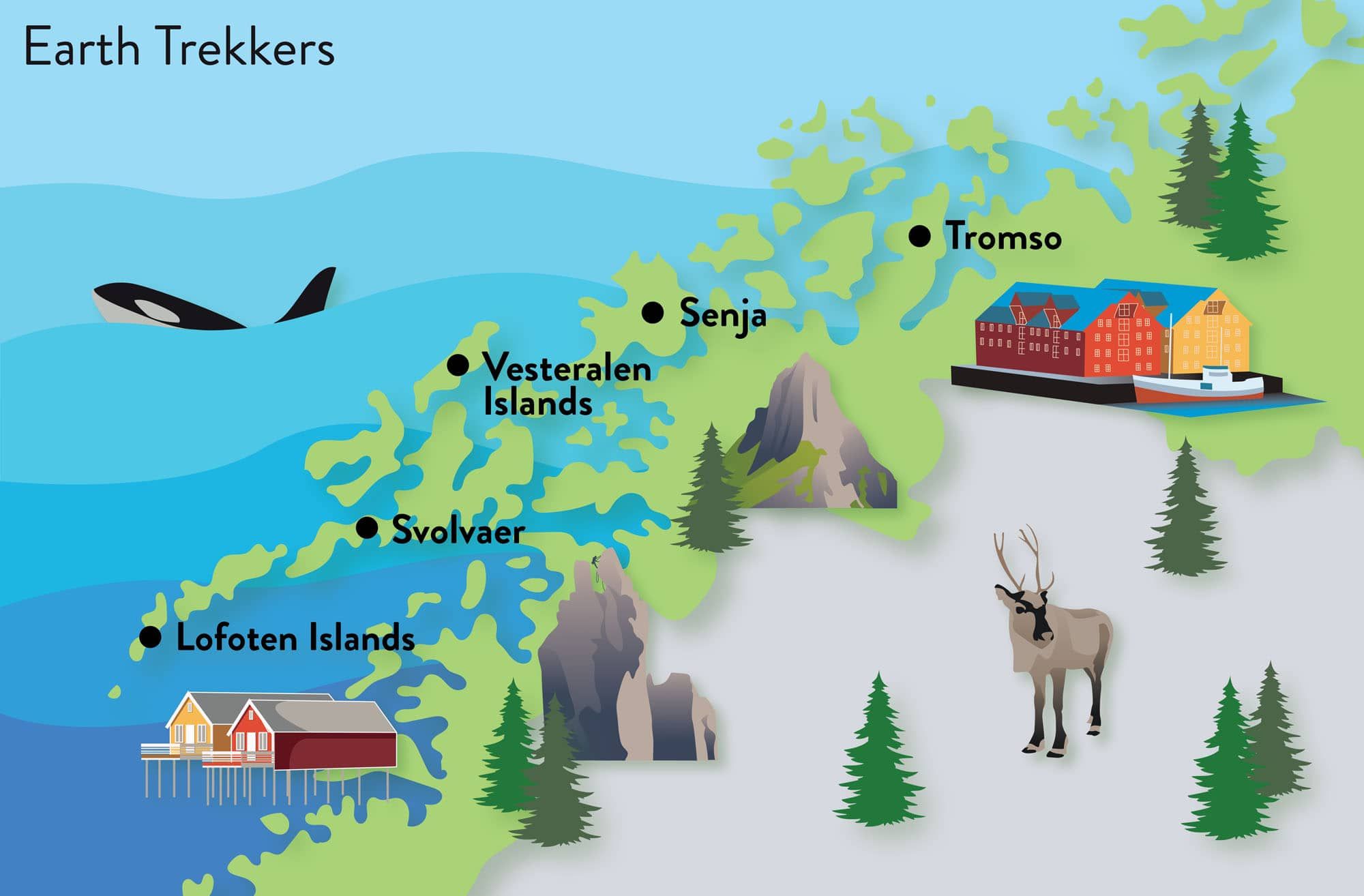
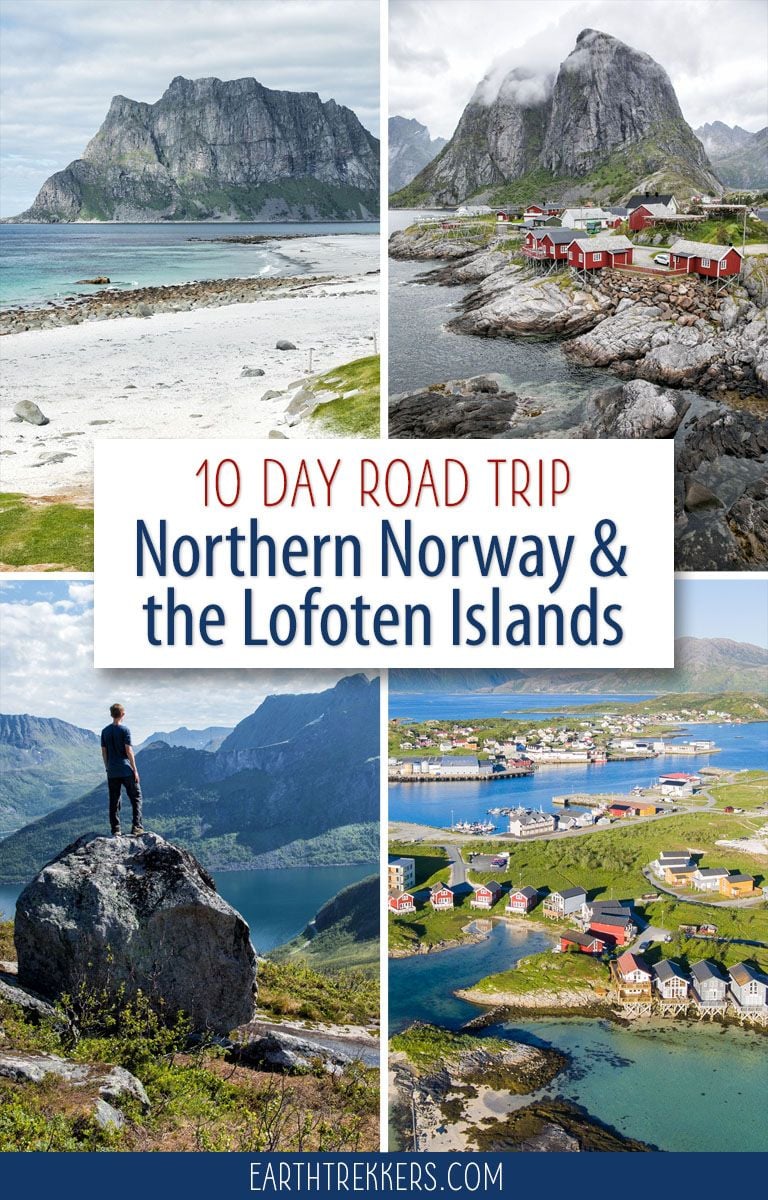
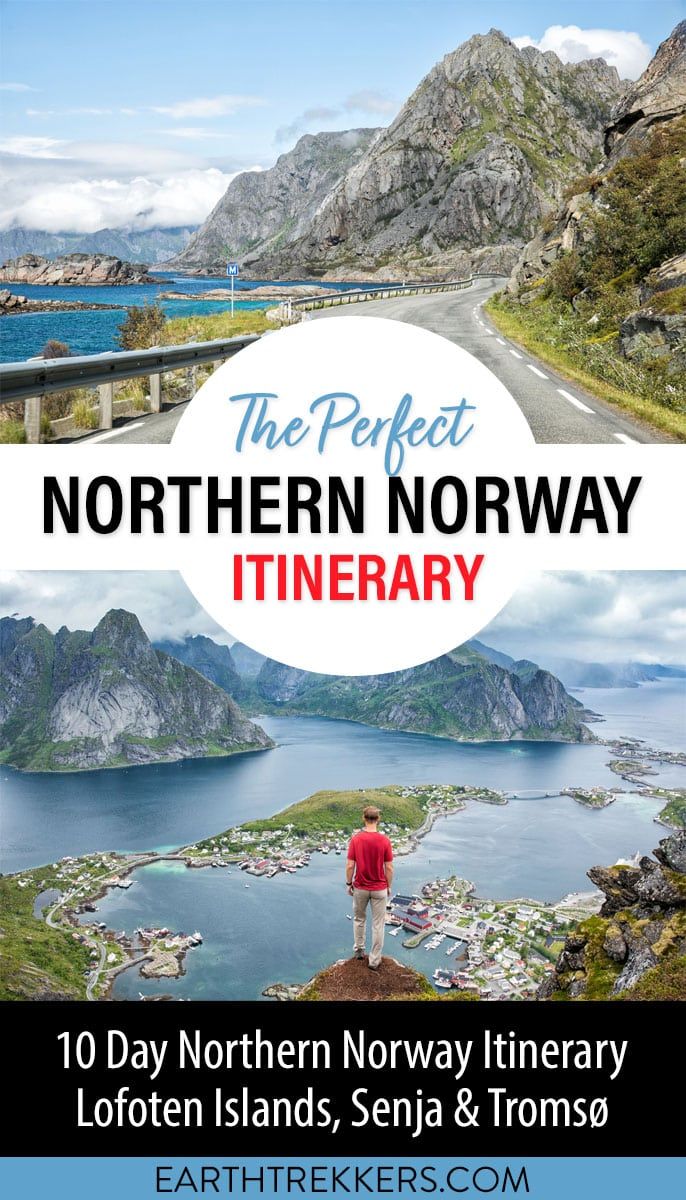
On this northern Norway itinerary, you will start in Tromsø, then visit Senja and the Vesteralen Islands, and end with a few days in the Lofoten Islands.
About this Northern Norway Itinerary
This itinerary is designed as a road trip, so you will need to rent a car. You will pick up the car in Tromsø and drop it in either Leknes, Svolvaer, or Bodø, depending on where you fly home from the Lofoten Islands. Expect to pay a drop fee for this (this fee varies quite a lot based on season and rental car company). You can avoid the drop fee by driving back to Tromsø, but this is an eight hour drive and will add another day onto this itinerary.
RELATED: 10 Things You Should Know About Renting a Car in Europe
Expect to spend 1–2 hours driving on most days. The distances between destinations are manageable, but the roads are often single-lane and winding and you will stop constantly for photos. Build this into your daily timing.
On this northern Norway itinerary, we also put a big emphasis on hiking. Seeing Norway from the road is a great experience, but there is nothing like seeing Norway from a hiking trail.
This northern Norway itinerary works best from the end of May through September, when the ferry from Gryllefjord to Andenes is operating. It’s still possible to do this trip during the rest of the year, but you will have to do a lot more driving.
⚠️ Important Note About the Gryllefjord–Andenes Ferry This itinerary depends on the seasonal ferry connecting Senja to the Vesterålen Islands, which runs from mid-May through late September. In recent years, demand has significantly outpaced capacity. Campervans now routinely queue overnight to guarantee a spot on the first sailing of the day. If you’re traveling in peak summer (mid-June through mid-August), you need to plan your Day 5 around this. Full details, including the driving alternative, are in the Day 5 section below.
One decision to make before you go: On Day 4 afternoon, this itinerary splits into three routes depending on your priorities and travel style. We walk through all three options in detail in the Day 4 and Day 5 sections, but here’s the short version:
- Option 1 — Attempt the ferry: Queue at Gryllefjord on Day 4 evening for the Gryllefjord–Andenes ferry. Best for those with schedule flexibility and a high tolerance for uncertainty.
- Option 2 — Drive directly to Lofoten: Skip Vesterålen entirely and drive straight to the Lofoten Islands. Best for those who’ve decided the ferry risk isn’t worth it, or who are short on time.
- Option 3 — Drive to Vesterålen: Drive to the Vesterålen Islands on Day 4 afternoon and base yourself there for two nights. Best for hikers who want Måtind without the ferry gamble, and for those traveling outside ferry season. We recommend Risøyhamn Sjøhus as a base.
Northern Norway Itinerary
Day 1: Arrive in Tromsø
Day 2: Tromsø
Day 3: Sommarøy
Day 4: Senja
Day 5: Vesterålen Islands
Day 6: Lofoten Islands
Day 7: Lofoten Islands
Day 8: Lofoten Islands
Day 9: Lofoten Islands
Day 10: Fly Home
How to Use This Map: Click the tab in the top left corner of the map to see a list of the points of interest and to turn layers on/off. Click the icons on the map to get more information about each point of interest.
To take this map with you, click the star next to the title of the map which adds it to your Google account. Next, within your Google Maps app, select ‘Saved’ and then select ‘Maps’. This map title will now appear in your list.
10-Day Northern Norway Itinerary
Day 1: Arrive in Tromsø
On the Road: Arrival day; airport to hotel only (approx. 10 min from Tromsø Airport to city center)
Highlights: Tromsø harbor, midnight sun (May–July) or northern lights (Oct–Apr)
Overnight: Tromsø
How to Get to Tromsø
Tromsø Airport (TOS) is the gateway for this itinerary. For most international travelers, the simplest routing is to fly into Oslo Gardermoen (OSL) and connect onward to Tromsø. The domestic flight takes approximately 1.5 hours, and both SAS and Norwegian operate frequent daily service between the two cities.
From North America, several carriers fly direct to Oslo from New York, Boston, and other East Coast hubs. From the UK and continental Europe, Oslo is easily reached via direct flight from most major cities, with onward connection to Tromsø.
If you’re traveling from elsewhere in Europe, it’s worth checking whether your departure city has a direct seasonal flight to Tromsø. Several European carriers add summer routes, and a direct connection saves you the Oslo layover. We use Google Flights to check routes and compare prices, then book directly with the airline.
Plan to arrive in Tromsø on Day 1 with enough time to get settled. An early afternoon arrival is ideal. If you’re flying internationally and arriving in Oslo the night before, that’s worth considering too, particularly if your onward flight to Tromsø departs early.
Get settled into your hotel and take a nap if you desperately need one. Spend the afternoon walking the pretty streets of Tromsø. The harbor is a great place to spend the afternoon and have dinner.
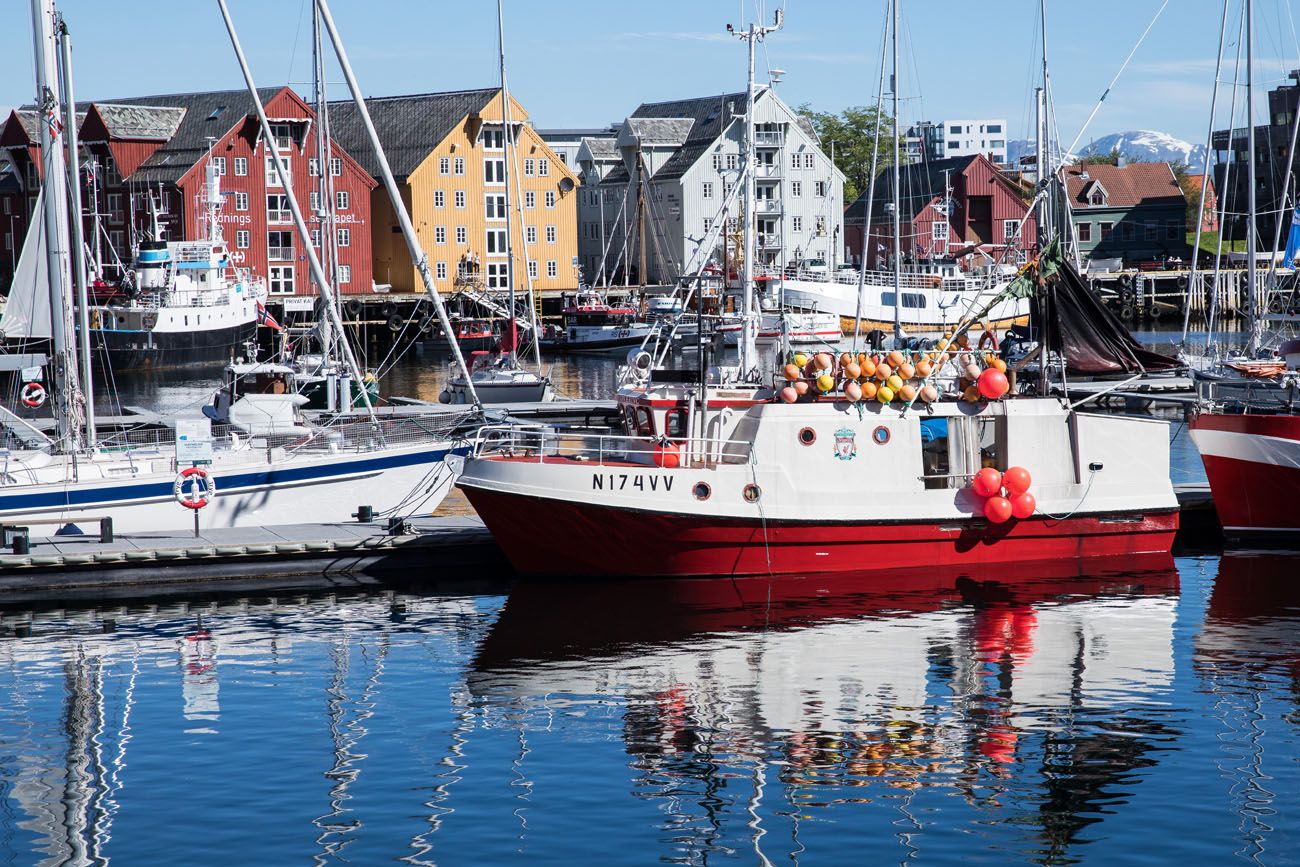
Tromsø
Today is a low-key day so you can shrug off jetlag (if you arrived on an international flight) and get adjusted to the time change. If this is your first time in the Arctic Circle, it may also be the first time you see the midnight sun (from mid-May to mid-July) or the northern lights (from October to April).
Where We Stayed in Tromsø: We stayed at the Comfort Hotel Xpress Tromsø. Located in downtown Tromsø and within walking distance of the harbor, this hotel is a great option if you’re looking for a relatively inexpensive place to stay. Rooms are large, clean, and quiet and come with blackout curtains (a must during the summer months).
Another good option is the Clarion Hotel The Edge. This ultra-modern hotel is located right in the harbor. Rooms can accommodate up to four people and some offer stunning views out to the Arctic Cathedral. Have a drink and enjoy the view from the rooftop bar on the 11th floor.

Day 2: Tromsø
On the Road: No driving required
Highlights: Fjellheisen cable car to Fløya, Arctic Cathedral, Tromsø harbor
Overnight: Tromsø
Tromsø started off as a fishing village but has grown to be a small, modern city. Visit the modern Arctic Cathedral, go shopping, or spend your time at a handful of the museums in town.
One of the best things to do in Tromsø is to take in the view from the top of Fløya. From this mountain peak, you get an incredible aerial view of the city. To visit Fløya, you can hike up or ride the Fjellheisen cable car. We rode the cable car to the top and then hiked back down.
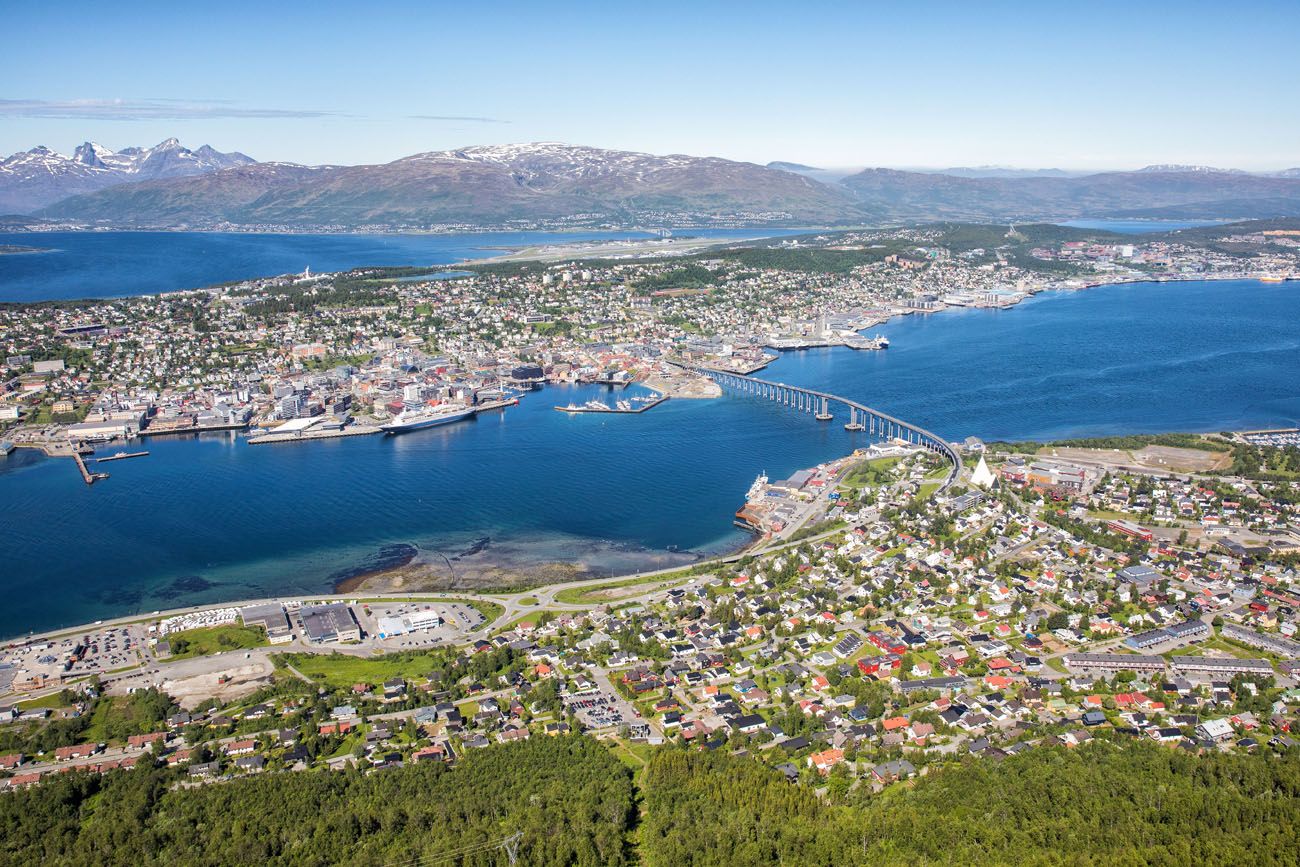
The top of Fløya is a popular place to be a midnight during the summer months, when you can see Tromsø illuminated by the midnight sun.
For more on what to do in Tromsø, the official Visit Tromsø website is a good resource for current events, tours, and seasonal activities.
Day 3: Ørnfløya and Sommarøy
On the Road: Tromsø to Sommarøy — 56 km / approx. 1 hour
Highlights: Ørnfløya hike, Sommarøy white sand beaches, island bridges
Overnight: Sommarøy
Today is a deliberately low-key day. The rest of this itinerary is going to demand a lot from you, and Sommarøy is a perfect place to ease into it.
Feel free to have a leisurely breakfast in Tromsø. You can even spend the first part of the day in town, if there is more here that you want to do.
When you are ready, make the short drive to Sommarøy (1 hour, 56 km).
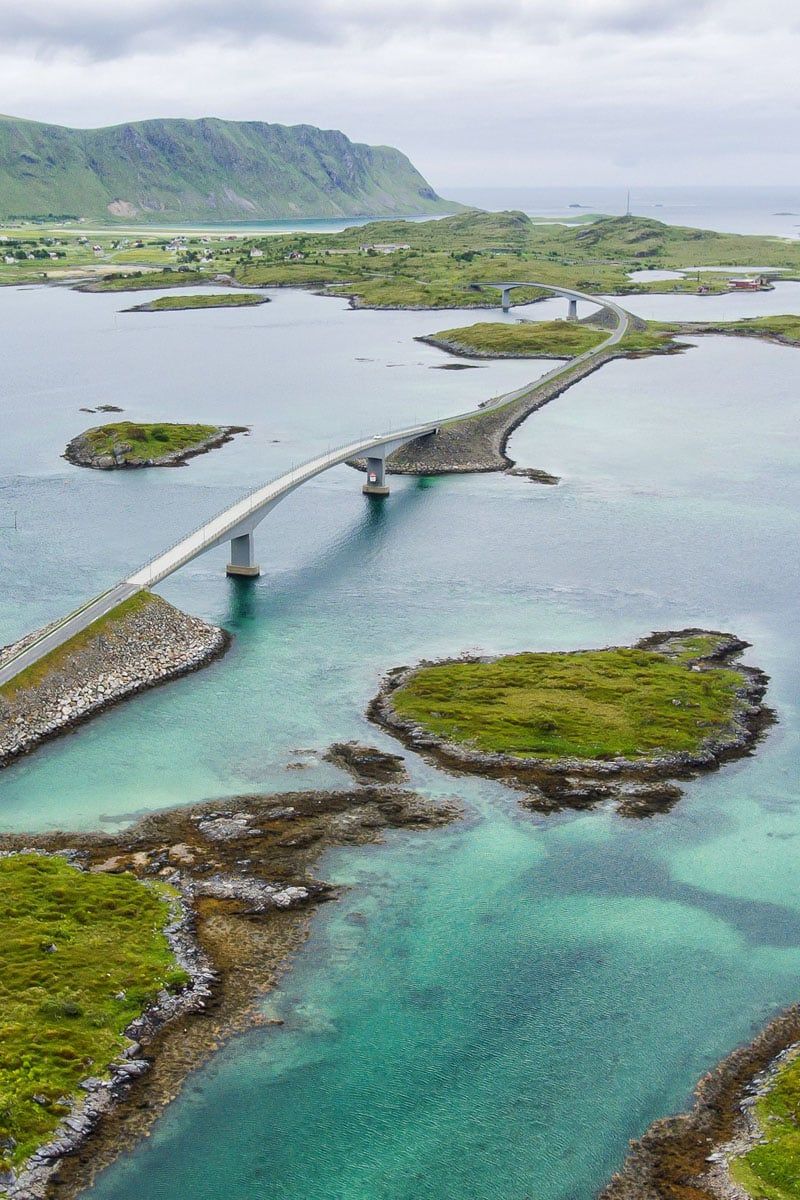
We had seen photos of Sommarøy before arriving and thought we knew what to expect. We didn’t. The tiny islands connected by bridges, the white sand beaches, the water that turns an almost impossible shade of turquoise, it looks nothing like the Norway most people picture, and it’s even more striking in person than in any photo we’d seen.
The best thing to do in Sommarøy is to hike to the top of Ørnfløya. This short but sweet hike is easy to do and great for all ages and ability levels.
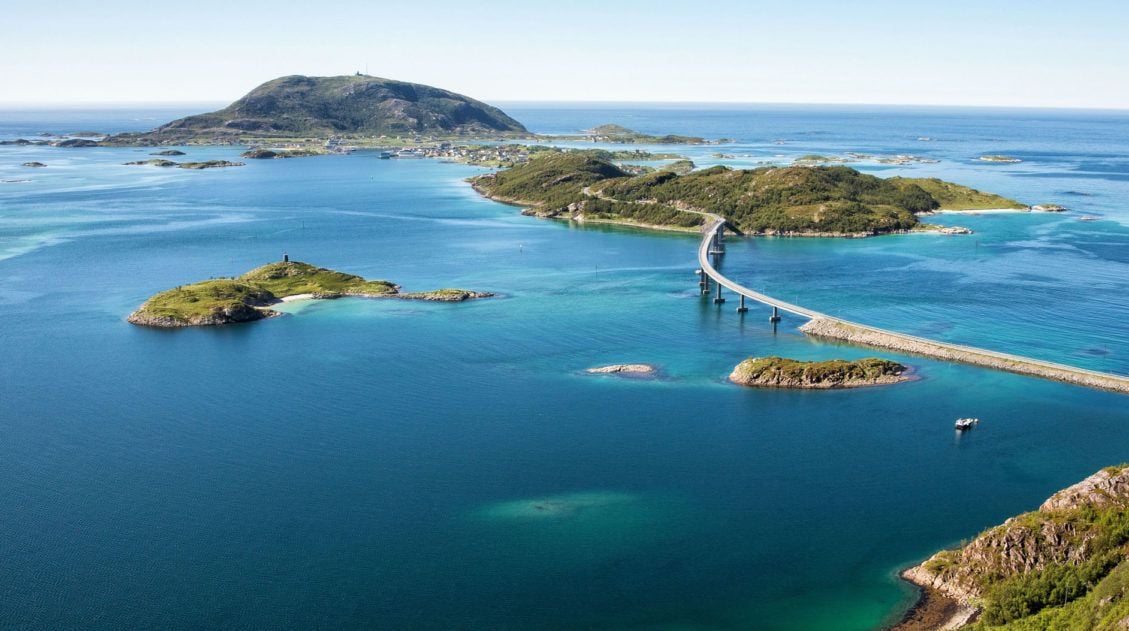
Ørnfløya, A Short but Sweet Hike in Sommarøy, Norway
Everything you need to know to hike Ørnfløya.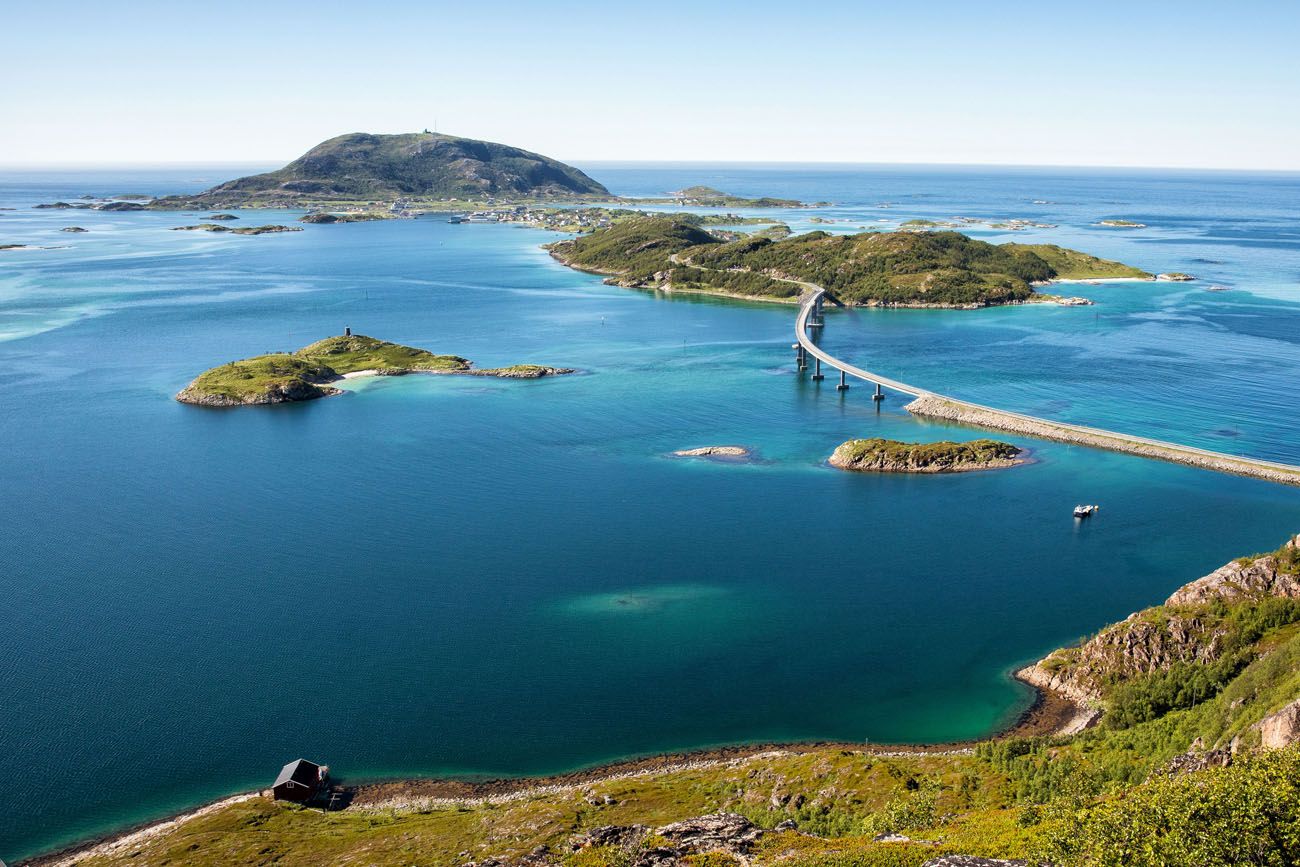
Sommarøy
PRO TRAVEL TIP: Ørnfløya makes a great picnic spot. While in Tromsø, put together a picnic lunch. Drive out to Sommarøy, hike to the top of Ørnfløya, and enjoy the view while you have lunch.
If you are looking for more to do after the hike, you can spend the afternoon kayaking or fishing.
Have dinner at the Sommarøy Arctic Hotel, the only restaurant in the area. The food is expensive but these prices are typical for many of the restaurants in northern Norway.
Where to Stay
We stayed at the Sommarøy Arctic Hotel, one of the few hotels in Sommarøy. Take your pick from a traditional hotel room or a cabin on the water. The Ecolodge Båthuset 69Nord is a small beachfront property with double and triple rooms, some with a sea view.
One note before bed: You have an early start tomorrow. The first ferry from Brensholmen to Senja departs at 8:45 am, and you’ll want to be in line by 8:15 at the latest. Set your alarm accordingly.
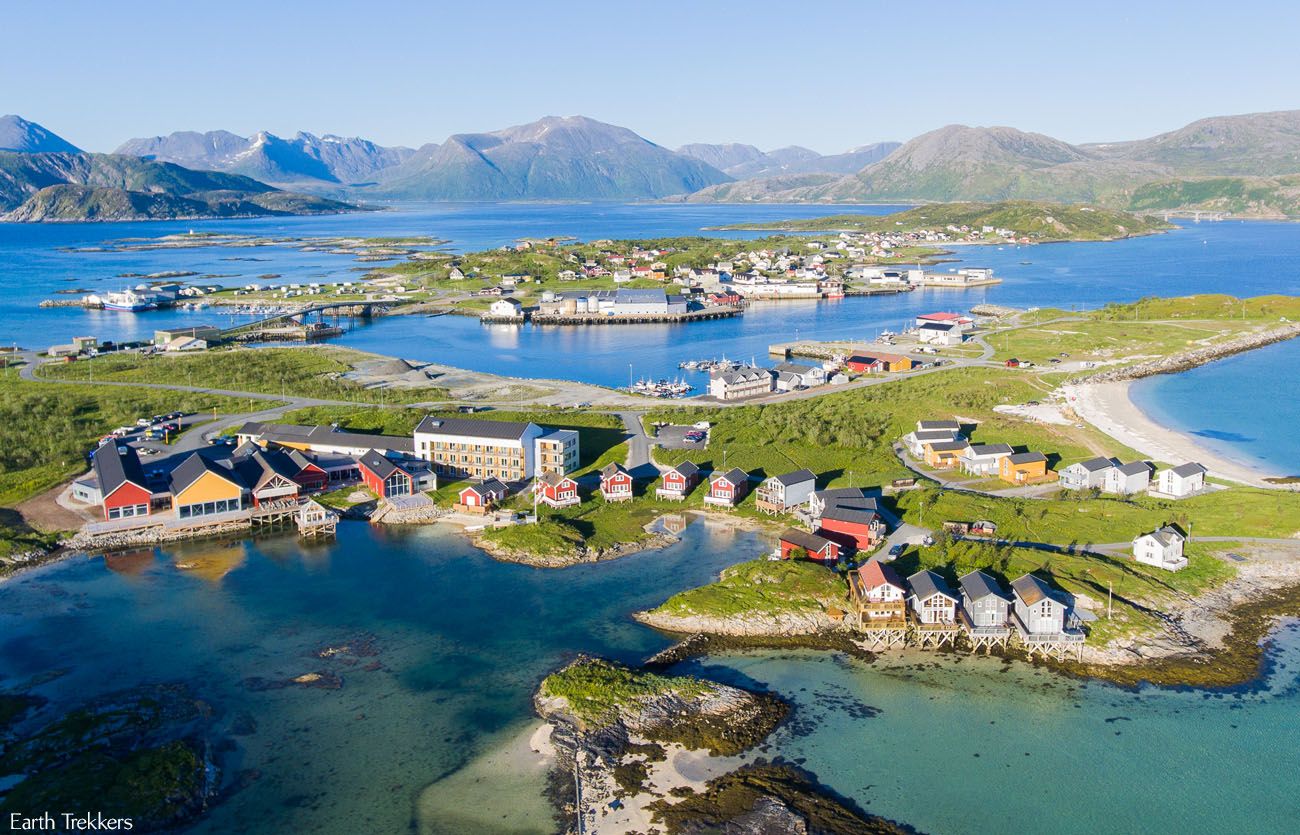
Sommarøy Arctic Hotel by drone
Day 4: Senja — Hike to Segla and Choose Your Route
On the Road: Sommarøy to Brensholmen (short drive) + 45-min ferry to Botnhamn + scenic drive through Senja — approx. 90 km / 2 hours to accommodation; significantly more if choosing Option 2 or 3 this afternoon
Highlights: Segla hike, Tungeneset coastal viewpoint, Bergsbotn viewing platform
Overnight: Senja (Option 1) · En route to Lofoten Islands (Option 2) · Risøyhamn, Vesterålen Islands (Option 3)
Morning: The Ferry to Senja
This morning you’ll travel by ferry from Brensholmen, a small town just around the corner from Sommarøy, to Botnhamn on Senja. The crossing takes 45 minutes.
To make the most of your day on Senja, take the first ferry of the day, which departs at 8:45 am during summer months (check the current schedule here — click the link for 181 Botnhamn–Brensholmen).
This ferry has gotten significantly busier in recent years, particularly in July and August. Campervans and motorhomes now regularly park overnight at the terminal to guarantee a spot, and some cars are left behind at each departure during peak season. Plan to be in line at least an hour before the first sailing, earlier if you’re traveling in peak summer. If you miss the 8:45 am departure, the next one is at 10:45 am, which will significantly compress your day on Senja.
Useful tool: During summer 2025, Svipper ran a live queue checker at ferge.svipper.no that shows real-time occupancy at Brensholmen using a traffic light system, so you can check conditions before leaving Sommarøy. Check whether this is still running for your travel season. If it is, it takes the guesswork out of your morning.
You’ll purchase your ferry tickets onboard rather than in advance. No reservations are available. It’s strictly first-come, first-served.
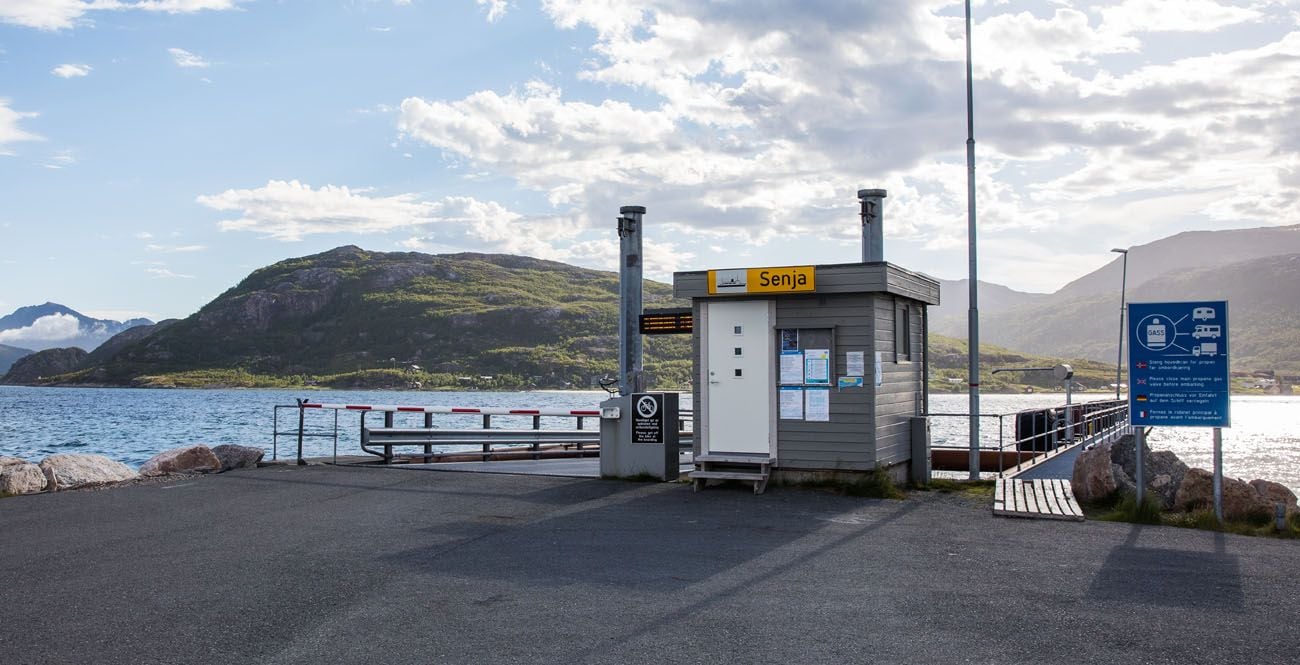
Brensholmen Ferry Port
Midday: Hike Segla
If you enjoy hiking, the hike up Segla is not to be missed. This was our main reason for visiting Senja and it was absolutely worth it.
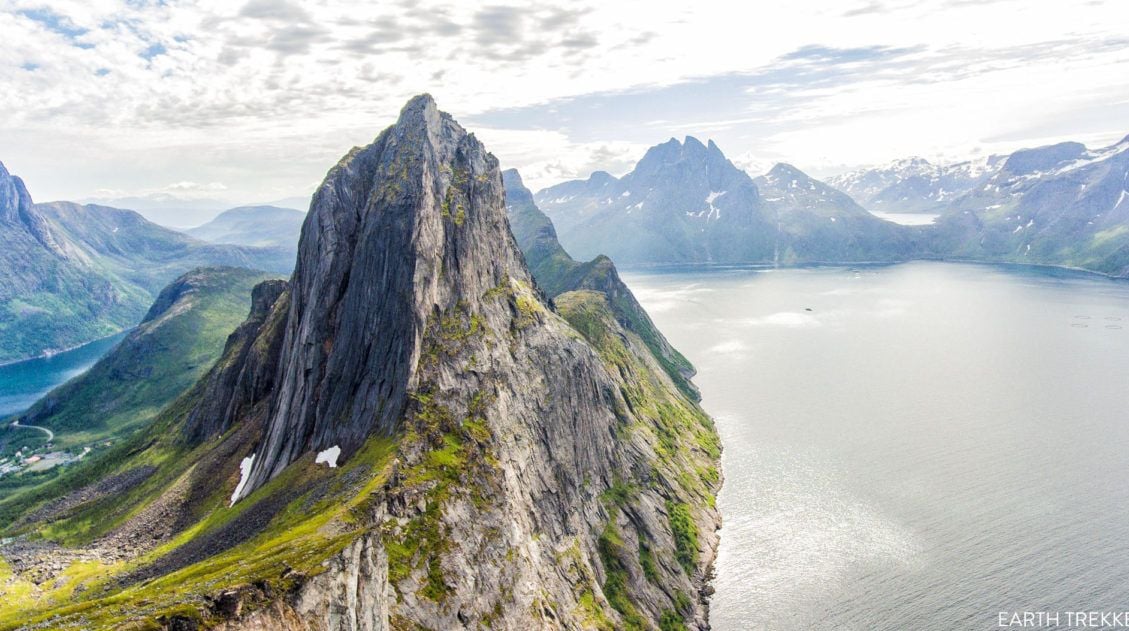
The hike is short but surprisingly tough. In fact, it’s probably the toughest hike on this entire itinerary. At only 5 km (3 miles) round trip, it doesn’t look like much on paper, but with 610 meters (2,000 feet) of climbing, it can be exhausting. The view from the top makes every step worth it.
Here’s how to do it ↓
How to Hike Segla, An Iconic Peak in Senja, Norway
Step-by-step trail guide for the hike to the summit of Segla.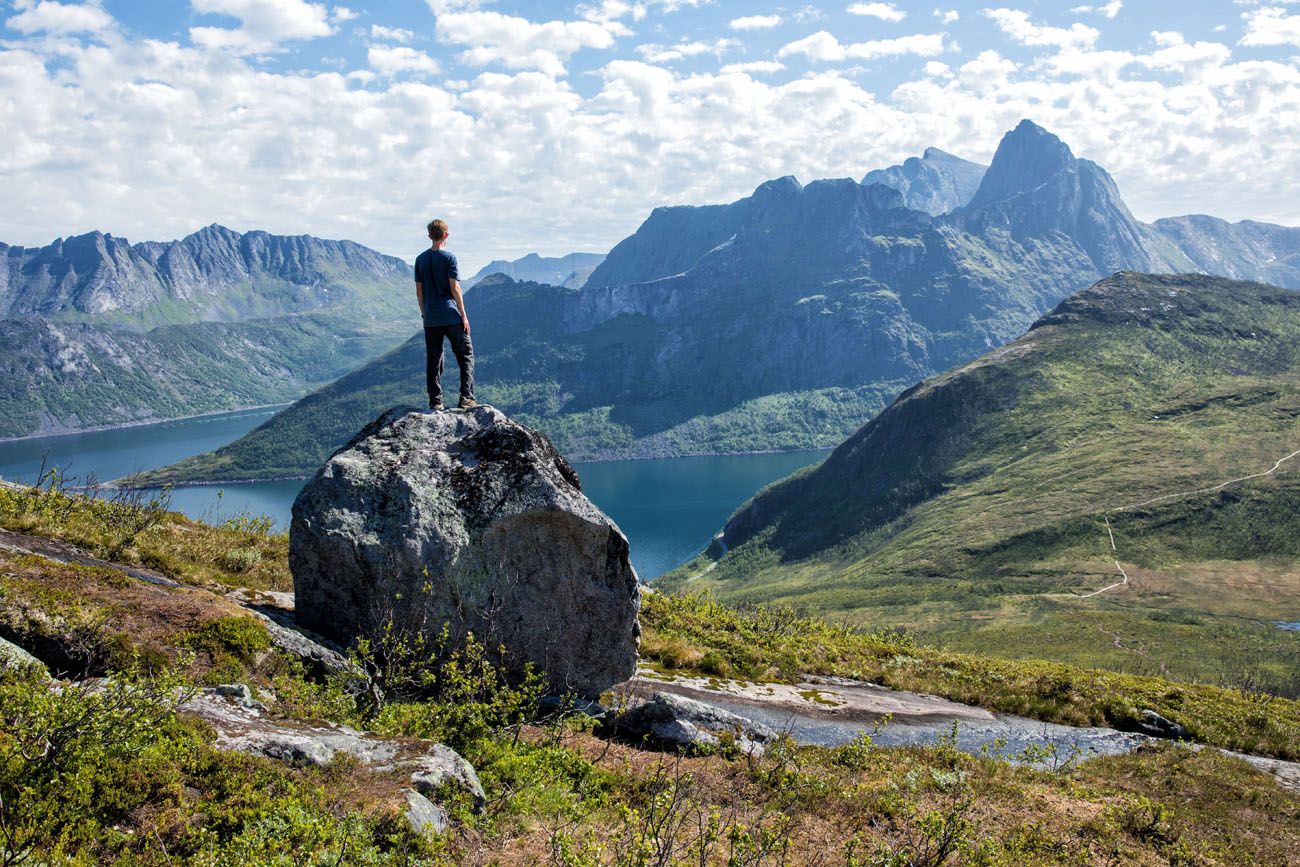
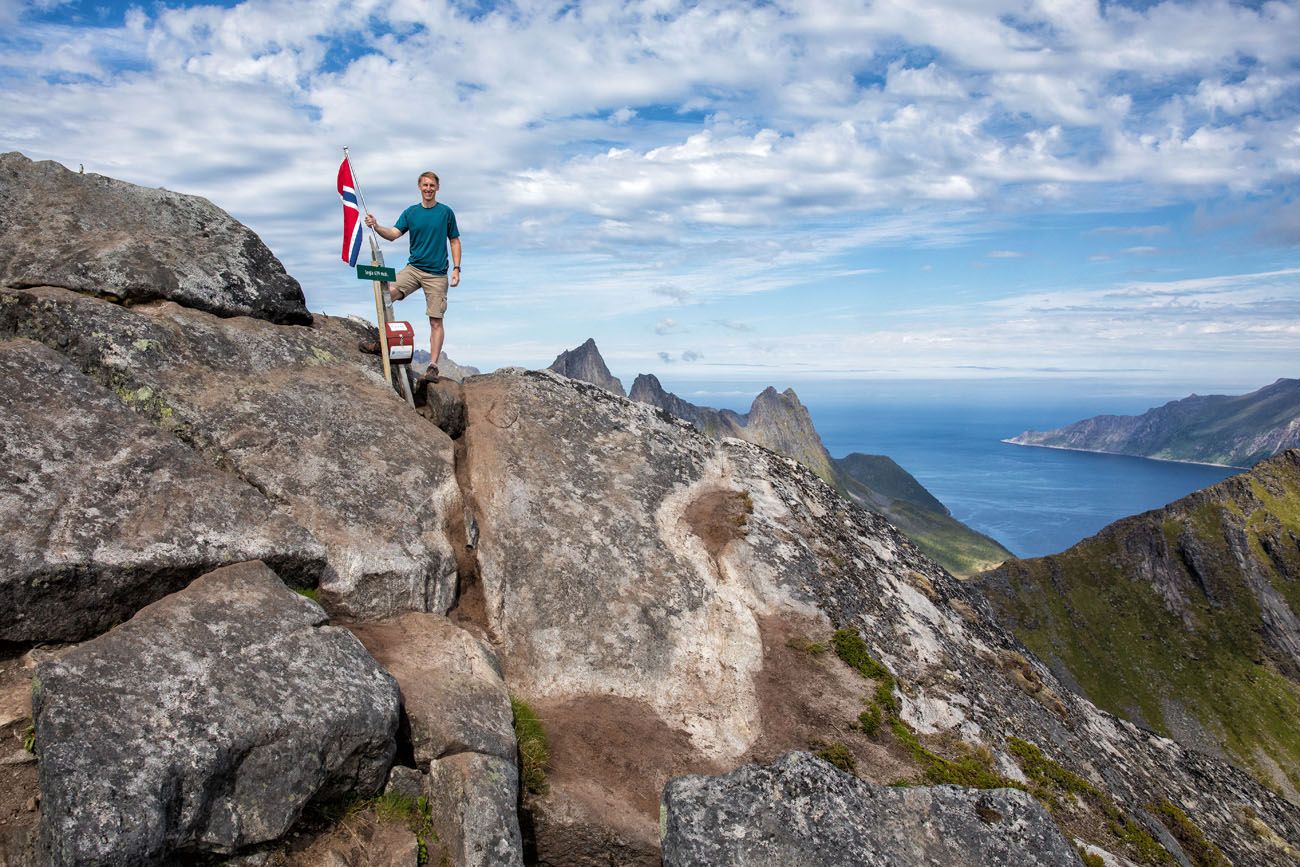
On top of Segla
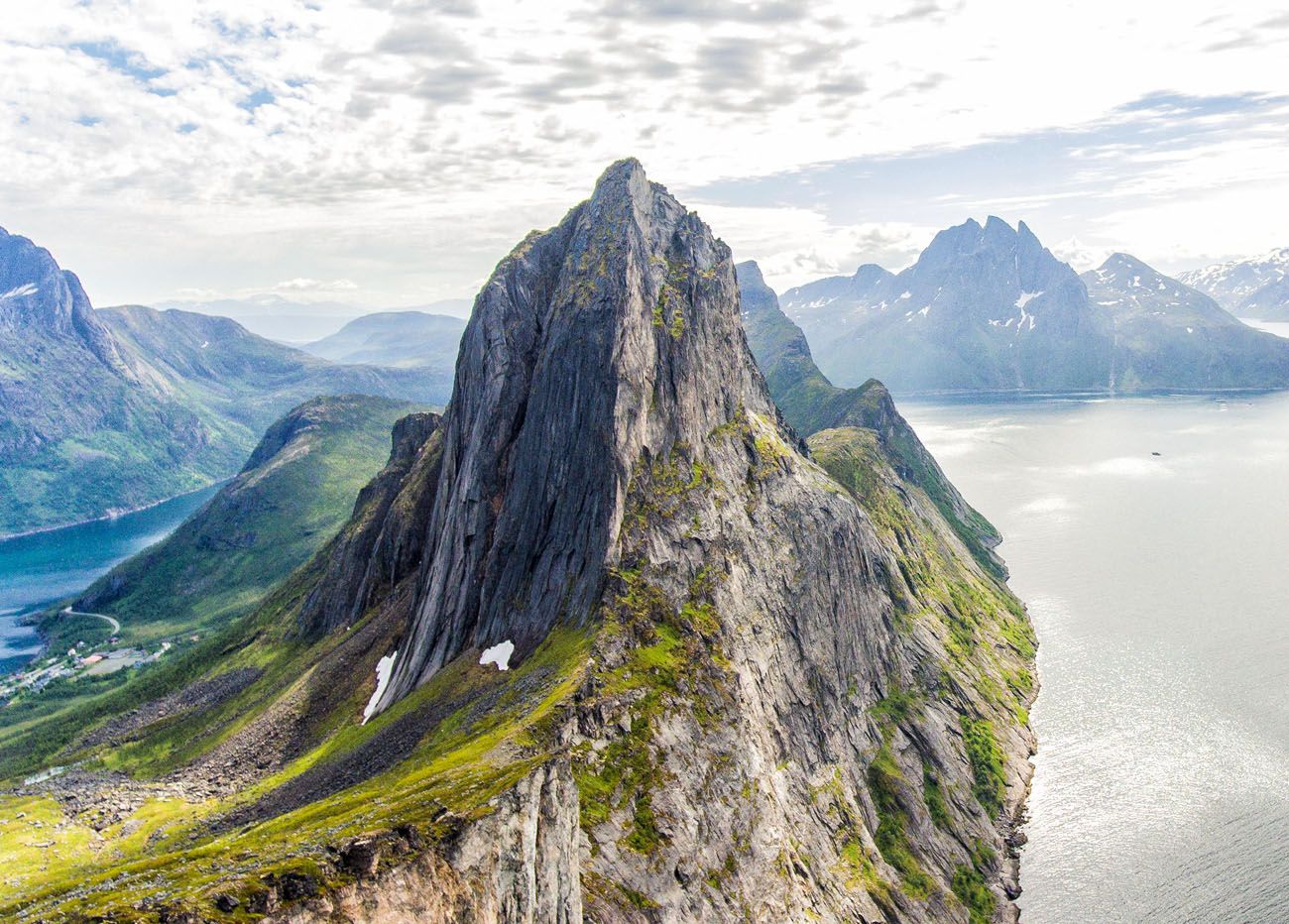
Segla by drone
Another great hike to consider on Senja is Breidtinden. This is an even more demanding hike, with more climbing and a slightly longer distance, but it offers gorgeous views of Segla and Mefjord.
More Things to Do on Senja
If hiking is not in your game plan, Senja is still worth the visit. It’s a gorgeous drive on the Norwegian Scenic Route from Botnhamn to Gryllefjord and along the way there are a few places to visit.
Tungeneset is a coastal viewpoint. Walk out on the wooden walkway to the beach for a stunning view of the jagged Okshornan mountain range (it rained during this part of our visit so our photos aren’t the best).
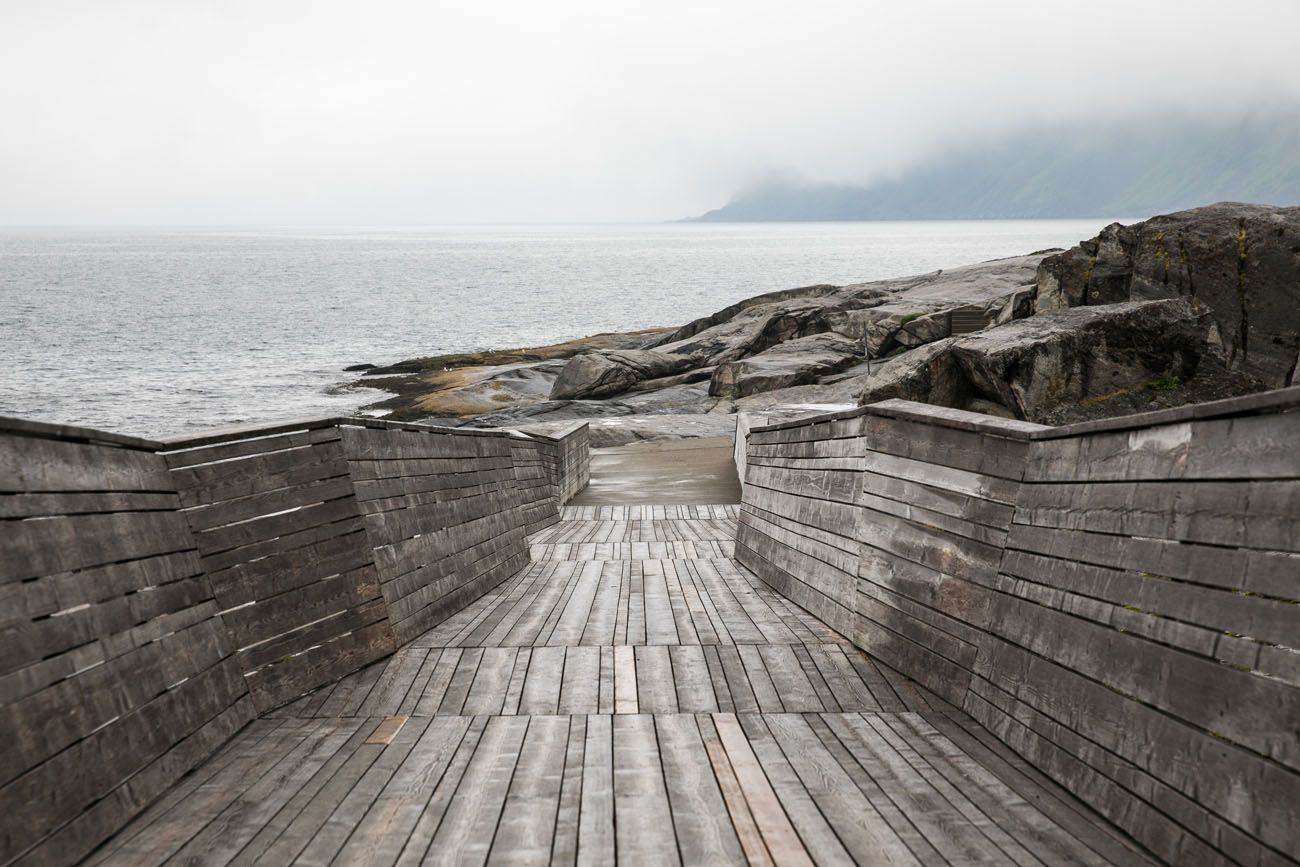
Tungeneset
The Bergsbotn viewing platform is a wooden and metal platform that offers nice views of Bergsfjord. Unfortunately, we visited these spots in rather rainy, dreary weather (not uncommon in Norway!).
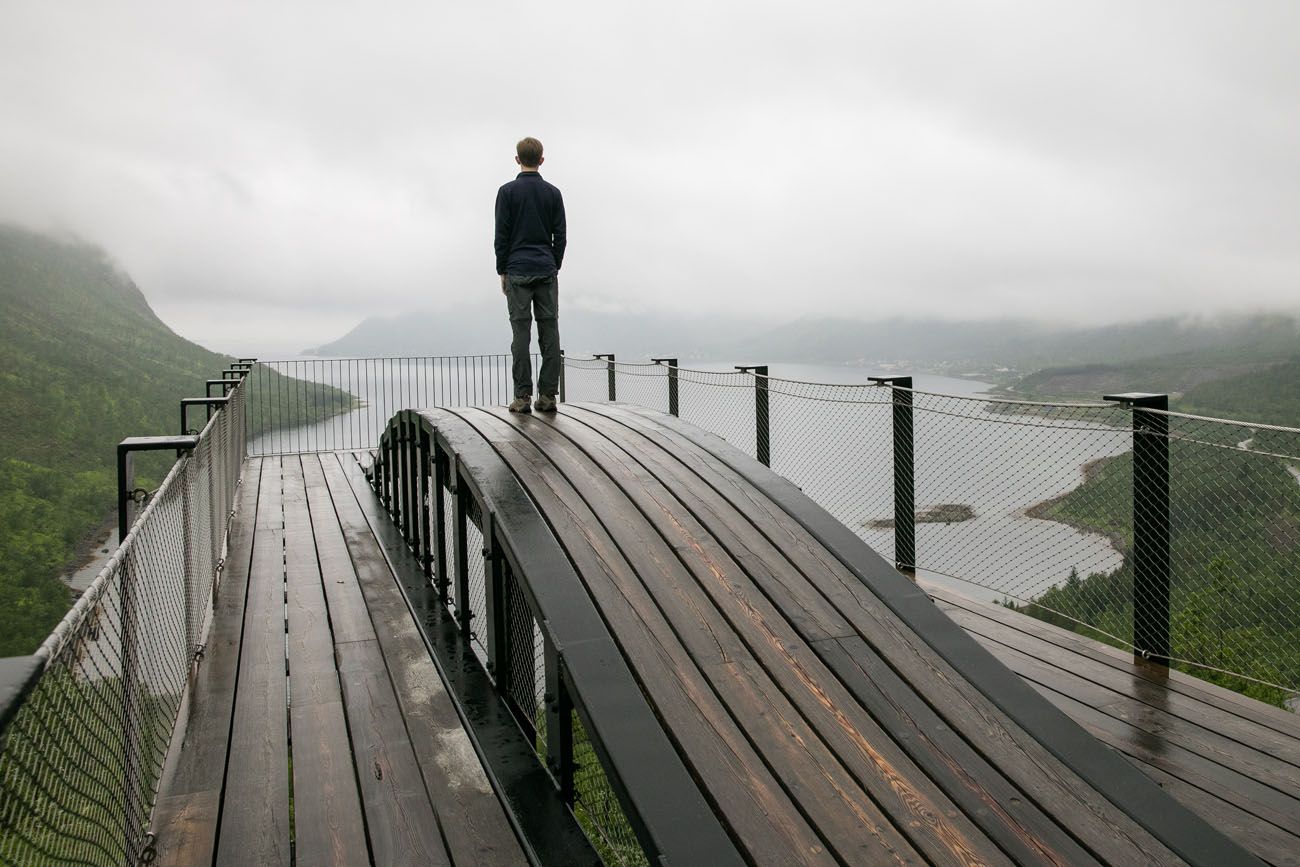
Bergsbotn Viewing Platform
What We Did: We hiked Segla midday and then crashed at our hotel for the remainder of the day. The following morning we visited Tungeneset, the Bergsbotn viewing platform, and did a drive by of Senjatrollet (which burned down since we did this road trip) on the way to the ferry at Gryllefjord.
Afternoon: Choose Your Route
Before you plan this afternoon, read the note below carefully. The decision you make here determines where you sleep tonight and shapes the rest of the itinerary.
⚠️ About tomorrow’s ferry: The ferry from Gryllefjord to Andenes has become one of the most congested crossings in Norway. Campervans routinely queue overnight, and even early June, can mean a two-day wait. One of our readers arrived in Hamn in early June 2025 and was told by her hotel manager that making either of the next day’s ferries was unlikely. When she drove to Gryllefjord that evening, there was over a mile of vehicles already in line. She drove to Lofoten instead. We want you to go in with eyes open, so we’ve structured the rest of this itinerary around three route options.
Option 1: Attempt the Gryllefjord–Andenes Ferry
Best for: travelers with schedule flexibility and a high tolerance for uncertainty
Hike Segla in the morning. On your way south to Gryllefjord in the afternoon, stop at Tungeneset and the Bergsbotn viewing platform. They’re along the route and don’t add much time. Arrive at the Gryllefjord ferry terminal in the late afternoon and queue your car overnight. This is the only realistic way to have a strong shot at the first morning sailing.
The closest and most comfortable base for this is Hamn i Senja, which is just minutes from the terminal. It’s expensive, but if you’re queuing your car overnight you’ll want somewhere decent to sleep. See the full Day 5 section for everything you need to know about the ferry situation before committing to this option.
Option 2: Skip Vesterålen and Drive Directly to Lofoten
Best for: travelers who’ve decided the ferry risk isn’t worth it, or who want more time in Lofoten
Take your pick between hiking Segla or visiting Tungeneset and Bergsbotn midday — you won’t have time for both if you want to start driving in the early afternoon. Begin the drive toward the Lofoten Islands after lunch. From Senja, the drive to Svolvaer takes approximately six to seven hours depending on your starting point — a long day, but Norway makes long drives beautiful.
The upside is significant: you arrive in the Lofoten Islands a day early, giving you five nights instead of four, with a full buffer day for weather or extra hiking.
Option 3: Drive to the Vesterålen Islands
Best for: hikers who don’t want to risk the ferry, and anyone traveling outside the May–September ferry season
This option guarantees you Vesterålen and the Måtind hike without the ferry gamble. The trade-off is that Day 4 becomes a big day: you’ll need to choose between hiking Segla midday or visiting the Senja viewpoints. You won’t have time for both if you want to start driving in the early afternoon.
If Segla is a priority, hike it first thing and drive past Tungeneset quickly on your way out. If you’d rather take it easy after the previous day’s travel, do the scenic viewpoints and save your legs for Måtind tomorrow.
From northern Senja, the drive to Risøyhamn on the Vesterålen Islands takes approximately six hours. Check Google Maps from your specific starting point before you go.
We recommend staying two nights at Risøyhamn Sjøhus AS, one on Day 4 and one on Day 5. This puts you well-positioned for the Måtind hike the following morning and gives you a comfortable base to explore Andøya before driving south to the Lofoten Islands on Day 6.
Where to Stay
Option 1 travelers — staying on Senja:
Hamn i Senja is the best place to stay if you’re planning to queue for the ferry, it’s just minutes from the Gryllefjord terminal. It’s expensive, but the setting and reviews justify it.
Mefjord Brygge is where we stayed, a property on the opposite side of Mefjord from Segla, with views of the peak from the property. We had our own house with three bedrooms, two bathrooms, two living rooms, and a full kitchen. The restaurant serves excellent fresh fish and seafood. The trade-off is that it’s further from the Gryllefjord terminal, so factor in extra driving time if you’re queuing tonight.
Option 2 travelers: You’re driving to the Lofoten Islands tonight. See our guide to Where to Stay in the Lofoten Islands for help choosing the right location and hotel for your visit.
Option 3 travelers: Risøyhamn Sjøhus on the Vesterålen Islands, the first of two nights.
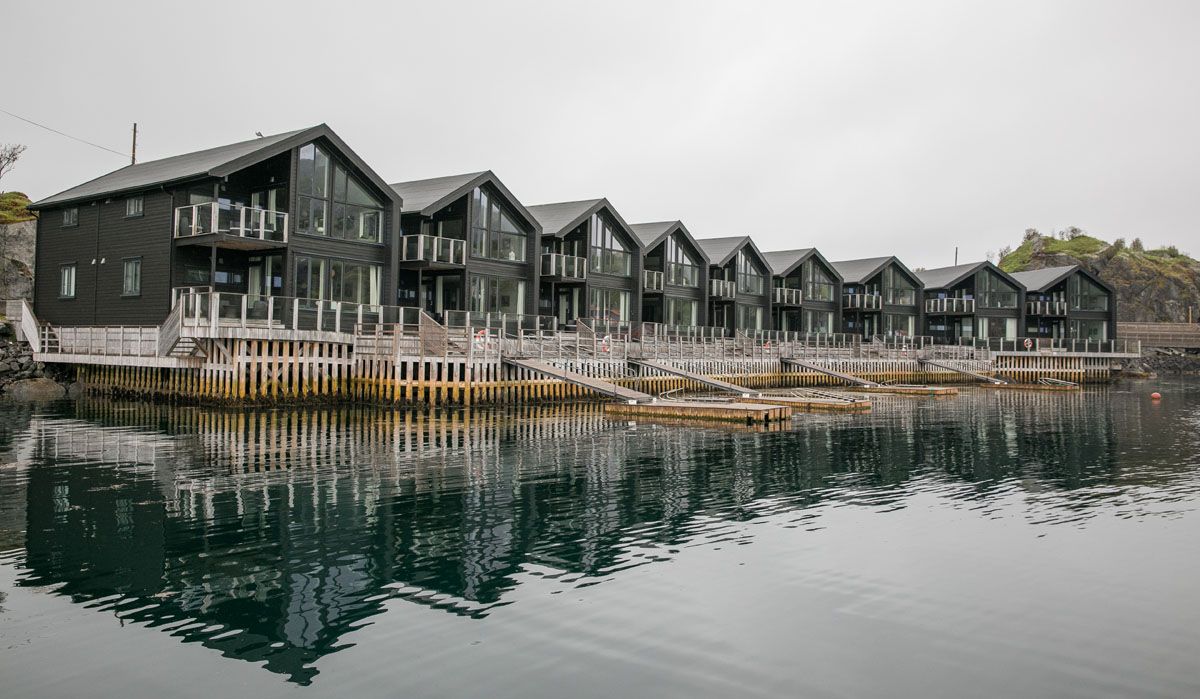
Hamn i Senja
Day 5: Vesterålen Islands or Lofoten Islands
On the Road: Varies by option
Highlights: Gryllefjord–Andenes ferry and Måtind hike or a scenic drive to Lofoten Islands
Overnight: Andenes area, Vesterålen (Option 1) · Lofoten Islands (Option 2) · Risøyhamn, Vesterålen (Option 3)
This day is also broken into three options, depending on which route you choose.
Option 1: Attempt the Ferry (Best for Campervans and Flexible Travelers)
Best for: Campervans and flexible travelers who queued at Gryllefjord last night
Your car is already in line at Gryllefjord. The first sailing departs at 11:00 am so get back to the terminal early and stay with your vehicle. There is a small grocery store near the terminal; if you want to put together a picnic lunch for the hike, this is a good place to do it.
The ferry runs two to three times daily depending on the season: three sailings during peak summer (mid-June through mid-August), two in late May and early June. Even with an overnight queue, a spot on the first sailing is not guaranteed. If you miss the first sailing, it is still possible to do the Måtind hike later in the day, with nearly 24 hours of daylight in summer, hiking into the evening is entirely workable.
Check before you go: There are some reports that advance reservations may now be possible on the Torghatten Nord website using your license plate number, which would significantly change the planning for this day. We haven’t been able to confirm this is reliably available, so verify directly rather than counting on it.
The crossing from Gryllefjord to Andenes takes one hour and forty-five minutes. Get the current ferry schedule here — click the link for 180 Gryllefjord–Andenes. You’ll purchase tickets onboard.
When we did this in 2018, getting in line at 9 am for the 11 am ferry was sufficient, but that is no longer the case. Conditions have changed dramatically in the years since. Plan accordingly.
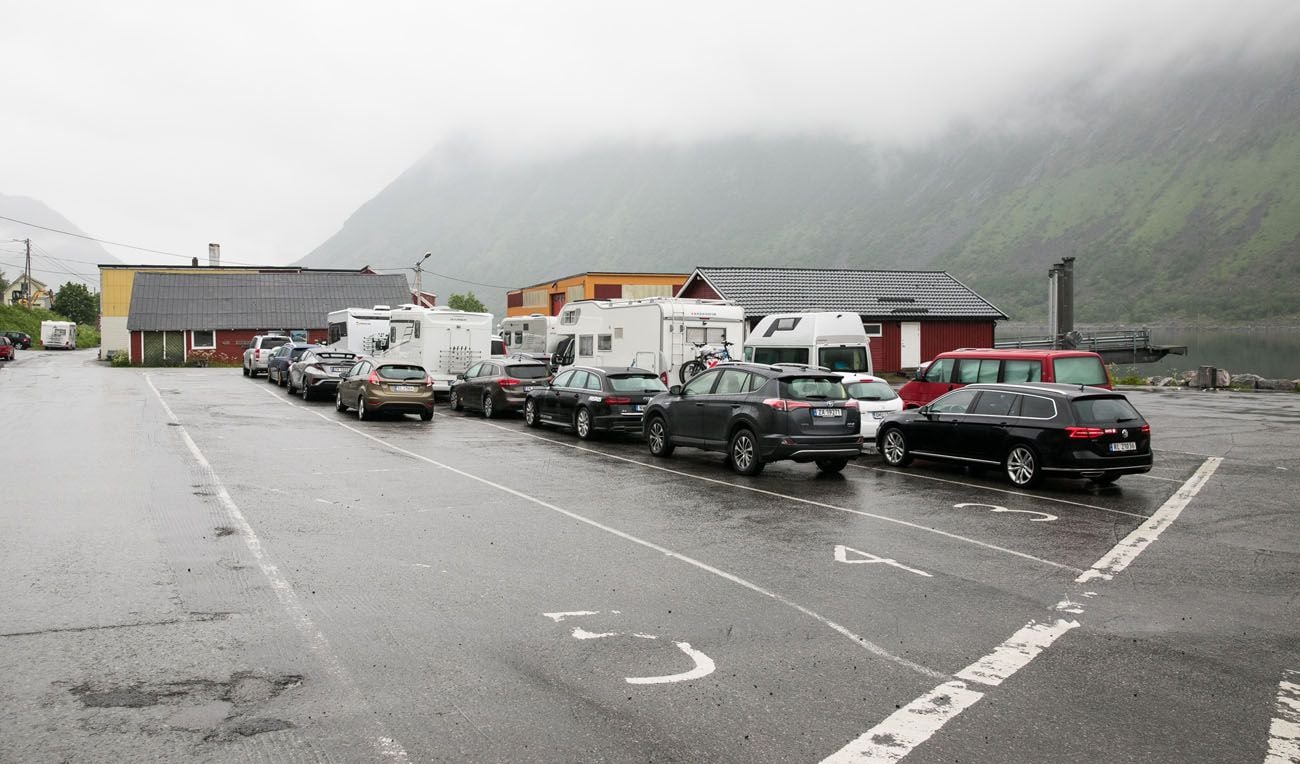
The ferry line at 9 am.
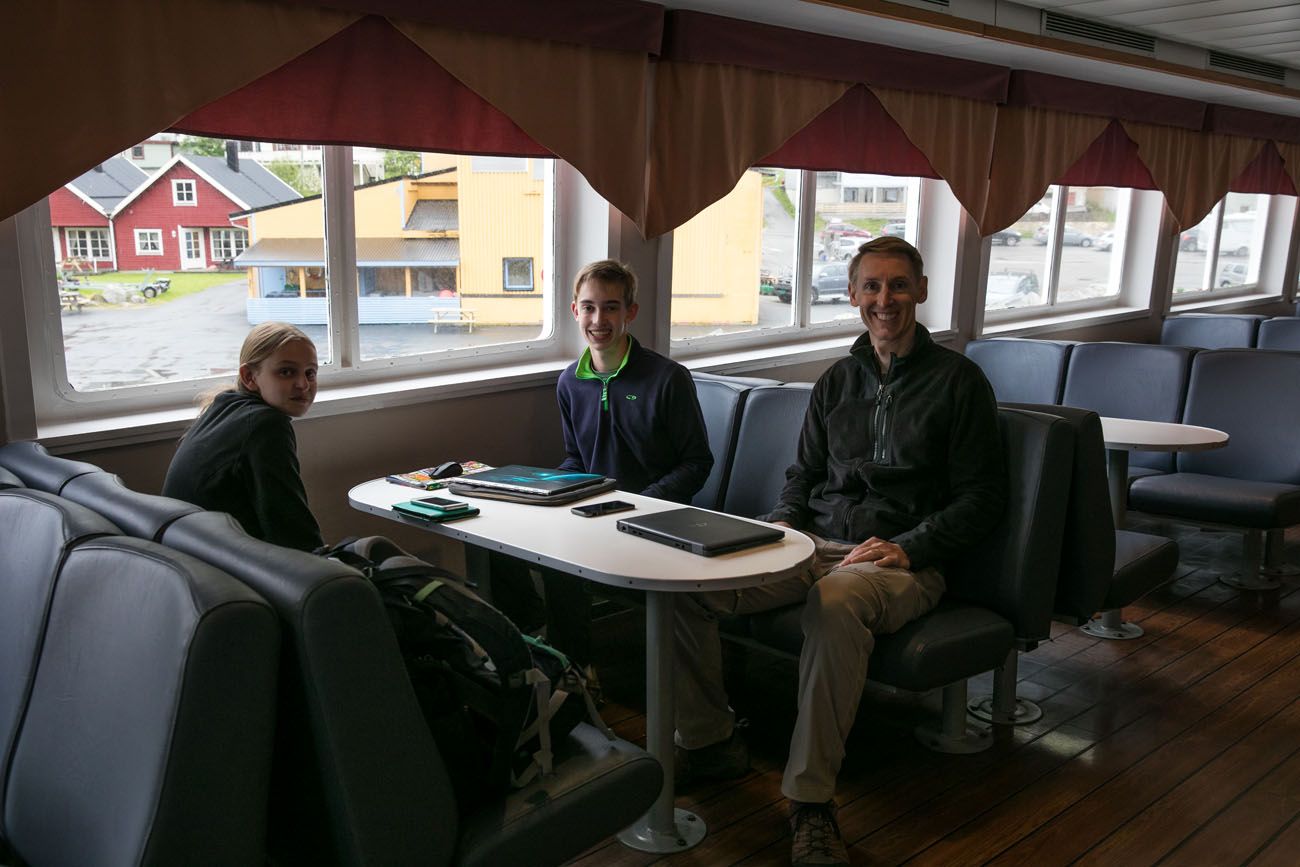
On the ferry
Hiking Måtind on the Vesteralen Islands
Remember when I said that every day just keeps getting better?
Hiking out to Måtind on the Stave-Bleik Coastal Trail is relatively easy and offers jaw-dropping views of the coastline. To get here, it is just a 20 minute drive from Andenes. This hike is 8 km (5 miles) long and takes 3 to 4 hours.
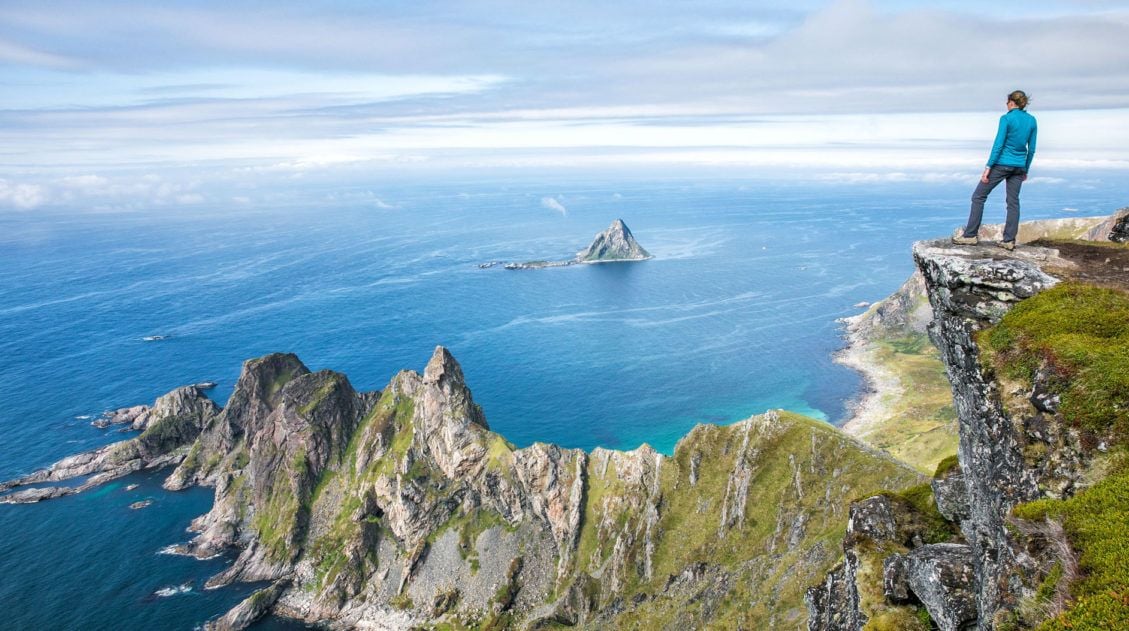
Hiking to Måtind on the Stave-Bleik Coastal Trail, Vesteralen, Norway
Detailed trail guide for hiking the Stave-Bleik Coastal Trail.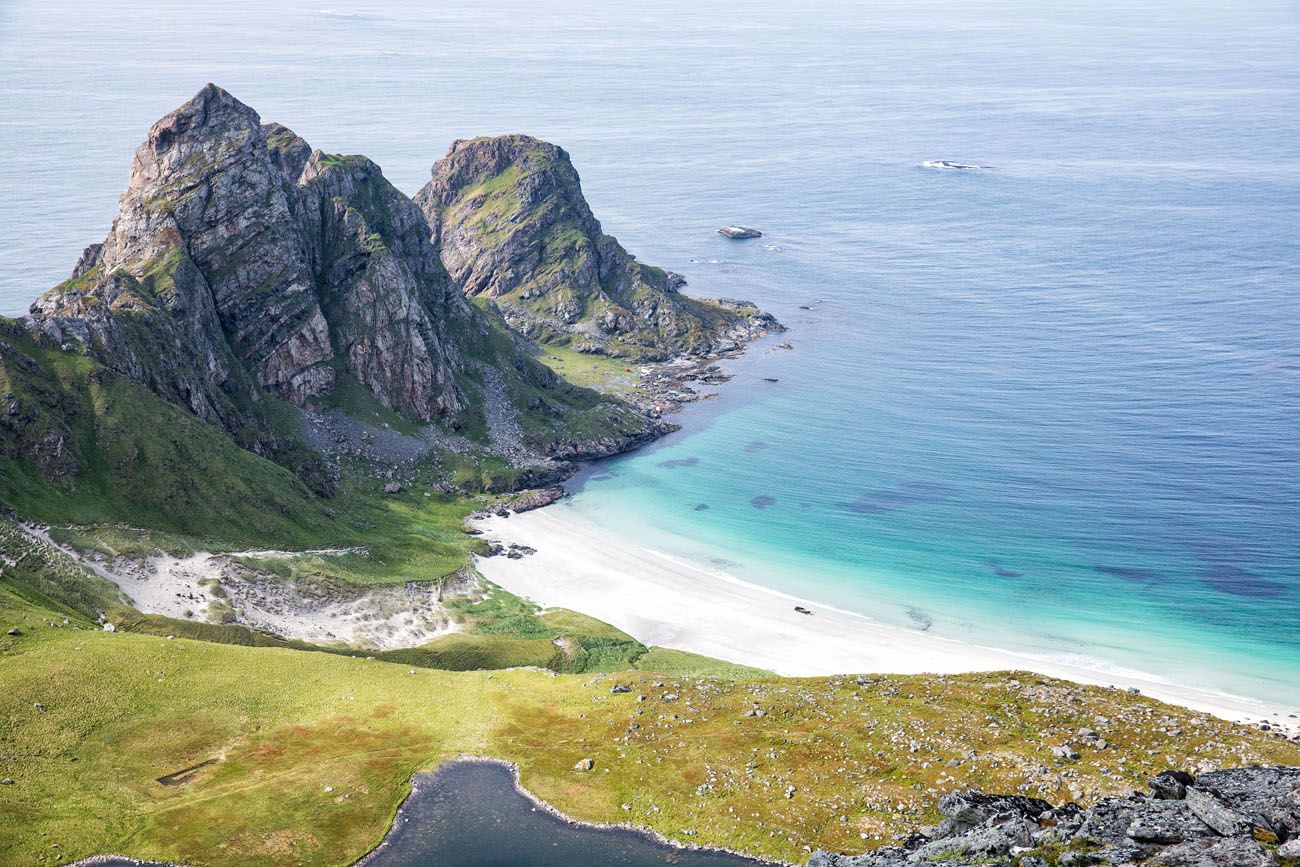
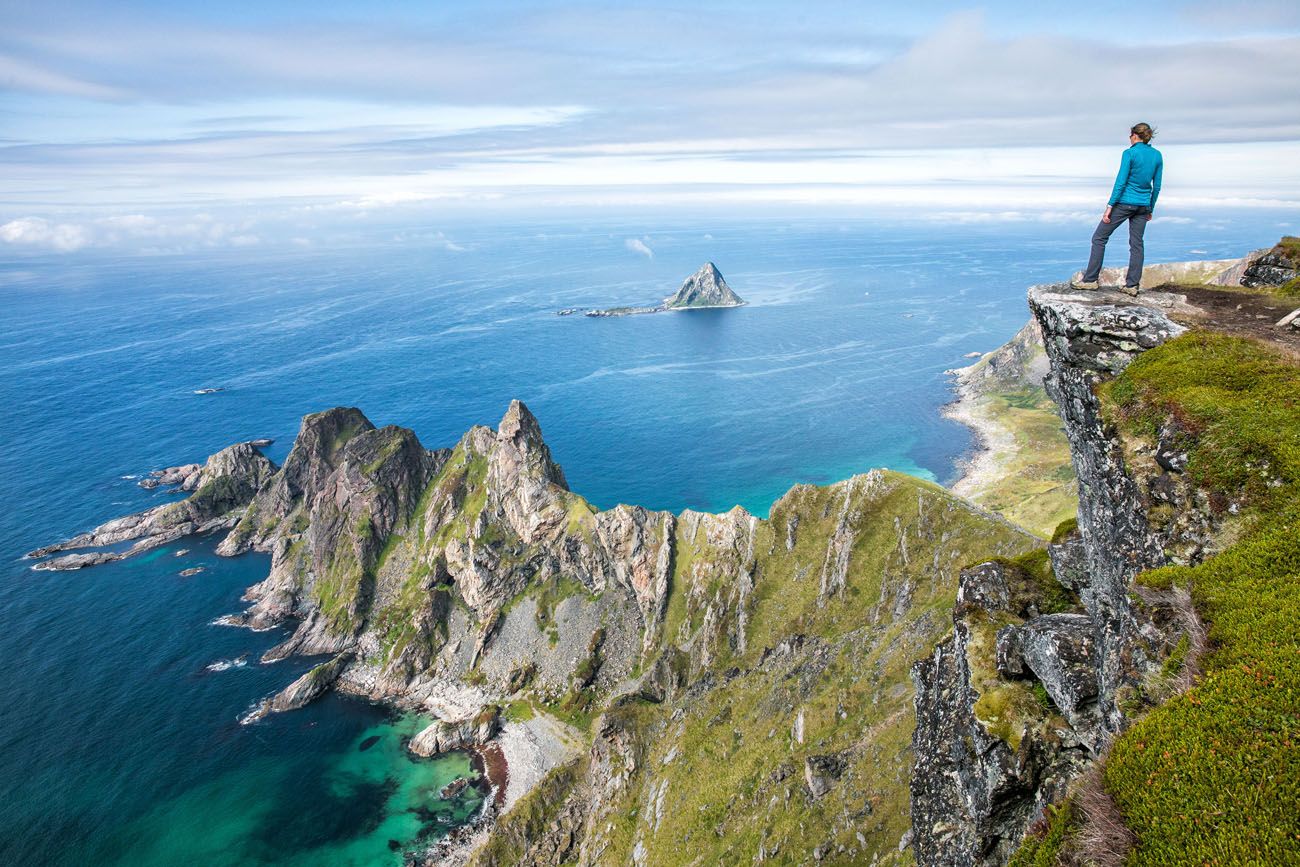
View from Måtind
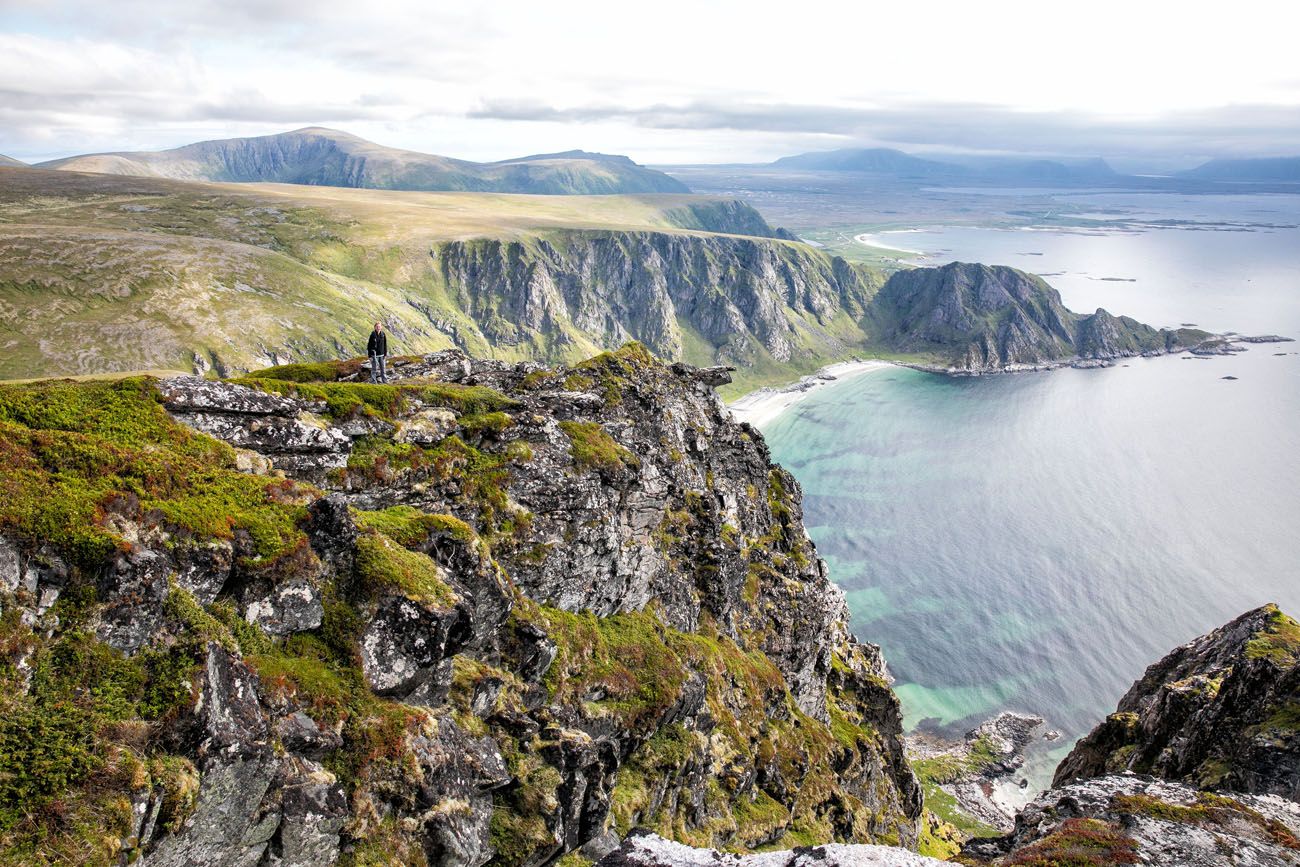
By the time you finish the hike it will be dinnertime. Grab a bite to eat in Bleik or Andenes, or another nearby town, and then settle into your hotel.
Option 2: Drive Directly to the Lofoten Islands
Best for: Travelers who’ve decided the ferry risk isn’t worth it, or who want more time in Lofoten
You’re still on Senja this morning. Begin the drive toward the Lofoten Islands. From the Senja area, the drive to Svolvaer takes approximately six to seven hours. It is a long day in the car, but Norway makes long drives beautiful.
Arriving a day early also gives you a genuine buffer day in the Lofoten Islands, and in the Lofoten Islands, that buffer day will almost certainly get used, whether by bad weather, a longer hike than expected, or simply wanting to stay somewhere longer than planned.
If you take this option, treat today as Day 1 of your Lofoten stay and follow the Day 6 plan below when you arrive.
Option 3: Hike Måtind on the Vesterålen Islands
Best for: Travelers who drove to Risøyhamn yesterday and want Måtind without the ferry gamble
You’re already in the Vesterålen Islands and this is your day to make the most of them. Drive from Risøyhamn to the Stave-Bleik area near Andenes, approximately 45–60 minutes north, and hike out to Måtind on the Stave-Bleik Coastal Trail. This is the same hike Option 1 travelers are attempting via ferry: 8 km, 3–4 hours, with sweeping coastal views that rival anything in the Lofoten Islands. You just got here the reliable way.
After the hike, spend the afternoon exploring Andøya. Andenes is a quiet fishing town at the northern tip of the island with a lighthouse, a whale museum, and whale watching tours that run from June through November, This is one of the best places in Norway to see sperm whales. Drive back to Risøyhamn Sjøhus for your second night.
Tomorrow you’ll drive south to the Lofoten Islands.
Where to Stay
Option 1 travelers — staying in the Andenes area:
Nord Fish Apartments is where we stayed, chosen for budget prices and decent reviews. It’s out in the middle of nowhere, in a cluster of buildings that feel more like a dormitory than a hotel. Rooms are enormous and spotlessly clean, but the old building echoes. Clean and functional; not boutique or charming.
Apartment Utsikten in Andenes is a better option for two people. It’s a highly rated property with a gorgeous sea view within walking distance of the center of Andenes.
Option 2 travelers: You’re in the Lofoten Islands tonight. See our guide to Where to Stay in the Lofoten Islands for help picking the right location and hotel for your visit.
Option 3 travelers: Second night at Risøyhamn Sjøhus.
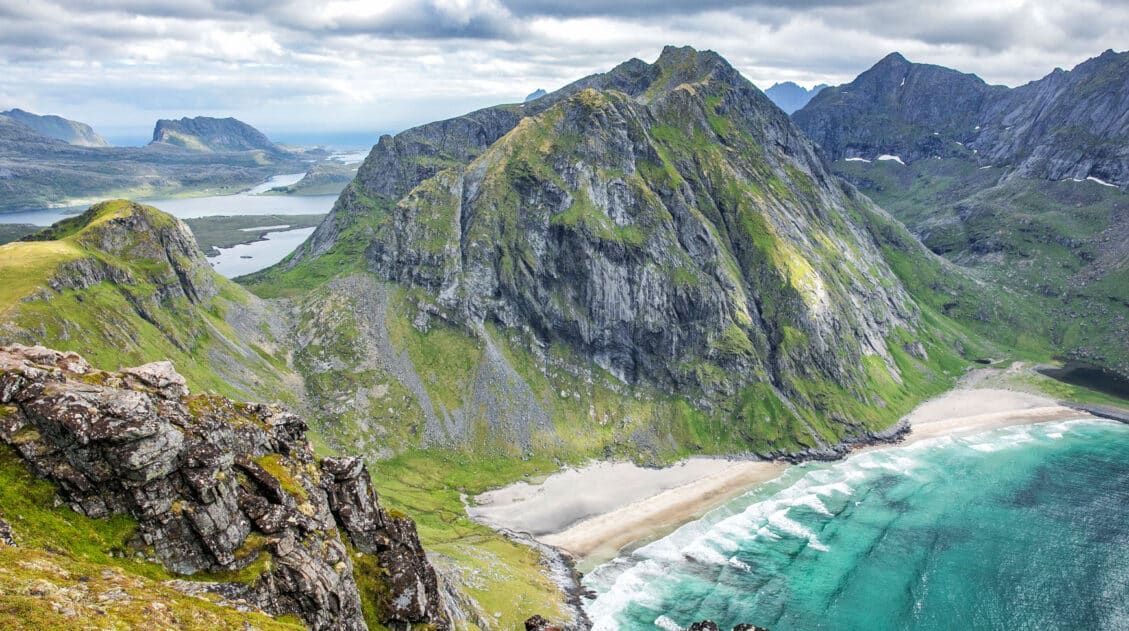
Day 6: Lofoten Islands
On the Road: Andenes to Svolvaer — 210 km / approx. 3 hours (Option 1 and 3 travelers — Option 2 travelers already in Lofoten)
Highlights: Scenic drive into the Lofoten Islands, Svolvaergeita guided climb, Fløya hike
Overnight: Kabelvåg or Svolvaer
So this is it…this is what you have been waiting for. For the next four days, you get to explore the awesome Lofoten Islands.
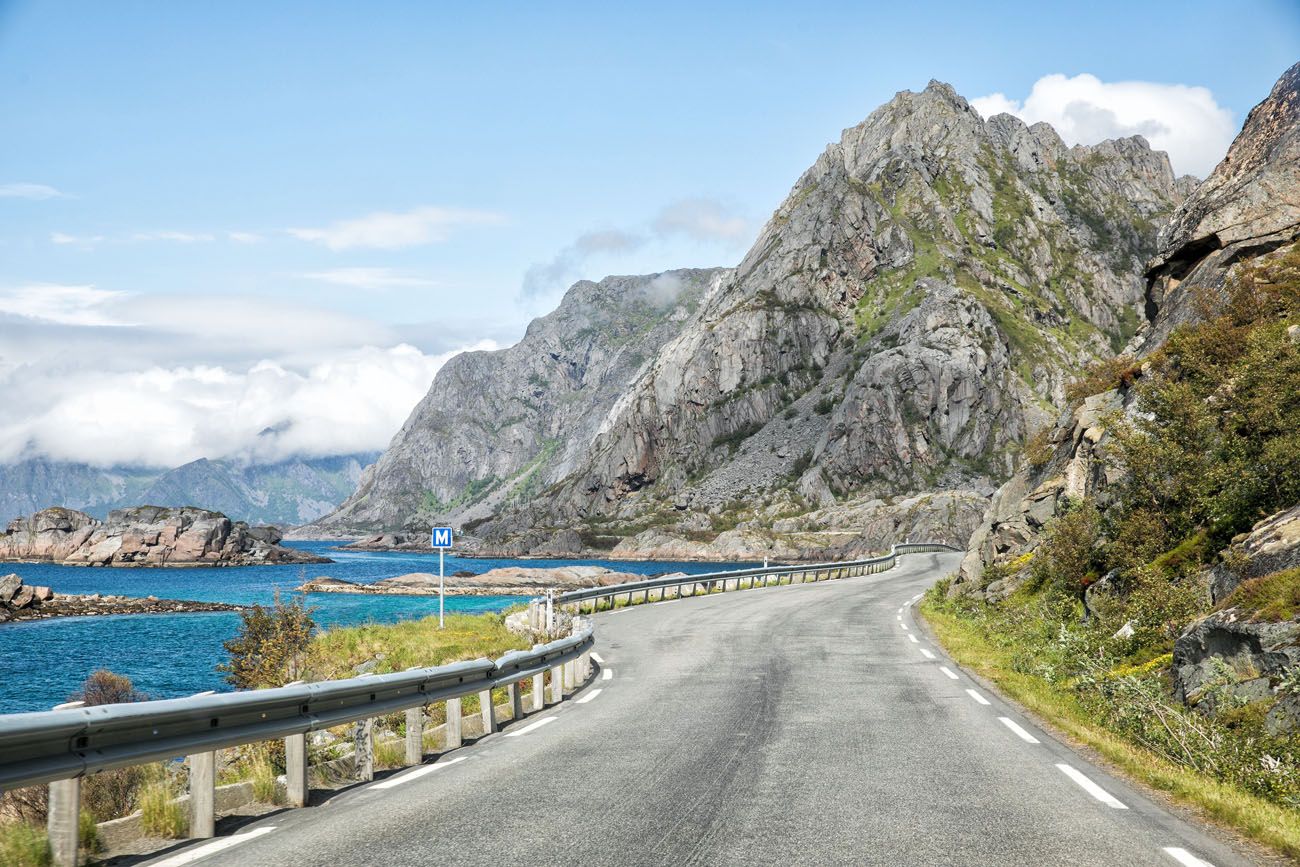
Driving through the Lofoten Islands
Note on arrival: How you arrive in the Lofoten Islands on Day 6 depends on which route you took.
- Option 1 (ferry) and Option 3 (drove to Vesterålen): You’re driving in from the Vesterålen Islands today. From Andenes, it’s approximately 210 km and three hours to Svolvaer. From Risøyhamn, it’s a similar drive, but check Google Maps from your specific starting point. Stop at a grocery store en route and pack a picnic lunch for the afternoon.
- Option 2 (drove directly to Lofoten yesterday): You’re already here. Skip the driving section below and treat today as your first full day. Follow the Day 7 suggestions for how to spend it.
There are a lot of different ways to plan your time here, but I’ll let you know exactly how we did it.
In the morning, drive south to Svolvaer. From Andenes, this drive is 210 km and takes three hours. During the drive, we stopped at a grocery store and bought food for a picnic lunch.
Just before arriving in Svolvaer, we stumbled across this very lovely picnic spot on E10 (labeled as Austnesfjorden rasteplass on Google Maps).
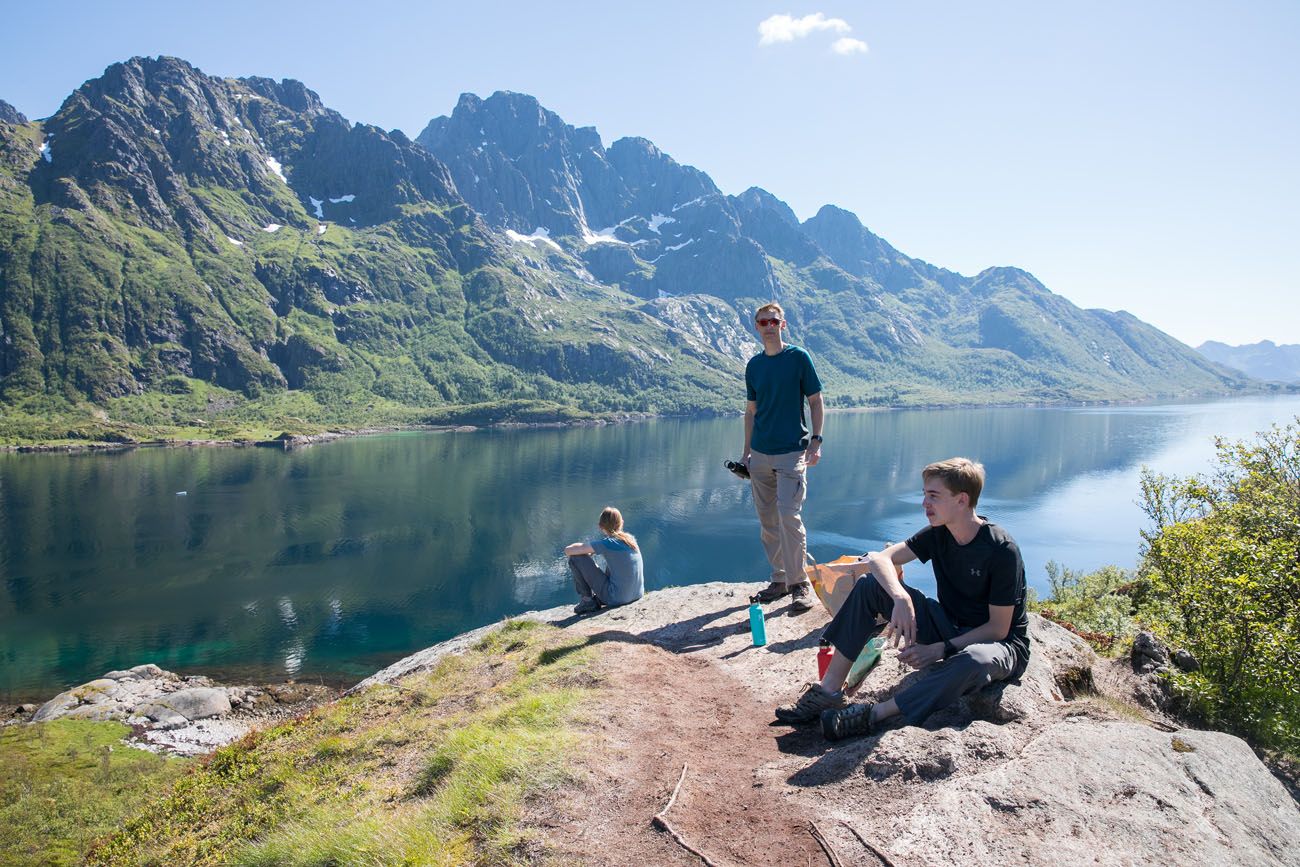
Once in Svolvaer, you have several options. If you want to pass on hiking, you can take a boat trip out among the islands, go fishing, or visit the Lofoten War Museum.
Or, you can do what we did, and have your most epic experience in the Lofoten Islands. In Svolvaer, there is a tall pinnacle of rock called The Goat, or Svolvaergeita. This is a very popular rock climbing spot and from the top you have one of the best views of Svolvaer. Even beginner rock climbers can do this.
This is typically done with a guided climb and is accessible to people with basic fitness, even if they’ve never rock climbed before. The guided portion makes it far less intimidating than it looks from the ground.
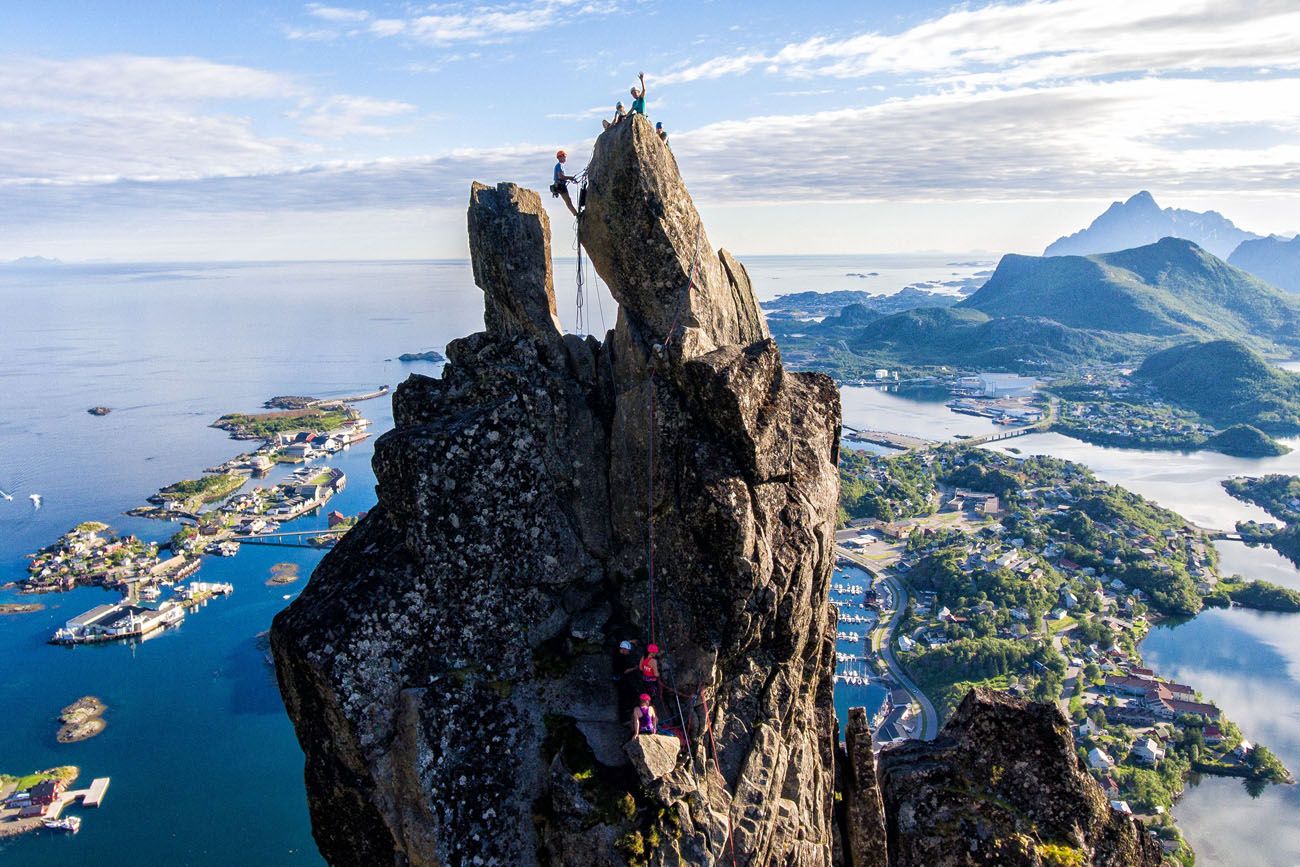
Svolvaergeita
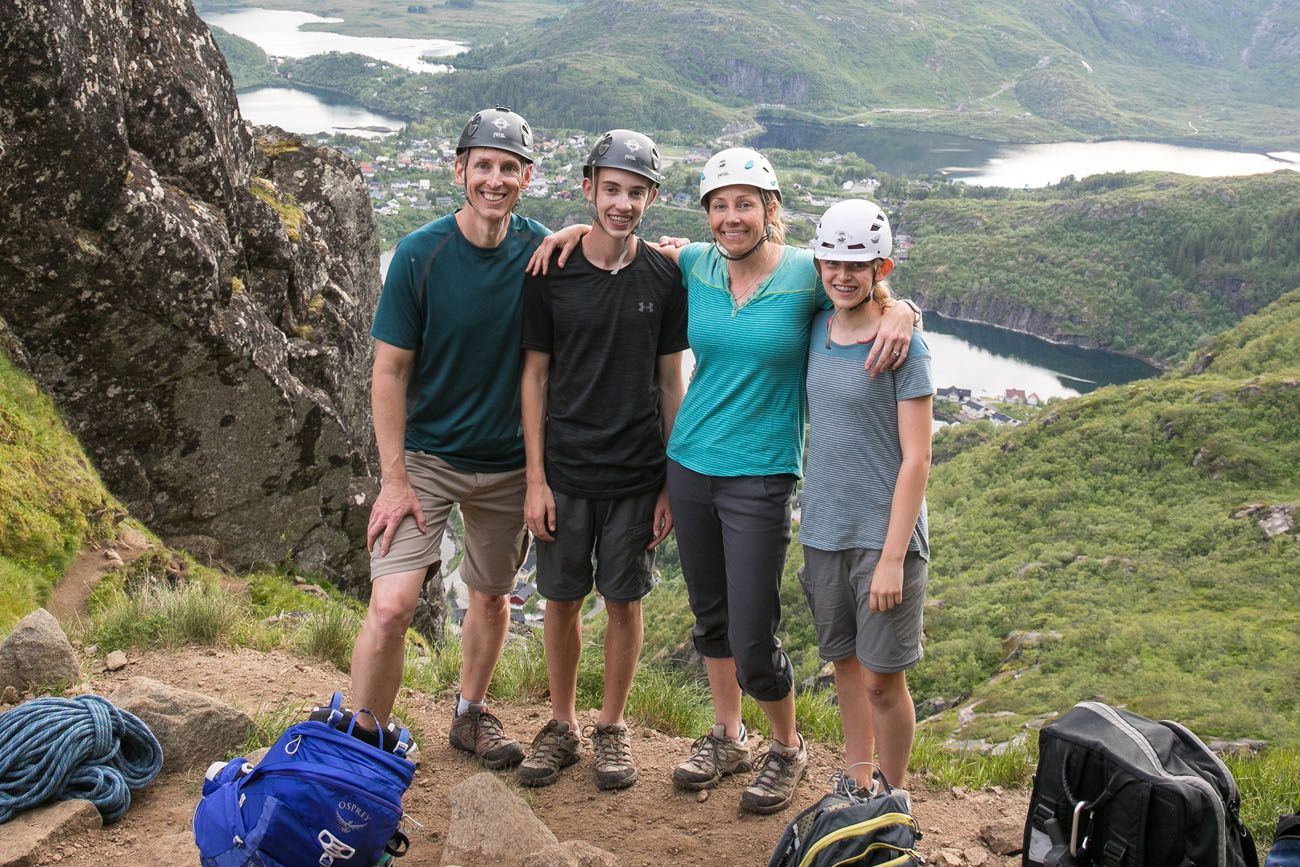
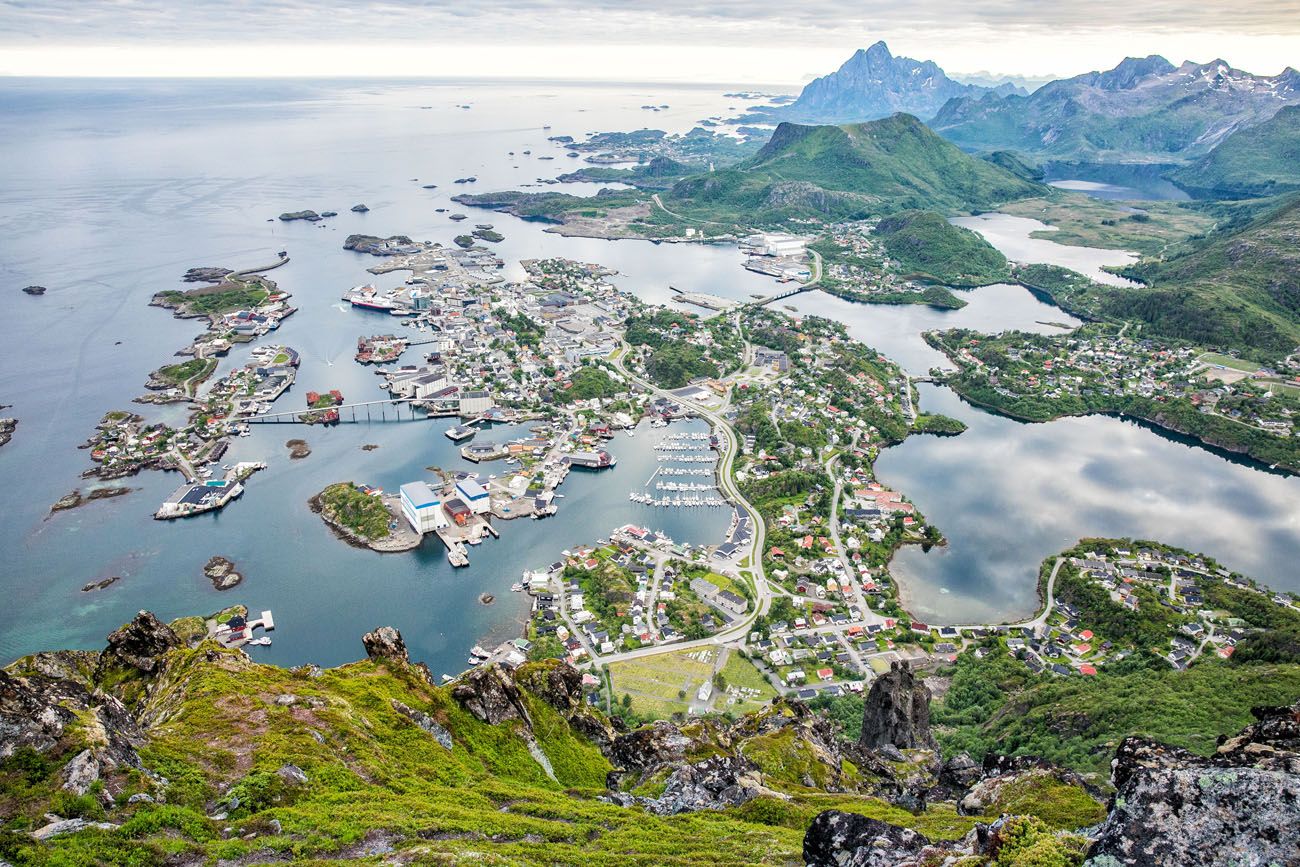
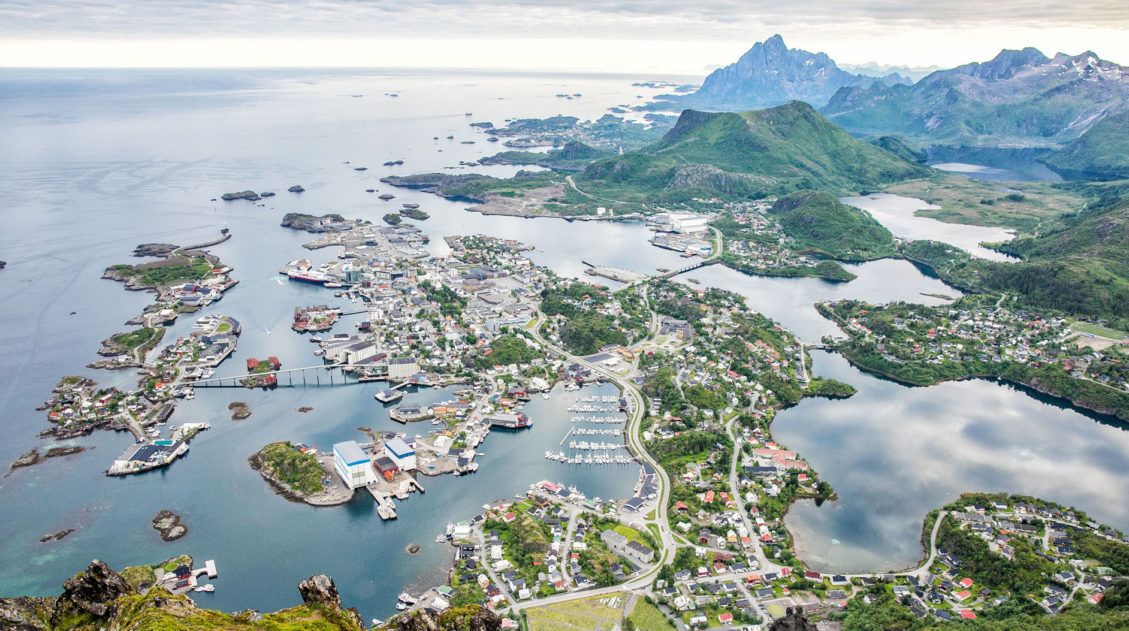
View of Svolvaer
Another option is to hike to the top of Fløya for another gorgeous view of Svolvaer. It is possible to combine the climb up Svolvaergeita with the hike up Fløya (this is what we did).
Where to Stay
We chose to stay in Kabelvåg (just south of Svolvaer) since we knew today would be a very long day. However, this added another hotel to our itinerary. It worked out fine for us, but if you want to avoid staying in a ton of hotels, you can choose one hotel for all four nights in the Lofoten Islands.
We stayed at Nyvågar Rorbuhotel in Kabelvåg, a 15 minute drive south of Svolvaer. A rorbuer is a classic fisherman’s cottage that has been converted into a hotel room, that usually comes equipped with a kitchen, living room, and private bedroom. We had a two bedroom cabin with the bedrooms on the second floor and the kitchen and living area on the lower floor.
Lofoten Islands Guides
Here are a few helpful guides about the Lofoten Islands: things to do, where to stay, and how to plan your time.
Day 7: Lofoten Islands
On the Road: 150 km/ 3 hours
Highlights: Festvågtind, Heningsvaer, beaches, Nusfjord, Håmnoy and Reine
Overnight: Lofoten Islands
On this day, we road-tripped down the Lofoten Islands to Hamnøy and Reine. We spent the next three nights in Hamnøy.
After breakfast at our hotel, we checked out and then drove south towards Henningsvaer.
Hiking Festvågtind
Just before reaching Henningsvaer, you have the option to do another hike. The hike up Festvågtind is very similar to Svolvaer Fløya, with a nice viewpoint over the Henningsvaer. We didn’t have the best weather and the hike was nice, but if we skipped one hike on this itinerary, this would be the one. However, on a clear day, I think it would be worth considering.
LEARN MORE: How to Hike Festvågtind in the Lofoten Islands
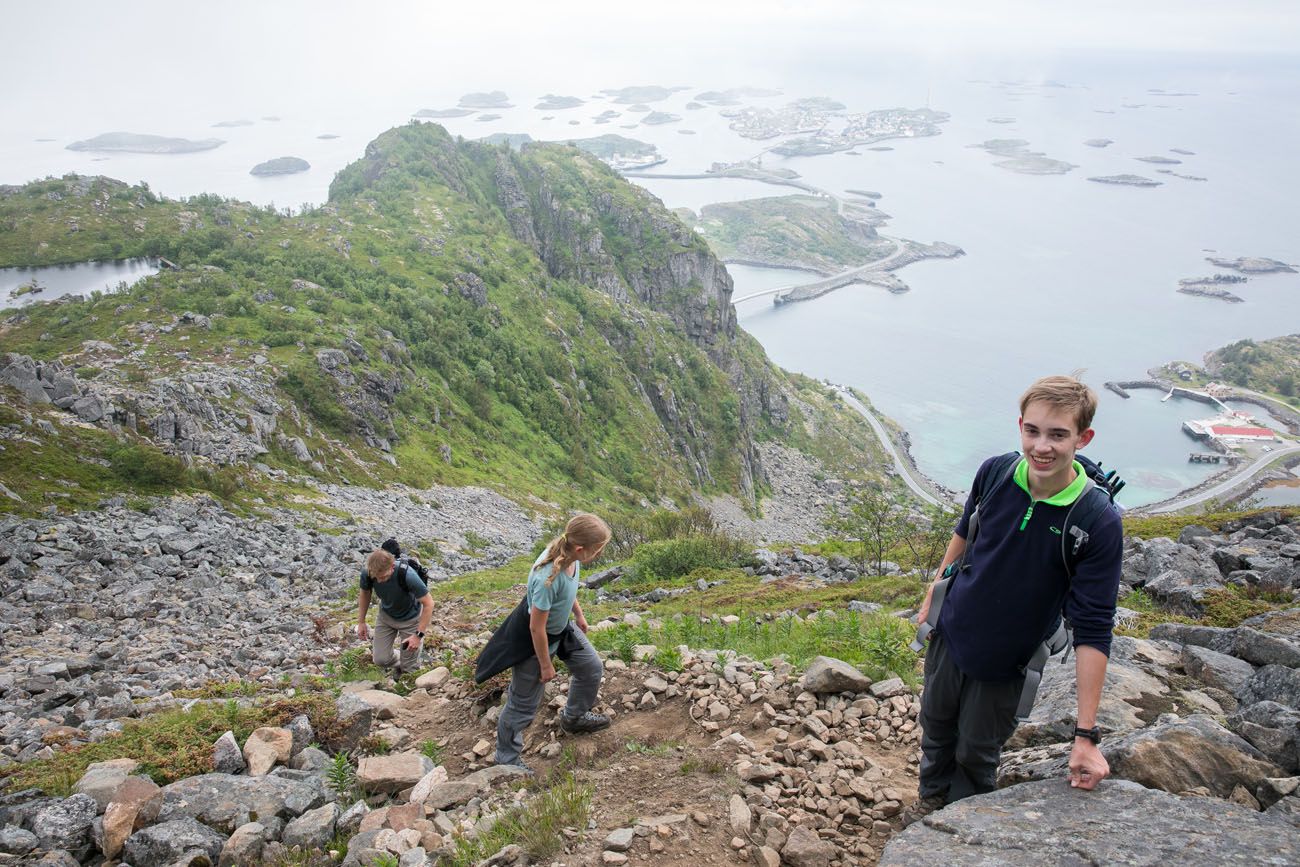
Henningsvaer
Continue on to Henningsvaer, a charming fishing village and a great place to get lunch.
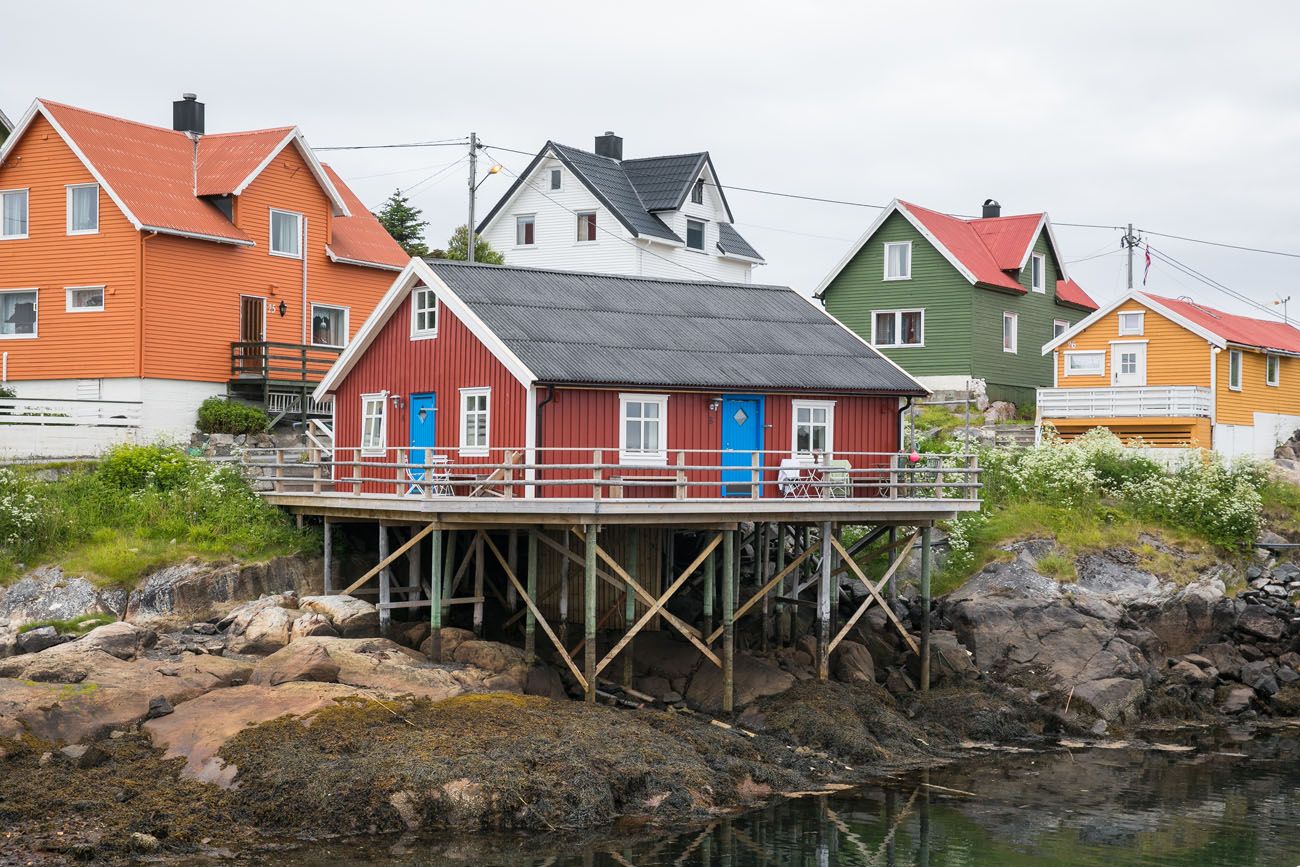
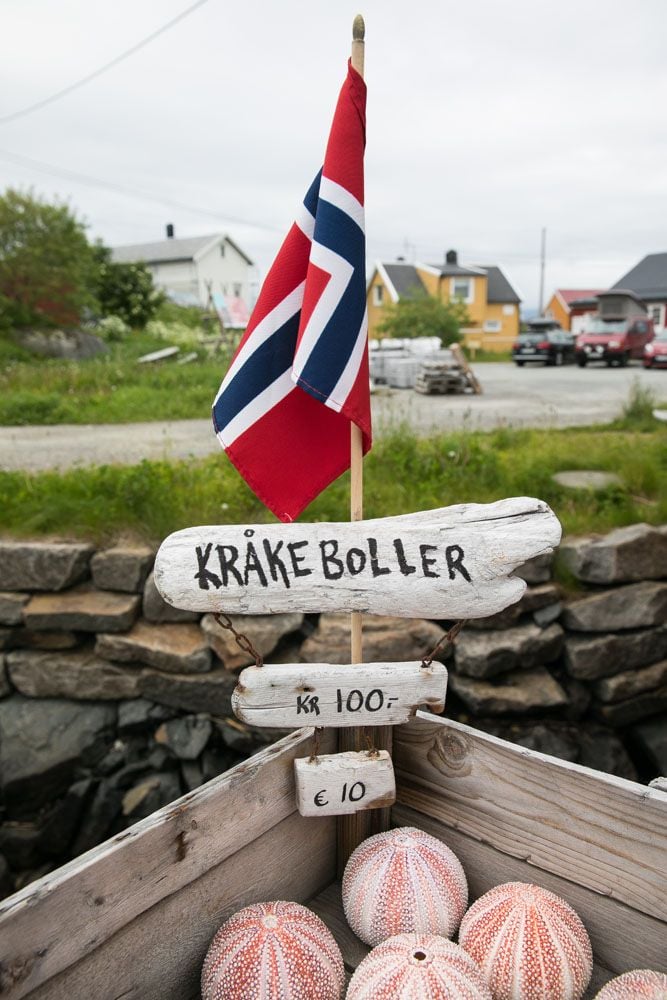
Road Tripping through the Lofoten Islands
Spend the afternoon road tripping through the Lofoten Islands. The scenery really is awe-inspiring here. It seems like there is another gorgeous view around every bend in the road. It was difficult to make any progress because we stopped so frequently for photos.
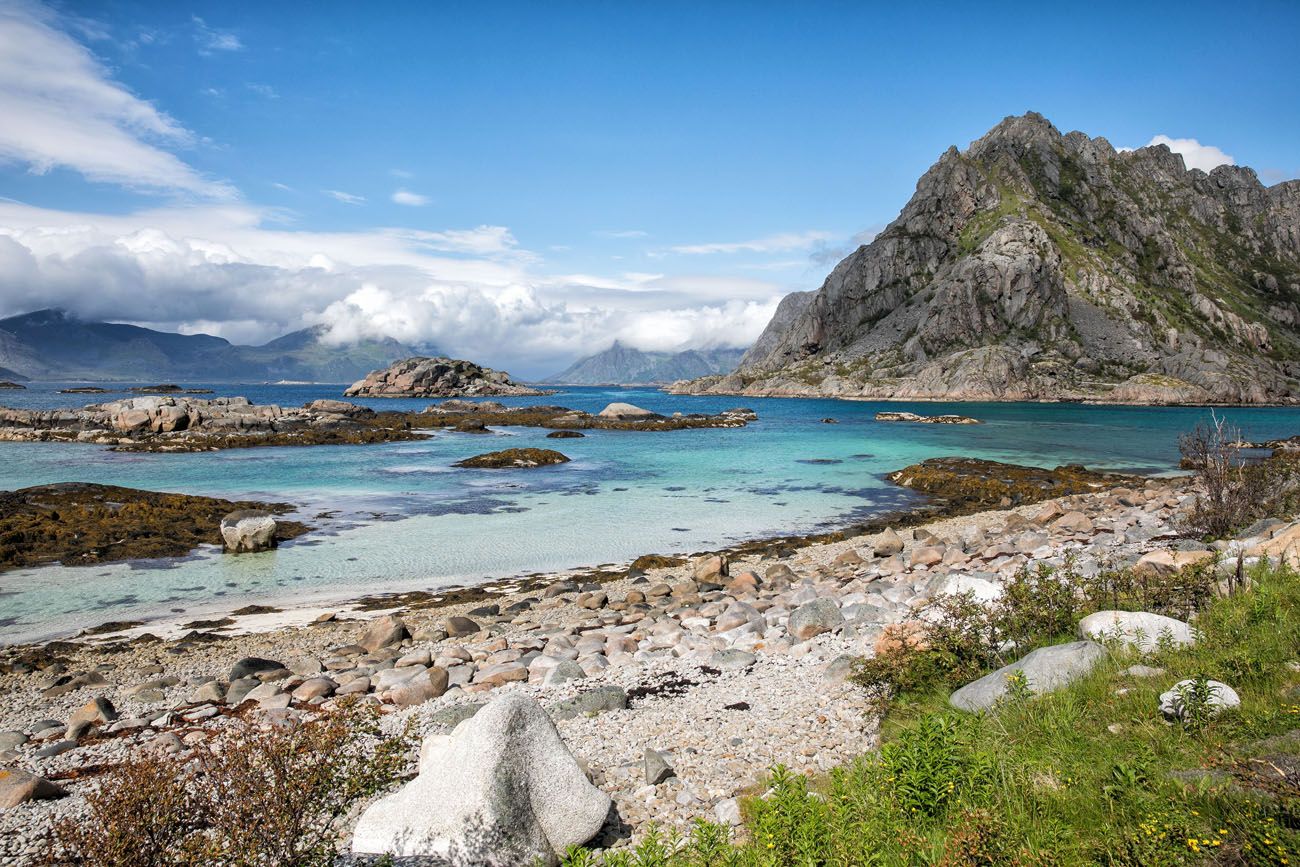
The Lofoten Islands near Henningsvaer
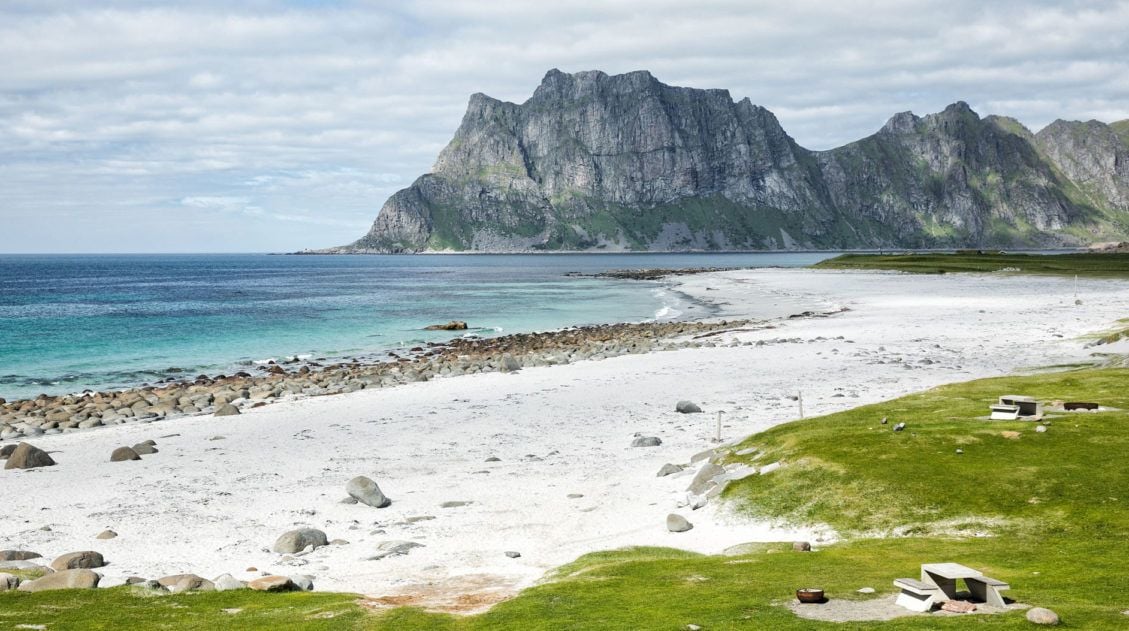
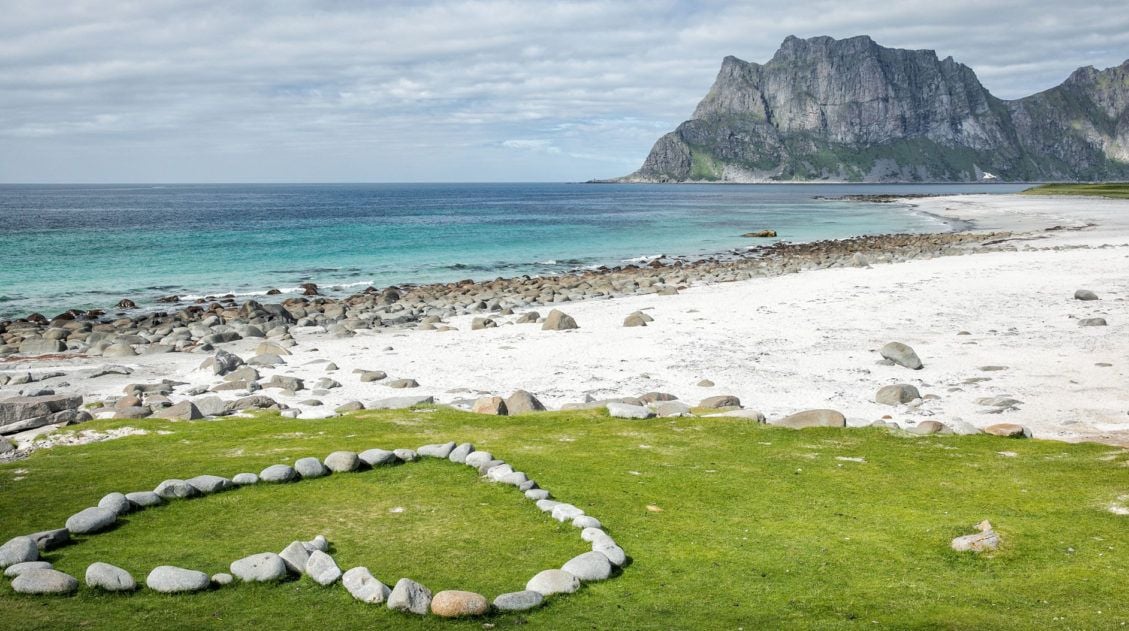
Haukland Beach & Uttakleiv Beach
Just north of Leknes, turn right onto Leiteveien from highway E10. Follow the narrow road out to Haukland Beach. This is a nice spot but if you keep going, it gets better.
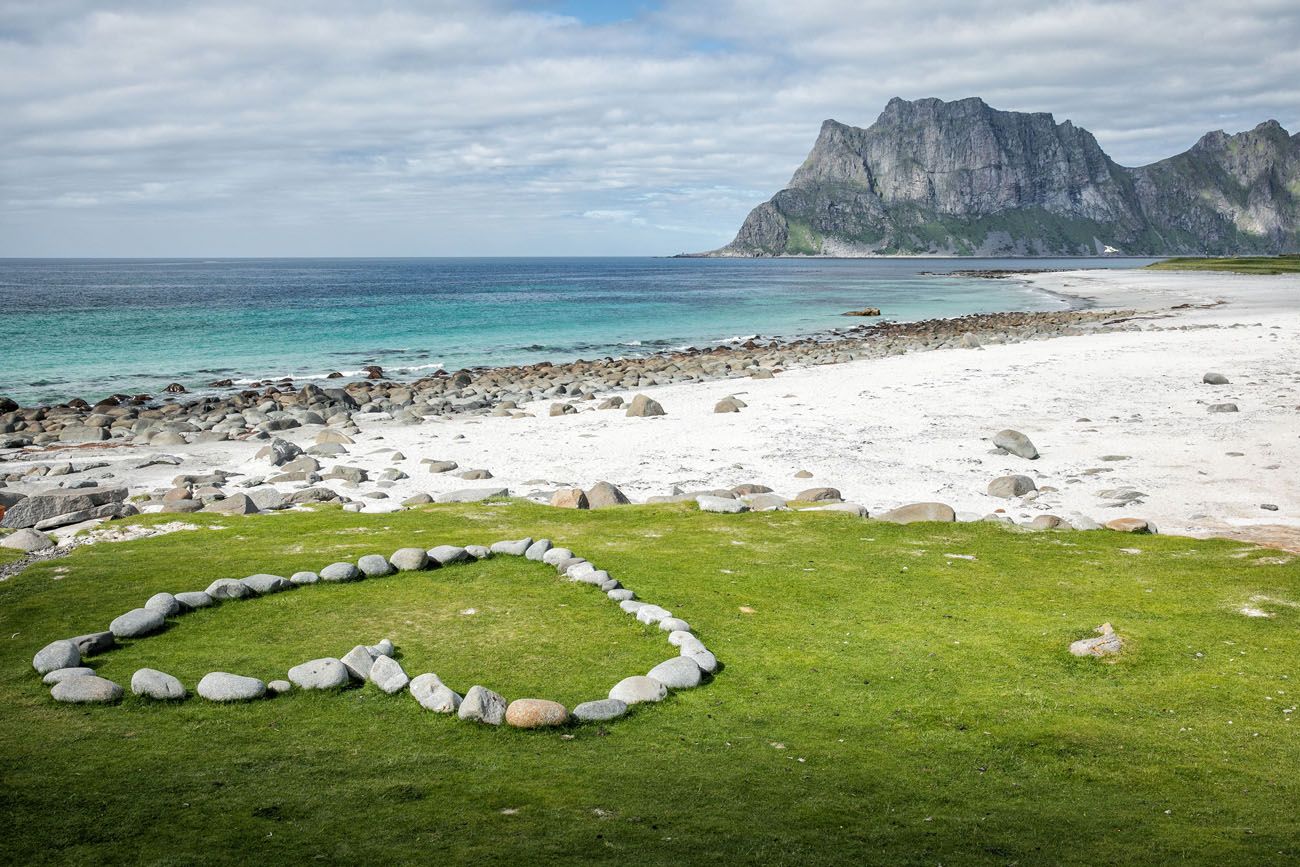
From Haukland Beach, take the road through the tunnel and you emerge out into one of the Lofoten Island’s prettiest beaches, Uttakleiv Beach. Park at the parking lot and then walk out on the beach, taking time to enjoy the view and capture the moment in photos.
Nusfjord
Our next stop is on the island of Flakstadøya. Nusfjord is one of the best preserved fishing villages in the Lofoten Islands. Now, it’s an open-air museum where you can tour a sawmill, an old-fashioned store, and a factory that makes cod-liver oil. You can also stay overnight in one of the old fisherman’s cabins (rorbu).
Reine and Hamnøy
From Nusfjord, we continued south to Hamnøy and checked into our hotel.
We stayed in Hamnøy at Reinefjorden Sjohus. This place is wonderful. We stayed in a two-bedroom apartment, which is really a two-level cabin with a kitchen and a living area. The view from the living room was AMAZING! We could look across the water to Sakrisøy and Reine and see Reinebringen in the background.
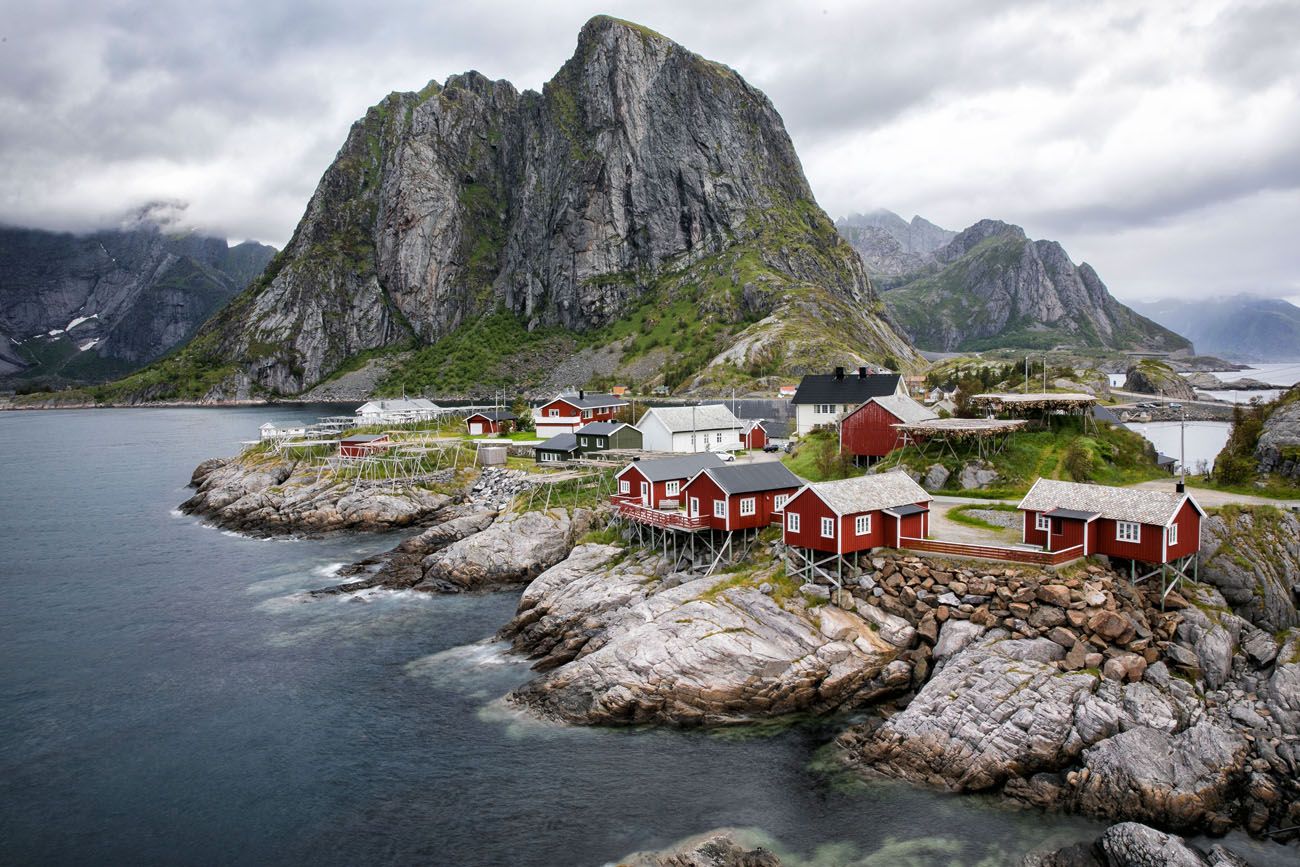
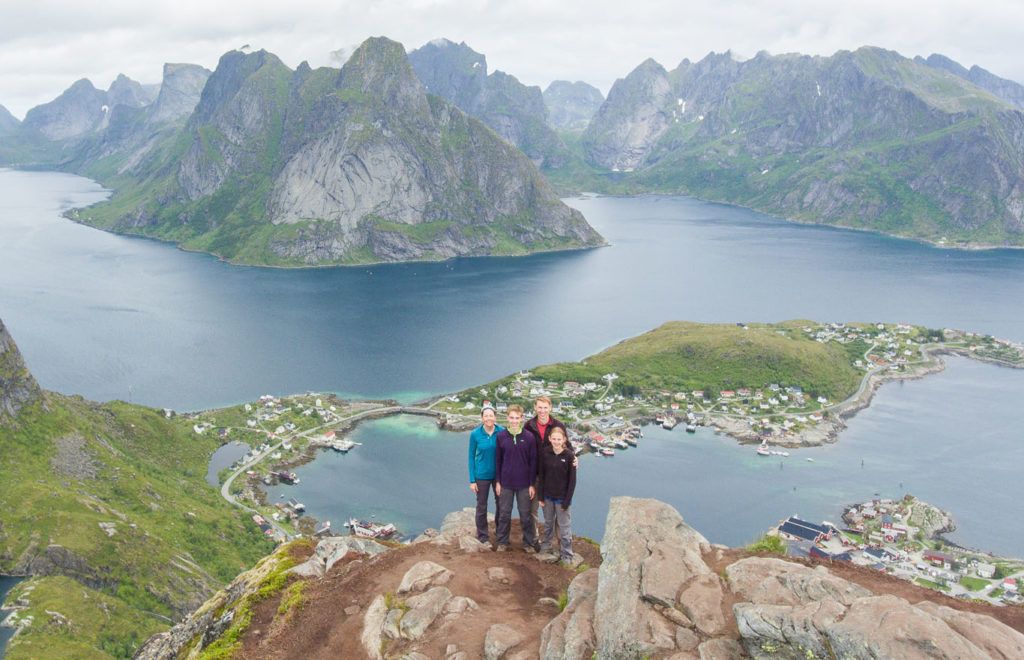
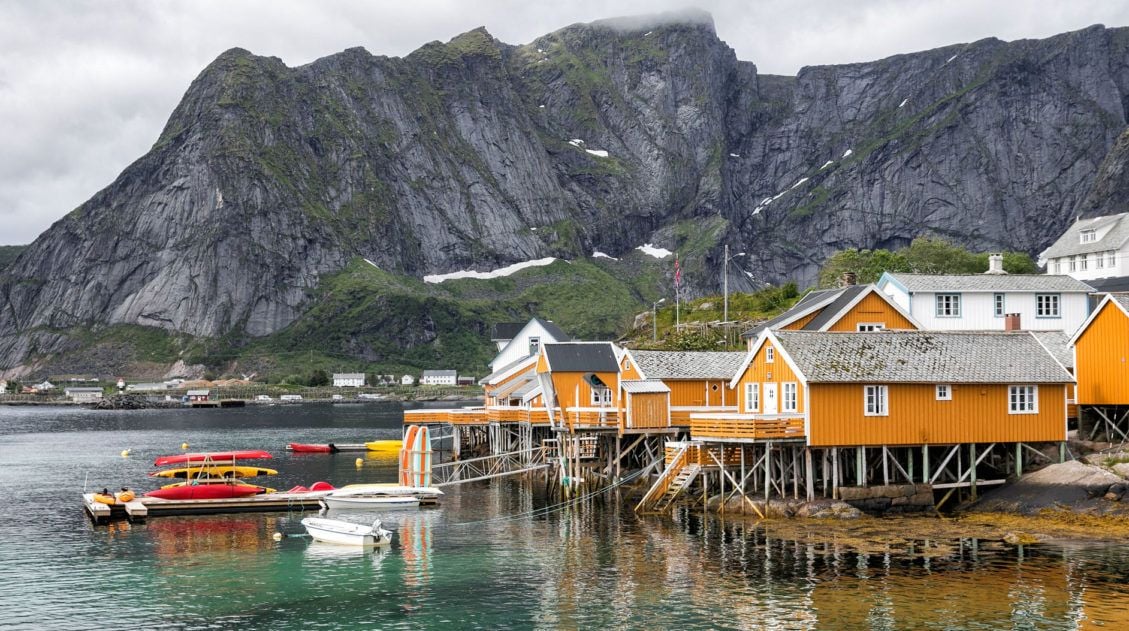
Reine and Hamnøy, with their collection of red and yellow fishing cabins on the water, is one of the most picturesque spots on the Lofoten Islands and a great place to stay. Get more recommendations of where to stay in Reine and Hamnøy in our guide Best Places to Stay in the Lofoten Islands.
Day 8: Hiking the Lofoten Islands
On the Road: Varies by hike and hotel location
Highlights: Reinebringen, Ryten, or Munken
Overnight: Lofoten Islands
Today you have a full day to go hiking. Hopefully the weather will cooperate.
On this day, we did two hikes. We hiked Reinebringen in the morning and Ryten in the afternoon. It left us exhausted but we had no choice. Rain was in the forecast for tomorrow, so we needed to do as much as possible today.
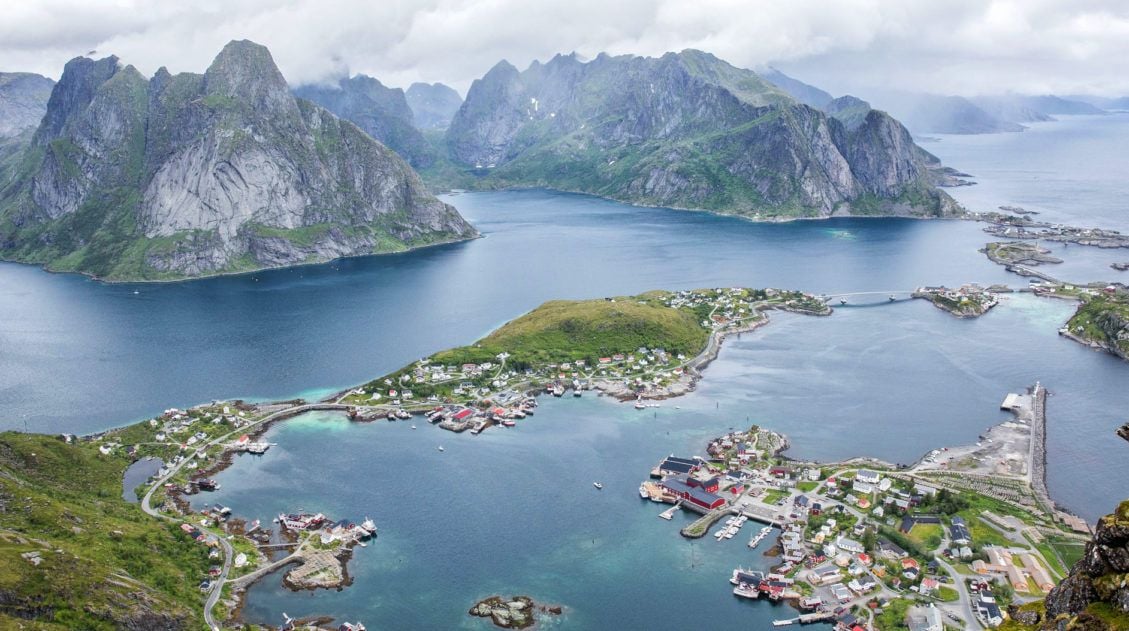
Reinebringen is a short, challenging hike and it’s not to be underestimated. This is the most popular hike in the Lofoten Islands and the trail is undergoing a lot of wear and tear. It’s not unusual for the trail to close for repairs. People hike to the top of Reinebringen for its spectacular view over Reine and Hamnøy, but there are many other hikes that offer views that are just as amazing.
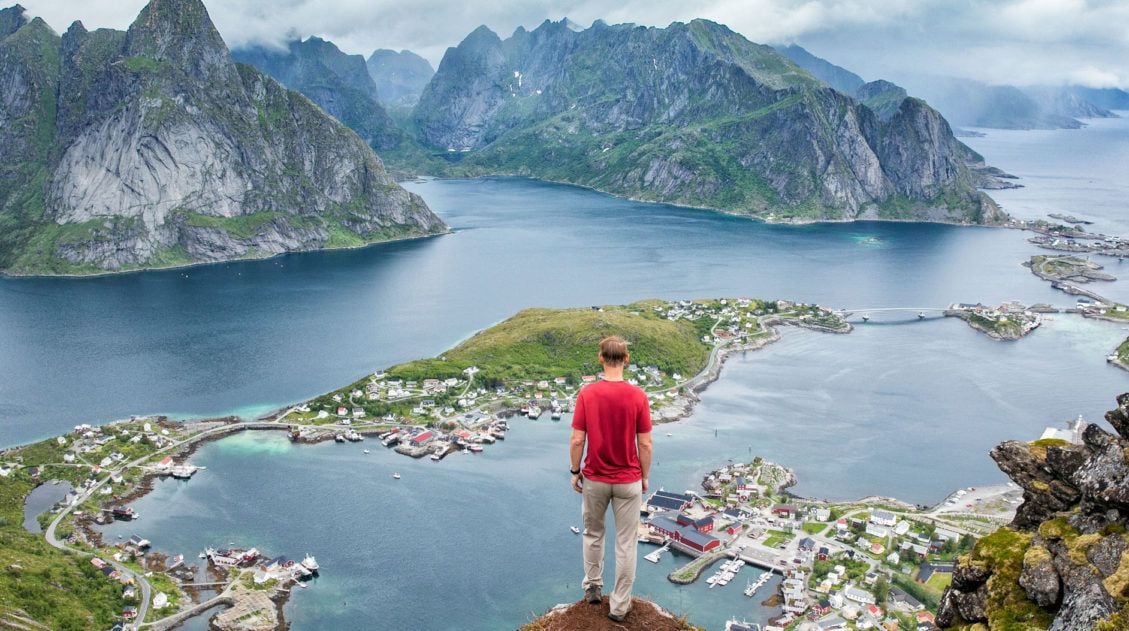
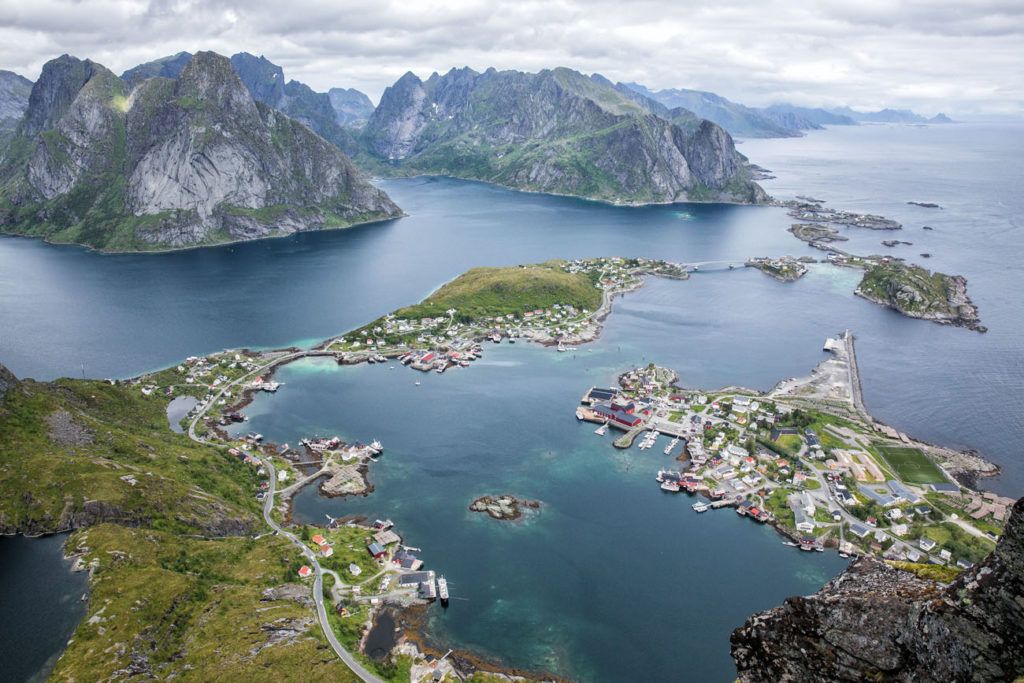
The view from Reinebringen
Munken is a hike that is just around the corner from Reinebringen and it looks and sounds amazing. We planned to do this on our last day in the Lofoten Islands, but rain kept us indoors. If you are looking for a great alternative to Reinebringen, put Munken on your list.
Ryten is another great hike to consider. The hike to Ryten has all of the ingredients of a perfect Lofoten Islands hike: sweeping vistas across the mountains and fjords, a fun but slightly strenuous hike to a mountain peak, and a breathtaking view of a white, sandy beach. The icing on the cake is a “mini Trolltunga,” an outcropping of rock where you can get creative with your photos.
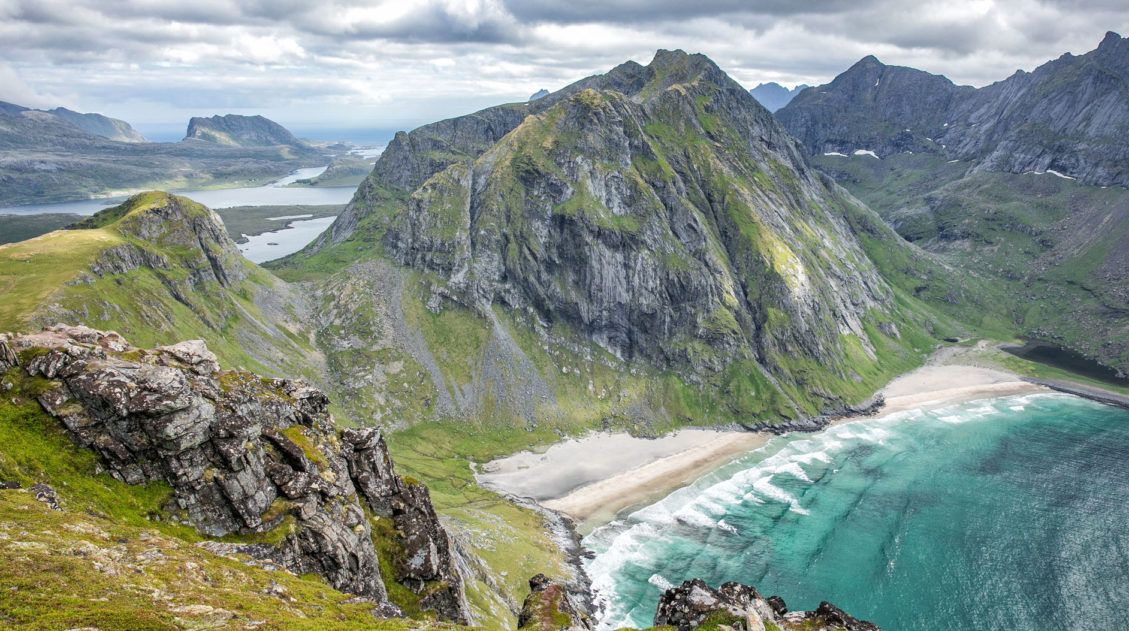
Hiking Ryten: Kvalvika Beach Views & Lofoten’s Mini-Trolltunga
Step-by-step trail guide for the hike to Ryten.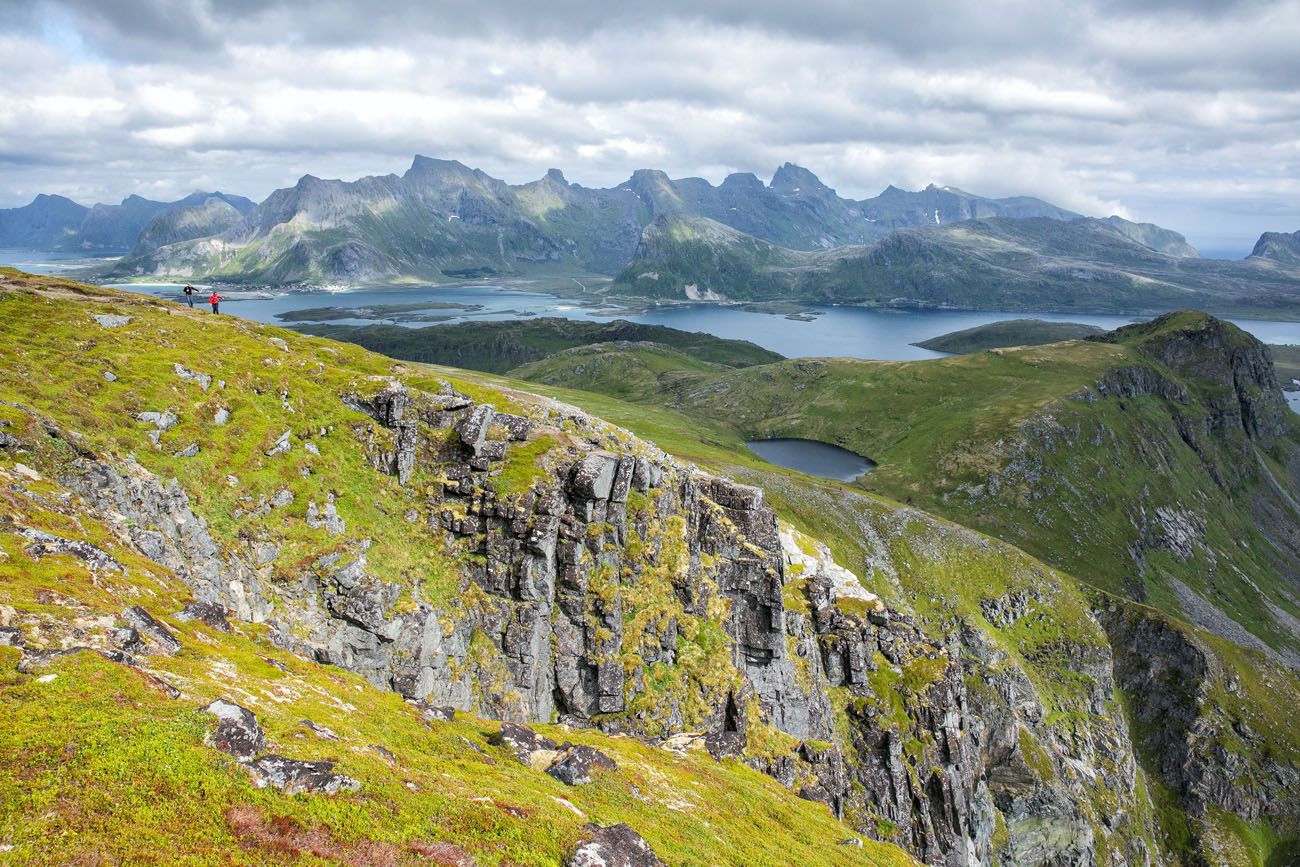
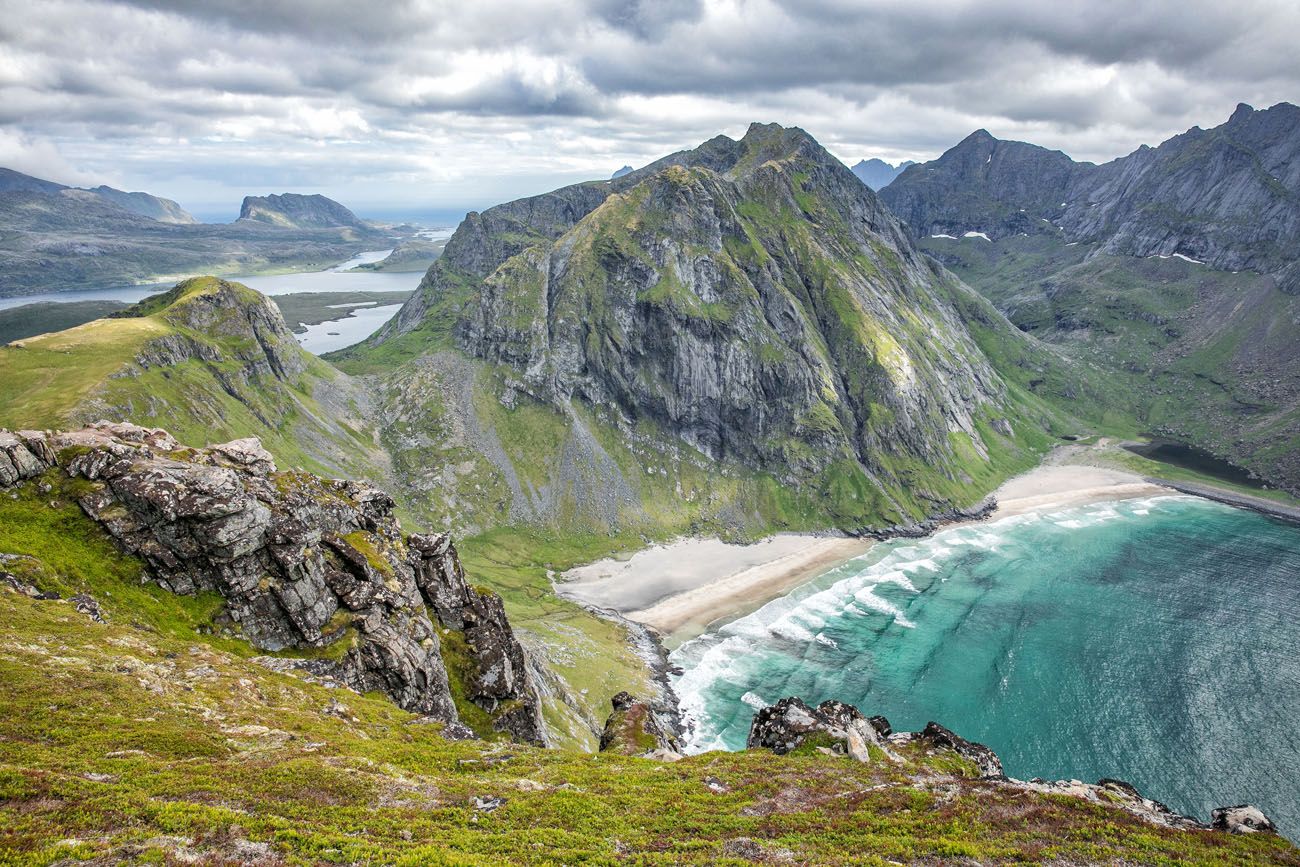
View from Ryten
There are many more hikes to choose from. 68 North is an excellent resource for hiking in the Lofoten Islands. Just be aware that the listed hiking distances and times are for one-way, so you will need to double these numbers for a round-trip hike.
PRO TRAVEL TIP: If you are visiting the Lofoten Islands between May and July, during the time of the midnight sun, you have the unique opportunity to go hiking at midnight.
Day 9: Last Full Day in the Lofoten Islands
On the Road: Drives vary by activity — Unstad Beach approx. 90 min from Svolvaer / 45 min from Leknes; Å sits at the end of the E10
Highlights: Surfing at Unstad Beach, village of Å, final hike at Ryten or Nusfjord
Overnight: Lofoten Islands
Make this day count. Use this last one to fill whatever gap is left: a hike you haven’t done yet, a village you didn’t get to, or something completely different from everything else on this trip.
Go surfing at Unstad Beach. This is one of the most famous surf spots in the Arctic, and it delivers year-round. Yes, people surf here in January with snow on the mountains. In summer, Unstad Arctic Surf offers lessons and board rentals on the beach, so you don’t need any experience to get in the water. The setting alone is worth the drive: a wide sandy bay hemmed in by steep peaks that drop straight to the shoreline. From Svolvær, allow about 90 minutes; from Leknes, about 45 minutes.
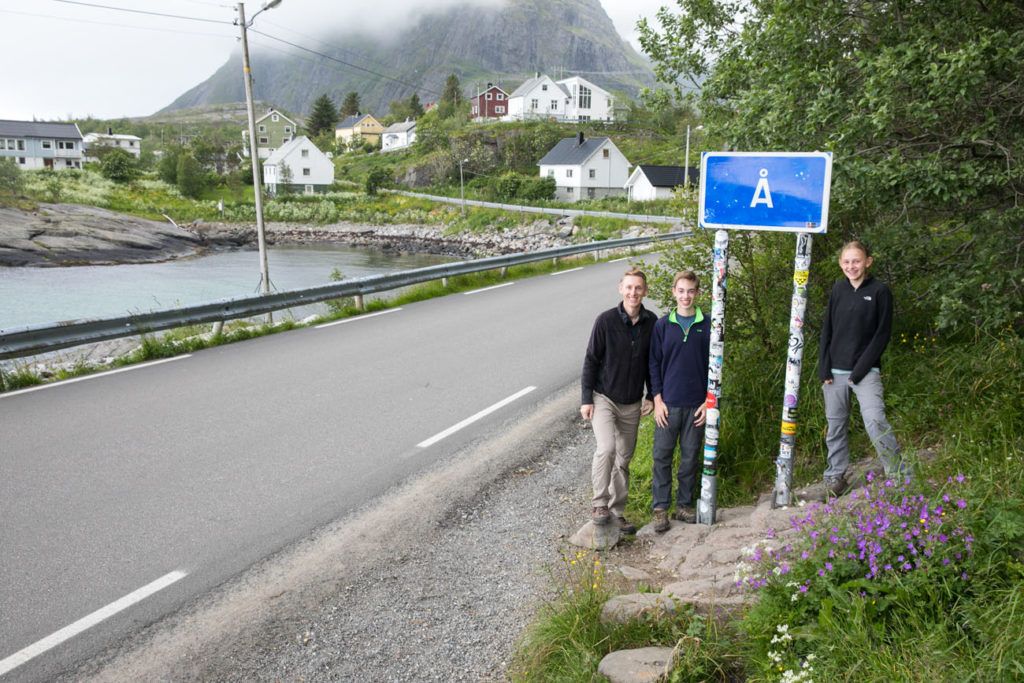
Drive to Å. The E10, the main road running the length of the Lofoten Islands, ends here, at the very last village at the southern tip of the archipelago. Å is tiny, beautiful, and worth seeing precisely because it feels like the end of the world. Walk through the cluster of red rorbuers, visit the Norwegian Fishing Village Museum, and look out to the water. It’s one of those places that’s hard to describe but easy to remember.
Do one more hike. If you haven’t hiked Ryten yet, this is the day for it. It ends at a rocky outcrop directly above Kvalvika Beach, one of the most photographed views in Lofoten. If you’ve already done Ryten, Nusfjord makes a beautiful, low-effort alternative: a short walk through one of the best-preserved fishing villages in Norway, with strong coffee and a slower pace than the rest of this trip has allowed.
Getting Off the Lofoten Islands
The Lofoten Islands are remote, and getting home takes planning. Give yourself more time than you think you need.
By air: The two main airports are Leknes (LKN) and Svolvaer (SVJ), both with connecting flights to Bodø and Oslo. There are no direct international flights from either airport. You’ll connect through Bodø or Oslo for onward travel. Book your international legs with a generous layover in Oslo; tight connections are a genuine risk here.
By ferry: The ferry from Moskenes to Bodø takes approximately three hours and can be rough in unsettled weather. Bring seasickness tablets if you’re prone to it. You can prebook ferry tickets in advance at torghatten-nord.no, which is worth doing in peak summer.
By car: Driving northeast to Narvik or Tromsø is an option for those who want to see more of northern Norway on the way out, though it adds significant time.
A note on flight delays: Weather moves in fast on the Lofoten Islands, and small regional airports are the first to be affected. We experienced this on our own departure. A cancelled flight from Leknes turned into four connecting flights (rather than the two we had originally planned) before we reached our next destination, all on the same day. Build buffer time into your departure day and avoid booking tight international connections out of Oslo.
For international travelers: If you’re flying to a destination outside Europe, you may not be able to travel from the Lofoten Islands to your home country in a single day. Consider routing through Oslo on Day 9, spending the night there, and flying home on Day 10.
Day 10: Travel Home
On the Road: Drive to Leknes (LKN) or Svolvaer (SVJ) airport; distance varies by accommodation
Highlights: Departure day; Oslo stopover recommended for international connections
Overnight: Oslo or home
For most travelers, today is a transit day, either flying home from Oslo or continuing on to another destination.
If you have time to kill in Oslo before your flight, the city is more than worth a few hours. The Aker Brygge waterfront neighborhood and the Oslo Opera House are both walkable from the airport rail line, and the train from Oslo Gardermoen to the city center takes approximately 20 minutes. Oslo Gardermoen is a well-connected international hub with direct flights to North America and across Europe, so onward connections are rarely a problem once you’re there.
Best Time to Visit Northern Norway
We did this road trip in early July and the timing was nearly perfect. The ferries were running on their full schedules, the hiking trails were snow-free, and we had long stretches of clear weather, although Senja gave us a full day of rain, which is just northern Norway being northern Norway. The midnight sun was in full effect, and we took full advantage of it: we hiked Reinebringen in the morning and Ryten in the afternoon on the same day because we knew rain was coming the following day. Having essentially unlimited daylight meant we never felt rushed.
The tradeoff in July is that you’re sharing the trails and ferries with everyone else who had the same idea. The line for the Gryllefjord ferry in particular has gotten significantly longer in recent years.
- Spring (May–June): Shoulder-season crowds, snow still possible on higher trails in May, ferries begin operating in mid-May. Late May and June are excellent if you want the midnight sun with fewer people.
- Summer (July–August): Peak season with the best weather odds, all ferries running, midnight sun through mid-July. Busiest period, so expect long ferry queues and book accommodation well in advance.
- Fall (September): Crowds thin out, dramatic light for photography, hiking still good into early September. Ferries begin shutting down and some trails get wet and slippery.
- Winter (October–April): Northern lights season, snowshoeing and skiing possible, but ferries don’t run and driving conditions require caution. A completely different but equally spectacular trip.
The graphs below provide weather data for the towns of Tromsø and Svolvaer, which will help you plan your trip.
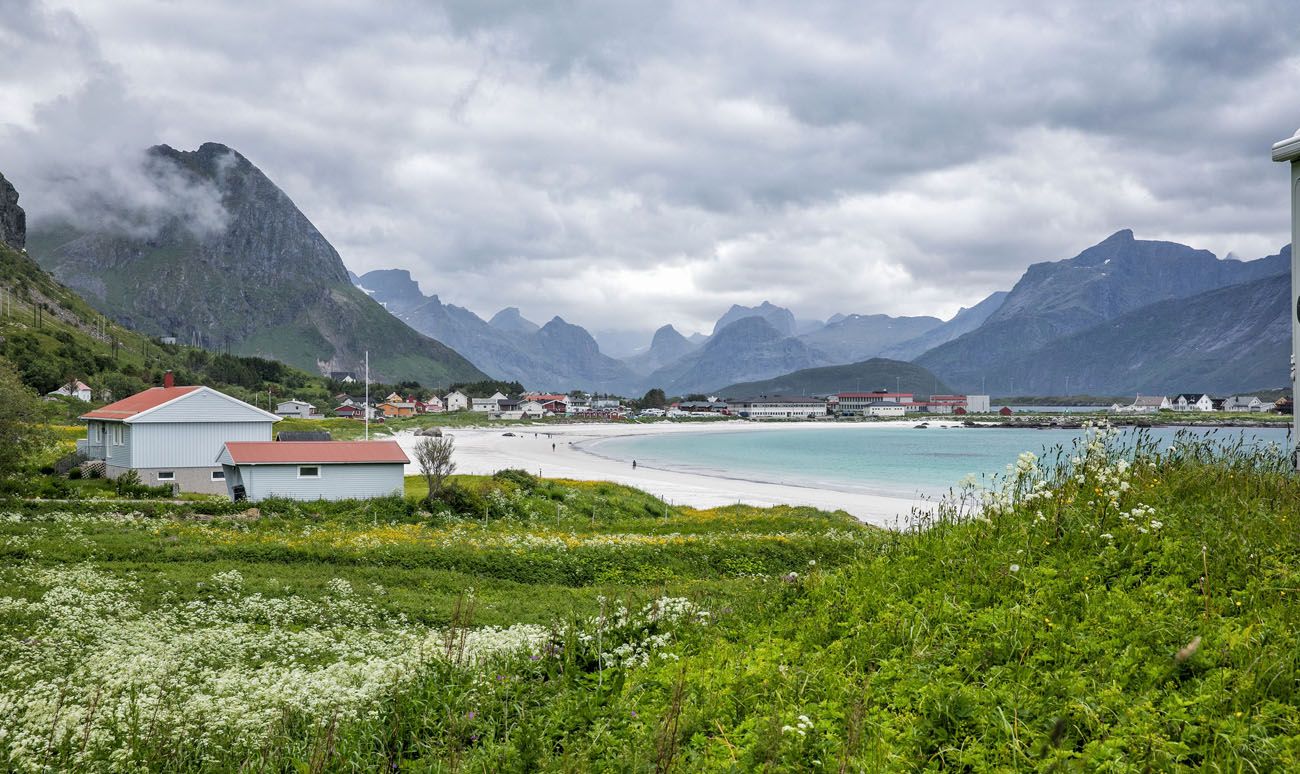
Ramberg Beach
How to Modify This Northern Norway Itinerary
With Less Time
9 days: Trim Tromsø rather than any other destination. See the highlights on Day 1 arrival afternoon and the morning of Day 2: Fløya, the Arctic Cathedral, the harbor. After lunch on Day 2, drive to Sommarøy, hike Ørnfløya, and sleep there. Continue the rest of the itinerary as written from Day 3 onward.
8 days: Follow the 9-day version above and choose Option 2 for Day 4. Drive directly to the Lofoten Islands rather than routing through Vesterålen. You’ll skip Senja to Vesterålen ferry stress entirely and arrive in Lofoten with four solid days ahead of you. The trade-off is losing the Måtind hike, which is genuinely one of the best days on the full itinerary, but if time is tight, the Lofoten Islands more than compensate.
Traveling outside ferry season (October–May): The Gryllefjord–Andenes ferry doesn’t run, so Option 3 (driving to Vesterålen) or Option 2 (going straight to Lofoten) are your only choices. Budget an extra day of driving if you want to include Vesterålen.
With More Time
The Lofoten Islands are where every extra day pays off most. If you have 11 or 12 days, put the additional nights there. Use them for a second hike day, a slower morning in Reine or Henningsvær, or surfing at Unstad Beach without feeling rushed. If you took Option 1 or 3 and already spent time in the Vesterålen Islands, the extra days in Lofoten are the clear call.
If you have two extra days, consider adding an overnight in Oslo on the way home. Oslo is a genuinely good city — the waterfront, the museums, the food scene — and it’s a natural final stop before an international flight rather than a rushed connection.
For help planning your time in the Lofoten Islands in more detail, our Lofoten Islands itinerary covers the islands as a standalone destination with more depth than this northern Norway road trip allows.
4K Drone Video of Northern Norway
For more travel inspiration, here is a short compilation of drone clips taken from Northern Norway and the Lofoten Islands. Everything seen in this video is listed above in our itinerary. Enjoy!
Average Trip Costs: Northern Norway
Norway has a reputation for being expensive, and northern Norway, in particular, with its remote location, limited competition, and captive tourist audience, leans into that reputation. That said, the biggest costs on this itinerary are manageable if you know where they’re coming from.
Accommodation: This is your largest daily expense. Budget hotels and apartments in Tromsø and Sommarøy run roughly $120–180 per night. On Senja and in the Vesterålen Islands, options are limited and prices reflect that. In the Lofoten Islands, rorbuers, the classic fisherman’s cottages, are the signature accommodation and typically run $180–350 per night depending on size, location, and season. Book as early as possible; the most popular properties in Reine, Kabelvåg, and Henningsvær sell out months in advance for peak summer.
Food: Restaurants in northern Norway are expensive. Plan on $30–50 per person for a dinner out, more at waterfront or tourist-facing spots. The single most effective way to control food costs on this trip is to self-cater lunch every day. Norway’s supermarkets (Rema 1000, Kiwi, Coop) are well-stocked and reasonably priced. The post already suggests stopping for picnic supplies en route on several days, and that habit alone can save a family of four $50–80 daily. Budget roughly $60–100 per person per day for food if you’re eating dinner out and self-catering the rest.
Car Rental: A rental car is non-negotiable for this itinerary. Budget for the 10-day rental plus a one-way drop fee for returning the car in the Lofoten Islands rather than Tromsø. The drop fee varies significantly by company and season. It can range from $100 to $400 or more in peak summer. Get quotes from multiple companies and factor this into your comparison. We use Kayak to research and book flights, and comparison sites like Rentalcars.com to compare car rental prices before booking directly with the company.
Ferries: There are two main ferry crossings on this itinerary: Brensholmen to Botnhamn (Tromsø area to Senja) and Gryllefjord to Andenes (Senja to Vesterålen, if you take Option 1). Both charge per vehicle rather than per person, so the cost is the same whether one or four people are in the car. Expect to pay roughly 300–500 NOK per crossing for a standard car. If you’re flying home via the Moskenes–Bodø ferry, budget an additional 500–800 NOK and prebook your ticket at torghatten-nord.no.
Activities: The best news: almost all of the hiking on this itinerary is completely free. The Fjellheisen cable car in Tromsø costs approximately 300 NOK per person. A guided climb up Svolvaergeita runs roughly 700–1,000 NOK per person depending on the operator. Everything else — Segla, Måtind, Reinebringen, Ryten, Ørnfløya — costs nothing beyond the drive to the trailhead.
Overall: For two people sharing accommodation and a rental car, a realistic mid-range daily budget for this itinerary is $400–550 per day all-in, excluding international flights. Traveling as a family of four brings the per-person cost down, particularly on accommodation and car rental. If you’re watching costs closely, self-catering aggressively and choosing the more budget-oriented accommodation options on each day can bring that figure down considerably.
Frequently Asked Questions
How many days do you need for northern Norway?
Ten days is the minimum to do this route justice. That gives you two days in Tromsø, a day each on Senja and the Vesterålen Islands, and four full days in the Lofoten Islands. If you have two weeks, use the extra time in the Lofoten Islands.
Do you need a car for this northern Norway itinerary?
Yes, a rental car is essential. This route connects Tromsø, Senja, the Vesterålen Islands, and the Lofoten Islands, and public transportation does not reliably link these destinations. Pick up your car in Tromsø and drop it in Leknes or Svolvaer when you fly home from the Lofoten Islands. Expect a one-way drop fee, which varies by rental company and season.
When does the Gryllefjord–Andenes ferry run?
The ferry between Gryllefjord on Senja and Andenes on the Vesterålen Islands runs from mid-May through early September. Outside those months, you’ll need to drive, a journey of roughly seven hours. In peak summer, the ferry lines can be extremely long; some travelers now queue their cars overnight to guarantee a spot the following day.
When is the best time to visit the Lofoten Islands?
Late May through early September is the best window for hiking and road tripping the Lofoten Islands, when trails are snow-free and all ferries are operating. June and July offer the midnight sun, which makes it possible to hike well into the night. September brings fewer crowds and dramatic autumn light, though some ferry services begin to wind down.
What are the best hikes in northern Norway on this route?
The standout hikes on this itinerary are Segla on Senja (short but very steep, with a dramatic summit view), Måtind on the Vesterålen Islands (a coastal trail with sweeping Arctic scenery), Reinebringen in the Lofoten Islands (the most iconic view in Lofoten, looking down over Reine and Hamnøy), and Ryten (a longer hike ending at a rocky outcrop above Kvalvika Beach). All four are genuinely world-class trails.
Can you do this itinerary with kids?
Yes, with some adjustments. The road trip format works well for families, and several hikes on this route, including Ørnfløya near Sommarøy, are accessible for children. The more demanding hikes like Segla and Reinebringen require good fitness and sure footing and are better suited to older kids and teens. The long summer daylight can disrupt sleep schedules for young children, so blackout curtains or sleep masks are worth packing.
More Norway Planning Resources
If this northern Norway road trip has you wanting to explore more of the country, we have you covered.
Our southern Norway itinerary covers the fjord region, a completely different landscape from the Arctic north, but every bit as spectacular. And if you prefer a mix of both, take a look at our Norway itinerary that covers both the Lofoten Islands and the fjord region.
For a deeper look at planning a trip to Norway from scratch, including how to get around, when to go, and where to start, our Norway Travel Guide pulls together everything we’ve learned across multiple trips.
If you’re deciding between renting a car and relying on public transport, our guide to renting a car in Europe covers what to expect with one-way rentals, drop fees, and driving on Norwegian roads specifically.
And if the Lofoten Islands hiking has you wanting more trail detail beyond what this itinerary covers, the individual trail guides for Segla, Måtind, and Ørnfløya each have full step-by-step detail for planning those specific days.
Are you planning a trip to northern Norway? Comment below if you have any questions about this northern Norway itinerary.
Explore More of Norway
20 Best Things to Do in Norway: Fjords, Lofoten & Svalbard
Norway is one of our favorite countries in the world, and narrowing down the best things to do in Norway for this list was genuinely hard. There’s just so much worth doing. We’ve been twice so far, and we’re already dreaming about a third trip. Our first visit was a family trip with the kids […]
Best Things to Do in the Lofoten Islands: 16 Epic Experiences
We arrived in the Lofoten Islands after driving down from the Vesterålen Islands, and on our very first day, we climbed Svolvaergeita and hiked Svolvaer Fløya. It was a long, exhausting, unforgettable day, and somehow, it set exactly the right tone for everything that followed. By the time we left four days later, we were […]
Where to Stay in the Lofoten Islands: Rorbuer, Hotels & More
If you’re trying to figure out where to stay in the Lofoten Islands, the first thing you need to know is this: the islands have their own iconic accommodation type, and it’s unlike anything else in the world. Rorbuer, traditional Norwegian fishermen’s cabins, typically perched on stilts over the water, are the reason so many […]
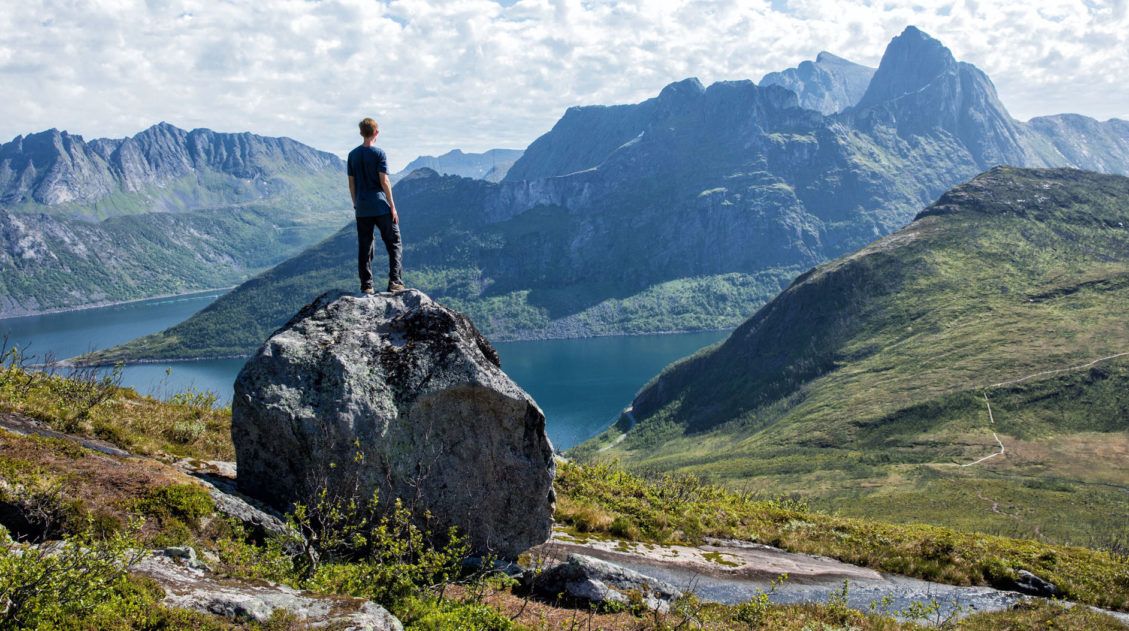
Best Hikes in Norway: 14 Epic Trails for Every Level
For hikers, few places in Europe can match Norway. The hikes in Norway are endlessly varied and genuinely world-class, from the fjords of southern Norway, the jagged peaks of the Lofoten Islands, and the remote coastline of Vesterålen and Senja. Alongside the Dolomites and the Swiss Alps, this is one of our absolute favorite places […]
How to Hike Reinebringen (+ Where to Park)
Reinebringen, with its dazzling view over the fishing villages of Reine, Sakrisøy, and Hamnøy, is the most popular hike in the Lofoten Islands, and one look at the panorama from the top tells you exactly why. We hiked Reinebringen in 2018 with our kids, who were 13 and 15 at the time, before most of […]
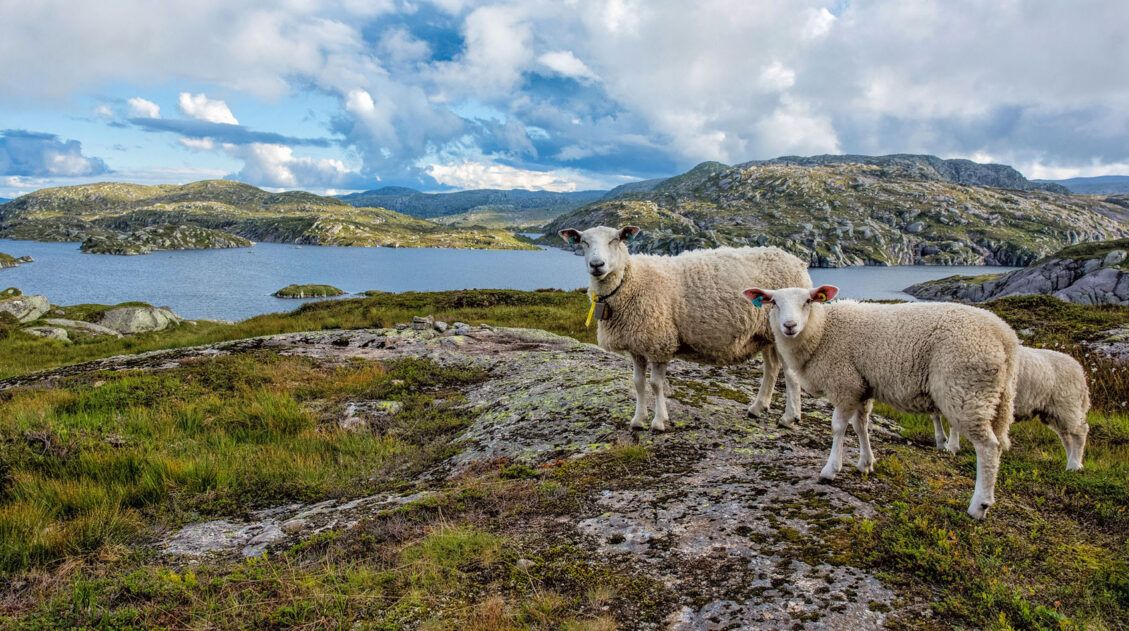
10 Day Norway Itinerary: The Ultimate Fjords and Hiking Road Trip
This 10-day itinerary through Norway’s fjord region features Stavanger, Bergen, Geirangerfjord, and Ålesund, with four bucket-list hikes — Pulpit Rock, Kjeragbolten, Trolltunga, and Romsdalseggen Ridge — plus hotel recommendations and practical planning advice based on our own road trip through Norway. This was the first road trip we ever did in Europe, but this is […]
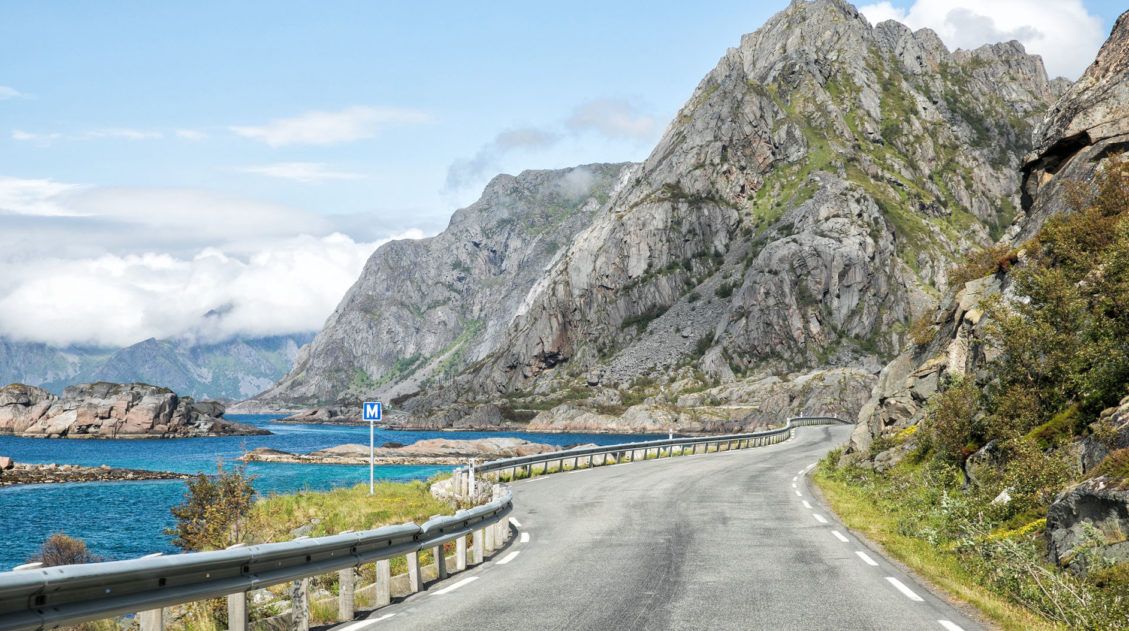
10 Days in Norway: How to Combine the Fjords and the Lofoten Islands
After two trips to Norway, one through the fjord region, one through the far north, we started getting the same question over and over in our comments: Can we combine both into one trip? How do we do the fjords AND the Lofoten Islands in 10 days? That’s exactly what this post is for. We’ve […]
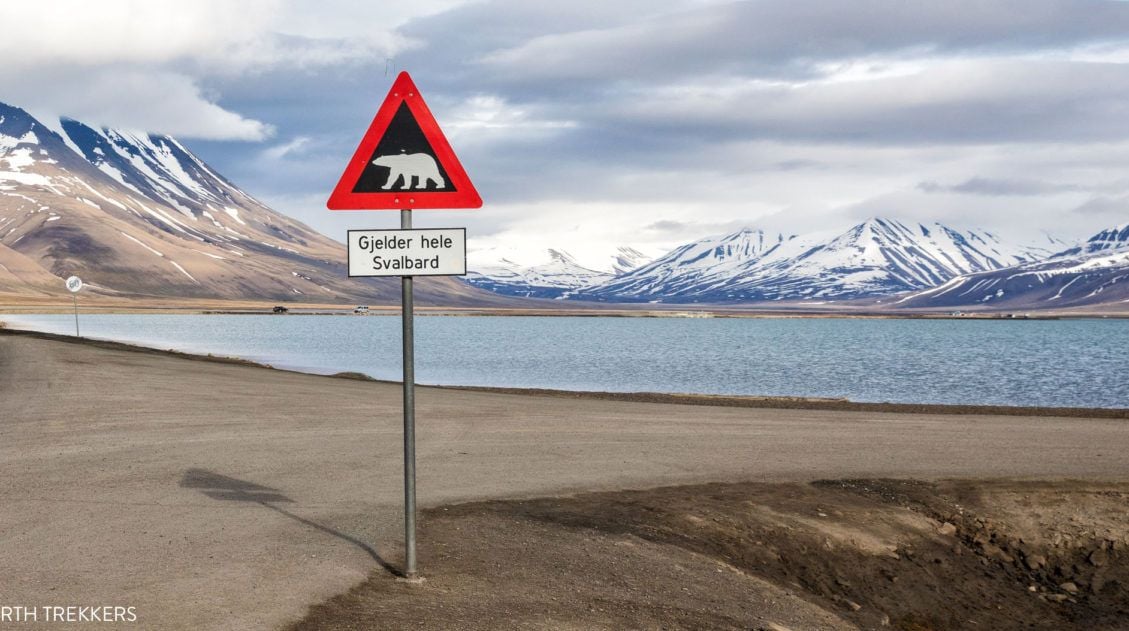
Svalbard Itinerary: 5 Days in the Arctic for First-Time Visitors
Svalbard. An Arctic playground where there are more polar bears than people, filled with glaciers, the Northern Lights, the midnight sun, and frozen tundra. It may look barren from a distance, but it is filled with arctic wildlife like reindeer, walrus, and polar bears. If you like the idea of exploring the great outdoors, your […]
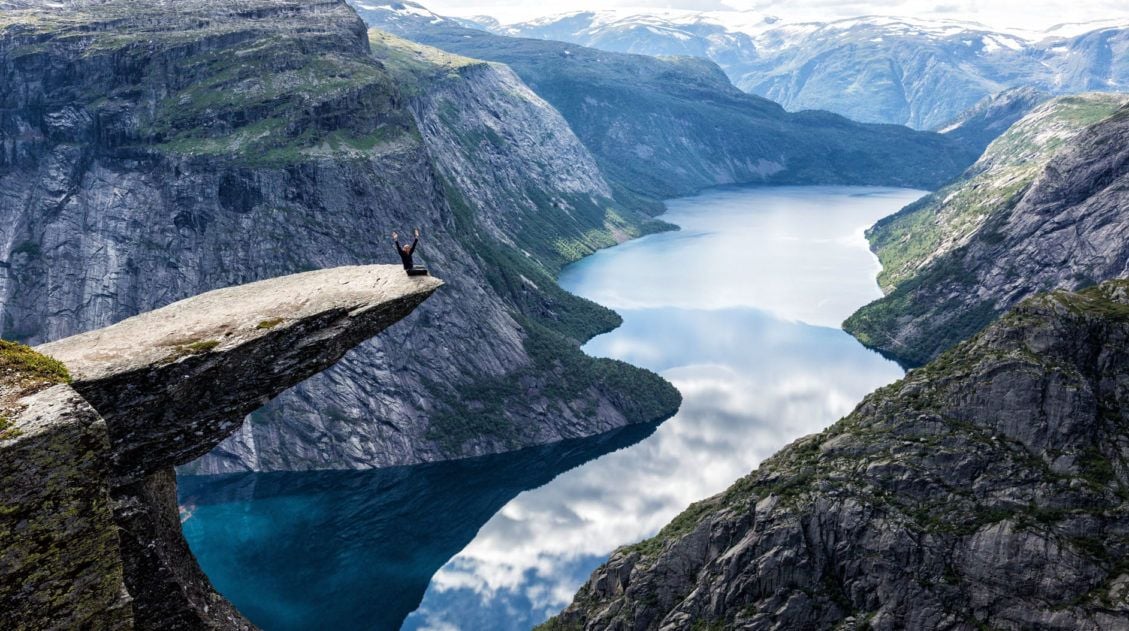
How to Hike Trolltunga: Everything You Need to Know
Trolltunga was the third hike on our first Norway trip, and by then we had a pretty good read on what Tyler and Kara could handle. They’d already done Pulpit Rock and Kjeragbolten, two hikes that would have been on most adults’ bucket lists, and they hadn’t complained once. Tyler was 10. Kara was 8. […]
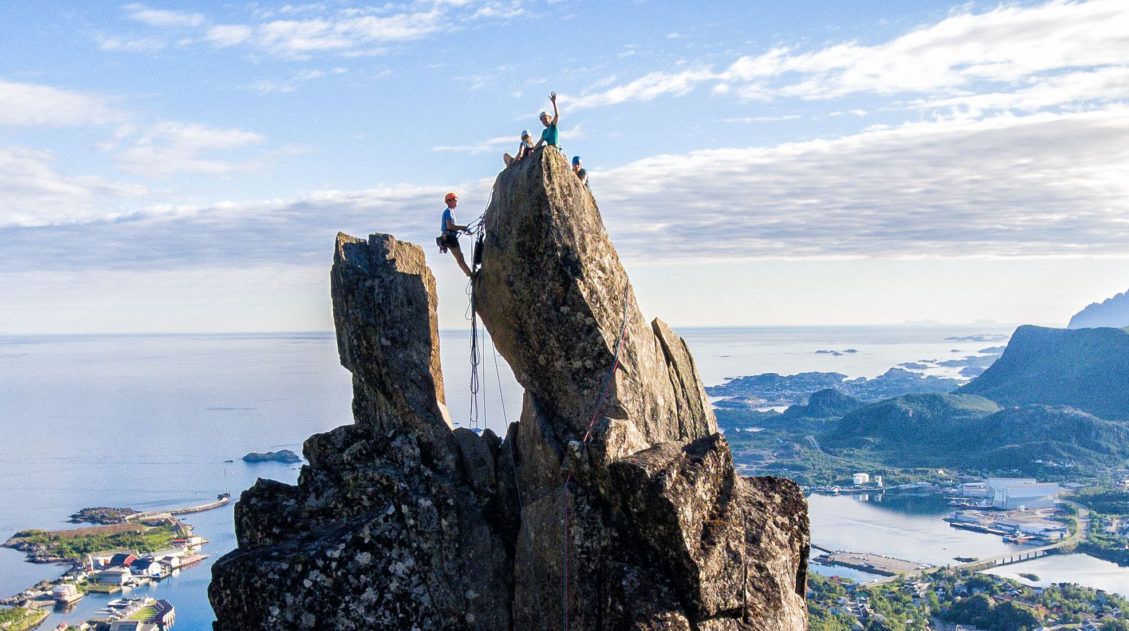
Complete Guide to Climbing Svolvaergeita in the Lofoten Islands
Svolvaergeita, also called “The Goat,” is a pinnacle of rock that is a popular rock climbing spot in the Lofoten Islands. It is named The Goat because of the two horns of rock that sit atop the rock. Those with a sense of adventure can climb to the top of Svolvaergeita and those who are […]
Europe Travel Itineraries: Find Your Perfect Trip to Europe
Europe Itineraries We’ve spent years exploring Europe, hiking the fjords of Norway, road tripping through Italy, island-hopping in Greece, and wandering the Christmas markets of Bavaria. Along the way, we’ve turned every trip into a detailed itinerary so you don’t have to start from scratch. Browse the guides below and find the one that fits […]
Ultimate Hiking Guide: Europe, Asia, Africa, Americas & Oceania
Are you looking for the perfect hike? With hikes on six continents ranging from a few miles to multi-day adventures, explore some of the best hikes from around the world.
Our Top 10 Bucket List Destinations
There are so many life-changing places in the world to visit. Some are magical, some are ancient, and some are just downright gorgeous. All will have you wistfully dreaming about them before you arrive. After you visit them, they become a part of you, forming lifelong memories and altering the way you see the world. […]

Comments 180