
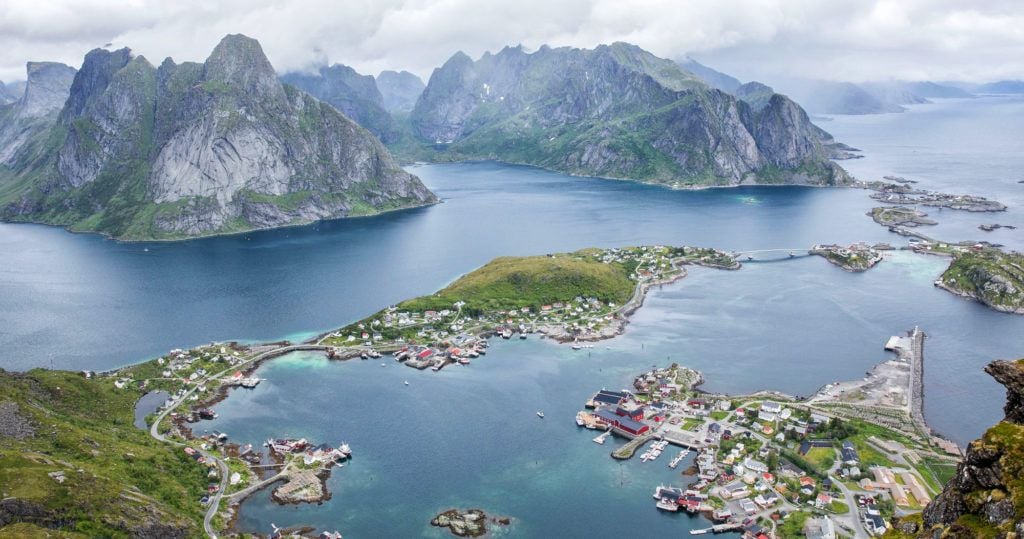
Norway is one of our favorite countries in the world, and narrowing down the best things to do in Norway for this list was genuinely hard. There’s just so much worth doing.
We’ve been twice so far, and we’re already dreaming about a third trip. Our first visit was a family trip with the kids through the fjord region: Stavanger, Bergen, Ålesund, Oslo, Geiranger, and Åndalsnes, with a hikes out to Trolltunga, Kjeragbolten, and Pulpit Rock along the way. Our second trip took us north: about four days in Svalbard, followed by a road trip from Tromsø through Senja and Vesterålen down into the Lofoten Islands.
More than anything, it’s the landscapes that stay with us. In the south, it’s the fjords and mountains, the little red and white houses tucked along the water, and hiking trails that keep topping themselves at every turn. In the north, the Lofoten Islands almost don’t look real, with white sandy beaches, aquamarine waters, and mountains that rise straight out of the sea. And Svalbard amazed us in a completely different way, with glacier kayaking, wildlife cruises, and the real chance of spotting a polar bear.
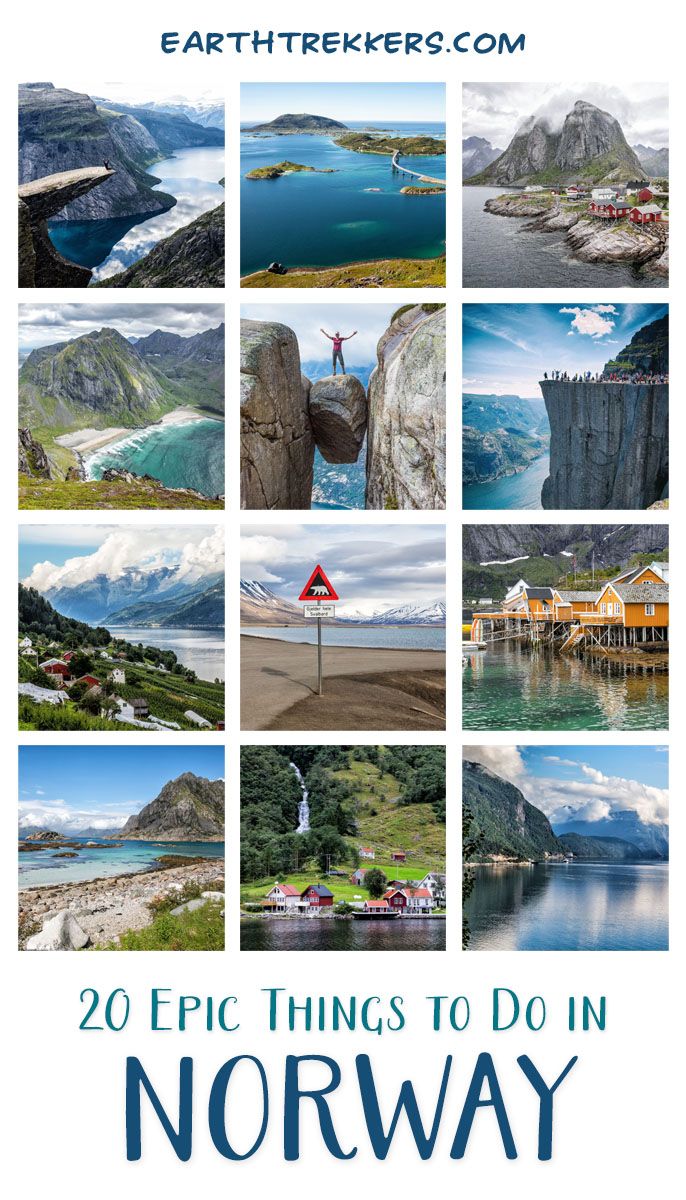
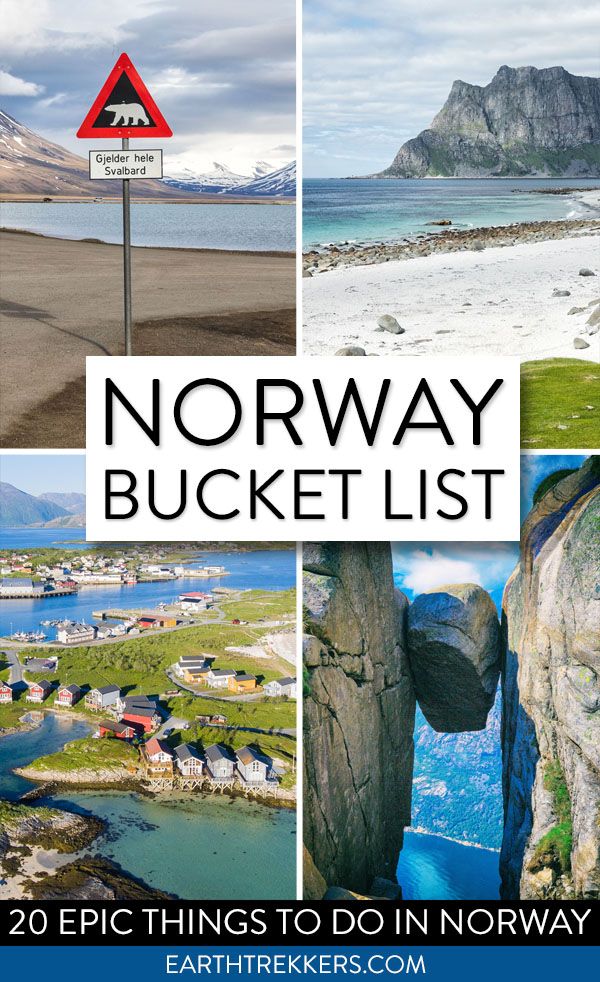
Here are 20 of the best things to do in Norway, based on what we’ve experienced firsthand on both trips.
Updated for 2026 with new photos, expanded entries, and more of our own experience from both trips.
Best Things to Do in Norway
Things to Do in Southern Norway & the Fjord Region
This is where our first trip to Norway took us, road tripping from Stavanger up through Bergen, Ålesund, and Geiranger, with a hike out to Trolltunga along the way. This is the Norway most people picture: dramatic fjords, waterfalls tumbling straight into the water, and winding mountain roads.
1. Explore the Fjord Region
Exploring the fjords is one of the best things to do in Norway, and there are several ways to do it: by car, by hiking trail, by ferry, or by cruise.
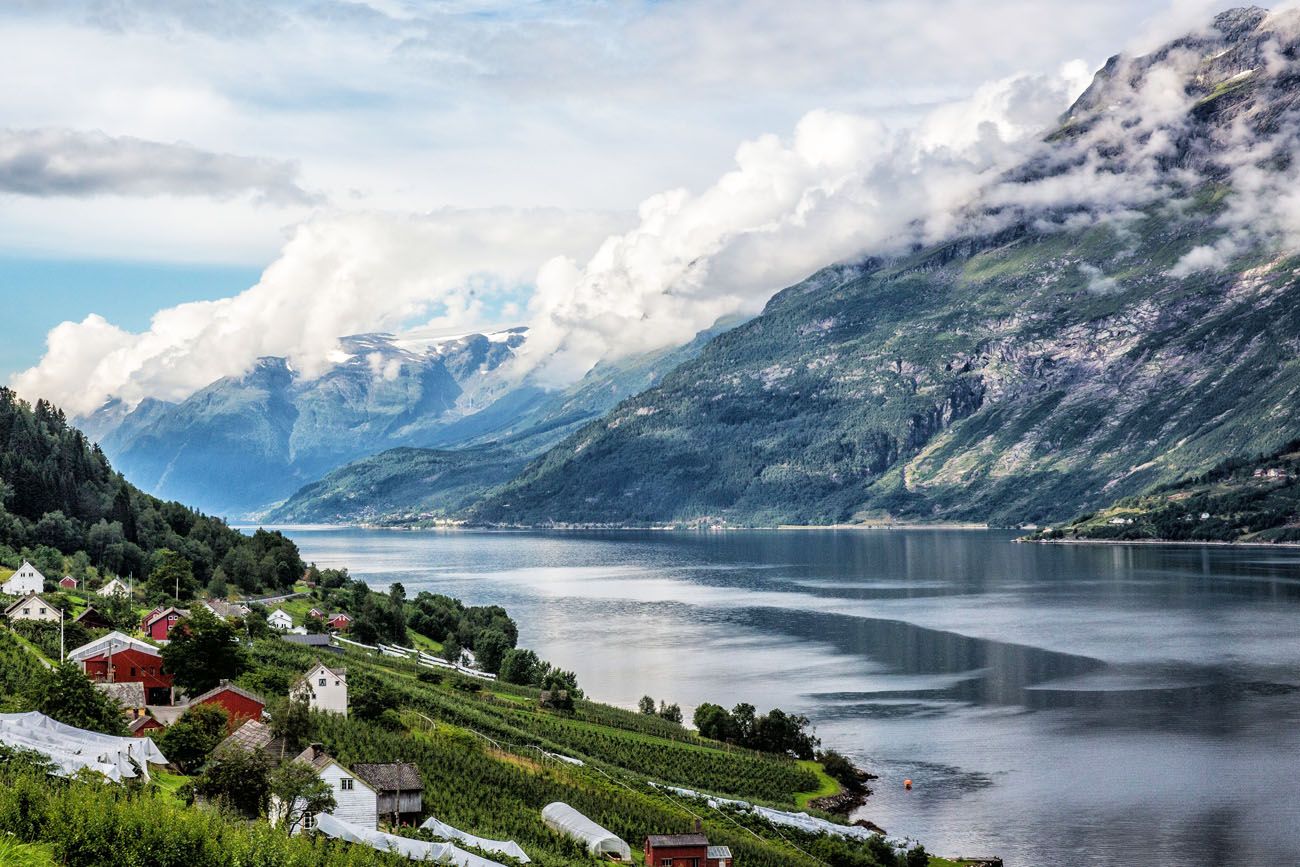
Hardangerfjord
Our fjord road trip was actually our first European road trip, and one of our very first trips to Europe altogether. It was also the first time either of us had gone hiking abroad, and two of the hikes we did, Trolltunga and Kjeragbolten, are still some of our favorite hikes anywhere, years later.
What stuck with us most was the drive itself. Southern Norway is laced with fjords and waterways, so a road trip here means crossing by car ferry more than once, and threading through tunnels so long that some of them have roundabouts built inside. Around every bend is a new view, and the small towns along the water are some of the most photogenic places we’ve been.
On some of the hikes on this list, you’ll also get a bird’s-eye view out over the fjords. Pulpit Rock and Kjeragbolten both look down over Lysefjord. And if you’d rather see the fjords from the water without driving, Hurtigruten offers a range of cruises through the region.
For an epic road trip through the southern fjords, check out this 10 Day Norway Itinerary ↓
10 Day Norway Itinerary: The Ultimate Fjords and Hiking Road Trip
On this adventurous 10 day itinerary, visit Bergen, Geiranger, Ålesund, and Stavanger and hike four thrilling trails.2. Norway in a Nutshell
Norway in a Nutshell is a packaged tour that combines a ferry ride on Naeroyfjord (one of the narrowest and most scenic fjords in Norway) with one of the world’s most scenic train rides, the Flåm railway.
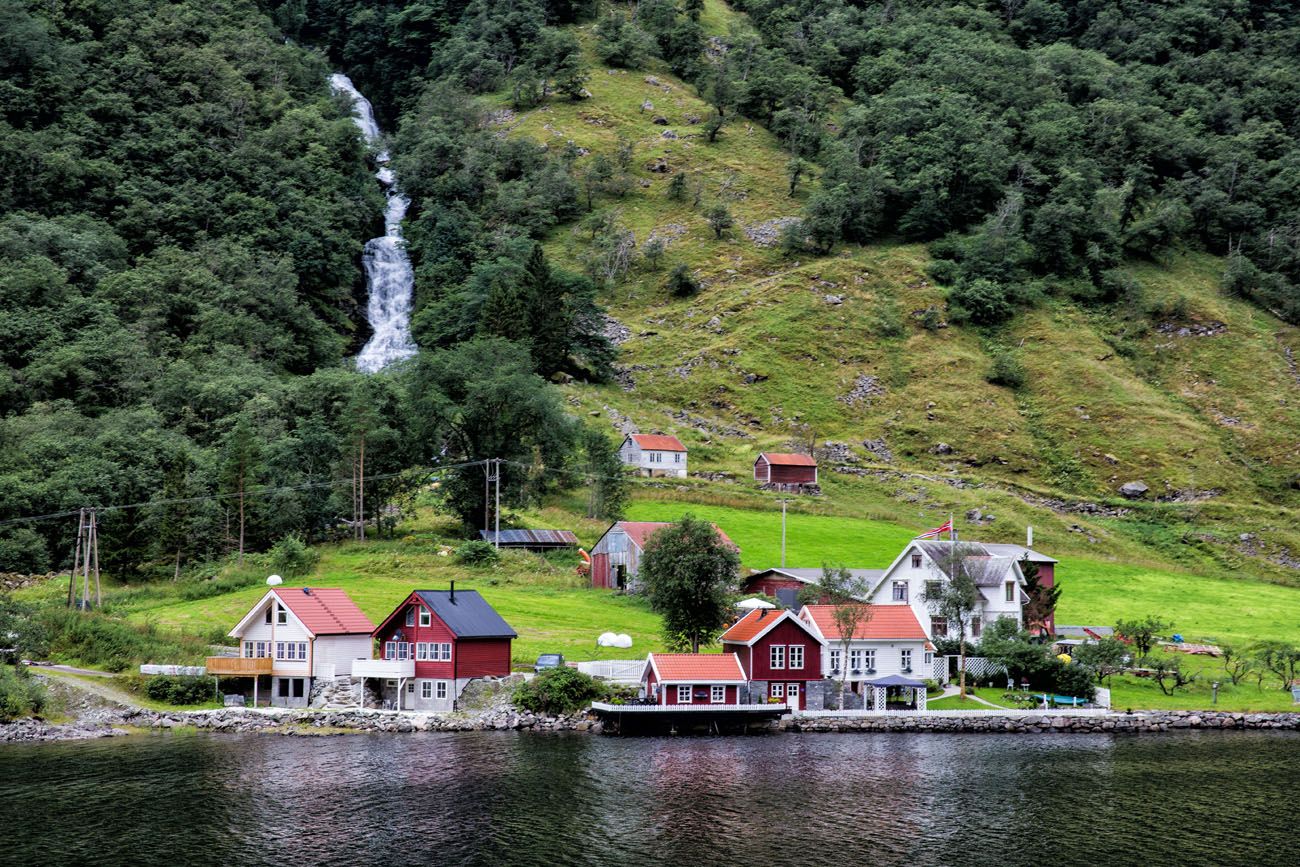
Naeroyfjord
If you have limited time in Norway, this is a great excursion to do. You can start and end this tour at several of Norway’s most popular cities, with all transportation included. This excursion has a big price tag, but for travelers with limited time, it is a very easy and convenient way to experience this part of Norway. Learn more about the official Norway in a Nutshell tour here.
We were traveling on a budget, so we pieced together our own “Norway in a Nutshell” tour, buying individual tickets for the fjord cruise and Flåm railway.
If you are planning a road trip and will have a rental car, you can piece together your own Norway in a Nutshell tour, and save some money in the process.
For more information on how to piece together your own Norway in a Nutshell tour, read our article How to do Norway in a Nutshell on Your Own.
3. Pose for Photos on Trolltunga
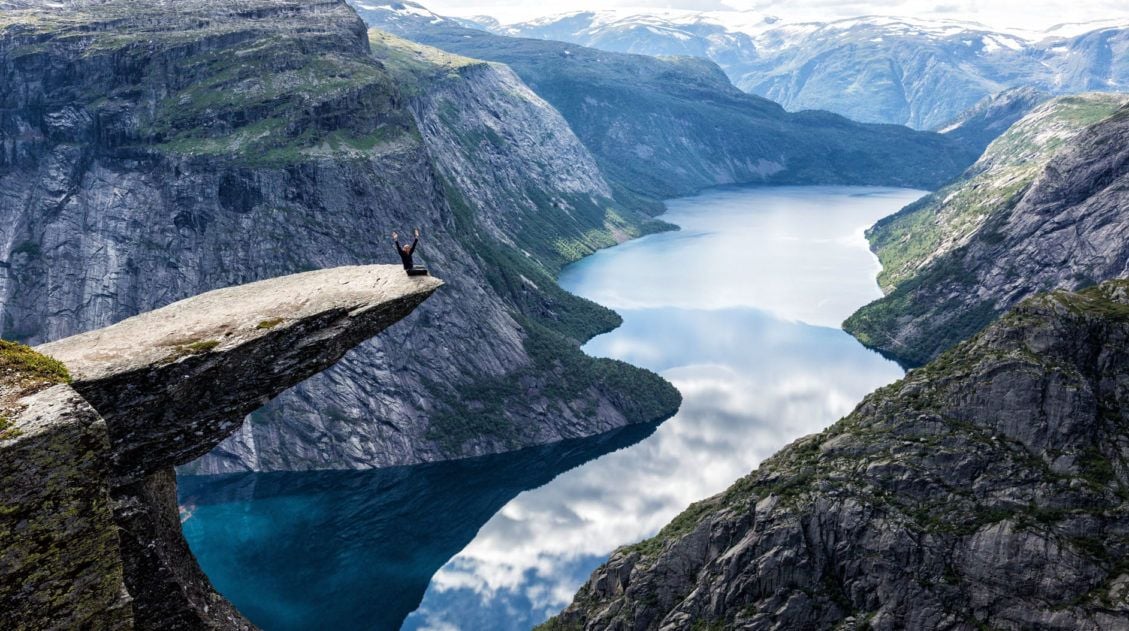
Trolltunga is one of Norway’s most popular hikes. It is an incredibly scenic hike, ending at the Troll’s tongue, a thin sliver of rock that is perfect for creative photographs.
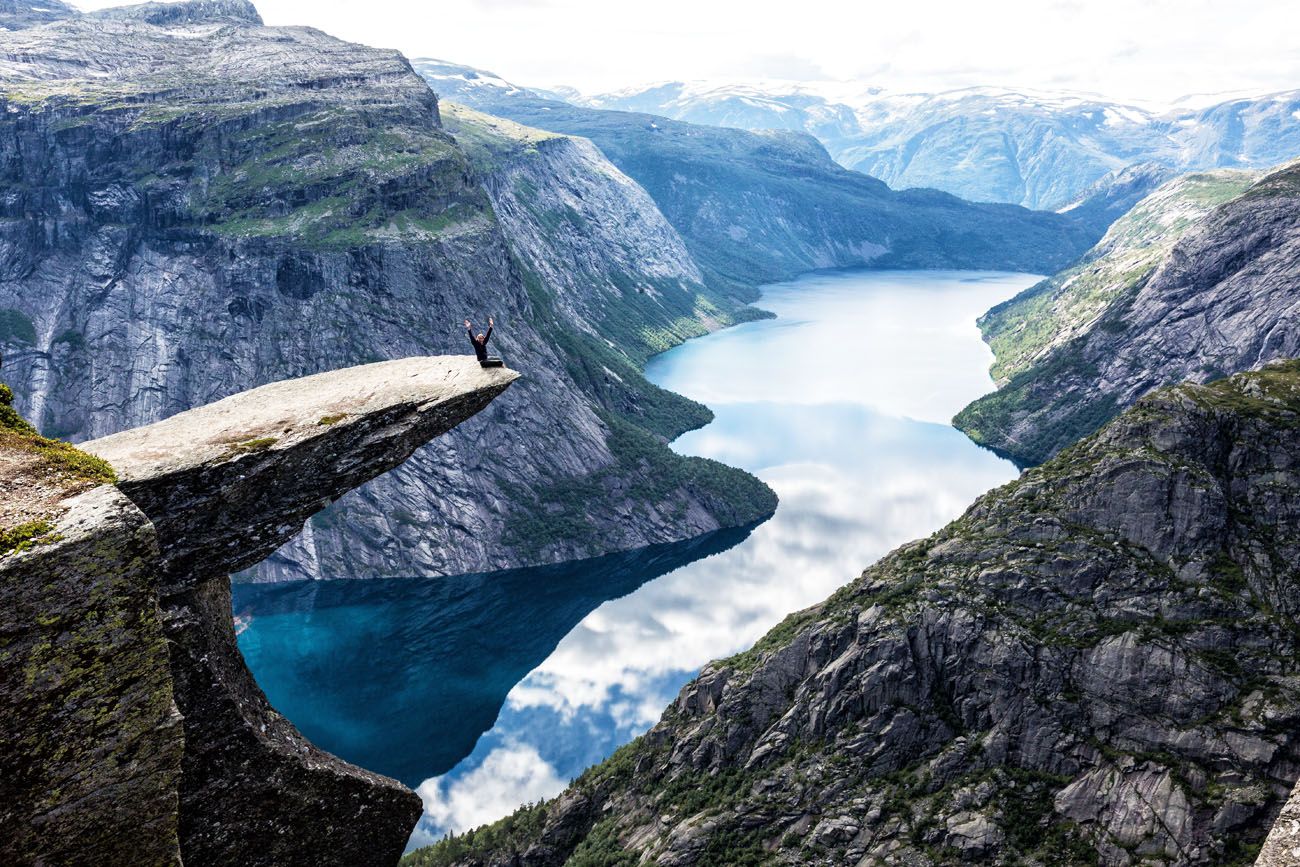
Trolltunga
This is one of our favorite hikes in Europe. Standing on Trolltunga is the highlight, sure, but the entire trail is beautiful, with views over the mountains and fjords that make this part of Norway so special. For avid hikers, it’s an absolute must.
It is a long, strenuous hike to get to Trolltunga…28 km (17.4 miles) round trip. This hike will take a full day of your time, but it’s worth it. Not only will you come home with a memory card full of unique photographs, but you will also get to spend the day hiking through a beautiful part of Norway.
4. Visit Historic Bryggen
Bryggen is a historic harbor district in the coastal town of Bergen. This is the location of the colorful red, orange, and white Hanseatic Houses, commercial buildings that were used from the 14th to 16th centuries for the trading of stockfish. Bryggen is a UNESCO World Heritage Site, and many of these buildings date back to 1702.
While in Bergen, explore Bryggen, wander the fish market, and ride the Fløibanen funicular up to Fløyen. The ride up is quick, but the view over Bergen’s rooftops and the surrounding fjords from the top was one of our favorite moments in the city. It’s well worth building into the day.
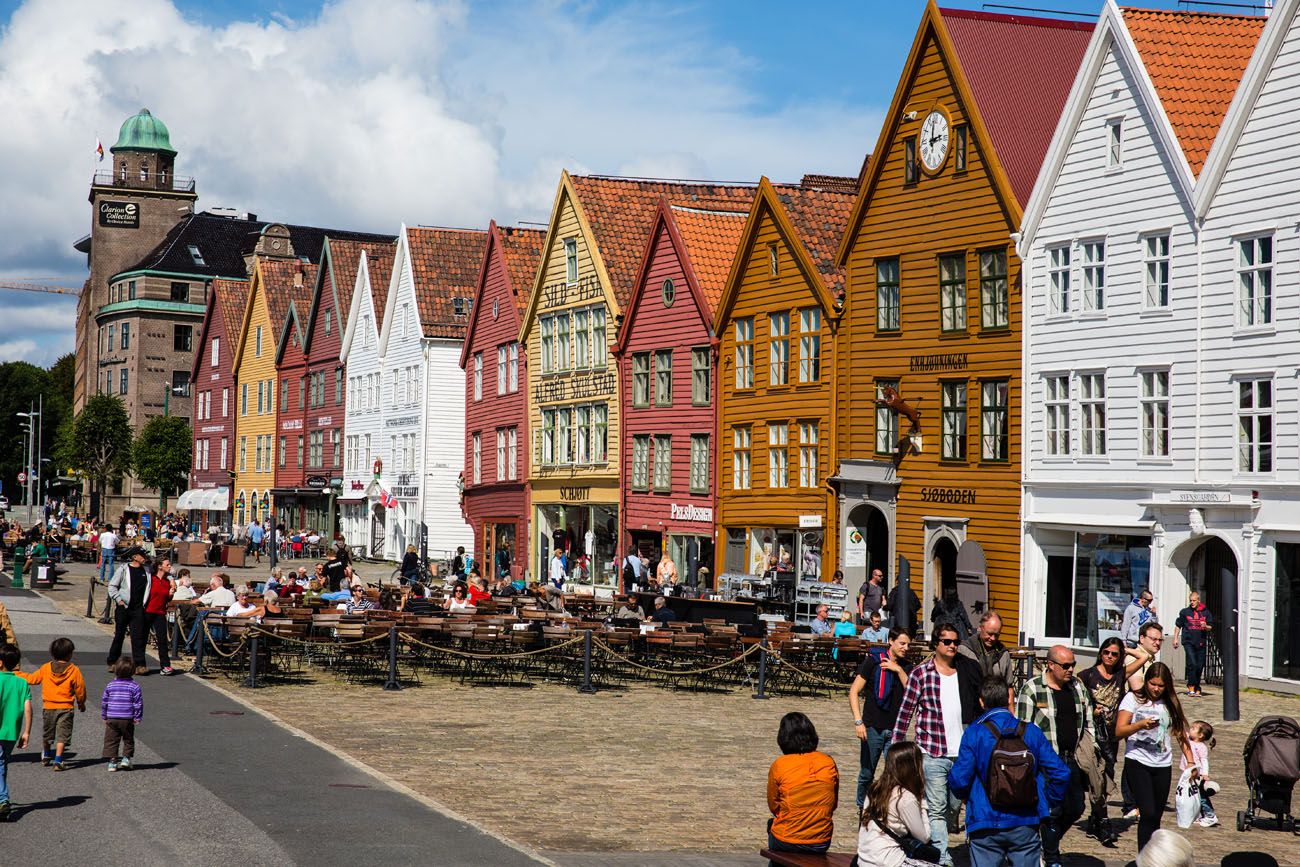
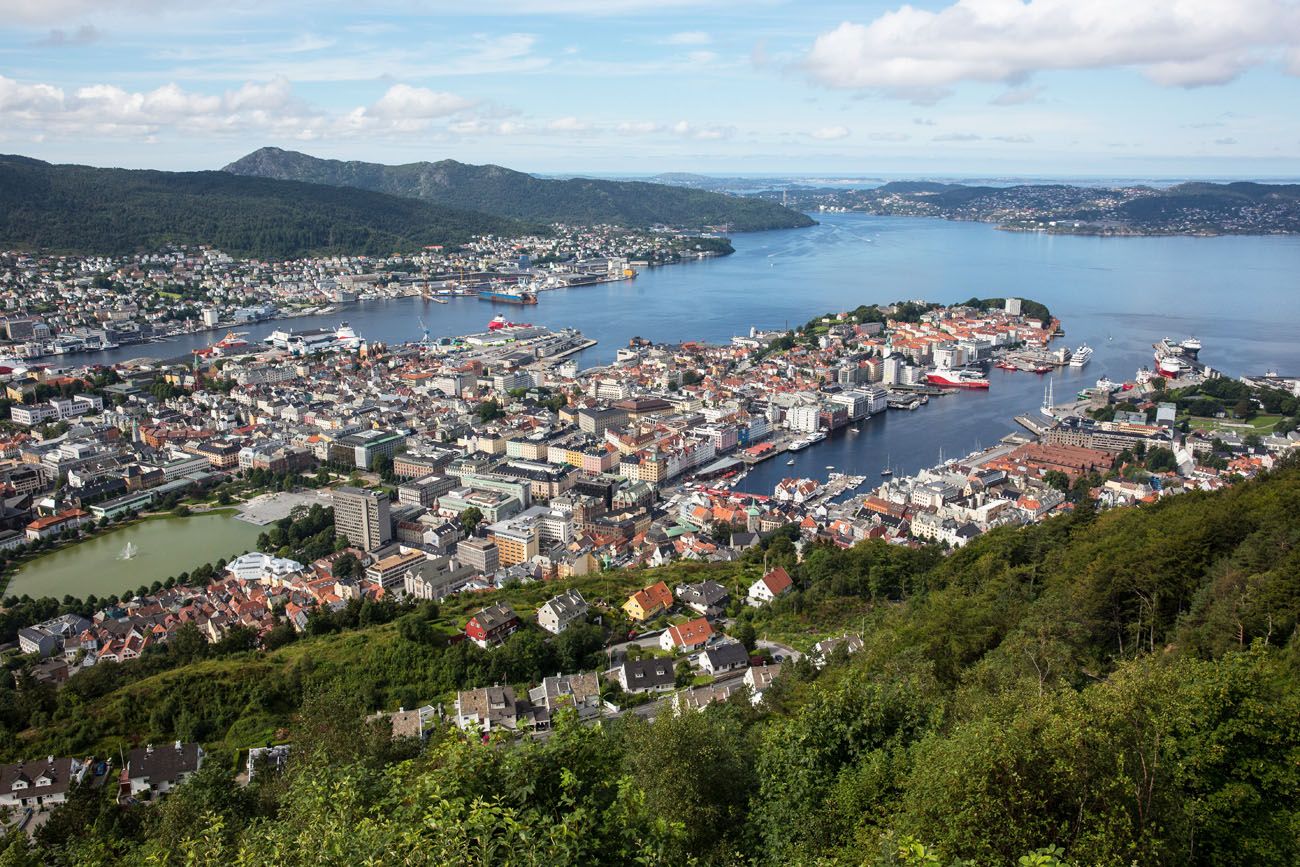
Bergen

5. Explore Oslo
Oslo is the capital of Norway and the largest city in the country. Most travelers will spend at least some time here, whether arriving, departing, or both.
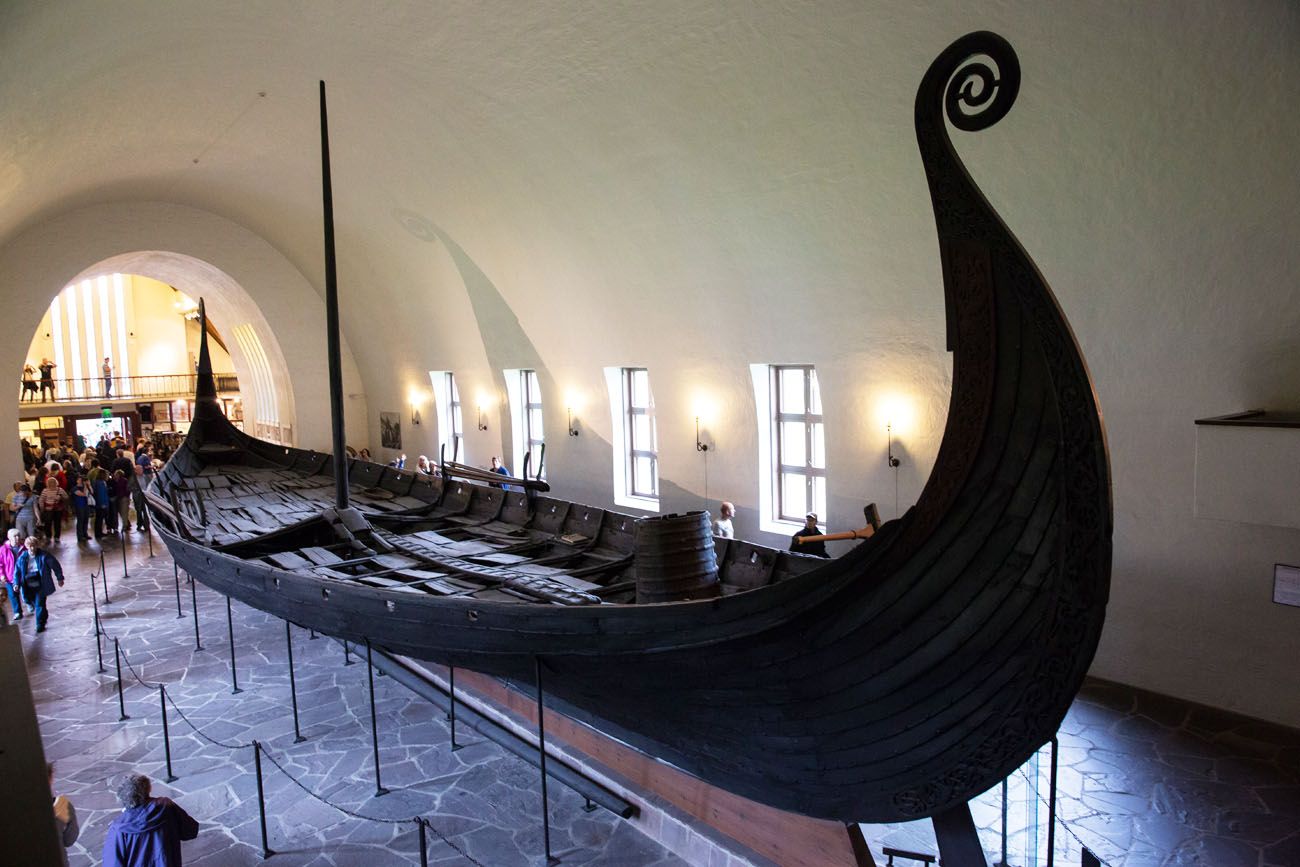
Viking Ship Museum
We had one rainy day in Oslo, and a few things stood out anyway. The Oslo Opera House is built so you can walk right up onto its sloped, marble roof. We did, rain and all, for the view out over the harbor. We also spent time at the museum complex on the Bygdøy peninsula, touring both the Viking Ship Museum and the Kon-Tiki Museum. The Kon-Tiki Museum was a particular highlight. It has a documentary about Thor Heyerdahl’s crew, who built the raft and sailed it across the Pacific to Polynesia, and we found it fascinating.
We also made the trip out to the Holmenkollen ski jump. It’s an impressive structure, though we happened to visit on an overcast day, so the views from the top were pretty limited. It’s worth checking the forecast before making the trip out.
Other popular Oslo stops include Akershus Fortress and a wander along the harbor at Aker Brygge.
6. Drive the Atlantic Road
The Atlantic Road has been called the world’s most beautiful drive and has been voted as the “Norwegian construction of the century.”
This coastal road connects the island of Averøy with the mainland. It is just 8.3 km (5 miles long), and hops from island to island along a series of bridges. The Atlantic Road is located between Trondheim and Ålesund.
7. Hike to Pulpit Rock
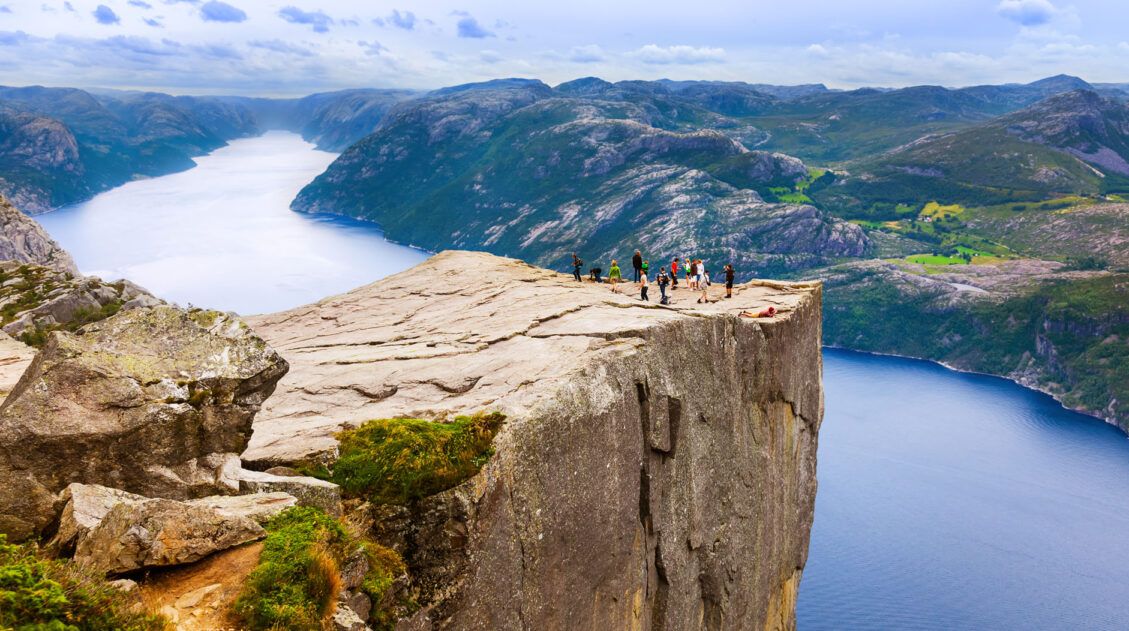
Pulpit Rock, also called Preikestolen, is a uniquely shaped rock that towers 604 meters over Lysefjord. It has been featured in Mission: Impossible – Fallout, not to mention thousands of photos on Facebook and Instagram.
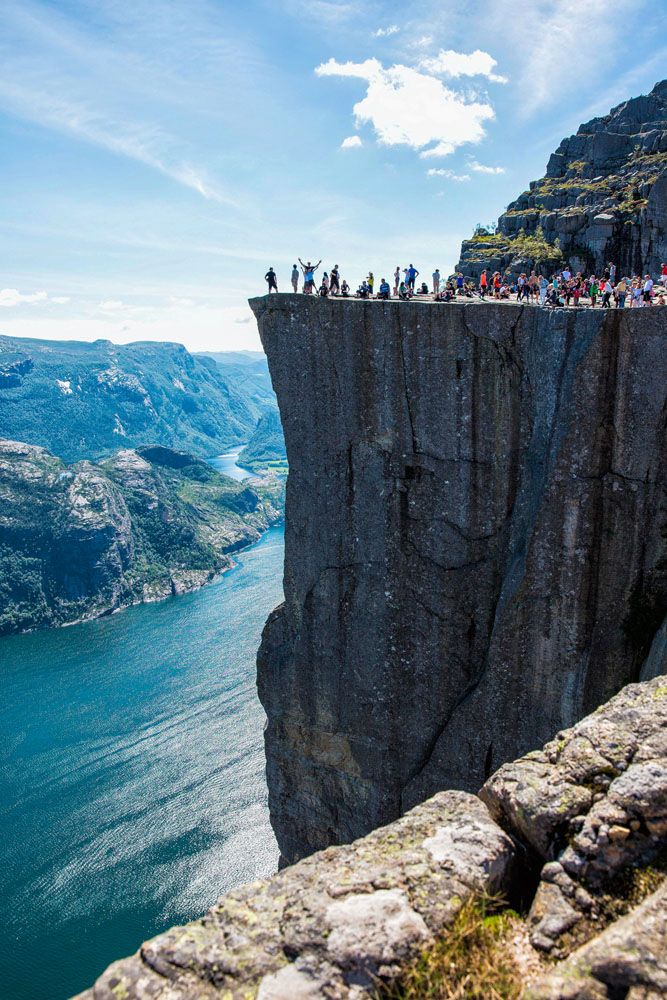
Pulpit Rock
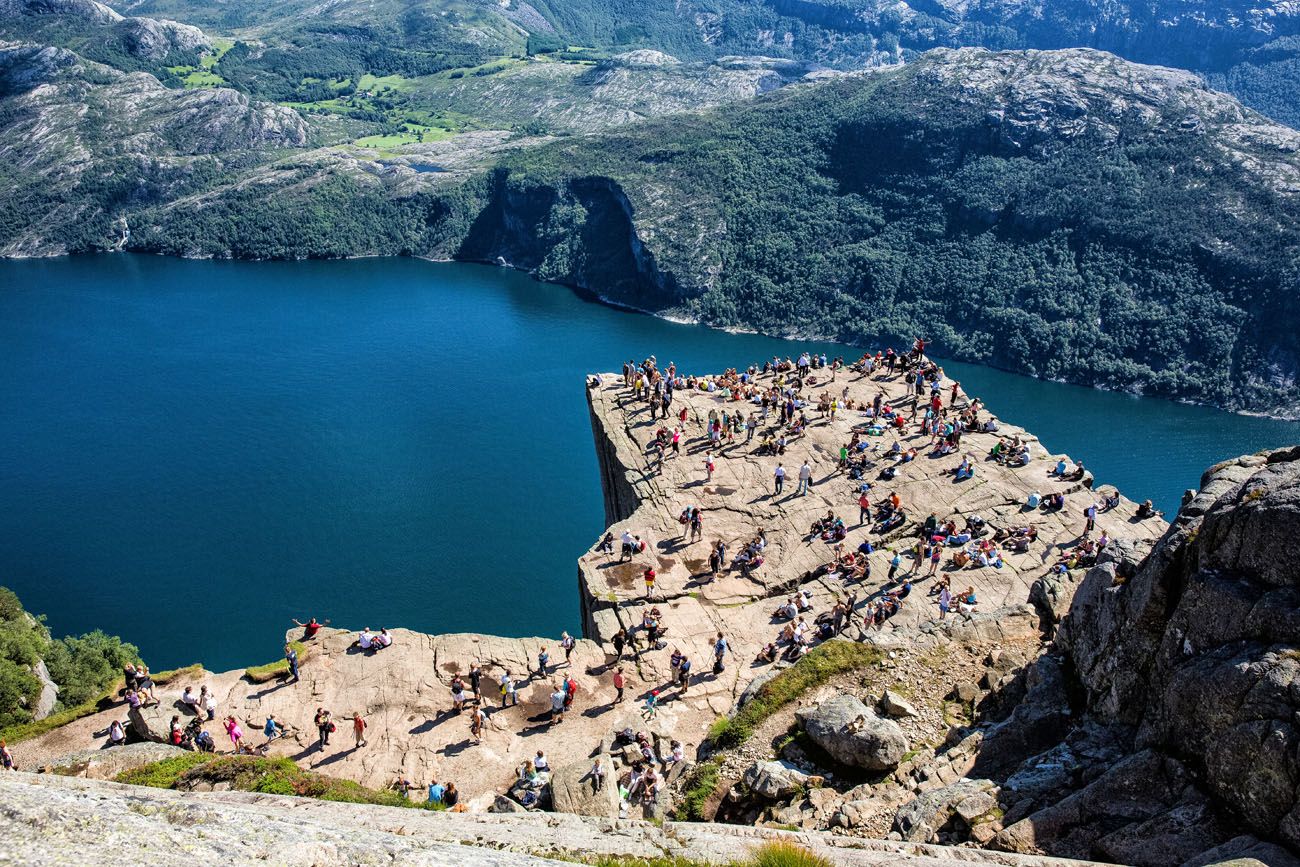
This was the very first hike we did in Norway, and at the time, our kids were just 10 and 8. The trail keeps changing character as you go: stone staircases, patches of forest, open plateau, before narrowing into a cliffside path with the fjord dropping away far below. The views are spectacular.
With its great views, relatively easy hiking trail, and convenient accessibility from the town of Stavanger, this is another very popular hike in Norway. Here’s how to do it ↓
8. Drive Trollstigen
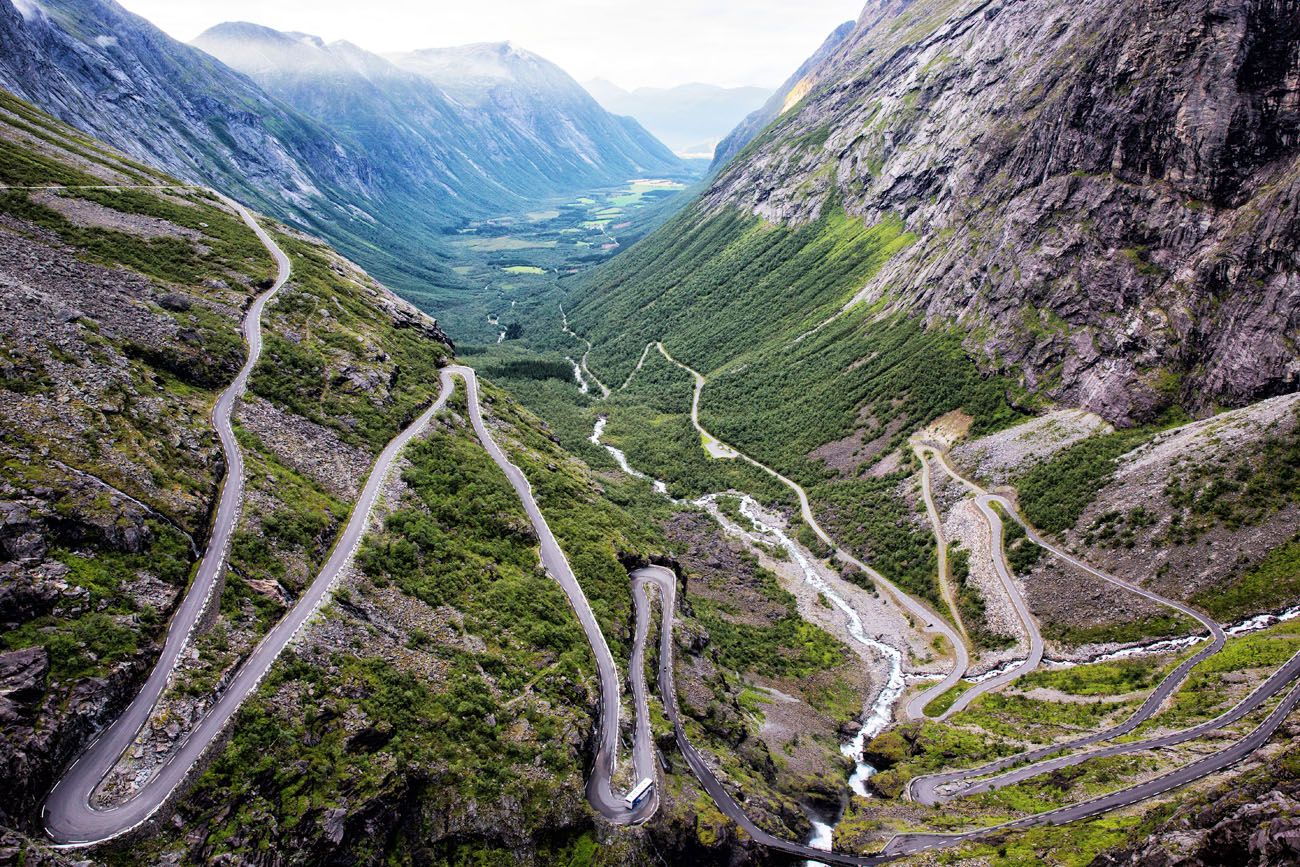
Trollstigen, aka “The Troll’s Road,” twists and turns as it climbs up from the Romsdal Valley. This short stretch of road features 11 hairpin turns, several viewpoints, and views of the Stigfossen waterfall. It is part of the National Tourist Route that connects Geirangerfjord with Åndalsnes.
We drove it ourselves on our first Norway trip, and it’s every bit as dramatic as it looks in photos.
Trollstigen
9. Enjoy the View over Ålesund
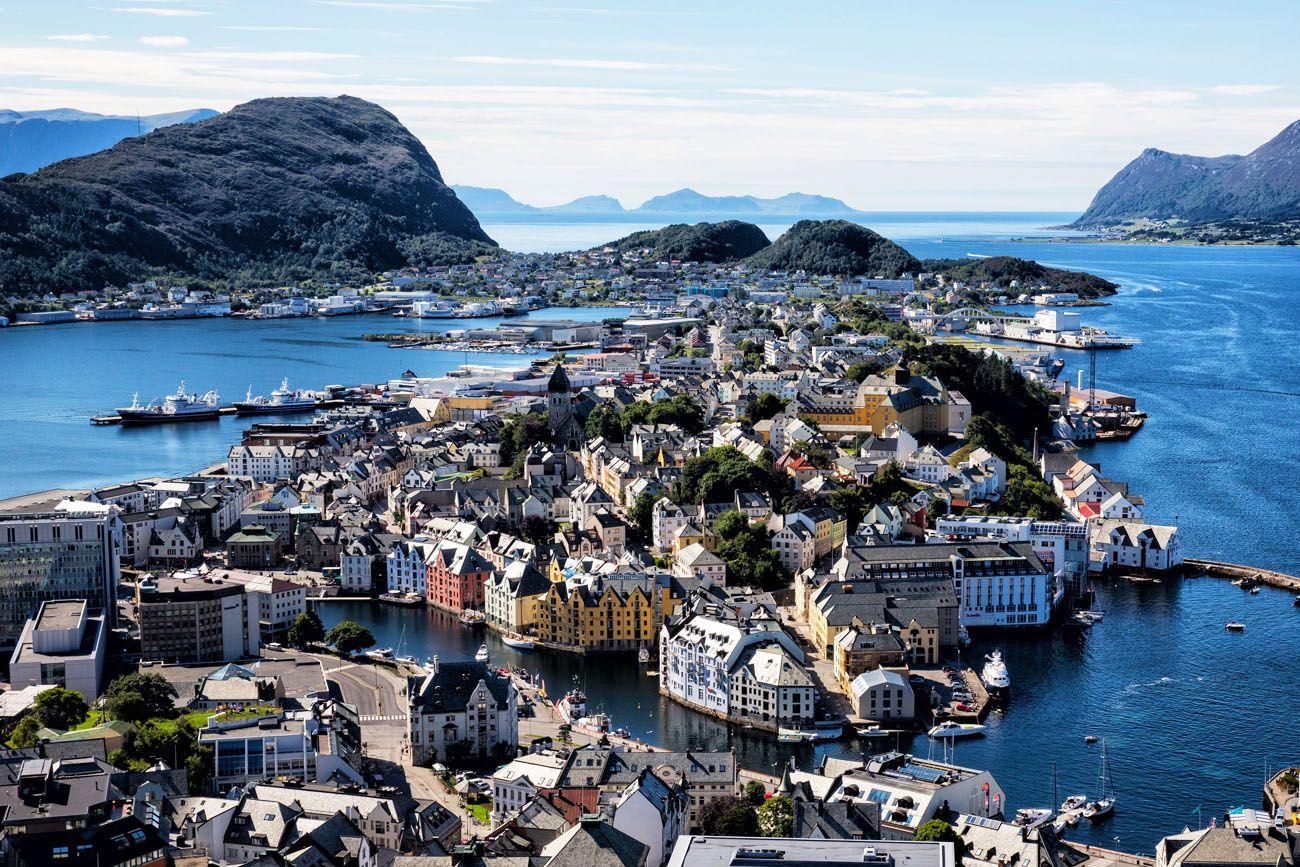
Ålesund is a beautiful coastal town in southern Norway, an Art Nouveau town scattered across several islands along the Atlantic Ocean.
We spent one night here, which was just enough time to wander the city streets and make the climb up to Fjellstua for the view over town. It’s one of the most iconic views in Norway, and every bit as lovely in person as it looks in photos.
Ålesund
10. Visit Geirangerfjord
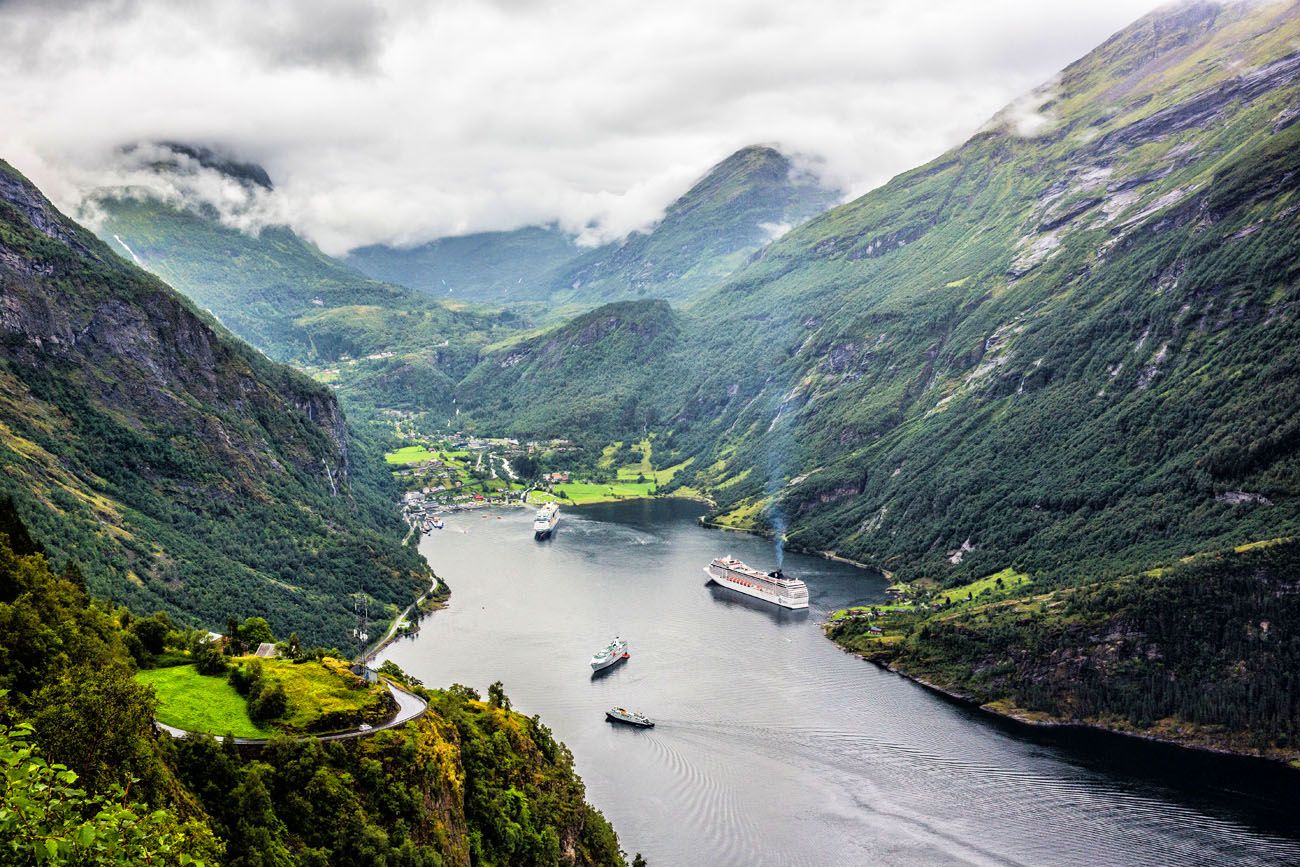
Geirangerfjord is a UNESCO World Heritage Site and a fjord known for being one of the most beautiful in Norway.
For an amazing view of the fjord, you have several options. Go to the Dalsnibba viewpoint for the highest view of the valley and fjord (best on a clear day). The Flydalsjuvet rock is an outcropping of rock where you can get iconic photos of Geirangerfjord. The Ørnesvingen viewpoint on the Eagle Road is also another great spot to visit.
For a unique experience, you can kayak in Geirangerfjord. When we did this, we saw dolpins!
Geirangerfjord
11. Stand on Kjeragbolten…Do You Dare?
This is our favorite hike in Norway, and one of our favorite hikes anywhere in the world.
Standing on the boulder and getting that photo is the reason most people do this hike, but the trail itself is fun and beautiful from start to finish. There are steep sections where you’ll use chains to help you up the granite, and panoramic views from the upper plateau that make you feel like you’re walking on top of the world. Even if you have no plans to step out onto the boulder, this hike is still absolutely worth doing.
It’s also not nearly as long as Trolltunga, which makes it a bit more approachable if you’re short on time. Our kids loved this hike, though standing on the boulder itself was for the crazy adults only.
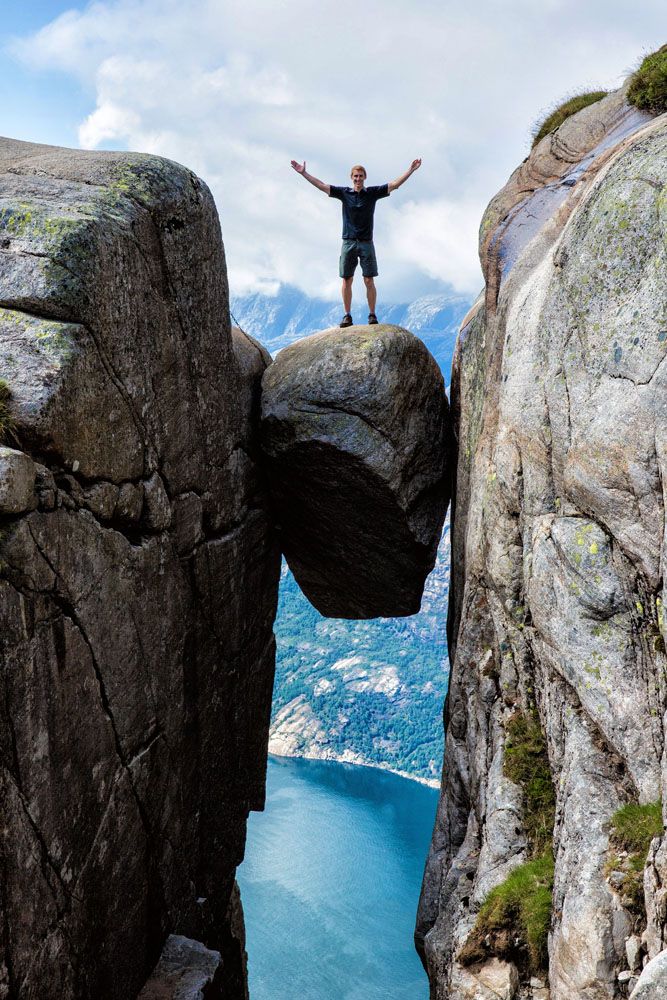
Kjeragbolten
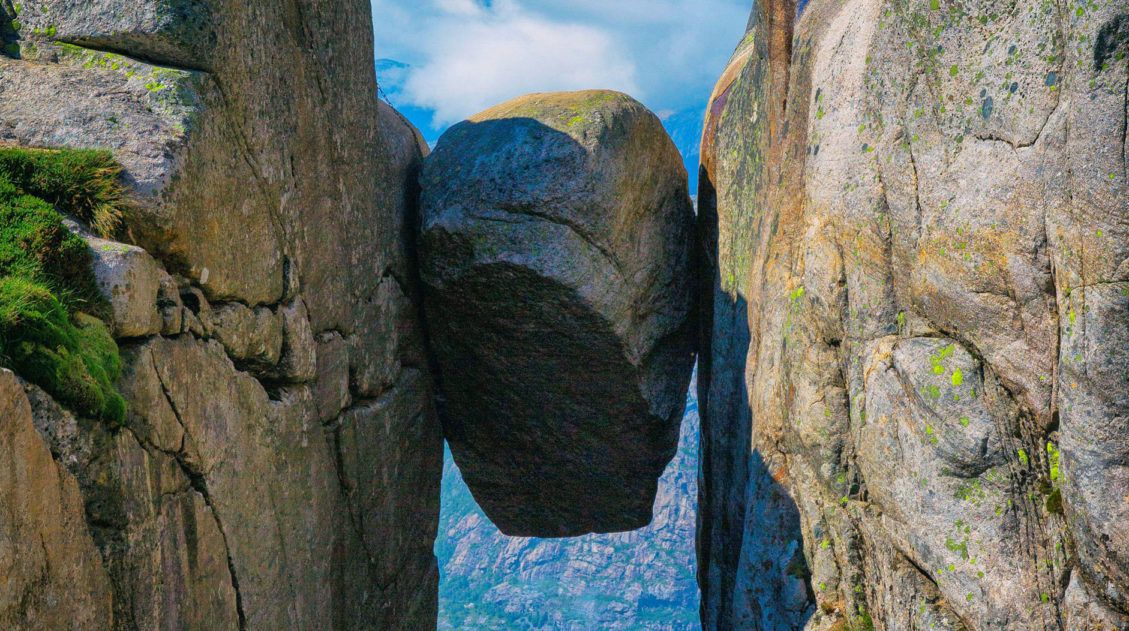
Kjeragbolten: Our Favorite Hike in Norway
Everything you need to know to hike Kjeragbolten.Things to Do in Northern Norway
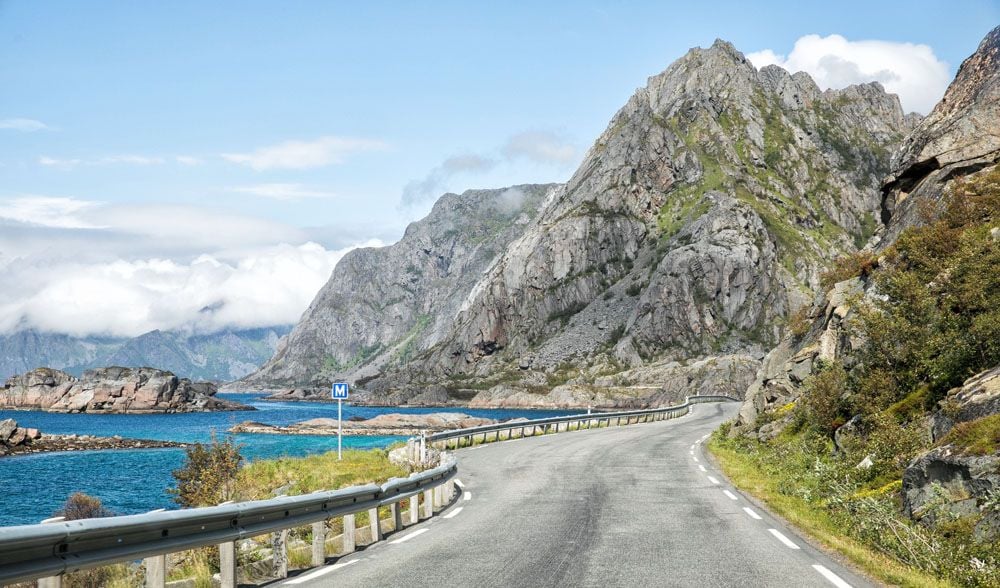
12. Road Trip through the Lofoten Islands
The Lofoten Islands are a wonderland of jagged peaks, rocky coastlines, and white sand beaches, a remote archipelago well above the Arctic Circle that somehow still exceeds the hype once you’re standing in it.
What makes it so special is how accessible all of that landscape is: no permit, no guide, no helicopter required. Just a car, a decent pair of hiking boots, and a few days.
We spent four days here in early July, splitting our time between a base near Svolvær in the north and the Reine area in the south. We got a bit of everything weather-wise, including brilliant sun, moody overcast skies, and one full washout day, and even that day had its charm.
Between the two bases, we covered most of what makes Lofoten worth the trip: dramatic hikes with knockout views, and tiny fishing villages tucked between the mountains and the sea.
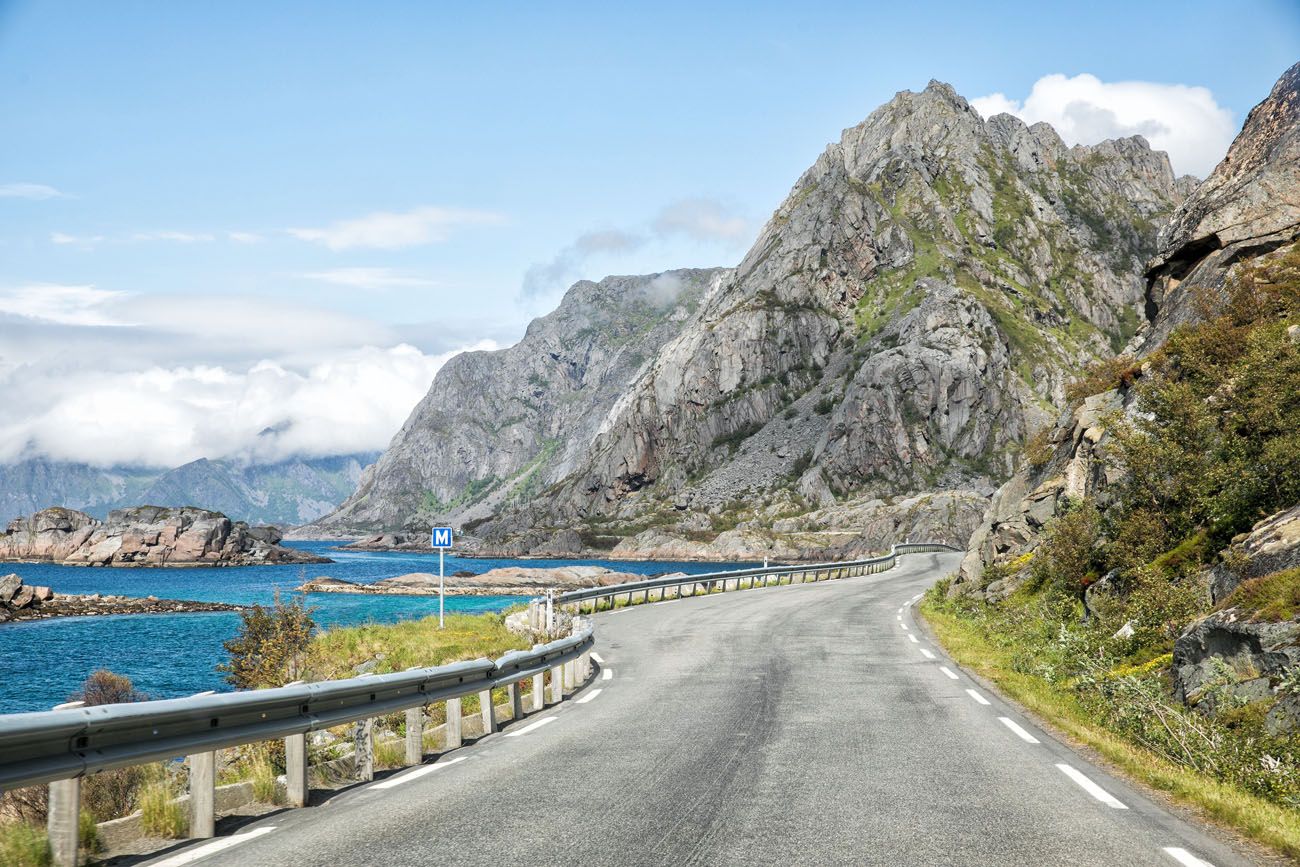
Lofoten Islands
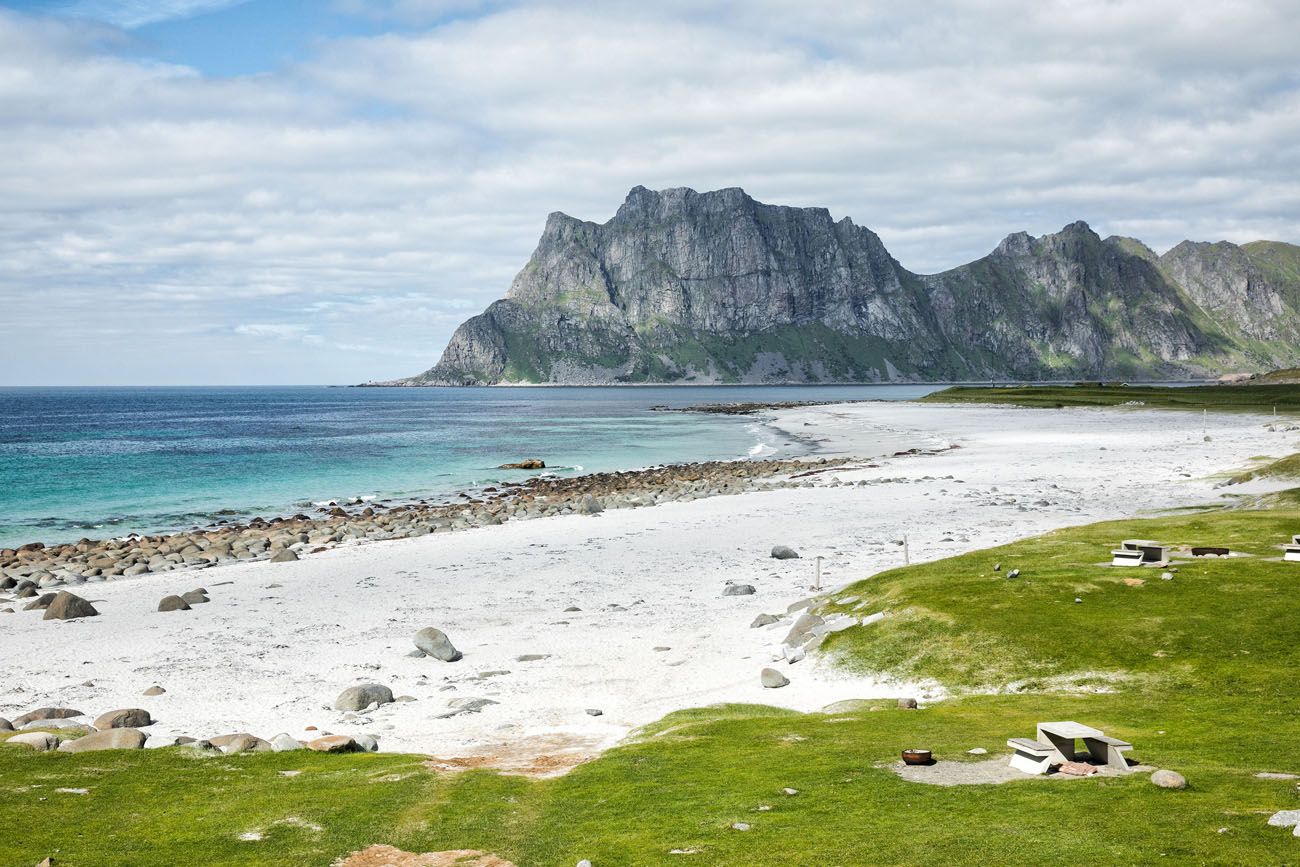
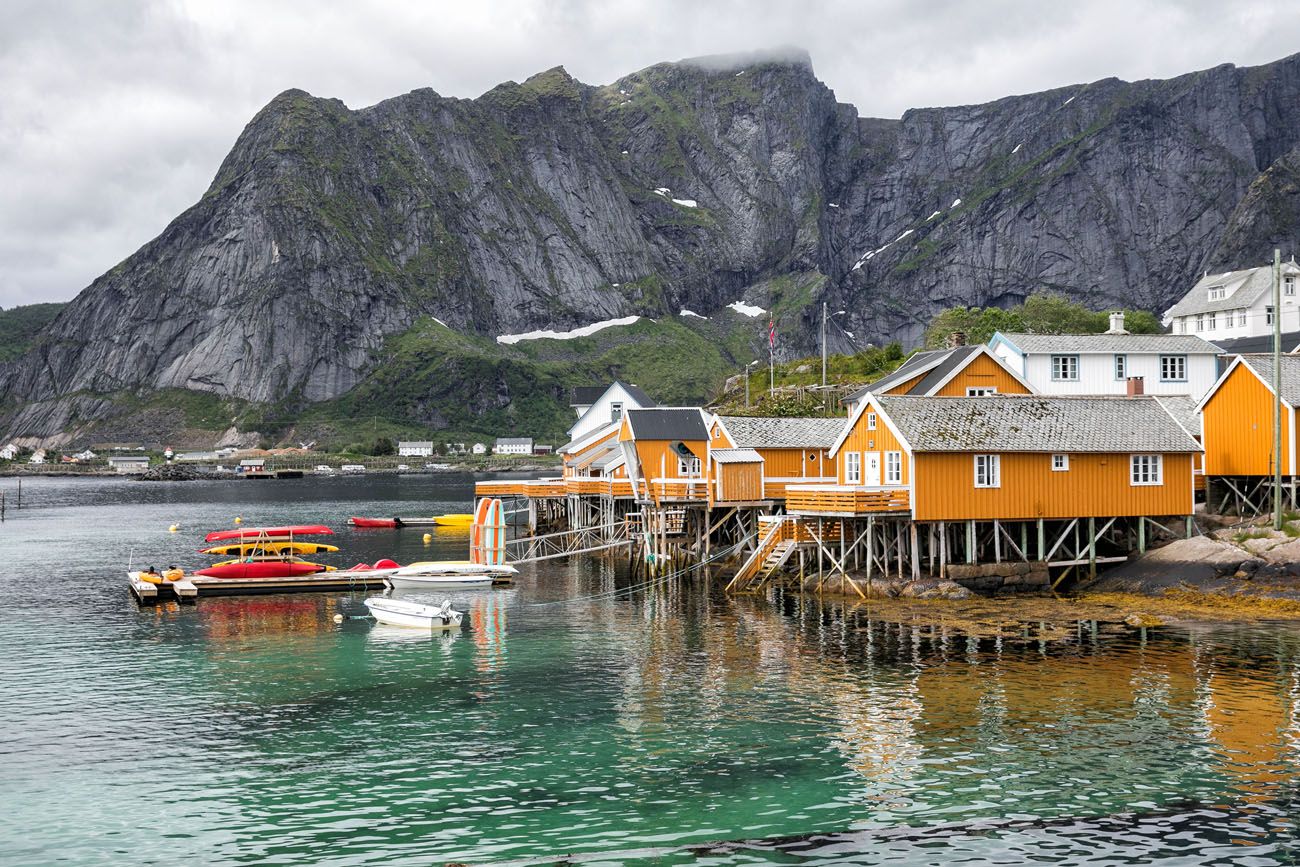
If you plan to road trip through the Lofoten Islands, set aside a minimum of four days in order to have the best experience. This area might look small on a map, but it is packed with beaches, hiking trails, and scenic detours that can easily fill several days of your time.
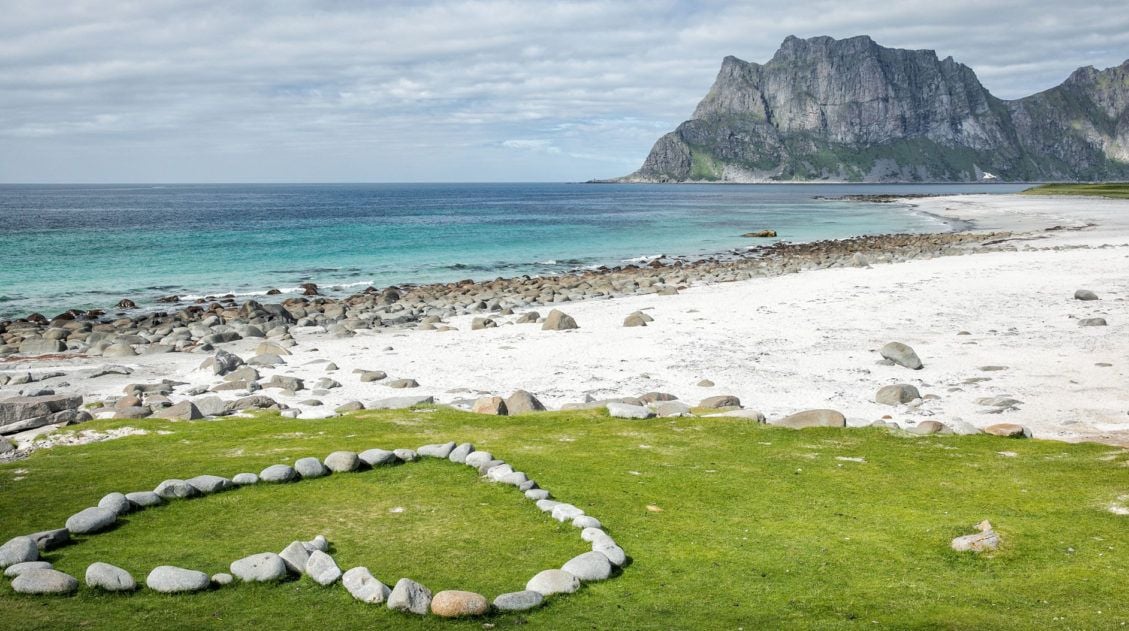
Best Things to Do in the Lofoten Islands: 16 Epic Experiences
Best things to do in the Lofoten Islands and how to plan a visit here.13. Go Hiking in Vesterålen
Vesterålen is a quieter, less touristy version of the Lofoten Islands, an archipelago just north of Lofoten with landscapes that feel remarkably similar, but with a fraction of the crowds. It’s a bit underrated, and one we’d like to explore more on a return trip.
We only had about 24 hours here, enough for one night and the hike up to Måtind on the Stave-Bleik Coastal Trail.
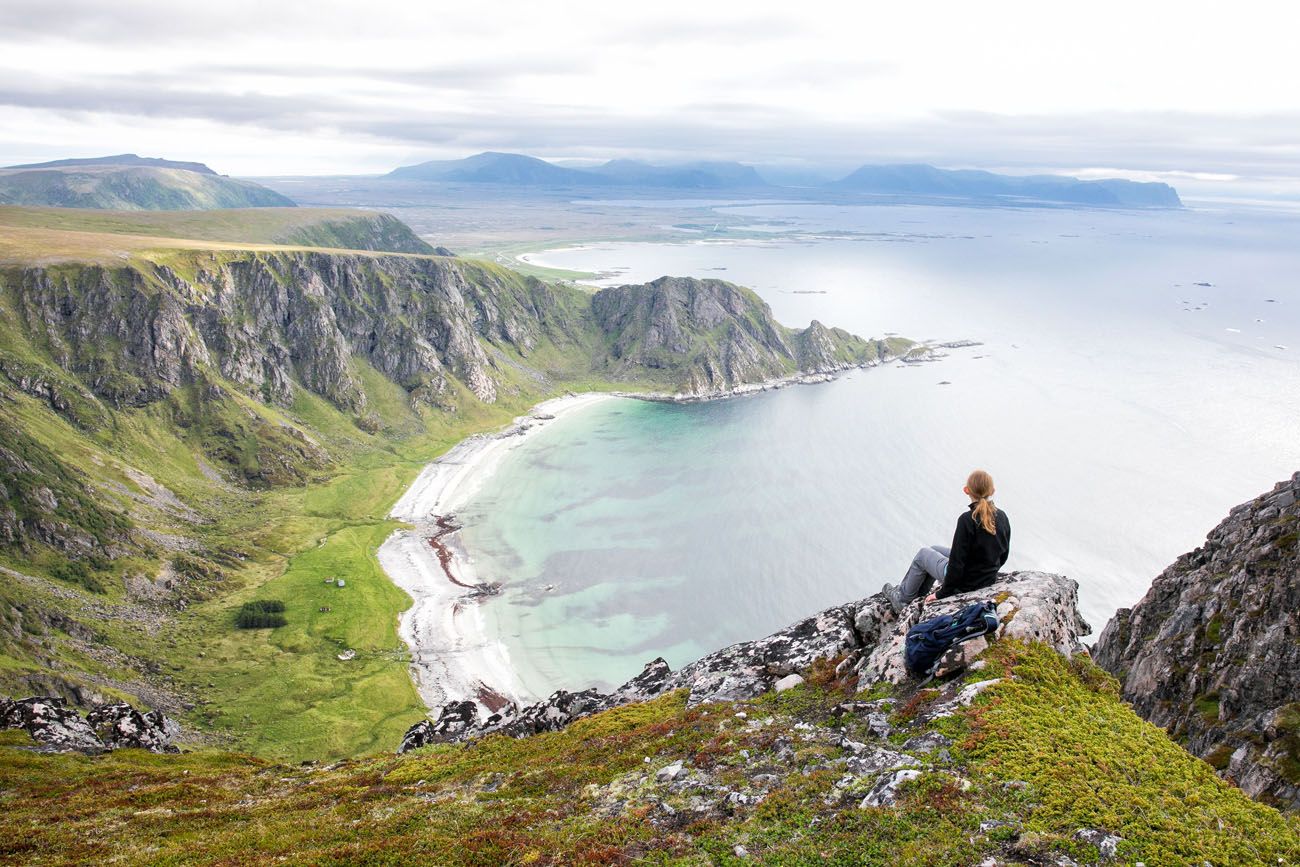
Stave-Bleik Coastal Trail
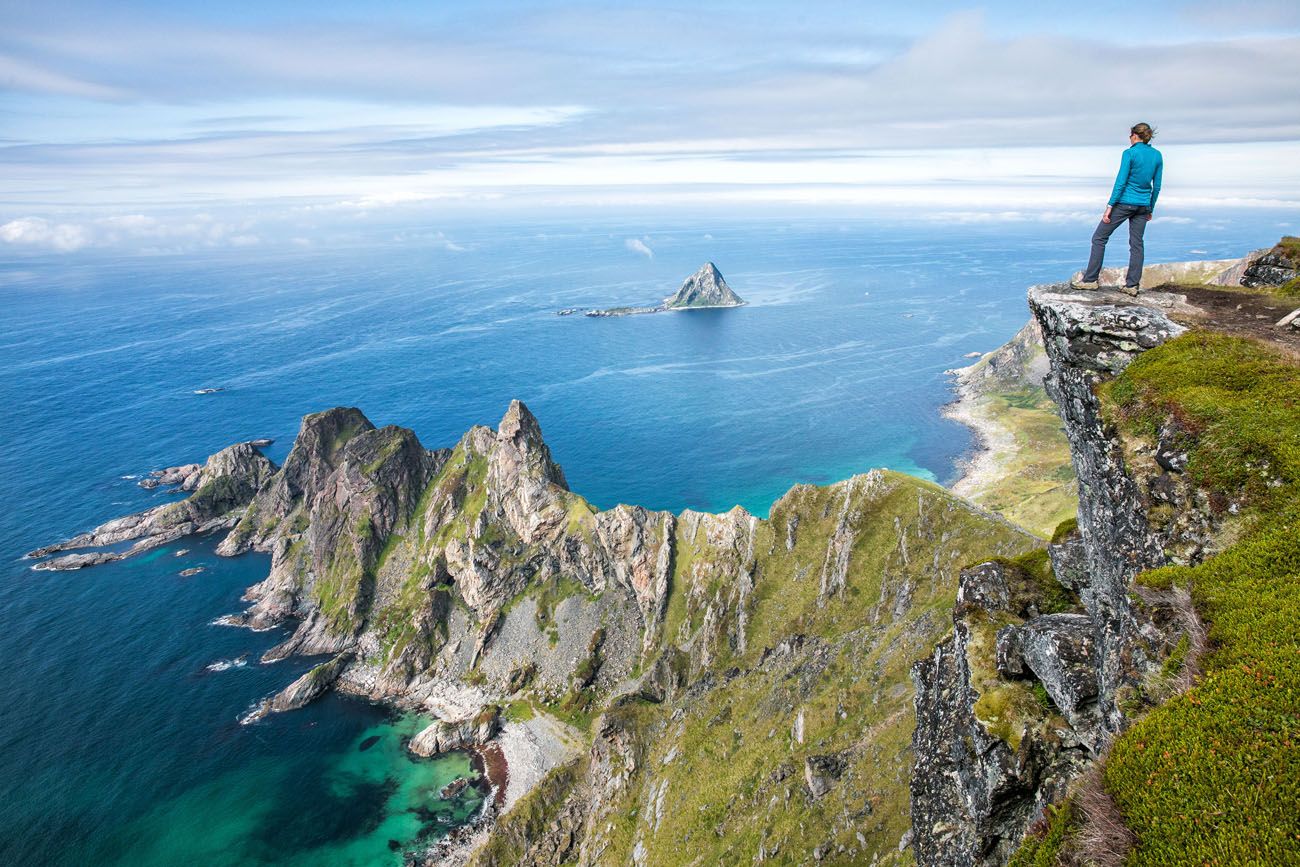
View from Måtind
The hike takes just 3 to 4 hours and delivers jaw-dropping coastal views the whole way. Here’s how to do it ↓
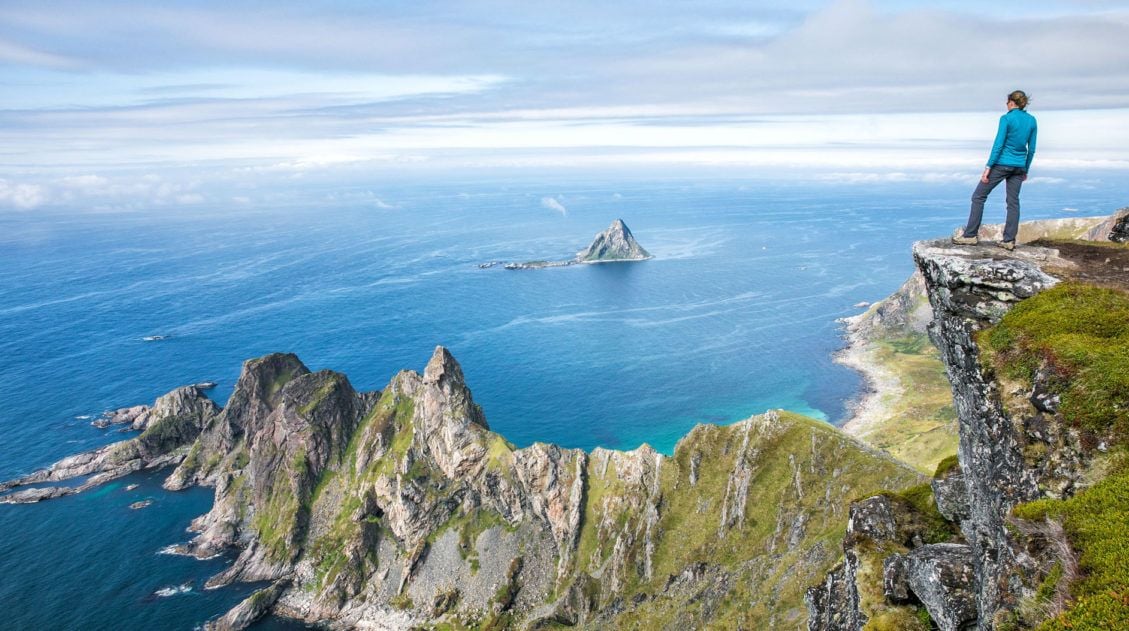
Hiking to Måtind on the Stave-Bleik Coastal Trail, Vesteralen, Norway
Complete hiking guide for the Stave-Bleik Coastal Trail.Beyond the hike, Vesterålen is also known for year-round whale watching out of Andenes (it’s one of the only places in Norway where you can spot whales in every season), the interactive Andøya Space Center, and Nyksund, a once-abandoned fishing village now home to a small community of artists and a few excellent cafés.
14. Visit Tromsø
Located at 69° North in the Arctic Circle, this small northern city offers a lot to do. During the summer months, you get to witness the midnight sun; in the winter, the northern lights shimmer and dance over the town.
We flew in from Svalbard and spent about a day and a half exploring the city. The highlight was the view from Fløya, which is well worth the trip up.
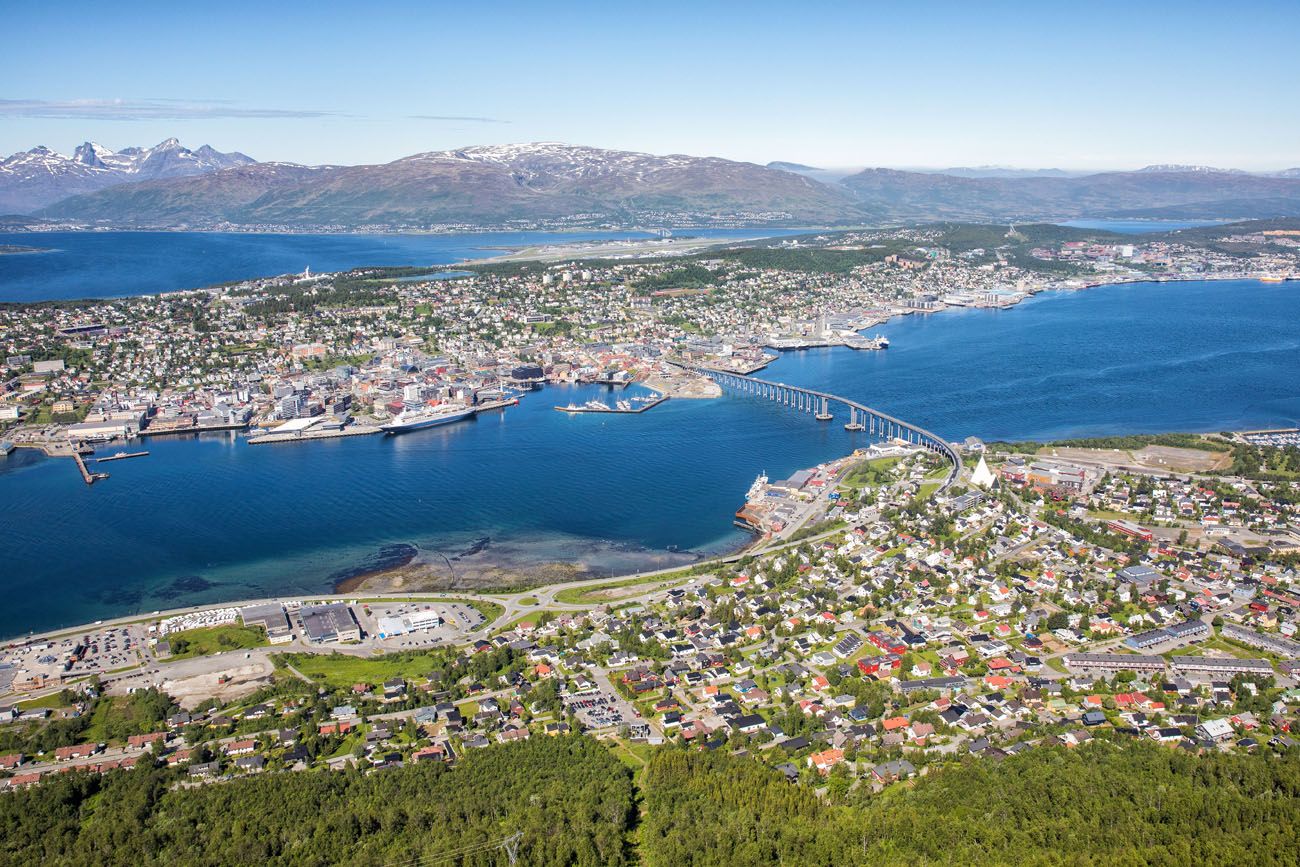
Tromsø
Beyond the view from Fløya, worth a stop if you have more time: the striking, triangular Arctic Cathedral just across the bridge, or Polaria, an Arctic aquarium and exhibit center that’s a good option on a rainy day.
15. Climb Svolvaergeita
Svolvaergeita, also called “The Goat,” is a pinnacle of rock that’s a popular rock climbing spot in the Lofoten Islands. It’s done with a guide, and even climbers at a beginner level can do it.
This was our favorite experience in the Lofoten Islands, and our entire family did it. We’d done a bit of beginner-level rock climbing before this trip, in Thailand and Argentina, but this still challenged us in a way that felt completely unique. Our daughter, Kara, had more climbing experience than the rest of us and made it look easy. For all of us, sitting on top of the rock, looking out over Svolvær below, was the most exhilarating thing we did in Norway.
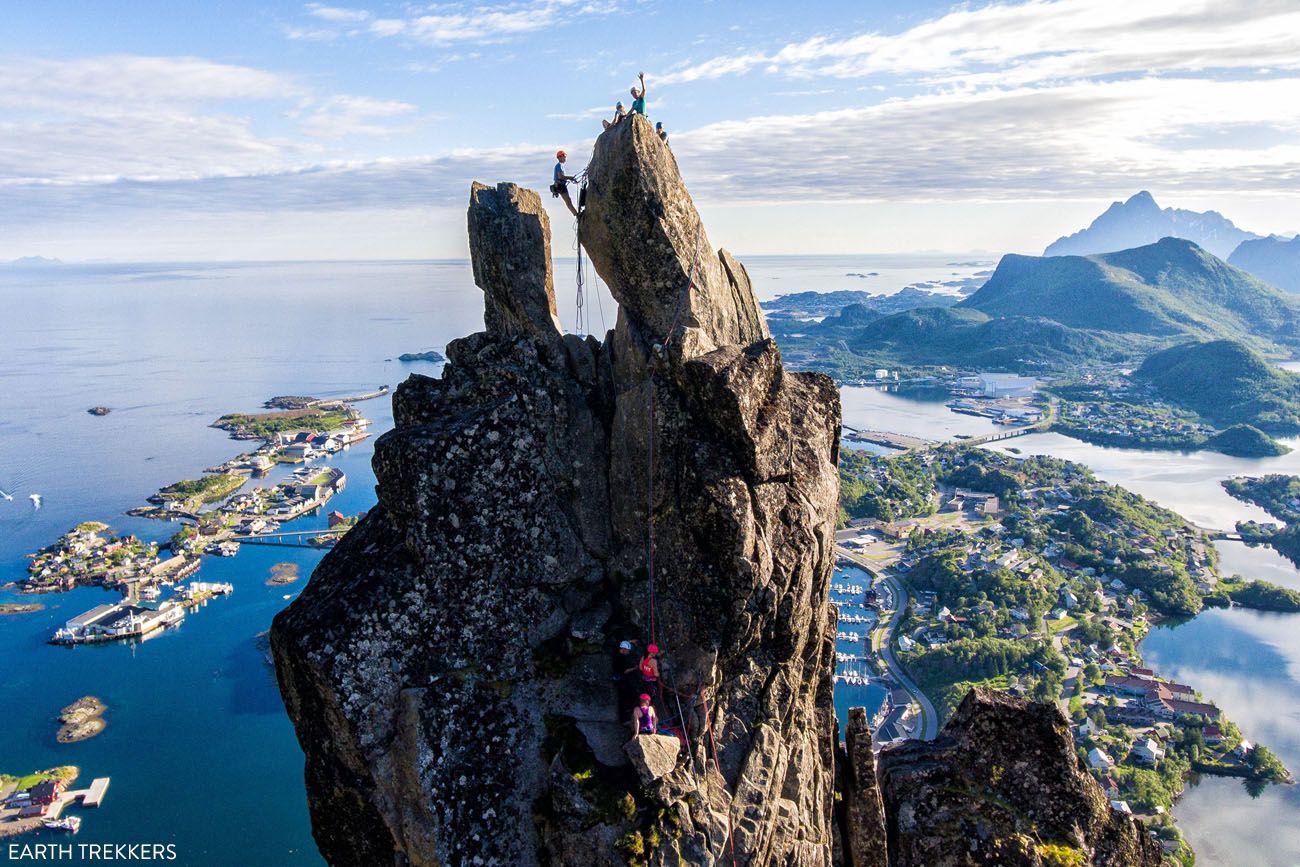
Svolvaergeita
Here’s everything you need to know to climb Svolvaergeita ↓
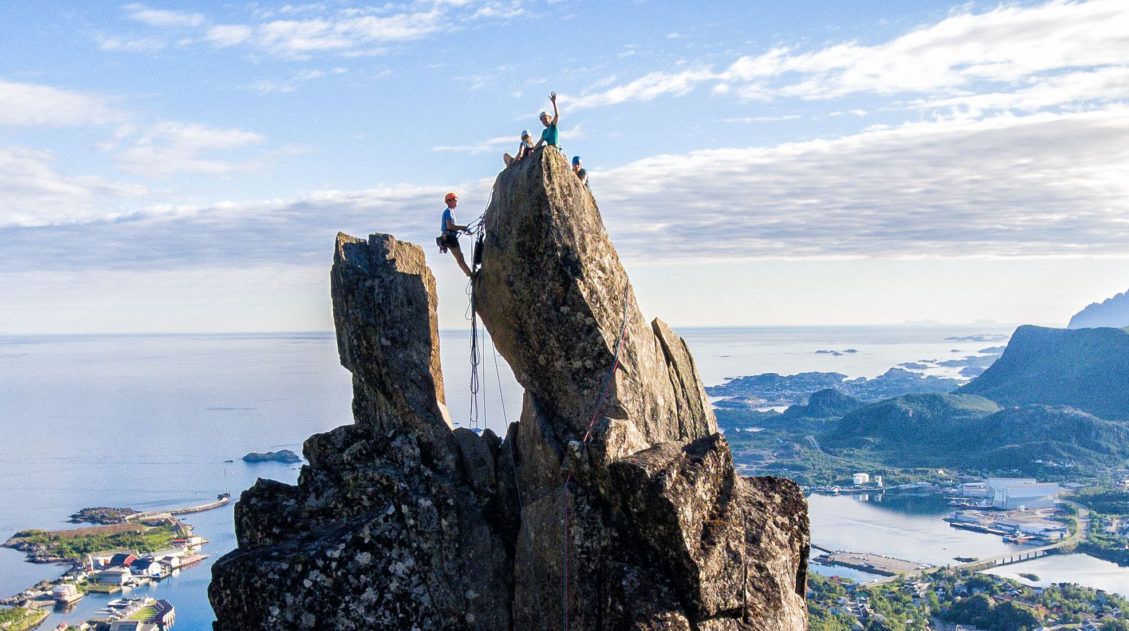
Complete Guide to Climbing Svolvaergeita in the Lofoten Islands
How to add Svolvaergeita to your Lofoten Islands itinerary.16. Relax in Sommarøy
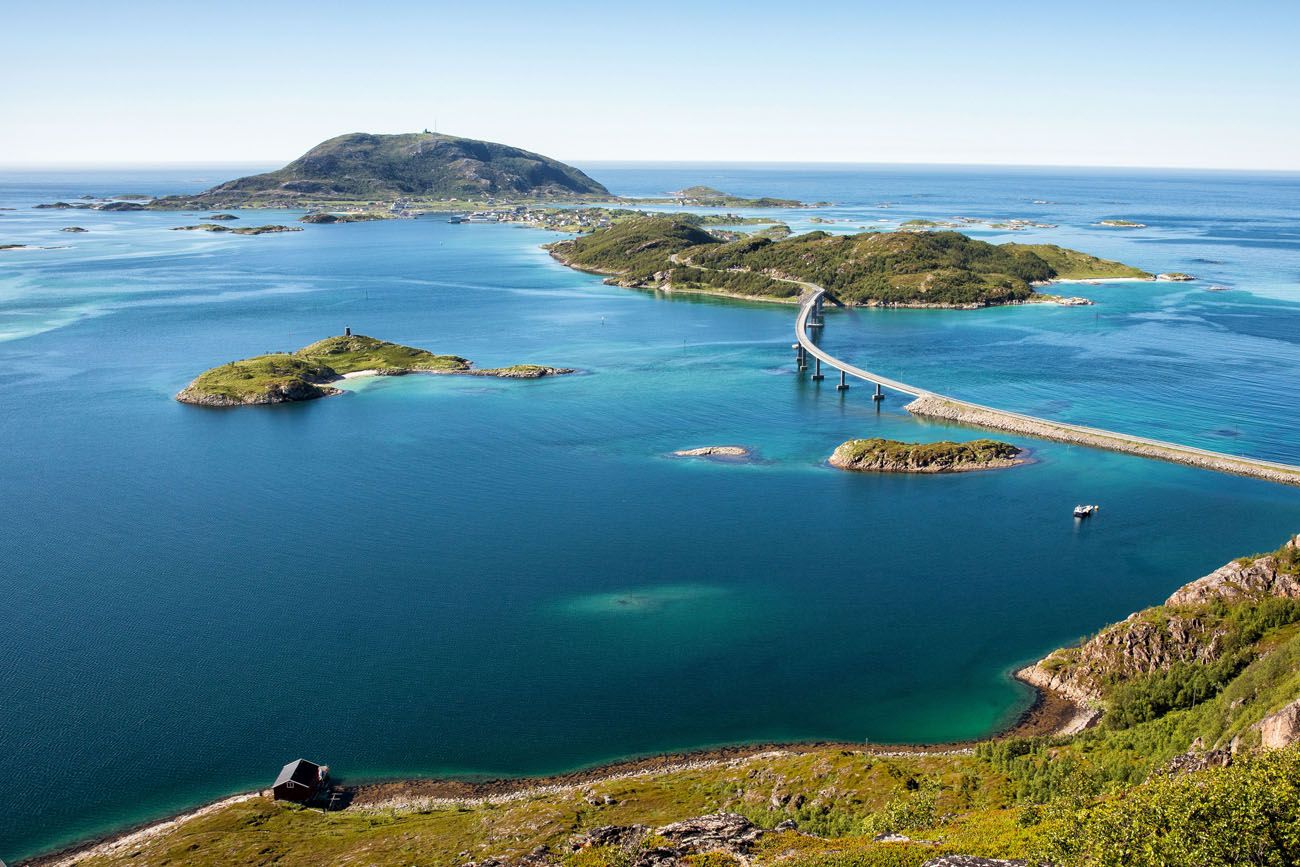
Sommarøy is a hidden treasure in northern Norway, with hiking trails, amazing views, tiny islands with white sandy beaches, and picture-perfect red cabins dotting the water’s edge.
This was one of our favorite surprises in Norway, and it came on just the second day of our northern Norway road trip.
We hiked up to Ørnfløya for the view, then spent the night in a small cabin in Sommarøy, and the combination made it feel like we’d really arrived in the north. Sommarøy was quiet and uncrowded, incredibly chill, and still remarkably scenic, with fishing cabins perched right over the water.
We weren’t expecting this part of Norway to look so beautiful, and it turned out to be the perfect introduction for what was still ahead of us in Senja, Vesterålen, and the Lofoten Islands.
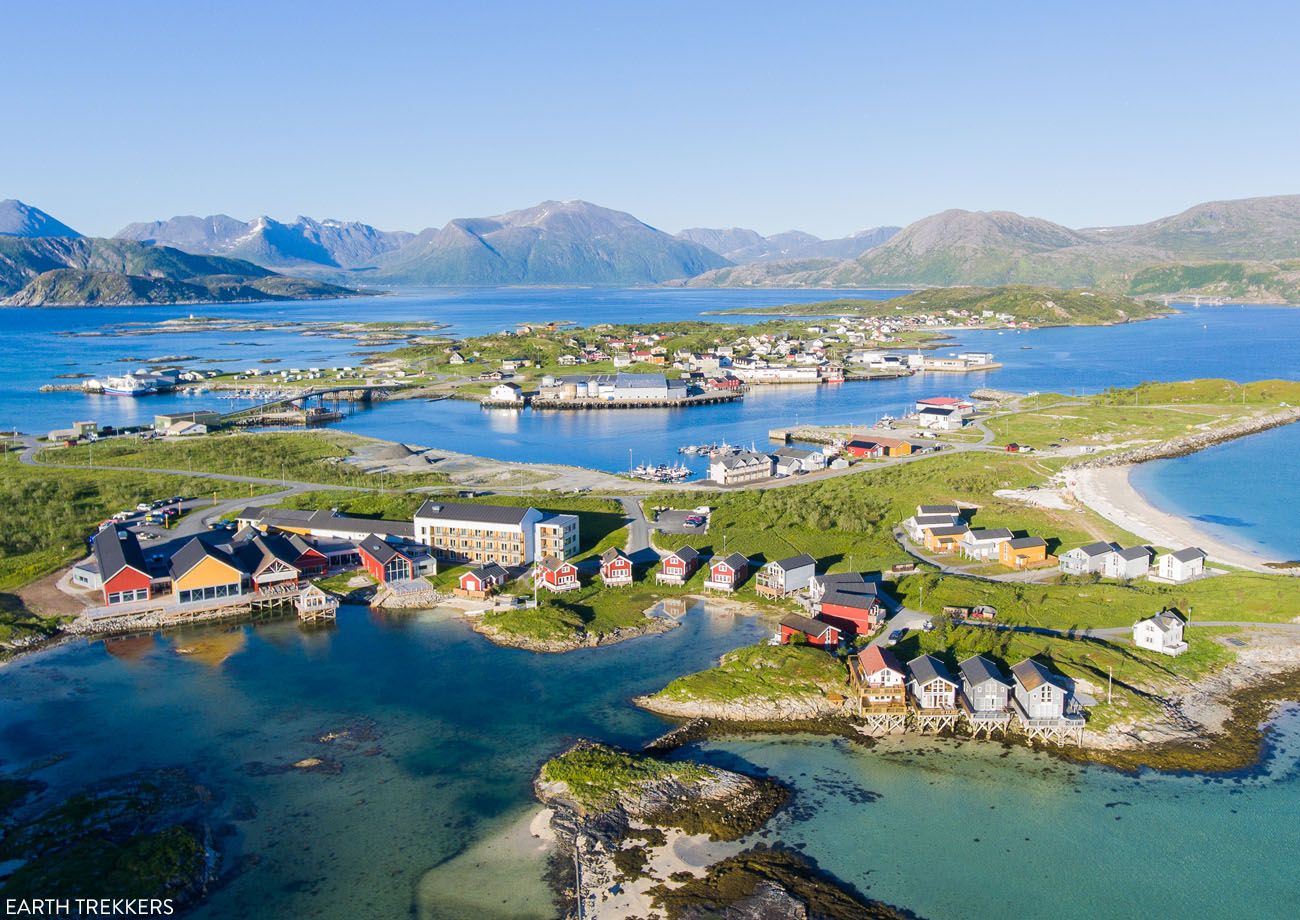
Drone photo of Sommarøy
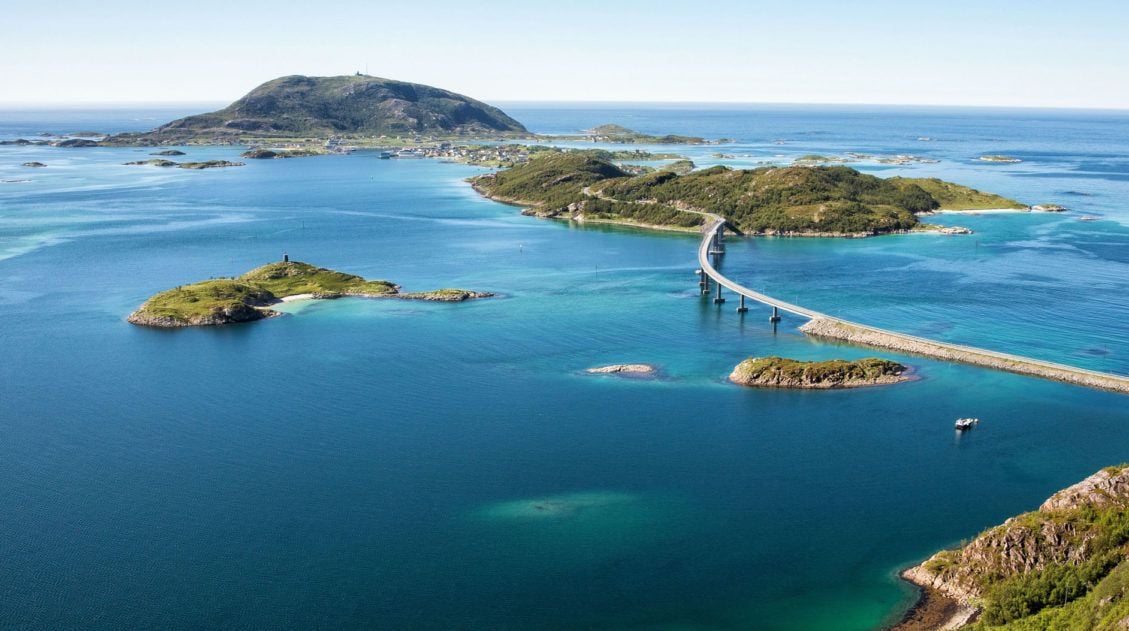
It’s easy to day trip here from Tromsø, but for a quieter, more relaxing experience, spend the night at the lovely Sommarøy Arctic Hotel. For the best view over Sommarøy, it’s a short, easy hike up to Ørnfløya.
Ørnfløya, A Short but Sweet Hike in Sommarøy, Norway
How to hike to Ørnfløya and spend the night in Sommarøy.17. Explore the Lovely Island of Senja
Not far from Tromsø and Sommarøy is the lovely island of Senja. This is another great spot to add to your northern Norway road trip.
We spent one day here, hiking Segla and exploring the rest of the National Scenic Route by car. Segla was the highlight, a short but genuinely challenging climb with one of the best views we had in northern Norway. Along the drive, don’t miss Tungeneset and Bergsbotn, two of the route’s standout viewpoints.
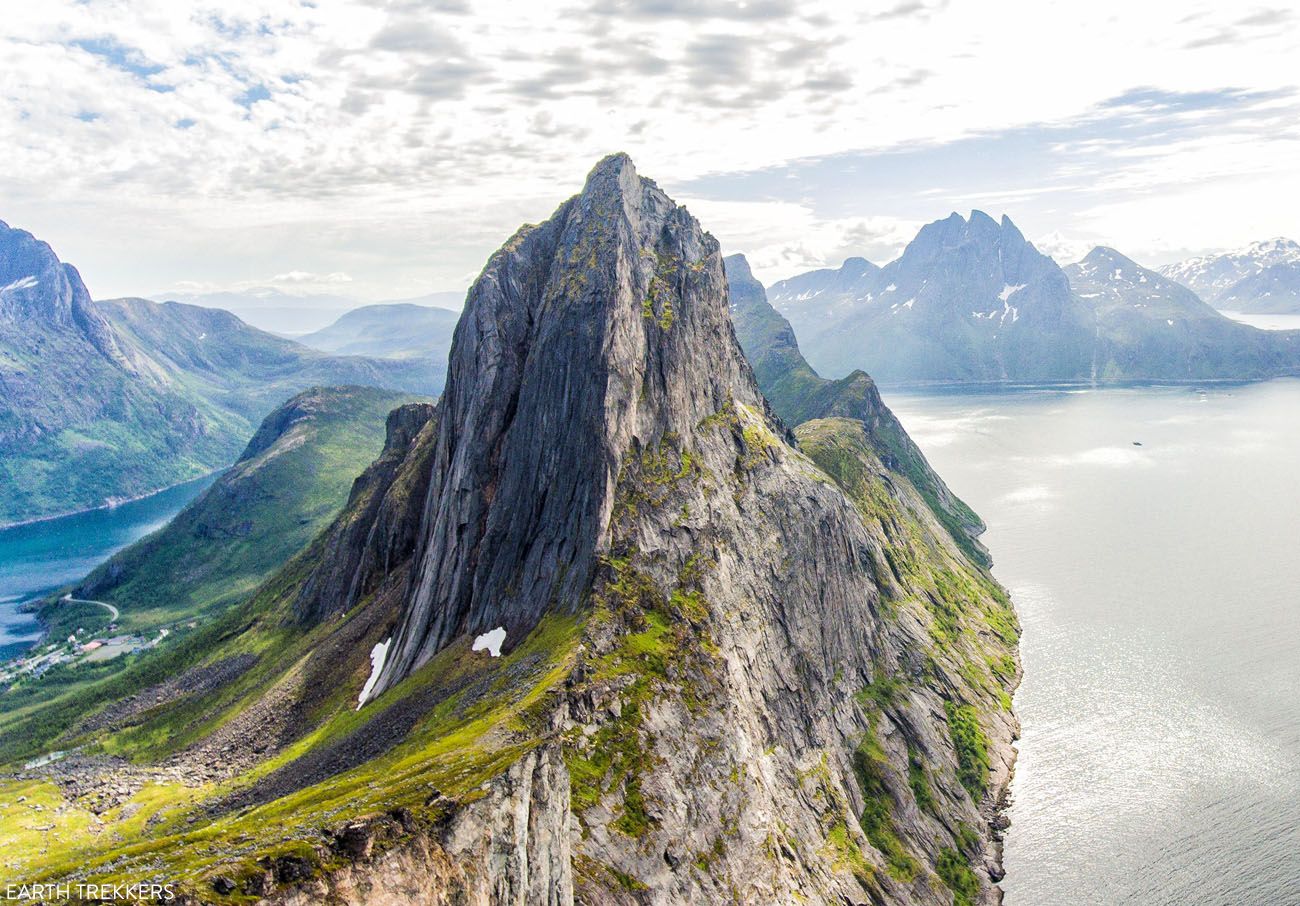
Drone photo of Segla
If you have more time than we did, a few other spots come highly recommended: Ersfjordstranda beach, the tiny fishing village of Husøy, and the Hesten hike right next to Segla, which gives you the classic view of Segla itself from across the valley.
18. Get the Postcard View of Hamnøy
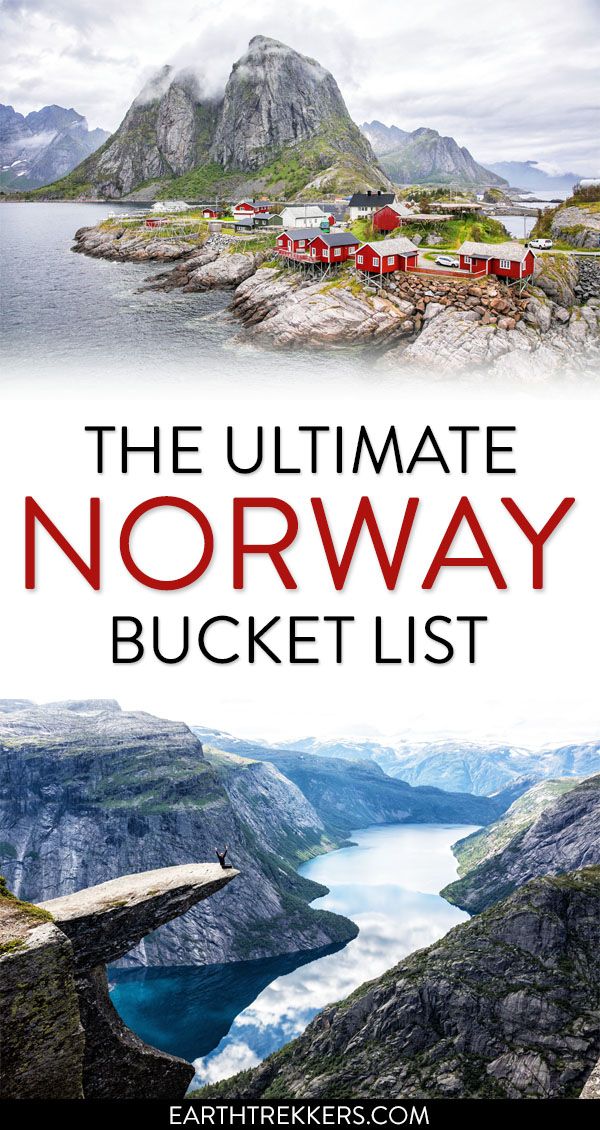
Hamnøy, with its collection of red fishing cabins on the water, is one of the most picturesque spots on the Lofoten Islands.
We stayed nearby, within walking distance of the viewpoint, and photographed it several times. It’s one of the most photographed views in Norway, so you know exactly what to expect going in, and it’s still genuinely beautiful to see with your own eyes.
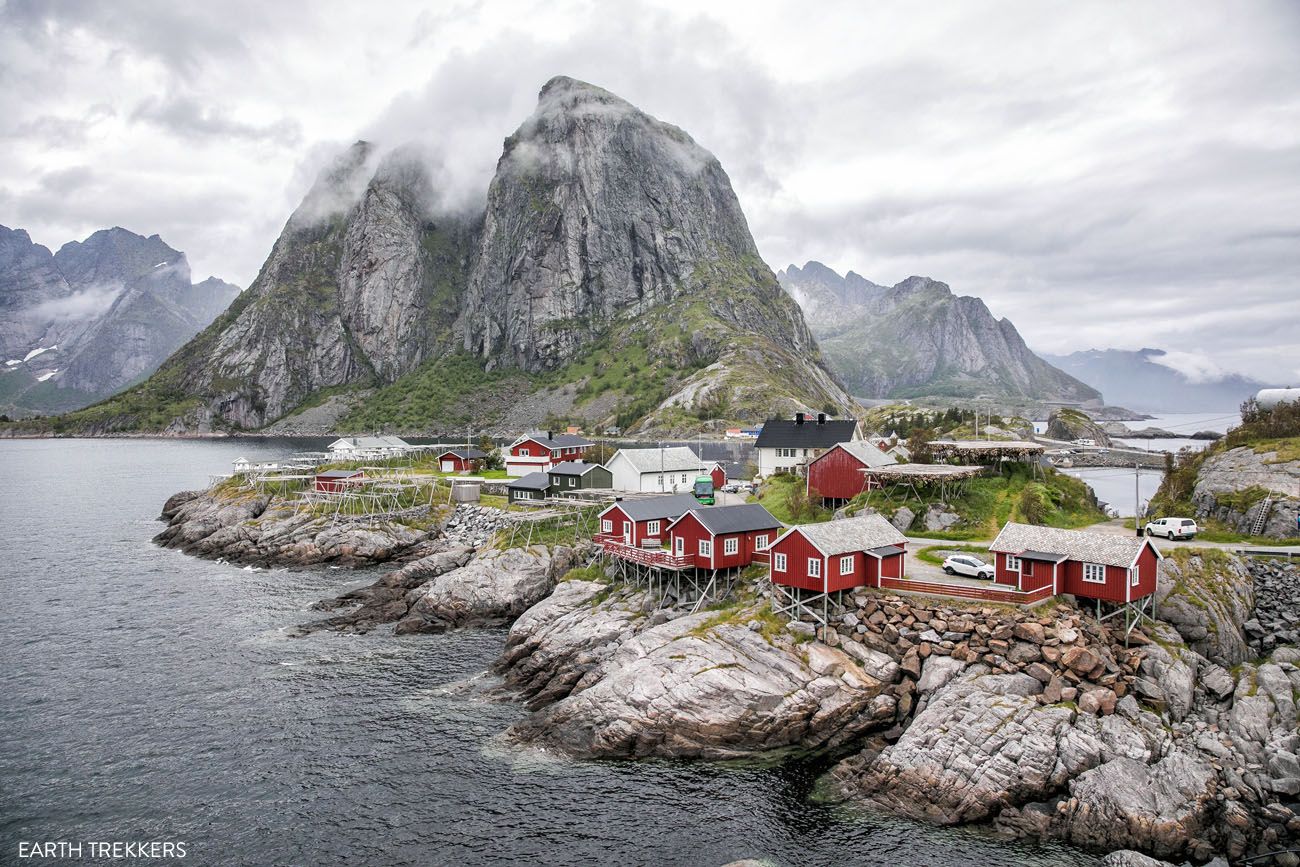
The exact spot to get this photograph is labeled on Google Maps as Hamnøy Lofoten Scenic Viewpoint.
19. Visit Trondheim
Trondheim is the third largest city in Norway. University students make up a sizable portion of the population, and the city is filled with museums, the world’s northernmost tram, boutique shops, and a lively food and nightlife scene.
The city’s biggest draw is Nidaros Cathedral, Scandinavia’s largest medieval cathedral and one of Norway’s most significant historic landmarks. From there, most visitors wander over to Bakklandet, the old wooden-house neighborhood along the river, crossing the red Gamle Bybro (Old Town Bridge) to get there. It’s considered the most charming part of the city, and the colorful riverside warehouses nearby are especially nice at sunrise or sunset.
We haven’t made it to Trondheim ourselves yet, but it’s on our list for a future trip, especially since it’s a natural stop between the fjord region and the far north.
Svalbard: The Arctic Frontier
20. Journey to Svalbard
If you look at Svalbard on a globe, it looks like it’s just a hop, skip, and jump from the North Pole. Longyearbyen, at 78° North, is the world’s northernmost town, and just getting there feels like an adventure. You’re flying about as far north as commercial flights go, into a land where polar bears roam.
We spent our days there stacking one adventure on top of another: kayaking across a fjord and then hiking one of the tallest mountains in the area, kayaking again in front of an active glacier, and cruising out to the abandoned Russian mining town of Pyramiden. We visited in June, so on top of everything else, we got to experience the midnight sun.
We loved our time in Svalbard and would go back in a heartbeat. The next time will be in fall or spring, when there’s still enough daylight to get out and explore, but also a real chance of catching the northern lights.
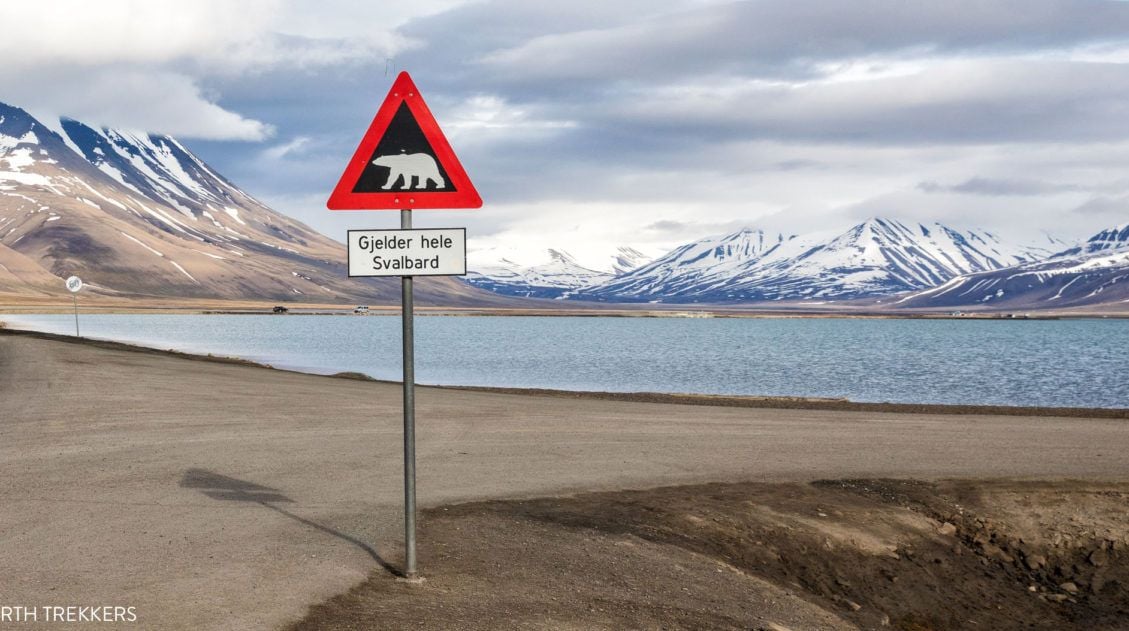
Svalbard Itinerary: 5 Days in the Arctic for First-Time Visitors
How to plan your trip to Svalbard, Norway.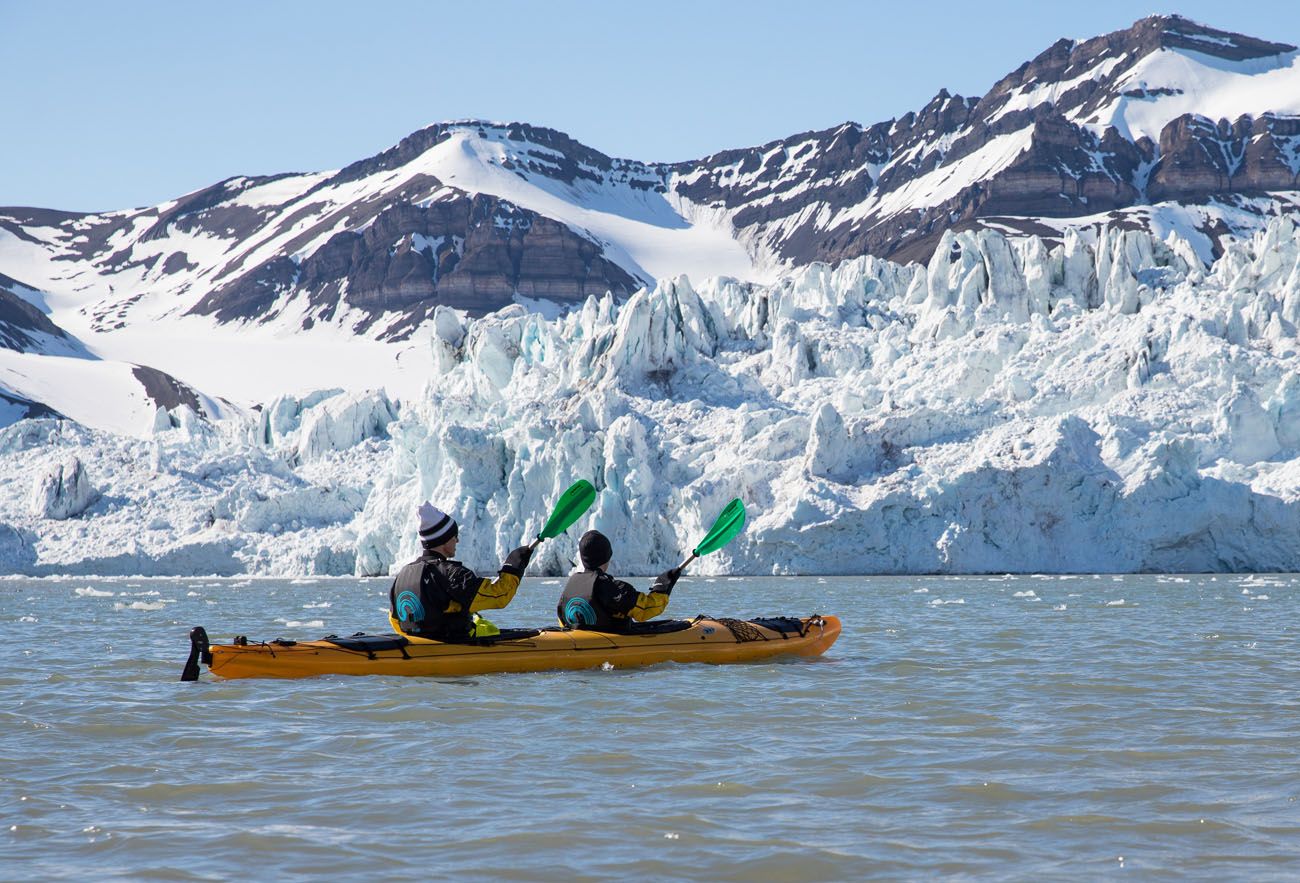
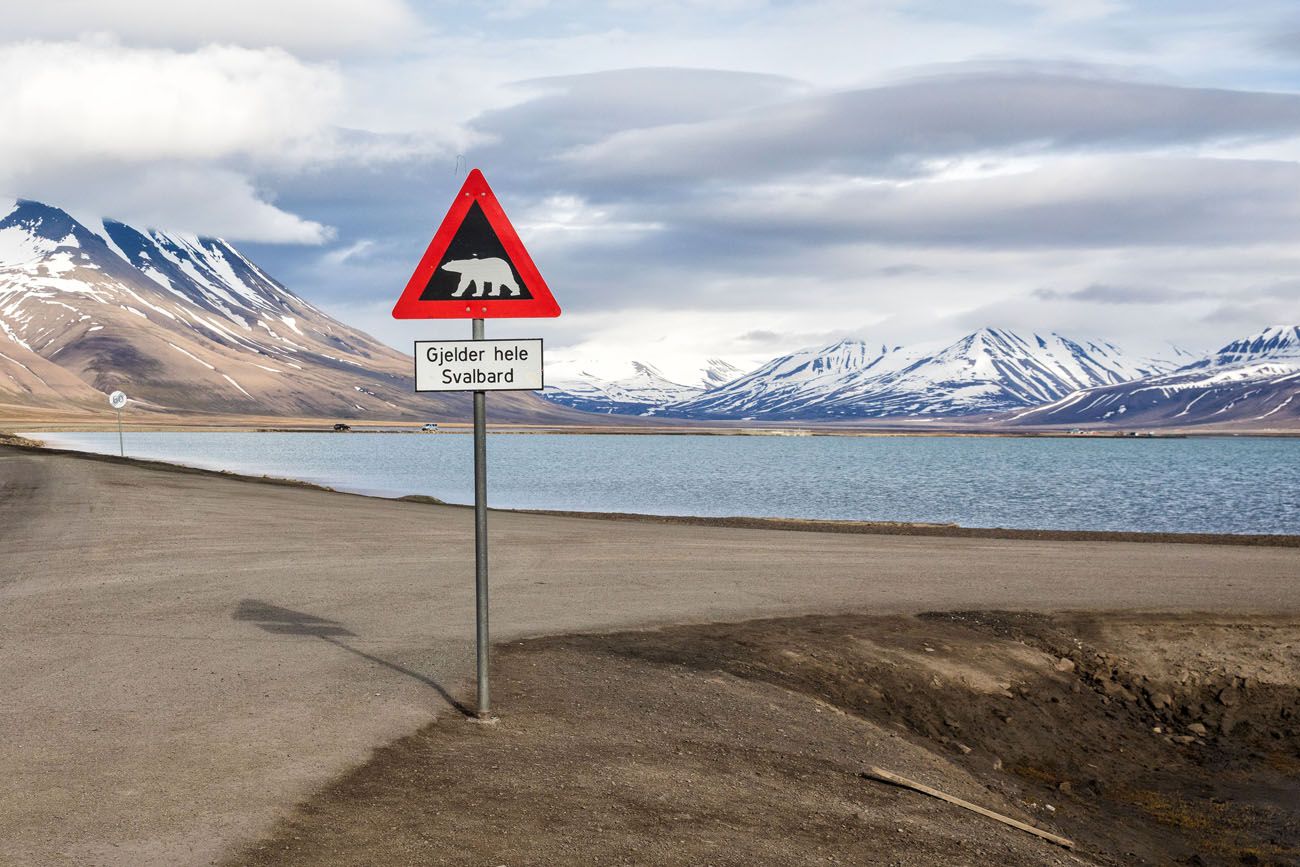
Svalbard feels like an adventure. New landscapes, new experiences…a trip here is one of the coolest things to do in Norway (pun intended).
Best Things to Do in Norway: On a Map
How to Use This Map: Click the icons on the map to get more information about each point of interest. To take this map with you, click the star next to the title of the map which adds it to your Google account. Next, within your Google Maps app, select ‘Saved’ and then select ‘Maps’. This map title will now appear in your list.
Best Time to Visit Norway
We’ve traveled to Norway in early summer and mid-summer so far, and both trips shaped how we think about timing a visit here. Our fjord region road trip was in summer, with easy driving conditions and full access to trails like Trolltunga and Kjeragbolten. Our northern trip: Svalbard, Tromsø, Senja, Vesterålen, and Lofoten, was in June and early July, and we had the midnight sun the entire time, along with a real mix of weather in Lofoten: some brilliant sunny days, some moody overcast skies, and one full washout day.
If hiking is the priority, June through September is the window that matters most, since that’s when Trolltunga, Pulpit Rock, and Kjeragbolten are all accessible without a guide.
- Spring (April–May): Snow still lingers on many trails and in the mountains; a quieter time for the cities, but too early for the big hikes.
- Summer (June–August): The best window for hiking, road tripping, and the midnight sun in the north. Also the busiest and most expensive time to visit.
- Fall (September–October): Trails begin closing as the weather turns, but crowds thin out and the northern lights start to return in the north.
- Winter (November–March): Best for chasing the northern lights, especially around Tromsø and Lofoten, though most hiking trails and mountain passes are closed.
Frequently Asked Questions
How many days do you need in Norway?
For the fjord region, plan on at least 7 days, closer to 10 to do it justice. If you’re also heading north to the Lofoten Islands, add another 10 days for that region. Both areas deserve their own dedicated trip if you can manage it, though it’s possible to combine them.
When is the best time to visit Norway?
June through September is the best window for hiking and road tripping, when trails like Trolltunga and Kjeragbolten are accessible without a guide. Visit in summer for the midnight sun, or come between September and March for a shot at the northern lights.
What is the most iconic hike in Norway?
Trolltunga, Pulpit Rock (Preikestolen), and Kjeragbolten are the three most famous hikes in the country, all located near Stavanger and Odda in the fjord region. All three show up on virtually every “best of Norway” list, ours included.
Do you need a car to see Norway?
A rental car is the best way to explore Norway, especially the fjord region and the far north, since it gives you the flexibility to stop at scenic viewpoints and small towns along the way. Ferries and Hurtigruten also make many of the same routes accessible without driving.
Should you visit the fjords or the Lofoten Islands?
Both are worth it, but they’re different trips, and each deserves its own time rather than being rushed. The fjord region is easier to reach and a good fit for a first visit, while Lofoten and the rest of northern Norway reward travelers willing to go further for beaches, hikes, and landscapes that feel genuinely otherworldly.
Is Norway expensive to visit?
Norway is one of the pricier countries in Europe to visit, particularly for food and lodging. Traveling in the shoulder season, cooking some of your own meals, and booking hikes and activities in advance can help keep costs down.
Final Thoughts
Norway is the kind of country that keeps calling you back. On a first trip, the fjord region is hard to beat, with the drives, the hikes, and the small towns tucked along the water. But some of our favorite memories have come from going further: standing on Kjeragbolten, climbing Svolvaergeita as a family, road tripping through the Lofoten Islands, and spending a few adventure-packed days in Svalbard.
If this is your first trip to Norway, pick a region and give it the time it deserves rather than trying to see it all at once. And if you leave already dreaming about a return trip, that’s completely normal. We’re doing the same thing.
Plan Your Trip to Norway
- Planning a fjord region road trip → Our 10 Day Norway Itinerary guide covers a full week of hikes, drives, and fjord cruises through Stavanger, Bergen, and Geiranger.
- Combining the fjords with the far north → Our 10 Days in Norway: The Fjords and the Lofoten Islands guide shows how to fit both regions into one trip.
- Planning a northern Norway road trip → Our 10 Day Northern Norway Itinerary covers Tromsø, Senja, Vesterålen, and the Lofoten Islands.
- Adding Svalbard to your trip → Our Svalbard Travel Guide covers how to plan your visit, from wildlife safaris to kayaking in front of glaciers.
- Exploring more of Norway → Our Norway Travel Guide covers everything from the best time to visit to how to get around the country.
Comment below if you have any questions about the best things to do in Norway or if you want to share your experience.
Continue Exploring Norway
Norway Travel Guide: Fjords, Lofoten Islands & Svalbard
Pinterest Facebook Flipboard Norway Travel Guide There is nowhere quite like Norway. We’ve been to Norway twice, and both trips rank among the most spectacular we’ve ever taken. On our first visit, we road tripped through the fjord region in summer, hiking Trolltunga, Kjeragbolten, Pulpit Rock, and Romsdalseggen Ridge and cruising past some of the […]
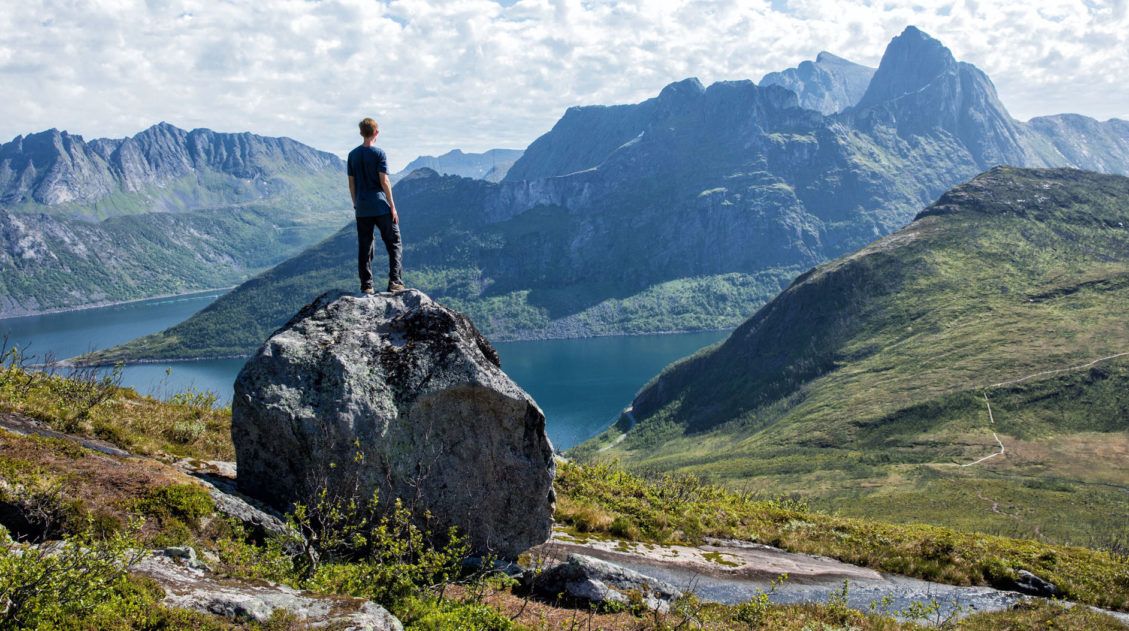
Best Hikes in Norway: 14 Epic Trails for Every Level
For hikers, few places in Europe can match Norway. The hikes in Norway are endlessly varied and genuinely world-class, from the fjords of southern Norway, the jagged peaks of the Lofoten Islands, and the remote coastline of Vesterålen and Senja. Alongside the Dolomites and the Swiss Alps, this is one of our absolute favorite places […]
Svalbard Itinerary: 5 Days in the Arctic for First-Time Visitors
Svalbard. An Arctic playground where there are more polar bears than people, filled with glaciers, the Northern Lights, the midnight sun, and frozen tundra. It may look barren from a distance, but it is filled with arctic wildlife like reindeer, walrus, and polar bears. If you like the idea of exploring the great outdoors, your […]
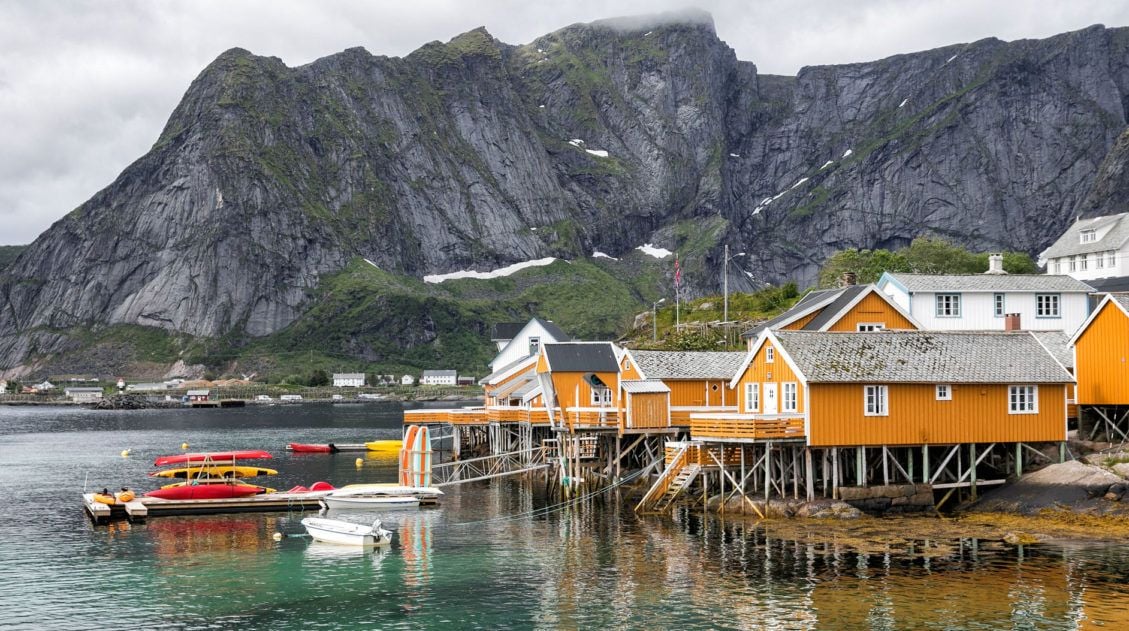
Where to Stay in the Lofoten Islands: Rorbuer, Hotels & More
If you’re trying to figure out where to stay in the Lofoten Islands, the first thing you need to know is this: the islands have their own iconic accommodation type, and it’s unlike anything else in the world. Rorbuer, traditional Norwegian fishermen’s cabins, typically perched on stilts over the water, are the reason so many […]
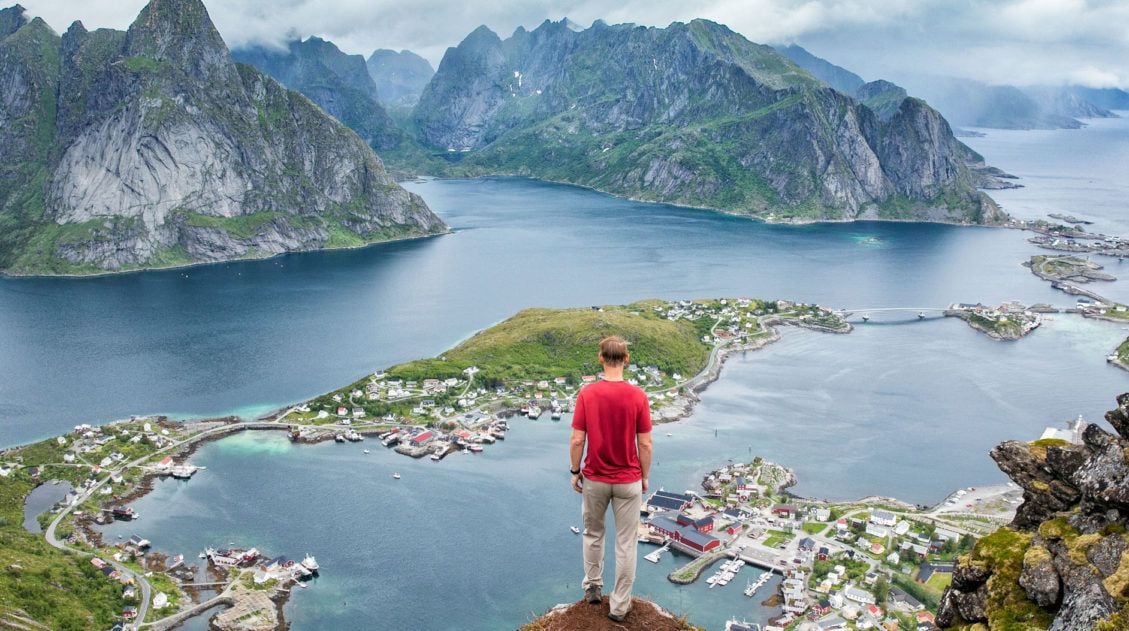
How to Hike Reinebringen (+ Where to Park)
Reinebringen, with its dazzling view over the fishing villages of Reine, Sakrisøy, and Hamnøy, is the most popular hike in the Lofoten Islands, and one look at the panorama from the top tells you exactly why. We hiked Reinebringen in 2018 with our kids, who were 13 and 15 at the time, before most of […]
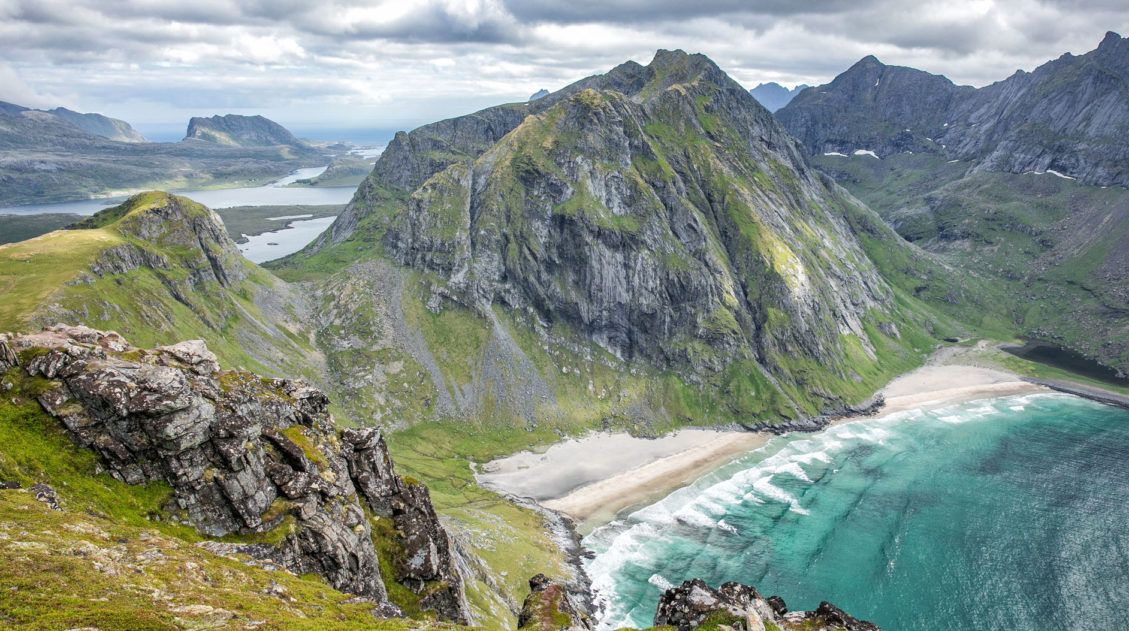
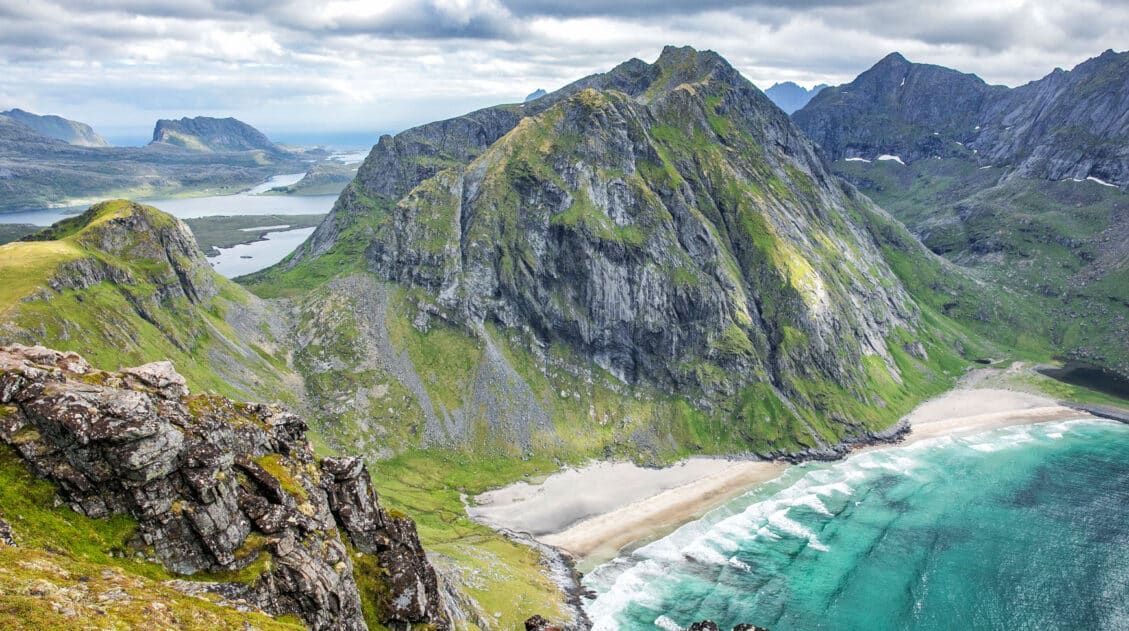
Hiking Ryten: Kvalvika Beach Views & Lofoten’s Mini-Trolltunga
The hike to Ryten has all of the ingredients of a perfect Lofoten Islands hike: sweeping vistas across the mountains and fjords, a fun but slightly strenuous hike to a mountain peak, and a breathtaking view of a white, sandy beach. The icing on the cake is a “mini Trolltunga,” an outcropping of rock where […]
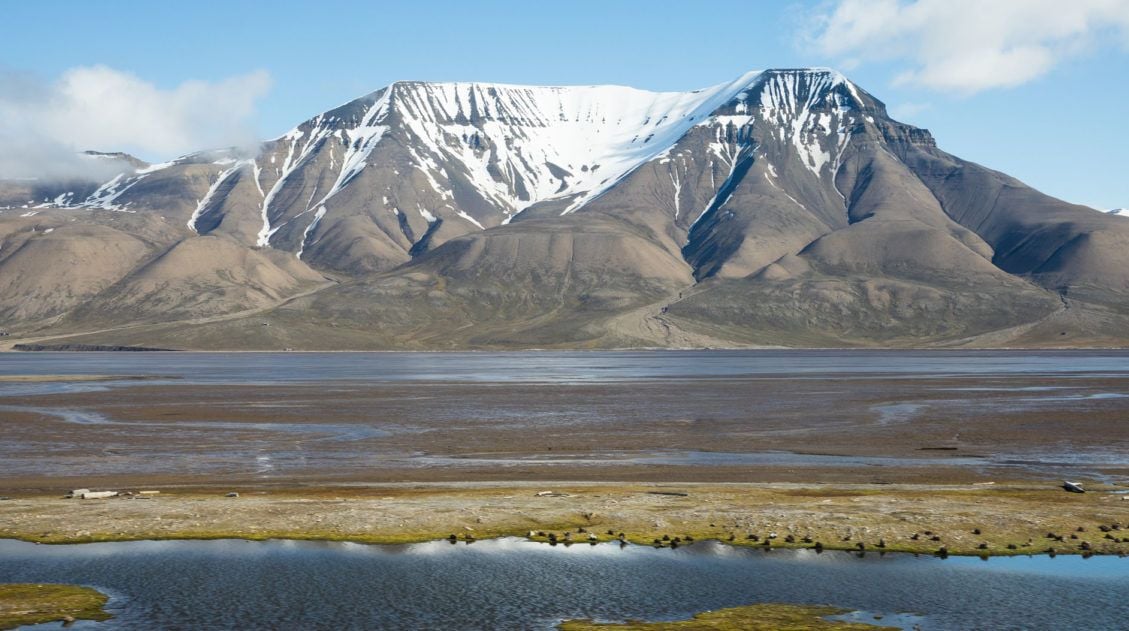
Kayaking Adventfjord and Hiking Hiorthfjellet: A One Day Adventure in Svalbard
Svalbard offers a wide range of adventure activites. Ride on a rib boat and search for walrus, kayak in front of an active glacier, or cruise out to an abandoned mining town. For a really cool one day adventure, how about kayaking across Adventfjord and then hiking to the summit of Hiorthfjellet, one of the […]
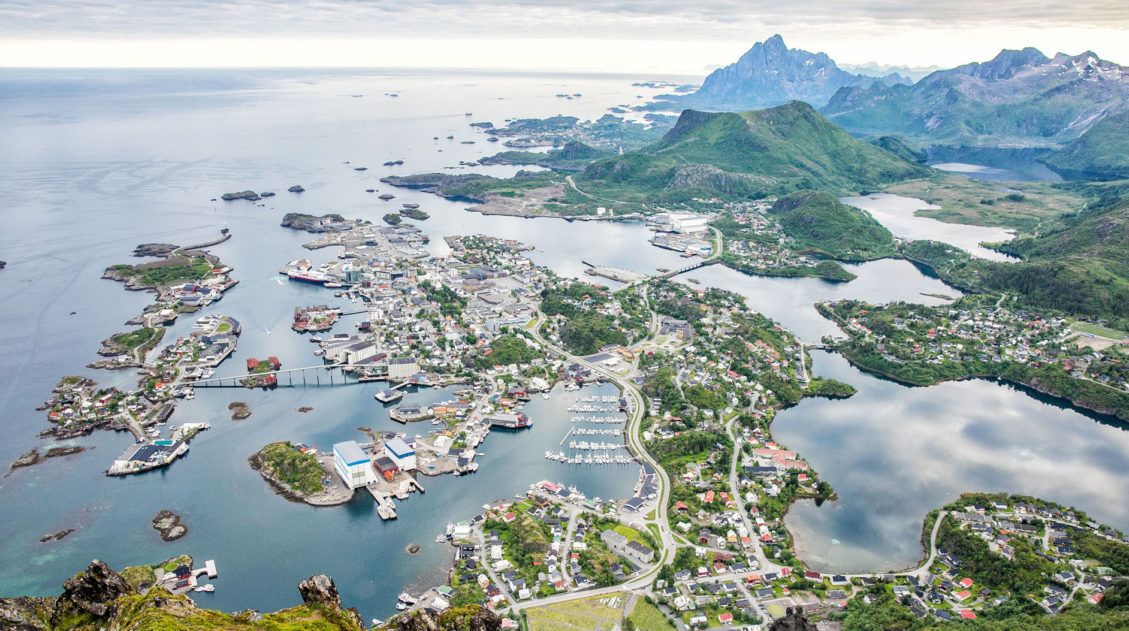
How to Hike Svolvaer Fløya & Djevelporten in the Lofoten Islands
There are two ways to get a spectacular view over the town of Svolvaer…hike to the top of Svolvaer Fløya or climb Svolvaergeita. We did both on the same afternoon, making this one of our most memorable days in the Lofoten Islands. Svolvaer is one of the largest towns in the Lofoten Islands. Fløya is […]
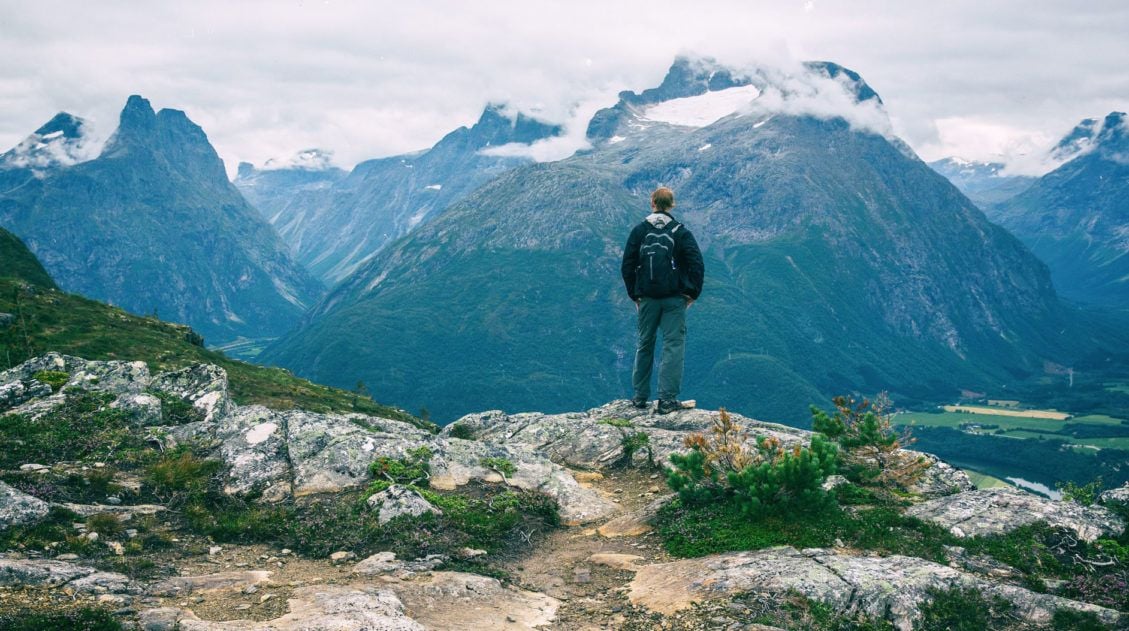
Hiking Romsdalseggen Ridge in Norway (+ Photos & Helpful Tips)
The Romsdalseggen hike is a point to point hike that traverses the Romsdalseggen Ridge, with views over the fjords, the town of Åndalsnes, and even out to the western coastline of Norway to the Atlantic Ocean. On our first trip to Norway, this was the hike that I was looking forward to the most. The […]
Ultimate Hiking Guide: Europe, Asia, Africa, Americas & Oceania
Are you looking for the perfect hike? With hikes on six continents ranging from a few miles to multi-day adventures, explore some of the best hikes from around the world.
Travel Photography Gear Guide: What’s In Our Camera Bag
Do you want to know how we capture the images that you see on our website? Here is our photography gear guide, with links and explanations of our photography gear and accessories. At the end of this post, we offer tips and tricks on how to take better photographs while traveling. October 2025 Update: We […]
10 Days in Europe: 10 Amazing Itineraries for Your Next Trip
Europe is a joy to explore. With world-class cities, medieval towns, historical sites, the snowcapped Alps, gorgeous beaches, and some of the world’s most delicious food, you have the perfect ingredients for your next vacation. If you want to spend 10 days in Europe, we have ten amazing itineraries to share with you. In this […]

Comments 26