
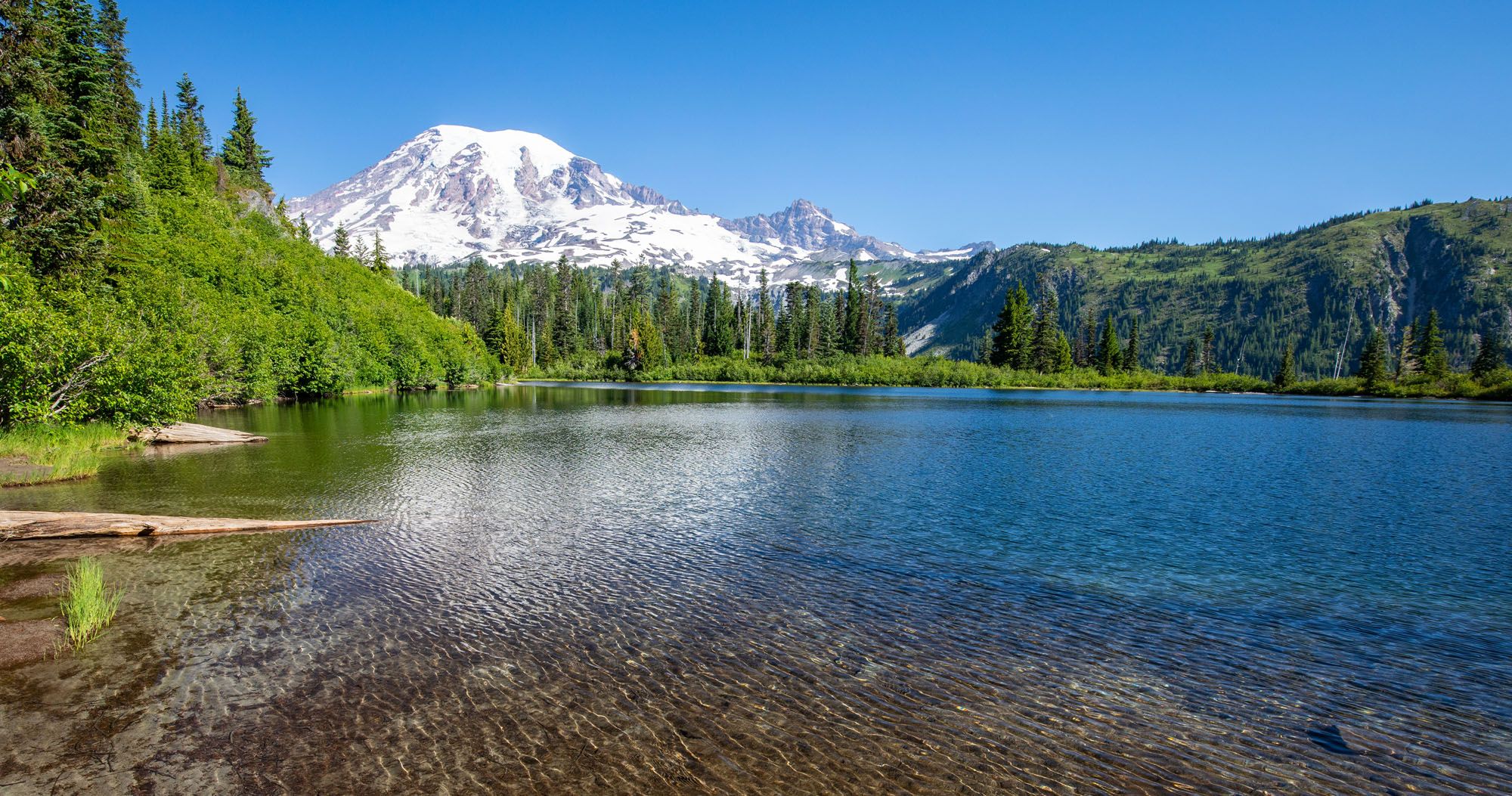

There are 64 national parks in the United States, and we’ve visited 56 of them, from the remote wilderness of Denali to the coral reefs of the Virgin Islands. We’re a family of avid hikers who have spent over a decade exploring these parks, from multi-day backcountry trips to scenic drives with kids in tow. We know which ones reward the effort and which are better suited to a quick stop and we’ll help you figure out which belong on your list.
Below you’ll find the complete US national parks list organized multiple ways — by state, visitation, age, and more — along with firsthand tips on each park and a free printable checklist to track your own progress.
October 2026 Update: Updated the national park count to 64, with the recent addition of Chiricahua National Park. In the near future, we will be adding information about this new park to this guide.
US National Parks Checklist
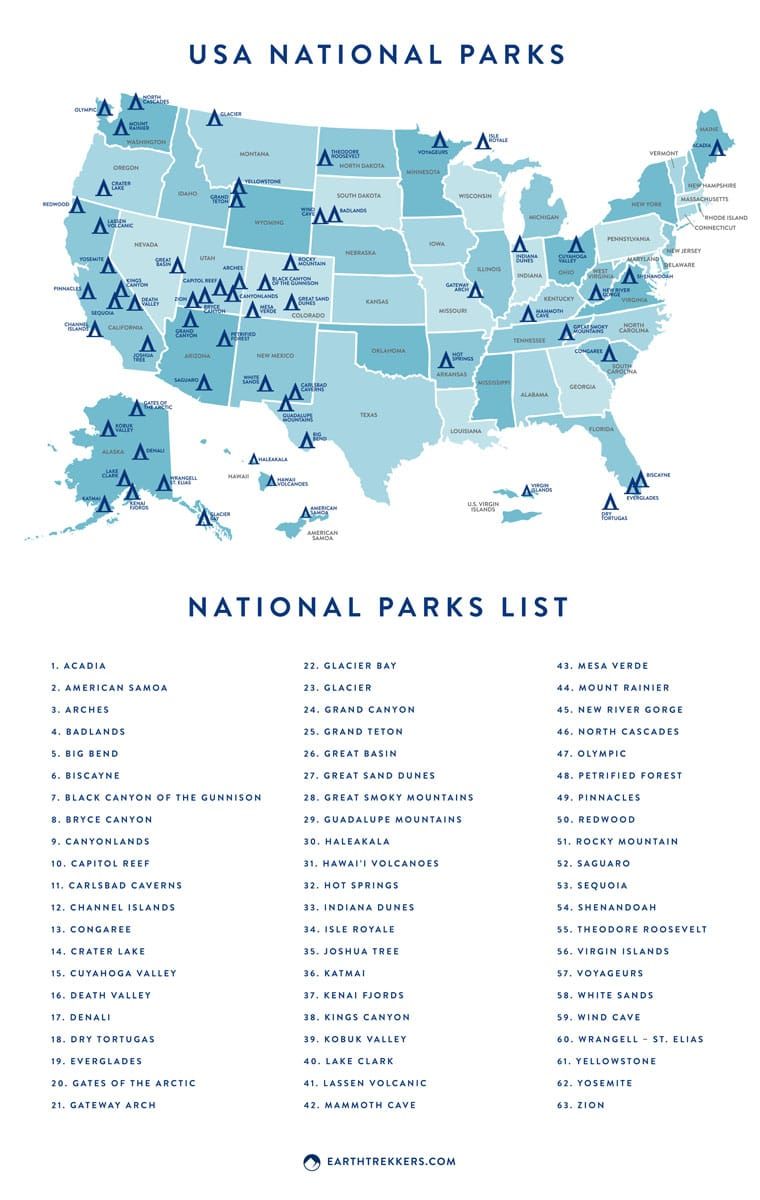
Here is a US national parks checklist with all 64 national parks. For a free, printable PDF version of this checklist, click here.
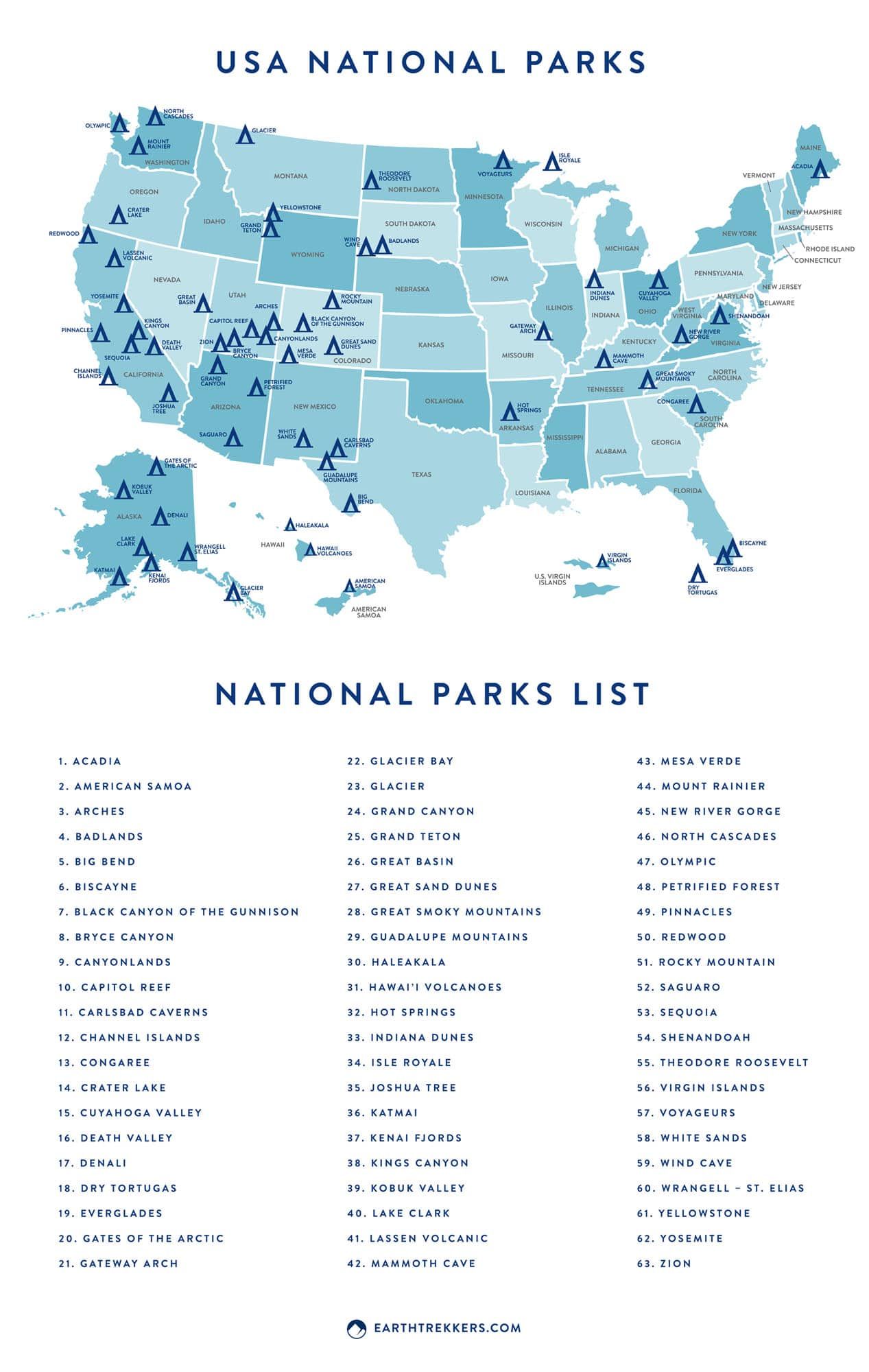
Ready to start planning your trip? Our US National Parks guide covers road trip itineraries, the best parks to visit by season, and everything else you need to plan your visit.”
All 64 US National Parks
Here is a brief summary about each of the 64 national parks, with interesting facts and links to more in-depth guides.
1. Acadia National Park
Acadia protects a rugged stretch of the Maine coastline, where granite cliffs drop into the Atlantic, hiking trails feature iron rungs and ladders bolted into cliff faces, and the summit of Cadillac Mountain offers one of the most famous sunrises in the country. We’ve visited multiple times and it remains one of our favorites on the East Coast. The combination of thrilling hikes, scenic drives, and the town of Bar Harbor makes it one of the most well-rounded parks in the system.
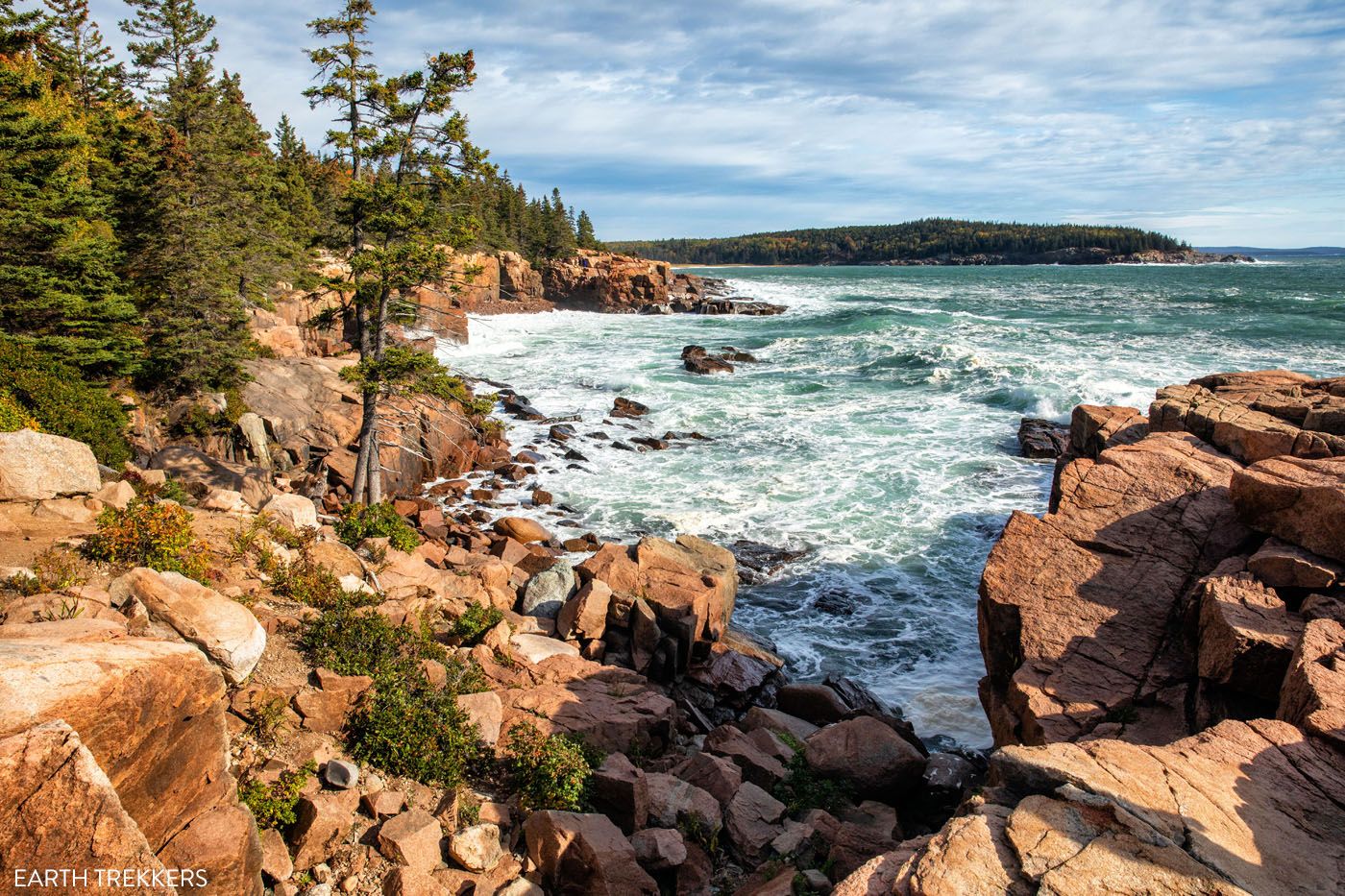
Location: Maine
Top Experiences: Drive Park Loop Road, watch the sunrise from Cadillac Mountain, hike the Precipice Trail, visit Sand Beach and Echo Lake, bike the carriage roads, and watch the sunset at Bass Harbor Head Lighthouse.
When to Go: Mid-April through October
Plan Your Visit: The Complete Guide to Acadia National Park
2. American Samoa
Journey to the South Pacific and visit one of the most beautiful US national parks. Because of its remote location (it’s the only US national park located in the Southern Hemisphere), it’s also one of the least visited. We spent three days here, and because of its location, is a great park to combine with Hawai’i, Fiji, or in transit to Australia or New Zealand.
This park is spread out over three islands: Tutuila, Ofu, and Ta’u. American Samoa preserves the Samoan culture, tropical rainforests, and coral reefs.
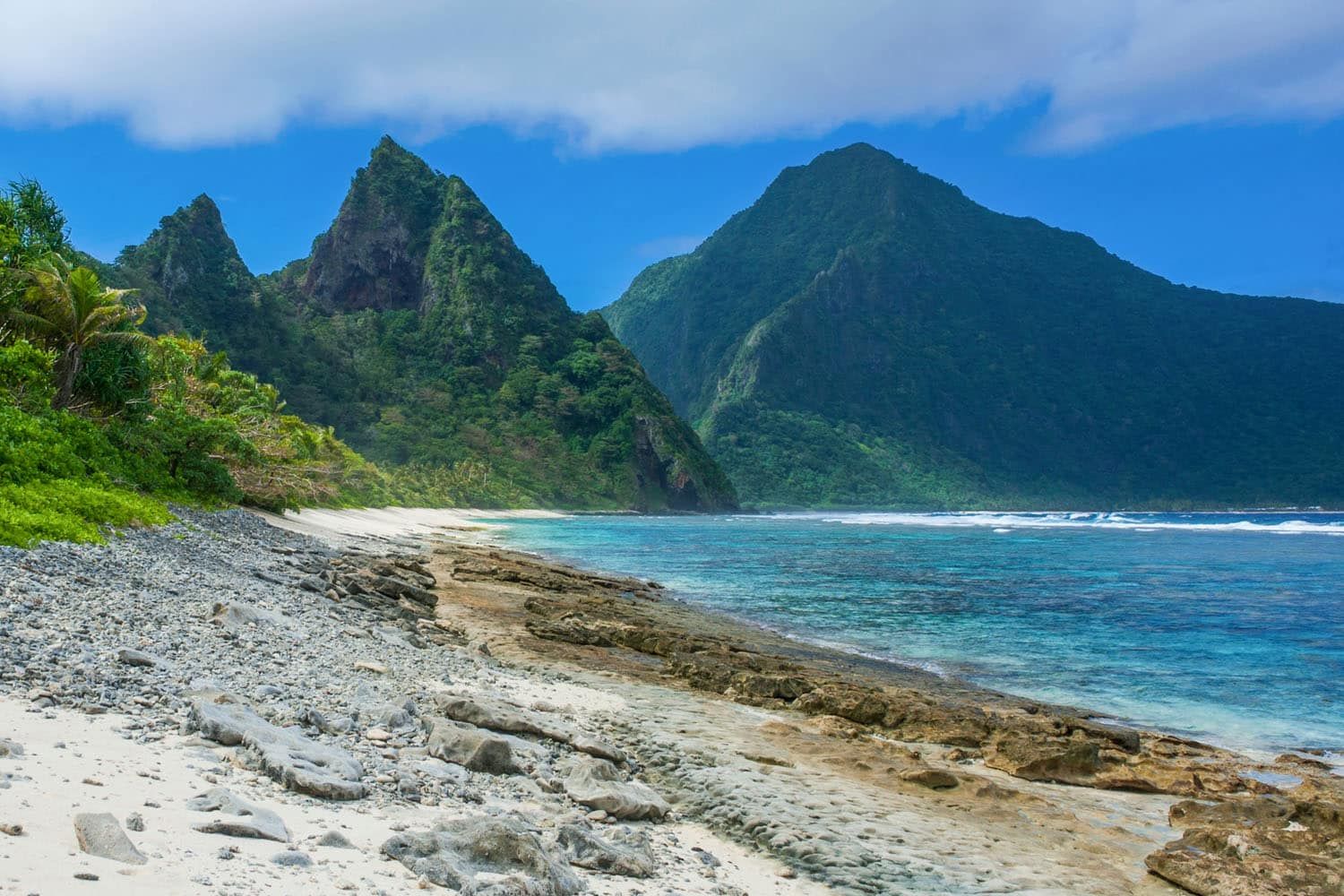
Location: American Samoa
Top Experiences: Go snorkeling, hike through tropical rainforests, hike the Mount ‘Alava Trail to the summit of Mount ‘Alava, and visit Ofu Beach.
When to Go: May through September, the dry season in American Samoa.
Plan Your Visit: Best Things to Do in National Park of American Samoa
3. Arches
With more than 2,000 natural stone arches, along with fins of sandstone rock, hoodoos, and balanced rocks, Arches packs an extraordinary amount of visual drama into a relatively compact and easy-to-navigate park. We’ve spent quite a bit of time here and keep coming back. The Devils Garden Trail alone is worth the trip, and timing a visit to Delicate Arch at sunset is one of those national parks moments that stays with you.
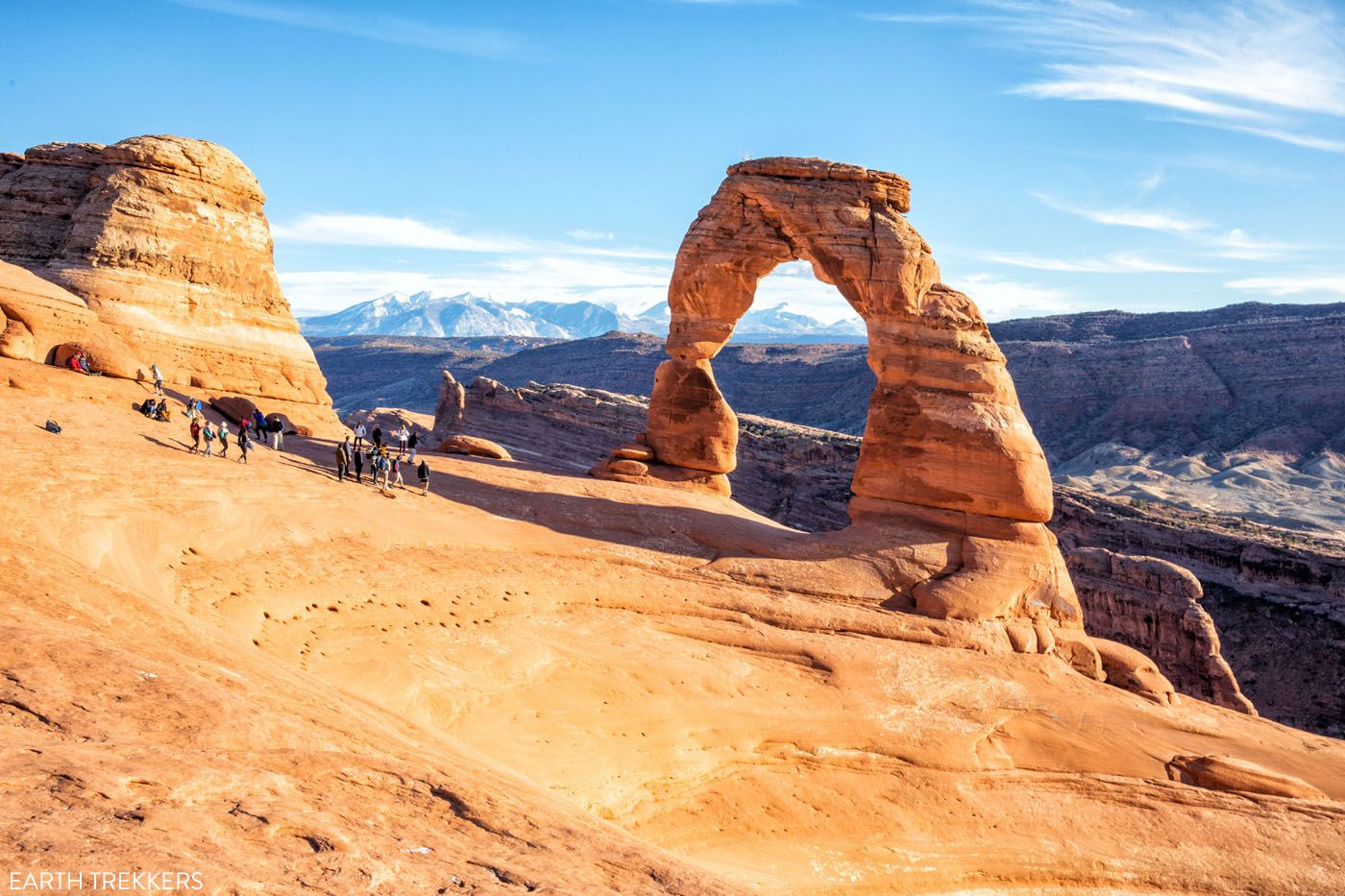
Location: Utah
Top Experiences: Hike to Delicate Arch, see Balanced Rock and the Fiery Furnace, hike the Devils Garden Trail, visit Double Arch, Turret Arch, and Windows Arch, hike Park Avenue.
When to Go: The spring and fall months
Plan Your Visit: The Complete Guide to Arches National Park
4. Badlands
The colorful buttes, spires, and pinnacles create one of the most photogenic landscapes in the country. Bison and bighorn sheep roam the largest mixed-grass prairie in the United States. The sunrises and sunsets are magical, the hiking trails are short and sweet, and for those looking for more solitude, you can take your pick from a handful of backcountry experiences.
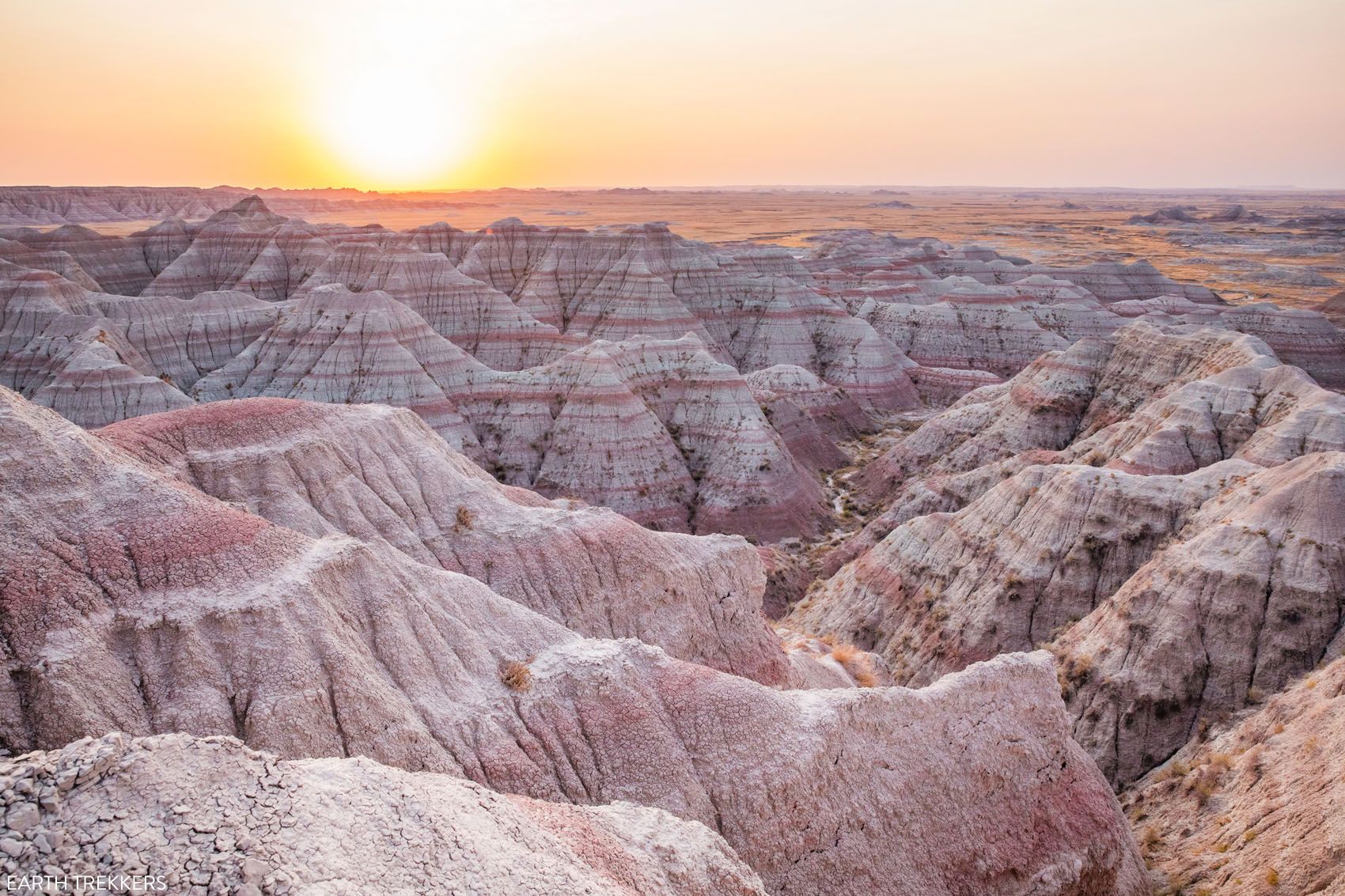
Location: South Dakota
Top Experiences: Drive Badlands Loop Road and visit the overlooks, watch the sunrise and/or the sunset, hike the Notch Trail, hike the Door and Fossil Exhibit Trails, drive Sage Creek Rim Road, explore the backcountry, hike the Castle Trail, and count how many bison you can find.
When to Go: Spring and fall
Plan Your Visit: The Complete Guide to Badlands National Park
5. Big Bend
Tucked into the remote southwestern corner of Texas along the Mexican border, Big Bend is a vast, wild park encompassing the Chisos Mountains, the Rio Grande canyon country, and the largest protected section of the Chihuahuan Desert in the United States. Its remoteness keeps crowds low even at peak times, and it has some of our favorite off-the-beaten-path experiences in any national park — hiking the Ernst Tinaja slot canyon and crossing the river into the Mexican village of Boquillas del Carmen both stood out on our visit.
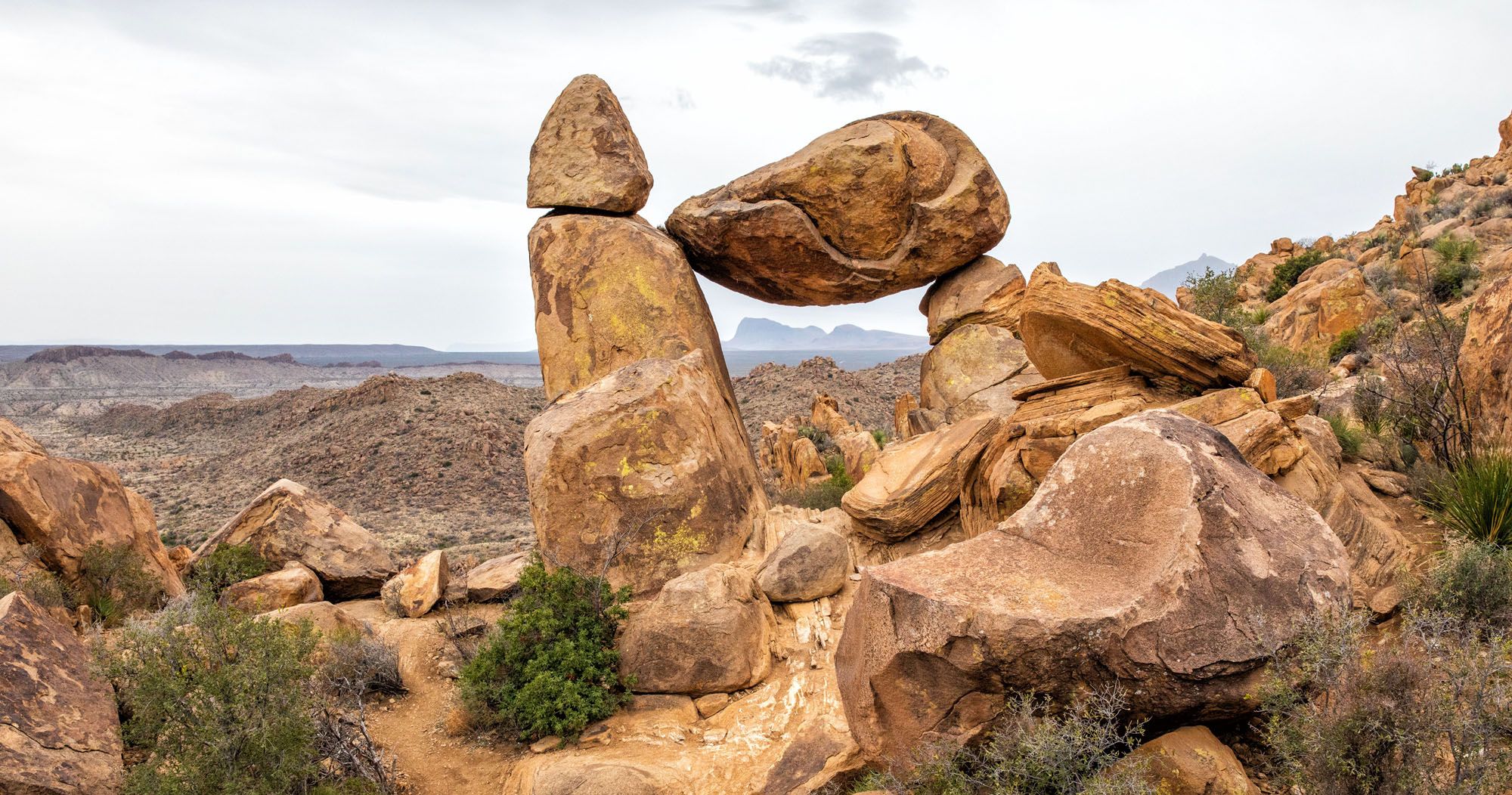
Location: Texas
Top Experiences: Hike the Lost Mine Trail, go star gazing, hike Santa Elena Canyon, go for a drive on Maxwell Scenic Drive, visit Boquillas del Carmen, hike to Balanced Rock, and hike to Emory Peak, the highest peak in the Chisos Mountains.
When to Go: October through April
Plan Your Visit: The Complete Guide to Big Bend National Park
6. Biscayne
Biscayne National Park is 95% water. This park protects one of the largest reef systems in the world.
The best way to explore it is by boat, which makes it very unique from many of the other US national parks. If you love snorkeling, scuba diving, swimming, or simply cruising around by boat, you will love this underrated gem of park.
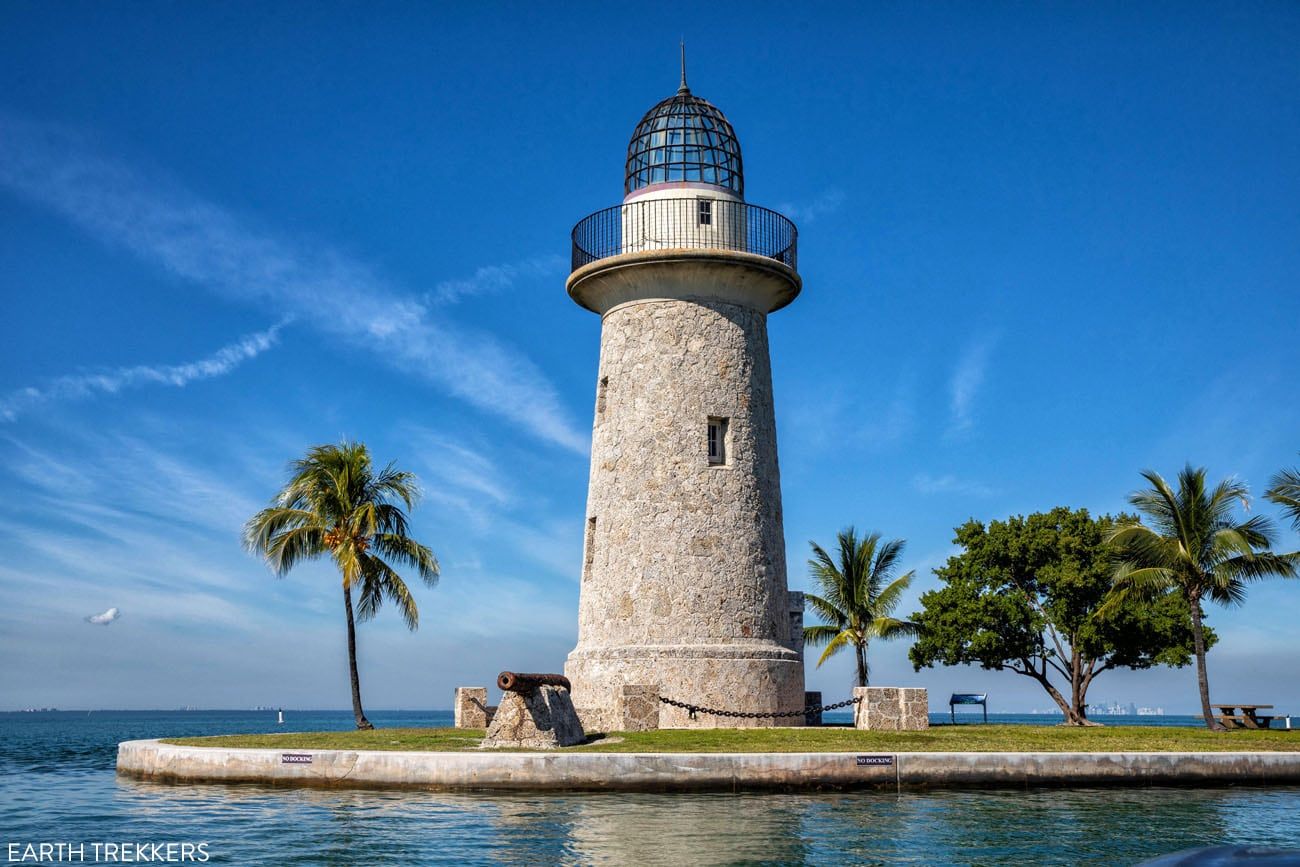
Location: Florida
Top Experiences: Visit Boca Chita Key, go kayaking or paddle boarding in Jones Lagoon, snorkel or scuba dive along the Maritime Heritage Trail, visit Elliott Key, go snorkeling at Fowey Rocks Lighthouse, and cruise through Stiltsville.
When to Go: October through April
Plan Your Visit: Best Things to Do in Biscayne National Park
7. Black Canyon of the Gunnison
The Black Canyon of the Gunnison is Colorado’s least visited national park and one of the most dramatic. The canyon walls plunge nearly 2,000 feet to the Gunnison River, and in some sections the gorge is so narrow it receives only 33 minutes of sunlight per day. We hiked the Gunnison Route down to the river and it was our favorite experience in the park.
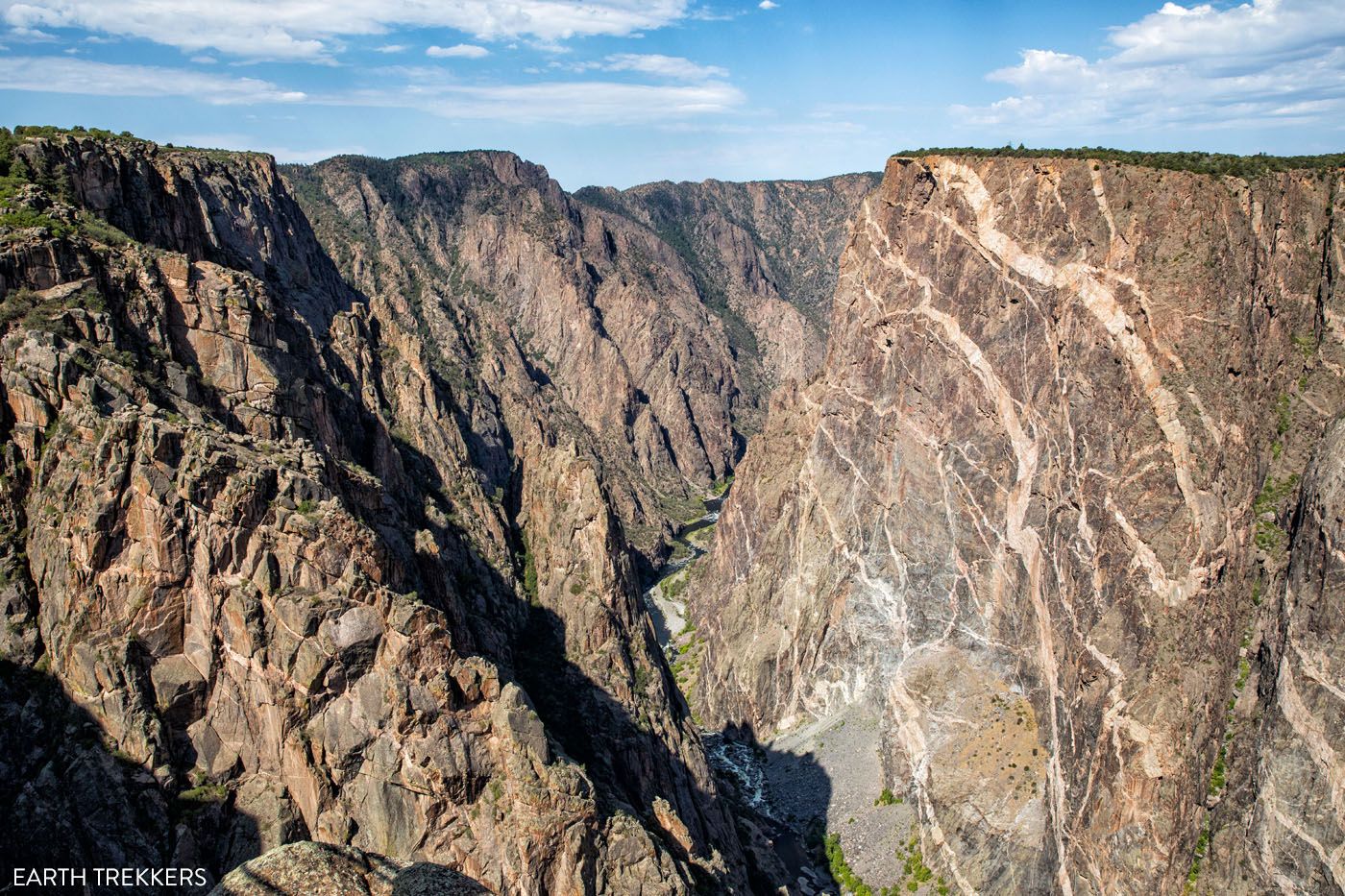
Location: Colorado
Top Experiences: Drive South Rim Road and visit the overlooks, hike along the South Rim, drive East Portal Road, visit Exclamation Point, hike an inner canyon route, drive North Rim Road and visit the overlooks.
When to Go: April through October, when the weather is warm and the park roads are open.
Plan Your Visit: Complete Guide to Black Canyon of the Gunnison National Park
8. Bryce Canyon
The first view of the amphitheater packed with thousands of orange and pink hoodoos is genuinely one of the most surprising sights in the national park system. We absolutely love the hiking trails, and you don’t have to hike far to have an extraordinary experience. The Queen’s Garden and Navajo Loop is one of the best short hikes in the US national parks and the Fairyland Loop is jaw-dropping.
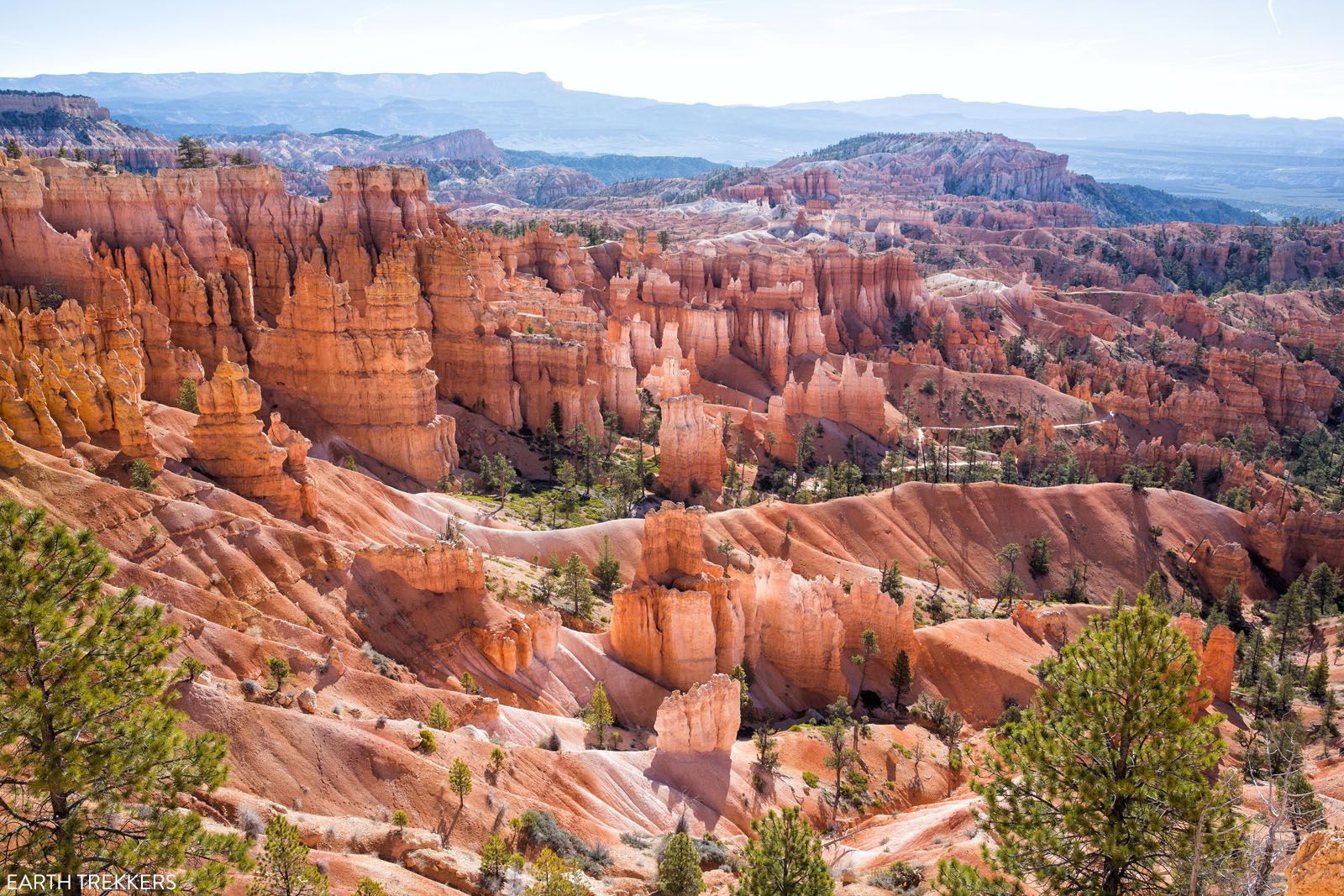
Location: Utah
Top Experiences: Some of the best viewpoints are right along the rim, which are easily accessible by car or the shuttle: Sunrise Point, Sunset Point, Inspiration Point, and Bryce Point. Hike the Queens Garden and Navajo Loop, a 3-mile hike past some of the best scenery in the park. Rainbow Point and Yovimpa Point are also nice viewpoints.
When to Go: Spring and fall
Plan Your Visit: The Complete Guide to Bryce Canyon National Park
9. Canyonlands
Canyonlands is Utah’s largest national park and, somewhat surprisingly, its least visited. It’s also one of our favorite parks. The sweeping canyon views from Island in the Sky rival anything in the Southwest, Mesa Arch at sunrise is iconic, and the deeper you go, the more the park rewards the effort. Driving the White Rim Road is one of our top 5 US national park experiences.
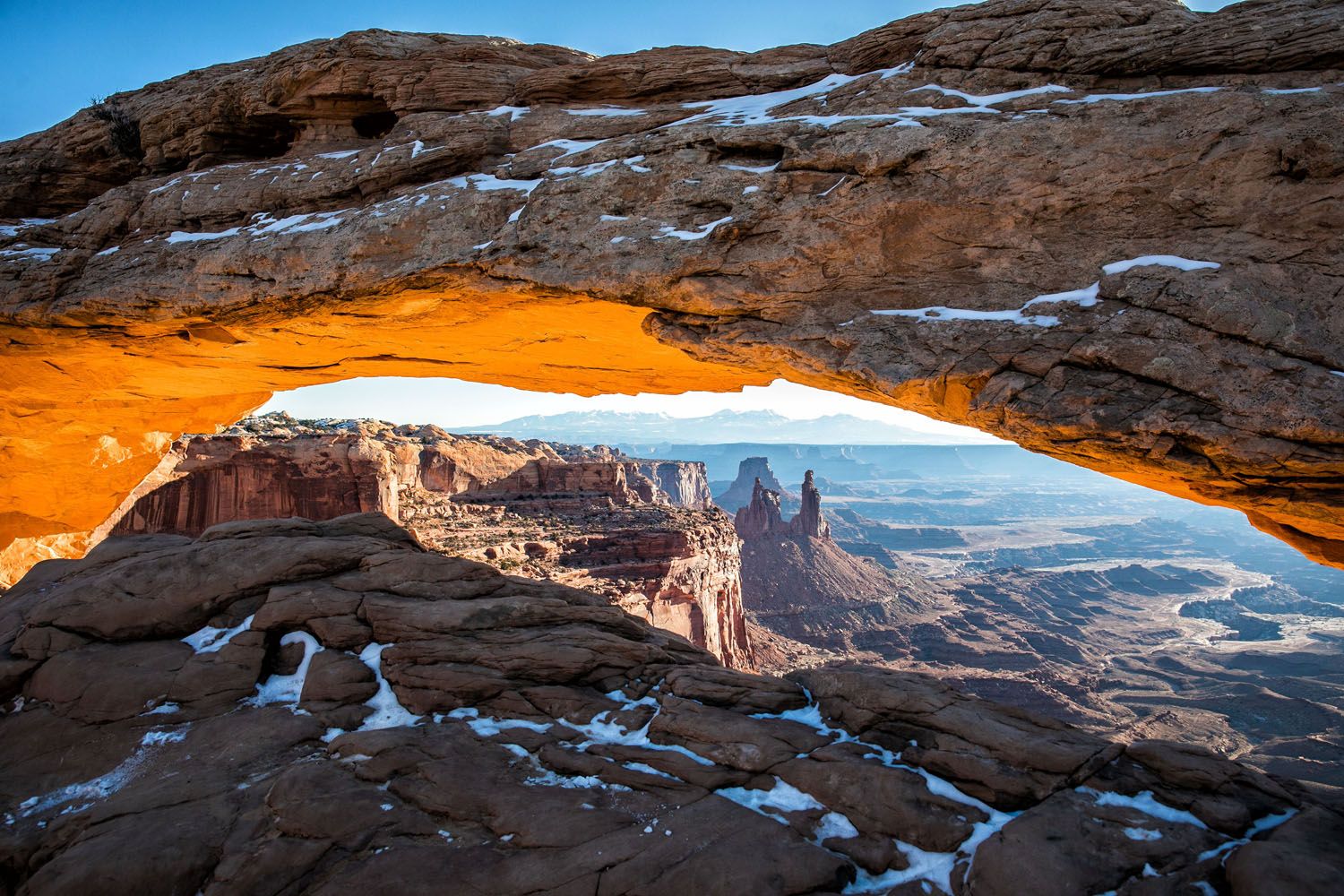
Location: Utah
Top Experiences: Visit the overlooks on Island in the Sky, watch the sunrise at Mesa Arch, go hiking in The Needles, drive Shafer Canyon Road, hike below the rim of the Island in the Sky mesa, drive the White Rim Road, explore The Maze.
When to Go: Spring and fall
Plan Your Visit: The Complete Guide to Canyonlands National Park
10. Capitol Reef
Capitol Reef is one of Utah’s most underrated parks. The hiking rivals Zion’s best trails, the scenic drives wind through some of the most dramatic desert landscapes in the Southwest, and the crowds are a fraction of what you’ll find at its more famous neighbors. We love the remote Cathedral Valley district for its sandstone monoliths and wide-open desert vistas, and the pie at the Gifford Homestead is a legitimately great reason to stop.
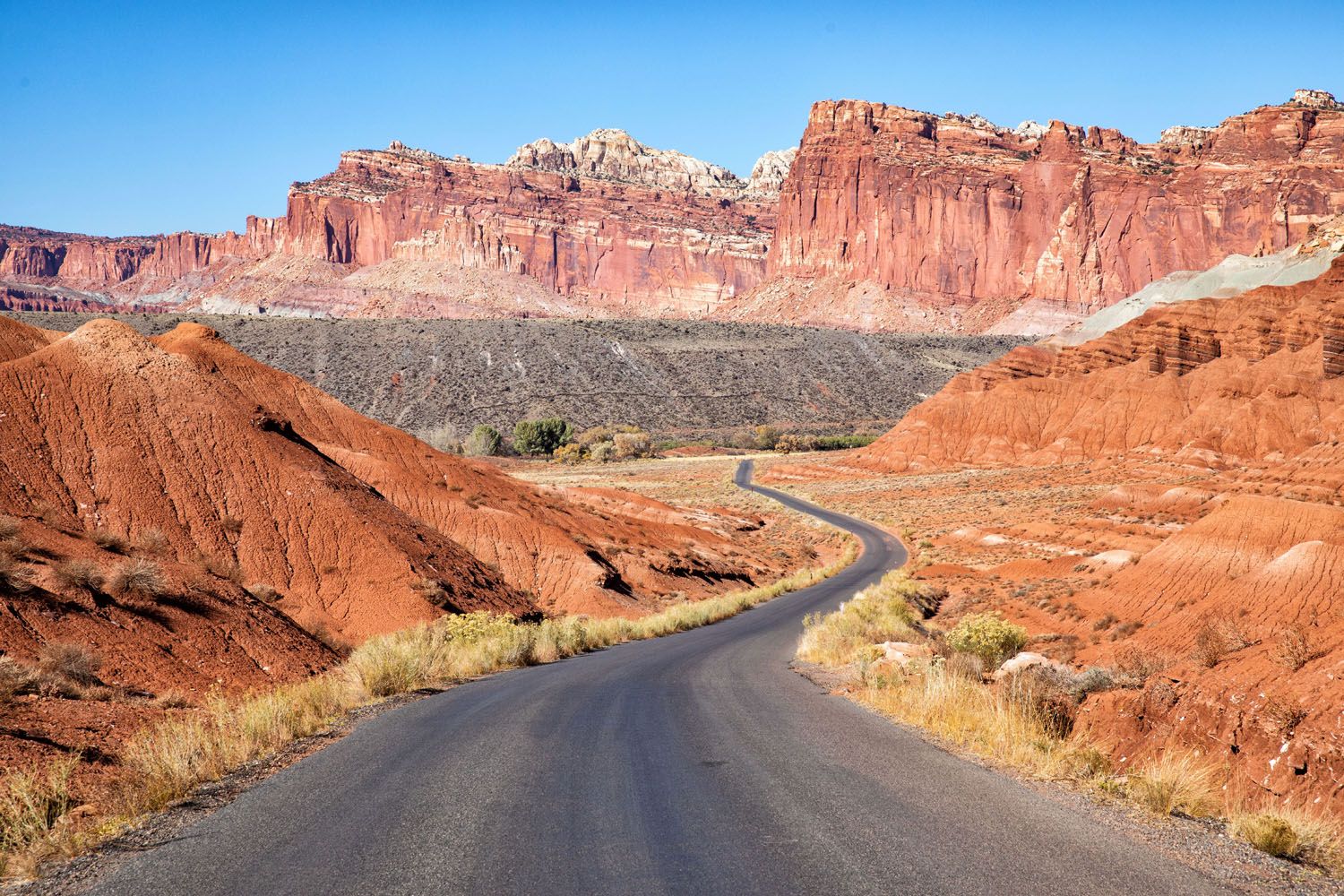
Location: Utah
Top Experiences: Drive the 16-mile round-trip drive along Scenic Drive, drive Capitol Gorge Road, hike to Hickman Bridge, and watch the sunset from Sunset Point, hike to Cassidy Arch, drive the Cathedral Valley Loop, and Loop the Fold.
When to Go: Spring and fall
Plan Your Visit: The Complete Guide to Capitol Reef National Park
11. Carlsbad Caverns
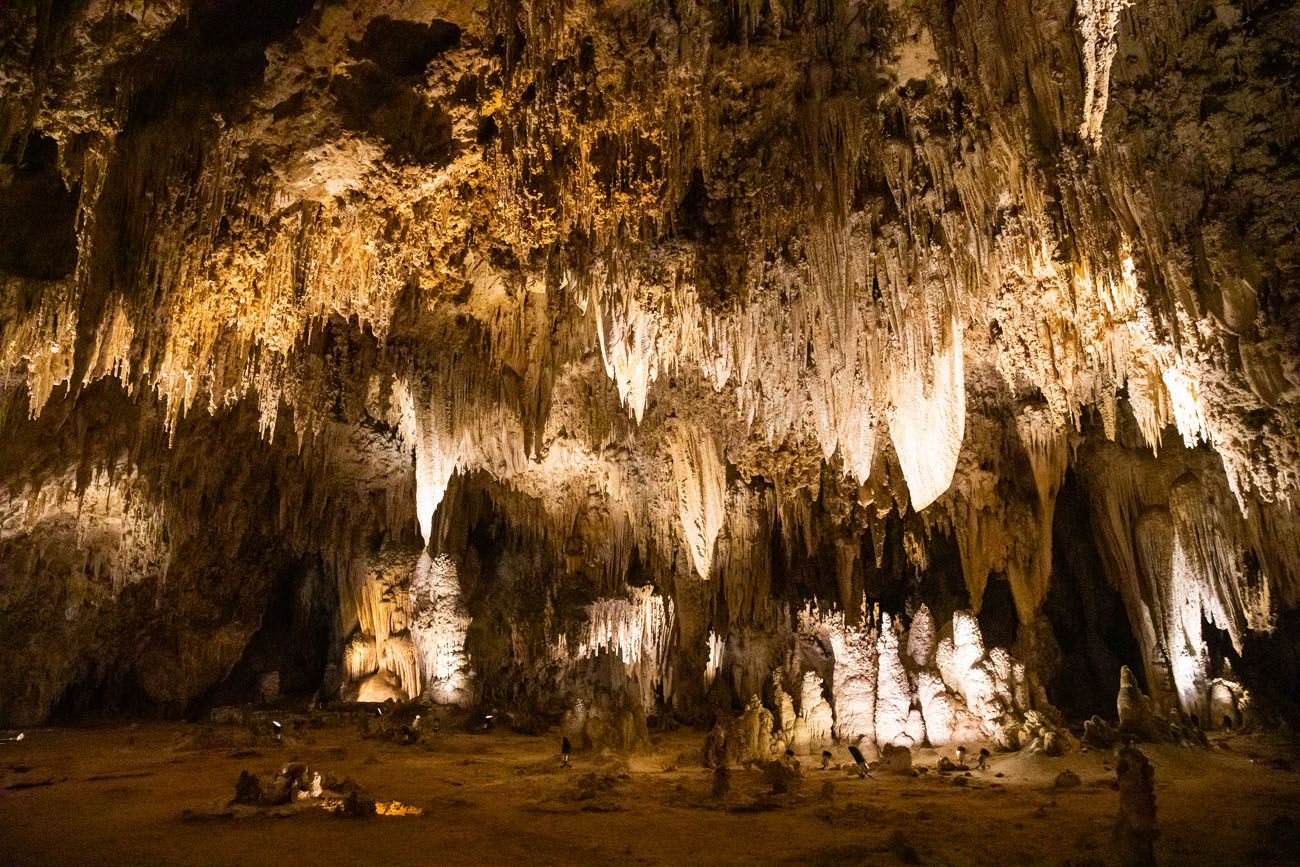
Carlsbad Caverns protects an underground world of limestone chambers, stalactites, stalagmites, and massive caverns carved out over millions of years in the Guadalupe Mountains of New Mexico. I will be the first to admit that I’m not a cave person, but found this place unexpectedly stunning.
Location: New Mexico
Top Experiences: Tour the caverns on your own or on a ranger-guided tour. You can also go star gazing, hike a surface trail, or go on a scenic drive.
When to Go: May through October
Plan Your Visit: Best Things to Do in Carlsbad Caverns National Park
12. Channel Islands
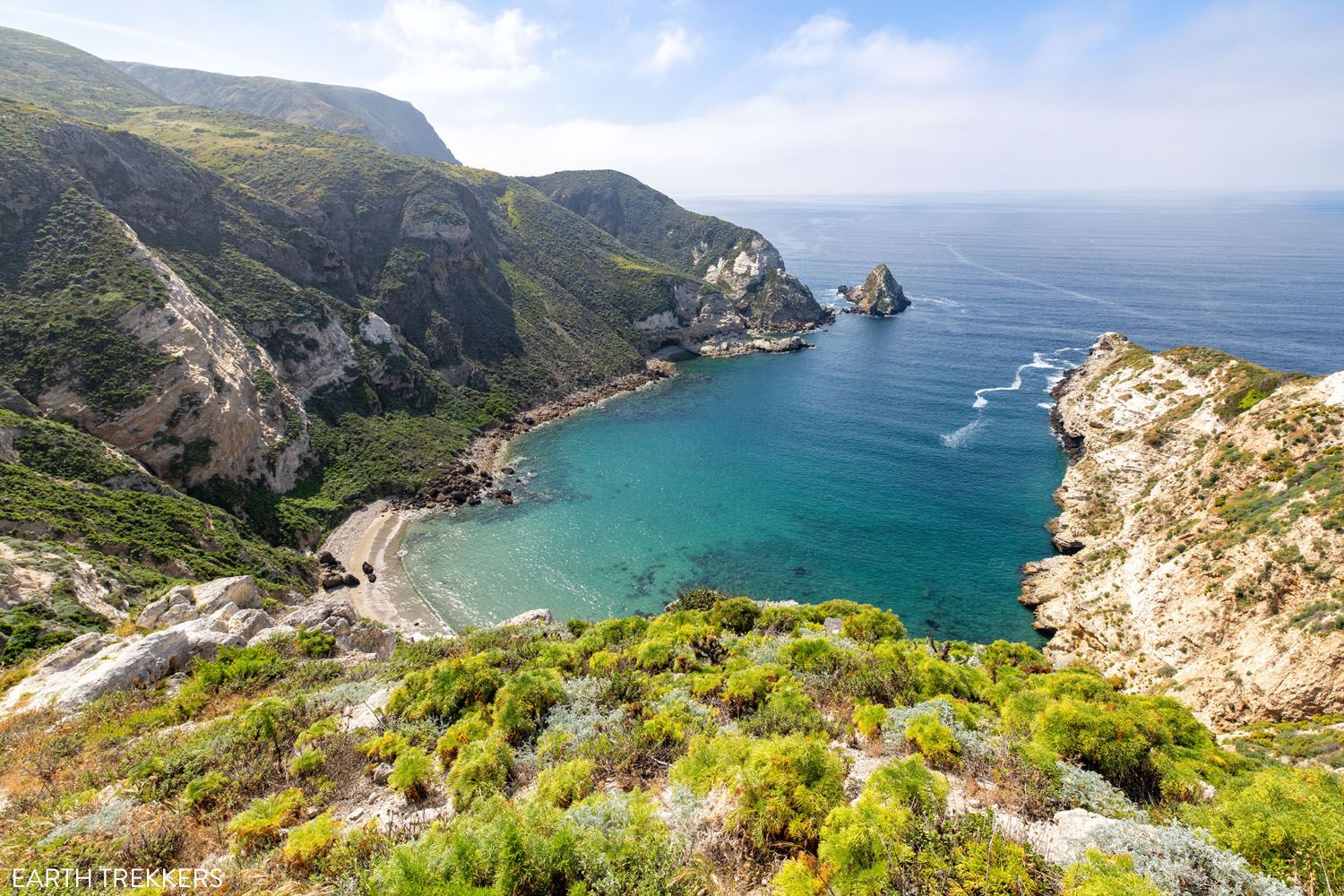
Known as the “Galápagos of North America,” Channel Islands National Park protects five remote islands and the waters surrounding them. More than 2,000 plant and animal species live here, and over 145 of them exist nowhere else on earth. Santa Cruz Island is the easiest to visit and we spent one day here, kayaking through sea caves and hiking to Potato Harbor.
Location: California
Top Experiences: Go snorkeling, whale watching, hiking, kayaking, swimming, wildlife watching, and sailing.
When to Go: All year, but summer is the best time to visit the park if you want to participate in water sports like kayaking, snorkeling, and scuba diving. This is also the busiest time to visit the park.
Plan Your Visit: One Day in Channel Islands National Park: Santa Cruz Island Itinerary
13. Congaree
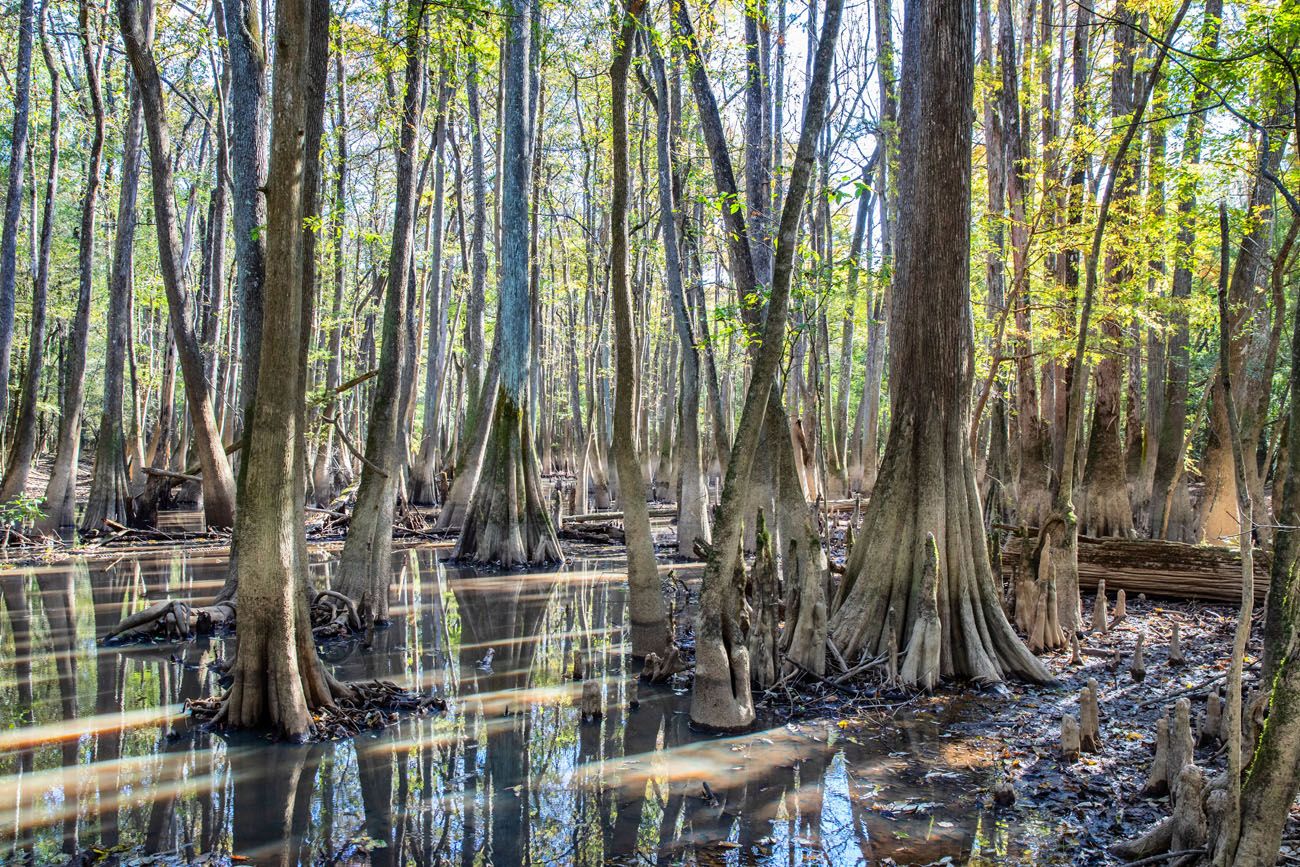
Congaree National Park protects the oldest old-growth bottomland hardwood forest in the southeastern United States. This small park is quick and easy to visit. Walk the boardwalk trail through the forest, go kayaking or canoeing on Cedar Creek, go birdwatching and fishing, and, if you like, venture farther into the park on a number of other woodland trails.
Location: South Carolina
Top Experiences: Walk the Boardwalk Loop Trail, go canoeing or kayaking on Cedar Creek, go on a multi-day canoeing trip on the Congaree River, hike the Weston Loop Trail, and hike to the General Greene Tree.
When to Go: The best time to visit Congaree National Park is in the spring and the fall.
Plan Your Visit: How to Spend One Day in Congaree National Park
14. Crater Lake
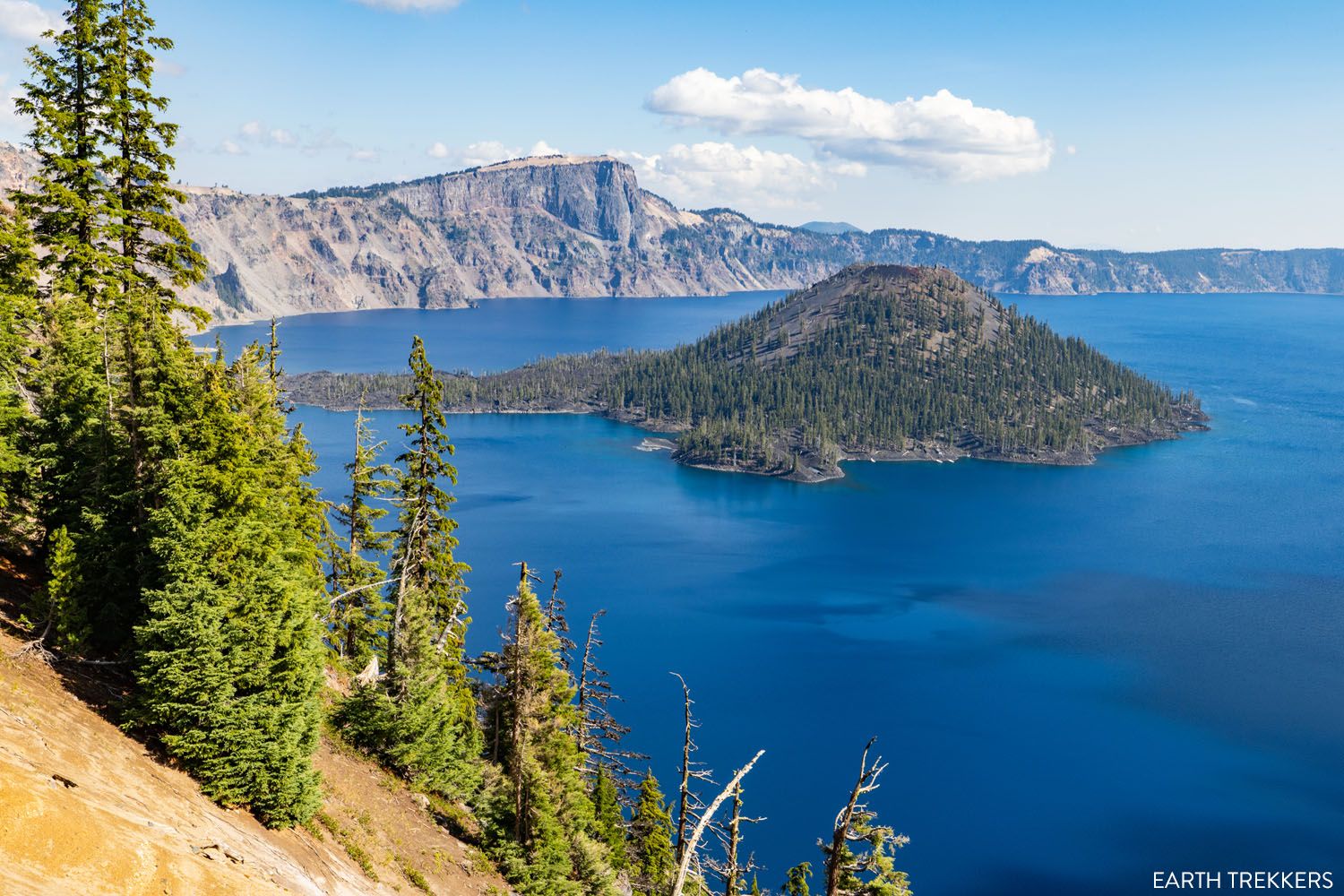
Crater Lake is one of those parks that stops you in your tracks. The water is an almost impossibly deep blue, the result of the lake’s extraordinary depth and purity, and the views from the caldera rim are unlike anything else in the Pacific Northwest. Formed from the collapse of a volcano over 7,700 years ago, it now holds the deepest lake in the United States, and a boat trip out to Wizard Island (our favorite experience here) adds a full extra dimension to the visit.
Location: Oregon
Top Experiences: Drive Rim Drive around Crater Lake, take a boat tour of Crater Lake, visit Wizard Island, hike the trails along the rim, and go camping.
When to Go: Mid-July through early October, when all of the park roads are open.
Plan Your Visit: How to Plan a Trip to Crater Lake National Park
15. Cuyahoga Valley
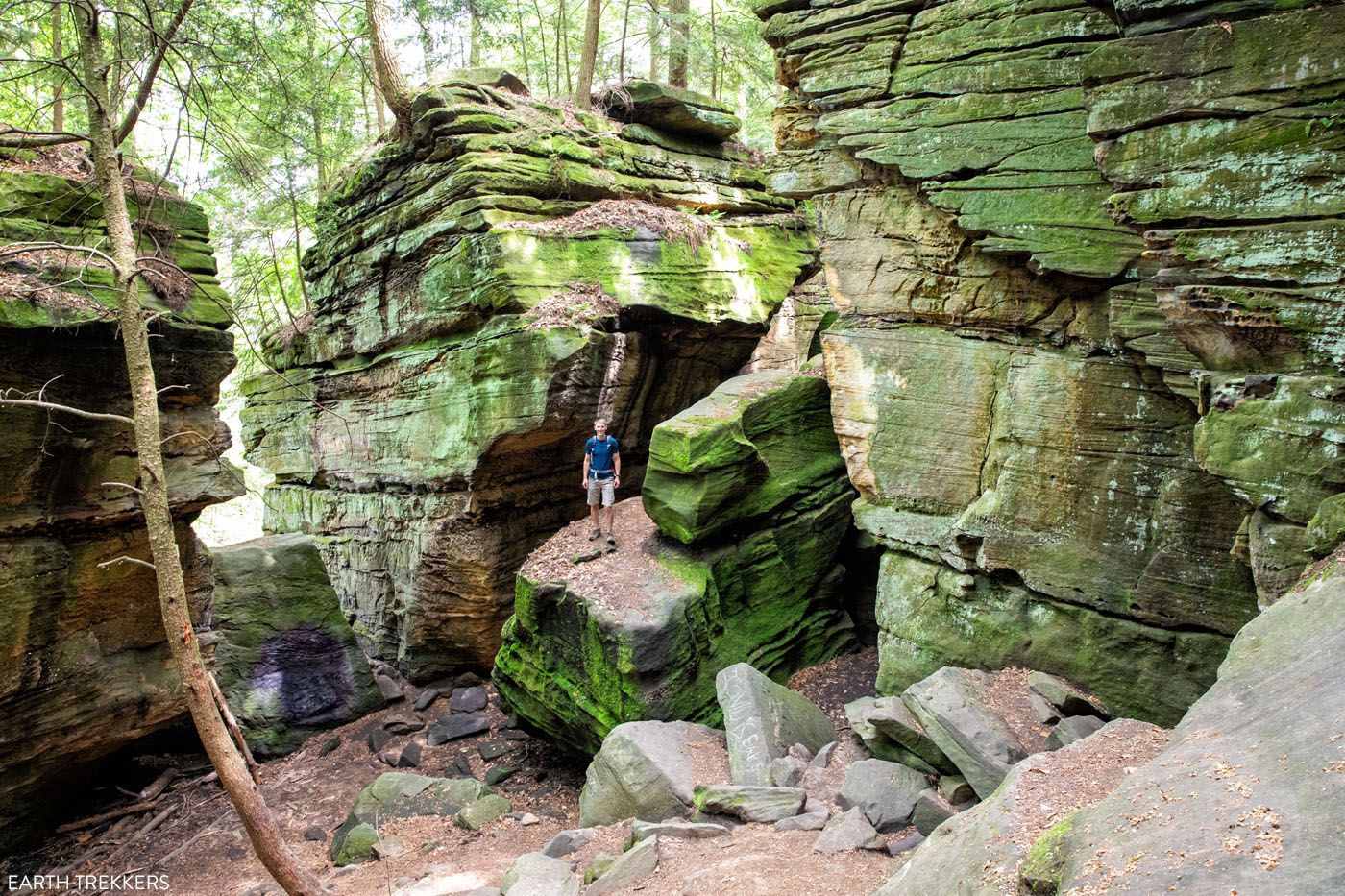
Cuyahoga Valley is a different kind of national park — a lush river valley tucked between Cleveland and Akron, Ohio, with waterfalls, a historic scenic railroad, beaver marshes, and a network of hiking and biking trails. It doesn’t have the dramatic landscapes of the western parks, but the Ledges Trail is our favorite hike here and the park is a genuinely lovely place to spend a day, especially in fall.
Location: Ohio
Top Experiences: Photograph Brandywine Falls, hike, bike or run the Ohio and Erie Towpath Trail, visit Beaver Marsh, go for a ride on the Cuyahoga Valley Scenic Railroad, visit Bridal Veil Falls, visit Deer Lick Cave, hike to Blue Hen Falls, visit the Everett Covered Bridge, and hike the Ledges Trail.
When to Go: May through October is a beautiful time to visit the park.
Plan Your Visit: Best Things to Do in Cuyahoga Valley
16. Death Valley
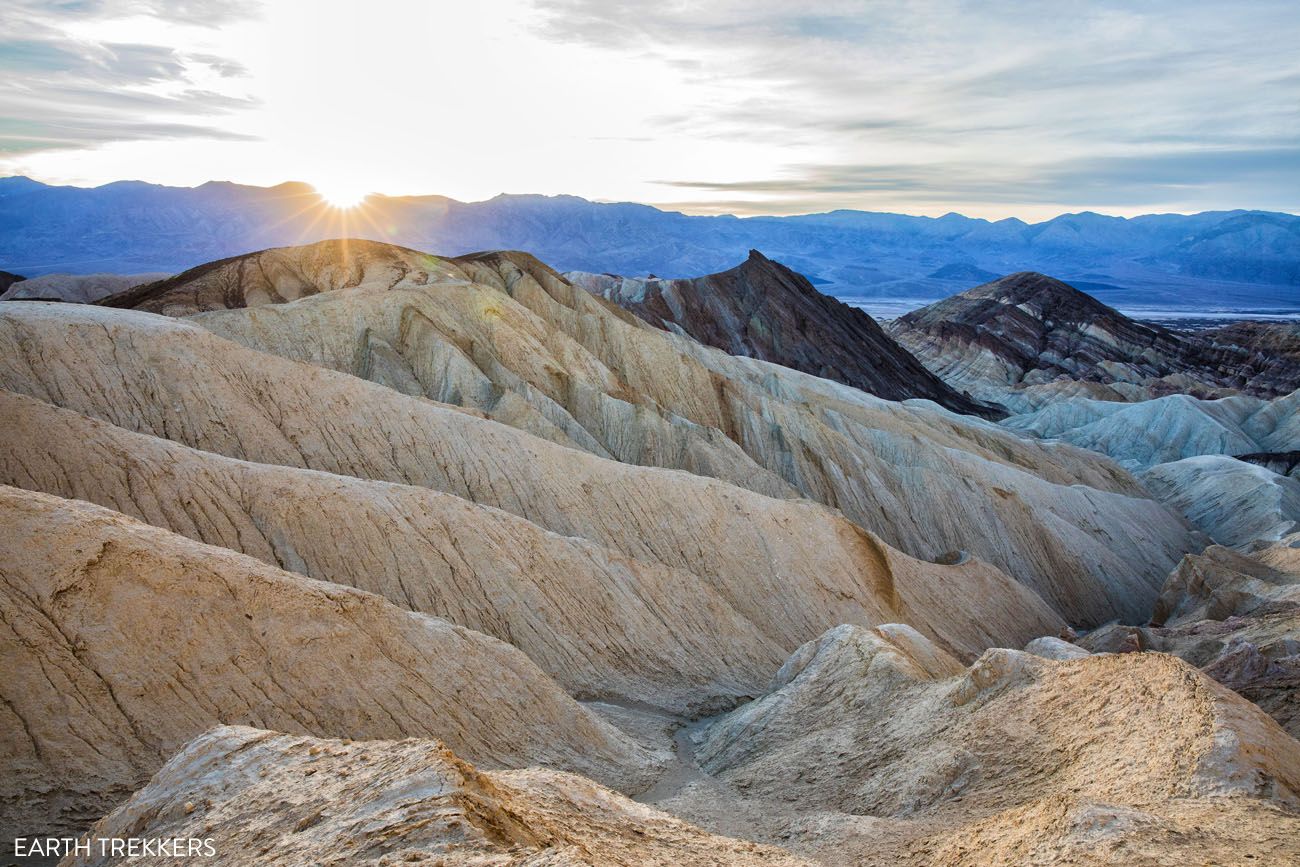
Death Valley is the hottest, driest, and lowest place in the United States, and one of the most surprising national parks we’ve visited. Beyond Badwater Basin and the famous salt flats, the park hides rainbow-colored mountains on Artist’s Drive, mysterious sailing stones at Racetrack Playa, towering sand dunes, and some of the darkest skies in the country, all spread across 3.4 million acres that make it the largest national park outside of Alaska.
Location: California
Top Experiences: Visit Zabriskie Point, drive Artist’s Drive, visit Badwater Basin, enjoy the view from Dante’s View, visit Ubehebe Crater, drive to Racetrack Playa, hike to Telescope Peak, slide down the Mesquite Flat Sand Dunes, and view the night sky.
When to Go: November through March, when the weather is mild.
Plan Your Visit: The Complete Guide to Death Valley National Park
17. Denali
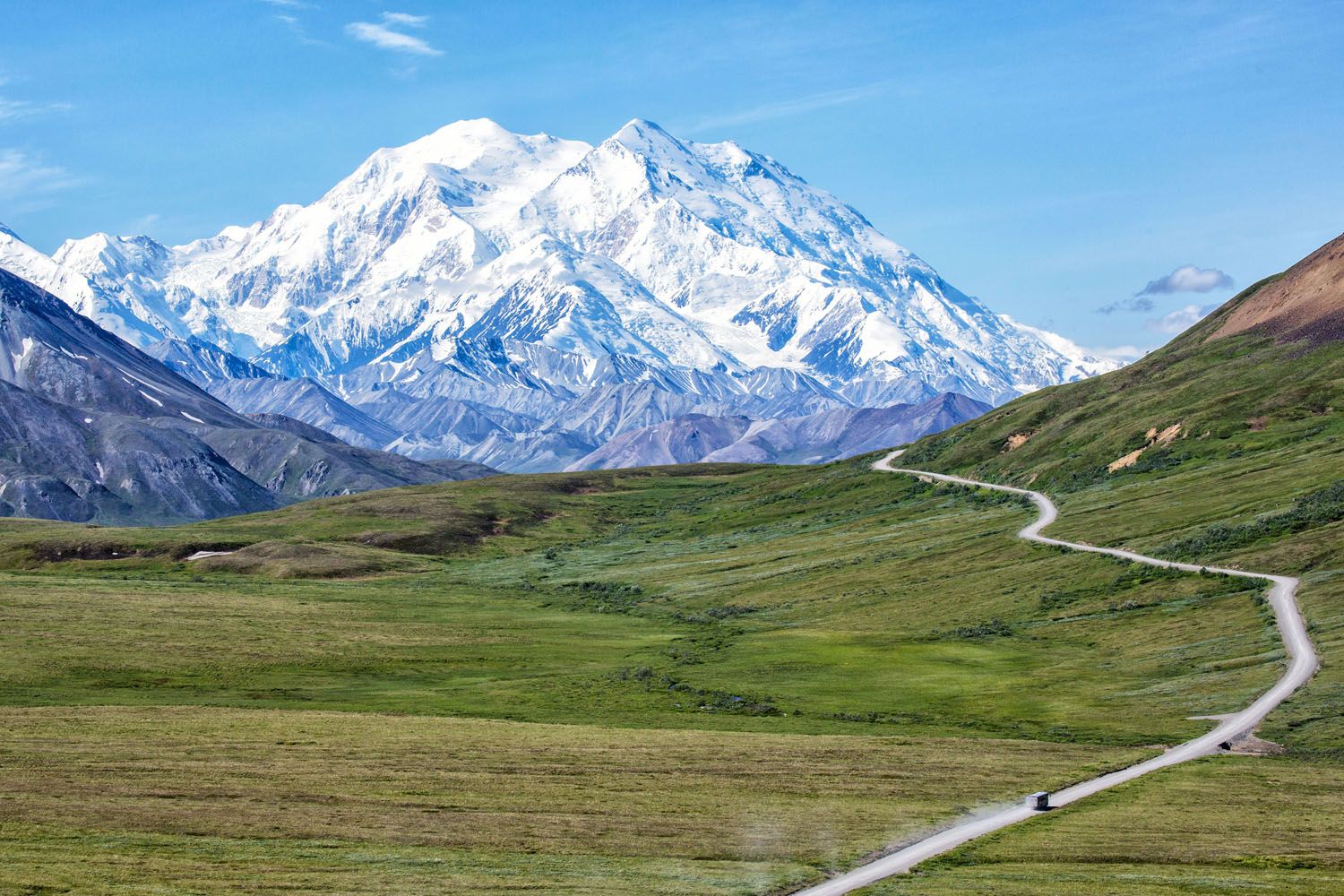
Denali is Alaska at its most raw and vast, with six million acres of wilderness built around the tallest mountain in North America, where grizzly bears, caribou, wolves, and Dall sheep roam freely along the 92-mile park road. Only about 30% of visitors actually see Denali itself due to cloud cover, so plan for at least a few days to improve your odds, and consider a flightseeing tour as a backup
Location: Alaska
Top Experiences: Ride one of the park shuttles to the end of Denali Park Road, take a flightseeing tour, go hiking in the Savage River area of the park, visit the sled dog kennels, hike into the backcountry, visit Eielson, spend some time in Kantishna, take your pick from of many hiking trails in the park, and climb to the summit of Denali.
When to Go: June through September, when the weather is warm and the roads are open.
Plan Your Visit: The Complete Denali National Park Travel Guide
18. Dry Tortugas
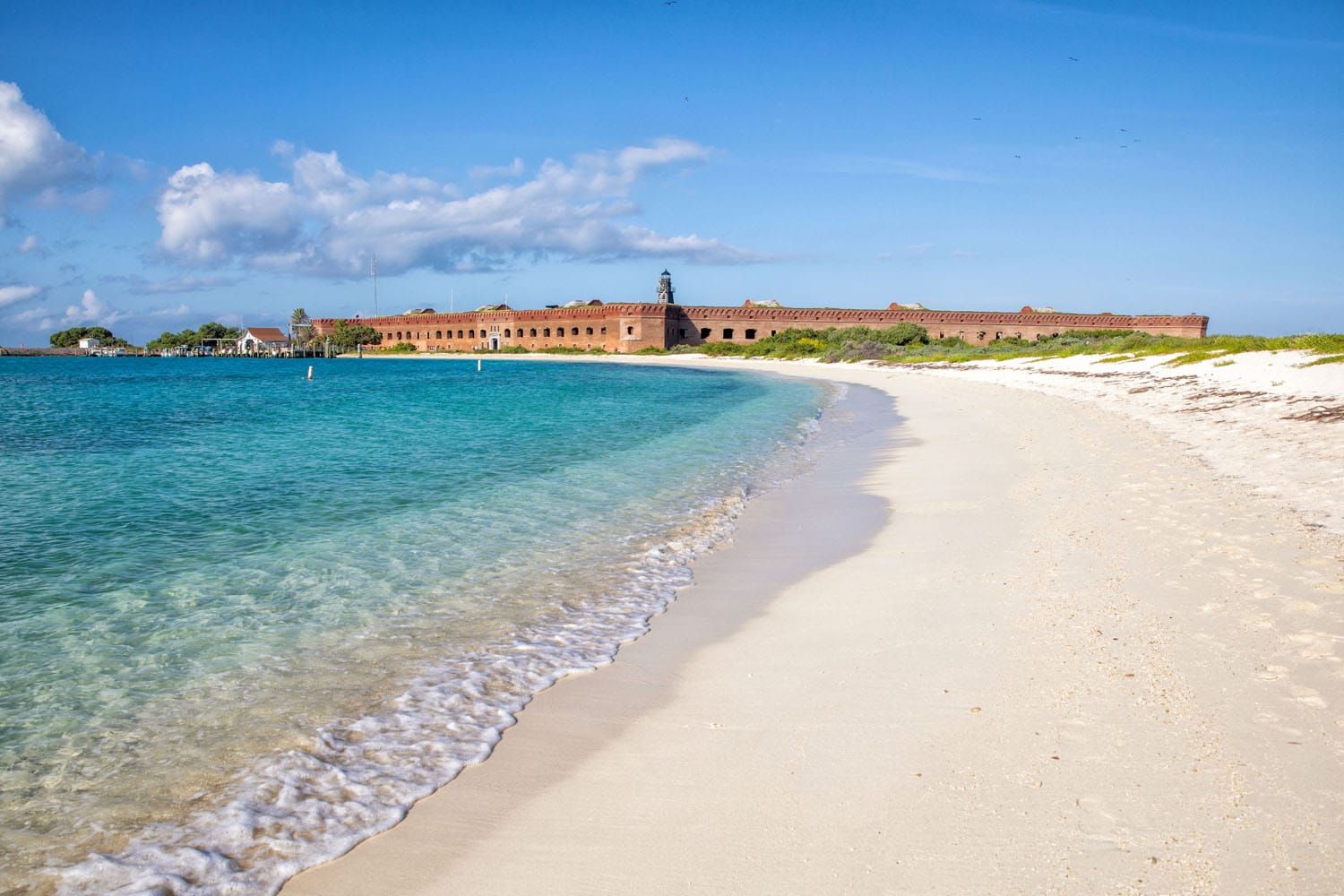
Dry Tortugas is 70 miles west of Key West by ferry or seaplane, and the effort to get there is absolutely worth it. The snorkeling over the coral reefs is excellent, and Fort Jefferson, the massive 19th-century military fortress at the center of the park, is unlike anything else in the national park system. Walking the old fort walls and seeing hundreds of sea turtles swimming in the ocean were the highlights for us.
Location: Florida
Top Experiences: Explore Fort Jefferson, go snorkeling or swimming, visit Loggerhead Key, and take a stroll on Bush Key.
When to Go: All year, but it is best to avoid hurricane season (July through October).
Plan Your Visit: The Complete Guide to Dry Tortugas National Park
19. Everglades
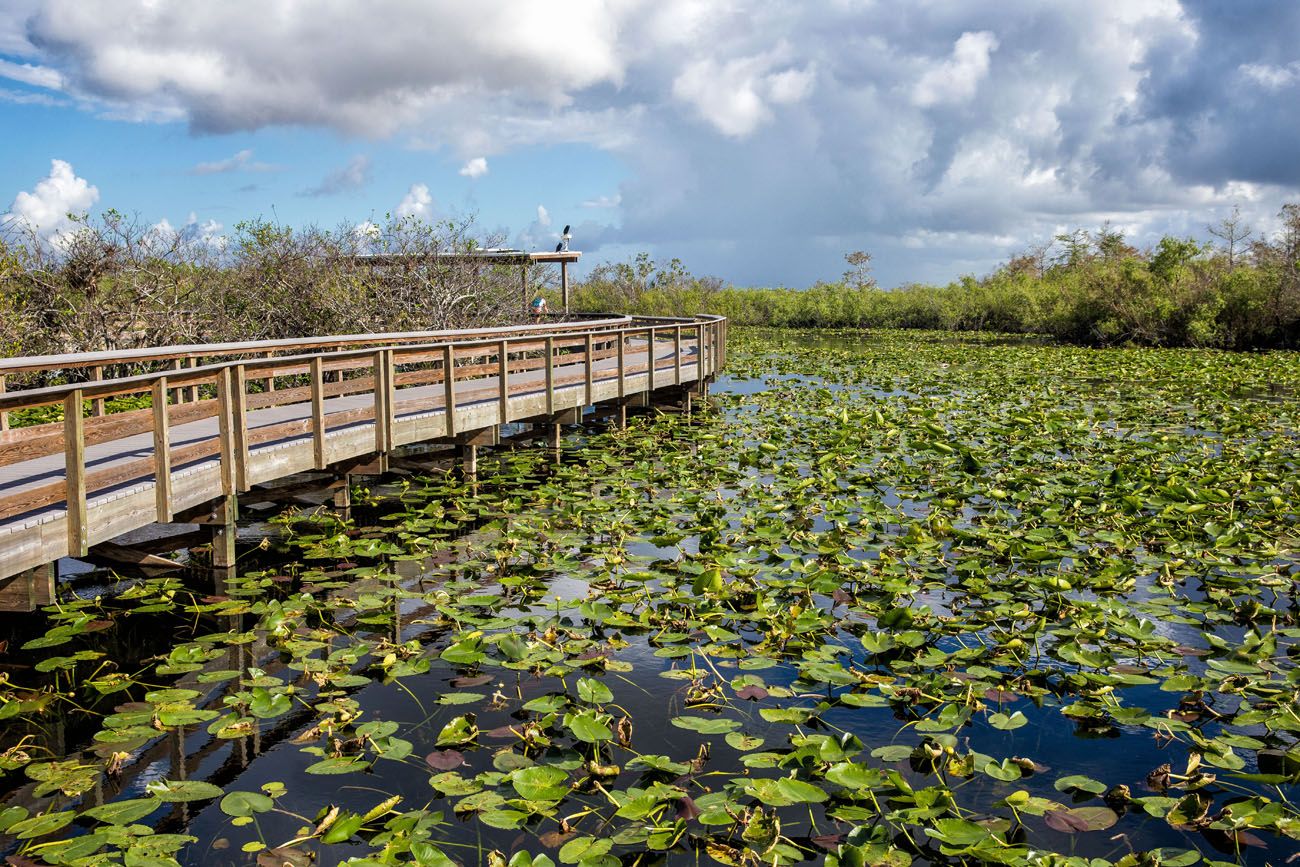
The Everglades is one of the most ecologically unique places on earth — a vast, slow-moving river of grass that is home to alligators, manatees, American crocodiles, and more than 300 species of birds. It’s bigger and more rewarding than most visitors expect, with one day enough to walk the Anhinga Trail, spot wildlife at Shark Valley, and get out on the water by kayak or airboat.
Location: Florida
Top Experiences: Walk the Anhinga Trail, visit the Flamingo Visitor Center and see if you can spot crocodiles or manatees, walk the boardwalk trail at Mahogany Hammock, take a kayaking tour, and bike through Shark Valley.
When to Go: November through March, when temperatures are mild.
Plan Your Visit: How to Spend One Day in Everglades National Park
20. Gates of the Arctic
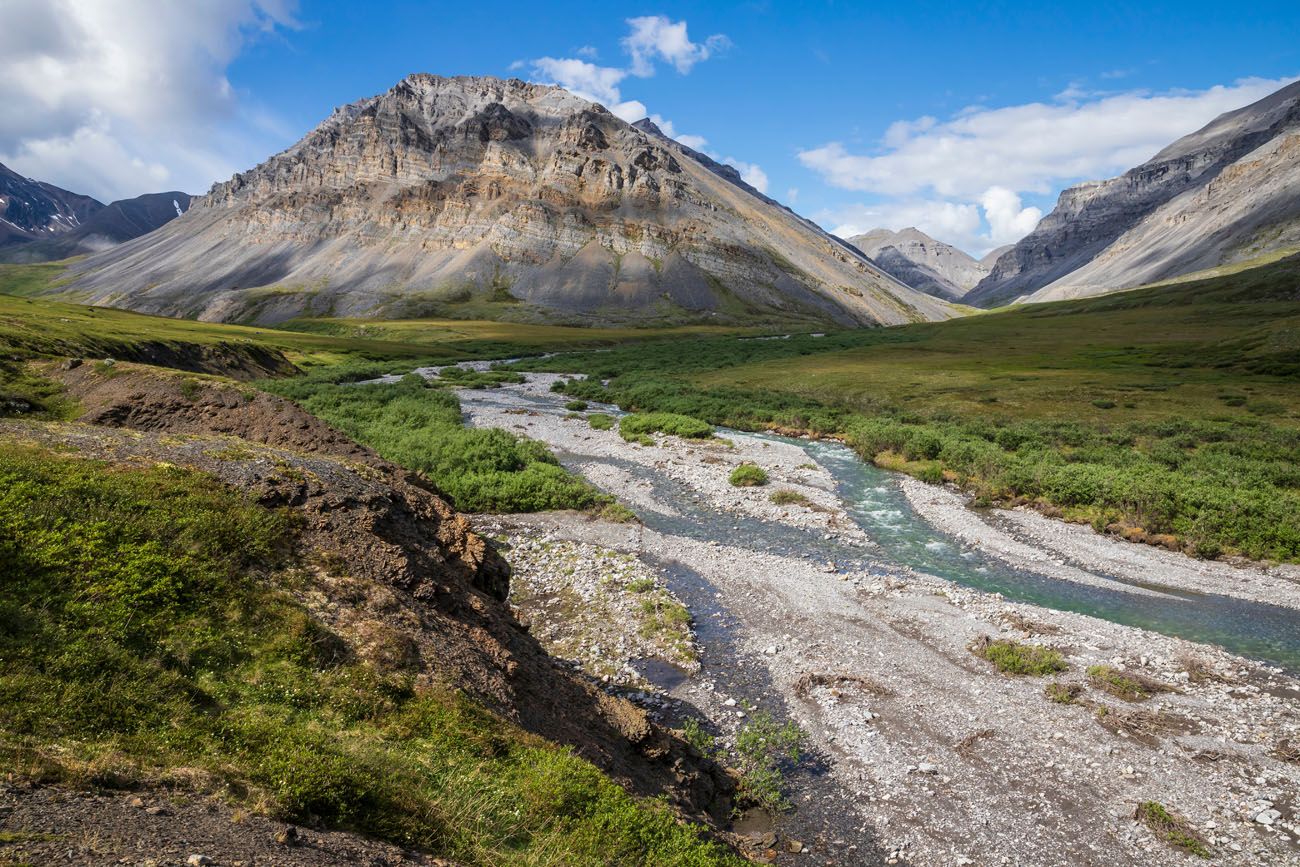
Gates of the Arctic National Park & Preserve is the least visited national park in the USA. Located in Alaska, this wild, remote national park is home to one of the most untouched wilderness areas in the country.
No roads lead into Gates of the Arctic. There aren’t even any maintained hiking trails.
Most of the travelers who visit this park do so on a guided tour, either kayaking or hiking through the park. For those who love the idea of exploring a remote wilderness, filled with wildlife and beautiful landscapes, this a park that belongs on the top of your list.
Location: Alaska
Top Experiences: Go hiking, take a float trip, go canoeing or rafting on the Kobuk and Noatak Rivers, go fishing, and go backpacking.
When to Go: June through September
21. Gateway Arch
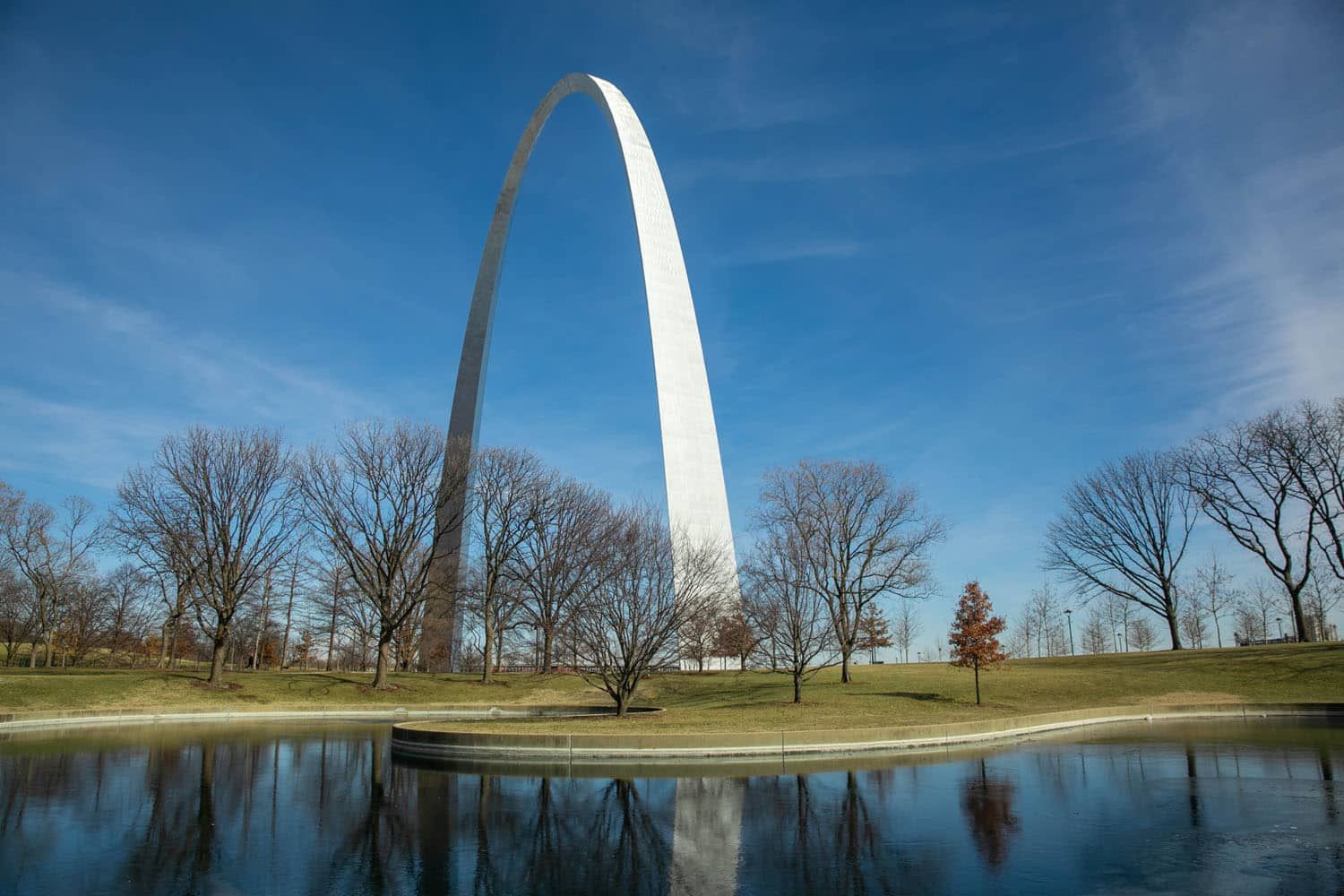
Gateway Arch is the smallest national park in the system at just 91 acres, and also the most different. Located in downtown St. Louis, it preserves the iconic 630-foot stainless steel arch that serves as a monument to America’s westward expansion. Riding the tram to the top is the main event.
Location: Missouri
Top Experiences: Ride the tram to the top of Gateway Arch, watch the Monument to the Dream Documentary, visit the museum exhibits, visit the Old Courthouse, and see the Old Cathedral.
When to Go: All year
Plan Your Visit: How to Visit Gateway Arch National Park
22. Glacier Bay
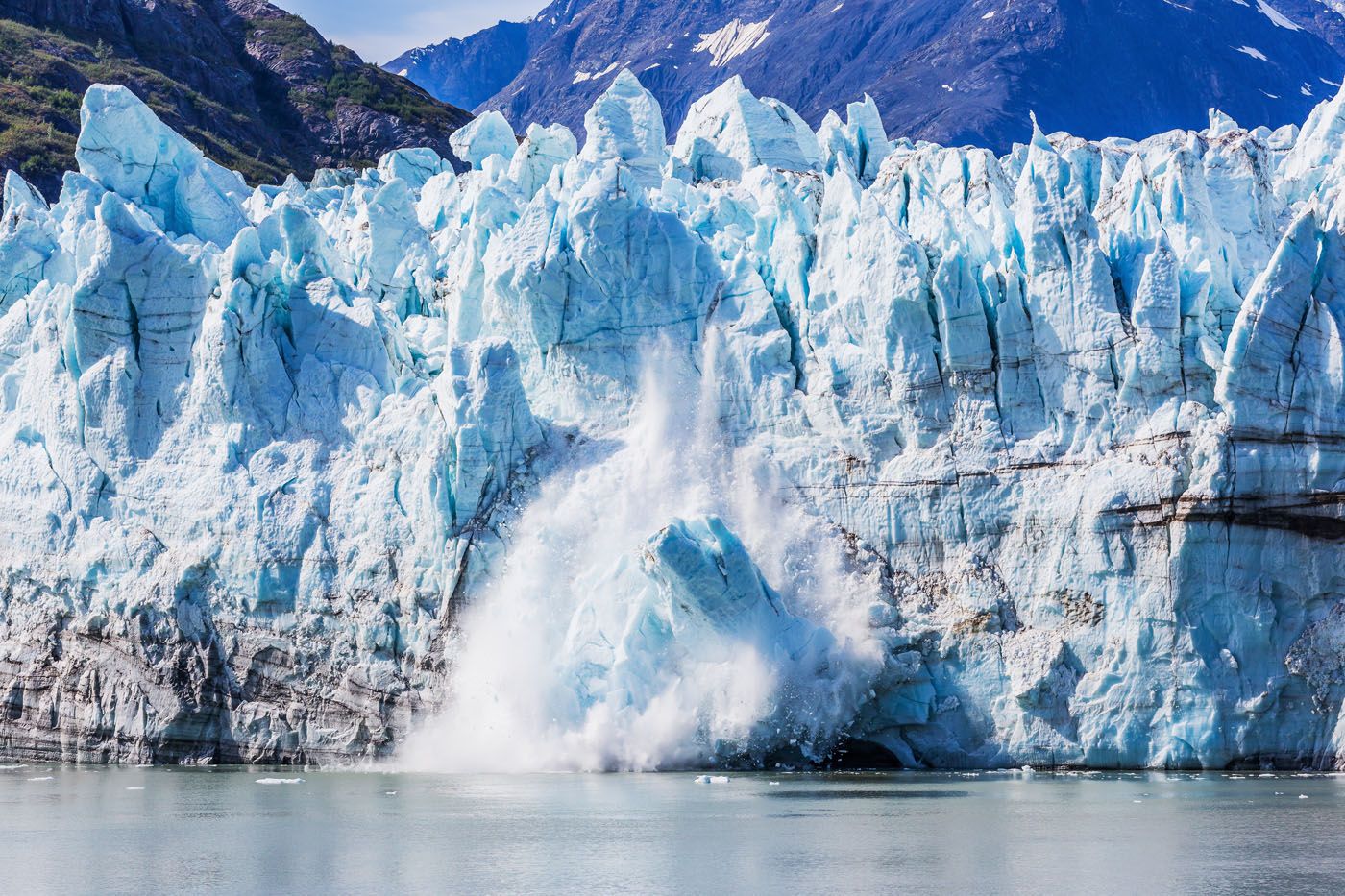
At 3 million acres, Glacier Bay is one of the larger US national parks. This park protects a portion of the Inside Passage and its fjords, glaciers, and temperate rainforest.
No roads lead into this park, so to get here, you will either have to fly or take a cruise. Cruises are one of the best ways to experience this park, as you drift past glaciers and take excursions to seaside towns and hiking trails.
Location: Alaska
Top Experiences: Explore Bartlett Cove, go sport fishing, take a flightseeing tour or kayaking tour, see the glaciers, and go hiking in Bartlett Cove.
When to Go: The summer months are the best time to visit Glacier Bay National Park.
23. Glacier
Glacier is one of the most beautiful national parks in the country, with glacier-capped peaks, electric blue lakes, and hiking trails that rank among the best in the national park system. We’ve visited twice and keep finding reasons to go back, whether it’s driving Going-to-the-Sun Road, hiking the Highline Trail along the Continental Divide, or spending time in the Many Glacier area.
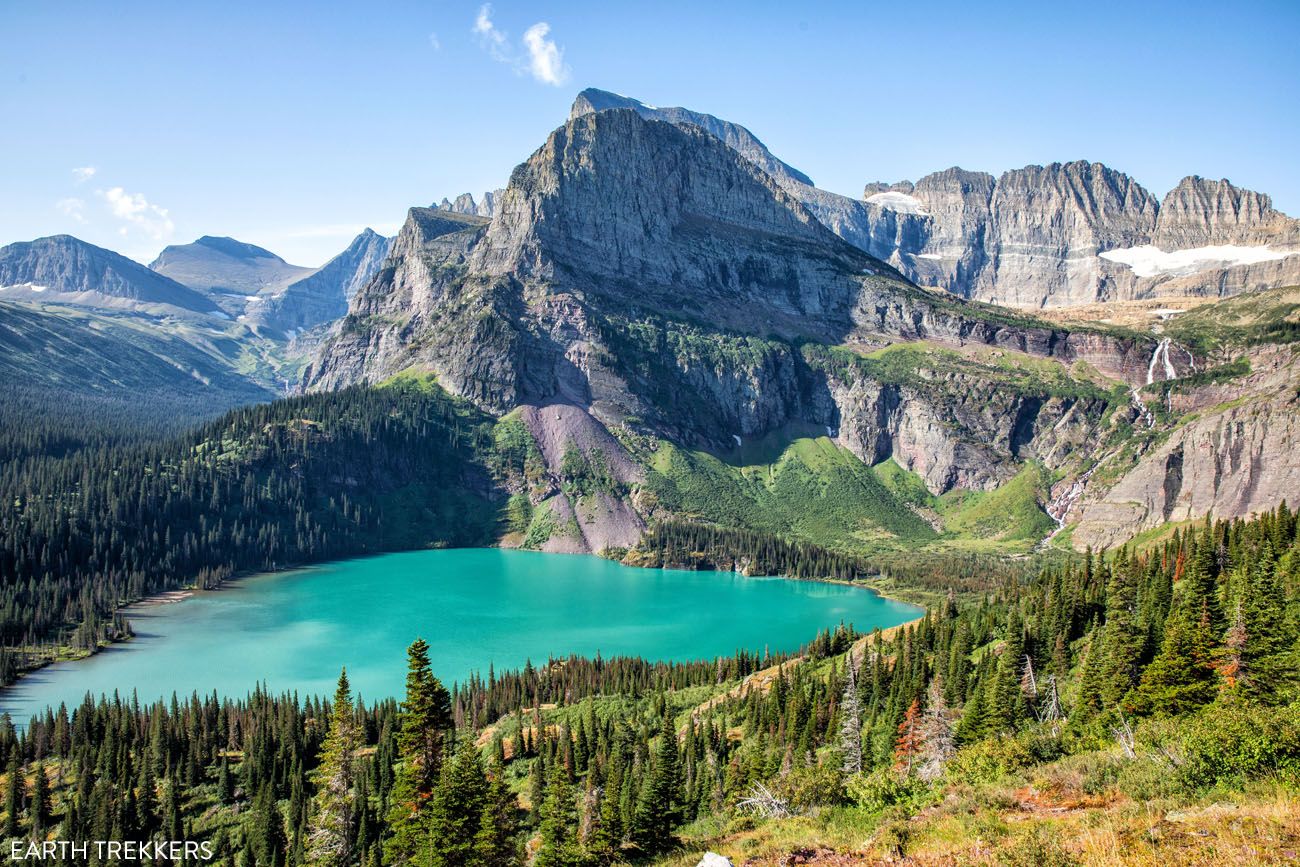
Location: Montana
Top Experiences: Drive Going-to-the-Sun Road, visit Many Glacier, hike to Grinnell Glacier and Hidden Lake, visit Logan Pass, hike the Highline Trail, visit Two Medicine, see Wild Goose Island, and spend some time at Lake McDonald.
When to Go: July through September, when Going-to-the-Sun Road is open.
Plan Your Visit: The Complete Guide to Glacier National Park
24. Grand Canyon
The Grand Canyon is one of those rare places that actually lives up to its reputation. The first time you step to the rim and take in the scale of what the Colorado River carved over millions of years, it genuinely stops you in your tracks. There are hundreds of miles of trails to explore, and for those who want the ultimate experience, a multi-day rim-to-rim hike or Colorado River rafting trip.
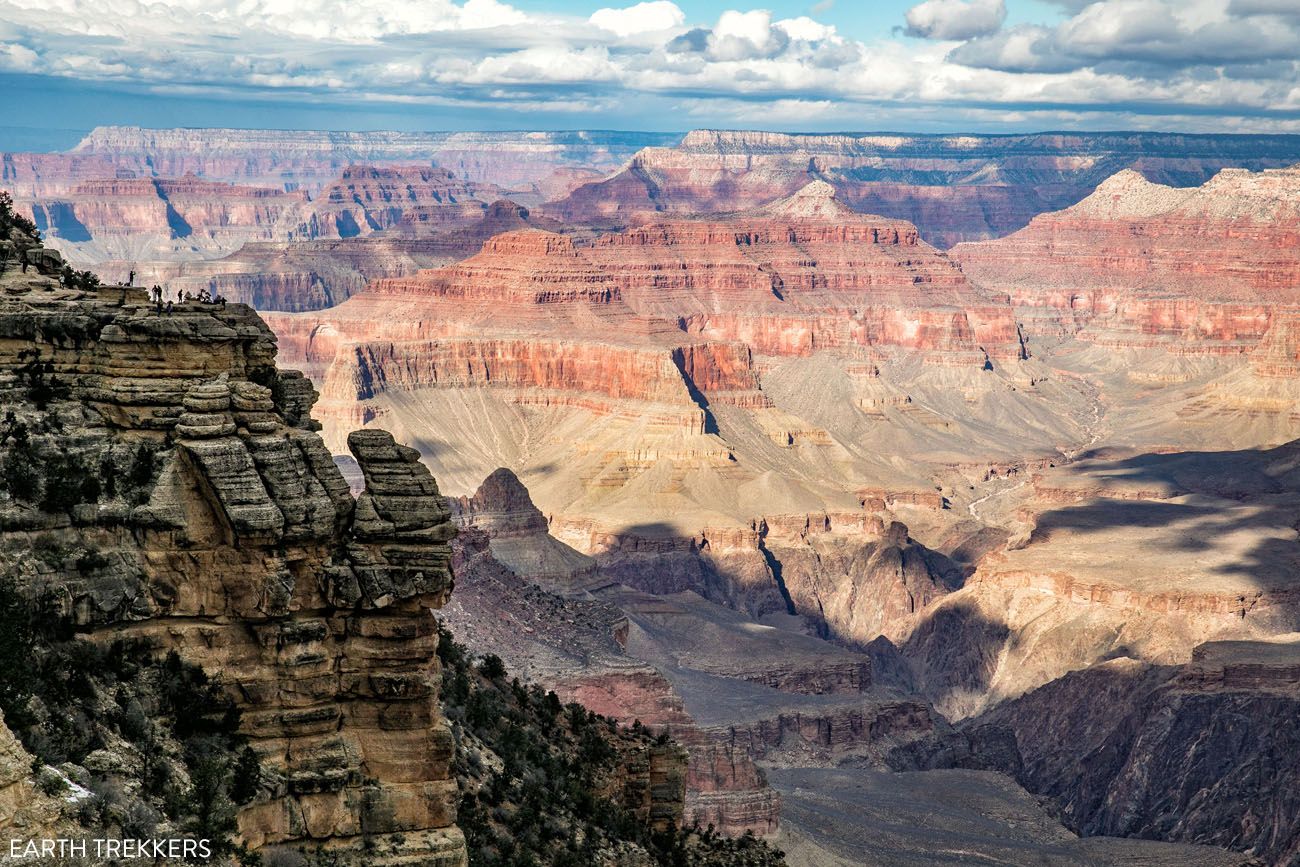
Location: Arizona
Top Experiences: Visit the South Rim viewpoints, watch the sunrise and/or sunset, hike below the rim, take a flightseeing tour by airplane or helicopter, visit the North Rim, and hike the rim-to-rim trail.
When to Go: All year but spring and fall have the mildest weather.
Plan Your Visit: The Complete Guide to Grand Canyon National Park
25. Grand Teton
Grand Teton delivers some of the most dramatic mountain scenery in the national park system, with jagged peaks rising sharply from the valley floor, glacier-fed lakes, and the winding Snake River creating one iconic photograph after another. We’ve visited multiple times and the hiking here is exceptional, from easy strolls around Jenny Lake to the multi-day Teton Crest Trail through the heart of the range.
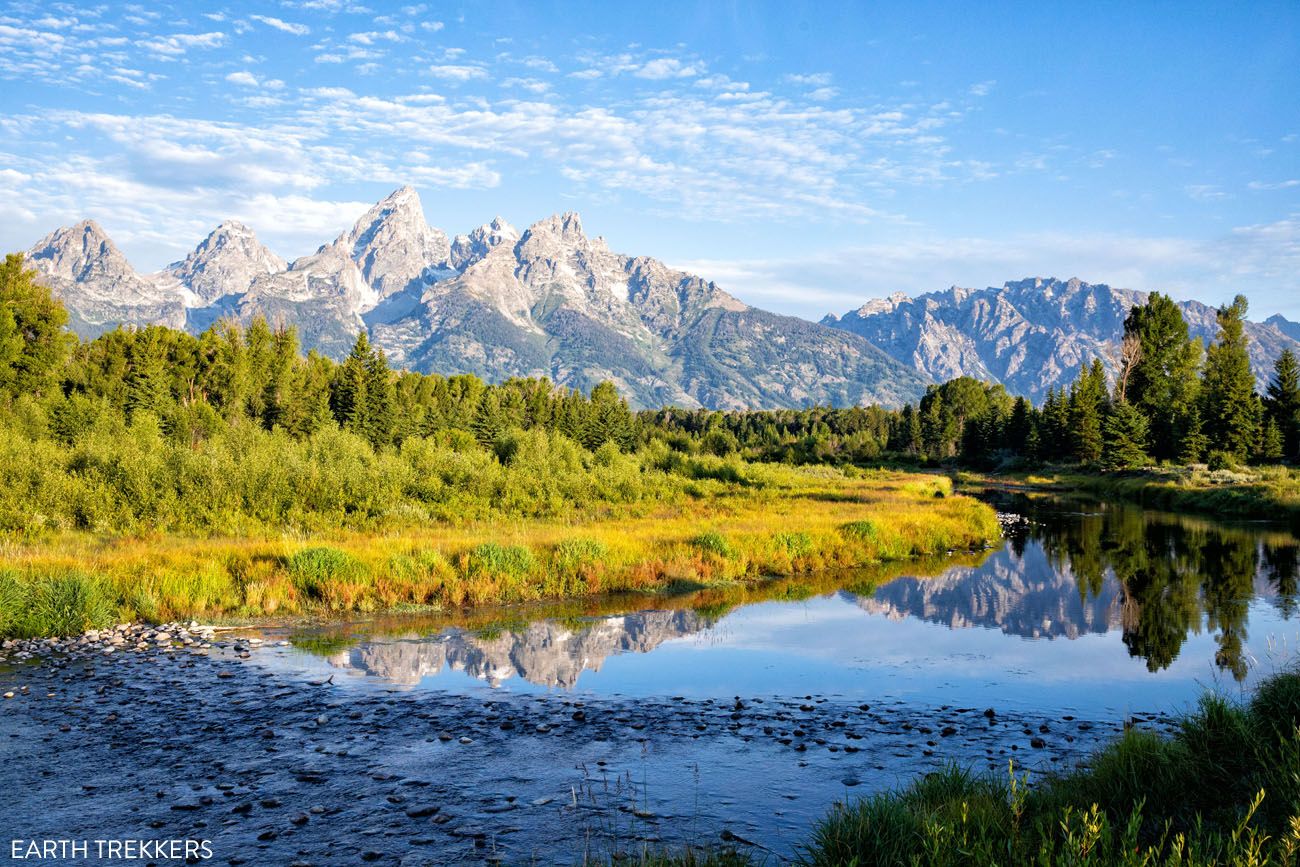
Location: Wyoming
Top Experiences: Visit Jenny Lake, hike to Inspiration Point and Hidden Falls, visit Mormon Row and Schwabacher Landing, visit Oxbow Bend at sunrise, visit the Laurance S. Rockefeller Preserve, and hike the trails that run in and along the Teton Range.
When to Go: Mid-May through October
Plan Your Visit: The Complete Guide to Grand Teton National Park
26. Great Basin
This park preserves the Lehman Caves and Wheeler Peak, the second highest peak in Nevada. Also found in the park are groves of bristlecone pines, which are some of the oldest species on the planet.
Despite its location in eastern Nevada, not far from Utah’s Mighty 5, Great Basin is one of the least visited national parks in the USA.
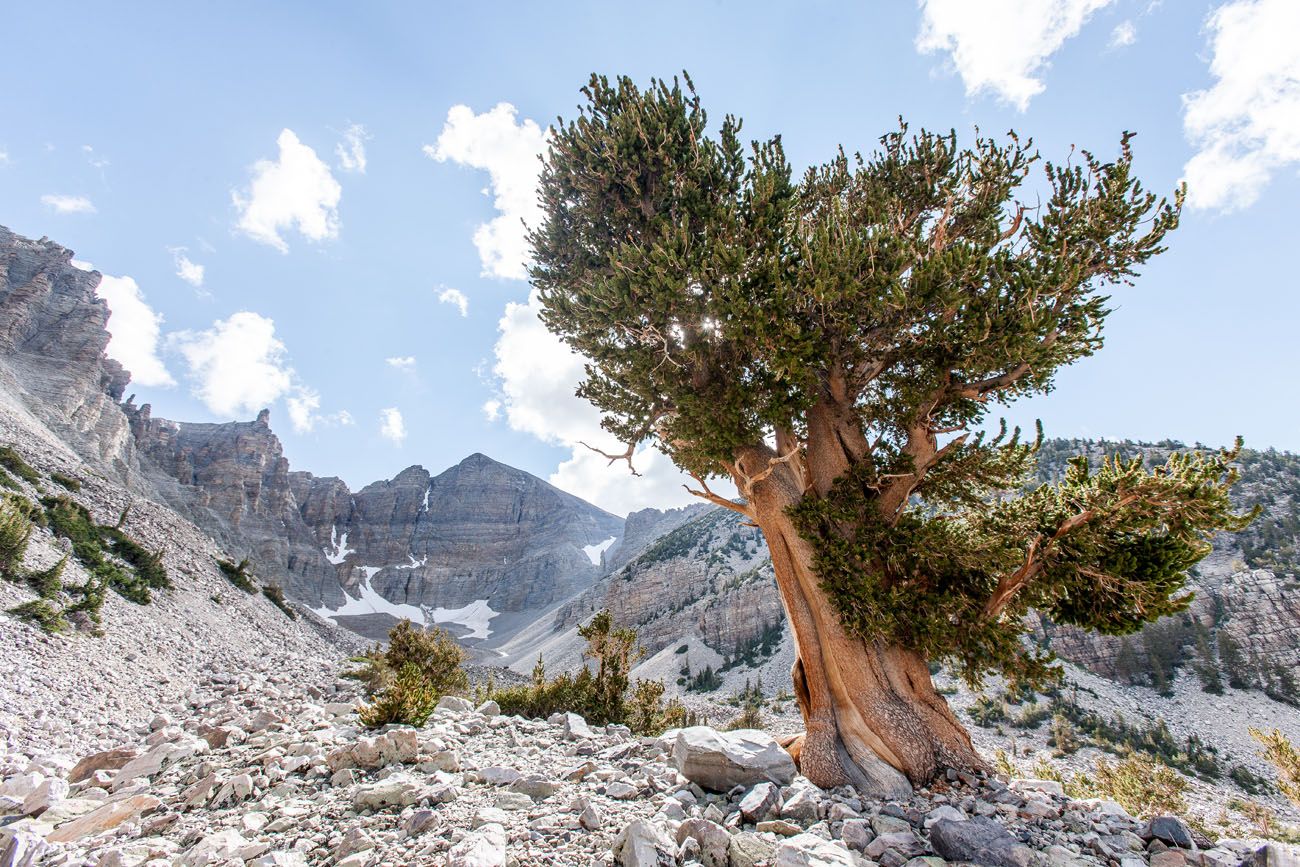
Location: Nevada
Top Experiences: Hike to the top of Wheeler Peak, take a tour of Lehman Caves, drive Wheeler Peak Scenic Drive, hike the Bristlecone Trail, go star gazing, and hike the Alpine Lakes Loop Trail.
When to Go: Mid-June through October
27. Great Sand Dunes
Great Sand Dunes National Park is one of those parks that is pure fun to visit. Sure, there are a few hikes to do, but the best experience is to go sandboarding or sand sledding on the dunes.
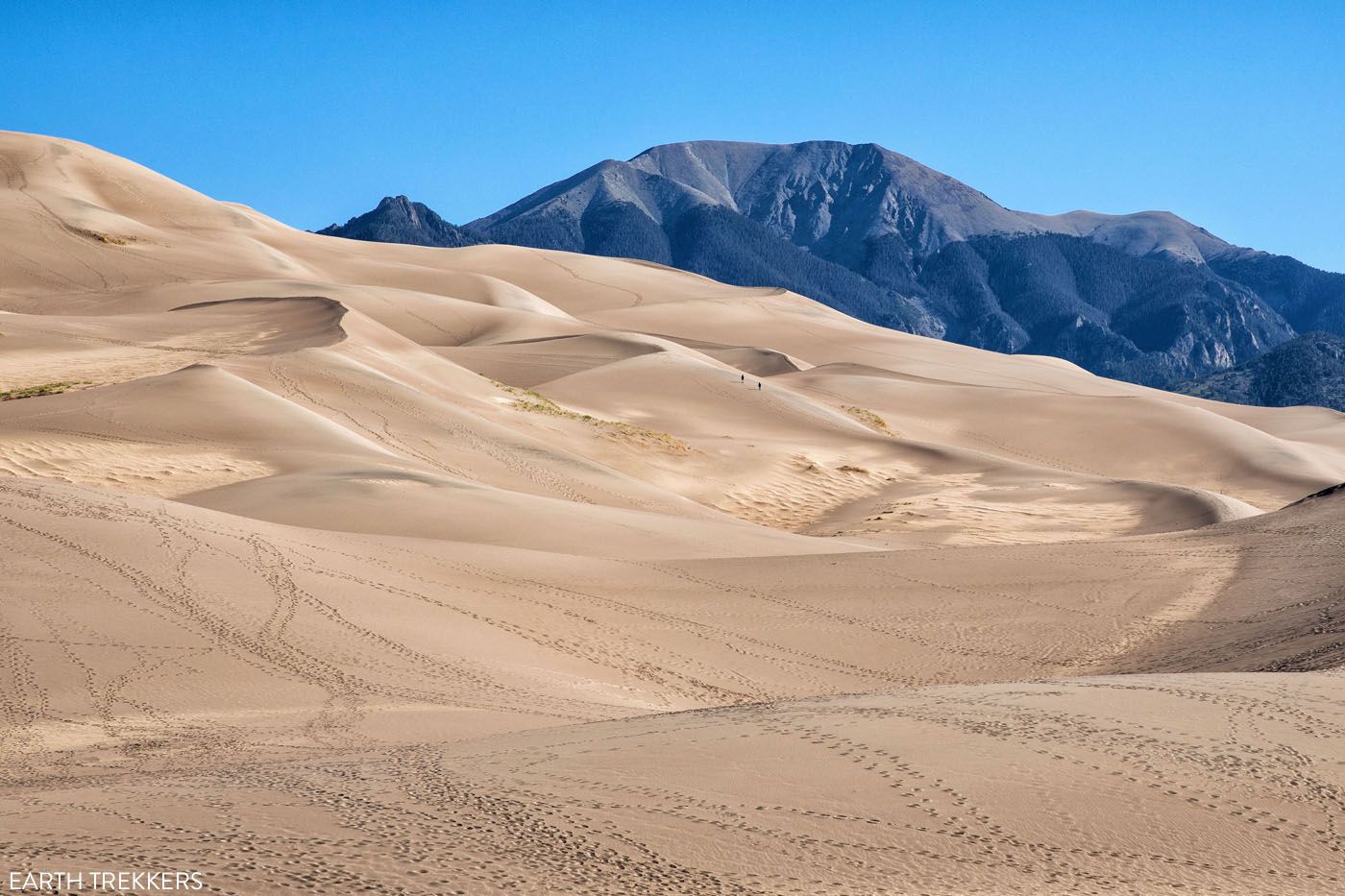
Location: Colorado
Top Experiences: Go sandboarding or sledding, hike on the dunes, watch the sunset, camp on the dunes, go stargazing, hike to Star Dune, drive the Medano Pass Primitive Road, and hike to Zapata Falls.
When to Go: This park can be visited all year. The spring and the fall have the mildest weather.
Plan Your Visit: Best Things to Do in Great Sand Dunes National Park
28. Great Smoky Mountains
Great Smoky Mountains is the most visited national park in the United States, receiving more visitors annually than any other park by a wide margin. The reasons are easy to understand: it’s free to enter, accessible from several major cities, and the misty ridgelines, colorful hardwood forests, and 800 miles of hiking trails offer something for everyone. We visited in early November to catch the fall colors and found the park genuinely beautiful, even with the crowds.
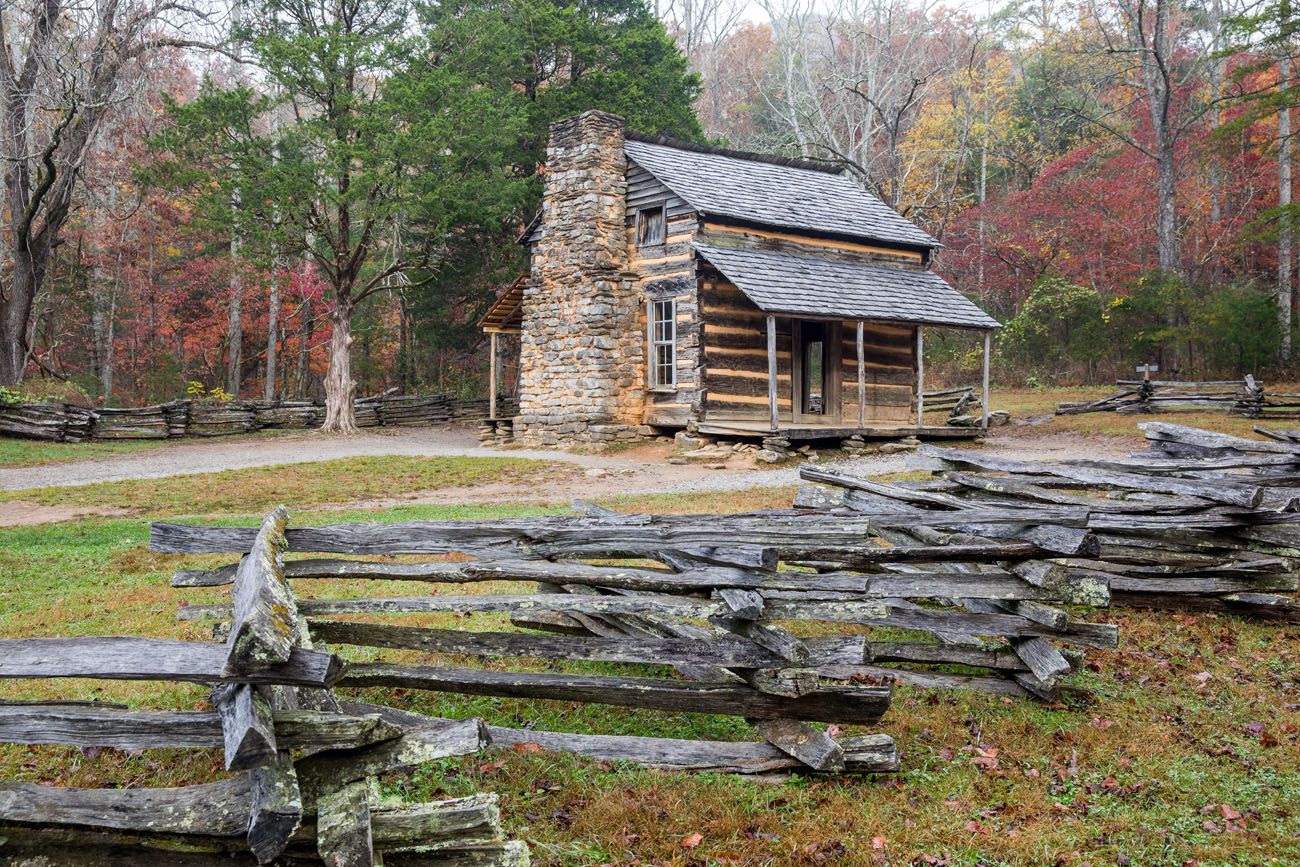
Location: Tennessee and North Carolina
Top Experiences: Enjoy the view from Clingman’s Dome and Newfound Gap, hike the Alum Trail to Mount LeConte, drive through Cades Cove, and drive the Roaring Fork Motor Trail.
When to Go: April through November, when the temperature is mild and the trees have leaves (or are at least starting to bloom)
Plan Your Visit: The Complete Guide to Great Smoky Mountains
29. Guadalupe Mountains
Guadalupe Mountains is one of the most hiking-focused parks in the system and almost everything here requires getting on a trail, with very little to see from the road. But that’s exactly what makes it a great park for those who want to earn their views. Guadalupe Peak at 8,751 feet is the highest point in Texas and the Devil’s Hall Trail features rock scrambling and a slot canyon.
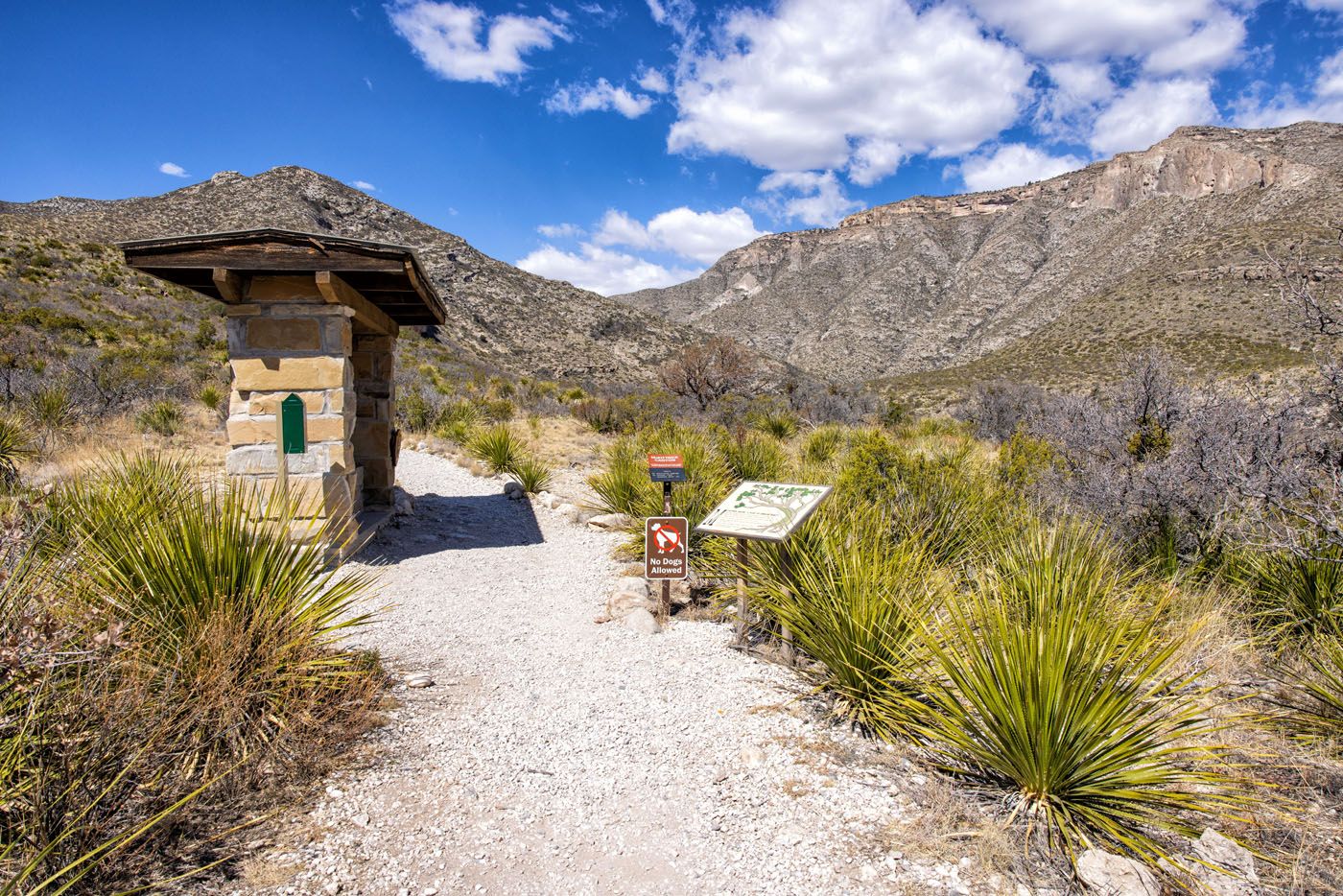
Location: Texas
Top Experiences: Hike to the top of Guadalupe Peak, the highest point in Texas. Visit the Salt Basin Dunes, hike to Devil’s Hall, visit El Capitan Lookout, hike the McKittrick Canyon Trail or the Permian Reef Trail, and visit Dog Canyon.
When to Go: September through May
Plan Your Visit: How to Visit Guadalupe Mountains National Park
30. Haleakala
Haleakala is a massive shield volcano that makes up more than 75% of the island of Maui, and it contains two completely different national park experiences: the otherworldly summit crater at over 10,000 feet, and the lush waterfall-filled Kīpahulu District along the Road to Hana. We’ve watched the sunrise above the clouds from the summit twice and it’s one of the most memorable experiences we’ve had in any national park, though you need a timed entry reservation and an early wake-up call to make it happen.
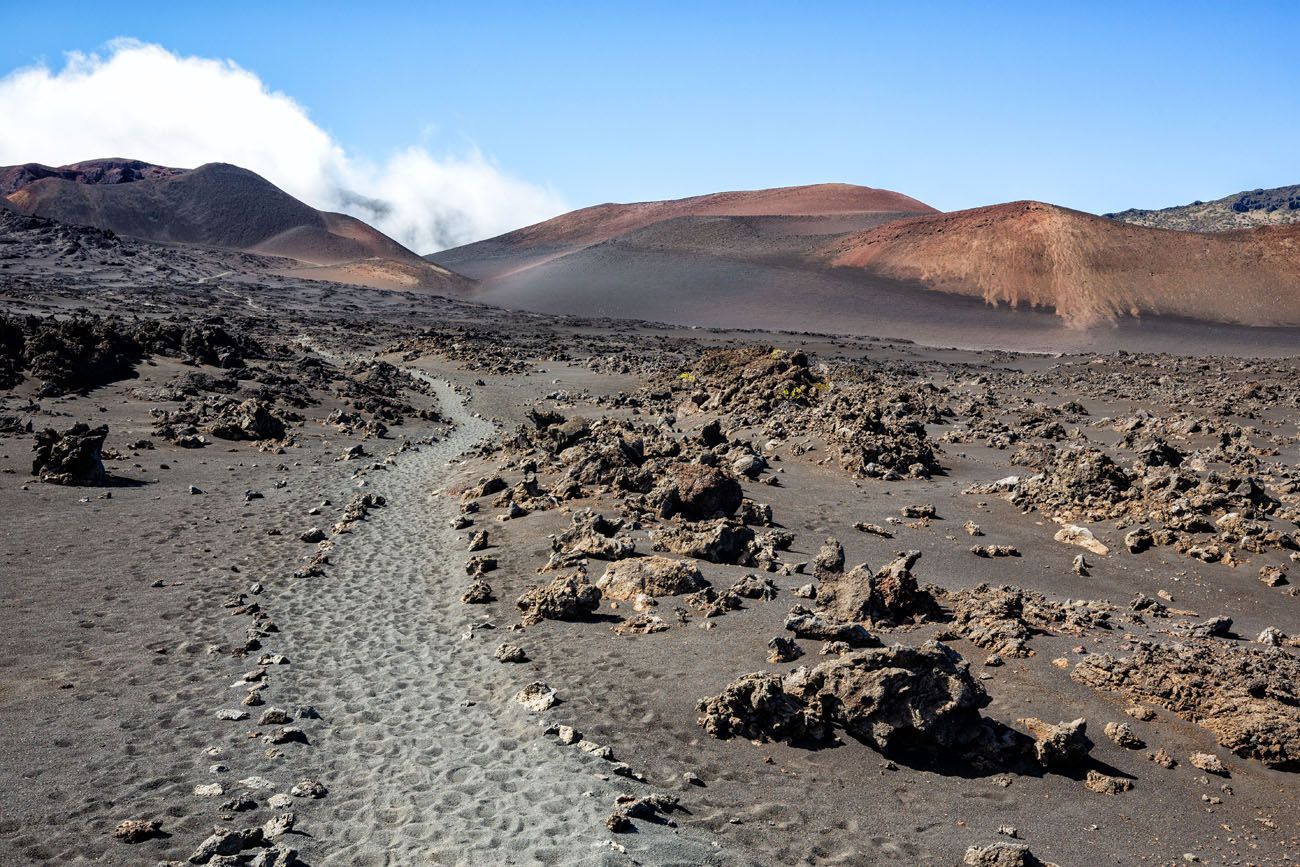
Location: Hawaii
Top Experiences: Watch the sunrise above the clouds, hike the Sliding Sands Trail, visit the viewpoints on the Haleakala summit, hike the Pīpīwai Trail, visit the Seven Sacred Pools of ‘Ohe’o, and go stargazing.
When to Go: All year
Plan Your Visit: Best Things to Do in Haleakala National Park
31. Hawai’i Volcanoes
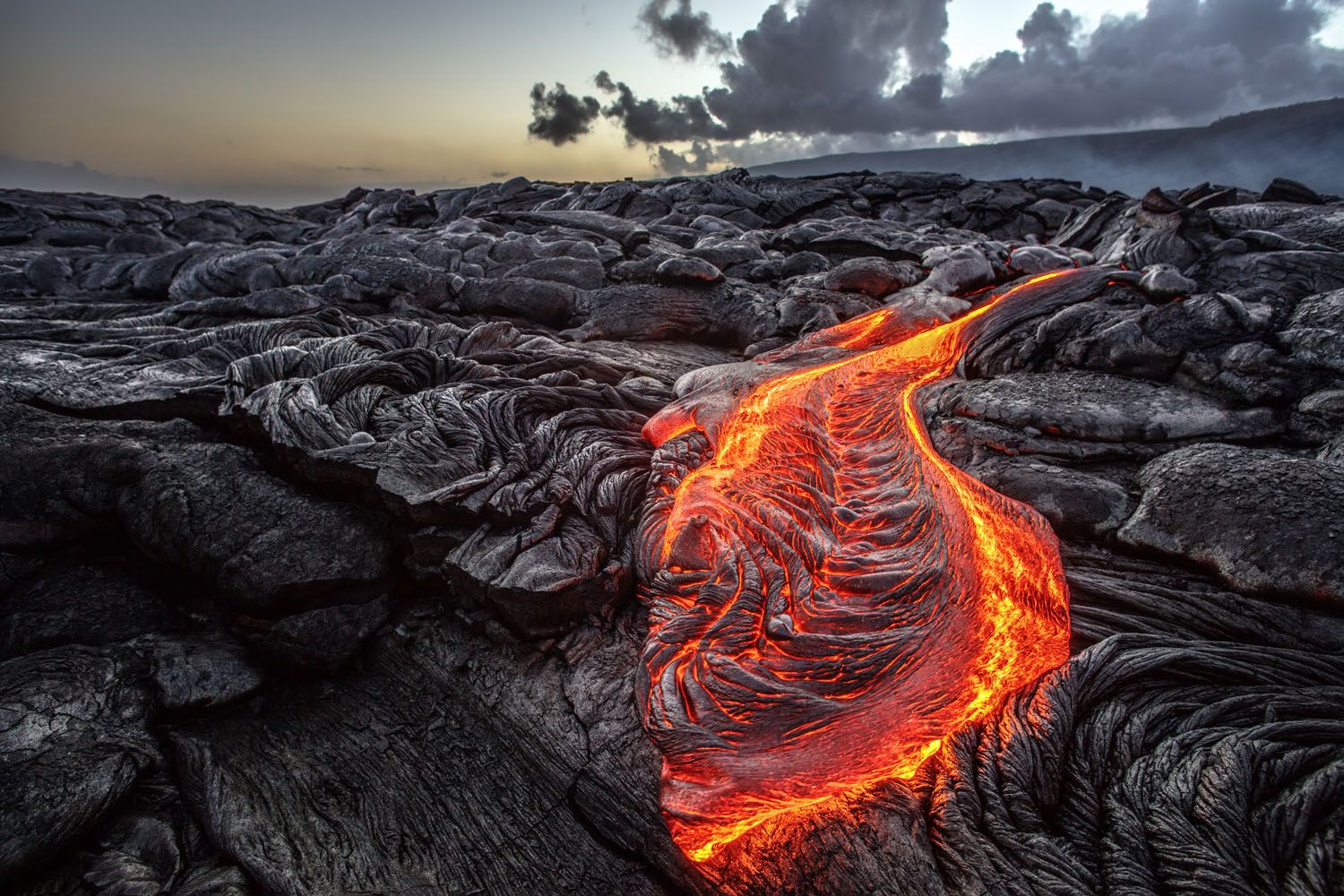
Hawai’i Volcanoes is home to two of the world’s most active volcanoes, Mauna Loa and Kīlauea, and if your timing is right, you can witness molten lava actively creating new land, which is unlike anything else in the national park system.
Location: Hawaii
Top Experiences: See the lava flow, drive Crater Rim Drive and visit the viewpoints, hike the Kīlauea Iki Trail, drive Chain of Craters Road, hike out to the Pu’uloa Petroglyphs, and walk through the Thurston Lava Tube.
When to Go: All year
Plan Your Visit: Best Things to Do in Hawai’i Volcanoes National Park
32. Hot Springs
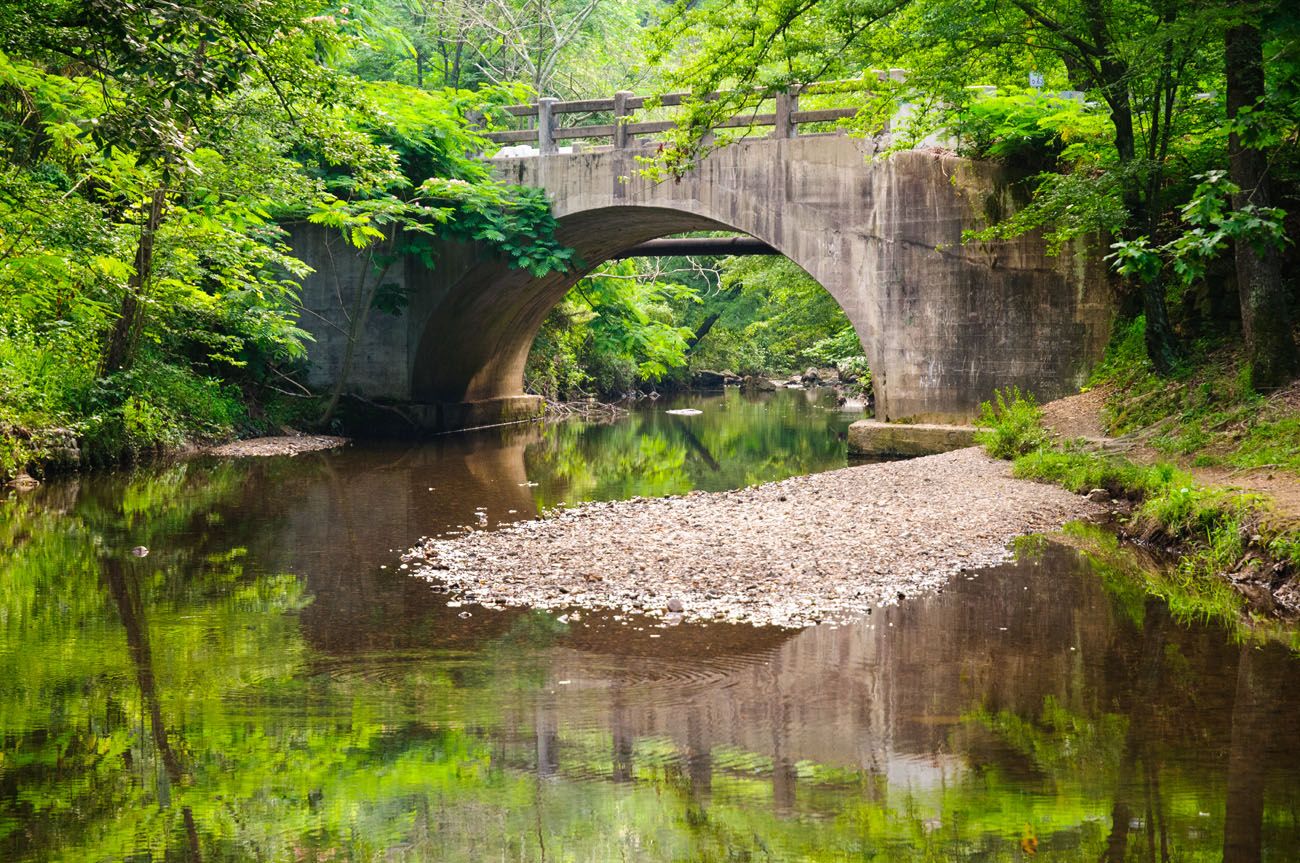
Hot Springs National Park is one of the most accessible national parks in the US. This land was set aside in the 1800’s to preserve the hot springs, which were believed to have medicinal properties. Soaking in these hot springs is the best thing to do on a visit to this park, but you can also go hiking, biking, and birding.
Location: Arkansas
Top Experiences: Soak in the hot springs, visit Bathhouse Row, hike the Goat Rock Trail, hike the West Mountain Trail, go biking through the park, and see Balanced Rock.
When to Go: The park can be visited all year, but the weather is the best for outdoor activities May through October.
33. Indiana Dunes
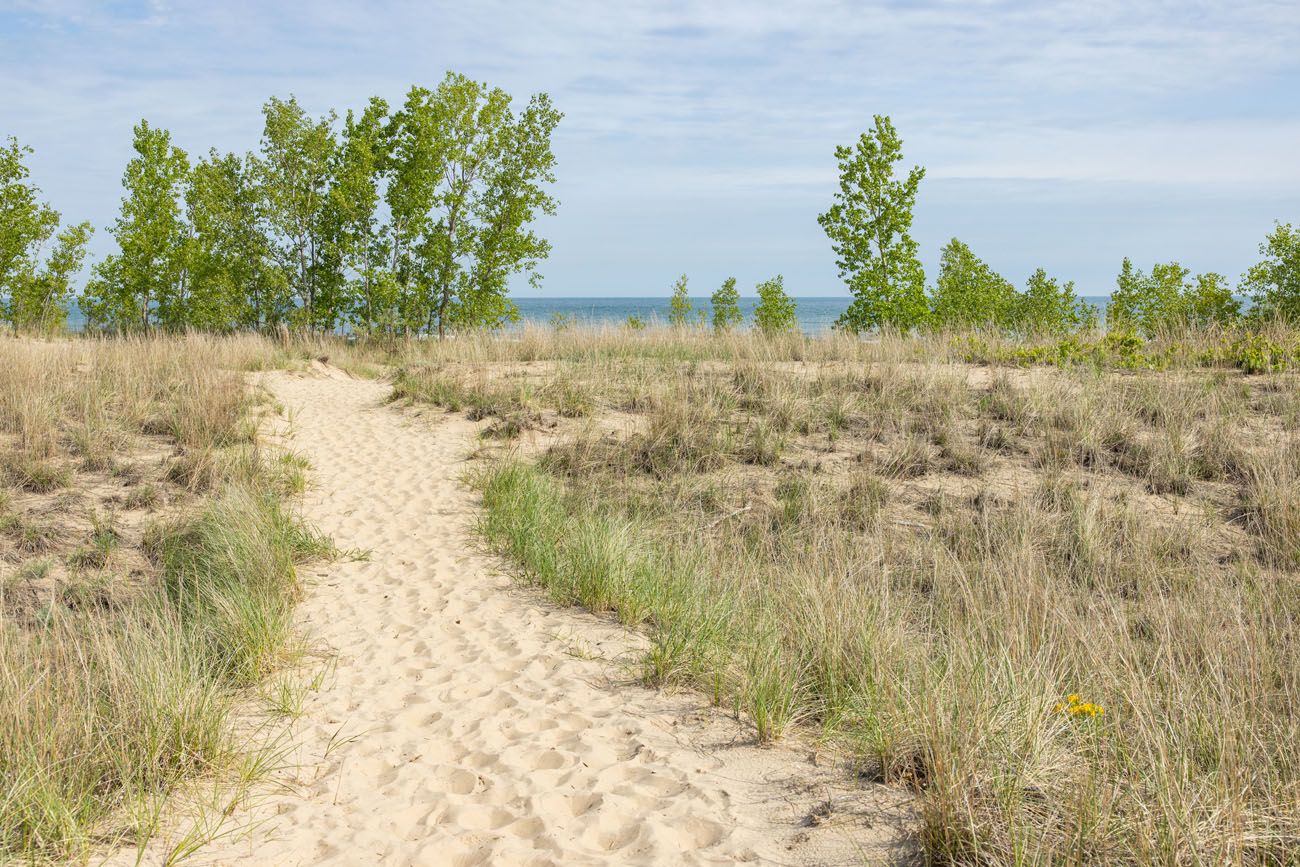
Indiana Dunes sits along the southern shore of Lake Michigan just an hour from Chicago, and while it may not have the drama of the western parks, it is a very biodiverse national park, with beaches, wetlands, prairies, and forests all within a few miles of each other. The 3 Dune Challenge in the adjacent state park is a deceptively tough climb, and the Paul H. Douglas Trail is one of the most unexpectedly beautiful hikes we’ve done in a Midwest park.
Location: Indiana
Top Experiences: Relax on the beach, hike the Dunes Succession Trail , go bird watching, and visit Indiana Dunes State Park.
When to Go: May through September is the best time to go, for warm weather. If you like birding, May and October are top months to visit the park.
Plan Your Visit: Best Things to Do in Indiana Dunes National Park
34. Isle Royale
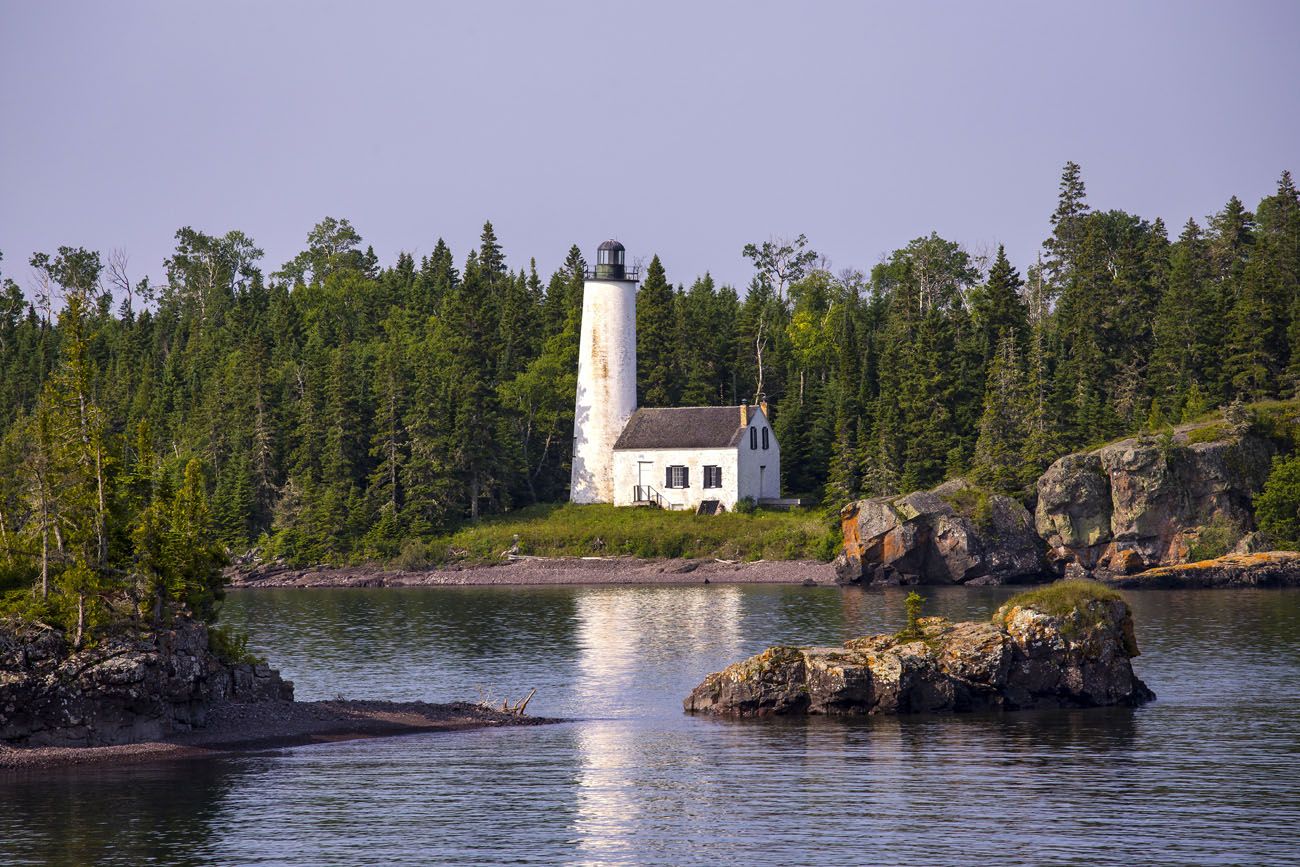
Isle Royale is an archipelago of over 400 islands. It’s remote location in northern Michigan makes in one of the least visited national parks in the USA. Top experiences include backpacking and camping, fishing, canoeing, and kayaking.
Location: Michigan
Top Experiences: Ride the ferry to Isle Royale (the main island in the park), hike the 150+ miles in the park, go on a multi-day backpacking trip, go canoeing or kayaking, go fishing, and keep an eye out for moose.
When to Go: June through October
35. Joshua Tree
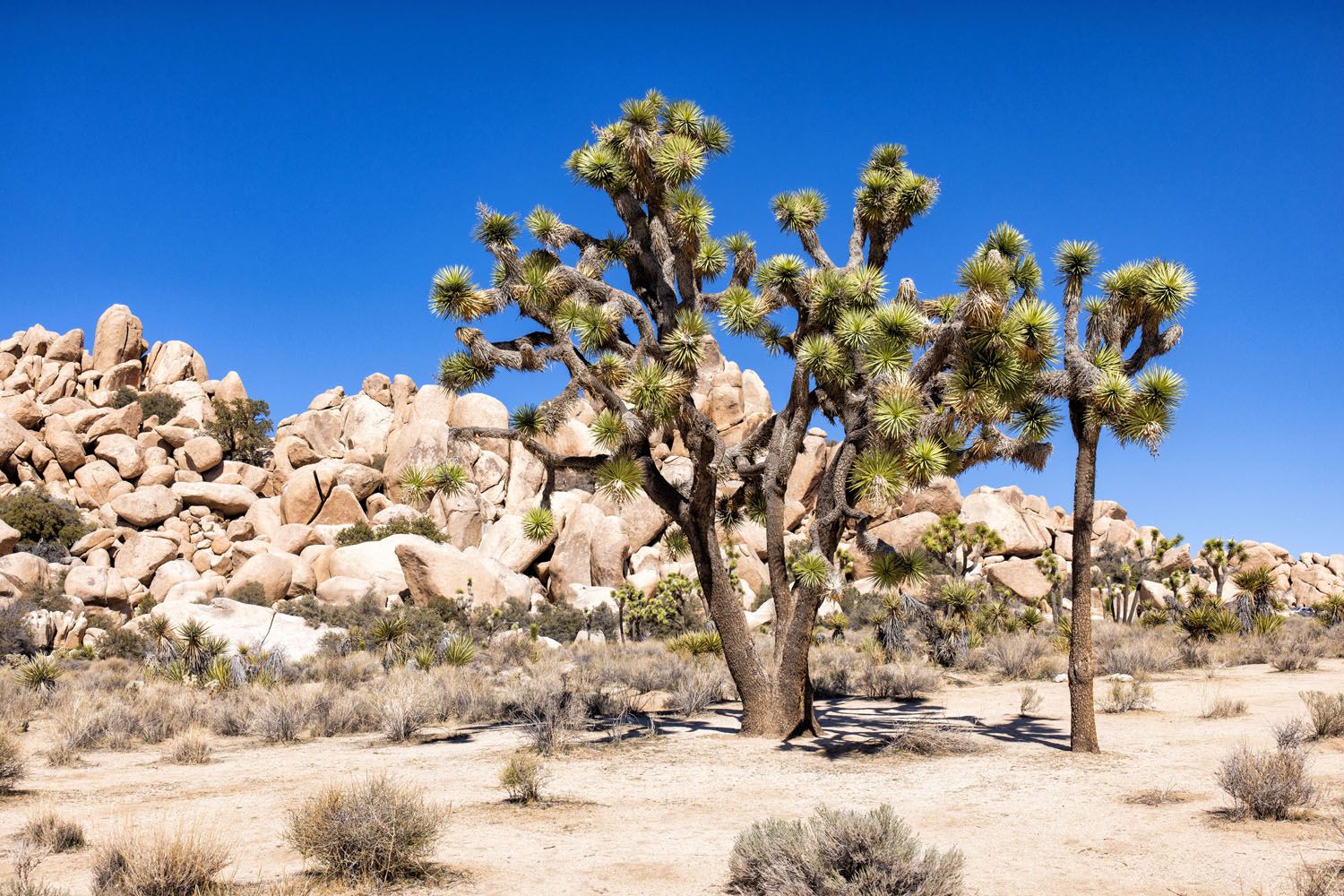
With its desert scenery, hiking trails, rock climbing routes, hidden oases, scenic drives, and trees that look like they have been plucked from the pages of a Dr. Seuss book, Joshua Tree National Park is a joy to explore.
Location: California
Top Experiences: Hike the Hall of Horrors, see Skull Rock, explore Hidden Valley, hike to an oasis, hike to Arch Rock and Heart Rock, drive Geology Tour Road, visit the Cholla Cactus Garden, and go stargazing.
When to Go: October through May
Plan Your Visit: Best Things to Do in Joshua Tree National Park
36. Katmai
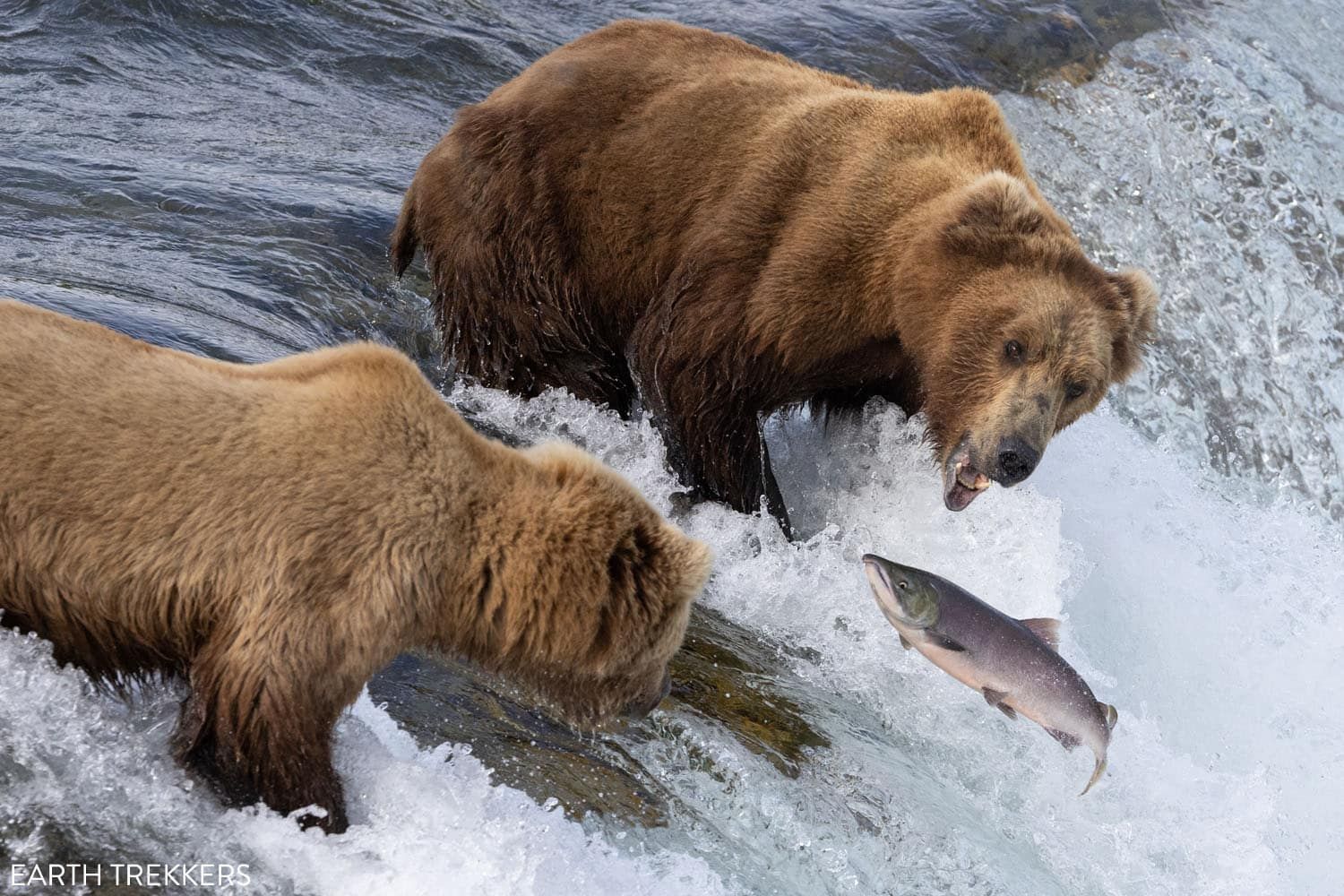
Katmai is one of our favorite national parks, not for its scenery alone, but because watching brown bears fish for salmon at Brooks Falls is one of the most extraordinary wildlife experiences available anywhere in the national park system. Beyond the bears, the park also preserves the Valley of Ten Thousand Smokes, the ash-covered remnant of the largest volcanic eruption of the 20th century, which adds a haunting, otherworldly dimension to the visit.
Location: Alaska
Top Experiences: Bear watching at Brooks Falls, day trip to the Valley of Ten Thousand Smokes, go fishing, take a flightseeing tour, visit Naknek Lake, hike to the top of Dumpling Mountain.
When to Go: late June through mid-September. July is typically the best month to watch the bears feasting on salmon.
Plan Your Visit: The Complete Guide to Katmai National Park
37. Kenai Fjords
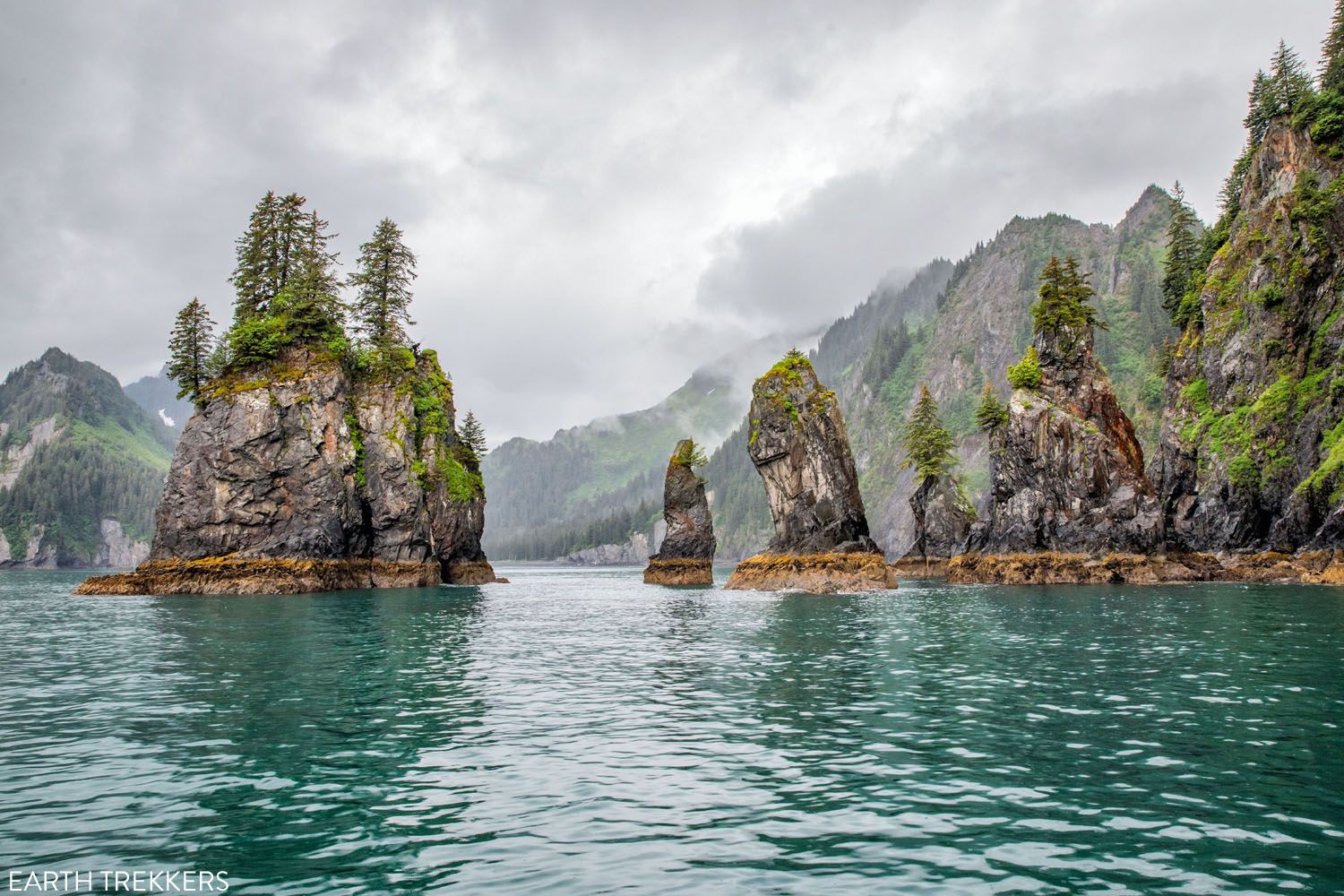
Kenai Fjords National Park, which is located in Alaska, preserves and protects the Harding Icefield, which is the largest icefield that is located entirely within the United States.
Hiking, glacier kayaking, and ice climbing on the Exit Glacier are popular activities in this park, but Kenai Fjord is also one of the best US national parks for wildlife spotting. On land, you can see moose, black bears, brown bears, and wolves. Sea lions, seals, dolphins, humpback whales, orcas, sea otters, and fin whales can be spotted in the sea. In the sky, look for bald eagles, peregrine falcons, and tufted and horned puffins.
Location: Alaska
Top Experiences: Hike the Harding Icefield Trail, go ice climbing or glacier hiking on the Exit Glacier, take a wildlife cruise, walk the Glacier Overlook Trail, go glacier kayaking, go fishing, or take a flightseeing tour.
When to Go: May through September
Plan Your Visit: The Complete Guide to Kenai Fjords National Park
38. Kings Canyon
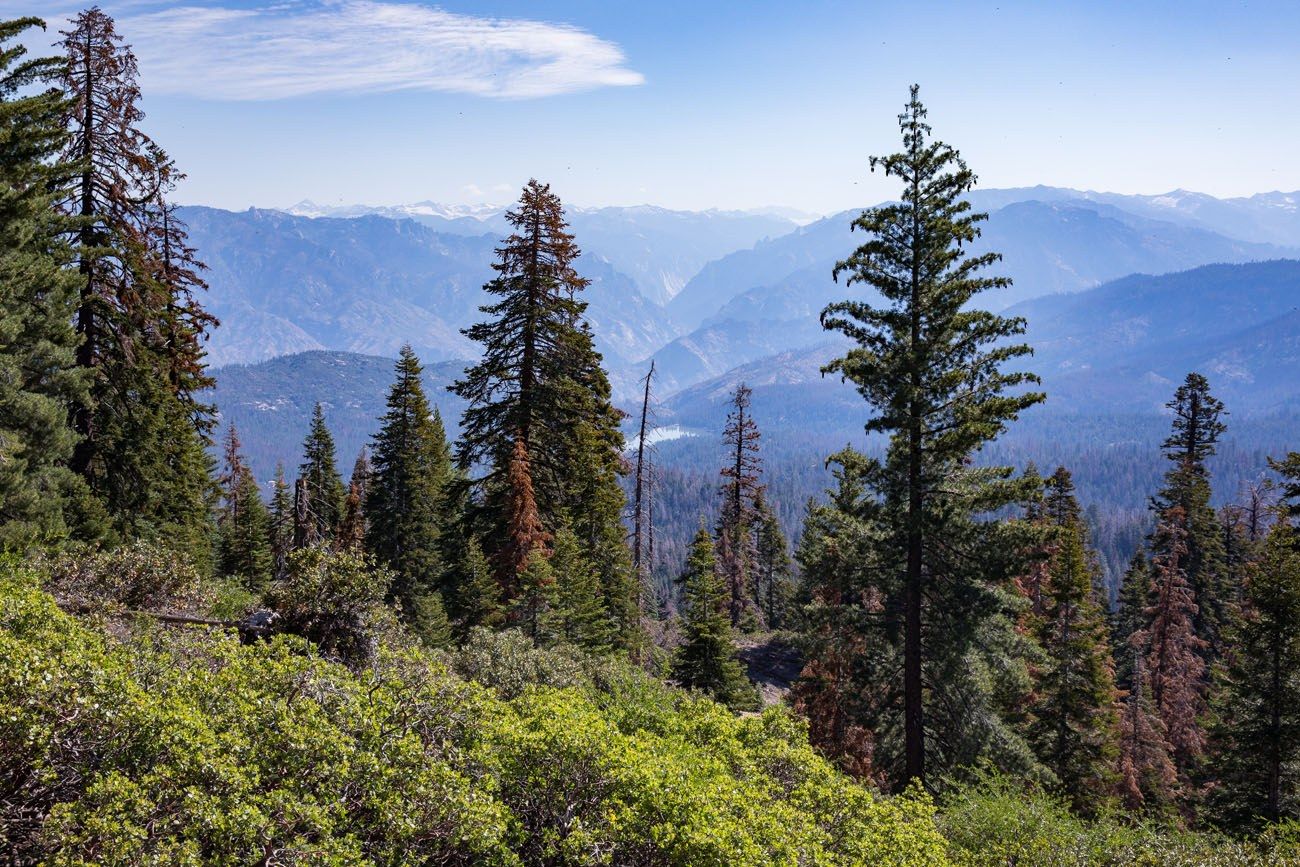
Kings Canyon sits side by side with Sequoia National Park in central California, sharing the same landscape of alpine peaks, deep river canyons, and the largest trees in the world. The General Grant Tree, the second largest tree on earth, alone makes the visit worthwhile, and the Kings Canyon Scenic Byway winding down into the canyon is a dramatic drive in the California parks.
Location: California
Top Experiences: Visit Grant Grove, drive the Kings Canyon Scenic Byway and visit Zumwalt Meadows.
When to Go: May through October
Plan Your Visit: One Day Itinerary for Kings Canyon & Sequoia National Parks
39. Kobuk Valley
Kobuk Valley National Park is located to the west of Gates of the Arctic. This national park preserves the enormous Great Kobuk Sand Dunes and caribou migration routes.
This park is located within the Arctic Circle, so like Gates of the Arctic, in early July, you can see the midnight sun. No roads lead into the park, so to get here, you will take a flight from a nearby town. It’s one of the least visited national parks in the USA, getting just a handful more visitors than Gates of the Artic.
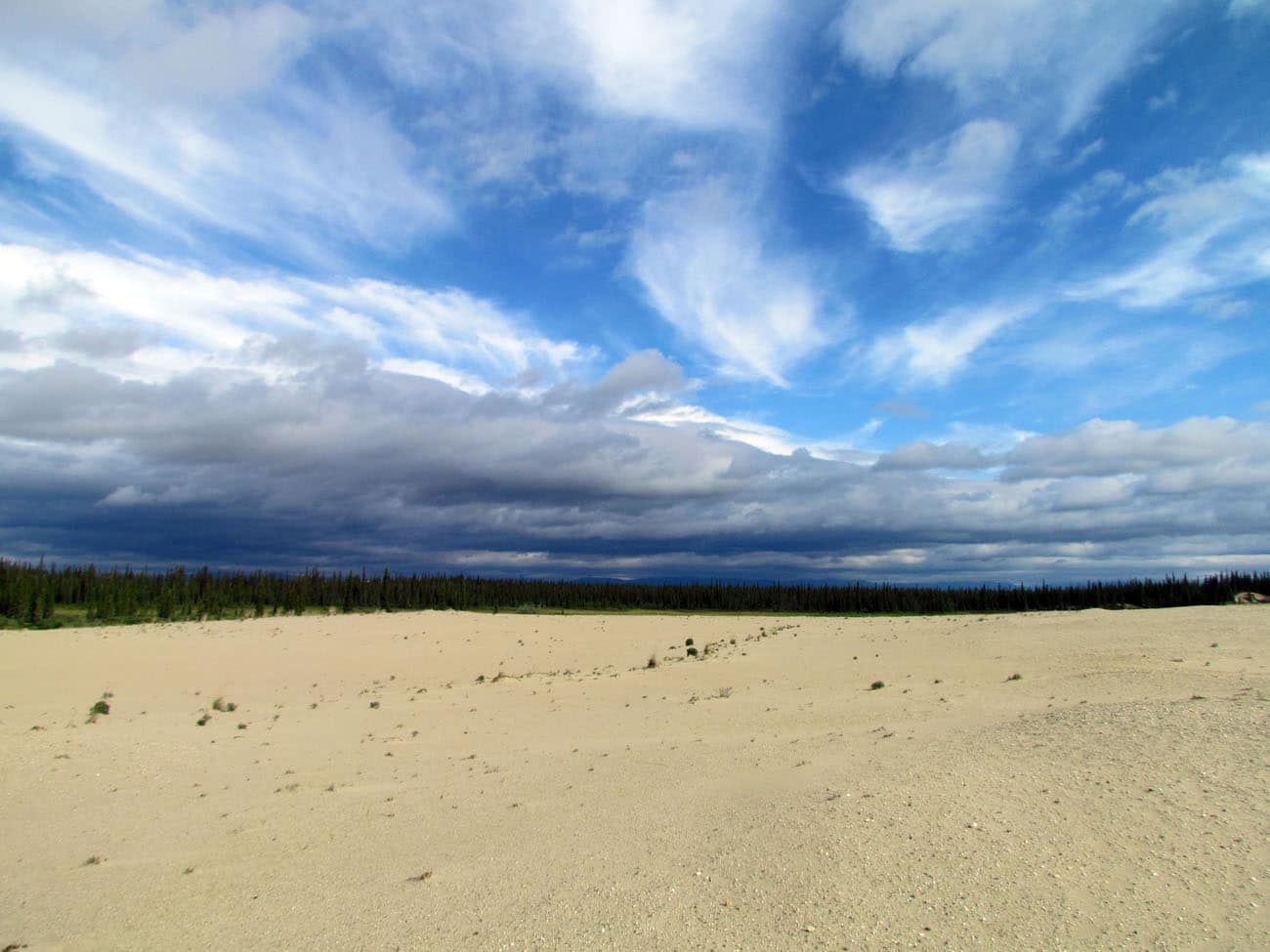
Location: Alaska
Top Experiences: Go backpacking, boating, hiking, flightseeing, and wildlife watching in the summer months. You can also go hiking on the sand dunes.
When to Go: May through September
40. Lake Clark
Lake Clark is one of the least visited national parks in the country. There are no roads into the park, and getting here requires a float plane or bush plane from Anchorage or Homer. What you find on arrival is two active volcanoes, glacier-covered mountains, turquoise lakes, and coastal brown bears going clamming along the Cook Inlet shoreline, making it one of the most unspoiled wilderness experiences in the entire national park system.
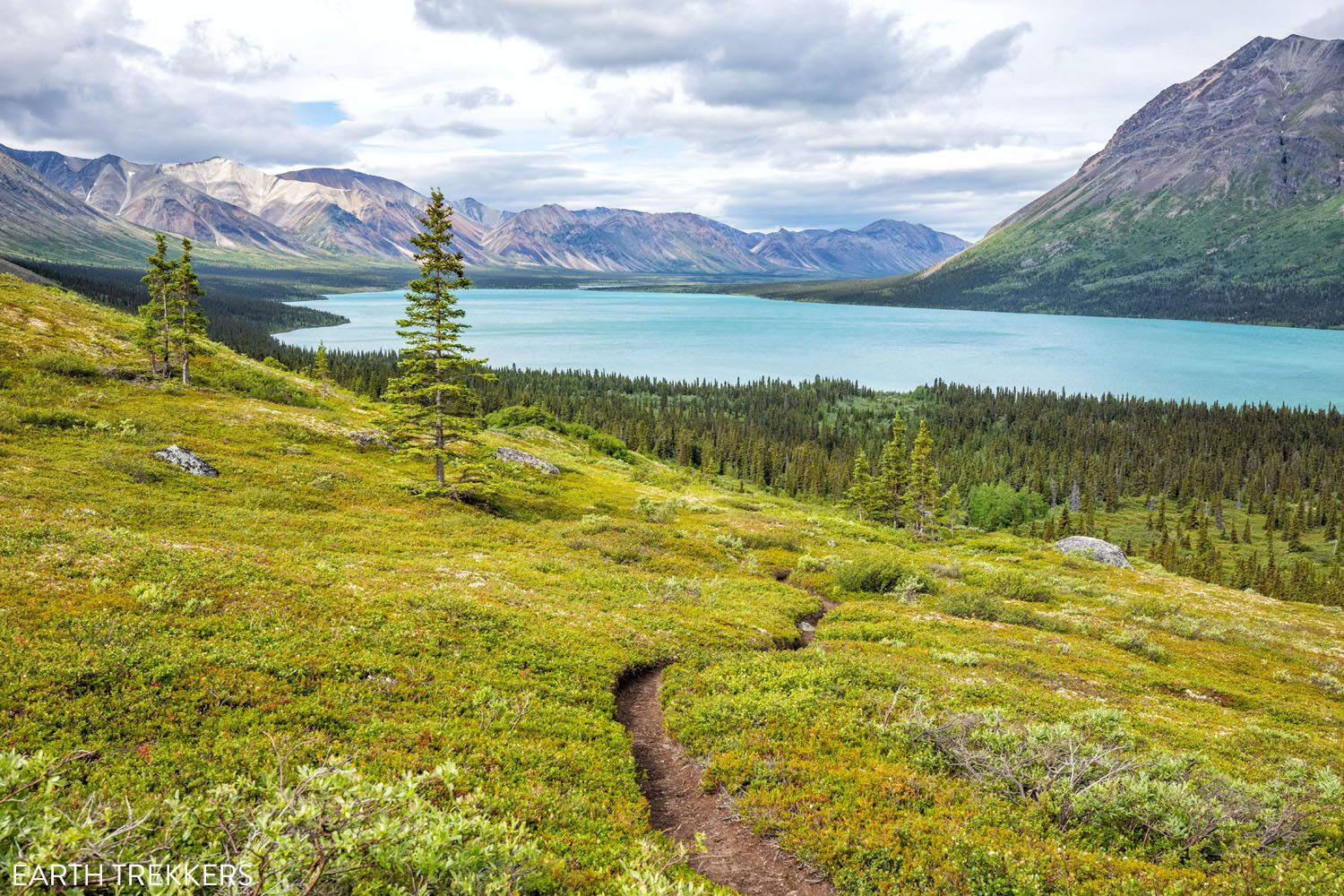
Location: Alaska
Top Experiences: Take a flightseeing tour, go fishing, rafting, hiking, kayaking, and camping. Visiting Proenneke’s Cabin on Upper Twin Lake is another popular activity.
When to Go: June through September
Plan Your Visit: The Complete Guide to Lake Clark National Park
41. Lassen Volcanic
Lassen Volcanic is one of California’s most underrated national parks. It’s the only national park in the world containing all four types of volcanoes, and the landscape of steaming fumaroles, boiling mud pots, and lava fields at Bumpass Hell feels genuinely otherworldly. Hiking to the summit of Lassen Peak, the world’s largest plug dome volcano, is the ultimate experience here and one of the better summit hikes in the California parks.
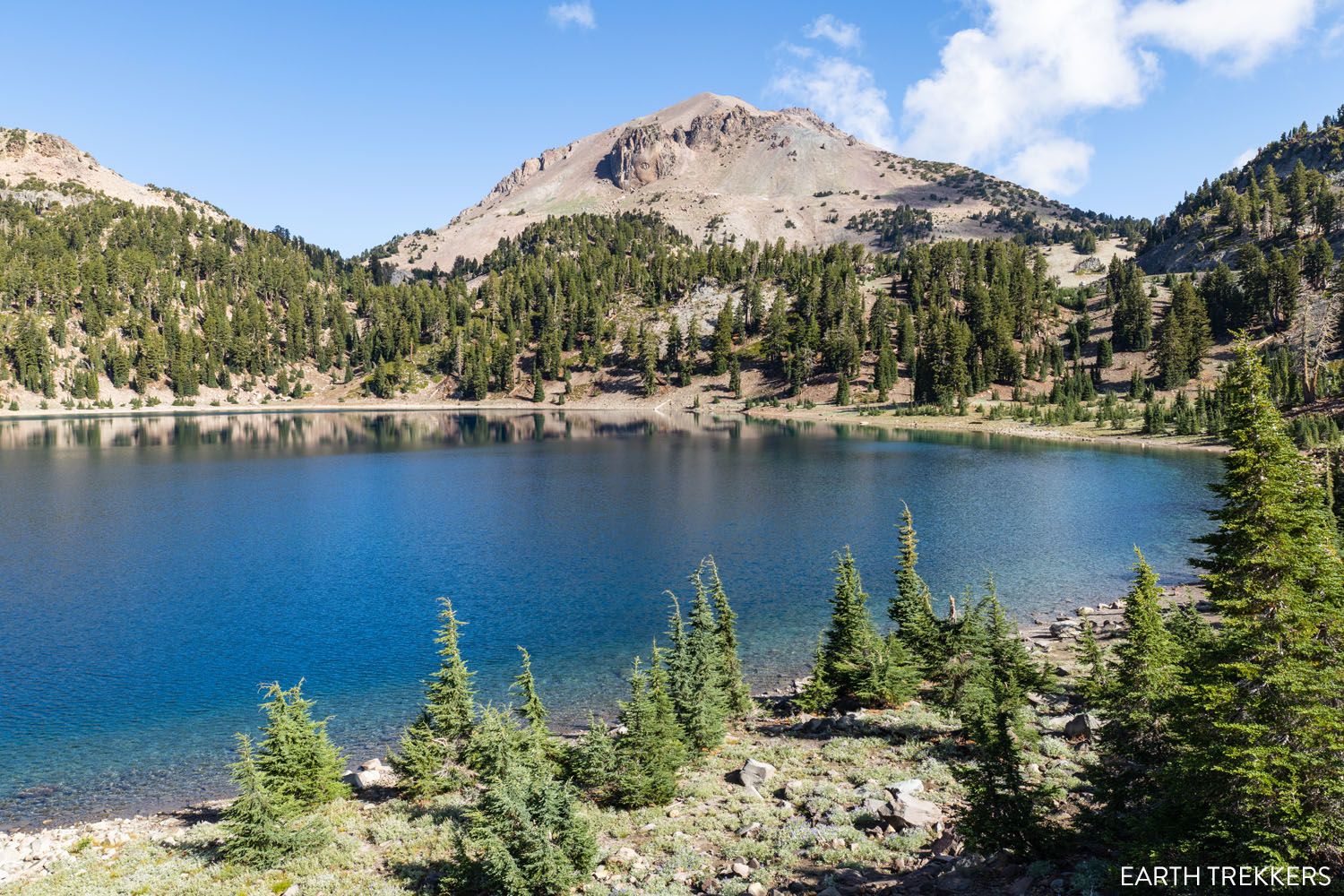
Location: California
Top Experiences: Walk Bumpass Hell Trail, capture the reflection of Lassen Peak in Manzanita Lake, go for a scenic drive on Lassen Park Highway, visit Kings Creek Falls and Mill Creek Falls, visit Devils Kitchen and hike to the top of Lassen Peak.
When to Go: July through October
Plan Your Visit: How to Plan a Trip to Lassen Volcanic National Park
42. Mammoth Cave
Mammoth Cave is the world’s longest cave system, with over 400 miles of explored passageways winding through the limestone bedrock of Kentucky and new sections are still being discovered. Unlike caves famous for their stalactites and stalagmites, Mammoth Cave impresses through sheer scale, with enormous subterranean rooms and corridors that earned it the description “grand, gloomy, and peculiar,” and the range of ranger-guided tours means you can tailor the experience to your fitness level and sense of adventure.
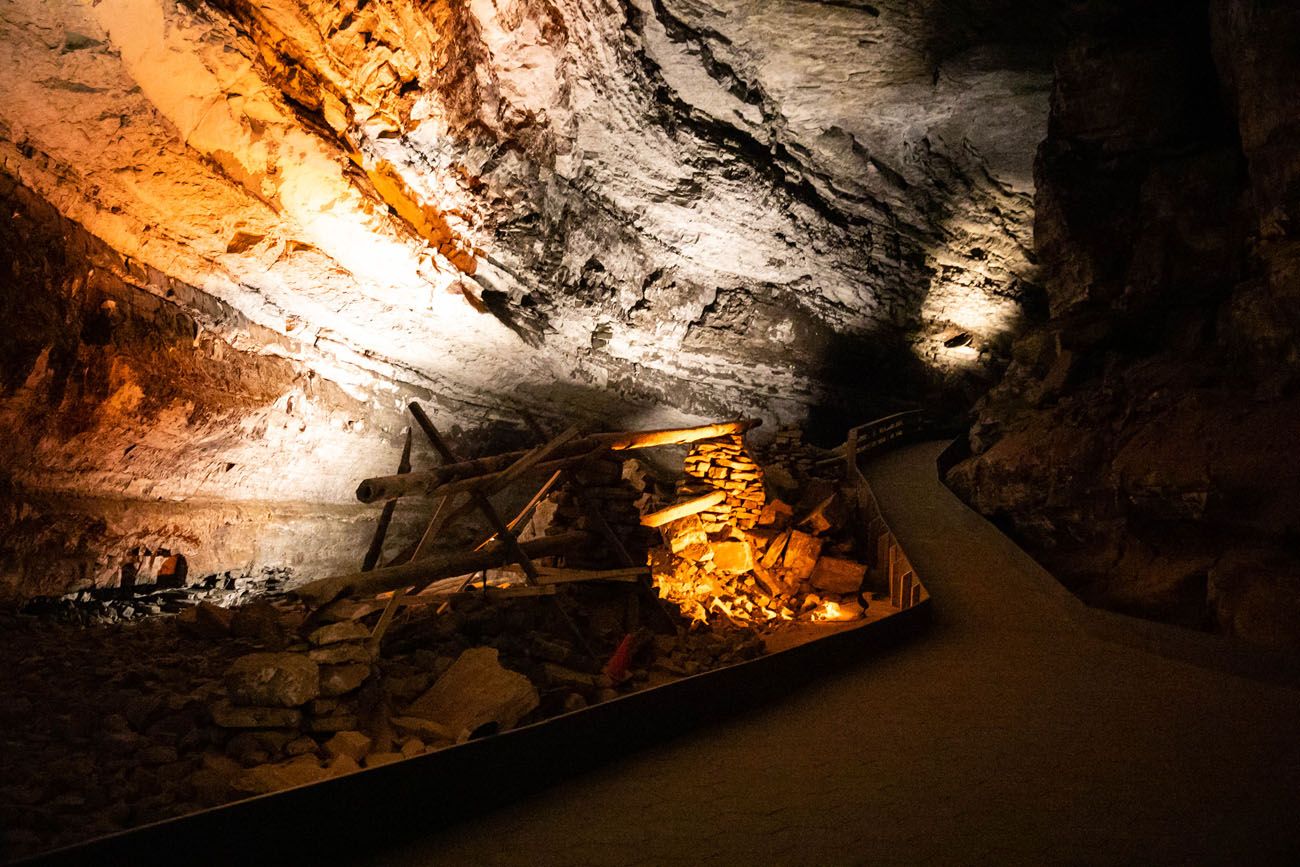
Location: Kentucky
Top Experiences: Take a ranger guided tour of the cave. Tours range from 30 minutes to 6 hours, depending on the tour and how much of the cave you want to explore.
When to Go: All year
Plan Your Visit: How to Pick the Best Cave Tour at Mammoth Cave
43. Mesa Verde
Mesa Verde is the only national park in the United States dedicated primarily to preserving the works of people rather than landscape, specifically, the extraordinary cliff dwellings of the Ancestral Puebloan people, who built entire communities into the sandstone alcoves of the canyon walls around 700 years ago.
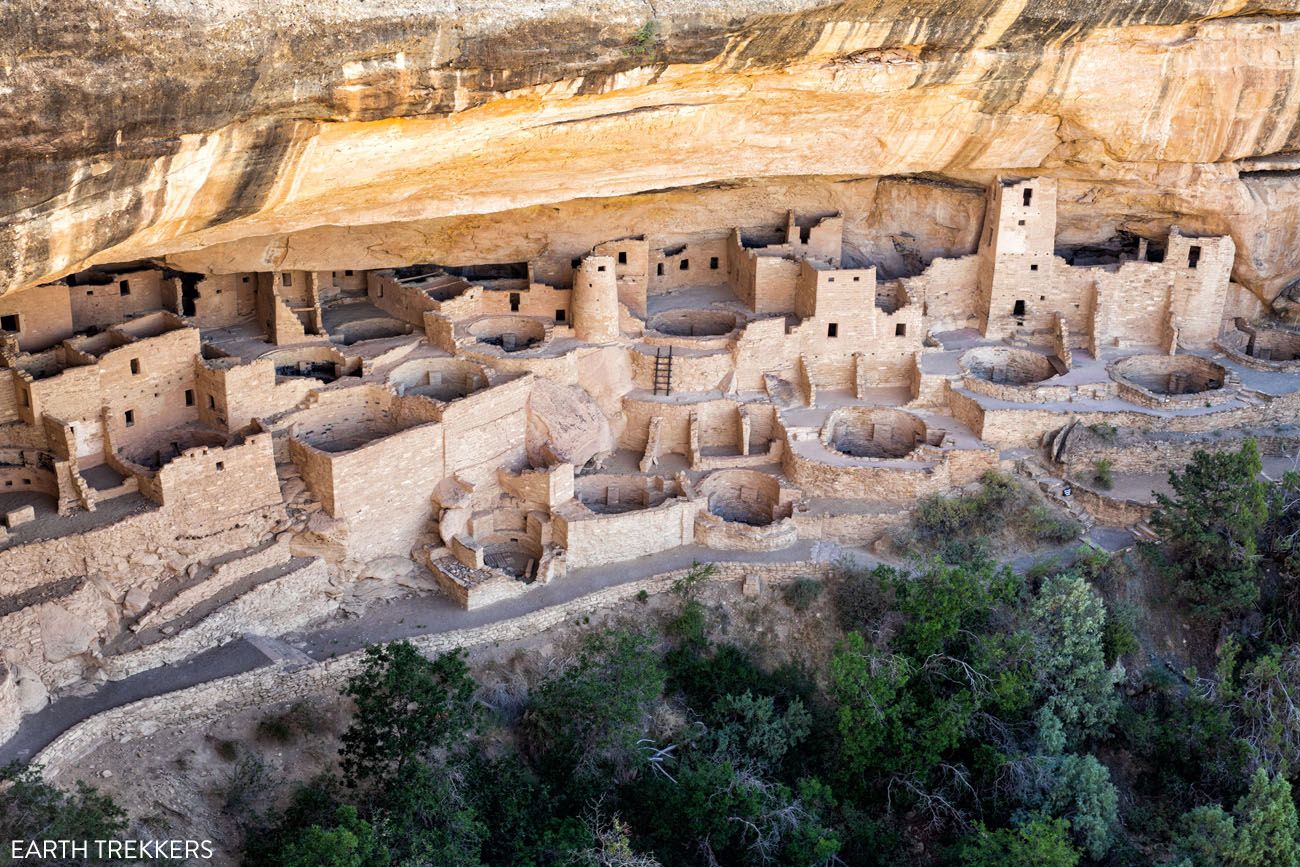
Location: Colorado
Top Experiences: Take a ranger guided tour of a cliff dwelling, see the Spruce Tree House, hike the Petroglyph Point Trail, drive Mesa Top Loop, explore the Far View sites, and hike the Point Lookout Trail.
When to Go: May through October, when the roads are open and you can tour the cliff dwellings.
Plan Your Visit: Top 10 Things to Do in Mesa Verde National Park
44. Mount Rainier
Mount Rainier is a glacier-capped, active volcano that can be seen from hundreds of miles away. In the summer months, the lower slopes are carpeted with wildflowers. With its old growth forests and network of hiking trails, this is an outdoor paradise for many travelers, ourselves included. It’s also one of the best parks to visit if you are an avid hiker.
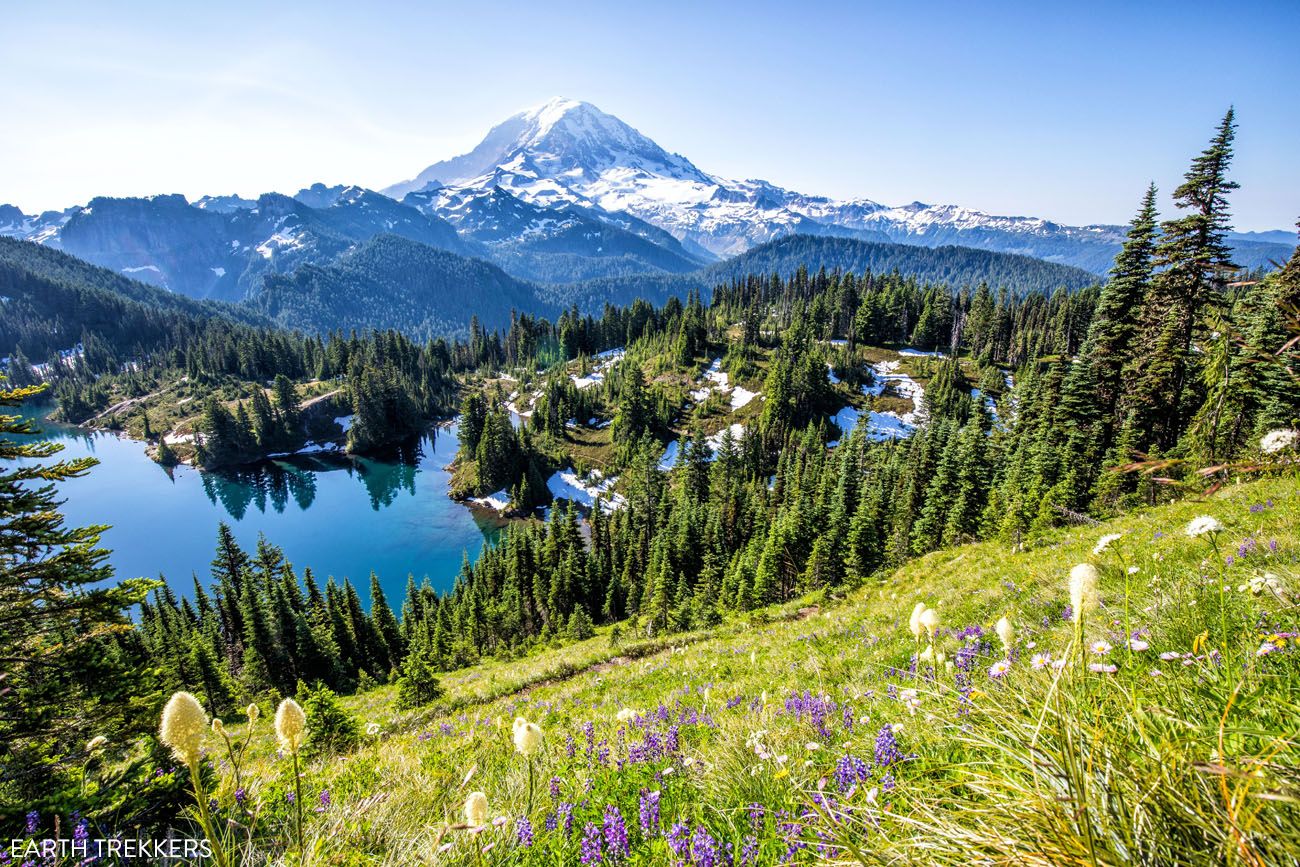
Location: Washington
Top Experiences: Hike the Skyline Trail, visit Sunrise and hike the Sourdough Ridge Trail, see Myrtle Falls, visit the Grove of the Patriarchs, hike the Wonderland Trail, ride the Mount Rainer Gondola to Crystal Mountain, and hike to a fire lookout tower.
When to Go: July through September
Plan Your Visit: The Complete Guide to Mount Rainier National Park
45. New River Gorge
New River Gorge became the 63rd national park in December 2020, protecting a dramatic sandstone gorge in West Virginia that is world-class for both rock climbing and whitewater rafting. The gorge is also one of the best fall foliage destinations in the East, the hiking trails are short and accessible, and the iconic New River Gorge Bridge, one of the longest steel arch bridges in the world, is a landmark worth seeing in its own right.
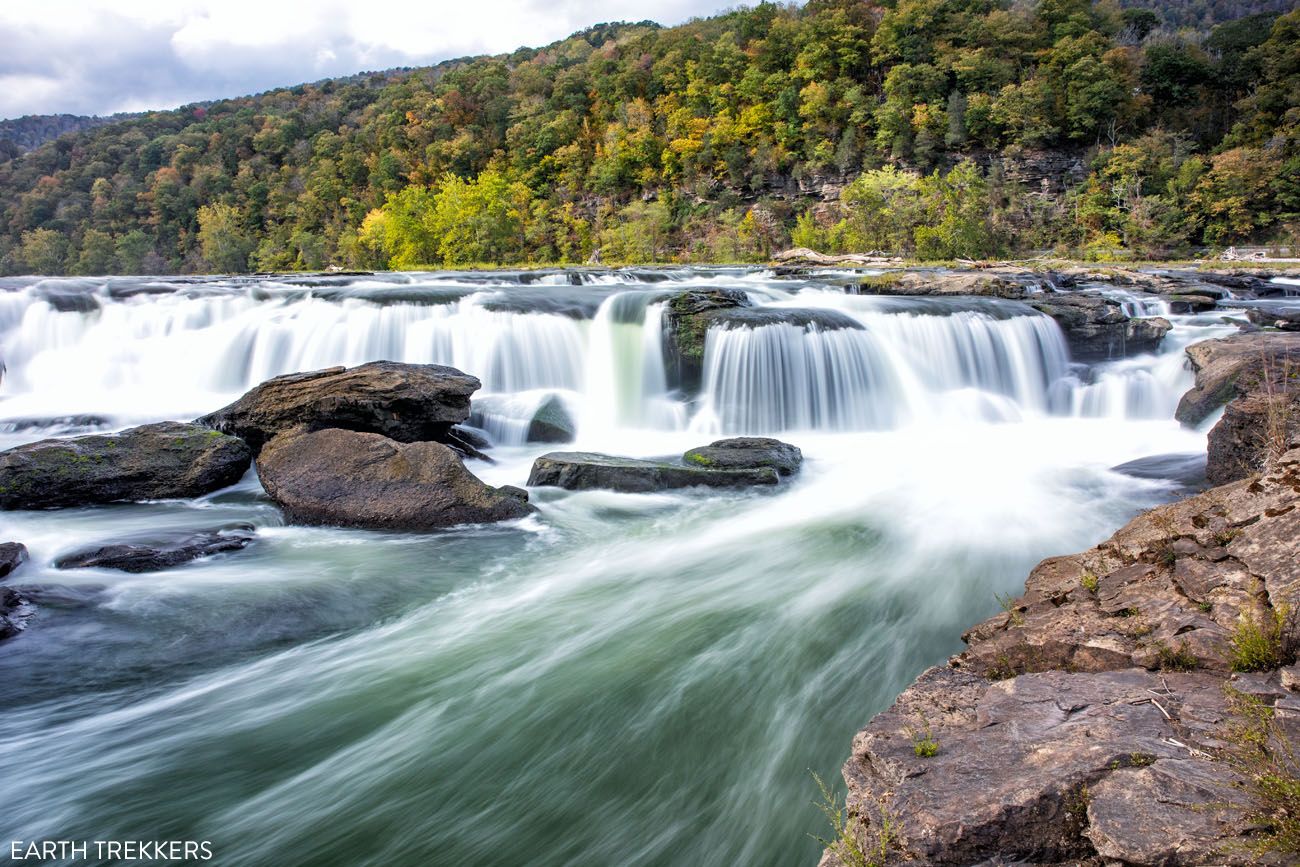
Location: West Virginia
Top Experiences: Do the Bridge Walk, go white water rafting, hike the Long Point Trail, drive Fayette Station Road, go mountain biking and rock climbing, enjoy the view from Grandview Overlook, hike the Castle Rock Trail, and visit Sandstone Falls.
When to Go: April through November
Plan Your Visit: New River Gorge National Park Itinerary for 1 to 3 Days
46. North Cascades
North Cascades is one of the least visited national parks in the country despite being just a few hours from Seattle, and for hikers willing to seek it out, it is extraordinary, with jagged snow-capped peaks, more than 300 glaciers, and 400 miles of trails through some of the most wild and remote terrain in the lower 48. Diablo Lake’s improbable emerald color and the Maple Pass Loop are both worth the drive, and the Sahale Arm hike is one of the best day hikes we’ve done in Washington state.
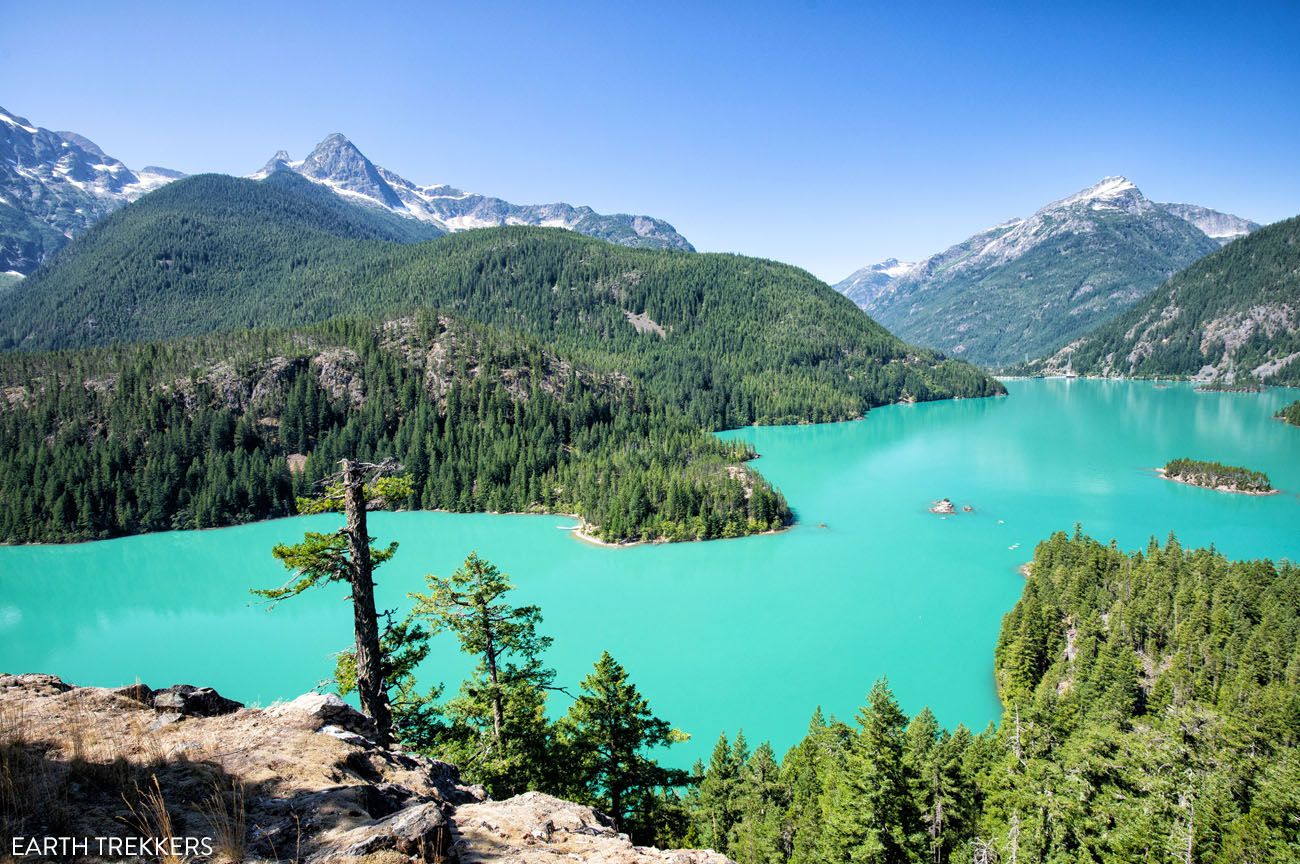
Location: Washington
Top Experiences: Go for a scenic drive along North Cascades Highway, hike to Cascade Pass and Sahale Arm, enjoy the views from the Washington Pass Overlook and the Diablo Lake Vista Point, hike the Maple Pass Loop, and visit Stehekin.
When to Go: June through September
Plan Your Visit: The Complete Guide to North Cascades National Park
47. Olympic
Olympic National Park is one of the most diverse national parks in the United States. In just one national park, you can climb peaks as high as 8,000 feet, walk through old growth temperate rainforests, and stroll along beaches littered with driftwood. Hurricane Ridge was our favorite section for the sweeping mountain views, but the moss-draped Hall of Mosses Trail in the Hoh Rainforest and the sea stacks at Ruby Beach are both experiences that don’t exist anywhere else in the national park system.
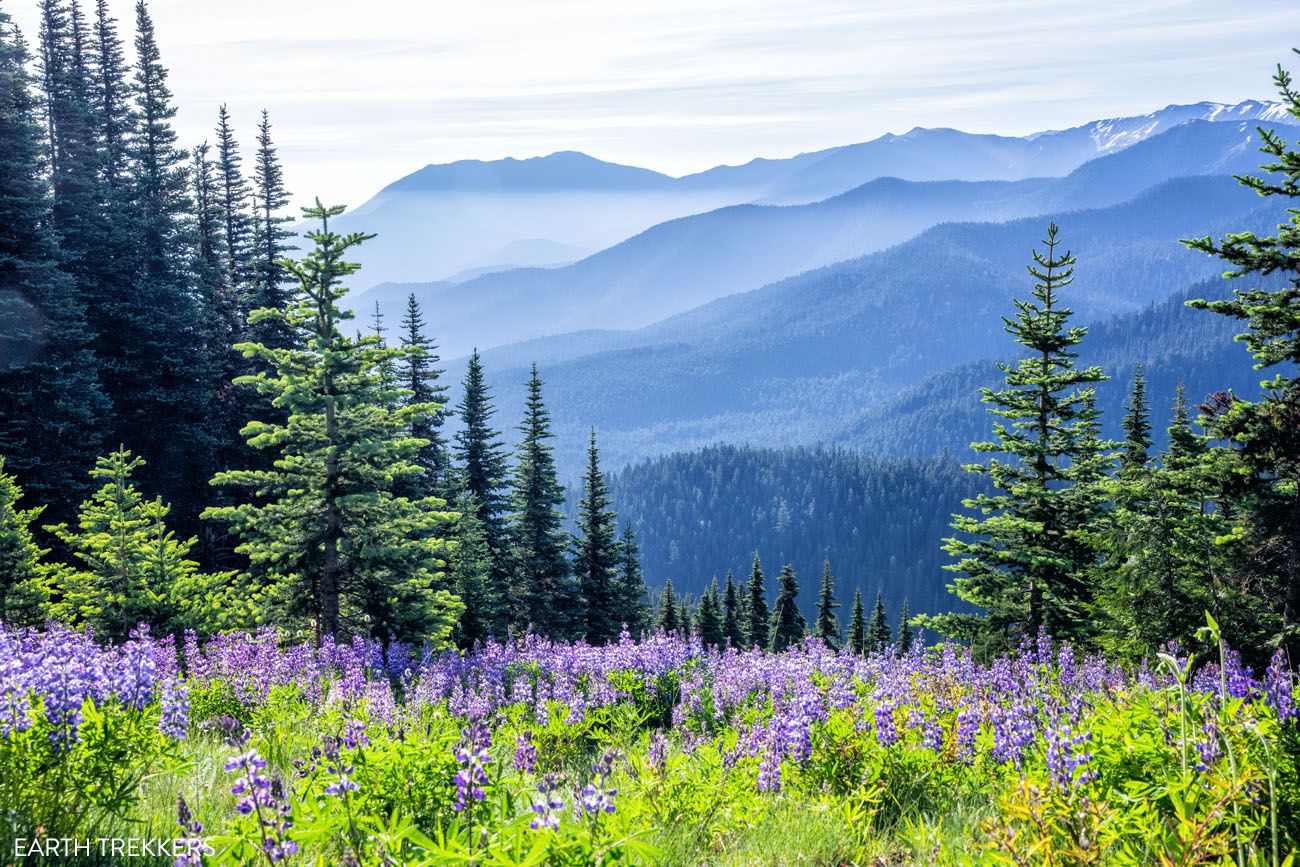
Location: Washington
Top Experiences: Go hiking on Hurricane Ridge, photograph the moss dripping from the trees in the Hoh Rainforest, stroll along Rialto Beach until you get to Hole-in-the-Wall, hike to Mount Storm King, see lovely Sol Duc Falls and Marymere Falls, and hike along Shi Shi Beach.
When to Go: June through September
Plan Your Visit: The Complete Guide to Olympic National Park
48. Petrified Forest
Petrified Forest beat all of our expectations. We arrived anticipating a barren desert and instead found the colorful hills of the Painted Desert, ancient petrified logs dating back 225 million years that genuinely puzzle the mind, and backcountry trails where we didn’t see another person for miles. It’s a small park that takes just one day to explore, and it’s one of the most underrated stops on a Southwest road trip.
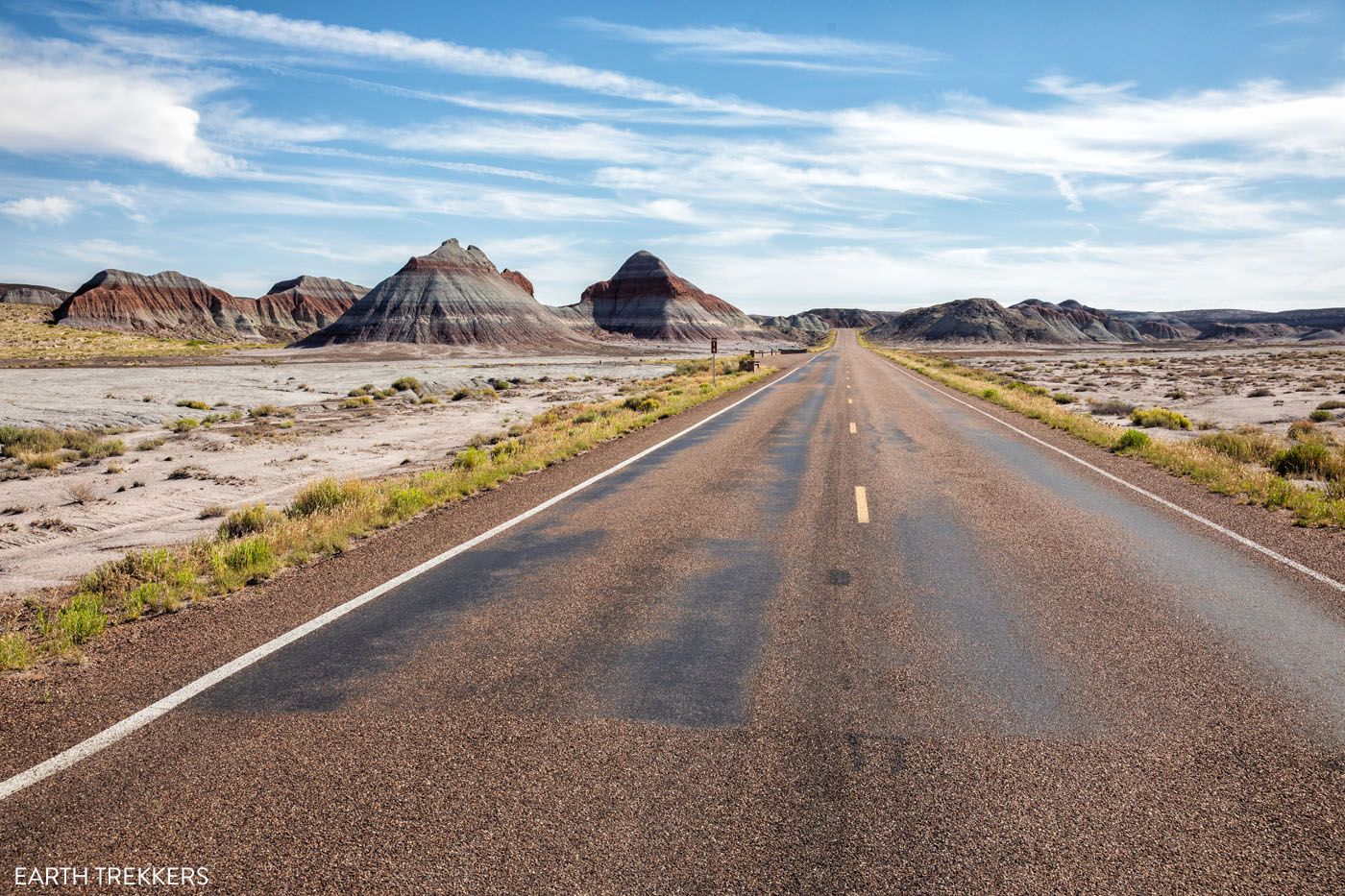
Location: Arizona
Top Experiences: View the Painted Desert from the overlooks, see the petroglyphs at Newspaper Rock, see the Teepees on Petrified Forest Road, walk the Blue Mesa Trail, hike the Blue Forest Trail, and see the petrified wood at Crystal Forest and along the Giant Logs Trail.
When to Go: September through May
Plan Your Visit: Best Things to Do in Petrified Forest National Park
49. Pinnacles
Pinnacles is one of California’s least visited national parks despite sitting within a few hours of San Francisco, and it’s an absolute joy, with thrilling trails that involve rock scrambling and ladder climbs through the High Peaks, talus caves formed from ancient rockfalls, and the chance to see California Condors soaring overhead, one of the rarest birds in the world. We loved this park and the High Peaks Trail Loop is one of our favorite day hikes in the California parks.
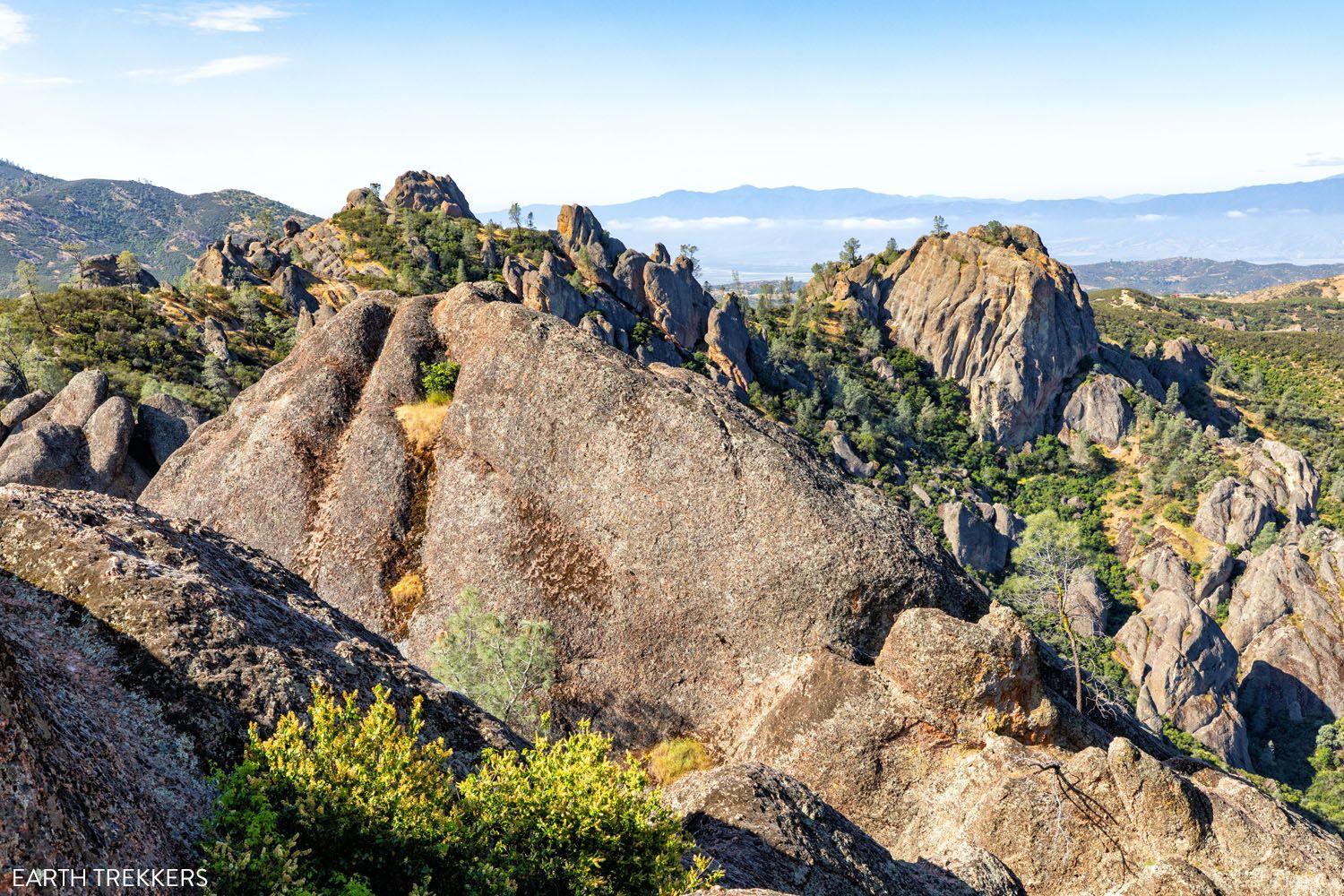
Location: California
Top Experiences: Hike the High Peaks Trail Loop, relax next to Bear Gulch Reservoir, spot California condors, go rock climbing, scramble through Bear Gulch and Balconies caves, and see the wildflowers in the spring.
When to Go: October through June
Plan Your Visit: The Complete Guide to Pinnacles National Park
50. Redwood
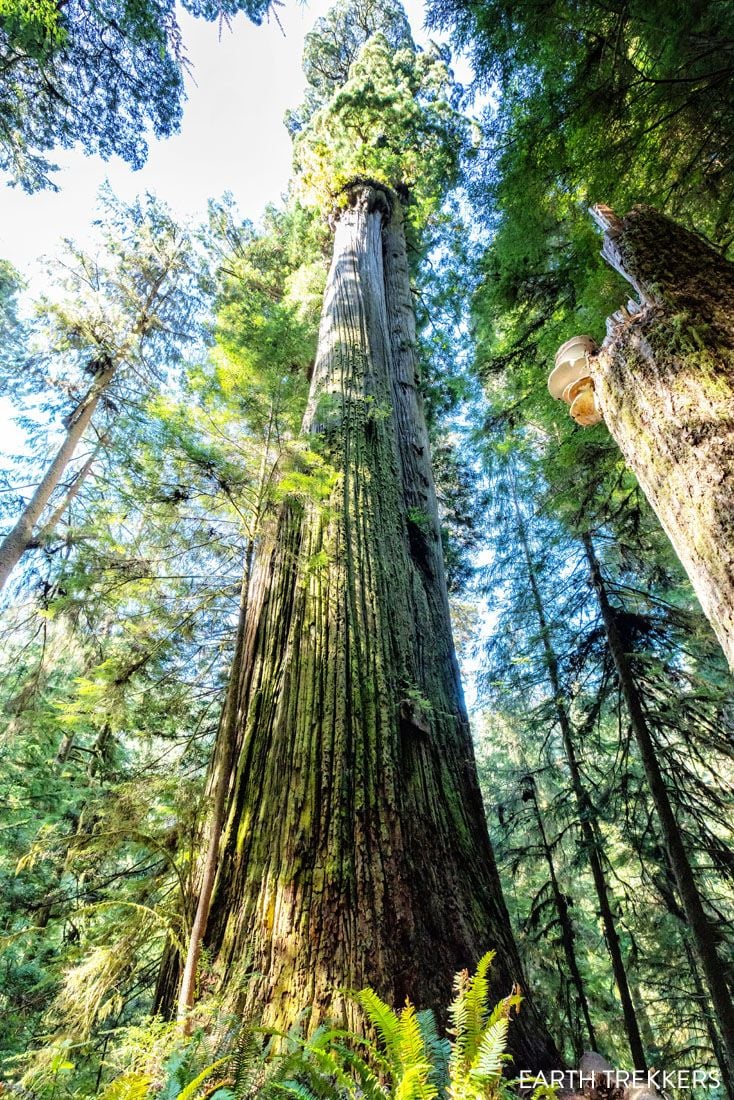
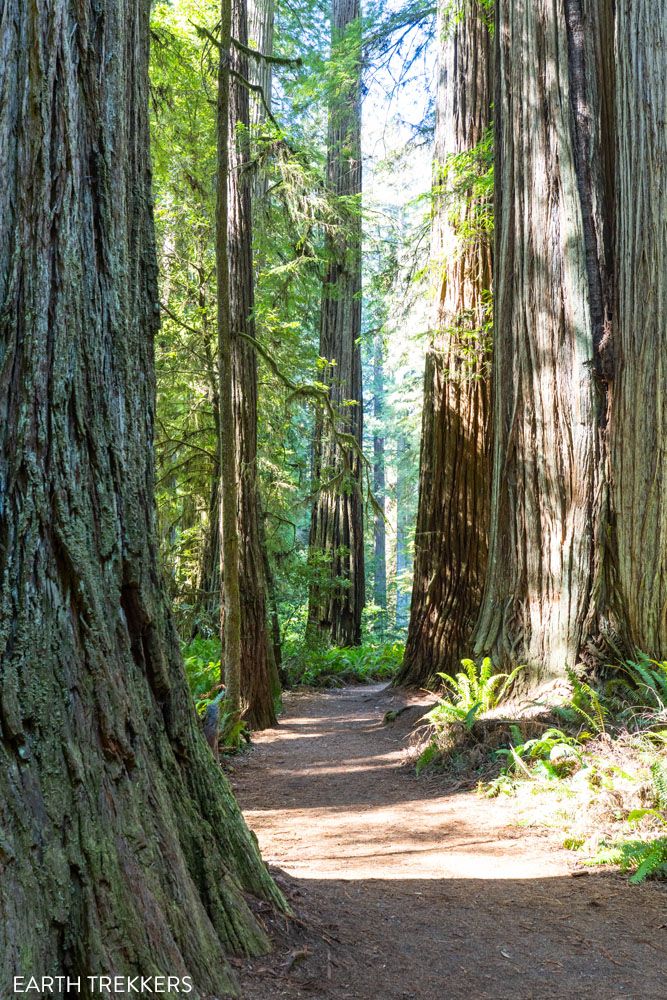
Redwood National and State Parks protect some of the last remaining old-growth coastal redwood forests in the world, where trees reach over 300 feet tall and some are more than 2,000 years old. Walking among them genuinely feels like stepping into another world. The Stout Memorial Grove trail was our favorite experience in the park, an easy walk through one of the most impressive redwood groves anywhere.
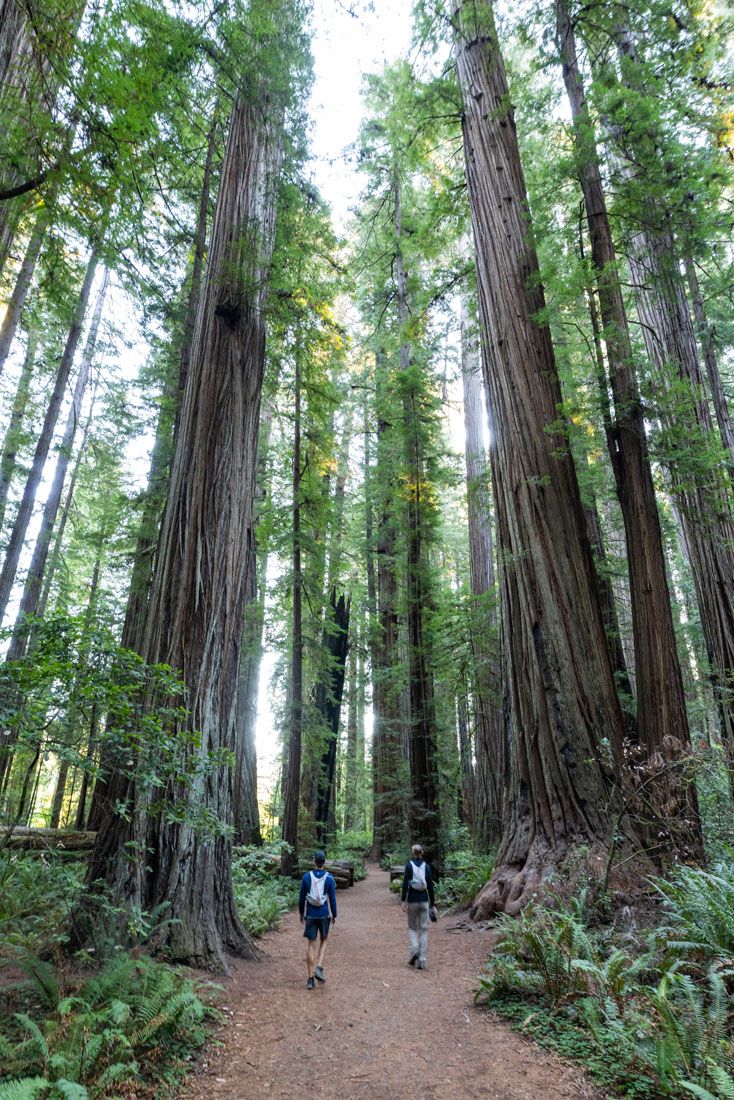
Location: California
Top Experiences: Hike Tall Trees Grove, hike through Lady Bird Johnson grove, go for a scenic drive on Newton B. Drury Scenic Byway or Bald Hills Road, visit Fern Canyon, hike the Prairie Creek and Foothill Loop, and go whale watching (November, December, March, April).
When to Go: All year
Plan Your Visit: The Complete Guide to Redwood National and State Parks
51. Rocky Mountain
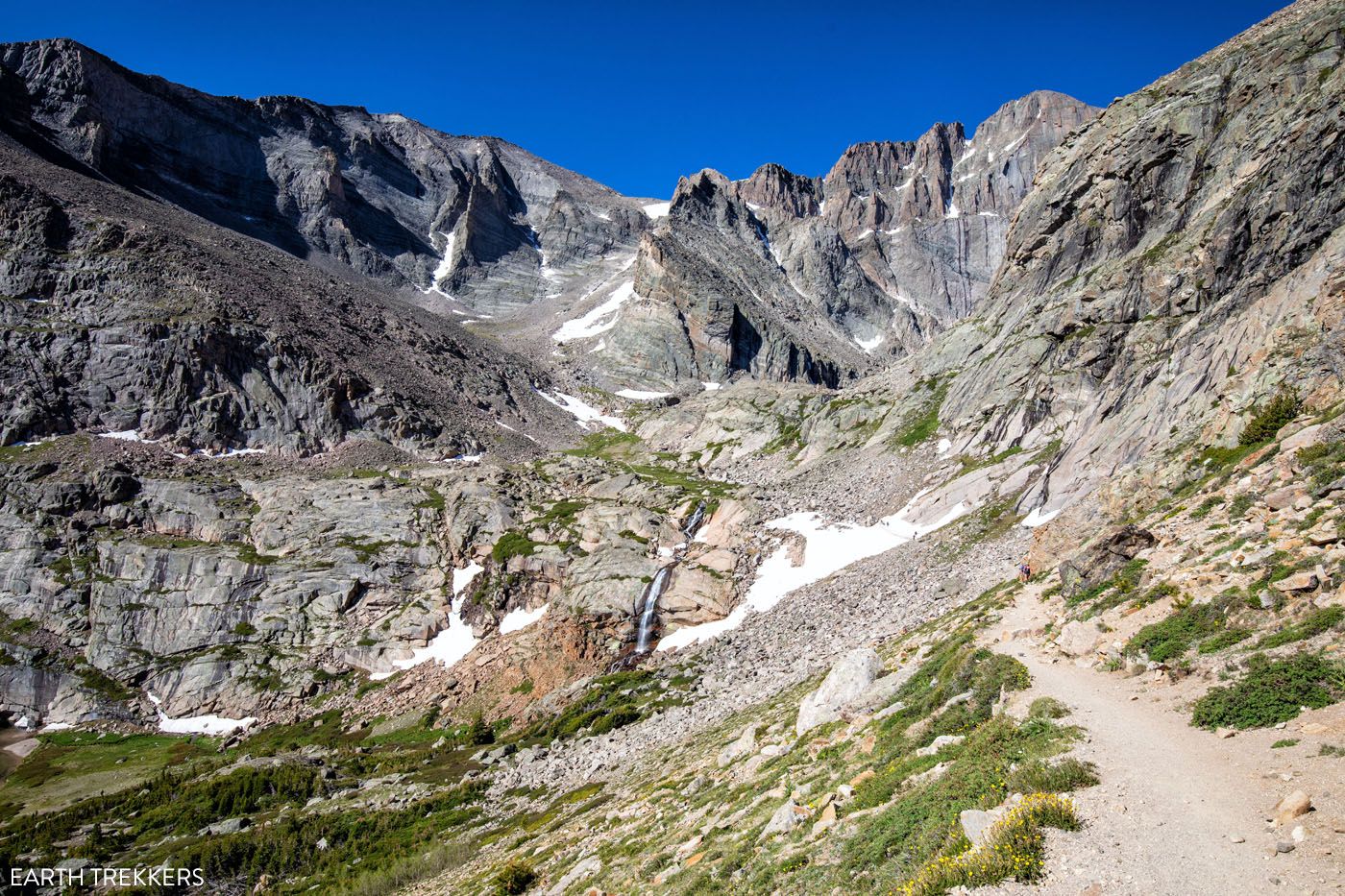
Rocky Mountain is one of the most popular national parks in the country for good reason — Trail Ridge Road, the highest paved through road in the national park system, crests above 12,000 feet with sweeping views of the Rockies, and the hiking here is exceptional, from easy strolls around alpine lakes to the demanding summit of Longs Peak, the park’s only fourteener at 14,259 feet. It’s also one of the best parks for wildlife, with elk and bighorn sheep frequently spotted along the road.
Location: Colorado
Top Experiences: Drive Trail Ridge Road, hike to Emerald and Dream Lakes, drive Old Fall River Road, hike to Sky Pond or Chasm Lake, take a stroll around Bear Lake, and take your pick from more of the great hikes to do in Rocky Mountain National Park.
When to Go: All year, but the best time for hiking is June through September
Plan Your Visit: The Complete Guide to Rocky Mountain National Park
52. Saguaro
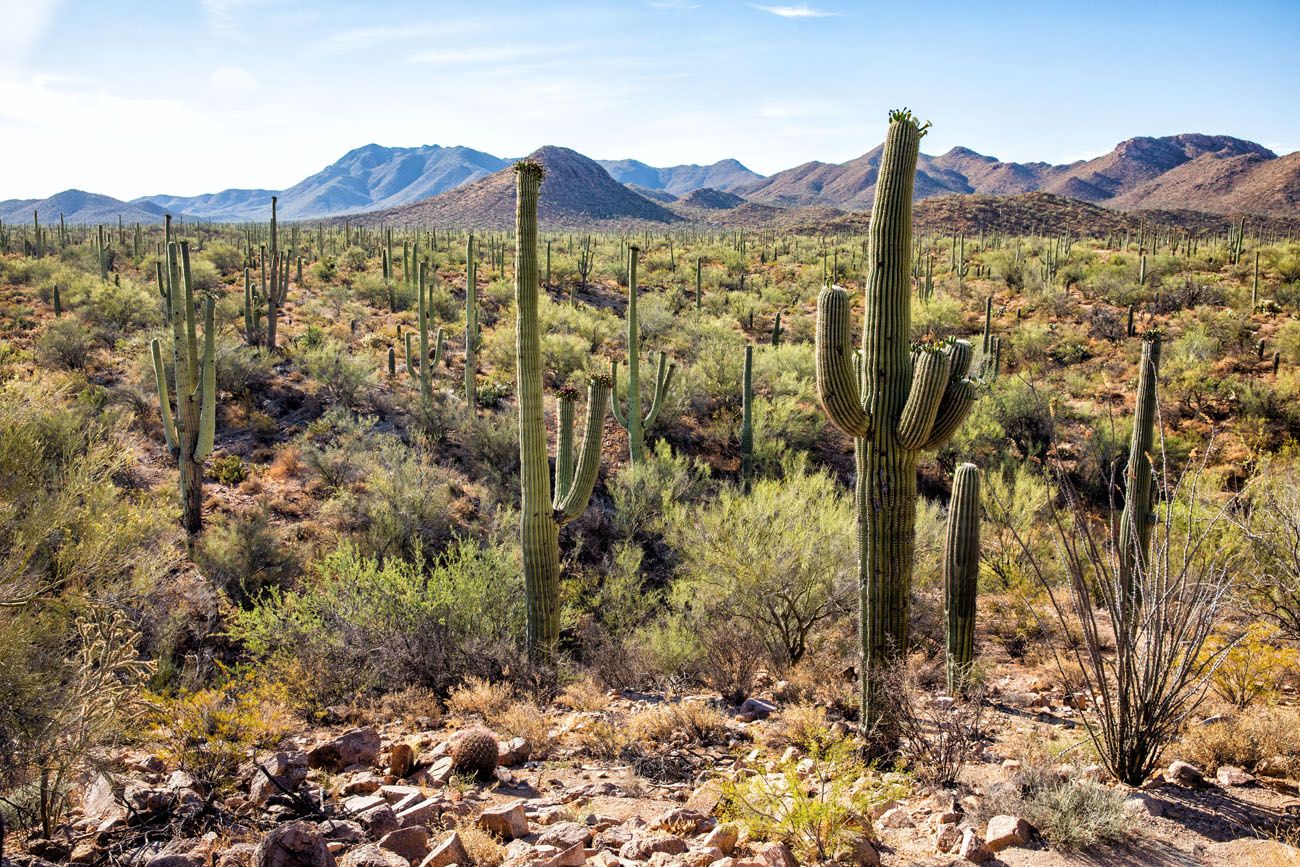
Saguaro National Park surrounds the city of Tucson, Arizona, protecting the largest cactus in the United States, the Saguaro, which grows only in the Sonoran Desert, can live up to 200 years, and can reach heights of 40 feet or more. The park is split into two separate districts on either side of Tucson, each with its own scenic drive and hiking trails, and a half day is really all you need to see the highlights.
Location: Arizona
Top Experiences: Drive Bajada Loop Drive, walk the Valley View Overlook Trail and the Desert Discovery Nature Trail, see the Signal Hill Petroglyphs, and drive the Cactus Forest Drive. Just outside of the park is the Arizona Sonoran Desert Museum which is well worth the time.
When to Go: October through April
Plan Your Visit: Best Things to Do in Saguaro National Park
53. Sequoia
Sequoia National Park protects the largest trees on earth by volume — the giant sequoias — including General Sherman, the single largest living tree in the world. We visited alongside neighboring Kings Canyon in a single long day from Yosemite and the experience of standing at the base of these ancient giants, some over 2,000 years old, is genuinely humbling in a way that photographs never quite capture.
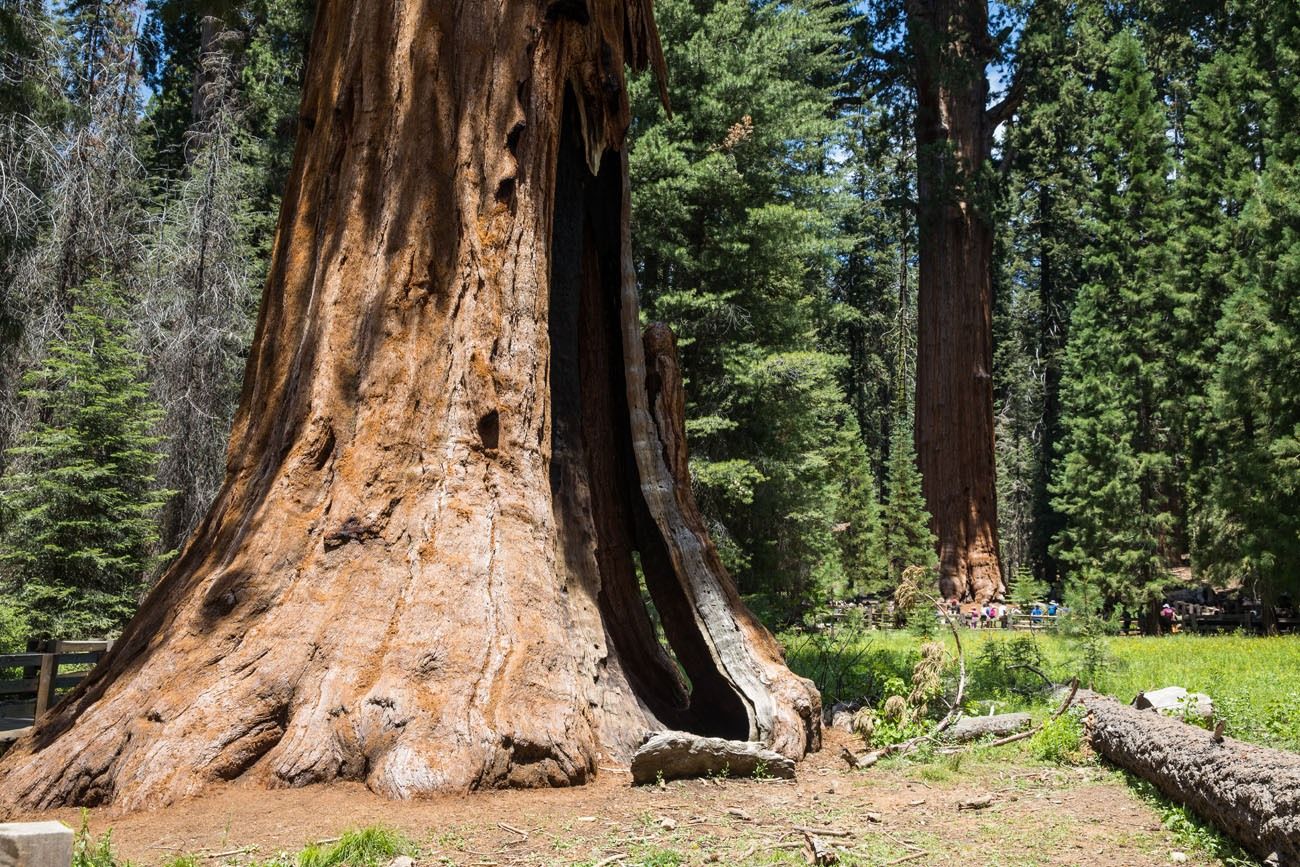
Location: California
Top Experiences: See the General Sherman Tree, hike Moro Rock, and visit Crescent Meadows.
When to Go: May through October
Plan Your Visit: One Day Itinerary for Kings Canyon & Sequoia National Parks
54. Shenandoah
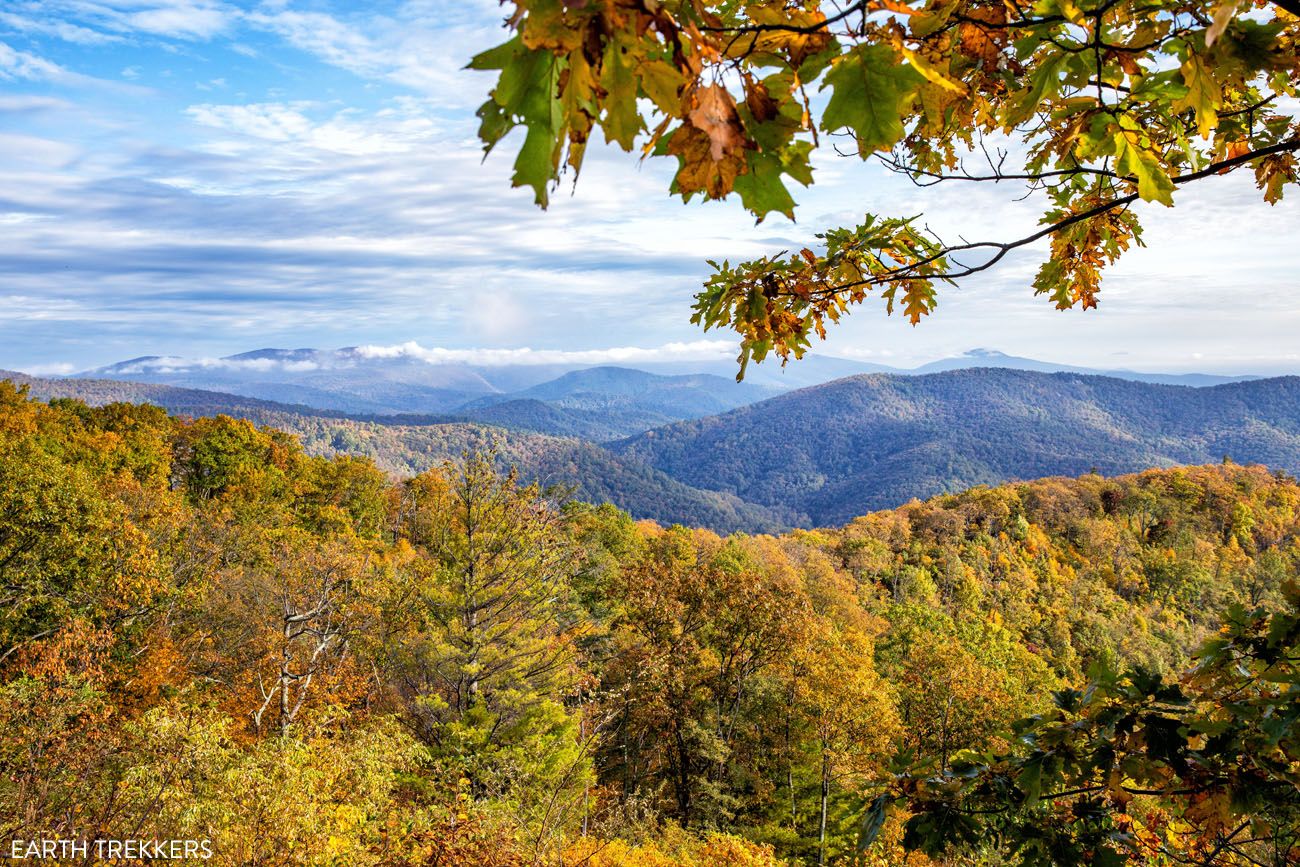
Shenandoah runs along the crest of the Blue Ridge Mountains in Virginia, just 75 miles from Washington D.C., making it one of the most accessible national parks on the East Coast. We visit frequently, given how close it is to home. Skyline Drive is a beautiful scenic route year-round, the fall foliage is among the best of any park in the East, and hikes like Old Rag and Bearfence Mountain offer real challenge and reward.
Location: Virginia
Top Experiences: Drive Skyline Drive and visit the overlooks, hike to the top of Bearfence Mountain, hike Old Rag, visit Dark Hollow Falls, enjoy the view from Hawksbill Mountain, hike to Mary’s Rock, and hike a section of the Appalachian Trail.
When to Go: May through early November is a great time to visit Shenandoah, when the trees have leaves and the park is lush and green. In May, you can see wildflowers and the end of October is the best time to visit Shenandoah if you want to see fall colors.
Plan Your Visit: The Complete Guide to Shenandoah National Park
55. Theodore Roosevelt
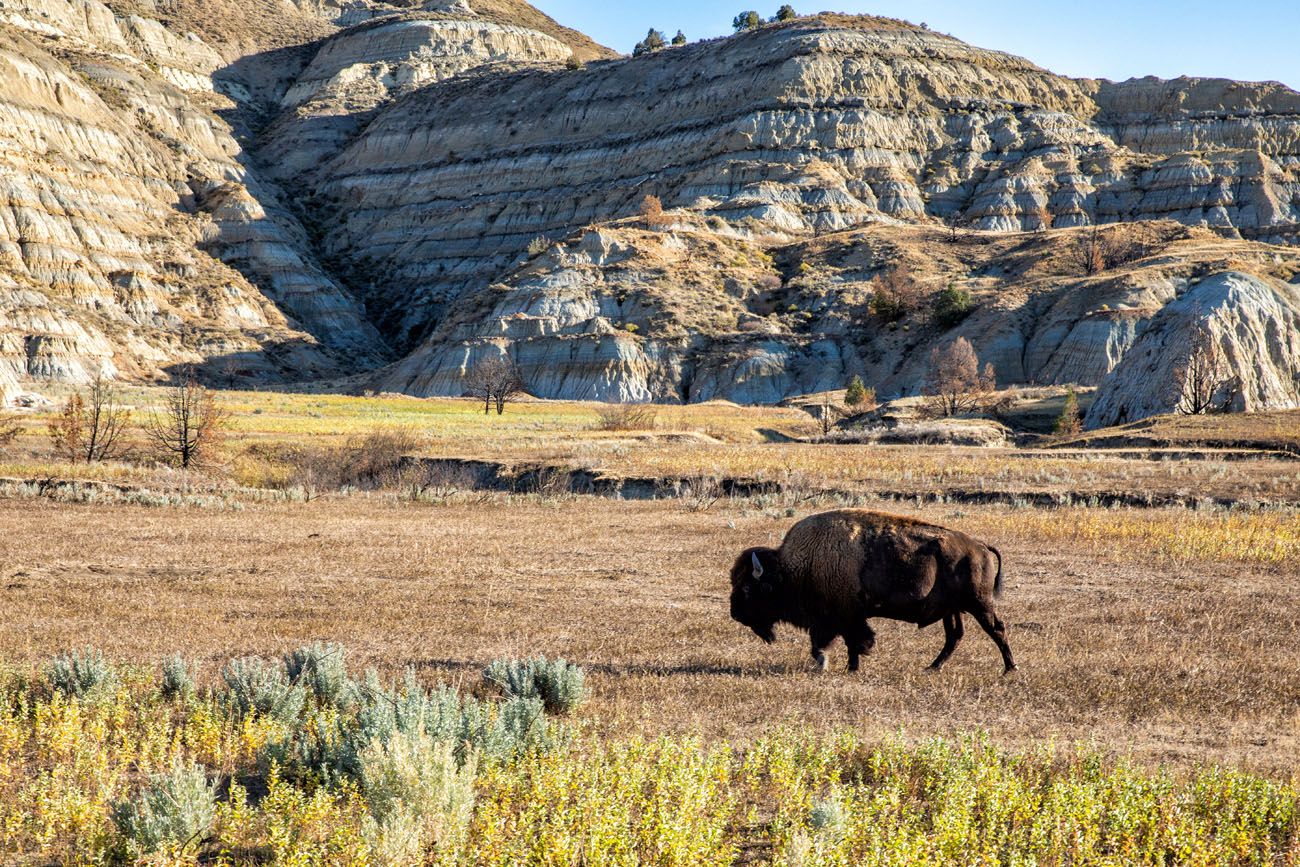
Theodore Roosevelt National Park preserves the rugged North Dakota badlands where the 26th president ranched in the 1880s. This is a landscape of colorful buttes, prairie grasslands, and the winding Little Missouri River, which you can hike along or explore by scenic drive. Wildlife is abundant here, with bison, feral horses, elk, and prairie dogs all frequently spotted, and the Caprock Coulee Trail was our favorite hike in the park.
Location: North Dakota
Top Experiences: Hike the Caprock Coulee Trail, enjoy the view from Sperati Point and the Wind Canyon Trail, drive the Scenic Drive in both units, visit the Petrified Forest, hike the Ekblom and Big Plateau Loop, and visit River Bend Overlook.
When to Go: May through October
Plan Your Visit: How to Visit Theodore Roosevelt National Park
56. Virgin Islands
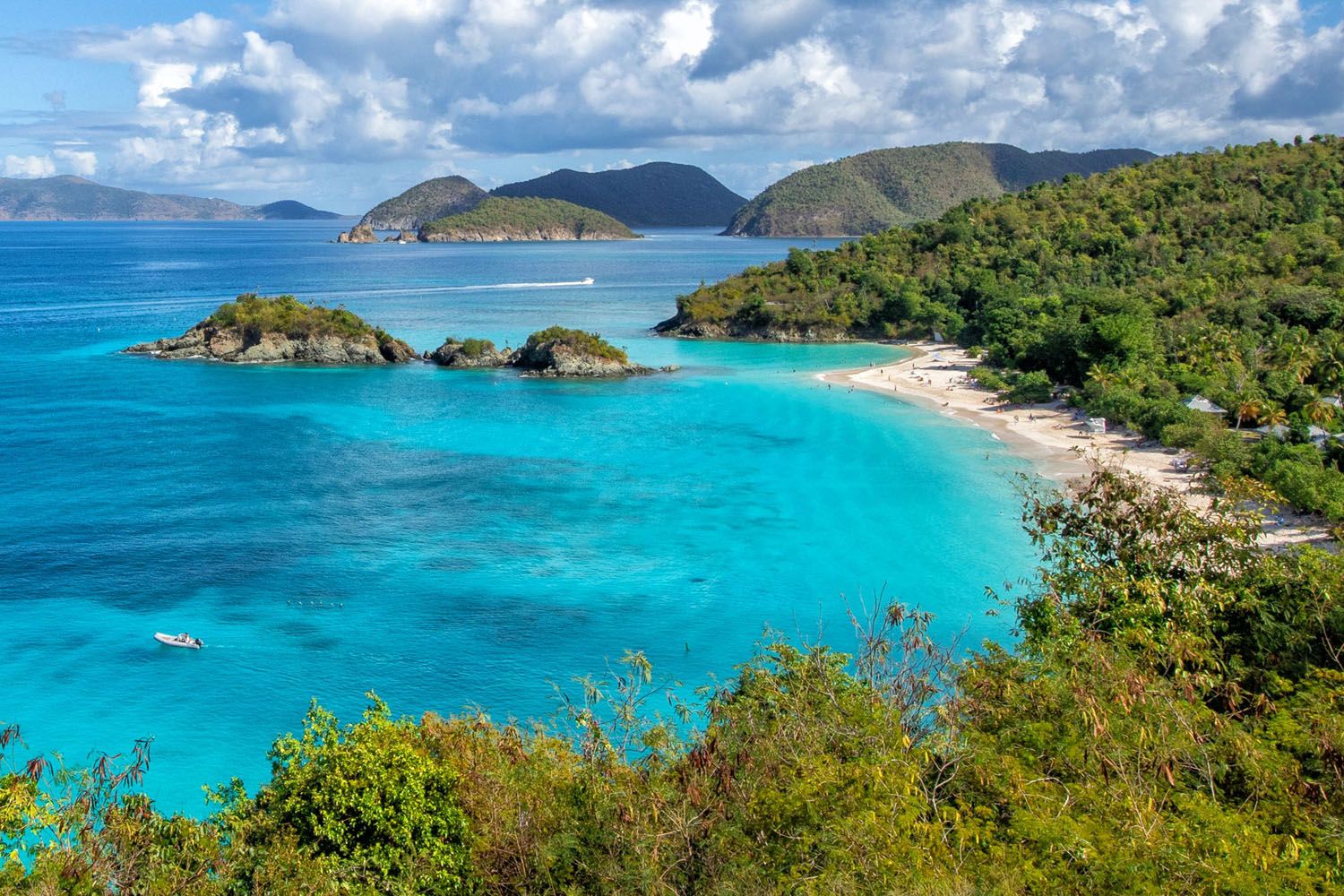
With pristine beaches, snorkeling spots, and secluded coves, Virgin Islands National Park is one of the most beautiful parks we have visited.
Virgin Islands is one of the few parks that when you are here, it really does feel like you are on vacation. Sip on tropical drinks in the shade of a palm tree, go stand up paddle boarding, visit the historic landmarks, or go for a hike. Or, simply spend all of your time lounging under a palm tree on a white, sandy beach.
Location: US Virgin Islands
Top Experiences: Visit Trunk Bay and snorkel the underwater trail, visit Maho Beach, walk the Leinster Bay Trail and snorkel in Waterlemon Bay, visit the overlooks on North Shore Road, and visit beaches along the north shore of St. John.
When to Go: All year, but the best time to go is December through March, during the dry season.
Plan Your Visit: The Complete Guide to Virgin Islands National Park
57. Voyageurs
Voyageurs National Park protects the waterways, wetlands, and forests in northern Minnesota. This park sits right on the Canadian border and due to its location, the Northern Lights can be seen all year long, even in summer.
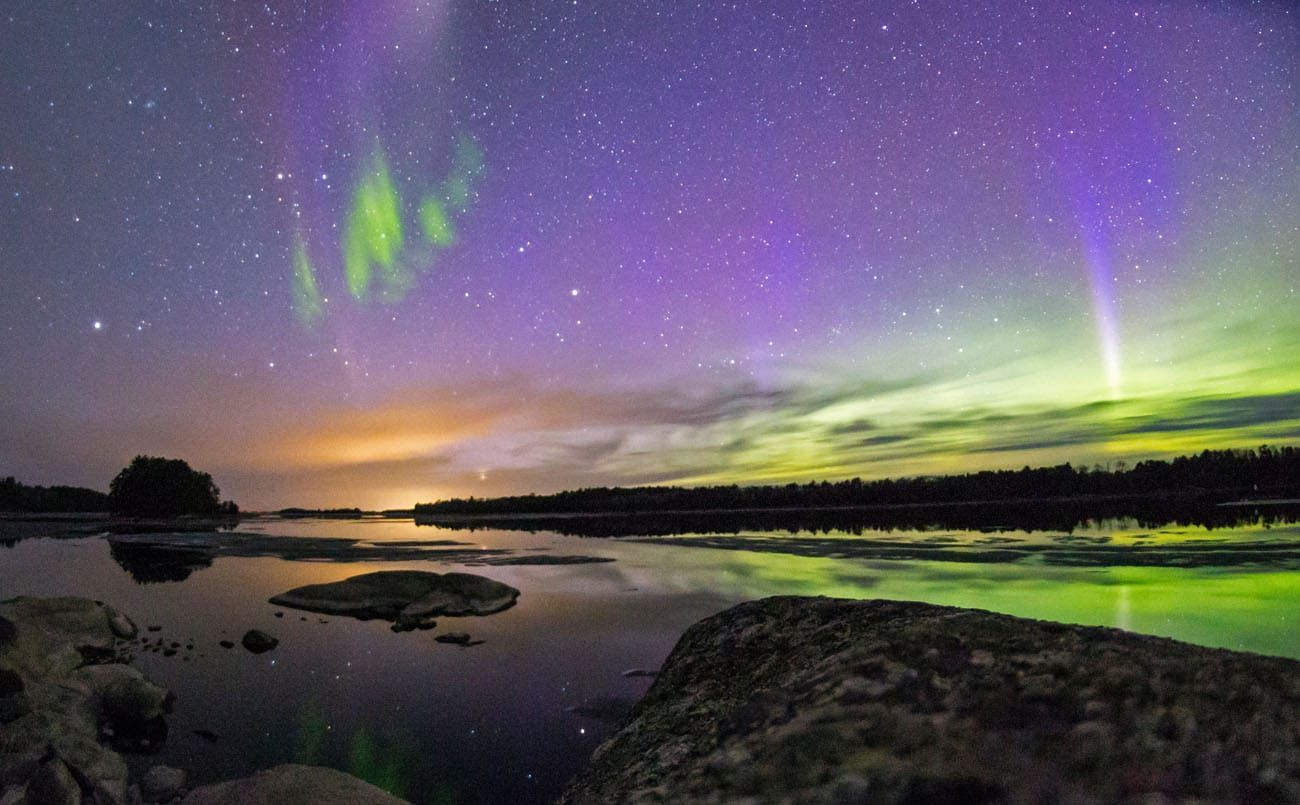
Location: Minnesota
Top Experiences: See the Northern Lights, go fishing, explore the park by houseboat or on a guided tour, see Junction Bay Falls and Kettle Falls, hike the Echo Bay Trail, enjoy the view from Anderson Bay Overlook.
When to Go: May through October
58. White Sands
White Sands National Park is home to the largest gypsum dunefield in the world. These pure white dunes create a fun place to explore, for both kids and adults. Hike out into the dunes, learn about the wildlife that calls this park home, and go sledding on sand as white as the snow. We spent two full days here exploring beyond the popular trails and found it one of the most photogenic and surprisingly fun parks in the system.
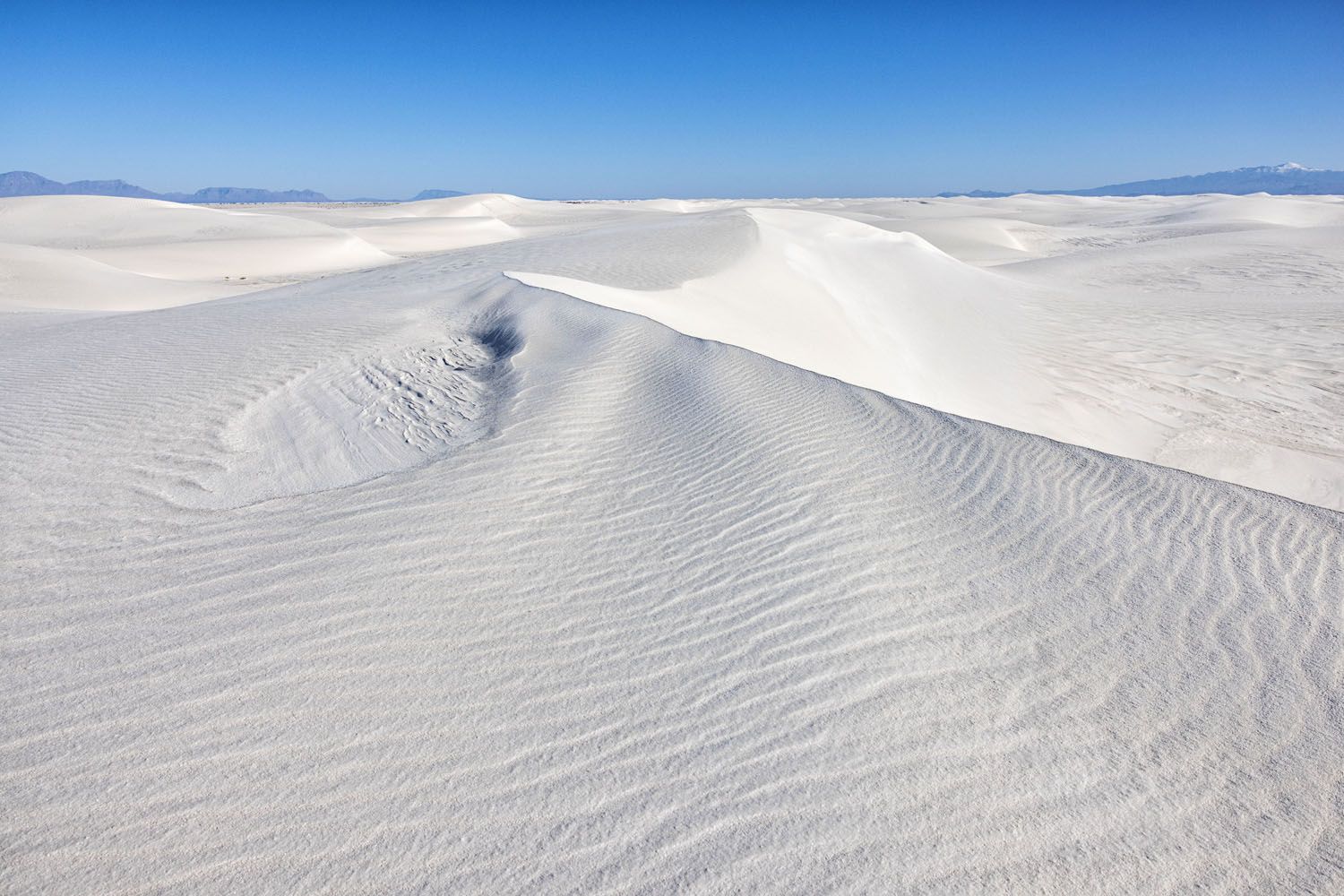
Location: New Mexico
Top Experiences: Drive Dunes Drive, hike the Alkali Flat Trail, go sledding in the gypsum dunes, walk the Dune Life Nature Trail, take a ranger-guided hike, and go backcountry camping.
When to Go: September through May
Plan Your Visit: Best Things to Do in White Sands National Park
59. Wind Cave
Wind Cave offers two completely different national park experiences in one visit — a ranger-guided tour through one of the world’s longest cave systems, famous for its rare boxwork cave formations, and a scenic drive through rolling prairie where bison, elk, and prairie dogs roam freely above ground. It’s a compact and easy park to visit, located in South Dakota’s Black Hills alongside Badlands and Mount Rushmore.
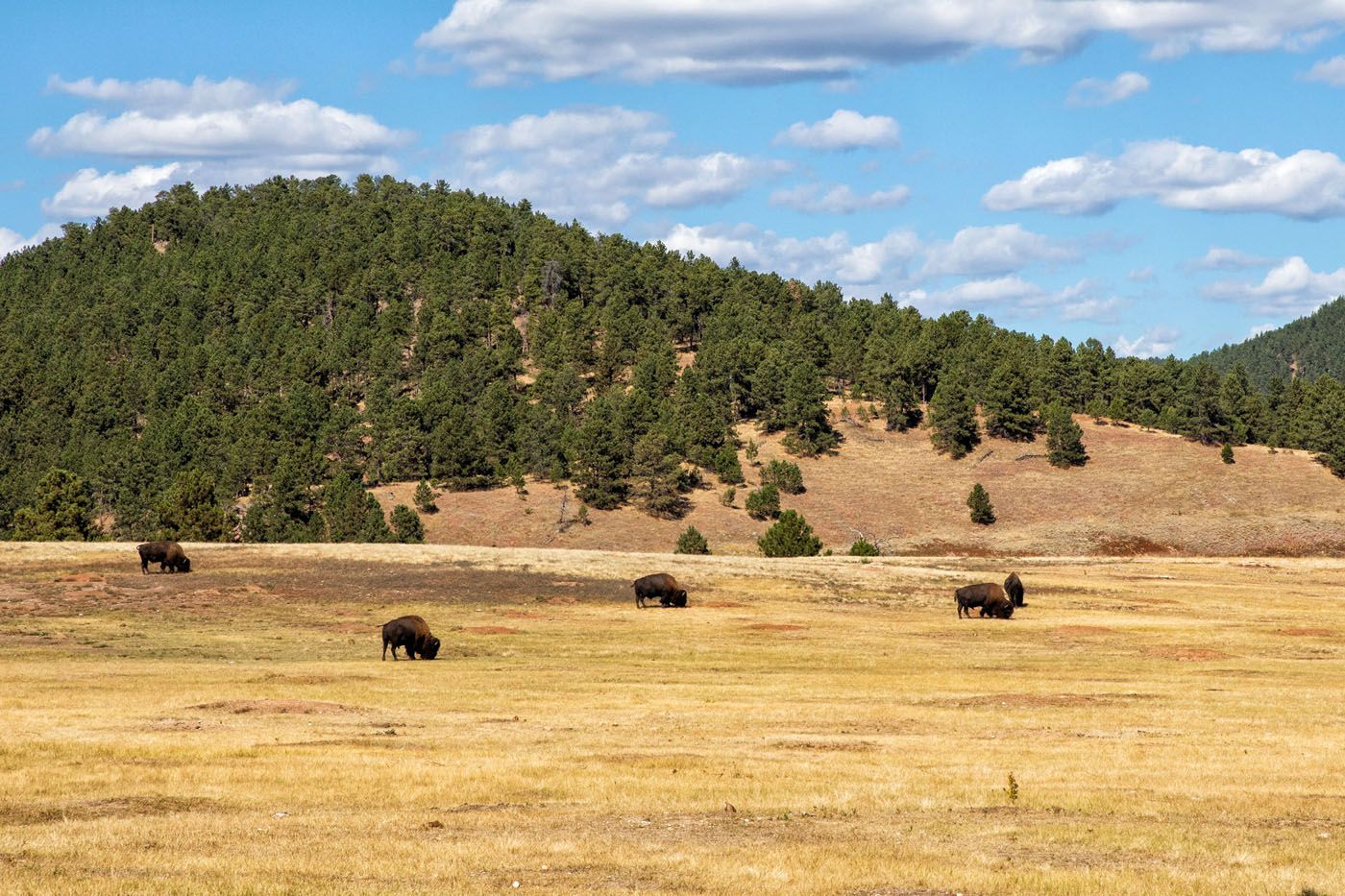
Location: South Dakota
Top Experiences: Take a cave tour, spot bison from the park roads, hike the Rankin Ridge Trail, and hike the Lookout Point and Centennial Trail Loop.
When to Go: April through October
Plan Your Visit: How to Plan a Trip to Wind Cave National Park
60. Wrangell-St. Elias
Wrangell-St. Elias is the largest national park in the United States — at 13 million acres, it is six times the size of Yellowstone — and contains the largest concentration of glaciers in North America, nine of the sixteen highest peaks in the US, and some of the most remote and spectacular wilderness anywhere in the world. This is one of our favorite national parks, and the flightseeing tours over the glaciers and mountain ranges are among the most awe-inspiring experiences we’ve had anywhere.
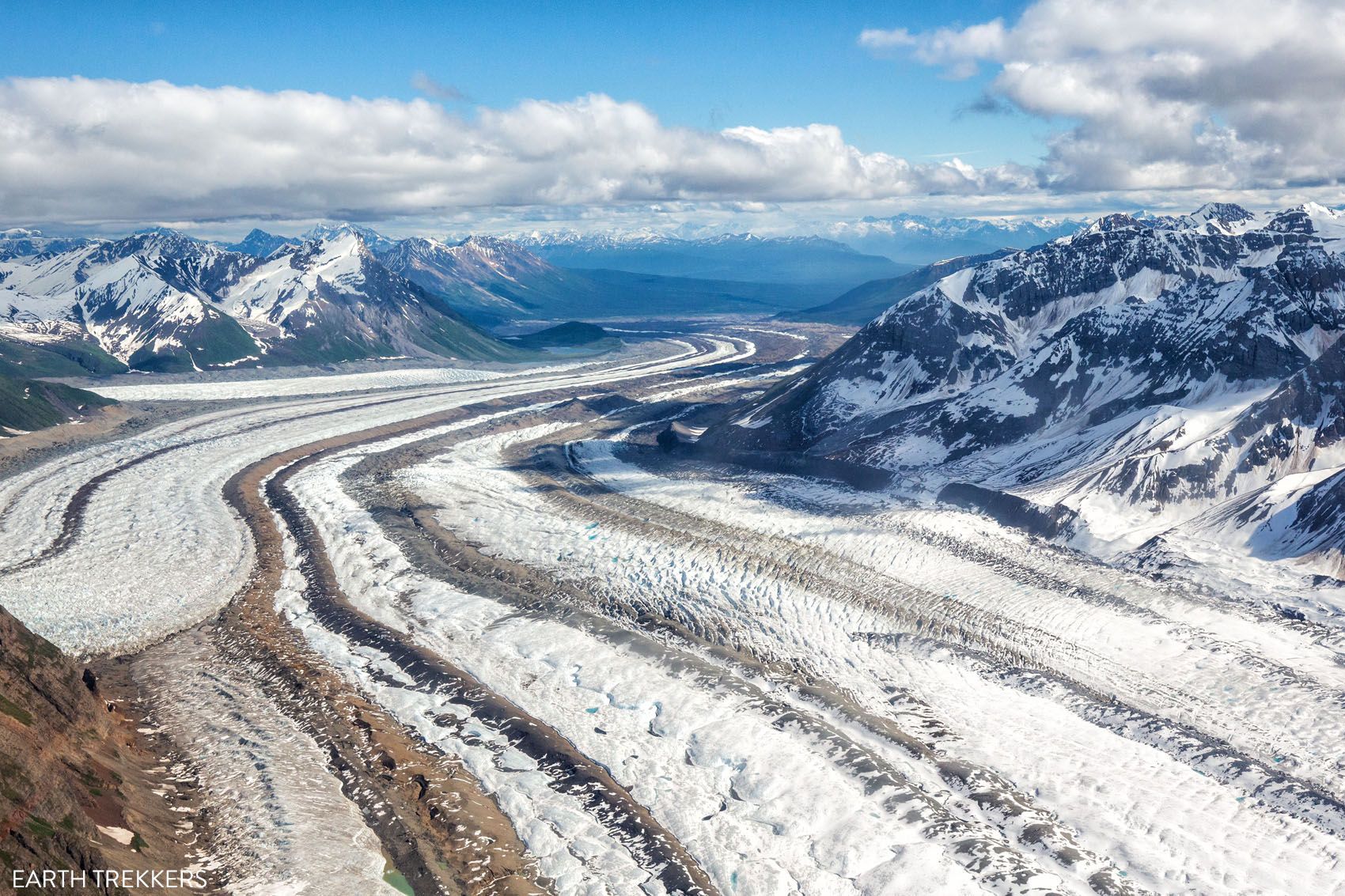
Location: Alaska
Top Experiences: Visit McCarthy and Kennecott, hike on the Root Glacier, take a flightseeing tour, visit the Kennecott Mines National Historic Landmark, hike to an abandoned mine, drive Nabesna Road, and explore the backcountry.
When to Go: June through August
Plan Your Visit: The Complete Guide to Wrangell-St. Elias National Park
61. Yellowstone
Yellowstone is the world’s first national park and still one of the most extraordinary. Half of the world’s geothermal features are concentrated here, from Old Faithful to the electric blue of Grand Prismatic Spring to the bubbling mud pots of Fountain Paint Pots, and the wildlife viewing in Lamar and Hayden Valleys is some of the best on the continent. Every time we visit, it amazes us even more — the sheer variety of what this park contains is unlike anything else in the system.
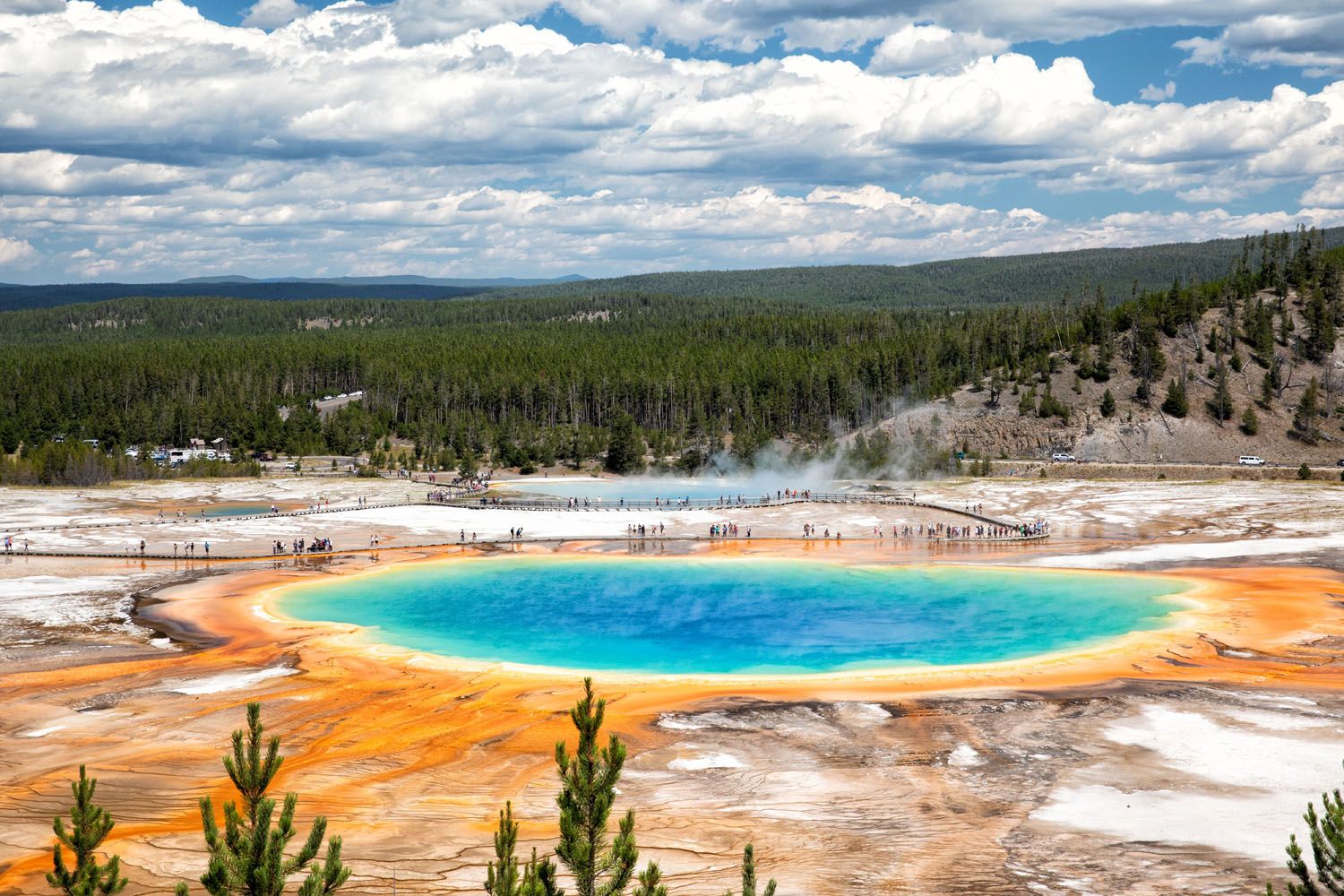
Location: Wyoming and Montana
Top Experiences: Visit Old Faithful, see the Grand Prismatic Spring, spot wildlife in Lamar and Hayden Valleys, visit the North and South Rims of Grand Canyon of the Yellowstone, hike the short trails in Mammoth Hot Springs and Norris Geyser Basin.
When to Go: June through October
Plan Your Visit: The Complete Guide to Yellowstone National Park
62. Yosemite
Yosemite Valley, framed by El Capitan and Half Dome with waterfalls tumbling down granite walls on all sides, is one of the most iconic landscapes on earth, and it fully lives up to the photos. We’ve visited multiple times and keep finding new things, from the crowds-free Tuolumne Meadows on Tioga Road to standing on top of Half Dome, which remains our favorite viewpoint in the park.
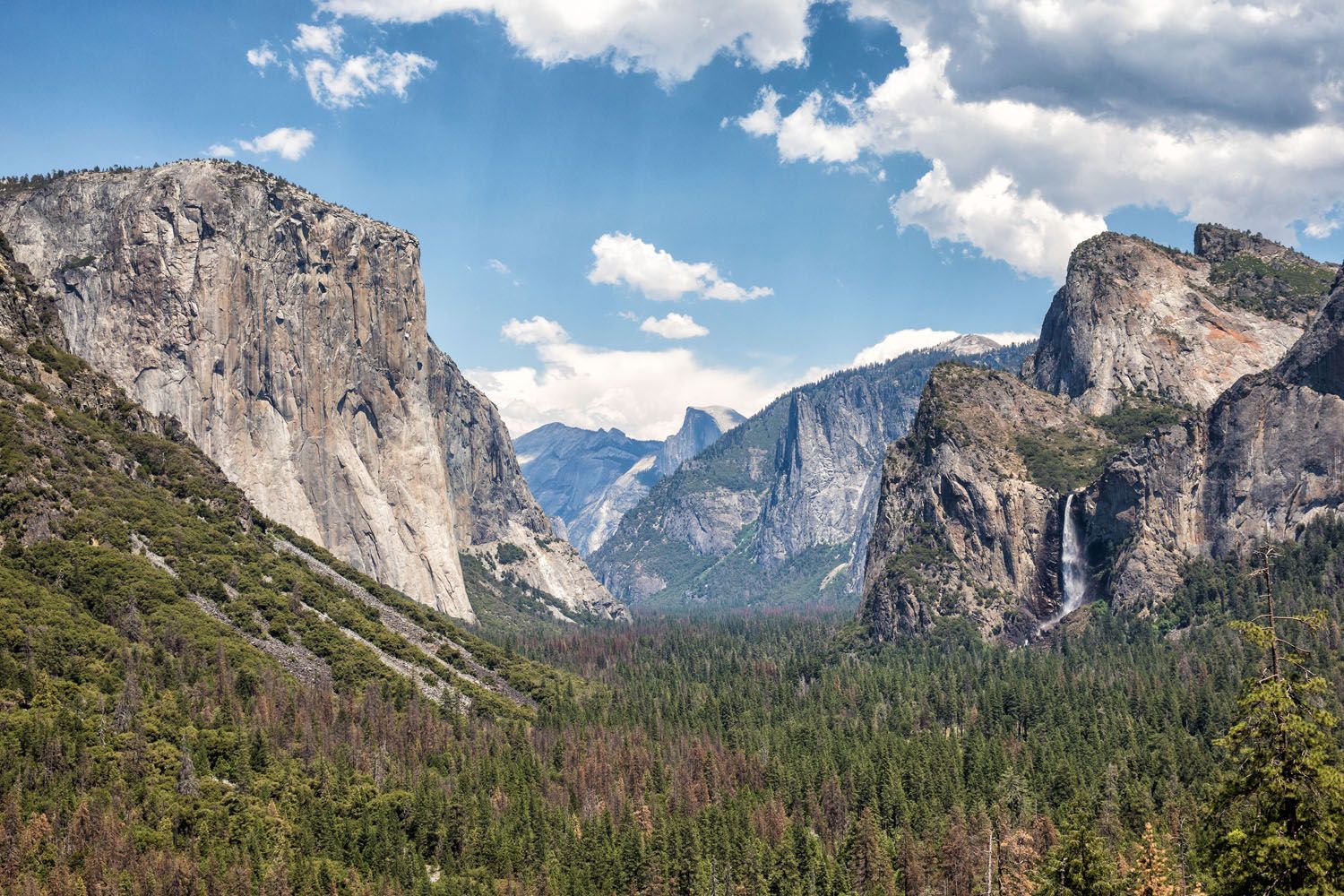
Location: California
Top Experiences: See Bridalveil Falls, hike the Mist Trail to Vernal and Nevada Falls, visit Tuolomne Meadows, hike to the top of Half Dome, enjoy the view from Glacier Point and Tunnel View, hike the Yosemite Falls Trail, visit Taft Point, and visit Mariposa Grove.
When to Go: To visit Yosemite when all of the park roads are open, plan your visit from mid-May through September. To see the waterfalls at their peak, plan your visit for late spring to early summer.
Plan Your Visit: The Complete Guide to Yosemite National Park
63. Zion
Zion is a hiker’s park above all else. Angels Landing and the Narrows are two of the most famous hikes in the entire national park system, and both absolutely deserve their reputations. It is one of the most visited parks in the country, so crowds are real, but the canyon scenery is extraordinary and there are enough trails at varying difficulty levels that everyone from first-time hikers to experienced canyoneers will find something that suits them.
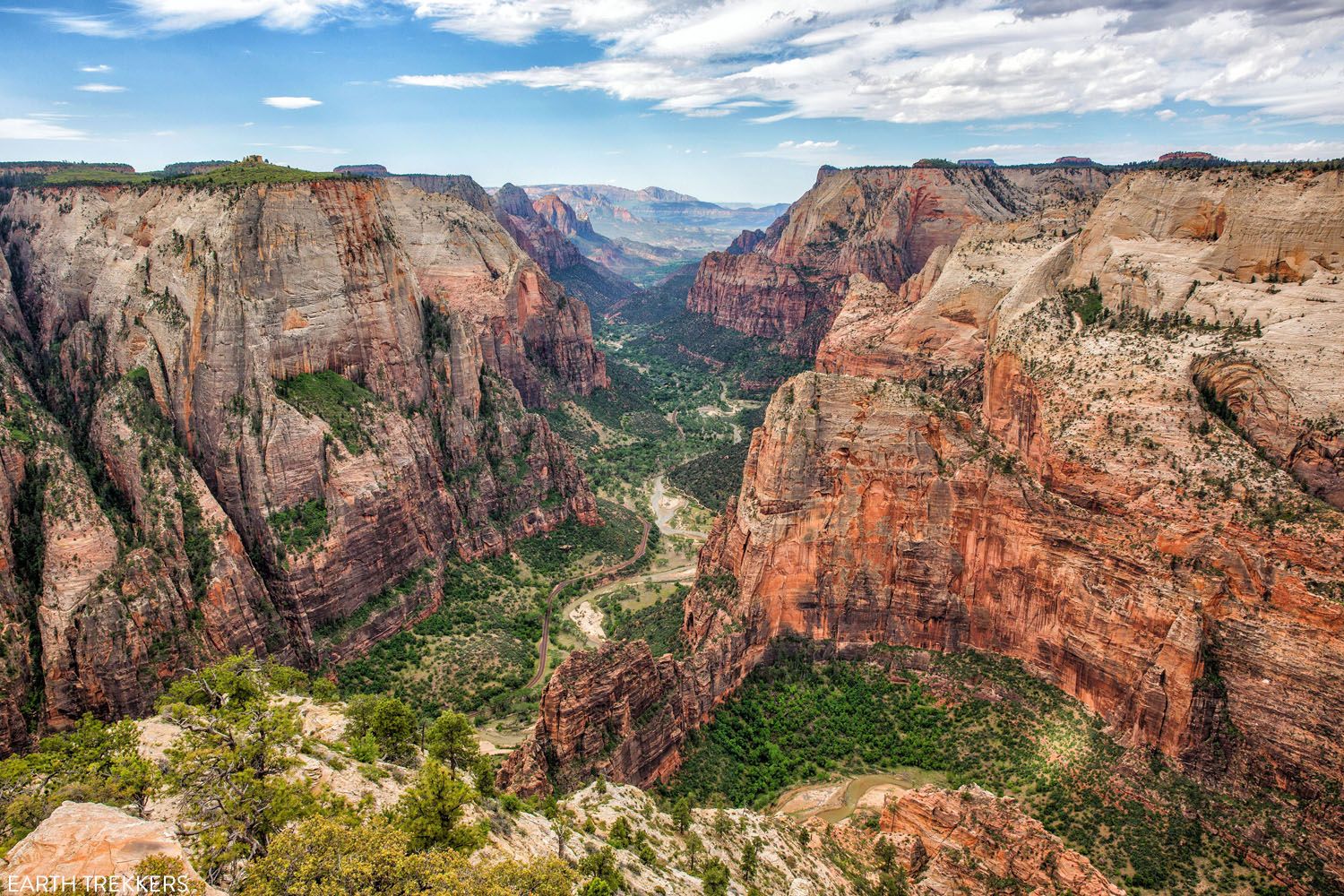
Location: Utah
Top Experiences: Hike Angels Landing, Observation Point, Hidden Canyon, Riverside Trail, Emerald Pools, Weeping Rock, and Canyon Overlook. One of the best experiences in the park is hiking the Zion Narrows.
When to Go: Spring and fall for good weather; the winter months for lower crowds
Plan Your Visit: The Complete Guide to Zion National Park
How to Choose the Right National Parks for You
With 64 national parks to choose from, knowing where to start can feel overwhelming. We’ve visited 56 of them, and the question we get asked most often is simply: which ones should I go to? The answer depends on what you’re looking for.
| Your Travel Style | Best Parks | Why |
|---|---|---|
| First-time visitors | Yellowstone, Grand Canyon, Yosemite, Grand Teton | Iconic, easy to visit, and every one of them lives up to the hype |
| Families | Grand Canyon, Yellowstone, Glacier, Arches, Great Sand Dunes, White Sands, Bryce Canyon, Olympic, Carlsbad Caverns | Mix of wow-factor, short trails, and kid-friendly activities at every age |
| Hikers | Zion, Glacier, Grand Teton, Mount Rainier, North Cascades, Capitol Reef, Bryce Canyon, Rocky Mountain, Acadia | Best trail systems and most rewarding hiking in the park system |
| Wildlife | Yellowstone, Grand Teton, Katmai, Denali, Theodore Roosevelt, Kenai Fjords | Best chances of seeing iconic wildlife — on land and on the water |
| Scenic drives | Yellowstone, Glacier, Rocky Mountain, Shenandoah, Acadia, Death Valley, Great Smoky Mountains | Outstanding scenery accessible from the road |
| Underrated | Canyonlands, Capitol Reef, Lassen Volcanic, Wrangell-St. Elias, Virgin Islands | Spectacular parks that most visitors overlook |
| Day trips | Congaree, Great Sand Dunes, Gateway Arch, Carlsbad Caverns, Petrified Forest, Saguaro, Wind Cave | See the highlights in a few hours — great for road trippers |
For a deeper look at our personal favorites and why we love them, read our guide to the best national parks in the USA.
For help planning your trip — including road trip itineraries, the best time to visit each park, and links to all of our national parks guides — visit our complete US National Parks guide.
Most Visited National Parks in 2025
Here is a list of the US national parks by visitation in 2025.
- Great Smoky Mountains: 11.5 million
- Zion: 5 million
- Yellowstone: 4.8 million
- Grand Canyon: 4.4 million
- Yosemite: 4.3 million
- Rocky Mountain: 4.2 million
- Acadia: 4.1 million
- Grand Teton: 3.8 million
- Olympic: 3.6 million
- Glacier: 3.1 million
- Cuyahoga Valley: 3.0 million
- Joshua Tree: 2.9 million
- Indiana Dunes: 2.6 million
- Hot Springs: 2.5 million
- Gateway Arch: 2.2 million
- Bryce Canyon: 2 million
- New River Gorge: 1.96 million
- Hawai’i Volcanoes: 1.9 million
- Shenandoah: 1.7 million
- Mount Rainier: 1.6 million
Least Visited National Parks in 2025
Want to visit a park without the crowds? Here is a list of the least visited US national parks in 2025.
- Kobuk Valley: 8,000
- Gates of the Arctic: 15,000
- Lake Clark: 20,000
- Isle Royale: 29,000
- Katmai: 34,000
- American Samoa: 43,000
- North Cascades: 47,000
- Dry Tortugas: 89,000
- Wrangell-St. Elias: 109,000
- Great Basin: 161,000
- Voyageurs: 206,000
- Guadalupe Mountains: 207,000
- Channel Islands: 227,000
- Black Canyon of the Gunnison: 250,000
- Congaree: 288,000
- Petrified Forest: 316,000
- Pinnacles: 343,000
- Carlsbad Caverns: 411,000
- Kenai Fjords: 425,000
- Great Sand Dunes: 432,000
National Parks By State
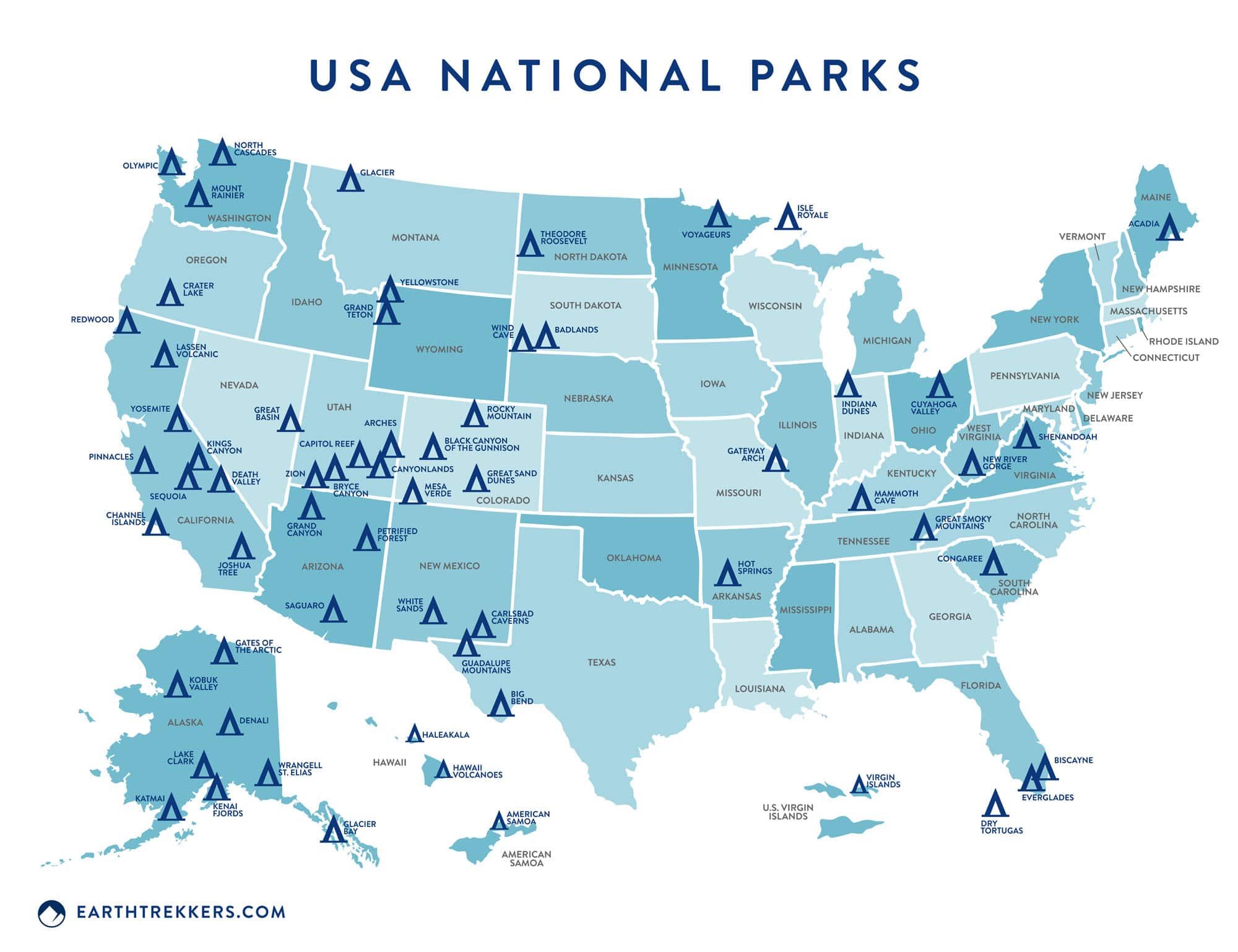
Next is a US national parks list, organized by state. Some states have many national parks (California tops the list with 9, Alaska comes in second place with 8), and not every state has a national park.
Some national parks cross a border. For example: Yellowstone is mainly located in Wyoming but it also crosses the border into Montana and Idaho. So technically, Idaho has a national park.
Here is a list of states with no national parks: Alabama, Connecticut, Delaware, Georgia, Illinois, Iowa, Kansas, Louisiana, Maryland, Massachusetts, Mississippi, Nebraska, New Hampshire, New Jersey, New York, Oklahoma, Pennsylvania, Rhode Island, Vermont, and Wisconsin.
Here are all 64 national parks, organized by state (the states are in alphabetical order). Only the states that contain a national park are on this list.
- ALASKA: Denali, Gates of the Arctic, Glacier Bay, Katmai, Kenai Fjords, Kobuk Valley, Lake Clark, and Wrangell-St. Elias
- ARIZONA: Grand Canyon, Petrified Forest, Saguaro, and Chiricahua
- ARKANSAS: Hot Springs
- CALIFORNIA: Channel Islands, Death Valley, Joshua Tree, Kings Canyon, Lassen Volcanic, Pinnacles, Redwood, Sequoia, and Yosemite
- COLORADO: Black Canyon of the Gunnison, Great Sand Dunes, Mesa Verde, and Rocky Mountain
- FLORIDA: Biscayne, Dry Tortugas, and Everglades
- HAWAII: Haleakala and Hawai’i Volcanoes
- IDAHO: Yellowstone
- INDIANA: Indiana Dunes
- KENTUCKY: Mammoth Cave
- MAINE: Acadia
- MICHIGAN: Isle Royale
- MINNESOTA: Voyageurs
- MISSOURI: Gateway Arch
- MONTANA: Glacier and Yellowstone
- NEVADA: Great Basin
- NEW MEXICO: Carlsbad Caverns and White Sands
- NORTH CAROLINA: Great Smoky Mountains
- NORTH DAKOTA: Theodore Roosevelt
- OHIO: Cuyahoga Valley
- OREGON: Crater Lake
- SOUTH CAROLINA: Congaree
- SOUTH DAKOTA: Badlands and Wind Cave
- TENNESSEE: Great Smoky Mountains
- TEXAS: Big Bend and Guadalupe Mounatains
- UTAH: Arches, Bryce Canyon, Canyonlands, Capitol Reef, and Zion
- VIRGINIA: Shenandoah
- WASHINGTON: Mount Rainier, North Cascades, and Olympic
- WEST VIRGINIA: New River Gorge
- WYOMING: Grand Teton and Yellowstone
- AMERICAN SAMOA: National Park of the American Samoa
- US VIRGIN ISLANDS: Virgin Islands National Park
15 Oldest National Parks
- Yellowstone National Park: March 1, 1872
- Sequoia National Park: September 25, 1890
- Yosemite National Park: October 1, 1890
- Mount Rainier National Park: March 2, 1899
- Crater Lake National Park: May 22, 1902
- Wind Cave National Park: January 9, 1903
- Mesa Verde National Park: June 29, 1906
- Glacier National Park: May 11, 1910
- Rocky Mountain National Park: January 26, 1915
- Hawai’i Volcanoes National Park: August 1, 1916
- Lassen Volcanic National Park: August 9, 1916
- Denali National Park: February 26, 1917
- Acadia National Park: February 26, 1919
- Grand Canyon National Park: February 26, 1919
- Zion National Park: November 19, 1919
10 Newest National Parks
- Chiricahua National Park: October 20, 2026
- New River Gorge National Park: December 27, 2020
- White Sands National Park: December 20, 2019
- Indiana Dunes National Park: February 15, 2019
- Gateway Arch National Park: February 22, 2018
- Pinnacles National Park: January 10, 2013
- Great Sand Dunes National Park: September 24, 2004
- Congaree National Park: November 10, 2003
- Cuyahoga Valley National Park: October 11, 2000
- Black Canyon of the Gunnison National Park: October 21, 1999
US National Parks that Require a Reservation
As of October 2026, there are eight National Parks and one National Monument that require an advance reservation.
Here is the list of National Parks that require a reservation:
- Acadia National Park
- Carlsbad Caverns National Park
- Haleakala National Park
- Glacier National Park
- Rocky Mountain National Park
- Shenandoah National Park
- Yosemite National Park
- Zion National Park
- Muir Woods
These parks either require a timed entry reservation, an advance reservation for a hiking trail, or an advance reservation to drive a scenic road. Learn more in our guide to the National Parks that require advance reservations.
Yosemite National Park
How Many National Park Units are in the USA?
At the time of the most recent update of this article, there are 433 national park units in the United States.
In order to be a national park unit, that site must meet specific criteria relating to its national significance, suitability, and feasibility. Once the unit is found to meet these criteria, the national park unit is established by an act of Congress.
There are many different types of national park units, sites such as National Battlefield Parks, National Preserves, National Monuments, National Lakeshores, and National Historical Parks, just to name a few.
And then there is the designation “National Park.”
What Does it Take to Be a National Park?
To be a national park, the unit contains a wide variety of resources and is generally an area of natural and/or cultural importance. In a national park, the land and its resources are protected and there are many restrictions on how that land can be used. In most national parks, practices that alter the landscape, such as mining, drilling, and hunting are not allowed.
A national preserve is very similar to a national park. A national preserve typically protects specific resources but there are fewer restrictions on how the land can be used. Hunting, fishing, and mining are permitted, just as long as these do not affect the resource that the national preserve protects.
There are several national park and national preserve combinations, such as Denali National Park & Preserve and Great Sand Dunes National Park & Preserve.
A national monument is typically smaller than a national park and a national preserve and only protects one specific resource.
In summary, a “national park” is generally a large area of land that contains a wide variety of resources and/or historical or cultural sites, and that land is protected from activities that would alter the landscape.
Frequently Asked Questions
How many national parks are in the USA?
There are 64 national parks in the United States.
Is there a national park in every state?
No, there is not a national park in every state. 20 states do not have a national park: Alabama, Connecticut, Delaware, Georgia, Illinois, Iowa, Kansas, Louisiana, Maryland, Massachusetts, Mississippi, Nebraska, New Hampshire, New Jersey, New York, Oklahoma, Pennsylvania, Rhode Island, Vermont, and Wisconsin.
What state has the most national parks?
California has the most national parks, with a total of 9: Channel Islands, Death Valley, Joshua Tree, Kings Canyon, Lassen Volcanic, Pinnacles, Redwood, Sequoia, and Yosemite.
What are the most visited national parks?
Visitation varies by year. In 2023, the top 5 most visited national parks in the United States were Great Smoky Mountains, Grand Canyon, Zion, Yellowstone, and Rocky Mountain National Parks.
What are the least visited national parks?
In 2023, the five least visited national parks in the USA were Gates of the Arctic, National Park of the American Samoa, Lake Clark, Kobuk Valley, and Isle Royal National Parks.
Is the America the Beautiful Pass worth it?
For most national park visitors, yes. The pass costs $80 per year for US residents ($250 for non-US residents) and covers one vehicle’s entrance fee at all 64 national parks, plus all other national park units, Bureau of Land Management sites, National Forests, and more. Since most national park entrance fees run $30-35 per vehicle, the pass pays for itself after just three visits. If you’re planning a road trip through multiple parks, or visiting even a handful of parks in a year, it’s a no-brainer.
If you have any questions about these US national parks lists or how to plan a national parks trip, let us know in the comment section below.
More National Parks Resources
Planning your trip: Our US National Parks guide is the best place to start, with road trip itineraries, the best parks to visit by season, and reservation information for every park.
Itineraries: Looking for a structured road trip plan? Our national park itineraries page covers single and multi-day itineraries for destinations across the country, including the American Southwest, Alaska, and more.
Our favorite parks: Not sure which parks to prioritize? Read our honest take on the best national parks in the USA — a few on the list may surprise you.
Best national parks for families: We’ve been hiking the parks with our kids for years. Here are the best national parks for families.
Reservations: A growing number of parks require advance reservations. Get the current list in our guide to national parks that require reservations.
Best time to visit: Our national parks by month series covers every park with the best time to go, crowd levels, and seasonal highlights.
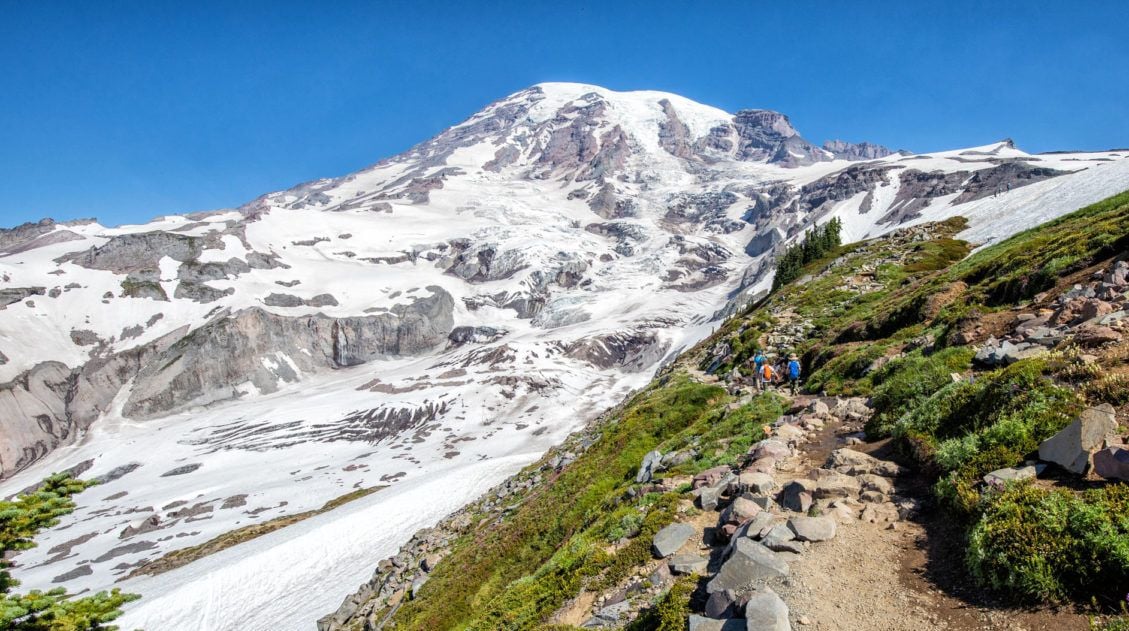
20 Epic Hikes in the US National Parks
Pinterest Facebook Flipboard With 63 national parks and thousands of miles of hiking trails, your options are endless for exploring the American national parks. We narrowed down the list for you to 20 of the best hikes in the US national parks, 20 amazing ways to explore this beautiful country. Hike to the tallest peaks, […]
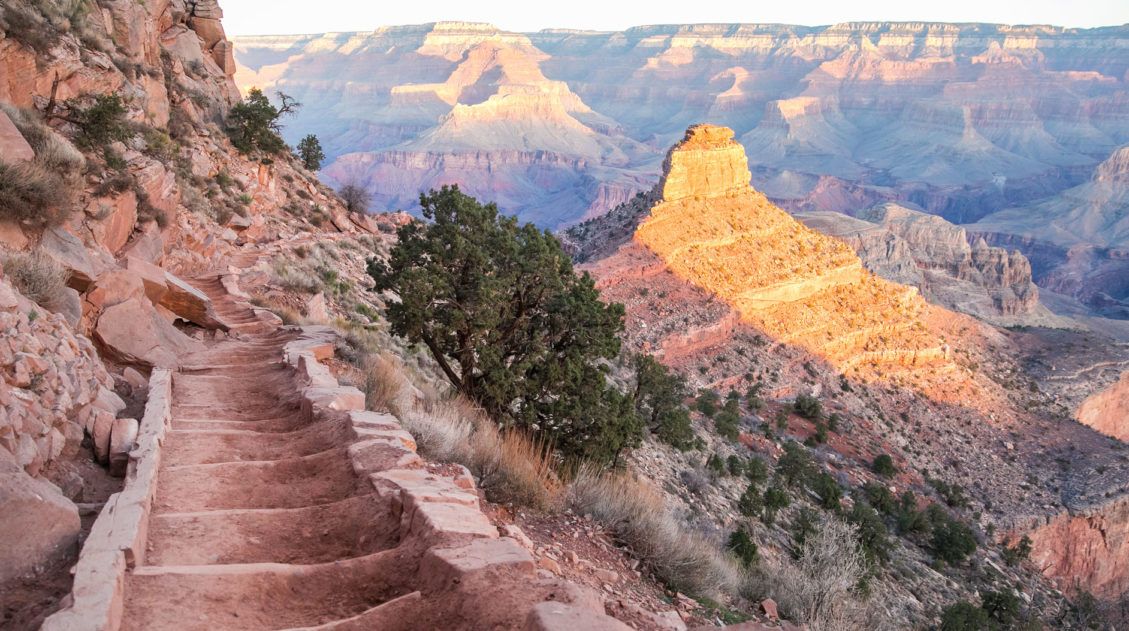
20 Fun, Short Hikes in the US National Parks
One of the best ways to experience the national parks is from a hiking trail. Hike to amazing viewpoints, deep into the forests, through scenic canyons, and to hidden lakes and waterfalls. Along the way, you have a better chance of spotting wildlife and potentially leaving the crowds behind. Here are 20 fun, short hikes […]
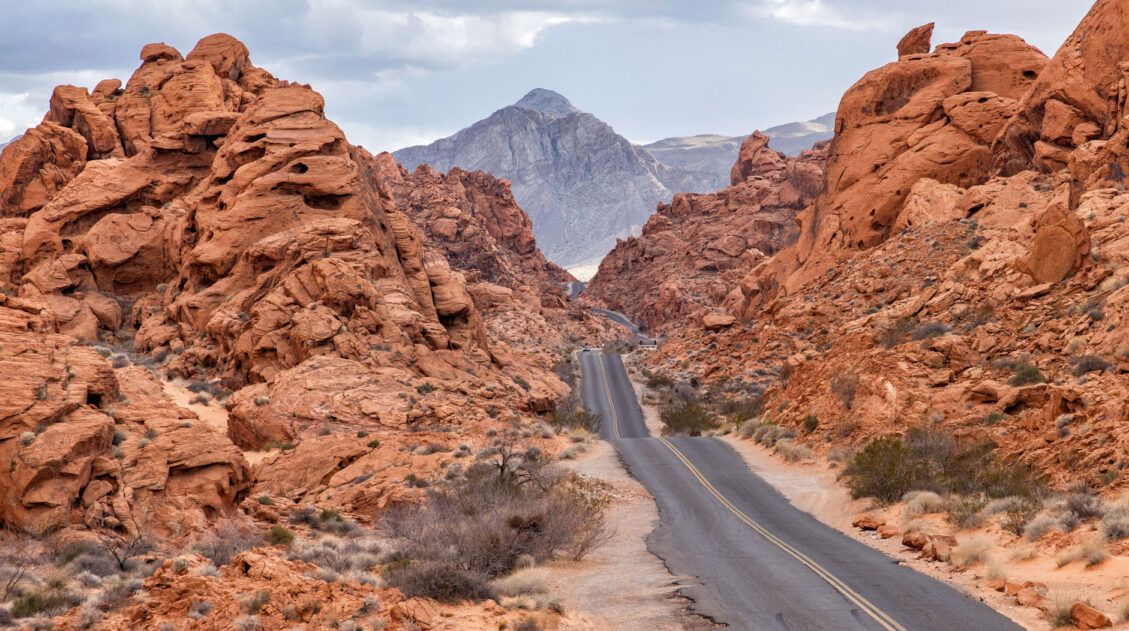
Best USA Road Trips: 18 Ideas for Your Next Big Adventure
One of the best ways to explore the USA is on a good old-fashioned road trip. Cruise along Route 66, road trip through the Florida Keys, explore the American Southwest, or even drive from coast to coast. In this guide, we share 18 of the best USA road trips…18 great ideas for your next big […]
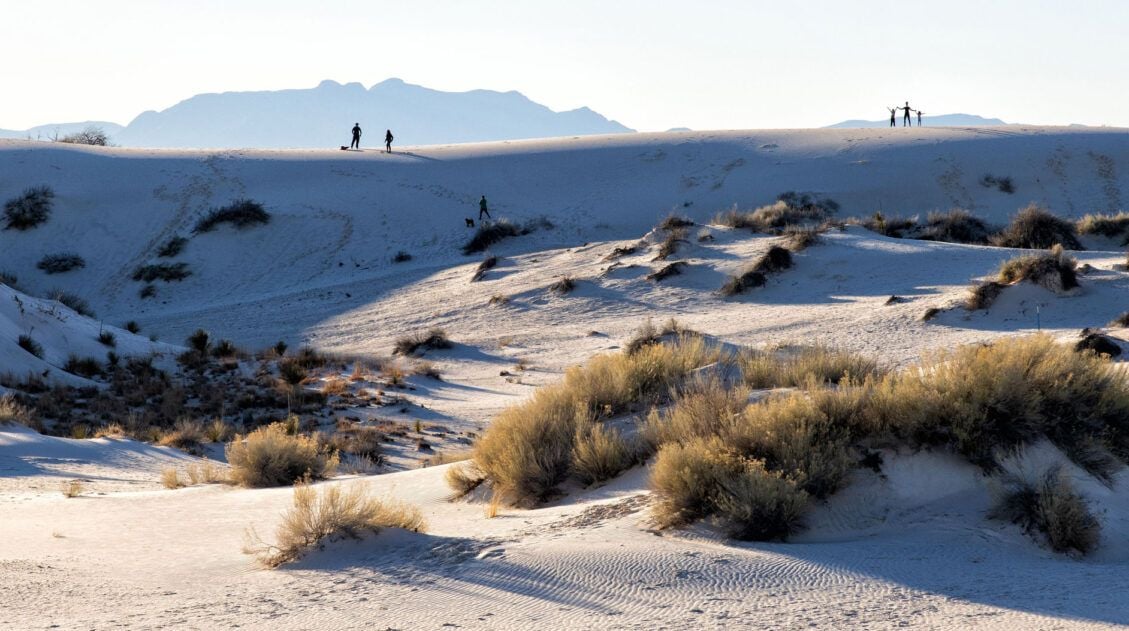
12 Amazing National Parks for Your Next Family Adventure
We’ve visited 56 of the 63 U.S. national parks and almost every single one would make a fantastic family destination. With 63 parks to choose from, the options can feel overwhelming. After years of exploring the national parks, we’ve narrowed it down to 12 that hit the sweet spot for families. These parks are easy […]
Grand Teton, Yellowstone and Glacier National Parks: 10 Day Road Trip Itinerary
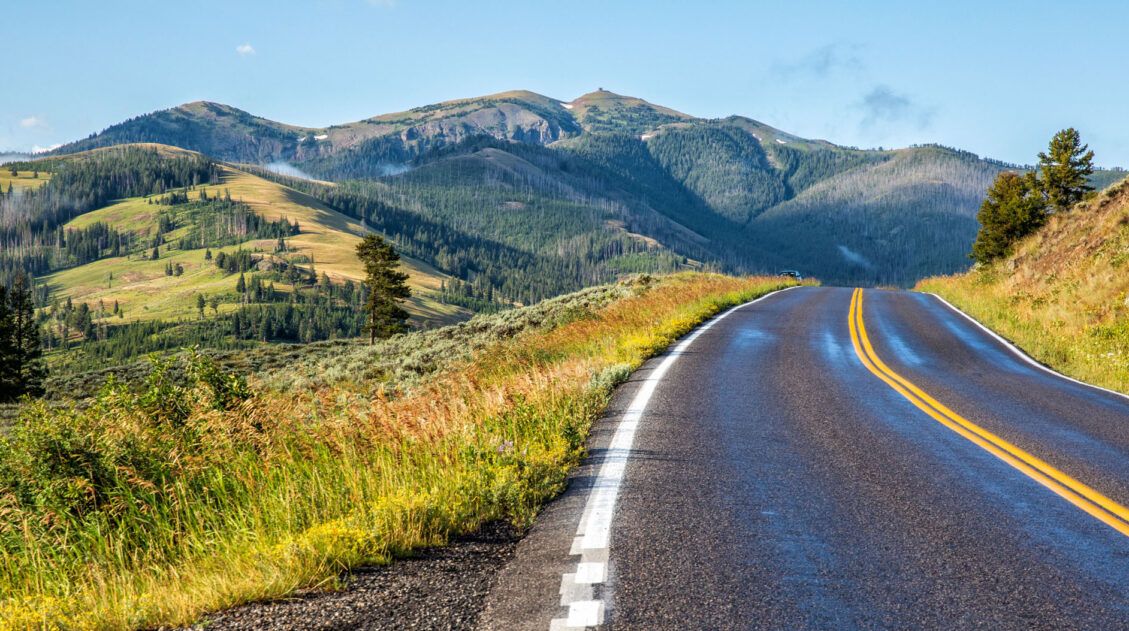
Grand Teton, Yellowstone, and Glacier National Parks are three of the most spectacular parks in the United States, and with 10 days, you can visit all three on one unforgettable road trip. Start in Grand Teton, where the lakes and the jagged mountain range create a hiker’s and photographer’s paradise. Journey north to Yellowstone, a […]
Utah’s Mighty 5: How to Plan the Perfect Road Trip Itinerary
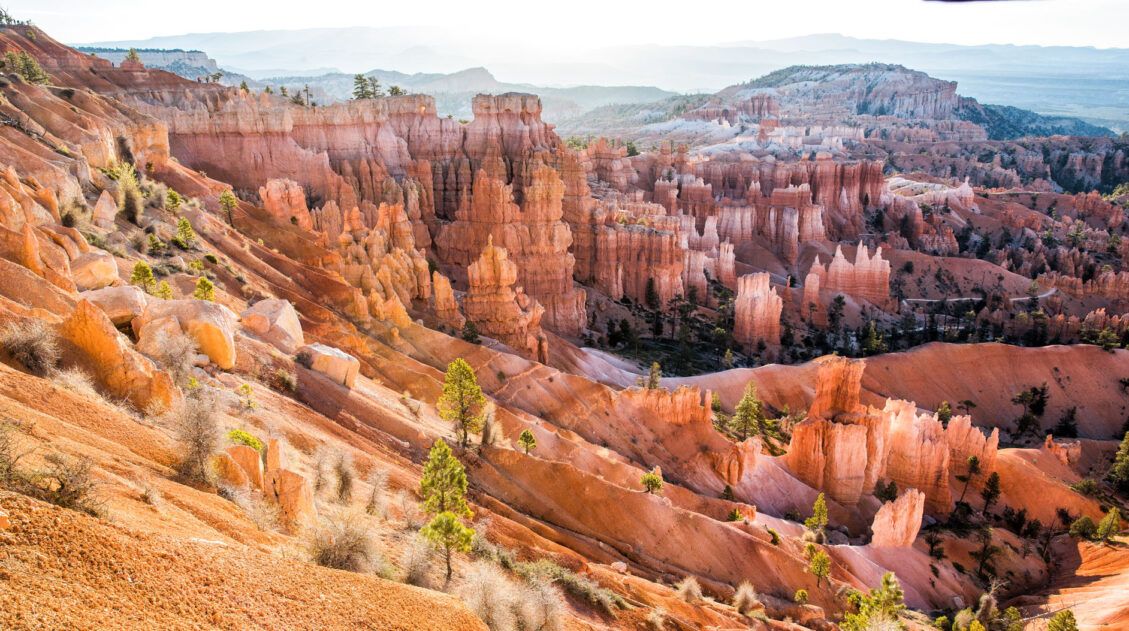
Stretching across southern and central Utah are five stunning national parks. Called the Mighty 5, these parks contain some of the most thrilling hiking trails and iconic landscapes in the United States. Stand atop Angels Landing in Zion. Gaze across a wonderland of hoodoos at Bryce Canyon. Explore the Water Pocket Fold at Capitol Reef. […]
10 Days in Alaska: 3 Itineraries for Every Type of Traveler
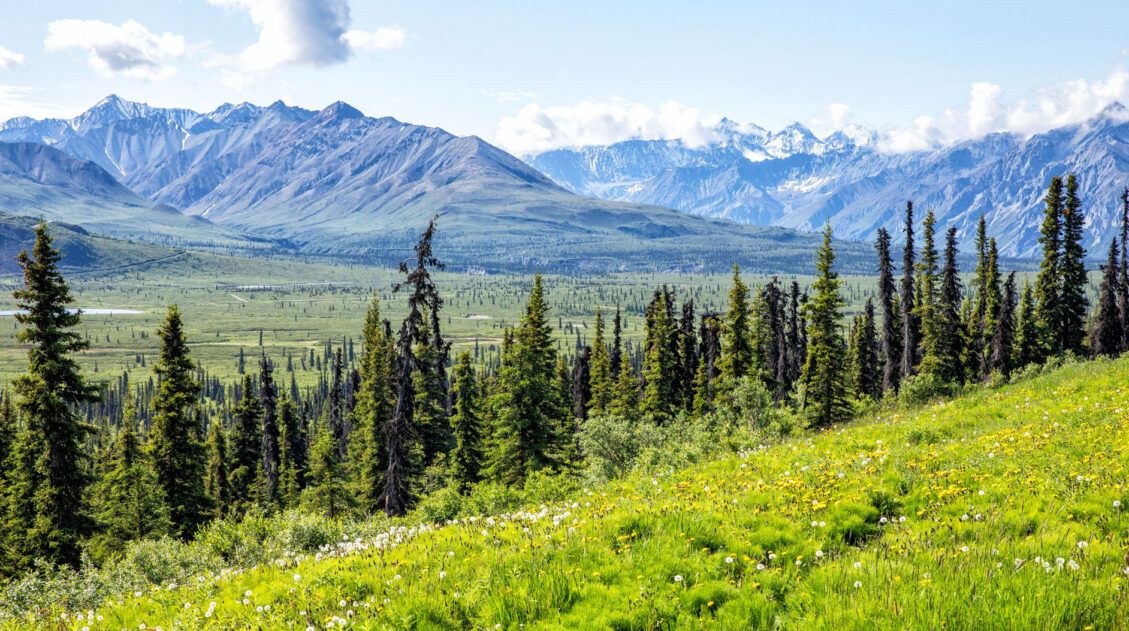
We have taken two trips to Alaska. The first was a three-week road trip with our whole family, our kids were older teenagers at the time, covering Anchorage, Valdez, Wrangell-St. Elias, Denali, Kenai Fjords, Homer, Seward, and Katmai National Park. It remains one of the best trips we have ever taken as a family. Several […]
7 to 14 Day Colorado Itinerary: National Parks & Scenic Drives
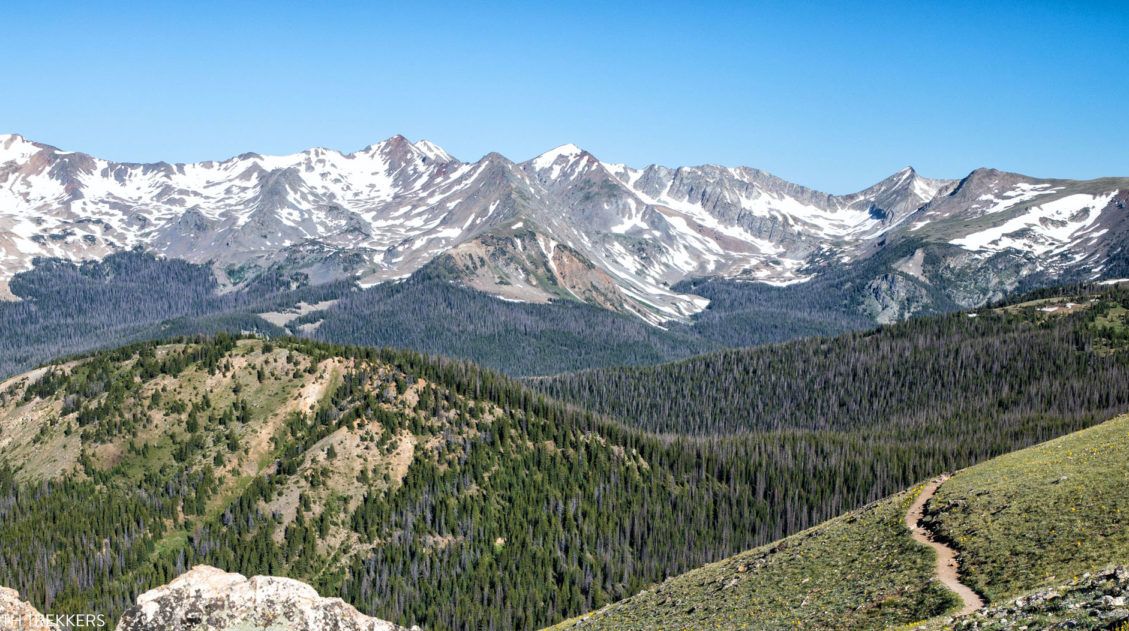
With four national parks, numerous national forests and state parks, plus historic towns scattered throughout the Rocky Mountains, Colorado makes an awesome road trip destination. On this Colorado itinerary, you will visit all four national parks (Great Sand Dunes, Mesa Verde, Black Canyon of the Gunnison, and Rocky Mountain National Parks), linking them together with […]
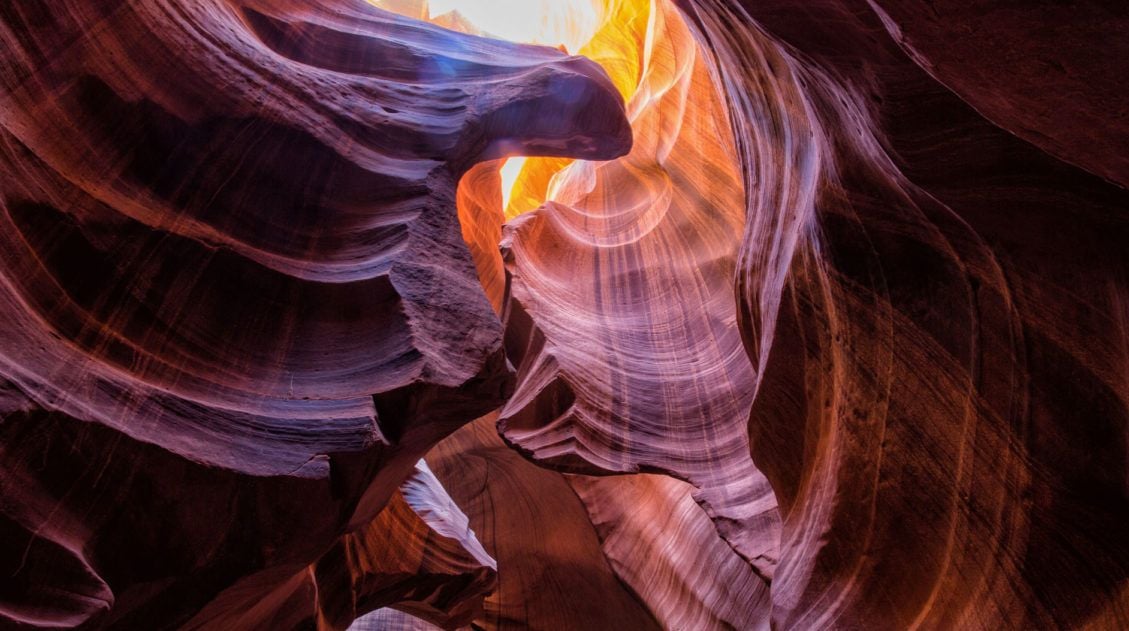
10 Amazing Slot Canyons to Explore in the American Southwest
The American Southwest is a playground for hikers, photographers, and adventurers. Fun to explore and extremely photogenic, slot canyons provide a unique hiking experience. We have assembled a short list of some of the best slot canyons in Utah, Arizona, and Nevada. This is not an all-inclusive list, because there are tons of slot canyons […]
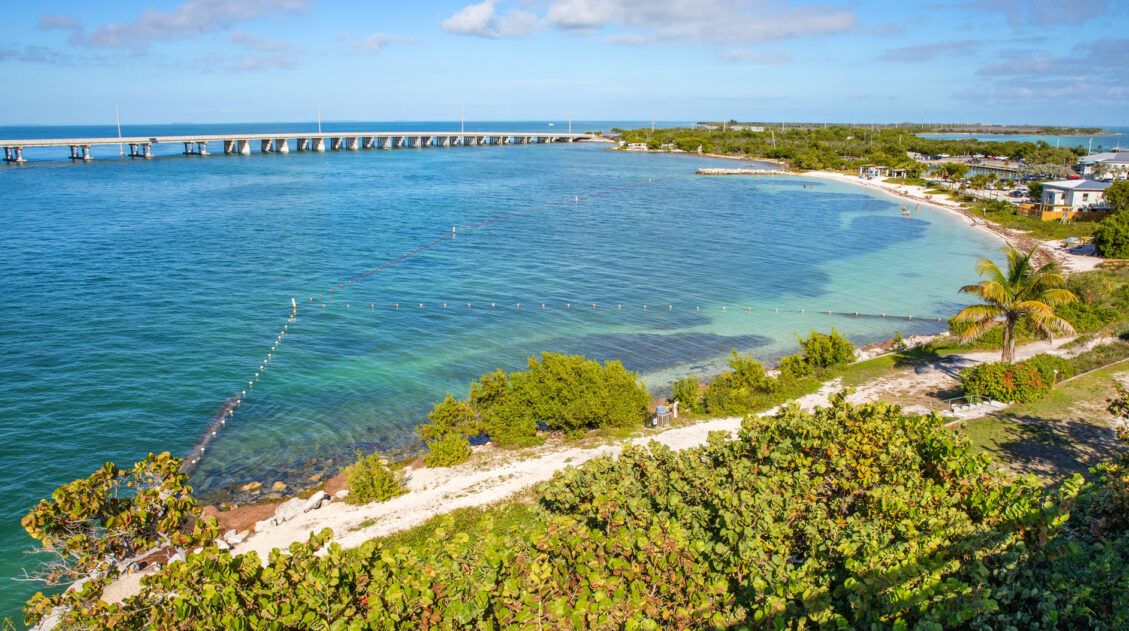
7 – 10 Day Florida Keys Itinerary: Miami, Key West & the National Parks
Driving from Miami to Key West is one of the best road trips in the USA. White sandy beaches, palm trees, beautiful aquamarine water, warm sunny skies…sounds nice, right? Add in tropical drinks, alfresco dining, a few slices of key lime pie, a national park or two (or even three), and some of the most […]


Comments 26